TYR Tactical

Archive for the ‘Guest Post’ Category

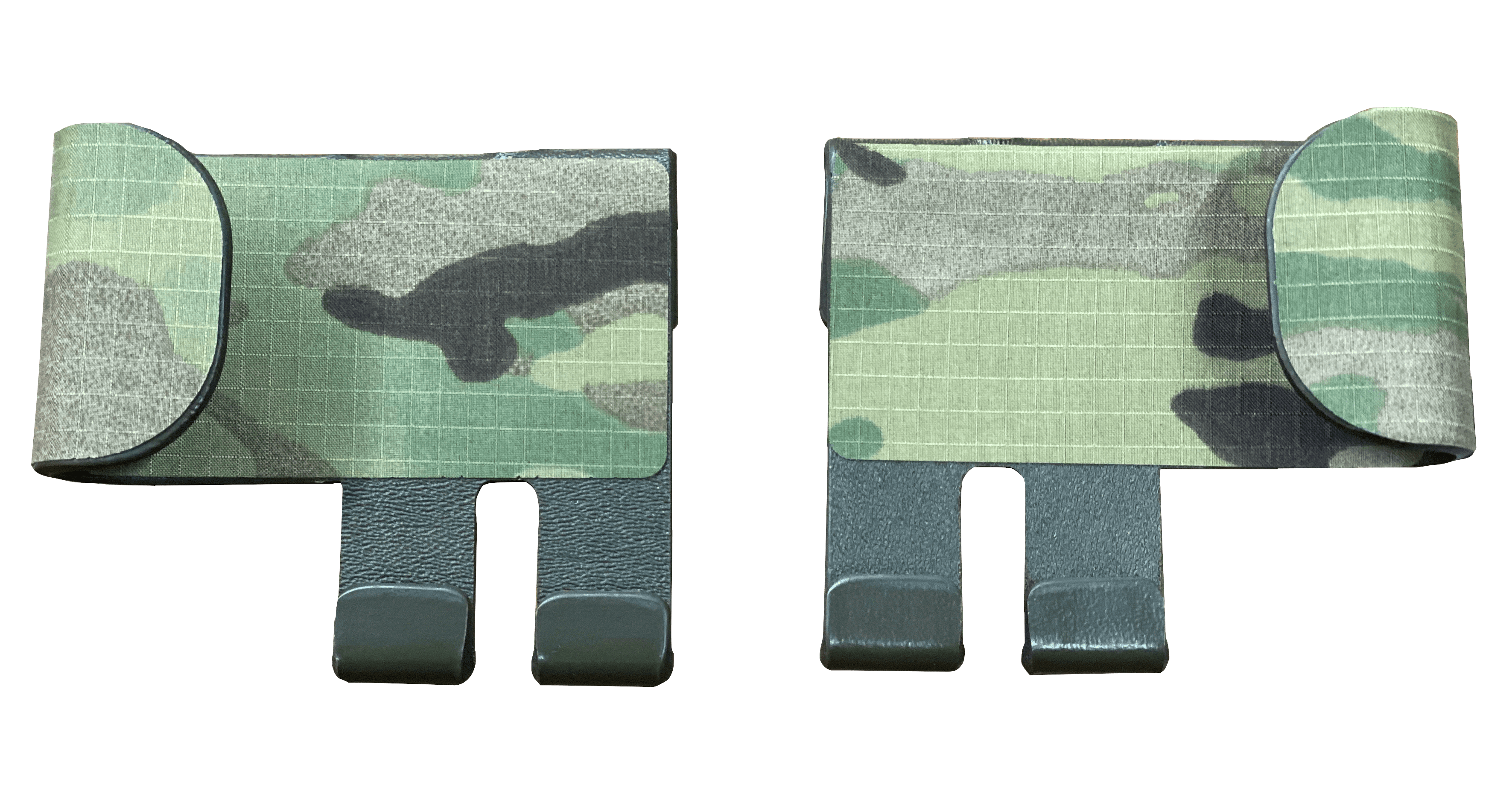
MATBOCK Monday Strap Claw

Monday, June 29th, 2020

Good morning and Happy MATBOCK Monday,

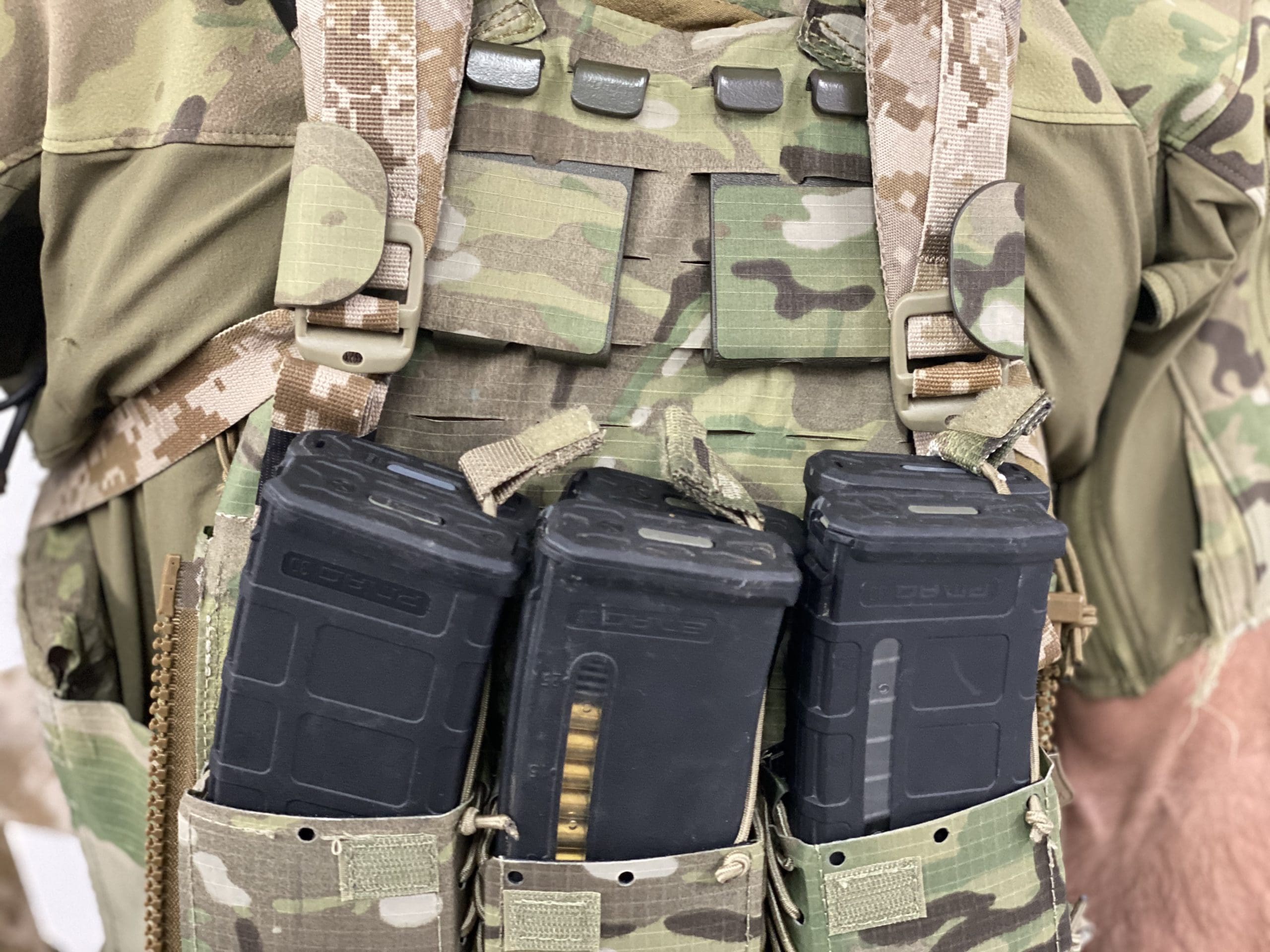
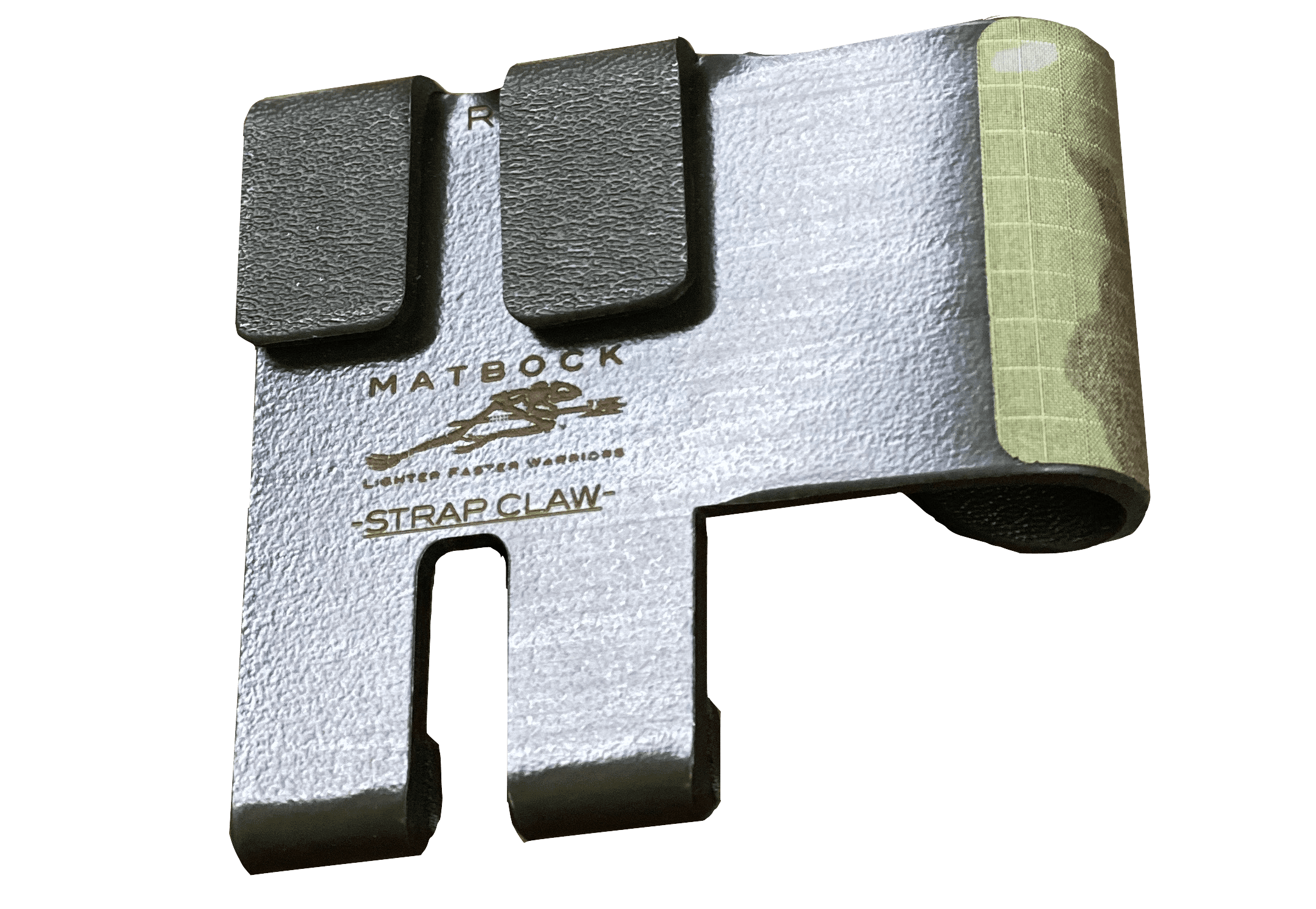
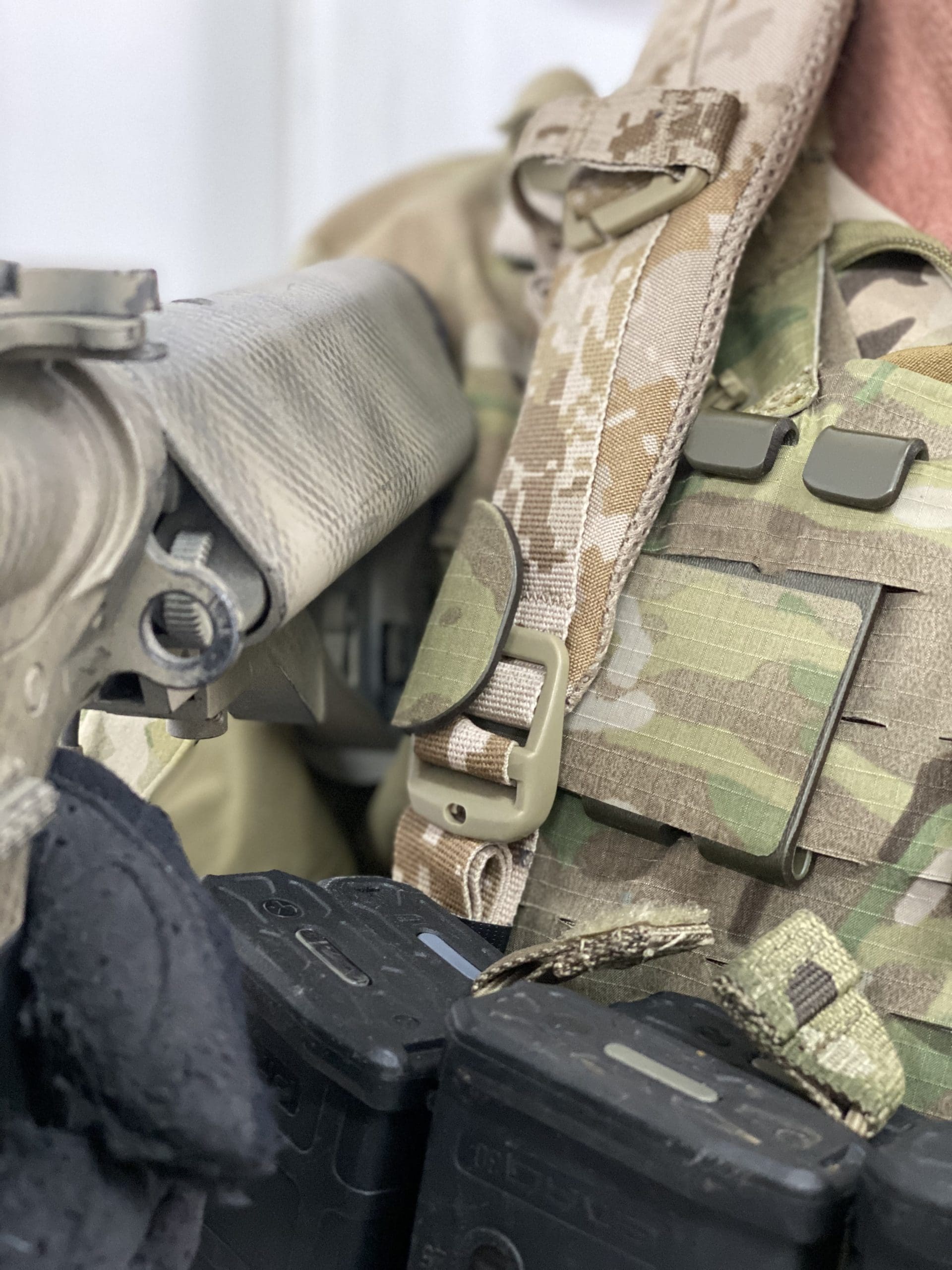
The Strap Claw set attaches to the MOLLE on the front of the plate carrier and holds the backpack straps for the operator without the need for a chest strap.  This allows for removal of the pack without having to undo an extra strap and keeping the motion of removing the pack exactly the same.  The Strap Claws also keep the shoulder area free and clear for proper rifle butt placement as well as alleviates pressure on the brachial artery preventing poor blood flow down the arms.  Each set comes in OD Green with MATBOCK Skins for MultiCam and Black in each package.

Don’t forget to tune in on Monday at 4:30 PM EST as we do a live demo of the Strap Claw and answer your questions!

www.matbock.com/products/strap-claw

Overcoming Adversity: How an Italian Became a Special Tactics Operator

Sunday, June 28th, 2020

Sometimes in order to achieve one’s goal in life, one has to overcome a great deal of adversity and life lessons to do so. No one appreciates this more than Master Sgt. Stefano Guadagnuolo, a Special Tactics operator assigned to the 125th Special Tactics Squadron, Portland Air National Guard Base, Ore. His teammates prefer to call him G for short.

G grew up in the town of Piacenza, Italy in an 80 person condominium, where there was an ‘army of kids’ for playing and snowball fights. Italians are used to being very social, it’s a cultural thing, said G. Every weekend is a celebration and you don’t have to walk far to be with friends and family.

He attended college in Parma and at the age of 18 he was drafted into the Italian Army as a Mountain’s Troop Officer, where he served for two and a half years. After going back to Parma for college, he decided it was time to venture out and try something new. He ended up in Costa Rica to be a diver, and from there travelled to Honduras for a year to become a Dive Master as an underwater tour guide. G met many American friends there vacationing who told him he should come to the states, so he sold all of his scuba gear and flew to Houston.

After arriving in the U.S., he toured the country for a while eventually ending up in San Diego, again as a Dive Master on a boat. He remembered how he always wanted to join the Air Force’s Combat Control career field because he learned about them during his time as an Italian officer, but he couldn’t get a security clearance at the time. Air Force recruiters told him to join the Marines or the Army to get jump and dive certified and then try again. He then joined the U.S. Army Airborne Infantry, and ended up with an Army Ranger contract.

“I had only been in the states for less than a year when I joined the Army, so I had to pick up English very quickly,” said G. “The American culture is very different from Italy, also. Everyone is so spread out and you have to make plans to see each other.”

Once he had gotten used to the culture, the Army realized there was a mix up with his security clearance, and as a result the Army sent G back to Italy where he was assigned to an Infantry Airborne Brigade. He served as a gunner in Vicenza, Italy for four years, but still dreamed of joining the Air Force. He decided to give it another try and called up an Air Force recruiter to apply to become a Special Tactics Combat Controller, but found out he would have to be stateside to apply for Active Duty. Once again G had to veer away from his goal and decided to re-enlist in the Army, as a Deep Sea Diver and was stationed in Virginia for four years. Eight years later, he still had hopes of joining the Air Force, and worked on his citizenship to do so.

“It felt like the target would keep moving past me, and I had to keep asking myself ‘should I do this,’ said G “…but I had already made it this far so I might as well keep going.”

The year he tried to get into the Combat Control pipeline, was also the year the 142nd stood up the 125th Special Tactics Squadron. The squadron saw his resume and concluded he had the qualifications to join, so G moved his family to Portland to take on the extremely difficult two-year pipeline at 35 years of age.

While his 20-year-old teammates were out on the town, he would be at home icing up and letting his body recover after long days of intense training.

Despite some difficulties he was already qualified in many of the required skills and was even named honor graduate at Combat Control School. Thanks to his hard work and determination, G was offered a full-time Active Guard Reserve position at the base. He now currently serves as the Squadron’s Superintendent 13 years later.

“Don’t stay comfortable in what you do,” said G. “Plan on trying new roles and career developments, and take on new challenges. Know your limits and stick to your goals.”

He enjoys what he does, so it made the challenges worth it. He stuck to his goal that he had his heart set on, but had to go through years of experience first to achieve it. Besides the challenges he’s faced in learning English, the cultural differences in the states, and joining the Army to reach his ultimate goal, he has also had to deal with challenges as a Special Tactics operator during conflicts in Bosnia, Iraq, and Afghanistan.

The Air Force has a much better lifestyle than the Army he said. He now has an 18-year-old daughter, Kate Guadagnuolo, who wants to follow in her father’s footsteps and join the U.S. Air Force as well. Kate is scheduled to attend Basic Military Training by the end of the summer after she graduates high school.

“My dad has taught me to take life in strides and that’s how you venture through life and get through it,” said Kate.

G will be retiring in a year, but is proud of his daughter for wanting to follow in his Air Force footsteps and even more glad he stuck to his goal of becoming a Special Tactics Combat Controller by staying resilient, keeping his heart set on his goals, and overcoming the adversity he has faced in his career.

“I know she will be able to handle the military as she is mentally tough,” said G. “You have to be able to stay positive and resilient, but the rewards are worth it.”

She was able to meet his family in Italy and said that they are very intense, but sweet and are very family oriented. Kate enjoys playing in the water, like her dad, through water polo and said that he is goofy and likes to embarrass his kids.

She’s excited to join the Air Force and follow in her dad’s footsteps, but she will be going in to Public Affairs as a Photojournalist. She said G makes fun of her for not being able to run as fast as her old man, so she’ll have to work on that, but has told her that the military can offer her more opportunities for education and travel.

Story by Tech. Sgt. Emily Moon 

142nd Wing Public Affairs

SCUBAPRO Sunday – Operations Red Wings

Sunday, June 28th, 2020

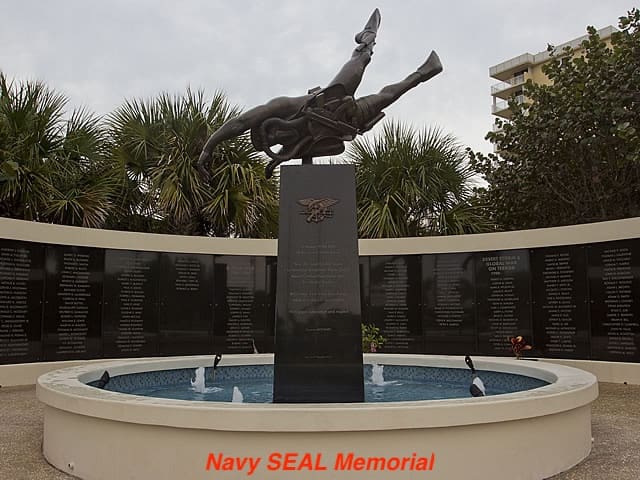
On 28 June 2005, U.S. Special Operations suffered our its biggest loss since WWII.  Please take a moment today and think about the fallen and their families.   Long Live the Brotherhood 

SEAL Delivery Vehicle Team One, Pearl Harbor, Hawaii.


Lt. (SEAL) Michael P. Murphy, 29, of Patchogue, N.Y.

Sonar Technician (Surface) 2nd Class (SEAL) Matthew G. Axelson, 29, of Cupertino, Calif.

Machinist Mate 2nd Class (SEAL) Eric S. Patton, 22, of Boulder City, Nev.

Senior Chief Information Systems Technician (SEAL) Daniel R. Healy, 36, of Exeter, N.H.

Quartermaster 2nd Class (SEAL) James Suh, 28, of Deerfield Beach, Fla.

SEAL Delivery Vehicle Team Two, Virginia Beach, Va.

Gunner’s Mate 2nd Class (SEAL) Danny P. Dietz, 25, of Littleton, Colo.

SEAL Team Ten, Virginia Beach, Va.

Chief Fire Controlman (SEAL) Jacques J. Fontan, 36, of New Orleans, La.

Lt. Cmdr. (SEAL) Erik S. Kristensen, 33, of San Diego, Calif.

Electronics Technician 1st Class (SEAL) Jeffery A. Lucas, 33, of Corbett, Ore.

Lt. (SEAL) Michael M. McGreevy Jr., 30, of Portville, N.Y.

Hospital Corpsman 1st Class (SEAL) Jeffrey S. Taylor, 30, of Midway, W.Va.

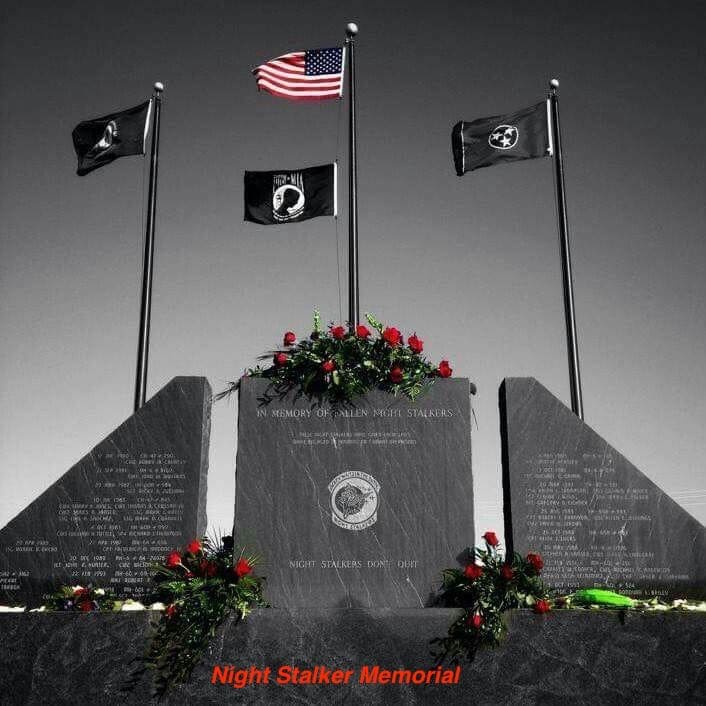
Army Night Stalkers


3rd Battalion, 160th Special Operations Aviation Regiment (Airborne), Hunter Army Airfield, Ga.

Staff Sgt. Shamus O. Goare, 29, of Danville, Ohio.

Chief Warrant Officer Corey J. Goodnature, 35, of Clarks Grove, Minn.

Sgt. Kip A. Jacoby, 21, of Pompano Beach, Fla.

Sgt. 1st Class Marcus V. Muralles, 33, of Shelbyville, Ind.

Maj. Stephen C. Reich, 34, of Washington Depot, Conn.

Sgt. 1st Class Michael L. Russell, 31, of Stafford, Va.

Chief Warrant Officer Chris J. Scherkenbach, 40, of Jacksonville, Fla.

HQ Company, 160th Special Operations Aviation Regiment (Airborne), Fort Campbell, Ky.

Master Sgt. James W. Ponder III, 36, of Franklin, Tenn.

Domestic N95 Mask Production Expected to Exceed 1 Billion in 2021

Sunday, June 28th, 2020

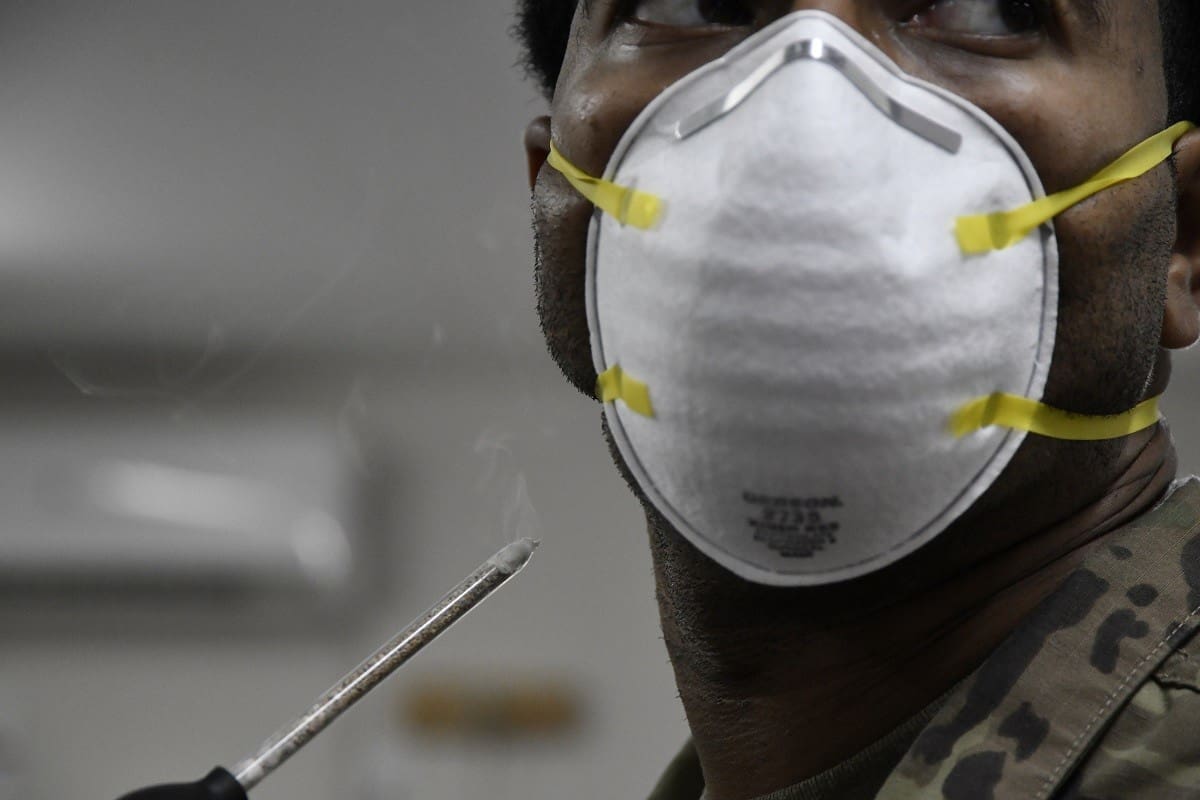
WASHINGTON — Thanks to work by the Defense Department’s COVID-19 Joint Acquisition Task Force, U.S. industry is expected to greatly increase the production of N95 masks next year, the task force’s director said.

During a House Armed Services Committee hearing yesterday, Stacy Cummings told lawmakers that nationally, the U.S. was consuming about 50 million N95 masks each year. During the COVID-19 crisis, demand for masks increased substantially to about 140 million during a 90-day peak-use period.

DOD investments to help domestic industry ramp up production of those masks and other equipment will help ensure that in the future the U.S. will better be able to meet demand for personal protective equipment with domestic production, she said.

Based on the investments made by the department, Cummings told the House panel, an increase in production of 450 million masks a year will be attained by October, with a rate of more than 800 million masks per year by January.

“Starting in 2021, we anticipate our total domestic production to be in excess of a billion per year,” Cummings said.

Ellen Lord, the undersecretary of defense for acquisition and sustainment, told lawmakers that increasing domestic production capabilities has been a focus of the department.

“In order to decrease our dependence on foreign suppliers for medical resources, DOD has focused on increasing domestic industrial capacity and capabilities,” she said. “To that end, we executed some $284 million in industrial expansion efforts during the first two weeks of May 2020. Reconstituting domestic production or creating new production that shifted offshore years ago often requires capital expenditure, capital equipment expenditures, retooling and retraining of the workforce.”

Lord also said DOD has been focused on maintaining the health of the defense industrial base during the COVID-19 pandemic. The DIB includes a wide array of businesses that produce weapons, equipment and supplies for the U.S. military.

During the COVID-19 pandemic, businesses that make up the DIB suffered as other U.S. businesses did, Lord said. Should some of those businesses fail as a result of COVID-19-related disruptions, it might result in the department not being able to procure important defense-related supplies, equipment or weapons, she added.

Lord said the department is using $688 million of CARES Act funding to address impacts to the DIB by directly offsetting financial distress and providing investments to regions most severely affected.

She also said that increased communication between the department and the DIB were key in allowing defense officials to better understand where the industry was hurting most, and where the need existed most. When first she stepped into the A&S leadership role in 2017, she said, she set up quarterly meetings with DIB representatives to better assess their needs. The COVID-19 pandemic accelerated that communication.

“When the pandemic hit and we saw how catastrophic it could be to our defense industrial base, what we did was just really amped up those engagements,” she said. “So starting on March 17, we had our first [teleconference] with industry, and we broadened beyond just the three industry associations that we worked with, to really start including nontraditionals and others.”

The number of industry representatives involved in those meetings also increased, Lord said, “For multiple weeks, we had calls three times a week. One of those calls per week was focused on small business, and we listened to what the problems were,” she said. “As a result of that, … a lot of the leadership of A&S listened to what the issues were, and we tried to start taking the first small steps.”

Lord said as a result of that communication, the department worked to simplify how to do business with the military, including raising the threshold for micropurchases and increasing the progress payment rate from 80% to 90% for large businesses, and from 90% to 95% for small businesses.

“This change will infuse an estimated $3 billion in cash to all levels of the DIB,” Lord said. “Further, the department has partnered with the major primes to ensure this increase in cash makes its way throughout the supply chain.”

By C. Todd Lopez, Defense.gov

New research advances Army’s quest for quantum networking

Saturday, June 27th, 2020

RESEARCH TRIANGLE PARK, N.C. — Two U.S. Army research projects advance quantum networking, which will likely play a key role in future battlefield operations.

Quantum networks will potentially deliver multiple novel capabilities not achievable with classical networks, one of which is secure quantum communication. In quantum communication protocols, information is typically sent through entangled photon particles. It is nearly impossible to eavesdrop on quantum communication, and those who try leave evidence of their tampering; however, sending quantum information via photons over traditional channels, such as fiber-optic lines, is difficult – the photons carrying the information are often corrupted or lost, making the signals weak or incoherent.

In the first project, the University of Chicago research team, funded and managed by the U.S. Army’s Combat Capability Development’s Army Research Laboratory’s Center for Distributed Quantum Information, demonstrated a new quantum communication technique that bypasses those traditional channels. The research linked two communication nodes with a channel and sent information quantum-mechanically between the nodes—without ever occupying the linking channel.

“This result is particularly exciting not only because of the high transfer efficiency the team achieved, but also because the system they developed will enable further exploration of quantum protocols in the presence of variable signal loss,” said Dr. Sara Gamble, program manager at the lab’s Army Research Office and co-manager of the Center for Distributed Quantum Information. “Overcoming loss is a key obstacle in realizing robust quantum communication and quantum networks.”

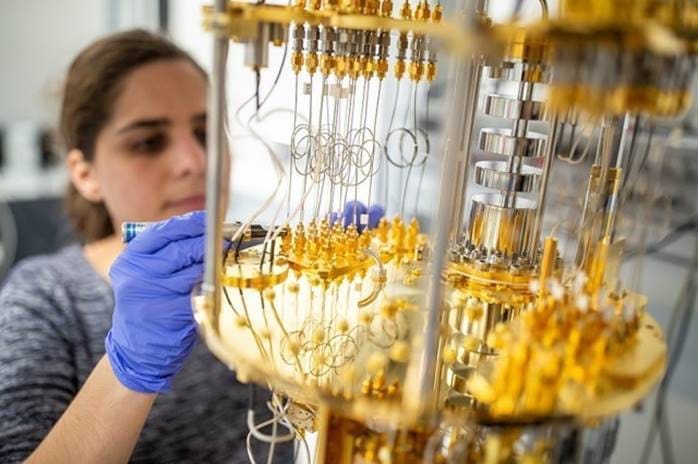
The research, published in the journal Physical Review Letters, developed a system that entangled two communication nodes using microwave photons—the same photons used in cell phones—through a microwave cable. For this experiment, they used a microwave cable about a meter in length. By turning the system on and off in a controlled manner, they were able to quantum-entangle the two nodes and send information between them—without ever having to send photons through the cable.

“We transferred information over a one-meter cable without sending any photons to do this, a pretty unusual achievement,” said Dr. Andrew Cleland, the John A. MacLean Sr. Professor of Molecular Engineering at Pritzker Molecular Engineering at University of Chicago and a senior scientist at Argonne National Laboratory. “In principle, this would also work over a much longer distance. It would be much faster and more efficient than systems that send photons through fiber-optic channels.”

Though the system has limitations, it must be kept very cold, at temperatures a few degrees above absolute zero, the researchers said it could also potentially work at room temperature with atoms instead of photons.

The team is now conducting experiments that would entangle several photons together in a more complicated state, which could ultimately enable enhanced quantum communication protocols and capabilities.

Entangled particles aren’t just limited to photons or atoms, however. In a second paper published June 12 in the peer-reviewed journal Physical Review X, the same Chicago team entangled two phonons—the quantum particle of sound—for the first time.

Using a system built to communicate with phonons, similar to the photon quantum communication system, the team entangled two microwave phonons, which have roughly a million times higher pitch than can be heard with the human ear.

Once the phonons were entangled, the team used one of the phonons as a herald, which was used to affect how their quantum system used the other phonon. The herald allowed the team to perform a so-called quantum eraser experiment, in which information is erased from a measurement, even after the measurement has been completed.

“Phonons give you a much bigger time window to do things and relieve some of the challenges in doing a quantum eraser experiment,” Cleland said.

Though phonons have a lot of disadvantages over photons—for example, they tend to be shorter-lived—they interact strongly with a number of solid-state quantum systems that may not interact strongly with photons. As a result, phonons could provide a better way to couple to these systems.

This coupling is a critical capability for many quantum networking applications, and may also benefit other quantum information science applications such as quantum computing. Additionally, the wavelengths of phonons are shorter than those of photons for the same frequency, potentially enabling smaller quantum circuits.

“Together, these experiments provide multiple avenues for future research into how we construct quantum networks that function in non-ideal environments, and reliably transfer quantum information between systems,” said Dr. Fredrik Fatemi, researcher at the laboratory and co-manager of the Center for Distributed Quantum Information. “Both are critically important for developing future quantum technologies.”

By U.S. Army CCDC Army Research Laboratory Public Affairs

FirstSpear Friday Focus – Performance Briefs

Friday, June 26th, 2020

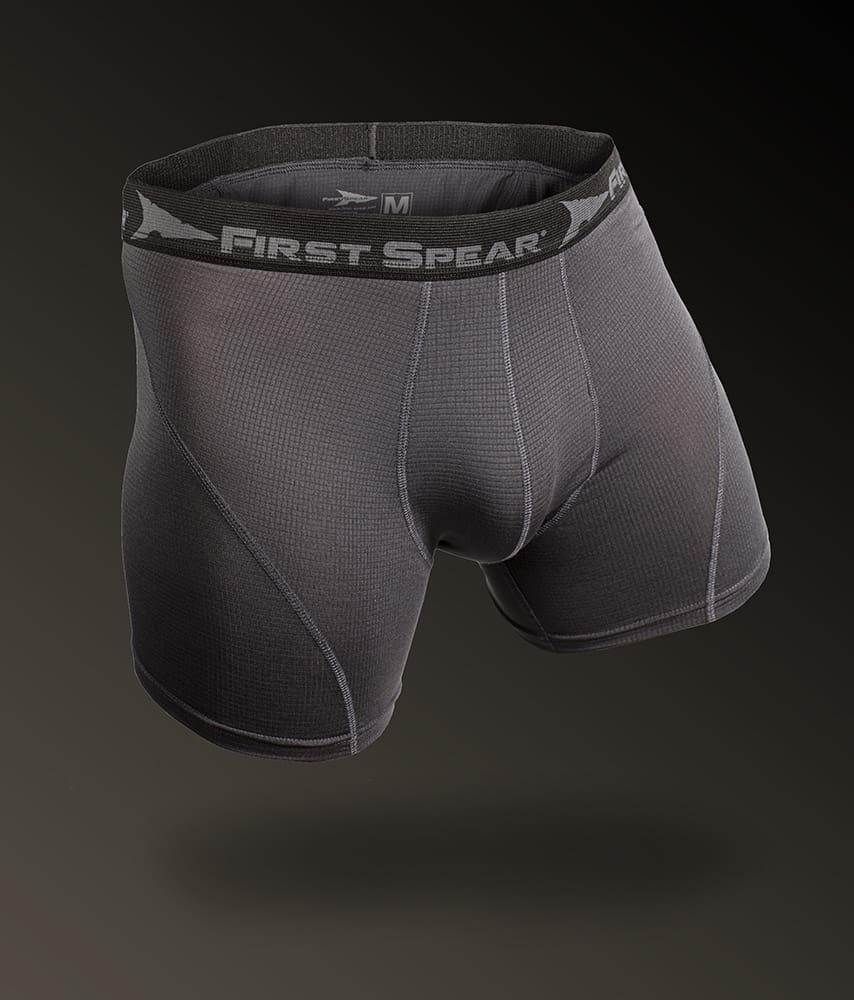
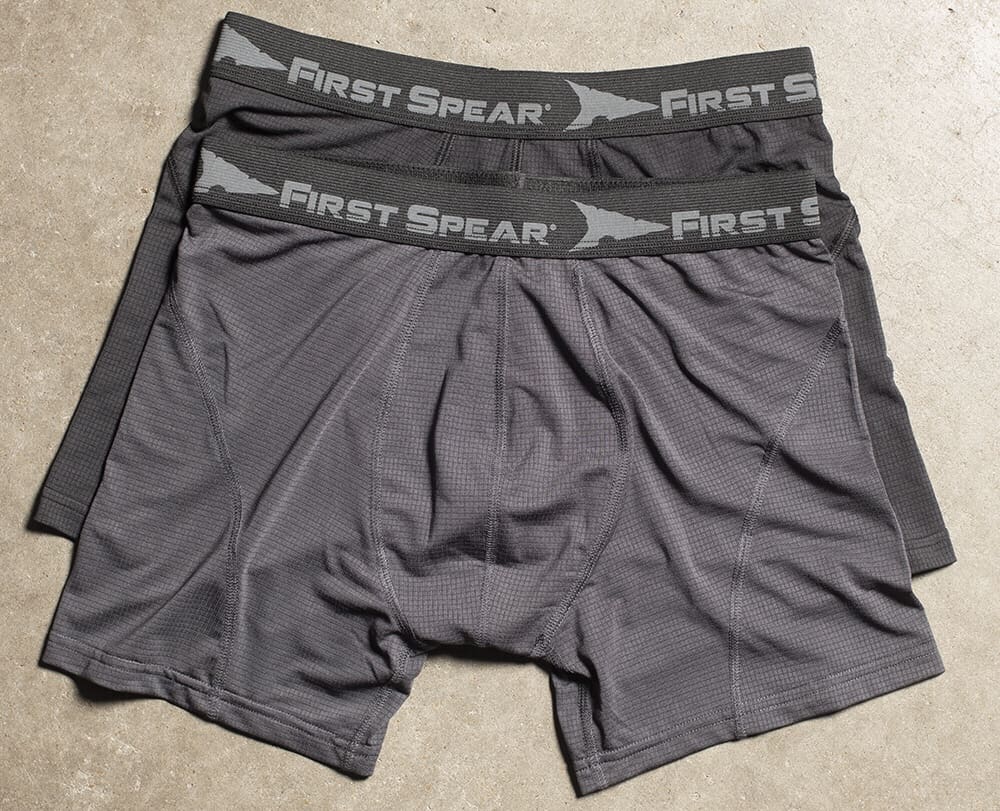
Today we are getting a look at the FirstSpear USA Performance Briefs. Sold as a 2 pack in Black and Graphite, 100% American made with American materials.

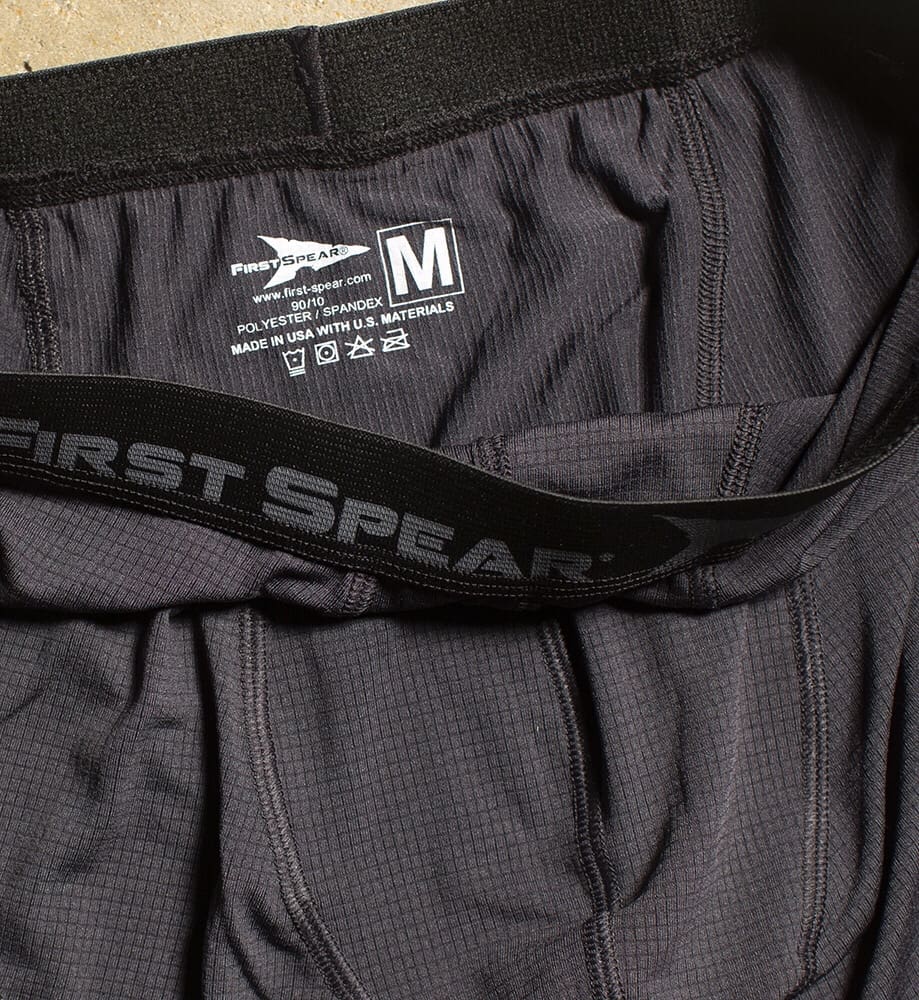
Modern features including anti-roll comfort waist band, flat seam technology, and a flex grid polyester/ spandex blend for maximum comfort. Four-way stretch design with no stink quick drying properties with extra room built into the front panel for enhanced support.

Available only on the FirstSpear webstore. Now Shipping.

www.first-spear.com/performance-briefs

ACFT 2.0: Changes Sparked by COVID-19

Friday, June 26th, 2020

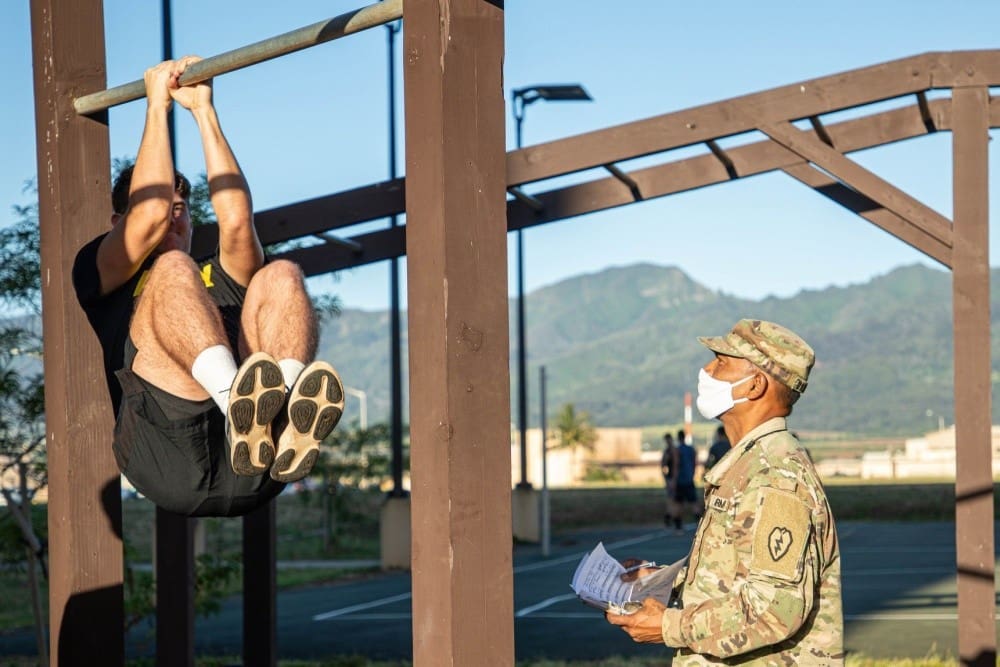
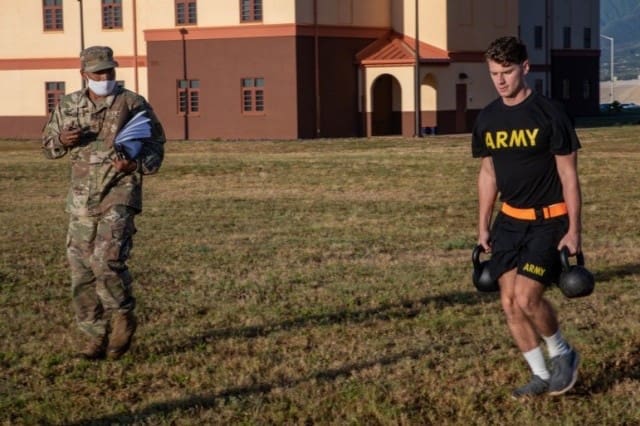
FORT EUSTIS, Va. – The Army Combat Fitness Test, or ACFT, will be the force’s test of record Oct. 1, but the Army’s top enlisted Soldier says troops will have more time to train for and pass the six-event test — without fear of it negatively impacting their careers during that time.

Despite hold ups caused by COVID-19, Sgt. Maj. of the Army Michael A. Grinston is confident the long-planned ACFT will stay on track. In addition to the new training timeline, he also announced a handful of other modifications to the test, dubbing it ACFT 2.0.

It’s the same six-event physical fitness test — just an updated version, Grinston said. So even though troops don’t have to pass the test this year, they still have to take the ACFT as scheduled.

“When it’s the test of record, you have to put it into the system of record, and that’s the only requirement right now,” Grinston said. This means the Army won’t take administrative actions against Soldiers for potential ACFT failures.

Potential career impacts like separation, derogatory or referred evaluation reports, and a Soldier’s Order of Merit List standing are all off the table to be negatively impacted due to an ACFT failure.

This news comes as the Army,  in response to social distancing guidelines, hit the brakes on all physical fitness tests in March. Although fitness tests slowed down, Army leaders went full-steam ahead to plan how Soldiers will jump from the 40-year-old Army Physical Fitness Test, or APFT, to the new ACFT 2.0.

So what are the changes?

First, for many, the APFT is gone for good. Once testing suspensions are lifted, the only Soldiers required to take an APFT ever again will be troops without a current passing score, the sergeant major confirmed.

“As for everyone else [with a current passing APFT score] — they should start training for the ACFT,” he added.

As far as the evolution of the ACFT, the biggest change for Soldiers is the option to substitute a two-minute plank, once a Soldier has attempted the leg tuck.

The other six events are still locked in; the 3 repetition maximum dead-lift, standing power throw, hand release pushups, leg tuck, 2-mile run, and sprint, drag, carry. The plank is just an interim assessment.

The plank is seen as a transitioning tool for Soldiers jumping from the APFT to the six ACFT events, said Maj. Gen. Lonnie G. Hibbard, the U.S. Army Center for Initial Military Training commanding general.

Depending on an individual’s physical starting point, switching back to the leg tuck should take “anywhere between six to three months,” Hibbard added, but for now, the plank is an alternative.

Planks are a core muscle-burning exercise, completed by individuals who remain static with their elbows planted to the ground directly beneath the shoulders at a 90-degree angle while maintaining a straight posture.

Plank exercises can be conducted almost anywhere, Hibbard said, and do not require equipment to train for. Under the current COVID-19 conditions, this could be an ideal transitional assessment.

Also, the stationary bike event dropped its initial 15,000-meter standard down to a 12,000-meter standard. Biking is an Alternate Assessment for Soldiers with permanent profiles unable to complete the two-mile run.

Additional changes for fiscal year 2021 also include scoring standards. All Soldiers are challenged to pass the ACFT at the “Gold Standard,” Hibbard confirmed, which is an overall minimum total score of 60.

To pass, all troops are required to meet the  moderately challenging “gold standard” instead of the more grueling “grey or black” scoring minimums — typically reserved for harsher, more physically demanding career fields. This standard applies to all Soldiers, regardless of age or gender.

Until COVID-19 hit, “we were seeing vast improvements with the ACFT,” Grinston said, adding the changes to the ACFT promotes a better physical fitness standard that will mirror the physical demands of the Army, while also decreasing injuries and having more effective Soldiers within the ranks.

Coronavirus Defense: Navy Develops 3D-Printed Tactical Masks for US Forces Korea

Thursday, June 25th, 2020

ARLINGTON, Va. (NNS) — The coronavirus pandemic has caused a global shortage of surgical face masks and other personal protective equipment (PPE), including for warfighters stationed at U.S. Forces Korea.

To address this, the Office of Naval Research (ONR) Global TechSolutions is working with multiple partners to develop prototypes of 3D-printable (also called additive manufactured) masks for use at Camp Humphreys in South Korea.

The prototypes are designed for warfighters needing masks for use with tactical gear like combat helmets and protective visors—security personnel, for example. Printed from medical-grade plastic, with a replaceable filter, the masks form a tighter seal around the nose and mouth. This forces breathed air through the filter only, instead of through gaps between the fabric and skin, reducing infection risk.

“This shows the power of effective collaboration in meeting an urgent need,” said TechSolutions Director Jason Payne. “It enables us to do whatever we can to slow the spread of coronavirus and keep it contained to the best of our ability—so it doesn’t prevent our warfighters from performing their missions.”

TechSolutions is ONR Global’s rapid-response science and technology program that develops prototype technologies to address problems voiced by Sailors and Marines, within approximately 12 months. The PPE collaboration involves the U.S. Army’s Combat Capabilities Development Command, U.S. Forces Korea and the Naval Undersea Warfare Center (NUWC) Division Keyport.

The project stems from efforts by Mark Buffum, the ONR Global science advisor assigned to U.S. Forces Korea. When the coronavirus pandemic began, South Korea emerged as a hotspot, resulting in PPE shortages throughout that country. Other regions of Asia saw similar shortages, including multiple suppliers to U.S. Forces Korea.

Buffum researched creative ways in which command personnel responded to PPE shortages. He coordinated with the Army’s Combat Capabilities Development Command to leverage a donation of bulk filter material from a Pennsylvania-based manufacturing supplier—as well as a mask design from an Army officer stationed at U.S. Forces Korea—to 3D-print masks. Unfortunately, the “hobby-grade” machine available at Camp Humphreys could only produce seven masks daily. 

Seeking to expand this capability, Buffum contacted TechSolutions and partnered with Payne’s team and NUWC Keyport—which has industrial-grade 3D printers able to manufacture hundreds of masks a day.

TechSolutions agreed to sponsor a project consisting of multiple products:

—Several 3D-printed prototypes for evaluation

—500 3D-printed masks comprising all prototype styles

—Resin molds of the prototypes. Creating masks from resin, instead of medical-grade plastic, enables hobby-grade 3D printers to produce 10 times as many masks each day.

—Technical data packages with instructions for 3D-printing or resin pouring, as well as maintaining mask designs 

U.S. Forces Korea and the Army’s Combat Capabilities Development Command are evaluating the prototype masks. Once they decide on a design, they’ll work with NUWC Keyport to 3D-print large quantities of masks.

“This is a good test of how we can respond to the needs of the fleet in an emergency,” said Ross Wilhelm, principal technologist for NUWC Keyport’s Maintenance, Engineering and Industrial Operations Department. “How many masks can we produce and how fast? We hope this serves as a model for Department of Defense commands worldwide.”

In addition to tactical applications, Buffum hopes to see versions of the masks made for medical personnel and first responders to use during the coronavirus pandemic as well as future health crises.

“These masks can play a key role in strengthening our medical infrastructure of preparedness,” he said. “That way, people won’t be scrambling for supplies at the beginning of another pandemic.”

For more news from Office of Naval Research, visit www.navy.mil/local/onr.

Story by Warren Duffie Jr., a contractor for ONR Corporate Strategic Communications.

US Army photo by KCpl. Hanmin Yun. 2ID/RUCD Public Affairs