Pirata Series from OTB Boots - Coming March 2026!

Archive for the ‘Guest Post’ Category

MATBOCK Monday – Cobra Sled

Monday, March 9th, 2020

Happy MATBOCK Monday!  For the month of March we will be focusing on some of our favorite and most innovative medical products. We will start the month off with our Cobra Sled.

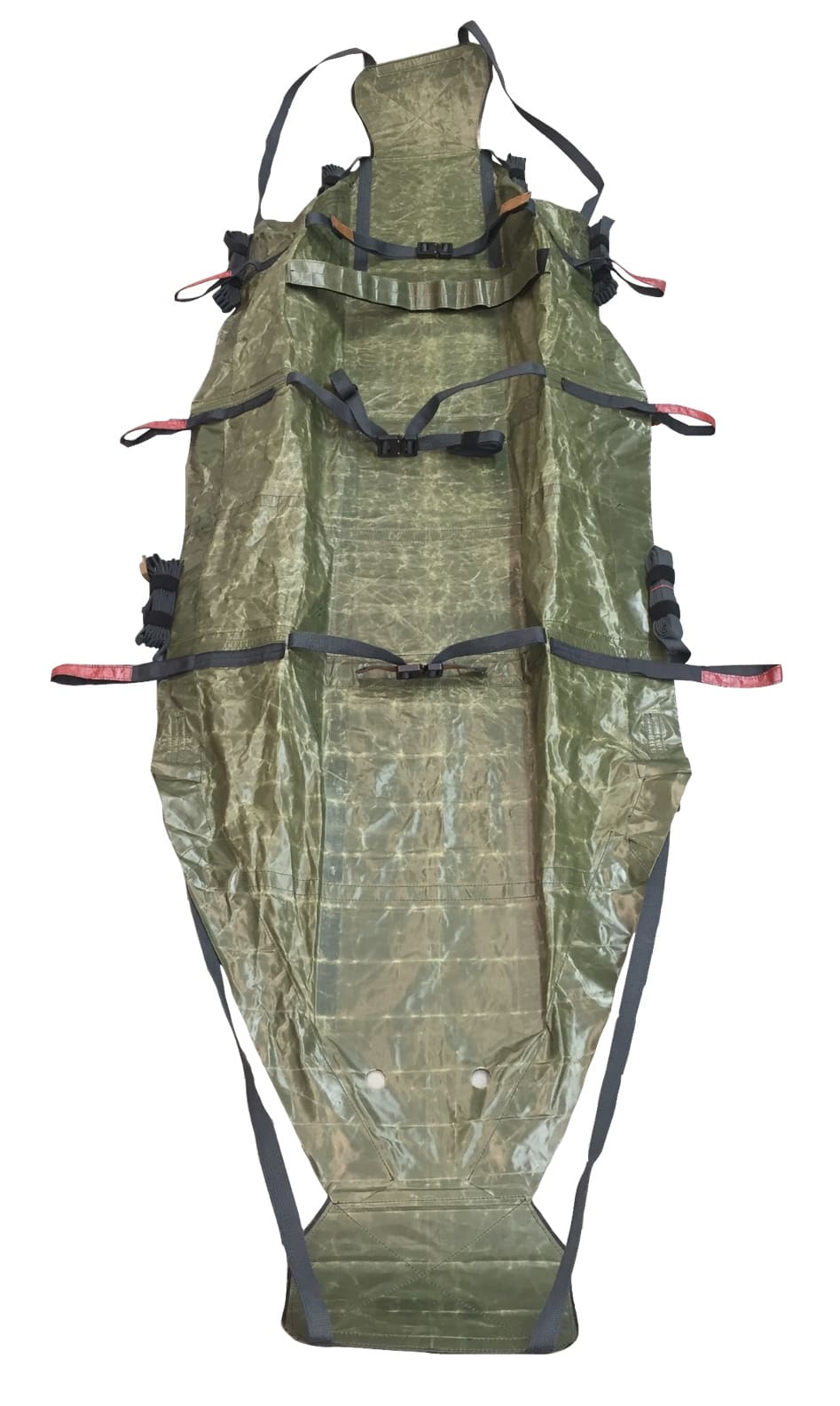
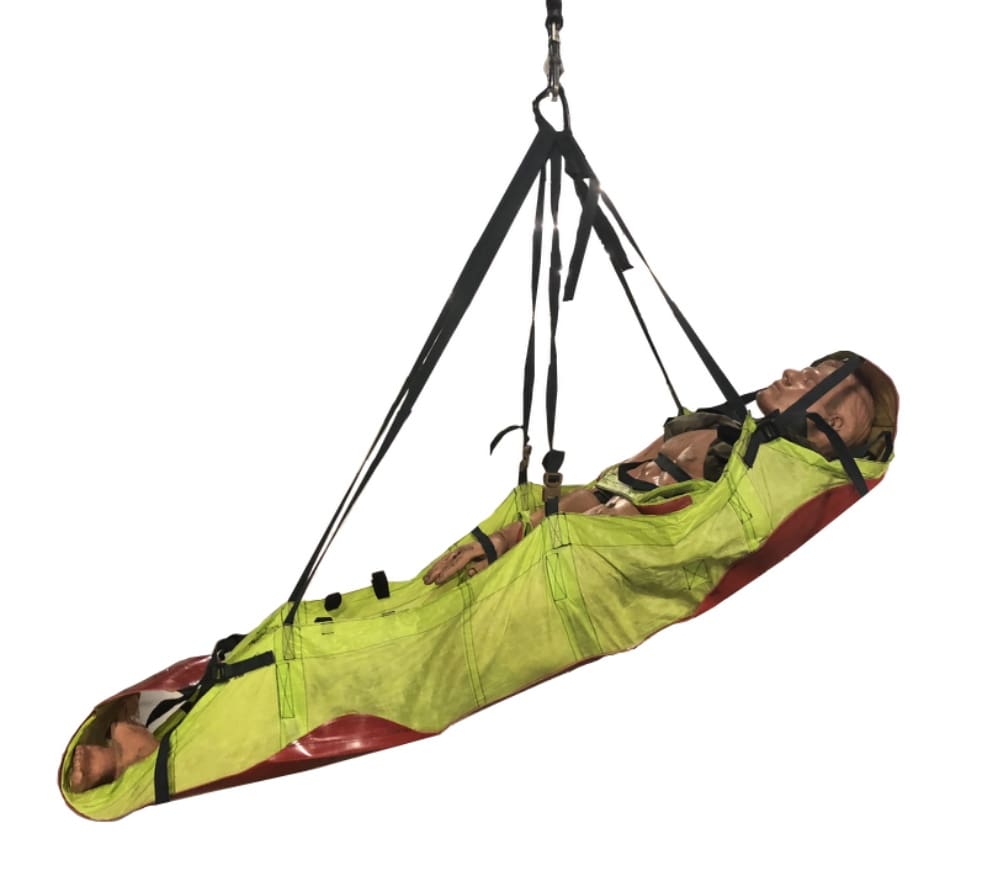
The Cobra Sled is Easy to assemble as well as being the lightest and smallest hoistable evacuation stretcher on the market.

Decontamination Ready – Ultra High Molecular Weight Polyethylene Material, Kevlar Stitching, Kevlar Webbing. All straps included and configured for both vertical and horizontal lift.

Hoist strapping is 5,500 lbs Tensile strength Kevlar webbing with Kevlar stitching and an integrated chest harness directly attached to both horizontal and vertical hoist straps. There are 4 front drag straps that can create 2 x 10 ft loops for operators to sling and drag forward in a “hands-free” configuration, as well as stabilizing straps in the back for uneven terrain.

The system can also be rigged for 4 operators to carry the patient hands-free with the straps slung across their shoulders.

When it is folded up, the stretcher is only 12in x 8in x 8in.

Total Weight – 8.5 lbs

Carrying Capacity – 600 lbs

Here is a brief overview of the Cobra Sled.

Order Yours Today: www.matbock.com/products/cobra-sled

SCUBAPRO Sunday – Seawing Nova

Sunday, March 8th, 2020

The SCUBAPRO Seawing Nova turns ten years old. The Seawing Nova appeared in 2009 and
immediately turned heads with its clean sheet streamlined design. The original Seawing fin inspired it with its radical blade profile.

This innovative fin caught the attention of designers and engineers worldwide. It won Popular Science magazine’s “Best of What’s New in 2009” award. Then it won the ScubaLab Testers Choice award for the best performing new fin of 2010. In 2011 the Seawing Nova won the prestigious, internationally- recognized Red Dot Award for product design, then in 2013, when a full-foot version came out, it won the Testers Choice for the best full-foot fin of the year. And in 2015, after benefitting from several upgrades to make a great fin even greater, the improved Seawing Nova won the Testers Choice award for the best fin of the year once again.

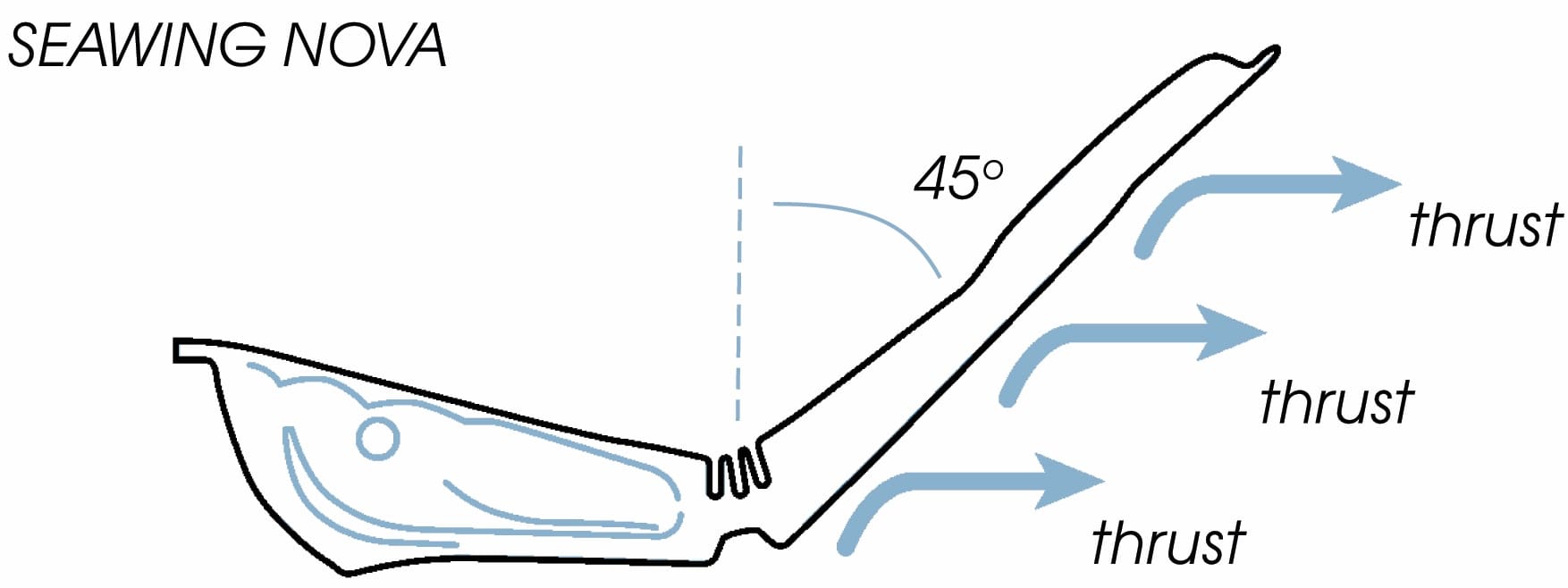
Built with a space-age Monprene elastomer that is virtually indestructible. (The Seawing Gorilla includes a special additive to enhance stiffness and increase feedback.) Spotlighting its proprietary G4 (4th Generation) articulated hinge with enlarged Pivot Control notches that enables the entire wing-shaped blade to pivot and generate thrust, the Seawing Nova produces a propulsive snap that can rocket you through open water at top speed or propel you along reefs or in and out of tight spots with total control—all with little to no ankle or leg strain. Pivot Control technology ensures that the most efficient 45-degree angle of attack is maintained no matter how easy, or hard you kick.


The Seawing Nova also excels in low-speed maneuvering, including frog kicks, reverse kicks, and turtle backing. Offers improved handling when making small directional adjustments. This is due in large part to a slight increase in rigidity across the trailing edge of the blade, which has ratcheted up responsiveness and thrust at full power while requiring no increased kicking effort in cruising mode. 

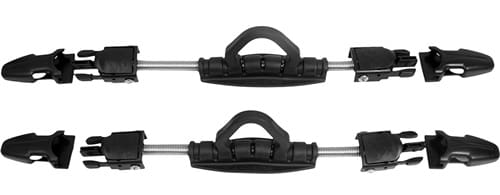
The fin features a well-engineered footplate that extends all the way to the back of the heel, maximizing power transmission while minimizing stress on legs and ankles. Co-molded Grip Pads provide efficient non-skid footing on wet surfaces. The famous bungee straps have been redesigned and updated, reducing overall weight and providing enhanced durability.

• Monprene Shroud is 35% lighter.

• Re-engineered with the injection gate relocated to provide enhanced durability.

• More flex means improved comfort.

• It’s the same bulletproof 8mm marine-grade bungee as in existing Seawing Nova Straps.

The fin also features the popular self-adjusting heel strap made of marine-grade bungee. This bungee is highly elastic, resistant to the elements, and the soft heel pad with an over-sized finger loop is comfortable and simplifies doffing and donning. It can also be fitted with a steel spring strap  that also fits on the twin jet fins


SEAWING NOVA FAMILY OF FINS

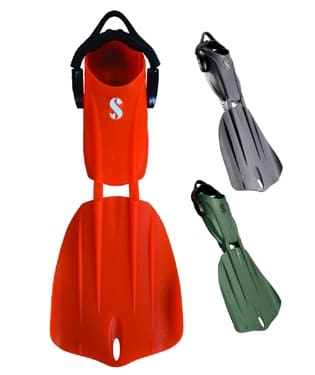
Seawing Nova Open Heel This high-performance fin delivers the power, acceleration, and maneuverability of a blade fin, with the kicking comfort and efficiency of a split fin. Available in five sizes (XS-XL).  

Seawing Gorilla Open Heel
While identical in design to the Seawing Nova, the Seawing Gorilla uses a special additive in its compound to provide more stiffness and snap to the blade. This results in more power, speed, and control for divers who like a stiffer fin with more feedback in their kicks. The more rigid blade also allows for more effective sculling, frog-kicking, and reverse-kicking, making it an excellent choice for tech divers. Available in five sizes (XS-XL) Graphite (while supplies last) Black is available by special order.


THE SEAWING NOVA ADVANTAGE

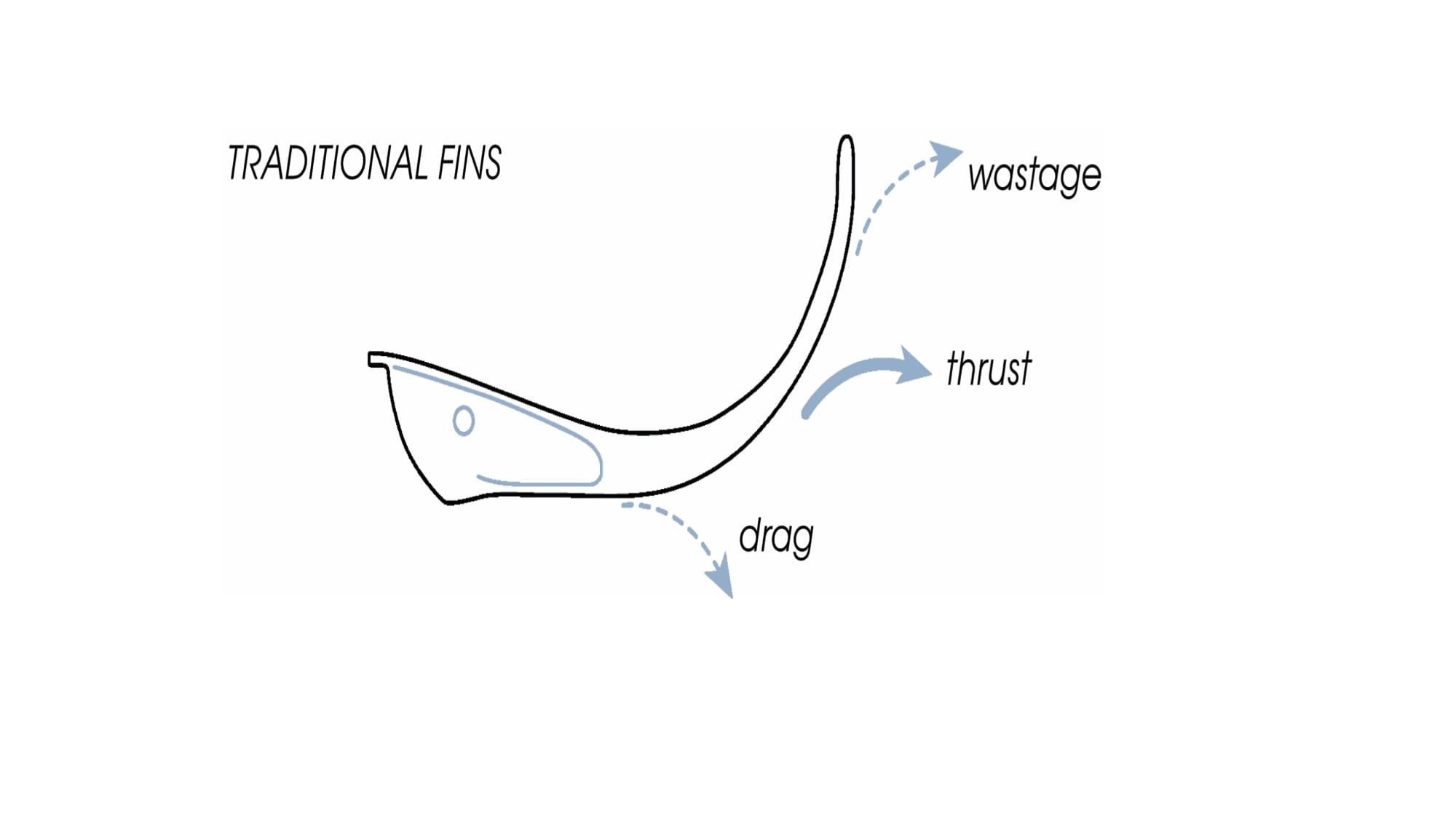
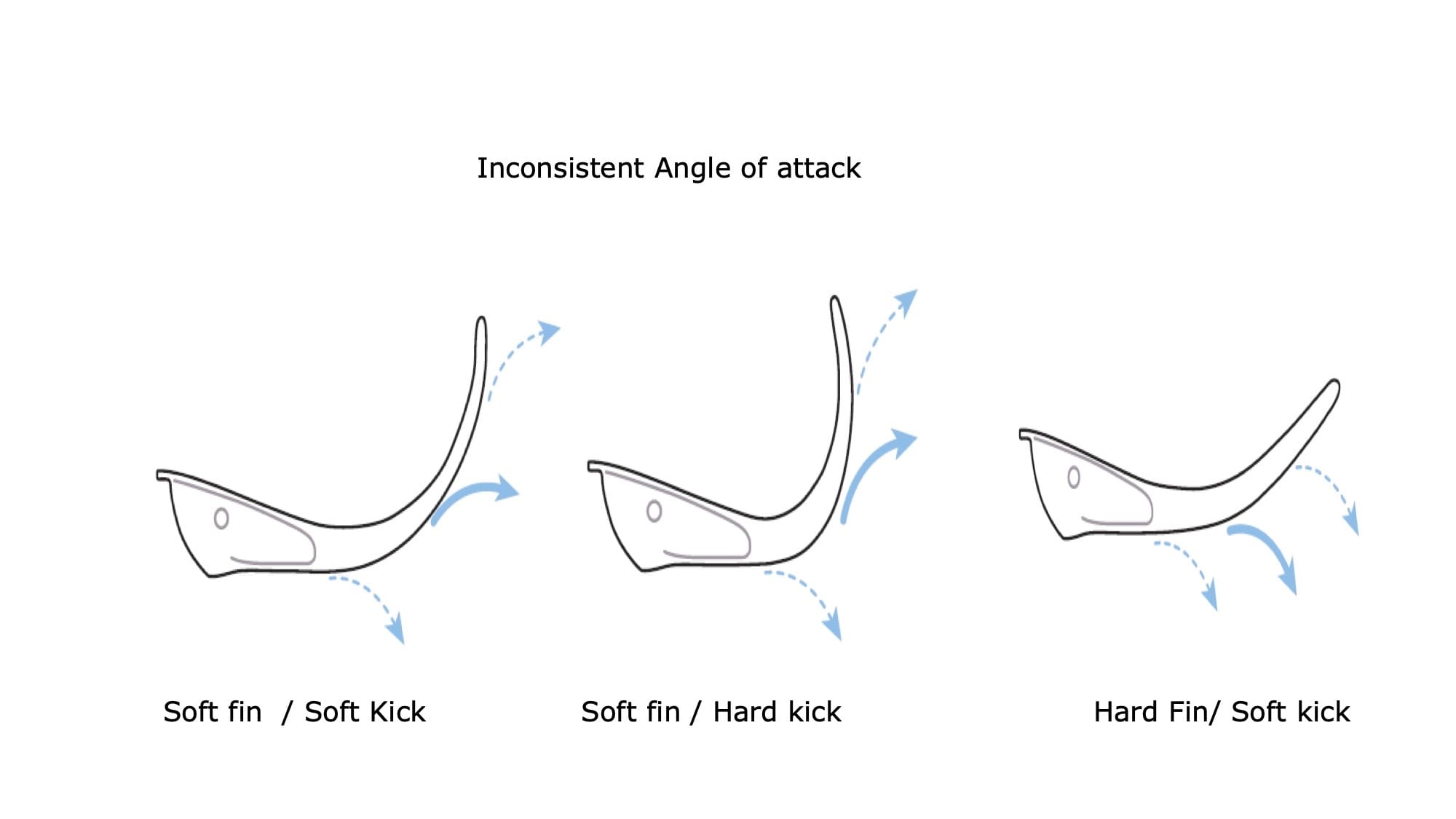
On a traditional paddle fin, during a typical kick stroke, as water flow hits the fin, the blade will curve along its length. This means that the blade’s angle of attack, relative to the water flow, is going to be different at different points on the blade. In such a case, the leading edge remains too flat to generate efficient thrust, while the trailing edge flexes too much. Consequently, only the midsection can produce dynamic thrust.  

The Downfalls of traditional fins

The Seawing Nova will always maintain the most efficient angle of attack along the entire length of its blade because instead of the gradual curve of a traditional blade, the Seawing Nova’s blade stays relatively flat due to the G4 articulated joint that allows the entire blade to pivot (like the tail joint of a whale or dolphin). Also, the blade is longitudinally reinforced by pronounced rails that help prevent curvature (this is supported by the monocoque effect that takes place when the Variable Blade Geometry wing tips arc upwards).


On a traditional paddle fin, the harder you kick, the more the blade bends. That means a soft fin will achieve the ideal 45-degree angle when it’s kicked gently but will over-bend and lose thrust when it’s kicked hard. Stiffer fins, on the other hand, achieve that ideal 45-degree angle when kicked hard but remain too flat to be efficient when kicked gently. Consequently, both types require the diver to compromise his or her kicking style to get any efficiency out of the fin.


On the Seawing Nova, by creating a fixed angle of attack, the unique G4 hinge also allows the blade to flex easily to that ideal 45-degree angle but prevents it from flexing further as kicking strength increases. Therefore, the angle of attack is close to the optimal 45 degrees at all times, regardless of kicking strength. Kicking easy or kicking hard, the Seawing Nova lets you always maintain the optimum angle of attack for maximum performance.

On a traditional paddle fin, that non-productive or “dead” section where foot pocket and blade meet creates a lot of drag without generating any thrust.

On the Seawing Nova, engineers eliminated this section, creating a “Clean Water Blade” where water flows cleanly onto the working part of the blade, reducing drag and increasing thrust. 

The ‘dead’ section between the foot pocket and the blade of a traditional fin generates drag but not thrust. We removed it! This means that water is free to flow cleanly onto the working section of the blade. Drag is reduced, and thrust is increased.

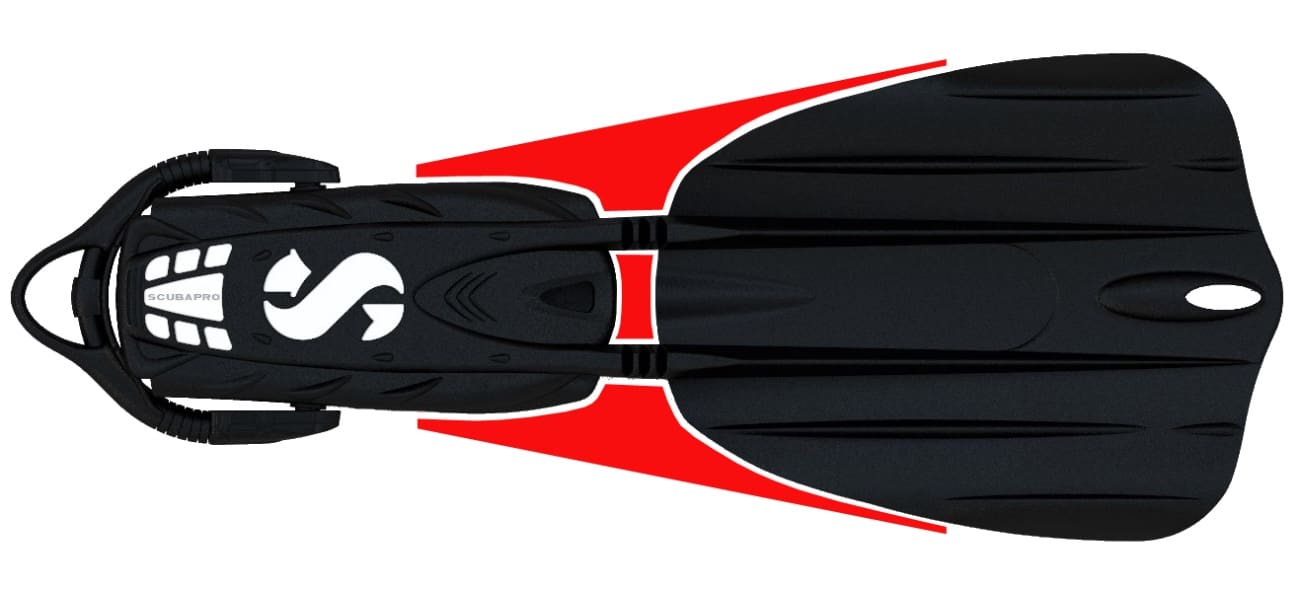
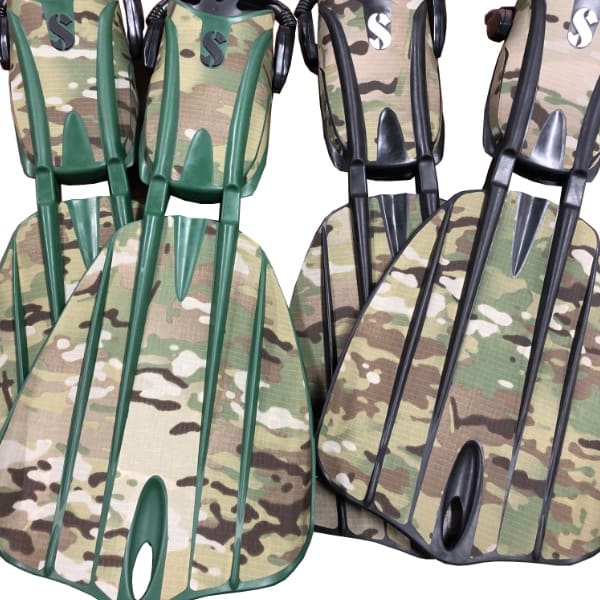
MATBOCK Skins, SCUBAPRO, has been working with MATBOCK to develop Skins for SCUBAPRO fins that will help you adapt your fins to every environment. Perfect for Over the Beach or River and Stream crossing. The patent Pending MATBOCK Skins is a multi-layer adhesive/ fabric laminate designed to give the user the ability to camouflage any surface desired. The Skins are waterproof, and oil resistant can be reused mutable times. Skins are designed and laser-cut specifically for the following fins, Seawing Nova’s, Gorilla, and SCUBAPRO Jet fins.

The AFSOC Air-Ground team in action: How Precision Strike turned the tide of battle against ‘ISIS-K Pentagon’

Saturday, March 7th, 2020

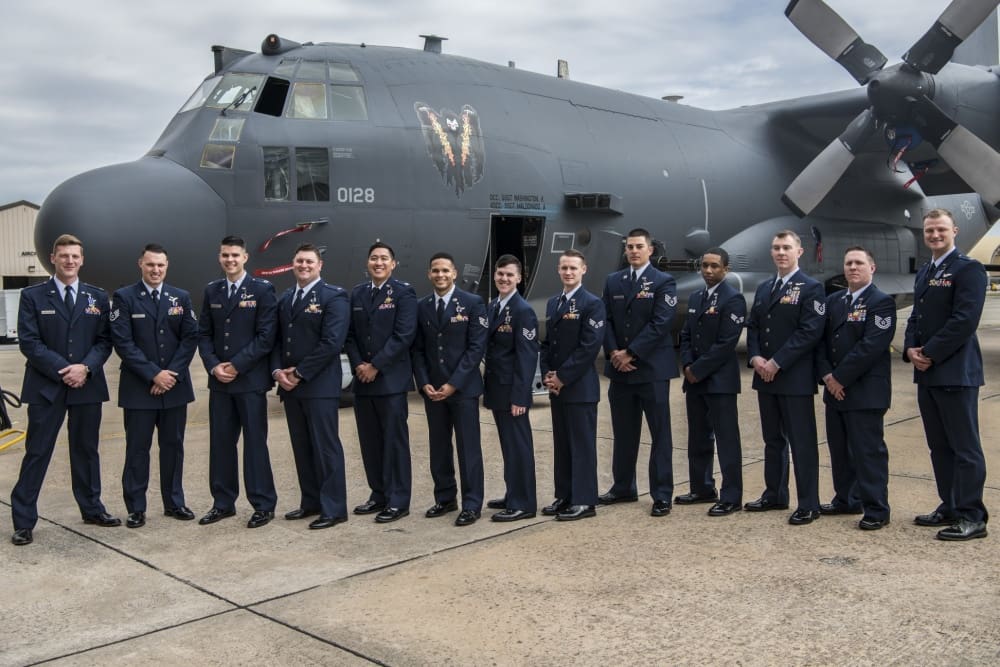
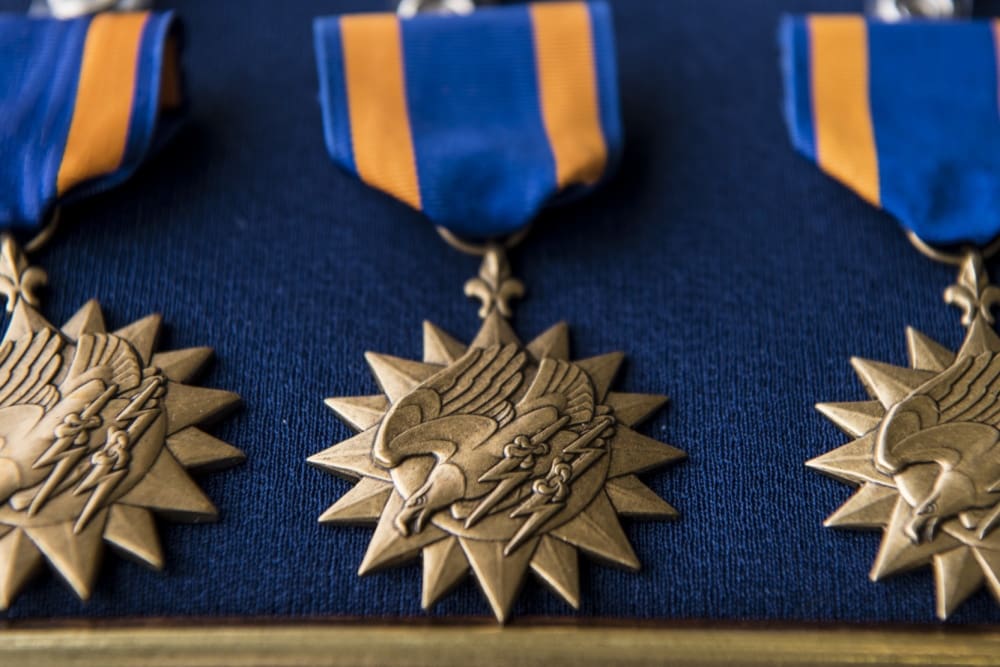
The aircrew of Spooky 41, an AC-130U “Spooky” gunship from the 4th Special Operations Squadron, was awarded medals for their role in a nine-hour mission over Nangarhar, Afghanistan. These medals included two Distinguished Flying Crosses and 12 Air Medals.

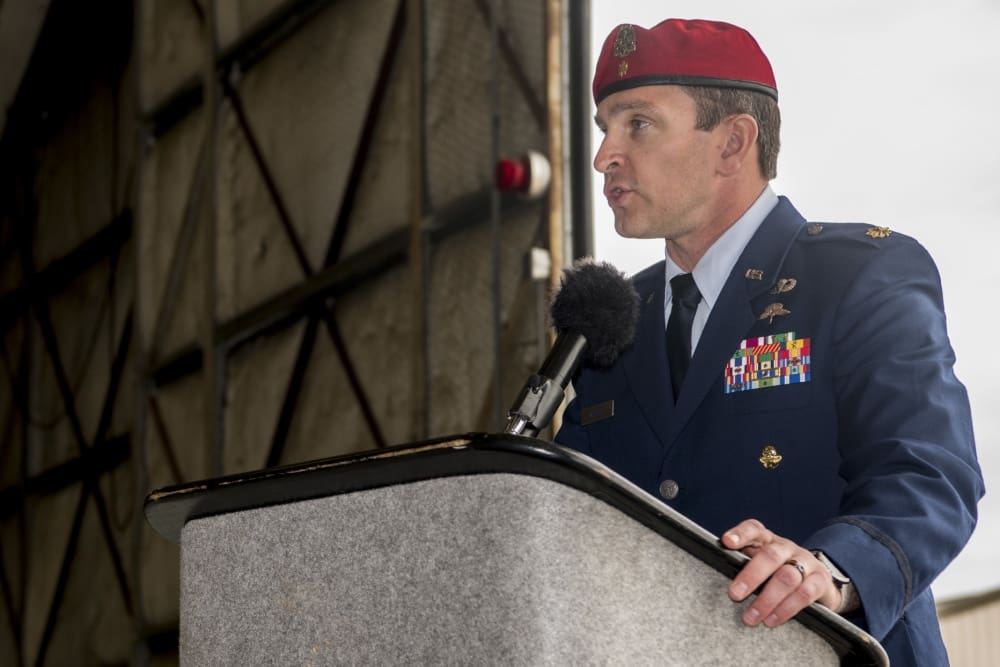
Maj. Wright, an Air Force Special Tactics officer, led a seven-man Special Tactics Team (STT) in support of the Army Special Forces company conducting the operation on the ground.

The following is his account of the mission from his perspective on the ground.

Vignette by Maj Jeffrey Wright, 24th Special Operations Wing (Air Force Special Tactics)

I served as the lead joint terminal attack controller and fire support coordinator for a major assault against a notorious Islamic State – Khorisan (ISIS-K) stronghold in Nangarhar, Afghanistan. This operation took place from 1 April through 6 April 2019, and the events below took place on the night of 3-4 April.

It would be inaccurate to describe this target as a village. Rather, this was a military installation literally dug into the side of the mountains, with a single path through which friendly forces could assault. The enemy consolidated their forces here in a warren of interconnected command and control nodes, operations centers, staging areas, and ‘on-base housing’ for ISIS-K leaders. This was no low-level commander and his men: this place was ‘ISIS-K’s Pentagon.’

I am aware of at least three previous assaults against this position that were quickly defeated by virtue of the enemy’s elaborate defense, high degree of training and commitment, and skillful application of firepower against friendly forces.

In my 20-plus years of training and experience in the art of attacking and defending ground objectives, I have seen few more formidable defensive positions – or ones more daunting to attack. I would have to reach for examples like Normandy, Iwo Jima or Hamburger Hill to appropriately convey the degree to which the enemy were prepared and ready for our assault.

The enemy stayed hidden until the assault force drew close. The result was an intense firefight where the lead elements found themselves under fire from not only all sides, but also three dimensions. The enemy had prepared apertures in floors and ceilings, and used barricaded shooters to devastating effect. By using networks of subterranean passageways, the enemy would re-appear behind our forces even after they’d cleared buildings.

Despite our numerical superiority, the situation was dire. From my support-by-fire position, I could do little to help. The safe evacuation of the growing numbers of wounded was up to my Special Tactics teammates in close-range gun battles with the enemy – literally fighting room-to-room. During the fight, the combat controller with the lead element of the assault force reached out for help, and got Spooky41 on the radio.

In short order, I heard the bark of the AC-130U’s guns. I distinctly remember wondering whether they were shooting at the right target, given the speed of their reaction – in 10 years as a JTAC, I’d never seen any kind of fire support as responsive. Sure enough, the first rounds were right on target – a good thing, because the enemy was so close to the assault force.

The enemy now had a problem on their hands. They had probably figured that their proximity to friendlies would mitigate our ability to bring fires to bear on them. Now, they were being heavily attacked by the AC-130U’s weapons.

The precise application of fires allowed friendly forces to establish a defensive perimeter and turn to the task of evacuating the wounded. The terrain prohibited the helicopter from landing, so they performed hoist lifts of the most critical patients. This entailed coming to a hover within machine gun range of dozens, if not hundreds, of enemy fighters keen to press home their advantage.

I watched this unfold with a sense that ‘this is how it happens…this is how aircraft get shot down.’ Yet, the enemy wasn’t able to get a single shot off as the patients were extracted, one by one. The reason there will be no memorials for three separate medical evacuation aircrews is because Spooky 41’s fires were so responsive and so precise that the enemy was effectively neutralized.

At least three members of my team were relaying information on two different nets in an effort to coordinate air and ground movement. Looking back, I am amazed that Spooky41 managed to track everyone so effectively. Even with my high degree of situational awareness as the man on the ground and with my degree of experience, I had a hard time keeping it all straight. At several points they were engaging different targets simultaneously and on different nets. I had one net in each ear – I watched and listened as they delivered salvo after salvo of fires with zero error.

A co-located teammate directed a few F-16 strikes during this time and I worked with Spooky41 to integrate the fires. It felt almost like a weapons school exercise, in that the degree of difficulty was so high and the number of assets so numerous that it far exceeded normal training scenarios.

I don’t know exactly how many of the wounded would have died without immediate medical evacuation, but I can say with certainty that the medical evacuation aircrew would have been among the casualties if it weren’t for the fires provided by Spooky 41.

I personally took fire the following day and the enemy’s expert gunnery put the bullets within arm’s reach. Had they been allowed to get a shot off at the MEDEVAC helicopters, we’d have lost aircraft. But again – after the initial gunshots and IED blast injuries, no further harm befell Americans or our Afghan allies that night.

Spooky 41’s legendary airmanship is the reason why – period.

I resolved that the first thing I would do upon getting back to Bagram was to seek each of them out and thank them for what they did for us that night. I’ve been to far too many memorials and seen far too many folded flags. I didn’t have to do that on this trip because instead of Americans giving their lives for their country that night, Spooky41 made the enemy die for theirs – on time, on target, and in the most complex environment I’ve ever seen – training, or combat.

1st Special Operations Wing Public Affairs

U.S. Air Force photo by SrA Joseph P. Leveille

DLA, DOD Partnership Provides Operational Meal Options

Saturday, March 7th, 2020

PHILADELPHIA, March 3, 2020 —

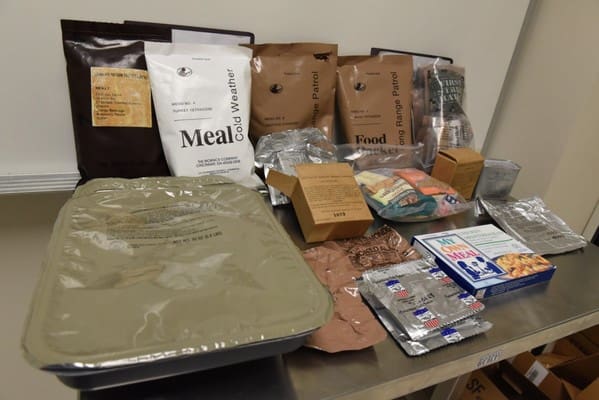
For 40 years, warfighters have feasted on the “famous” Meal, Ready-to-Eat. But thanks to a partnership between the Defense Logistics Agency Troop Support Subsistence supply chain and the Department of Defense Combat Feeding Directorate, that is not the only individual combat ration available.

Today, there are several different types of individual rations with varying menu options to fuel the body for warfighters serving in traditional field locations, on the front line of an initial encounter and in locations with extreme temperatures.

As operational environments and warfighters’ physical demands change, so do the requirements that begin a ration’s life cycle.

“The service will determine that they need a specific ration to fulfill a specific need,” Harry Streibich, Subsistence Operational Rations division chief, said. “Then Natick [Department of Defense Combat Feeding Directorate] conducts research to test and develop a meal that meets the services operational and nutritional requirements.”

According to a representative from the Combat Feeding Directorate, the life cycle of an individual ration, can span a decade from concept to the field.

The MRE

“In general, most changes require from 24-36 months when you consider product development, nutritional analysis, accelerated storage and sensory evaluation, field testing with soldiers, Joint Service Operational Ration Forum (JSORF) review, technical data and procurement documents finalized and transitioned to Defense Logistics Agency Troop Support,” a Combat Feeding Directorate representative said.

Once the service approves the new ration, the Subsistence supply chain procures it.

“Individual rations are provided by three to four primary vendors who make the entrees and assemble the rations in-house,” Streibich said. “Through a network of subcontractors, the vendors provide the individual components of each ration.”

The MRE is the longest standing individual ration, and the most purchased ration from DLA.

“At the beginning of the year we buy at least 2.5 million cases of MREs,” Streibich said. “Based on usage we buy additional cases half way through [the year]. This year alone we are expecting to buy an additional 650,000 cases.”

Streibich said that for fiscal 2019, Subsistence bought $434 million of individual rations. Of that, the MRE represented $421 million, which represents 96 percent of all individual ration sales.

Dynamic needs, specialized options

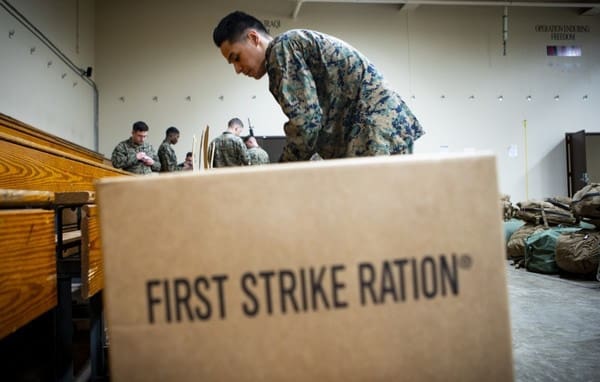
For warfighters finding themselves in the initial stages of conflict, they have the option of the First Strike Ration – a compact, eat-on-the-move meal.

The FSR was created about 10 years ago, and Subsistence purchases approximately 60,000 cases each year, according to Streibich.

“It is a stripped down version of MRE that meets the immediate needs of the warfighter for the first 72 hours of battle,” Streibich said.

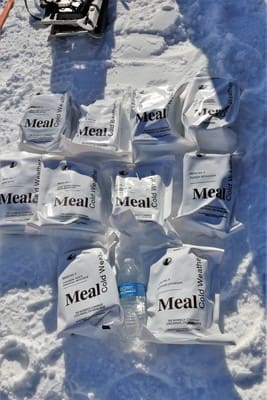
Another individual ration that units can request is the Modular Operational Ration Enhancement for warfighters operating in environments of extreme heat or cold, Streibich said. The MORE provides extra calories to account for strenuous activity in high altitude, cold weather or hot weather environments.

“This meal supplements the MRE, and provides higher calorie foods such as dehydrated items that will not freeze in colder climates such as in Alaska or Norway, “Streibich said.

Subsistence also provides rations for Warfighters with religious dietary restrictions.

The Troop Support rations team procures about 40,000 cases of Halal and 8,000 cases of Kosher meals to meet the yearly demand, Streibich said.

Global, dynamic readiness

Regardless of the warfighters’ mission, each individual ration is designed as a packaged, shelf-stable item intended to provide complete and balanced nutrition, the Combat Feeding Directorate representative said. 

“These rations are typically used to sustain individuals during operations that prevent the use of organized food service facilities,” the Combat Feeding Directorate representative said. “They may be consumed continuously and exclusively for several days, or longer, based on mission requirements and logistics infrastructure within an area of operations.”  

For more information about Operational Rations, visit DLA Troop Support’s Operational Rations web page.

By Alexandria Brimage-Gray

Welcome to Chapman Training Annex, Home of Air Force Special Warfare Training

Friday, March 6th, 2020

JOINT BASE SAN ANTONIO-LACKLAND, Texas —

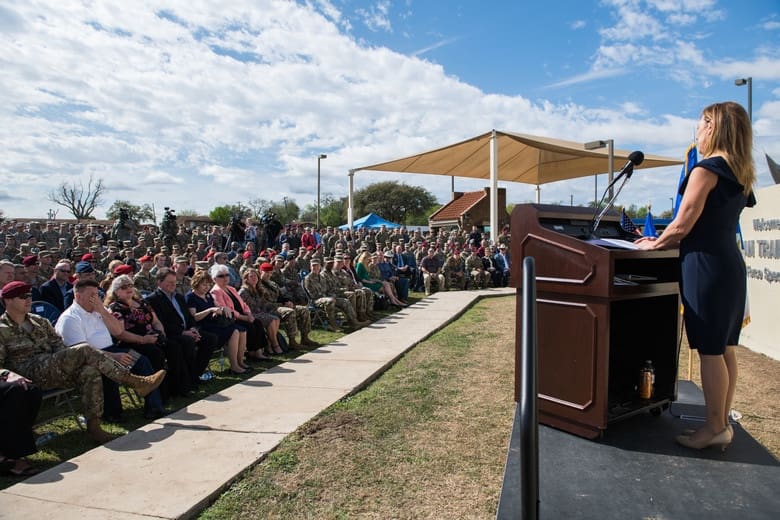
A parachute slid off the wall, revealing the text behind it, “Welcome to Chapman Training Annex, home of Air Force Special Warfare Training.” The life and legacy of a Special Tactics combat controller will forever be cemented into history with an installation renaming that serves to inspire not just Special Warfare trainees, but all Airmen that come through the gates of the annex.
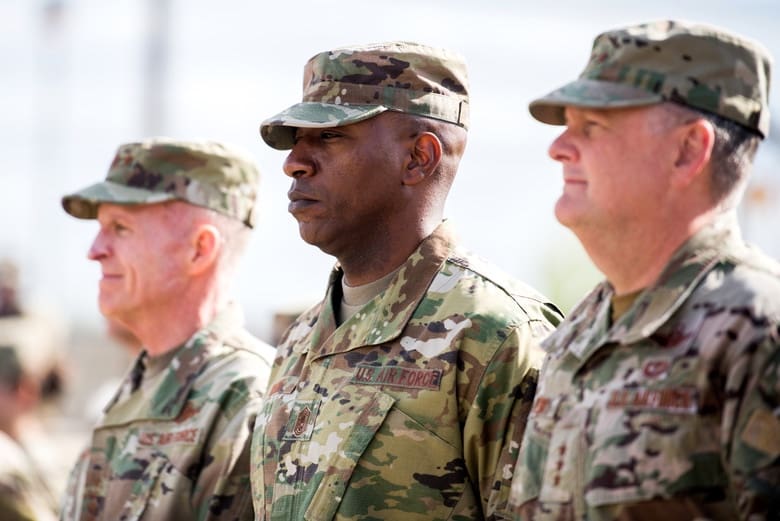
The Joint Base San Antonio-Lackland Medina Training Annex was renamed the Chapman Training Annex in honor of Special Tactics combat controller Master Sgt. John A. Chapman March 4, 2020. The ceremony, held on the 18th anniversary of his death, was attended by family, friends and fellow Airmen.

In August 2018, Chapman was posthumously awarded the Medal of Honor nation’s highest honor for his selfless actions in Afghanistan during the Battle of Takur Ghar on March 4, 2002 in support of Operation ANACONDA.
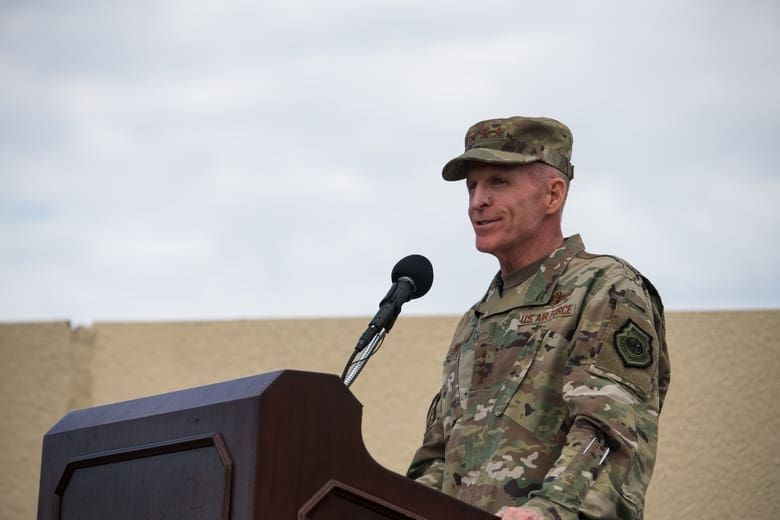
“With the renaming of this training annex, the Air Force will fittingly memorialize Master Sergeant Chapman at the location where all Air Force enlisted Airmen receive their initial combat skills training and all Air Force Special Warfare Airmen begin their journey,” said U.S. Air Force Senior Master Sgt. Michael Herrera, squadron superintendent of the 350th Special Warfare Training Squadron.

Chapman paid the ultimate sacrifice when he selflessly sacrificed his life to fend off a rocket-propelled grenade attack on an incoming MH-47 Chinook helicopter carrying a quick reaction force of U.S. Army Rangers and Air Force Special Tactics Airmen.
In a valiant attempt to rescue U.S. Navy SEAL, Petty Officer 1st Class Neil Roberts, Chapman and the team voluntarily reinserted themselves into immediate danger. Upon exiting the helicopter, Chapman immediately charged uphill through the thigh-deep snow, directly engaging enemy combatants, clearing the position.

With no regard for his own life, Chapman intentionally moved from cover and was struck by enemy machine gun fire. Despite severe, mortal wounds, Chapman continued fighting relentlessly before paying the ultimate sacrifice.
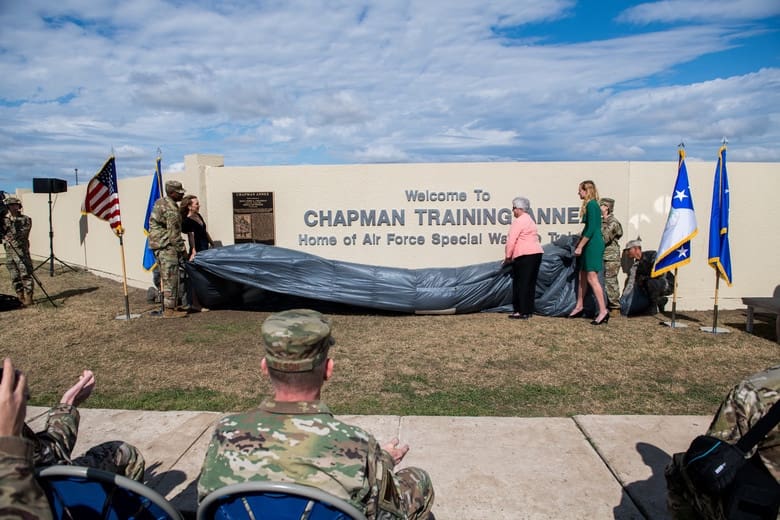
Chapman was posthumously promoted to the rank of Master Sergeant on Aug. 22, 2018 by General David Goldfein, Chief of Staff of the U.S. Air Force.
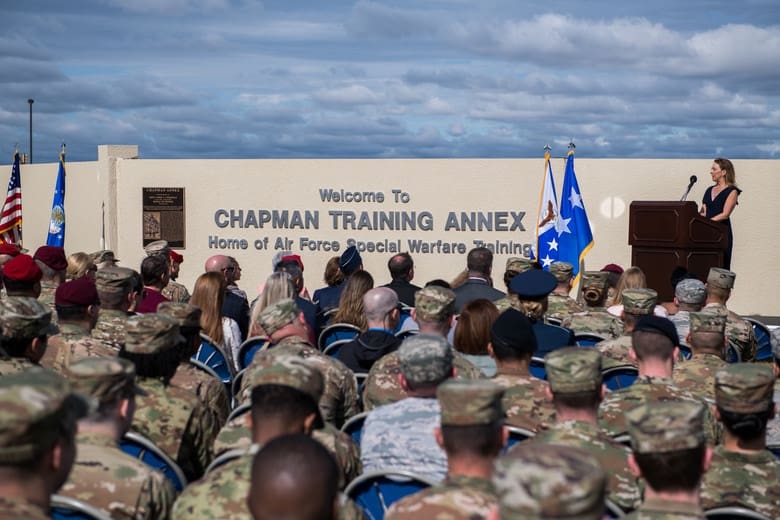
“John Chapman was a great warrior, a steadfast friend, a selfless patriot, and above all—a man of unquestionable character,” said U.S. Air Force Vice Chief of Staff, General Stephen W. Wilson. “I think it’s important to never forget his sacrifices, so that this Chapman Annex might stand as an enduring reminder to all about the ideas of selfless service—about an unwavering commitment to duty, and to fellow men, so that we can aptly characterize what John Chapman did and his service to our nation.”
Chapman is one of four enlisted Airmen in the U.S. Air Force to have been awarded the Medal of Honor.

“The heroism and valor of the number of special operators are particularly well chronicled. While there were a number of extremely high awards presented in the aftermath of this battle, the story of John Chapman’s gallantry simply stands above them all,” said U.S. Air Force Lieutenant Gen. Brad Webb, commander of Air Education and Training Command. “All Airmen who pass through this gate, for BMT as well as Special Warfare, will gaze upon this welcome sign to the Chapman Annex, and know that they may be called upon to be the next Chappy.”

Chapman’s family members attended the ceremony including his wife, Valerie Nessel and his daughter Brianna Chapman; his mother, Terry Chapman; sister Lori Longfritz and brother Kevin Chapman.

“During training, there will be days when one is pushed beyond physical limitations. Days of little sleep, cold, hunger, pure exhaustion. You’ll feel defeated, and thoughts of quitting creep in often. The operator has to want with every fiber of their being to become an operator,” said Ms. Valerie Nessel, spouse of Master Sgt. John Chapman. “This is where John’s story of heroism and legacy come into play. When doubts enter, one must remember John on that mountain top. You will learn about him through this annex training facility.”

“There is a quote by Arthur Ashe that defines heroism and that is the one word that defines John to the fullest. The quote goes like this, ‘True heroism is remarkably sober, at times undramatic. But it is not the urge to surpass all others at whatever cost, but the urge to serve others at whatever cost.’ I wish all the trainees the best in their pursuit and challenge them to train and operate as John lived and died. Thank you for always remembering John,” Nessel said.

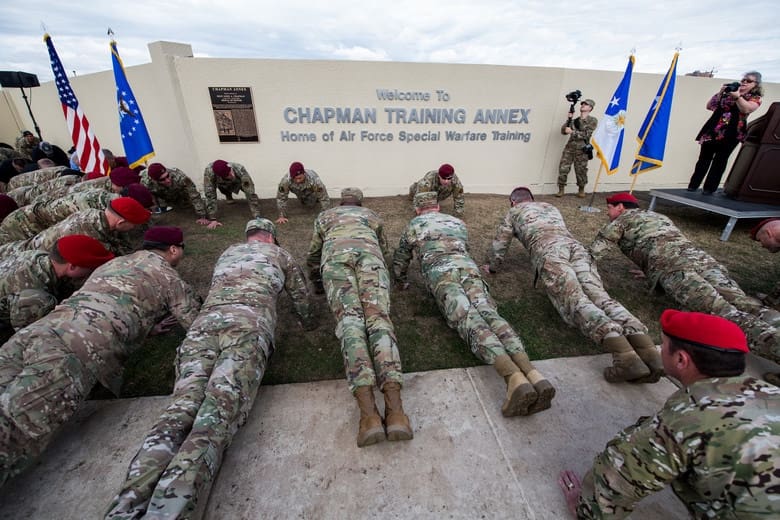
Following the ceremony, Chief Master Sgt. Jaime Clark, command chief of the Special Warfare Training Wing, led Airmen, teammates and family members in performing memorial push-ups in honor of Master Sgt. Chapman, a Special Tactics tradition to honor fallen comrades.

The Special Warfare Training Wing selects and trains the Air Force’s conventional and special operations ground combat forces to meet the demand of the future battlefield.

The Special Tactics community was well represented with leaders from the 24th Special Operations Wing including former 24th SOW commander, U.S. Air Force Brig. Gen. Claude Tudor and U.S. Air Force Chief Master Sgt. Jeff Guilmain, 24th SOW command chief.

“We’re welling with pride seeing this dedication that will cement John Chapman’s valor and sacrifice for future generations of Special Tactics Airmen following in his footsteps,” said Guilmain.

Special Tactics is U.S. Special Operation Command’s tactical air-ground integration force and the Air Force’s special operations ground force, leading global access, precision strike, personnel recovery and battlefield surgery operations.

Story by Bridget Donovan , 24th Special Operations Wing Public Affairs

Photos by photo by Sarayuth Pinthong

FirstSpear Friday Focus – GP Bag, Non-Stocking Non-Standard
Friday, March 6th, 2020

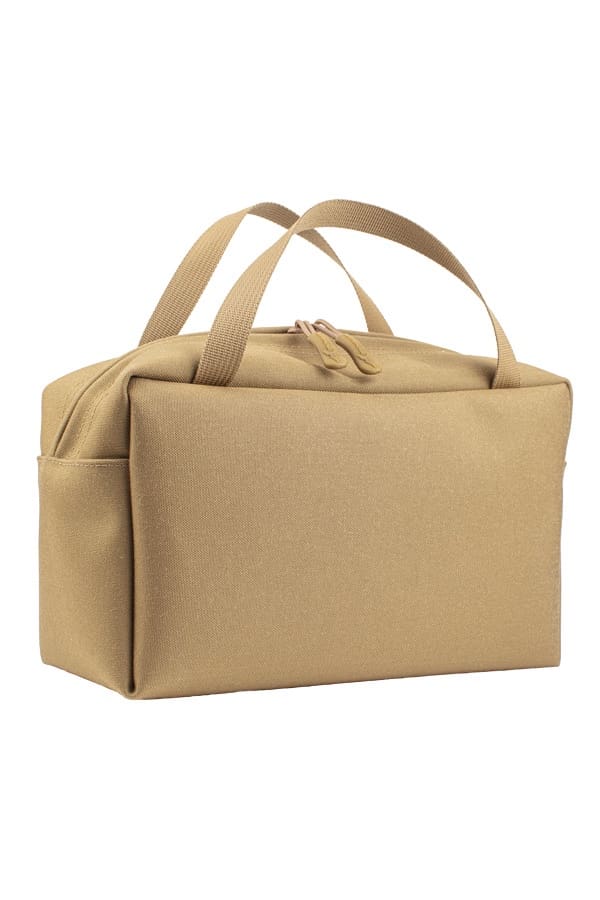
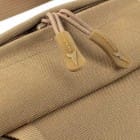
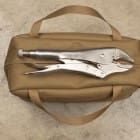
For this Friday we are getting a look at an all new Non-Stocking Non-Standard bag now available from FirstSpear, the small yet mighty GP Bag, originally developed at the request of FS professional user. Built with a double sided nylon laminate the GP bag offers improved strength and abrasion resistance. It is extremely rigid and works great as a tool bag or hygiene kit. Features dual zipper pulls, premium hardware, and low profile carry handles. 100% Made in America, available and now shipping while supplies last. Only available in coyote brown.


Dimensions: 11x5x8

www.first-spear.com/gp-bag

Fallen Special Tactics Airman Honored with Hometown Bridge Dedication

Friday, March 6th, 2020

ROCHESTER, Pa. – The Special Tactics community will forever honor the lives and legacies of the fallen and ensure their names will not die twice.

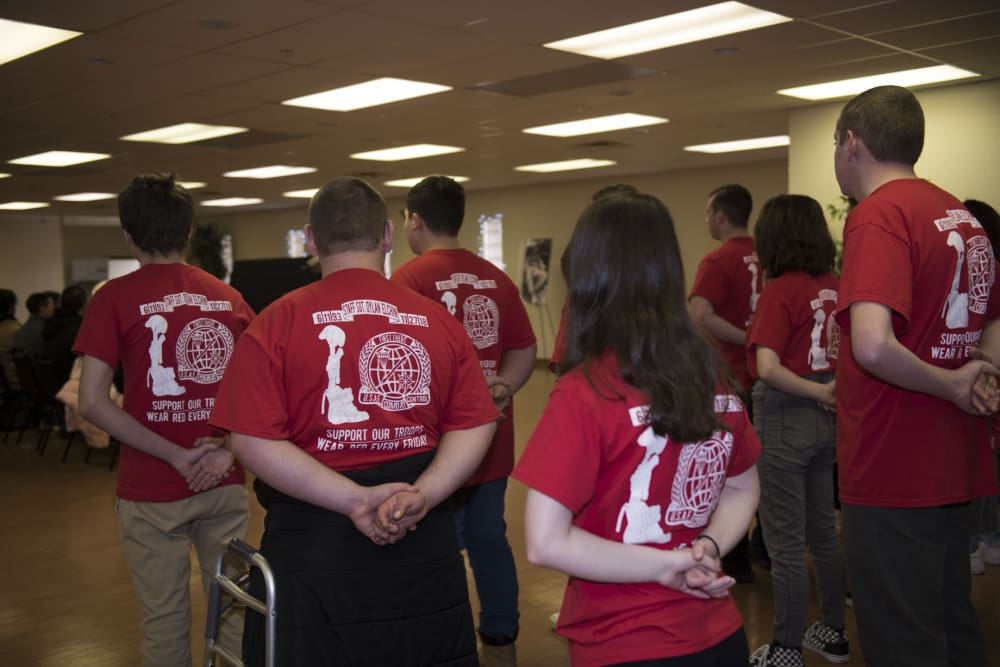
Family, teammates and local community members commemorated the life and legacy of U.S. Air Force Staff Sgt. Dylan Elchin, a Special Tactics combat controller, with a bridge dedication at the Veterans of Foreign War Post 128, Rochester, Pennsylvania, Feb. 29, 2020.

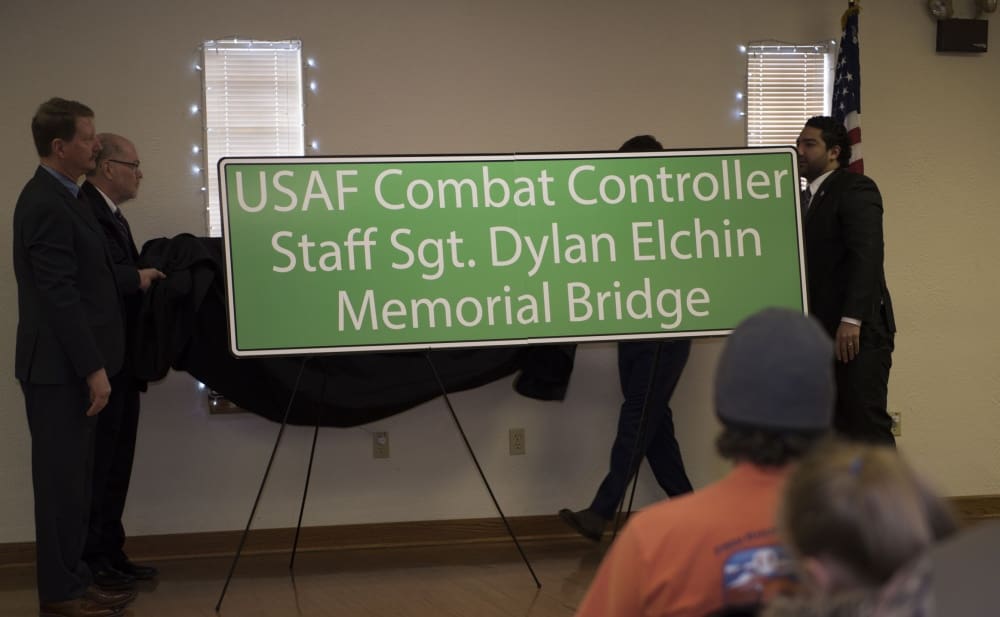
The Vanport Bridge traversing the Ohio River was renamed, “USAF Combat Controller Staff Sgt. Dylan Elchin Memorial Bridge.”

Elchin, while deployed to Afghanistan in support of Operation FREEDOM’S SENTINEL, gave the ultimate sacrifice on Nov. 27, 2018, when his vehicle hit an improvised explosive device.

Ron Bogolea, grandfather of Elchin, and local community leaders unveiled the USAF Combat Controller Staff Sgt. Dylan Elchin Memorial Bridge.

“On Nov. 11, 2012, Veterans Day, [Dylan] wrote on Facebook, ‘I want to thank all of those who pay for our freedom, which some take for granted.’ Little did he know, six years later, he would pay that price,” said Bogolea. “Dylan’s life of duty, courage, sacrifice, and love of country reminds us what is good in ourselves and it teaches our children what is great about America.”

Pennsylvania State Senator Elder Vogel Jr. and other local representatives spearheaded the efforts in introducing the bill to have the bridge renamed in Elchin’s memory.

“Legacy is what gathers us here today.” said Vogel. “It is my hope that this bridge will encourage future generations to emulate the manner in which Dylan lived. Live for others as Dylan lived for his brothers in arms, his family and his community.”

Elchin was a recipient of the Bronze Star, Purple Heart, the Army Commendation With Valor, the Air Force Commendation Medal, the Air Force Combat Action Medal, the Good Conduct Medal, the National Defense Service Medal, the Afghan Campaign Medal, the Global War on Terrorism Service Medal, and the NATO Medal.

 “Today this community gets to honor Dylan in a bridge renaming ceremony” said U.S. Air Force Col. Matt Allen, commander of the 24th Special Operations Wing. “It’s my fervent hope that those who pass across this bridge next week, next month, and in the years to come, to take a moment to remind themselves and reflect on the extraordinary service, sacrifice and commitment of one of the sons of this community, Staff Sgt. Dylan Elchin.”

Members of the 26th Special Tactics Squadron, Cannon Air Force Base, New Mexico, attended the ceremony to honor their fallen teammate.

“No matter what training we were doing he was always smiling and having a great time,” said Tech. Sgt. Adam Lollar, member of the 26th STS. “Whether it was a 1,600 mile off-road trip through the New Mexico backcountry or 100 plus degrees in the Nevada desert shooting.”

“I find it amazing to have the opportunity to witness the legacy and memory of Dylan being carried on, especially by his local community…seeing Dylan’s hometown uniting through his memory, especially someone like Dylan who gave everything for that community and this nation, is awesome,” said U.S. Air Force Capt. Marty Bouma, a flight commander with the 26th STS. “Dylan was one of the most selfless individuals I’ve met, but I know the way the community has come together in this would make him proud.”

As a Special Tactics combat controller, Elchin was specially trained and equipped for immediate deployment into combat operations to conduct global access, precision strike, and personnel recovery operations. He was skilled in reconnaissance operations, air traffic control and terminal attack control operations.

Special Tactics is U.S. Special Operation Command’s tactical air-ground integration force and the Air Force’s special operations ground force, leading global access, precision strike, personnel recovery and battlefield surgery operations.

By 1st Lt. Alejandra Fontalvo 

24th Special Operations Wing Public Affairs

USAF Rescue Squadron Athletic Trainer Rehabilitates Airmen

Thursday, March 5th, 2020

MOODY AIR FORCE BASE, Ga. —

The 41st Rescue Squadron executes a physically demanding mission of personnel recovery, in doing so, rescue members require a recovery of their own.  

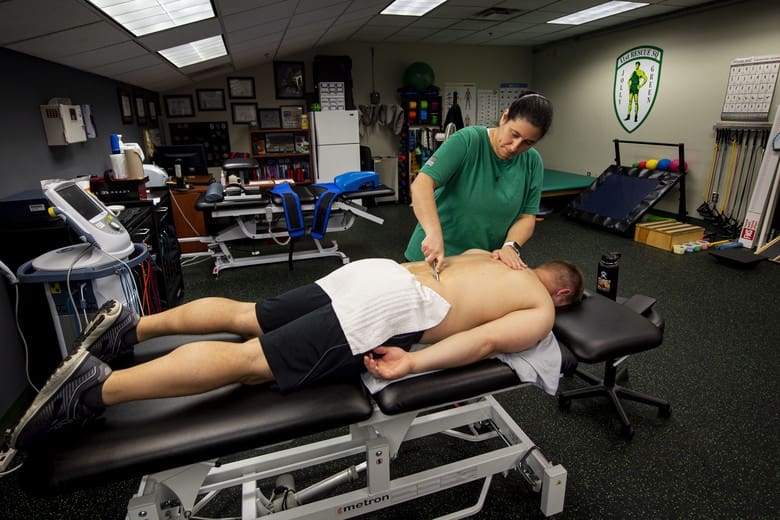
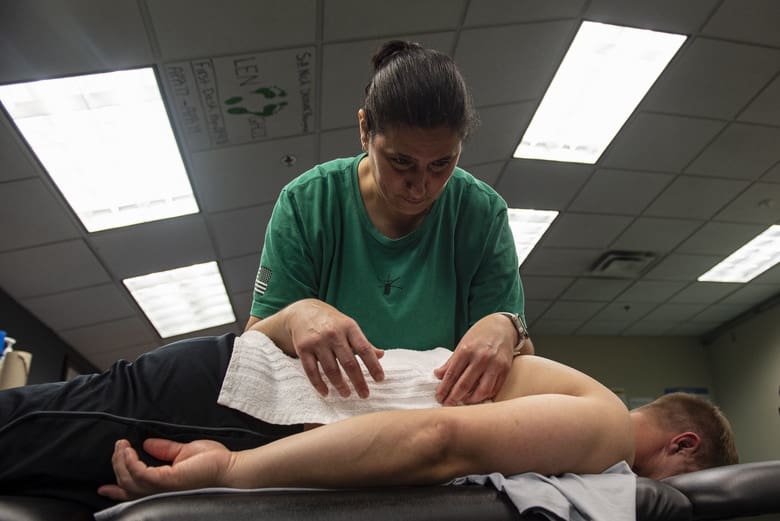
Lori Uretsky, 41st Rescue Squadron athletic trainer, provides these Rescue Airmen with preventative care and treatment for injuries to keep them mission ready.

“[Uretsky] does preventative maintenance,” said Tech Sgt. John Rosenberg, 347th Operations Support Squadron special missions aviator. ”She keeps minor injuries from becoming major injuries and sustains chronic injuries. Taking care of [injuries] on a regular basis keeps them from becoming major issues, which could take me off the flying schedule and have a direct impact on the mission.”

Uretsky has been working with the 41st RQS since October 2017 and has had more than 2,200 appointments and tended to 3,112 injuries.

“I see a lot of neck pain, upper back and lower back pain for the pilots and the special mission aviators usually have shoulders and knee pains because of their job duties,” Uretsky said.  “When I say neck and back pain that can range from muscle tightness to herniated disks to stress fractures in their back. I will say for the most part, a lot of neck pain [comes] from wearing helmets and night vision goggles because it adds weight to their head.”

Rosenberg, a patient of Uretsky’s, has been being seeing her for a leg injury for about a year.

“I’ve been having problems with scar tissue in my ankle” Rosenberg said. “We’ve been working on physical therapy with the ultrasound and sticks on my leg. It’s helping break all that stuff up. Yes, it hurts, but at the same time, I can actually feel it getting better. The prevented maintenance that she does is what enables me to still fly.”

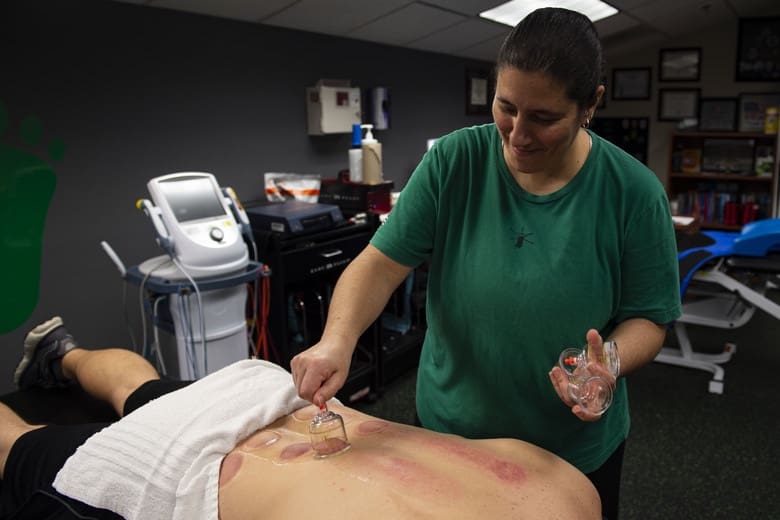
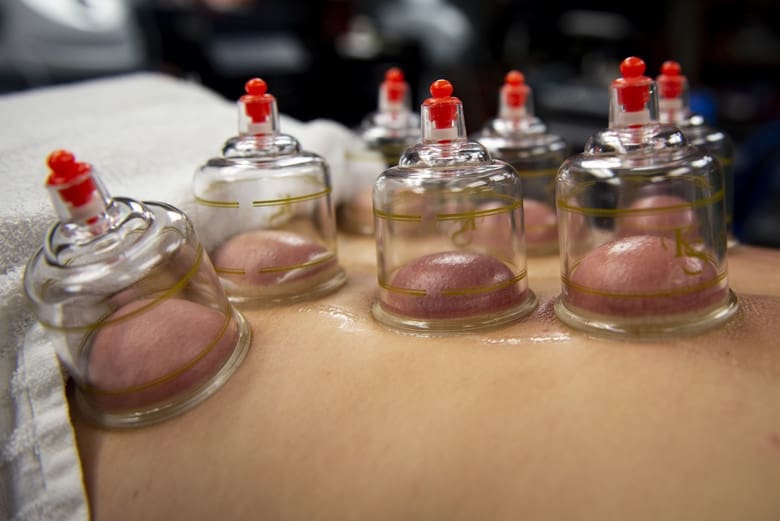
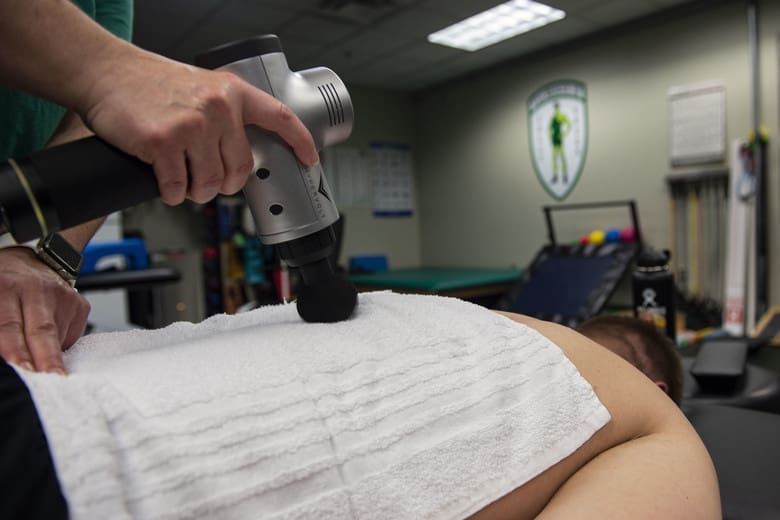
In addition to treating injuries with dry needling, cupping and physical therapy, Uretsky provides annual and post-surgery rehabilitation services that help get wounded Airmen back in the game.

“I was unfortunately fortunate that we had someone get hurt downrange and sent back early for surgery,” Uretsky said. “I say unfortunate, because I never want that to happen, but I was able to do his rehab with him here in-house and get him cleared to return to fly. So, what we thought was going to be career ending, wasn’t. He’s back flying. So, I mean, that is really rewarding to see that.”

According to Uretsky, she has only had to deny seven Airmen from flight, which is lower than numbers seen in previous years because Uretsky is, not only on hand to provide her services here, but has the ability to travel with the unit.

“I’m going to the red flag exercise next month. This will be my second TDY,” Uretsky said. “This red flags a little shorter last year. [It lasted for] five to six weeks. They’d fly three, four times a week, have all their issues, then have to wait for when they come back [for treatment]. So even though I’m not there the whole time, I go in the smack dab of it, treat them and [which should] last until they can come back and see me again.

“I am able to do teleconferences if [Airmen] have issues. I’ve sent things downrange so that they would be able to take care of [issues] the best they could before they had to go to a major base to get treated.”

Uretsky believes being embedded in the squadron also makes a big difference in the relationships between her and her patients.

“I love my relationships with the patients,” Uretsky said. “I joke all the time and tell them that they’re a tad bit crazy for going into a bad scene probably getting shot at to go save others. Most people would go away from that kind of stuff. So, I think they’re very special. To be able to take care of them is awesome. My dad and my grandfather are vets. So, working with the military is my way of giving back.

“If I help one person and keep them in their career, then that makes me happy,” Uretsky said.

By Airman Azaria E. Foster, 23d Wing Public Affairs