Phantom Lights

Archive for the ‘Guest Post’ Category

FirstSpear Friday Focus – 9oz Stratton Flannel

Friday, October 25th, 2019

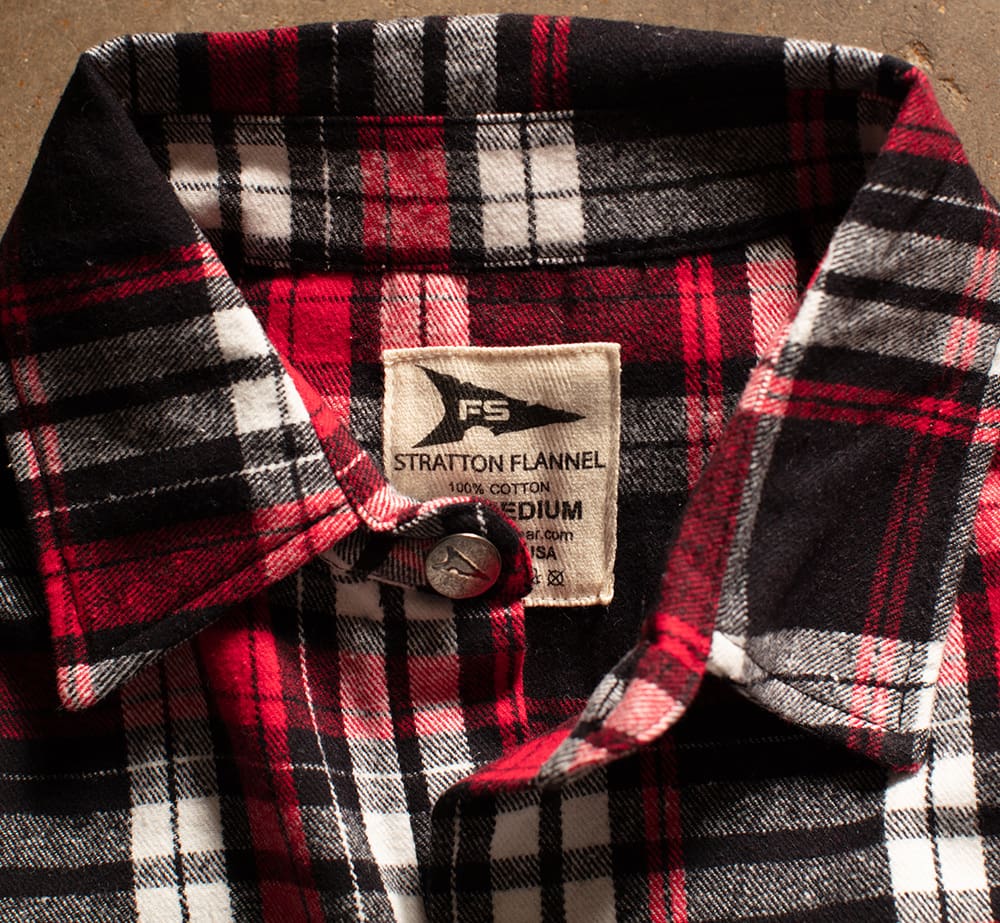
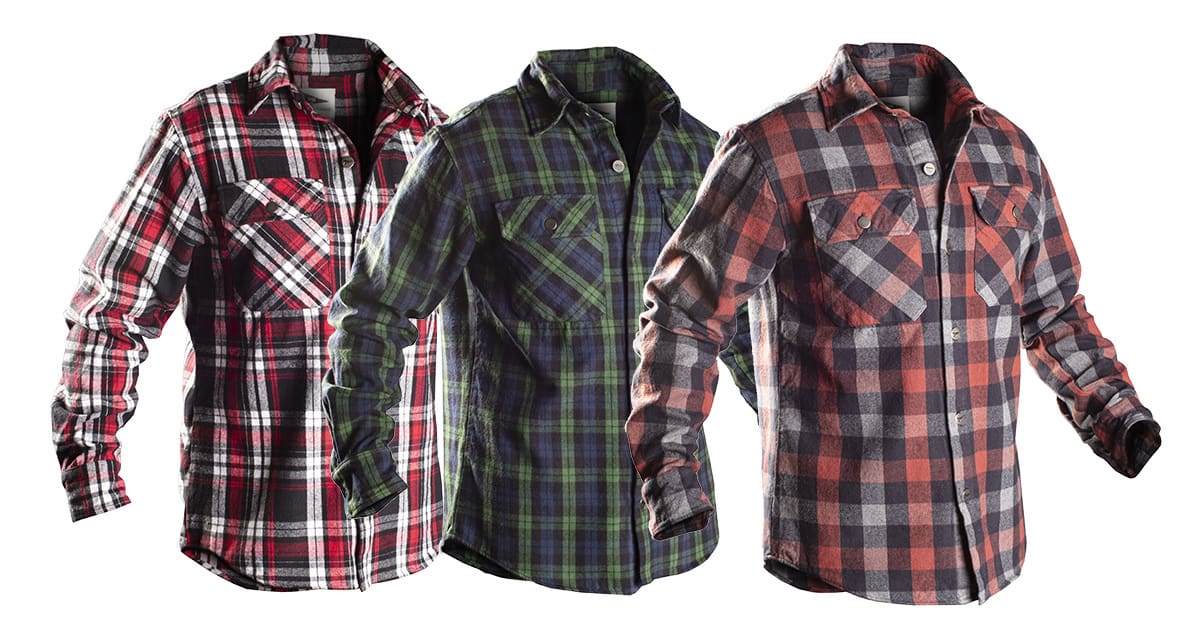
FirstSpear’s all new winter weight Stratton Flannels have arrived early in three new great looking colors. 100% American made in the same cut as the 4oz we saw last month in a much heavier 9oz weight. Premium construction with oversized breast pockets, exterior hang loop, and two button closure on forearm and cuff. Machine washable and oversized to accommodate 3% shrinkage after a few cycles in the wash. The Stratton Flannel is an oversized design, step down one size from your normal t-shirt size for a standard fit.

Made in America – Now Shipping

www.first-spear.com/technical-apparel/stratton-flannel

Next-Generation Bomb Suit Lightens Load for Marines

Wednesday, October 23rd, 2019

MARINE CORPS BASE QUANTICO, Va. —
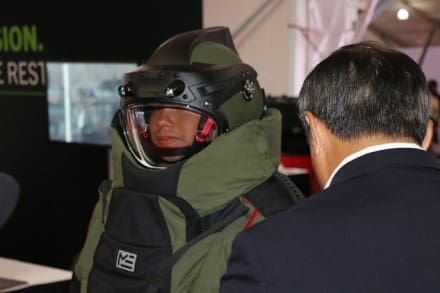
Explosive Ordnance Disposal Marines will soon receive a lighter and more capable bomb suit for protection against various threats.

Fielding in 2020, the EOD Advanced Bomb Suit incorporates several 21st century, next-generation technological advancements intended to help EOD Marines withstand arduous conditions on the battlefield.

The system protects against severe injuries caused by blast overpressure, shrapnel, heat and impacts. The suit also comprises an elaborate integrated ventilation system to reduce heat stress and improve breathing.

“The new EOD bomb suit provides the warfighter with additional protection and flexibility,” said Fernando Pena, Marine Corps Systems Command’s project officer for the suit. “It is a superior suit compared with the previous system.”

In 2014, the Corps fielded an innovative bomb suit that has provided protection to the warfighter. However, because threats are ever-evolving, the need to find new ways to safeguard EOD Marines is paramount in carrying out missions and defeating adversaries.

Master Sgt. Zachariah Kindvall, an MCSC subject matter expert for the EOD bomb suit, says the new system helps meet the warfighter’s ever-changing needs.

“The new EOD bomb suit will add another level of personal protection equipment for Marines to use,” said Kindvall. “It provides a higher level of protection than what we currently have.”

The EOD suit meets or exceeds the performance and characteristics of the legacy system. For example, the newer system has a more ergonomic design, offers superior overall balanced protection, and provides greater situational awareness and operational capabilities, said Pena.

Kindvall noted how the suit offers more comfort, reducing the risk of fatigue. He said engineers emphasized the design and fitting of the suit, making it easier for the warfighter to maneuver. The clothing is also easier to don and doff compared with the previous system.

“The foot protection, in particular, is much easier to walk in and provides much more comfort and protection,” said Kindvall.

Additionally, the suit is significantly lighter than its older counterpart—a characteristic of the system Kindvall says can help Marines. Lightening the warfighter’s load is important because too much gear can wear on the warfighter. The new bomb suit reduces weight while also enhancing protection and communication.

“Lightening the load gives Marines more flexibility during missions—even if it is just a reduction of a few pounds,” said Kindvall. “That weight reduction can be significant.”

Both Pena and Kindvall are confident the system will be advantageous on the battlefield. As Pena explained, the warfighter can investigate and perform render-safe procedures involving an improvised explosive device knowing the suit’s added stability can protect them from serious impact and other hazards.

“We as a program office must be proactive in understanding the dynamic changes of today’s threats as well as future threats,” said Pena. “The new EOD bomb suit helps to support this idea.”

By Matt Gonzales, MCSC Office of Public Affairs and Communication | Marine Corps Systems Command

Integrated Visual Augmentation System Brings AI to Soldier Training

Tuesday, October 22nd, 2019

WASHINGTON — The Army is now testing virtual-reality goggles that will allow Soldiers to rehearse combat missions that they are about to undertake.

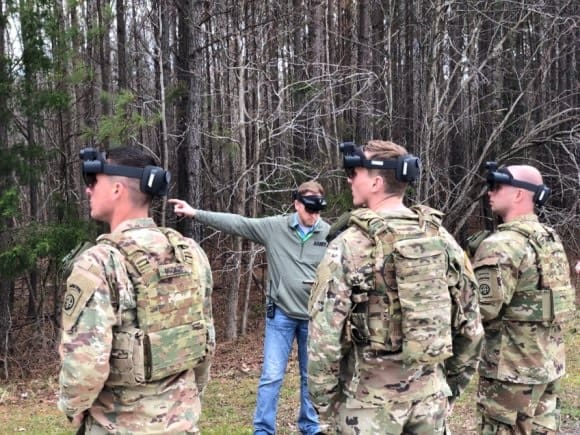
The Integrated Visual Augmentation System, known as IVAS, will be tested by 82nd Airborne Division troops next month at Fort Pickett, Virginia. The IVAS goggles will allow Soldiers to see simulated images superimposed over the actual terrain.

The Soldiers will wear the goggles and miniature computer equipment as they negotiate obstacle courses, run land navigation and conduct other missions, said officials from Program Executive Office Soldier.

Called Soldier Touchpoint 2, the test is designed to provide feedback to PEO Soldier so the IVAS heads-up display can be further enhanced before 200,000 of the headsets begin to be fielded in 2021.

IVAS has been touted by senior leaders as a “game-changer” for Soldier lethality and a quick win for the modernization priority.

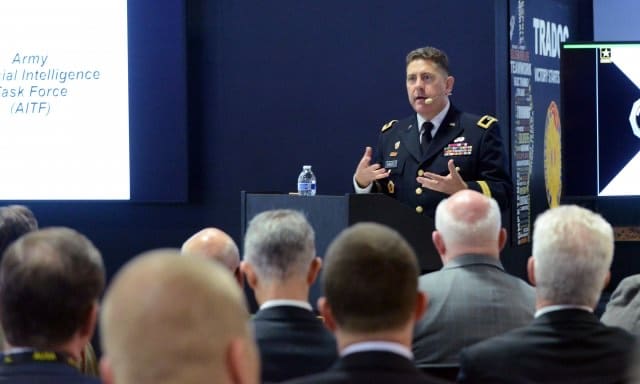
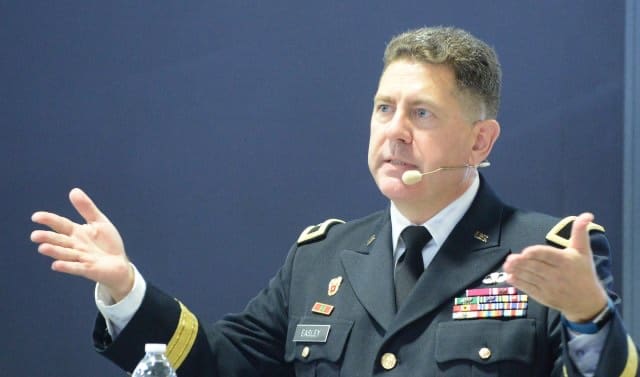
The IVAS headsets are a good example of how artificial intelligence is being used to enhance Soldier lethality, said Brig. Gen. Matthew Easley, director of the Army’s AI Task Force.

Each pair of IVAS goggles has “significant amounts of high-tech sensors onboard and processors,” Easley said at a Warriors Corner presentation Monday afternoon during the Association of the U.S. Army Annual Meeting and Exposition.

Each IVAS headset has integrated AI chips built into the system, he said.

“Those chips are doing visual recognition,” he said. “They’re tracking a Soldier’s eye movements, they’re tracking a Soldier’s hand as it interfaces with the system, and they’re tracking a Soldier’s voice.”

The IVAS headset “uses a customized AI piece” to make it work, he said.

AI will be an enabler for all of the Army’s modernization programs over the next decade, Easley said.

“Each one of those systems need AI,” he said, from Future Vertical Lift to Long-Range Precision Fires to the Next Generation Combat Vehicle.

“AI, as you know, is becoming a pervasive part of our society,” he said.

“Every system that you can think of — from self-driverless cars to ride-sharing applications, to restaurant recommendation systems to healthcare systems — they span every area of our society.

“They need to span every battlefield system that we have,” as well, he said, from maneuver to fire control.

By Gary Sheftick, Army News Service

Max Talk 41: CQB: Methods of Entry: Step Center

Monday, October 21st, 2019

This is the forty-first installment of ‘Max Talk Monday’ which shares select episodes from a series of instructional videos. Max Velocity Tactical (MVT) has established a reputation on the leading edge of tactical live fire and force on force training. MVT is dedicated to developing and training tactical excellence at the individual and team level.

This is a segment from the Max Velocity Tactical CQBC (Close Quarter Battle Course). The three day class covers Tactical Clearance methods. This specific period of instruction concerns the number one man entering an open doorway via the Step Center method of entry. The CQBC class is a three day event, day 1 on the flat range conducting individual skills and entry drills, using live fire and frangible ammunition. The latter two days are force on target and force on force at the CQB complex.

More of these instructional videos can be found by subscribing to the Max Velocity Tactical YouTube Channel.

Detailed explanations can be found in the MVT Tactical Manual: Small Unit Tactics.

Max is a tactical trainer and author, a lifelong professional soldier with extensive military experience. He served with British Special Operations Forces, both enlisted and as a commissioned officer; a graduate of the Royal Military Academy Sandhurst. Max served on numerous operational deployments, and also served as a recruit instructor. Max spent five years serving as a paramilitary contractor in both Iraq and Afghanistan; the latter two years working for the British Government in Helmand Province, Afghanistan.

Website: Max Velocity Tactical

YouTube: Max Velocity Tactical

Excellence in Tactical Training.

SCUBAPRO Sunday – Midway

Sunday, October 20th, 2019

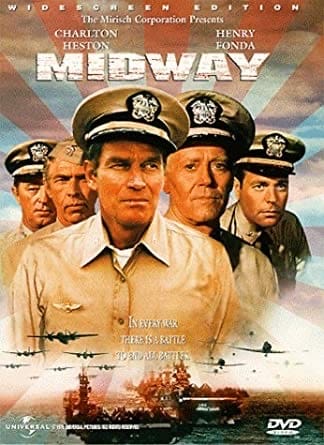
The movie Midway is one of my favorite WW2 movies. They used a lot of real footage from the battle that was shot by director John Ford during the actual battle, (He also directed, They were Expendable, and Mister Roberts) you can tell it was old footage, but it does helps tell the story. So far Hollywood has not done a great job “remaking” movie or retelling the same story. They killed Red Dawn. Hopefully they use the same mindset that was used for Saving private Ryan, Band of Brothers and even Fury.

First Soldiers Awarded Expert Soldier Badge

Saturday, October 19th, 2019

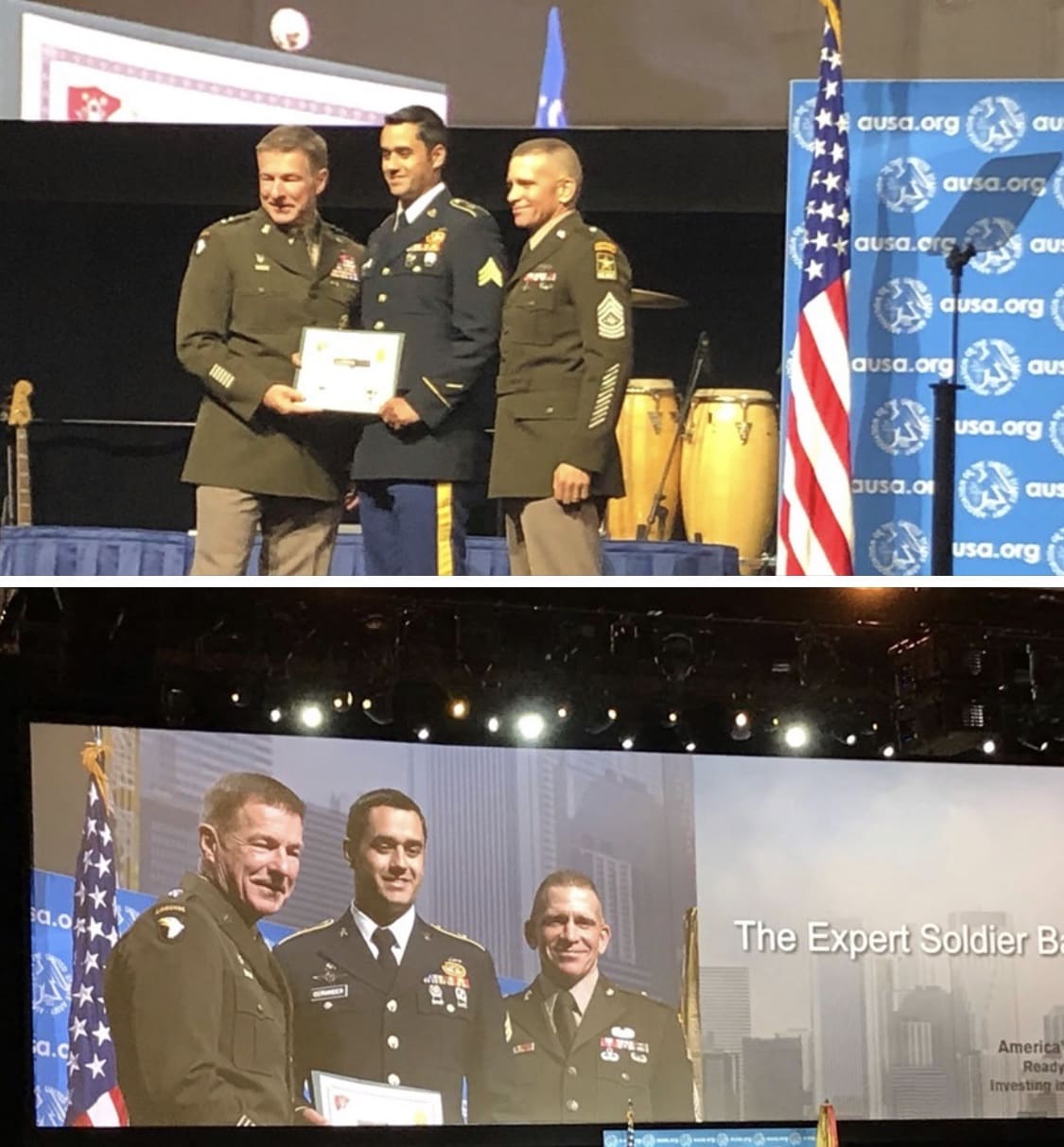
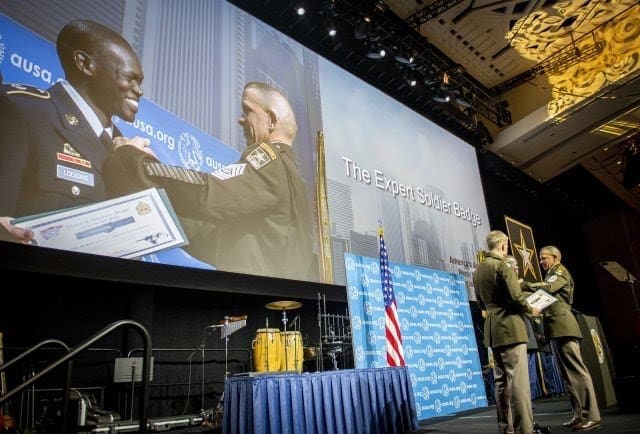
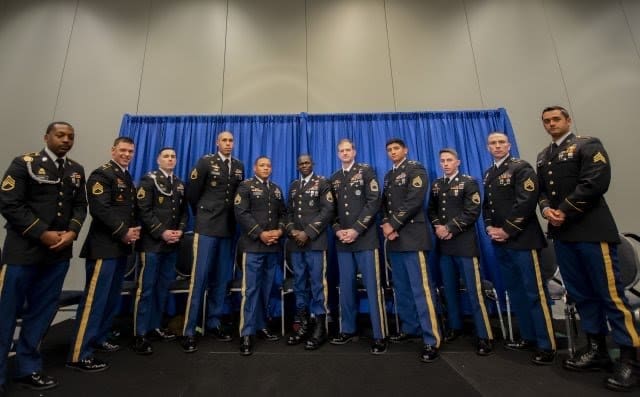
WASHINGTON — Eleven top-performing Soldiers from around the Army came together Tuesday to receive the Army’s first-ever Expert Soldier Badges.
Army Chief of Staff Gen. James C. McConville made the presentation during the Eisenhower Luncheon at the Association of the U.S. Army’s Annual Meeting and Exposition.

“I’m really proud of what these Soldiers have accomplished,” Sgt. Maj. of the Army Michael A. Grinston said. “At the time, the [ESB] was a new challenge not only for them but for the Army. These 11 individuals can now proudly wear a badge that firmly recognizes them as experts in their profession, something all Soldiers should strive to be.”
Announced on the Army’s 244th birthday in June, the ESB is a proficiency badge designed to recognize a Soldier’s lethality outside of the infantry, by measuring their “mastery of physical fitness, marksmanship, and other critical Soldering skills necessary for combat readiness,” said Sgt. 1st Class Dennis Moore, the badge’s noncommissioned officer in charge at the Army Center for Initial Military Training.

“[The ESB] recognizes the next generation of competent, committed leaders who thrive in chaos, adapt, and win in a complex world,” said Master Sgt. Norbert Neumeyer, a U.S. Forces Command master gunner who oversaw the first ESB test.

In April 2017, 56 Soldiers were selected from FORSCOM units across the Army during the pilot phase of testing. Of those who tested, 12 passed, making the pass-fail rate on par with the Expert Infantryman Badge and Expert Field Medical Badge.
Spc. Mahrubius Ledford, released from active duty March 2019 , was unable to attend Tuesday’s ceremony.

For Staff Sgt. Tyler Lewis, a field artillery firefinder radar operator out of Fort Bliss, Texas, earning the ESB “represents all aspects of being a Soldier,” he said.

“Being a Soldier means being a tactical and technical expert from the level of basic Soldiering skills to the advanced levels of your [military occupational specialty],” he said. “A Soldier learns to be adaptable, disciplined, and master and steward of his or her profession in every situation.”
SHARPEN YOUR SOLDIERING SKILLS

For Sgt. Michael Ostrander, armament shop noncommissioned officer at Joint Base Lewis-McChord, Washington, he said he had to touch up his land navigation skills in order to earn his ESB.

The small arms repairmen said he relied on the Soldering skills he learned during basic combat training and throughout his military career during the test. He also suggested Soldiers planning to test for the badge “brush up on things they’re rusty on.”

For many Soldiers, the ESB tasks may seem like “common ones that have been taught before,” Lewis said. But, “[Soldiers] need to ensure that their knowledge is accurate to each standard tested. Practicing each skill until it becomes second nature is the key to success.”

Staff Sgt. Mike Mata, joint fire support specialist at Fort Sill, Oklahoma, echoed his fellow recipients when he credited “hands-on training and mock repetitions” to earning the ESB.

“It’s important to remember that testing is intended to be rigorous, mission-focused, and conducted under realistic conditions,” Neumeyer said.

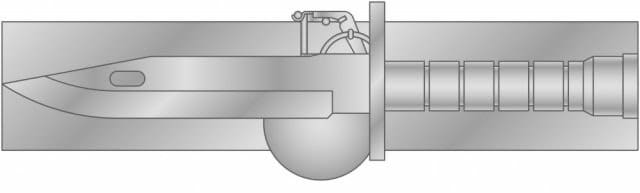
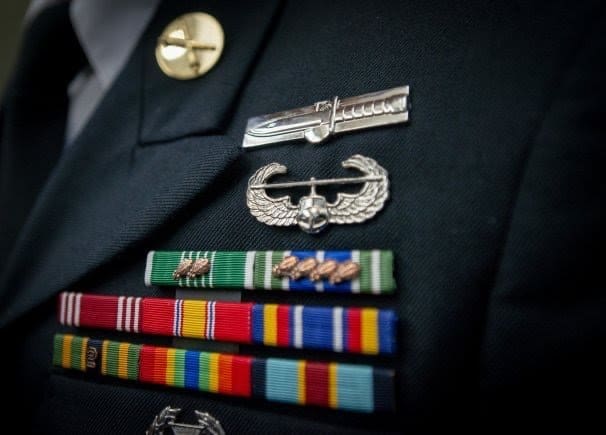
The new skill badge is an equivalent of the EIB and the EFMB. It’s nearly a spitting image of the Combat Action Badge, minus the wreath. The badge displays the same M9 bayonet knife and M67 frag grenade inlaid against a solid, gray rectangular bar.

The test includes various commander-selected tasks essential to their respective units, like how to respond to an improvised explosive device attack, forging fighting positions, finding Soldiers in a tactical environment, and how to mark chemical, biological, radiological, and nuclear-contaminated areas. Other tasks include a day and night land navigation test, a 12-mile ruck march, and a series of individual assessments.

The test also contains a variety of events, sharing roughly 80% of the tasks in the EIB and EFMB, and takes five days for Soldiers to complete. Standards for the test will not be adjusted based on age, gender, or any other criteria.

“The [ESB] will increase overall readiness and lethality, and the first recipients are among the top-qualified Soldiers in the Army,” Moore said.

To qualify, Soldiers must first pass the new Army Combat Fitness Test, slated to be the official fitness test for the Army by October 2020. Soldiers must also qualify as expert on the M16 or M4 and be recommended by their chain of command.

“The ESB gives units a baseline and ability to measure their Soldiers’ physical fitness,” Neumeyer said. “It also ensures Soldiers perform to standard all the critical tasks they’re supposed to have knowledge of, and measures their abilities to an expert level.”

Grinston said today’s awards are only the beginning for the Expert Soldier Badge, adding it will increase readiness and Soldier lethality across the force.

“We have ESB testing that will be underway later this month at Joint Base Lewis-McChord and next month at Fort Eustis,” Grinston said. “I look forward to seeing the results. This is a truly challenging badge to earn with training along the way that will help better prepare our Soldiers for combat.”

The first-ever recipients of the ESB include:

Staff Sgt. Joseph Alcorn, Joint Base Lewis-McChord, Washington

Staff Sgt. Freeman Harris, U.S. Army Garrison Stuttgart, Germany

Sgt. 1st Class Christopher Harvey, Joint Base Lewis-McChord, Washington

Staff Sgt. Thomas Jacobsen, U.S. Army Recruiting Office, Gretna, Louisiana

Staff Sgt. Tyler Lewis, Fort Bliss, Texas

Staff Sgt. Anthony Lodiong, Fort Bliss, Texas

Staff Sgt. Julio Macias, Fort Campbell, Kentucky

Staff Sgt. Mike Mata, Fort Sill, Oklahoma

Staff Sgt. Evan Neilson, Fort Jackson, South Carolina

Sgt. Michael Ostrander, Joint Base Lewis-McChord, Washington

Staff Sgt. Bradley Sherman, Fort Benning, Georgia

Spc. Mahrubius Ledford, released from active duty March 2019

By Thomas Brading, Army News Service

1st Special Forces Group Soldier Receives Army Expert Soldier Badge

Saturday, October 19th, 2019

WASHINGTON, D.C. — To earn any coveted badge in the U.S. Army, be it the Expert Infantryman’s Badge (EIB) or Expert Field Medic Badge (EFMB), is to be among America’s most proficient Soldiers.

Sgt. Michael Ostrander, a small arms and towed artillery repairer assigned to 1st Special Forces Group, Joint Base Lewis-McChord, and native of Casnovia, Michigan, is one of the first Soldiers in the Army to earn the new Expert Soldier Badge (ESB).

“To hear that the ESB was actually going to be a thing, I was surprised,” Ostrander said. “Knowing I was one of the first Soldiers to earn it, I was excited to be a part of a great thing and honored to bring this great organization the credit it deserves,” he added.

Ostrander is one of the first 11 Soldiers to be awarded the ESB during the Association of the United States Army (AUSA) annual meeting, October 15, 2019, at the Walter E. Washington Convention Center in Washington, D.C.

The standards set to earn the Army’s new Expert Soldier Badge (ESB) are as challenging as the requirements to earn an EIB or EFMB.

Command Sgt. Maj. Edward W. Mitchell, senior enlisted leader at the Center for Initial Military Training, says like the EIB and EFMB, testing for the ESB consists of an Army Combat Fitness Test (ACFT), day and night land navigation, weapons, medical and more than 30 other individual tasks.

“We wanted every Soldier to make sure they understand that they are experts in their field,” Mitchell said. “Achieving the new badge … requires a much higher standard, just like its cousins, which are the EIB and the EFMB” Mitchell added.

Prior to the start of testing, participants underwent a week of intense training to prepare for the challenges they would face during the ESB qualification.


“There was a week of training before the week testing and it was pretty intense and there was also a big book of study material to go along with it,” Ostrander noted. “I learned a lot of medical stuff that I didn’t know before,” he added.

As with any competition, participants have one or more favorite parts.

“My favorite part of this was learning and solidifying the basic Soldier skills that I have forgotten or just never learned,” Ostrander said. “I learned that I’m a lot more capable than I thought.”

Since the ESB can be earned by any Soldier outside of the infantry, medical and special operations career fields, Ostrander suggests that Soldiers “brush up on things they’re rusty on” to be successful during testing.

-USASOC-

By SGT Larry Barnhill, USASOC Public Affairs

FirstSpear Friday Focus – ACM Hooded Field Shirt

Friday, October 18th, 2019

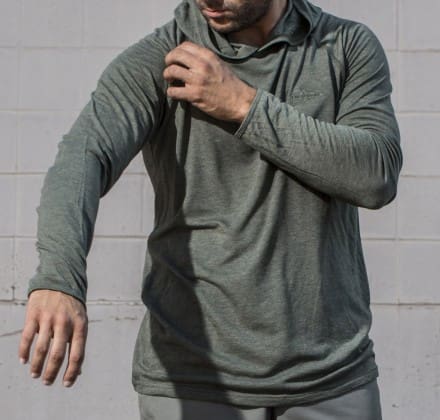
This Friday we are taking a look at another extremely popular garment from the FirstSpear American Wool line up. We are still looking at the lightest weight FS wool package ACM BASE-100, this time on the Hooded Field Shirt. Generously cut with an oversized hood with absolutely no hardware makes for an incredibly comfortable and highly functional base layer or perfect stand alone top when temperatures are fluctuating.

Get all the natural performance characteristics of merino wool in a stylish comfortable and light weight package. Available now in Sand, Charcoal, Heather Grey, Commando, and Black. FirstSpear American Wool is 100% Berry Compliant.

www.first-spear.com/technical-apparel/american-merino-wool/hooded-field-shirt