FirstSpear

Archive for the ‘Guest Post’ Category

Max Talk 25: Advanced Patrol Tactics: Satellite Patrolling

Monday, June 10th, 2019

This is the twenty fifth installment of ‘Max Talk Monday’ which shares select episodes from a series of instructional videos. Max Velocity Tactical (MVT) has established a reputation on the leading edge of tactical live fire and force on force training. MVT is dedicated to developing and training tactical excellence at the individual and team level.

Continuing with the theme on squad maneuver, this video is an introduction to the concept of ‘Satellite Patrolling’ as described in the MVT Tactical Handbook: Small Unit Tactics. Utilizing a sand table model with figurines, as a method of introduction to explain this advanced patrolling technique.

Detailed explanations can be found in the MVT Tactical Manual: Small Unit Tactics.

Max is a tactical trainer and author, a lifelong professional soldier with extensive military experience. He served with British Special Operations Forces, both enlisted and as a commissioned officer; a graduate of the Royal Military Academy Sandhurst. Max served on numerous operational deployments, and also served as a recruit instructor. Max spent five years serving as a paramilitary contractor in both Iraq and Afghanistan; the latter two years working for the British Government in Helmand Province, Afghanistan.

Website: Max Velocity Tactical

YouTube: Max Velocity Tactical

Excellence in Tactical Training.

SCUBAPRO Sunday – Buoyancy Compensator Device

Sunday, June 9th, 2019

The buoyancy compensator device is the cornerstone of a SCUBA diving rig.  It holds the tank securely and assists in routing the air hoses.  Its integrated weight system secures ballast weights, and the valve system keeps a scuba diver neutrally buoyant and in control when descending, ascending, and while exploring the depths. The BCD (sometimes just called a BC) is available in three basic styles: jacket, front-adjustable, and back-inflate.  Determining which is the best BCD for you depends on where you’re going to use it, along with your diving style and skill level. 
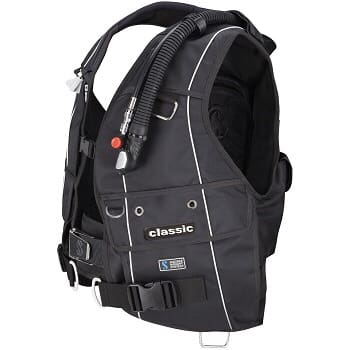
The Scuba Vest

The jacket-style BCD was diving’s original buoyancy compensator design and is still very popular among divers, from the newly certified to the veteran.  Easy to use, it offers lots of lift capacity and requires minimal adjustment.  When SCUBAPRO unveiled the first stabilizing or “stab” jacket over forty years ago, it revolutionized the diving BCD market.  Providing unequaled stability, its unique design uses unrestricted internal passageways to allow air to flow throughout the jacket and accumulate at the highest point.  This makes for a stable ride under water and a comfortable and relaxed face-up floating position on the surface.  A direct descendant of the original “stab” jacket, SCUBAPRO’s modern Classic jacket-style dive BCD combines the best design and construction features of past and present.  Built tough, armed with a first-class valve system and offering an outstanding buoyant lift, the Classic is the original jacket-style BCD, and still one of the best.  “Stab” jacket fans include dive instructors, technical divers, commercial divers, and military divers. 

The Front-Adjustable BCD

A front-adjustable BCD provides a sense of comfort and security that can transform your dive from one of trepidation to total self-assurance.  With the ability to adjust shoulder, chest and waist straps to achieve the perfect fit, and with air cells positioned under your arms and around your waist, a front-adjustable BCD hugs you. An excellent example of a front-adjustable design is the Glide.  Ideal for all types of SCUBA diving, when it comes to comfort, fit, and performance, this buoyancy compensator sets the bar.  Its innovative Y-Fit shoulder design delivers exceptional comfort, control, and range of motion.  Stable both at depth and while floating on the surface, it is popular with new divers, experienced divers who dive infrequently, and divers who like the idea of being surrounded in comfort.  
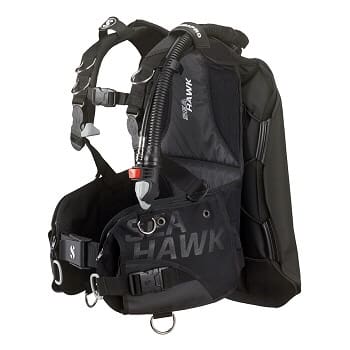
The Back-Inflate BCD

A back-inflate BCD, like the name implies, positions its air cell behind you.  By doing so, front-body bulkiness disappears, leaving an uncluttered chest area, and hydro-drag is radically reduced, creating a feeling of total diving freedom.  Compared to other BCD designs, this can feel like you’re diving with no equipment at all.  Back-inflate BCDs, like the Seahawk 2 or the unique HYDROS PRO, considered the best back-inflate BCD, also tend to place you in the optimum swimming position at depth naturally, and wearing one you will never suffer from body squeeze.  Advanced divers, travel divers and photography models are enthusiastic devotees of the back-inflate BCD.  However, having your buoyancy behind you tends to push you forward on the surface and requires that you pay a bit more attention to your trim weights. This can easily be accomplished with practice, but it’s why the back-inflate BCD tends to be favored by more experienced divers.

The General-Purpose BCD vs. Travel BCD vs. Hybrid BCD

General-purpose SCUBA BCDs are loaded with comfort features like padding and neck rolls and depth-compensating cummerbunds.  They also offer high lift capacities and big weight ditch systems able to hold lots of ballast weight. These BCDs are ideal for temperate to cold-water diving where thick wetsuits or dry suits are required for thermal protection.  If you do most of your diving near home in lakes, quarries or high latitude oceans, these diving BCDs will do the trick.  The above-mentioned Classic jacket-style and Glide front-adjustable are both excellent examples of general-purpose BCDs. Also, a good choice is the back-inflate Seahawk 2. It is built rugged for cold-water diving and offers a generous buoyant lift.  

If you do most of your diving on vacation or in warm-water locales, a travel BCD would be a good choice.  These SCUBA BCDs are lighter in weight, offer less buoyant lift and smaller ballast weight pouches, and they pack extremely easy.  The Litehawk is a back-inflate BCD designed specifically for dive travel; so is the GO, which is built for traveling divers who prefer the fit and feel of a front-adjustable BCD. 

Of course, many divers divide their diving time between excursions close to home and trips to exotic diving locales.  To avoid diving locally with an under-powered travel BCD, or lugging an over-powered
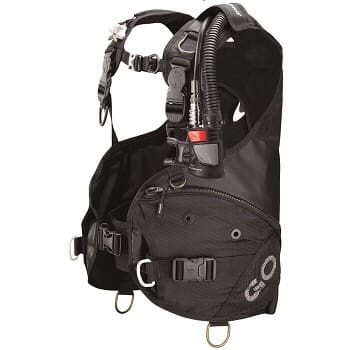
 

general-purpose BCD halfway around the world, some divers choose to own two SCUBA BCDs – one for home and one for vacation.  Other divers opt for a hybrid BCD – a SCUBA BCD that, by virtue of its unique design attributes, can perform as well in local waters as it does in distant tropical waters.
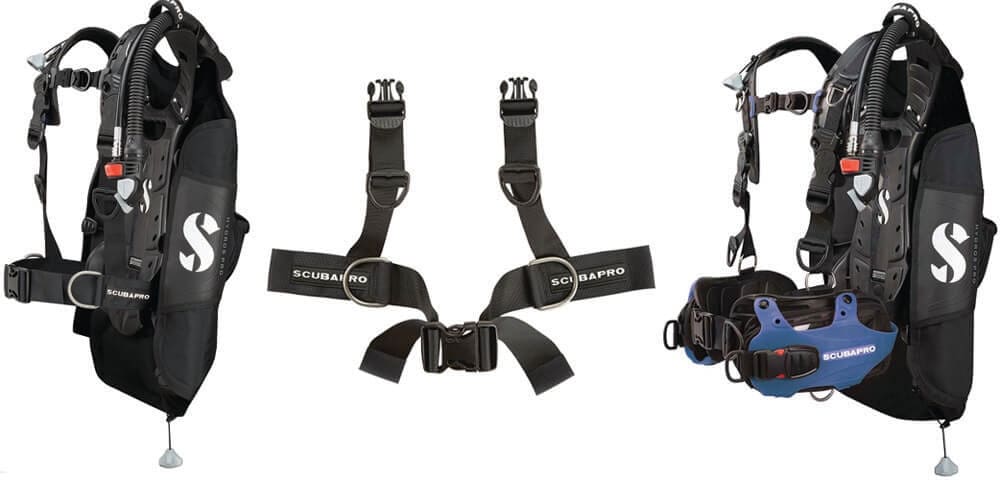
 

If going hybrid sounds like your kind of diving, there is no better example of a first-rate hybrid BCD than the innovative HYDROS PRO.  A real breakthrough in dive comfort and convenience, the HYDROS PRO includes both a full-sized integrated weight system and Trav-Tek harness straps.  With a quick switch of clips, you can transform a powerful fully weight integrated temperate or cold-water scuba BCD into a lightweight and streamlined harness travel BCD.  Modular in design for a lifetime of diving and fully customizable, you simply have to see this SCUBA BCD appreciate all it offers fully.  The HYDROS PRO is an incredible feat of SCUBAPRO engineering.
     

Best Women’s BCD

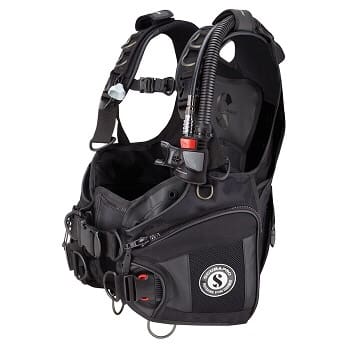
Buoyancy compensators are generally considered unisex SCUBA equipment.  For example, the above-mentioned jacket-style Classic and back-inflate Seahawk 2 and Litehawk, as well as the front-adjustable X-Black and Equalizer, can all be worn by both male and female divers. However, women are unique in size and shape, and they often face difficulties finding a BCD that fits right, provides good stability, and is easy to control in the water.  For this reason, there are buoyancy compensators available that are specifically designed, tailored, and sized for female divers.  On these BCDs, you’ll find smaller air bladders, shorter inflator hoses, and curved shoulder straps, to name just a few of the modified features intended to deliver a more comfortable and secure fit while diving the depths.  The Bella is an excellent example of this refined design approach.  Ideal for all types of SCUBA diving, this durable buoyancy compensator outshines all other front-adjustable female-specific BCDs when it comes to exceptional comfort, fit, and performance.  Moreover, for back-inflate BCD aficionados, there is the one-of-a-kind HYDROS PRO, which is also available in a model designed especially for women.  
 

The Back Plate and Wing

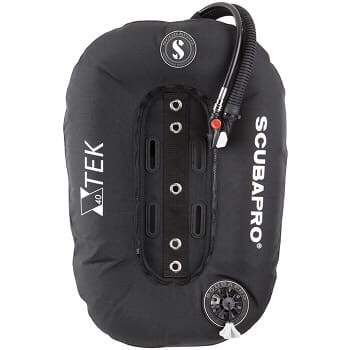
While not SCUBA BCDs in the traditional sense, backplate systems perform the same important buoyancy control device tasks – they take a different approach in doing it.  A standard backplate system consists of three basic components: a SCUBA back plate to hold the tank, a diver’s harness to strap the back plate to the diver, and an air cell, or dive wing, to provide the buoyant lift.  Put them together, and you have a backplate system.  A typical system, for example, would be an X-Tek Back Plate in either stainless steel or aluminum, an X-Tek Donut Wing air cell, and an X-Tek Form-Tek diver’s harness.  While suitable for any divers, these systems are most commonly used by technical divers, and they are designed for either single or double tank configurations.  They are modular, so you can mix and match the right type of back plate to the right sized wing for your type of diving, plus they are incredibly stable and offer advantages in distributing ballast weight. 

Jacket-style, front-adjustable, back-inflate. General-purpose, travel, hybrid.  Also, don’t forget the backplate system — lots of different choices for so many different divers and so many different diving styles.    



Largest Promotion Ceremony in Army Special Operations History for Psychological Operations Soldiers

Sunday, June 9th, 2019

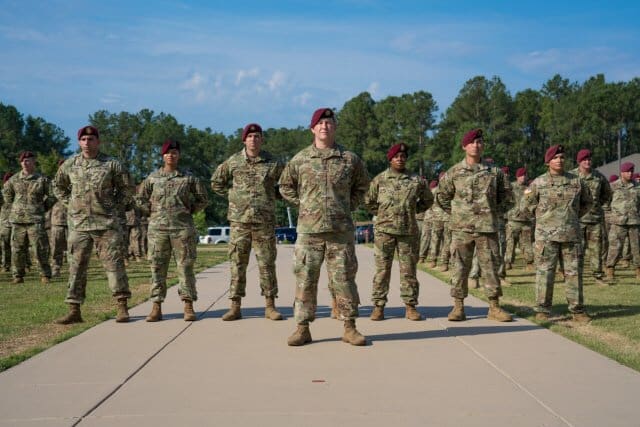
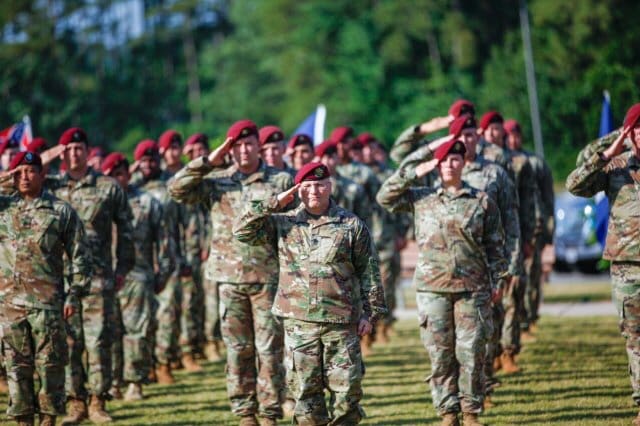
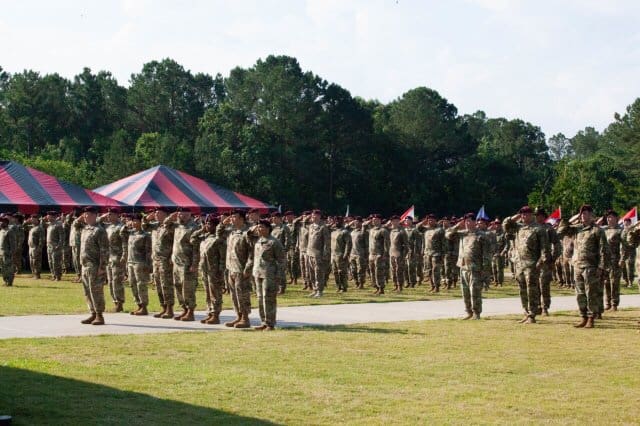
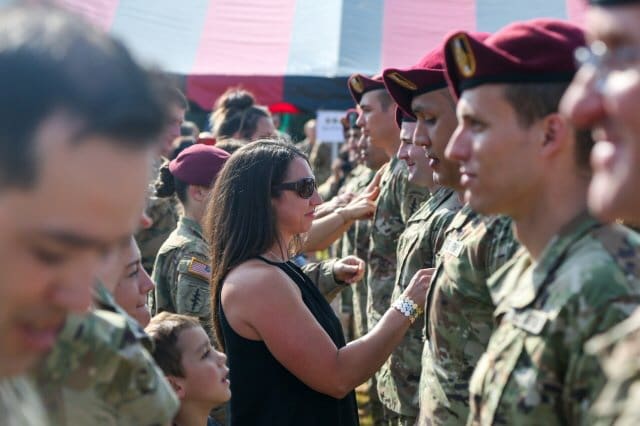
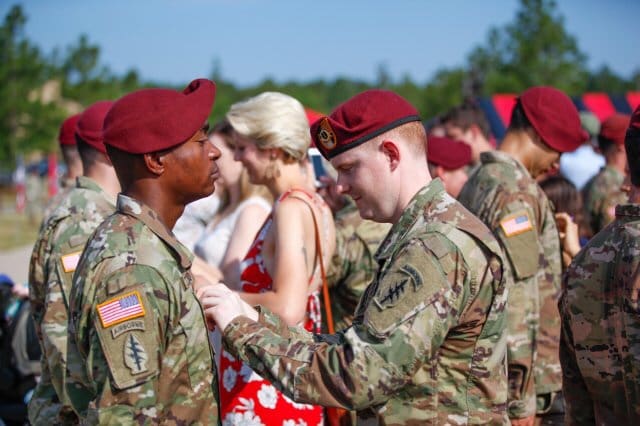
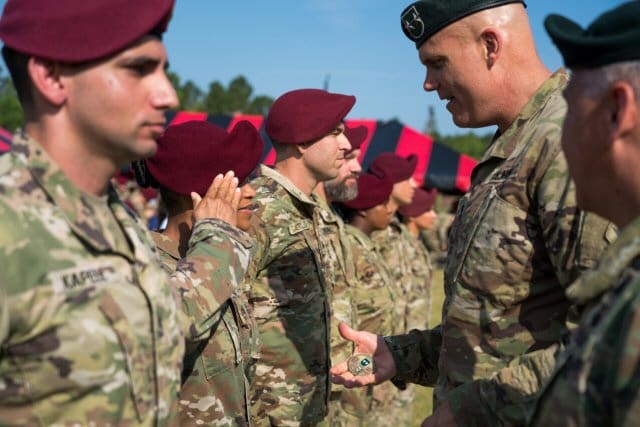
FORT BRAGG, N.C. (USASOC News Service) — More than 200 Psychological Operations noncommissioned officers proudly stood before their Families, friends and leaders during a promotion ceremony larger than any other in Army Special Operations history, May 31, 2019. About 100 additional promotees will pin, but were unable to attend the Fort Bragg ceremony because they are currently deployed or in training.

PSYOP Soldiers complete extensive training and education in human dynamics, influence theory, psychology, sociology, language, culture, and politics. PSYOP NCOs are expected to operate successfully in austere environments, executing national strategic and theater-level policies and decisions with limited supervision. They are expected to interact with U.S. ambassadors, senior country team members, and host nation ministerial-level officials on a daily basis. The importance and sensitivity of their missions warranted a grade plate change for the PSYOP Regiment’s enlisted ranks to ensure the NCOs’ ranks corresponded with the level of responsibility they assume while downrange.

Army and ARSOF leaders at multiple echelons worked for more than a year to achieve the grade plate change that would later create additional positions for the newly promoted staff sergeants and sergeants first class. The current organizational structure did not allow for additional NCOs of these ranks, resulting in a stagnation at the junior NCO levels. However, the dedication of these leaders resulted in the change of 336 sergeant positions to staff sergeant, and 114 staff sergeant positions to sergeant first class.

The grade plate change made it possible for these NCOs to finally pin after years of waiting – more than a decade in some cases. However, each promotee had already met every requirement for promotion; they had completed the appropriate level of professional military education and met the time in grade and service requirements, sometimes multiple times over. Instead of reclassifying to a different military occupational specialty or leaving the Army altogether, they were committed to their craft, to their teammates, and to the ARSOF Family.

Newly-promoted Staff Sgt. Gabrielle Phillip is one such NCO. Phillip has been a PSYOP Soldier since entering the Army in 2009 and was a sergeant for almost eight years. She said job satisfaction and quality leadership are what kept her in the career field for so long without the guarantee of upward advancement.


“I love PSYOP,” she said. “I love the job, I love what we do. I’ve had the pleasure of working with leaders who’ve always pushed me so even though I might have had the rank of sergeant, I never felt like one. I always felt like I could grow. I always felt like I could do new things, try new things and just accept responsibility. I love PSYOP so that’s what kept me around.”

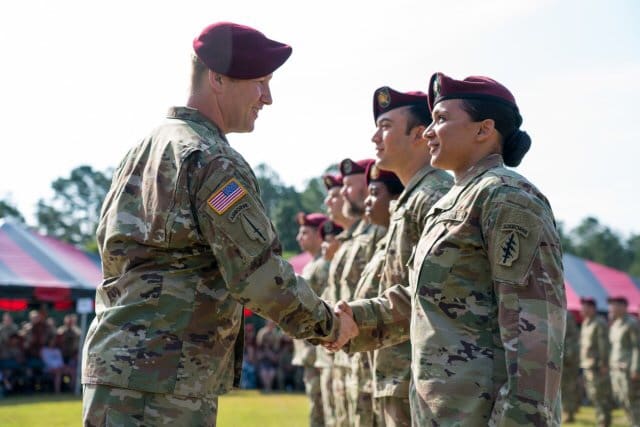
While most promotees were pinned by Family members or friends, Phillip was among the few selected to be pinned by Maj. Gen. John Deedrick, 1st Special Forces Command (Airborne) commanding general. During the ceremony, Deedrick emphasized the fact that these NCOs have patiently waited for this well-deserved day to come while remaining dedicated members of the PSYOP Regiment.

“I think it moves the bar on what selfless service, what patriotism, and what fidelity really mean,” Deedrick said. “And I want to thank you all personally for your steadfastness, for your commitment to this nation and to this regiment as you have shouldered that burden and gone on and conducted your mission in an incredible way.”

He added, “They’ve put in the work, they’ve put in the time. They have the experience, they have the education and they are ready to operate at the next level. I couldn’t be happier for all of you standing on this field.”

By SFC Kissta DiGregorio

Synergy Light Update

Friday, June 7th, 2019

With the launch of the Synergy 360 Light, a year and a half ago and success stories regularly coming in from the field, where do we go from here? Answer: We expand.

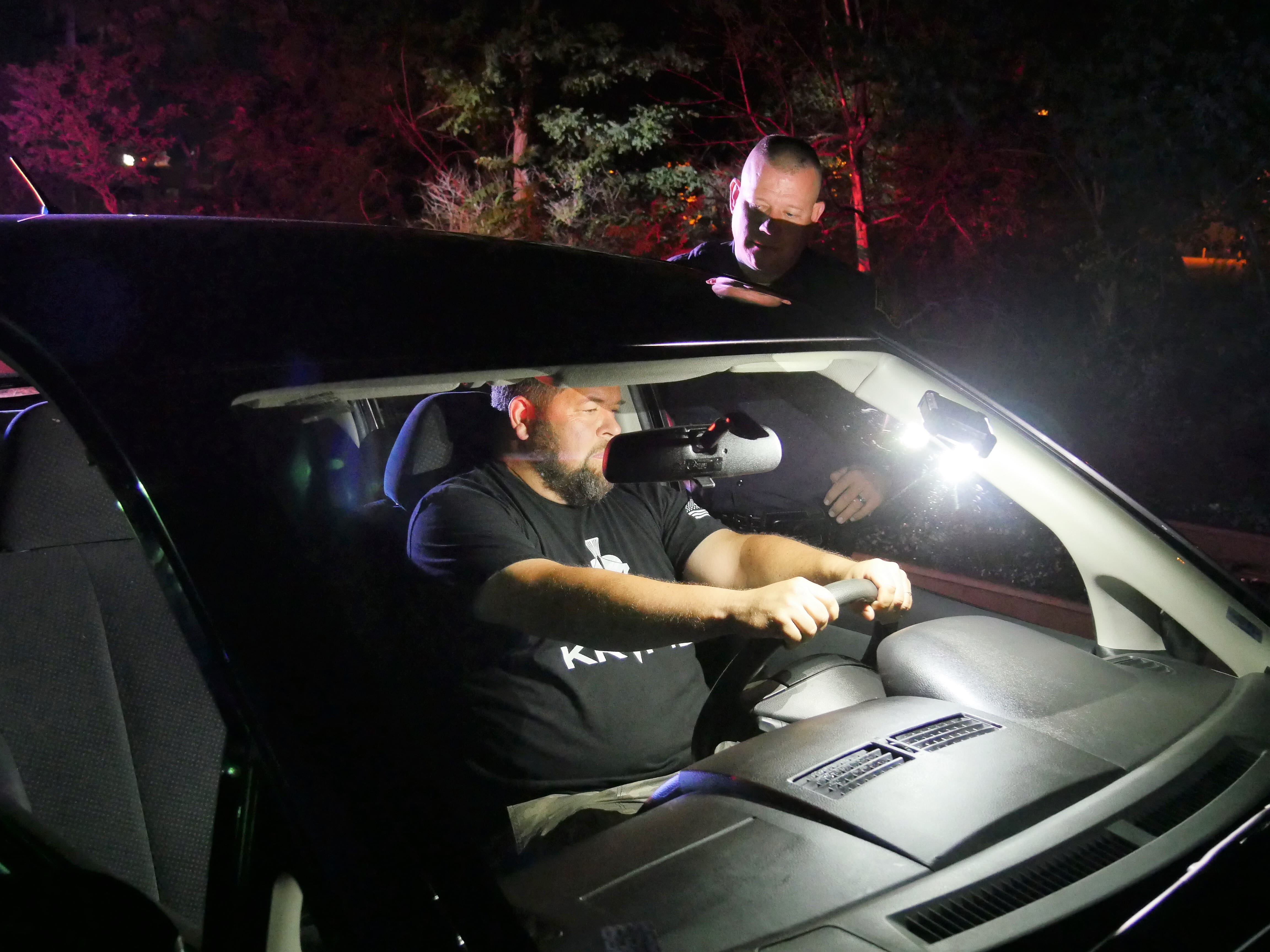
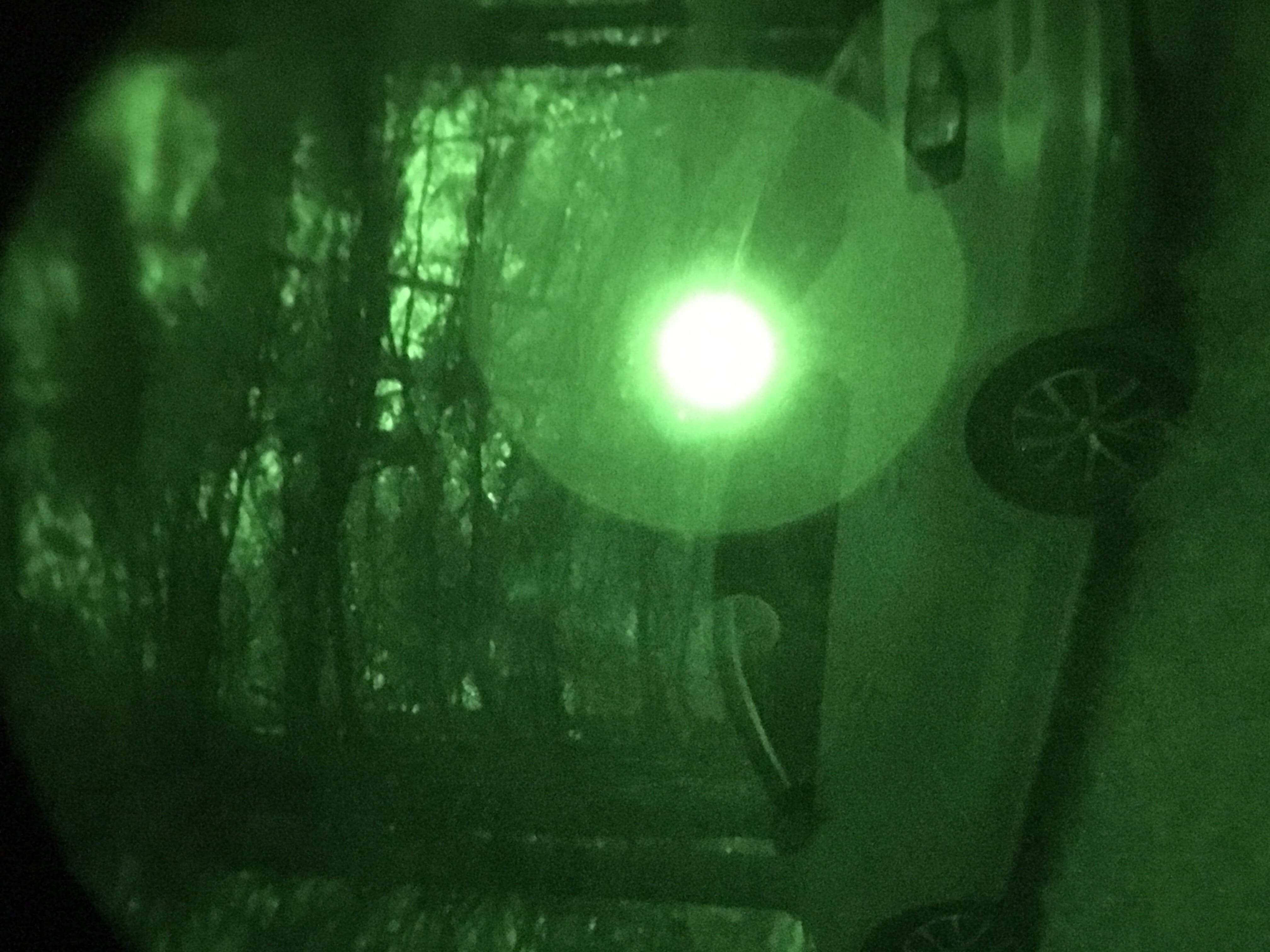
Originally designed as a throwable tactical light that can provide illumination to an entire area rather than a limited space, smart planning has led to new applications and LED configurations. Today, the 360 can run programs ranging from illumination, marking, motion activation and distraction and can switch from visual light to IR automatically. One application that exploits this feature is designed to be thrown into a room and strobe visual light disorienting a target just long enough to cause a pupillary response. The unit will then switch to 950 nm IR to provide clear NVG illumination and a tactical advantage for operators.  

The Synergy 360 Light was designed to grow. While the 360 was still on the “drawing board”, engineers added components that wouldn’t be immediately needed in the initial programming phase. Today this has paid off in the launching of the 360’s latest and greatest software referred to simply as “Version 16”.

If Version 16 had to be summarized in one word “Dependability” would likely be it.  At the heart of Version 16 is a redundant operating system that can repair corrupted code and manage operations in environments previously thought impossible.

The 360 software is intuitive. When deployed, the unit constantly monitors the its status and will employ counter measures so that it can continue to carry out the mission even if physical damage to the unit has occurred. (View demo videos of the 360 at: www.youtube.com)

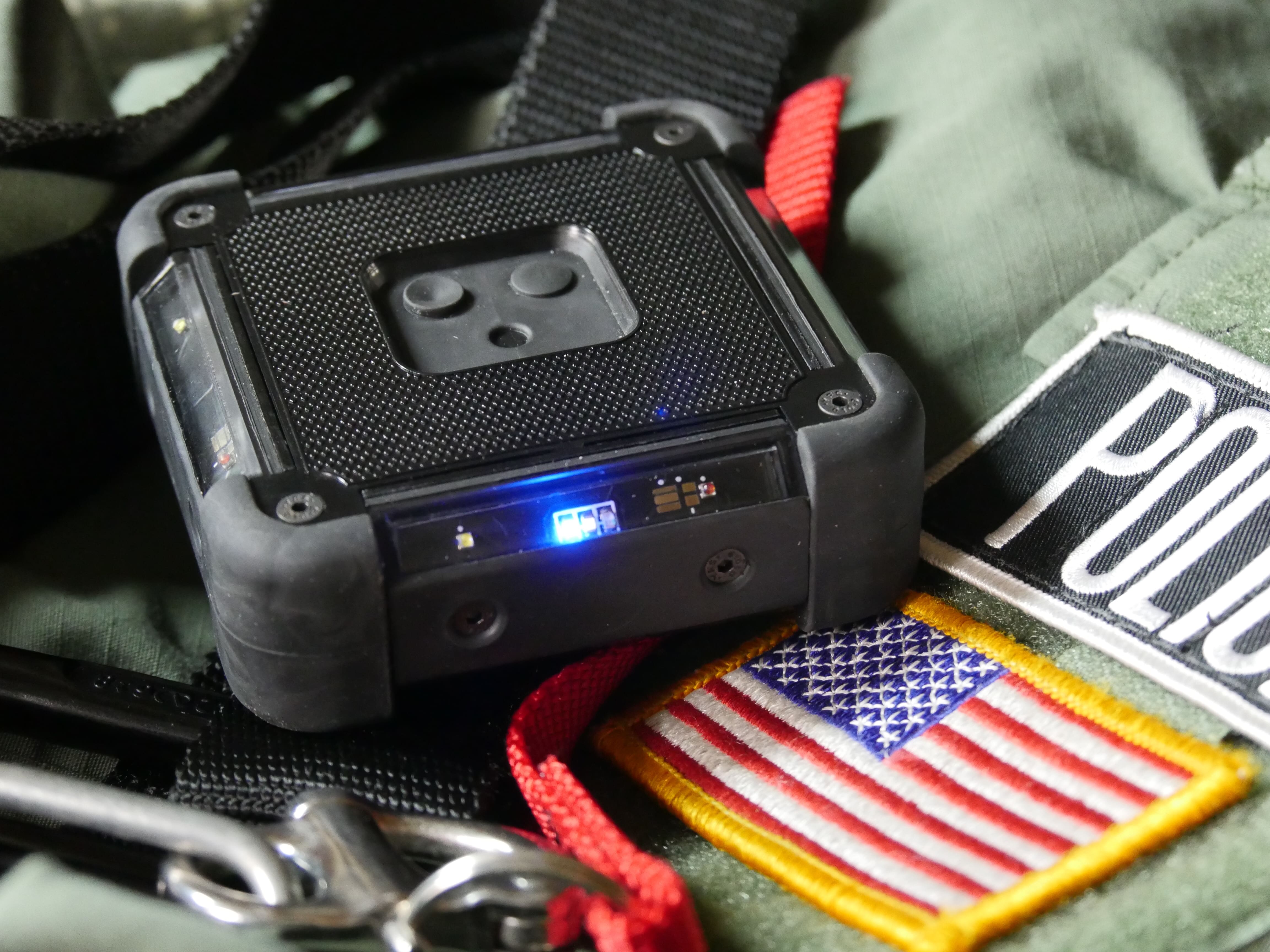
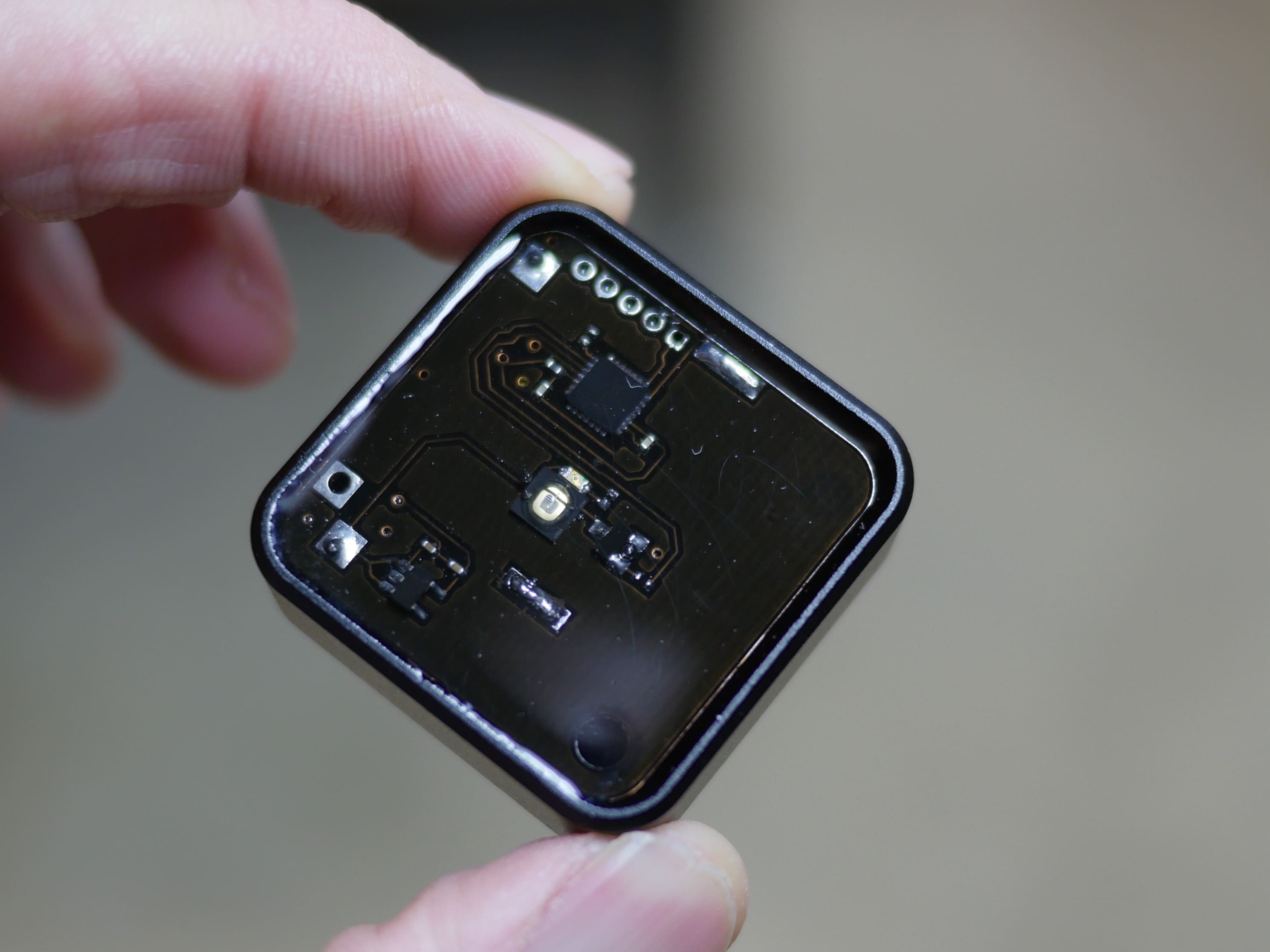
Building on the 360’s solid engineering and production foundation, Synergy Light has expanded their product line and continues to take on new challenges. Recently production has begun of the “SLB4”, a new marking IR spectrum beacon which is unlike anything else on the market today. The most obvious difference between the SLB4 and other IR spectrum beacons is size and weight. Measuring less than 1.5” square by 7/16” tall and weighing in at less than 25 grams the waterproof unit (currently tested to 350 FSW) can be concealed on targets with much less concern of detection than larger models. Currently, 850 nm, 950 nm units have been tested and the results are impressive. (View demo video at: www.youtube.com) Despite its miniature size, the unit’s IR light is detectible through unmagnified NVG’s from 1 mile away and can run constantly for 20 to 40 days depending on the flash mode. The units themselves are housed in an anodized aluminum case. While 850 nm units will be the first to be released, 1550 nm units have already been designed and will follow.



For more information about the SLB4, Synergy 360 and other quality products offered by Synergy Light go to www.synergylight360.com or email Synergy Light at synergylight@outlook.com

Chief Bronson Sends

SureFire Field Notes Ep 44 -Tactical Application of Competition Shooting with Mike Pannone

Friday, June 7th, 2019

Mike Pannone is a former operational member of U.S. Marine Reconnaissance, Army Special Forces (Green Beret) and 1st SFOD-D (Delta) as well as a competition USPSA pistol shooter holding a Master class ranking in Limited, Limited-10 and Production divisions. He has participated in stabilization, combat and high-risk protection operations in support of U.S. policies throughout the world as both an active duty military member, and a civilian contractor. After sustaining a severe blast injury Mike retired from 1st SFOD-D and worked as a Primary Firearms Instructor for the Federal Air Marshal Program in Atlantic City and the head in-service instructor for the Seattle field office of the FAMS. He also worked as an independent contractor and advisor for various consulting companies to include SAIC (PSD Iraq), Triple Canopy (PSD Iraq), and The Wexford Group (Counter IED ground combat advisor Iraq and pre-deployment rifle/pistol/tactics instructor for the Asymmetric Warfare Group). Mike was also the Senior Instructor for Viking Tactics (VTAC), and Blackheart International. He started his own consulting company full time in late 2008.

Presented by SureFire

FirstSpear Friday Focus – Non Stocking Non Standard Roo Panel

Friday, June 7th, 2019

E8F42CAD-B30B-450C-AFC2-C389929327C9

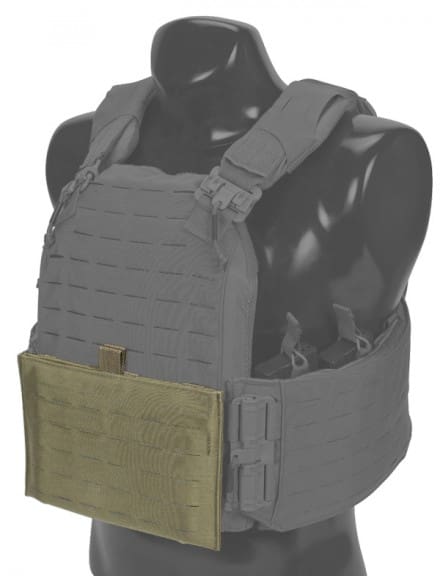
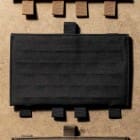
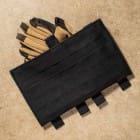
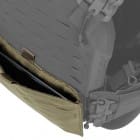
For this Friday Focus we are taking a look at a FirstSpear Non-Stocking Non-Standard item, the Roo Panel. Originally developed for a FS professional user to meet a unique mission set this pocket can be used as storage for maps, info cards, electronics, medical, or anything else you may need with you out in the field. The interior of the pocket is loop-backed thanks to FirstSpear Laser Cut 6/12 so you can attach FirstSpear Ragnar pockets on interior as well as mount any standard 6/12, 6/9, or MOLLE style pocket to the exterior.

Non-Stocking Non-Standard items are available in limited colors and sizes while supplies last, no back orders will be filled.

www.first-spear.com/roo-panel

High Angle Solutions – Brigantes Presents – Montane Tactical Range Update

Wednesday, June 5th, 2019

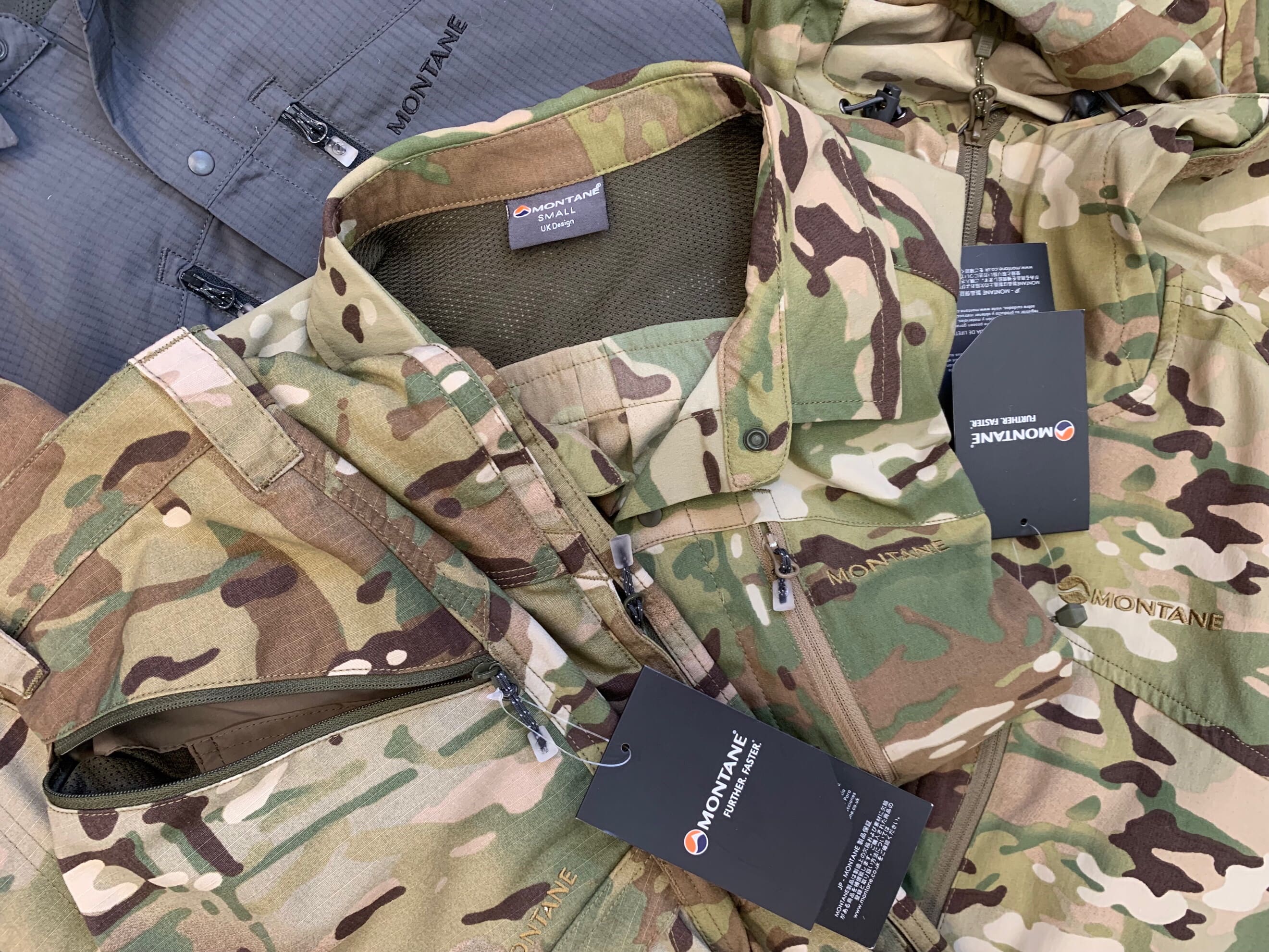
The Montane Tactical range has now been around, in a very small way, for the past couple of years.  It has found immediate fans, within the UK military, who are familiar with the brand and like the no nonsense, lightweight, outdoor approach.  This has seen it taken on for amphibious, mountainous and arctic activities.

Following feedback and in partnership with the exclusive global distributor, Brigantes, Montane have updated the products to take into consideration the experiences of the users.  This has led to some small tweaks in design to improve pocket access and allow for the more muscular legs of guys, who are used to carrying very heavy loads.

The new range will be available in the Autumn and will also now include a slate grey sub range based on the very successful stretch jacket, trousers and shirt.  The price points remain very closely related to what you would expect in the outdoor world and the functionality is even better.  Overall these are perfect pieces for use in the rapidly changing weather that we encounter in the UK and therefore excellent right across the globe.

The full range is available to buy on the Brigantes website and if you are in the UK or Europe you can purchase items from the shop. Register as a member you will get an excellent discount.

For more information get in touch by email on international@brigantes.com

For UK customers tribe@brigantes.com

www.brigantes.com

US Army Marksmanship Unit Celebrates New Service Rifle Record – 1st Ever in History

Tuesday, June 4th, 2019

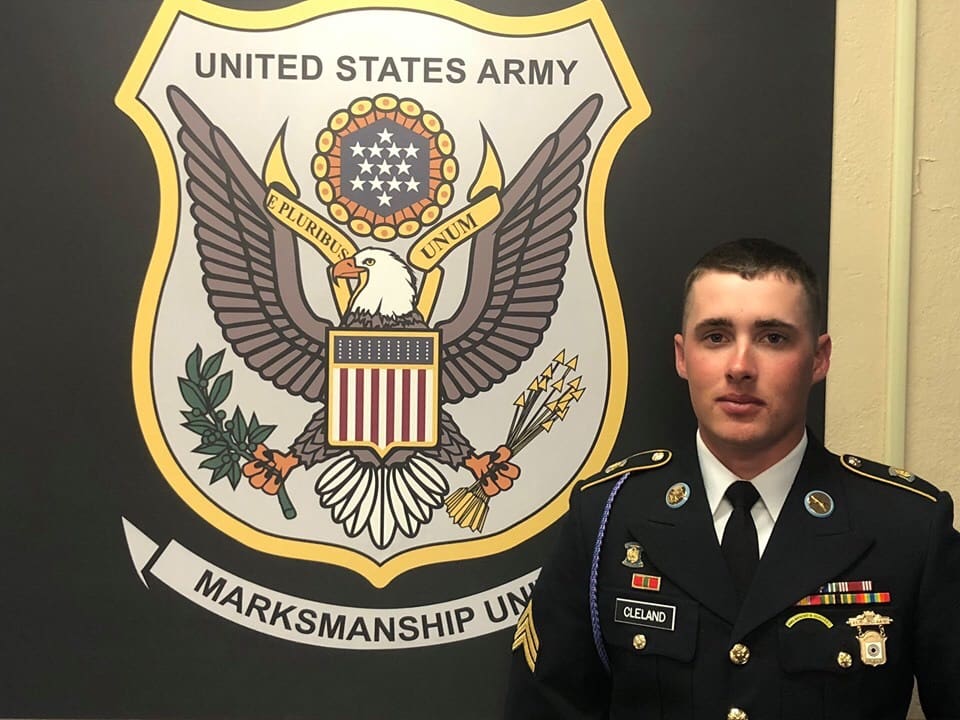
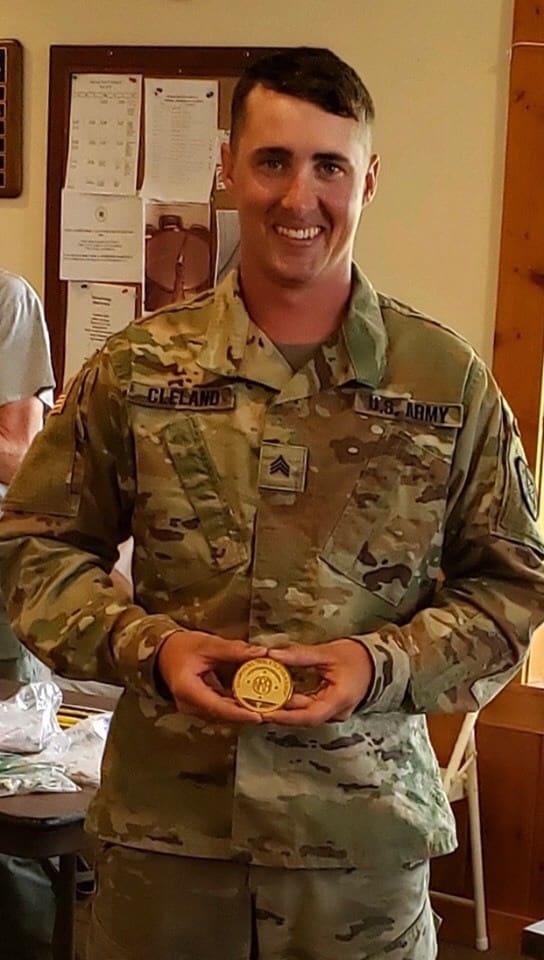
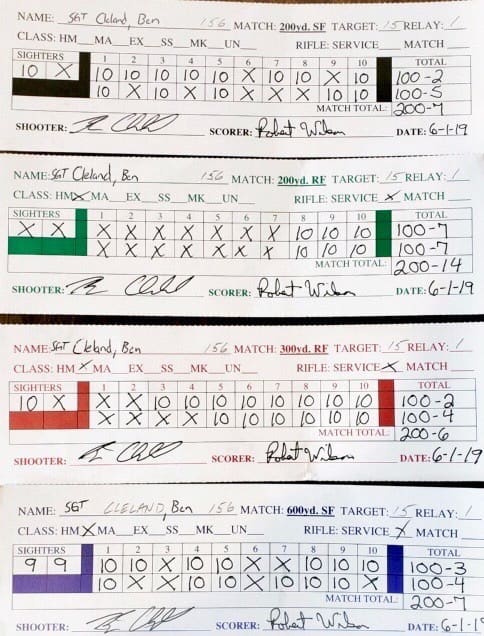
Sgt. Benjamin Cleland from Swanton, Ohio set a new National Record by shooting the 1st ever Perfect Score of 800 with a Service Rifle at the 2019 Charlie Smart Memorial Regional in Oak Ridge, Tennessee this weekend.

What a week Sgt Cleland is having. First, he was selected for promotion to the rank of Staff Sergeant and now he obliterates the standing record and shoots the first ever 800!

The Soldiers and Civilians of the United States Army Marksmanship Unit are unbelievably proud of this young Soldier and look forward to a successful 2019 Individual and Team Summer Season for our Service Rifle Team.

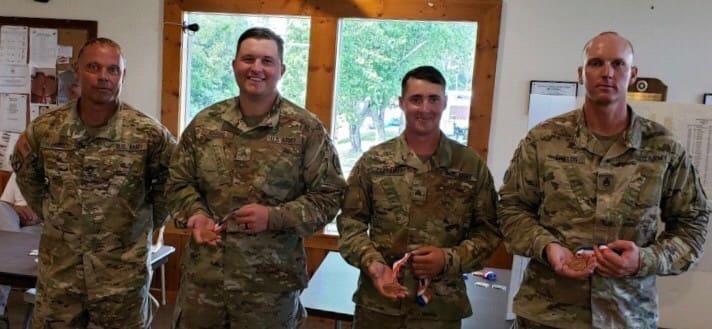
In the 4-man Match, USAMU Craig-coached by Sgt. 1st Class Walter Craig led the team consisting of Sgt, 1st Class Brandon Green (not pictured), Staff Sgt. Cody Shields, Sgt. Benjamin Cleland, and Sgt. Lane Ichord to a 1st Place Finish! The team shot a 1980-81x!

Way to go Service Rifle Team!

Story and photos by USAMU.