GORE-TEX Professional

Archive for the ‘Guest Post’ Category

FirstSpear Friday Focus — Skirmisher Bag & Responder Pack

Friday, September 27th, 2024

This week’s Friday Focus highlights two of FirstSpear’s essential bags.

Skirmisher

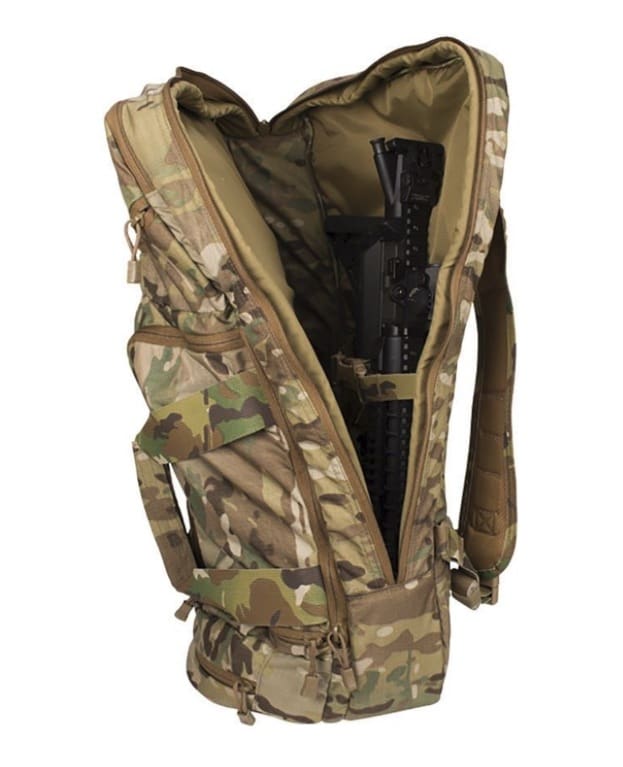
• Fits 1 AR style take-down rifle

• Holds 3 full sized handguns

• Magazine attachment straps

• Spacious pockets for accessories

• Multiple carrying styles

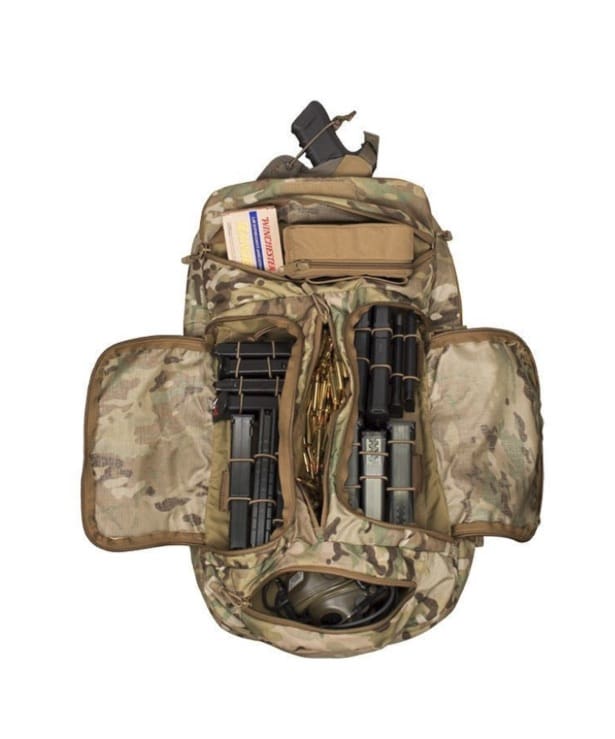
The Skirmisher Firearms Training Bag facilitates transportation and organization of your firearms and ammunition along with related accessories. Discreet and smartly arranged, this system can hold up to 3 full-sized handguns with or without lights in protected pockets. It will also fit 1 AR style take-down rifle which can be secured with an included retention strap. There is also room for associated training gear such as ear/eye pro, magazines, boxed ammunition, and a top center bin for loose “top up” ammunition.

The Skirmisher also comes with 4 magazine attachment straps to contain magazines. Each strap can hold multiple magazines and secure to the bag with hook and loop. The bag can be transported backpack style, single strap style or carried from a continuous-length webbing handle. Padded in all key areas to protect lights, lasers, and optics, the Skirmisher takes maximum advantage of design and material to provide you with a total training enhancement.

Approximate Dimensions: 25″ X 13″ X 10″

First Responder Pack

• Full zippered top and sides

• Fixed padded shoulder w/adjustable straps

• Oversized carry handles

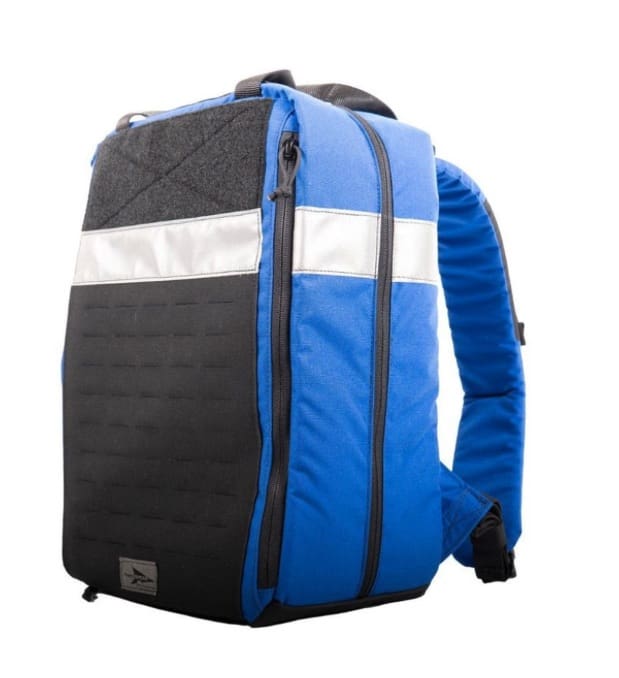
• Silver reflective external tape

• Fully customizable main compartment

• Rigid Divider w/full loop field

• Tear out clear window pockets

• Re-enforced Hypalon Bottom

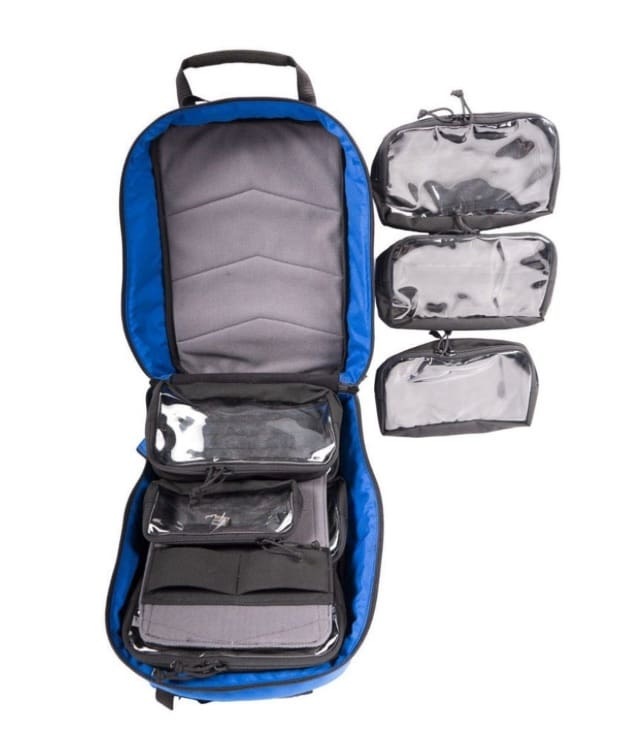
Specifically designed for first responders that require the best option for a customizable emergency equipment pack. The Responder Pack boasts fixed padded shoulders, full external zipper for suitcase style access and a large front 6/12 (Laser Cut) loop field for pocket/accessory expansion. The large main compartment offers a rigid “Center Divider Loop Board” for organizing its large and medium clear-window “Tear-Out” pockets.

Overall Dimensions 17″x12″x8″

Kit Includes

7- Large Clear Window Pockets 6″x11″x2.5″

1- Medium Clear Window Pocket 3.5″x7.5″x2″

1- 1″x8″ Retention Strap

1- Elastic Retention Accessory

1- Divider Board w/Full Loop Field

For more packs & bags, check out www.first-spear.com.

Soldiers Stationed at U.S. Army Garrison Wiesbaden Shoot for the Schützenschnur

Friday, September 27th, 2024

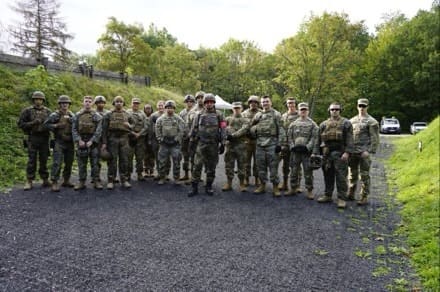
ALTENDIEZ, Germany – At the invitation of the Bundeswehr Landeskommando Hessen (Bundeswehr Hesse State Command), approximately 30 Soldiers stationed at U.S. Army Garrison Wiesbaden competed at the Bundeswehr Shooting Range in Altendiez, Germany, Sept. 12, to earn the German Schützenschnur.

The German Schützenschnur is a decoration of weapons proficiency for enlisted Soldiers.

The American Soldiers took the opportunity to earn the coveted Schützenschnur badge by participating in a shooting event that consisted of two weapons, firing rounds to qualify on the German armed forces P8 semi-automatic pistol and the standard Bundeswehr rifle, the G36.

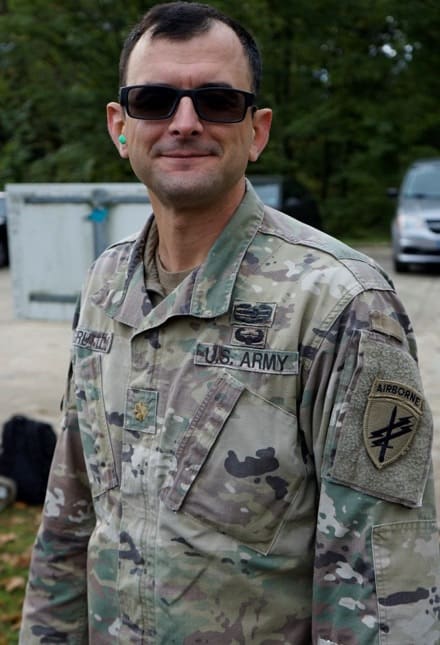
“I had so many hands go up and there were more who wanted to go,” said Maj. Brandon McFarlane, Headquarters U.S. Army Europe and Africa G3 Civil Affairs Division, about the Landeskommando invitation. “I’ve done the march portion of the German Armed Forces Proficiency Badge (GAFPB) before. It was tough, but we did it, just like we are going to do the Schützenschnur as the next step towards the GAFPB.”

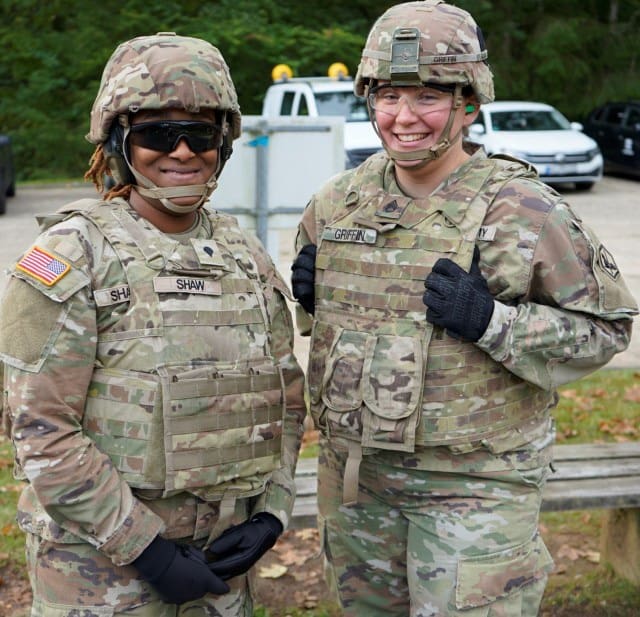
Staff Sgt. Kasey Griffin from the 66th Military Intelligence battalion spoke about the pride she would feel, from earning the Bundeswehr badge.

“It is a challenge, and to be able to participate in the partnership with the Landeskommando Hessen is an experience I will never forget,” said Griffin.

“I am confident I’ll make it”, said Spc. Mia Shaw, who also serves with the 66th MI. “I am used to handling a pistol, so it should not be a problem to deal with the P8 and shoot some reasonable results.”

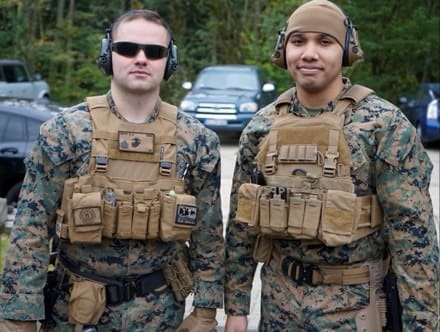
Marines often serve in a variety of special capacities, whether protecting our Nation’s embassies abroad or recruiting the next generation of United States Marines. Two Marines, Sgt. Dillon Houk and his teammate, Sgt. Markus Jones, both serving as security guards for the Germany embassy in Frankfurt, also took on the Schützenschnur challenge.

Houk said, “To pull the trigger of the German P8 is different from what I am used to dealing with.”

“The German pistol seems a bit bigger, but sure, I am convinced that we will meet this challenge,” Jones added.

Soldiers from the 56th Artillery Command, 2nd Multi-Domain Task Force, U.S. Army Europe and Africa, 2nd Theater Signal Brigade and 102nd Strategic Signal Battalion, 66th Military Intelligence Brigade, 86th Airlift Wing and Marine Embassy Guard competed in the event. At the end of the day 28 of the Soldiers received a medal, three of them gold, 12 silver and 13 bronze.

By Roland Schedel

Army Announces Small Multipurpose Equipment Transport Inc. II Contract Awards

Thursday, September 26th, 2024

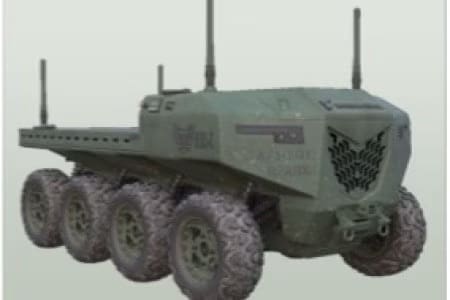
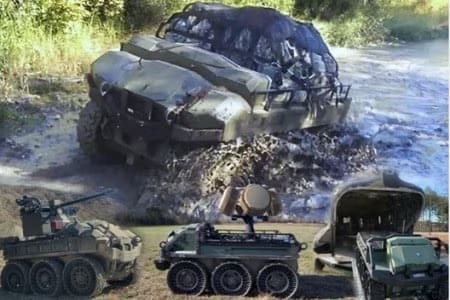
Detroit Arsenal, Mich. (Sept. 24, 2024) — The Army announced the award of two Other Transaction Authority Engineering and Manufacturing Design contracts today to American Rheinmetall Vehicles, LLC, and HDT Expeditionary Systems, Inc., totaling a combined $22 million to provide eight prototypes each of the Small Multipurpose Equipment Transport Increment II.


American Rheinmetall Vehicles’ S-MET Inc. II offering


HDT’s S-MET Inc. II offering

The S-MET was originally developed as a Directed Requirement meant to identify opportunities for the Army to quickly field existing platforms to improve the fighting force’s capability. The S-MET Increment I is a single radio-controlled, eight-wheeled platform designed to carry payload, generate power for organic electronic systems, and conduct unconstrained movement. In its first increment, the S-MET is capable of carrying 1,000 lbs. of equipment and provides enhanced capability primarily in Infantry Brigade Combat Teams, Explosive Ordnance Disposal, and Security Force Assistance Brigades.

The second increment seeks to double that payload capacity while adding several improvements identified by Solders during evaluation and operation. Those improvements include:

  • Higher exportable power to enable modern mission payloads like Unmanned Air Systems and communications equipment
  • Improved audio signature reduction
  • A dismounted wireless mesh communication network
  • Increased reliability
  • Worldwide grid charging
  • Modular and open architecture allowing for easier and more cost-effective upgrades

“S-MET Increment II addresses capability gaps associated with excessive physical burdens, recharging batteries during continuous operations, and reducing sustainment burden for semi-independent operations. The S-MET reduces Soldier load and enhances small unit combat effectiveness by reducing fatigue and injury caused by excessive physical loads, shifting the burden to the robotic platform,” said Kyle Bruner, the Army’s project manager for Force Projection, Program Executive Office Combat Support & Combat Service Support, headquartered here.

“S-MET supports the Army’s mission to implement robotic and autonomous system capabilities with urgency to lessen risk to Soldiers in multi-domain operations,” he added.

Successful S-MET Increment II developmental testing will lead to a production contract slated for late Fiscal Year 2027 for an Army Acquisition Objective of up to 2,195 systems.

By Sam Tricomo, Program Executive Office Combat Support & Combat Service Support

Mission First Tactical Introduces MFT Chest Plate & ACHRO Harness

Wednesday, September 25th, 2024

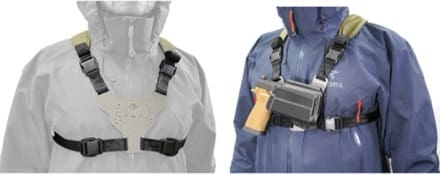
Horsham, PA – (September 23rd, 2024) – Mission First Tactical (MFT), manufacturers of state-of-the-art holsters, firearm accessories and EDC bags, is proud to announce the new MFT Chest Plate and ACHRO™ Harness. Designed for the modern sportsman, the ACHRO™ Chest Pack & Harness is a versatile platform designed to carry MFT Guardian 3-Hole, Blade Tech™, Comp-Tac™, Blackhawk™ and Safariland® holsters. Its rugged construction and adaptable mounting system are built for performance. It’s the perfect companion while hunting in dangerous predator situations.

If you spend plenty of time in the outdoors, you should be prepared for an encounter with a bear, angry moose or mountain lion,” said David Edelman, Vice President, Mission First Tactical. “The MFT Chest Plate was designed to carry your firearm with you while scouting, hunting or hiking in any situation where you may have a dangerous encounter requiring quick access to your firearm.”

The MFT (MHP) Mounting Chest Plate is a rugged, adaptable, comfortable and versatile platform designed to carry your favorite firearm. Its rugged construction and adaptable mounting system allow you to customize your setup for any situation.

MFT’s ACHRO™ Harness provides all-day comfort with its 3D padded mesh and 4-point design for even weight distribution. Quick-release buckles allow for easy-on and off, even with one hand.

• Versatile Mounting: Attach holsters and accessories using industry standard patterns

• Customizable Fit: Adjust to your ideal draw position and optimize weight distribution

• Comfortable & Secure Plate: Strong, flexible material molds to your body while providing sturdy support

MFT Chest Plate features include:

• Ambidextrous Firearm Access

• Customizable Fit: Adjusts to accommodate various layers, from summer to winter

• Durable Construction: Built to last

• Available in: Small/Large and XLarge/XX Large

• MSRP: $59.99

Compatibility: MFT™ Guardian MHP, Blade-Tech™, Comp-Tac™, Safariland®

**Holster not included**

To learn more about the MFT Chest Plate, ACHRO™ and the complete product lineup from Mission First Tactical, please visit www.missionfirsttactical.com.

A Next-Generation Acute Mountain Sickness Prevention Tool that Aims to Help Soldiers and Civilians

Wednesday, September 25th, 2024

Altitude sickness emerged as a human concern thousands of years ago, and not just out of thin air. Even with years of studying the symptoms and impact on the body, it still affects many people who ascend to altitudes above 8,000 feet.

The U.S. Army Research Institute of Environmental Medicine and the University of New Mexico are creating a predictive tool to transform the way altitude-related health illnesses are managed and prevented during military operational exercises.

“Altitude can really knock a person off their feet,” says Beth Beidleman, Sc.D., the study’s Principal Investigator and Research Physiologist in the Military Performance Division at USARIEM.

Acute mountain sickness may cause an individual to have headaches, nausea, vomiting, dizziness and severe fatigue due to the lower air pressure and decreased availability of oxygen in the environment at higher altitudes. Generally, the higher in altitude you go; the sicker you get, but the sickness is highly individualized. Some may get sick while others will be just fine. Typically, the sickness peaks between 18 to 24 hours and then resolves over the next two to three days.

“AMS affects everything a person does. You can’t run, think and even breathing is difficult. It also jeopardizes physical and mental performance,” Beidleman said. “While there are medications available to reduce symptoms, they are not always effective, and it is uncertain whether they negatively impact physical performance. We want to help our Soldiers and enable them to complete their mission, and that is what this study is about.”

The current tool is a wearable wrist monitor that tracks the amount of oxygen in the body’s bloodstream and links this health information to the patented AMS_alert algorithm, which predicts an individual’s likelihood of experiencing AMS four to eight hours before symptoms.

Over a period of six weeks at USARIEM’s High Altitude Research Laboratory in Pikes Peak, Colorado, data was collected from 32 active-duty Soldiers from Fort Riley, Kansas, and the Human Research and Development Detachment in Natick, Massachusetts, with the goal of improving the AMS_alert algorithm’s accuracy.

With this algorithm, leaders can see who may be at high risk early in the altitude exposure and possibly prevent injuries and casualties that could occur later in the exposure. This was the last iteration of the study conducted to expand the altitude range from the previous version at 12,000 feet above sea level at Taos Ski Valley, New Mexico to over 14,000 feet, so that the AMS_alert algorithm includes higher altitudes.

“Hypoxia monitoring can help detect future altitude sickness and therefore allow early intervention so that Soldiers can complete a successful mission. The goal is to have a smart phone application that houses the algorithm to provide a green, yellow and red alert to leaders and Commanders in the field on the health status of their Soldiers,” Beidleman said.

Every morning for two weeks, each cohort of Soldiers had a typical rhythm of waking up at 6:00 a.m., providing a saliva sample, a blood draw, and a urine and fecal sample, and reporting symptoms of AMS. The participants then had breakfast before they performed a breathing test, cognitive function assessment and ultrasound of their lungs and spleen. The morning ended with an all-out two-mile run and a two-to-three-mile hike. Following lunch, Soldiers participated in alpine training offered by physicians with experience in Mountain Medicine from the University of New Mexico. At the end of the day, participants completed additional AMS questionnaires.

“Everything the Soldiers did at altitude over the course of four days, from waking up in their bunks in the High Altitude Reasearch Lab to hiking in the mountains, was conducted at 13,500 to 14,300 feet,” said Beidleman.

One goal of this research is to replace the Environmental Symptoms Questionnaire with a diagnostic blood or urine test, given that Soldiers typically underreport their symptoms. To do this, Beidleman is analyzing metabolic and genomic biomarkers that have been previously shown to diagnose AMS.

Another mission in this research is to collect these biomarkers at sea level, prior to deployment, to assess whether an individual has a high likelihood of getting sick at altitude. Beidleman notes that genomics play a role in every other sickness, including cancer and Alzheimers, and likely plays a role in altitude illnesses as well.

In addition to using this tool to predict AMS, it could potentially be used to mitigate life-threatening events such as high-altitude pulmonary edema — fluid in lungs — and cerebral edema — fluid in brain — that can develop at high altitude by providing alerts prior to such events from occurring. Although these illnesses are relatively rare, these events require immediate evacuation.

“One thing about the wearables is that they monitor various physiologic metrics like heart rate and sleep activity, but we also want to compare current FDA-approved technology to validate our proprietary devices that will house the AMS_alert algorithm,” said Melissa Mcinnis, Oak Ridge Institute for Science and Education fellow at USARIEM.

This research has become one of USARIEM’s biggest multi-divisional and collaborative studies. While collaborating with experts at the University of New Mexico, USARIEM is also working with the Walter Reed Army Institute of Research, Air Force Research Laboratory.

“Acute mountain sickness can be a debilitating condition. With this tool, Warfighters will be able to make better informed decisions before the onset of more severe symptoms,” said Steven Landspurg, ORISE fellow at USARIEM.

The research team aims transition to the U.S. Army Medical Materiel Development Activity for launch of the app by early fall of 2025. Beidleman says that this tool can go beyond military purposes and expand to civilian use.

USARIEM is a subordinate command of the U.S. Army Medical Research and Development Command under the Army Futures Command. USARIEM is internationally recognized as the DOD’s premier laboratory for Warfighter health and performance research and focuses on environmental medicine, physiology, physical and cognitive performance, and nutrition research. Located at the Natick Soldier Systems Center in Natick, Massachusetts, USARIEM’s mission is to research and deliver solutions to enhance Warfighter health, performance and lethality in all environments.

Story by Maddi Langweil 

Medical Research and Development Command

Team O’Neil’s Tactical Driving Tuesday – High Speed Driving

Tuesday, September 24th, 2024

Team O’Neil is world renowned for their instruction in rally driving. Several decades ago the Special Operations community discovered this unique training and began to attend Team O’Neil courses to improve their driving skills under varied, arduous conditions. Starting this week we are going to share some of that knowledge via a series of videos produced by Team O’Neil. In this first video, instructor Wyatt offers an overview of high speed driving.

In late October, I’ll be attending their five-day tactical driving course at their facility in New Hampshire. These videos are as much for your benefit as for mine. I got a taste of what they teach last fall during an event with SureFire so I’m leveraging my memory as I go over the basic skills I’ll need to succeed during the upcoming course.

Eric Graves

Tactical Tuesday: The Future of Uniforms Has Arrived – Introducing Power Flex

Tuesday, September 24th, 2024

After years of testing, refining, and perfecting, the future of breathable, stretchable, lightweight, low-maintenance uniforms is ready for action. Introducing Power Flex—a revolutionary uniform that redefines comfort and functionality. Power Flex features a next-gen all-way stretch knit fabric that delivers more give, more stretch, and more comfort than ever before. Whether you’re jumping, running, sitting, sweating or relaxing, Power Flex matches your every move.

This next-gen knit fabric provides the added comfort, convenience, and class needed for peak performance. Featuring wrinkle, static, and odor-resistant properties, Power Flex ensures a polished appearance and maximum comfort for all day support.

Experience the future of Flex today with Flying Cross, the leaders in performance stretch uniforms!

Cannon AFB First to Test New AFSOC Combat Readiness Inspection

Tuesday, September 24th, 2024

CANNON AIR FORCE BASE, N.M. —  

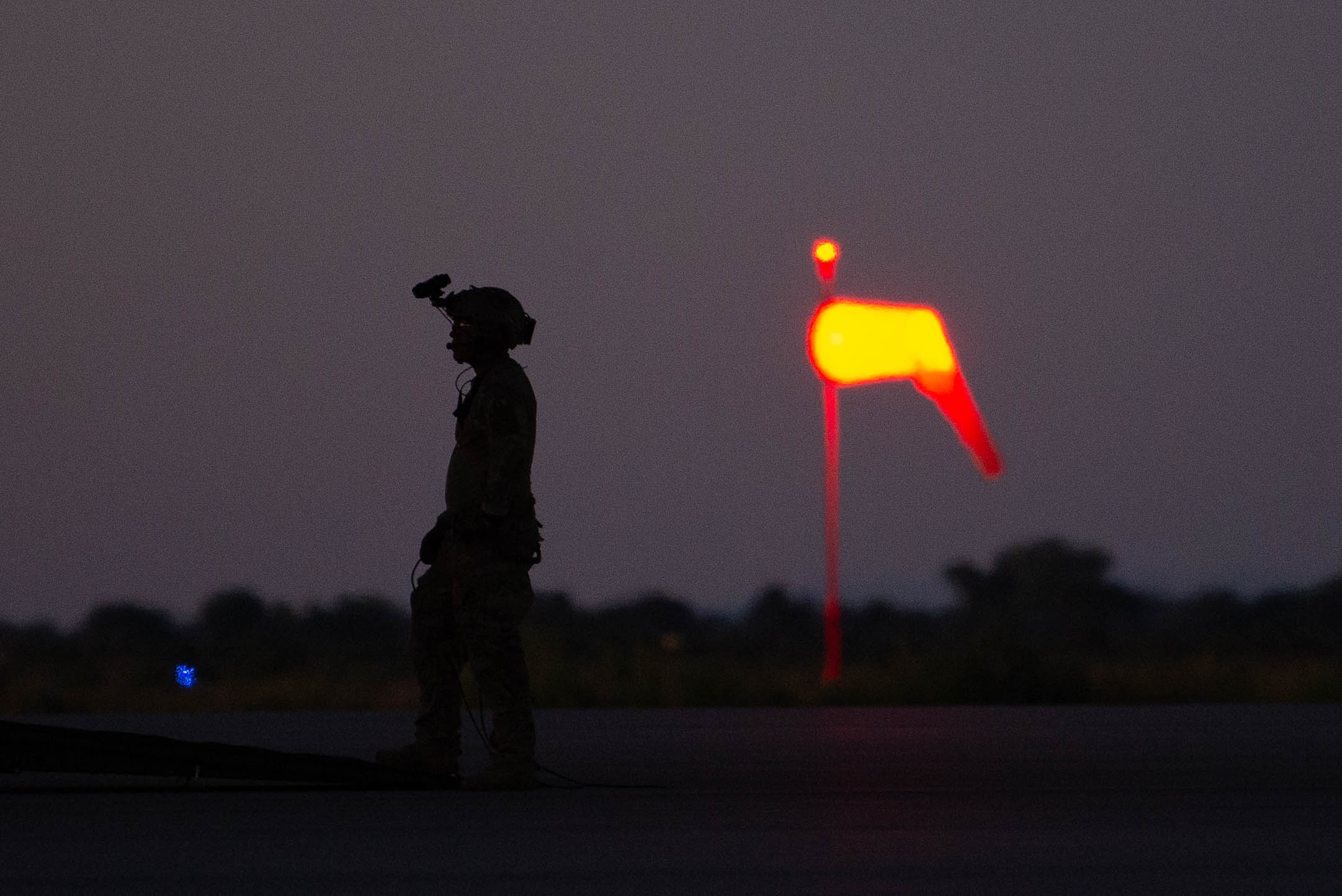
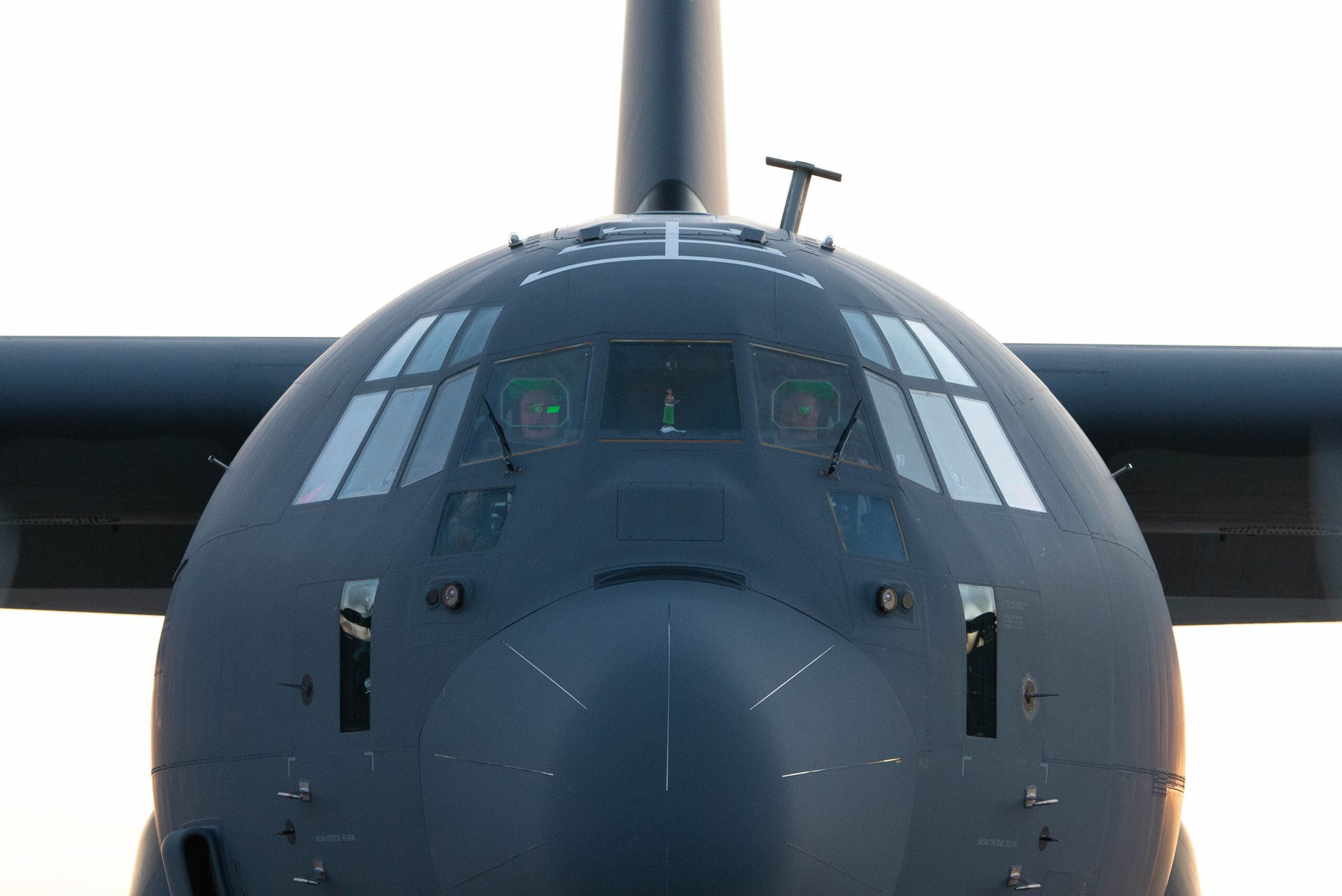
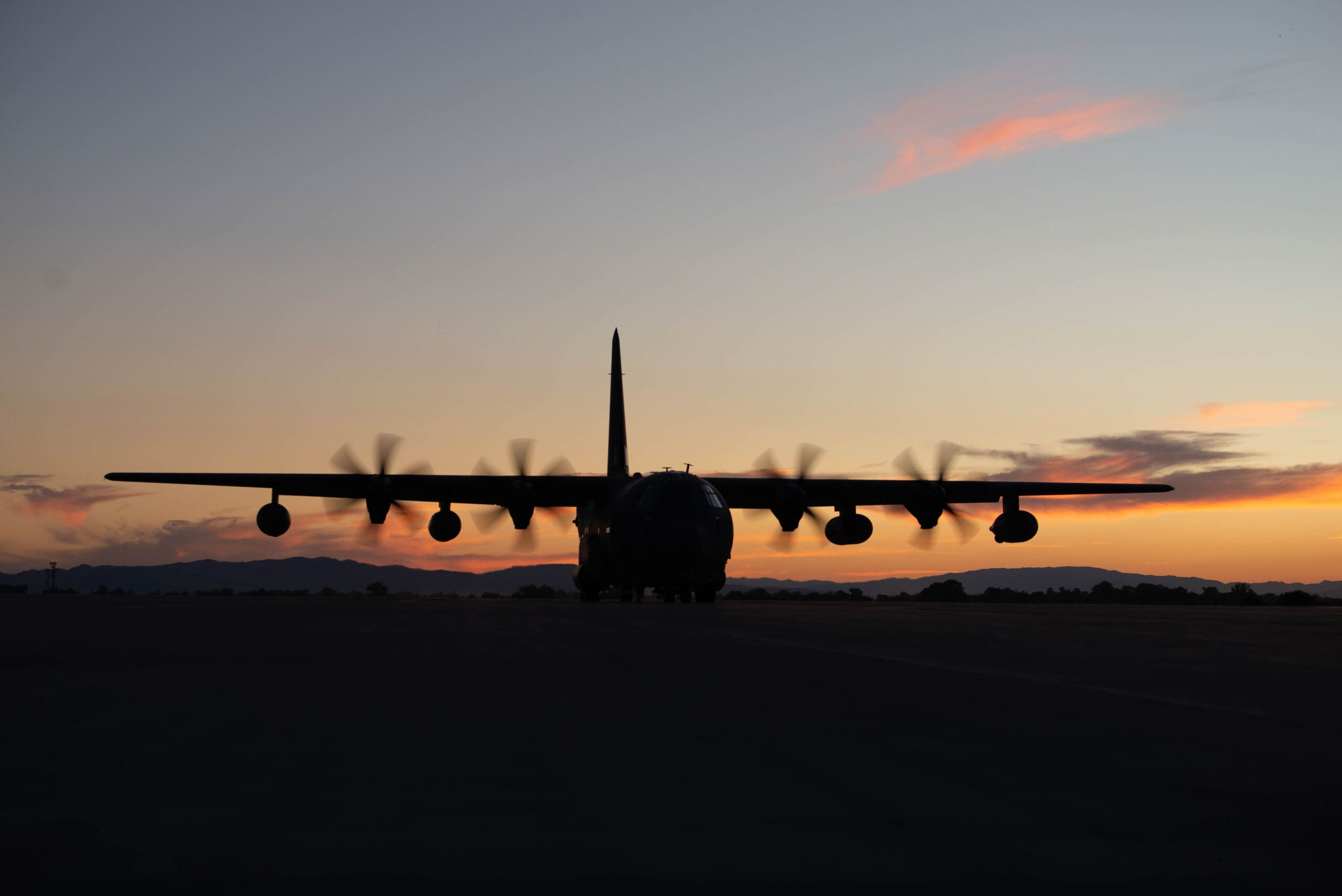
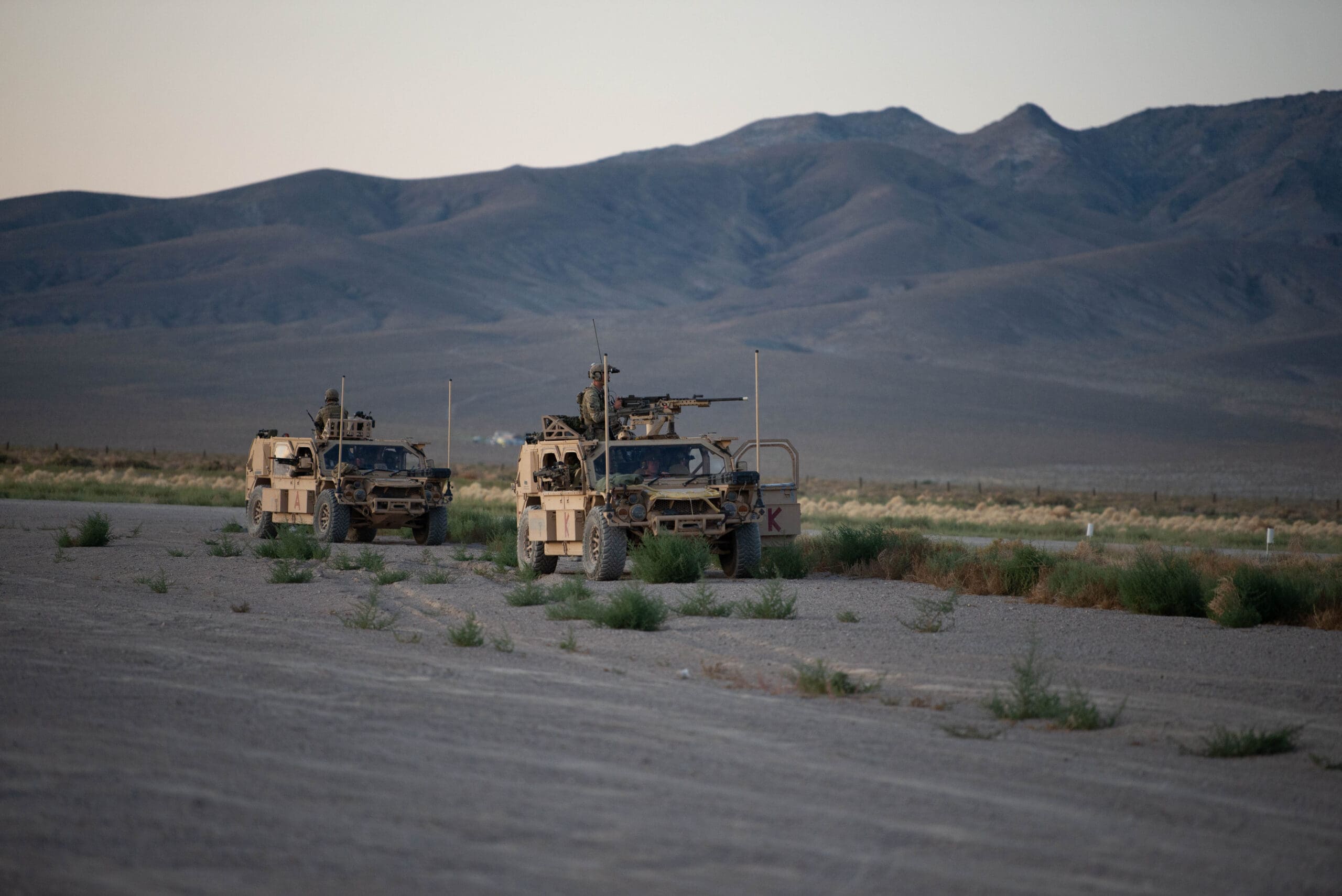
The 27th Special Operations Wing conducted its first Combat Readiness Inspection as a part of Emerald Warrior 24 FTX II in various locations throughout the western United States, Aug. 4 to Aug. 9, 2024.

The CRI is a new Air Force Special Operations Command assessment method designed to better evaluate a wing’s combat readiness for high-end operations. AFSOC’s pivot toward Great Power Competition requires its units to be pushed to their limits, encouraging them to boldly take risks and try new tactics and techniques. The CRI provides units the “freedom to fail” in a controlled exercise environment, ensuring any failures are viewed as opportunities for learning and growth, rather than punishments or setbacks.


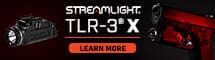


A key element of the CRI is focusing on the performance of mission-essential tasks in a robust threat environment, helping units better prepare for the complexities inherent to real-world operations against pacing challenges.

“Overall, the 27th Special Operations Wing set the benchmark for the future of Combat Readiness Inspections” said Lt. Gen. Mike Conley, AFSOC commander. “The goal for this event was never perfection.  We wanted the Wing to be all in, face tough challenges, discover areas for improvement, and work together to problem solve for the future…and they did just that.   The CRI was a true reflection of AFSOC culture – a willingness to take on challenges that others may shy away from, even when success isn’t guaranteed. This mindset is key as we learn, grow, and continuously improve our readiness for current and future conflicts.”


The 27th SOW implemented the CRI as a part of an already existing high-end readiness exercise, Emerald Warrior, to identify opportunities for improvement, innovate training approaches and align its programs with the latest advancements in technology, tactics and strategic objectives.

The CRI brought U.S. Air Force Lt. Gen. Stephen Davis, Department of the Air Force Inspector General, to Cannon AFB to observe AFSOC’s premier readiness wing execute the CRI. While at Cannon AFB, Davis attended several battle staff events to ensure the inspection was as realistic as possible, highlighting the focus on combat readiness and accurately assessing the readiness required to succeed against pacing challenges across the spectrum of competition, including conflict.

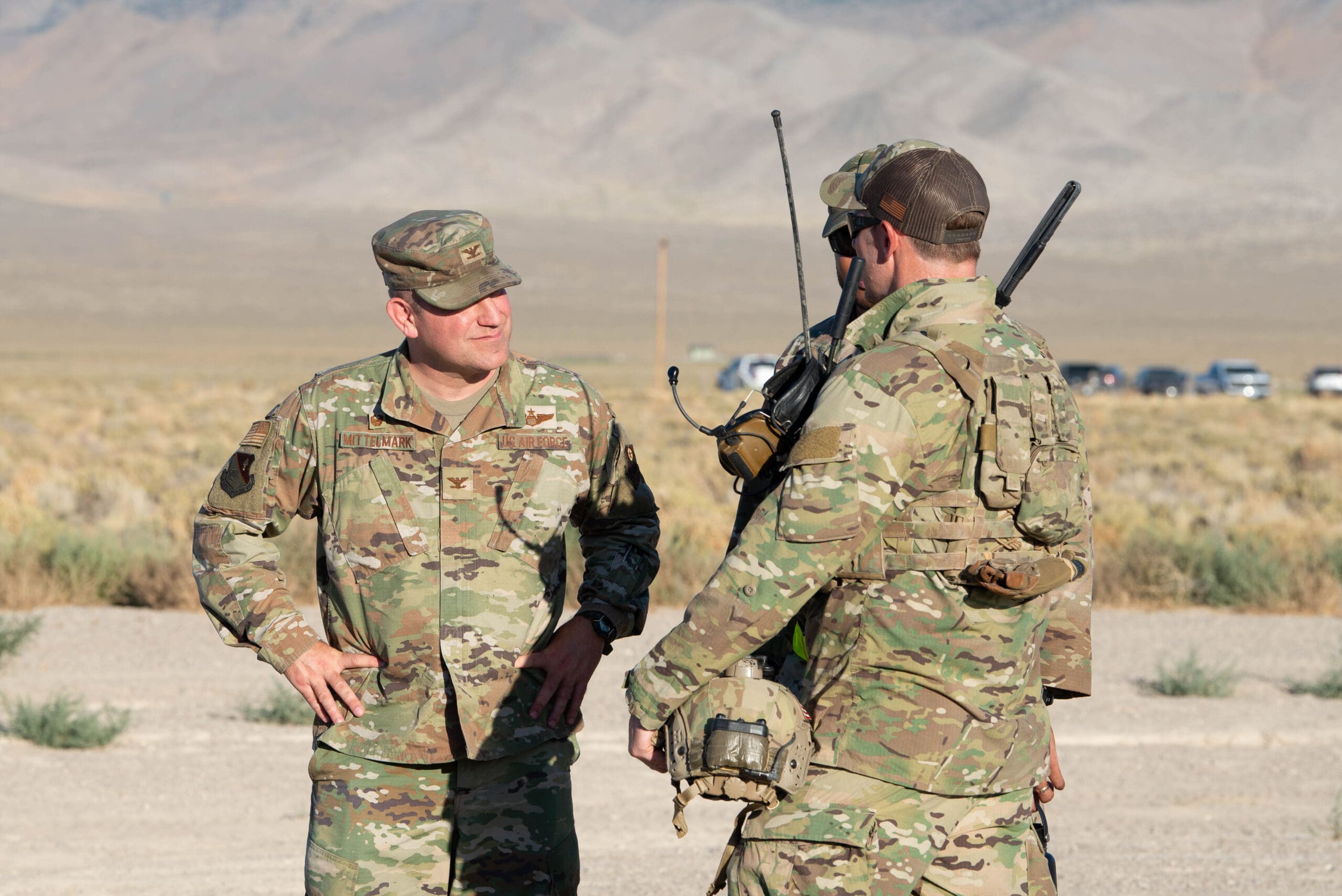
“We were the first to do this new type of exercise, pathfinding for AFSOC,” said Col. Cary Mittelmark, 27th SOW deputy commander for operations. “We were able to validate some of the Agile Combat Employment concepts that AFSOC has been working hard at for the last couple years.”

During the CRI, inspectors evaluated the capabilities of a 27th SOW Special Operations Task Group, comprised of multiple aviation, Special Tactics and Mission Sustainment Team Special Operations Task Units.

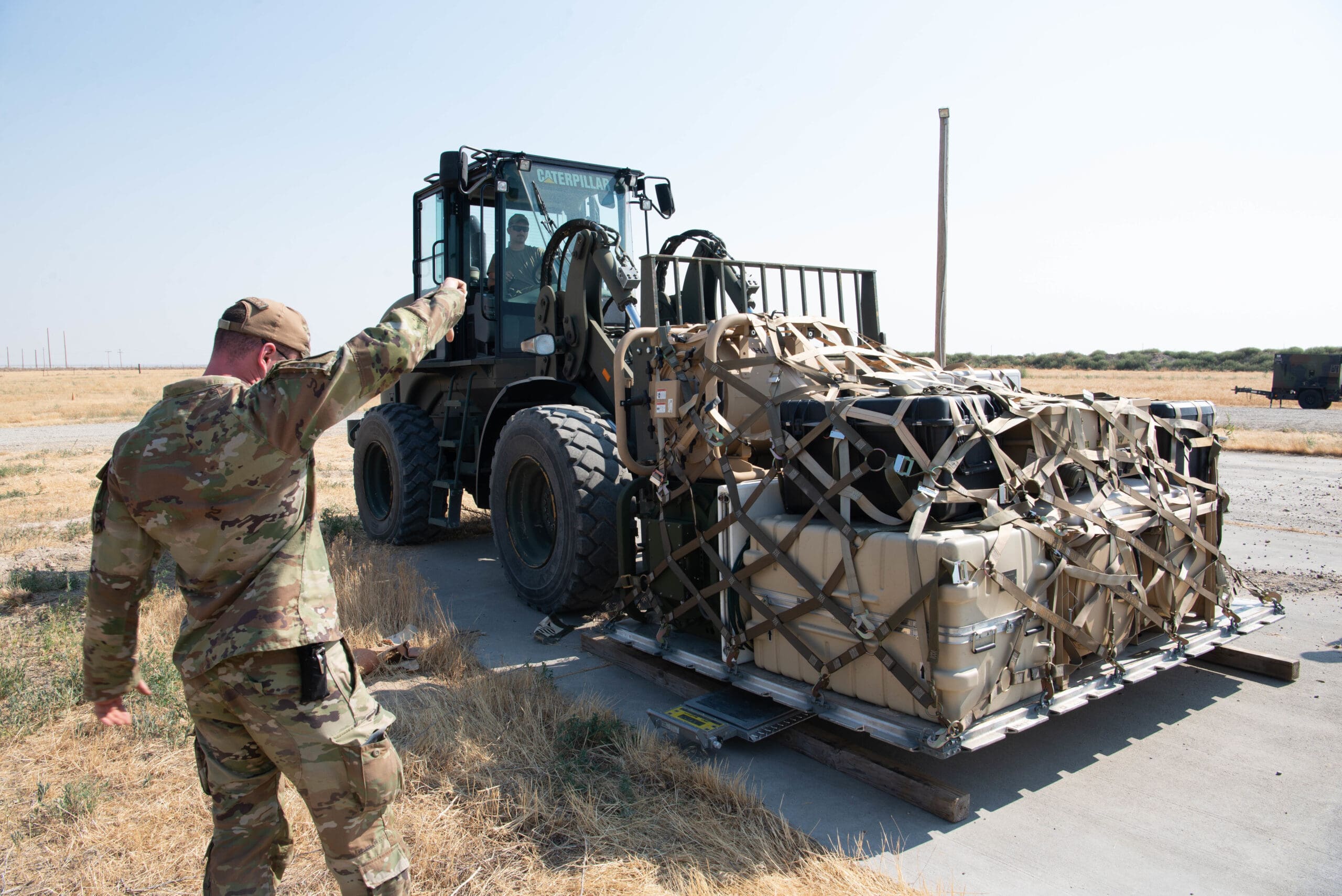
Throughout the inspection, the 27th SOW MST established and secured one primary forward operating base and two geographically separated forward operating locations across Idaho and Nevada, sustaining 200 personnel while providing the placement, access and survivability required to conduct a variety of air and ground operations.

After a base of operations was established, Special Tactics Airmen from the 24th Special Operations Wing worked with the 27th SOW MST, AC-130JGhostrider, MC-130J Commando II and U-28 Draco crews to execute a variety of AFSOC core missions, including SOF mobility, strike Intelligence, Surveillance and Reconnaissance (ISR) and air to ground integration. 

Prioritizing readiness based on overall mission effectiveness rather than functional competence will ensure AFSOC’s continued ability to rapidly project unconventional airpower for the joint force globally, a task The Steadfast Line executes day-in and day-out.

Throughout the inspection, the 27th SOW MST established and secured one primary forward operating base and two geographically separated forward operating locations across Idaho and Nevada, sustaining 200 personnel while providing the placement, access and survivability required to conduct a variety of air and ground operations.

After a base of operations was established, Special Tactics Airmen from the 24th Special Operations Wing worked with the 27th SOW MST, AC-130JGhostrider, MC-130J Commando II and U-28 Draco crews to execute a variety of AFSOC core missions, including SOF mobility, strike Intelligence, Surveillance and Reconnaissance (ISR) and air to ground integration. 

Prioritizing readiness based on overall mission effectiveness rather than functional competence will ensure AFSOC’s continued ability to rapidly project unconventional airpower for the joint force globally, a task The Steadfast Line executes day-in and day-out.

By Staff Sergeant Kevin Williams

27th Special Operations Wing Public Affairs