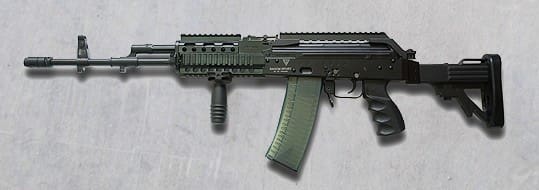
Coming 2014 from SPECOPS.PL is a new magazine for use with the .223 ?ucznik family of sporting rifles – RADOM-SPORT aka “ARCHER”. Made in Poland.


Coming 2014 from SPECOPS.PL is a new magazine for use with the .223 ?ucznik family of sporting rifles – RADOM-SPORT aka “ARCHER”. Made in Poland.
SPECOPS.PL has released a line of ‘ULPC’ equipment. In the same vein as their Ultra-Lekki Plate Carrier, the ULPC series consists of laminate-based, laser-cut tactical bags, pouches, and belts with webbing-free PALS compatible mounting options.
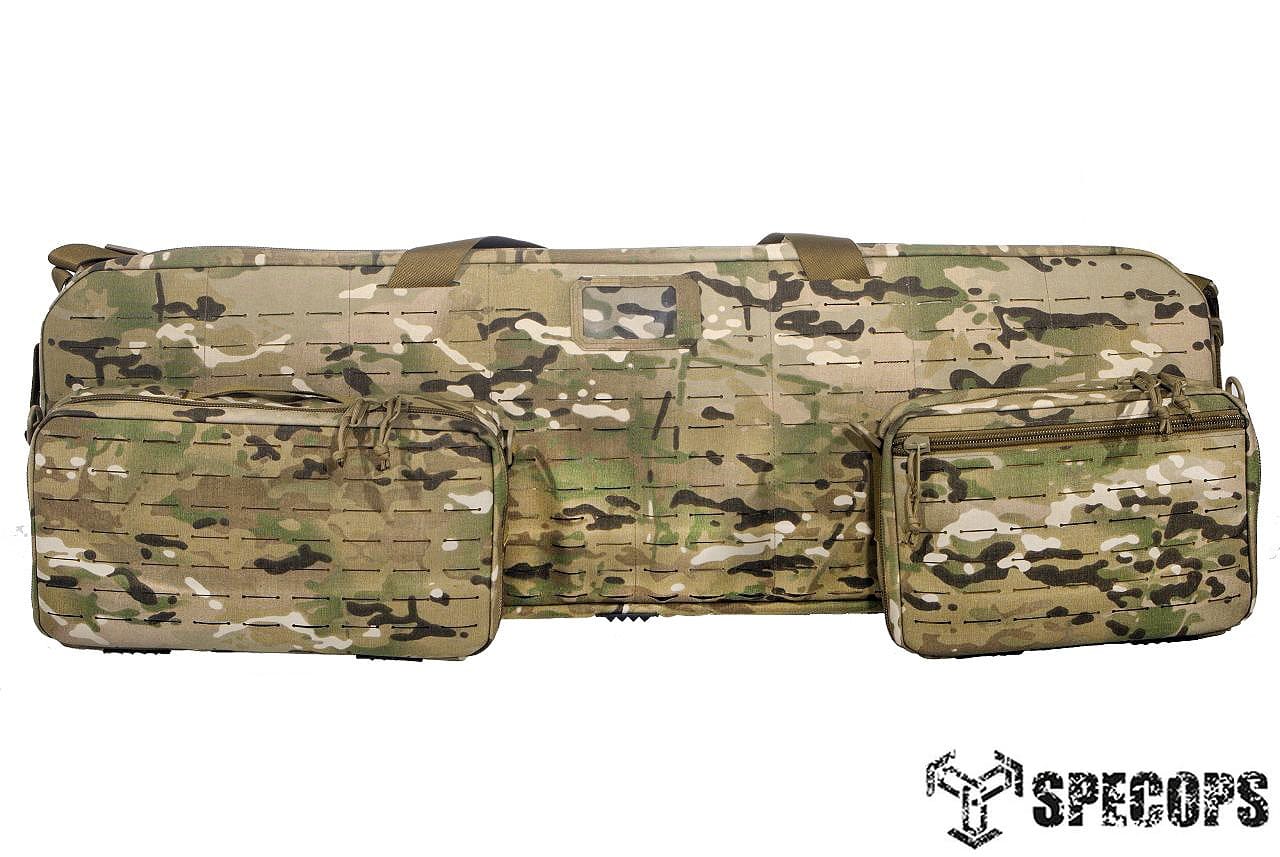
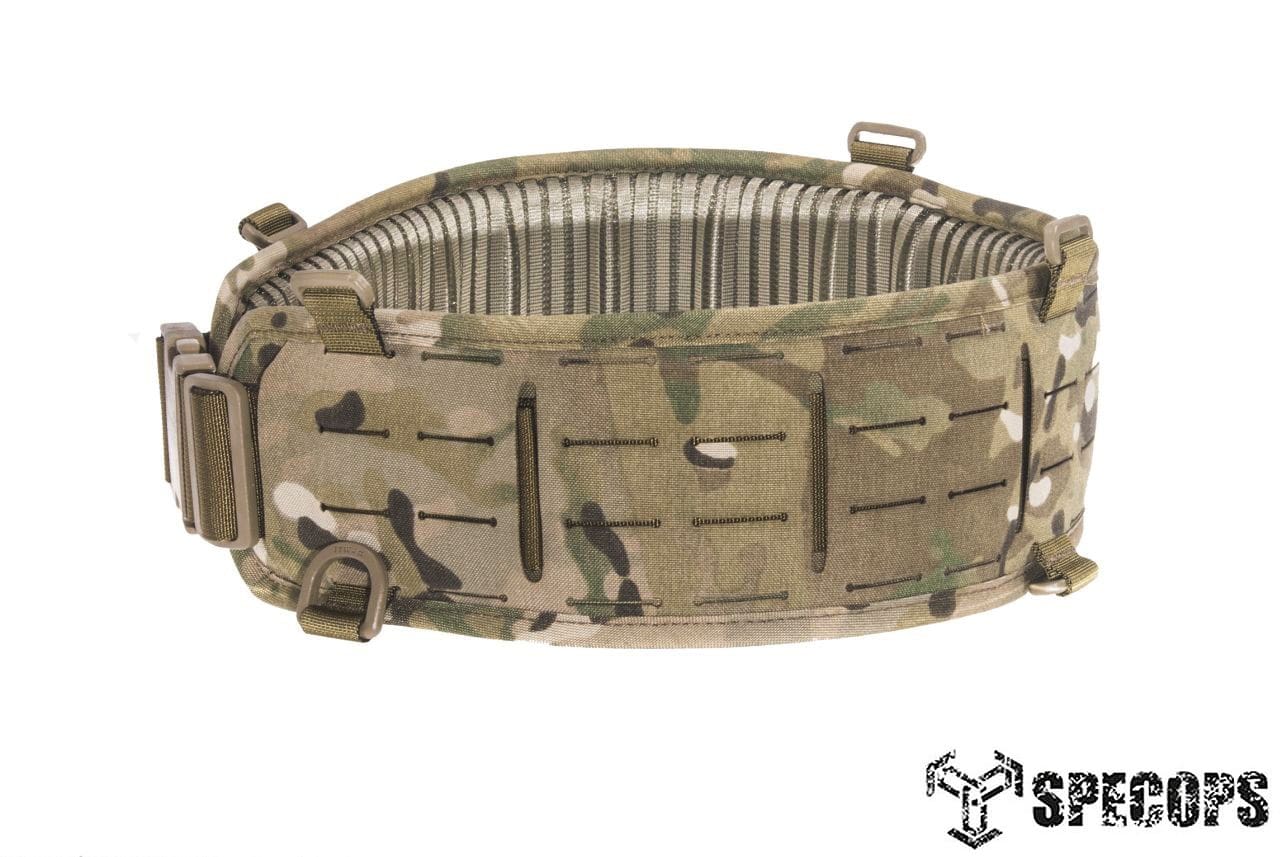
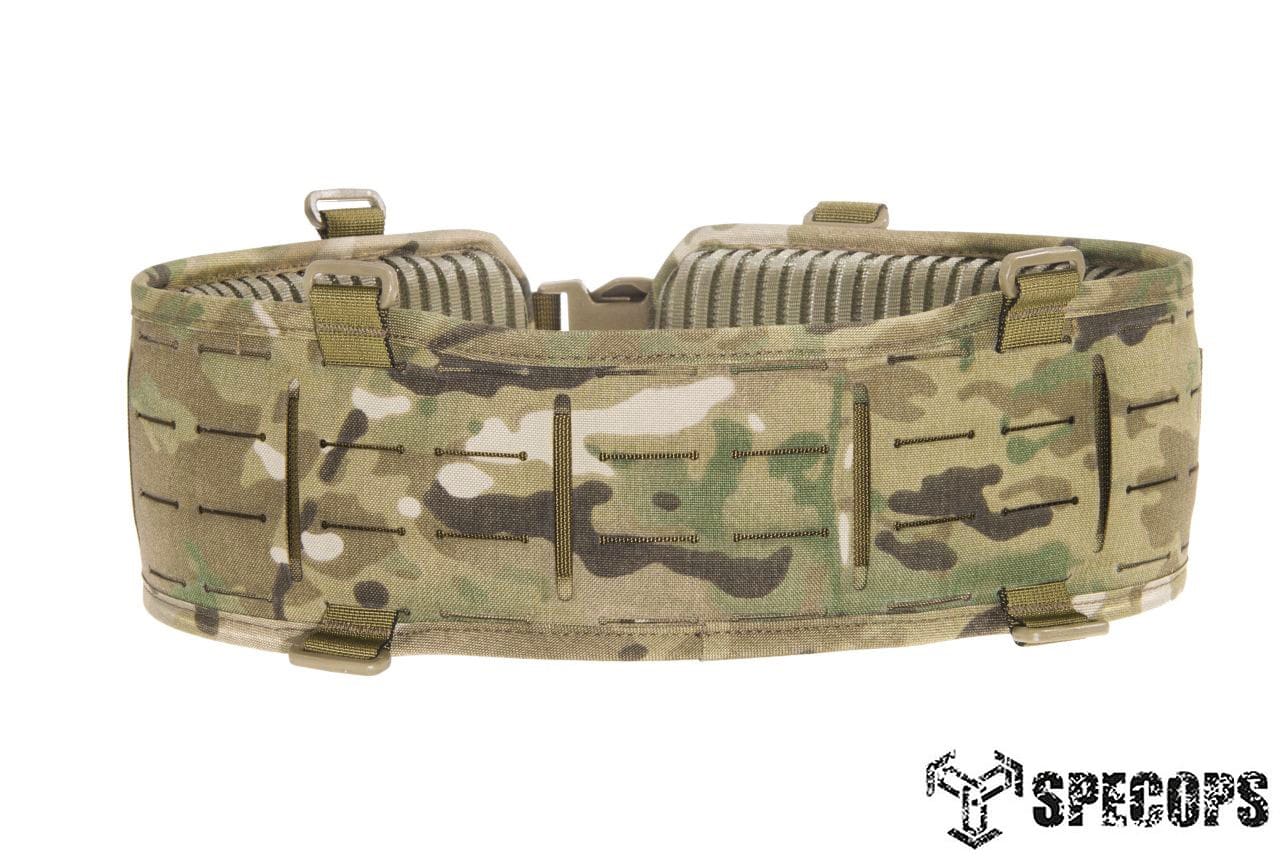
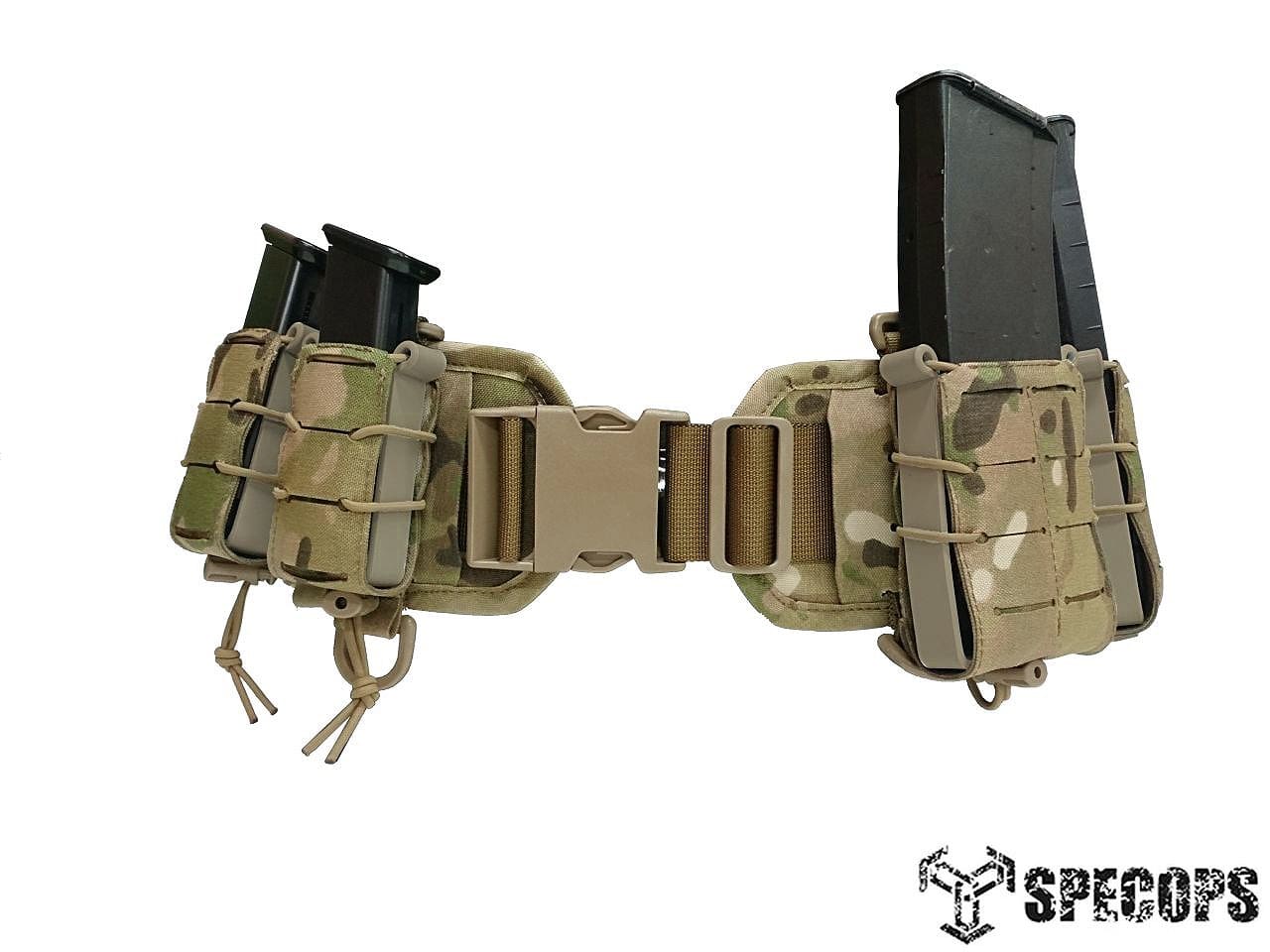
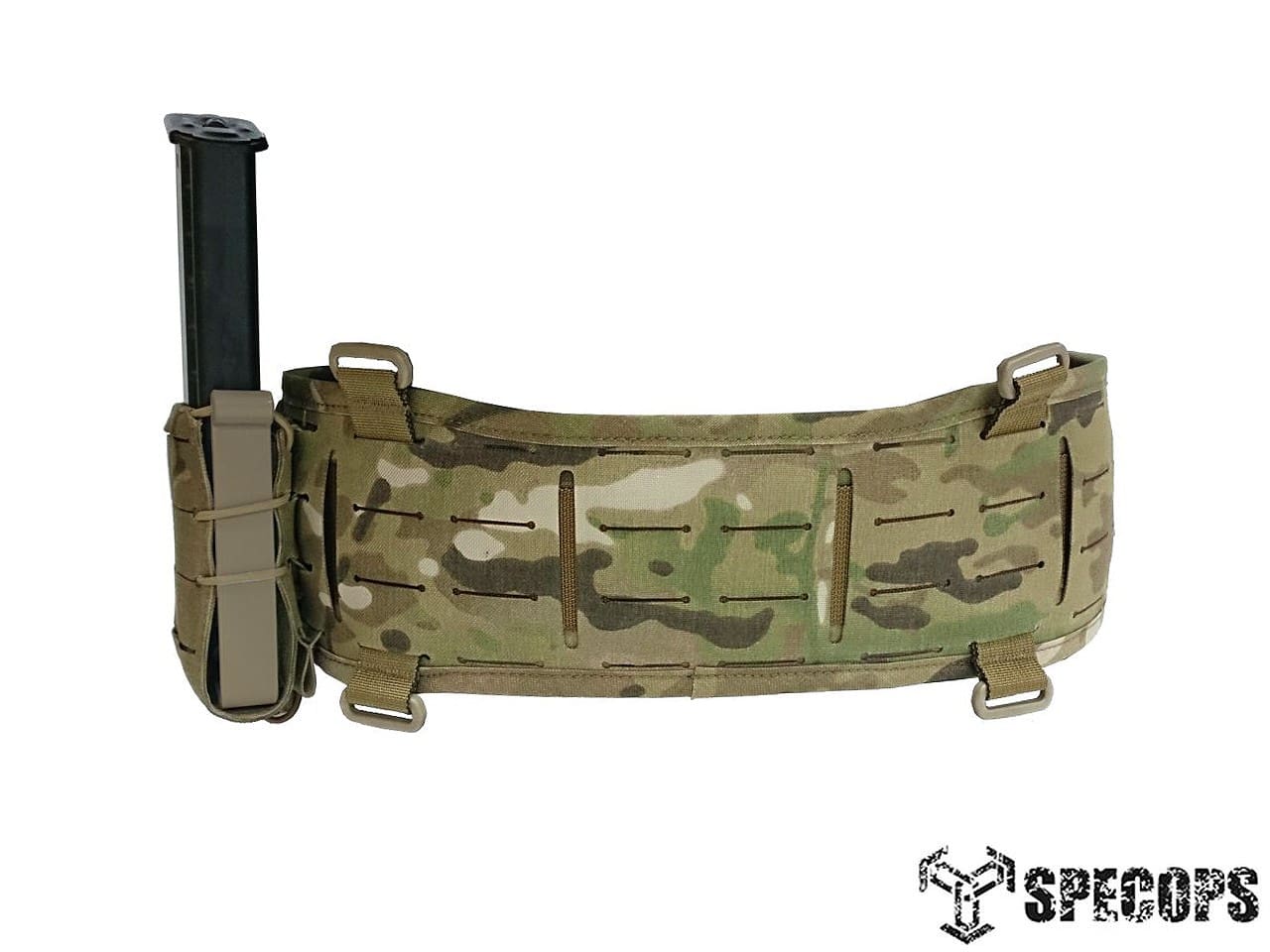
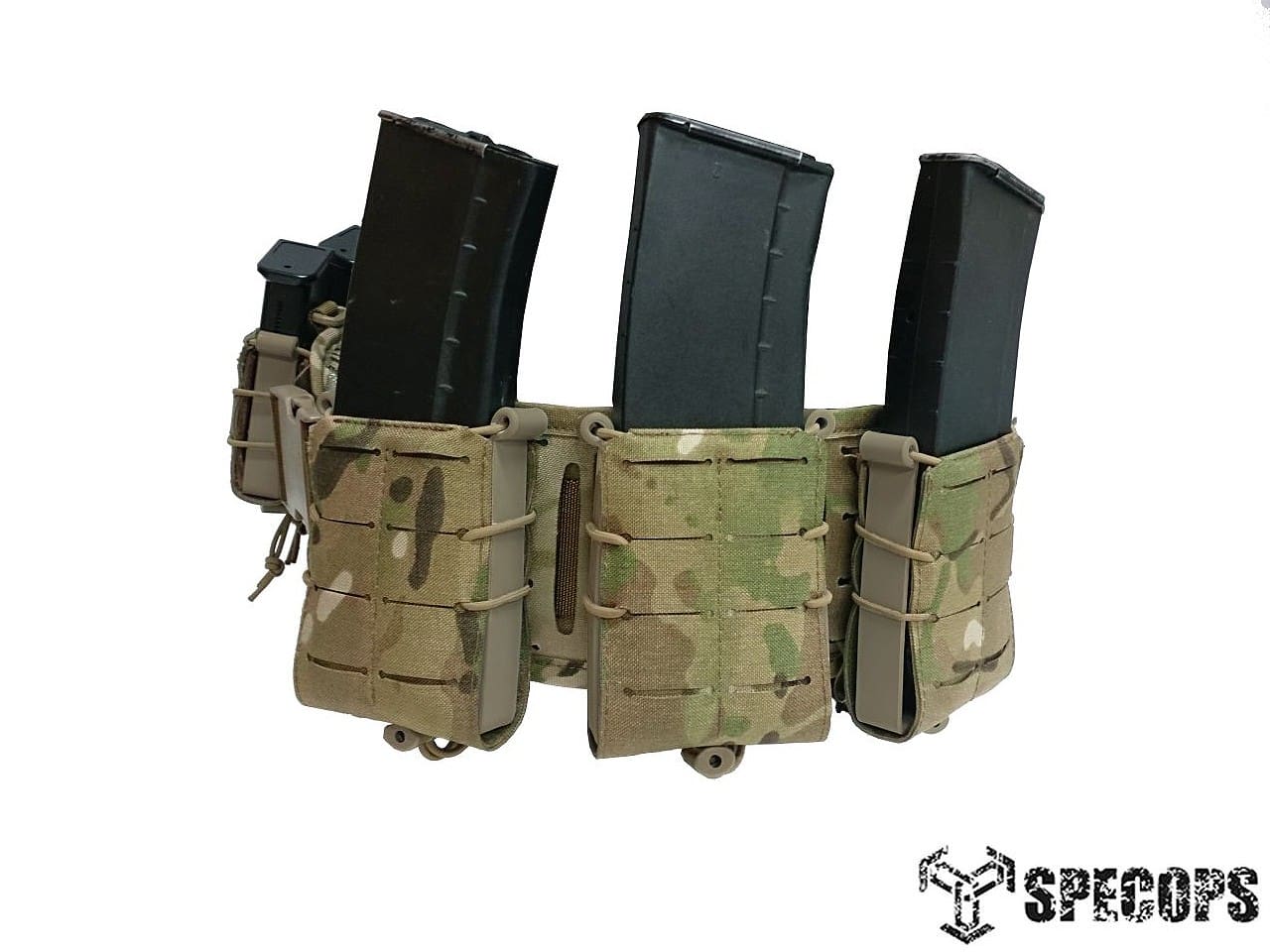
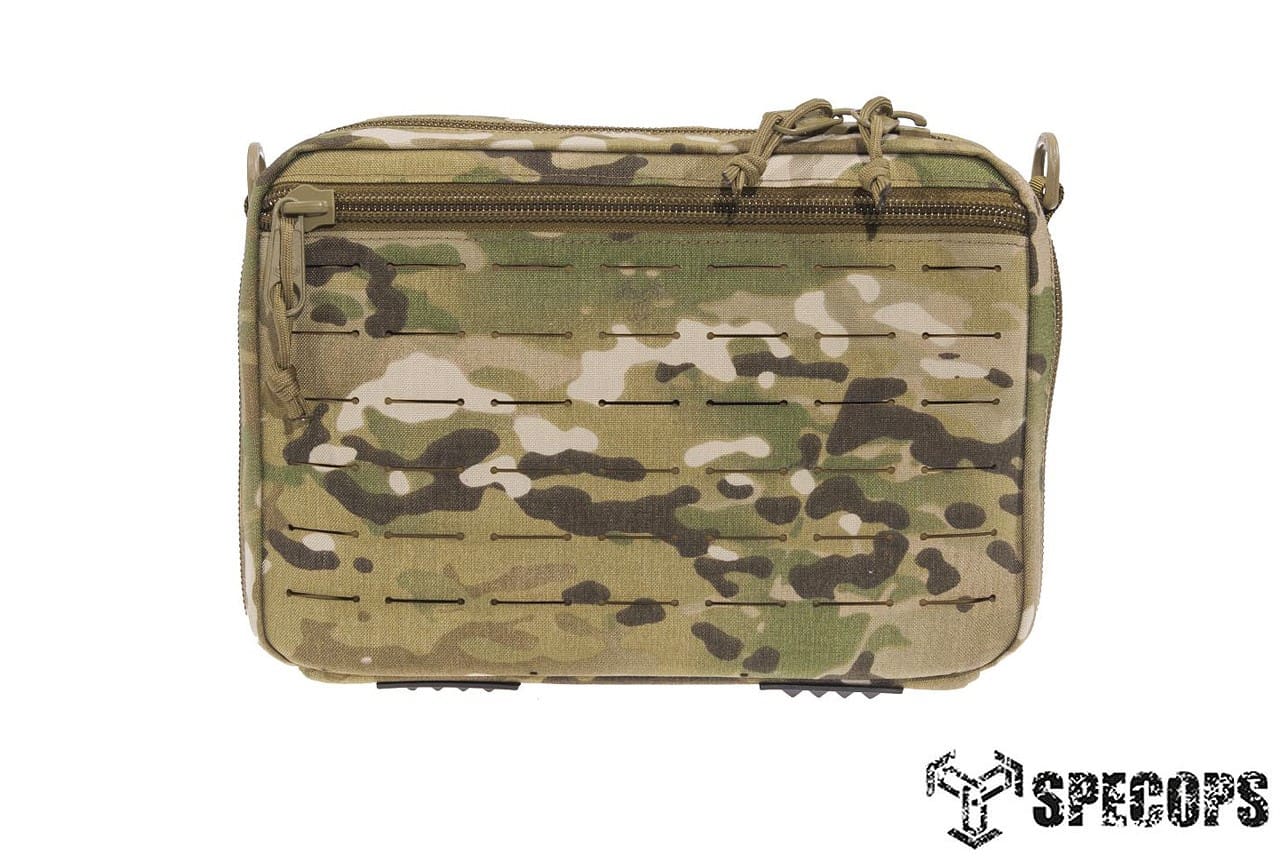

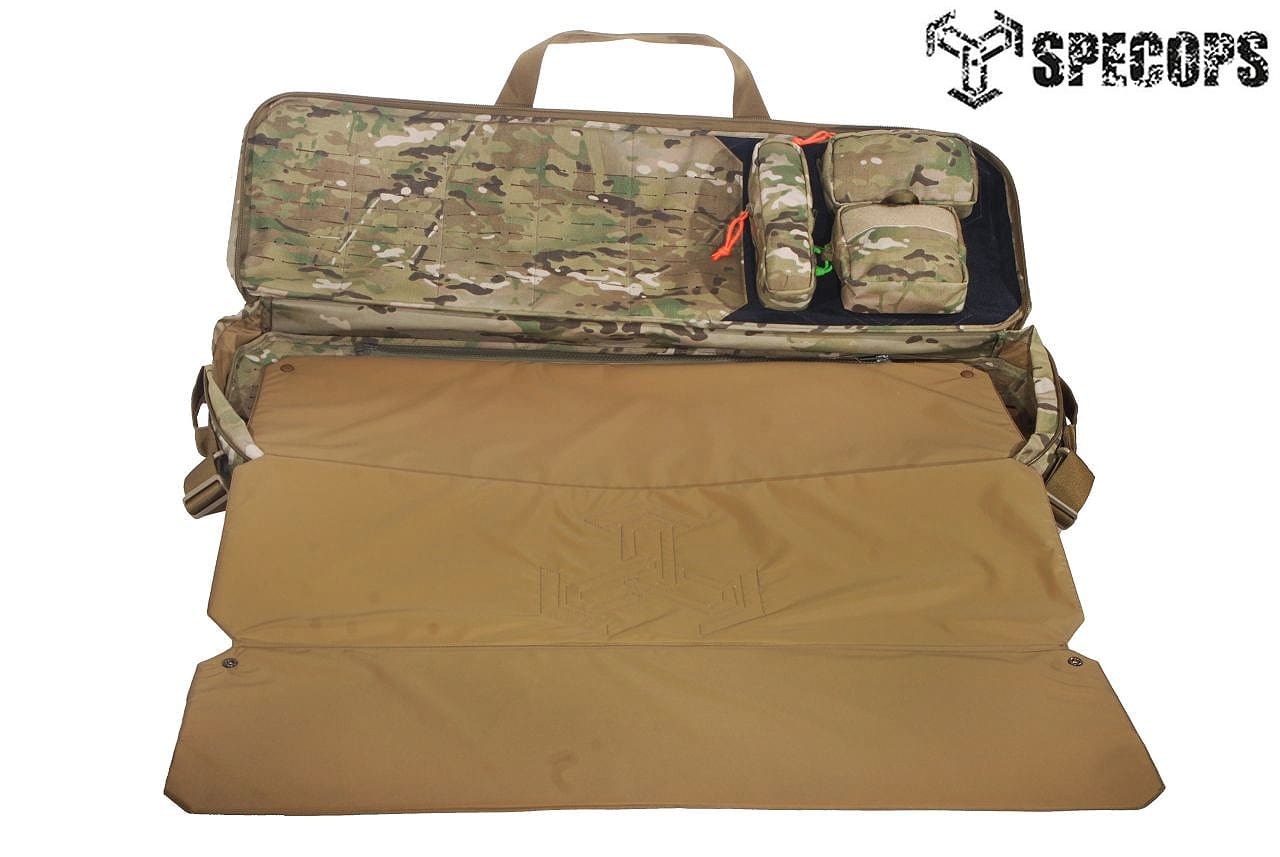
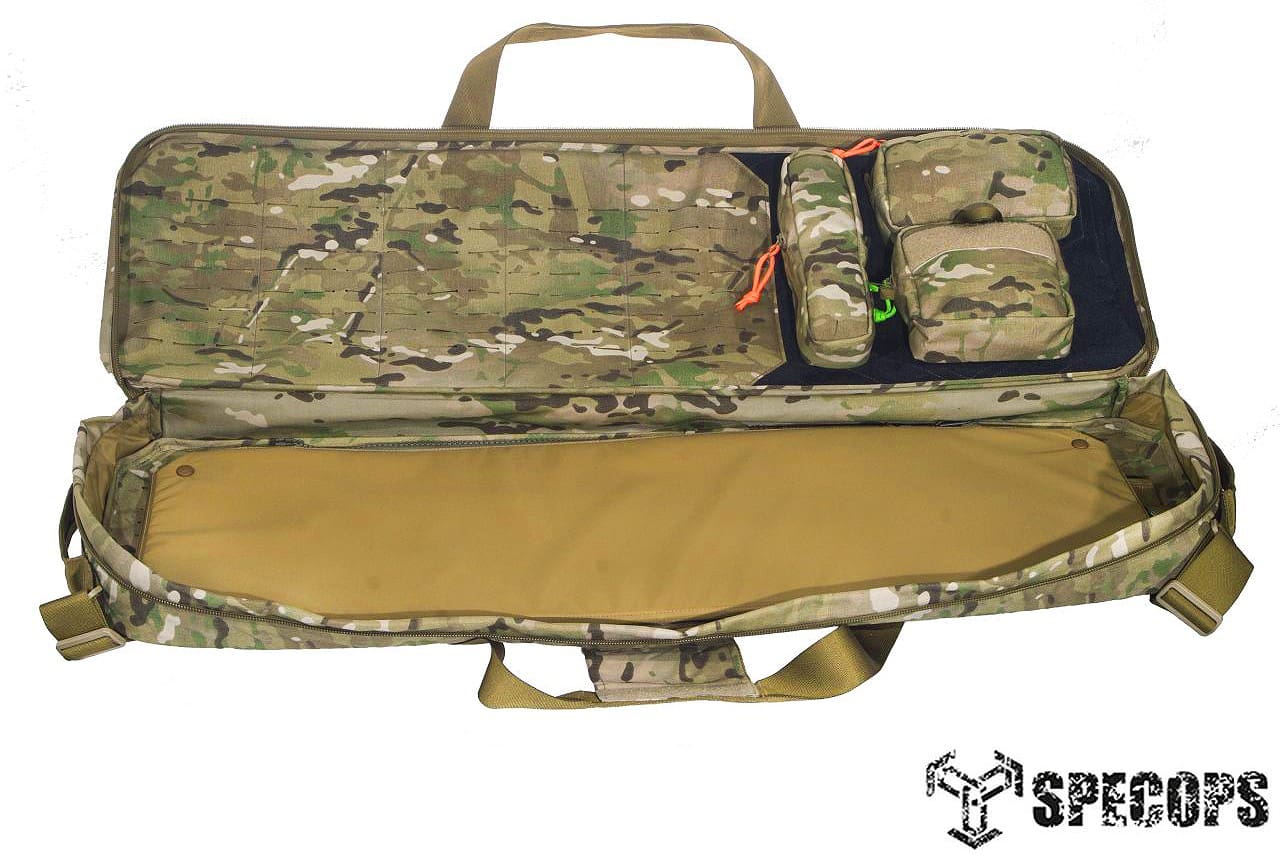
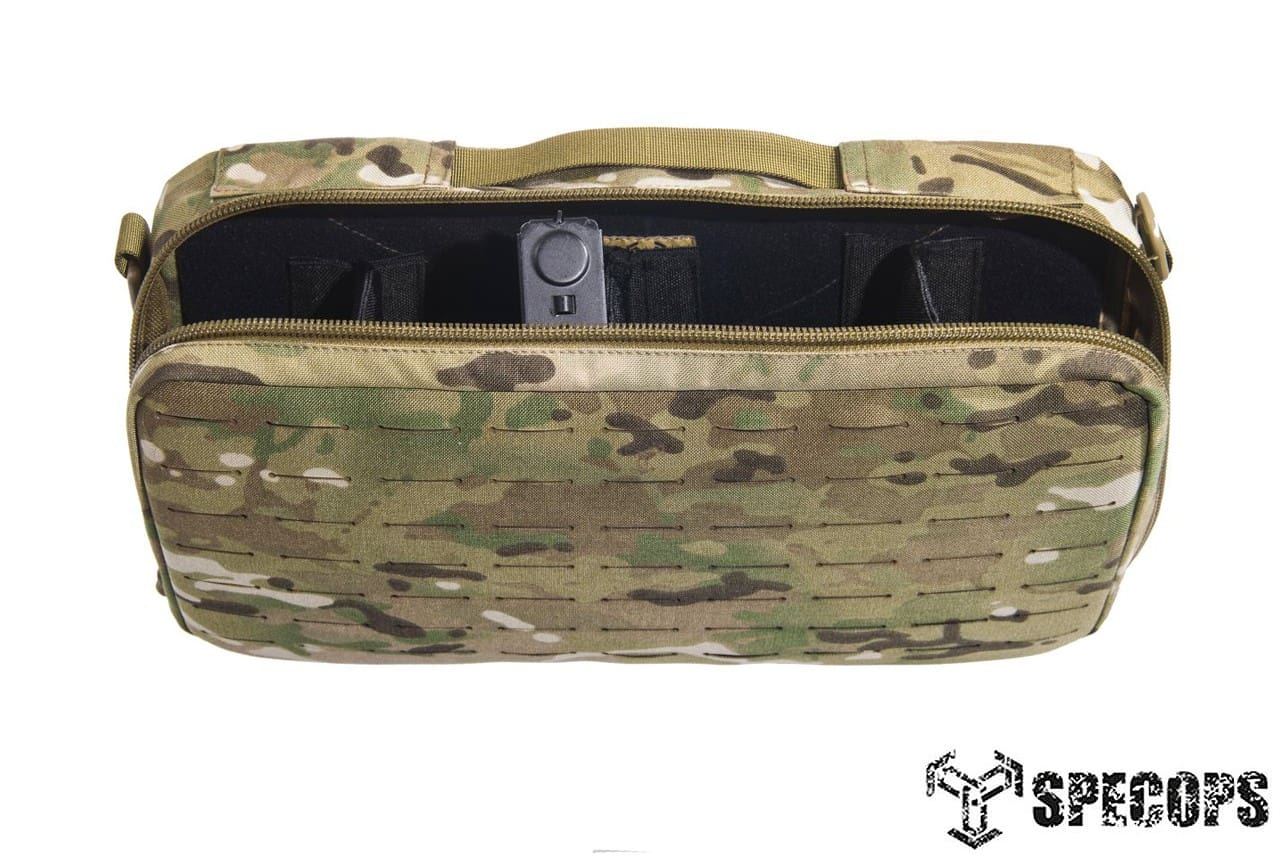
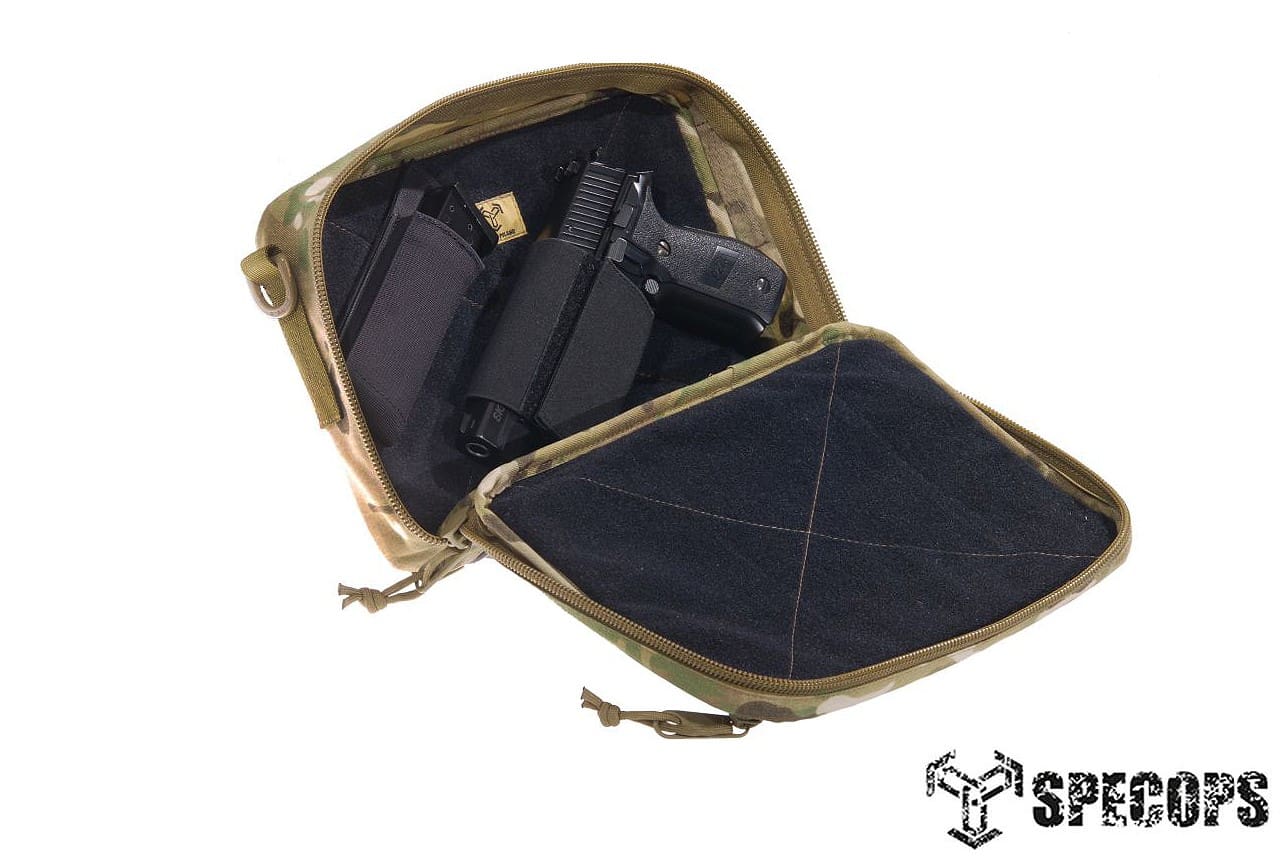
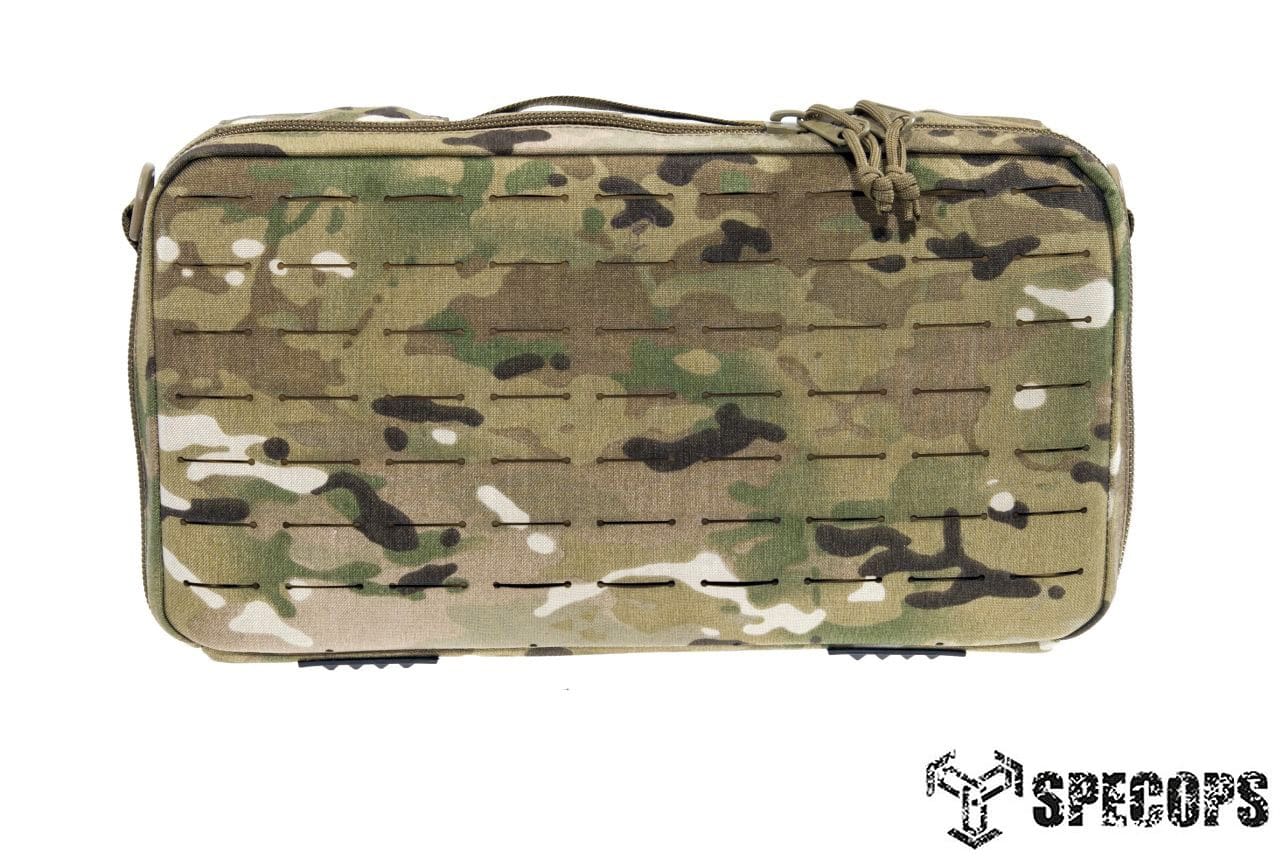
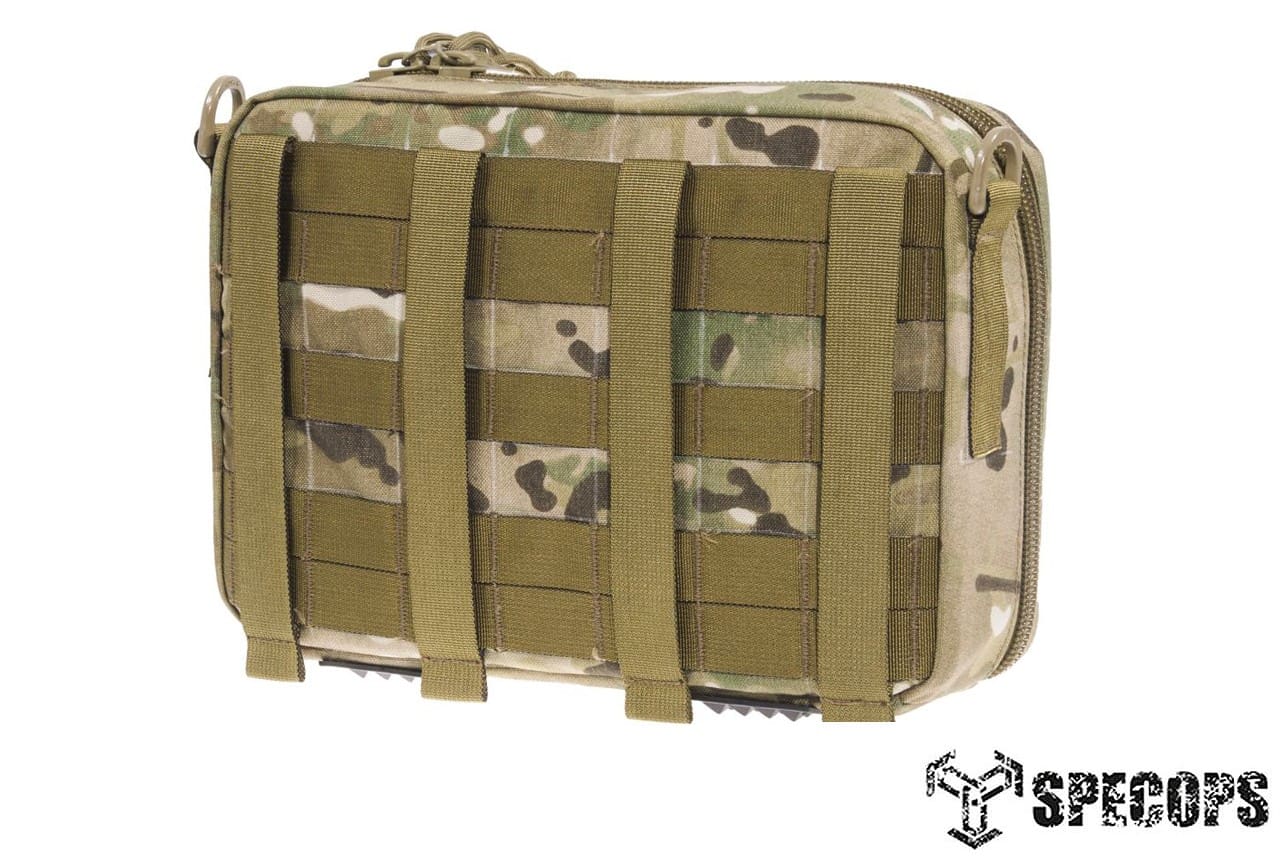
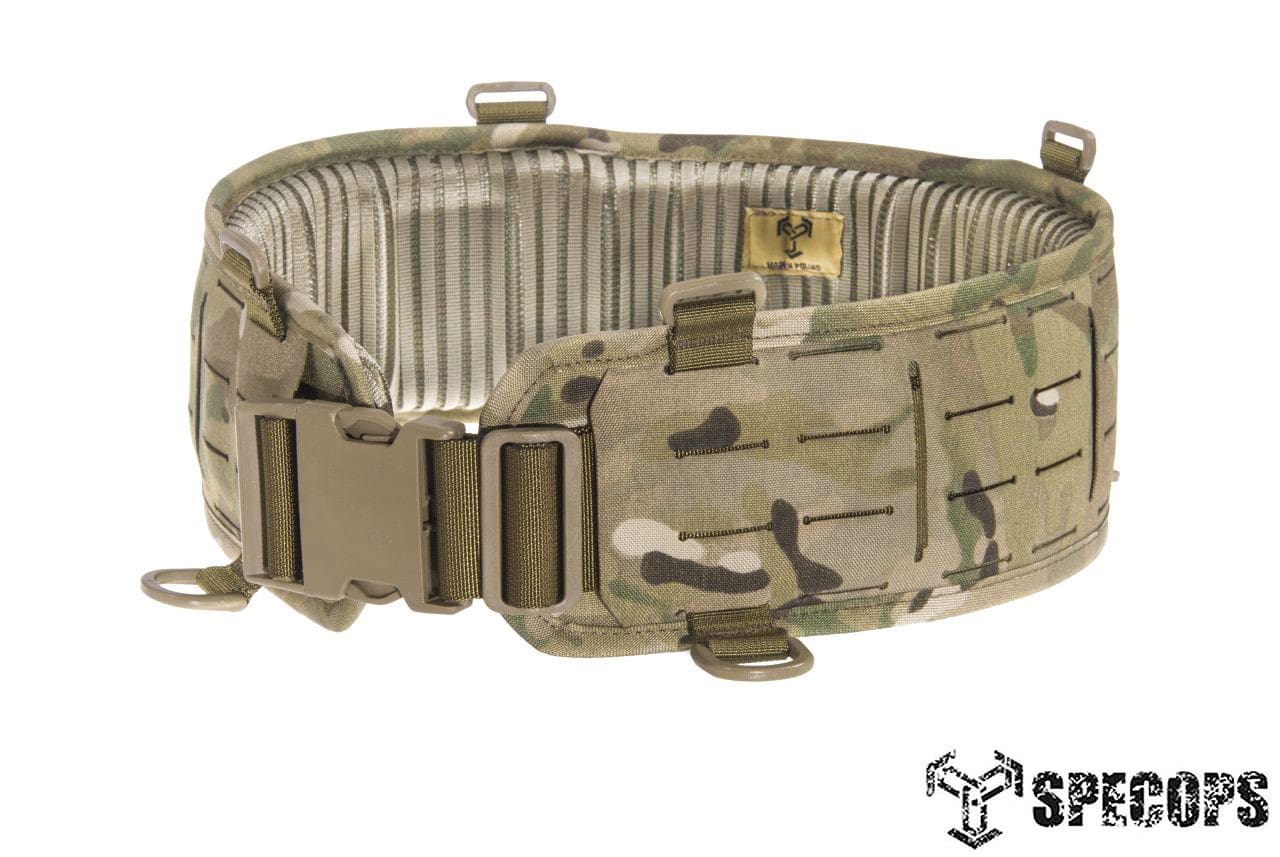
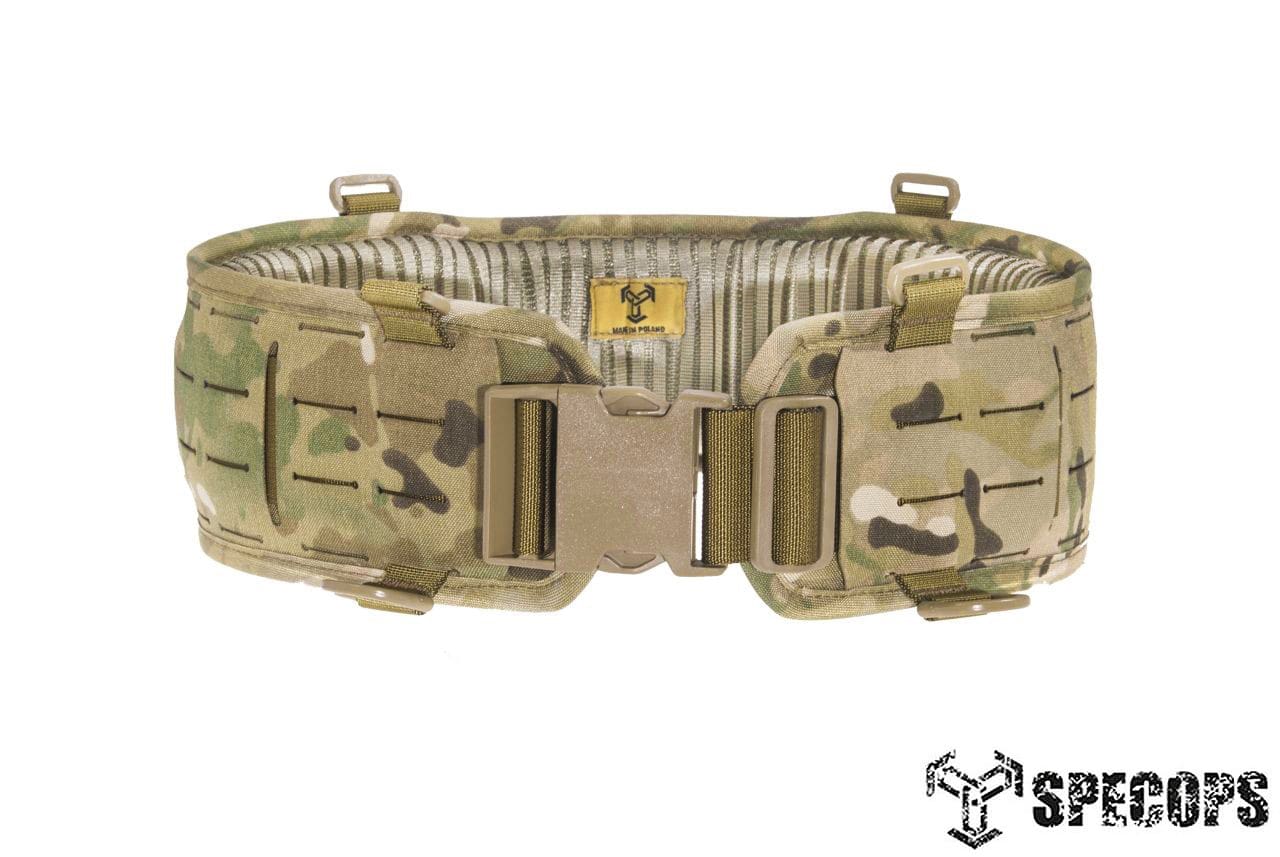
ULPC range is available in all SPECOPS camo patterns and solid colors. Manufactured in Poland, with 3-year combat warranty.
Hot Shots Calendar has refined the look of their website. In addition to updated info on the 2014 edition of this popular calendar, it also offers merchandise as well as profiles of the models and background on the project.
Last week we told you about MSA Gallet’s new Accessory Rail Combat Helmet or ARCH.
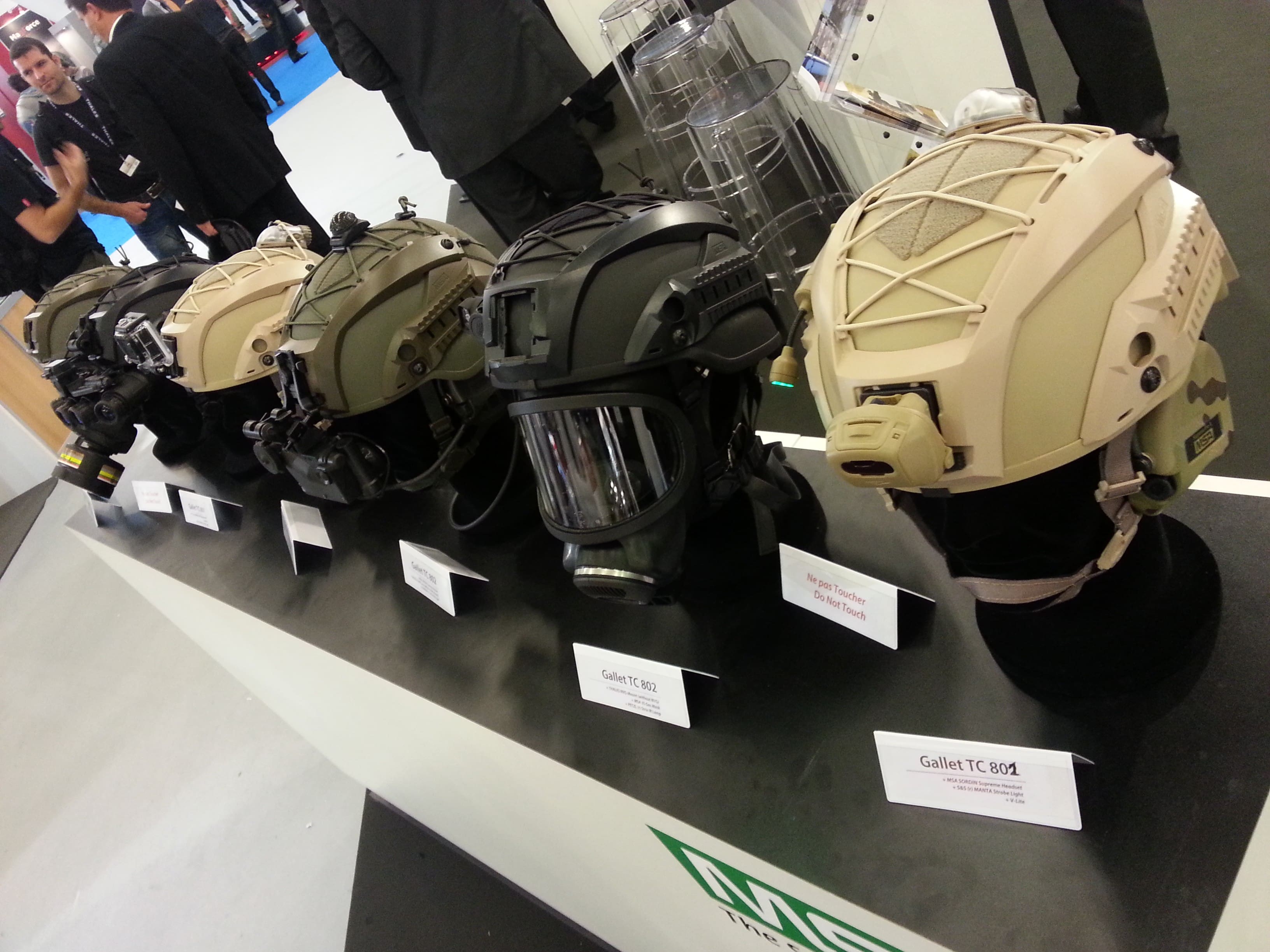
The official designations of this new line of helmets are the Gallet TC 800 series and Gallet TC 500 series (MSA decided to revert to the previous Gallet name for them, in order to avoid confusing their clients with nomenclatures of helmets made in the now defunct US helmet factory).
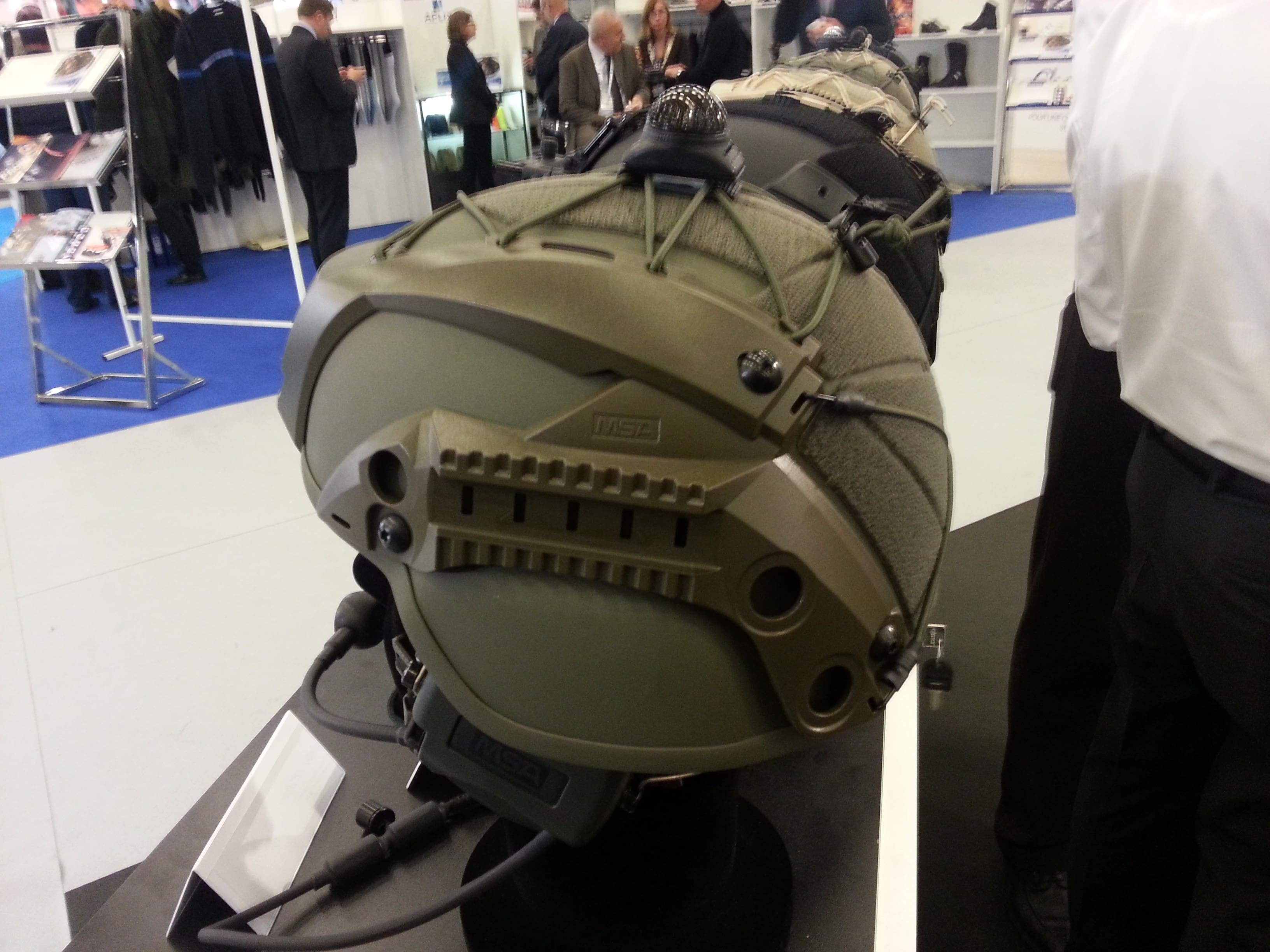
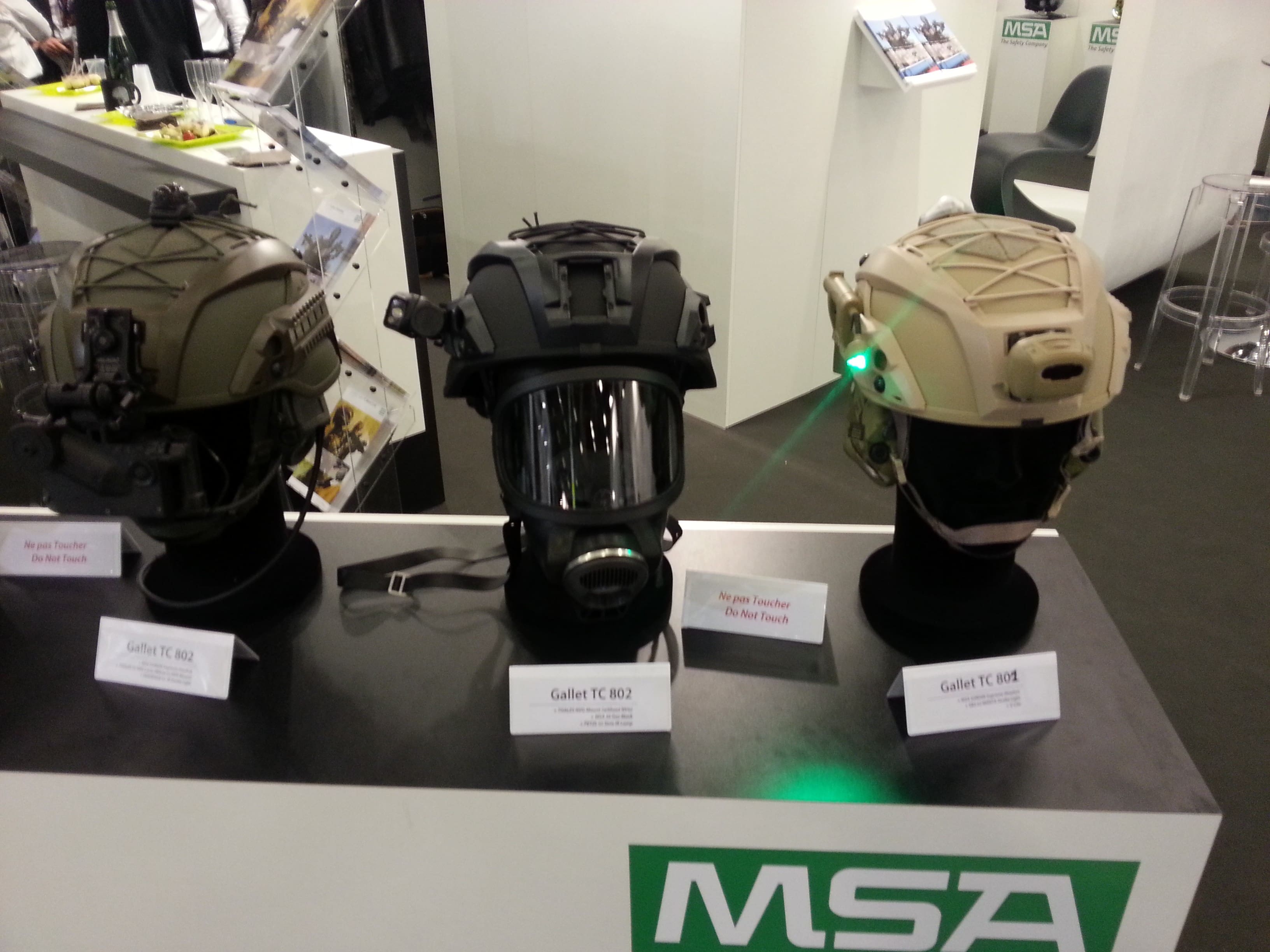
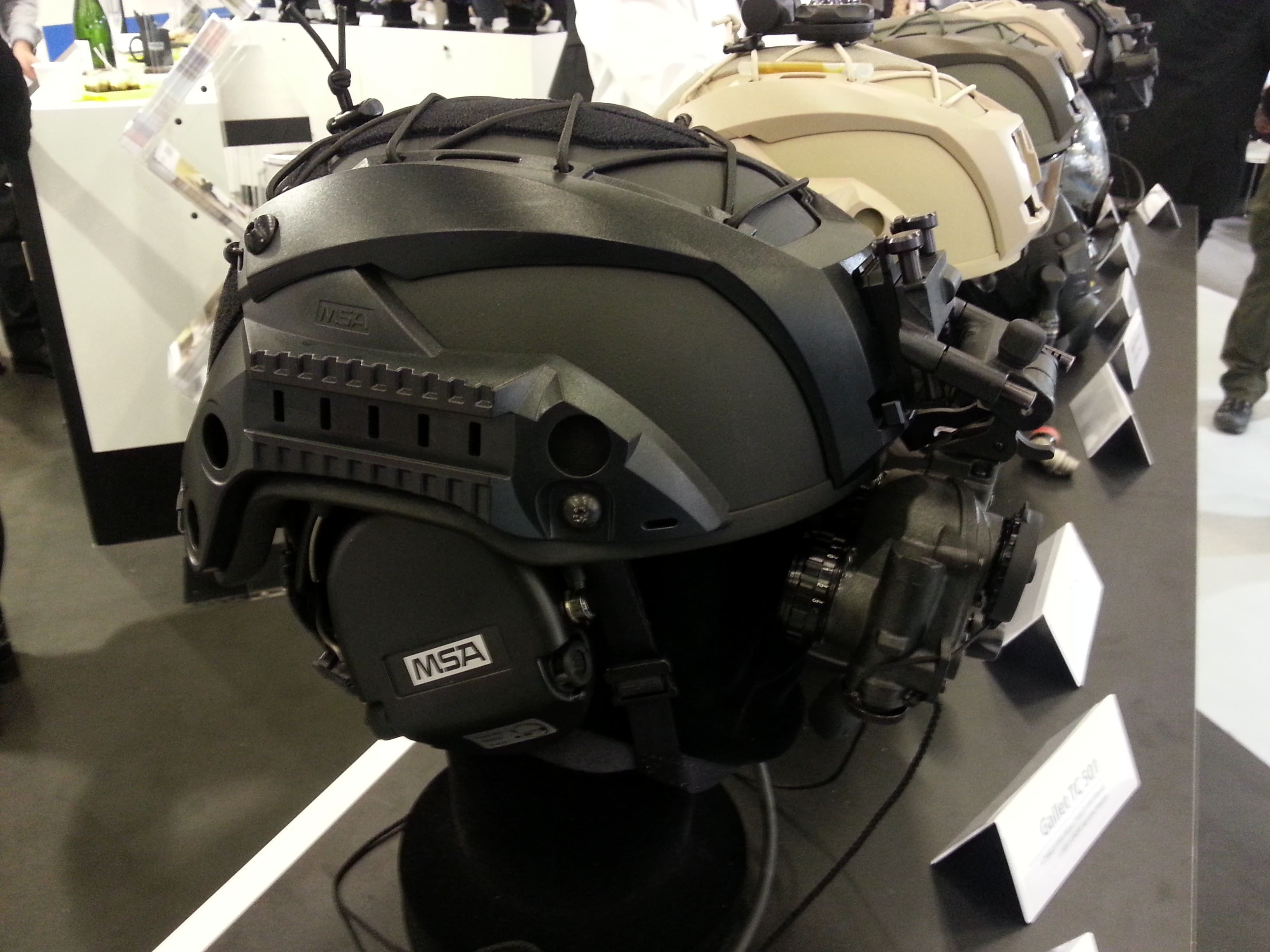


The rails feature proprietary 360° rotating buckles on the front and lower back (three slots on each rail). Additionally, the removable “V” shaped, ratchet-style shroud clamps under the front brim of the shell, and bolts unto each of the upper portions of the side rails in the back. On top of the actual NVG interface (USGI/wilcox compatible), between the two “V” branches, they’ve added bungee ties that go all the way to the top, in order to secure strobes and other non-railed accessories.
It might seem odd to American readers that they would use a ratchet-style shroud but there are a lot of units, especially in Europe, that still use the Lucie NVG with its claw/strap system. Additionally, this solution means no pre-drilled holes in the helmet.
The other interesting thing about those helmets is that they come in only one shell size, with sizing adjustments made via removable pads. However, MSA will offer two harness sizes, as they have introduced a captive strap design similar to the one introduced by Ops-Core.
Specifically, the helmet models are 800/801/802 (first digit is shell thickness in millimeters, last is cut style), the fourth model released is the 501 (same naming convention applies). The 501 is the thinnest MSA available that still retains a frag rating. The line of ARCH is offered in NATO green, Black, Tan.
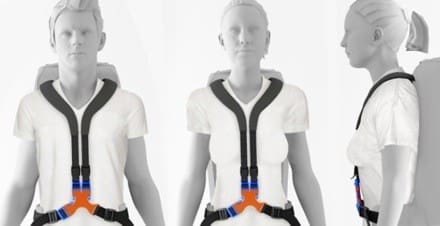
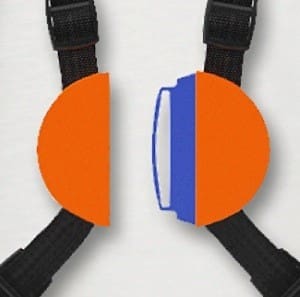
Swedish firm coXa carry AB has developed a new integrated front suspension design that integrates the shoulder and waist straps into a single buckle hub. Growing up, inventor Claes Bergkvist was a Scout and took his backpacking seriously. As he grew up, he came upon this concept. After working with several international firms to develop the design (including Duraflex) he was granted a patent last year.
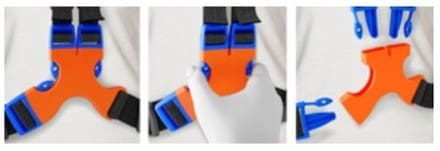
In addition to introducing a line of packs, they are also looking for licensees of this technology. Above and below you can see different design concepts for this ergonomic backpack carrying system. One distinct advantage is that it frees your arms up quite bit as well as the waist which may well transfer to increased mobility.
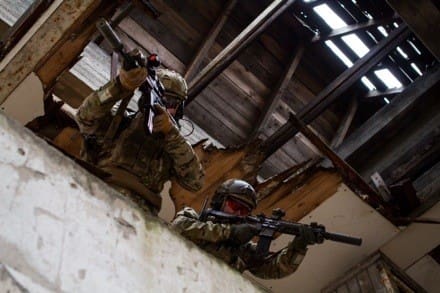
Finnish suppressor manufacturer Ase Utra will display several new models at the upcoming Milipol expo in Paris.
New products on display are the lightened jet-Z suppressor family variants, the CQB-BL and CQBS-BL in 5.56 mm and the COMPACT-BL in 7.62 mm. The CQB-BL and CQBS-BL have a different, beefed up rear baffle, with lightened forward baffles. Additionally, they’ll be showing the COMPACT-BL which they claim provides excellent performance, especially flash signature wise, across a range of 7.62 mm barrel lengths.
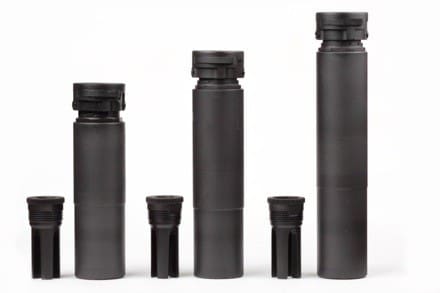
Look for them in the USMCPRO stand, 5H 186.

Hot Shots Calendar is currently auctioning a 2014 Limited Edition Copy signed by India, Rosie, Holly, Kelly and Daisy on eBay UK. These calendars help support the UK military charity, Help For Heroes. The bidding is currently stalled at £40.00 with 2 days remaining. I know we can do better! Let’s go European readers!
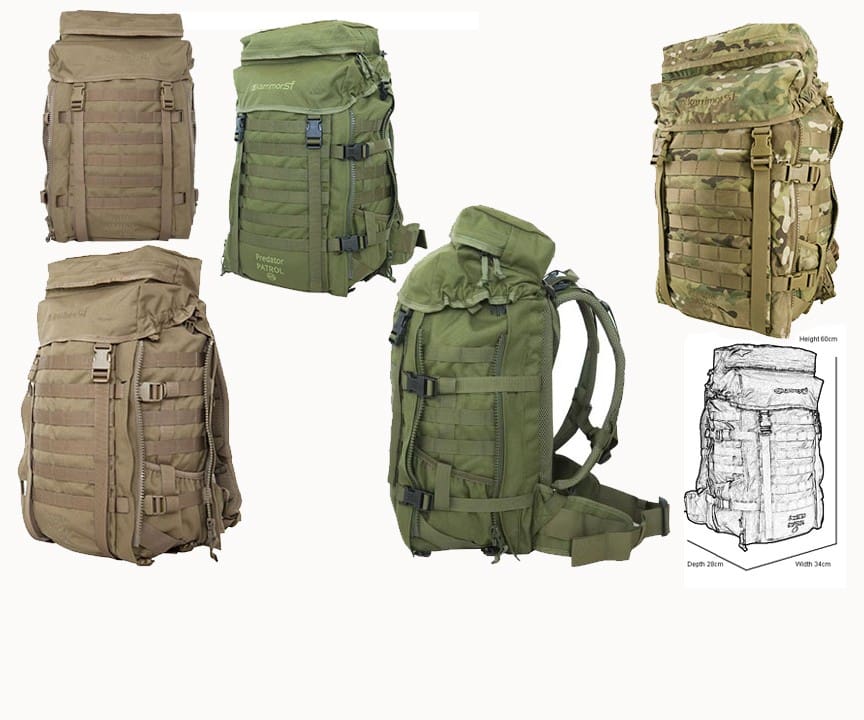

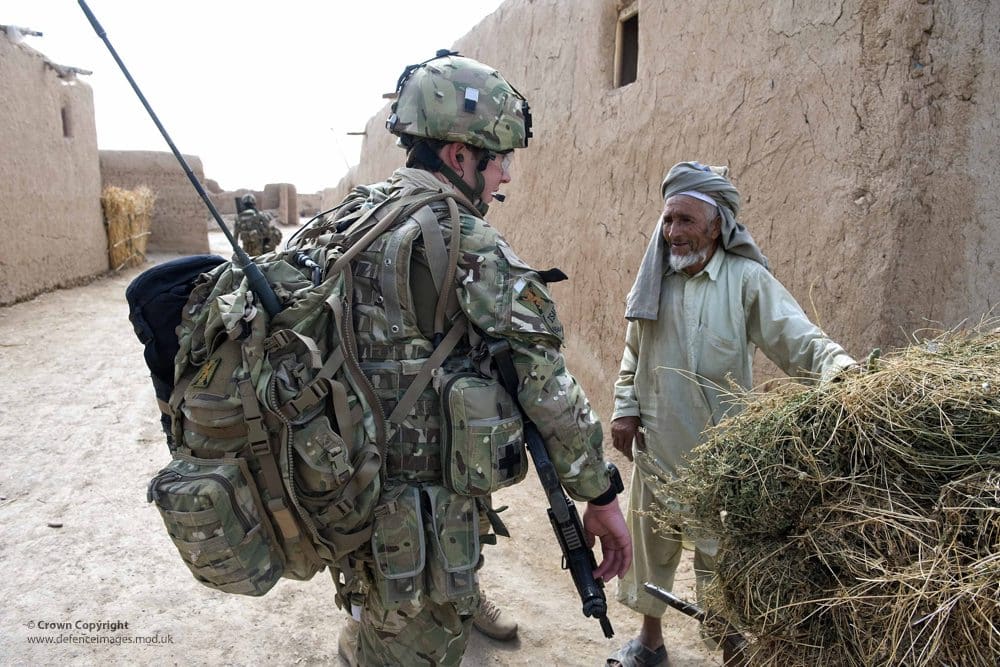

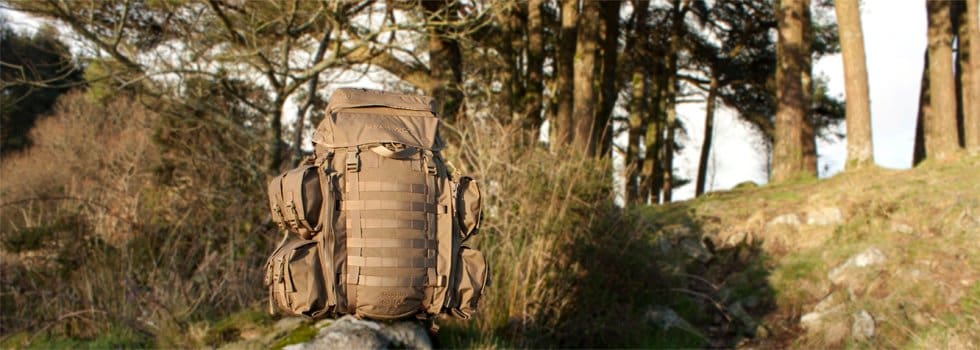
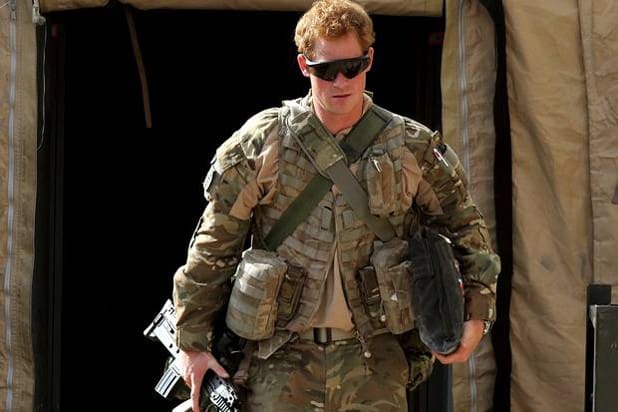
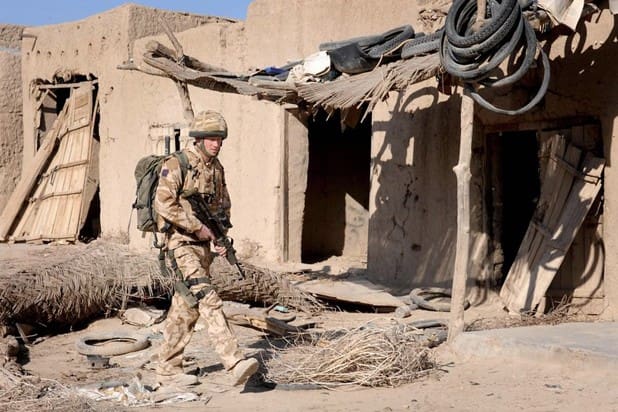
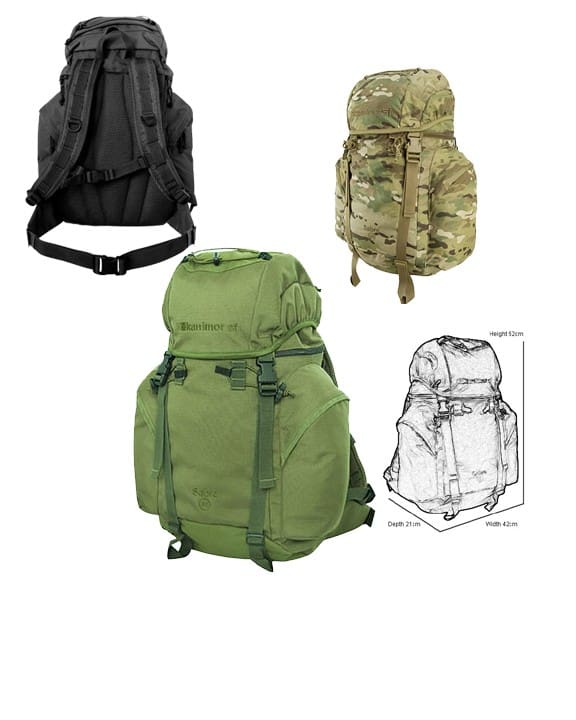
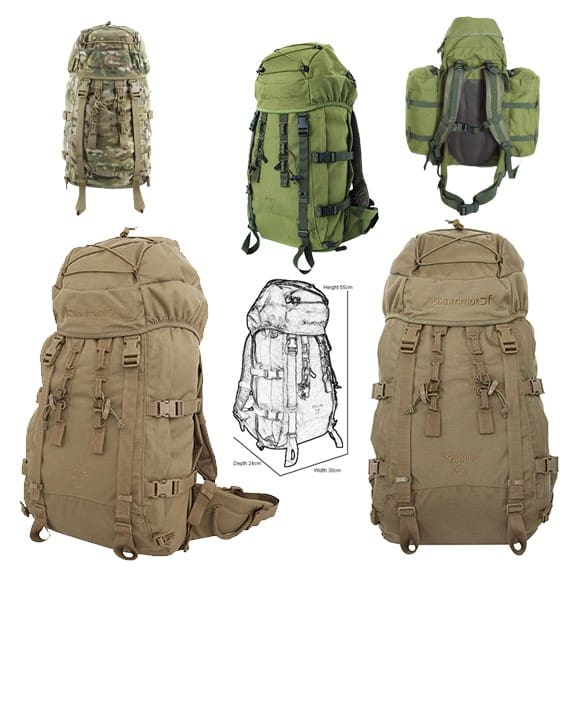

13 NOV 13 // 21h15 Zulu – At long last, Grey Ghost Gear’s offering of packs built by the UK’s Karrimor SF is finally available! No longer will end users in the US need to order it from across the pond and have it shipped back here (or trade off some of their own kit to the Brits in a deployed location). We’ve got them on hand, in several types and multiple colors, with more to come.
Karrimor SF has been in existence since 1995. It is a direct descendent of the original Karrimor brand that has equipped British soldiers and adventurers since the end of WWII.
Based in Exeter (Devon, UK), Karrimor SF’s gear has fought insurgents and Taliban since OEF and OIF started; it has also literally climbed mountains, gone on safari or otherwise adventured on every continent in the world. The KSF brand was conceived by innovator and designer Deric Gollop and the KSF team, who used contemporary technologies and developments from the civilian world to build specialty packs for military Special Forces and law enforcement units—not unlike what Grey Ghost Gear has been doing here in the US.
“It was a natural fit,” says Grey Ghost Gear’s Director of Business Development Lindsey Lea. “It took nearly a year and a half to get it done, but the Karrimor SF packs are in stock and ready to ship—and so we’re clear, there’s no need to worry about quality. If having the UK’s forces torture test this stuff in Iraq and Afghanistan wasn’t sufficient, we’ve been abusing our own samples in the field. They are good to go.”
Grey Ghost Gear is the exclusive US distributor of Karrimor SF products. Their packs and LBE are built in Vietnam to exacting British MoD (Ministry of Defence) standards, supervised by KSF personnel who live on site. You can see the entire line of packs here.
“You won’t have to drink tea and crumpets or call it a bergen to wear Karrimor SF,” Lindsey says. “No scones or Earl Grey or funny accent required—just a desire for well built, field-proven gear.”
www.greyghostgear.com/karrimor-1