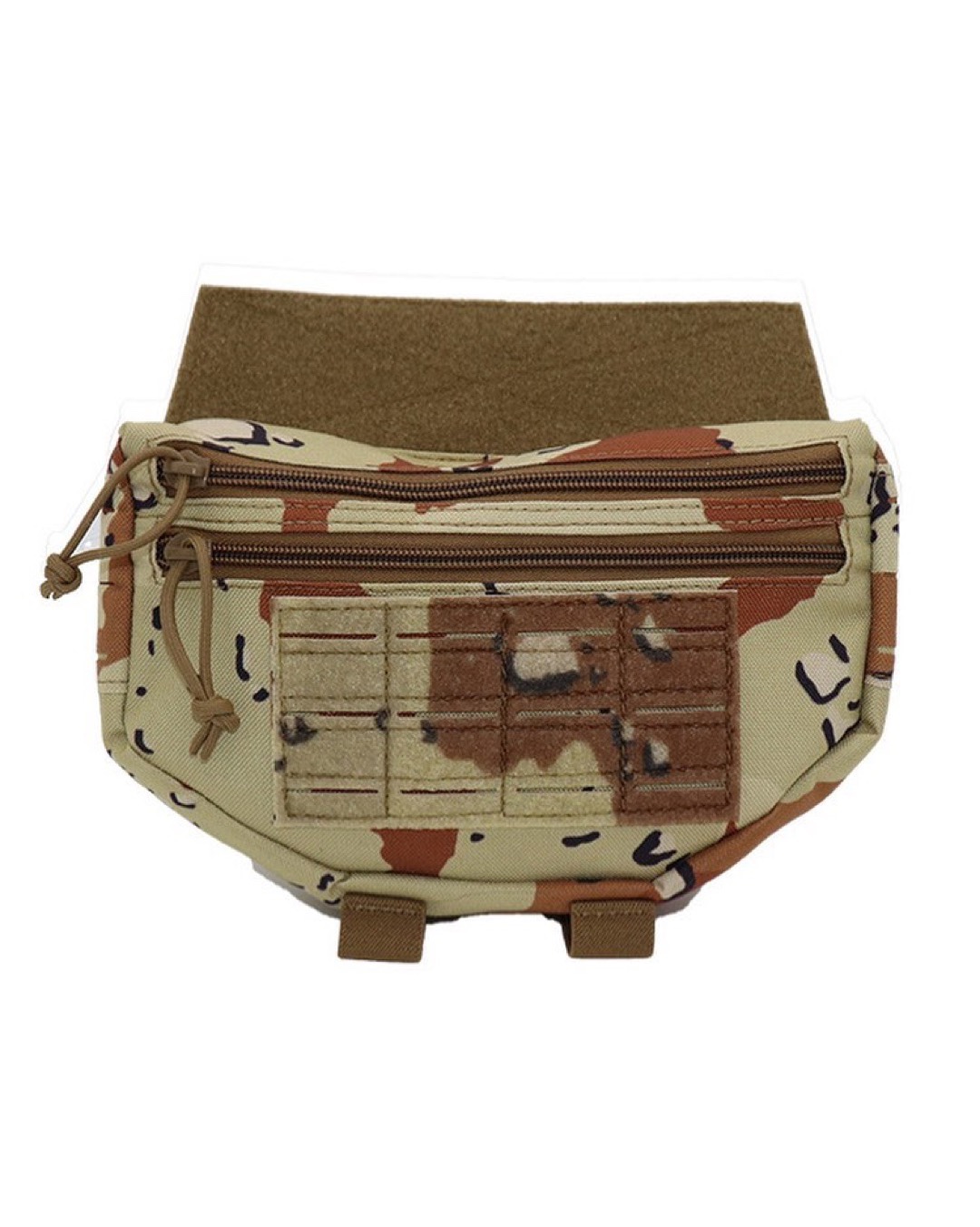
Wilde Tactical is currently off their gear in classic 6-Color Desert pattern, aka “Chocolate Chip.” Once the fabric is gone, it’s gone.
Go see what you can have made.
wildecustomgear.com/collections/limited-edition


Wilde Tactical is currently off their gear in classic 6-Color Desert pattern, aka “Chocolate Chip.” Once the fabric is gone, it’s gone.
Go see what you can have made.
wildecustomgear.com/collections/limited-edition
Launched at the beginning of the year, Mystery Ranch’s new family of assault packs is now completely available for order.
The Raid LT 32 and Blackjack LT 35 now join the Gunfighter 14 and 24 which have been available for order for awhile.
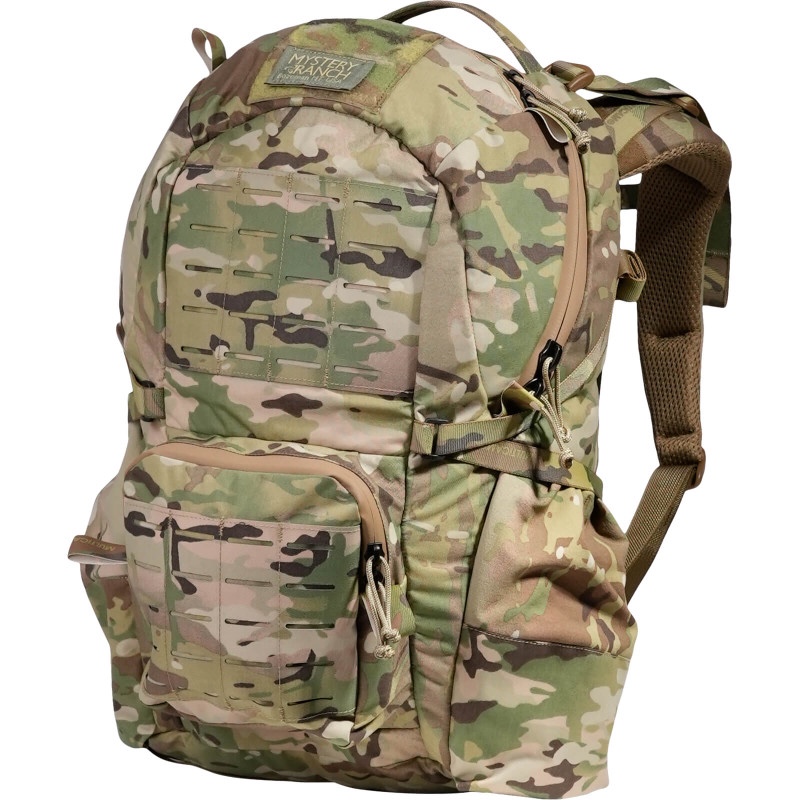
The Raid LT is a 32 liter panel loader with horseshoe zipper access to the main compartment. It features two laser-cut ULTRACOMP PALS panels on front pocket for MOLLE accessories. The suspension system includes an HDPE frame sheet and military harness.
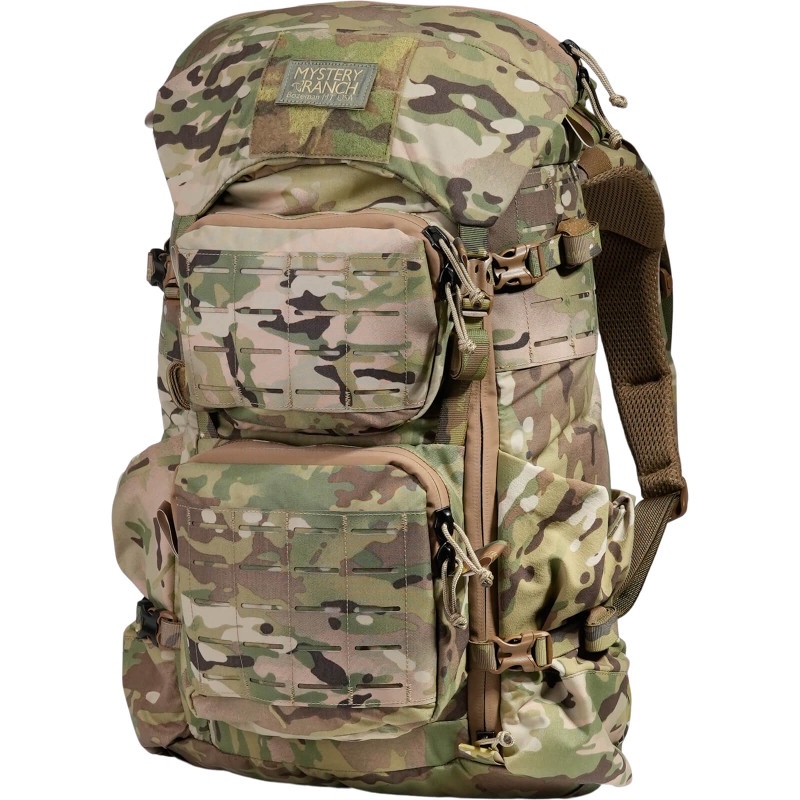
The Blackjack LT is a 35 liter top loading pack with top flap and an HDPE frame sheet. It incorporates two laser-cut ULTRACOMP PALS panels on the front pockets and two laser-cut ULTRACOMP PALS side panels for MOLLE accessories.
All of these assault packs are made from 330D Cougar Nylon with DWR and PU coatings and IR compliant YKK® zippers. They are available in Coyote and MultiCam.
www.mysteryranch.com/mystery-ranch-assault-packs
Xentris Wireless created the EXO Charge division specifically to address the needs of next-generation portable power solutions for military applications. Incorporating globally proven, and industry standard, technologies such as USB help improve the operational capabilities of electronics at the tactical edge – as well as helping to reduce the battery weight and logistical burden borne by the Warfighter.

Visit booth number 110 at the AUSA Warfighter Summit and Exposition on July 27 & 28 in Fayetteville, N.C. to see the latest from EXO Charge, including:
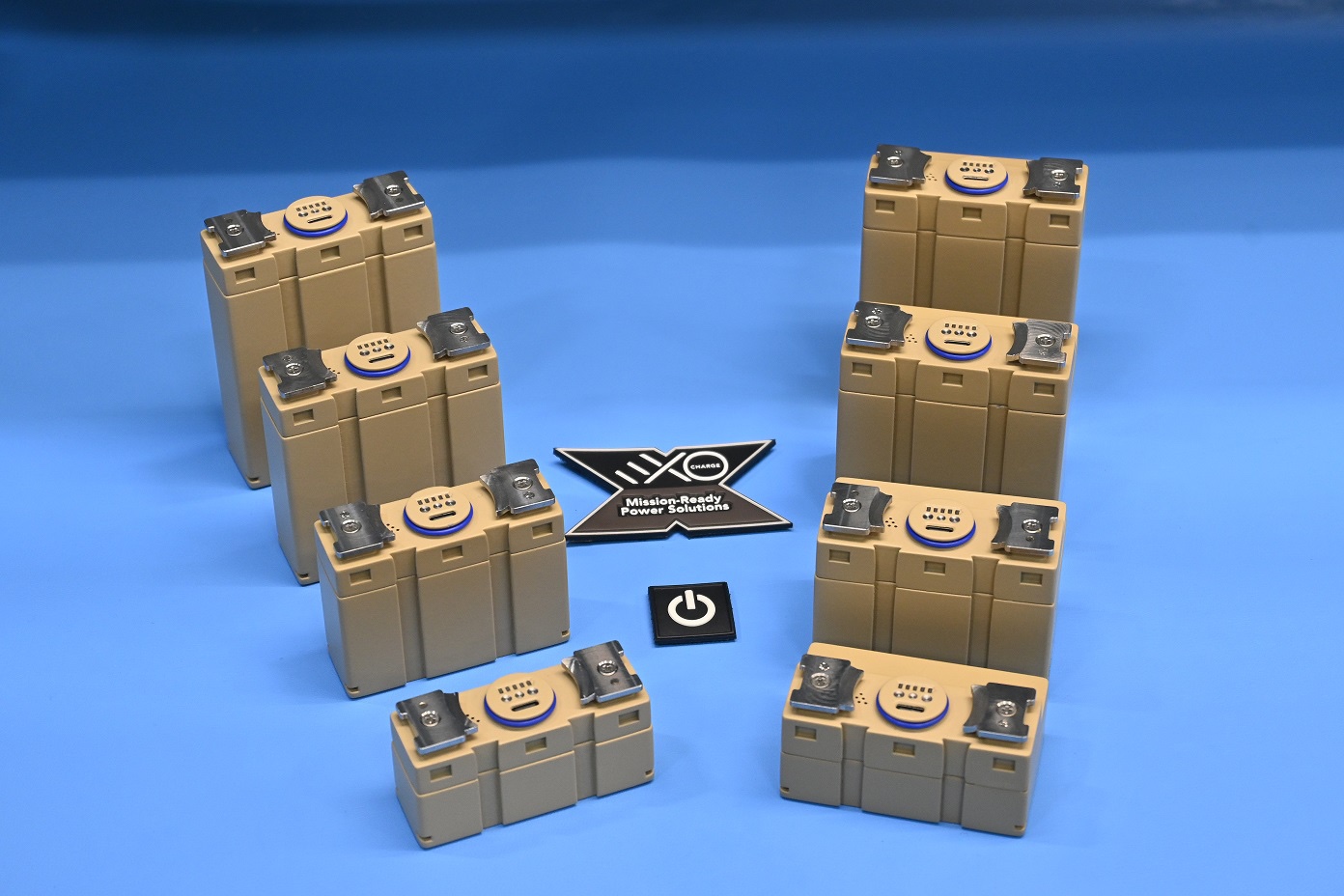
Small Tactical Universal Battery (STUB) – The STUB is a new family of standardized, rechargeable military batteries that will provide a common power source across different devices. This improves interoperability and reduces the physical battery burden and logistics for the Warfighter. The STUB series also includes the latest USB Power Delivery (USB PD) and Programmable Power Supply (PPS) for fast charging and USB-C connector technology for improved performance and standardization. Work has also begun on a range of accessories for interoperability with legacy power systems and devices.
Rugged Auxiliary Charger (RAC) – Featuring GaN semi-conductor technology, the rugged, compact, and powerful RAC utilizes USB Power Delivery (USB PD) and Programmable Power Supply (PPS) fast charge technology – and can charge several devices simultaneously. Supporting up to 300W of total power and equipped with an SAE and a Nett Warrior connector, the RAC is compatible with the UBC standard military bulk charger, as well as working as a stand-alone charger for standard batteries such as the 2590 and CWB. The RAC will be MIL-STD-810 & 461 qualified and features two USB-C ports for fast charging for the new STUB series of batteries – as well as commercial off-the-shelf devices.
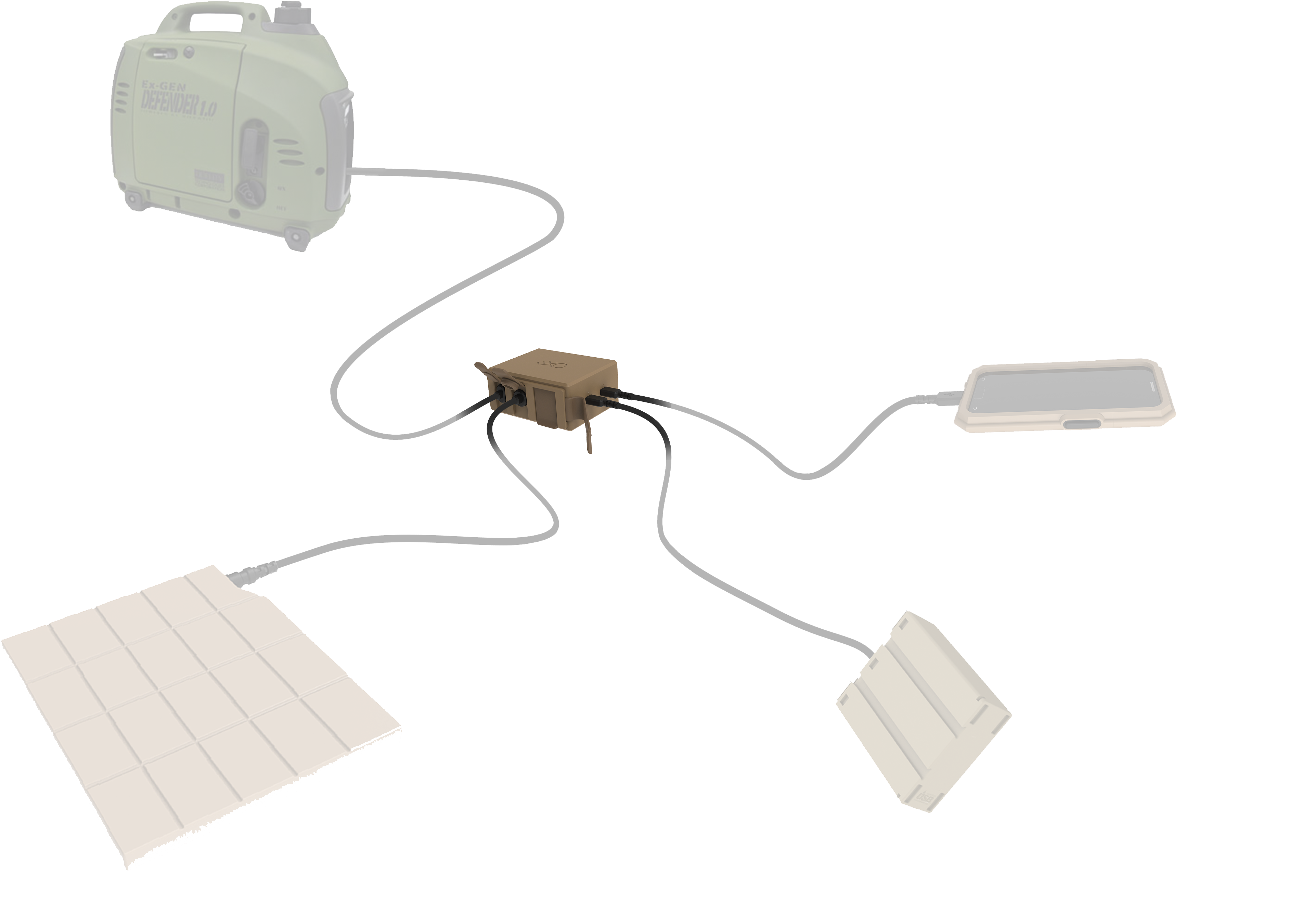
Augmented Power Pack (APP) – The APP is a fully ruggedized 300Wh power bank designed for operational use in austere environments that can charge several devices simultaneously using USB Power Delivery (USB PD) and Programmable Power Supply (PPS) fast charging technology. Featuring two USB-C ports and a Nett Warrior connector, the APP delivers multi-voltage support (5V-20V) for exceptional power flexibility and system interoperability. Built to MIL-STD-810 & 461 ruggedness standards, the APP features an NVG-compatible display screen and has a form factor optimized for tactical carriage and use.

Follow EXO Charge online and on Facebook, Instagram, and LinkedIn to keep up to date on the latest news, views, and developments.
The Shoulder Retrofit Kit for the Crye Precision AVS allows for ideal ride height adjustment on the rear platebag when not using the AVS Harness and adds a side release buckle to the front plate bag for easier donning/doffing.
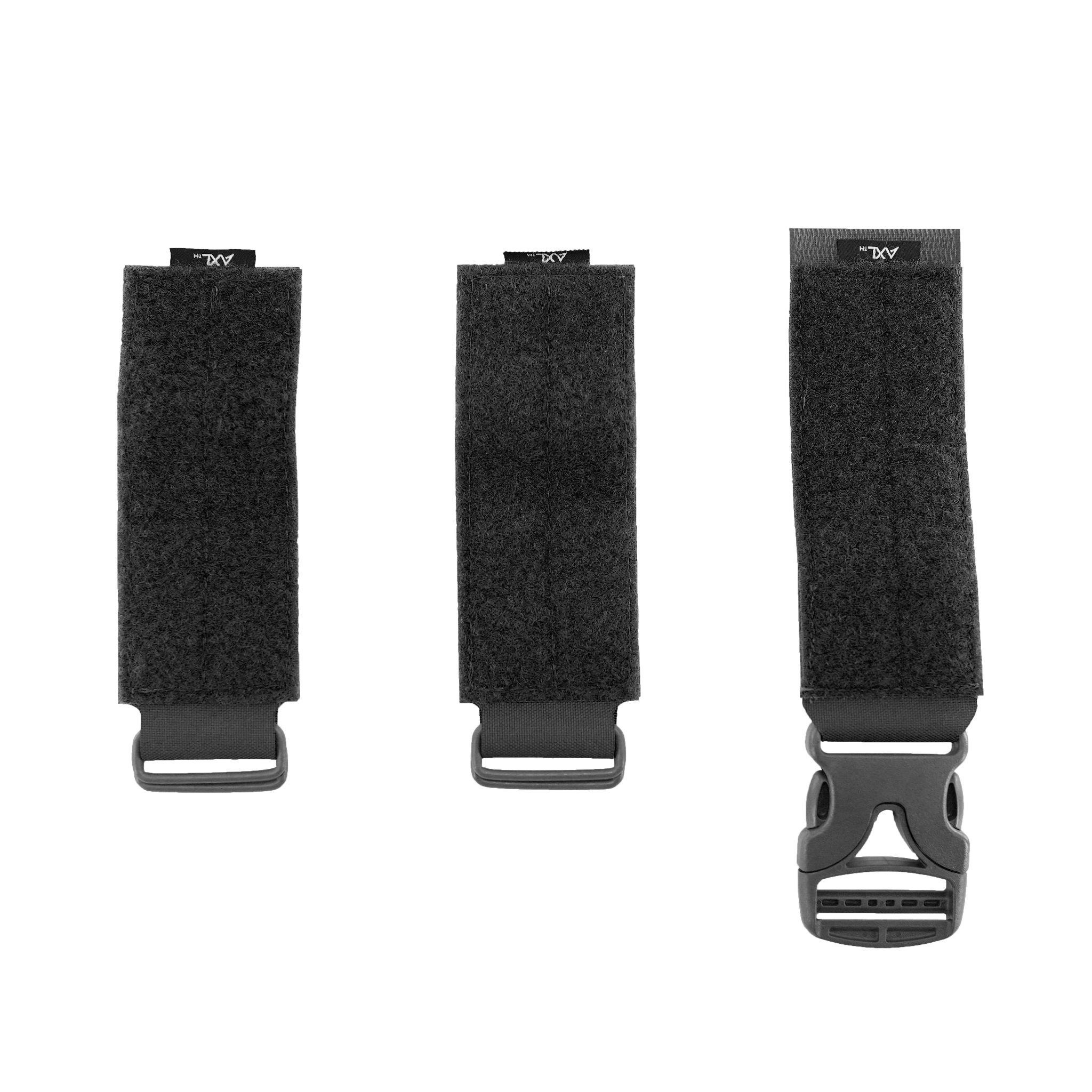
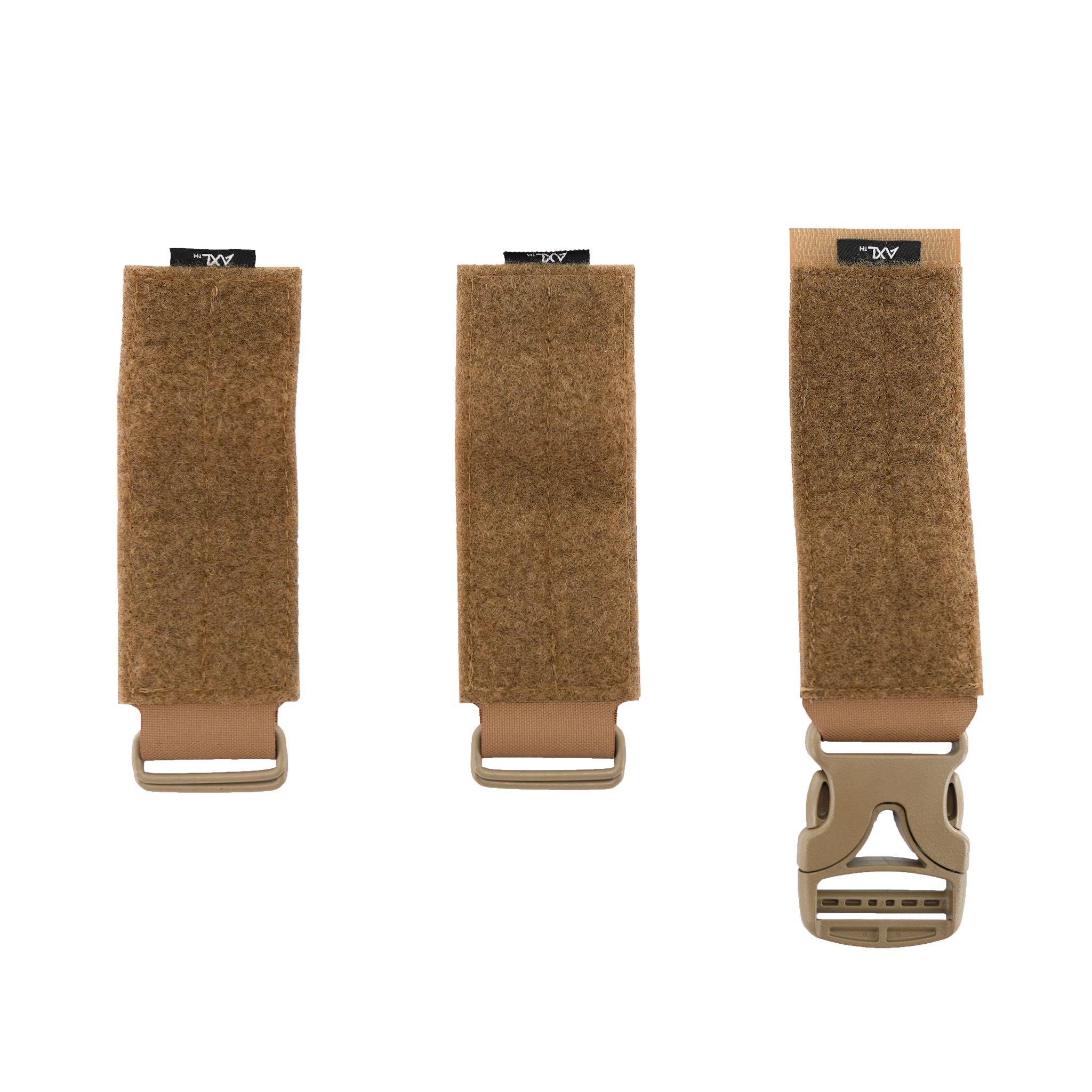
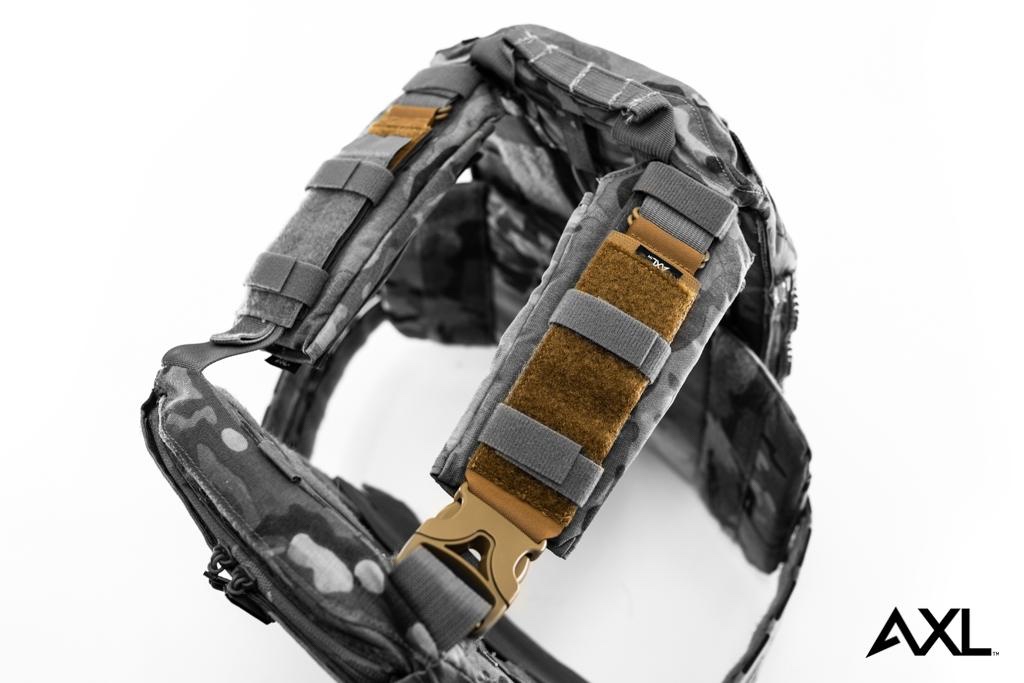
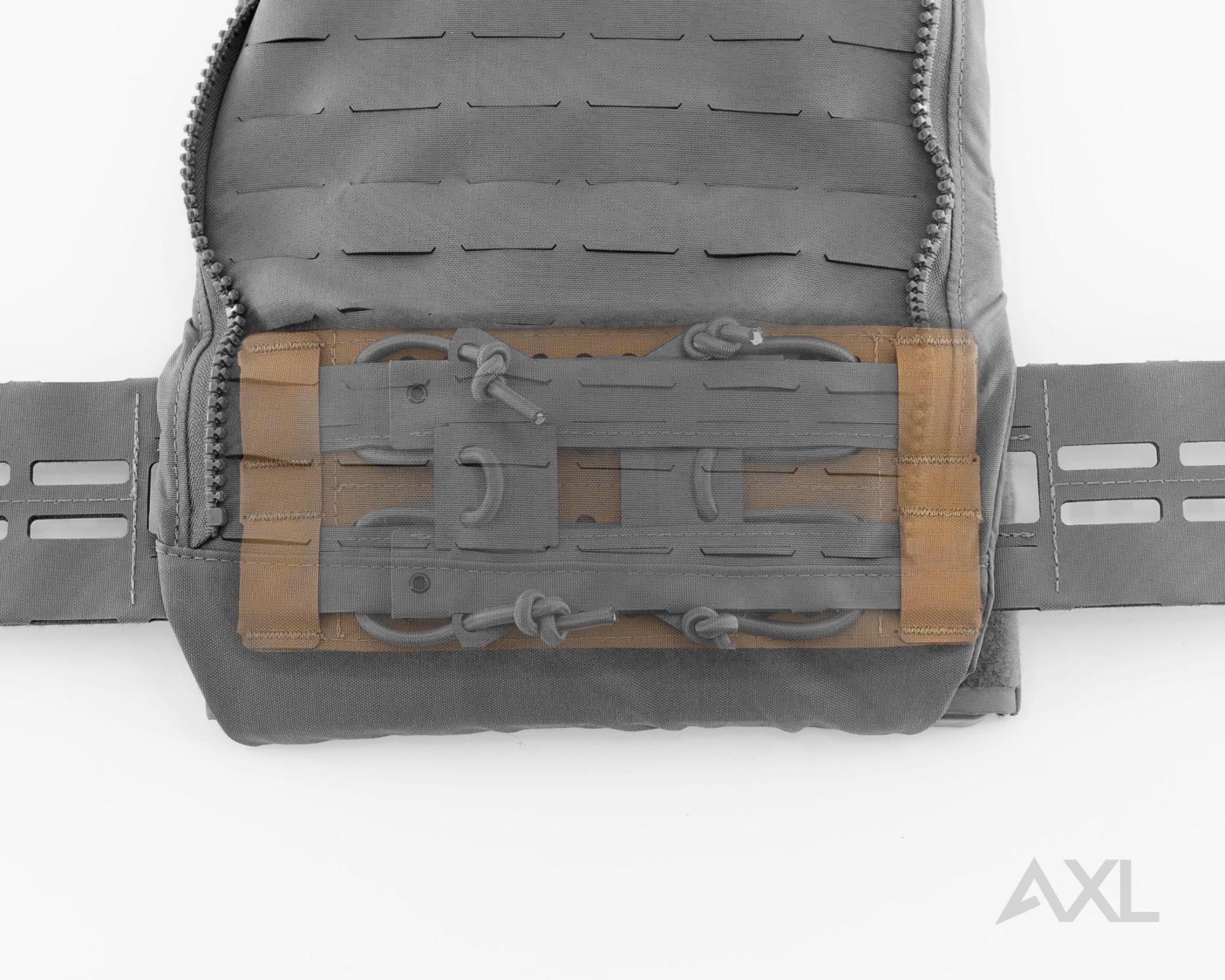
The Velcro Cummerbund Retrofit (VCR) is an adapter designed to mount the Equinox Cummerbund to loop-backed rear plate bags.
The slots on each side guide the cummerbund to ensure proper tracking during expansion/movement. Compatible with the Ferro FCPC V5, Most First Spear Carriers, Mayflower APC/LEPC, and Other Loop-Backed Rear Plate Bag Carriers.

MATBOCK, LLC of Virginia Beach, VA and Astron Aerospace of Wichita, KS are pleased to announce an exclusive partnership for the Astron Omega One family of engines to US Government customers. Astron has developed a paradigm shifting, multi-fuel engine technology with unparalleled power to weight ratio, increased fuel economy, and low maintenance requirements. At only 38 lbs, the Astron Omega one is expected to produce 160hp and 170 ft-lbs of torque. In an era of rising fuel costs and push towards electric or zero emissions vehicles, the Astron Omega One family of engines stand ready to meet the needs of many DoD requirements.
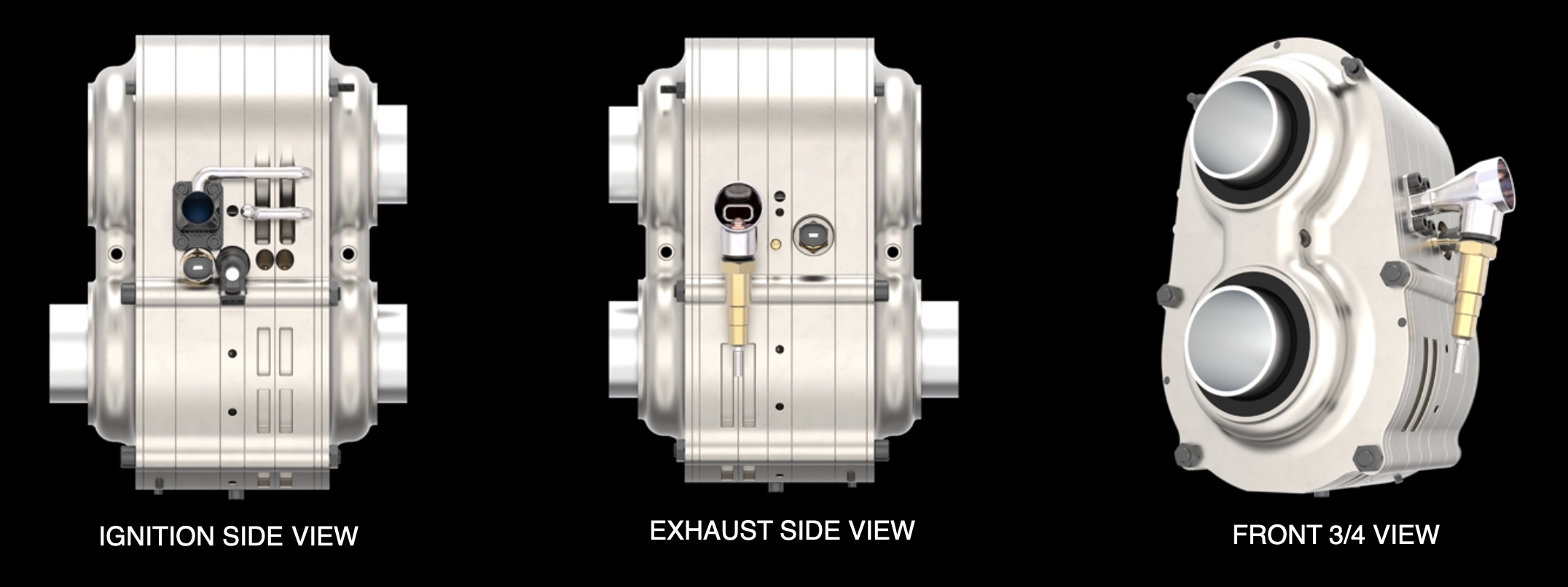
MATBOCK has already incorporated this technology into various government projects and expects future development efforts associated with this technology to be available for customers by Q2 2023. “The Astron Aerospace engine technology allows MATBOCK to continue to push capabilities of warfighter past any current systems and redefine power production and management,” said MATBOCK President Zach Steinbock. “We are excited to present the defense community with these projects in the near future and discuss future plans regarding this technology.”
A True Assault Pack For Your Next “No Knock, No Warning” Entry Mission
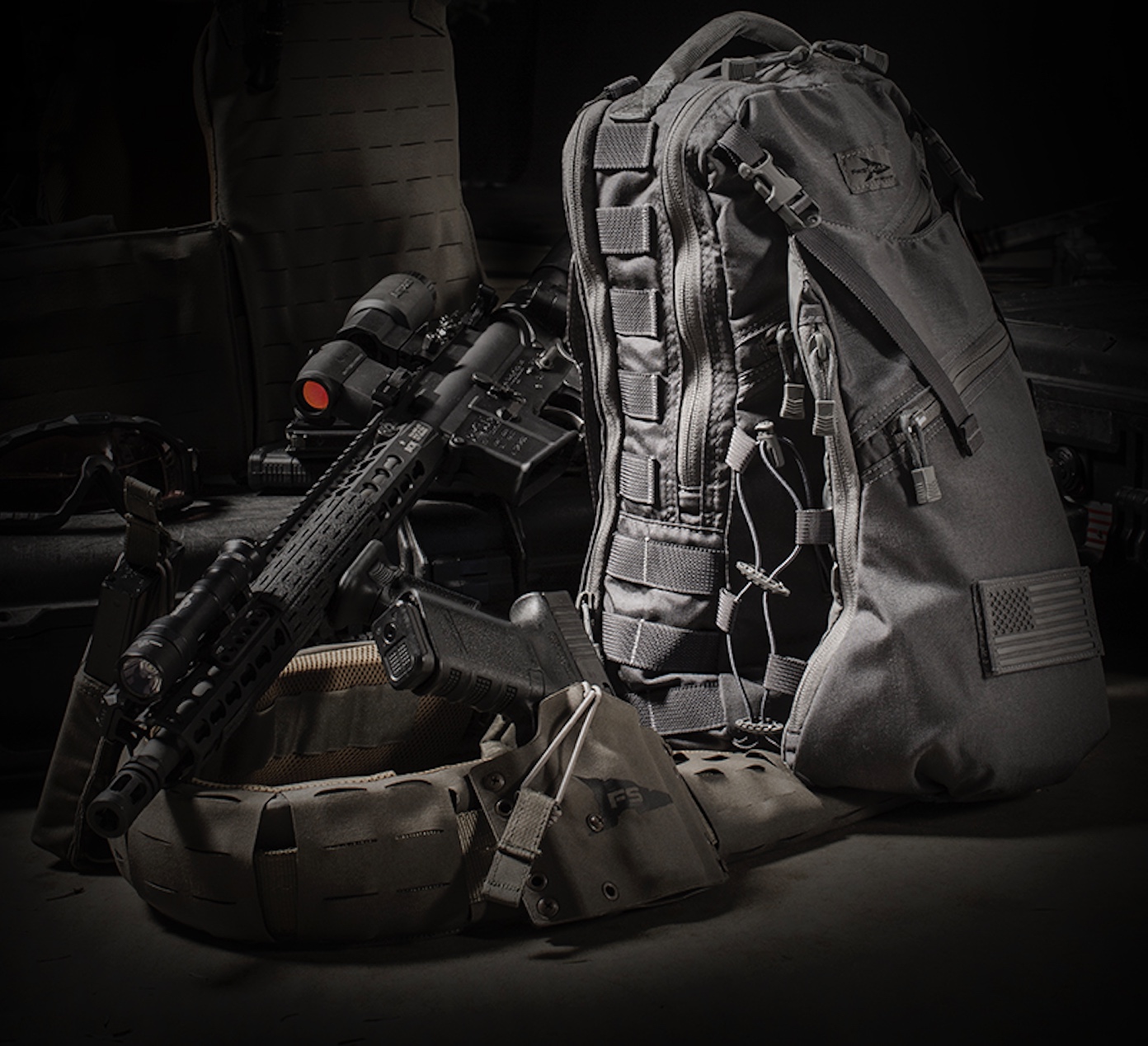
The ECP is the operators go-to assault pack. This pack can be shoulder carried as a backpack, single strap bag or quickly attached to multiple platforms to suit your mission set.
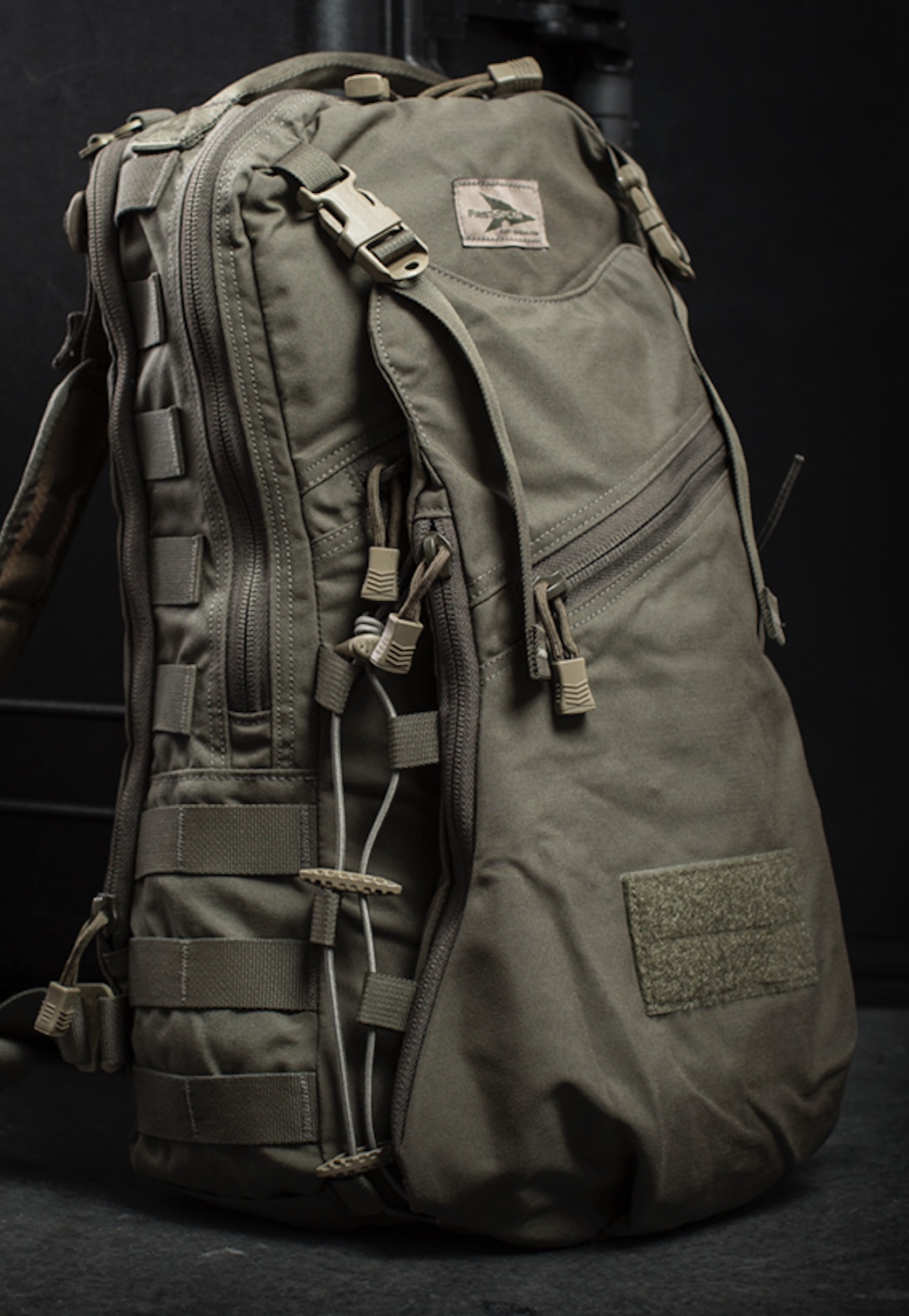
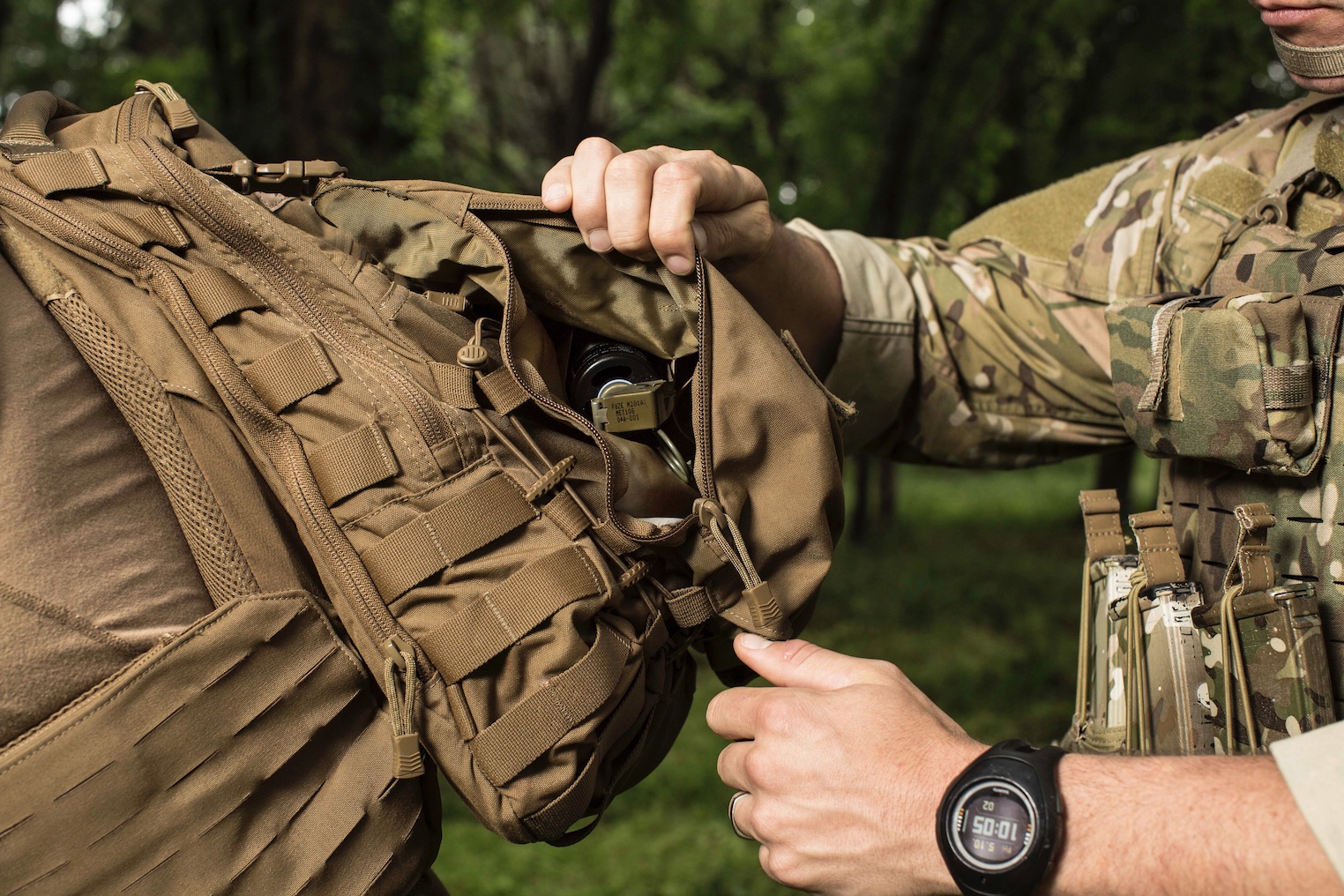
The removable exterior flap is secured with shock cord and provides an ideal space to hold your helmet and other equipment securely and readily available. This exterior flap also provides multiple storage options for kit and accessories.
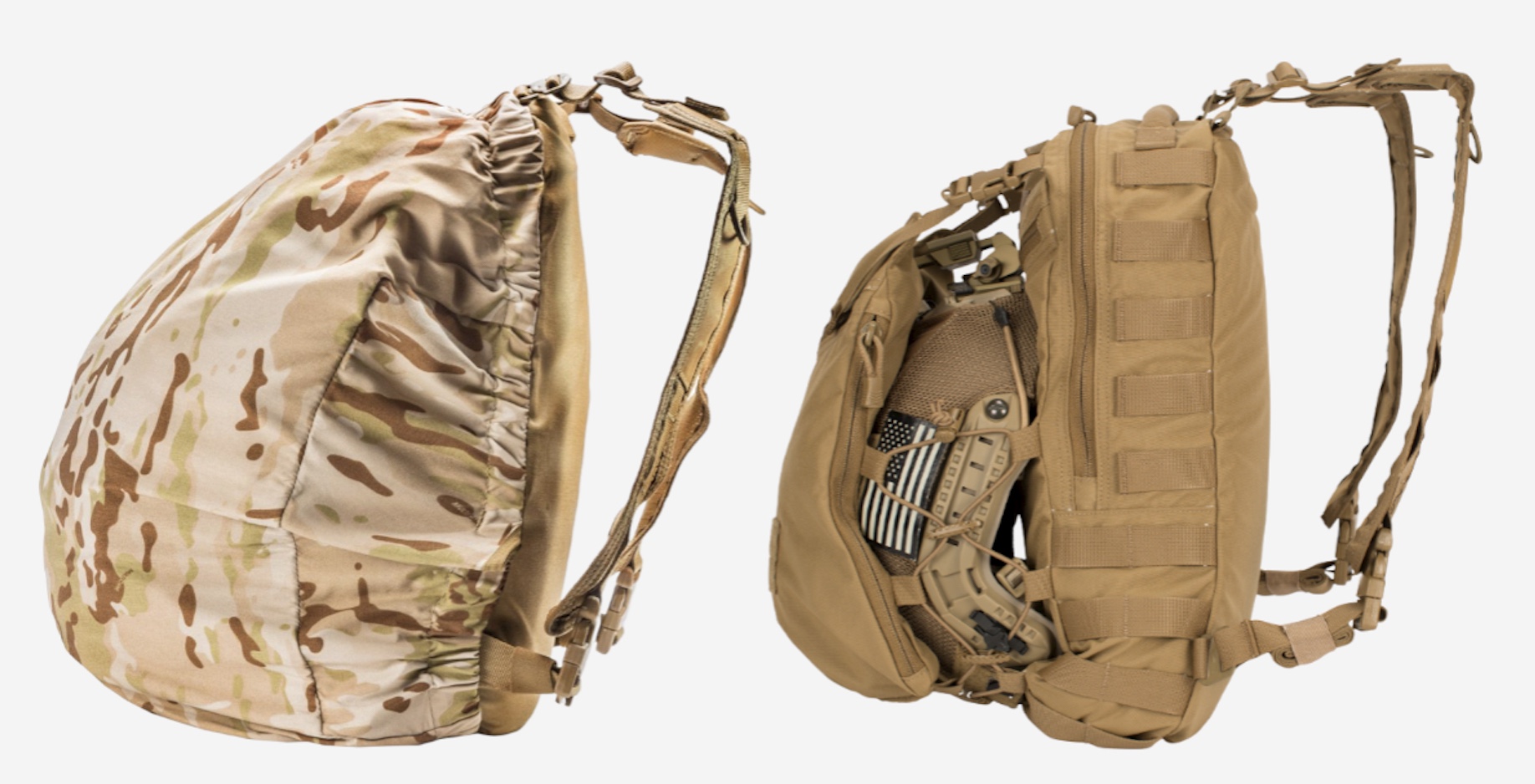
The ECP is offered in multiple colors and accepts a multitude of accessories for platform attachment and mission needs.
Check out the Exigent Circumstance Pack to find out more.
Visit FirstSpear to find all the gear and apparel for America’s Warfighter.
JOINT BASE SAN ANTONIO – RANDOLPH, Texas —
Organizing safe, effective survival and evasion training for nearly 1,000 people isn’t easy – especially in an austere and unforgiving environment that’s hours from the nearest signs of civilization. But Capt. Jason Walker and Master Sgt. Brian Youngberg’s team of 33 Survival, Evasion, Resistance and Escape Specialists are doing just that this summer as they train hundreds of U.S. Air Force Academy cadets during three 21-day courses on critical survival and evasion skills at the Air Force Academy and Pinon Canyon Military Site near Trinidad, Colorado.

The Air Force Academy Combat Survival Training program enables cadets to practice and learn the skills required to survive as an isolated personnel in a combat environment. This training also provides leadership opportunities for upper-class Cadets and shortens the training timeline for new lieutenants in certain AFSCs.
“SERE provides the tools necessary to survive in multiple situations and to return with honor,” said Walker. “This program is designed to not only introduce cadets to these survival skills, but also offer them a leadership opportunity.”
On a normal day these specialists instruct at the 336th Training Group at Fairchild Air Force Base, Washington, where they’re responsible not only for teaching SERE to more than 6,000 Airmen annually but also training candidates in the SERE technical training pipeline.
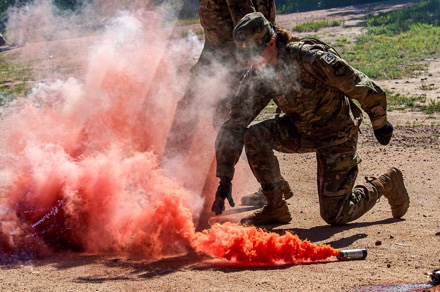
“Helping people has always driven me,” Youngberg said. “SERE as a career field is predominantly helping people, whether to learn the skills that will help them return with honor or to do their jobs.”
While teaching SERE isn’t new to the specialists, the scale of the program is. A small-group try-out was conducted in 2021 with just over 130 cadets completing the program. This year’s iteration, consisting of three 300-plus blocks of students, represents a nearly 800% increase in student training.
One unique aspect to the program is that cadet cadre act as primary instructors, having completed a hands-on training course with SERE Specialists, who help guide student learning and ensure course objectives are met. This provides cadet cadre with opportunities to grow their leadership and develop in a controlled training environment.
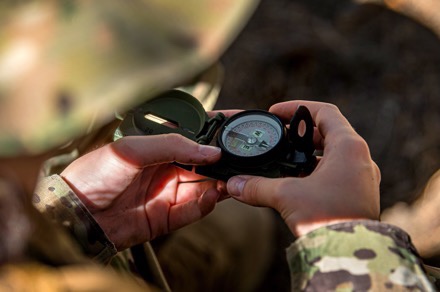
Nearly 1,200 cadets are anticipated to complete the program by the end of the summer.
“Any time you’re dealing with 1,200 people, there are a whole bunch of gears that have to fit together the right way,” Walker said. Weather, environmental factors, instructional timelines, safety and more all have to be factored in and adjustments made to ensure students receive proper training.
The team of SERE Specialists are eagerly tackling the challenge of adapting their training to the cadets.
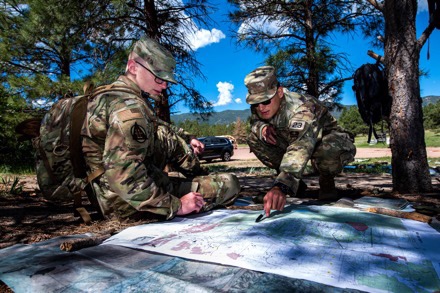
“Uncertainty is where SERE specialists thrive,” Walker said. “The team out here has one officer, a senior NCO, a couple NCOs, and then the rest are all Airmen. These Airmen are problem-solving nonstop to get the mission accomplished. It’s awesome to watch them.”
The team of SERE specialists also appreciate the chance to mentor the future officers.
“For a lot of the cadets, this is their first exposure to active duty non-commissioned officers,” Youngberg said. “So they’re able to talk with our SERE Specialists for perspective on what it’s like being active duty and understand the importance of the officer and NCO relationship.”
Walker agrees. “Mentoring is my favorite part,” he said. “It’s great when you see the light switch flip on, because it means you were able to connect and get information across in a way that people understand. And then also seeing students do things they didn’t think they could do or hadn’t done before.”
To become a SERE Specialist, Airmen must be both physically capable and mentally prepared for extreme conditions, requiring more than a year of intense, and grueling training. Candidates are initially assessed through a 19-day screening course at Joint-Base San Antonio-Lackland, where they are evaluated on their physical fitness, aptitude, dedication, and leadership potential. After passing those tests, candidates undergo the rigorous SERE Specialist training that prepares them to survive in any environment, including deserts, mountains, arctic conditions and on the open water. Following graduation, SERE Specialists undergo more dive, parachute and emergency medical technician training, ensuring they have the right skills to operate in any situation. Only 40% of candidates that begin the pipeline end up earning the coveted pewter-green SERE beret.
The Combat Survival Training program at the Air Force Academy concludes July 29, and is expected to continue to impact future leaders for years to come.
Story by Capt Lauren Woods, Air Education and Training Command Public Affairs
Photos by Trevor Cokley
GILZE-RIJEN AIRFORCE BASE, Netherlands – Senior leaders from the United States Army and the Netherlands Ministry of Defence signed a Future Rotorcraft Concept Analysis Project Arrangement today, pledging to work together to ensure interoperability between the two nations’ future rotorcraft aviation forces.
Under the arrangement signed by Douglas Bush, Assistant Secretary of the Army for Acquisition, Logistics and Technology, and Maj. Gen. André Steur, National Capability Director for the Netherlands Ministry of Defense, the two nations will share information about their future rotorcraft requirements and programs. Through this joint analysis, the U.S. and Netherlands will be able to assess the benefits, risks and overall feasibility of rotorcraft cooperation between the two allies. This arrangement is in addition to already existing partnerships the Netherlands has with the U.S. Army to collaborate on the detection and decontamination efforts of Chemical, Biological, Radiological, Nuclear, and high yield Explosives and Weapons Systems Effectiveness and Operation Research.
Objectives of this project arrangement include:
• Identifying opportunities to reduce future rotorcraft program cost, schedule and performance risk.
• Enabling and improving rotorcraft interoperability and integration between the armed forces.
• Assessing the feasibility of and identifying and assessing risks associated with pursuing future cooperation in the research, development, test and evaluation, production, sustainment, and follow-on development of future rotorcraft.
• Providing the two nations with information to use in their respective national decision-making processes.
• Promoting future rotorcraft cooperative research, development, testing and evaluation.
• Developing plans for cooperation in future phases of the U.S. Department of Defense Future Vertical Lift program.
“I’m glad to be signing this important arrangement with our steadfast Dutch NATO allies. This arrangement further strengthens our defense relationship, specifically when it comes to the future of our air capabilities,” Bush said. “Technological cooperation through arrangements like this improves our ability to collectively modernize and increase interoperability ensuring we can train and fight alongside our allies and partners more effectively and efficiently.”
The U.S. and Netherlands have a long history of partnership and cooperation, and the FRCA project arrangement is an important step in expanding that relationship into the next generation of vertical lift capability and employment in future coalition operations.
“The signing of this project arrangement is yet another example of the enduring partnership between our countries,” Steur said. “Finding interoperability in a networked coalition, plus exploring and analyzing new concepts for the employment of coalition air power, is key for the future fight. By working together on this program, we ensure a solid and common base for further development of our future rotorcraft capabilities.”
The U.S. Army is modernizing Army Aviation with transformational speed, range and lethality to achieve decision dominance for the Joint Force in Multi-Domain Operations. The two nations will assess collaboration opportunities on the Future Long-Range Assault Aircraft and the Future Attack Reconnaissance Aircraft, the U.S. Army’s aviation modernization priorities, as well as Future Unmanned Aerial Systems, Air Launched Effects, and Modular Open Systems Architecture, among other DoD programs.
The U.S. Office of the Assistant Secretary of the Army for Defense Exports and Cooperation is responsible for negotiating international armaments cooperation arrangements like this one. Leveraging foreign technologies, capabilities and investment supports U.S. Army readiness, modernization and interoperability goals.