Apparently this video has people upset.
Personally, I’m just glad they’re using the term “psywar” again.


Apparently this video has people upset.
Personally, I’m just glad they’re using the term “psywar” again.
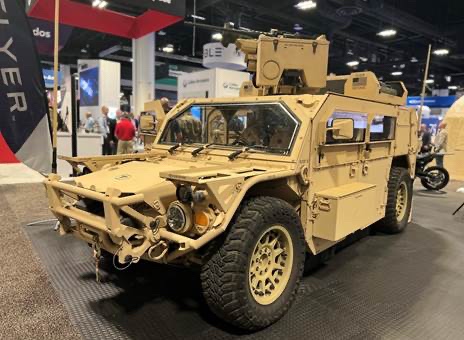
Tampa, Fla. (May. 18, 2022) – The Flyer® 72- Heavy Duty (F72-HD) ground mobility vehicle continues to draw attention while on display during day three of the 2022 Special Operations Forces Industry Conference (SOFIC).
The Flyer vehicle was also featured during the International Special Forces (ISOF) Capabilities Demonstration.
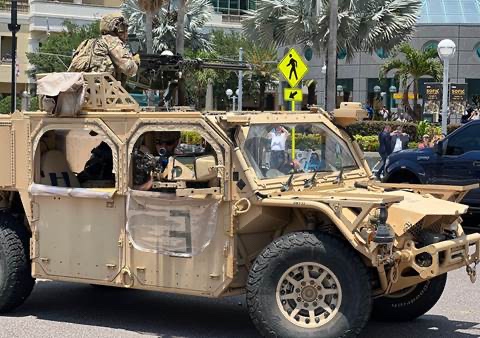
Located in Booth 1605 through the end of the conference, the F72-HD is showcased with a Kongsberg Common Remotely Operated Weapon Station (CROWS II) system, .50cal machine gun, nine Javelin missiles and four M72 LAWs.
The Flyer® family of ground mobility vehicle platforms is the elite solution in the area of lightweight, all terrain wheeled tactical vehicles. With an impressive payload of more than 5,000 lbs. and a 1:1 payload-to-weight ratio, Flyer Defense vehicles are transportable both internally and externally with rotary and tilt wing aircraft. The Flyer® 72 is currently in production for the United Arab Emirates Armed Forces and in use as the USSOCOM GMV 1.1 solution and the U.S. Army A-GMV solution.
The overwhelming success of the CAA USA MCK (Micro Conversion Kit) which takes popular handguns to the next level, has contributed to a natural evolution for CAA USA.
CAA USA will be introducing a whole new lineup of MCK rifles coming in Q4. CAA USA is holding a contest to name their new rifles; the winner is to receive an early serial numbered MCK rifle.
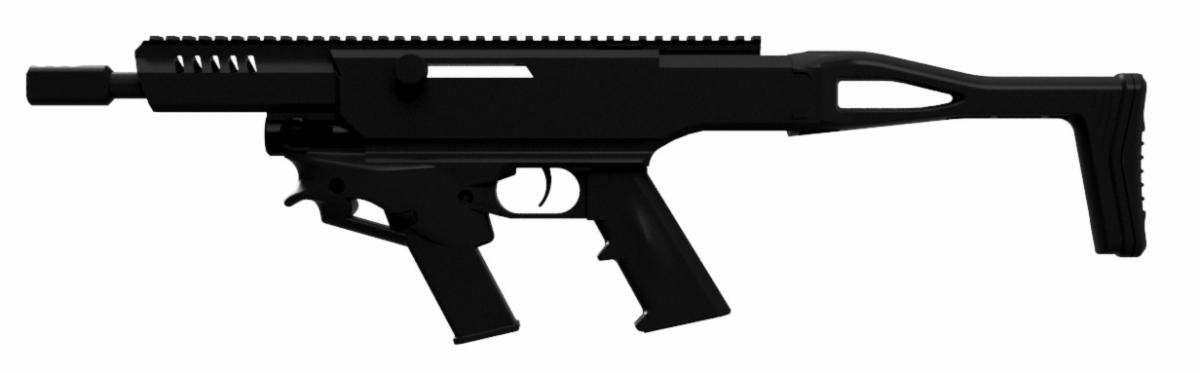
Pompano Beach, FL. (May 2022) – CAA USA designers, and developers of the world-famous MCK/Micro Conversion Kit, have decided to move into the gun manufacturing world utilizing the same MCK “look” that hundreds of thousands of customers have become accustomed to.
The new rifle line-up has been in the design and R&D phase for some time, as LTC. (Ret.) Mikey Hartman described the new products. “If it was not for all our loyal, distributors, retailers, and end-users, this dream of a complete rifle system, based on the design principles of our MCK line, would not be possible. Design, tooling, and testing is an expensive endeavor, and it’s with tremendous appreciation for our customers’ passion for the MCK line, that we have been able to move forward with this project.”
The new rifle is based on the ergonomic design of the original MCK. Three models will be the first released between 2022 and 2023. A 16-inch barrel and 10-inch with a welded faux suppressor and a 10-inch NFA model will be offered. The 9mm and 10mm rifles are built on a blowback system, and the .223 will be a traditional gas operating system. The 9mm and 10mm models will be the first available in 2022.
The MCK 9mm and 10mm rifles will both accept GLOCK magazines and feature a spare magazine holder. A full-length top Picatinny rail provides plenty of room for optics, and two sides Picatinny rails for lights, lasers, and additional accessories. The folding stock folds left or right for ambidextrous storage and transportation. All three models are expected to retail for under $900.00.
In preparation for the end-of-year launch, CAA USA is asking for help from their valued customers in naming the new rifles in the CAA USA “Name Our Rifle Giveaway”. The winner of each of the officially accepted names for the 9mm, 10mm, and .223 will receive, respectively, the first of each new model as an award for the winning name.
“We used to think we know it all, but the past few years have taught us very clearly that our fan base can and does contribute to our R&D decisions. We have become better because of them”, LTC. (Ret.) Hartman continued. “That is why we are excited to again have our customers participate in the official naming of our new rifles. We are looking forward to seeing what they come up with.”
For more information on the MCK, visit CAA USA at www.caagearup.com, or join the conversation on the CAA USA Facebook, Instagram, and YouTube pages.
CAA USA will be exhibiting at the NRA 2022 Annual Meeting & Exhibits at the George R. Brown Convention Center in Houston, Texas. CAA USA will be at booth #538.
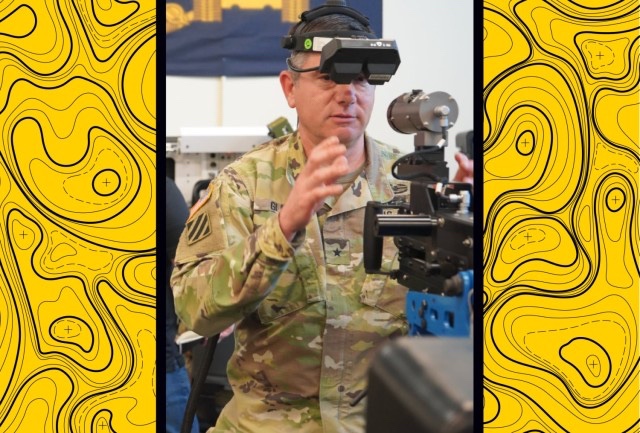
AUSTIN, Texas — Geospatial intelligence professionals gathered at the United States Geospatial Intelligence Foundation’s GEOINT 2022 Symposium in Aurora, Colorado, last month to discuss new efforts and achievements in the rapidly growing field.
Topics highlighted at the event included how technological advances have influenced the creation and use of maps, including within military and intelligence communities.
During an April 26 “What is a Map?” panel, guest speakers from the U.S. government and private industry explored how maps have evolved in recent years, what new types of information maps can communicate and why maps continue to be indispensable tools in everything from personal navigation to foreign policy development to warfighting.
“Maps and terrain and that data set is foundational to everything we do,” said Brig. Gen. William Glaser, director of the Army Futures Command Synthetic Training Environment, or STE, Cross-Functional Team.
Glaser and fellow panelists detailed how today’s dynamic, high-performance maps — which frequently utilize 3D imagery and are often informed by an amalgamation of artificial intelligence, fluid data inputs and precision sensors — can improve visibility and thereby increase a user’s understanding of a situation, along with options for action.
“Our relationship with a map now is not just passive,” said panelist Ed Parsons, geospatial technologist at Google. “We’re interacting with the map. The map is changing its contents depending upon what we’re doing, but we’re also sharing what we’re doing with the developers of that map.”
As a result, many of today’s maps are “elastic,” meaning that they can morph and adapt as conditions and user input fluctuate, Parsons explained.
It is this near real-time visibility that can provide Army map users with distinct tactical advantages.
“The ability to visualize the terrain in 3D is absolutely critical for commanders and Soldiers to understand the operational environment,” Glaser said.
He noted that one of the Army’s core STE efforts, One World Terrain, provides a singular synthetic format for use in multiple scenarios. Viewable in “everything from goggles to laptops to PCs,” the 3D terrain data set is helping to more closely link operational and training activities, thereby enhancing overall readiness.
The Army is also developing the STE Information System, a virtual training suite, and equipment such as the Squad Immersive Virtual Trainer, a mixed-reality tool that utilizes a heads-up display.
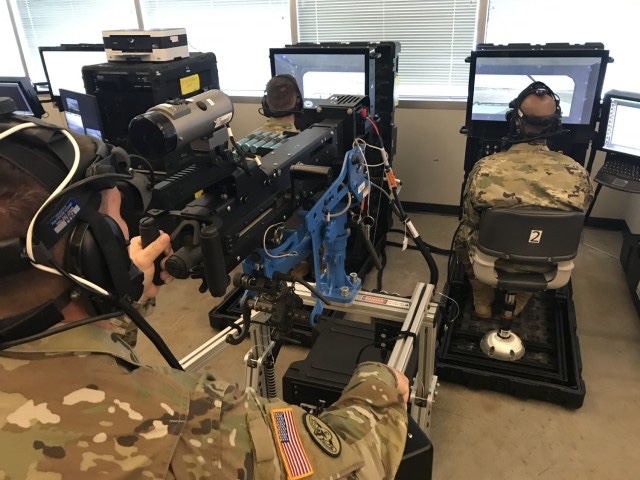
The ongoing development of a synthetic training platform enabled by advanced mapping technology is groundbreaking because it means the Army “can fight a thousand bloodless battles before we ever put a Soldier into harm’s way,” Glaser said.
The multi-faceted nature of digital maps extends across sectors, of course, and often translates to many users having access to — but also influence on — collective maps.
“Maps are probably more widely used now than at any point in our history,” Parsons said.
This expanded use of maps has also increased demand for functionality and format.
“Cartography is an art, not just a science,” said Dr. Lee Schwartz, director of the Office of the Geographer and Global Issues at the State Department’s Bureau of Intelligence and Research. “Maps need to be visually compelling as well as providing a lot of information.”
Ensuring map development is participatory, such as by involving the contributions of individuals who live in areas being mapped, is also an important consideration in modern map development.
“You have to include the human element always,” Schwartz said.
Moreover, the way maps are used to make decisions means the information they contain needs to be secure and valid. While this is an area for further growth, in many cases, accuracy is attained simply through critical mass.
“The maps are now sort of self-healing; by using the maps, you’re contributing to the content,” Parsons said.
Dr. Daniela Moody, vice president of artificial intelligence at Arturo, also highlighted the storytelling nature of maps, which are increasingly moving beyond instructing the user how to get somewhere to informing the user why to go somewhere.
“This is no longer a static environment,” Moody said. “Maps are becoming the way to tell a story, the way to make that quick decision.”
Glaser emphasized that while digital maps are ushering in transformational capabilities, traditional paper maps are still necessary, particularly for maneuvering in degraded environments. As such, the Army will continue to promote analog map reading skills and compass navigation fluency even as it implements more interactive mapping systems.
“Every Army officer who’s worth his weight in salt loves maps,” Glaser said.
“It’s that one thing that’s going to lead his Soldiers to victory safely.”
You can watch a video of the presentation here.
By Maureena Thompson, Army Futures Command

Check out TD’s Spring Summer Look Book created in collaboration with Q and LBT.
www.tacticaldistributors.com/pages/td-spring-2022-lookbook
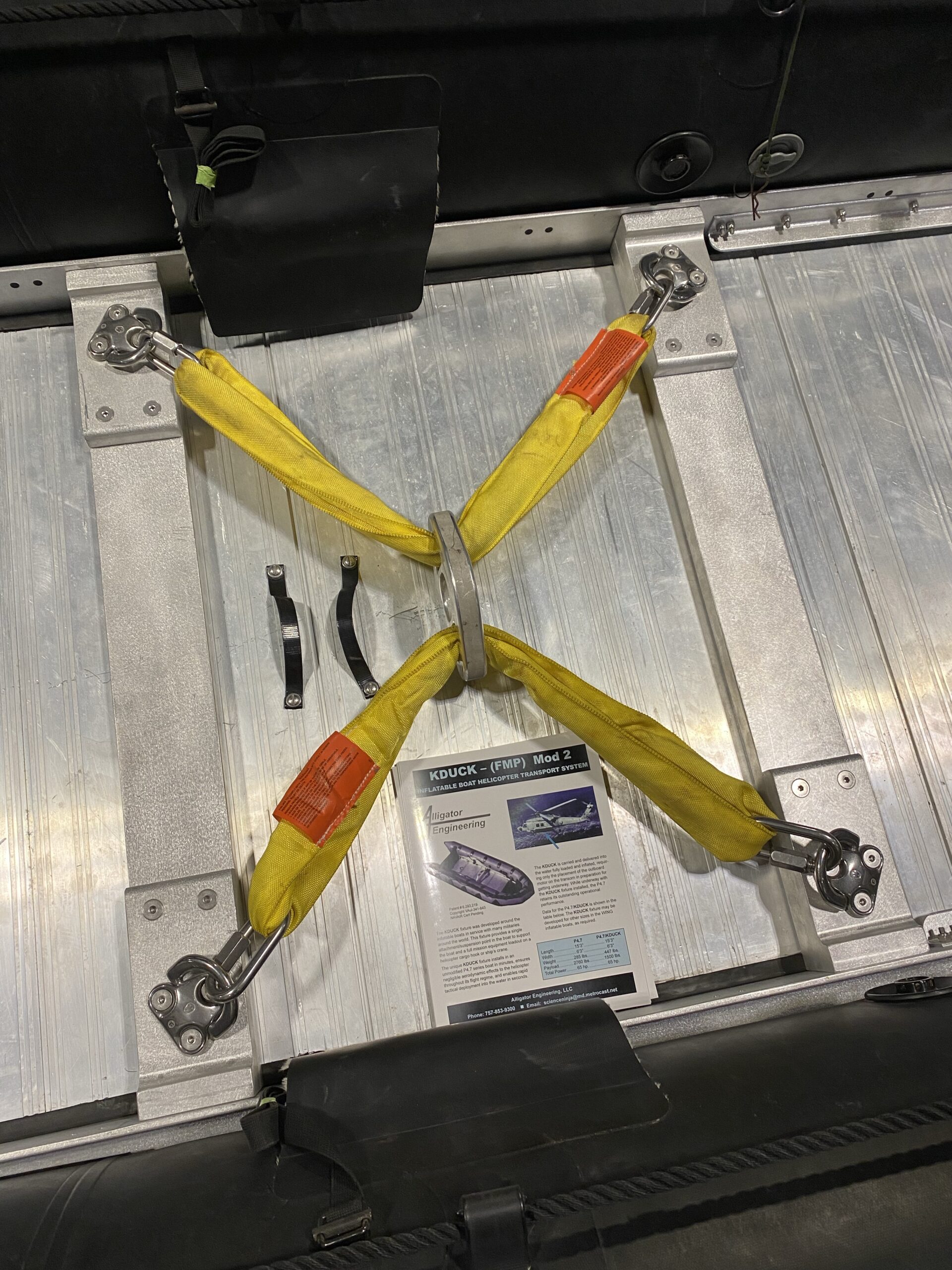
Alligator Engineering is exhibiting with Wing Inflatable Solutions and showing their KDUCK – (FMP) Mod 2 fixture which offers a single point of attachment, suspension, and release of an unmodified P4.7 inflatable boat configured with full mission equipment to an H-60 series helicopter for Kangaroo Duck operations.
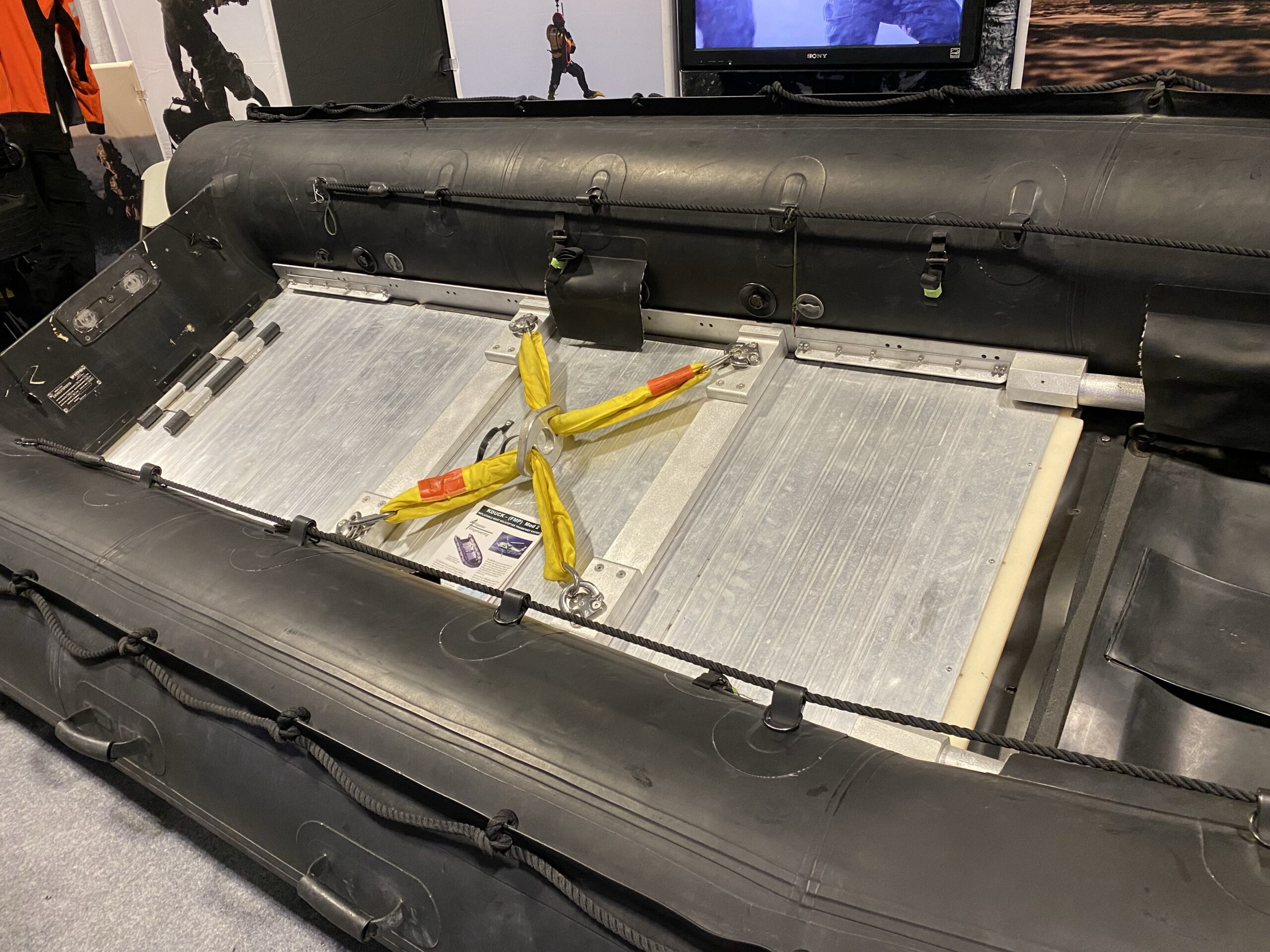
It is installed in minutes and ensures negligible aerodynamic effects to the helo throughout the flight profile.
Contact Alligator Engineering at scienceninja@md.metrocast.net
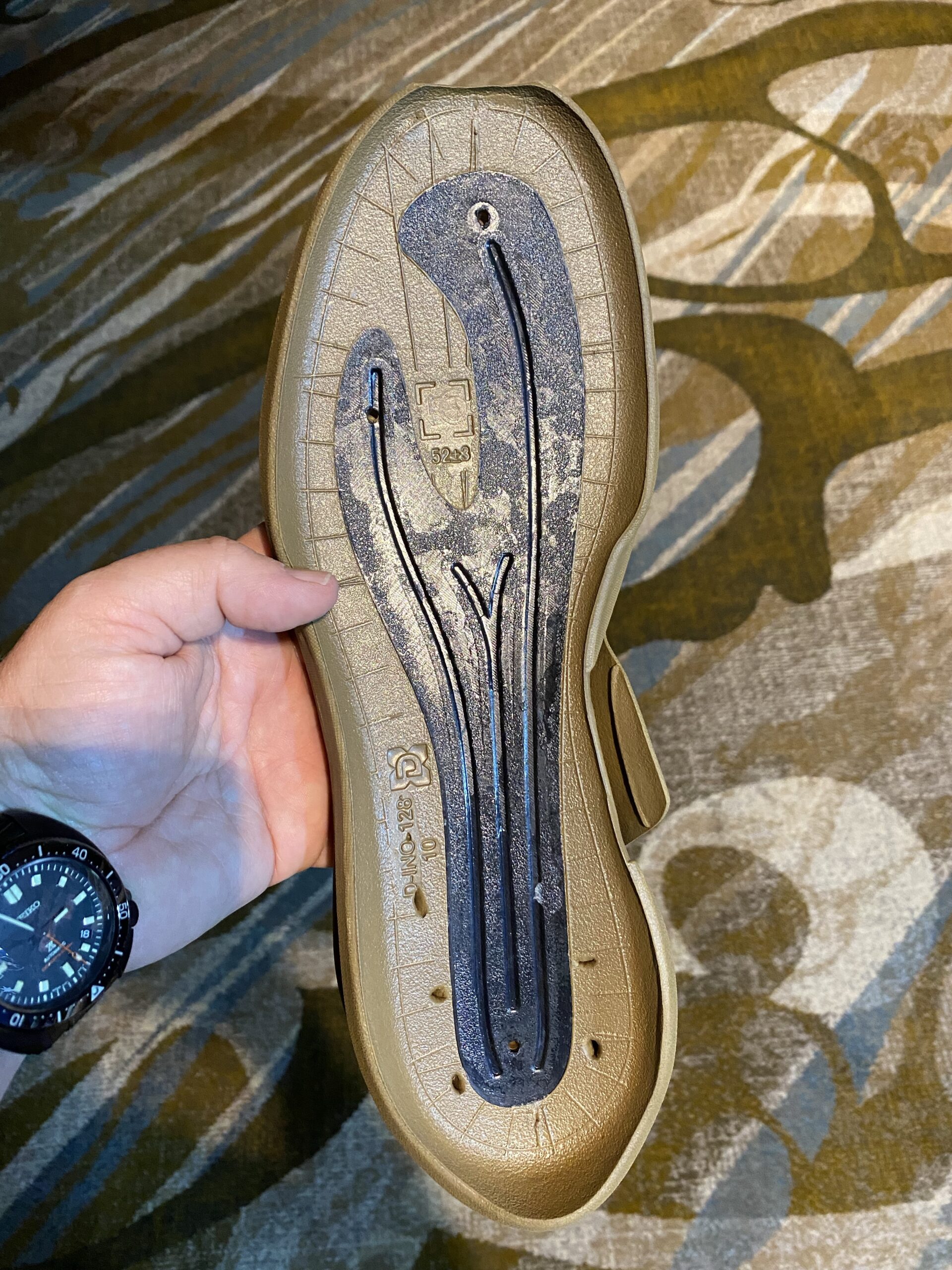
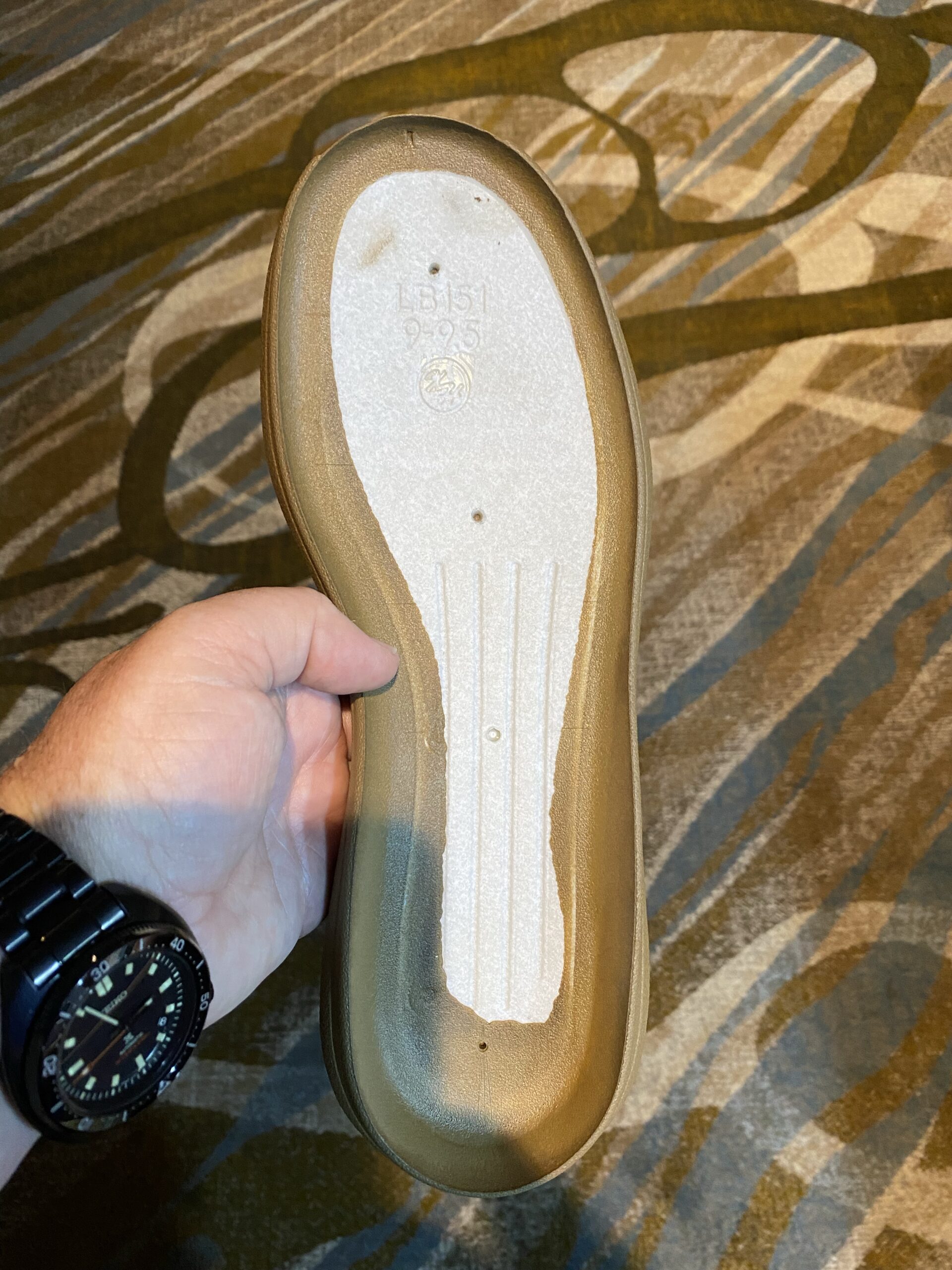
Over at SOF SELECT Deckers X Lab is showing off what’s new including the A6 Carbon and A6 Composite.
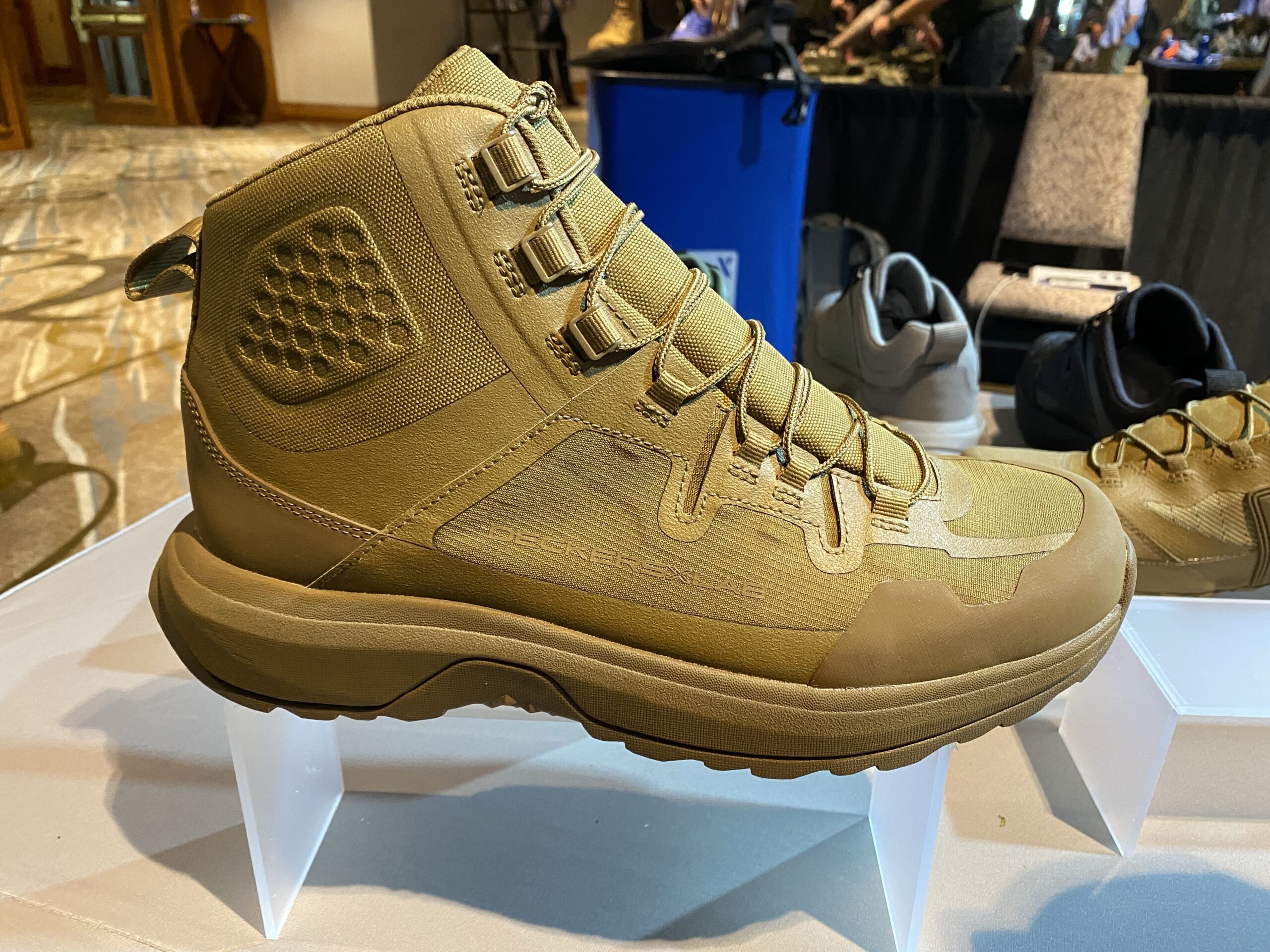
The A6 Carbon integrates a full-length carbon fiber propulsion plate.
The A6 Composite includes a polypropylene plate and Vibram Megagrip outsole.
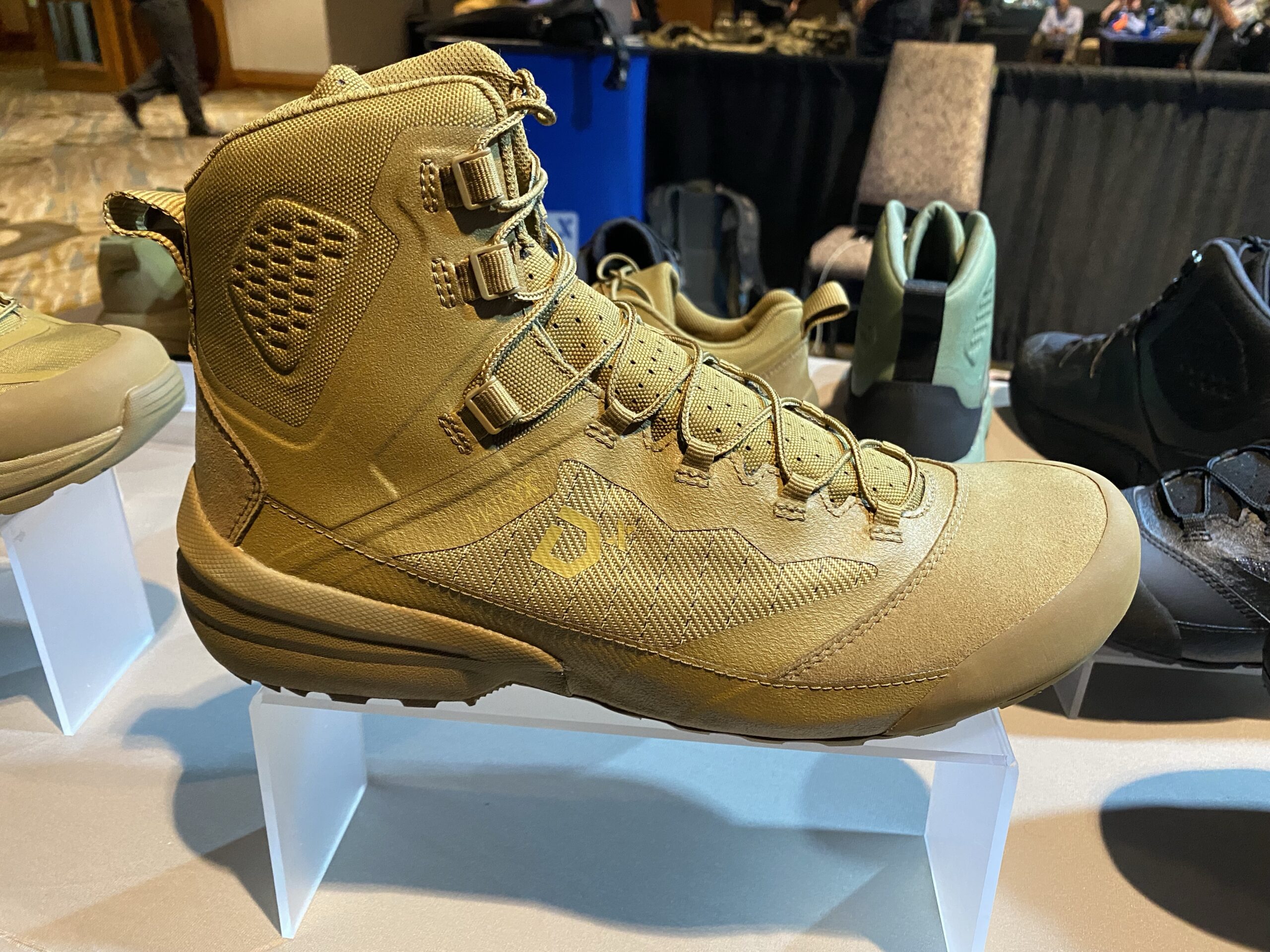
Both are offered as mid and low heights with or without GORE-TEX lining. Colors will include Coyote, Black, Ranger Green and Wolf Grey.
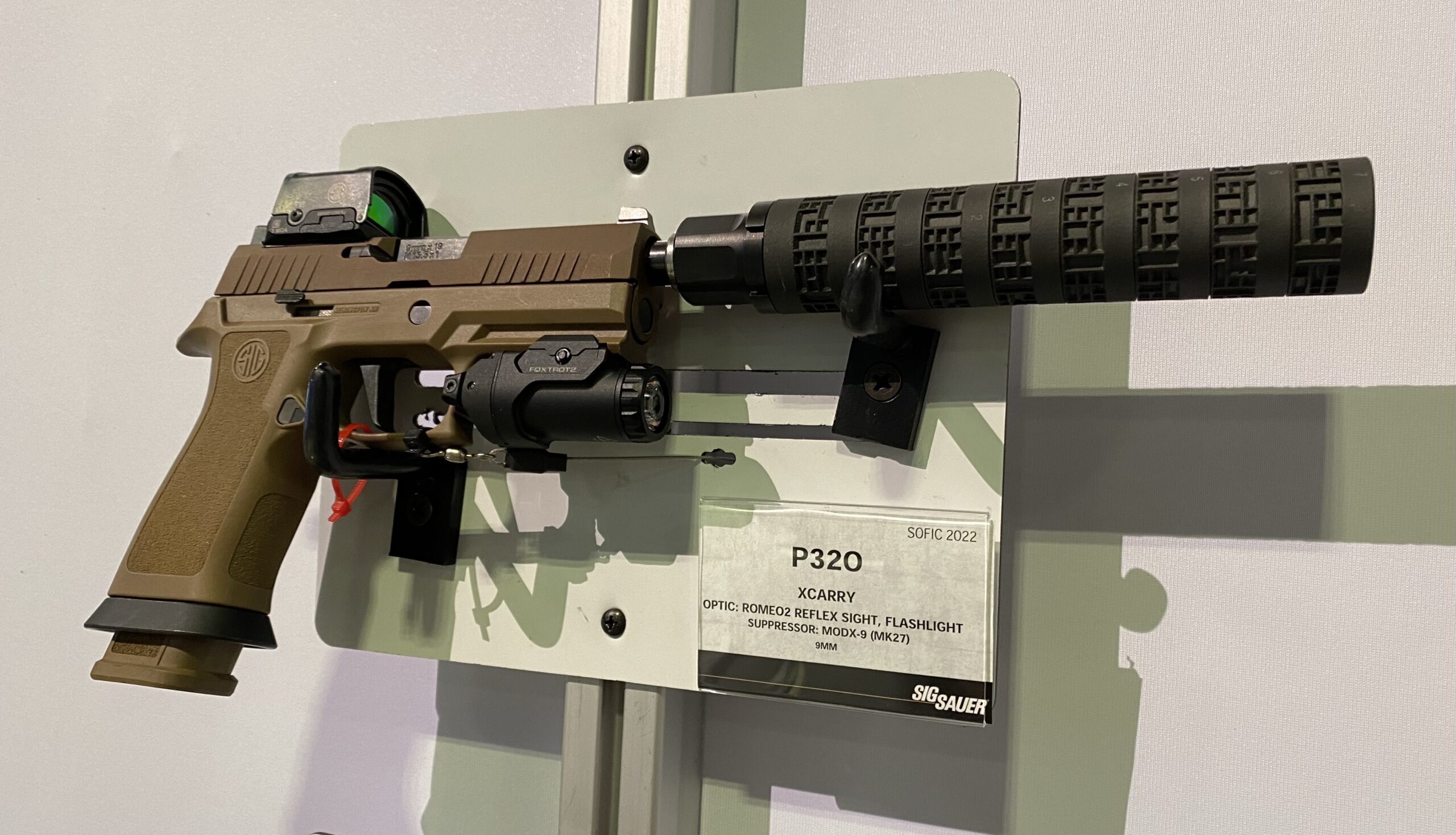
While SIG’s booth is dominated by their machine gun and rifle options on the heels of their US Army Next Generation Squad Weapons program win, they’ve got a few other gems off in the corners like this P320 concept which shows the modularity of the platform and the art of the possible for users of Modular Handgun System.
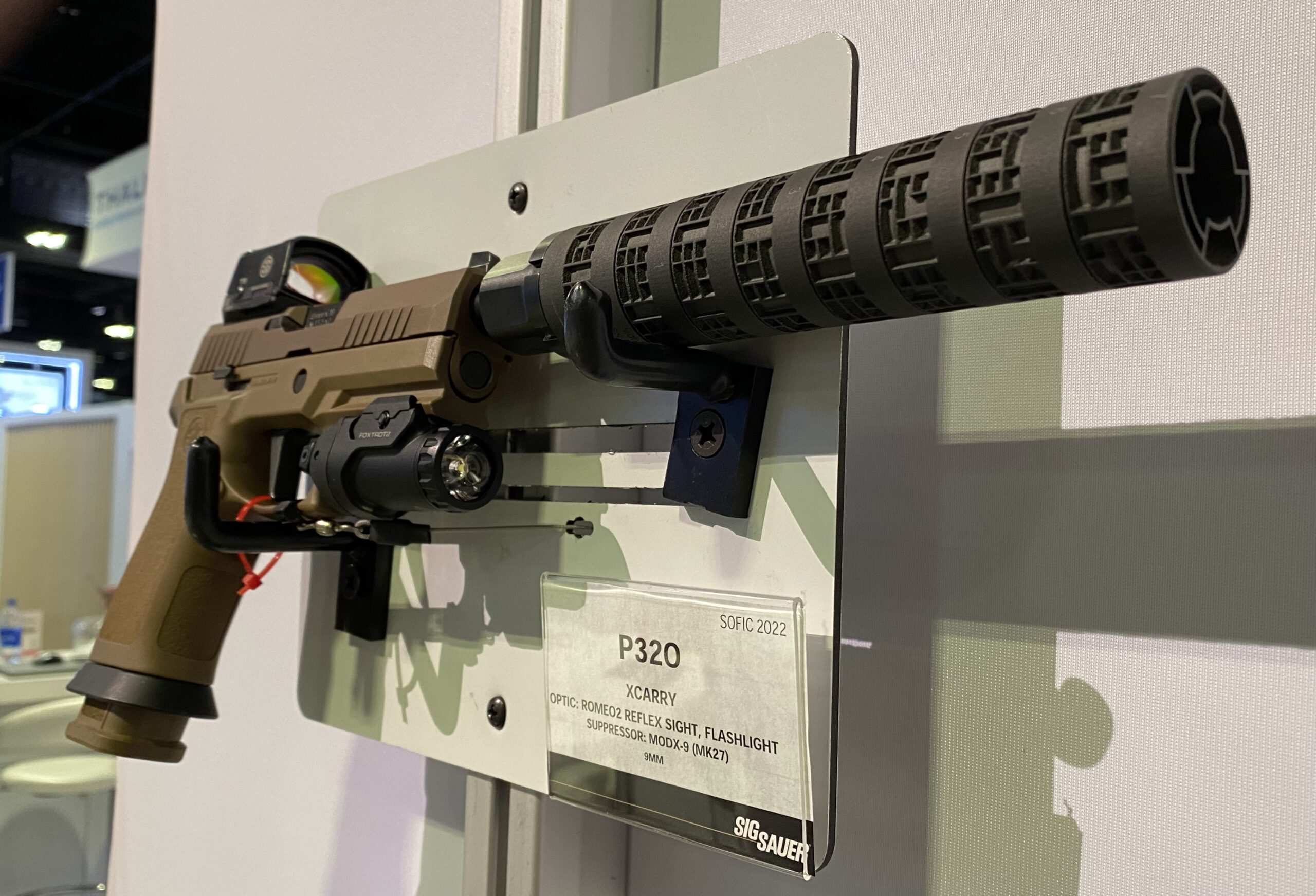
It’s configured as an XCarry model and outfitted with a flat trigger, flared magwell, FOXTROT2 weapon light, MODX-9 suppressor (Mk27), and ROMEO2 reflex sight.