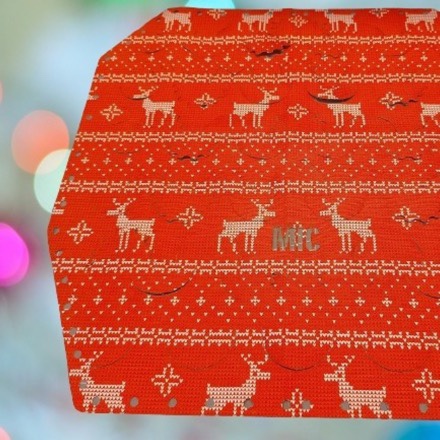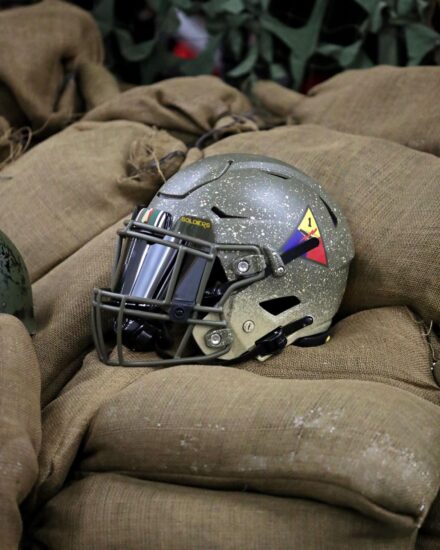
The uniforms for the Army vs. Navy game have been unveiled and are inspired by the 1st Armored Division and the 80th anniversary of Operation Torch.
#GoArmyBeatNavy
Photos by Army West Point Athletics


The uniforms for the Army vs. Navy game have been unveiled and are inspired by the 1st Armored Division and the 80th anniversary of Operation Torch.



#GoArmyBeatNavy
Photos by Army West Point Athletics
Based on the final results of Uniform Board 220 and released in MARADMINS Number 615/22, the Marine Corps has authorized the following hair styles for female Marines:
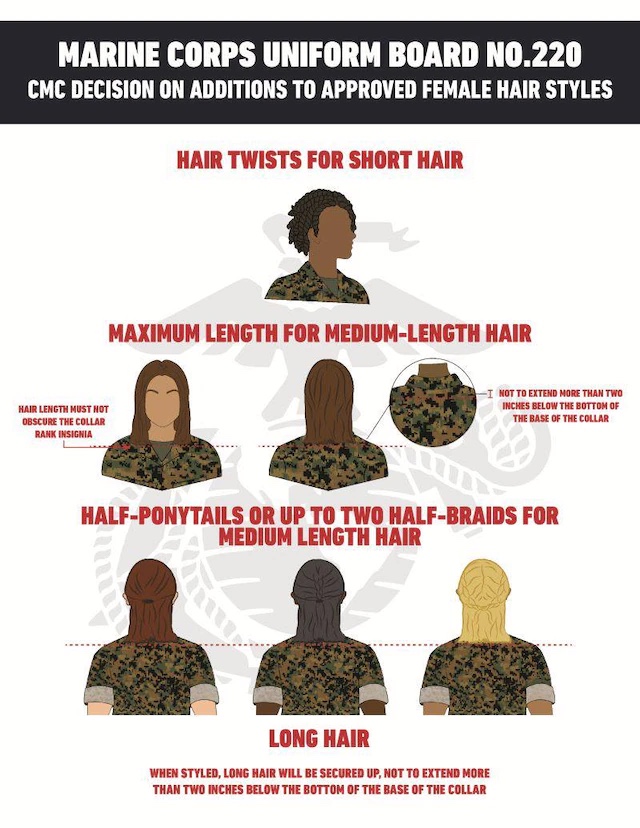
Short hair length for female Marines. Per CMC decision, twists are authorized for short hair (in all uniforms).
Medium hair length for female Marines. Per CMC decision, medium length hair is defined as hair that does not extend beyond 2 inches below the base of the collar’s lower edge; however hair length must not obscure the collar rank insignia. One unsecured half ponytail or up to two unsecured half braids (unsecured in this context is defined as hair on the crest / crown of the head is pulled back into a ponytail or braid(s) and the rest of the hair is left to fall naturally) that provides a neat and professional military appearance are authorized for medium hair length with the MCCUUs, flight suit, or physical training (PT) uniforms only. Half ponytails / braids must be secured over the crest of the head but no lower than the crown of the head with a ponytail holder that is consistent with the hair color, and cannot extend beyond 2 inches below the base of the collar’s lower edge or interfere with the proper wear of any headgear.
Long hair length for female Marines. Per CMC decision, long hair is defined as hair that extends beyond 2 inches below the base of the collar’s lower edge. When styled, long hair will be secured up so that it does not extend beyond 2 inches below the base of the collar’s lower edge, except when authorized in the physical training uniform.
There is no requirement to have tightly pulled back or slicked back hair at any length.
As always, Marine Corps Uniform Board information is available at www.hqmc.marines.mil/Agencies/Marine-Corps-Uniform-Board
I sat down with my friends at 5.11 Tactical a few weeks ago to discuss some gift ideas for SSD readers. My goal was to present a small cross section of products, with varying functions and prices. I know it’s a tough year and I wanted to be able to suggest value. We ent over their vast catalog and narrowed it down to five items that most anyone can use. This week, we’ll present one of these products each day.
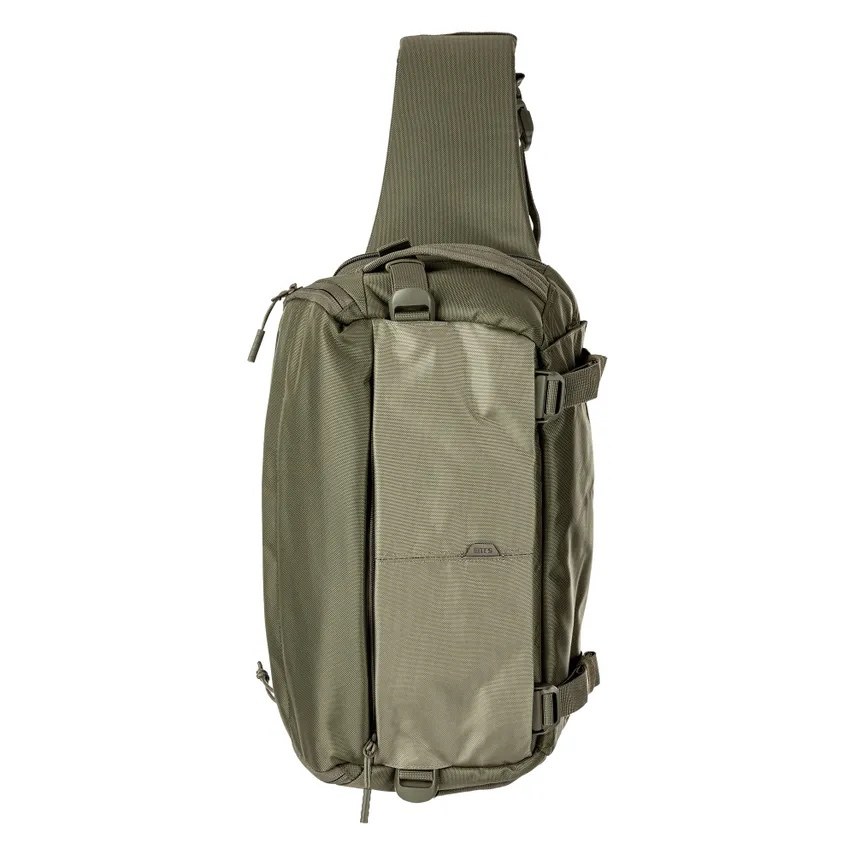
Today it’s the LV10 Sling Pack 2.0. This 13 liter bag will accommodate your off-body EDC needs whether on the job or just running around town.
There’s plenty fo room to
organoze your gear including smaller laptops and concealed carry of a firearm. The main compartment is lined with loop material, laser cut to accommodate MOLLE pouches. The laptop sleeve is padded and the rear CCW comortment features their “hot pull” system, loop panel, and removable holster retention strap. The fleece top zipper pocket is perfect for eye pro storage. You’ll
also find a water bottle pocket and there’s even a channel for flex cuffs at the rear.
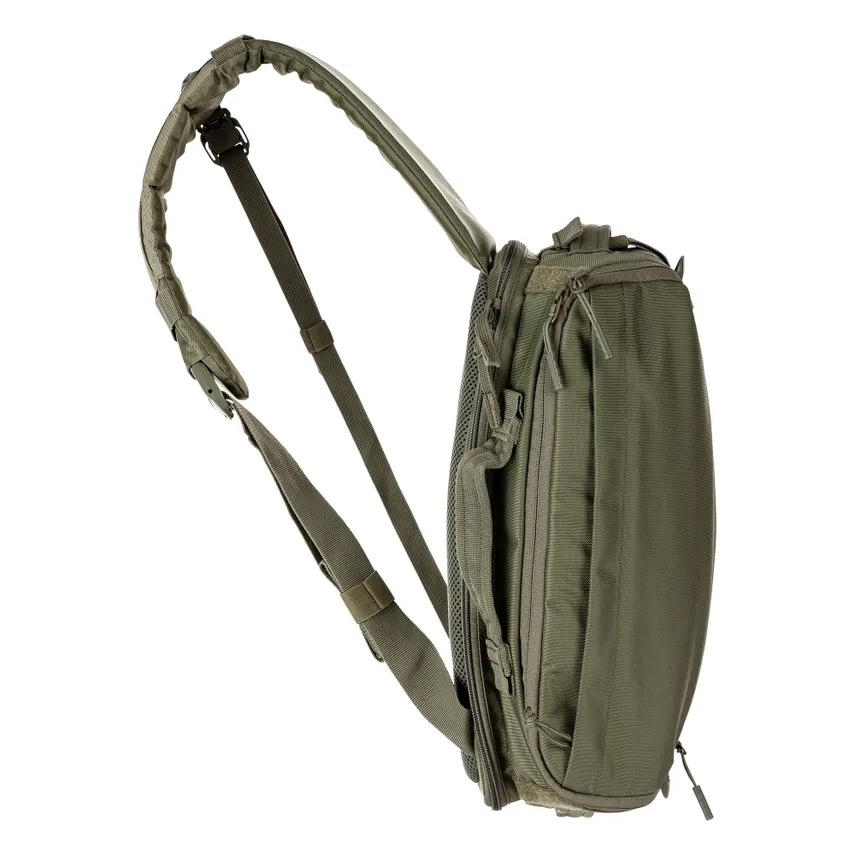
The color is a nice shade of Green called Python.
Today is also Cyber Monday, so you also get a deal on this bag at 20% off.
www.511tactical.com/lv10-sling-pack-2-0
Earlier this year the United States Special Operations Command selected the L3 Harris AT-802U Sky Warden as their new Armed Overwatch aircraft. It has now been designated as the OA-1K. Aircraft officianados will recognize the OA designation which identifies the combined Observation Attack role.
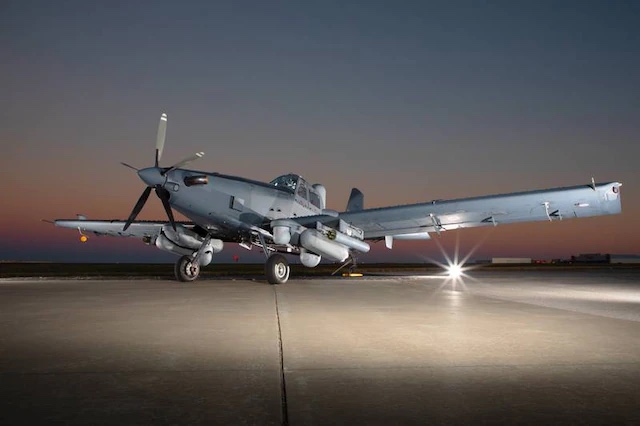
The decision to reuse model 1 is an odd choice considering 7 is the next number in line for Observation aircraft and 14 is next up for Attack aircraft. It seems that they are attempting to assert some sort of SOF aviation heritage on this completely new airframe by reusing the model 1 designation shared with the Skyraider and assigning variant K to the Sky Warden.
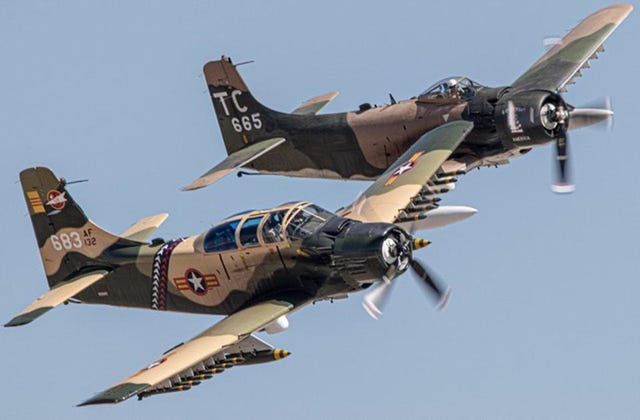
Thousands of Douglas A-1E, A-1H and A-1J Skyraiders were operated by the US from 1946-1973 with significant service in AFSOC’s forebears, the Air Commandos, during the Vietnam War.
The Armed Overwatch program provides SOF with dedicated Close Air Support, precision strike, and airborne intelligence, surveillance, and reconnaissance (ISR) from austere locations in a permissive environment.
USSOCOM plans to procure 75 OA-1Ks and form then into four operational squadrons of 15 aircraft each and an additional 15 for use in training. Special Operations Squadrons operating U-28 Drago and MC-12W Liberty will replace their aircraft with OA-1Ks. However, AFSOC plans to keep some Dragos in service.
Each week the 525th Expeditionary Military Intelligence Brigade presents a video showcasing moments in intelligent history. Here is the latest:
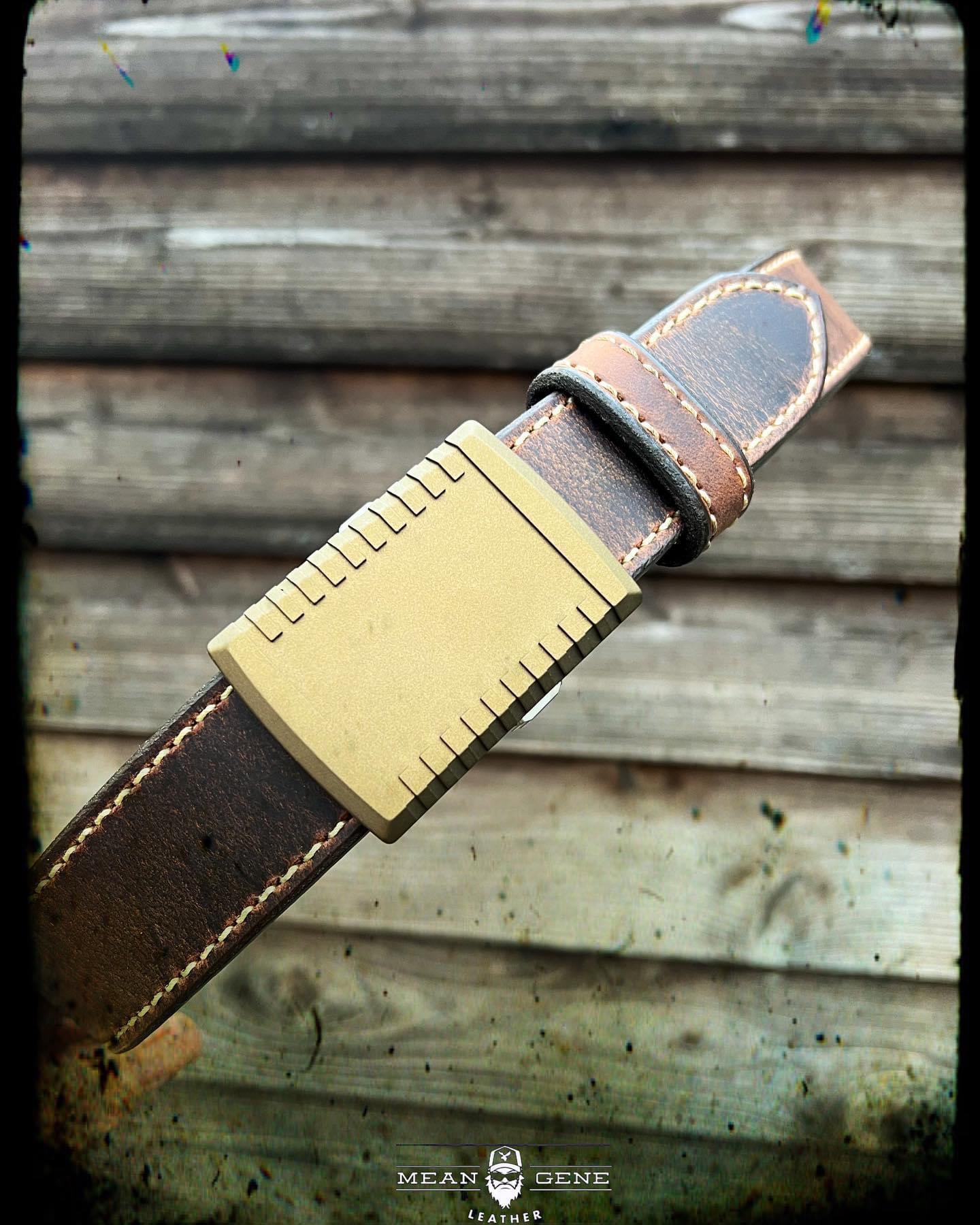
Introducing the new MGL “Renegade” belt series to replace the Victory Aegis belts. This buckle is made of Aerospace Type 3 Hardened Anodized Aluminum. Sliding bar assembly made of Stainless Steel. Anti-slip grooves cut into the sliding bar to prevent slippage. Buckles weighs a mere 2.1 ounces. Available this week. Black anodized and Burnt Bronze (cerakoting over the anodizing) available, clear anodizing inbound soon.

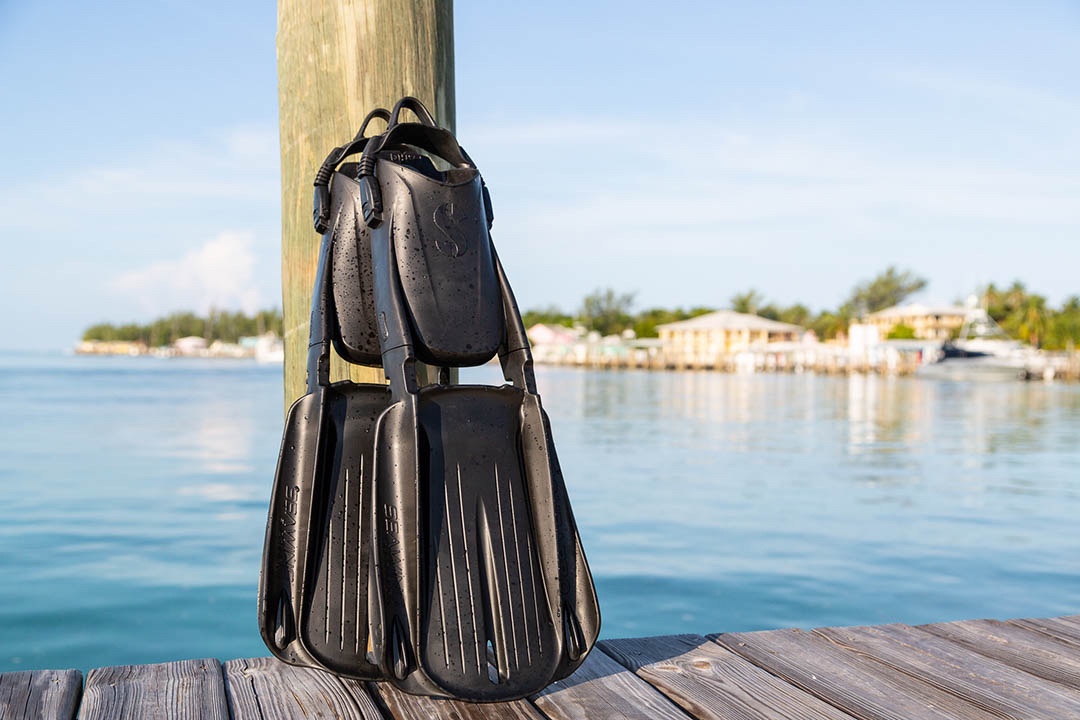
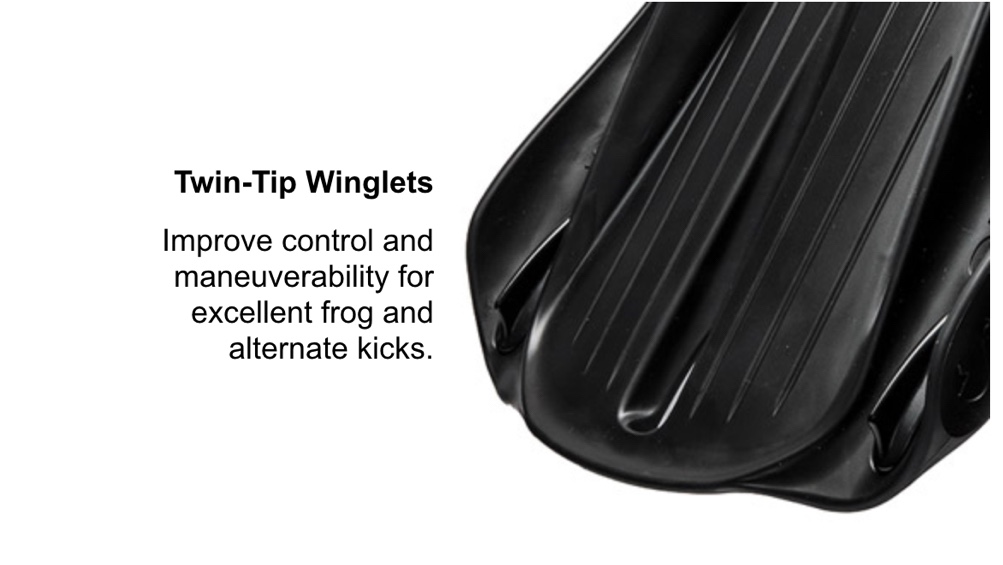
The Seawing Supernova are like the MultiCam of fins. If you understand camo, you know that MultiCam is a camouflage pattern developed for usage in a variety of settings. It is said it can be used in 70% of the world. When it comes to frog and alternate kicks, the new twin-tip winglets increase control and markedly improve maneuverability. I started using the Supernovas a couple of months ago and noticed a difference immediately. I felt like I had a lot more maneuverability than with conventional fins. It also feels like what you expect a great dive fin to feel, but without the weight and, honestly, a lot more flexibility on the kicks, Frog, Reverse, Scissor or Flutter.
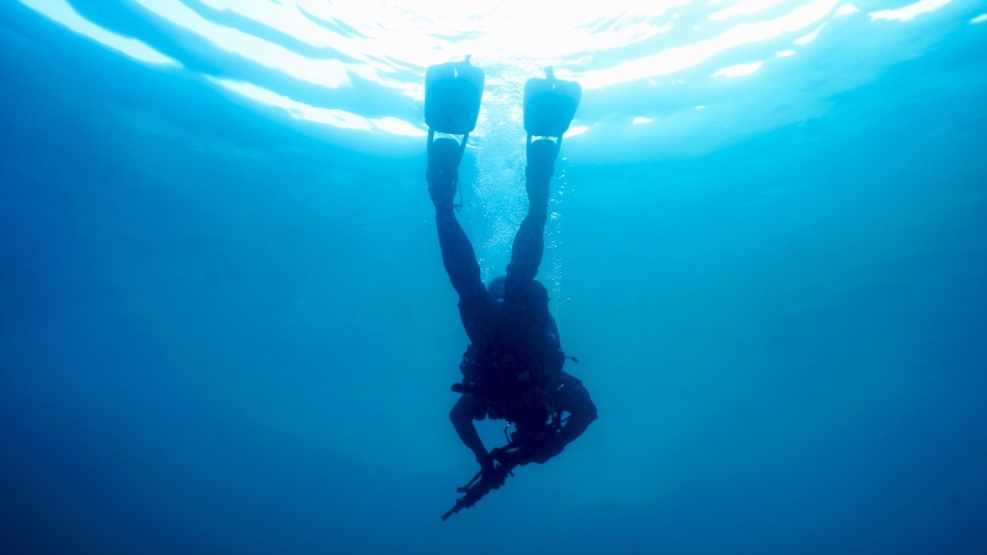
A diving fin needs power, and the Seawing Supernova has it. The fins are designed with Pivot Control Technology. The blade is pre-set in the 40º to 50º range, which is the appropriate angle of attack for the blade and ideal for translating kicks into forward propulsion.
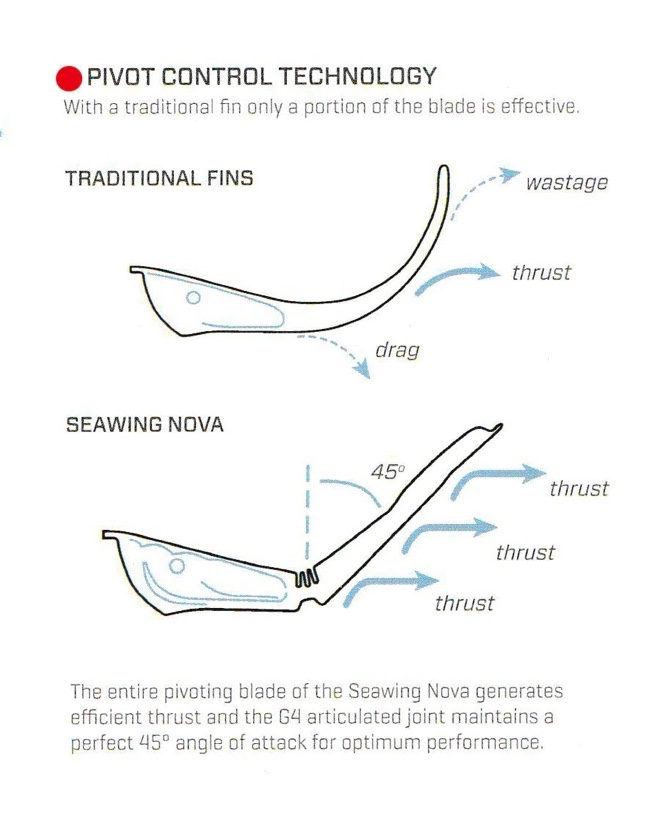
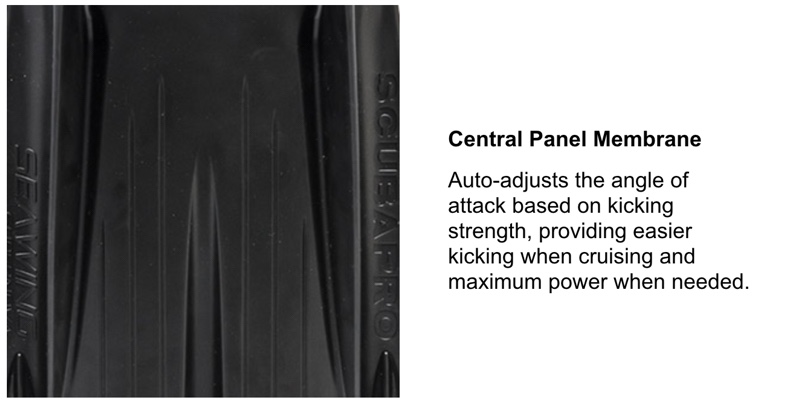
The blade’s revolutionary flexible Auto-Adjust center panel coordinates with this hinge mechanism to adjust the angle of attack by counter-pivoting in response to the force of the kick. So, what does that all mean? On a traditional paddle fin, the harder you kick, the more the blade bends. That means a soft fin will achieve the ideal 45-degree angle when kicked gently but will over-bend and lose thrust when kicked hard. On the other hand, stiffer fins achieve that ideal 45-degree angle when kicked hard but remain too flat to be efficient when kicked gently.
Consequently, both types require the diver to compromise their kicking style to get any efficiency out of the fin.
When you are fining, you can kick so hard that it will bend the blade so far back that it can “technical” pull you backward; this offers a softer angle of attack for comfort while lightly kicking, a more aggressive angle of attack when powerfully kicking, and anything in between. New twin-tip winglets improve control and maneuverability when doing frog and alternating kicks.

The Seawing Supernova, winner of the prestigious Red Dot Award for product design, is a remarkable improvement over the Seawing Nova in terms of performance, construction, fit, and versatility. It also features a cutting-edge blade shape that generates significantly more power, speed, and maneuverability.
The Seawing Supernova also has a novel two-piece design, with the blade and foot pocket molded separately, is made of quality Monprene® for maximum durability, and breaks down effortlessly for transport. This will also allow you two change your blades as SCUBAPRO designed more. The Seawing Supernova’s open heel foot pocket has an updated heavy-duty bungee strap that enables micro-adjustments to accommodate various boot types and extended grip pads that improve non-skid traction on wet surfaces. It is sold as an open heel set with a foot pocket and blade already built.

Additionally, the two-piece construction enables the option of a full foot pocket in place of the usual open heel foot pocket for barefoot diving. You may quickly get ready to hit the water by disassembling the fin’s Socket-Lock Connecting System, replacing the open heel foot pocket with a complete foot pocket, and then reassembling. The entire foot pocket also has a re-profiled heel-retention cup to reduce slippage and chafing and is made of superior Monprene®