SIG SAUER - Never Settle

British Paratroopers Fight on the electromagnetic Spectrum

March 7th, 2026

To survive on the modern battlefield, paratroopers are adapting to fight the unseen battle on the radio waves.

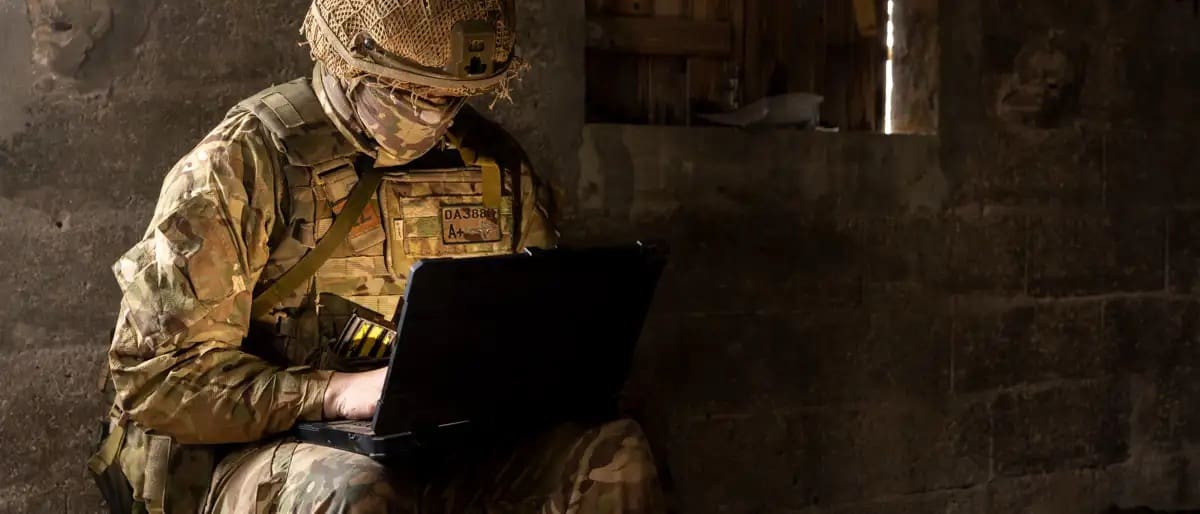
Phantom Platoon provides a unique Cyber and Electromagnetic Activities (CEMA) capability for 16 Air Assault Brigade, the British Army’s global response force.
CEMA brings together electronic warfare, cyber operations, and spectrum management. The goal is to gather information about the enemy, disrupt their plans, and keep friendly forces safe.

The platoon – part of 2nd Battalion The Parachute Regiment (2 PARA) – took part in Exercise Orion in France, where British and French airborne soldiers trained side by side to prepare for real-world crises.

Building their own kit

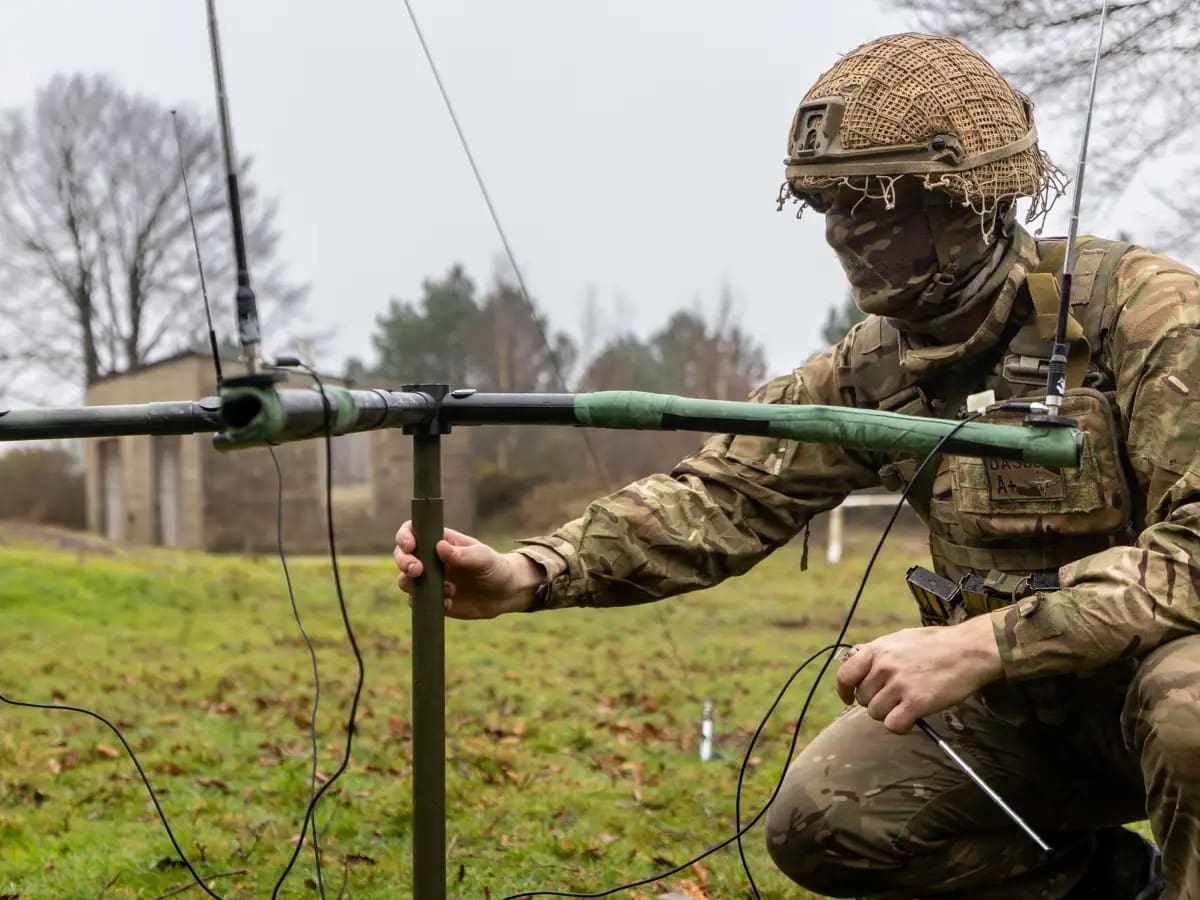
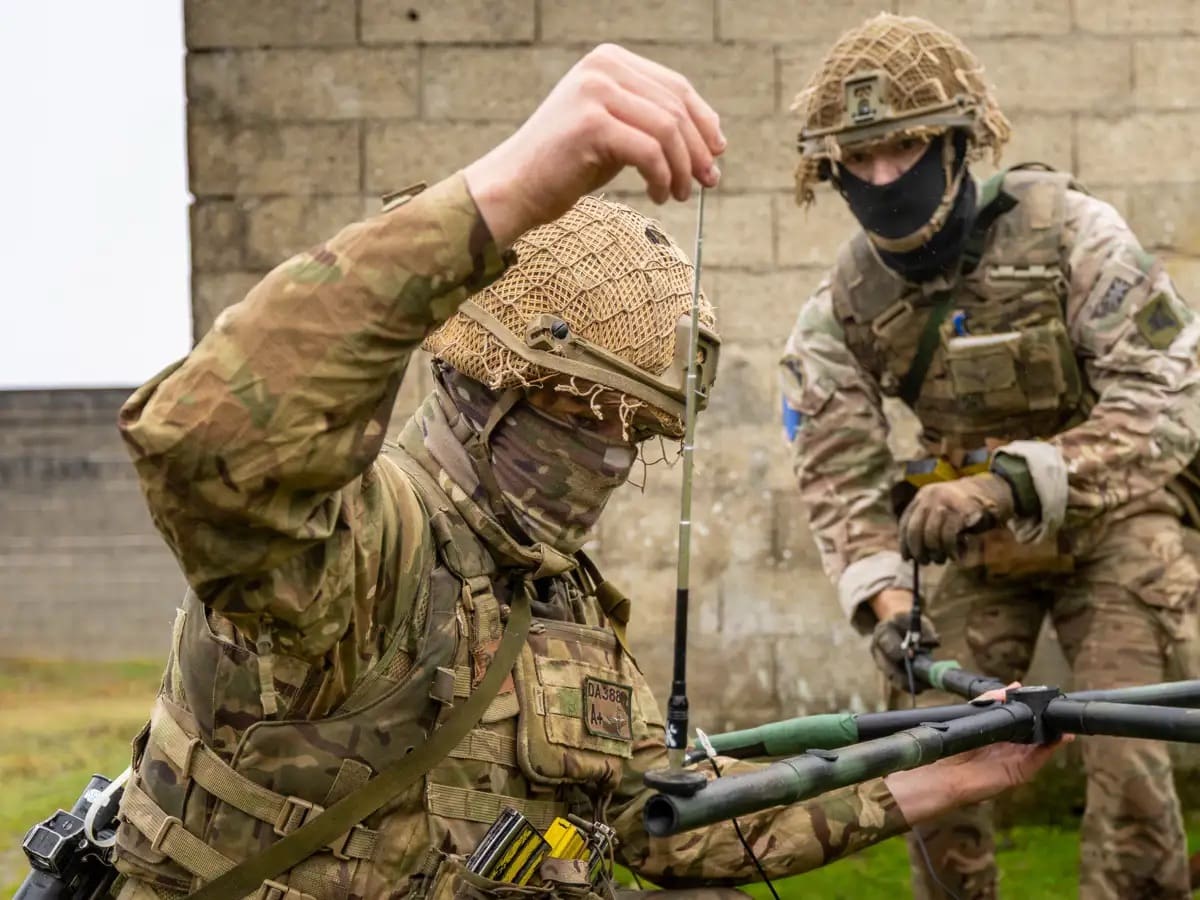
A key task for the CEMA specialists was to find enemy positions by tracking their radio transmissions. The soldiers used Kraken, a software defined radio they have put together themselves.

“It’s an aerial to detect signals that links to a GPS, and is run through a single-board computer,” Private Kai said. “It takes five minutes to set up or take down, and we can position it on the battlefield and connect remotely from anywhere.

“When we track a signal and detect what and where it is, that goes towards building up a picture of the enemy and what they are doing.”

Other devices the paratroopers have produced are the Unagi, a transmitter that can jam radio signals or send out fake ones; and the Plankton, a Wi-Fi extender used to cut the signal between a drone and its controller.

Private George said: “One of our team has a degree in marine biology, so everything we do has some kind of fishy name! We make our kit with components bought at an electronics shop and, with a quick bit of coding, we can reprogramme a device to deliver a different effect. 

“We were using Unagi to jam radios, and then we reconfigured it to mimic a Wi-Fi hub. The enemy picked up that signal and thought they had located our headquarters, so they attacked that fake position. Deceiving the enemy meant one of our rifle companies seized their objective without any opposition.”
Why this matters

Private Kai said Phantom Platoon’s work was an example of “the airborne initiative”.

“As paratroopers we want to be the best and win every fight,” he said. “Looking at fighting around the world now, electronic warfare is playing a big part – we’ve seen that and created this capability for ourselves.”

For Private George, CEMA has brought a childhood interest in electronics into his military career.

“I grew up playing PlayStation and Xbox, and then started messing around with the hardware,” he said. “When I first heard about CEMA, I was really keen to get involved. I enjoy working on electronics out in the cold and wet, and I get a real sense of how my skills can make a difference.”

2 PARA’s commanding officer Lieutenant Colonel Craig Shephard said: “CEMA is about finding out what the enemy is doing and creating confusion about our actions and intentions. By doing that we aim to gain that small advantage in time or space needed to win the battle.

“The work of Phantom Platoon shows the real willingness among paratroopers to innovate and adapt to the modern battlefield. That enthusiasm, and the capability it has created, is a fantastic asset to have as a commander.” 
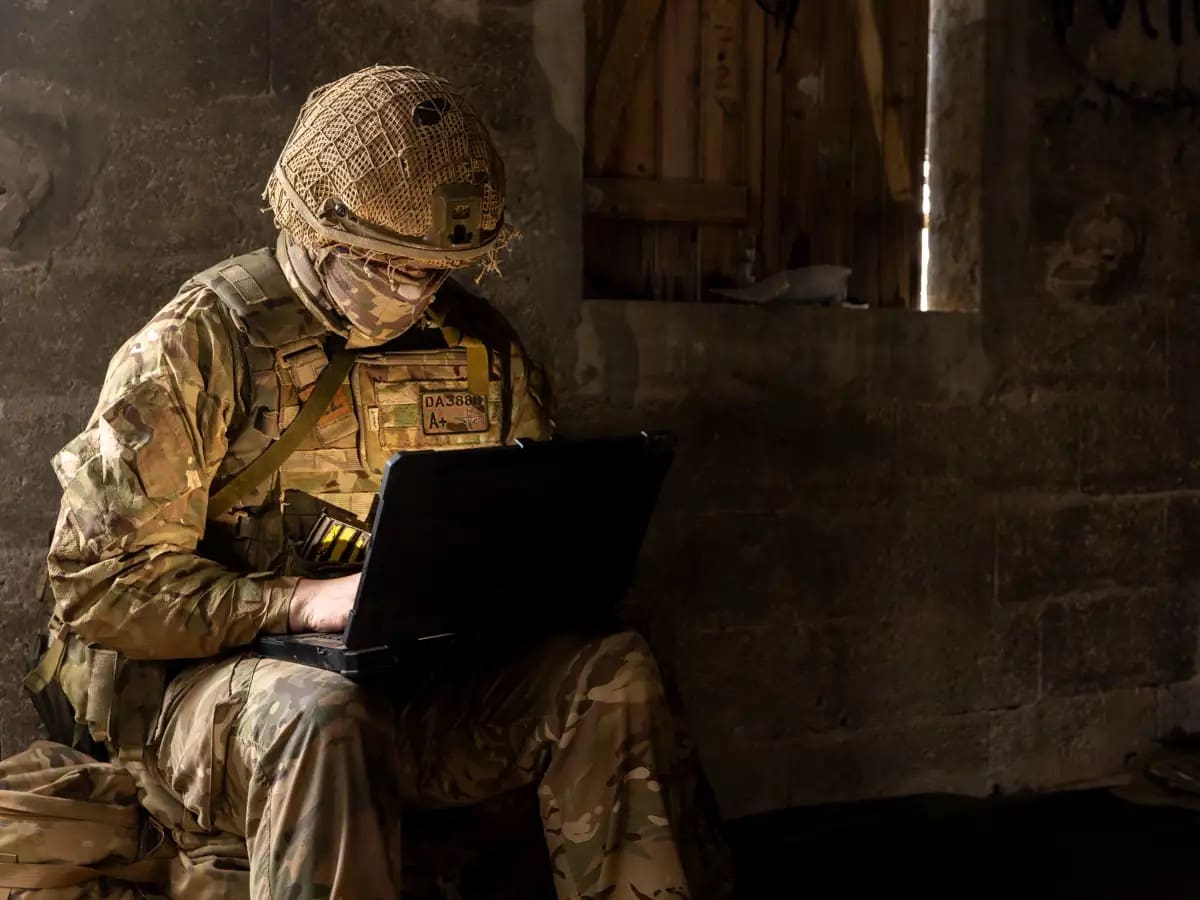
Exercise Orion brought together 2,000 soldiers from 16 Air Assault Brigade and France’s 11e Brigade Parachutiste to train to conduct defensive operations. As the Airborne Combined Joint Force, the two brigades have been trained and ready to deploy together in response to global crises since 2013.

Via UK MOD

MOD Crown Copyright

INKAS Expands Executive Fleet with the Addition of the Armored BMW 7 Series

March 6th, 2026

INKAS® proudly announces the addition of the all-new Armored BMW 760i to its growing global fleet of premium protected vehicles. As demand for discreet executive protection continues to rise, INKAS® is further strengthening its lineup with a distinctive luxury sedan platform engineered to deliver certified ballistic protection.

Based on BMW’s flagship executive sedan, the armored BMW 7 Series combines advanced technology with proven ballistic engineering. Powered by a 4.4L TwinPower Turbo V8 producing 536 horsepower and supported by a 48-volt mild-hybrid system, the platform offers enhanced efficiency and performance capabilities while supporting the structural requirements of full armoring integration.

Engineered entirely in-house, the vehicle integrates advanced armored steel, multi-layer ballistic glass, and proprietary overlap protection systems, which provide full 360-degree perimeter protection against high-powered rifle threats and explosive risks, all while maintaining the original appearance and performance of the OEM BMW design. Structural reinforcements, upgraded suspension, and critical system upgrades ensure the vehicle maintains stability, handling, and ride quality under armored operating conditions.

The addition of the armored BMW 7 Series marks a notable development within the luxury armored vehicle segment, where armored BMW platforms remain limited in availability. Its distinctive design, advanced technology, and executive profile provide clients with a highly specialized alternative within the premium protection category.

“Clients today are looking for protection solutions that combine advanced engineering with refined executive presence,” said David Khazanski, CEO of INKAS®. “By integrating our proven armoring technology into the BMW 7 Series platform, we are expanding our ability to meet evolving security needs while maintaining the highest standards of quality and reliability.”

As INKAS® continues its global expansion, the introduction of the Armored BMW 7 Series further solidifies the company’s position as a leading manufacturer of high-quality, certified armored vehicles trusted by executives, government officials, and VIP clients worldwide.

Strategic Acquisition in the Field of Uncrewed and Autonomous Systems: Rheinmetall to Gain Majority Stake in DOK-ING

March 6th, 2026

The Düsseldorf-based technology group Rheinmetall is expanding its portfolio with an acquisition in the field of uncrewed systems. Rheinmetall has now signed a contract in Zagreb to buy a majority stake of Croatian uncrewed ground system solution provider DOK-ING. Rheinmetall is acquiring 51% of the company, which was founded in 1991, Vjekoslav Majeti?, the founder and previous sole owner of the company, will retain the remaining shares (49%). Rheinmetall’s entry into DOK-ING is subject to approval by the relevant regulatory authorities. Both parties have agreed not to disclose the purchase price.

Following the completion of the transaction, DOK-ING will continue to operate from its headquarters in Zagreb, with the existing management team remaining in place to ensure strategic continuity and operational stability, an arrangement aligned with and endorsed by Rheinmetall.

In the presence of  Ivan Anuši?, Croatia’s Deputy Prime Minister and Minister of Defence, the contract was signed today by Vjekoslav Majeti?, founder of DOK-ING and the CEO of Rheinmetall’s Vehicle Systems Europe division, Dr Björn Bernhard. 

Dr Björn Bernhard said, “The combination of Rheinmetall’s expertise in tactical vehicles and DOK-ING’s capabilities in uncrewed systems will create a strong market position for us with considerable potential for the future. At the same time, we are establishing a foothold in Croatia, being an EU and NATO member, and we will be gaining access to this highly interesting customer country”.

“Our competence centre for uncrewed and autonomous systems for military applications is now being established in Croatia. With this new set-up, it is our goal to obtain a strong market position in the segment of uncrewed combat support and armoured military engineering systems. We do see the potential for significant growth in this market and believe that we are entering the global market at the proper time with our new products. This is underlined by ongoing and planned procurement projects in many other countries”, as Dr Björn Bernhard continues.

DOK-ING has a strong market position in uncrewed solutions for mine clearance and operations in hazardous and high-risk environments in civil and military domain. Since its foundation, the company has delivered around 500 platforms to customers in over 40 countries. At present, DOK-ING’s mine clearance solutions are highly effective in Ukraine. 

Already in October of 2024, the two companies agreed on a partnership, which initially focussed on jointly developing uncrewed ground systems for mobility, countermobility (mine clearing and laying) and combat support operations. A notable aspect of the partnership between Rheinmetall and DOK-ING is its entirely European origin and value creation. 

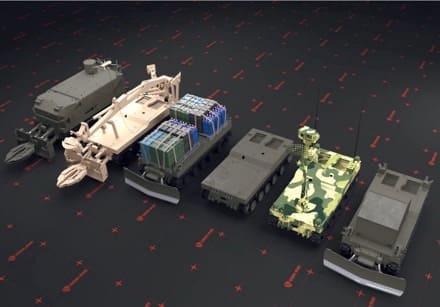
These activities are based on DOK-ING’s newly developed Komodo, a modular heavy duty hybrid uncrewed platform, which has a payload capacity of over 8,5 tonnes. Rheinmetall is contributing with various capability modules and equipment kits, including those for direct and indirect fire, mine clearing and laying, autonomous capability and logistics.

Dr Björn Bernhard said: “DOK-ING and Rheinmetall are two leading European suppliers in their very special field, and by joining forces, we can realise challenging projects. Together, we are aiming at setting new standards and hence, pave the way for uncrewed ground systems (UGS) which are ready for mass production and deployment”.

Vjekoslav Majeti?, founder of DOK-ING said: “This partnership with Rheinmetall marks the next phase in DOK-ING’s development. Over more than three decades, we have built strong technological capabilities and established a solid international presence in demanding markets. We have now reached a stage where further value creation and production scaling require a partner with substantial industrial capacity, system integration expertise and global market access“.

„DOK-ING’s development, engineering excellence and core competencies will remain in Croatia. By joining forces with Rheinmetall, we are creating the conditions to expand production capacity, accelerate the development of next-generation uncrewed specialised systems, and strengthen our long-term competitiveness“, Majeti? added. „This strategic step positions DOK-ING for sustainable growth and reinforces Croatia’s role within the European defence and technology landscape.”

In the new constellation, DOK-ING and Rheinmetall plan to develop a variety of solutions for combat and combat support operations. This includes a project for an uncrewed armed support system (known as ‘Wingman’) to be used with battle tanks and infantry fighting vehicles for reconnaissance and fire support purposes. These systems will also be used alongside existing Rheinmetall products, such as the Panther KF51 Main Battle Tank, the Büffel/Buffalo recovery tank, and the Kodiak armoured engineer vehicle.

Rheinmetall AG is an integrated technology group, with its headquarters in Düsseldorf. Founded in 1889, it is a leading international systems house for the defence industry and operates within land, air, sea and space domains. A focus on sustainability is an integral part of Rheinmetall’s strategy. With around 44,000 employees at about 180 sites worldwide, the company has been listed on the DAX 40 since March 2023 and generated sales of €9.8 billion in the 2024 financial year.

DOK-ING is a technology-driven company specialising in the development and manufacture of advanced uncrewed systems designed for operations in hazardous and high-risk environments. Its core portfolio includes remotely operated and progressively autonomous platforms supporting humanitarian and military demining, military engineering operations, CBRN response, and the protection of critical infrastructure. The company’s solutions are based on modular and scalable architectures, enabling rapid mission-specific configuration for mine clearance, IED disposal, route clearance, firefighting, and other complex operational requirements. With a strong commitment to safety, reliability, and operational excellence, DOK-ING delivers field-proven systems that enhance force protection and reduce human exposure to risk, serving armed forces, civil protection authorities, and specialised security operators worldwide.

Tasmanian Tiger Modular Grab Pack 30 Delivers Mission-Ready Organization in a Compact Short-Range Platform

March 6th, 2026

30-liter escape and survival pack combines a fully modular interior, detachable harness system, and durable CORDURA® construction.

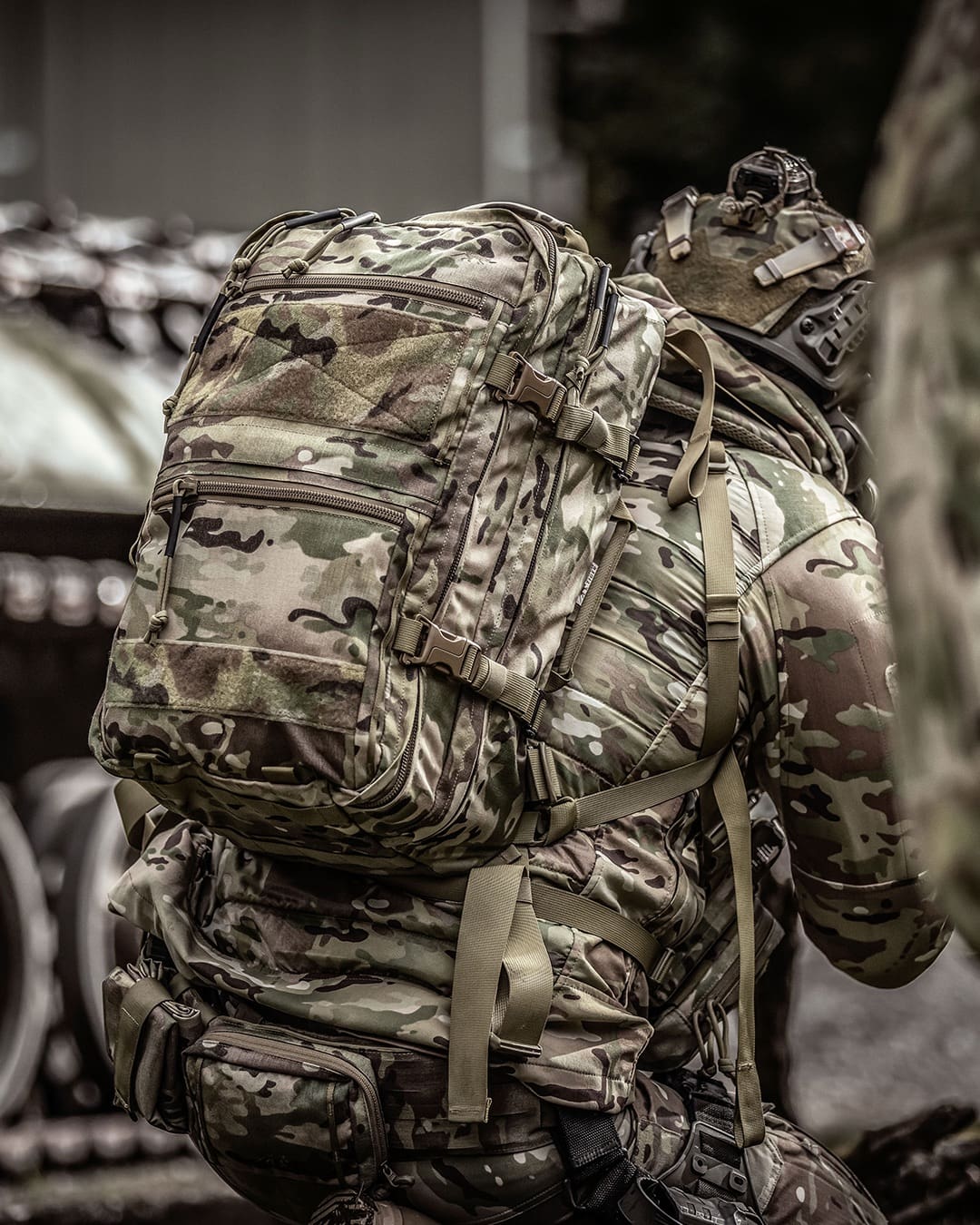
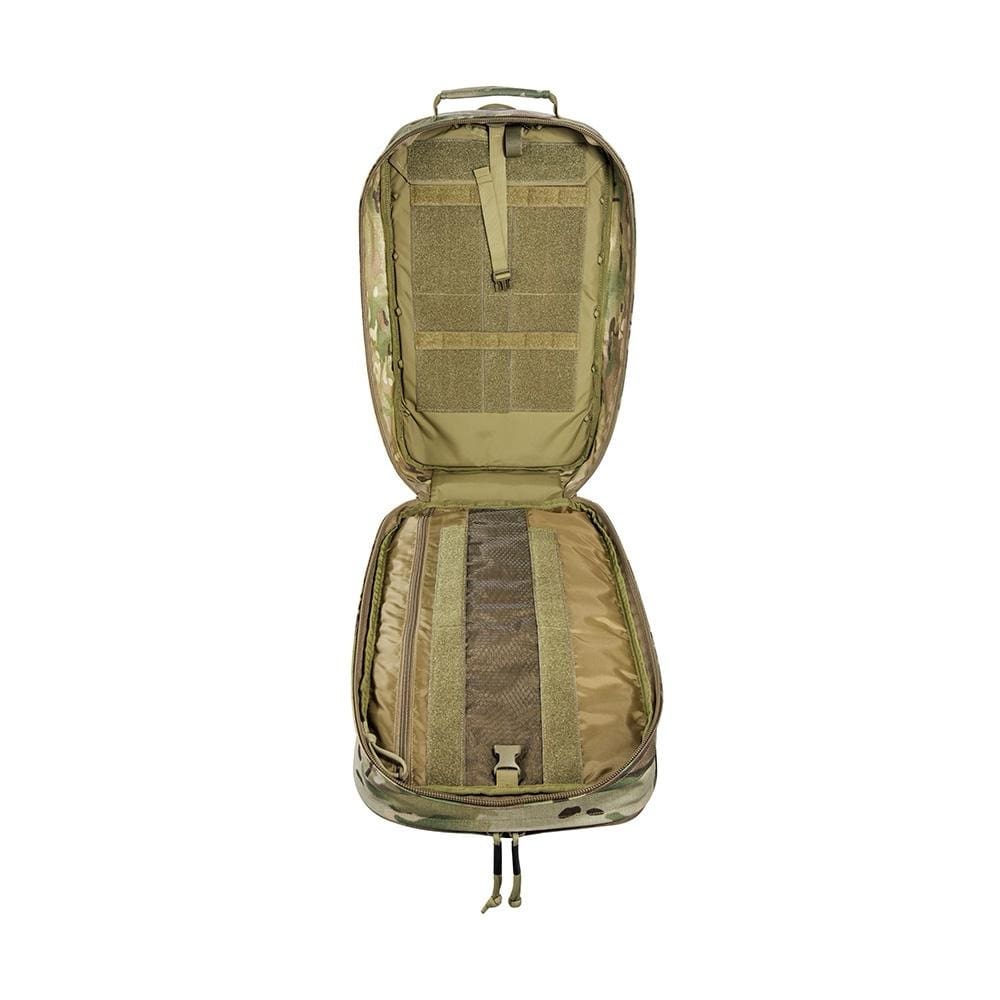
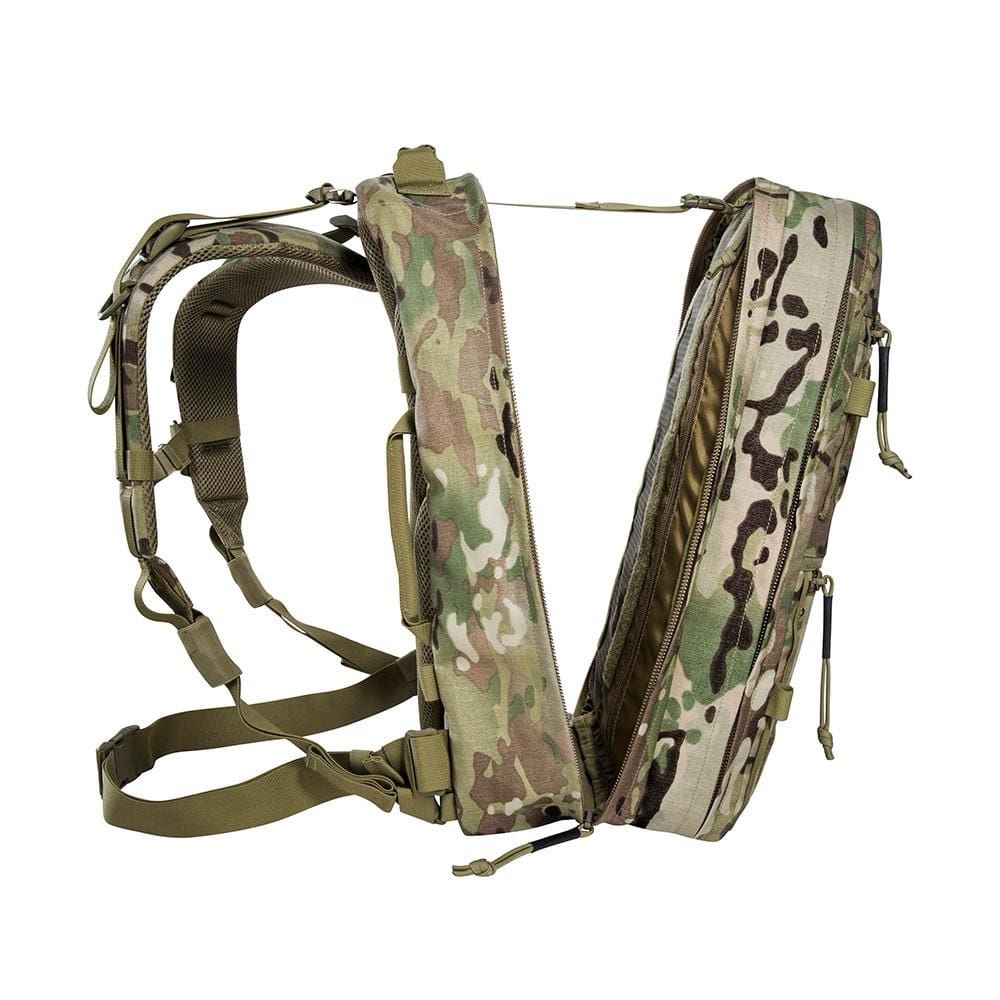
Knoxville, Tenn. (March 2026) – Tasmanian Tiger®, a tactical nylon line of products distributed exclusively for the US market by Proforce Equipment, Inc., announces the release of the TT Modular Grab Pack 30, a short-range escape and survival backpack engineered to provide rapid access, adaptable organization, and rugged durability in a 30-liter platform. Designed for operational professionals and prepared civilians alike, the TT Modular Grab Pack 30 features a two-chamber layout with two large, fully opening compartments. All-around zippers allow both compartments to open completely, providing unobstructed access to gear when time is critical.

The front compartment integrates four removable hook-and-loop inner pockets with transparent lids in varying sizes, along with flat organizer pockets in the lid for streamlined storage of smaller essentials. Flat front pockets provide space for documents and other slim items. In the rear compartment, a large hook-and-loop panel and two MOLLE strips on the back wall enable mission-specific configuration with compatible pouches and accessories.

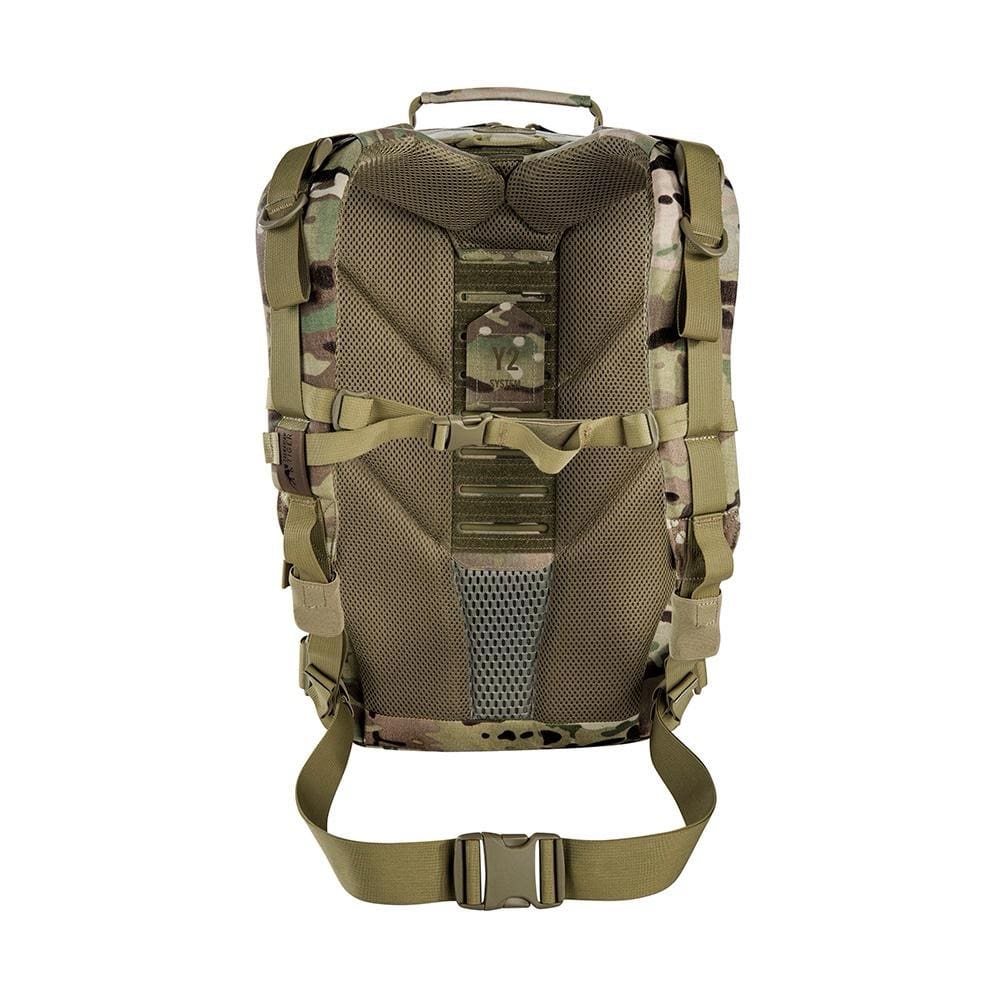
The pack utilizes Tasmanian Tiger’s Y2 Carrying System, offering a padded, adjustable harness that can be tailored to the user’s back length. Shoulder straps are fully detachable, and the height-adjustable chest belt and detachable waist belt with pin buckle provide load stabilization when required. The ability to remove the shoulder straps and waist belt allows the pack to be stowed efficiently in vehicles or integrated into larger loadouts.

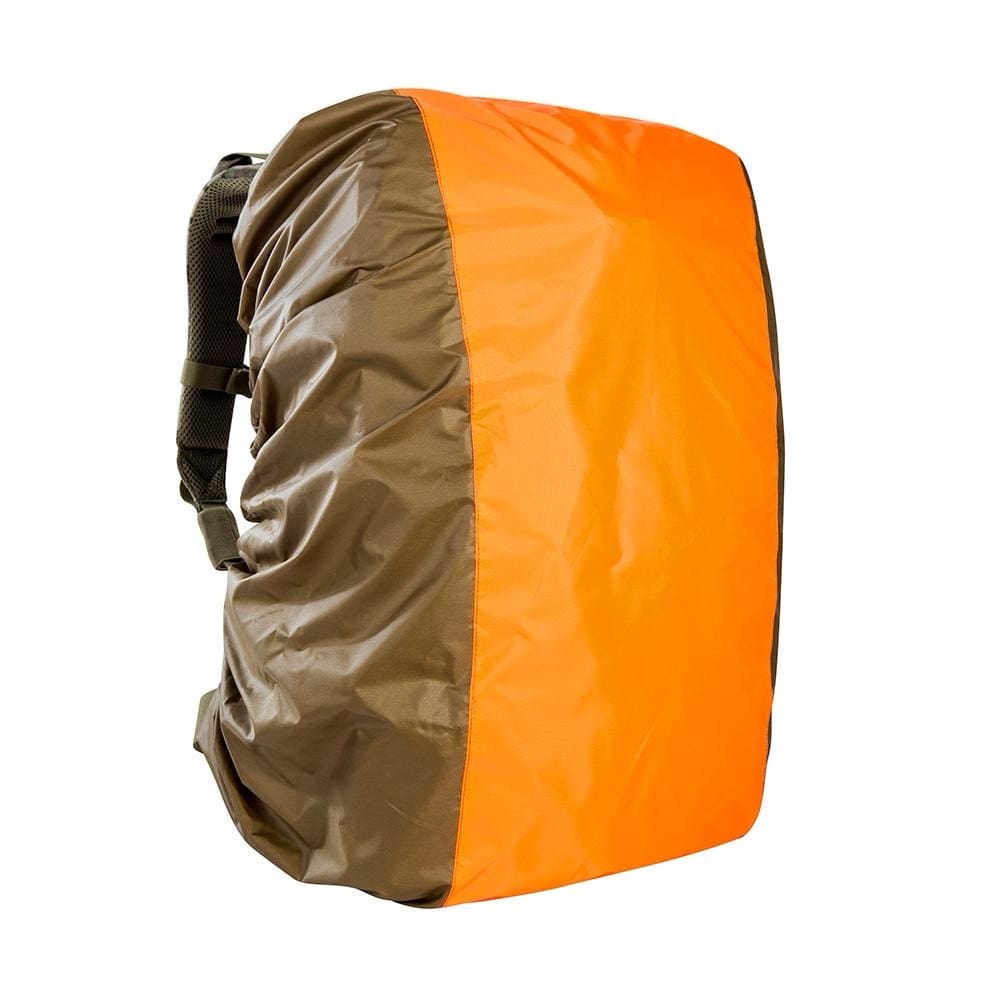
Additional features include three carry handles for rapid grab-and-go deployment; hydration system compatibility; hanging loops; a daisy chain and MOLLE loops on the front and base for external pouch attachment; and a hook-and-loop panel for patches and identification. An adjustable strap with buckle permits temporary closure of the rear compartment while the pack is open and suspended. A reversible rain cover with marker system is included for weather protection and identification.

Constructed from CORDURA 700-den fabric (500 den in Multicam), the TT Modular Grab Pack 30 is built for durability in demanding environments. It weighs 5.13 lbs. / 2.33 kg and measures in at 20 x 12 x 8 in. / 50 x 30 x 20 cm. It is available in Black, Olive, and Coyote for an MSRP of $449, while the Multicam is available for an MSRP of $499.

US Army Sniper Reference Book Available for Download

March 6th, 2026

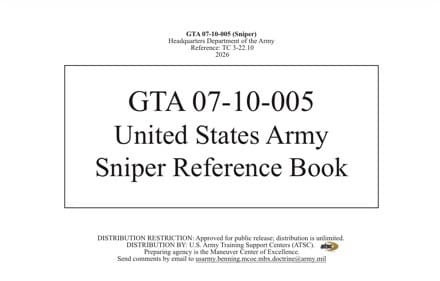
GTA 07-10-005, the United States Army Sniper Reference Book is now available for download.

SIG SAUER x VAULTEK Lifepod 2.0 Promo

March 6th, 2026

The Offer:

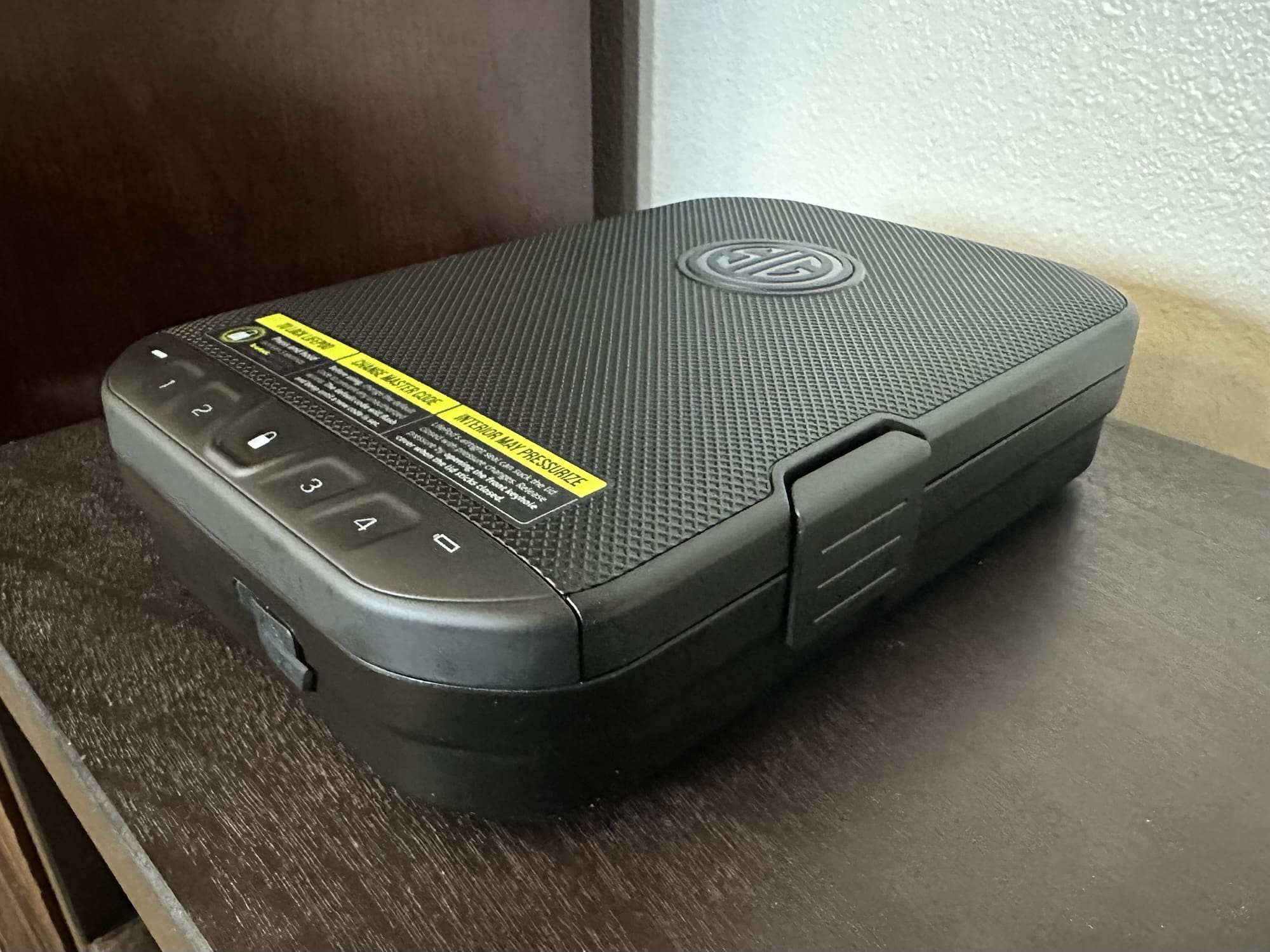
Purchase a new SIG SAUER P365 or P320 Handgun between March 1st and May 31st, 2026, and SIG will send you one (1) VAULTEK LIFEPOD 2.0 Portable Adventure Safe.

The Details:

Customers must submit their proof of purchase (their receipt with all applicale fields) before July 1st, 2026, and will then receive a code that they can use at SIGSAUER.com to redeem for the Vaultek Safe after adding it to their cart.

Lifepod 2.0

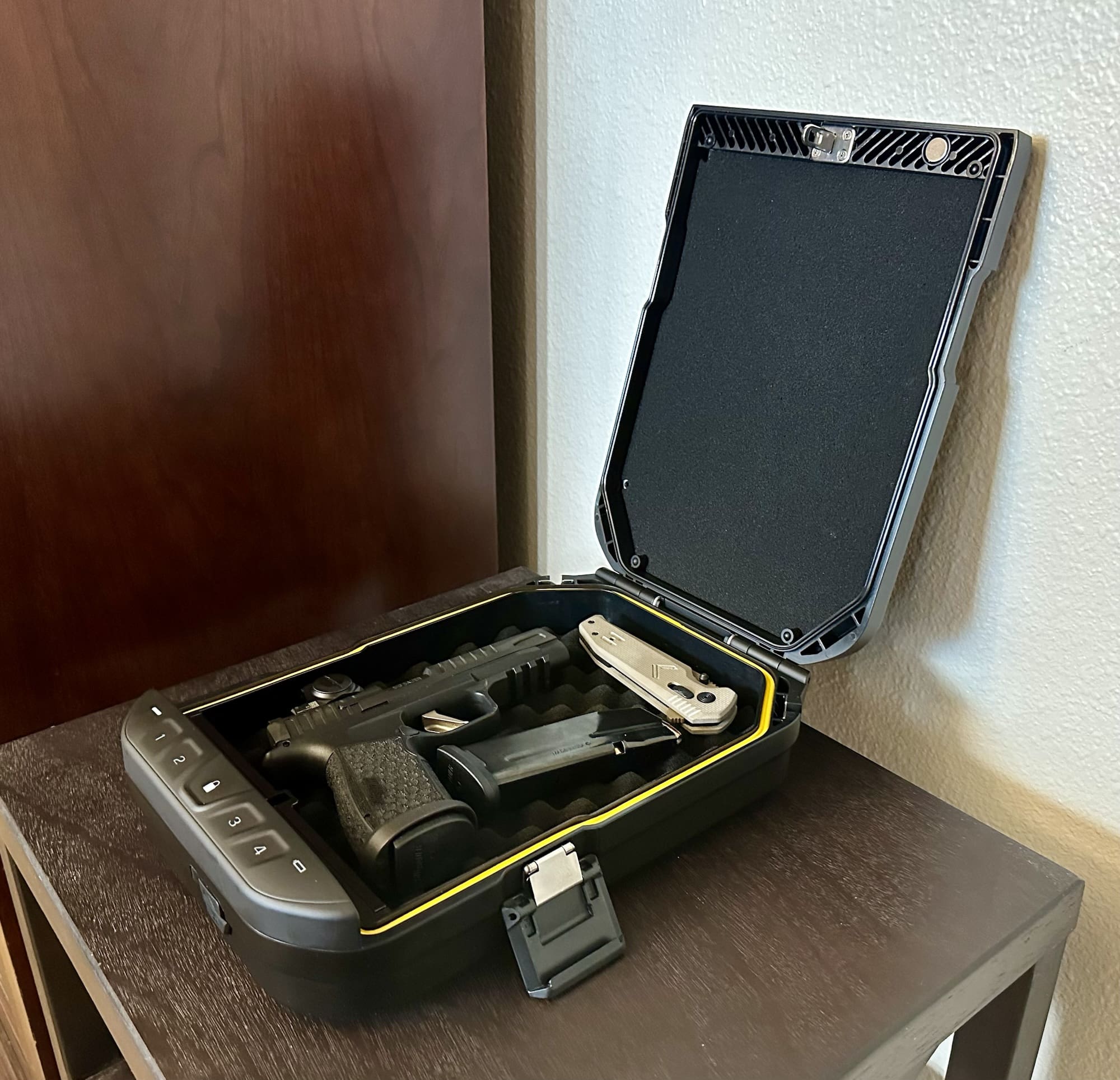
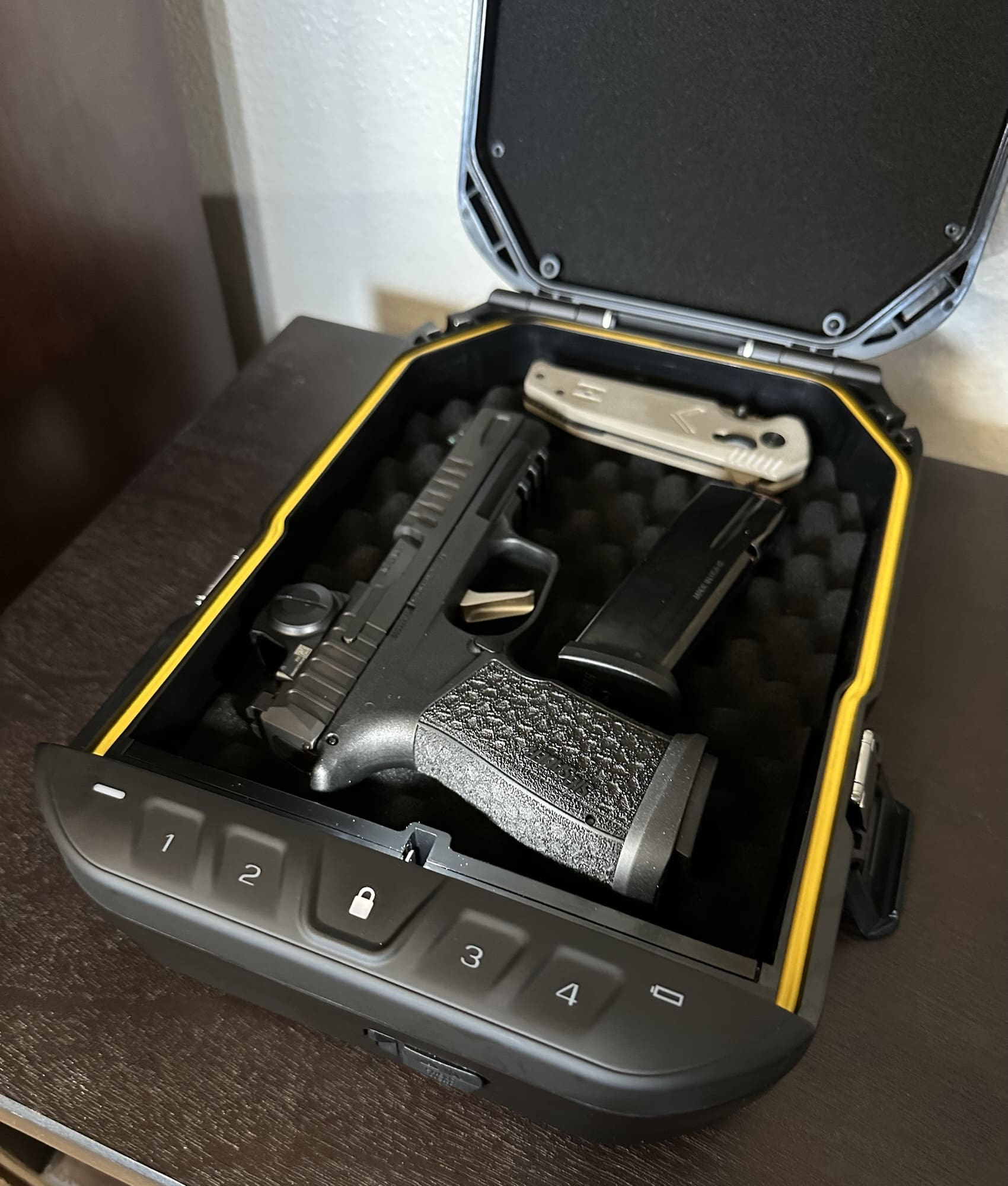
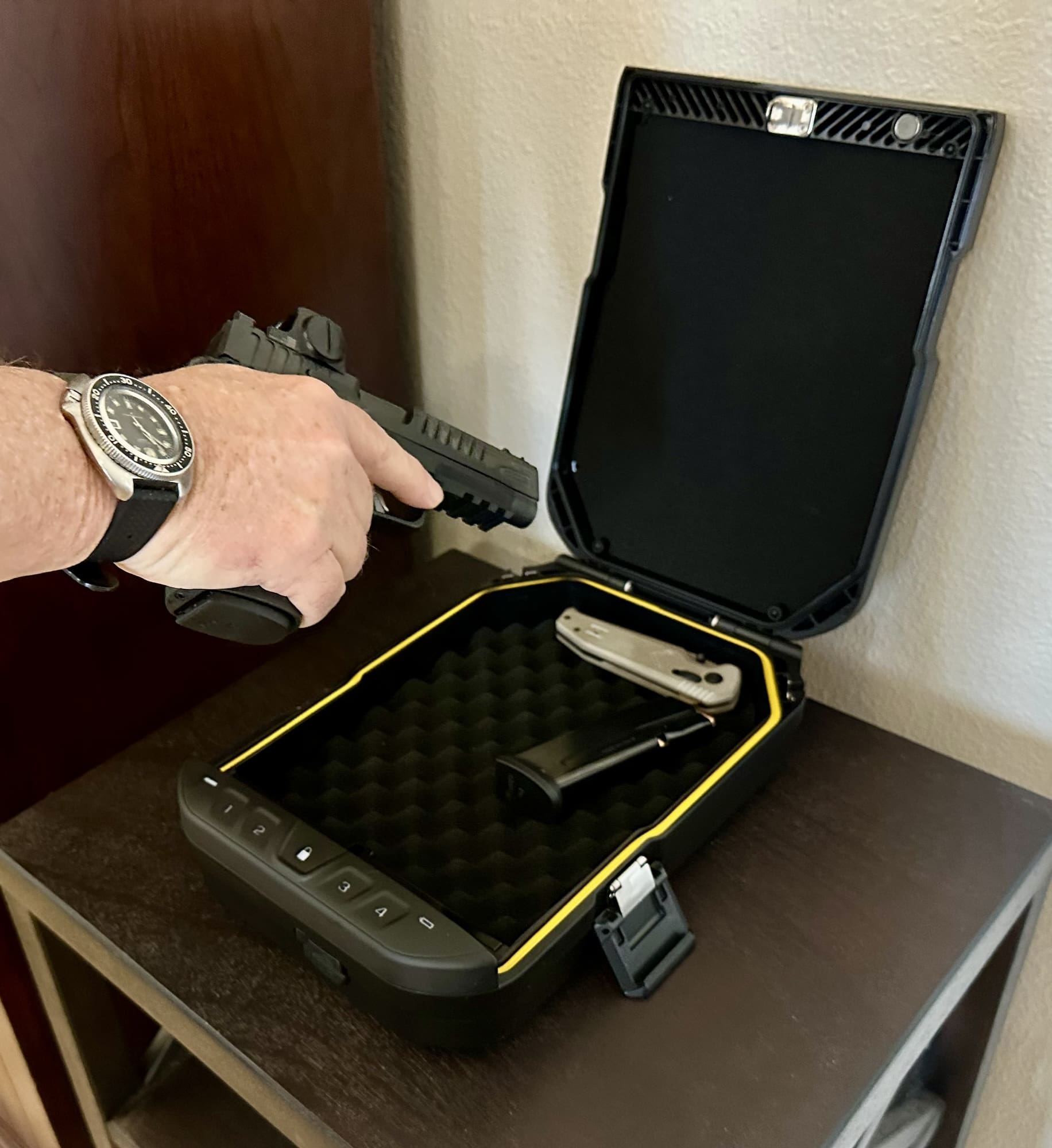
As you can see from the photos, there’s plenty of room for a full sized pistol and magazine. With the P364 FUSE, I’ve got extra room for a pocket knife. This is a great way to secure your EDC during travel.

You can set your own combination of up to 8 numbers which means you can access your pistol quickly when you need it, but will deter others who shouldn’t have access.

It features side latches and an internal gasket so you can protect your pistol from the elements during long-term storage as well as a steel cable to anchor the safe.

Be patient, it may take 4-6 weeks for the safe to ship.

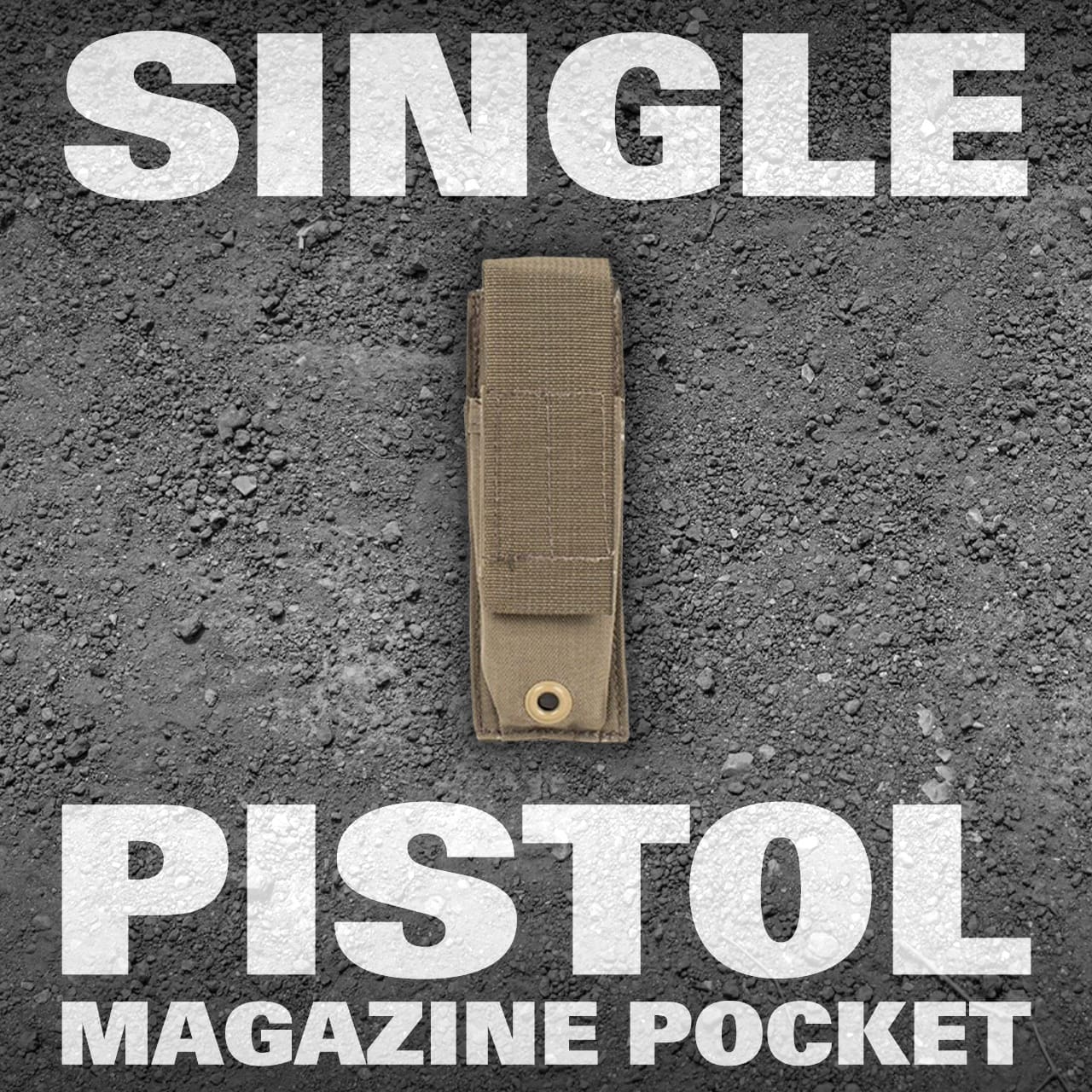
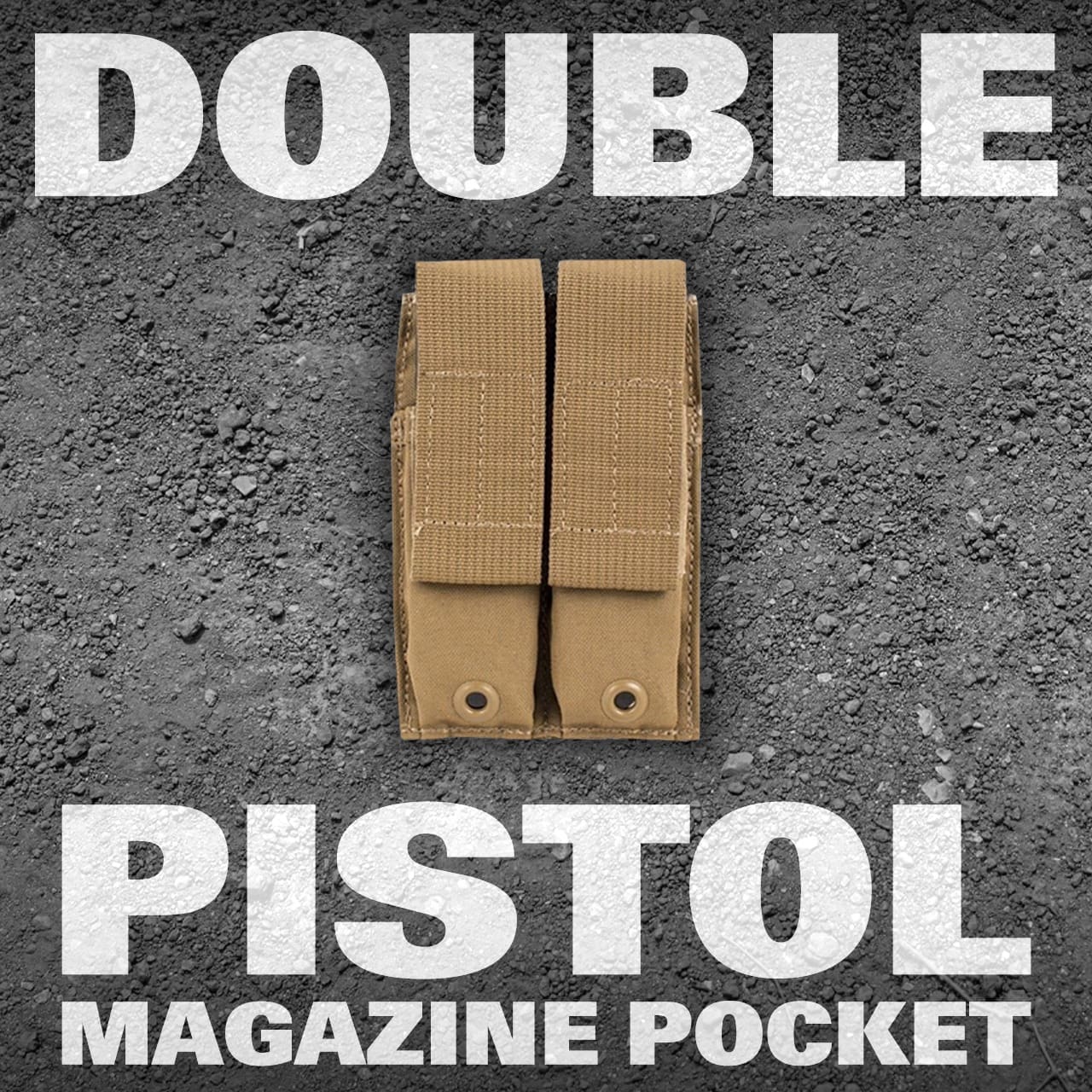
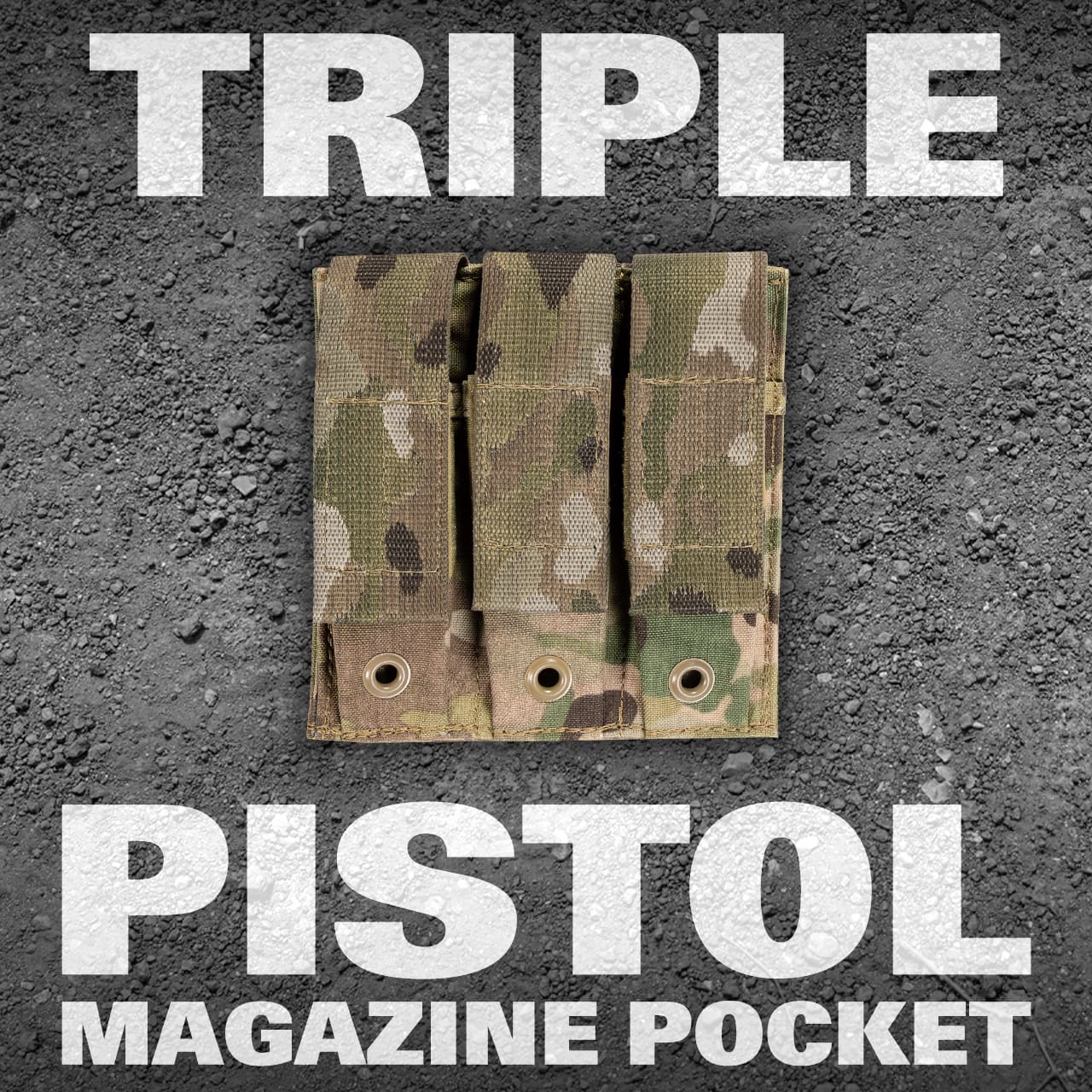
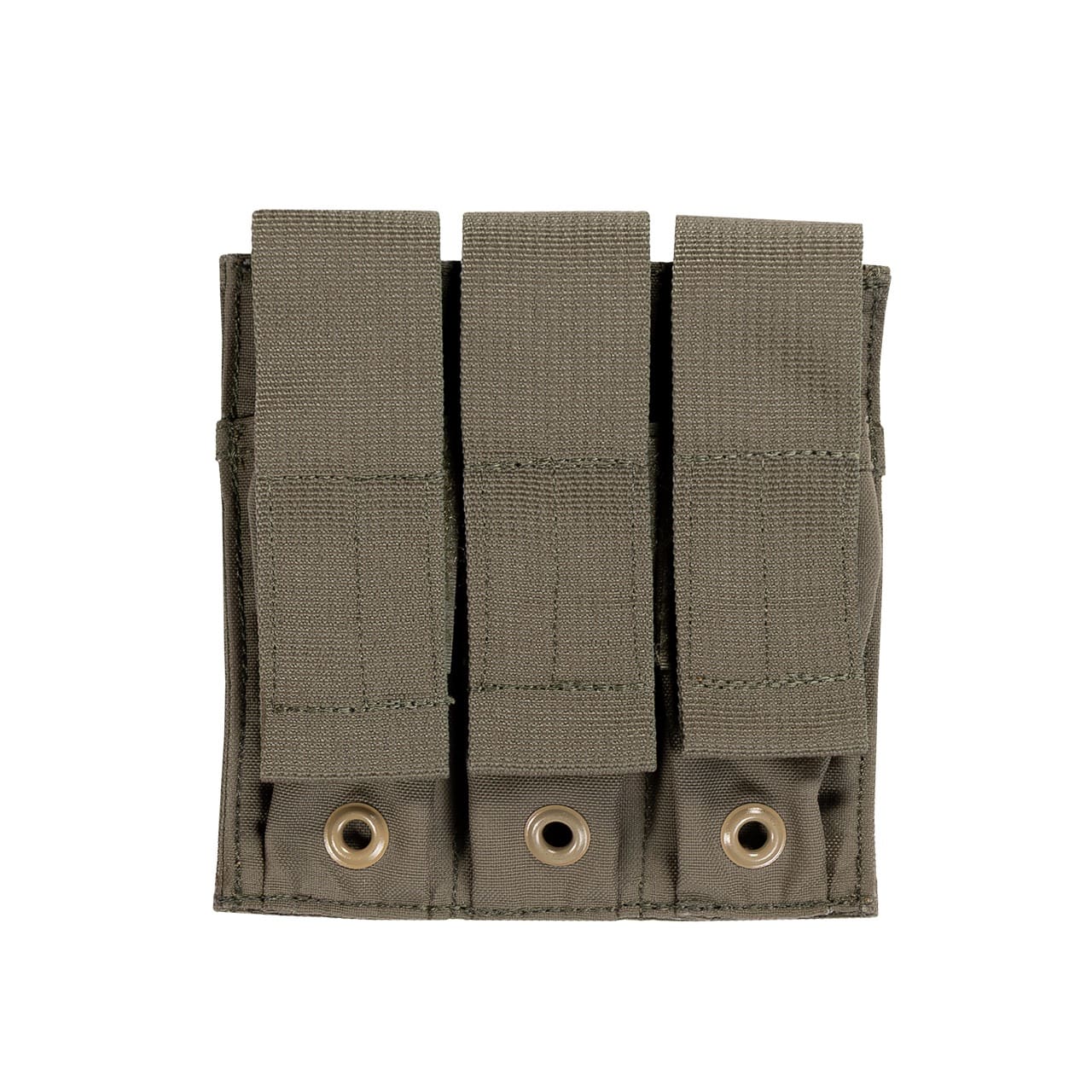
FirstSpear Friday Focus: Pistol Magazine Pocket, Single-Double-Triple

March 6th, 2026

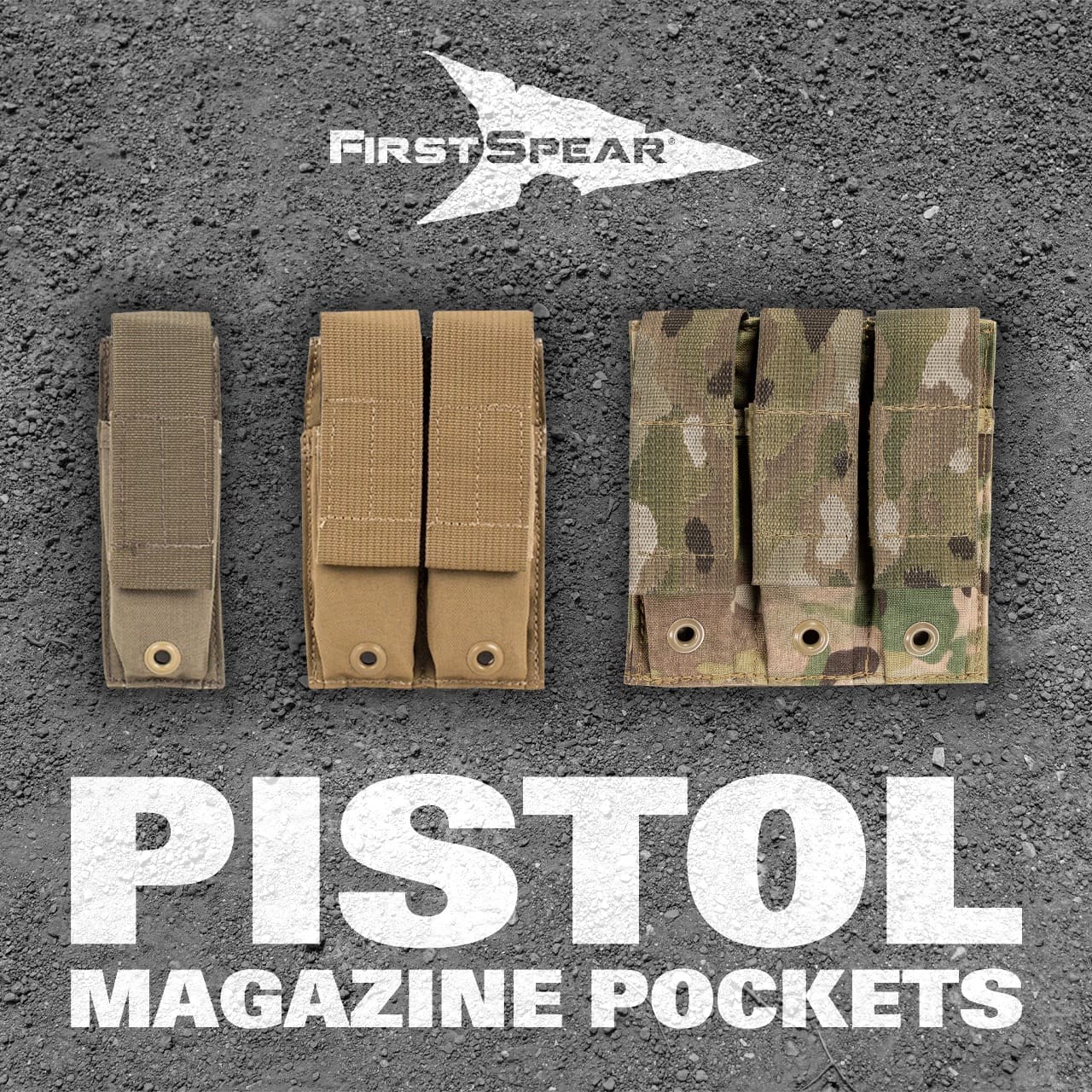
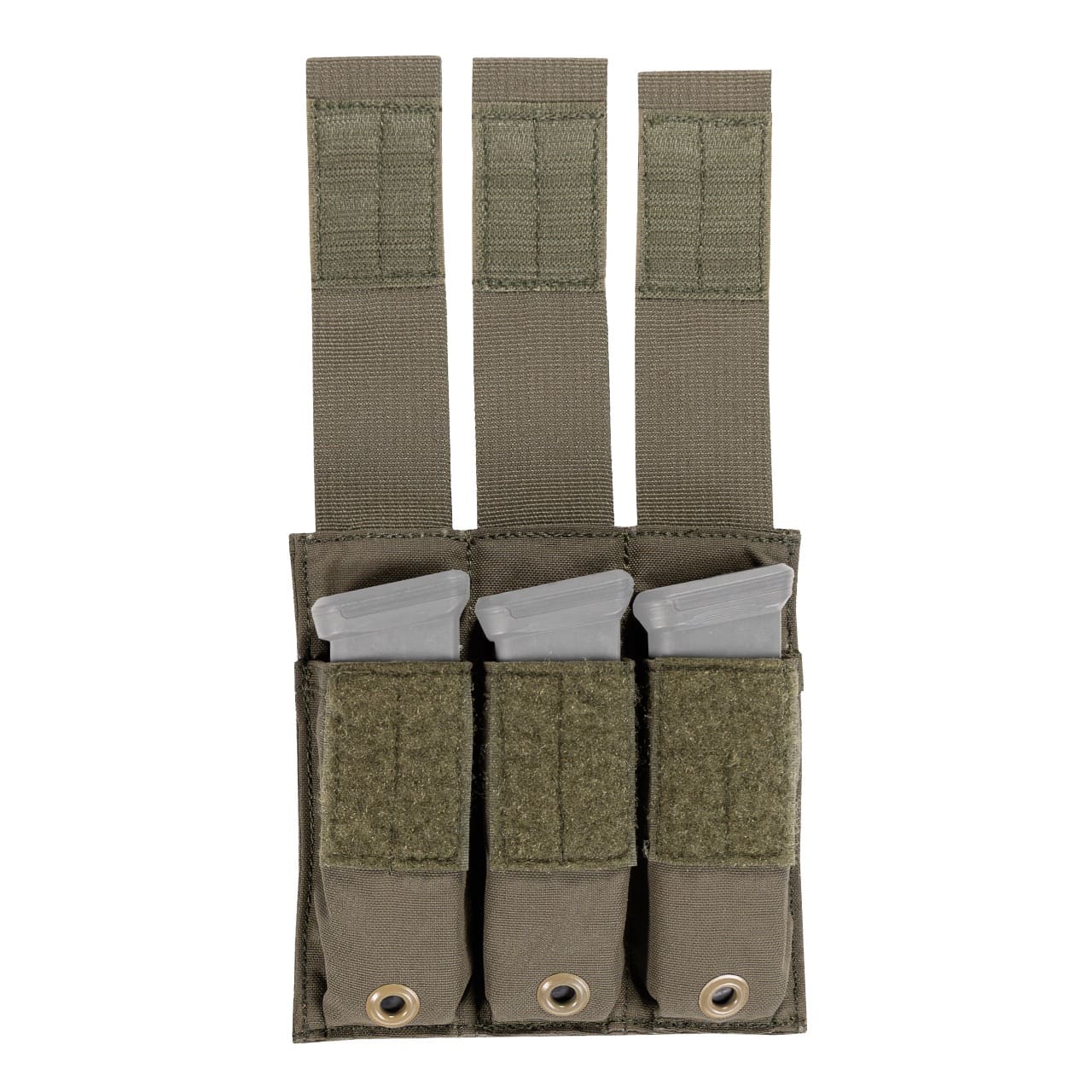
The FirstSpear Pistol Magazine Pockets delivers a secure and mission-ready solution for carrying spare pistol magazines in operational environments. Available in Single, Double, and Triple configurations, the system allows operators to scale their loadout based on mission profile and ammunition requirements. Each variant is purpose-built to carry one, two, or three pistol magazines, providing flexible capacity while maintaining a streamlined footprint on the kit.

Designed for broad compatibility, the pockets accommodate most single- and double-stack pistol magazines commonly fielded by military and law enforcement personnel. This includes 7- and 8-round 1911-style magazines, as well as double-column 9mm magazines used with platforms such as the Glock 17/19, SIG P226, and Beretta M9. The design ensures reliable retention while maintaining rapid accessibility when the situation demands it.

Each pouch utilizes a hook-and-loop closure system to keep magazines protected and secure during movement, vehicle operations, and dynamic environments. The closure design also allows operators to quickly access magazines when speed matters most.

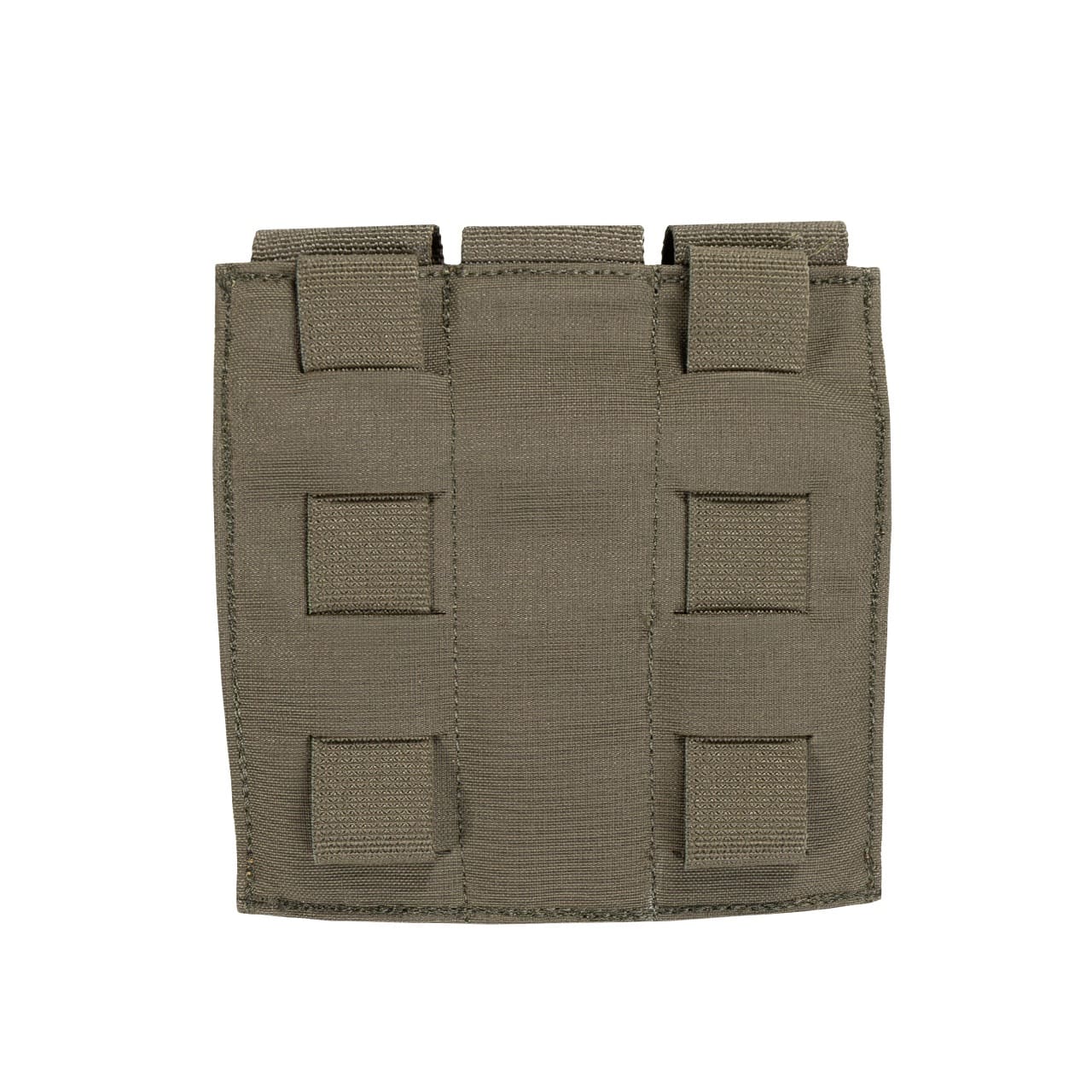
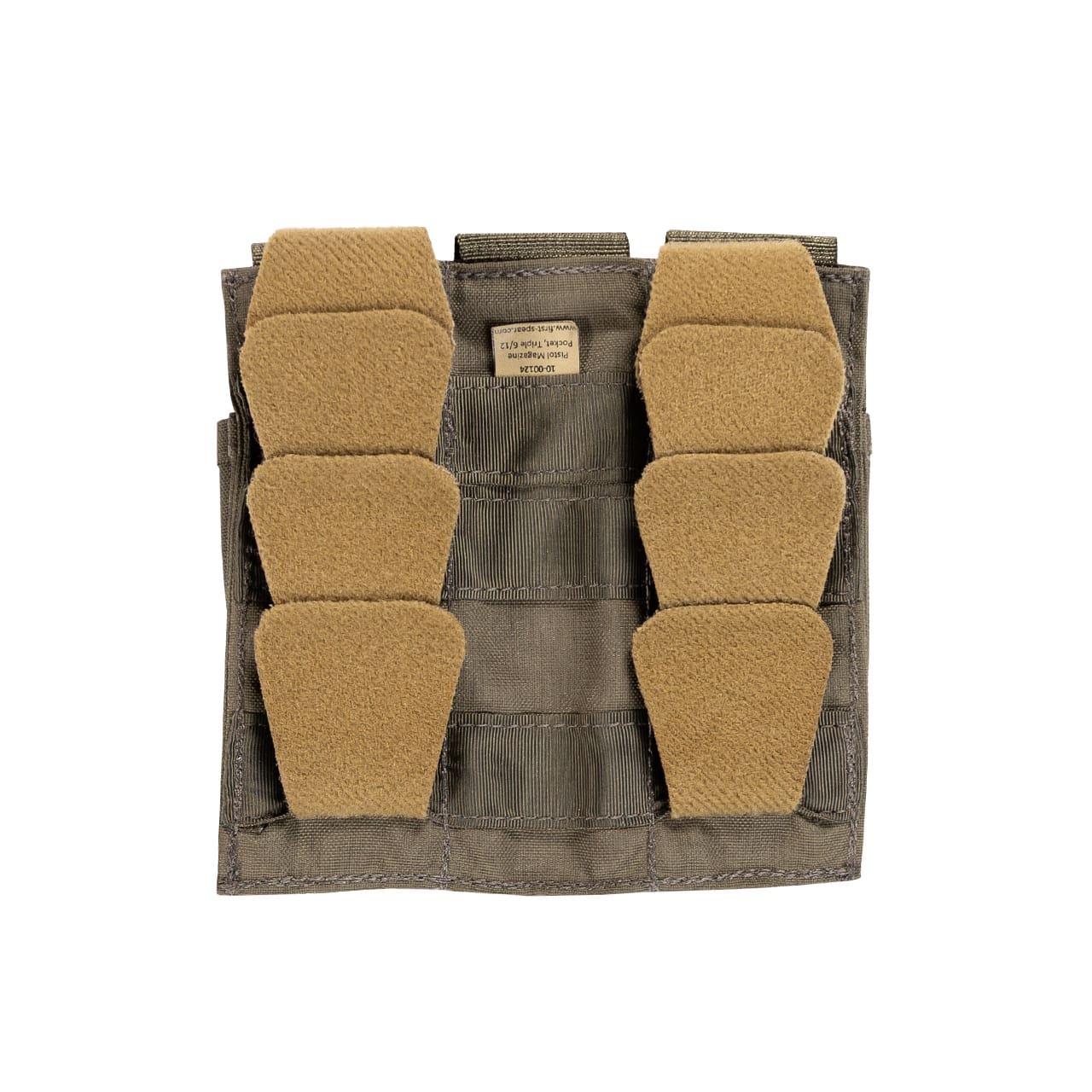
For integration across a wide range of load-bearing platforms, FirstSpear Pistol Magazine Pockets are available with FirstSpear’s 6/9™ and 6/12™ attachment style options. This allows the pouches to mount cleanly to plate carriers, chest rigs, and other modular systems while maintaining stability and minimizing bulk. Whether supporting a low-profile setup or a higher-capacity combat load, the FirstSpear Pistol Magazine Pockets provide a dependable, adaptable solution for carrying critical sidearm ammunition in the field.

To request an estimate click image above or visit First-Spear.com/Request-For-Estimate. FirstSpear is the premier source for cutting-edge tactical gear for military, law enforcement and those who train. For more information visit First-Spear.com.

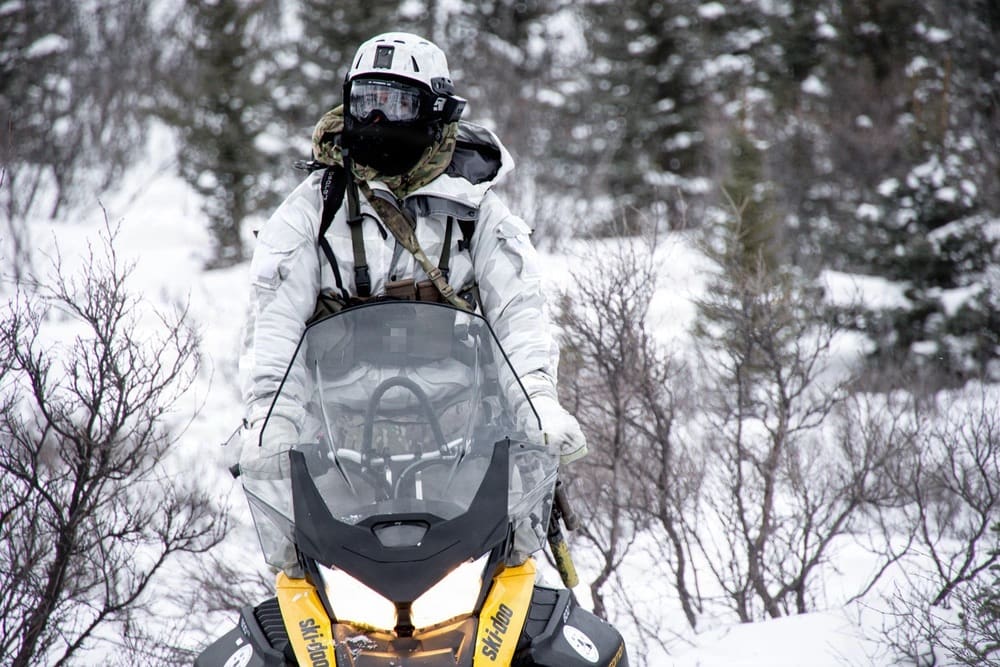
Special Forces Sharpen Skills, Integrate Technology in Arctic Training

March 6th, 2026

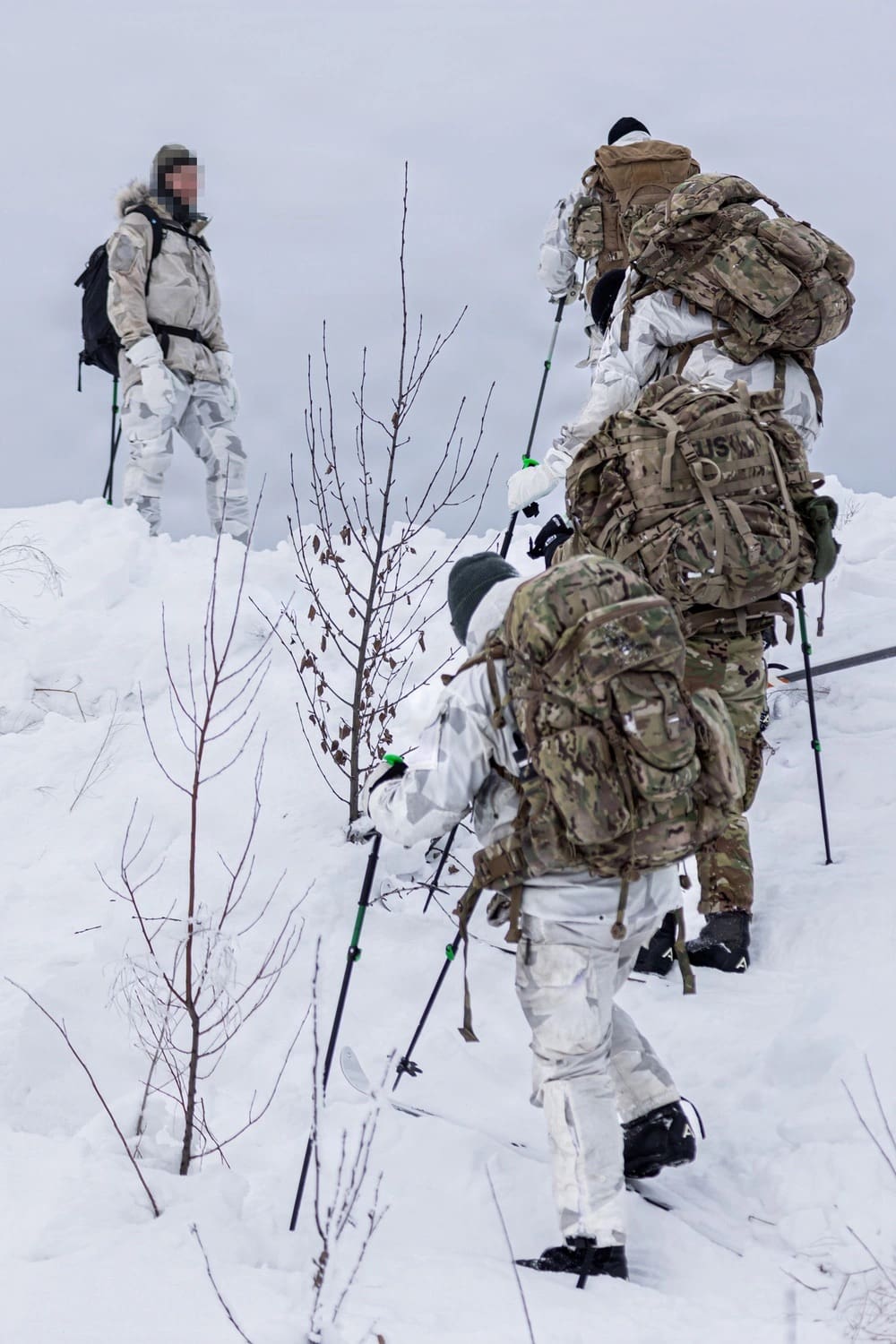
FORT WAINWRIGHT, Ak. – Across the freezing subarctic region, Green Berets immersed themselves in some of the most physically and mentally taxing cold weather training for the Joint Pacific Multinational Training Center (JPMRC) 26-02 rotation across multiple training areas in central and southern Alaska.

Green Berets and enablers assigned to 3rd Battalion, 10th Special Forces Group (Airborne) pushed their bodies to the limit and used their unique set of skills to enhance the effectiveness of 11th Airborne Division in a simulated large-scale combat operation from Feb. 11-20, 2026.

Several small teams of operators leveraged reconnaissance and disruption of adversary technology to ultimately give the Joint Force Commander a decisive advantage in fires and maneuver across the battlespace.

“We’ve got our place [in large-scale combat operations] and it is using tactical actions with our specialized signals intelligence and electronic warfare analysts to achieve strategic results,” said Maj. Scott Ratzer, the 3rd Battalion Alpha company commander. “This gives us a chance to identify important [enemy] targets on the Division’s high-priority target list and disrupt [enemy] command and control, sustainment and logistics.”

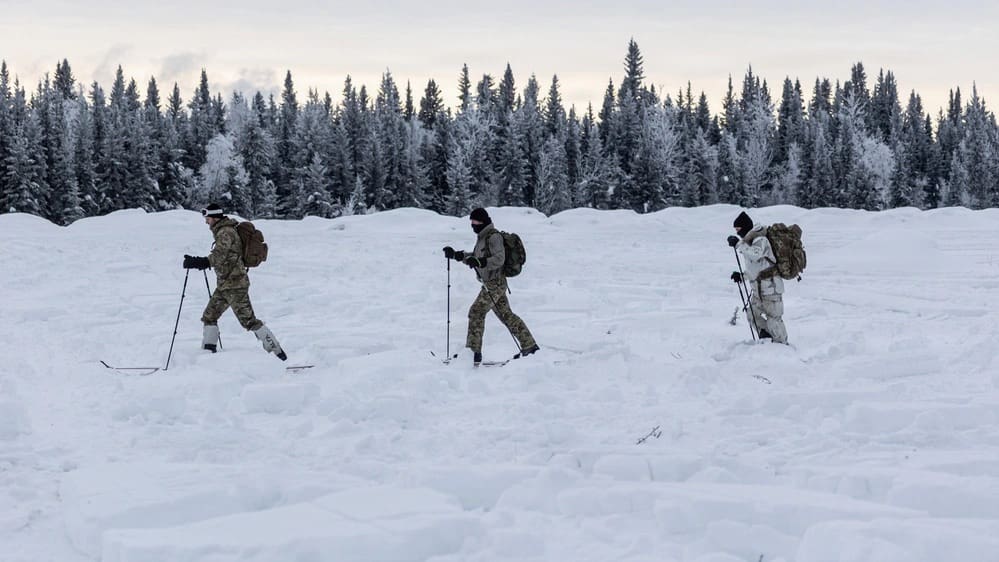
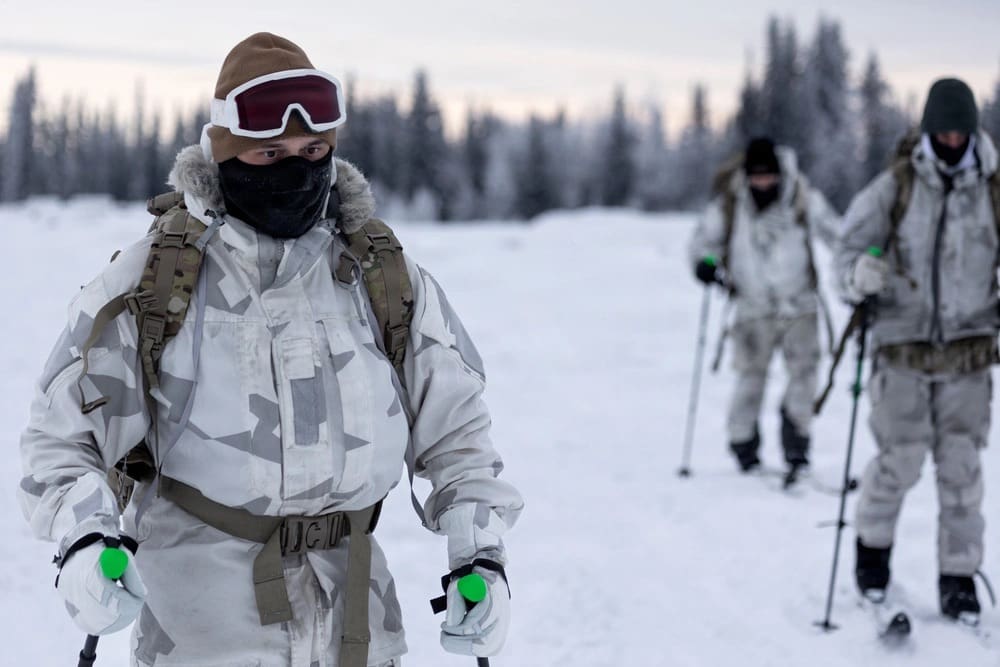
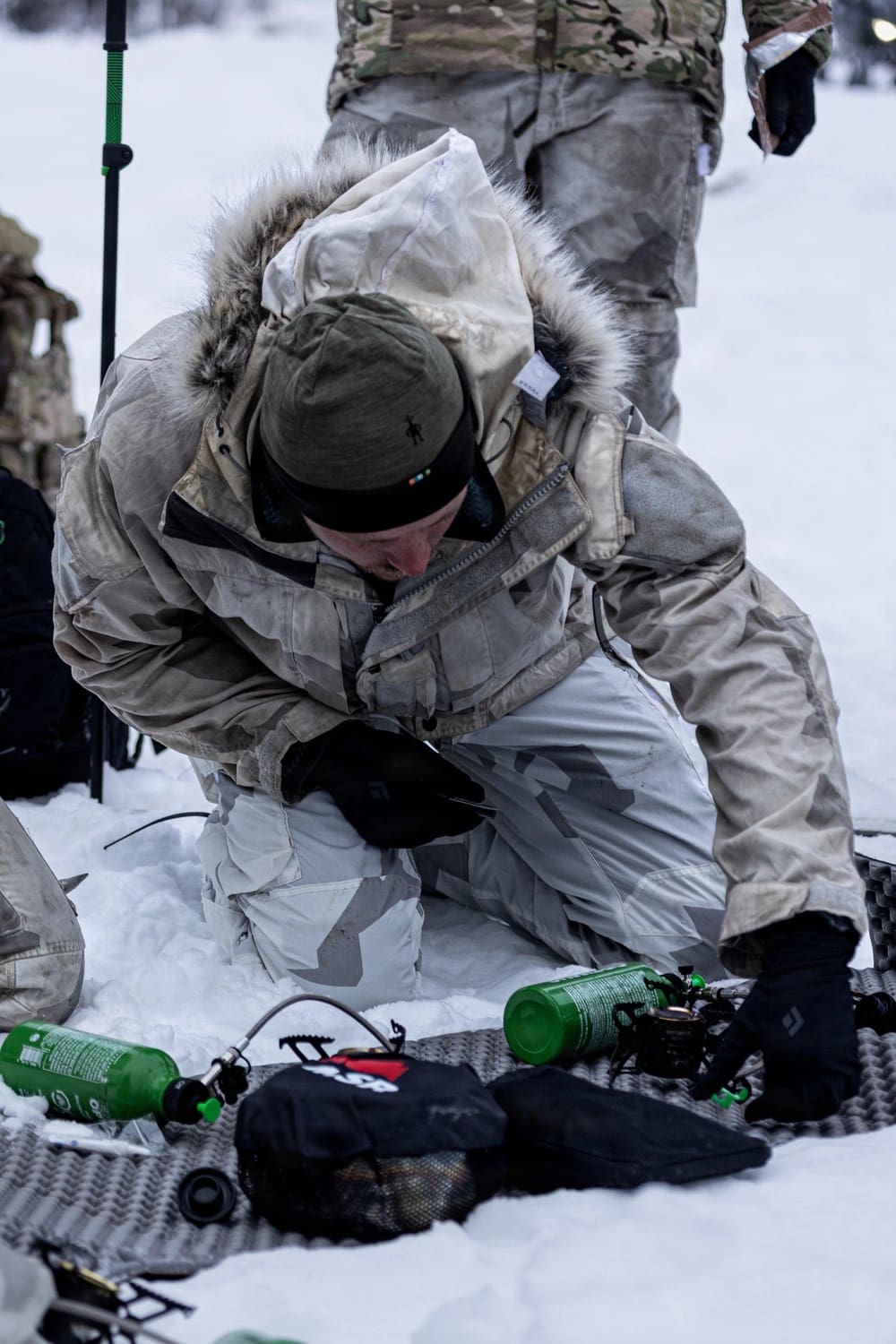
Prior to entering the JPMRC training area, multiple Special Forces Operational Detachment–Alphas (SFOD-A) and support personnel conducted 14 days of focused cold weather training in Alaska to refine fundamental survival skills required to operate in Arctic conditions.

The teams rehearsed small-unit movement over snow-covered and restrictive terrain, cold weather sustainment to include meal preparation, communications in extreme temperatures, and long-duration dismounted operations. The training reinforced the technical discipline required to maintain combat power when equipment, batteries, and even basic tasks become more complex in sub-zero environments.

“Having two weeks of solid cold-weather training prior to going into the box helped us and other teams really prepare for the subfreezing temperatures that we were going to face in the box,” said a Special Forces Team Sergeant, the senior NCO on an ODA. “When guys are exposed to this environment [like Alaska], they stop doing the simple things – changing socks, drinking water, and eating. These mistakes can begin to snowball if not taken seriously.”

Building on that foundation, the ODAs integrated emerging technologies to extend their reach well beyond line-of-sight contact. The 3rd Battalion’s premiere military free fall (MFF) team practiced a high-altitude high opening jump to field test cold-weather equipment, communications gear, and layered clothing configurations in a true Arctic environment prior to entering the training area.



By executing the infiltration under realistic conditions, the ODA identified equipment limitations, refined load plans, and confirmed that critical systems would function upon landing.

“If we can prove we’re able to execute an MFF jump in Arctic conditions, that’s just one more option the commander has in his back pocket,” said a Special Forces Detachment Commander. “Weather and terrain up here can limit how you move forces, so testing our gear and our procedures in this environment gives higher headquarters the flexibility to insert a team where and when it makes sense.”

This training underscores the Army’s focus on building agile, lethal formations capable of projecting combat power in any climate and against any adversary. Adaptability is a key component in building lethality and first-person view (FPV) drones assist 10th SFG(A) signals intelligence Soldiers in collecting critical information to hand off to 11th Airborne Division for rocket and missile support.

“FPV drones give us a fast, low-signature way to confirm what we’re seeing on the ground and tighten up our target picture,” said a signals intelligence Soldier. “Instead of relying solely on reports or larger platforms, we can push a drone forward, get eyes on the objective in real time, and provide accurate information to the commander. That speed and precision makes a big difference when it comes to reconnaissance and confirming prior intel.”

As the rotation wrapped up, Green Berets from 3rd Battalion, 10th Special Forces Group (Airborne) returned from Alaska having honed their cold-weather skills and tested their equipment in extreme conditions. From survival basics to using FPV drones for real-time reconnaissance, they showed the Army’s focus on adaptability, precision, and readiness. The training ensures commanders have the tools and information needed to gain an edge on any battlefield.

The Joint Pacific Multinational Readiness Center (JPMRC) is the U.S. Army’s premier Combat Training Center (CTC) in the Indo-Pacific region. Established as a “home-station” and exportable capability, it allows units to train in their own regional environments—such as jungles, archipelagos, and extreme cold—rather than traveling to conventional training centers in the continental United States.

Story by SGT David Cordova, 10th Special Forces Group (Airborne)