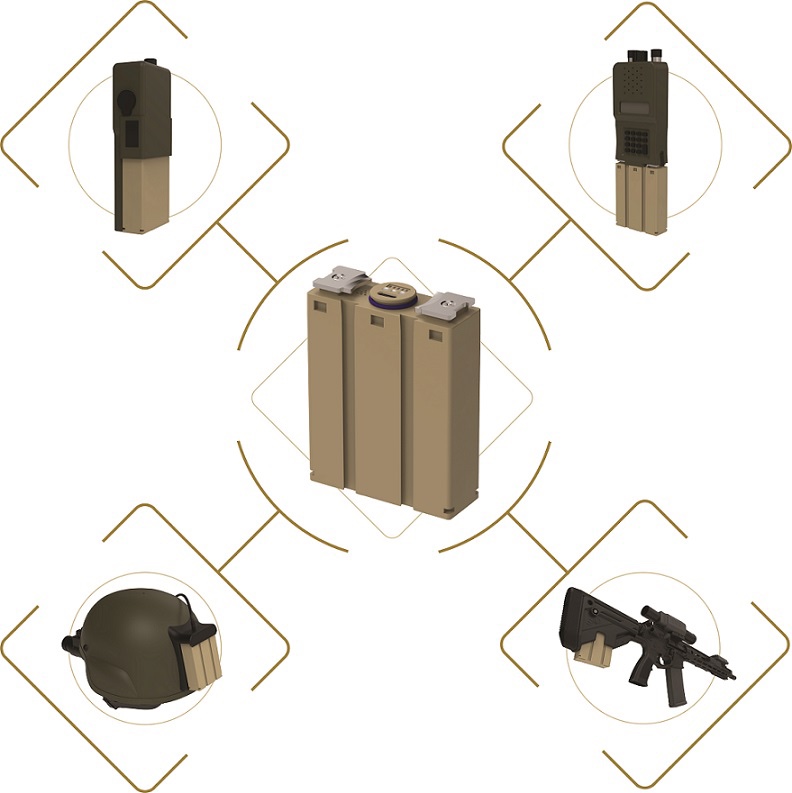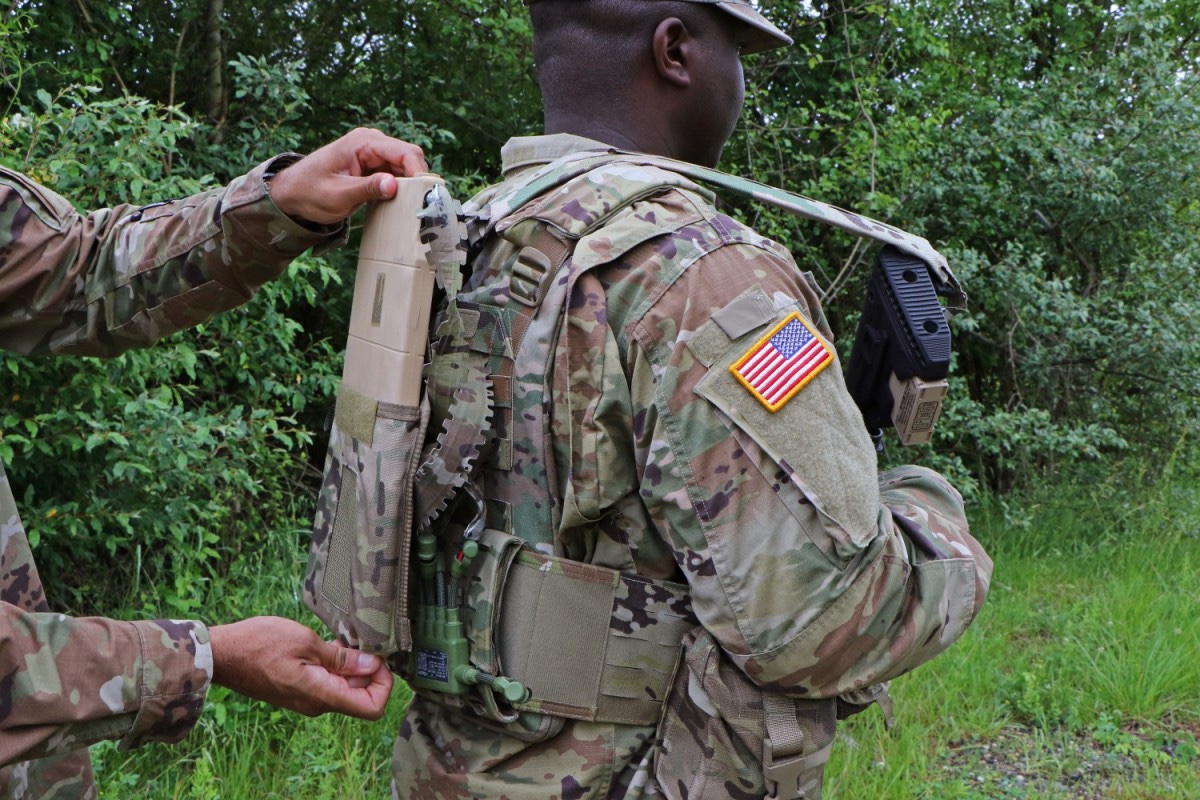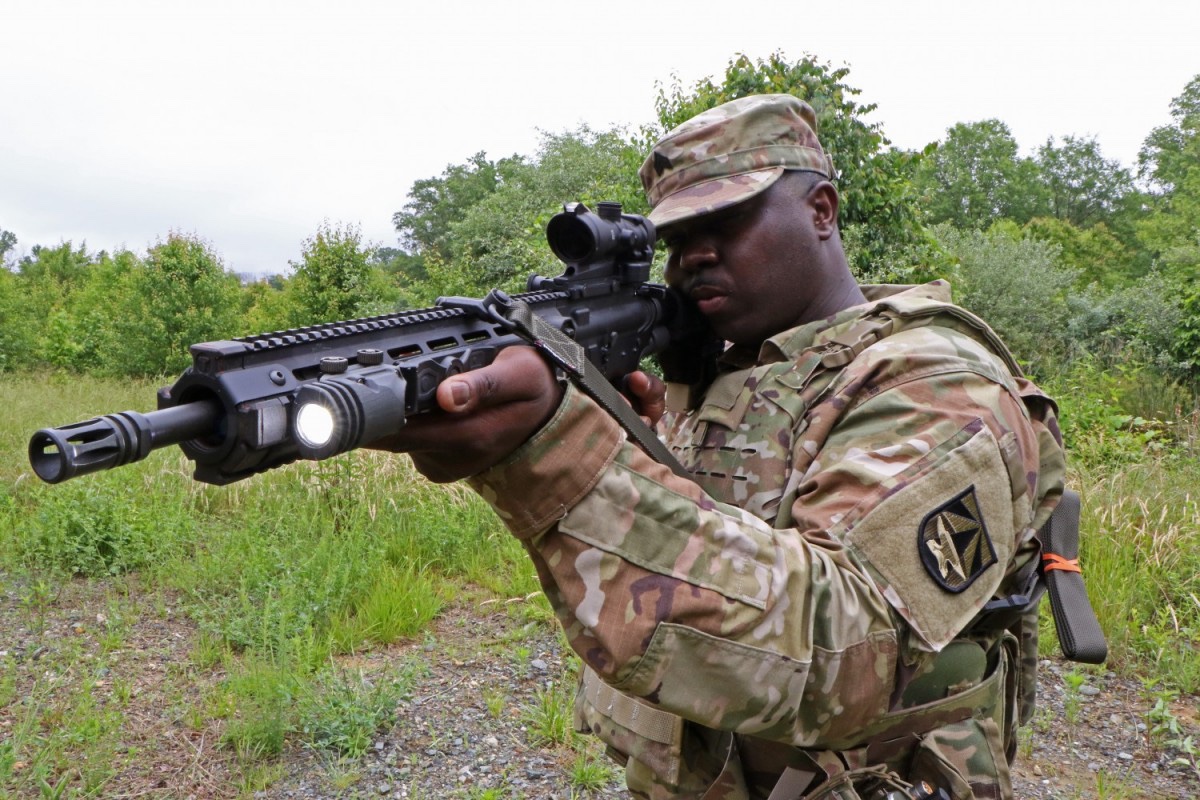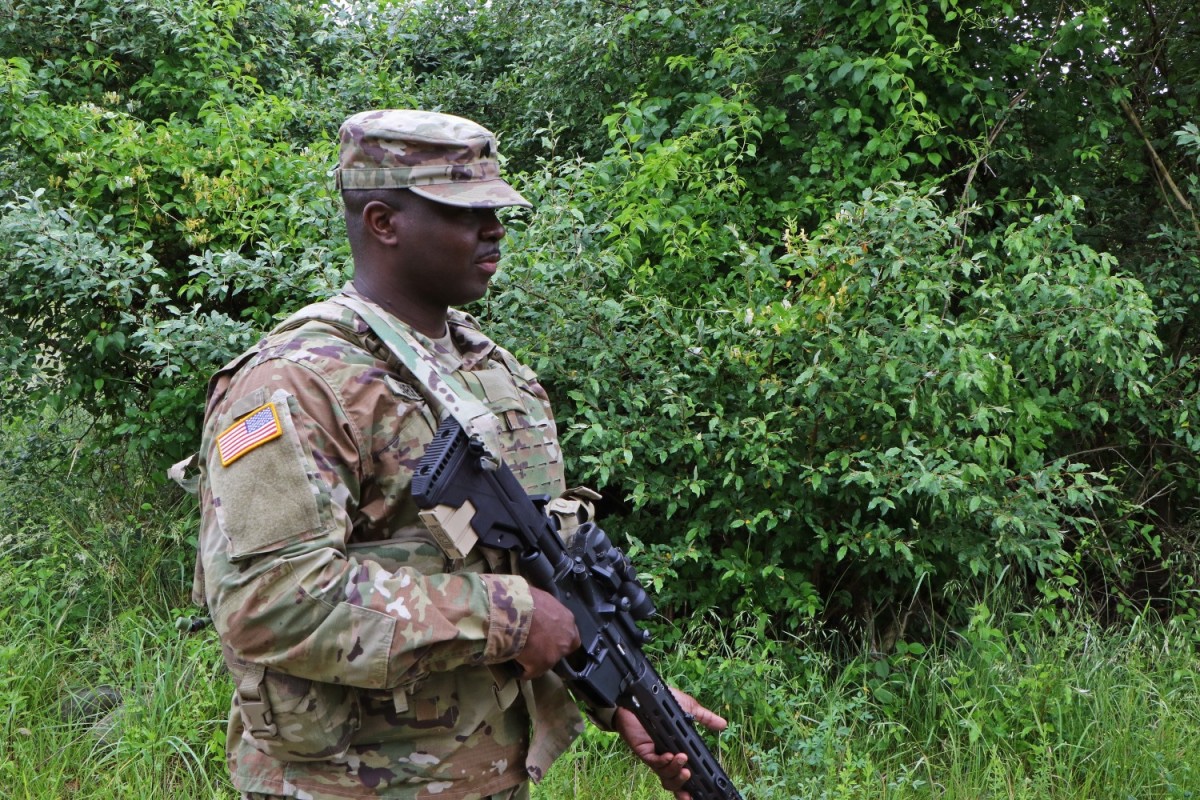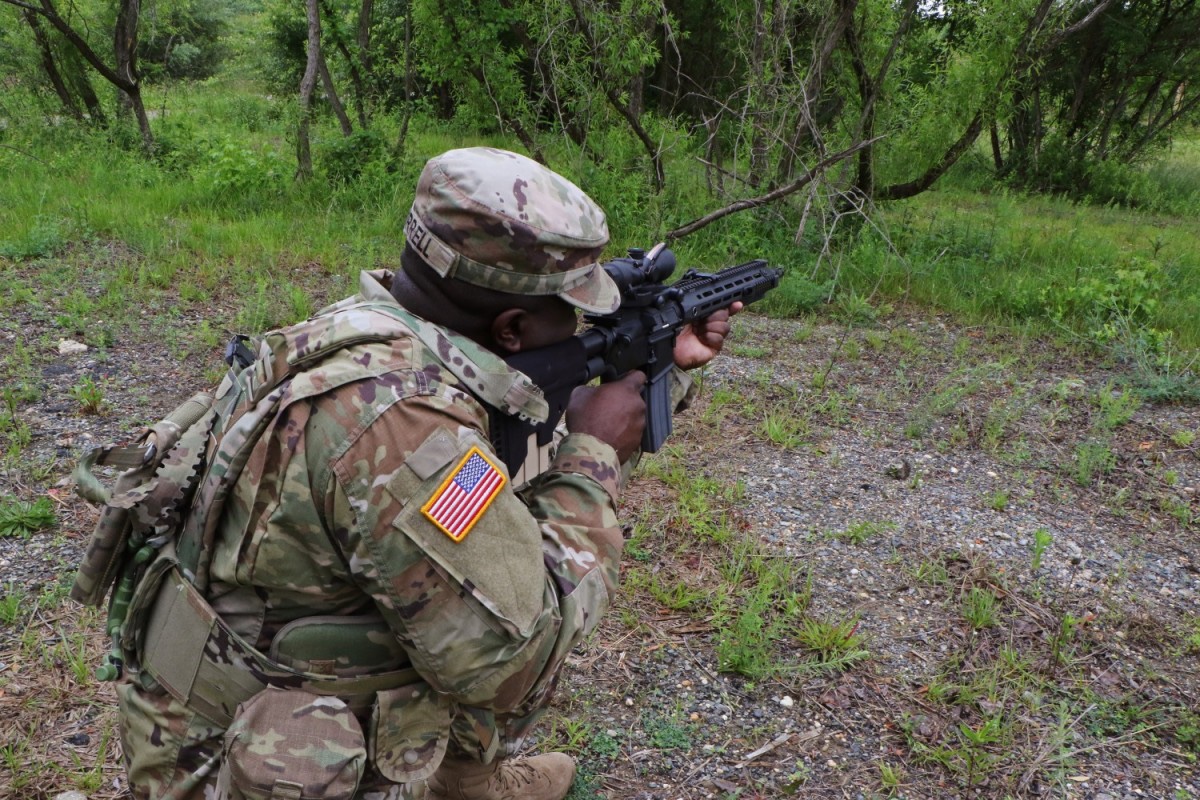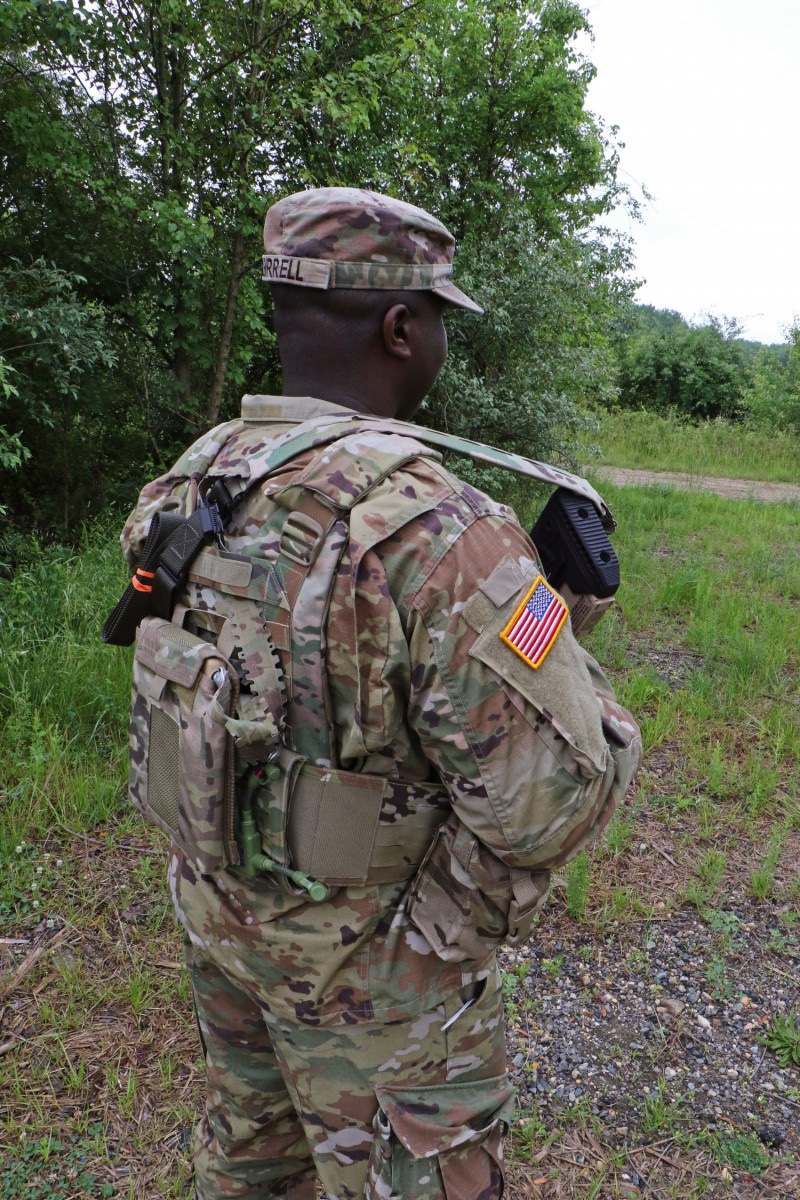
XC3 Weaponlight

SCUBAPRO Sunday – Air2 vs Octopus Regulator

July 11th, 2021

You learned to practice specific skills when you first started diving. One of the main reasons you learn skills like buddy breathing, clearing your mask, and other drills like this are designed to help you relaxed in and under the water. Buoyancy management was one of those skills. When you start diving, you continuously use your buoyancy control system during the dive. Most people begin by being a lot heavier than they need to be and control themselves by adding or dumping air, so you use those controls a lot. You also practice buddy breathing, but again most of the time, it is just to help you relax. But you need to make sure you practice your skill a lot, so you know what to do when you need it. There are two basic ways to share your spare air sources—the octopus or alternative air supply system. In an out-of-air scenario, responding appropriately will make the difference between a successful dive or a disaster. So, having an alternate air source as part of your regulator system is mandatory. Most divers (hopefully) will never have to use their secondary air system. Even if you never have to use it, it will always be an essential part of your gear if you ever run into a situation where your buddy runs low on or out of gas or you have a malfunction on your primary Regulator.  If this ever happens to you, you will be thankful to have a well-working alternate air source.

You have a couple of choices regarding which type of alternate air source you can have. There are two basic types. The octopus or octo is the common term used to describe your secondary air source regulator. It is a second regulator that you carry and is usually yellow, with a yellow-colored hose to make it stand out in an emergency. Usually, it is tucked away on your right side, ready for emergency use.

The next choice is the SCUBAPRO AIRs2 that stands for Alternate Inflator Regulators. In 1979 SCUBAPRO created an integrating second stage regulator and a balanced inflator in the same compact housing, and the AIR2 was born. In 2006 they introduced a restyled fourth-generation AIR2 which is more streamlined, modern, ergonomic, and overall lighter than previous generations. AIR2 is more than a simple inflator. Its components design takes advantage of the best regulator technology to guarantee maximum efficiency and reliability. As an inflator, AIR2 provides perfect pressure control for excellent buoyancy management. The ergonomic shape makes it easy to handle in any circumstances, and it can be emptied by simply pressing the exhaust button. Its air-balanced power inflator provides smooth and reliable inflation at all tank pressures.

They are essentially octopus second stages built into the inflator mechanism of your BCD. You will need a BCD inflator, and when upgraded to the AIRs, it does not add much weight. There is no need for an additional hose as the one feeding your BCD inflators supplies the Regulator within the AIR. Usually, when someone is out of air, you will always give them the Regulator directly from your mouth. There are a couple of reasons for this; the main one is that the person asking for air is already in a panic-type situation. So, handing them a regulator you know works (because you were breathing on it) will help calm them down. If you reached for your secondary and handing them that, and it doesn’t work, or there might be seaweed or something living in it because you are underwater, that might freak them out more.

The 5th generation of the Air 2 by SCUBAPRO is a second-stage regulator and balanced inflator in a single, compact housing. The Air 2 – 5th Generation builds upon an already superior product. The Air 2’s air-balanced power inflator valve means you’ll have a steady stream of air, regardless of the pressure in your tank. The Air 2 has a fixed Venturi Initiated Vacuum Assist (VIVA) Flow Vane for safe and uncomplicated use now has a dive/pre-dive switch. This switch allows the regulator mechanism to be set more like that of a standard second-stage regulator. The Air 2 – 5th Generation breathes like a dream, rivaling some primary second-stage models.

The Air 2 provides a one-hand operation for intuitive and straightforward operation. The self-flushing mechanism requires just one push-on-the-purge to clear away all dirt or to purge water. The regulator mechanism is a simple yet reliable classic downstream demand valve. Air 2 is equipped with a larger hi-comfort ergonomic mouthpiece, soft second stage cover, and one-button purge function. The Regulator’s pre-tuned system is housed in precision-molded carbon fiber and the techno-polymer case for strength and durability.

The SCUBAPRO Second Stage Octopus features a classic downstream valve technology, well known for its safety and reliability. Its simple and robust construction offers the utmost reliability. Thanks to its reversible hose attachment, it makes the R095 the ideal second stage for new divers and a perfect choice for deco tanks. It is Pre-tuned for safe and uncomplicated use, and the downstream valve opens in the same direction as the incoming airflow. To close the valve and stop the airflow, a spring counteracts the force of the incoming air. Therefore, a specific inhalation effort is always required to overcome the spring tension and open the valve.

So, what is better, the Octo or the Air2? Well, honestly, it depends on the person. I like the Air2 as it makes it easier to have it all in one. It is easier for me to grab it right there on my left as I hand my primer off with my right hand. Some people say that an incorporated octo/inflator can add uncertainty to your dive buddies in an out-of-air situation. Others say that a panicking diver is more likely to catch your primary Regulator anyway, so it is better to have the integrated inflator/octo, which is still near at hand. You should address emergency protocols before any dive, including what kind of alternative air you bring. You have to practice this to know how to use it and be more comfortable in the water, which will help you know panic. Remember, that’s why you practice this stuff; it doesn’t matter which one you use; what matters is practice, practice, practice, that will make the difference between life and death. Either way, make sure you talk to whomever you are diving with and make sure you know what gear they have, and they know what you have.

LiteFighter 1 Shelter

July 11th, 2021

This LiteFighter 1 shelter is owned by IG user @50_oyaji_desu What a cozy camp he has set up.

LiteFighter 1 available online through their website, GSA, or via NSN 8340-01-628-8855.

Proudly made in the USA; for soldiers, by soldiers.

Australian Army Direct Fire Support Weapon NCO Course Students Put New M4 Carl Gustaf to the Test

July 11th, 2021

Army Headquarters staff had to shout over the burst of 7.62mm rounds coming from the adjacent range as they briefed the group of junior NCOs gathered to evaluate and qualify on the new 84mm M4 Carl Gustaf multi-role weapon system.

The students in the Direct Fire Support Weapon (DFSW) NCO course, held at the School of Infantry, were among the first to fire the shorter and lighter revamped recoilless rifle, the fourth iteration of a design that dates back to the 1940s.

The cadre of acquisition staff from Canberra visited Singleton to collect feedback after the course of 18 students had fired sub-calibre and high-explosive rounds, with the evaluations to be used to inform the rollout of 600 M4 units over the next five years.

Initial impressions of the weapon were positive, according to Lance Corporal Benjamin Wright, a 2IC in the 8th/9th Battalion, Royal Australian Regiment’s, DFSW Platoon.

“The safety catch has changed; it’s now a push-through instead of a slide,” he said.

“It’s a bit easier to get at with your thumb, easier to hit with gloves and when you’re under a bit of stress.”

Another new addition is the make-safe capability.

This locks the cocking lever from moving forward, allowing soldiers to move with the weapon at the action condition.

The make-safe condition will be added to unit standard operating procedures, according to Lance Corporal Wright.

“It will give us the ability for quicker engagements,” he said. 

“If we’re doing a tank stalk, we can load one round into the 84mm, and the number two can still have his three rounds on his back.”

Other differences include the weight and length of the weapon.

The M4 is 2.6kg lighter and 6.6cm shorter than the current M3. There is also the option to fit a fire-control system to improve accuracy.

By Private Jacob Joseph, Australian Army

A&A Tactical – Headset Re-build Kit for MSA Sordin Supreme Pro & TCI Liberator

July 10th, 2021

A&A Tactical offers a Behind the Head style Headset 3-Piece Rebuild Kit.

It comes in your choice of the various colors/patterns available:

– Multicam 
– Multicam Black 
– Multicam Arid
– Multicam Alpine
– Multicam Tropic
– Mil-Spec Khaki (similar to Eagle’s MJK)
– AOR1 
– AOR2 
– M81 Woodland 
– Ranger Green 
– Black 
– Coyote Brown 
– Wolf Grey 
– Crocodile Grey (similar to MAS Grey and is a mix of Ranger Green and Charcoal Grey)
– Blue Grey 
– Pink
– CADPAT TW 
– Kryptek Typhon 
– Kryptek Mandrake 
– Kryptek Highlander 
– Tiger Stripe
– Desert Tiger Stripe

www.aandatactical.com/collections/tactical-nylon/products/a-a-tactical-llc-dephc-bth-headset-re-build-kit-for-msa-sordin-supreme-pro-tci-liberator

TacHacker – Helmet Assault Ghillie

July 10th, 2021

TNVC’s Augee Kim recently shared his Helmet Assault Ghillie DIY project on social media. Here it is, in case you missed it.

Recent little project of mine that I’m calling the “Helmet Assault Ghillie,” or “HAG.”

Inspired by WWII-era “net” helmet covers, I wanted a quick and easy way to attach and remove camouflage scrim to a helmet, while still retaining full functionality of critical components like the helmet rails/rail-mounted accessories, Core Survival Hel-Star 6 IFF strobes, external power connectors, retention systems, etc.

The base is a 550 cord net secured to the helmet using shock cord and clipped on to the helmet clips included with the Ops-Core Step-In Visor (the kit actually includes all the needed clips—two long ones for Super High Cut configuration rails as well as two short ones for High Cut/XP configuration rails, I just installed both), to which I used jute twine to tie on manufactured camouflage net as well as cut strips of Multicam mesh material, but you could also tie or tuck any foliage, burlap, or other material to it as well.

The final product gives me full function (including being able to change batteries in the external battery pack by unhooking the back of the HAG) of all my helmet-mounted systems, while, in my opinion, effectively breaking up the outline of the helmet and providing effective (and matching—tacti-fashion is important too) additional camouflage that is non-permanent, and quick and easy to attach and remove.

Air Force Security Forces Center Assessment Tool Improves Health, Readiness of Military Working Dogs

July 10th, 2021

JOINT BASE SAN ANTONIO-LACKLAND, Texas (AFNS) —

Recent renovations to kennel facilities at the 1st Special Operations Security Forces Squadron are enhancing the living conditions and wellbeing of military working dogs at Hurlburt Field, Florida.

The upgrades are a result of Kennel Health Assessment 2.0, Air Force Security Forces Center’s web-based evaluation system that tracks and evaluates the condition of military working dog kennel facilities across the Air Force. AFSFC, a primary subordinate unit of the Air Force Installation and Mission Support Center, launched the program in July 2020 with the goal of improving the health and welfare of military working dogs by modernizing existing facilities that house MWDs throughout their military enlistment.

“KHA 2.0 software analyzes four major areas: administrative offices, kennel facilities, support areas and veterinary support,” said Tech. Sgt. Otho Nugent, Air Force MWD program manager and special projects lead at AFSFC.

Taking into account more than 40 other criteria, “… the results are used to categorize, prioritize and advocate for facility renovations and enhancements to the more than $116 million in Air Force military working dog assets,” Nugent said.

The data is shared with senior leaders and key decision makers who then make informed decisions on funding initiatives and projects related to MWD health and readiness.

The $650,000 renovation at Hurlburt Field, which included an overhang and the installation of canine turf, had an immediate positive impact on readiness.

“These alone led to much needed improvements that provide a safer environment for the working dogs and directly enhance our training program,” said Staff Sgt. Matthew Mascolo, MWD trainer and interim kennel master at the 1st SOSFS. “The overhang shelters the working dogs from the Florida heat, and the K9Grass that was installed on the training yard helps protect them from danger.

“The training course was bare dirt before the turf was installed,” Mascolo said. “The area attracted animals and insects that would find their way to the kennels. That posed a threat to the health and welfare of our working dogs.

“Max, one of the MWDs, was bitten by a brown recluse in June of 2019,” he said. “I found him but by that time his leg was swollen. We took him to the veterinary clinic at Fort Benning (Georgia), but the vet gave him little chance of surviving. Thankfully, Max recovered after a few months and was able to continue working as a vital member of the 1st Special Operations Security Forces unit.”

“Hurlburt Field is one example of how KHA 2.0 is at the heart of readiness,” Nugent said. “We see military working dogs as sensitive, low density-high demand, valuable assets that require training, love and attention to operate at optimum levels. Their ability to perform what they have been tasked and trained to do is at the heart of readiness. It’s our job to deliver what’s needed for our canines and skilled handlers to perform at this extraordinary level.”

Story by Joe Bela, Air Force Installation and Mission Support Center Public Affairs

Photos by A1C Amanda A. Flower-Raschella

UVision Showcases Advanced Anti-Armor Capabilities of its Hero-120 and Hero-400EC Loitering Munition Systems

July 9th, 2021

DEFEA 2021, Athens, Greece. July 13-15. Hall 3, booth G13

Tel Aviv, July 8, 2021. Uvision Air Ltd. – a global leader in Loitering Munitions Systems of all sizes for a variety of missions – will present its Hero-120 and Hero-400EC Loitering Munition systems with anti-tank capability, providing an all-inclusive solution for countering MBTs (main battle tanks). Hero Loitering Munition systems provide an accurate, effective, and highly lethal response to hard targets, and are able to locate hidden targets, track them and attack at significantly longer ranges than commonly available anti-tank guided missiles (ATGM).

As members of the HERO series of loitering munition systems, both the Hero-120 and Hero-400EC can carry multi-purpose warheads for extended lethality against a wide range of targets, as well as having unique attack capabilities from any direction and angle, including top attack. With long-endurance and low acoustic, visual and thermal signature, the systems can locate, track and strike static and moving targets with pinpoint accuracy. The ability to launch Loitering Munitions from a remote-controlled multi-canister launcher provides effective deployment of the Hero systems from a variety of platforms – air, land and sea – away from enemy lines.  

“Uvision develops and delivers the most advanced & innovative Loitering Munition systems today,” says Major General (Ret.) Avi Mizrachi, CEO of Uvision.  We are happy to participate in DEFEA for the first time, as part of our mission to strengthen our presence within the clients in the region. We anticipate that this exhibition will pave the way for new collaborations in the area.”

At DEFEA, Uvision will feature the following systems (Hall 3 booth G13):

Hero-30 Loitering Munition System- developed and manufactured by Uvision, the Hero-30 incorporates a high level of precision attack and abort capabilities. This simple-to-operate system enable front-line forces to initiate operations, as well as to respond to any enemy target or threat that arises, and eliminate it with extreme accuracy.  The Hero-30’s advanced capabilities include striking targets with high tracking precision and lock-on, a last-second-mission-abort, and re-engagement for a second attack attempt or change of target. Its versatile installment configurations (man-packed, vehicle mounted or stationary) make it ideally suited to a diverse range of operational scenarios. 

Hero-120 Loitering Munition System – a mid-range, anti-armor loitering munition system which meets the complex requirements of the modern battlefield.  Hero-120 is a high-precision smart loitering munition system with a unique aerodynamic structure that carries out pinpoint strikes against anti-armor, anti-material and anti-personnel targets, including tanks, vehicles, concrete fortifications, and other soft targets in populated urban areas. The Hero-120’s high-precision capability ensures minimal collateral damage. Its wide range of multi-purpose warheads enables the operational user to  effectively engage all targets.

Hero-400EC Loitering Munition System – a long-range, high-precision loitering munition system with a low acoustic, visual and thermal signature that can locate, track and strike static and moving targets with high accuracy, and minimal collateral damage. Precision strike capabilities, extended endurance of up to two hours, and a multi-purpose warhead ? including concrete piercing, anti-tank, and anti-personnel that handle different types of targets with exceptional accuracy ? enable long-range and versatile missions. Due to its exceptional maneuverability, the Hero-400EC provides an advanced mid-air abort capability that enables automatic re-entry into loitering mode, re-engagement, or return to the recovery area using a parachute.

Hero Training and Simulation System – realistic virtual training for the Hero series of Loitering Munitions. With three configurations – classroom, portable and embedded in the operational control unit – presents a comprehensive solution for Hero operators, enabling a higher level of training flexibility. The classroom configuration provides a robust simulation solution with a rich and versatile scenario generator for multiple trainees. The portable and embedded field simulator configurations give Hero operators continuous hands-on training, at various levels, during deployments, maintaining the highest level of operational proficiency and readiness – anytime, anywhere.

www.uvisionuav.com

ASA x SOC-F Freedom Raffle

July 9th, 2021

The American Suppressor Association and Special Operations Care Fund have teamed up to present an amazing raffle featuring 10 prize packages valued at over $60,000 combined!

However, in my opinion, one item alone makes the rest of the prizes seem mundane. It’s a once-in-a-lifetime opportunity to get a skateboard deck which was signed by every SOF Veteran who attended this year’s SOC-F Sporting Clays event.

Normally, these types of items are auctioned off for thousands of Dollars rather than included as prizes in raffles like this one. This time, you don’t have to be a rich guy with a fat roll of hundies in your pocket to take it home. The only advantage you have to win it (and the other prizes) is to buy more chances at the raffle. And even if you don’t win, you’re donating to two great nonprofit causes: helping America’s warriors and their families in times of need and preserving our civil right to own and use suppressors as part of the second amendment to the constitution.

Go check out the website for the rules and a look at all 10 prize packs.

Get your tickets here. The more you buy, the less expensive each ticket is.