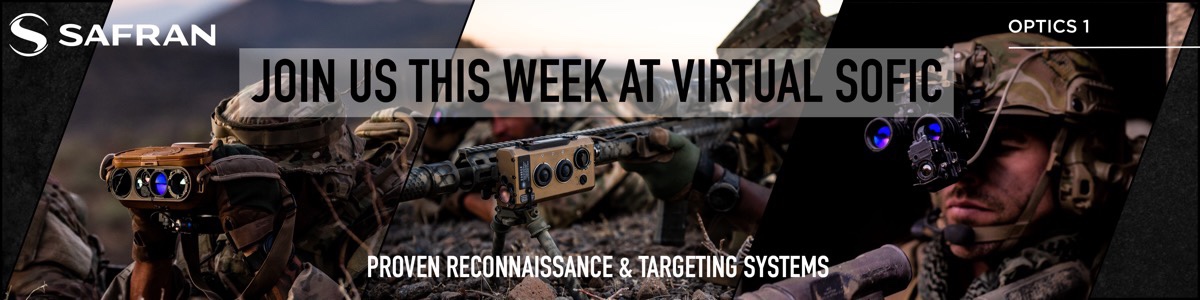
Be sure to visit Safran Optics 1 during this week’s vSOFIC. Their booth is located here.


Admittedly, the Woodland camouflage caught my eye, but it made me consider that as organizations integrate females into their formations the need for additional modesty while changing clothing becomes more prudent.
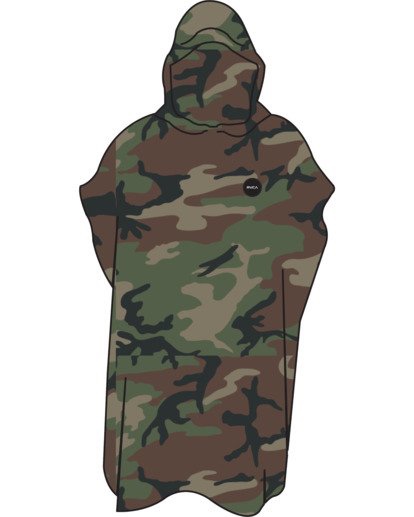
The All The Way Poncho from RVCA offers just that. Essentially, it’s a large, poncho-shaped cotton towel that can be donned over your marops gear and there’s enough room to swap clothing underneath.
www.rvca.com/all-the-way-poncho
SOFWERX, in concert with the USSOCOM Science and Technology (S&T) Office, will host a Virtual Tech Sprint to identify technology solutions that will provide advanced computing to support localized SOF teams in degraded, disconnected, and contested or anti?access/area denial (A2/AD) communications environments, 05 July – 07 October 2021.
Data collection, management, storage, and dissemination have become complex and will continue to increase in complexity. In addition, body-worn Internet of Things (IoT) to Battlefield of Things (BoT) sensing has not been effectively integrated into an open architecture, system-of-systems design for next-generation computing at the edge.
Special Operations Forces (SOF) require real-time situational awareness and connectivity in the highly-contested future operating environment. SOF require portable, interconnected sensors that enable data fusion, networking, and processing at the edge. Such edge computing solutions will deliver increased Warfighter safety and mission effectiveness by providing real-time information that is not dependent on distant command resources. Edge computing hardware solutions must be able to process and analyze data from multiple sources to deliver a holistic picture of the operating environment. Edge computing hardware solutions miniaturized to a minimal form factor (i.e., individual chips) that will allow for body?worn hardware components supporting either individual or multiple functions in a lower?power consumption manner than most traditional commercially sourced edge compute offerings. Edge computing hardware solutions must facilitate numerous varieties of evolving analytical software and toolset processing needs. These requirements will need to deliver an edge compute solution that delivers a holistic picture of the operating environment for the SOF Operator. The following attributes are preferred:
1 Provide low-power-consumption computing relative to existing, Commercial?Off?The?Shelf (COTS) CPU/GPU hardware
2 Support software applications that provide advanced data analytics and visualization tools
3 Provide the ability to compute and derive insights at multiple points within a tactical network before reach?back to an enterprise?level network connection
4 Support networking of multiple body?worn computing chips that are capable of fusing numerous data types
5 Provide the ability to host Artificial Intelligence/Machine Learning software that conducts face?to?face engagement with non?English speaking individuals with a wearable system that automatically changes the words spoken into the desired language and transversely converts the foreign language back to English.
6 Novel, new smart sensors for collection and filtering
7 Low signature management should be considered. This includes visual, electro-magnetic, infrared, etc
8 If proposed solution utilizes communication between various points, then Low Probability of Intercept/Low Probability of Detection methods should be incorporated
9 Ability to be used in Air, Maritime, and Ground Environments
The desired end state is to create an integrated, body-worn, sense, and compute system of systems that aggregate useful data, provide analytics, and visualization to Operators at the edge.
Submit NLT 09 June 11:59 PM ET.
Visit events.sofwerx.org/edgecompute for full details.
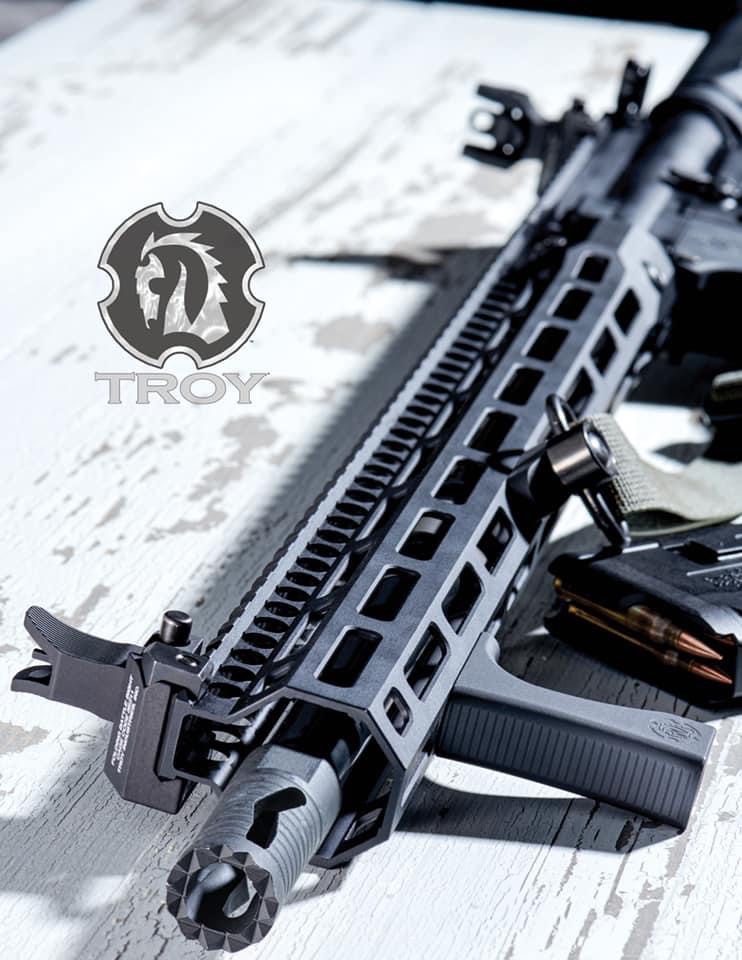
Troy Industries was founded in Massachusetts by Air Force Veteran and Massachusetts State Trooper Steve Troy. There’s no doubt that Massachusetts? is Troy’s home so it came as quite a surprise to find out that Troy Industries had recently announced that they are moving their operation to Clarksville, Tennessee beginning in June. Of course, Steve Troy is also a pragmatist.
“While TROY has enjoyed a very successful period of growth in Massachusetts, the changing climate for firearms manufacturers in the state determined the need for our relocation to Tennessee to ensure the continued success of the company. We are excited to begin this new venture and appreciate all the support we have already received from Representative Mark Green, Governor Bill Lee and the state of Tennessee in making this relocation possible.”
Steve Troy,
President and CEO,
Troy Industries, Inc.
They plan to employ 75 employees and Tennessee is glad to have them.
“I appreciate TROY for choosing to relocate to Tennessee and am proud to partner with this world-renowned firearms manufacturer. When companies pick Tennessee to locate or expand their operations, it is a vote of confidence to our state’s business-friendly climate and skilled workforce. I thank TROY for this investment and the creation of new jobs for Tennesseans.”
Bill Lee
Tennessee Governor
The new Adventure Tactical Pathfinder Kit contains everything you need to set up a HLZ/DZ. It’s the smallest and lightest DZSO kit on the market.
To carry the system, they selected Raptor Tactical’s new MARVN Pack which is a modernized version of the Vietnam war-era ARVN pack. More details on this pack soon.
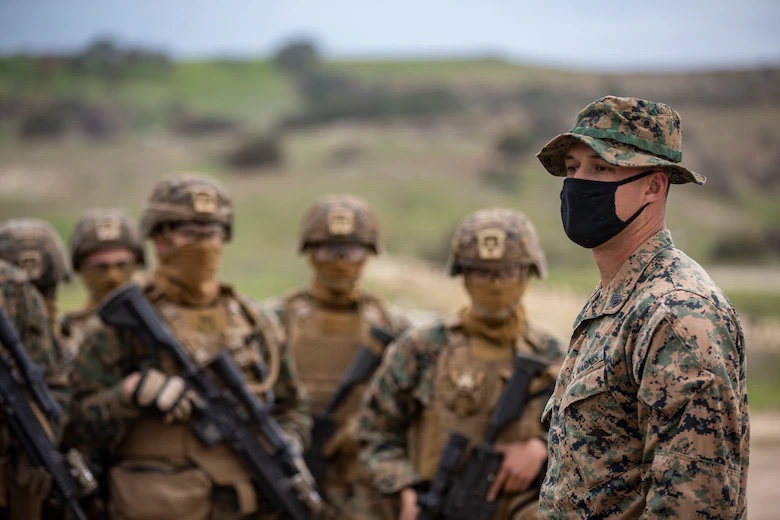
MARINE CORPS BASE QUANTICO, Va. —
The Marine Corps has been investing time, money and resources into modernizing the force to meet objectives outlined in the Commandant’s Planning Guidance, Force Design 2030 and the National Defense Strategy.
Brig. Gen. A.J. Pasagian, commander of Marine Corps Systems Command, has stated that no investment is more important than those in support of the infantry Marine.
“The Marine Corps in 2030 does not exist without the individual Marine, what they’re wearing and what they’re carrying,” said Pasagian. “Enhancing our infantry Marines by providing them with the best capabilities available remains an integral, ongoing priority for the Marine Corps.”
MCSC has placed great emphasis on meeting the demands of the future force to ensure Marines are never in a fair fight, said Pasagian. To achieve this objective, the command has concentrated on increasing infantry communication, lethality and survivability.
Increased close combat lethality
Over the last few years, MCSC developed and fielded several new, modernized capabilities to Marines, including the M27 Infantry Automatic Rifle, Squad Common Optic, Squad Binocular Night Vision Goggles and M320A1 grenade launcher.
The M27 Infantry Automatic Rifle, originally fielded in 2011, is lighter and reaches farther distances than its predecessor, the M249 squad automatic weapon, said CWO4 David Tomlinson, MCSC’s infantry weapons officer.
“The M27 is fully automatic and increases their accuracy compared with previous weapons systems,” said Tomlinson. “The increased accuracy leads to increased lethality.”
Over time, the popularity of the weapon blossomed among Marines. They raved about its ease of use and overall effectiveness. This led to the Corps expanding its fielding to all rifle platoons as their primary individual weapon.
Earlier this year, Marines began receiving the Squad Common Optic, an innovative new rifle sight that better enables shooters to identify and engage the enemy from farther distances in variable light conditions. It can be attached to the M4 and M4A1 Carbine as well as the M27 Infantry Automatic Rifle.
“The Squad Common Optic is a variable-power optic that allows Marines to engage to threats at the maximum effective range of their weapons system, improving target acquisition and probability-of-hit with infantry assault rifles,” said Tomlinson.
In 2020, MCSC also fielded the Squad Binocular Night Vision Goggle—a lightweight, helmet-mounted night vision system that provides increased depth perception, improved clarity and a thermal-imaging capability to detect targets in extreme darkness or through battlefield obscurants.
The SBNVG enables Marines to operate vehicles at night, move through dark buildings or tunnels, and engage targets after sunset. By using this system, Marines can be as lethal at night as they are in the daytime, said Tomlinson.
The Marine Corps also began fielding a new grenade launcher last year. The M320A1 is a single-fire system that Marines can either mount onto another rifle or use as a stand-alone weapon.
“The M320A1 provides an improved capability to engage the enemy day and night, while retaining the capability of short range, reflexive fire of the primary weapon,” said Capt. Nick Berger, MCSC’s project officer for the M320A1. “In addition, the M320A1 increases the small unit flexibility in employing lethal, nonlethal and special-purpose munitions by allowing them to tailor the weapon configuration to the mission.”
Lightening the load
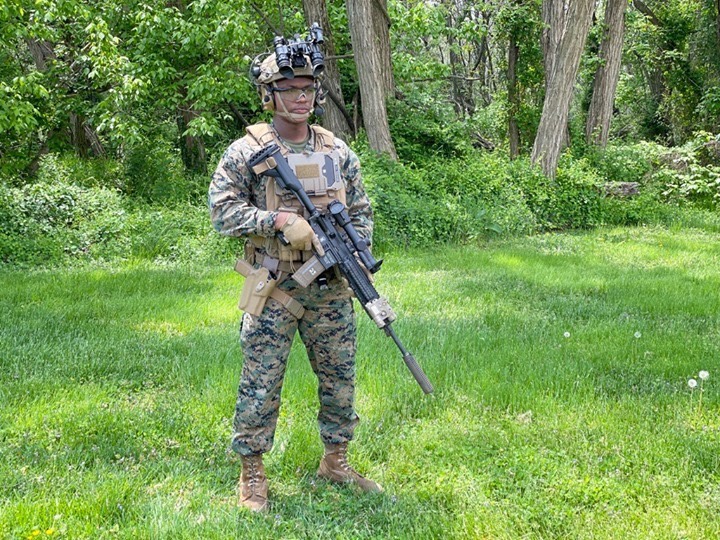
Infantry units need more than just weapons to get the job done. The Marine Corps leans heavily upon MCSC’s Program Manager for Infantry Combat Equipment to research, develop and field lightweight protective gear designed to increase survivability.
In 2020, MCSC began updating its enhanced combat helmet to improve fit and comfort. The improved, high-cut helmet includes a retention system that tightens around the circumference of the head and adjusts easier. Female Marines, in particular, have noted how the high-cut ECH fits their hair buns better than the legacy ECH.
Another notable fielding in 2020 was the Plate Carrier Generation III, a next-generation protective vest that provides improved fit, form and function for Marines. The PC Gen. III guards against bullets and fragmentation when coupled with protective plates.
The PC Gen. III uses less material than the Plate Carrier that fielded in 2011. Lt. Col. Andrew Konicki, the program manager for Infantry Combat Equipment, explained that the improved designed of the PC Gen. III reduces the overall weight and bulkiness of the vest, increasing maneuverability.
“Lightening the load is important because it allows Marines to be more agile when moving from covered position to covered position,” said Konicki. “Improved mobility increases survivability while preserving endurance, which enhances a Marine’s lethality.”
In 2021, MCSC began fielding the Marine Corps Intense Cold Weather Boot—a full-grain, leather boot designed for use in temperatures as cold as -20 degrees Fahrenheit. The ICWB is lighter and less bulky than the Extreme Cold Weather Boot, employed in -65 to -20 degrees Fahrenheit.
The ICWB allows Marines to complete various missions that might involve hiking or skiing in arduous, cold weather environments without having to change boots, said Konicki.
“This boot lightens the load for Marines because they’ll need only one boot for cold weather operations instead of having to carry two sets of boots and change based on the weather conditions,” said Konicki.
On the ammunition front, MCSC awarded a contract in 2020 to test and evaluate new, lightweight .50-caliber polymer ammo, with an intent to further lighten the warfighter’s load. The ammo, to be used in the M2 Machine Gun, is significantly lighter and easier to haul than the traditional brass casings.
Polymer is a class of plastic-like material that weighs less than brass and other metals commonly used in weapon systems. As the Marine Corps evaluates .50-caliber polymer ammo, other services are also evaluating other types of ammo.
The Army, for instance, is validating a 7.62mm polymer round, which could also potentially make its way to Marines in the future.
CWO3 Chad Cason, a project officer with MCSC’s Program Manager for Ammunition, said polymer ammo enables Marines to carry more with less fatigue, enhancing combat readiness. He also noted how the ammunition is just as effective as the brass ammo of the past.
“This is truly an innovative program, as [PM Ammunition] continues its modernization efforts in support of increasing lethality and capability to the Fleet Marine Force,” said Cason.
MCSC will host several limited user evaluations in 2021 and 2022, allowing Marines to assess the effectiveness and performance of the ammunition. Marine feedback during these assessments will inform a future fielding decision, said Cason.
Enhanced communication
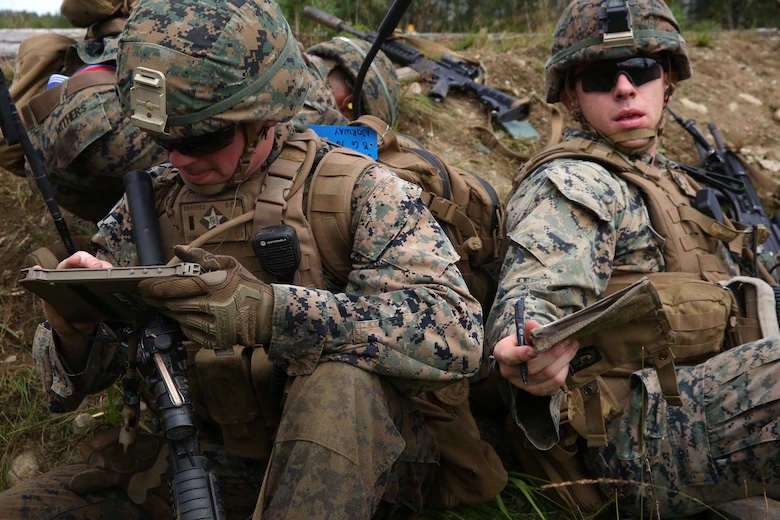
Operating in a 21st century environment also requires innovative command and control equipment to increase communication on the battlefield.
In 2019, the Marine Corps fielded a lightweight, tablet system that improves situational awareness on the battlefield. The Marine Air-Ground Task Force Common Handheld enables Marines to use commercial smart devices to plot and share points, offering an overall view of the battlespace to commanders.
Later that year, MCSC upgraded the MCH to allow Marines to communicate with one another through several additional communication systems, including the Advanced Field Artillery Tactical Data System and the Army’s Joint Battle Command-Platform.
“Communication is critical to ensure Marines and commanders in the field have access to information and data at the right levels,” said John Maurer, deputy portfolio manager for MCSC’s Command Element Systems. “It enables, facilitates and accelerates decision-making and situational awareness.”
In 2020, the Marine Corps also fielded a next-generation High Frequency Radio II, which provides Marines with long-range, beyond line-of-site radio communications. The radio system comprises Wideband HF, increasing the data rate to more quickly communicate larger amounts of information.
Maurer said the HFR II is a modern, resilient and sustainable capability that is significantly smaller and lighter than the legacy HF radio. MCSC’s Ground Radios HFR II Team, led by Leigh King, accelerated the acquisition process and achieved fielding one year earlier than originally planned.
The MCH, HFR II and several other communication systems acquired by MCSC are designed to make communication more seamless and efficient for infantry Marines, said Maurer.
“We are positioned to meet the Commandant’s Planning Guidance by providing multiple new systems to infantry Marines to enable the kill chain,” said Maurer. “The capabilities provided will support the initial operational capability of Force Design 2030 by providing assured command and control in a degraded environment, information warfare superiority and protected mobility for enhanced maneuver.”
The importance of training
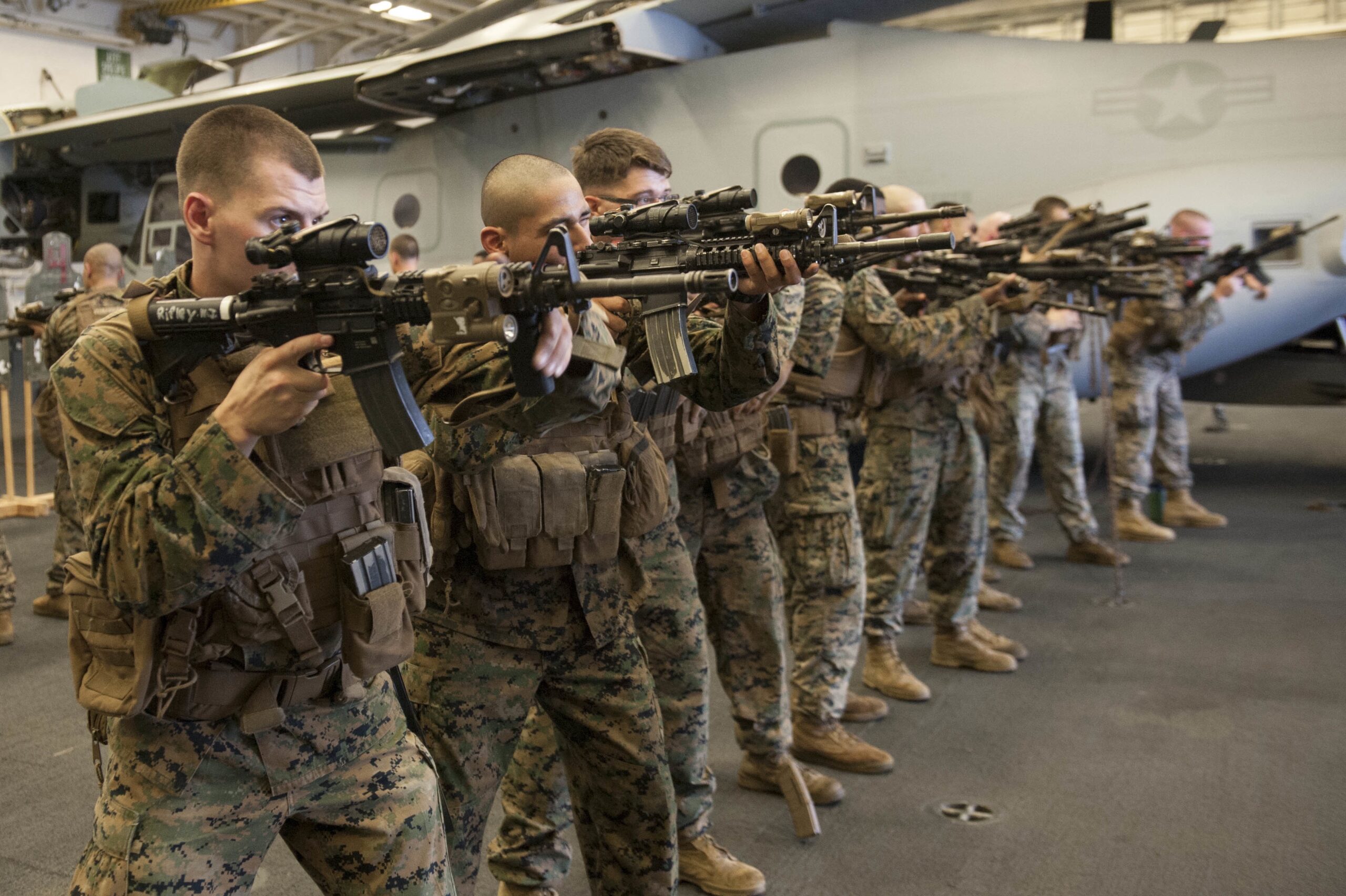
The Marine Corps cannot accomplish its modernization goals alone.
Chris Woodburn, of the Capabilities Development Directorate at the Combat Development and Integration, said they will continue to solicit support from industry and other services to field innovative capabilities and posture for the future fight.
“The Marine Corps is fielding several close combat lethality enhancements to address near-term requirements while working with the Army to pursue the next generation capabilities for the future,” said Woodburn. “These enhancements facilitate our close combat forces’ ability to leverage the best capability now, while posturing for the future through continued work with partner services.”
Tomlinson believes updating infantry units relevant gear is a critical step in gaining a competitive advantage over adversaries. However, he said the acquisition of effective equipment and the employment of active training can help the Marine Corps reach its modernization goals.
“Lethality isn’t just an item,” said Tomlinson. “We can give Marines a new system, but that doesn’t necessarily make them more lethal. Lethality also involves incorporating proper, effective training.”
Tomlinson said MCSC often employs New Equipment Training events to furnish Marines with the knowledge necessary to operate new capabilities. MCSC’s Training Systems program office also ensures Marines are equipped with the technology and systems needed to use newly-fielded capabilities in a simulated environment.
The Marine Corps’ Training and Education Command also plays an important role in increasing the lethality of Marines.
TECOM leads the Marine Corps’ individual entry-level training, professional military education and continuous professional development, through unit, collective and service-level training. The group’s intent is to enhance warfighting organizations that enable Marines to build and sustain the combat readiness required to fight and win today and in the future.
“The modernization of gear and equipment needs to be seamless to the training piece,” said CWO4 Anthony Viggiani, TECOM’s infantry weapons officer. “It’s not just the gear and equipment that makes an individual more lethal, it co-aligns the training as well.”
Viggiani said training offers the preparation needed to increase battlefield lethality. Training equips Marines with the confidence and capabilities needed to employ a piece of equipment to its maximum effectiveness, he said.
“You can’t just give an individual gear and equipment and think that’s going to solve all our problems,” said Viggiani. “Training is an important steppingstone to increasing lethality on the battlefield.”
Matt Gonzales, MCSC Office of Public Affairs and Communication, Marine Corps Systems Command
Friday 14th May 2021
H.R.H The Prince of Wales visited BCB International on May 14th, to thank staff for their incredible work during the COVID crisis and to officially open the new headquarters.
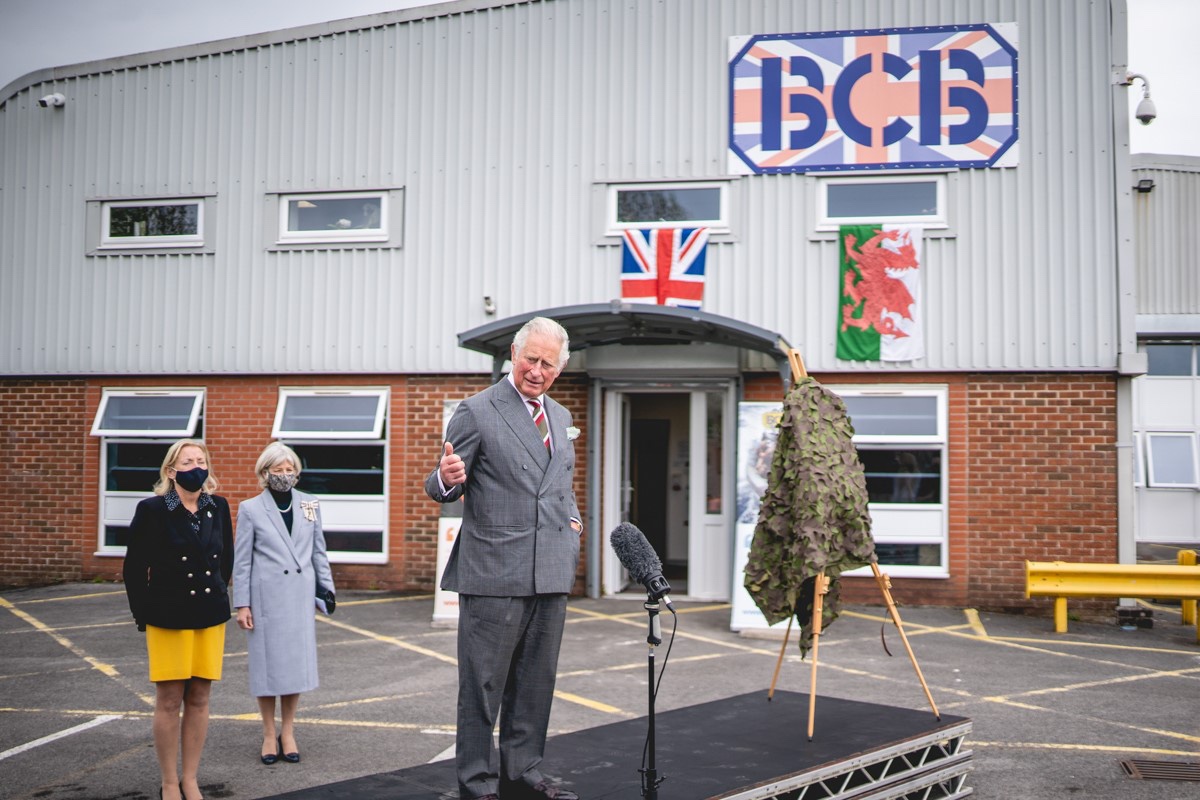
BCB International first got into the Survival business by making cough syrup 166 years ago. Last year they converted their production lines into producing an anti-viral 80% proof Hand Sanitiser and wide range of PPE items to the essential workers on the front line, Protecting the Protectors.
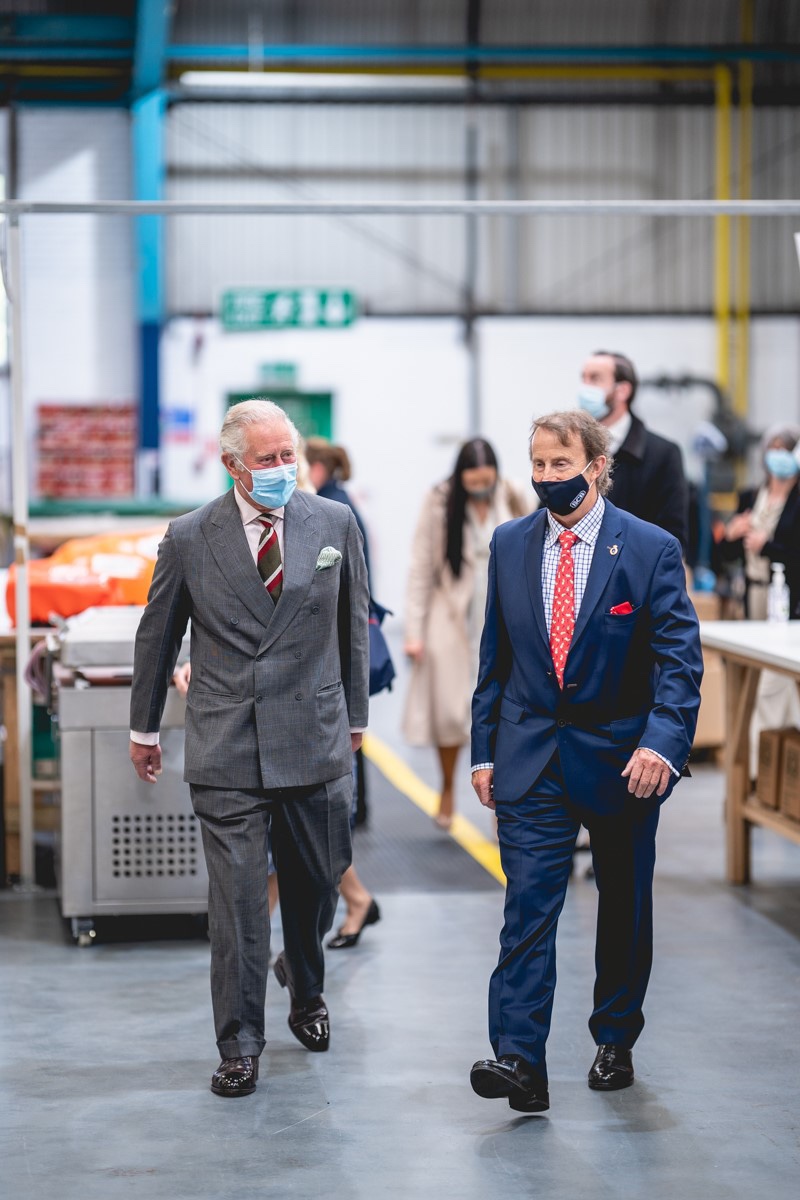
At the start of the pandemic, the well-established Cardiff-based survival equipment manufacturer, BCB International Ltd, converted its fuel factory outside Llanelli in Wales to produce Dr Browne’s hand sanitiser range, to help prevent the spread of the Coronavirus here in the UK, before moving production up to their Cardiff site.

His Royal Highness started the visit by touring the main headquarters, meeting the BCB team who have been working tirelessly throughout the pandemic providing PPE to the Welsh NHS, Police Force and sending thousands of donations around the UK and across the world.
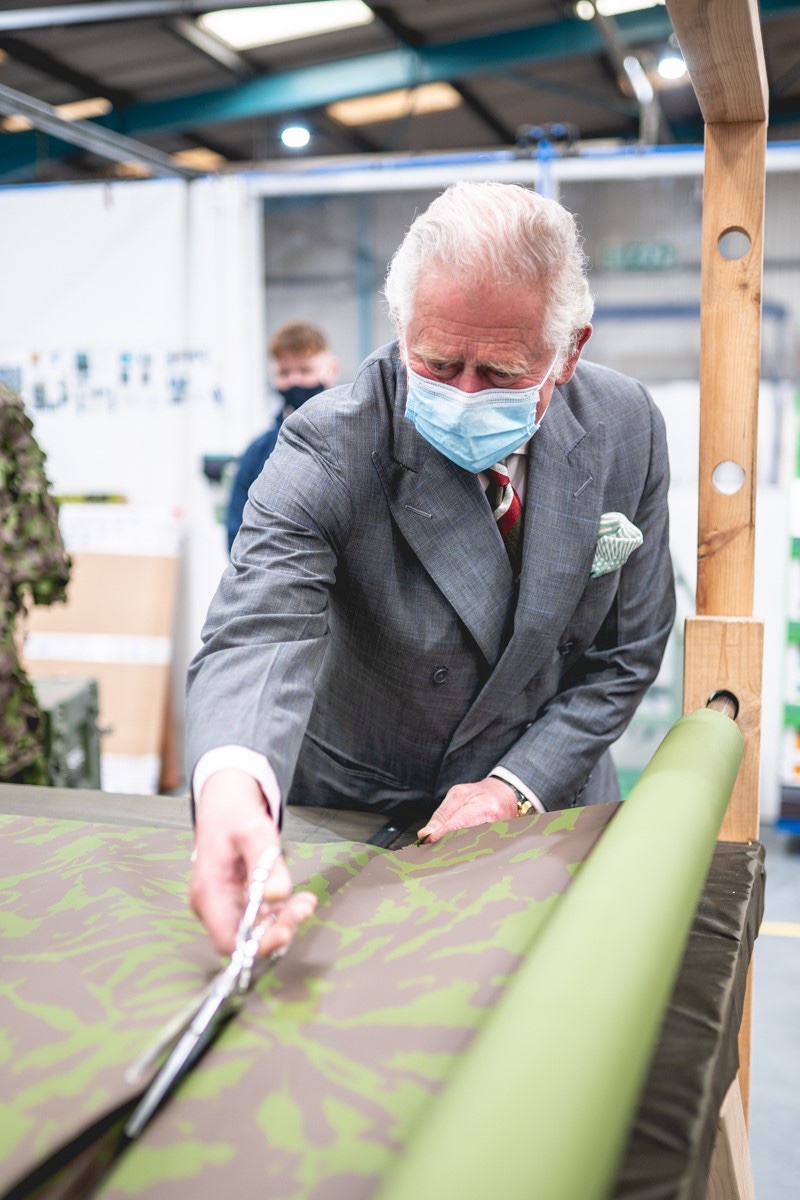
The Prince of Wales then joined BCB’s team, packing a Polar Survival Kit for an Artic bound vessel, before cutting BCB’s IR reflective camouflage netting, which will now be despatched to Prisons around the UK to finish production before heading to the British MOD.
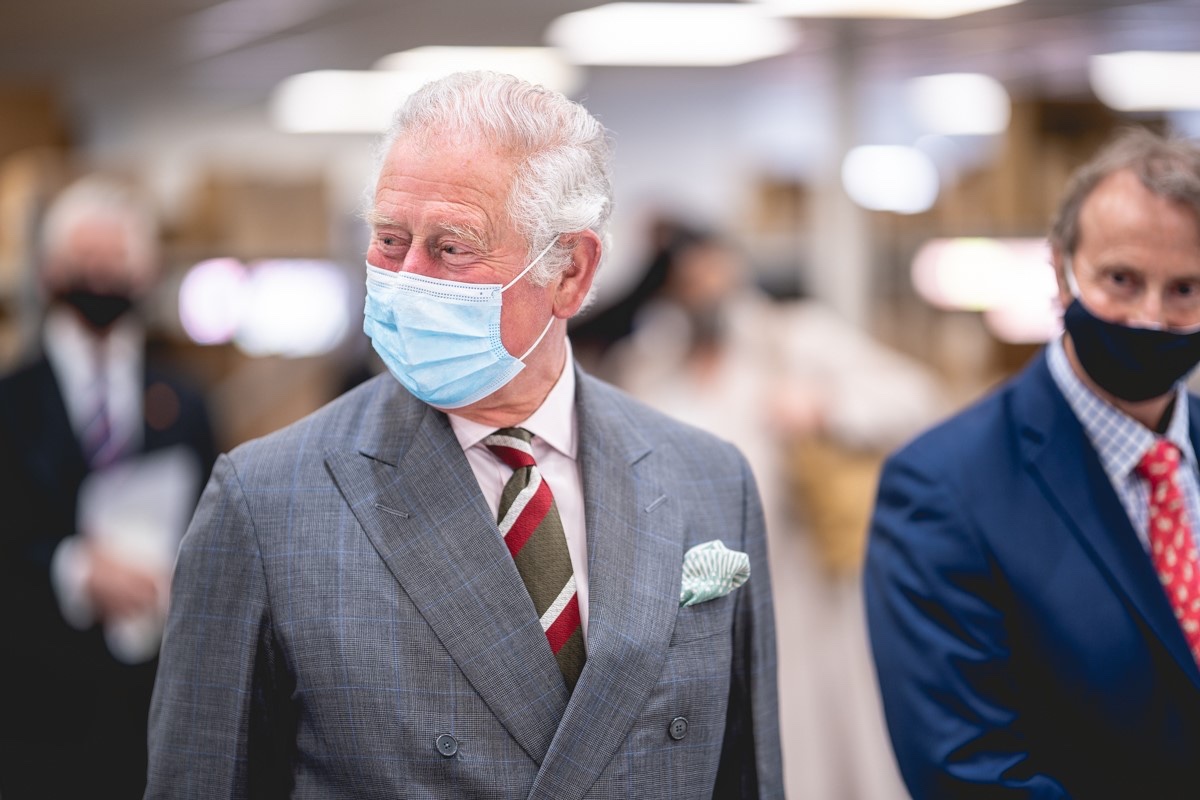
After a demonstration of the eco-friendly, all weather fuel, FireDragon, His Royal Highness used a flint and striker to light his own block of FireDragon fuel before officially turning on the FireDragon production machinery and receiving the first product off the band. FireDragon was created to replace the dangerous Hexamine blocks that the British MoD were using. It is now the fuel of choice for the British MoD, being a non-toxic, clean, green fuel with a high burn point which is easy to light with waterproof properties.
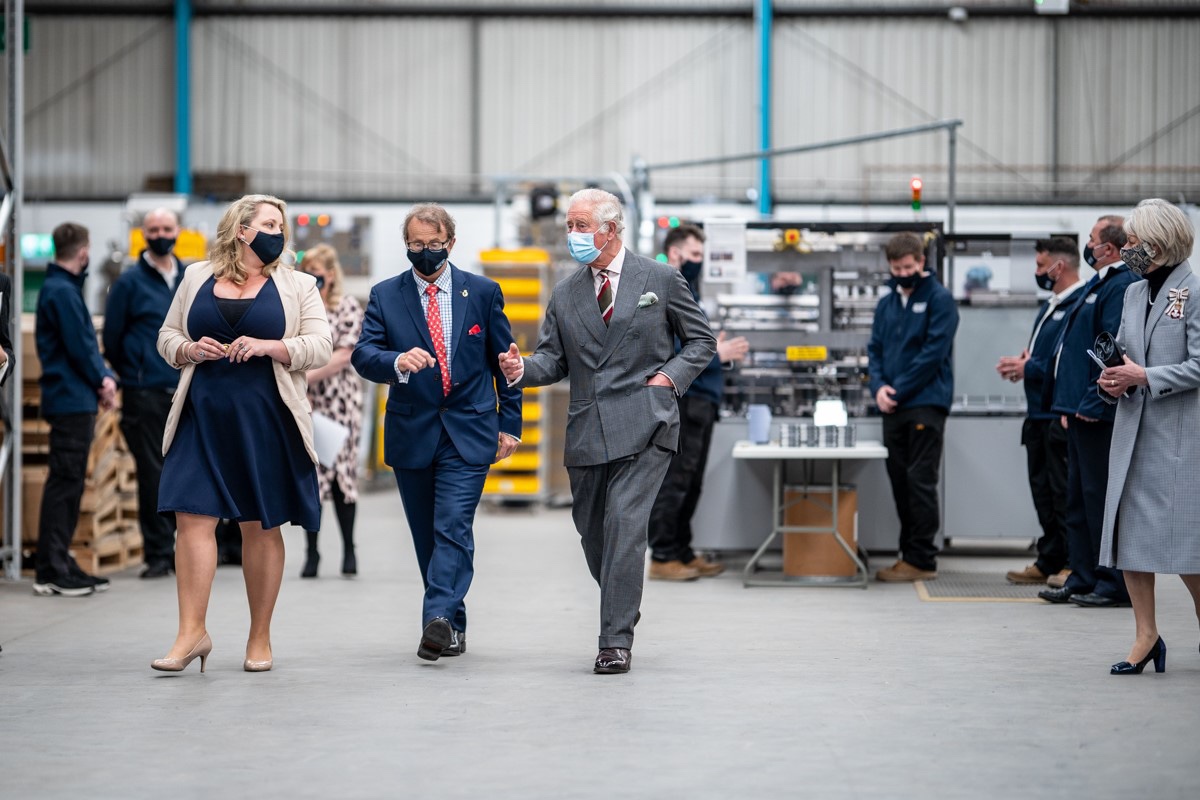
The Prince of Wales then joined BCB’s Managing Director, Andrew Howell, on stage to unveil the plaque to officially open BCB’s new headquarters at Howell House and to receive survival kits that the BCB team specifically made to suit the Royal families interest. Before leaving he visited the ‘Bee C Bee’s Wellbeing Garden’, which was created as part of a Mental Health Awareness week initiative to provide access to nature for all staff.

The BCB team were honoured to meet The Prince of Wales and hear his appreciation for their hard work during the pandemic.
H.R.H. The Prince of Wales:
“I’m thrilled to have this opportunity to be with you today and I can’t tell you how much I admire all the remarkable work you do here.”
“It’s been fascinating to hear about the whole range of products you produce which are clearly so sought after all around the word because of their very high quality and ingenuity.”
“I shall now be able to go way and set fire to my Firedragon. Having served in the Royal Navy all those years ago, nearly 50 years ago, I had to go on exercise with the old kit, this is remarkable.”
“It is a great tribute to your efforts… I know how hard you worked throughout this pandemic…I do congratulate you and am full of gratitude, for what its worth, for what you’ve been able to do, for all of us, really, during these difficult times.”
“I hope you go from strength to strength, and I shall look forward to seeing what other wonderful ideas you come up with over the next few years.”
Managing Director, Andrew Howell:
“For the last five years we have been producing a solid fuel tablet made from bio-ethanol used by British Troops to warm their rations and heat their drinks. The fuel has anti-bacterial properties, so we decided to develop a hand sanitiser gel variant.”
“Last year our terrific team here at BCB, both at our Llanelli and Cardiff sites, worked 24/7 producing hand sanitisers and other important PPE and so it is a tremendous privilege to welcome His Royal Highness, the Prince of Wales here today to BCB.”
“As His Royal Highness has said for over 4 decades, climate change and the erosion of biodiversity are the two greatest threats to humanity and our planet. As we have with firedragon and some of our other life saving innovations we are ready, willing and able to take a risk and to make a change to try to help counter these threats.”
“On behalf of the whole great BCB team we will continue to invent, engineer and produce whatever we can, to help tackle this global emergency of climate change and the erosion of biodiversity.”
“Our new factory here in Cardiff will help to ensure that sustainability continues to be at the heart of our DNA.”
I ran this about a year ago, and I thought I would rerun it. I know many Public Safety people (police and firefighter) are thinking about retiring, or they have already put their papers in to do that. Many places are trying to come up with ways to incentivize people to stay on the job. Most seem to be trying to take a page right out of the military playbook by saying that you can wear shorts, grow a beard, or have a ponytail if you stay on the job. So, I thought to help everyone out; I would rerun this article on how to dive with a beard. I know most public safety divers (PSD) use Full Face masks, but I hope this will still be very helpful to you.

One of the hardest or easiest things to do is dive with a beard or a mustache. I say it that way because, like most things, if you practice doing it, you will get better. But if you have never done it before, please don’t wait until you are getting ready to do a 3-hour dive or dive in some nasty water to try it for the first time. There are a few things you can do that are going to help when diving with facial hair. I will cover some of the gear and other tricks and repost a video that I found that I hope will help.
First, you need to have the correct type of mask. Not all dive masks are the same. If you buy a $20 mask at Exchange, you will have a mask that will be good for playing in the pool, and that’s about it. Like everything, you get what you pay for. The size of your face and the amount of facial hair will help determine the mask you need. But honestly, you should still be able to use the same mask you always have unless you have gone full bigfoot. Here are a few of the better masks that are out there for dive with hair.
I have tried to pick low-volume masks that are good for combat swimmer operations and good backup masks for people using a Fullface mask.
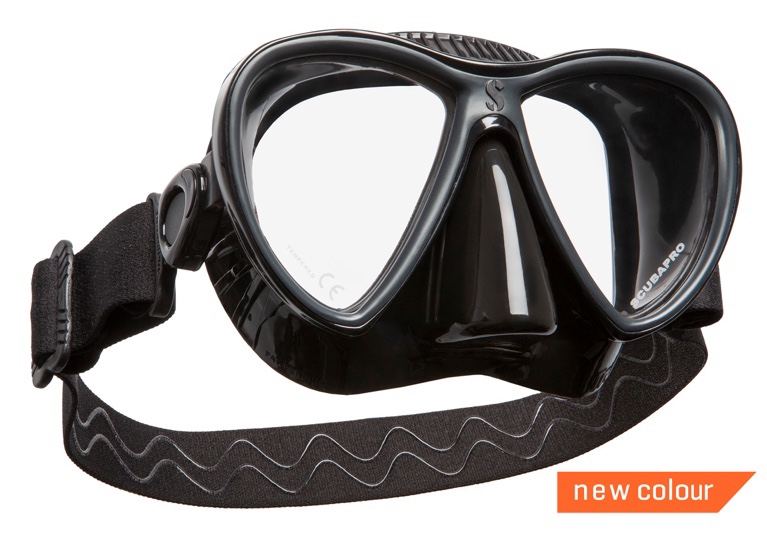
The SCUBAPRO Synergy 2 Mask is excellent for people with beards because of its unique two-skirt system. The flexible skirts fit tightly against your face, with the outer skirt providing additional support and rigidity. Combined, they deliver superior comfort and resistance to leaking compared to other masks. When people are diving and their mask starts to leak, the first thing you try and do to fix it is to pull it tighter, and if that doesn’t work, you pull it tighter again. If this isn’t working, you do it again. If your mask keeps leaking no matter what you do, try losing it up a little; when it is too tight, the mask will get ripples, like if you were to put a rubber band over your shirt sleeve. The Synergy 2 mask is suitable for people with a smaller face. If you have a beard or mustache and want a solid mask, this is a great place to start.
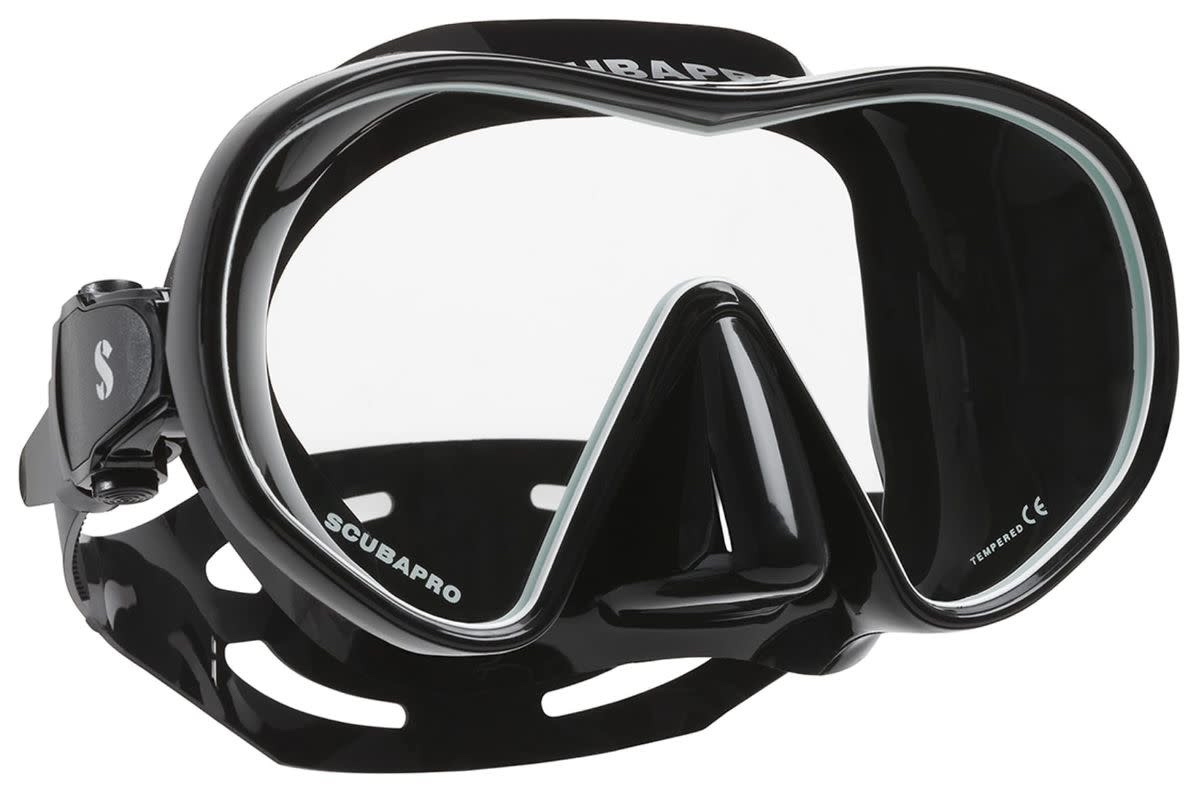
Next is the SCUBAPRO Solo. The double-sealed silicone skirt conforms to almost every face, giving you an excellent leak-free seal. The SCUBAPRO Solo features a frameless, single-tempered glass lens specifically designed to provide a wide field of view. Because of how close it sits to your face, the Solo has a low volume fit and easy cleaning. Other notable features include a wide-split style, non-slip strap with adjustable buckles, a silicone skirt that comes with double-feathered edge sealing that is effective even against facial hair, and a nose pocket that allows you to pinch your nose to clear.
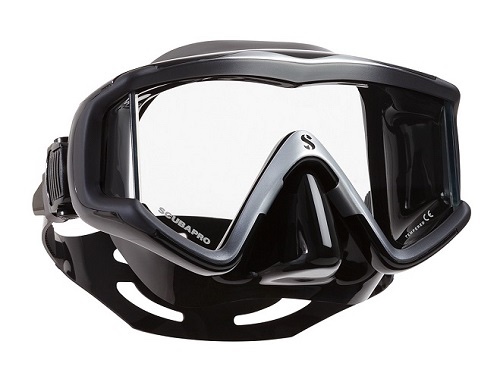
The SCUBAPRO Crystal Vu Plus is a single lens mask, which some people like because it can provide a clear, unobstructed view underwater. It comes with a purge valve, and this makes it easy to clear and rarely fogs up. Should water enter the mask because the mask didn’t seal properly around your beard or mustache, exhale air through your nose to clear the water. You can breathe out through your nose, and the water is vented out. The purge valve can fit a little tight for some people, but most people love this mask once they try it. Another feature of this mask is the side viewing windows, which provide excellent peripheral vision in the water. It has a perfect seal that should allow it to fit snug and tight on about 90% of people, even with facial hair.
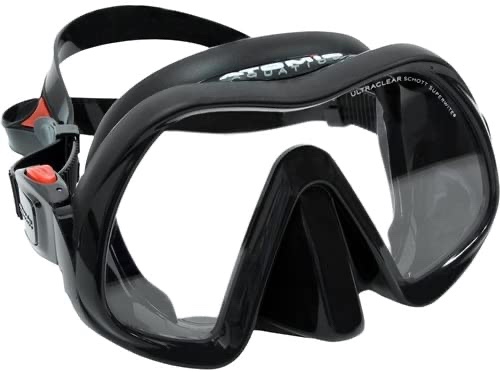
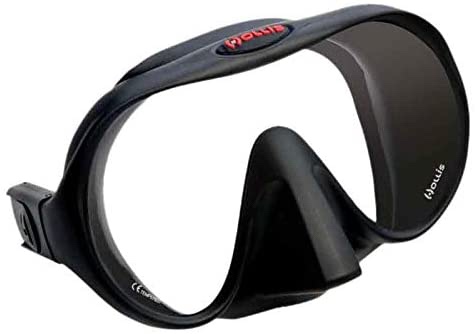
There are some other great masks for diving with beards or just using in general. It all depends on how much you are willing to pay to save the beard. The Atomic Venom Frameless mask is a great all-around mask. It uses a rubber very similar to the Solo mask that is great for conforming to your face and around those lone beard hairs that might cause a leak. The same goes for the Hollis M1 Frameless mask. Again, a tremendous all-around mask that is low volume and suitable for use with hair. If I didn’t work for SCUBAPRO, I would have one of these two masks. But I like the SCUBAPRO Spectra that is my favorite mask by far, but that has nothing to do with this. Just FYI, you know Christmas is never far off, just saying.
Some people look to use some lubricant (like Vaseline) on their face, under their nose to help with the seal. If you are diving O2, you should not be using anything like this, most are petroleum-based, and oil and O2 do not get along very well. But there are other things out there you can try. Just make sure you do your research first.
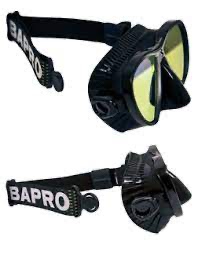
Lastly, since we talked about hair, SCUBAPRO also has an excellent mask strap for diving with long hair or just more than you had in boot camp. It is also great because it is basically a ski goggle strap, and there is a 99% chance it won’t break on you when you are diving. It works with a lot of SCUBAPRO masks.
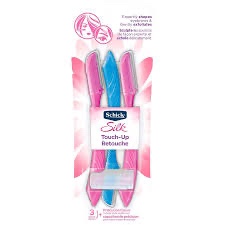
In the video, Richie Denmark talks about using a razor to help trim a little bit of your facial hair away. I just wanted to point out the Schick Silk Touch-up multipurpose exfoliation tool. It is excellent for fine-tuning your hair.
Richie, Thank you for letting me post your video.
There are a lot of good masks out there besides the ones I mentioned. Like everything you do, you need to make sure you practice. Even if it’s just getting in the pool a couple of times, it is easy to say it is the gear’s fault that you cant do something. I have noticed that many people want equipment to fix their bad habits or lack of skill.

















































































































