SIG SAUER - Never Settle

Archive for April, 2025

FirstSpear Friday Focus: Cummerbund Roundup

Friday, April 4th, 2025

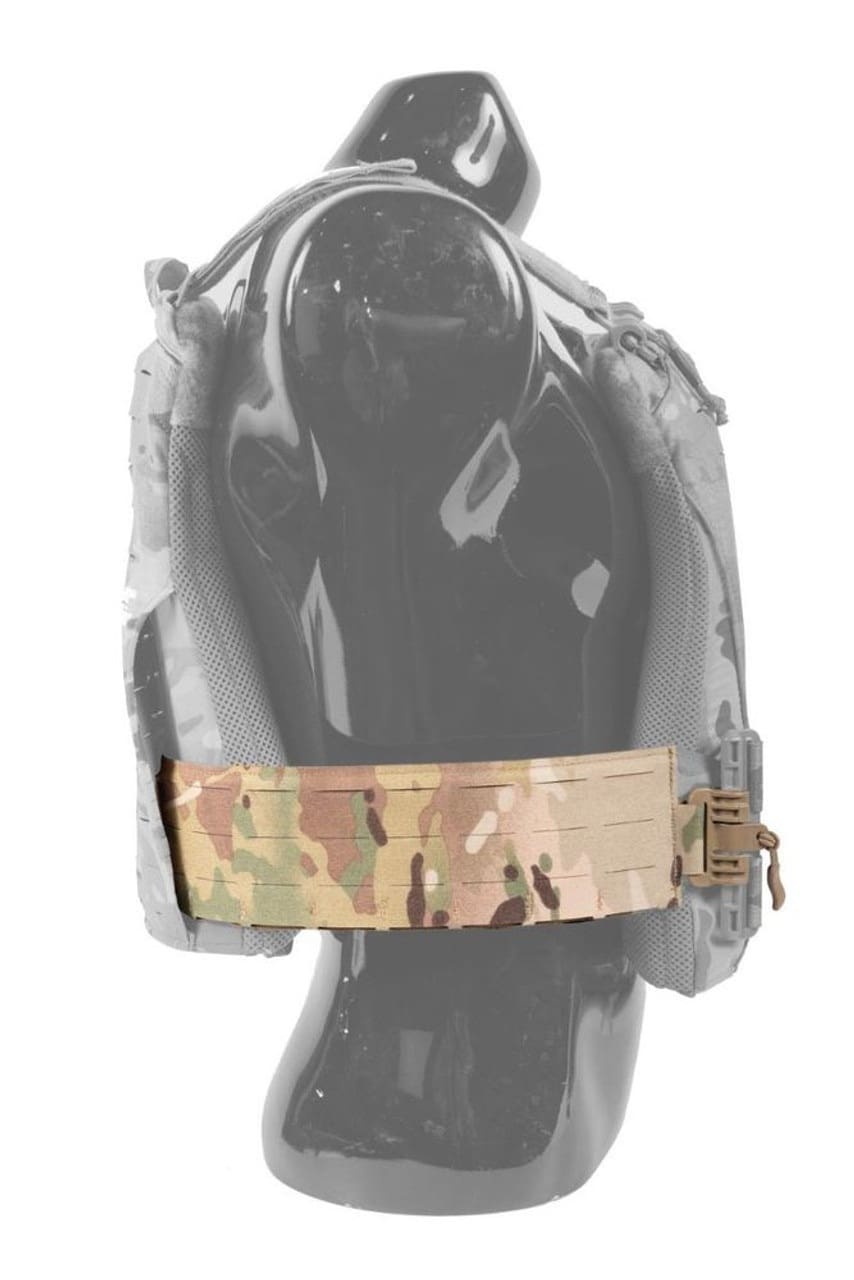
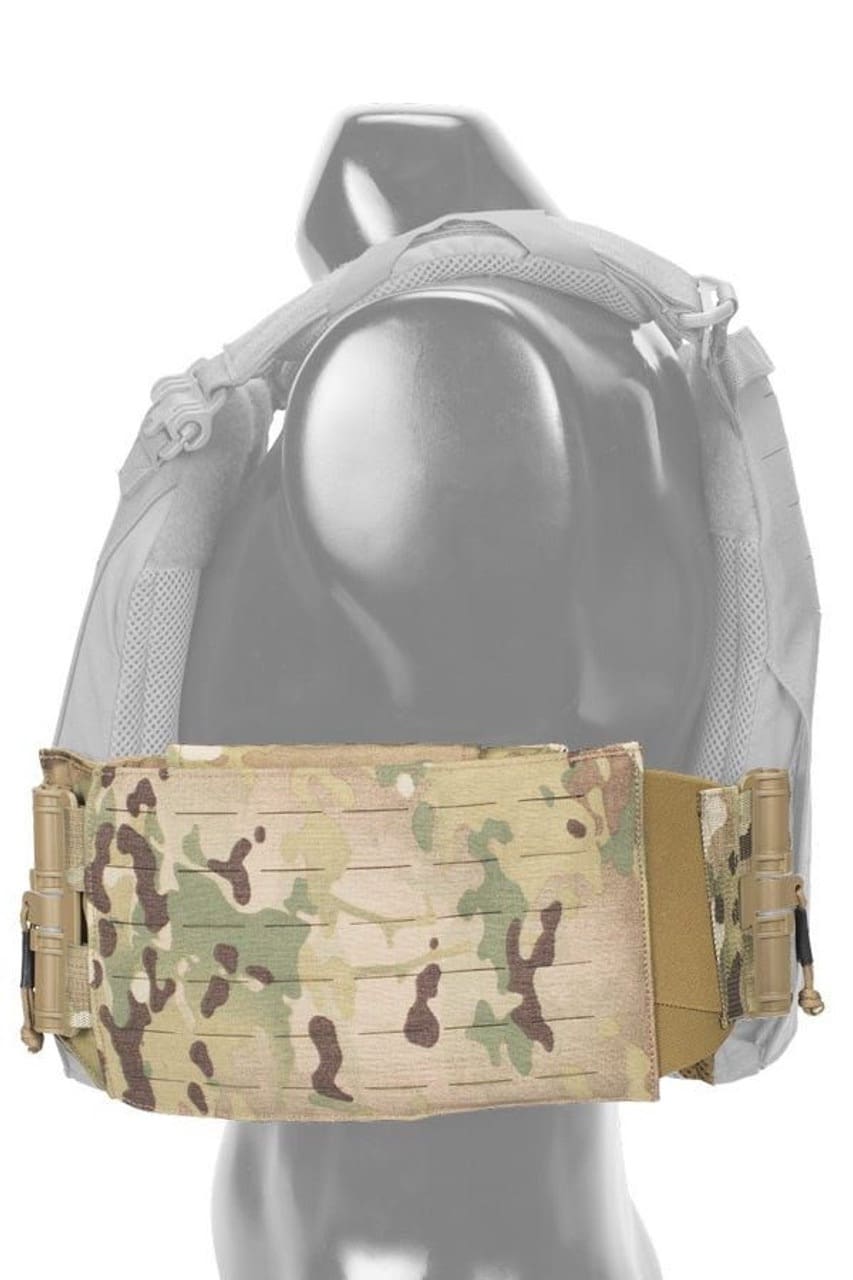
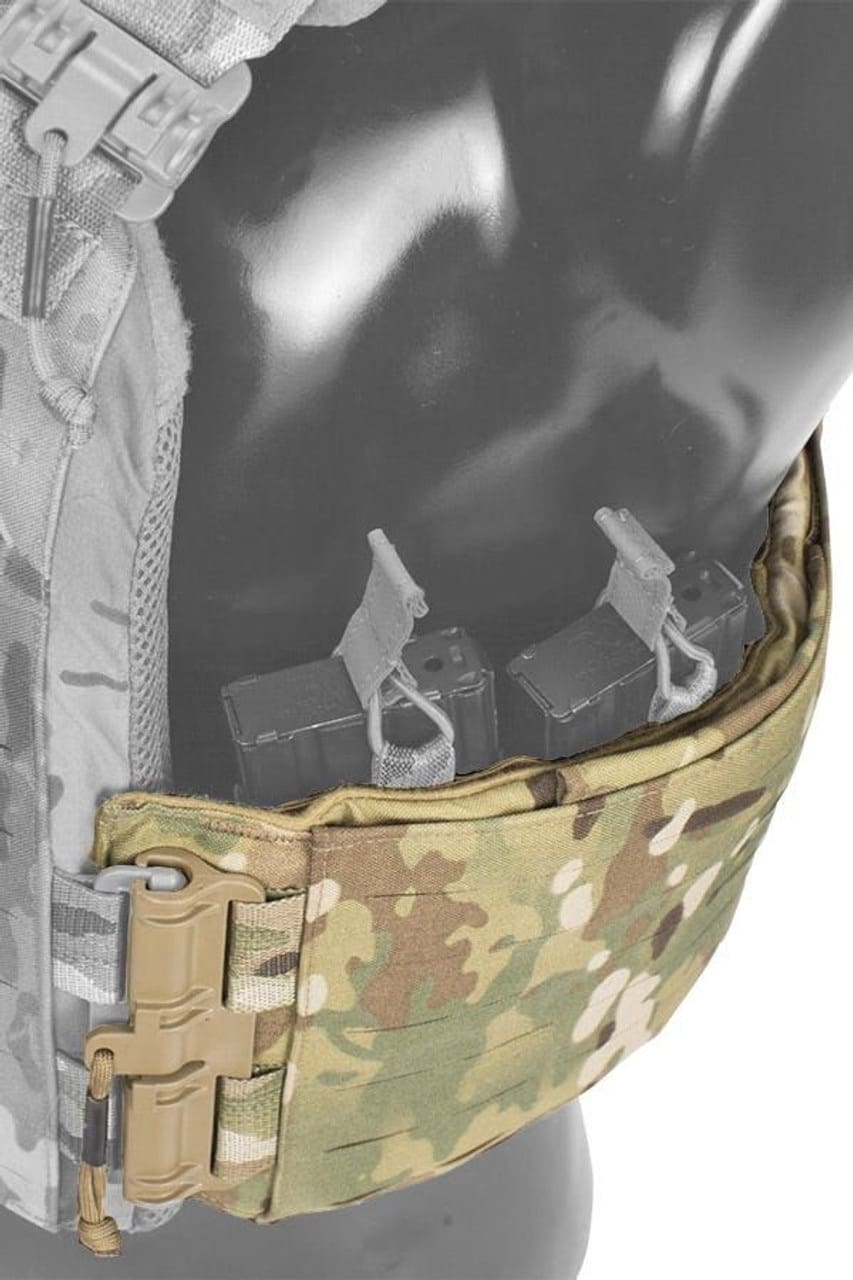
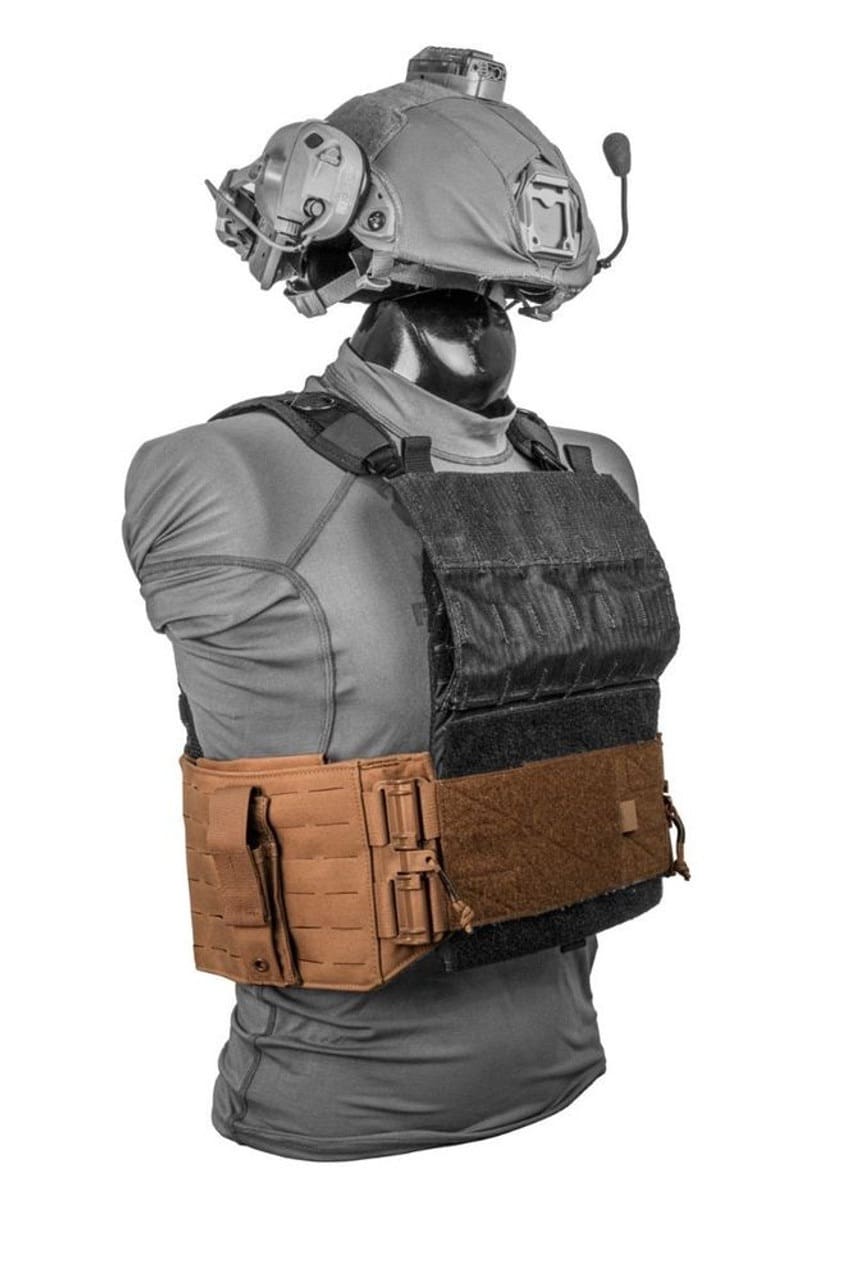
FirstSpear’s cummerbund offerings provide enhanced modularity, speed, and protection to support a variety of mission profiles. Each cummerbund is purpose-built to enhance FirstSpear’s plate carriers, providing mission-driven adaptability, protection, and rapid gear access.

RIGID CUMMERBUND

The RIGID CUMMERBUND is designed for rapid donning and doffing using 2” Tubes, ensuring compatibility with all Tube sizes. Built to integrate seamlessly with the Instant Access Back Panel, it enhances load carriage efficiency with an exterior 6/12 attachment field for modular pocket configuration. The interior loop field allows for the attachment of FirstSpear’s Ragnar pockets, providing additional storage options while maintaining a low profile.

ADAPTIVE CUMMERBUND

The ADAPTIVE CUMMERBUND is built for maximum flexibility, allowing users to quickly swap between land and maritime configurations using Tubes technology. With Tubes on the front, this cummerbund requires the TUBES™ RETRO-FIT CUMMERBUND, ATTACHMENT PANEL, enabling users to set their fit once without repeated adjustments. Engineered to support soft armor inserts, it provides mission-adaptive protection without sacrificing speed or efficiency and eliminates the hassle of hook and loop, allowing for near-instant transitions between operational setups.

OVERLAP CUMMERBUND

The OVERLAP CUMMERBUND enhances protection by providing additional soft armor coverage where the Tubes connect, ensuring greater security without compromising mobility. Designed for seamless integration with various FirstSpear carriers it optimizes load carriage efficiency. The interior allows users to keep magazines and gear close to the body, creating a streamlined profile ideal for confined spaces and dynamic operations. This cummerbund supports modular attachments through FirstSpear’s 6/12 technology, further enhancing customization, and was designed to benefit users needing expanded magazine capacity beyond front-loading setups while maintaining full vest functionality.

RETRO-FIT CUMMERBUND

The RETRO-FIT CUMMERBUND brings the advantages of 6/12 and Tubes® technology to carriers that use traditional hook and loop flap systems. Designed for seamless integration, it allows users to upgrade their load carriage platform without needing an entirely new vest. This cummerbund supports soft armor inserts and 6″x6″ hard plates, enhancing protection while maintaining a lightweight and modular design. Included in the kit is the OVERLAP CUMMERBUND and all necessary attachment components, making installation straightforward. With its innovative design, this cummerbund provides a secure, adaptable, and modernized fit for users seeking enhanced functionality in their existing carrier systems.

FirstSpear is the premier source for cutting edge-tactical gear for military, law enforcement and those who train.

For more information visit First-Spear.com.

Five Deployable Combat Wings Selected in Evolution of Force Presentation

Friday, April 4th, 2025

ARLINGTON, Va. (AFNS) —

The U.S. Air Force has identified the first five Regular Air Force candidate locations to build a Deployable Combat Wing Unit Type Code and is scheduling site surveys to begin in the coming weeks. Site surveys will determine the ability of these locations to build a DCW UTC, and findings will be submitted for final location approval.

The first five installations selected as candidates are the 19th Airlift Wing, Little Rock Air Force Base, Arkansas; 23rd Wing, Moody AFB, Georgia; the 366th Fighter Wing, Mountain Home AFB, Idaho; the 4th Fighter Wing, Seymour Johnson AFB, North Carolina; and the 20th Fighter Wing, Shaw AFB, South Carolina.

The change marks an evolution in how the U.S. Air Force deploys its forces from a crowd-sourced model to one in which Airmen from the same installation deploy together as part of a mission-ready Unit of Action built for today’s fight. It acknowledges the need for Airmen to train together and build team cohesion to arrive in theater as a lethal team ready to operate in environments that will likely be more contested than those of the past two decades.

“We are transitioning our Deployment Model to best meet the evolving national security environment,” said Air Force Chief of Staff Gen. David W. Allvin, in a recent memo to Airmen. “At the heart of this transformation is the creation of the Deployable Combat Wing Unit Type Codes – a shift in how we prepare for and execute deployments.”

After final approval in the strategic basing process, selected locations will be responsible for entering into the AFFORGEN cycle through their DCW UTCs beginning in 2025. Part of this process will involve increasing the population of Airmen assigned to each installation in order to ensure wings are able to meet their home station and deployed requirements and are manned to accomplish their respective missions.

The Air Force Personnel Center is postured to conduct permanent changes of station, maximizing volunteer opportunities, to provide the required manpower to these five installations pending final approval in the strategic basing process. Air Force leaders are calling for Airmen to lean into this organizational change and be eager to take on the challenges and rewards of shaping this new way of operating in defense of the nation.

In his memo, Allvin emphasized the need for “highly motivated Airmen,” ready to work together to, “enhance combat readiness,” and “deliver decisive airpower from day one.”

Airmen aligned to the DCW UTC will complete the Air Force Force Generation cycle together. The overall AFFORGEN model improves unit readiness through greater deployment predictability, improves pre-deployment training, and establishes certification requirements that demonstrate unit preparedness for specific missions.

DCW UTCs represent the next phase in the evolution of how the U.S. Air Force presents and deploys forces. As the model is phased in it is expected to replace the Expeditionary Air Base and Air Task Force. XABs are expected to sunset in fiscal year 2027 with ATFs anticipated to be phased out in fiscal year 2028. A phased approach with more than one type of unit of action is required to ensure near-continuous crisis response availability and sustained readiness for the force while DCW UTCs are under construction.

There will be follow-on information for Total Force and additional Regular Air Force locations released in coming months as the Air Force completes the strategic basing process for the first five DCW UTC candidates.

By SSgt Cheyenne Lewis-Roberts
Secretary of the Air Force Public Affairs

Quaze Technologies Successfully Demonstrates its Resilient Wireless Power Transfer Technology in the Joint Norway/US Arctic Warrior Experiment

Thursday, April 3rd, 2025

Quaze Technologies builds solutions to recharge any robot anywhere without human intervention and is the creator of wide-surface wireless power transfer (WPT), specifically optimized for use in remote and challenging environments. Quaze has recently taken part in the Arctic Warrior Experiment (AWE) 2025, a Norwegian Special Operations Command (NORSOCOM) arena to test cold-weather equipment capabilities in rugged terrain and arctic conditions. In 2025 NORSOCOM teamed up with United States Special Operations Command (USSOCOM) in an arctic technical experimentation in Norway to stress test a range of capabilities.

As part of the capability demonstration, Quaze’s Surface Power Technology, with its magnetic resonance capabilities, was assessed in extreme arctic conditions to provide continuous wireless recharging to a range of deployed equipment. The adaptability of the technology was tested to the full, with Quaze and their partners Galvion being required to rapidly integrate the WPT systems to recharge ‘on-the-soldier’ systems on BRP Lynx snowmobiles and Zeal Motor FAT trucks off?road utility vehicle. The Galvion BATLCHRG™ wireless charging capability was integrated into each vehicle demonstrating that soldiers can charge multiple battery powered systems through safe for human wireless power transfer. There was also a successful demonstration of continuous remote drone charging over 3 days as part of AWE.

The robust wireless solution utilizes a charging foldable light surface and receiver configuration that has excellent resiliency and power transfer rates. Quaze’s wide surface power transfer eliminates the requirement for precise alignment and successfully charges any robot in any conditions, proving it can operate efficiently with over 10cm of snow, or other debris, covering the surface.

The Quaze technology was demonstrated in other different applications, which are at an early concept stage and have yet to be launched as products. In all applications tested, the technology proved to be reliable and robust in such a harsh environment. The demonstrations conducted all performed beyond expectations proving that the technology can be used on the battlefield utilizing extreme conditions for tactical advantage, such as concealing equipment beneath debris such as snow, sand, water or soil without impairing charging performance. Coupled with the possibility to charge multiple systems simultaneously and wirelessly, Quaze is set to mark a significant leap in operational efficiency and endurance. Xavier Bidaut, CEO of Quaze Technologies said,

“Quaze continues to be at the forefront of the defence industry’s push towards untethered, cable-free power solutions. The AWE opportunity in Norway enabled us to showcase our unparalleled autonomous operational wireless charging solutions in the most extreme environments. As we look ahead to where this technology might be of future use across land, sea and air domains, we are excited to explore the endless options. We are delighted to continue to push the boundaries of our technology alongside our partners”.

Chemring Group PLC, Roke Secures Long-Term UK Missile Defence Centre Contract

Thursday, April 3rd, 2025

Chemring is pleased to announce that Roke has won a strategically important UK Ministry of Defence multi-year missile defence contract.

Known as Science & Technology Oriented Research & development in Missile defence (“STORM”), this framework contract encompasses a broad spectrum of missile defence activities and capabilities. Partnering with the UK Missile Defence Centre (“UK MDC”) Roke will lead a UK sovereign industry collaborative e?ort to provide security to the UK, and its allies, by countering current and future threats, including ballistic and hypersonic missiles.

Valued at £251m over six years, and commencing immediately, the STORM framework will see Roke enhance its role as a trusted partner to the UK MDC at the heart of the UK missile defence ecosystem at what is a pivotal moment for national defence and security. As the overall Prime Contractor Roke will self-deliver elements of the contract and will also manage industry partners as they deliver the significant majority of contract value.

Roke’s STORM work will inform critical UK defence decision-making and will play a key role in developing next-generation missile defence capabilities.

Michael Ord, Chief Executive of Chemring, commented:

“We are delighted that Roke has been trusted to deliver STORM for the UK MDC. In today’s complex and changing security environment e?ective missile defence is crucial to protecting the UK’s interests. This contract recognises Roke’s heritage inhelping customers solve complex problems, and places Roke at the heart of the UK’s missile defence research and development activities.”

HCMH II Harness Bison Belt

Thursday, April 3rd, 2025

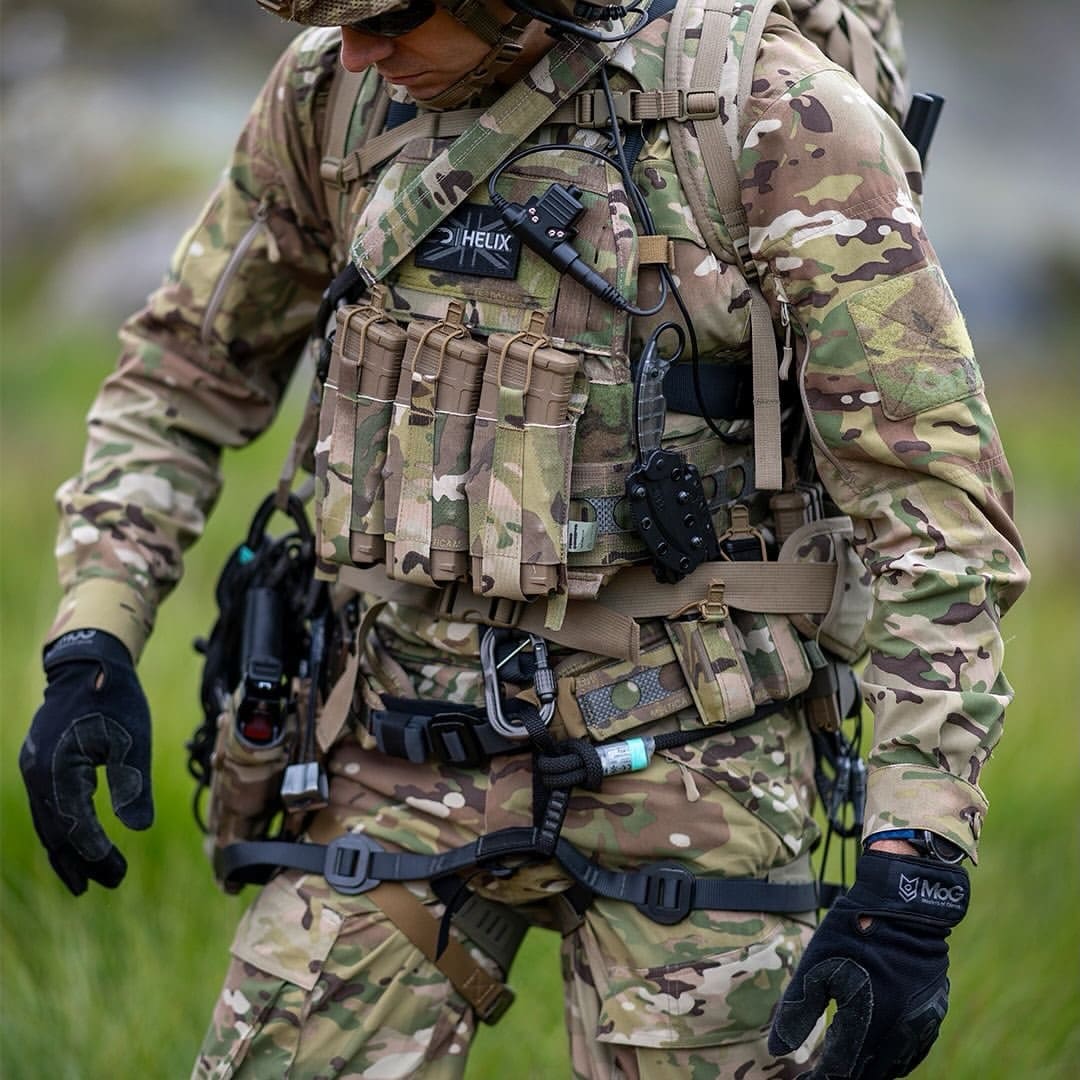
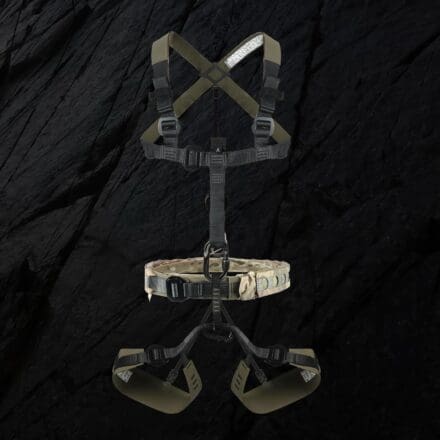
Designed as a collaboration between Helix Operations, Ferro Concepts, and DOM Systems HCMH II Harness Bison Belt builds on the Ferro Concepts Bison Belt, designed to be ultra-light and slim without sacrificing functionality.

For added comfort when wearing lighter clothing or carrying a heavy load, the DOM Padded Belt offers the perfect solution—enhancing comfort with minimal extra weight.

This bespoke system that allows operators to mount their gear without compromise, all while integrating seamlessly with the HCMH II harness system.

A comprehensive solution, delivering unmatched versatility and reliability for operators in the field.

helixoperations.com

Qilo Tactical’s x Perroz Designs – Safari Collection Season VI

Thursday, April 3rd, 2025

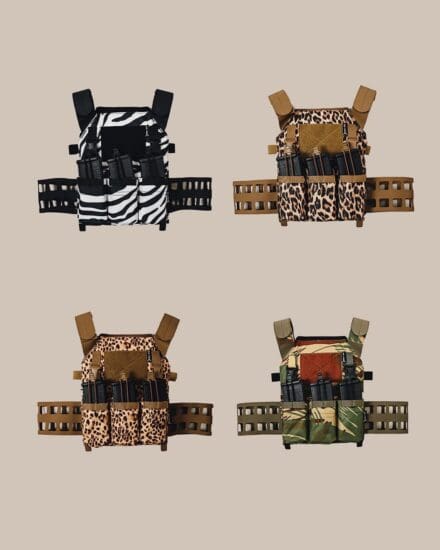
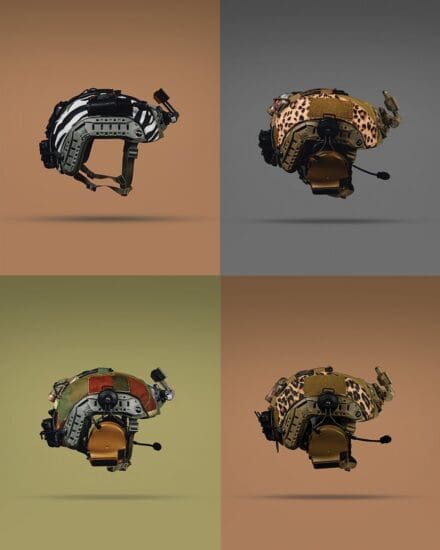
Built for the kind of safari where the animals shoot back.

Safari Collection season VI – “The African Dictator Special” is inspired largely by the sartorial choices of Mobutu Sese Seko who was a Congolese politician and military officer who renamed Congo to Zaire and ruled it for 26 years from 1971 to 1997.

He was well known for donning his iconic leopard print hat.

Drops this Friday, 3PM EDT. All items are made in Canada by Perroz Designs and distributed by Qilo Tactical.

Polaris Government and Defense Boosts Power in Its Military Snowmobile Lineup

Thursday, April 3rd, 2025

Minneapolis – April 2, 2025 – The military snowmobile lineup from Polaris Government and Defense takes arctic mobility to the next level with the introduction of the 2026 Military 850 TITAN 155. Powered by the 850 Patriot engine, this option provides commonality with the Military 850 RMK 155 as well as more than 25 percent more torque and power than the 650 TITAN for applications that need it, as well as responsive performance and increased acceleration. Warfighters worldwide rely on Polaris Government and Defense to provide off-road, light tactical vehicles for the most austere conditions. Polaris militarized snowmobiles, or over-snow reconnaissance vehicles (OSRVs), are a critical component of the off-road arsenal for winter warfare. And the all-new 850 TITAN builds on Polaris’ legacy of delivering unmatched durability and mobility in extreme winter conditions.

“Arctic mobility is demanding, and no one knows this terrain better than Polaris, having produced snowmobiles for more than 70 years, and driving innovation in these capable platforms ever since,” said Nick Francis, vice president, Polaris Government and Defense. “Polaris military snowmobiles and tactical vehicles allow operators to move further and faster in critical arctic and mountainous snow-covered environments and execute critical missions with confidence and efficiency.”
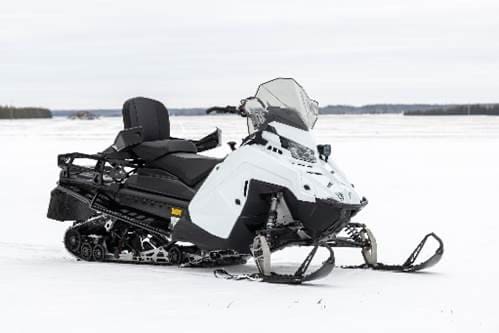
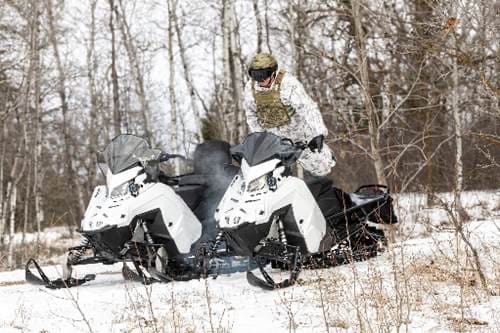
The 2026 Military 850 TITAN 155 and 2026 Military 850 RMK 155

The 850 Patriot engine serves as the proven foundation for durability, toughness and control for the entire Patriot family of engines. The all-new Military 850 TITAN is a workhorse capable of managing heavy-duty winter tasks on- or off-trail, with the engine providing more than 25 percent more torque and power than the 650 TITAN for rapid acceleration, improved towing capabilities and reliable performance in sub-zero conditions. The two-person utility snowmobile is designed to handle heavy payloads and is equipped with a reinforced cargo system to accommodate a passenger plus another 125 lbs of added cargo, as well as a hitch to tow a sled and an additional 1200 lbs of mission-critical supplies. An optional winch provides 1500 lbs of capacity for vehicle recovery or to move obstacles.

Featuring the patented BackTrak20 rear suspension, high-clearance independent front suspension, 20” wide Cobra track and Trailbreaker skis, the TITAN provides flotation and performance in varying snow conditions and can climb on top of snow better than any previous model – in forward or reverse. The TITAN also has an articulating rail, allowing the extra-long track to hinge upwards at the back, and a removeable rear snowflap for even greater mobility backing up. The transmission has high and low gearing for controlled power distribution and added initial engine torque for heavy loads. A cooling system with a radiator keeps the TITAN’s engine temp optimized during slow speed operation, while towing heavy loads and in marginal snow conditions for more reliable operation and dependability.New accessories also include a large, 30-gallon capacity utility box to contain and protect equipment.

The military snowmobile lineup from Polaris also includes the 2026 Military 850 RMK 155, which is a nimble, lightweight snowmobile engineered for unmatched precision in technical terrain for patrol and reconnaissance. The extended track and tapered tunnel increase the snowmobile’s performance in deep snow while a full-length cooler provides better cooling and greater reliability in marginal snow conditions. High elevation clutch calibration provides optimal operation at increased altitudes for this model, while Walker Evans Racing Velocity shocks provide adjustability for varying rider and kit weight and size for greater control and precise handling.

Polaris Government and Defense provides key modifications to its military snowmobiles, based on operator feedback and mission profiles:

Blackout Mode – a single switch instantly turns off all lights for discreet operation

IR Light – infrared lighting provides visibility to operators while in blackout mode

White Body Panels – additional white on military snowmobiles provides camouflage

12V outlets – power or charge hand-held electronics and other mission essentials

Power Boosting Regulator – automatically provides maximum electrical power at idle and low RPMs to support the 12V outlet as well as any added accessories

Handlebar with Mountain Hoop – the added hoop provides better operator ride angle and control

Operations in snowy, Arctic conditions demand reliability, agility and stealth. Polaris military snowmobiles are built with that in mind: durable two-stroke engines and electric start ensure dependable operation, even in extreme cold, while a manual pull-start provides backup when needed. To increase stealth, these two military snowmobiles are designed to blend in tosnowy, arctic environmental conditions. A keyless ignition also comes standard on military models to simplify fleet operation and provide quick deployment in demanding environments.

Military snowmobiles from Polaris Government and Defense are delivered mission-ready to military customers with confidence that all modifications have been validated by Polaris engineers. The dedicated team delivers training courses to maximize operator effectiveness and ability for these specialty platforms.

Polaris Government and Defense also provides arctic mobility through its MRZR Alpha light tactical all-terrain vehicle. The MRZR Alpha transitions to cold-weather environments and terrain with the addition of an Arctic Mobility Kit. A fully enclosed cab helps protect occupants from weather conditions and environmental elements while a track conversion kit replaces each wheel with a separate track assembly providing off-road, all-terrain maneuver capability over snow, soft soil and mixed terrain. The full cab and tracks expand the environments the MRZR Alpha can operate in and increase an already wide range of terrain for which it is well-suited.

Polaris’ commercially modified platforms are air transportable, highly capable and a force multiplier for every service in the United States military and more than 60 allied countries. In addition to military snowmobiles, Polaris Government and Defense provides tactical wheeled vehicles like the MRZR, DAGOR and MV850.

military.polaris.com/en-us

Army Streamlines Training Requirements to Enhance Warfighting Readiness

Thursday, April 3rd, 2025

WASHINGTON — The U.S. Army will unveil an updated version of Army Regulation 350-1, Army Training and Leader Development, on June 1, 2025. This revision, which streamlines the regulation from over 250 pages to fewer than 100, will enable small-unit leaders and tactical formations to focus on training to fight and win on modern and future battlefields.

The updated regulation marks a significant step toward simplifying training requirements while enhancing warfighting readiness and effectiveness across the force. In addition, it will remove administrative burdens and unnecessary distractions, allowing Soldiers to focus on essential warfighting skills.


The revised AR 350-1 reduces the number of mandatory training tasks from 24 to 17, reduces requirements, eliminates redundancies and highlights tasks that are essential to warfighting, readiness and lethality. The updates focus on retaining only the essential training required by Department of Defense policies, as well as critical Army-specific tasks that support combat readiness.

Six tasks have been shifted to optional training, at the discretion of commanders, and one task has been eliminated entirely. Outdated programs, including “Resilience Training” and “Structured Self-Development,” have also been removed.

These revisions aim to alleviate the burden on commanders by granting them greater flexibility in customizing training schedules to meet specific mission requirements. The new regulation eliminates restrictions on the duration and locations of certain training events and encourages alternative methods of training delivery.

These changes are part of the Army’s broader effort to prioritize readiness by eliminating unnecessary administrative burdens and sharpening the focus on preparing Soldiers for decisive action in combat. The revised regulation also reorganizes appendices for improved clarity, emphasizing tasks related to warfighting capabilities.

This update reflects the Army’s commitment to ensuring that Soldiers are better prepared for real-world missions while reducing non-essential requirements that can detract from operational effectiveness.

To read the draft of AR-350-1, click here.