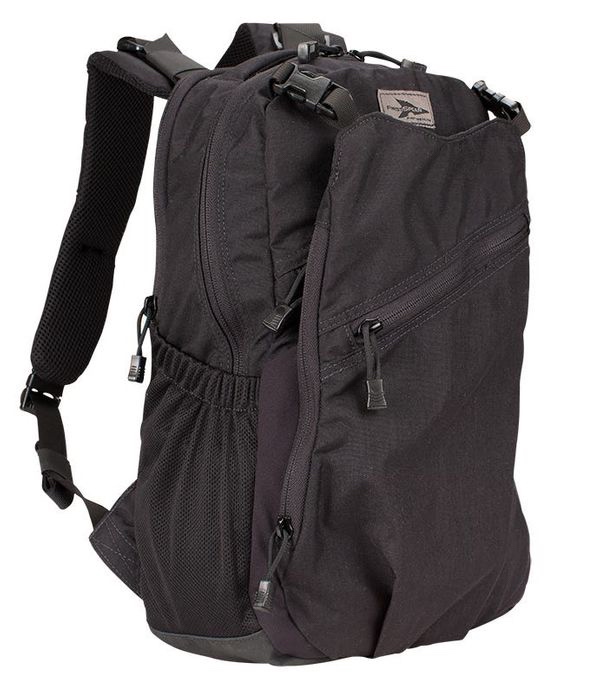
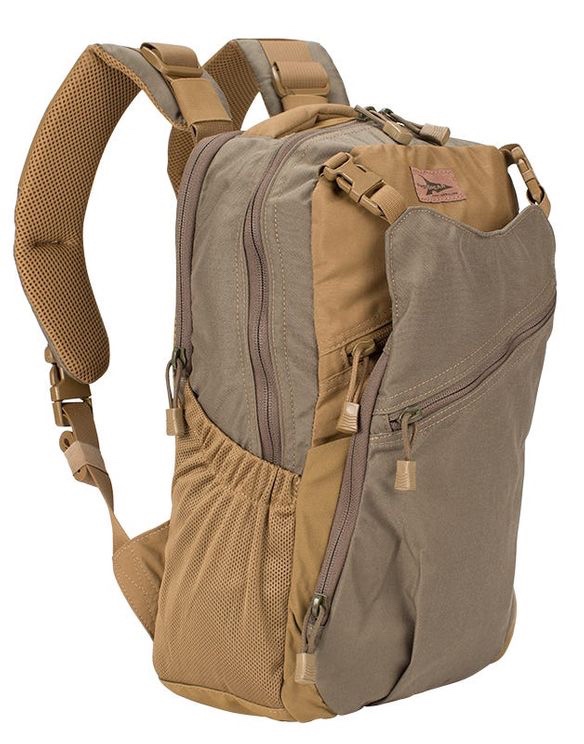
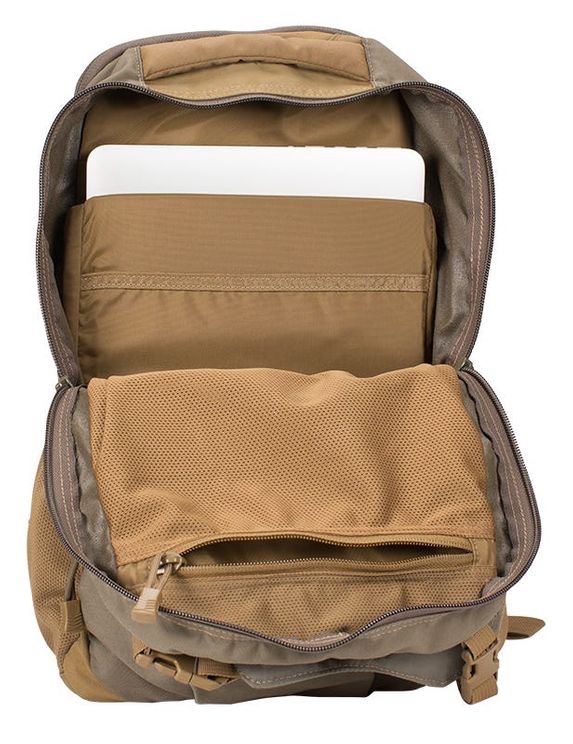
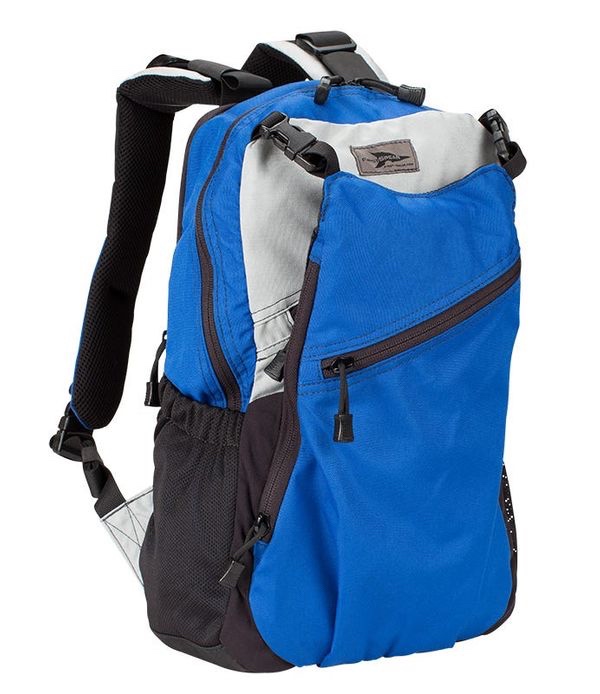
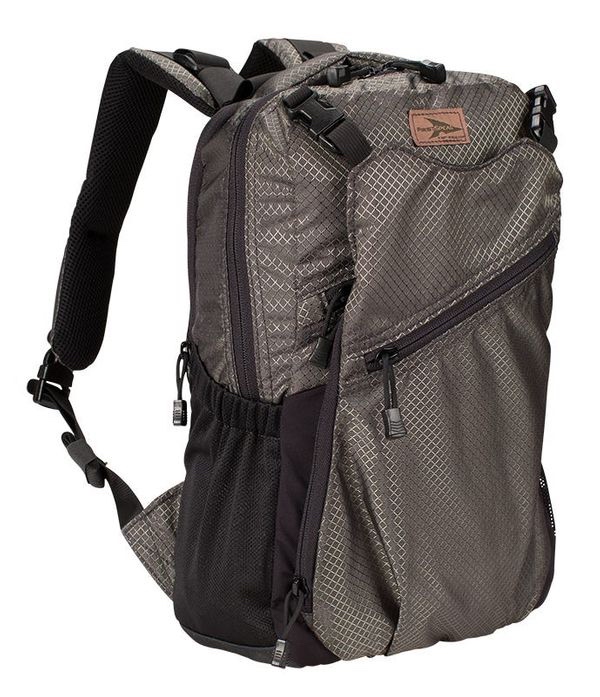
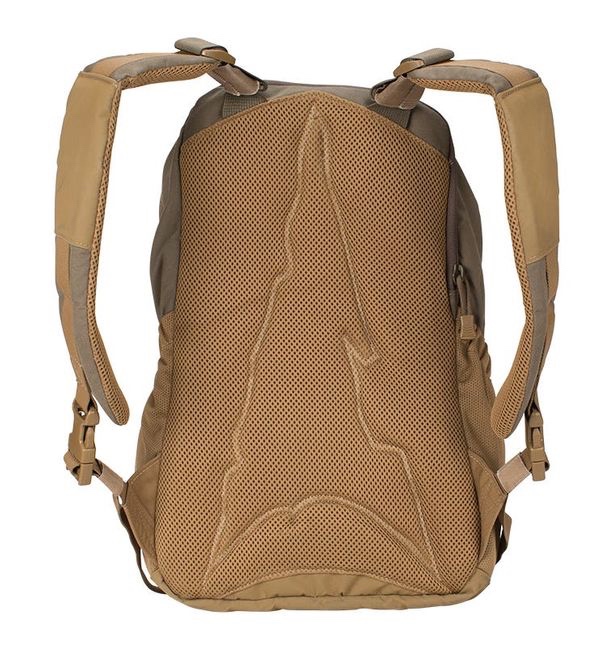
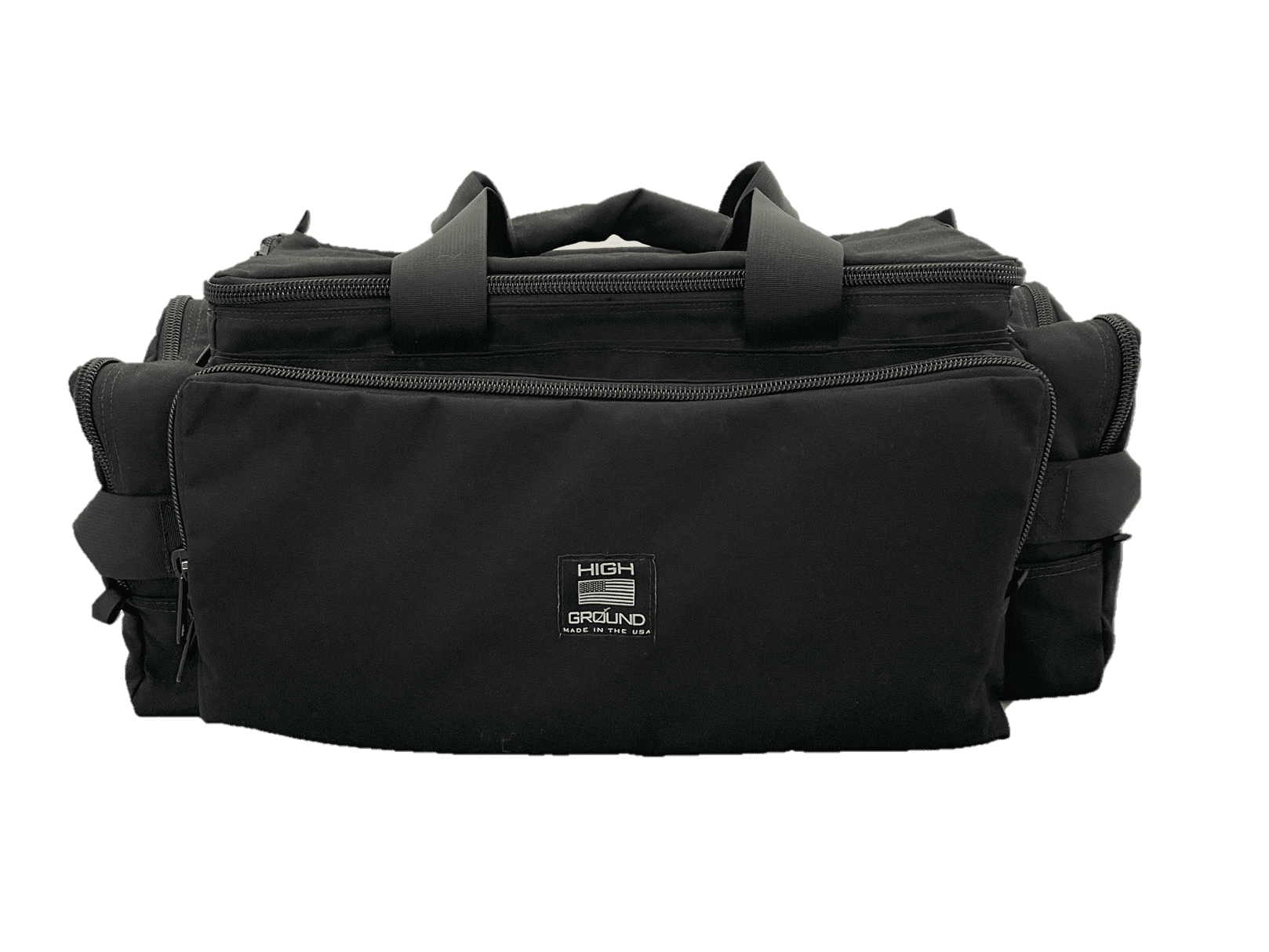
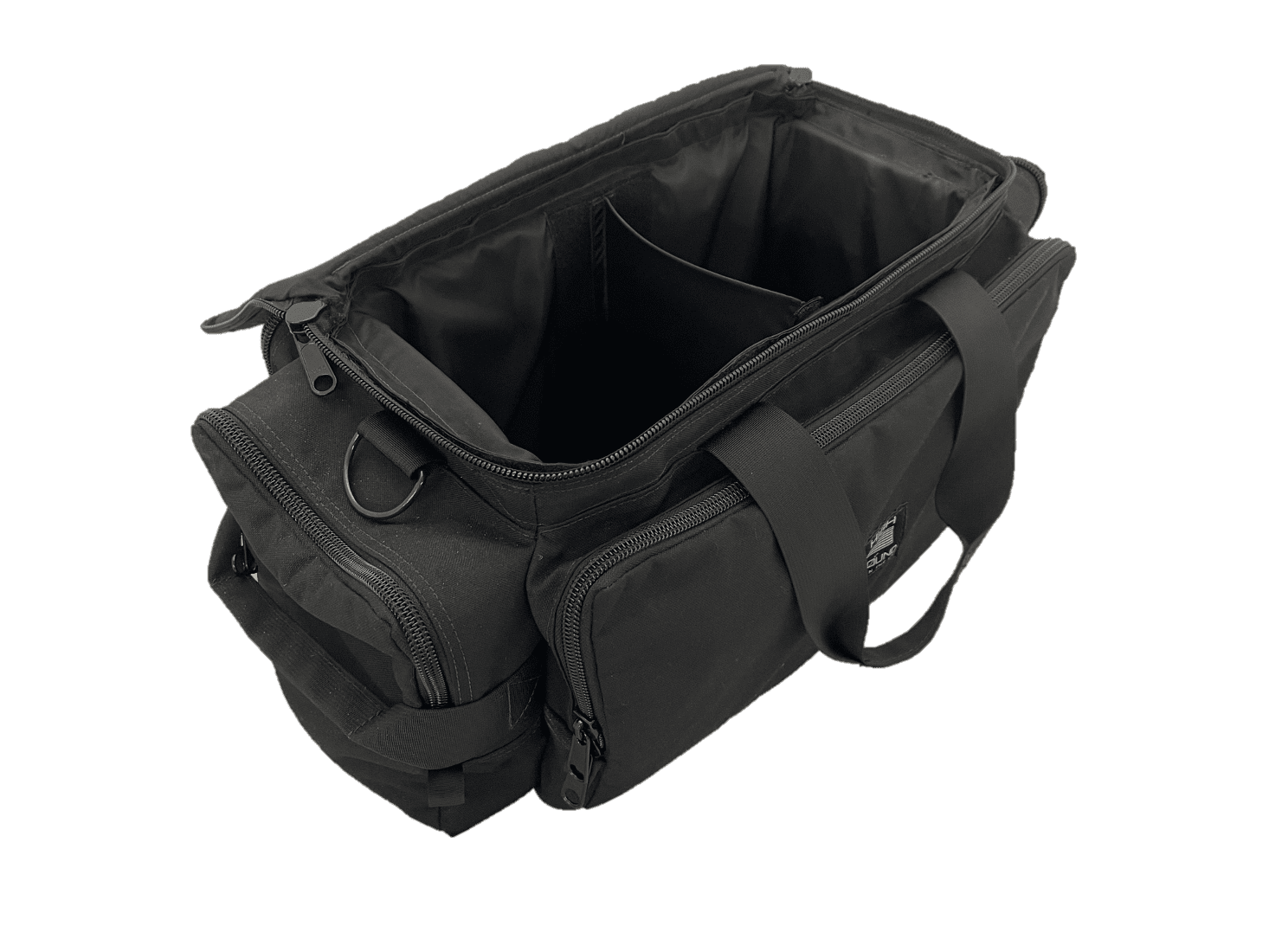
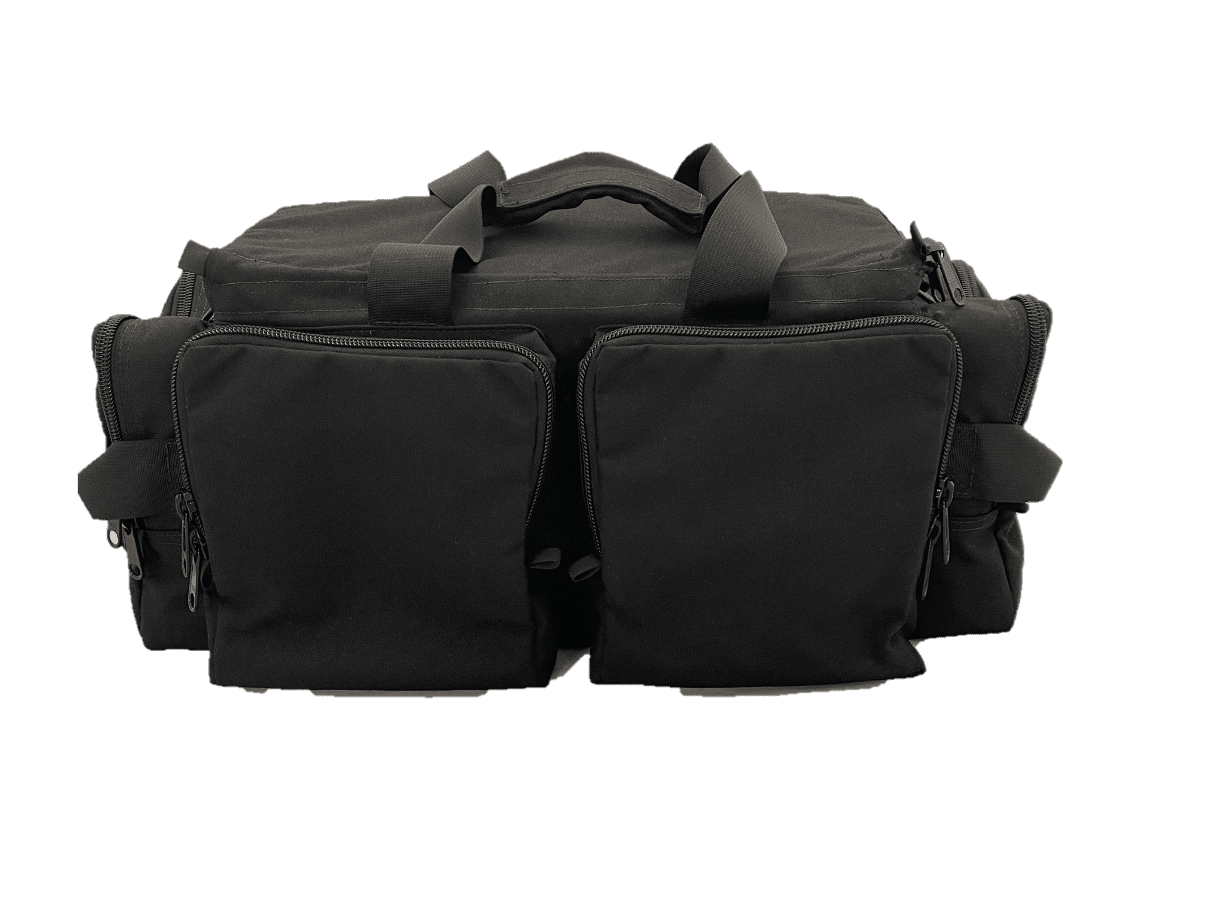
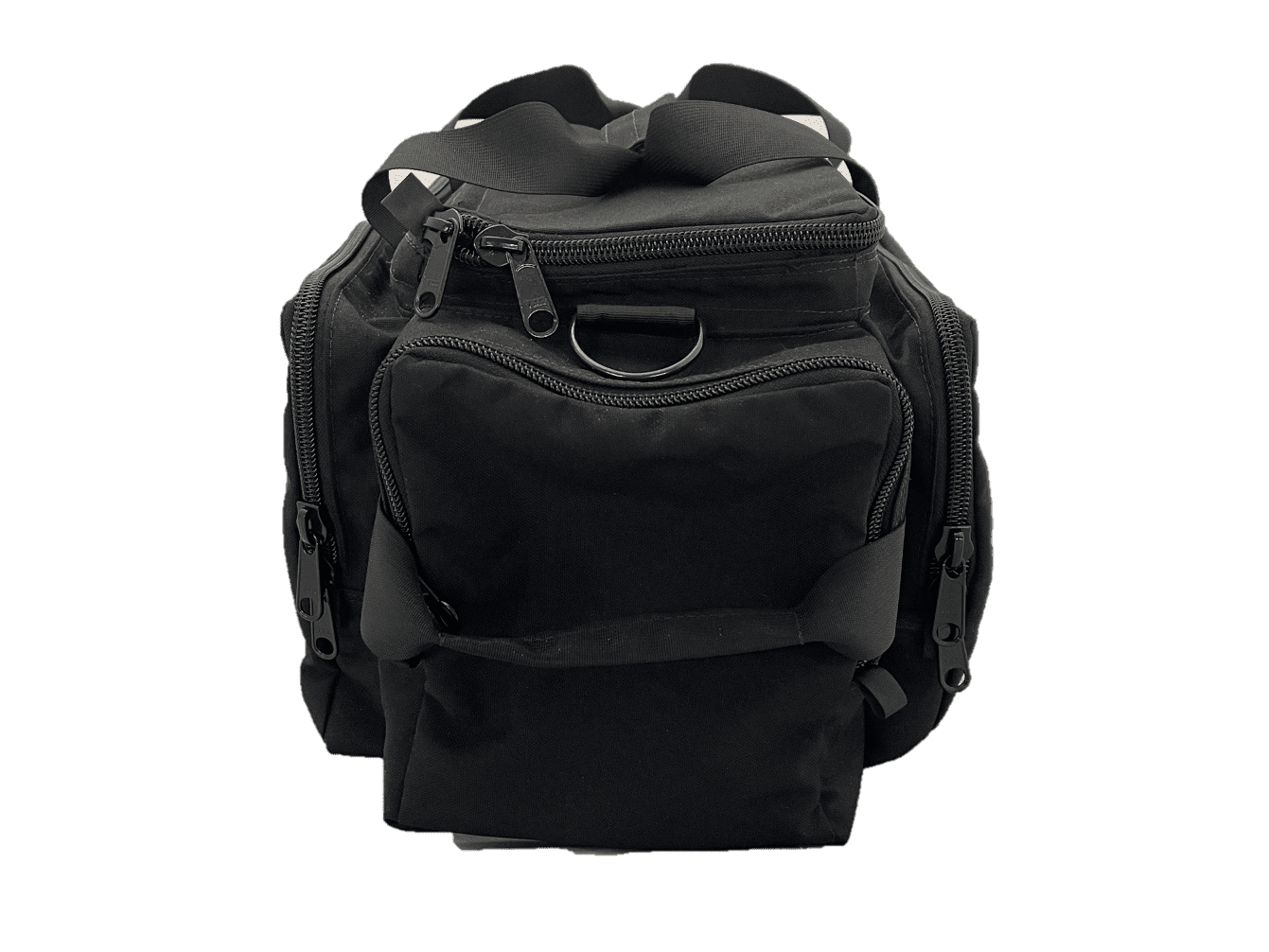
Keep your gear organized. The Skirmisher Firearms Training Bag is designed as a range pack. The possibilities for smartly organizing your kit are endless.
• Fits 1 AR style take-down rifle
• Holds 3 full sized handguns
• Magazine attachment straps
• Spacious pockets for accessories
• Multiple carrying styles
The Skirmisher Firearms Training Bag facilitates transportation and organization of your firearms and ammunition along with related accessories. Discrete and smartly arranged, this system can hold up to 3 full-sized handguns with or without lights in protected pockets. It will also fit 1 AR style take-down rifle which can be secured with an included retention strap. There is also room for associated training gear such as ear/eye pro, magazines, boxed ammunition, and a top center bin for loose ammunition.
The Skirmisher also comes with four magazine attachment straps to contain magazines. Each strap is capable of holding multiple magazines and secure to the bag with hook and loop. The bag can be transported backpack style, single strap style or carried from a continuous-length webbing handle. Padded in all key areas to protect lights, lasers, and optics, the Skirmisher takes maximum advantage of design and material to provide you with a total training enhancement.
It’s available now in coyote, black, ranger green and multicam. Dimensions are 25? X 13? X 4?.
TNVC is proud to announce that we are a full distributor for Nocorium vinyl Night Vision wraps—wraps are in-stock and ready to ship now, and available for the TNV and NGI PVS-14s, RNVGs, and DTNVGs in Multicam, Coyote (Tan 498), Ranger Green, M81 Woodland, Multicam Black, Multicam Arid, and Multicam Tropic!
Additional colorways and device patterns coming soon, to include the AN/PVS-31A USSOCOM BNVD, L3Harris BNVD1531, and TNV/DTNVS!
Nocorium™ is a non-permanent, automotive grade adhesive-backed vinyl wrap carefully designed and precision cut to customize the appearance of your Night Vision Device. Nocorium NVG Wraps™ are essentially a second skin for Night Vision Goggles that provides an additional layer of protection from minor scuffs and scratches, while also allowing the device to better blend-in to your surroundings.
Nocorium™ is easy to peel off the backing. It is easy to apply. And when you want to change it up, it is easy to remove when the time comes. Residual adhesive residue on the housing will be minimal (if present at all) even after years of being applied. The revolutionary dual system adhesive backing allows the material to be installed while providing some slideability and repositionability of the pieces. This ensures every piece properly conforms to complex surfaces with an optimal fit. Once the desired position and shaping has been achieved, pressing the wrap material firmly into the device’s surface breaks open microscopic acrylic adhesive particles that form the real adhesive bond to the surface and will continue to strengthen over the following 24 hours. When applied correctly, the end result is a clean and bubble free surface appearance that remains in place until the user chooses to remove it.
Most Night Vision Devices are typically all black in external appearance, and while they may not stand out much when observed in visible light, that black exterior has a high contrast visual signature when seen under infrared. The NVG Wraps™ are non-reflective as they have a matte finish overlaminate. When viewed under both passive and active IR light, the highly effective Nocorium™ material blends-in about the same as regular multicam fabric. In fact, the material has a much lower visual signature under IR when compared to the black polymer and black anodized components of the device itself. Nocorium™ not only looks good, it also has beneficial function as IR camouflage.
Areas of operations can change: You might be in an urban environment one day but then a woodland or arid or snowy environment in the near future. The need to blend in continues. A paint job, be it Cerakote or rattle can paint can be quite an aesthetic commitment and labor-intensive to remove. In comparison, Nocorium NVG Wraps™ allow you to change the surface appearance of your Night Vision Device as often as you like or even revert back to its all black original appearance with no clean up needed. Nocorium NVG Wraps™ are available in a wide range of colors. Multicam options are exclusively licensed from Crye Precision®. Solid Color options are carefully calibrated to match common color tones used for accessories in those color families.
Nocorium NVG Wraps™ are an excellent solution to changing the appearance of your Night Vision Device and the diverse range of colors and camouflage patterns available gives you lots of options.
(4 JAN 2021 Topeka, KS) Atlantic Signal recently received orders totaling in excess of 2 million dollars for the company’s Below H20 headset, various maritime push-to-talks assemblies and radio interface cables.
Atlantic Signal developed the Below H20 headset several years ago to meet the requirements established by USSOCOM for maritime communications and a Program of Record. Ultimately, the company was awarded a multi-year contract for the headset and accessories for Naval Special Warfare and MARSOC with deliveries beginning in 2018.
During the Below H20 headset’s development, the company began development of three all-new push-to-talk assemblies: * a single comm known as the Below H20 Single Comm Push-to-Talk, * a dual comm known as the Below H20 Dual and * a multi-comm Push-to-Talk known as the Anaconda. The company debuted an all-new Maritime multi-comm Push-to-Talk during the fourth quarter of 2020 known as the SHIELD. The SHIELD PTT was developed initially, specifically, for the Federal Bureau of Investigation’s nationwide Special Operations Units and Hostage Rescue Team. The PTT will be universally available to clients in early 2021.
USSOCOM’s maritime requirement changed several years ago for ancillary communication devices from a 2 hour / 20-meter exposure to 10 hours / 10 meters in both salt and freshwater.
Atlantic Signal began working with the 3M/Peltor ComTac headset to modify the ground/swimming headset traditionally offered by 3M (1 meter / 30 minutes). Modifications included multiple custom headset downleads, sealing of the earcups, development and manufacture of an ambidextrous boom microphone designed to withstand the harsh conditions associated with maritime operations / exposure and silicone replacement ear shell seals among other modifications.
While the initial orders from USSOCOM were specific to an interface to another company’s push-to-talk, the demand for alternative PTTs from non-program clients was overwhelming.
“We were receiving sometimes weekly calls requesting alternative push-to-talks to the model the program office had chosen for one specific client at the time of the contract award which was Naval Special Warfare, stated Randall Hedrick, President and Managing General Member of Atlantic Signal. “We recognized at that point that the demand for a new maritime headset for the U.S. Military must include alternative push-to-talks. We reached out immediately to our select group of military and Federal law enforcement clients who assist us with the development of nearly every single product we eventually bring to market. The requirements were across the board and we therefore decided to design and manufacture multiple maritime push to talks simultaneously. From meetings, to design, 3D model and functioning prototypes, re-works and eventual production – the total time was less than 90 days before products were completed and an initial purchase was made. This scenario is indicative of how we operate. There is a demand, we hold meetings with the client and assess marketability. Traditionally a decision is made internally within one week whether or not to move forward. Once a project is accepted, CAD drawings are created and sent to the client. After discussions with the client, non-functioning 3D models are generated and shipped out. Further meetings are held with the client and modifications made to the 3D model. Following ergonomic acceptance, functioning prototypes are created and shipped for user fielding. Once accepted, first articles are produced, a bill of materials is generated, production time studies are completed and eventually a new product is born and introduced to the marketplace. I’ve literally seen concepts brought to the table by clients and a finished product ready for the market within 30 days. It is commonplace for us to be in the development, prototype and production phases of multiple products simultaneously. We have become highly adept at meeting customer expectations in a timeframe rarely achieved by others”, stated Hedrick.
The Below H20 headset, PTTs and cables have proven to be highly sought after solutions for both the U.S. and foreign militaries as it has been over two decades since a new circum-aural maritime headset had been available. The company offers simple maritime PTT solutions all the way to PTTs that will interface up to four nets, various ICS platforms and smartphones all in EMI shielded designs with added cross banding capabilities. The company has developed and manufactures maritime radio cable assemblies for old school PRC 148 and 152 radios to modern day multi-band portables including manufacturers such as Trellisware, Silvus, Thales and Harris RF.
The Below H20 headset, maritime PTT solutions and various accessories including custom cables can be viewed on the company’s website at www.atlanticsignal.com.
Posted in Advertiser, Comms, Contracts, Navy, SOF | Comments Off on Atlantic Signal Receives Orders in Excess of $2 Million for Below H2O Maritime Headset Originally Developed for US Naval Special Warfare
TNVC is proud to announce that we are now shipping the first pre-orders of the Optics 1 ECOTI. Previously restricted to government sales, TNVC was able to secure exclusive commercial distribution rights late last year and finally make this next-generation technology available to all customers. Our staff is working diligently to get caught up and get all pre-orders out after a much needed break for the holidays.
The Optics 1 ECOTI next generation thermal clip-on technology is available now for order exclusively from TNVC for $8,399.00, with the full complement of accessories to be available later on this year—get yours today!
SWANSBORO, N.C. – Jan. 6, 2020 – High Speed Gear® has added LE Blue to the color offerings for most of its Polymer TACO® family at the start of 2021.
This new polymer color was based on our LE Blue nylon and will allow customers to match existing LE Blue nylon and Kydex® loadouts with Polymer TACOs, Polymer Pistol TACOs, Polymer Double Decker® TACOs and Polymer X2R® TACOs.
“We are constantly expanding our product lines to meet the growing needs of our users,” explained Allison Mitchum, HSGI® director of marketing and sales. “In the last year, we added LE Blue to the majority of our catalog and now we’ve extended that to our polymer TACOs, making that style of pouches available to our law enforcement agencies that require blue gear for their vests and belts. We know that blue equipment options for these units can be very limited, so we’re proud to offer them American-made solutions.”
The Defense Logistics Agency announced yesterday the following contract award:
Atlantic Diving Supply Inc.,* doing business as ADS, Virginia Beach, Virginia (SPE8EJ-21-D-0020); Federal Resources Supply Co.,* Stevensville, Maryland (SPE8EJ-21-D-0021); Noble Supply Co., Inc.,* Rockland, Massachusetts (SPE8EJ-21-D-0022); SupplyCore Inc.,* Rockford, Illinois (SPE8EJ-21-D-0023); Tactical Survival Specialties Inc.,* Harrisonburg, Virginia (SPE8EJ-21-D-0024); and W.S. Darley & Co.,* Itasca, Illinois (SPE8EJ-21-D-0025), are sharing a maximum $33,000,000,000 firm-fixed-price, indefinite-delivery/indefinite-quantity contract under solicitation SPE8EJ-18-R-0001 for the fifth generation Special Operations Equipment (SOE) Tailored Logistics Support (TLS) program. The scope of work under the SOE TLS program includes the total logistics support for the special operational equipment requirements of Defense Logistics Agency (DLA) customers to include military installations, federal agencies, and other authorized DLA customers located worldwide. This was a competitive acquisition with 29 offers received. These are two-year base contracts with four two-year option periods. Locations of performance are Virginia, Maryland, Massachusetts, and Illinois, with a Jan. 4, 2023, ordering period end date. Using customers are Army, Navy, Air Force, Marine Corps and Coast Guard. Type of appropriation is fiscal 2021 through 2022 defense working capital funds. The contracting activity is the Defense Logistics Agency Troop Support, Philadelphia, Pennsylvania.

Posted in ADS, Advertiser, Contracts | Comments Off on Defense Logistics Agency Awards 10-Year, $33 Billion Special Operations Equipment Tailored Logistics Support Contract to 6 Firms
SSD recently conducted a Q&A session with Sitka’s Big Game Product Manager John Barklow. He is well known to many of you, but for those unfamiliar with John, he is a US Navy Veteran who capped off a distinguished career at Naval Special Warfare Center – Detachment Kodiak in Alaska, teaching NSW personnel how to survive in the cold. Although he was a diver by trade and not a SEAL, his expertise was valued from his years in the mountains that they recruited him to be an instructor at the Kodiak Schoolhouse.
SSD: What is your role at Sitka?
JB: I am the Big Game Product Manager. I help develop clothing and equipment for hunting animals like elk, mule deer, sheep, and mountain goats. Most of that hunting occurs in remote mountains which leverages my decades of experience.
Photo: Jay Beyer Imaging
SSD: You were in the Navy, tell us a little about your service.
JB: I served 26 years in the Navy. Twenty of those were in direct support of Naval Special Warfare. I spent a lot of time climbing and skiing on my days off and was considering getting out. I thought I wanted to become a mountain guide and was working to get my American Mountain Guide Qualification.
I was assigned to SEAL Team Five at the time and for years I’d been teaching point men from different teams how to move through technical terrain at night and climb tactically, what we called cliff assault. My unique skill set was in dire need after 9/11 and I was recruited for the job at Det. Kodiak. Most of NSW’s experts in Mountain and Arctic Warfare had retired so I was one of a select few brought in to help. The truth is we were ill-prepared for the terrain and environment of Afghanistan. We took a year to study the problem and understand the unique challenges. Within two years we had developed the Protective Combat Uniform (PCU) and Personal Environmental Protective Survival Equipment (PEPSE) system with the help of professional climbers and industry partners.
We also worked on new Tactics, Techniques and Procedures and developed a curriculum for the training we were conducting. This training eventually became part of the SEAL training pipeline.
Photo: US DOD
SSD: Tell us about those who influenced you while you worked on PCU and PEPSE.
JB: I learned a lot from Mark Twight while I was working on the PCU. Mark is a world-renowned alpine climber and I learned about the attitude and mindset required to work in that harsh environment.
I also had the chance to work with Rick Elder of Natick’s Special Operations Forces Survival, Support & Equipment Systems team while PCU was being developed. Rick taught me about working the system to get what we needed in such a short period of time.
One of the biggest influences was working with my peers, including those from other SOF units. And by working, I mean in the mountains: climbing, skiing, and becoming comfortable in the environment, discussing tactics. We were all trying to figure it out and the collaboration lessened the learning curve.
SSD: How do you apply that experience at Sitka?
JB: I’ve trained thousands of guys and seen how gear is used both correctly and incorrectly. I’ve worked with designers to help instill my no compromise mindset. I trust our field testers, but nothing is ready until I’ve tried it out myself. This mindset goes back to the Rewarming Drill we had our students conduct at Det-Kodiak.
SSD: I’ve heard about this. The Rewarming Drill is legendary. There’s this photo of an instructor towering over some very cold, very wet SEALs. Could you tell us a little more for those unfamiliar?
Photo: MCS2 Manzano – DOD
JB: The instructors at Det-Kodiak developed this evolution where students are completely immersed in cold water, wearing their kit, surrounded by ice. The idea is to keep them in long enough to drive a sense of urgency to perform the task. They have a set amount of time to get out of the water and work through their protocols with a buddy to rewarm and dry out.
The drill creates trust not only in the gear to save their life but also in themselves to control a bad situation. You can’t just leave the mountains during an op because you’re cold or tired. The gear and this drill helped them to understand they can leave the mountains on their terms.
With technical gear, you can’t just hand it to someone without training. That’s like giving the keys to your Porsche to a 16-year-old.
Photo: Eastman’s Hunting Journal
SSD: Put us in the thought process. Give us a scenario where this applies to the hunter.
JB: 13,000 feet… a mule deer hunt in August. A storm rolls in unexpectedly from over the top of the ridge. The temperature plummets, the wind picks up and it starts to snow. If you don’t have the right gear, and most importantly know how to use it, you’re a casualty.
SSD: You’ve been the manager of Big Game for six years. Do you see any parallels between the military and hunting?
JB: Absolutely! A Special Reconnaissance mission and a wilderness hunt have direct parallels. You plan and you execute. The biggest difference is in what you’re observing. However, a hunter can leave anytime he wants. The guy in the military is in, until the mission is complete.
Photo: Jay Beyer Imaging
SSD: Have you ever been in a life or death situation while hunting?
JB: We were hunting in Northern British Columbia in mid-October a few years ago. They dropped us off at a lake by floatplane.
There, we linked up with horses to head deeper into the backcountry to hunt mountain caribou. We rode into full winter conditions the deeper we went. The wrangler dropped us off on a glassing ridge with some bivy gear and left us for a few days.
The ride out to the trailhead took four days I believe. The snow turned into rain and then refroze on the narrow horse trails. One of the guys was thrown from his horse and dislocated his shoulder. Another guide was thrown off and had a concussion. My horse, a 1400 pound beast, fell out from underneath me in the dark as we rode through a boulder field. I was banged up pretty good but was able to get out from underneath before the horse freaked out and crushed my leg. The horse almost didn’t make it and we thought we’d have to shoot him where he lay.
Photo: Jay Beyer Imaging
SSD: Between your military experience in Alaska, your time climbing and hunting, is there anything you’ve applied directly to clothing development?
JB: Clothing is all about managing moisture. It’s your armor from the elements. Twight taught me that. These technical clothing systems aren’t meant to keep you dry as much as to dry out as quickly as possible. It’s all about managing moisture and using your body as the heat source to dry out.
When I’m testing out a new clothing layer or textile, there’s a test I put it through that I don’t ask of any other field testers. I put the new layer in a bucket of water to get it soaked. Then I put the layer on within a tried and true clothing system. I want to see how the layer works within the system to manage moisture. I’ll go for a hike, ski tour or do a workout in my gym. The worse the weather the better to simulate worst case scenarios. I call this exercising your clothing system. It’s critical to find out how a layer works within a system to provide the performance I’m looking for.

Photo: Eastman’s Hunting Journal
SSD: Our readers are quite interested in the new SOF product line. Although you’re the Big Game Product Manager, how have you been involved in the new line?
JB: When he arrived in the Fall of 2020, I walked Lav (John Laviolette, SOF Program Manager) through the entire Sitka line. I also went over what SOF guys have been asking for and what they’ve been using from the HUNT product line already. That helped influence the DNA of the soon-to-be launched SOF product line.
A lot of these guys have been operating in the same clothing they hunt in. They know they can rely on it. They like the durability and the fit. It goes back to confidence.
We cherry picked Sitka technologies and laid the foundation for the program, however, we don’t build single pieces. We use a systems-based approach to design. When you do this, you get the performance you seek.

SSD: Earlier you mentioned wanting to get your American Mountain Guide Qualification. Are there any personal projects you’ve got going on?
JB: I recently started an Instagram page @jbarklow to continue teaching. I’m working now on building a website and training content. I missed teaching and wanted to continue to help others lessen the steepness of the learning curve. The dirty little secret is just because you work for a company developing product doesn’t mean you’re an end user or know how to use any of the gear. There is a real need for education within the hunting and mountain sports community.
SSD: I spoke with Sitka founder Jonathon Hart about being overwhelmed by the sheer number of styles you guys offer. He said that Sitka is taking a look at that.
JB: I’ve reset the Big Game line over the last six years, cutting the styles in half. An eight-piece system will work about 85%-90% of the time. Of course, there’s personal preferences, price points, and environmental considerations to factor in.



Photo: Steven Drake

SSD: If you could summarize your philosophy, what would it be?
JB: People’s lives can be on the line when they use our gear, especially now as we enter the military business. My philosophy is easy: No compromise, period, end of story!
—
This interview was conducted by SSD Editor, Eric Graves.
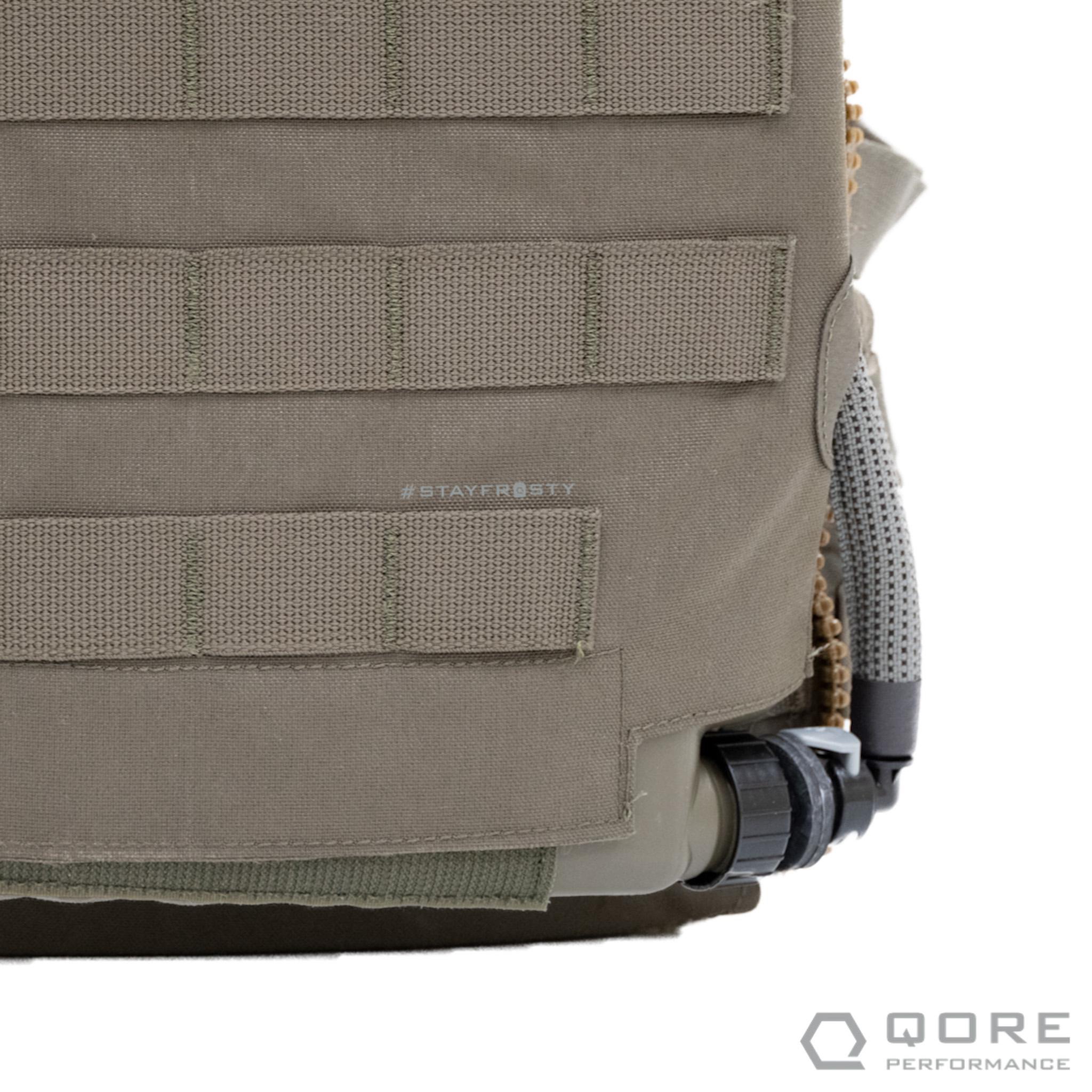
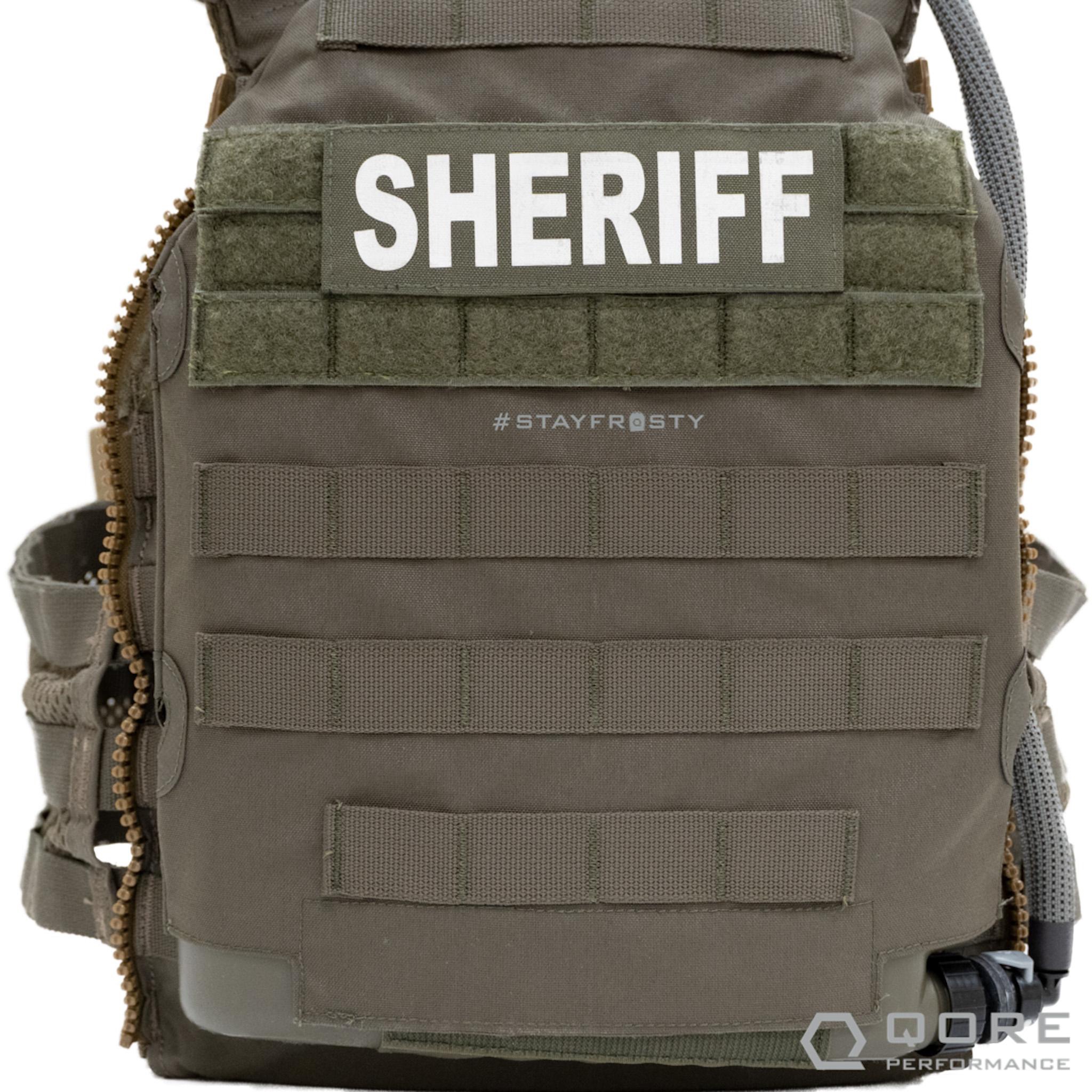
WTF are pleased to offer several back panel options for your favorite carrier.
Back Panel 91 (hydration bladder carrier) and Back Panel 64 (PALS/MOLLE) are available for-
-Crye JPC medium
-Crye JPC 2.0 medium
-Crye JPC 2.0 large
-Ferro Concepts Slickster medium
-Ferro Concepts Slickster large
-Spiritus Systems LV-119 Overt medium
-Spiritus Systems LV-119 Overt large
-Spiritus Systems LV-119 Covert medium
-Spiritus Systems LV-119 Covert large
WTF products are manufactured in the United States using MIL-DTL-32439 500D nylon, A-A-55126 nylon hook & loop, A-A-59826 bonded nylon thread, MIL-W-5691 nylon elastic, YKK USA heavy duty zippers, and well compensated, skilled labor to produce a cost effective part.
***all Crye, Ferro, and Spiritus Systems trademarks, brands, etc are the sole property of the respective companies. Crye, Ferro, and Spiritus do not endorse these products***