XC3 Weaponlight

Archive for the ‘Army’ Category

IVAS 1.2

Monday, April 3rd, 2023

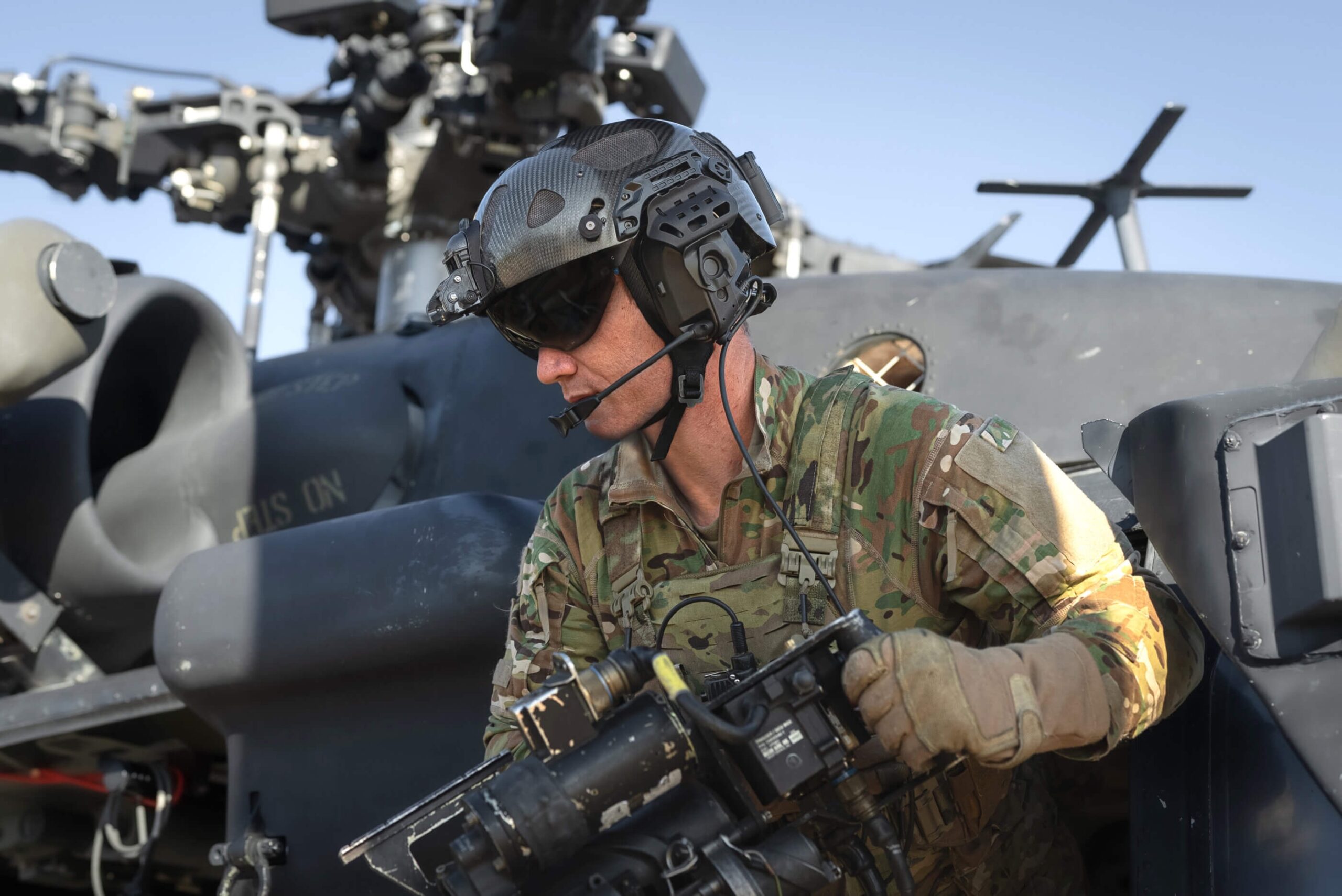
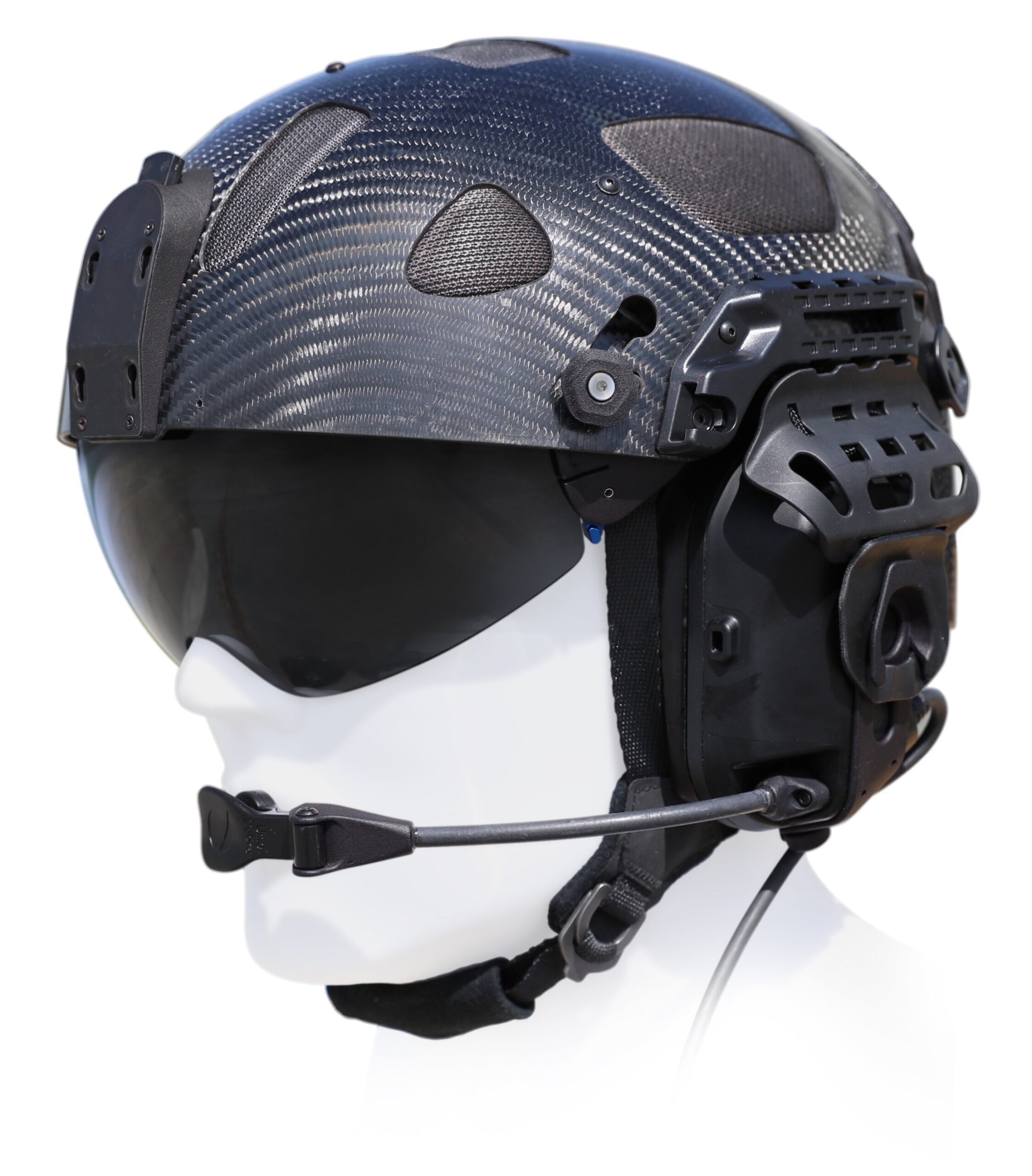
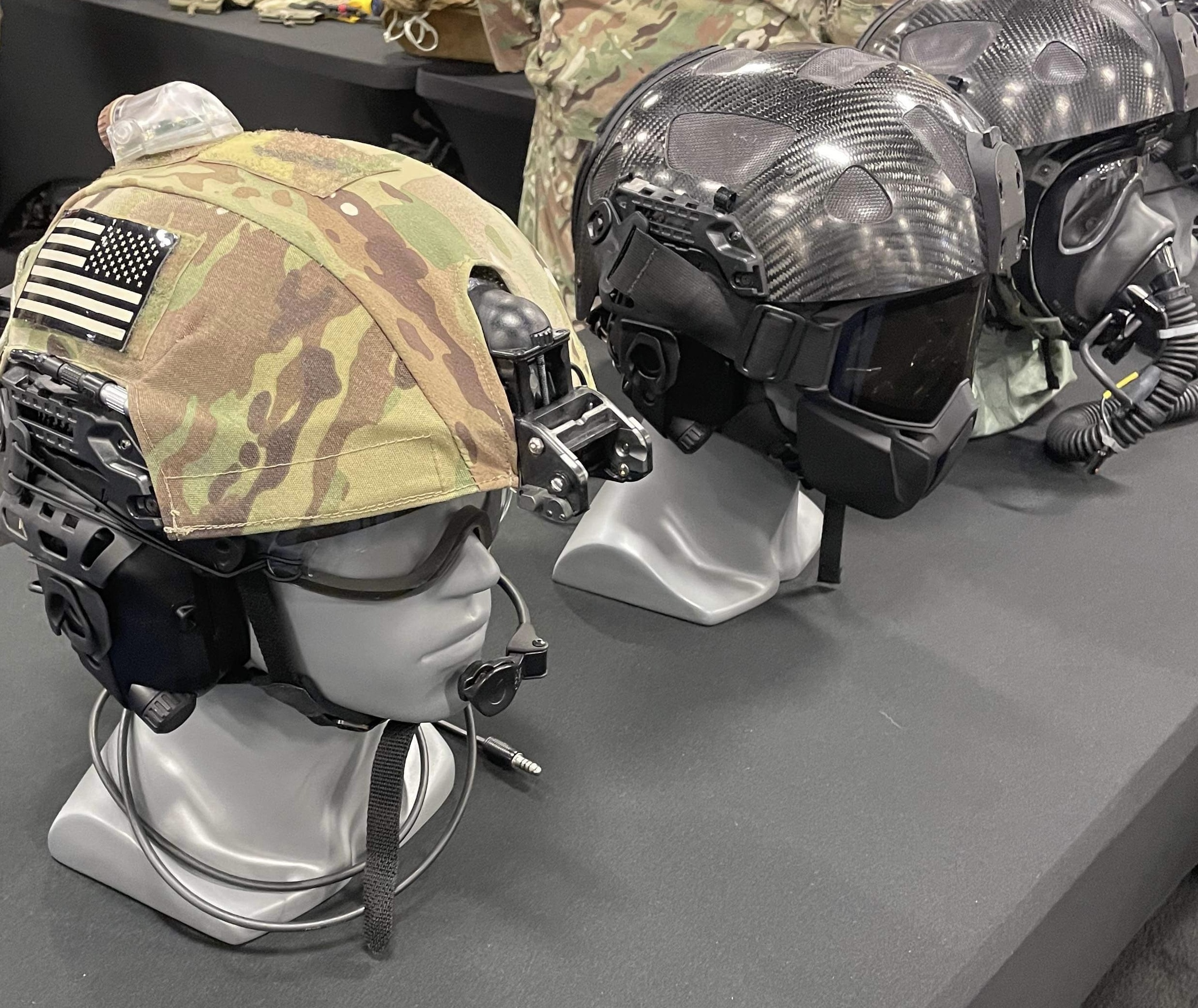
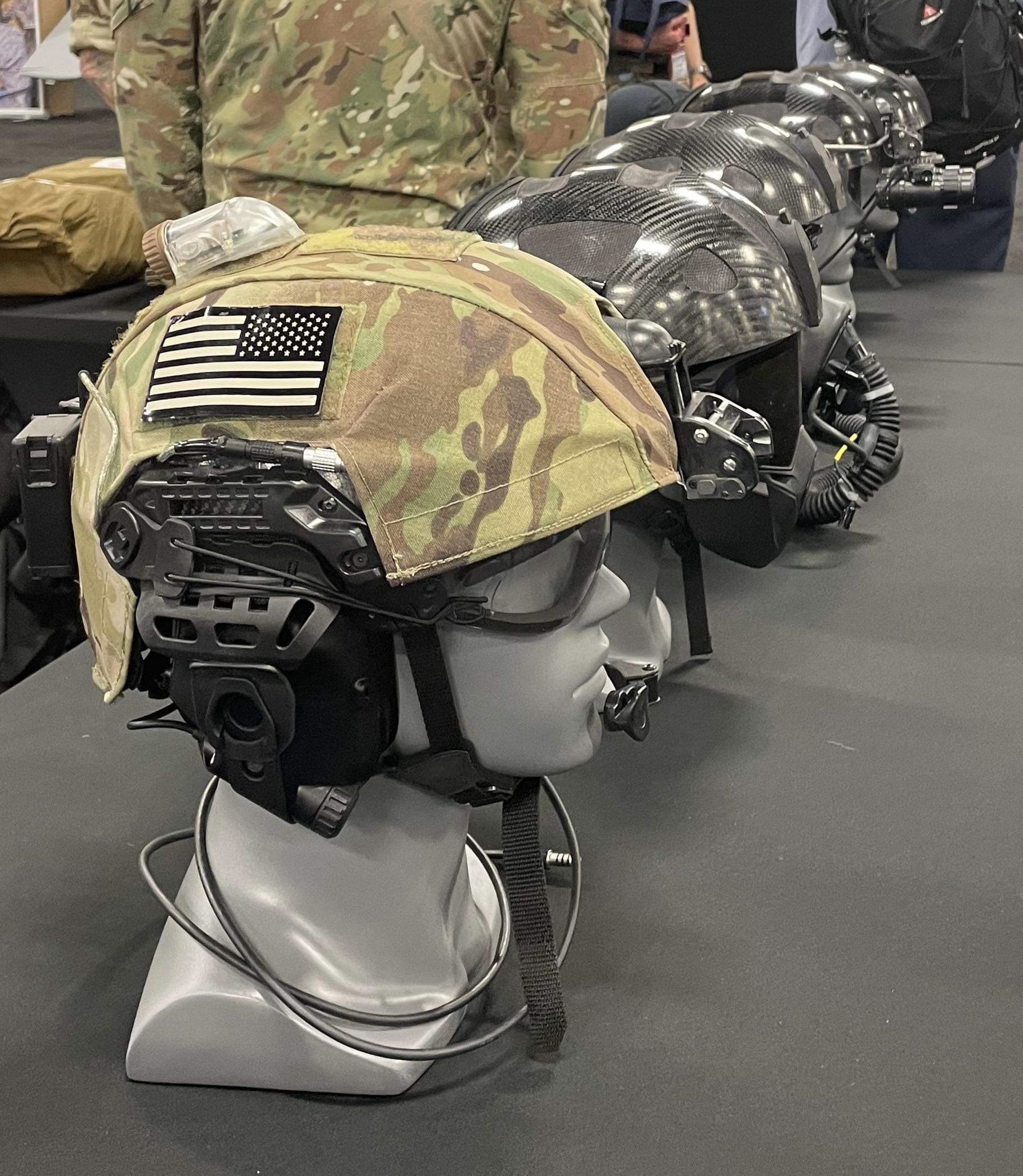
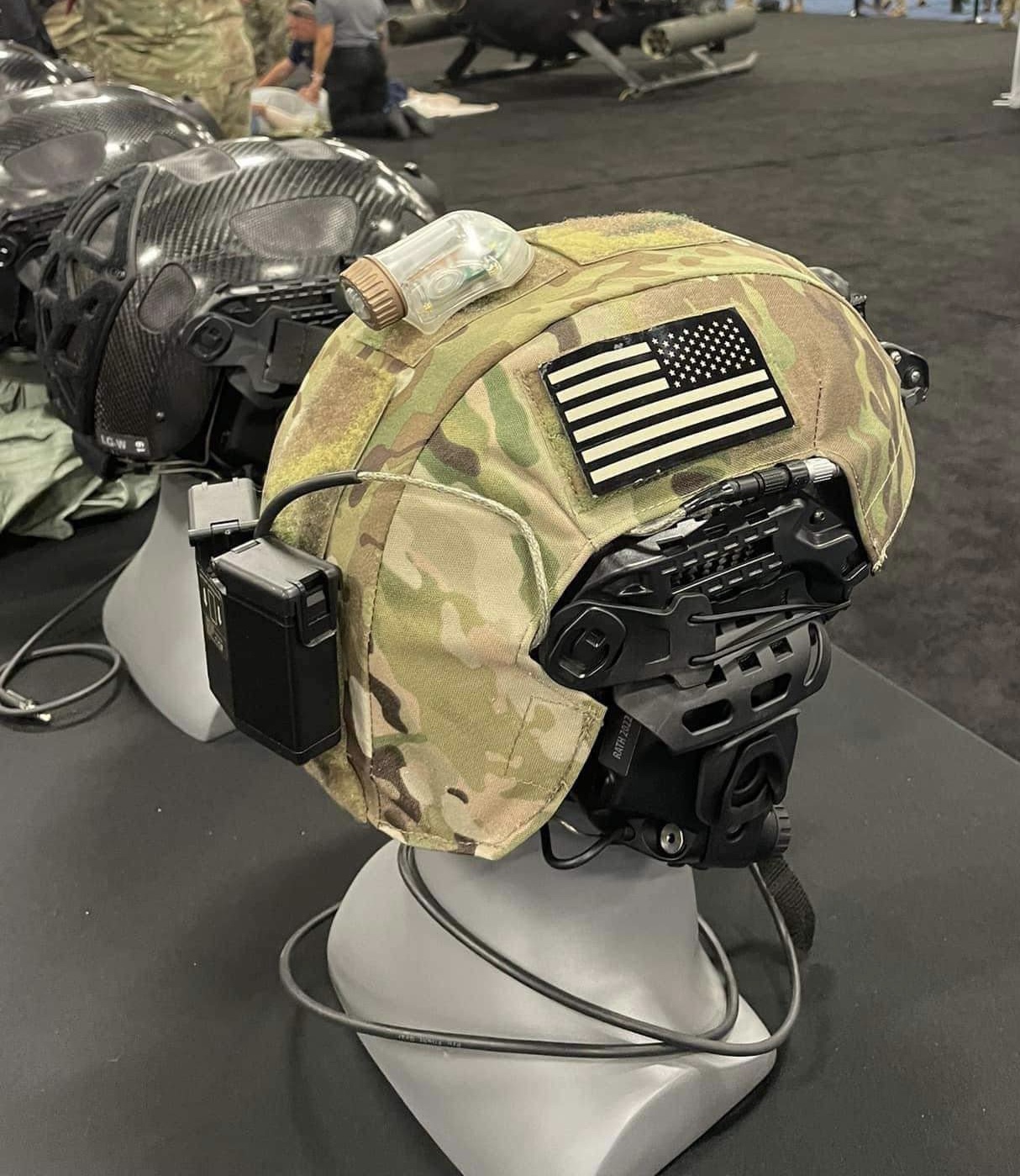
IVAS 1.2 features an improved form factor and a lower profile heads-up display with distributed counterweight for improved user interface and comfort.

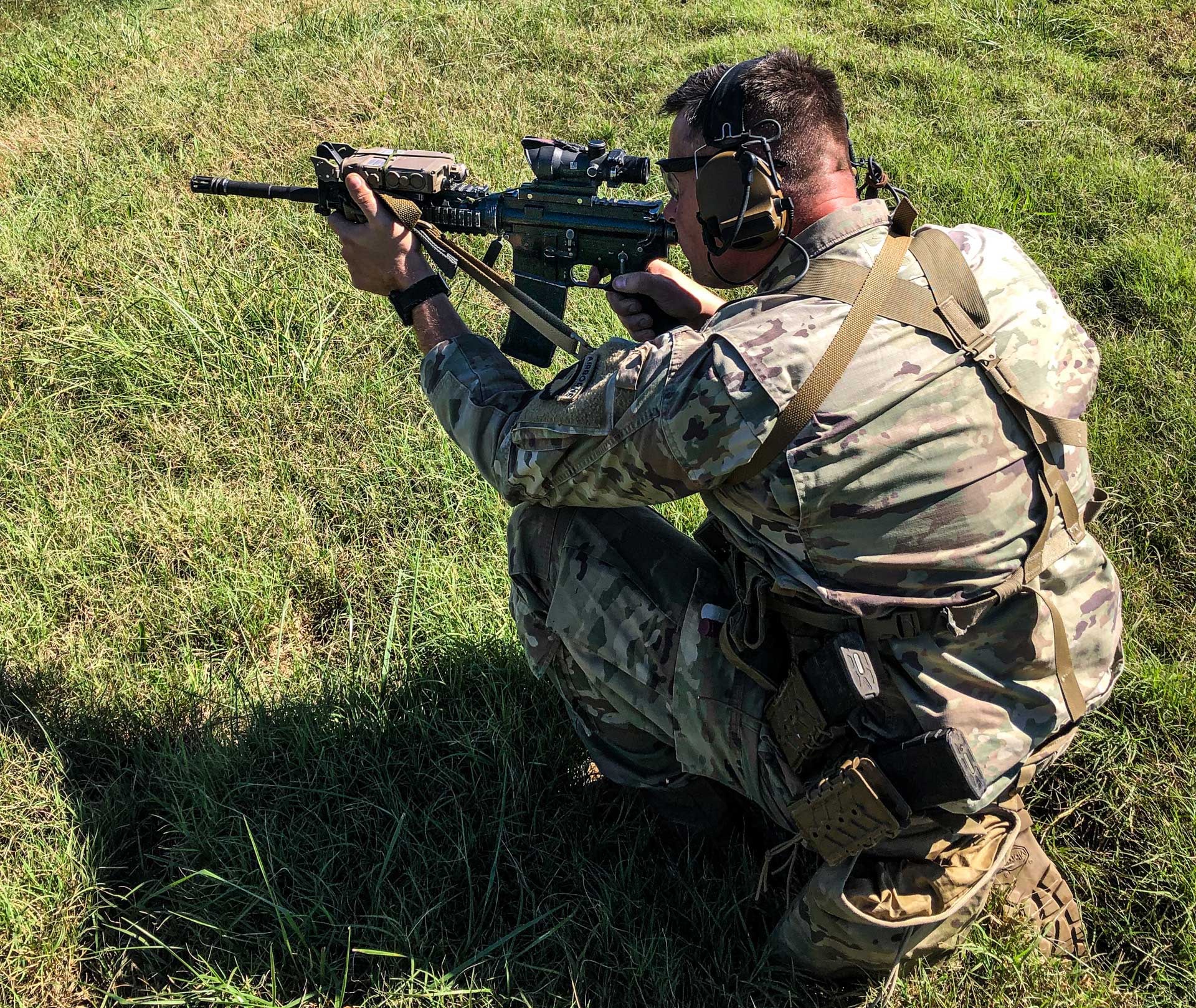
Cadet Sisters Compete at the US Army Small Arms Championships

Saturday, April 1st, 2023

Fort Benning, Georgia — This year’s U.S. Army Small Arms Championships was more than just a unique training event for two Texas A&M Reserve Officers’ Training Corps cadets, it was a family affair.

Cadets Hayle Mayer and Jesse Mayer, who are sisters, participated in the week-long, comprehensive, live-fire marksmanship training event that brings together more than 250 Soldiers from across the U.S. Army to the Maneuver Center of Excellence. The annual event, which is commonly called the All Army, is hosted by the U.S. Army Marksmanship Unit and opens up with All Army competitors receiving a variety of classes from the USAMU champions and experienced trainers.

After that, the Soldier competitors, who were a mix of servicemembers from active duty, Reserve, National Guard and ROTC, put the lessons to the test on the ranges by competing in 11 different courses of fire during the week. The variety of matches allowed the Soldiers to compete in both rifle and pistol matches, with and without combat gear, as well a four-stage multigun match.

As a senior, All Army 2023 was Jesse’s second year to compete and the cadet said each year has been extremely helpful in developing her Soldier skills.

“I think both times that I have come here, I have really grown as a marksman…just learning the basics, what I am capable of, watching improvement each year, and just learning how complex marksmanship is. It’s been really incredible each time.”

For her sophomore sister, Hayle, it was her first All Army experience. With limited prior marksmanship experience and spending all week with an array of Soldiers with a range of marksmanship knowledge, Hayle said she was trying to absorb all that she could.

“I am just learning basically everything you can about shooting.”

Though Hayle and Jesse may at be different levels of marksmanship knowledge, the sisters say that military life in general is nothing new to them. In fact, they were born into that life since both their parents were Marines, both grandfathers were Soldiers and a grandmother was an Airman.

That meant that military life was just always there. It’s what we saw and respected, Jesse explained.

“Everyone was so disciplined and so patriotic. There was just such a higher purpose to the military that I always saw, and I wanted to be part of that.”

So when it came time for college, joining an Army ROTC program was nothing out of the ordinary because both our parents instilled a strong sense of independence and strength in us, Jesse said.

“Our parents really made sure that we always knew that we were capable of anything that we wanted to do. So there was nothing stopping us, as long as we put our minds to it and put in the hard work.”

And that’s exactly why Hayle and Jesse were at All Army. As part of their ROTC’s Ranger Challenge Team, the cadets competed in the USAMU training event to gather experience and knowledge that they could later share with other cadets. That way, the A&M Team will be stronger and more knowledgeable before we go to the Sandhurst Military Skills Competition at West Point, Hayle explained.

“We all want each other to do the best that we can.”

Jesse reflected that same espirit de corps as well when asked about if her and her little sister were competitive with each other.

“We are very competitive with each other, but also very supportive I think — we balance each other out.”

Sharing knowledge with her teammates, and her little sister, is just a way to pave it forward and frankly, just how we were brought up, Jesse explained.

“Growing up, I watched it—the honor, the sacrifice, and what it meant to give back and serve other people, your Country and your family.”

With all that, Jesse is proud to say that she is contracted to commission in May of 2024 and looks forward to carrying on her family’s tradition of service.

“It means a lot to me to serve my Country, to push myself in any way that I can, and it is part of a family legacy—being in the military—and I just want to complete that and do that for my family.”

Though military service is a tradition in the family, Hayle says it’s not something she feels like she has to do as well. She just wants to do it too, and that’s the advice she’d give to any other young adult, or even a little sister.

“Hold yourself to your own standards, not the standards of other people. If you want to do something, then that’s just the fact and just do it.”

By LTC Michelle Lunato

1st Special Forces Group (Airborne) Tests New Prototype Glider

Friday, March 31st, 2023

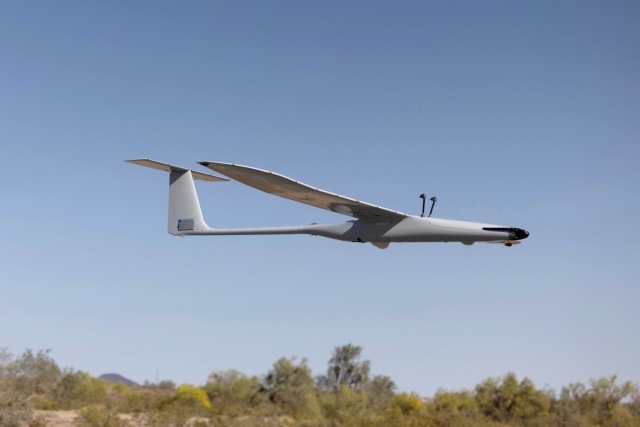
YUMA PROVING GROUND, Ariz. – In February 2023, 1st Special Forces Group (Airborne) successfully tested a new unmanned aerial delivery platform, the GD-2000 glider (glider disposable 2000 lbs.). This glider is an alternative to the current means of supply delivery into diverse environments. Implementation of the glider will result in enhanced capabilities of the Special Forces detachments deployed through varied, and often restrictive, terrain.

Timely and accurate resupply is imperative to the success of combat operations.

This success does not only lie with the operators on the ground but also with utilizing emerging technology. The GD-2000 is a glider platform that Special Operation Forces innovators hope will revolutionize aerial delivery to Green Berets in the field.

“It’s an autonomous aircraft that carries 1,500 pounds of payload,” said Chip Yates, CEO of Yates Electrospace, and the creator of the glider.
“It flies for 15 minutes, flares and lands where you want it,” he continued.

Traditional supply delivery systems can be more cumbersome and more detectable by the enemy when compared with the glider. It was birthed out of a request from the U.S. Marine Corps as an alternative to the Joint Precision Air Drop System (JPADS). JPADS tend to be both larger in size and have limited ability to maneuver through the air, making them less accurate, especially over long distances or in high-wind conditions.

“What this glider does is give us a much greater [travel distance] and a much greater glide ratio into a target,” said a Special Forces detachment commander, whose team tested the glider.

The GD-2000 is a small aircraft designed to land at a precise location while being released from a greater distance than traditional supply drops. The glider can travel up to 40 miles once released and is completely disposable once on the ground, allowing it to be left in denied or contested territory without compromising the security of the Soldiers receiving the supplies or the technologies or techniques employed by the U.S. military.

“If we are able to get [the glider] up to 40,000 feet we’re looking at [travel distances] in excess of 25 to 30 miles. That’s a pretty unique capability and not matched by anything we currently have,” the commander said.

This would also allow for aerial delivery to remote islands that require a greater level of precision to reliably reach their destination. With some modifications, the designer of the glider claims it can also land and be recovered in a maritime environment, further enhancing resupply capabilities to the sort of small islands often found in the Indo-Pacific.

During the testing, the GD-2000 carried a 1,000-pound payload and was airdropped from a C-27J plane. During several drops, the glider landed within 30 meters of its intended target at Yuma Proving Grounds, Arizona. The hull of the aircraft was still intact and protected the cargo inside.

“[The glider] gives us the ability to drop this from a plane outside of controlled airspace into international air space and fly resupply in from an unmanned autonomous craft. It’s a huge enhancement to the mission” the commander said.

1st Special Forces Group (Airborne) is committed to innovating beyond the status quo. Today’s tests and experiments are done to ensure that tomorrow’s problems do not catch us off-guard. Enhancing our capabilities fosters an environment of competency within the unit and allows for our Soldiers to continue the mission of maintaining a free and open Indo-Pacific.

Story by SGT Thoman Johnson, 1st Special Forces Group (Airborne)

Army Lab Makerspace Program Enables Workforce Innovation

Wednesday, March 29th, 2023

Aberdeen Proving Ground, MD – The Makerspace program at the U.S. Army Combat Capabilities Development Command Chemical Biological Center (DEVCOM CBC) provides state-of-the-art equipment and technology to enable the workforce to develop mission-related product prototypes and specialty items.

“This is an innovation space. We want people to come in and share their ideas so we can help them do a proof of concept, which can then go on and become a bigger project or a bigger program,” explained Bradley Ruprecht, lead of the Makerspace program.

Innovation is the core of Makerspace. In 2012 and 2019, the Center’s Makerspace program was awarded the Distinguished Innovator Operators (DINO) Award. It is the Additive Manufacturing User Group’s (AMUG) most prestigious honor, recognizing those with the highest levels of experience and expertise in the industry who dedicate a willingness to share their knowledge through contributions to AMUG and its members. Makerspace has earned two of the Army’s three DINO Awards.

Located in the Advanced Design and Manufacturing Rapid Technologies Lab, the Makerspace program has led and supported numerous successful large-scale projects by utilizing the program’s robust equipment with updated technologies and material developments. For example, the program played a major role in enabling the replacement of ion drift tubes in handheld sensors for the Defense Logistics Agency.

The program continues to support such major projects using the products developed in the lab and encourages the CBC community to bring their ideas into the space, where the team can assist in teaching and training on new skills. “Our mission this year is workforce development because we’re training folks on new skills,” Ruprecht said. “Chemists, biologists, engineers – anyone and everyone – are learning new skills like 3D printing and CAD 3D modeling.”

The equipment at the facility enables products to be fully customizable at a low cost, which allows for flexibility during project development and offers a high degree of conformity among custom-developed units. Makerspace aims to own and develop its own processes, materials, and products to support CBC missions. Lessons learned while supporting projects throughout the Center will be an asset for upcoming projects within the Army.

In a recent project, Ruprecht aided in the development of organoids from living cells using the lab’s recently acquired bio-printer. The capability of the bio-printing machine allows it to print living cells, which can then grow and multiply to create an organoid or other bodily structures. The project used tooling to create a custom organ-on-a-chip, where a silicone microchip connects to small fluidic channels with specific organ cells – such as the heart or lungs – to mimic human physiology. The idea of the project is to develop and design the organ on a chip in-house at Makerspace.

In addition to bio-printing, Makerspace provides access to 3D scanning and printing, laser cutting, metal bending, and painting as well as design and engineering services. The materials at the workshop range from liquid resin to stainless steel metal, carbon fiber, nylon, and more. Ruprecht encourages the workforce to visit the facility, where experienced professionals can introduce individuals to the lab and even match them up with programs or engineers to target the particular needs of a project or idea.

Funded by CBC, Makerspace is open for walk-ins and is a freely available resource for the CBC workforce to use. Ruprecht plans to host classes in the Makerspace lab to share his expertise with the community and develop skills within the workforce.

By Aeriel Storey

Fort Bragg’s Airborne Innovation Lab Hosts First Introduction to Microcontrollers Course

Tuesday, March 28th, 2023

Recently, the Airborne Innovation hosted its first Introduction to Microcontrollers Course.

Students were taught the basic background of electronics principles and operations, circuit diagrams, line-by-line code review, circuitry analysis.

This course focused on specifically on the low-cost Arduino microcontroller.

Lessons occurred through lessons and hands-on practical applications, through various challenge projects, culminating in a capstone build.

Other courses include Basic and Advanced Additive Manufacturing.

www.army.mil/82ndAirborne#org-airborne-innovation-lab

DEVCOM Engineer Sees STEM as Way of the Future

Thursday, March 23rd, 2023

Explaining complex concepts to children is one of Noel Soto’s strengths and a key reason why the U.S. Army Combat Capabilities Development Command recruited him to work with the DEVCOM Soldier Center’s Science, Technology, Engineering and Mathematics team. Soto, an electrical engineer, supports the DEVCOM STEM program by visiting local schools and speaking to students about the equipment that Soldiers use daily.

“After I explain how Soldiers use the equipment, I challenge the students to find ways to make it better. The most important takeaway is to speak their language…don’t use words they don’t understand. If I see their eyes glaze over, then I’ve lost them,” Soto said.

Soto is familiar with the equipment that Soldiers use, after serving four years as a paratrooper in the Army’s 82nd Airborne Division.

“Seeing the children’s eyes light up when they understand a concept is rewarding, and I see STEM as the way of the future. It is important to get children interested in career fields such as science and engineering, before they opt for other careers,” Soto said.

When Soto recently visited a local high school, one of the students shared his idea to develop a solar blanket with a built-in battery. Soto liked the idea so much that he is working with a vendor to see if it is viable. On a visit to a local middle school, Soto worked with the teacher to tailor his presentation to the current curriculum.

Soto stresses the importance of making his visits to local schools fun.

“I don’t consider working with children at STEM events a lot of work. I consider this fun,” Soto said.

Soto also supports the Harnessing Emerging Research Opportunities to Empower Soldiers, or HEROES, program, a joint research and development initiative between University of Massachusetts Lowell faculty members, undergraduate, graduate and postdoctoral students and DEVCOM SC researchers and scientists who develop new technologies to empower Soldiers. The HEROES initiative accelerates research and innovation by tapping into the intellectual assets and research facilities of both organizations. Soto serves as a consultant for the HEROES program, sharing his knowledge of electrical power.

About 5,000 square feet of UMass Lowell is dedicated to the Heroes program. The Heroes team focuses on these project areas: 1) chemical/biological, thermal, fire microbial, insect and ballistic protection; 2) aerial delivery and Unmanned Aircraft System; 3) portable power and wearable electronics; 4) human augmentation and human systems integration; 5) sensors for chemical/biological agents; and 6) nutritional intervention. DEVCOM SC researchers and scientists also have access to laboratories across the UMass Lowell campus, which include design, synthesis, engineering and testing labs, as well as nano-fabrication facilities.

“Reaching out to children to get them excited about math and science is one way to build the workforce. STEM is also vital for our national security. The country can’t continue to keep a leading edge if we don’t have people with the right technical skill set,” Soto said.

___

The U.S. Army Combat Capabilities Development Command, known as DEVCOM, is home to thousands of Army scientists, engineers, technicians and analysts working around the globe to leverage cutting-edge technologies and empower the American warfighter with the data and abilities to see, sense, make decisions and act faster than our adversaries – today and in the future.

As part of Army Futures Command, DEVCOM takes calculated risks to find new technological solutions each day. Our experts drive innovation, improve existing technologies and engineer solutions to technical challenges. Our work goes beyond theory to simulation and prototyping. We take potential science and technology solutions from the lab “into the dirt” for experimentation alongside Army Soldiers. DEVCOM prides itself as a global ecosystem of innovators, from world-class universities and large defense contractors, to small, minority-owned businesses and international allies and partners.

By Argie Sarantinos, DEVCOM Public Affairs

Army Field Manual 3-98 Reconnaissance and Security Operations

Wednesday, March 22nd, 2023

In January, the US Army updated their Cavalry doctrine with a new version of FM 3-98 Reconnaissance and Security Operations.

Download it here.

National Guard, Canada Conduct Tactical Arctic Insertion

Wednesday, March 22nd, 2023

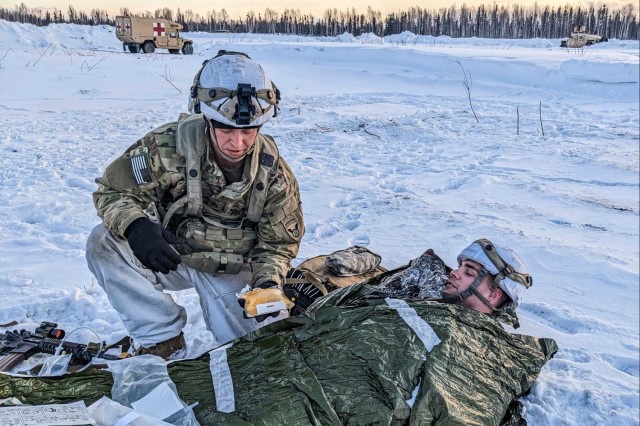
NUNAVUT, Canada — Thirty-seven U.S. and Canadian soldiers were tactically inserted by way of an LC-130 Hercules on Arctic Ocean ice just east of Little Cornwallis Island in Nunavut, Canada, during exercise Guerrier Nordique 23 on March 15, 2023. The multi-country and joint effort is the first ever platoon movement of its kind.

The New York Air National Guard’s 109th Airlift Wing is the only ski equipped tactical C-130 with flying missions focusing on snow and ice landings, which is made possible by multi-capable Airmen trained to build and groom those runways. The LC-130H is equipped with 4-by-20-foot feet skis that make landing possible on specially built skiways and ski landing areas.

“We’ve been flying missions in Greenland and Antarctica for over 30 years, and this is the first time we’ve ever conducted a tactical insertion with Canadian reserve soldiers,” said Lt. Col. Matthew Sala, officer-in-charge of the 109th Airlift Wing’s Polar Camp Skiway Team and Ski Landing Area Control Officers. “This is just the starting point for us to build from. We hope to expand our capacity and have more training missions like we had here with Guerrier Nordique. This exercise demonstrated the LC-130s full capability to infill and exfil tactical forces providing Arctic agile combat employment while also incorporating valuable training to our multi-capable airmen,” said Sala.

Soldiers and Airman loaded the LC-130 at the Canadian Armed Forces Arctic Training Center in Resolute Bay. They were flown northwest to a location just east of Little Cornwallis Island. Airmen from the 109th had groomed a ski landing area on the Arctic ice, which is where the aircraft landed. The location was previously secured by a small section of U.S. Soldiers, Canadian Rangers, and a Canadian Pathfinder.

After landing, soldiers disembarked and set a security perimeter 100 meters from the landing zone. Dressed in overwhite camouflage, soldiers established their security positions. Soldiers were equipped with individual weapons, machine guns and everything they needed to sustain themselves for up to three days in the Arctic.

“This is only the beginning,” said Canadian Army Lt. Col. Andre Morin, land component commander for Guerrier Nordique. “The partnership between the Canadians and Americans is invaluable. I would like to see this exercise grow from here and make it bigger and better. We have now confirmed that we have the ability to deliver Soldiers in a very difficult environment. Eventually, in the future, I hope to have a Canadian battalion and a company from the United States.”

Guerrier Nordique is a cold-weather training exercise for the Canadian Army that takes place in a different location each year. Resolute Bay is one of the few places that is located above the 60th parallel or the Arctic Circle. The Vermont National Guard has participated each year since 2012 and hopes to continue well into the future.

“This is my sixth time participating in Guerrier Nordique and it’s gotten bigger and better each year,” said U.S. Army Maj. Matt Hefner, officer-in-charge for the U.S. Soldiers during Guerrier Nordique. “This year the 105th and 109th Airlift Wings took part in the exercise and we certainly hope they continue in this multi-national and now joint training. The sky is truly the limit.”

Most of the U.S. Soldiers delivered came from the National Guard; Vermont, Connecticut, New Hampshire and Utah were all represented. The 11th Airborne Division out of Fairbanks, Alaska, also sent two Soldiers. Canadian Soldiers taking part in the exercise are also mostly reservists from the 35th Canadian Brigade Group based in Eastern Quebec. Canada also sent Soldiers from the 34th Canadian Brigade Group, 4th Health Services Group and from the Canadian Rangers. In total, 235 soldiers and airmen participated in Guerrier Nordique.

“Almost every single soldier and airman here are from the National Guard or a reservist in the Canadian Army,” said Hefner. “Organizing and executing this task has been a challenge, but seeing the Air National Guard, Army National Guard and Canadian Army Reserve work together to execute this exercise has been an awesome experience. The Hercules landing and those Soldiers coming out in close to 50 below was awesome.”

By CPT Mikel Arcovitch