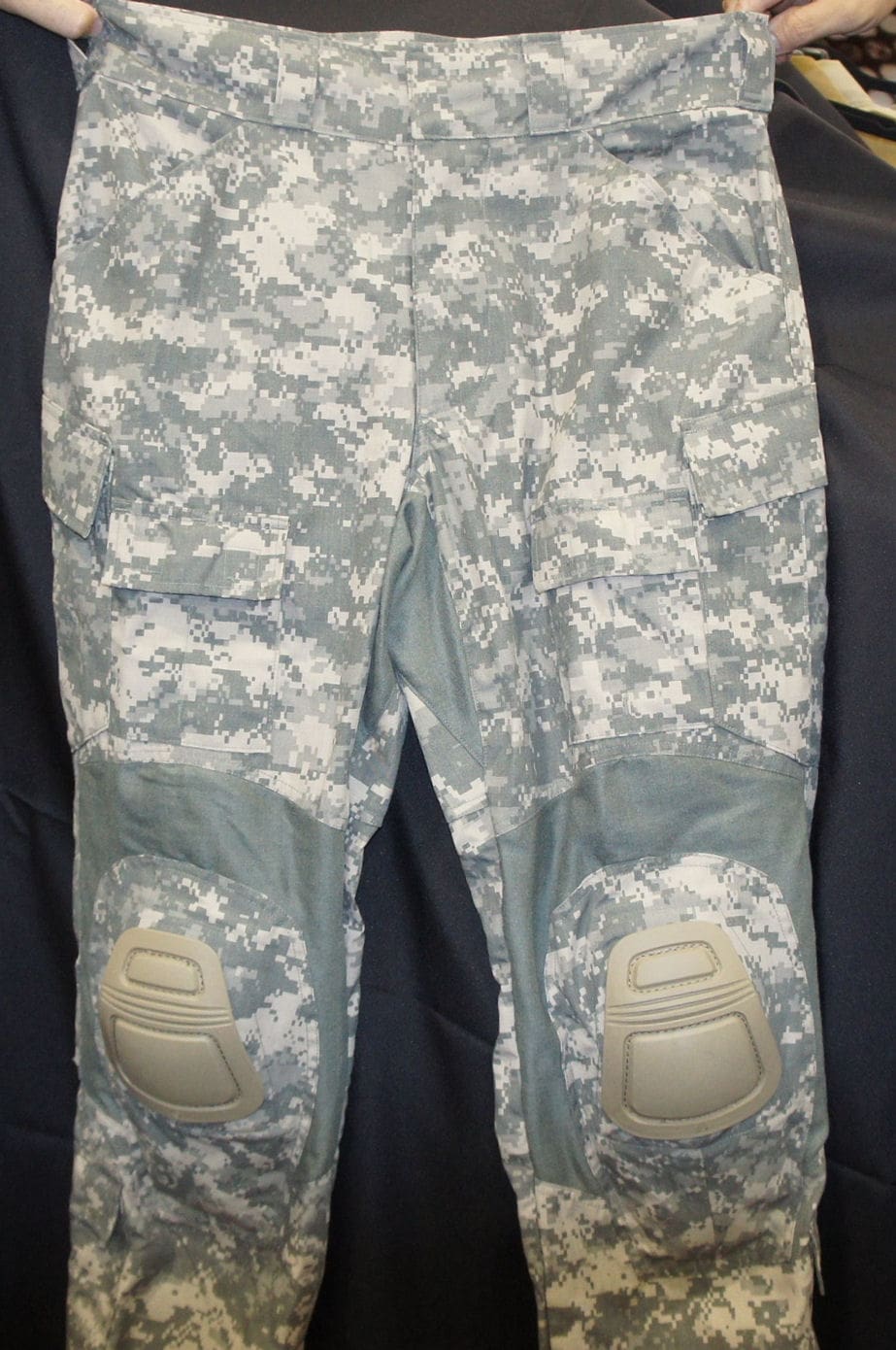
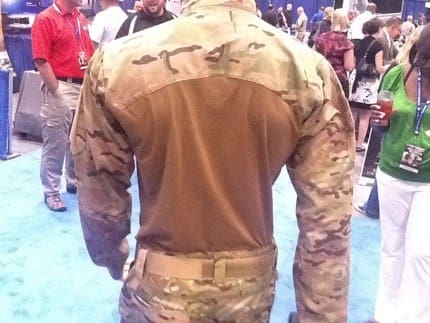
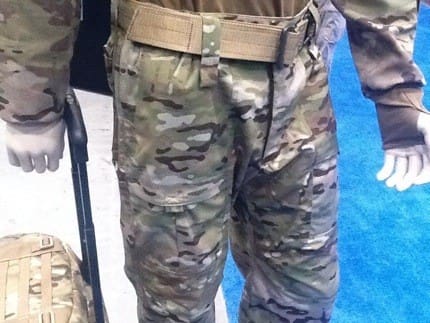
This is Propper International’s version of the Army Combat Pant. It is made from 3 different TenCate FR fabrics including a heavier duty seat reinforcement as well as the stretch panels around the knees and above the seat. One distinct difference we know that the Propper version has from Crye’s offering is a zippered fly rather buttons. Additionally, the button at closure at the top is located on the front flap rather than the rear and buttons into a fully enclosed hole.
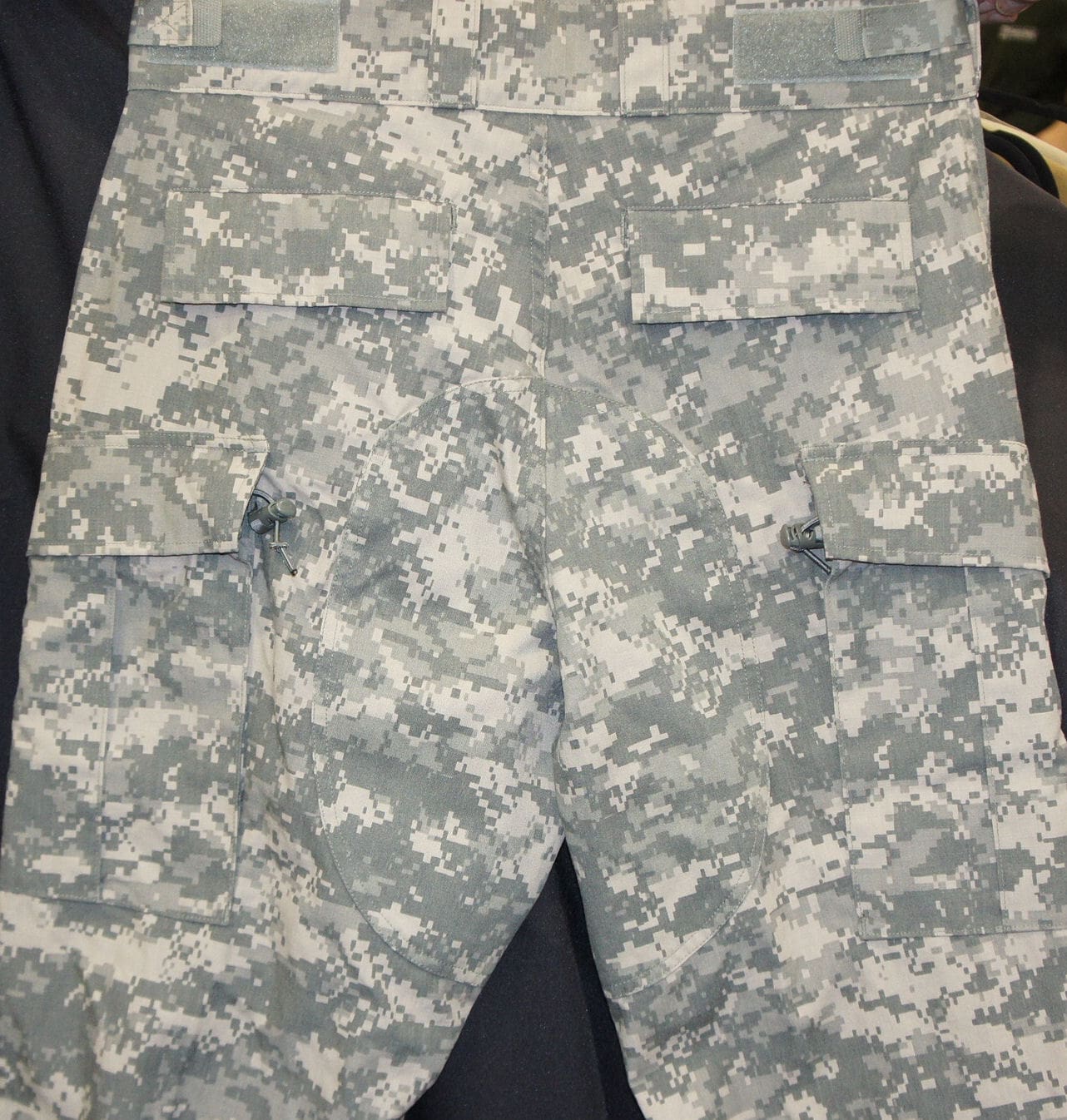
Here you can see the reinforced rear.
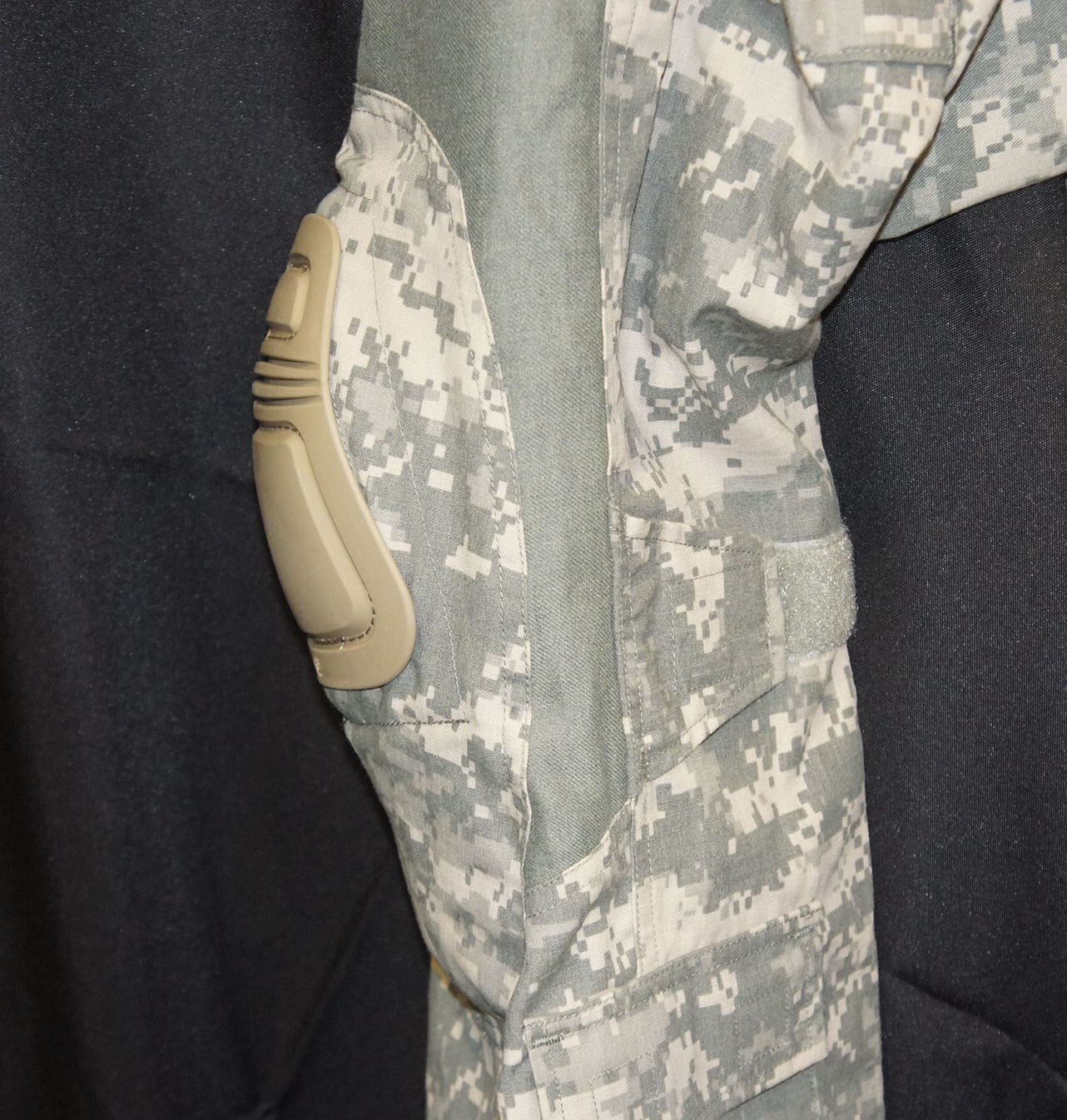
The Propper pant utilizes Cry’s proprietary kneepad design.
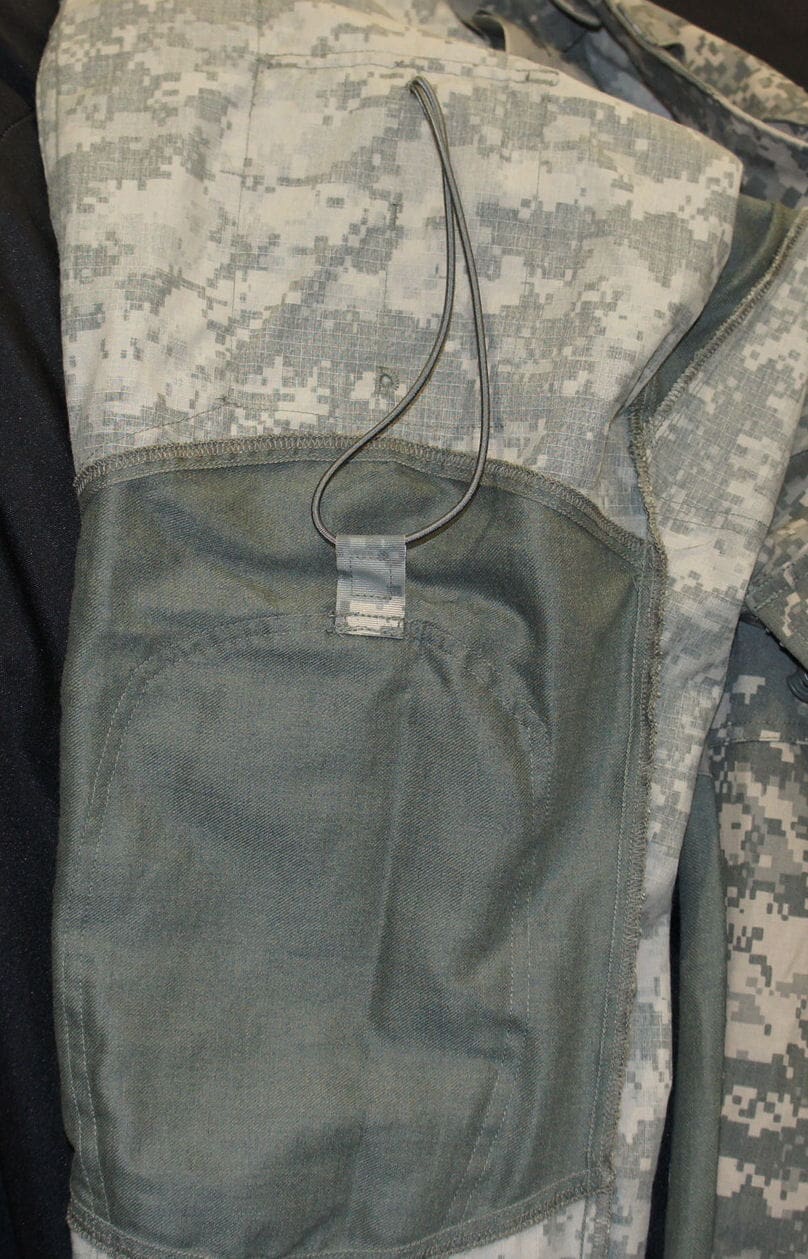
The kneepad is removable and and the pant features an internal flap that plugs the hole from the inside when the kneepad is not worn.
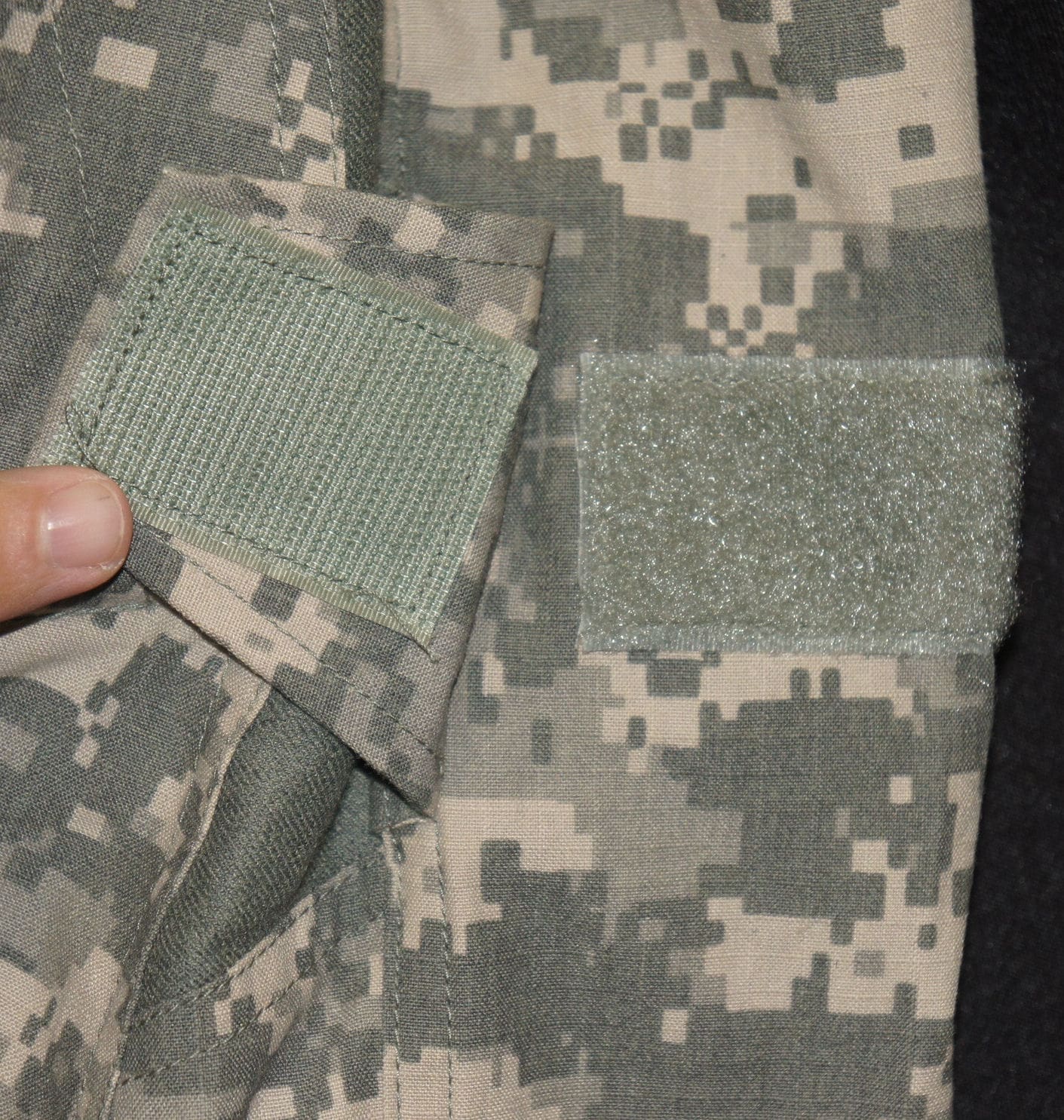
The pant leg incorporates several cloth adjustable take up tabs.
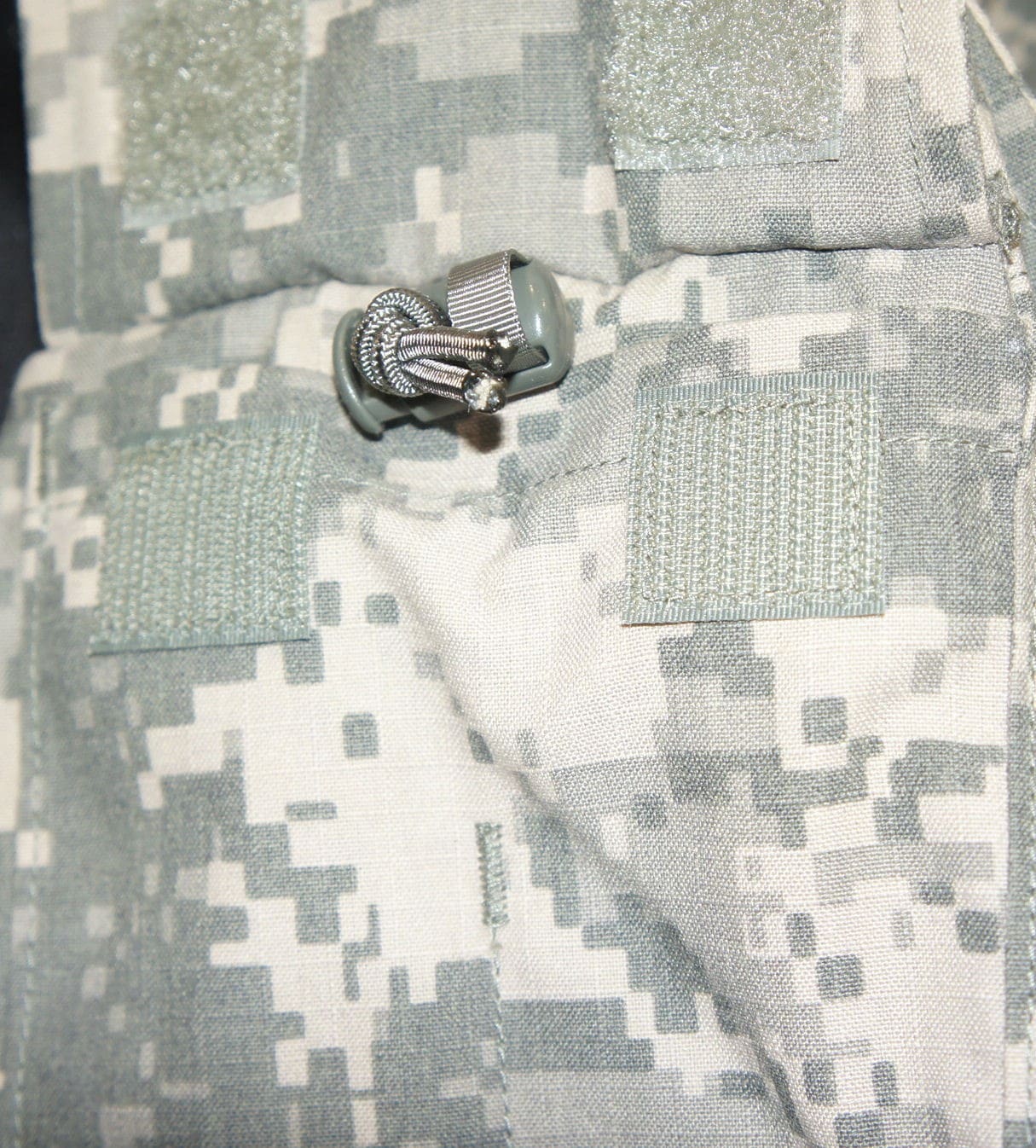
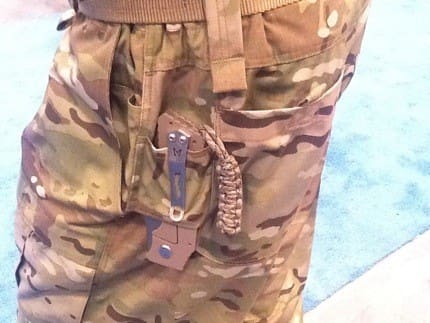
The height of the kneepad is also adjustable via an internal shockcord that is held in place via a barrel lock contained in the external upperthigh pockets.
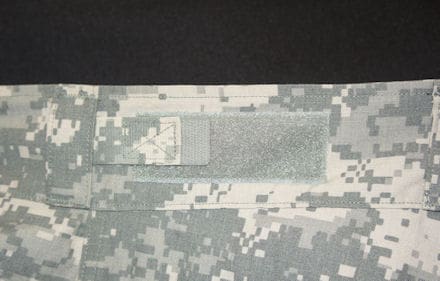
Here you can see the low profile take up tabs on the sides of the nonpadded waist band.
“Threads” is a clothing and equipment newsletter published by the Australian Department of Defence for industry. It is a great resource for keeping up with the latest in Australian initiatives. One interesting article confirms that the Australians are going to domestically manufacture their recently adopted Operational Combat Uniforms consisting of consists of four different garments: Field Shirt, Field Pants, Combat Shirt and Combat Pants designed by Crye Precision. The article also verifies that these will be printed in a new Australian variant of the MultiCam pattern. Hopefully, these will be manufactured from the latest version of TenCate’s FR Defender-M fabric rather than going back to the non-FR twill that some in Australia’s opposition political party have called for after some durability issues were noted with an older version of Defender-M. This new fabric adopted last year by the USMC and recently by the US Army features twice the tear strength of the version used in the last round of OCUs.
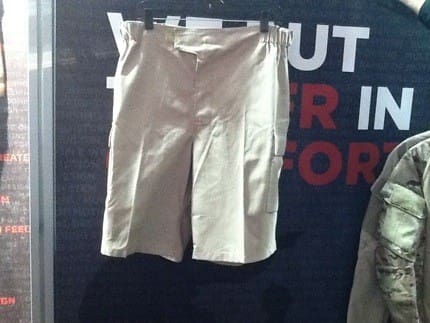
Looking for an alternative to the old UDT shorts? So were USN Rescue Swimmers. They started cutting the legs off of their DRIFIRE 2 piece flight suit. DRIFIRE saw this and worked with the SAR Swimmers to develop a Board Short that was optimized for their use. In addition to the more functional longer legs, the Board Shorts also have simple flat cargo pockets as well as a simplified Velcro closure and elasticized waistband with an articulated waist. The double seat also increases durability. Oh, did we mention that they’re also FR?
Since we will soon be talking about FR we thought it would be a great idea to repost last Summer’s visit to Dupont.
DuPont’s Spruance facility in Richmond, Virginia recently hosted SSD for an in depth look at Fire Resistance and Ballistic Protection.
Back in the 60s a new class of fabrics was developed, called Aramids with DuPont at the forefront of their creation. Two fabrics in this class have become the cornerstones of modern Soldier Survivability; Kevlar and Nomex. They provide Ballistic and Fire protection respectively. Kevlar was initially developed by DuPont for tire belts but not put to its current use until the early 70s. Nomex on the other hand was quickly integrated into flying and space suits not long after its creation.
The most compelling portion of the visit was the ThermoMan lab. Composed of 122 sensors, ThermoMan was designed with the assistance of NC State. In addition to the mannequin, there is also a skin burn injury model that takes data collected at the sensors and displays how a thermal threat would equate to an injury to the human body. One interesting aspect of the ThermoMan over other testing methods such as the commonly used vertical flame test is that the ThermoMan tests not only the material’s performance but also the garment’s overall design and construction. This is a critical factor in protecting a wearer from thermal threats. If a flame can get inside a garment then the wearer might as well not be wearing FR at all. Interestingly, the pocket configuration of the issue flight suit is designed to provide additional protection for the wearer by doubling the layers of Nomex in certain key areas. Testing has revealed that most injuries actually occur after the flame threat is removed and the wearer is subjected to residual heat retained by the garment.
We witnessed two burns consisting of a 3 second burn delivering 6 calories. It is intended to replicate a JP4 fire. In the first burn, an issue CWU-27/P US issue flight suit manufactured from Nomex III.
As you can see, minimal damage was sustained by the ThermoMan due to the material and design of the flight suit. it is important to note that while the ThermoMan does a great job predicting injuries, actual injuries may vary due to a wearers body and the fit of the garment. Experience has shown that 1% injury equates to 1 day in the hospital. In this case, the ThermoMan indicated 7% injuries.
In the second, a similar looking flight suit manufactured from 65/35 PolyCotton was subjected to the same threat. PolyCotton, a mixture of 65% Polyester and 35% Cotton is commonly found in Chinese made garments. There IS a place for this fabric, but as you will see in the video, it isn’t in a flame threat environment. Rather, PolyCotton is a cool fabric and very good for use in warm climates. The choice of materials goes back to our recent article concerning knowing your equipment, the threat, and environmental conditions and making an informed choice about which equipment to choose. As you can see the PolyCotton not only caught on fire but it continued to burn even after a direct flame was removed. In this case, the ThermoMan sustained 75% injuries.
During our visit to the ballistics lab we witnessed a demonstration of testing of an armor vest and were introduced to the various apparatus used during testing. Additionally, we were given the opportunity to try out first hand correctional armor which is designed to stop stab and puncture threats. We were amazed at how much differently ballistic and correctional armor reacted to the icepick type of shiv commonly found in correctional facilities. The bottom line is that correctional armor works.
We were fortunate enough to be able to discuss a variety of current Soldier Systems issues with the DuPont team but probably the most important message we got was that DuPont is constantly looking at new ways to use their flagship products. Adaptability is the key as they not work to improve the performance of their materials but also as they seek new ways to use their products as well as combine them with other fibers.
While in years past many vendors would have pushed monolithic solutions to threats, it makes more sense now to develop hybrid solutions that combine multiple fibers into a more robust material. This way, the best characteristics of different materials can be combined into a common solution.
Overall, the meeting was excellent and we left with a greater appreciation of the level of commitment DuPont has to protecting our troops and public safety professionals.
If you are in Naval Aviation Maintenance this is awesome news. No one has updated deck clothing in ages. DRIFIRE took up the charge and developed a completely new deck ensemble.
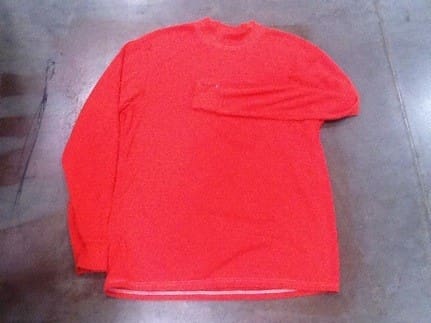
The new deck jersey retains the traditional design with a couple of enhancements. First and foremost, it’s FR, real FR. It’s so FR that I observed a PYROMAN test with the new clothing where the deck jersey actually extinguished a float coat that kept burning (yes, these burn) even after the flame was removed. Additionally, the DRIFIRE fabric wicks moisture and is anti-microbial.
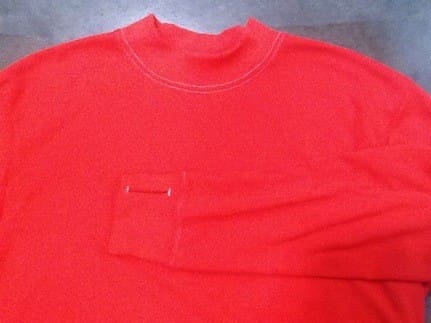
In additional the mock turtle neck it also features thumbholes in the cuffs to enhance protection from flame as well as weather. It is available in all seven deck jersey colors.
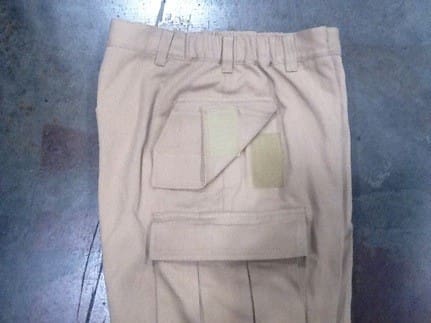
In addition to applying their fabric technology to the issue deck pant, DRIFIRE also came up with a completely new design. It integrates a semi-elastic waist to accommodate various waist sizes as well as layering for cold weather. DRIFIRE also added a second cargo pocket as well as wand holders on both hips above the cargo pockets. Finally, there is an adjustment strap at the hem of the pant.
Overall, this is HUGE improvement over the issue, non-FR status quo.
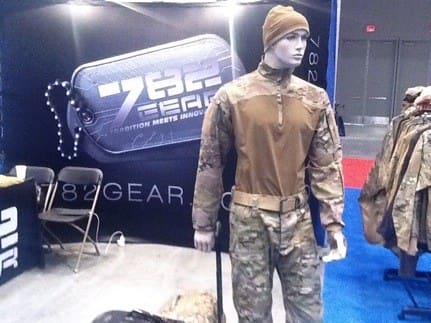
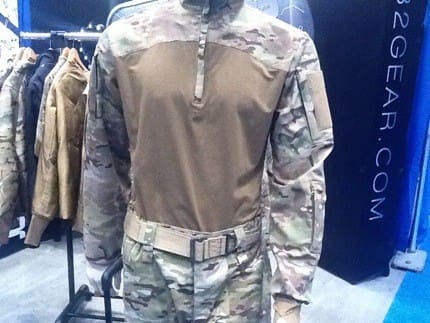
Available in both FR and non-FR versions, this new Combat Shirt and Pant are debuting here on Soldier Systems.
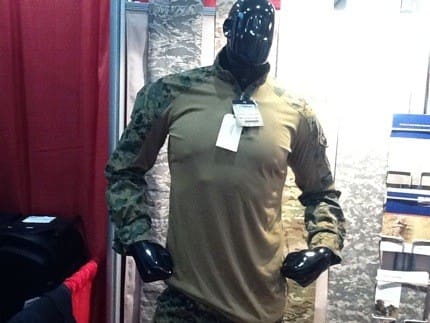
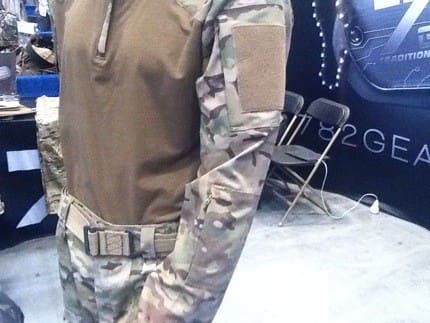
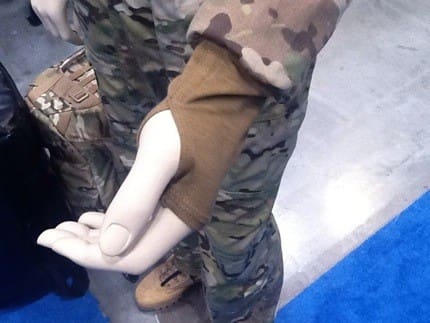
The torso and monkey paw cuffs of the Combat Shirt uses the Polartec Power Dry FR with sleeves and yoke made from the new lightweight TenCate fabric recently adopted by the US Army. Alternatively, if FR is not required, 50/50 NYCO will be used in place of the TenCate fabric. The cuffs can be turned under when not needed. The torso fabric extends up into the armpit area to enhance breathability and range of motion. It also features inset zipped sleeve pockets with Velcro patches and a left forearm poacket as well as a mandarin zipped collar.
Despite a low profile silhouette the pants still offer 11 pockets. Optional cord loops after the ability to dummy cord critical items and a semi-elastic waistband make for comfort when layers are added or subtracted. A flush hammer loop to the left rear handles knives or other tools. Flat rear and front thigh pockets help reduce bulk.
These will make a great alternative combat ensemble for those who do not use the standard Army and Marine uniform options. I’ve not even touched on all of the features so be sure to look for more info at www.782gear.com.
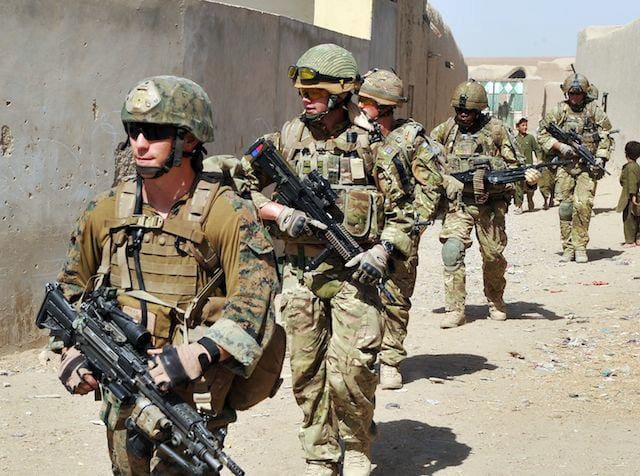
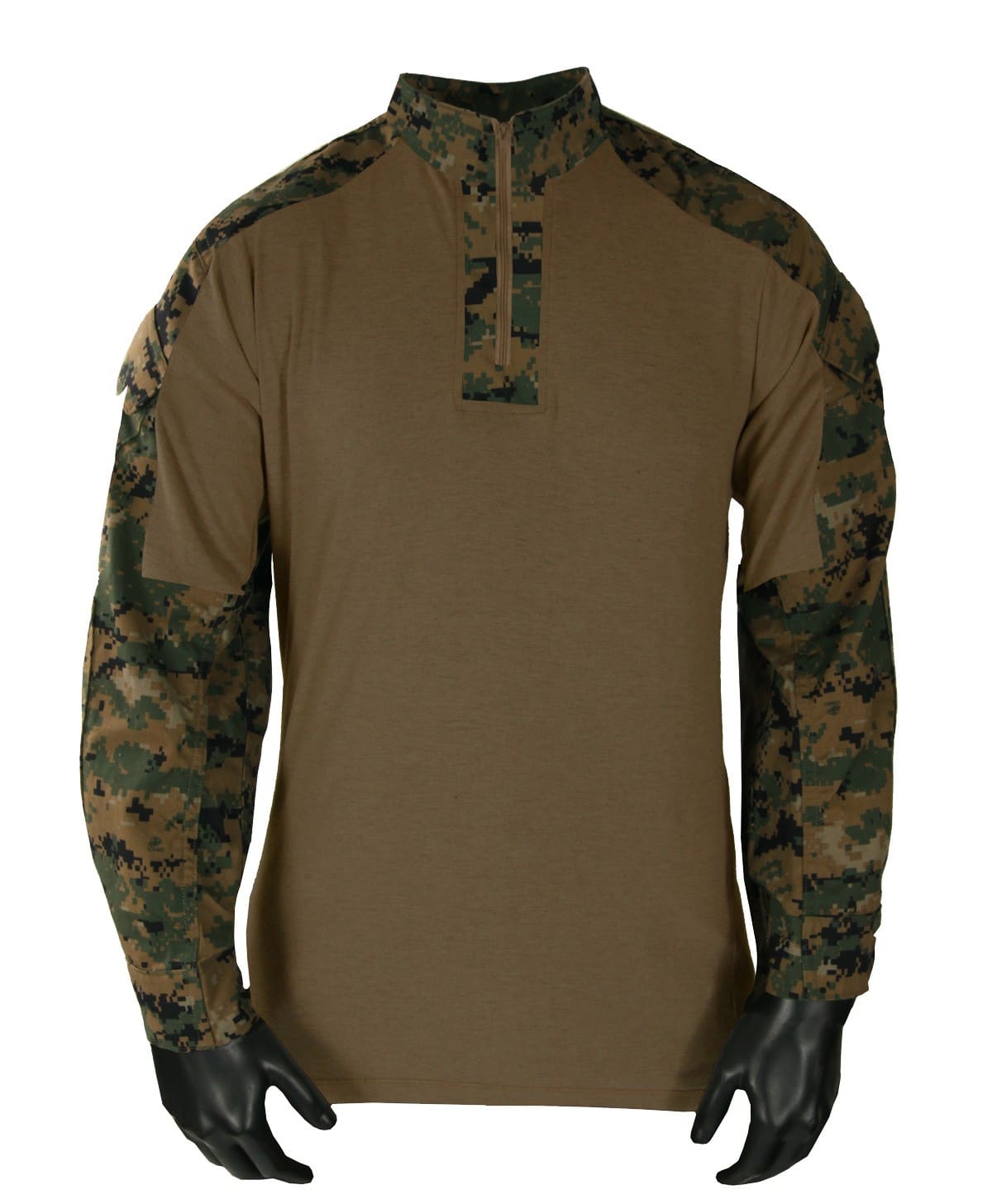
We’ve been asking that question for awhile now, but we are very happy to report that the USMC’s Flame Resistant Organizational Gear (FROG) is now available in Woodland MARPAT. In fact, it’s already in service. According to industry sources, about one-quarter of the current production of FROG is being manufactured in the Woodland variant of MARPAT.
In addition to contract production, Propper Industries has also added the woodland pattern to their website. (a little hint, they will have NWU Types I, II and III soon as well)