Celebrate 20 years of the TLR-1

Archive for the ‘Guest Post’ Category

Summit Predicts Army of 2030, Future Designs for 2040

Sunday, August 6th, 2023

FORT LIBERTY, N.C. — Achieving the Army of 2030 and designing the Army of 2040 will require transformative vision, thoughtful leadership and sound investment, according to speakers at the July 26-27 Association of the U.S. Army Warfighter Summit and Exposition in Fayetteville, N.C.

Senior Army leaders from nearby Fort Liberty, N.C., across the U.S. Army and industry provided details and discussions on “America’s Army: Ready for Today, Modernizing for 2030 and Beyond.” The theme echoes the Army’s three priorities: people, readiness and modernization. This is the second year AUSA hosted the Warfighter Summit.

More than 800 attendees heard about the future of Soldier training and Army doctrine, Army modernization over the next seven to 17 years, the XVIII Airborne Corps’ role as America’s Contingency Force, the role of Army Security Force Assistance Brigades in 2030, insights from recent conflicts in Europe, training units at the Army’s Combat Training Centers and irregular war campaigning for 2030 with U.S. Army Special Operations Command.

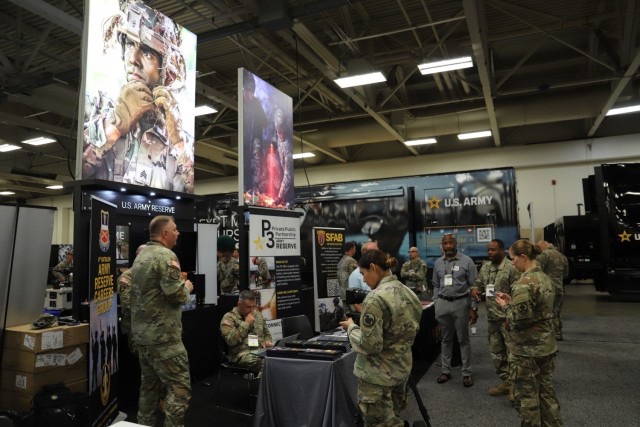
The summit’s primary focus is the Soldier and the defense industry professionals who support the Army warfighter. The summit linked Fort Liberty Soldiers and senior leaders with industry partners to increase understanding of the Army’s emerging requirements and strengthen the partnership between Fort Liberty, AUSA and the surrounding community. Over 65 exhibitors highlighted organizations that provide Soldiers with educational and employment opportunities, military equipment and high-tech devices. The audience included active-duty Army, U.S. Army National Guard and U.S. Army Reserve Soldiers.
In addition to civilian, commercial vendors, the Warfighter Summit featured U.S. Army equipment, including: the Joint Lightweight Tactical Vehicle, the Infantry Squad Vehicle, the Polaris MRZR-D4, the Ground Mobility Vehicle, the MH-6M Light Assault Helicopter and the AH-64 Apache Attack Helicopter.

The Army has been consistent and persistent in pursuing modernization initiatives to deliver the Army of 2030 and design the Army of 2040.  It is committed to six modernization portfolios: long-range precision fires, next generation combat vehicle, future vertical lift, the network, air and missile defense, and Solider lethality.

Delivering the Army of 2030 and designing the Army of 2040 are priorities of Forces Command, Army Futures Command and Army Training and Doctrine Command. All three commands — as well as the U.S. Army Special Operations Command — were represented at the two-day professional forum.

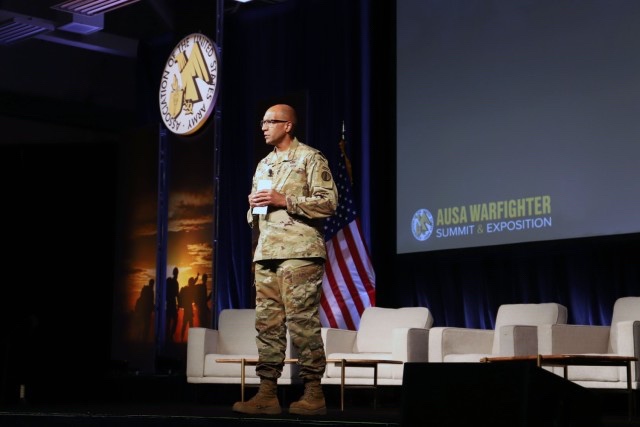
The Warfighter Summit opened July 26 with a keynote presentation by Gen. Gary Brito, commanding general of Training and Doctrine Command.

“The Army’s most valuable asset is its people,” said Gen. Gary Brito, commanding general of U.S. Army Training and Doctrine Command. “This is a big, total-team effort and we will succeed at this,” Brito said. “To deliver the Army of 2030 and get ready for 2040, we are turning today’s recruiting challenge into an opportunity and continuing to innovate our talent management approaches.”

“From an acquisition lens, 2030 is really tomorrow,” he said.

Brito said the Army is at an “inflection point right now,” facing changes like those it made 50 years ago at the start of the all-volunteer force and the creation of TRADOC and FORSCOM.
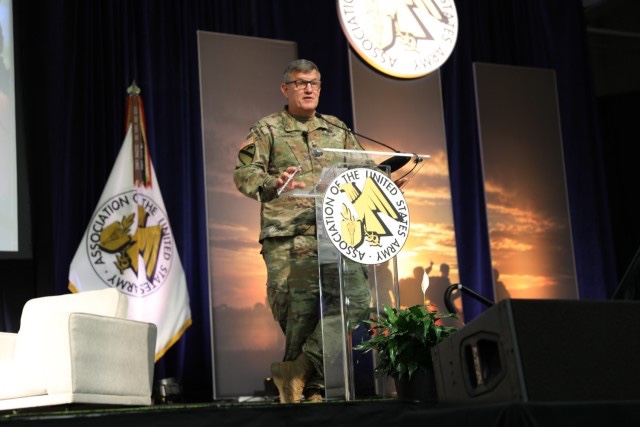
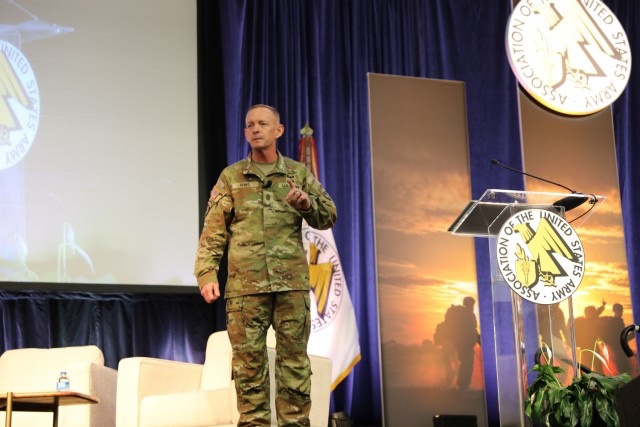
“I think from a technology perspective, this is probably the most disruptive period of time since World War II,” said Gen. James Rainey, Army Futures Command commanding general.

“War remains a contest of wills between human beings: people,” Rainey said. “You have to be able to impose your will. You have to be willing to pay the cost. Because of that, we are going to need the U.S. Army to be able to dominate the land domain … anywhere against any body as part of a joint force with partners and allies. To do that, we need people ”

FORSCOM Command Sgt. Maj. Todd Sims celebrated his 53rd birthday with a keynote speech at the AUSA Summit.

“Kids these days. I’ve seen you on the job … In training, on deployments and with your teams. I know what you are all about. When I travel around the force, I witness levels of insight and resourcefulness among junior Soldiers.”

“Kids today are smart,” Sims said. “They have unfettered access to all the world’s information. They know how to navigate and apply it in useful ways. Smart young Soldiers have always been one of the Army’s biggest competitive advantages.”

Sims also spoke about “Training the Force of 2030” — to include the Army’s premier Combat Training Centers: the National Training Center at Fort Irwin, California and the Joint Readiness Training Center at Fort Johnson, Lousiana.
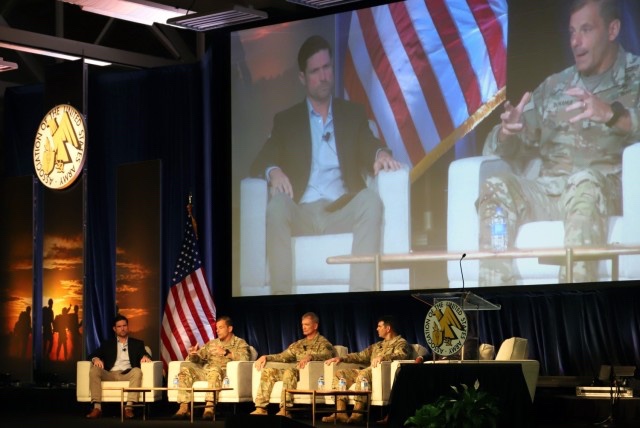
Fort Liberty leaders emphasized the Army post’s role as America’s Contingency Force during a discussion by Lt. Gen. Christopher Donahue, commanding general of the XVIII Airborne Corps and Fort Liberty, and by XVIII Airborne Corps’ Command Sgt. Maj. Thomas J. “T.J” Holland.

“The XVIII Airborne Corps is really FORSCOM’s and the Army’s contribution to the contingency force,” Donahue said. “It’s made up of four separate divisions, but the ‘critical sauce’ is those separate brigades. That forms the Army’s contribution to any time we have to go anywhere to compete against any adversary across the globe. Fort Liberty is the strategic platform for the U.S. Army. It has every contingency Special Operations Forces; every contingency force on the larger capability is here.”

U.S. Army Special Operations Command’s deputy commanding general, Maj. Gen. Patrick Roberson, also highlighted Fort Liberty’s vital role in irregular warfare.

“USASOC provides all of the Army Special Operations Forces to the Joint Force,” Roberson said. Over the last 20 years, we were focused on irregular warfare campaigning throughout the world.”
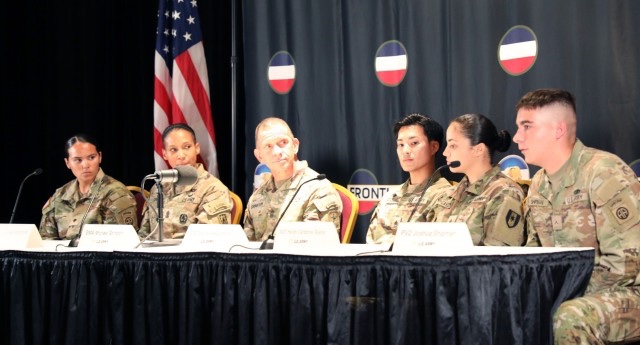
Maj. Gen. Donn Hill, commanding general of the Army Security Force Assistance Command, also based at Fort Liberty, said “The adviser teams of today are designed to advise at the tactical level. We were all about counterinsurgency and stability operations, but the world has changed. The Army is changing.”

“We’re in 30 countries on any given day,” Hill said about the six security force assistance brigades. Additionally, the teams are on the ground persistently, spending six months with allied partner armies before they are replaced by another team of Soldiers.

Lt. Gen. Kevin Vereen, deputy Army chief of staff for installations, G-9, at the Pentagon discussed employment opportunities for Soldiers and spouses. “The G-9 enables readiness through our quality-of-life plans, programs and policies that help the Army recruit, train, fight and win,” he said.

A highlight of the Warfighter Summit was a discussion by Sergeant Major of the Army Michael Grinston, who spoke about the key leadership role of the U.S. Army’s Non-Commissioned Officer Corps. He also conducted a panel discussion with Fort Liberty NCOs and Soldiers about the 75th anniversary of the integration of the U.S. Armed Forces.

By FORSCOM Public Affairs
SureFire Field Note Ep 77 – Left Foot Braking for Better Vehicle Control Offroad with Alex Fleming

Saturday, August 5th, 2023

24 SOW Safety Manager Rescues Large Shark

Saturday, August 5th, 2023

HURLBURT FIELD, Fla. —

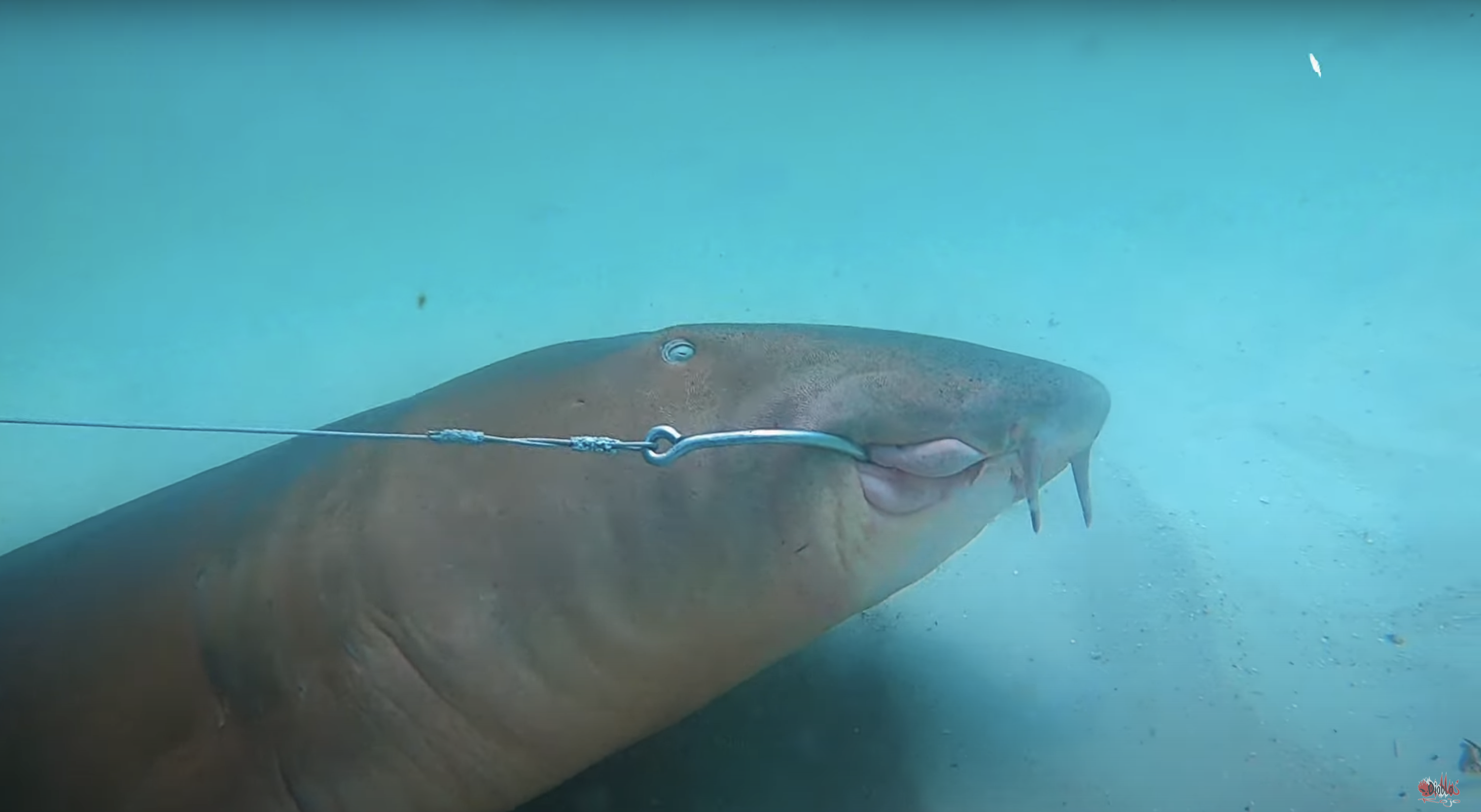
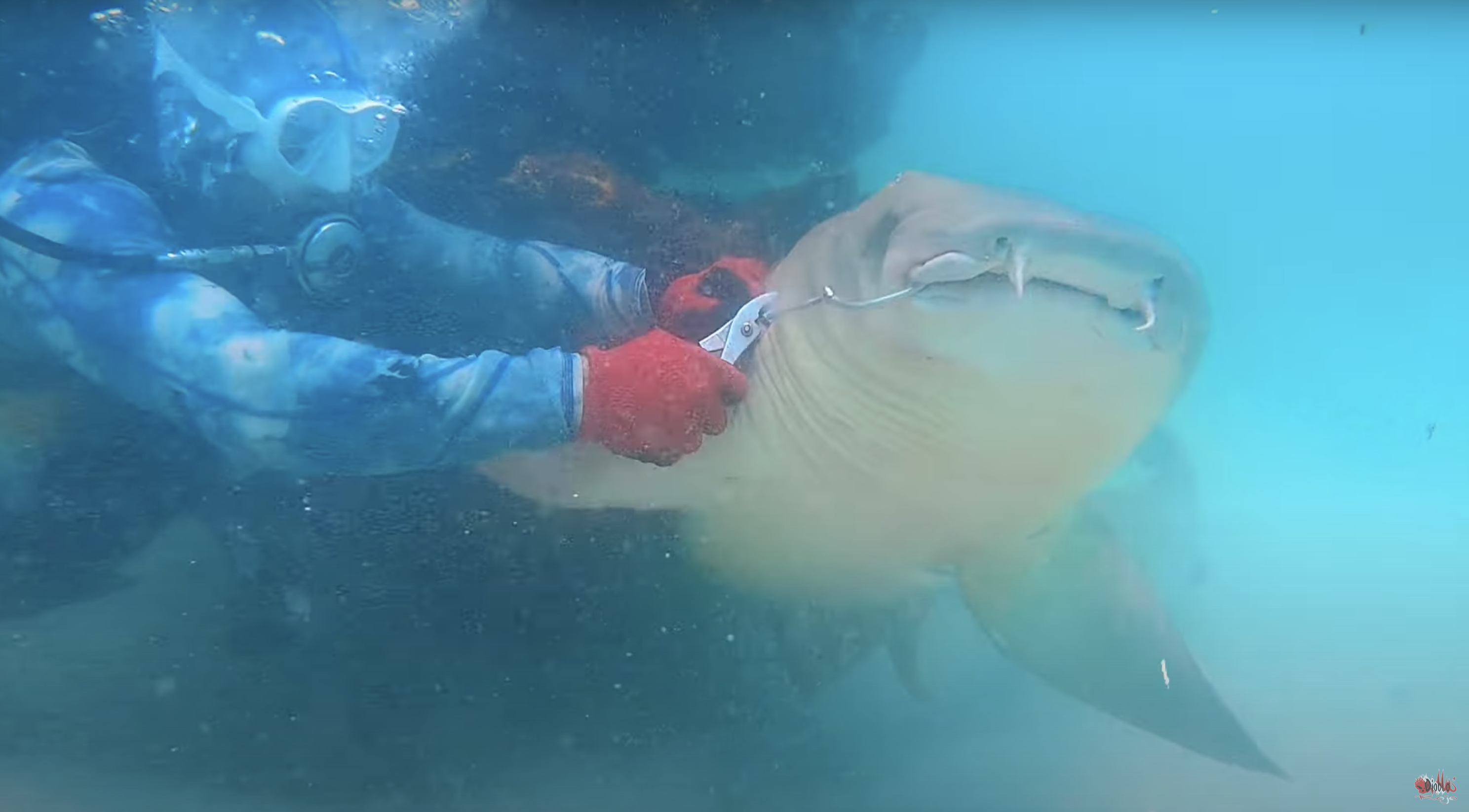
U.S. Air Force Master Sgt. (Ret.), Tazz Felde, 24th Special Operations Wing Occupational Safety Manager, received an unusual call from his wife Monday afternoon, Jul. 24, about a six to seven-foot nurse shark tangled up in an artificial reef near John Beasley Park in Fort Walton Beach, Fla.

“We were made aware of a nurse shark in distress at a local man-made reef here in Destin,” said Felde. “Another diver reported that he and his buddy had come across the shark, with a large hook in its mouth, and were unsuccessful at freeing the animal.”

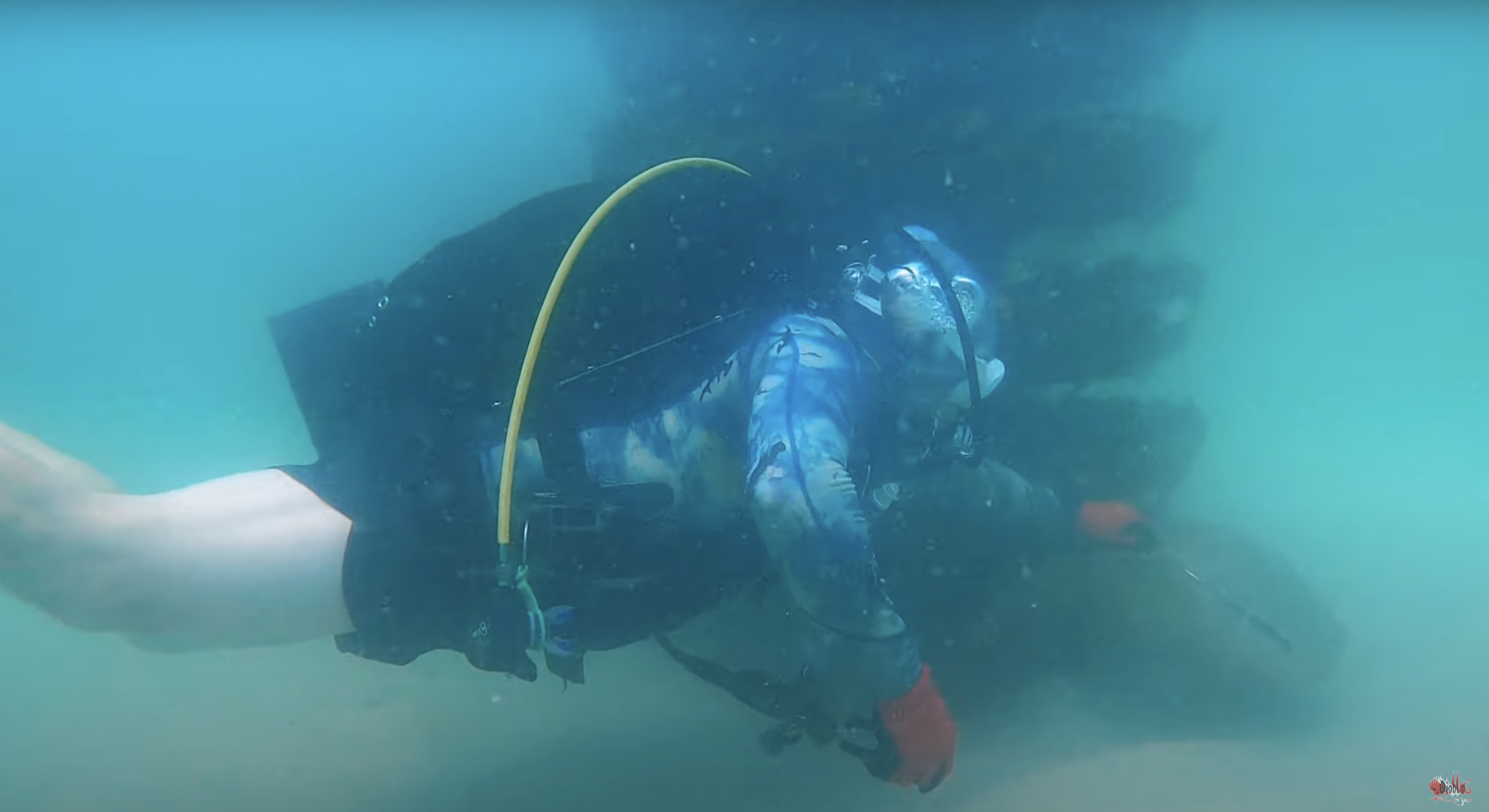
In a video posted to Felde’s Youtube channel, you can see the shark sitting on the ocean floor with a large hooked in the corner of its mouth. The hook was attached to a steel leader with 100-150 feet of  fishing line that had become wrapped around the reef.

“My wife, Courtney, told me if I didn’t go free the shark she was going to do it herself,” said Felde. “I knew the worst that could happen was that it crushed my hand. He would certainly break my hand if he got it in his mouth, but my concern was making sure that it was freed and able to go about its day.”

Felde cleaned up more than a hundred feet of tangled fishing line while diving to protect other marine life at the reef.

While working in his off time as the co-owner of Under Pressure Divers, Felde says he always teaches his students to not be afraid of sharks or marine life, and to always leave the water better than they found it.

“I don’t want people to be afraid of them because they’re really no harm to us in the grand scheme of things,” said Felde. “Don’t be scared of sharks. A lot of stuff you see on TV during Shark Week can be scary, and a lot of it is real, but for the most part, sharks don’t really bother us much.”

By Capt Savannah Stephens, 24th Special Operations Wing

FirstSpear Friday Focus – Contractor Bag

Friday, August 4th, 2023

We’ve released our Contractor Bag in some travel-friendly colors since apparently, none of our Tier 1 operators have ever used it in a raid or an ambush. But hey, if you’re looking to store your loot or getaway gear in style, this duffel bag on caffeine, with a removable wheeled frame, is perfect for you! Plus, the oversized zippered opening makes it easy to load up and the frame is lightweight enough to dodge any pursuers. So, take your travel game to the next level with the FirstSpear Contractor Bag.


Visit FirstSpear to find American Made kit and accessories, Built For The X.

Army Accepts Prototypes of the Most Advanced Version of IVAS

Friday, August 4th, 2023

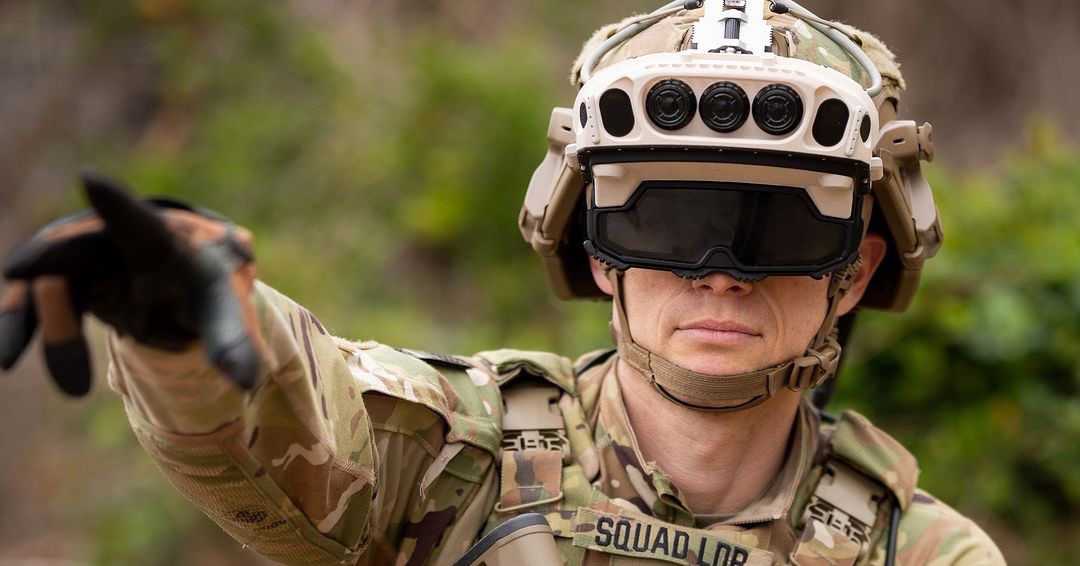
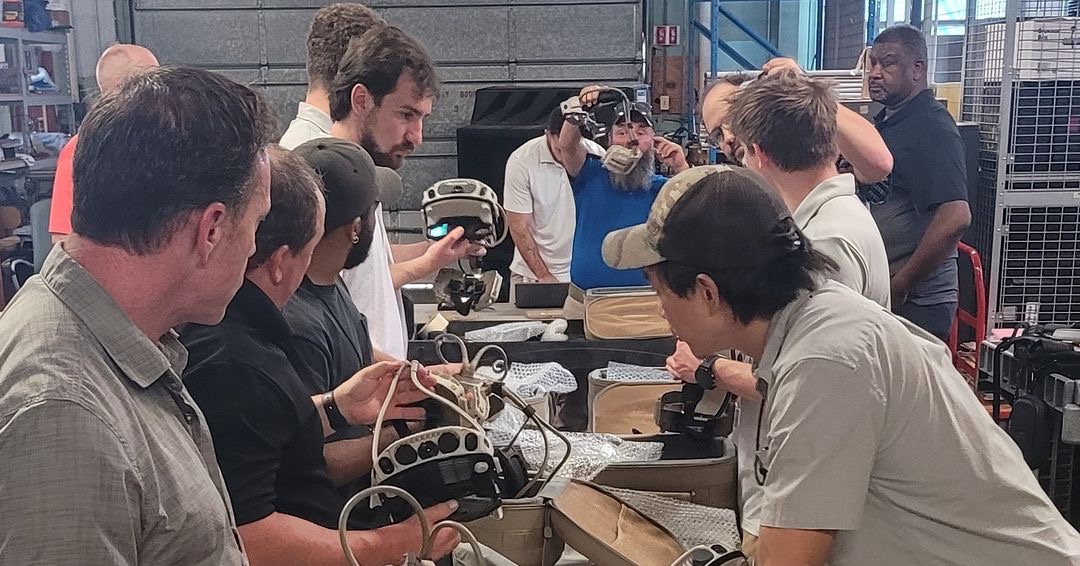
This week, the Army accepted delivery of the first 20 prototypes of the Integrated Visual Augmentation System (IVAS) 1.2 variant. The milestone is the latest step in the process of getting the most advanced version of the situational awareness system in the hands of Soldiers.

Microsoft delivered the 20 prototypes to Project Manager Soldier Warrior (PM SWAR), the program office within Program Executive Office (PEO) Soldier responsible for overseeing the development of IVAS.

IVAS is a single platform that features an all-weather fighting goggle and a mixed reality heads-up display that integrates next-generation situational awareness tools and high-resolution simulations to provide Soldiers with improved mobility and lethality, during the day or at night. IVAS provides Soldiers with a single device to fight, rehearse and train.


“This is a really big deal for the program,” said Col. Anthony Gibbs, PM SWAR. “A little over a year ago we did an operational test with version 1.0 of the system. We learned a lot. We got a lot of good Soldier feedback. So last summer we came back and restructured the program. We took those lessons learned and all that Soldier feedback and in less than a year have what we now call version 1.2 of the system.”

Soldiers and squads will use IVAS to gain a fuller understanding of their operational environment. Its enhanced low-light and thermal sensors improve target identification. IVAS integrates with ground and air platform sensors, allowing Soldiers to see outside vehicles before dismounting into a hazardous situation. IVAS provides 3D mapping and navigation capabilities and can ingest data from Unmanned Aerial Vehicles.

“[IVAS] complements what’s currently in the Army’s inventory while expanding close combat force capabilities by leveraging the digital architecture for shared awareness and computing at the edge,” said Lt. Col. Denny Dresch, Product Manager IVAS. “IVAS provides a first-person augmented reality perspective that enables the integrating of operational data such as routes and control measures into the person’s field of view.”

The system’s embedded training tool, the Squad Immersive Virtual Trainer (SiVT), also provides Soldiers objective-based scenarios and battle drills through holographic and mixed-reality imagery, giving units the flexibility to train their squads with minimal resources.

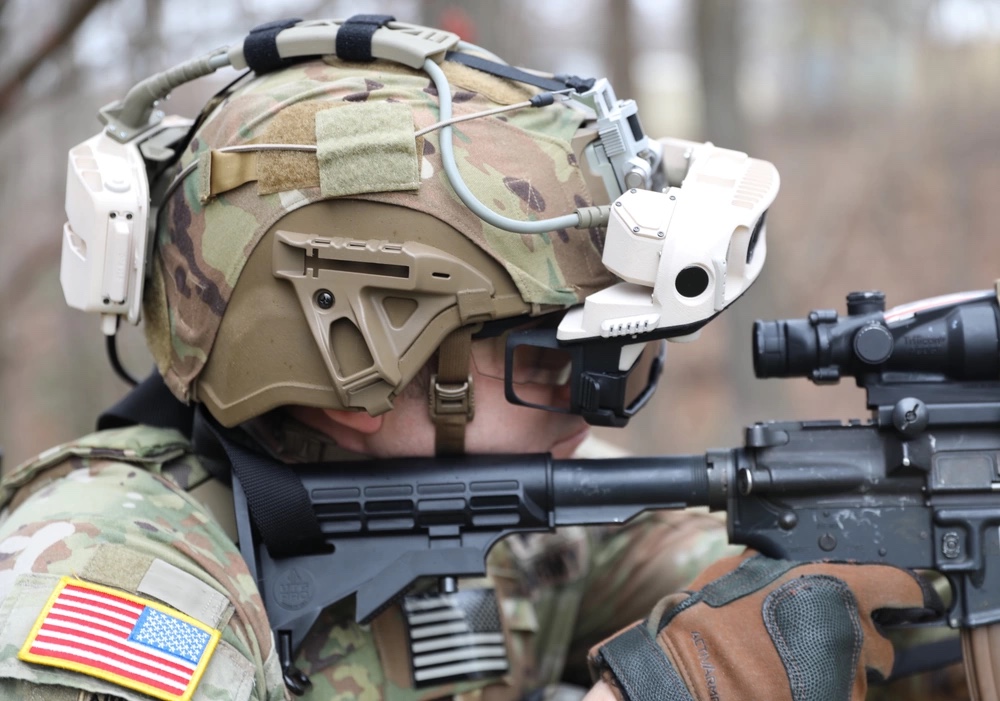
IVAS 1.2 builds and improves on the capabilities of previous versions of IVAS (IVAS 1.0 and IVAS 1.1). Specifically, IVAS 1.2 incorporates reliability upgrades, features an improved low-light sensor and introduces a new form factor with a lower profile heads-up display (HUD) with a distributed counterweight for improved user interface and comfort.

IVAS 1.2 also has the capability to attach to a combat helmet with a “hinged” device to allow Soldiers to raise and lower the display, similar to traditional night vision goggles.

IVAS 1.0 and IVAS 1.1 will primarily be issued to schoolhouses and operational units for use in training to support the Army’s Campaign of Learning. The close combat force will receive IVAS 1.2.

“Anybody who has had IVAS on, even the early versions, knows that this is a transformative capability and really has the potential to change the way that we fight,” said Gibbs. “This new version, 1.2, we think it’s really going to hit the mark in terms of what we need to put out there for our Soldiers to give them the situational awareness and the leap-ahead capability they need to stay ahead of our peers.”

The 20 prototypes will be featured at a User Assessment in August, during which two squads of Soldiers will use IVAS 1.2 to measure the system’s performance and ensure engineering efforts are on schedule and meeting design objectives.

Story by Frederick Shear, PEO Soldier

Creating The Perfect Pitch

Thursday, August 3rd, 2023

Having a good idea is where you start, but where do you go from there?

The next step is getting buy-in and others involved, and to do that, you need a pitch.

Something that grabs the audience’s attention, conveys the value of your idea, and inspires people to action.

Not sure how to build one? Attend 82nd Innovation’s “Build the Perfect Pitch” class on 09AUG at the Airborne Innovation Lab on Fort Liberty.

RSVP: 82dinnovations@army.mil

Back To The Future: MRIC And The Rebirth Of The Corps’ Air Defense Capability

Thursday, August 3rd, 2023

QUANTICO, Va. —

As global tensions continue to rise, the Marine Corps once again finds itself at the forefront of a strategic transformation—shifting its focus from a decades-long, land-locked War on Terror to addressing increasing great power competition in the South China Sea.

Recognizing the rapidly shifting security environment outlined in the 2018 National Defense Strategy, General David H. Berger, the Corps’ visionary former commandant, launched Force Design 2030—a comprehensive modernization effort aimed at preparing the Corps to “serve as a naval expeditionary force-in-readiness and operate inside actively contested maritime spaces in support of joint campaigns.”

As the Corps continues its foundational shift towards the Pacific, however, one thing has become clear: if Marines are to pivot to support distributed maritime operations—operating for extended periods with limited outside support—the need for an organic air defense capability becomes imperative.

“MRIC is a middle-tier acquisition rapid prototyping effort, serving as a short-to-medium range air defense system that fills a crucial capability gap in the Indo-Pacific’s contested theater.” Lt. Col. Matthew Beck, product manager for A-MANPADS/MRIC

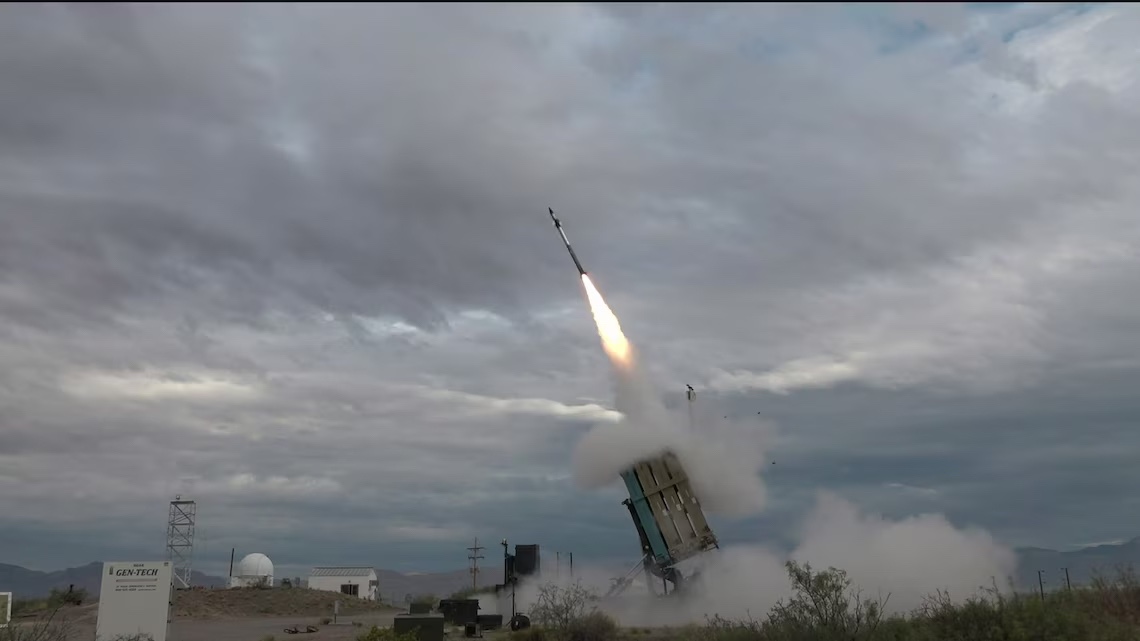
Moving to address this new geopolitical reality and shifting security environment, Program Executive Officer Land Systems is preparing to field the Marine Corps’ Medium-Range Intercept Capability, or MRIC. This state-of-the-art missile system detects, tracks, identifies and defeats enemy cruise missiles and other manned and unmanned aerial threats.

“MRIC is a middle-tier acquisition rapid prototyping effort, serving as a short-to-medium range air defense system that fills a crucial capability gap in the Indo-Pacific’s contested theater,” said Lt. Col. Matthew Beck, product manager for A-MANPADS/MRIC. “Although it was primarily designed for cruise missile defense, MRIC also boasts capabilities against other airborne threats and has demonstrated a high level of success in integration efforts through a series of live fire events.”

Harkening back to the days of the legacy HAWK system—the Corps’ last medium-range surface-to-air missile, which was divested in the late 90s—MRIC stands as the much-needed response to the evolving challenges of modern warfare by providing the ability to exist and persist within enemy weapon engagement zones. As highlighted in Force Design 2030, this is particularly relevant to the fleet’s operations in the Indo-Pacific, where the warfighter is often positioned squarely within enemy weapons’ reach.

“Simply put, MRIC is designed to protect near fixed and semi-fixed critical assets, primarily from the threat of cruise missiles,” said Beck. “In practical terms, MRIC offers protection for our Marines, allowing them the freedom to conduct operations within an enemy’s weapon engagement zone. In short, the warfighter can focus on executing the mission while being shielded from potential threats.”

All this is made possible by the incorporation of existing capabilities. MRIC, which counts the Corps’ Ground/Air Task-Oriented Radar and Common Aviation Command and Control System among its primary subsystems, also incorporates technology from Israel’s proven Iron Dome system.

But the Corps’ new air defense system is much more than a force multiplier; it’s a key example of a successful Force Design 2030 outcome, which calls for “the immediate implementation of an intensive program of iterative concept refinement, wargaming, analysis and simulation, and experimentation.”

“MRIC, our counter cruise missile solution, exemplifies efficient integration and smart acquisition,” said Don Kelley, program manager for GBAD. “We’ve harnessed field-tested technologies and incorporated them into our system. This comprehensive amalgamation, validated through rigorous live-fire exercises, has enabled us to meet the counter cruise missile capability needs identified in Force Design 2030.”

By using the right acquisition vehicle and striving to avoid “reinventing the wheel,” the MRIC team is on track to go from conception to prototyping in less than five years—lightspeed in acquisition terms. Furthermore, by conducting various rounds of live fire tests and rapid prototyping, Marine experimentation and feedback play a key role in the team’s efforts.

“Force Design 2030 and updates emphasize experimentation and a strong air defense for the Marine Corps,” said Beck. “Middle tier acquisition, with rapid prototyping, aligns with these goals. By integrating high technology readiness level components and seeking Marine feedback through small-scale deployments, we can refine and scale the Medium-Range Intercept Capability and get it to the fleet in a timely manner.”

Although trusting the process brings along many challenges for the team, their creative spirit and commitment to working with the fleet has allowed them to turn challenges into successes.

“The real challenge lies in introducing this unprecedented system to the Marines who have no prior analogous equipment. Our training and logistics teams are rigorously working to ensure we cultivate the right skill set among the Marines to operate this state-of-the-art system effectively, recognizing that even the best capability serves no purpose if our Marines aren’t prepared to use it,” he noted.

Here, we see another clear nod to Talent Management 2030, a personnel management pillar within Force Design 2030 which calls for the alignment of “talents of individual Marines with the needs of the service to maximize the performance of both.”

The team’s success, however, begs the question: is this kind of acquisition success story replicable? According to Kelley, the answer is a resounding yes.

“In my view, effective best practices are rooted in a clear mission, compact and dedicated teams, and unflinching transparency with all stakeholders,” he said. “Crucially, assembling the right personnel, individuals who are proficient or willing to learn, is non-negotiable. We avoid getting entangled in unnecessary bureaucracy, focusing on the essence of policies rather than their letter. By focusing on intent when interpreting requirements, we can streamline our operations to achieve our objectives swiftly, while still adhering to safety and compliance norms. Ultimately, our approach to best practices hinges on effectiveness, agility, and a refusal to ‘reinvent the wheel.’”

Things are moving quickly for the team, and their efforts are poised to pay off.

Barb Hamby, PEO Land Systems spokesperson, recently told Breaking Defense, “A series of activities will take place during fiscal 2023 and 2024, culminating with a quick reaction assessment… for the MRIC prototype, under the Middle Tier Acquisition Rapid Prototyping framework. Both the ongoing certification processes and the quick reaction assessment will inform the Milestone Decision Authority on the potential fielding of the MRIC prototype.”

Moreover, the MRIC team is preparing to hold a quick-reaction assessment in September 2024. If things continue to go to plan, the program could enter production in fiscal year 2025.

In an era characterized by escalating global tensions and the increasing importance of maritime dominance, the Marine Corps is once again demonstrating its ability to adapt, evolve, and rise to new challenges. As the Corps advances towards the transformative vision of Force Design 2030, the successful development and expected fielding of MRIC represent key milestones in this journey. More than just the acquisition of new equipment, MRIC’s successful progression exemplifies the potency of innovation, agility, and strategic international partnerships. It offers more than a solution to a tactical problem, instead symbolizing a rebirth of the Corps’ air defense capability, fitting for the complex battlefields of the 21st century.

By Johannes Schmidt | PEO Land Systems

PDW 72 Hour Short

Wednesday, August 2nd, 2023

The One Grab-and-Go, Hot Weather Short to Rule Them All

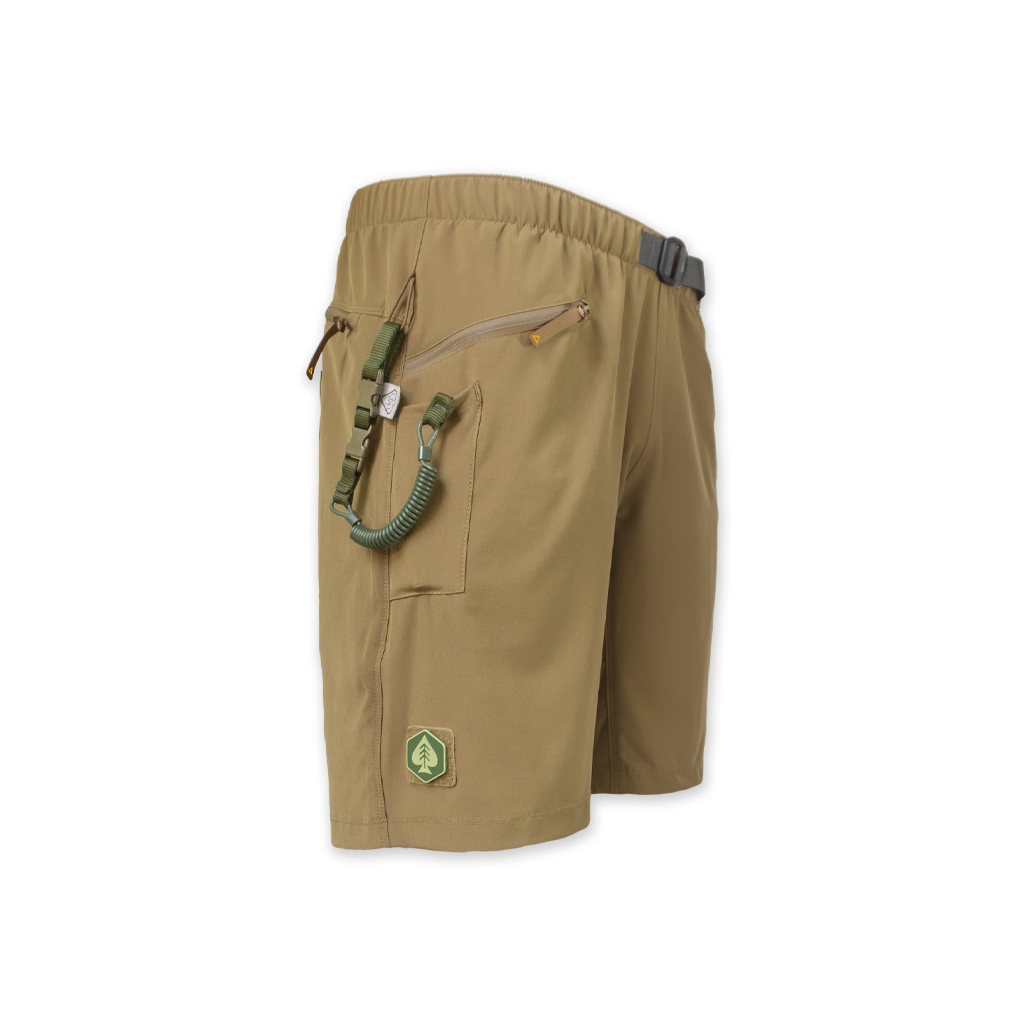
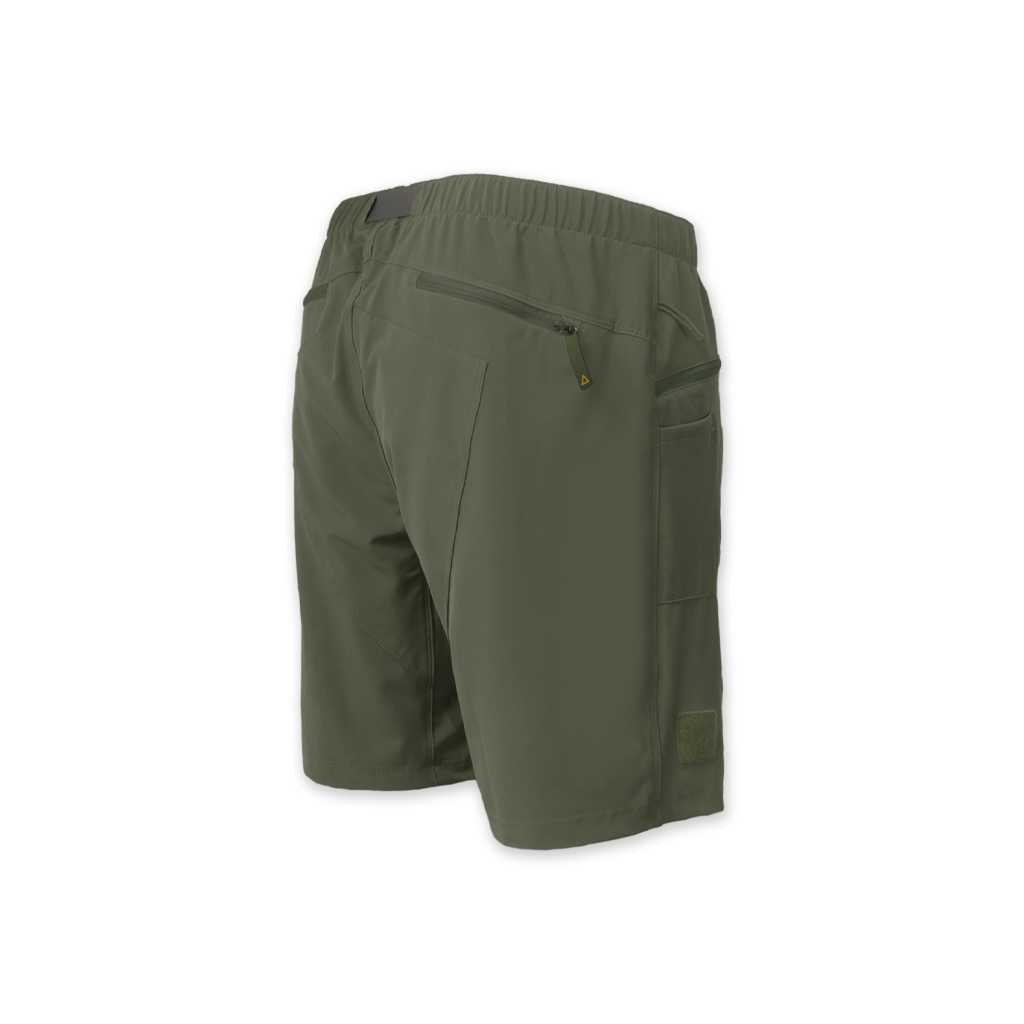
The 72 Hour Short in All Terrain Cloth is a high performance short built to go the distance and then some, in warm and hot environments, anywhere in the world. Let’s face it, summers are getting hotter and longer. This short is designed as the one grab-and-go-short for the next 72 hot hours of adventure, on land or in the water. With the built-in waist belt, technical properties and signature feature set for this style are dialed for high versatility and as a multiplier for a wide breadth of activities. From summer trekking in the high Sierra, to exploring the jungles of Vale do Javari, mountain trail running in the Andes, or packrafting. Uncompromising quality of make and the best materials. Made in USA. 

The 72 Hour Short is a part of Prometheus Design Werx’s CORE-Line. Available in Universal Field Gray, All Terrain Brown and All Terrain Green.

The Design and R&D Team at PDW states:

“The design harkens back to old school rock climber’s shorts, but significantly updated with modern construction, best grade technical materials and trims. No belt needed. Lightweight, durable, quick-dry, 4-way stretch, amphibious and secure-EDC ready. So comfortable and airy, the 72 Hour Short is the next best thing to going commando…and staying cool in the withering heat. While seemingly a simple design, these shorts feature multiple pockets, the four major pockets secured with a YKK zipper to keep your EDC items safe and secure, two additional EDC-Tool pockets, two soft clip-in points to attach lanyard, carabiners, key chains, etc. And of course, are expertly made in the California, USA, the birthplace of the modern core outdoor/mountain sports industry. These are one of the last shorts of its type still being made here Stateside. This is one highly versatile and capable hot weather short. The one hot weather technical short to rule them all. Like all of our apparel, we follow our own Long Life Apparel ethos where we design and produce our apparel to last far beyond the typical industry life cycle standards and do not subscribe to ‘fast fashion’ or disposable consumerism.”


The 72 Hour Short is available for purchase for $133.00 via their website, prometheusdesignwerx.com.