TYR Tactical

Archive for the ‘Guest Post’ Category

Pershing Strike Lays the Groundwork for Successful Large-Scale Mobilizations

Wednesday, August 2nd, 2023

ROCK ISLAND ARSENAL, Ill. — If the nation requires a large-scale mobilization of troops, First Army and its enterprise partners must be ready to deliver.

With that in mind, First Army has joined with nearly a dozen of those partners for Pershing Strike 23, a deliberate command post exercise, which began July 25 and runs through August 4. The event incorporates mobilization exercises conducted at mobilization force generation installations and involves more than 3,000 personnel at several installations including: Rock Island Arsenal; Fort Riley, Kansas; Fort Stewart, Georgia; Camp Atterbury, Indiana; and Fort McCoy, Wisconsin.

Also participating are staff members from First Army Division East and First Army Division West, at Fort Knox, Kentucky and Fort Cavazos, Texas, respectively.

Bradley White, chief of the First Army Plans and Mobilization Division, said the exercise serves to “demonstrate First Army’s ability to provide the pre- and post-mobilization training and support that our Reserve component partners will require to successfully prepare for a deployment in support of a combatant commander.”

The process gives insight into the effort, coordination, and cooperation that would be required of First Army and its enterprise partners in event of a large-scale mobilization operation, or LSMO. Such operations are crucial to the nation’s defense, noted Col. Shawn Creamer, First Army director of operations.

“The Reserve component comprises 52 percent of the total Army and many of the key enabler capabilities resident within the Army — engineers, logistics units, military police, etc. — disproportionately reside within the Reserve Component,” he said. “The Army and the joint force rely on the Reserve component, our citizen Soldiers, to sustain our global operations and activities, and to advance U.S. national interests. Without the efficient and effective mobilization of a well-trained Reserve component, the Army cannot deliver land power when asked and the joint force cannot win when called.”

This statement speaks to the importance of holding the exercise. “We use training and exercises like Pershing Strike to both validate our current plans and test out new concepts,” Creamer said. “We press these plans and concepts to the breaking point, to see what works and what doesn’t. Out of this we can not only adjust our plans to correct identified shortfalls, but more importantly, articulate areas of risk to Army senior leaders.”

Being ready to fight is what the Army is all about, noted Rick Fink, First Army director of training and exercises. “LSMO is the reason there is an Army and Pershing Strike stresses our entire system,” he said.

During Pershing Strike 23, units and Soldiers are hit with an array of challenges they must respond to quickly and calmly. Injects, be they related to weather, personnel or logistics, force the participants to react and adapt.

It is a continually improving process, Fink said, adding that First Army and its enterprise partners have taken lessons learned from previous Pershing Strike exercises, refined them and applied them to today’s environment. That momentum will continue as input from this iteration will be applied going forward.

“We’ve seen what works and we see what changes we need to make and asked how can we do this better, more efficiently and quicker,” he said. “All the information we’re collecting, the purpose is to enable leaders to better understand what is happening on the ground. They are empowered with the best information to make the best decisions.”

Along those lines, White said key goals of Pershing Strike include establishing a shared understanding “of the sheer heavy lifting (required) by the entire mobilization enterprise to successfully execute LSMO” and identifying “critical gaps in the enterprises’ capability and capacity to support LSMO and work towards solutions.”

He added that Pershing Strike and its associated mobilization exercises also serve to increase readiness of the involved units: “By bringing together the critical mobilization enterprise partners and providing a representation of the workload and stress on the mobilization enterprise that would be experienced during a LSMO event, each unit, headquarters and the enterprise partners can flesh out their policies, processes and procedures required to execute mobilization operations.”

While most First Army personnel were doing their usual jobs during Pershing Strike, Col. Stew James stepped back from his role as senior advisor to the Army National Guard for Pennsylvania to serve as an observer coach/trainer during the exercise. He explained his responsibility in that capacity was to “observe processes and provide feedback. I take what they said they did well last year and make sure they’re still progressing. We want to expand our knowledge and not take a step back.”

That requires working toward a common goal. “It’s a team effort,” James said. “You have to crosspollinate that knowledge across the enterprise to make it efficient. By getting enterprise partners involved, we’re going to be better at knowing the problem sets that will appear if we have to do a large-scale mobilization. Every commander’s update brief and battle update brief, there is knowledge shared and that’s the benefit of this.”

It’s all geared toward First Army and its partners leaving the exercise better than when they started. “We should see growth,” James said. “Each iteration of Pershing Strike, we are gaining organizational knowledge and experience. Building that mobilization knowledge is critical so that we are solving new problems, not re-learning old problems.”

White emphasized the crucial role played by First Army’s enterprise partners, which include U.S. Army Forces Command, Installation Management Command, the Army National Guard, U.S. Army Reserve, U.S. Army Medical Command, U.S. Army North, U.S. Transportation Command, Army Sustainment Command, Army Materiel Command, U.S. Army Network Enterprise Technology Command and Military Surface Deployment and Distribution Command.

“Without the enterprise we will be unable to be successful at our mission of providing trained and validated (Reserve component) forces for the combatant commander,” he said. “Without the enterprise we can’t move our mobilizing units and their equipment to and through the [mobilization force generation installation] to the port. We can’t feed, billet or move our mobilizing units during post-mobilization training and without the enterprise support at our [mobilization force generation installations] our training brigades cannot execute their training and validation mission.”

While the exercise ends next week, the process will continue. Lessons learned will be taken back to respective installations, added to standard operating procedures, drilled on again and integrated into a system that will have First Army ready to deliver trained and ready troops if called upon.

By Warren W. Marlow
US Army Training and Doctrine Command and US Army Forces Command celebrate 50 years

Monday, July 31st, 2023

WASHINGTON — This year marks 50 years since the founding of U.S. Army Training and Doctrine Command and U.S. Army Forces Command.

“TRADOC today is not exactly like the TRADOC established in 1973, but throughout that time, the command has persevered as an organization and fulfilled its numerous missions — especially training” said Britt McCarley, TRADOC chief historian, who has been with the organization since 1988.

TRADOC and FORSCOM were founded during World War II as one organization known as the Army Ground Forces. When formed in 1942, the Army Ground Forces was the largest training organization ever established in the U.S. with 780,000 troops, which peaked at 12.2 million Soldiers by July 1, 1943.

After several reorganizations, Army Ground Forces finally settled into the two organizations they are today: TRADOC and FORSCOM. TRADOC and FORSCOM’s split 50 years ago came from a need to support two separate missions.

“TRADOC recruits and trains the next generation of Soldiers — develops adaptive leaders, helps modernize the force and shapes the culture of the Army. TRADOC was born out of innovation and that is still our mission today,” said Gen. Gary M. Brito, commanding general, TRADOC. Brito added that TRADOC provides institutional training throughout a Soldier’s career.

“TRADOC is improving our Army’s ability to fight and win large scale combat operations through the conduct of multi-domain operations.”

In addition to recruiting, training and education, TRADOC also establishes standards and drives improvement in the Army wherever it can. Whereas FORSCOM’s mission is to train and prepare the force to be globally responsive to build and sustain readiness for commander requirements.

“For me, the most rewarding part [of working for TRADOC] is the chance to be part of an organization that contributes to the common good of the United States,” McCarley said. “Defense of the nation is fundamental to the life of any country, and the opportunity to contribute to the larger American defense mission is the most rewarding part of my civilian service.”

On average, TRADOC trains more than 750,000 Soldiers and service members every year in its 32 Army training centers.

“I could not be more honored to serve with the dedicated team of civilian and military members, who support our Army mission every day,” Brito said. “But this 50-year anniversary isn’t TRADOC’s alone — it carries added significance to the Army as it is also the anniversary of U.S. Army Forces Command and the all-volunteer force. I look forward to our next 50 years and what the future has in store for our great Army.”

By SFC Michael Reinsch

‘Wearables Pilot Program’ Technology Tested at Exercise Talisman Sabre 2023

Sunday, July 30th, 2023

BRISBANE, Australia — Technology by definition is the application of scientific knowledge for practical purposes, especially in industry.

With a force of more than 1.4 million service members, not including Reserve and National Guard component service members, Dr. Nathan Fisher says the U.S. Department of Defense is always looking years ahead for the advantage in the continually evolving, multi-trillion-dollar industry.

While significant amounts of U.S. military spending is allocated towards weapons platforms, a relatively small portion goes into the wellbeing of its most critical assets — U.S. Soldiers, Airmen, Sailors, Marines, Coast Guardsmen and Guardians, according to Fisher, a senior scientist with the Joint Program Executive Office for Chemical, Biological, Radiological and Nuclear Defense.

Currently, Fisher said that funding is being used to test new technology that could help DoD prevent heat-injuries among its service members, among other things. He said more than 12,000 U.S. service members experience heat injuries annually.

Fisher said various research and development organizations within the DOD are participating in a one year Wearables Pilot Program to gain insight on how to implement wearable bio-physiological monitoring devices into the military from a practical and architectural vantage point.

The wearables come in various forms, which in some cases are familiar as a smartwatch.

One of its latest devices made the thousands of miles journey from the U.S. to Australia to be tested on service members training as a part of Exercise Talisman Sabre 2023.

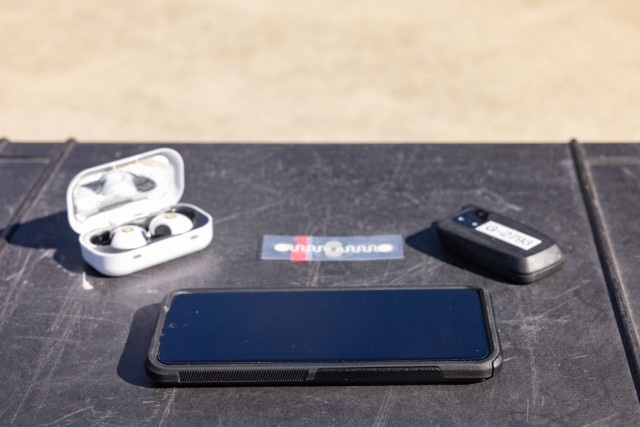
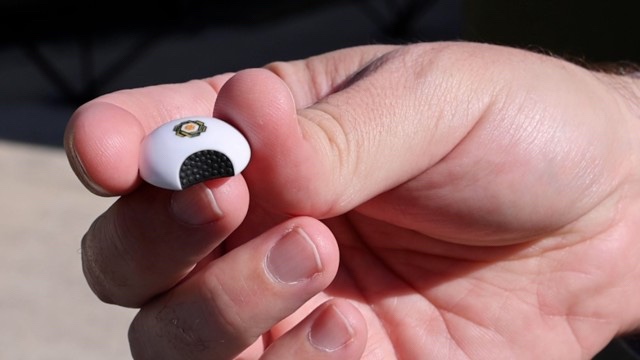
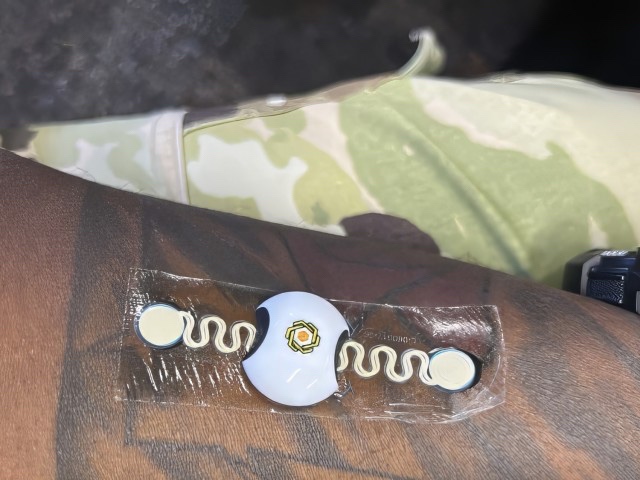
“What we have here is the Health Readiness and Performance System, which is one of the devices that we’re evaluating as part of the wearables experiment (at) Talisman Sabre,” Fisher said.

The piece of technology connects to a data strip on the skin over the heart, which is nearly the size of a standard bandage you’d have in a medicine cabinet.

Although it takes up a small amount of space on a service member who otherwise carries upwards of 60 pounds of gear, its capacity to save lives is enormous.

“This particular device can do a number of things, but one of many is to identify early signs of heat stress and heat illness,” said Fisher, the native of Arlington, Virginia, who is also the rank of major in the U.S. Army Reserve.

The device connects to a cell phone through a receiver via secure communications technology.

“It measures heart rate, heart rate variation, respiratory rate, pulse oxygen level activity, and a few other physiological metrics that all come together in order to enable a predictive algorithm to analyze the data from that service member and then alarm that individual, or squad leader, or medic to take a look at that person,” Fisher continued.

A squad leader in the immediate area, or a medic receiving the information via a server, can receive the data to make an informed potential life-saving decision.

According to Fisher, the device ideally takes two days to establish a baseline reading of an individual’s data.

He said information derived from a collection of individuals’ data can also lead to preventive medicine measures amongst a formation including the spread of communicable diseases and viruses.

Wearables have commanded the attention of senior leaders supporting Talisman Sabre.

“I don’t get too excited about technology but this device is lifesaving,” said U.S. Army Col. Kevin Bass, the deputy commanding officer of 18th Medical Command, which is part of the Australian Defence Force and U.S. Combined Joint Theater Medical Component in supporting Talisman Sabre.

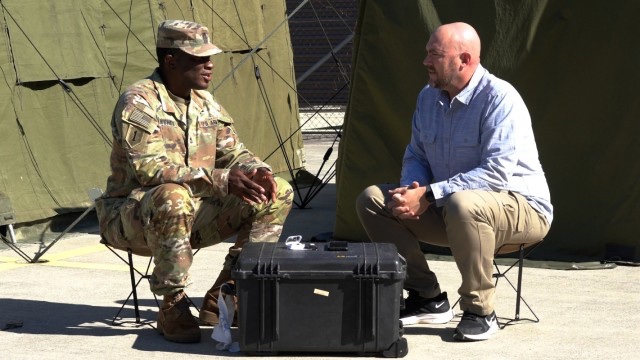
Dr. Nathan Fisher, a senior scientist, sits with U.S. Army Sgt. 1st Class Timothy Hughes, the public affairs chief for U.S. Army Pacific’s 18th Medical Command, and the Australian Defence Force and U.S. Combined Joint Theater Medical Component to discuss “Wearable Pilot Program” technology being tested in the field during Exercise Talisman Sabre 2023. The Combined Joint Theater Medical Component coordinates and synchronizes health service and support across the Australian continent, which is nearly the size of the mainland of the U.S. Talisman Sabre is the largest bilateral military exercise between Australia and the United States advancing a free and open Indo-Pacific by strengthening relationships and interoperability among key allies and enhancing our collective capabilities to respond to a wide array of potential security concerns. (U.S. Army video by Sgt. 1st Class Timothy Hughes/Released)

While reflecting on his service with the “Screaming Eagles” of the 101st Airborne Division (Air Assault), he noted how a small percentage of paratroopers were expected to receive varying degrees of injuries on a given jump.

“Imagine if the medical guy sitting at the lead edge of the drop zone had an app,” Bass said. “You can sit there and scroll through it, and maybe in a future version of this, you can automatically race to the ones with an alert status.”

Currently, more than 500 service members across the Australian continent are testing the wearable technology.

The Combined Joint Theater Medical Component coordinates and synchronizes health service and support across the Australian continent, which is nearly the size of the mainland of the U.S.

Talisman Sabre is the largest bilateral military exercise between Australia and the United States advancing a free and open Indo-Pacific by strengthening relationships and interoperability among key allies and enhancing our collective capabilities to respond to a wide array of potential security concerns.

By SFC Timothy Hughes

Multi-Capable Equipment Initiative Wins 2023 Air Force Installation and Mission Support Center Innovation Rodeo

Saturday, July 29th, 2023

SAN ANTONIO (AFNS) —  

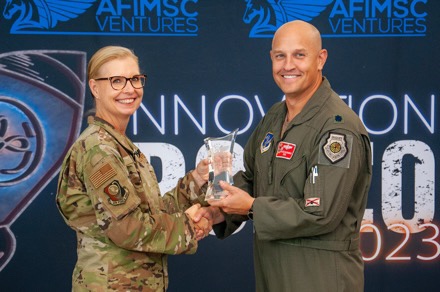
An idea to deliver multi-capable equipment for agile combat employment operations won the 2023 Air Force Installation and Mission Support Center Innovation Rodeo July 21 in San Antonio.

Lt. Col. Brandon Baughman, 187th Operations Support Squadron commander at Dannelly Field, Alabama, will receive a share of at least $1 million in funding and resources from AFIMSC to move the HULK, WOLVERINE and KRAYT initiative, or HWK-i, forward. 

“Winning this year’s Innovation Rodeo is awesome,” Baughman said. “We’ve been working really hard on our own and it’s a relief there’s an organization out there like AFIMSC to support us and help make it happen.” 

HWK-i is a one-stop-shop package of capabilities providing commercial, off-the-shelf solutions for shelter, power, water, communications and security. HWK-i only takes up two-to-three pallet positions on an aircraft, does not require a forklift or cargo loader and resolves capability gaps caused by large equipment that is not multipurpose.

“Project HWK-i is three capabilities wrapped up in a package deal,” Baughman said. 

HULK, or heavy utility lifting kit, is designed to load and unload palletized cargo. WOLVERINE is a multipurpose expeditionary platform to load and unload cargo, move aircraft, load weapons, pump fuel, generate electricity and more. KRAYT is an operational hub of integrated, interoperable modular capabilities including a hybrid power solution, redundant communications, security systems and a self-sustaining water generation capability. 

“It’s the multi-capable Airman concept manifested into equipment,” said Col. Kelly Sams, AFIMSC vice commander and a judge for this year’s rodeo. “In a container – you drop it and you go – it’s very impressive. I’m also very impressed with all the ideas brought in together to create a containerized unit.”

Other 2023 Innovation Rodeo winners include:

Second Place: Tech. Sgt. Joshua Solomon, Air Force Services Center, Joint Base San Antonio-Lackland, with Automated Robotic Dish Room.

Third Place: Master Sgt. Michael Olsen, 325th Maintenance Group, Tyndall Air Force Base, Florida, with Mission Readiness Training Scheduler.

“Thanks to all our innovators here and across the Department of the Air Force. Keep those ideas coming. We need your ideas in our greater Air Force,” Sams said. “Every single one of the finalists brought forward an idea that we need tomorrow – some of them we needed yesterday – so please keep going.”

Now in its fifth year, the annual AFIMSC Innovation Rodeo gives Airmen and Guardians an opportunity to partner with innovation experts and get funding and resources to pursue scalable ideas that will help the DAF deliver faster, leaner and more resilient capabilities, improve installations, or support families in a better way.

Over the years, AFIMSC has invested more than $17 million and landed more than $80 million in government and venture capital funding to pursue, develop, test and field projects pitched by finalists during each rodeo.

“It’s not just about funding,” said Dustin Dickens, principal innovation program manager. “It’s also about collaboration, mentorship, team building and the way AFIMSC can execute to move projects forward.”

Finalists spent three weeks learning from leading innovators and collaborating with peers and industry partners virtually before coming to San Antonio to pitch their ideas to a panel of senior-leader judges. 

The top ideas were selected because of their potential impact on mission requirements and ability to scale across the entire enterprise, said Jadee Purdy, AFIMSC chief innovation officer. 

“This year, we added an element to target projects we know our senior leaders are really looking for to improve warfighter capability,” she said. “We worked hard on targeting ideas that were mission focused and ready to scale.”

Innovation Rodeo gives all Airmen and Guardians a place to take an idea and have it heard by senior leaders, Purdy said. Support from the AFIMSC team can include a business case analysis to ensure ideas have value, connections to multi-functional teams and subject matter experts, and pathways to acquisition or connecting with other resources to move a project forward.

“Anyone who puts in the time and effort to submit to the Innovation Rodeo is going to walk away with support they didn’t have prior to the rodeo,” she said. 

For the finalists, lessons learned and tools gained during the Innovation Rodeo will help them continue to innovate and motivate others after they return to their home stations.

“I have a long career ahead of me, so what I’m learning now, whether it’s asking questions, knowing what to look out for, anything innovation related … this is definitely going to carry on with me throughout the future,” said 2nd Lt. Kiara Nuevo, 305th Aerial Port Squadron Passenger Operations and Innovations program manager at Joint Base McGuire-Dix-Lakehurst, New Jersey.

“Innovation is crucial in today’s Air Force,” she said. “We can’t afford to be the ones trying to catch up; we have to be ahead.”

For full coverage of the 2023 AFIMSC Innovation Rodeo, including video of the full rodeo and individual project presentations, visit here.

By Shannon Carabajal, Air Force Installation and Mission Support Center Public Affairs

The Resource Center / Allied Industries

Friday, July 28th, 2023

The Resource Center’s Manufacturing Division, Allied Industries, has been working with local and regional manufacturers supplying issued military products to the U.S. Armed Forces since 1978. The function, quality, and durability of Allied products have been battle tested for decades. Most of our forces have used items from TRC/Allied during their service such as 3-Mag pouch, Entrenching Tool Pouch, Casualty Kits, Tourniquet, Barrel Bags, the list is extensive. Several top tier Tactical Brands currently leverage Allied’s experience for the making of their commercial products.

Whether your company needs to refine an existing product or develop an entirely new one, TRC has the experience and expertise to deliver the solution you need.  We specialize in sewing and kitting, allowing us to provide a variety of items to satisfy the requirements of your contracts and/or commercial customers. After four decades, we know how to respond to the demands of the Armed Forces. We understand how quickly the military’s needs can arise and how quickly they can change. Our capabilities include kitting, packaging and assembly. Short-term or permanent. We’ve completed hundreds of jobs for dozens of manufacturers, there’s very few challenges we have not achieved.

Allied Industries is not your typical manufacturer. Yes, we provide labor and product development solutions for our customers. But we also provide education, training and employment opportunities to people with disabilities in Chautauqua County, New York. Our mission is to help people with disabilities achieve maximum independence, contribute to their communities, experience lifelong growth and enjoy a high quality of life.

One of the ways we do that is by helping people—who otherwise wouldn’t have an opportunity to work—secure meaningful employment. We teach them the skills they need to succeed in the workplace. Then we put them to work in one of our manufacturing facilities or help them find competitive jobs in the community.

Allied Industries customizes its solutions to customers’ unique circumstances.

Our competitive advantages are:

Experience and Innovation. Need a prototype for a new product? Looking to enhance an existing one? We leverage our military experience and expertise to develop new products and make improvements to existing ones that meet stringent military guidelines. Taking projects from design to production, including materials research, is our specialty.

Fast Response Times. You can’t always predict when you’ll need a product shipment. Natural disasters, military action and other world events can happen with almost no warning. When they do, you have to respond. And, so can we. We’re accustomed to ramping up production at a moment’s notice without sacrificing quality, so you get the products you need quickly.

Superior Quality. When the products you make are used in life or death situations, there’s no room for error. You’re serious about quality control, and so are we. We’re certified to ISO 9001:2015 standards by American Global Standards Registrar, and our manufacturing process has been approved by the U.S. military for decades.

Made in the U.S.A. These aren’t just buzz words to us. Our employees take pride in creating products the men and women who serve our country use every day. Our items are produced by U.S. workers, using only American-made materials.

Large Workforce. No job is too big. When your workload exceeds your employees’ capacity, and you don’t want to hire temporary workers, we act as an extension of your workforce to get the job done.

Extra Space. With 105,000 square feet of floor space spread across two facilities, we can add additional jobs to our pipeline when your capacity is maxed out.

Creating customized solutions to meet the unique needs of our manufacturing customers is what we do. Let’s start solving your production challenges today.

If TRC/Allied can help support your company product or kitting objectives Please contact TRCGOV@RESOURCECENTER.ORG.

FirstSpear Friday Focus – Fast Rope Mitt

Friday, July 28th, 2023

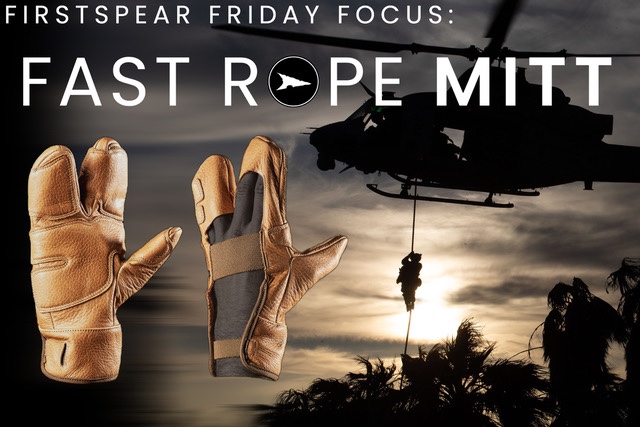
Looking for a minimalist glove that won’t burn through your hands during those intense fast rope insertions? Look no further than the Fast Rope Mitt (FRM). Not only does it fold flat for easy transport, but its advanced two finger pattern allows for quick access to your trigger finger as soon as you hit the ground. This fast rope glove puts all other gloves to shame. Don’t believe us? Give it a try and feel the difference in quality American “roper” cow leather and ultra-high performance Kovenex.

Visit FirstSpear to find American Made kit and accessories, Built For The X.

USARCENT Tests Phone App That Detects Unmanned Aerial Systems

Friday, July 28th, 2023

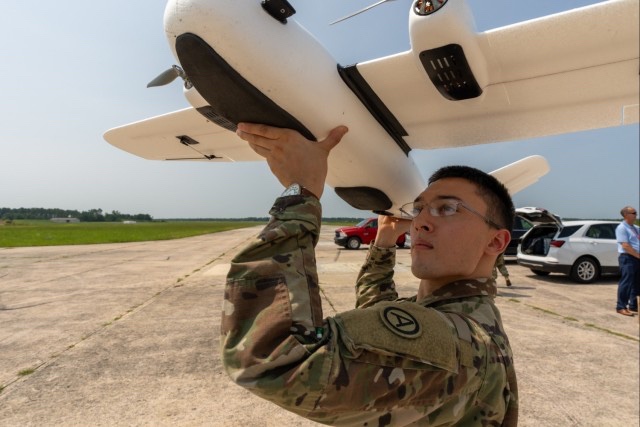
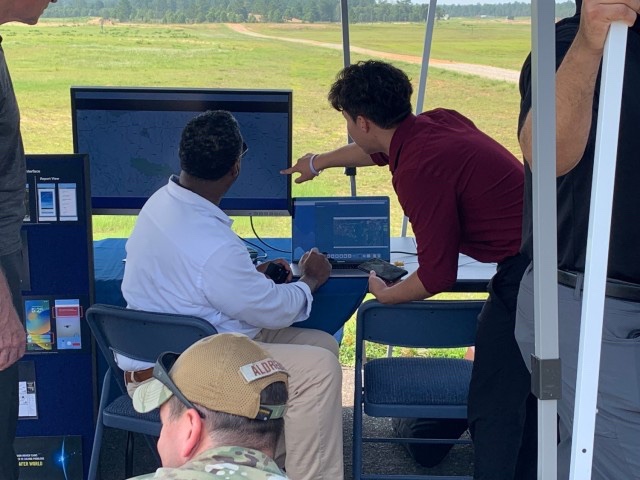
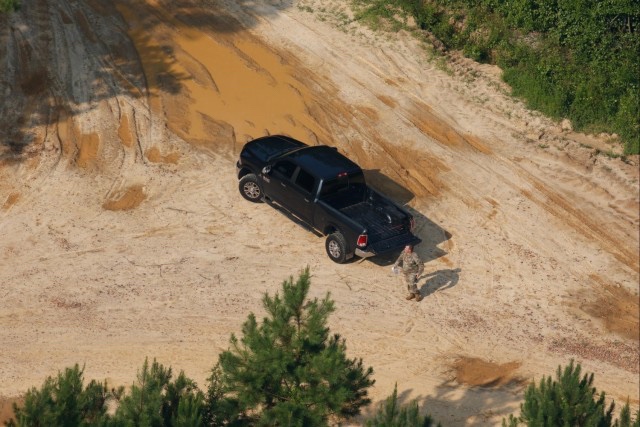
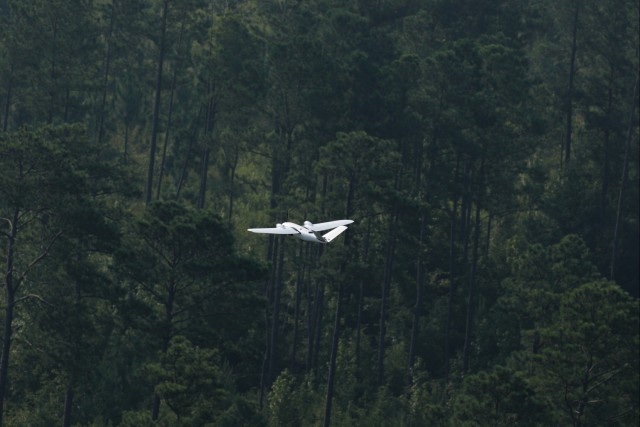
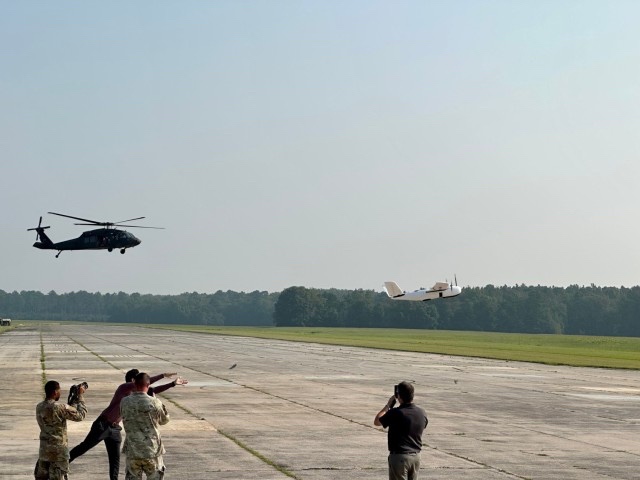
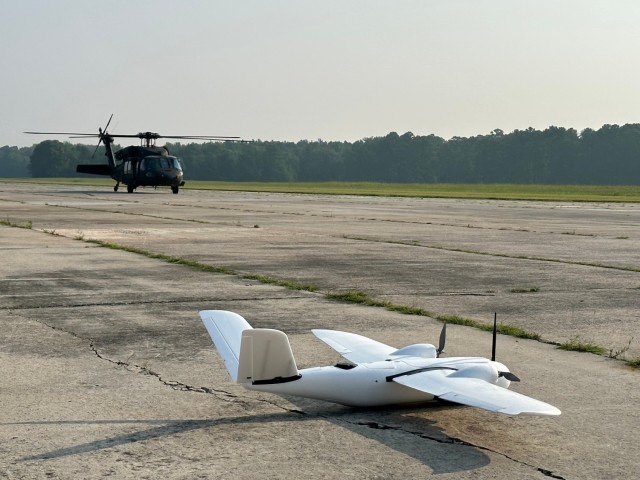
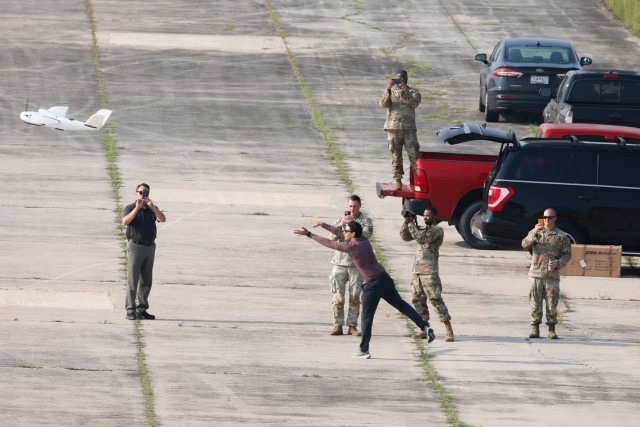
SHAW AIR FORCE BASE, S.C. — U.S. Army Central’s Task Force 39, the team dedicated to developing innovative ideas throughout USARCENT, facilitated a test of CARPE Dronvm at McEntire Joint National Guard Base and Poinsett Range on July 18, 2023.

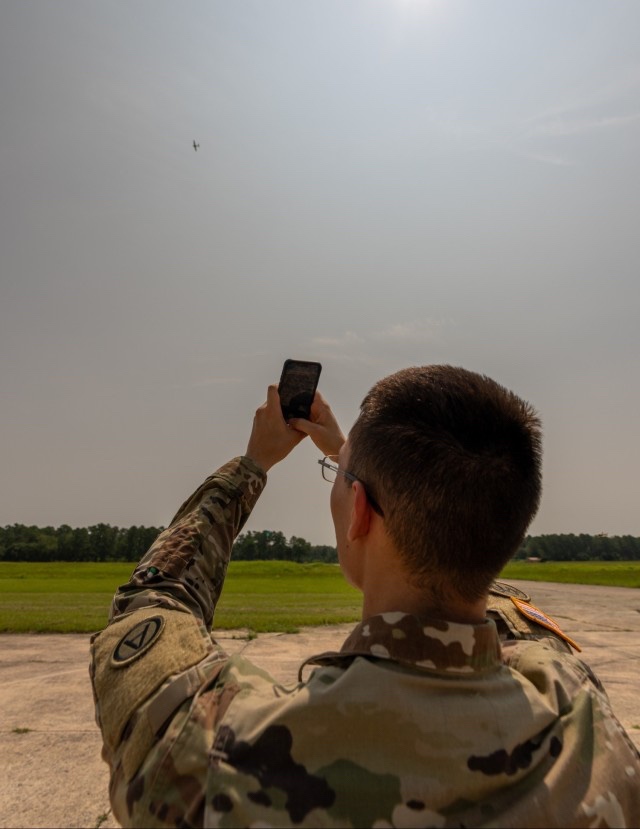
CARPE Dronvm is a DoD funded application developed by MITRE Corporation that uses crowd-sourced information to detect unmanned aerial systems, or UAS. This test used a version of the application on cell phones to detect a UAS. Maj. Travis Valley, the Task Force 39 operations officer, said the potential for crowd-sourced UAS detection increases force protection capabilities.

“The CARPE Dronvm experiment, or proof of principle, was a huge success for ARCENT.” said Valley. “This was the largest experiment ARCENT has conducted to date. We expanded the experiment footprint, covering 50 kilometers, with multiple individuals in the area using the CARPE Dronvm app. This was all to prove the CARPE Dronvm app works. It did, in fact it exceeded my expectations on the simplicity of use and the program’s drone detection ability. This has the potential as a force protection multiplier, adding another tool to help protect Soldiers in a deployed environment.”

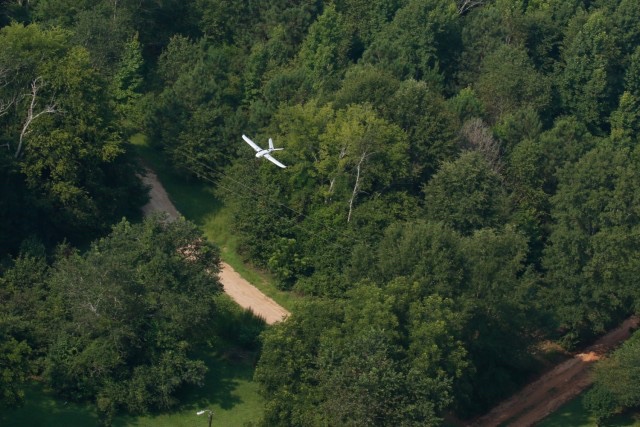
During the test, Soldiers used government provided cellular devices to test the functionality and capability of the application by capturing images of a UAS. The UAS used in the test flew from McEntire JNGB to Poinsett Range to provide the maximum amount of testing space available.

CARPE Dronvm is the result of a U.S. Air Forces Central initiative to develop systems to detect UAS. U.S. Army Central is testing the ability to operate this application at the Soldier level.

“Countering the drone threat in the U.S. Central Command area of responsibility is essential to keeping our personnel, aircraft and equipment safe,” said U.S. Air Force Lt. Col. Steven Norris, AFCENT counter-UAS cell chief. “Our MITRE partners have been helping make CARPE Dronvm a reality since 2019. Every single warfighter can help sense and warn, creating a comprehensive layered defense that will tie into our existing command and control architecture and increase awareness of threats in the region.”

In recent years, the threat posed by UAS increased as malign regional actors continue to use and experiment with this relatively cheap weapons system. Due to its low cost to entry, it is becoming the weapon of choice for potential adversaries resulting in rapid technology proliferation and increased employment. Lt. Gen. Patrick Frank, the USARCENT commanding general said his command is focused on developing technologies to counter this threat.

“The UAS threat is a shared security challenge for the U.S. and our regional partners,” said Frank. “To combat this threat, CENTCOM and USARCENT will test and field counter-UAS systems. The advanced measures we intend to pursue regarding innovation and experimentation will provide critical, real-time data to inform Army and defense decisions on counter-UAS technologies.”

United States Army Central is the U.S. Army service component command for United States Central Command and is responsible to the Secretary of the Army for the support and administration of more than 12,000 Soldiers, including those assigned to joint task forces and embassies, across the 21 countries in the CENTCOM area of responsibility.

Story by CPT Richard Moore

Photos by SFC Michael Behlin, SSG Leo Jenkins, and SGT Amber Cobena

Australian Defence Force Selects Hanwa’s Redback as New Infantry Fighting Vehicle to Replace Aging M113s

Thursday, July 27th, 2023

Redback to bring Army some sting

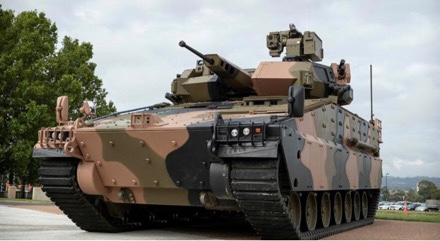
A Redback infantry fighting vehicle on display in Canberra. Army will take delivery of 129 of the vehicles, to be built in Geelong. Photo: Andrew Green

The Army will receive 129 new infantry fighting vehicles in response to Australia’s changing strategic environment.

Making the announcement today, the Australian Government said Hanwha’s state-of-the-art Redbacks would be built at the company’s facilities in the Geelong region, supporting Australia’s strategic imperative to develop sovereign defence manufacturing capabilities.

At a cost of between $5 billion and $7 billion, the LAND 400 Phase 3 project will be one of the largest capability acquisitions in Army’s history.

Replacing the M113 armoured personnel carriers, which were acquired in 1964, the first Redback will be delivered in early 2027.

With its latest-generation armour, cannon and missiles, they will provide the protection, mobility and firepower required to transport and protect soldiers in close combat, giving them the highest chance of achieving their mission and returning safely.

The government said the acquisition was part of its drive to modernise the Army to ensure it could respond to the land challenges in the region.

The new vehicles will be delivered about the same time as the new HIMARS missile systems and landing craft, reflecting the Defence Strategic Review’s call for Army to be transformed for littoral manoeuvre operations from Australia.

The government said it was providing the ADF with the capabilities it needed to defend Australia and protect national security.

Minister for Defence Industry Pat Conroy said the government was committed to investing in the security of the nation and the safety of Australian soldiers.

“We are also committed to supporting Australian defence industry so we can make more of the critical defence equipment we need in this country rather than relying on overseas suppliers,” Mr Conroy said.

“Our decision to build the Redback infantry fighting vehicles in Australia will support up to 600 direct jobs and more than a thousand jobs in the Australian industry supply chain.”

By Australian Defence Force