Atrius Development Group

Archive for the ‘Guest Post’ Category

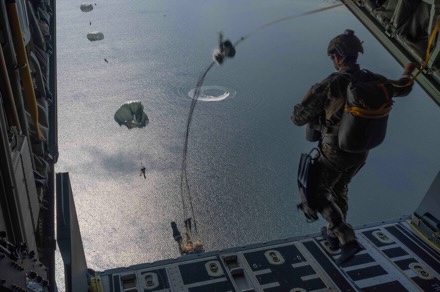
28 IS Fusion Cell Support Grand Slam for Full Spectrum SOF at Emerald Warrior 2023

Friday, May 26th, 2023

HURLBURT FIELD, Florida —  

Air Force Special Operations Command (AFSOC) wrapped up its 16th annual Emerald Warrior exercise May 6, 2023. The exercise provided realistic and relevant, high-end pre-deployment training, encompassing multiple joint operating areas to ensure preparedness of Special Operations Forces, Conventional Force enablers, Partner Forces and Interagency elements. This year’s exercise locations included Hurlburt Field, Homestead Air Reserve Base and Puerto Rico.

Five Reserve Citizen Airmen from the 28th Intelligence Squadron were key players in the event. The Airmen were critical to the success of the Intelligence (J2) Fusion Cell’s work. The Fusion Cell pushed out multiple “articles, tweets, and social media posts” regarding a massive earthquake destroying key infrastructure in Puerto Rico. This event became the first of many injects requiring the deployed Joint Special Operations Task Group (SOTG) and units to make decisive decisions on behalf of the nation and partner nations.

“Synchronizing Information Related Capabilities across Intelligence, Information Operations, Cyber, Space, and Public Affairs SMEs (subject matter experts) allowed us to further educate our SOTG and SOTU (Special Operations Task Unit) commanders on the capabilities they can provide when down range, said Maj Jessica Vogle, the 28 IS’s assistant director of operations, who served as the Emerald Warrior J2 and Fusion Cell lead.

Vogle went on to say, “Whether it be the utilization of cyber effects to create complex dilemmas for our adversaries, space capabilities to get a site picture of the operation area or using Information Operations and/or Public Affairs to get strategic messaging out into the public, fusion cells create operational effects in the information environment and strategic advantage for AFSOF, our allies and partners through unique access and placement.”

In Emerald Warrior 23, the Fusion Cell led and processed 90 Requests for Information, 498 Red Cell injects, 11 Publicly Available Information roll ups, four spot reports, seven tear lines and eight additional J2 products.

The 21st Special Tactics Squadron completed pre-deployment qualifications for Air Force Force Generation model readiness posture. Four missions were executed during the course of the event: Humanitarian Assistance/Disaster Relief, Integrated Deterrence, Information Operations/Cyber.

445th Airlift Wing Public Affairs
AirLand Battle Emerges: Field Manual 100—5 Operations, 1982 and 1986 Editions: TRADOC 50th Anniversary Series

Thursday, May 25th, 2023

U.S. Army Training and Doctrine Command’s 50th anniversary is July 1, 2023. In celebration, the TRADOC Communication Directorate in collaboration with the TRADOC Military History and Heritage Office, is sharing an article series highlighting key moments in TRADOC’s history to include the evolution of training, AirLand Battle, and gender integration.

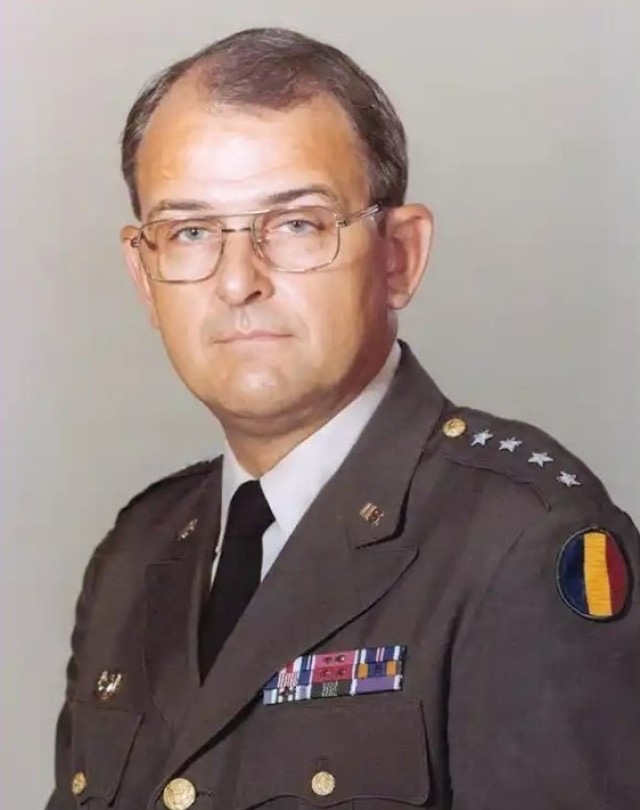
JOINT BASE LANGLEY-EUSTIS, Va. – In 1976, TRADOC distributed 176,000 copies of the new Field Manual 100—5 Operations. This massive publication and dissemination effort marked but one of Gen. William E. DePuy’s, TRADOC’s first commanding general, purposes for the manual—to drive rapid change throughout an Army confronting an upgraded Soviet threat in Europe and contending with the aftermath of the long Vietnam War. Fresh doctrine, Depuy reasoned, would serve as a guidon for the Army, shaping everything it did, from training and education, to developing leaders and new equipment. Another no less significant purpose was to provide Soldiers with clear and practical guidance on how to fight and win on the modern battlefield against a peer opponent.

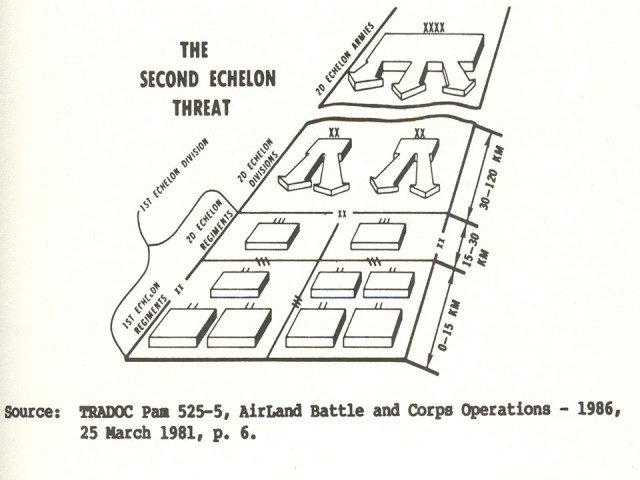
However, significant criticisms of Depuy’s brainchild emerged almost as soon as the last manual left the presses. First, many assessed that it prioritized defensive operations; the chapter on defense was indeed more robust than the one tackling the offense. Consequently, the term Active Defense quickly emerged as a shorthand reference for the manual. Second, the manual stressed the science of the application of modern firepower and force ratios, ignoring, some argued, the fundamental human element in warfare. Third, others contended the doctrine focused too narrowly on the Western European battlefield to the detriment of other forms of conflict across the spectrum of war. Finally, operational commanders worried that, in concentrating on tactical combat at the forward edge of the battle area, the manual neglected a key element of Soviet doctrine—that of echeloning forces in depth to maintain the momentum of any attack. This emphasis might commit U.S. Army ground forces to an attritional fight they could not win. Whatever their specific objections, all critics agreed with Depuy that future success started with 100—5, the Army’s capstone field manual, and that 100—5 should direct the force in all that it did.

A series of TRADOC commanders—Gen. Donn A. Starry (1977-1981), Gen. Glenn K. Otis (1981-1983), and Gen. William R. Richardson (1983-1986)—took up the challenge and led the effort to revise the 1976 document, culminating in two new Operations manuals that appeared in 1982 and 1986 respectively. Their sustained, consistent, and collective efforts saw not just revised doctrine, but the development of training and the fielding of equipment to make the doctrine work in practice.

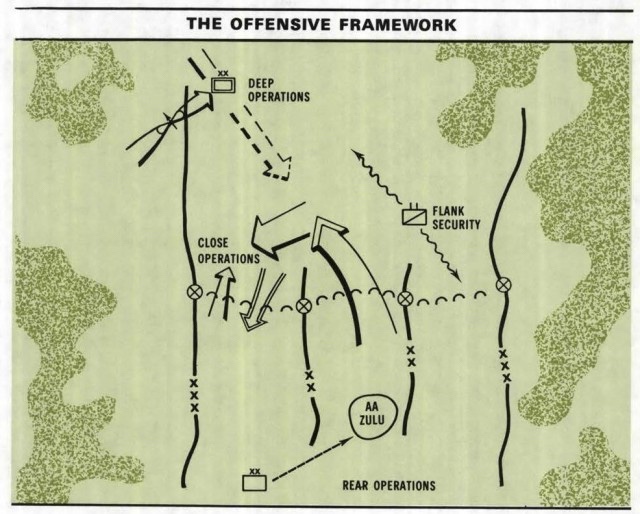
Taken together, the 1982 and 1986 editions of FM 100—5 addressed the perceived weaknesses of the earlier manual. For example, they introduced a concept, dubbed AirLand Battle, that dealt with the problem of Soviet offensive doctrine by emphasizing attacking throughout the depth of the battlespace through synchronized effort across the joint force. While the Army primarily managed the frontline fight, the Air Force (mainly) as well as Army attack aviation and long-range fires would attrite and disrupt second echelon Soviet forces. Furthermore, the new doctrine highlighted the value of maneuver and aggressive action with both local and deep counterattacks serving to shock adversaries and enhance the morale of Soldiers, who would now hit back as well as defend.

Although thankfully never tested in Western Europe, the TRADOC-led effort to transform Army doctrine and the force in tandem with it contributed directly to success in the Gulf War of 1990-1991. Echoes may also be heard today in the Army’s current multidomain operations concept.

By Courtesy, TRADOC Military History and Heritage Office

AFSOC Conducts First-Ever Command Chief Change of Responsibility Ceremony

Wednesday, May 24th, 2023

HURLBURT FIELD, Fla. —  

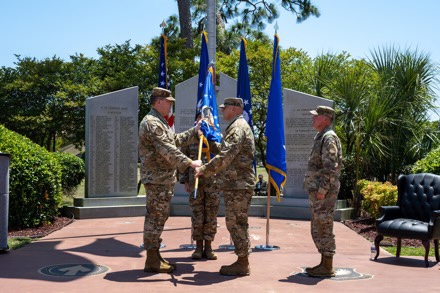
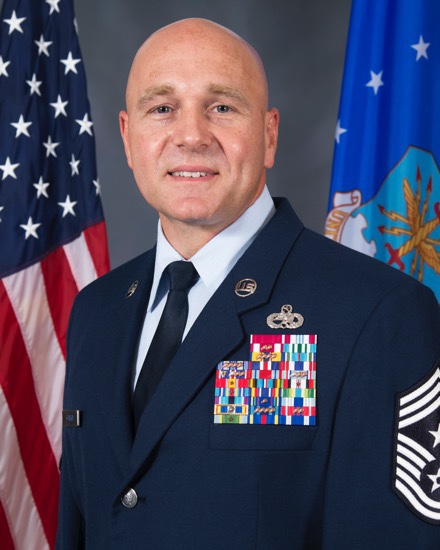
During a first-ever Air Force Major Command Change of Responsibility ceremony, Chief Master Sgt. Anthony Green assumed Command Chief responsibilities for Air Force Special Operations Command at Hurlburt Field, Fla., May 19.

Taking the colors from Chief Master Sgt. Cory Olson, Green became the 11th command chief of AFSOC which boasts approximately 22,000 total force and civilian Air Commandos worldwide.
AFSOC commander, Lt. Gen. Tony Bauernfeind presided over the ceremony.

“Command Chief Olson’s warfighting mindset, his sound guidance and his wisdom advanced this command for the future,” said Bauernfeind. “Command Chief Green is absolutely the right leader to manage and accelerate the change necessary to evolve Air Force Special Operations Command for the future.”

Change of Responsibility ceremonies are a standard within the joint community, but this was the first for an Air Force Major Command. Bauernfeind directed the holding of the ceremony to highlight the critical role of the senior enlisted leader in mission success.

Green spoke on the meaning of the title worn by the Airmen of AFSOC, “Air Commandos.”

“[The meaning of Air Commando] is not the planes. It’s not the cool kits,” said Green. “It’s what we’re called to do. It’s the mission. It’s the people. It’s the team.”

Among the attendance of roughly 250 individuals were notable guests such as Deputy Chief for Operations, Headquarters U.S. Air Force Lt. Gen. Jim Slife, Chief Master Sergeant of the Air Force Joanne Bass, and U.S. Special Operations Command Senior Enlisted Leader, Army Command Sergeant Major Shane Shorter.

Green entered the Air Force in September 1995. His background includes positions as an instructor and maintenance technician on the C-130 and various other non-standard aircraft. Throughout his career he has filled numerous roles including Flying Crew Chief, Combat Aviation Advisor, Maintenance Superintendent, and Senior Enlisted Advisor. 

By SSgt Caleb Pavao

Next Generation Family of Army Medium-Size Vehicles Tested at Ft Bliss

Tuesday, May 23rd, 2023

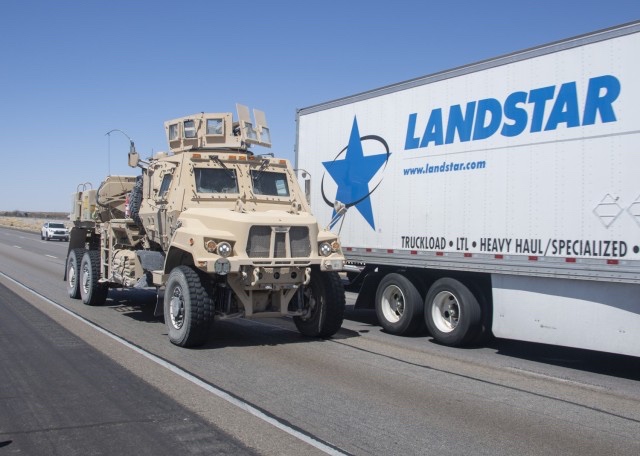
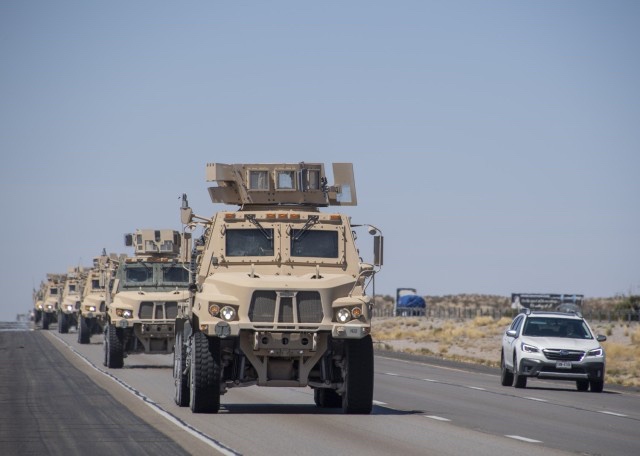
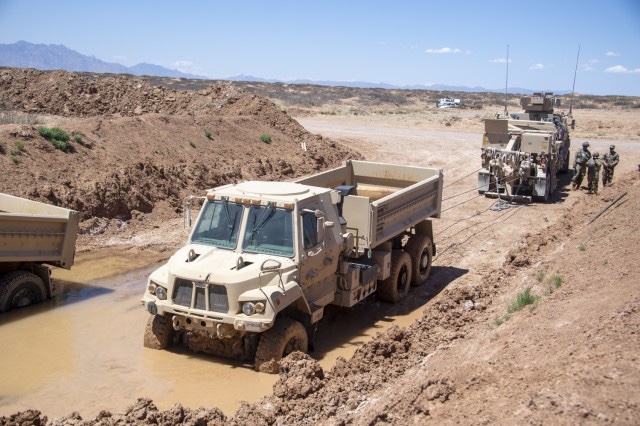
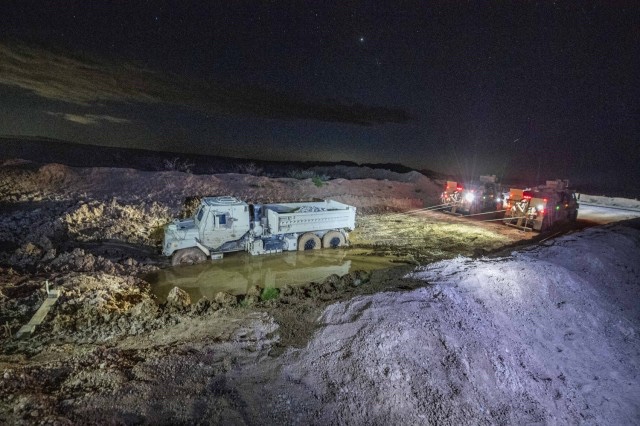
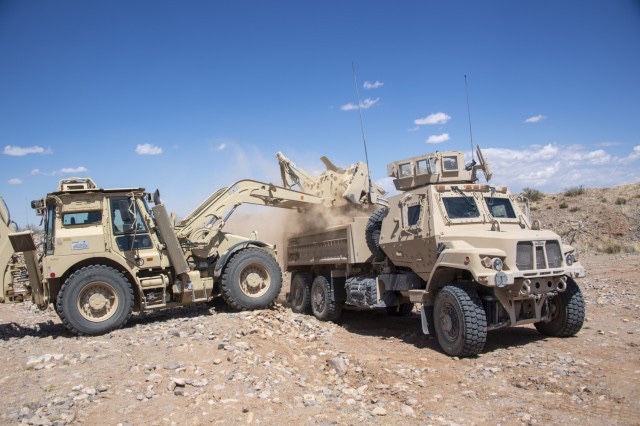
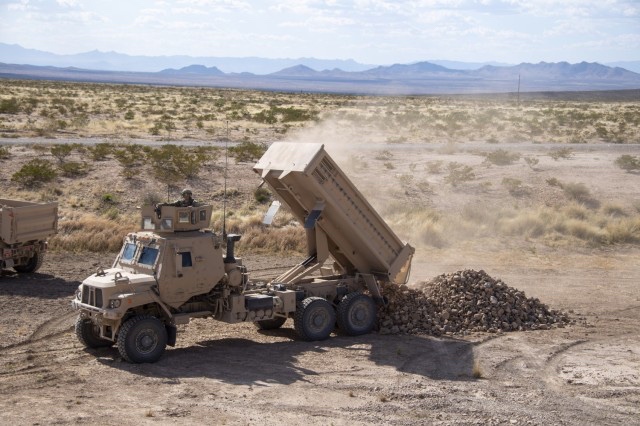
FORT BLISS, Texas — Under the heat of the desert sun, a convoy of military vehicles roll down a dirt trail, kicking up dust and sand as they reach speeds of 45 miles per hour.

The vehicles look familiar but are a little different from what Soldiers are used to seeing.

The vehicle driving down the dirt trails is the Family of Medium Tactical Vehicles, or FMTVA2. The FMTVA2 is being tested here with hopes it will replace its predecessor, the Light Medium Tactical Vehicle, or LMTV, allowing Soldiers across the Army to have access to a modernized vehicle.

“Driving the FMTV has been a complete game changer from the old LMTV,” said Spc. Salvador Castillo, a horizontal engineer with Alpha Company, 16th Brigade Engineer Battalion, 1st Armored Brigade Combat Team, 1st Armored Division.

Castillo and his unit tested the FMTVA2 for about 4 weeks and praised the improvements from the previous model.

Castillo expressed appreciation of the user-friendly enhancements, such as improved suspension, and the Drive Display Unit — a digital vehicle monitoring system that informs the driver of vehicle faults in real time.

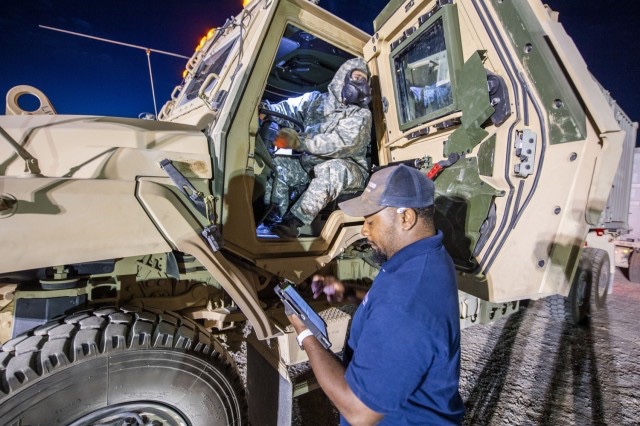
Feedback from the Soldiers are integral to the equipment testing process. Input from Soldiers testing the equipment is collected and used to inform the U.S. Army Operational Test Command how the FMTVA2 performs.

David Rogers, a civilian employee of OTC and assistant test officer for the FMTVA2 follow-on operational test, said all the data requirements are captured, and testing criteria are met to ensure that they can coordinate with their sister unit, the U.S. Army Evaluation Center, to produce an evaluation report to inform Army senior leaders of the FMTVA2’s suitability and reliability.

“Our mission is to collect the data,” Rogers said. “We provide the data to the evaluators so they can inform decision makers within the Army.”

Rogers explained the evaluator’s role as vital to ensuring the test exercise conducted over the course of the follow-on operational test meets data requirements and gives an overall scope of the FMTVA2’s capabilities and its readiness to roll out to the Army and its Soldiers.

As training wrapped up, the Soldiers testing the FMTVA2 are confident in the vehicle’s performance and their ability to operate them.

“It’s a lot easier for our unit to use, and we’re already comfortable using it. It will make it easier for all of us across the board,” said Castillo.

Three Fort Bliss 1st Armored Division units took part in the operational test: Companies A and B, 501st Brigade Support Battalion, 1st Armored Combat Brigade Team; the 16th Brigade Engineer Battalion; with the 528th Hospital Center, 1st Medical Brigade also joining in.

Story by SSG Jacob Lang, 24th Theater Public Affairs Support Element, Fort Bliss, Texas
Photos by Mr. Tad Browning, OTC Lead Audiovisual Production Specialist

Defenders Memorialized During Police Week, DAF Expands Security Forces Training

Monday, May 22nd, 2023

WASHINGTON (AFNS) —

The names of three Department of the Air Force defenders were among the 556 fallen officers read aloud during the 35th Annual Candlelight vigil May 13 as part of the many events that take place across the country during National Police Week, May 14-19.

The three defenders honored during the vigil were Tech. Sgt. Jason Norton, Staff Sgt. Brian McElroy and Senior Airman Jason Nathan.

“It is important to honor their memories and celebrate the achievements they made to the defense of our nation,” said Brig. Gen. Thomas Sherman, director of Security Forces. “National Police Week in general is a time to reflect on those we lost, as well as a time to come together as law enforcement professionals within the Security Forces career field.”

At this year’s vigil, Timothy Gerald, deputy director of Security Forces, attended the vigil to represent the Department of the Air Force defender family.

“Our Department of the Air Force civilian police officers have worked alongside uniformed defenders for more than a decade. Together, our active duty, Guard, Reserve, and civilian defenders conducting law enforcement make us a stronger fighting force,” said Gerald, who also serves as the senior Air Force civilian and functional manager overseeing all matters concerning the utilization, development and career field management of the 4,600-person DAF civilian security and police force. “Thank you to our Total Force defender family for their dedicated service.”

National Police Week is a time to reflect on the challenges that law enforcement officers face every day. The Security Forces Air Staff continues to support law enforcement officers by ensuring that they have adequate resources and training.

Law enforcement is an important aspect of Security Force’s larger mission of base defense. Defenders protect Airmen, Guardians and their families; defend resources, equipment and capability; and assure that air and space missions supporting the DAF are carried out successfully and securely.

Law enforcement is not only important for the safety and well-being of Airmen—it is also a key force-multiplying capability vested in base defense.

As the Air Staff recognizes law enforcement professionals during Police Week, it also reflects on the major efforts underway to support civilians within its law enforcement community. In 2022, the Security Forces enterprise launched an effort to build the law enforcement specialty directly within the civilian career field. This required selecting a subset of the 43,000 Total Force Security Forces population to be uniquely identified as law enforcement practitioners.

Building on that effort, the Air Staff expanded the Police Officer Training and Standards Accredited Academy to accept military students. This enables the Security Forces enterprise to establish a foundation of base defense training, creating base defense-focused defenders within the basic courses while later selecting Airmen for specialized law enforcement training at the academy.

The Air Force Security Forces Center facilitated funding to increase course availability to 500 students per year. All graduates are credentialed and badged federal law enforcement officers. Finally, to sustain officer skills, the AFSFC will introduce a 40-hour annual recertification course and additional instruction for field training officers, sergeant/supervisors and deputy directors.

Secretary of the Air Force Public Affairs
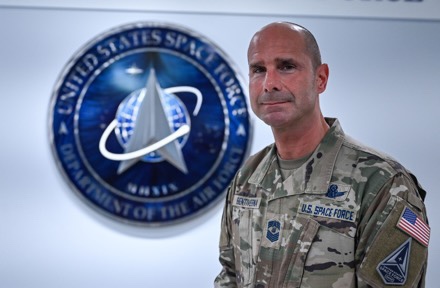
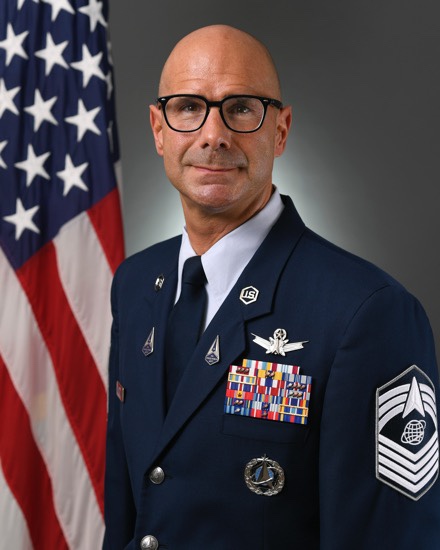
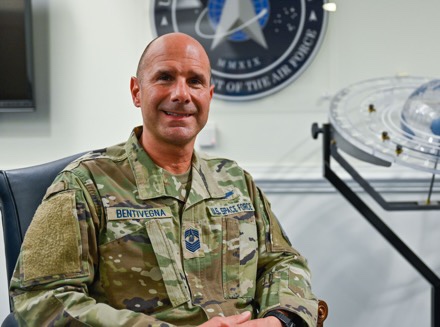
Chief Master Sgt John Bentivegna Selected as Next Chief Master Sergeant of the US Space Force

Saturday, May 20th, 2023

ARLINGTON, Va. (AFNS) — Chief Master Sgt. John F. Bentivegna was selected May 5 to become the next Chief Master Sergeant of the Space Force.

Bentivegna is currently serving as the Senior Enlisted Advisor to the Chief Operations Officer and the Enlisted Space Systems Operations Career Field Manager at Headquarters Space Force, Washington D.C.

In making his selection, Chief of Space Operations Gen. Chance Saltzman said, “I needed someone that would bring a perspective on our future that was articulated differently from mine.”

“Someone who could (and would) challenge my assumptions and ensure that important issues were evaluated from multiple angles and would catch things I missed,” Saltzman continued. “All the candidates had tremendous experience, skills, and expertise and it made it a close run.”

This was an open selection process and any Space Force chief master sergeant with 22 years’ time in service and three years’ time in grade could apply.

Saltzman selected Bentivegna from a group of five candidates who underwent a four-day evaluation process that vetted their skills and leadership capabilities. The process, along with personal interviews with each candidate, helped Saltzman make his final decision by giving him data on how the chiefs performed in various exercises and assessments.

“Chief Bentivegna brings a wealth of operational experience, a dedication to caring for our Guardians, and the spirit needed to take our service to the next level,” Saltzman said.

Bentivegna has been a space operator for more than 25 years, and has held positions at the squadron, group, wing, Numbered Air Force, Field Command and Headquarters Air and Space Force levels.

“It’s overwhelming and incredibly humbling to be offered the opportunity to become the next Chief Master Sergeant of the Space Force” Bentivegna explained. “I am really excited to have that opportunity to work next to General Saltzman to help fulfill his vision for where the service needs to go.”

“We have run really fast to develop the service and shape what it’s going to be,” Bentivegna continued. “We have charted a vision for the future, and I want to deliver that vision to our Guardians and the joint force. I know this is going to take collaboration, communication, policy and processes to make that happen. I am humbled that I get to be the one to champion these efforts for them in the future.”

As the next CMSSF, Bentivegna will be appointed as the Space Force’s highest noncommissioned officer position, making him only the second person in history to hold the title.

“Chief Towberman was the first Chief Master Sergeant of the Space Force, and there was no one better to guide us through that initial launch phase of the Space Force. Just like actual space launch, there’s a lot of anticipation, it’s exciting, it’s energetic, it’s violent, but it was also so critically important,” Bentivegna said. “He was the enlisted leader that got us out of the atmosphere and into orbit. Now I’ll have the opportunity to work with our Guardians to continue getting them combat ready.”

“He’s been right here with us every step of the way,” said Chief Master Sgt. of the Space Force Roger A. Towberman. “He knows where we’ve been and believes in where we’re going. I couldn’t be happier for our Guardians or more proud of how it’s all coming together. He’s exactly who we need right now.”

Bentivegna joined the U.S. Air Force August 1994, and transferred into the U.S. Space Force September 2020.  He started his career as a Precision Measurement Equipment Lab Technician in McGuire Air Force Base, N.J., before cross-training to become a space operator in 1998. He eventually went on to serve in several command chief assignments and served as the senior enlisted leader for Space Operations Command at Peterson Space Force Base in Colorado before his current position.

As the CMSSF, Bentivegna will act as the personal advisor to the CSO and the Secretary of the Air Force on all issues regarding the welfare, readiness, morale, proper utilization, and development of the Space Force. He will also provide direction for the enlisted force and represent their interests, as appropriate, to the American public and to those in all levels of government.

By Secretary of the Air Force Public Affairs

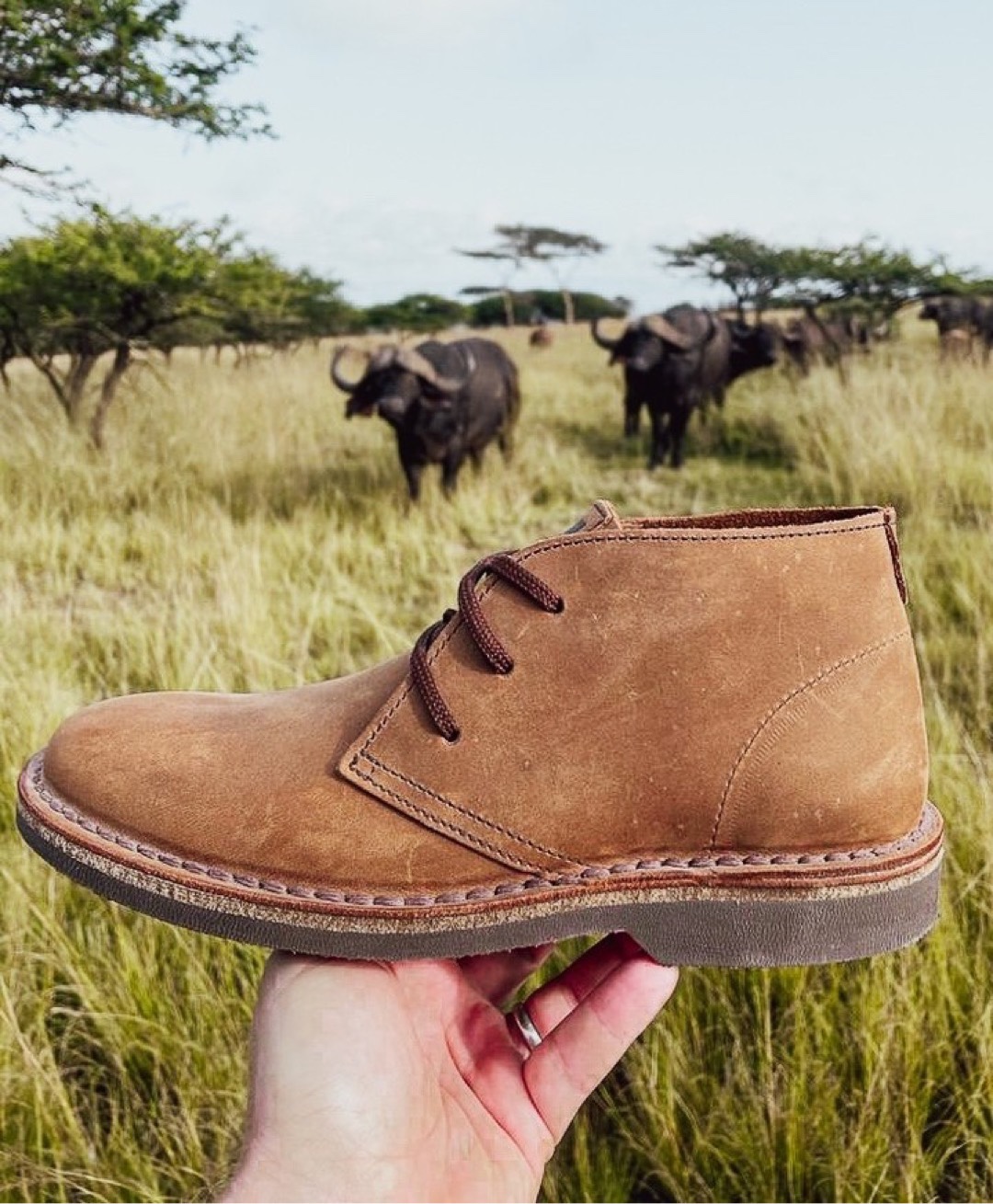
Coming Soon – Field Ethos x Jim Green Footwear African Vellie

Friday, May 19th, 2023

The Field Ethos African Vellie is made in Africa…by Africans. In fact, the African who makes them risked life and limb today to take this photo.

We worked with legendary African boot maker, Jim Green Footwear, to bring our version of the perfect Vellie to our customers. We took their existing design and reinforced key areas with thicker leather. Then we reshaped the toe, changed the sole and altered the stitching to bring you a truly indestructible boot that performs as well in the street as it does when you’re running for your life in the African bush.

The boots launch on 5/22/23 at 3pm Eastern.

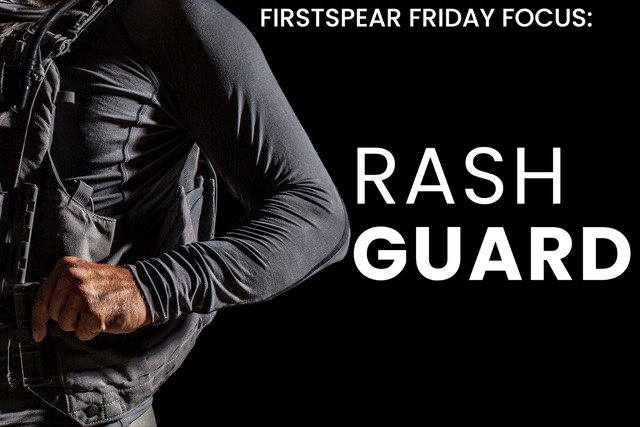
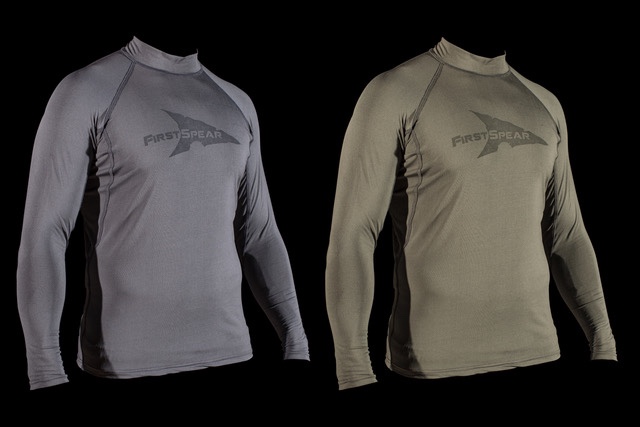
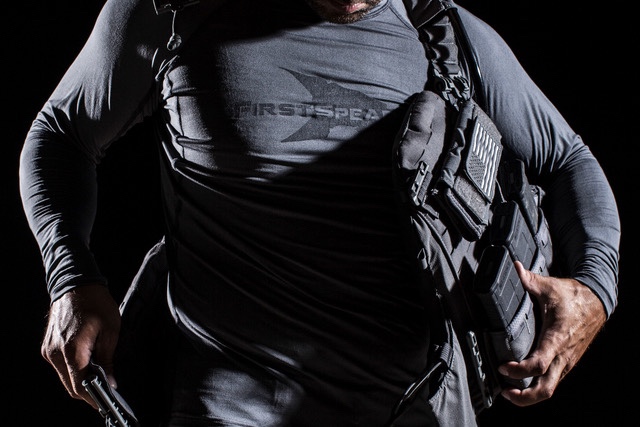
FirstSpear Friday Focus – Rash Guard

Friday, May 19th, 2023

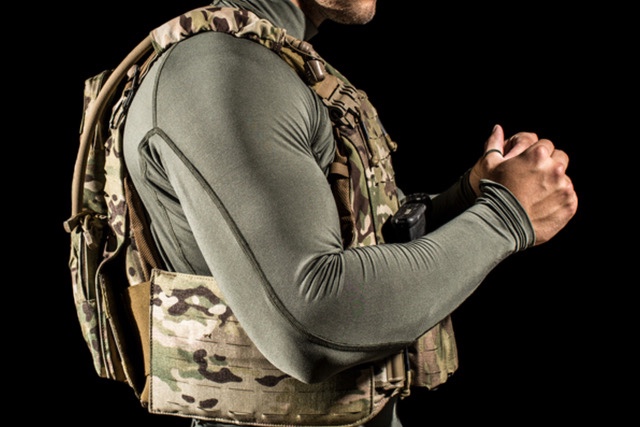
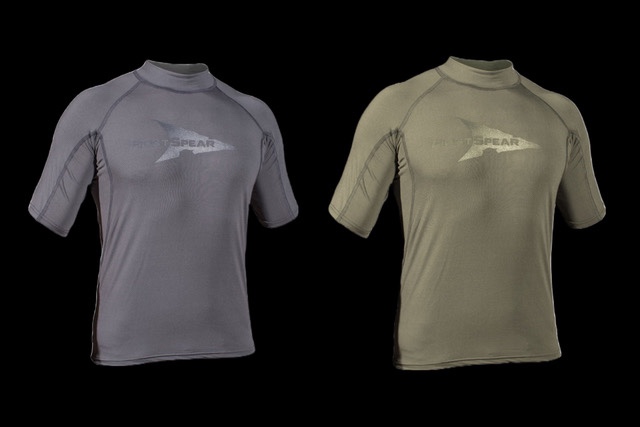
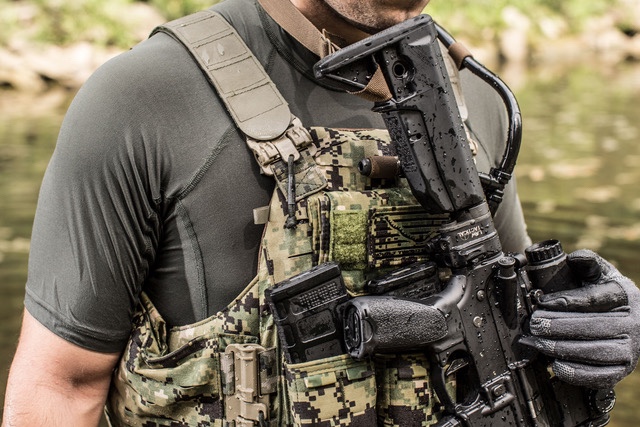
Constructed from a high-performance USA poly/spandex, the Rash Guard is designed for a compression fit that dries extremely quick.

Smooth flat seams help protect skin from rubbing and abrasion commonly found in a maritime or watersport environment. It is great for protection against extended exposure to the sun. Integrated low-profile thumbhole help keep sleeves in place when putting on equipment or garments.

Order your standard t-shirt size for a compressed fit and consider stepping up 1-2 sizes for a more relaxed fit.

100% Made in the USA

83% Polyester, 17% Spandex

Check out FirstSpear to find American Made kit and accessories, Built For The X.