Celebrate 20 years of the TLR-1

Archive for the ‘Guest Post’ Category

Studies and Analysis Squadron Unveils One-Stop Website for Enlisted Promotion Study Materials

Monday, April 3rd, 2023

JOINT BASE SAN ANTONIO-RANDOLPH, Texas (AFNS) —

For many years, Airmen have had to search multiple websites and resources to find the necessary material for their enlisted promotion studies. This could be anything from learning what they need to study or finding audio files to help them prepare for the tests. However, all of this is now a thing of the past thanks to the Studies and Analysis Squadron at Air Education and Training Command.

Members of the SAS have worked hard during recent months to create one comprehensive website where Airmen can access all their enlisted promotion study materials in one place – The Air Force Enlisted Promotion Study Guides website.
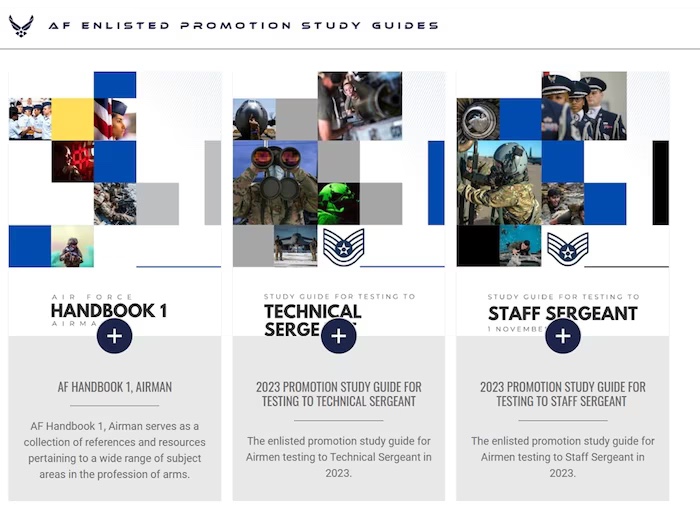
The site hosts electronic versions of AF Handbook 1, including both publication files as well as audio files; study guides tailored specifically towards those testing for staff sergeant or technical sergeant; plus, the Enlisted Promotions References & Requirements Catalog, which provides additional information on everything related to promotions within individual career fields.

The new resource makes it easier for Airmen preparing for an upcoming promotion test – no more having to hunt down different pieces from various places. Now, Airmen can quickly locate everything they need on one convenient page, just a few clicks away – making studying much simpler.

“The science of adult learning tells us that this learning occurs differently across populations and individuals. So, it’s important that we provide a variety of options for Airmen to learn,” said Lt. Col. Marcus McNabb, SAS commander. “This is an important first step in that direction and provides an audio resource, in addition to the traditional written resource.”

“Coupled with the plan to transition the test administration to an electronic medium in 2024, this modernization of testing resources and administration aims to reduce the administrative burden of testing Airmen and allows them to focus on the important aspects regarding Air Force and job-specific knowledge,” he said. “Ultimately, these efforts will ensure the Air Force promotion system continues to evolve to ensure we continue to promote the highest performing Airmen and meet the demand for quality Airmen to assure our nation’s defense.”

Studies and Analysis Squadron, Air Education and Training Command
Cadet Sisters Compete at the US Army Small Arms Championships

Saturday, April 1st, 2023

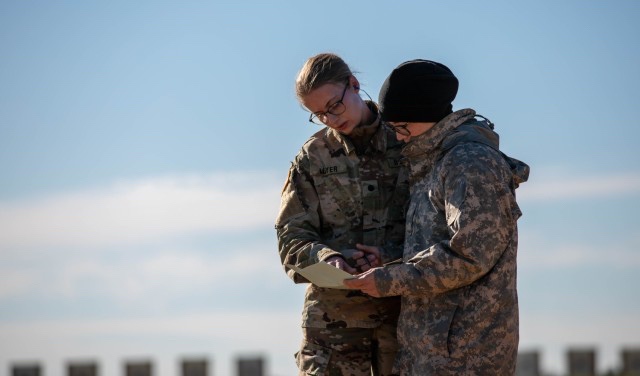
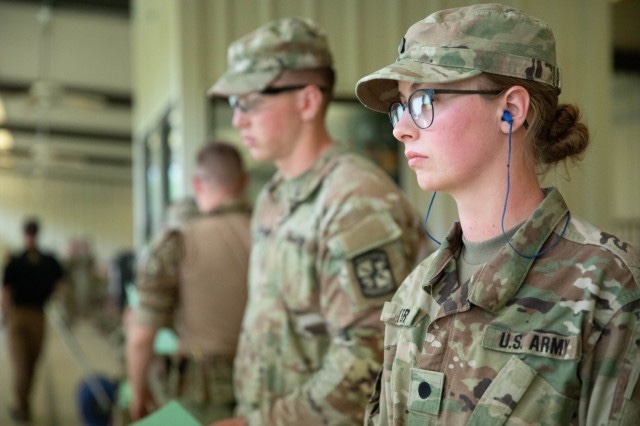
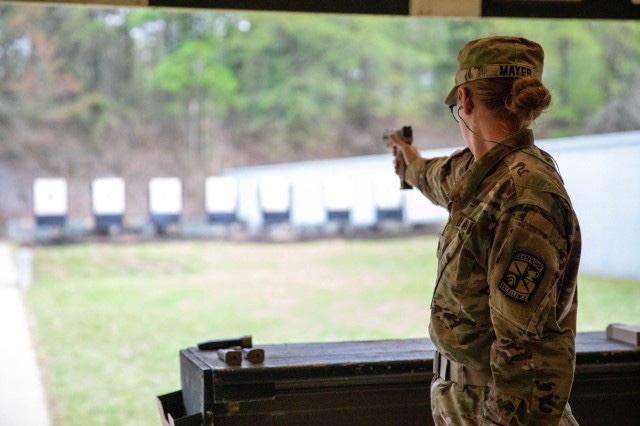
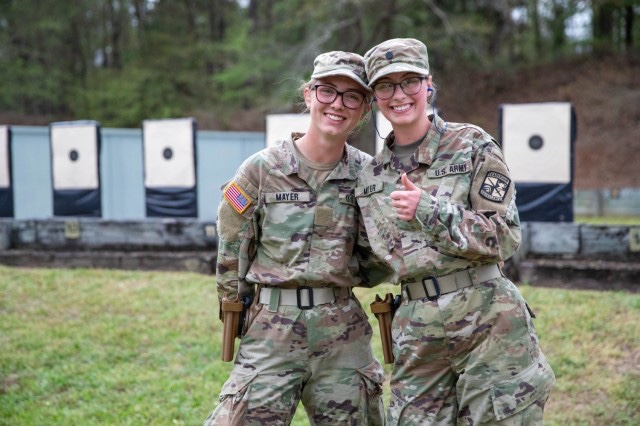
Fort Benning, Georgia — This year’s U.S. Army Small Arms Championships was more than just a unique training event for two Texas A&M Reserve Officers’ Training Corps cadets, it was a family affair.

Cadets Hayle Mayer and Jesse Mayer, who are sisters, participated in the week-long, comprehensive, live-fire marksmanship training event that brings together more than 250 Soldiers from across the U.S. Army to the Maneuver Center of Excellence. The annual event, which is commonly called the All Army, is hosted by the U.S. Army Marksmanship Unit and opens up with All Army competitors receiving a variety of classes from the USAMU champions and experienced trainers.

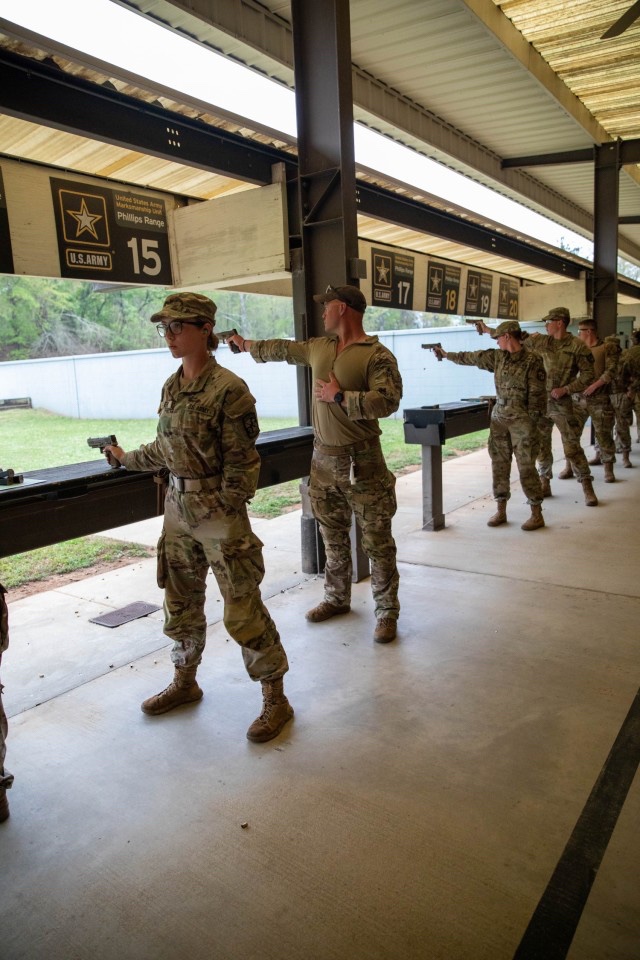
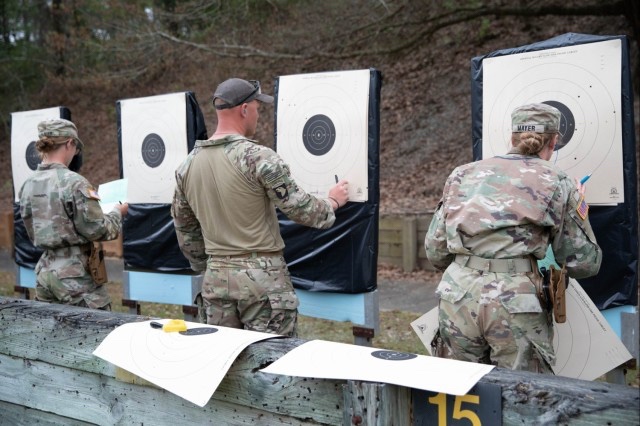
After that, the Soldier competitors, who were a mix of servicemembers from active duty, Reserve, National Guard and ROTC, put the lessons to the test on the ranges by competing in 11 different courses of fire during the week. The variety of matches allowed the Soldiers to compete in both rifle and pistol matches, with and without combat gear, as well a four-stage multigun match.

As a senior, All Army 2023 was Jesse’s second year to compete and the cadet said each year has been extremely helpful in developing her Soldier skills.

“I think both times that I have come here, I have really grown as a marksman…just learning the basics, what I am capable of, watching improvement each year, and just learning how complex marksmanship is. It’s been really incredible each time.”

For her sophomore sister, Hayle, it was her first All Army experience. With limited prior marksmanship experience and spending all week with an array of Soldiers with a range of marksmanship knowledge, Hayle said she was trying to absorb all that she could.

“I am just learning basically everything you can about shooting.”

Though Hayle and Jesse may at be different levels of marksmanship knowledge, the sisters say that military life in general is nothing new to them. In fact, they were born into that life since both their parents were Marines, both grandfathers were Soldiers and a grandmother was an Airman.

That meant that military life was just always there. It’s what we saw and respected, Jesse explained.

“Everyone was so disciplined and so patriotic. There was just such a higher purpose to the military that I always saw, and I wanted to be part of that.”

So when it came time for college, joining an Army ROTC program was nothing out of the ordinary because both our parents instilled a strong sense of independence and strength in us, Jesse said.

“Our parents really made sure that we always knew that we were capable of anything that we wanted to do. So there was nothing stopping us, as long as we put our minds to it and put in the hard work.”

And that’s exactly why Hayle and Jesse were at All Army. As part of their ROTC’s Ranger Challenge Team, the cadets competed in the USAMU training event to gather experience and knowledge that they could later share with other cadets. That way, the A&M Team will be stronger and more knowledgeable before we go to the Sandhurst Military Skills Competition at West Point, Hayle explained.

“We all want each other to do the best that we can.”

Jesse reflected that same espirit de corps as well when asked about if her and her little sister were competitive with each other.

“We are very competitive with each other, but also very supportive I think — we balance each other out.”

Sharing knowledge with her teammates, and her little sister, is just a way to pave it forward and frankly, just how we were brought up, Jesse explained.

“Growing up, I watched it—the honor, the sacrifice, and what it meant to give back and serve other people, your Country and your family.”

With all that, Jesse is proud to say that she is contracted to commission in May of 2024 and looks forward to carrying on her family’s tradition of service.

“It means a lot to me to serve my Country, to push myself in any way that I can, and it is part of a family legacy—being in the military—and I just want to complete that and do that for my family.”

Though military service is a tradition in the family, Hayle says it’s not something she feels like she has to do as well. She just wants to do it too, and that’s the advice she’d give to any other young adult, or even a little sister.

“Hold yourself to your own standards, not the standards of other people. If you want to do something, then that’s just the fact and just do it.”

By LTC Michelle Lunato

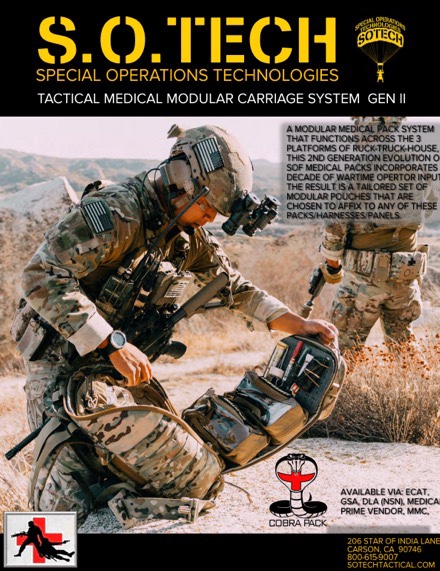
S.O.Tech 2023 Medical Catalog

Friday, March 31st, 2023

S.O. Tech is proud to announce our new 2023 medical catalog. Featuring our latest designs and tactical innovations. This catalog is part of our company rebrand, you will still see the same flow of innovation designs and legendary durability that has made S.O. Tech a go-to for Special Operations units around the globe.

To view catalog please go here.


FirstSpear Friday Focus – Structured Pockets

Friday, March 31st, 2023

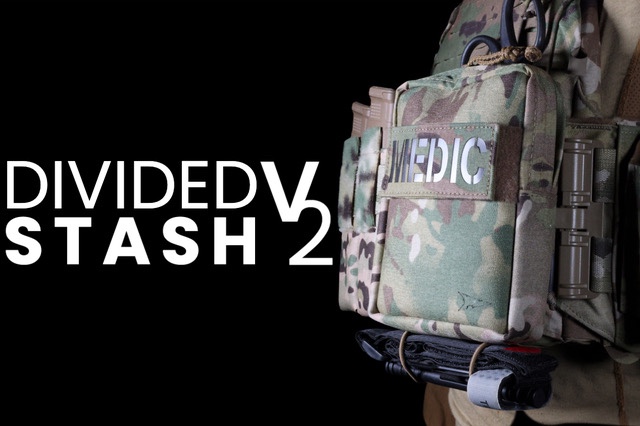
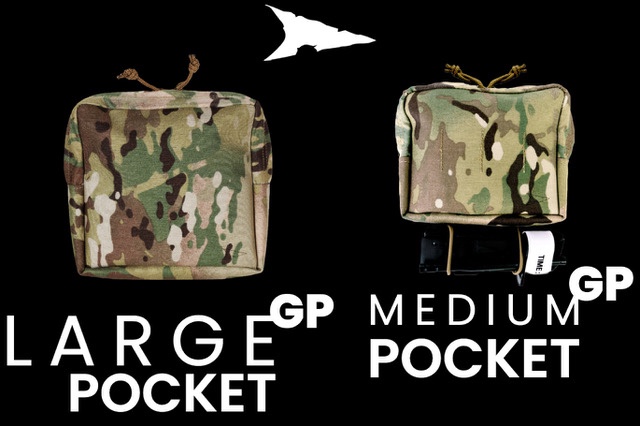
The new FirstSpear line of Structured Pockets are a redesign of our popular General Purpose (GP) Pockets. This new line includes the Medium and Large GP Pockets, Divided Stash Pocket v2 and introduces our new Long GP Pocket. These pockets are made with Squadron material and have many similarities to our new LaserFrame Pocket family which provide a durable, lightweight solution to gear management.


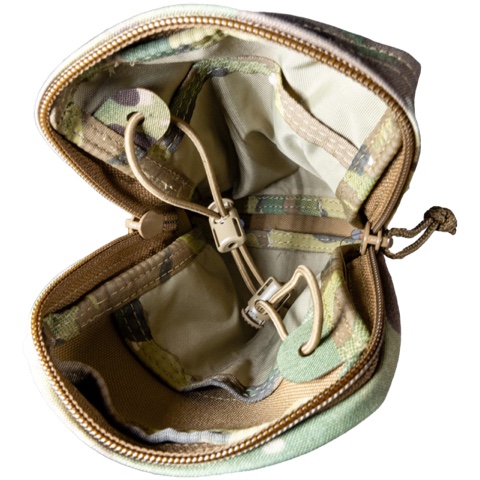
(Divided Stash v2 interior)


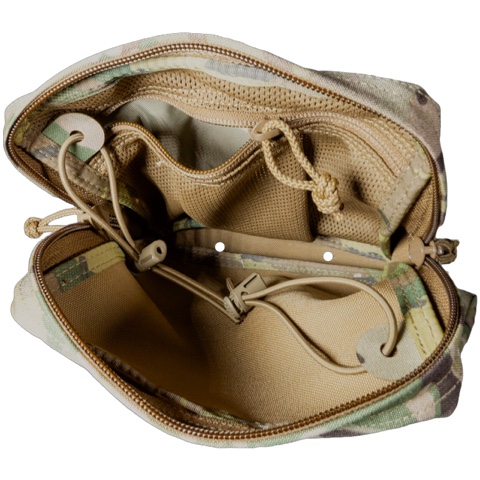
(Large GP interior)

New Structured Pockets come with interior dummy cord attachment tabs and two 12” shock cords with barrel locks for TQ attachment through the bottom of each pocket.

The Divided Stash v2 is designed for smaller items and accessories that need to be divided and organized into the three interior compartments. This pocket also features loop attachment for IFF / Cell Tag placement.

The new Long GP Pocket is 9” wide and features an exterior zippered pocket for additional storage. Elastic daisy chain on the interior provide organization and add to the versatility of this pocket.

The Structured Large GP Pocket and Medium GP Pocket both provide ample storage of gear and equipment. The build of these pockets allow them to retain shape and structure. They are incredibly durable and lightweight. These are next generation General Purpose pockets.

Visit FirstSpear to find America’s premier tactical gear and equipment.

1st Special Forces Group (Airborne) Tests New Prototype Glider

Friday, March 31st, 2023

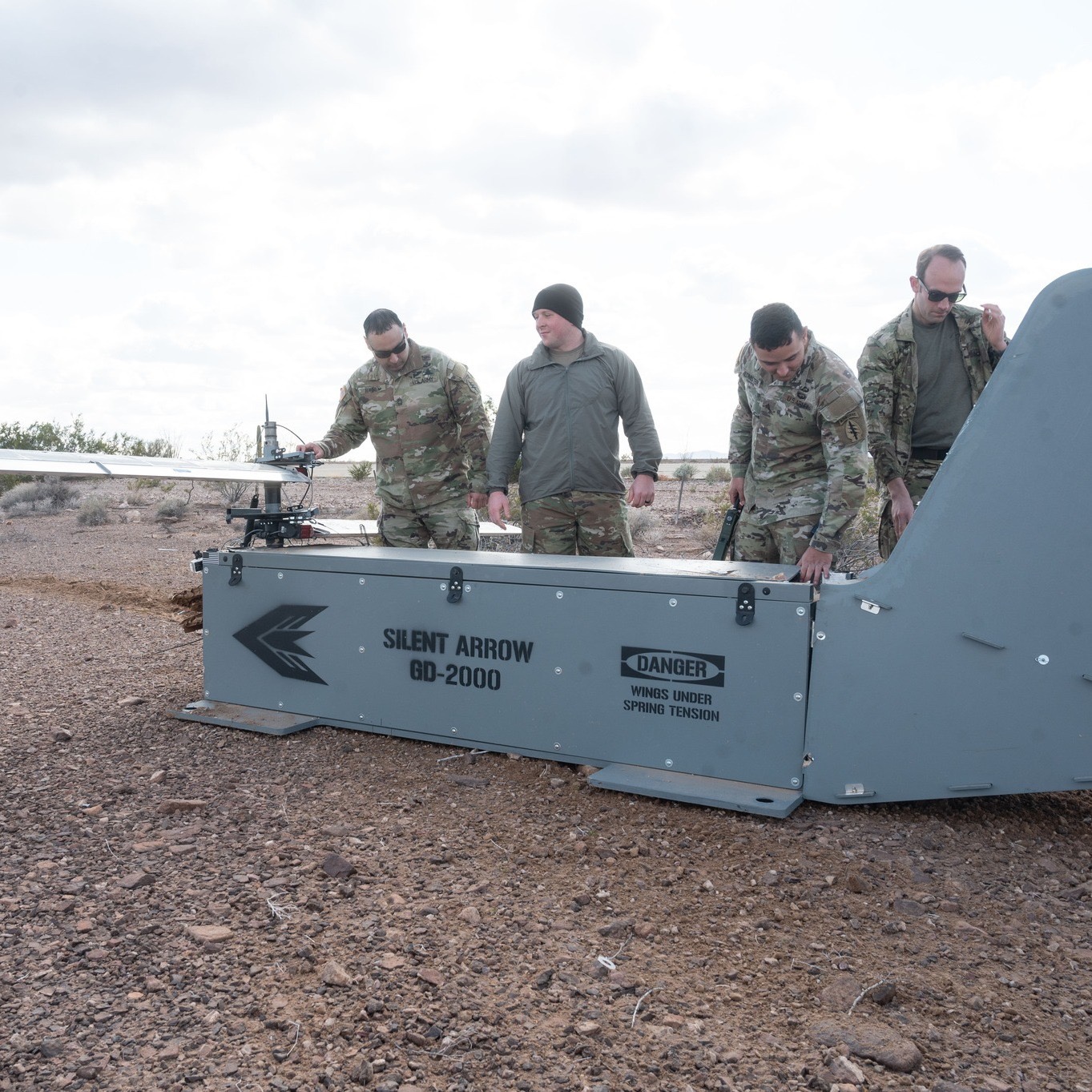
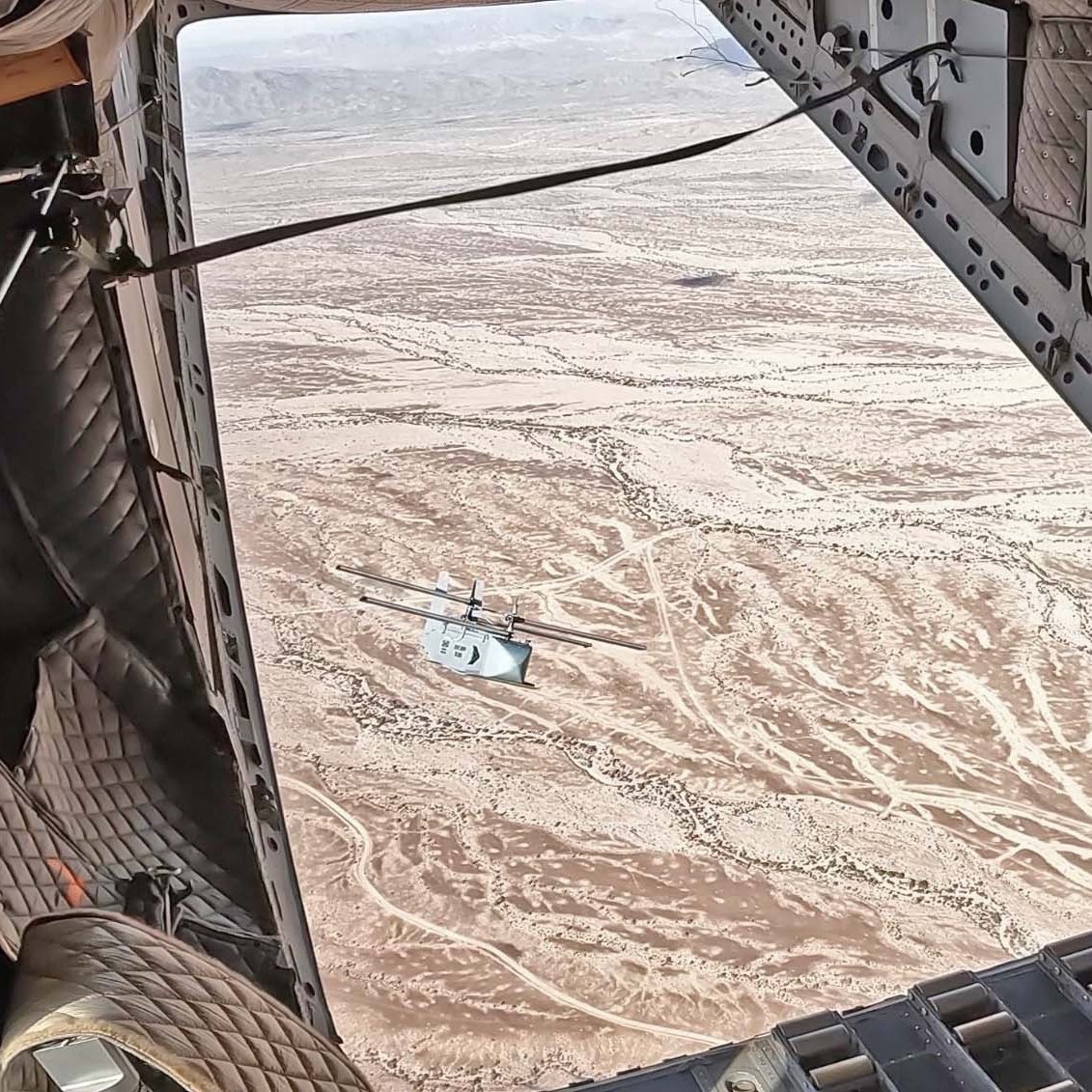
YUMA PROVING GROUND, Ariz. – In February 2023, 1st Special Forces Group (Airborne) successfully tested a new unmanned aerial delivery platform, the GD-2000 glider (glider disposable 2000 lbs.). This glider is an alternative to the current means of supply delivery into diverse environments. Implementation of the glider will result in enhanced capabilities of the Special Forces detachments deployed through varied, and often restrictive, terrain.

Timely and accurate resupply is imperative to the success of combat operations.

This success does not only lie with the operators on the ground but also with utilizing emerging technology. The GD-2000 is a glider platform that Special Operation Forces innovators hope will revolutionize aerial delivery to Green Berets in the field.

“It’s an autonomous aircraft that carries 1,500 pounds of payload,” said Chip Yates, CEO of Yates Electrospace, and the creator of the glider.
“It flies for 15 minutes, flares and lands where you want it,” he continued.

Traditional supply delivery systems can be more cumbersome and more detectable by the enemy when compared with the glider. It was birthed out of a request from the U.S. Marine Corps as an alternative to the Joint Precision Air Drop System (JPADS). JPADS tend to be both larger in size and have limited ability to maneuver through the air, making them less accurate, especially over long distances or in high-wind conditions.

“What this glider does is give us a much greater [travel distance] and a much greater glide ratio into a target,” said a Special Forces detachment commander, whose team tested the glider.

The GD-2000 is a small aircraft designed to land at a precise location while being released from a greater distance than traditional supply drops. The glider can travel up to 40 miles once released and is completely disposable once on the ground, allowing it to be left in denied or contested territory without compromising the security of the Soldiers receiving the supplies or the technologies or techniques employed by the U.S. military.

“If we are able to get [the glider] up to 40,000 feet we’re looking at [travel distances] in excess of 25 to 30 miles. That’s a pretty unique capability and not matched by anything we currently have,” the commander said.

This would also allow for aerial delivery to remote islands that require a greater level of precision to reliably reach their destination. With some modifications, the designer of the glider claims it can also land and be recovered in a maritime environment, further enhancing resupply capabilities to the sort of small islands often found in the Indo-Pacific.

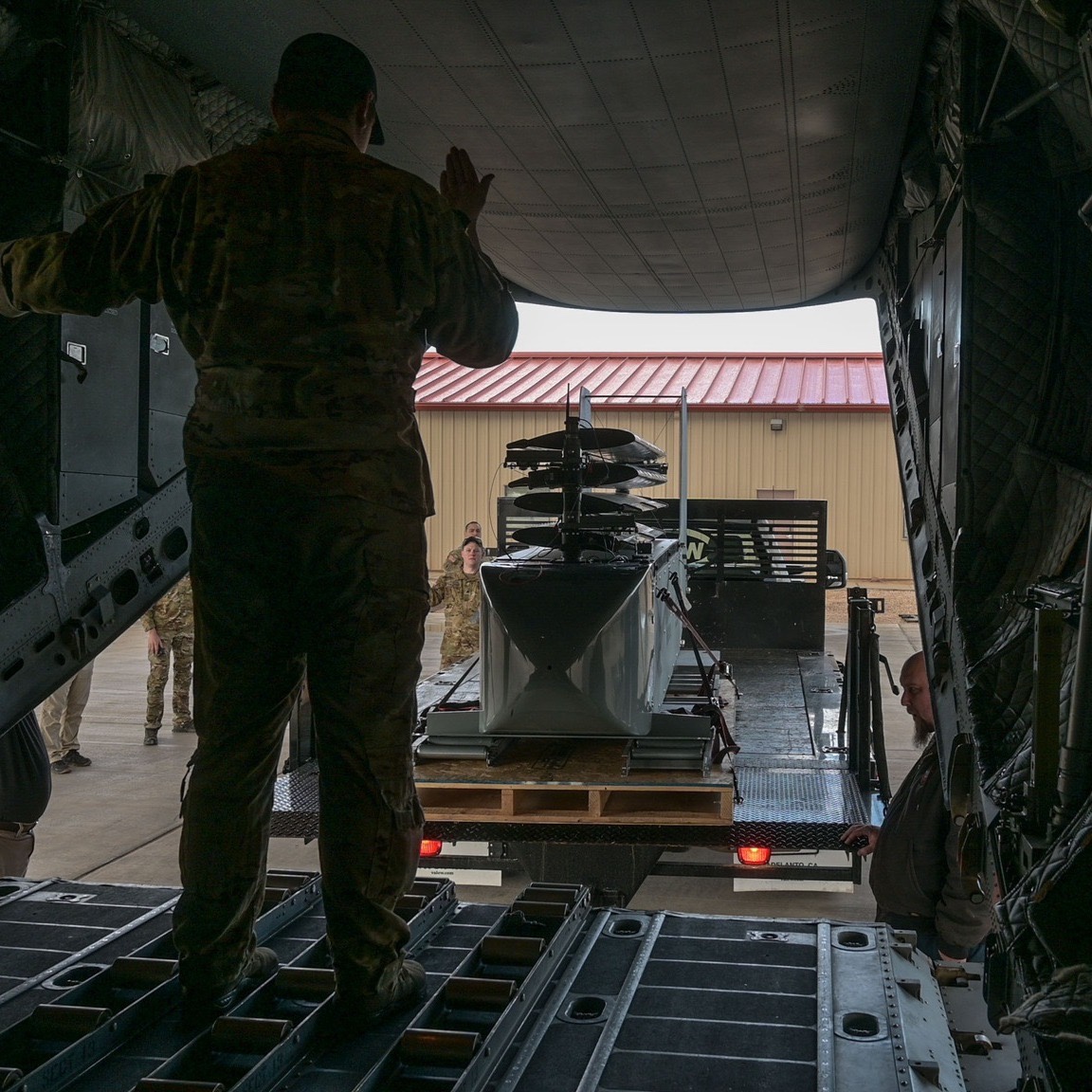
During the testing, the GD-2000 carried a 1,000-pound payload and was airdropped from a C-27J plane. During several drops, the glider landed within 30 meters of its intended target at Yuma Proving Grounds, Arizona. The hull of the aircraft was still intact and protected the cargo inside.

“[The glider] gives us the ability to drop this from a plane outside of controlled airspace into international air space and fly resupply in from an unmanned autonomous craft. It’s a huge enhancement to the mission” the commander said.

1st Special Forces Group (Airborne) is committed to innovating beyond the status quo. Today’s tests and experiments are done to ensure that tomorrow’s problems do not catch us off-guard. Enhancing our capabilities fosters an environment of competency within the unit and allows for our Soldiers to continue the mission of maintaining a free and open Indo-Pacific.

Story by SGT Thoman Johnson, 1st Special Forces Group (Airborne)

1st Marine Division Enhances Lethality and Versatility with Innovative Infantry Training

Thursday, March 30th, 2023

CAMP PENDLETON, Calif. —

1st Marine Division units conducted a series of training events in recent weeks to increase small unit lethality and versatility, with an emphasis on innovative weapon systems, warfighting concepts, and training programs.

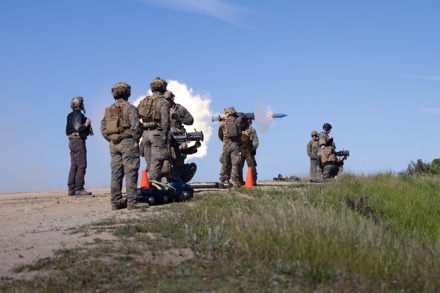
1st Marine Division Marines and Sailors took part in a week-long multipurpose anti-armor anti-personnel weapon system program, as well as a multi-day Designated Marksman range. Both training events provided experience and familiarity with weapon systems and tactics necessary to compete in hostile, fluid, and challenging environments.

“The 1st Marine Division exists to fight and win our Nation’s battles,” emphasized Major General Benjamin Watson, the commanding general of the 1st Marine Division, in his Commanding General’s Intent. “We must be brilliant in the basics of combined arms warfighting; techniques that have long made us feared by our enemies.”

 “…Marines assigned as Designated Marksmen have learned the necessary skills, demonstrated confidence and sustained proficiency in the M110 and MK13 in order to provide precision fires in support of rifle company operations.”

 Gunner Tyler Maisey, the senior weapons and tactics expert for 2nd Battalion

General Watson took command of the 20,000 Marines and Sailors in the historic Blue Diamond last summer. Immediately, the commanding general emphasized the division’s ability to provide the most lethal and ready forces capable to compete in any environment, at any time. Division units consistently train with the most modern weapons, tactics, and techniques.






Marines and Sailors with the 5th Marine Regiment took part in a week-long MAAWS training event, first learning about the capabilities of the weapon system, and then taking their instruction to the field to test and examine its destructive strength. The MAAWS, also known as the Carl Gustaf, provides infantry squads the ability to neutralize and even destroy enemy armor and light armor assets at greater distances compared to the SMAW, LAW, and AT-4. The MAAWS also allows combat engineer units to breach obstacles and establish footholds in challenging objectives.

“The MAAWs recoilless rifle and family of ammo provide the service a capability that makes efficient what multiple weapon systems currently do. The ability to obscure objectives, fire HE/HEAT, illumination, and smoke missions, at ranges further than an organic rifle platoon can do currently with multiple systems is a capability enhancement,” explained 1st Marine Division’s lead weapons and tactics expert, Gunner Ray Browne. “For Designated Marksmen, DM training will ensure the capability gap in the squad is more effectively filled to employ these enhanced marksmanship skills with precision weapon systems that IBX30 allocates to the squad.”

Marines and Sailors with the 7th Marine Regiment spent multiple days out in the desert of 29 Palms learning and developing long-range precision rifle techniques and procedures. The Designated Marksman program allows sharp-shooting Marines to perform precision fire tasks in support of ground combat maneuver. The Designated Marksman training focused on the M110 and the MK13 rifles, capable of precision engagements of around 800 and 1200 meters, respectively.

“2/7 will move the long guns to the rifle company ‘arms-room’ and train 0311s to employ the precision weapon systems,” provided Gunner Tyler Maisey, the senior weapons and tactics expert for 2nd Battalion, 7th Marines. “Marines assigned as Designated Marksmen have learned the necessary skills, demonstrated confidence and sustained proficiency in the M110 and MK13 in order to provide precision fires in support of rifle company operations.”

MAAWS and Designated Marksman training are just two focus areas of the Infantry Battalion Experimentation 2030, or IBX30. One aspect of IBX30 is allowing infantry battalions, the bulk of 1st Marine Division units, to remain versatile in their capabilities through an arms-room concept. The arms-room concept allows infantry Marines to be well-trained with multiple weapon systems, instead of limiting them to one or two weapon systems at a time. Additional, ongoing training includes scout platoon integration, which will provide infantry battalions organic reconnaissance capabilities for distributed operations. The redundancy and versatility of our critical infantry community reinforce the highest levels of battlefield effectiveness and allow 1st Marine Division to provide any force or operation with significant lethality and the ability to win in any clime or place.

Capt Joseph DiPietro, 1st Marine Division

White Stag Exercise Prepares AMC Airmen for Mobility Guardian 2023

Tuesday, March 28th, 2023

JOINT BASE MCGUIRE-DIX-LAKEHURST, N.J. (AFNS) —  

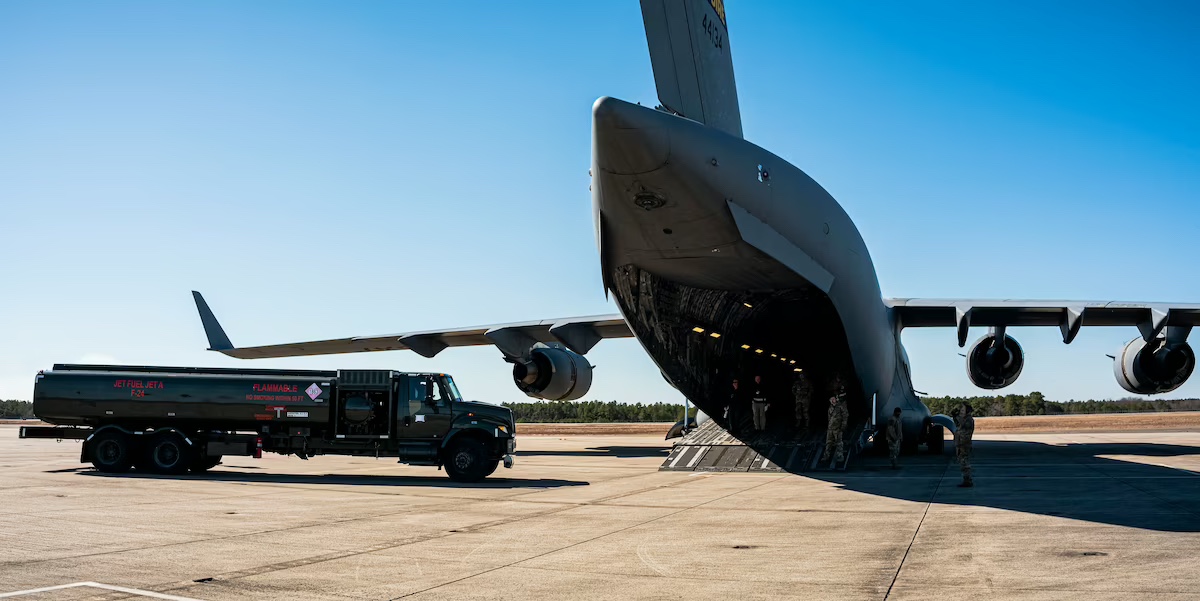
The 305th Air Mobility Wing conducted the first iteration of their annual training exercise, White Stag, at Joint Base McGuire-Dix-Lakehurst, March 8-9. 

White Stag is a wing level exercise implemented as a self-evaluation, validating the wing’s Full Spectrum Readiness and ability to deploy, operate and sustain rapid global mobility in any contested environment. Additionally, White Stag serves as a training opportunity for the 305th Air Mobility Wing to prepare for Air Mobility Command’s largest exercise, Mobility Guardian 2023, later this year.  

“We’re starting to push Airmen past their comfort zones with these training exercises and change their mindsets,” said Lt. Col. James Salazar, 305th AMW inspector general. “Future conflicts won’t be the same as anything we’ve previously been involved in, it’s going to be fast paced with less support from a main operating base.” 

With rapid mobilization generation as a foremost priority, White Stag began with an engine running crew change, demonstrating how quickly and efficiently aircrews can swap roles while the aircraft is running, minimizing the possibility of maintenance issues. ERCC’s ensure units are always ready to go with presenting a consistent and sustainable mobility force, aligning mission priorities with the new Air Force Force Generation model.

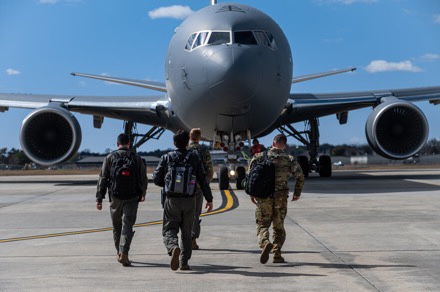
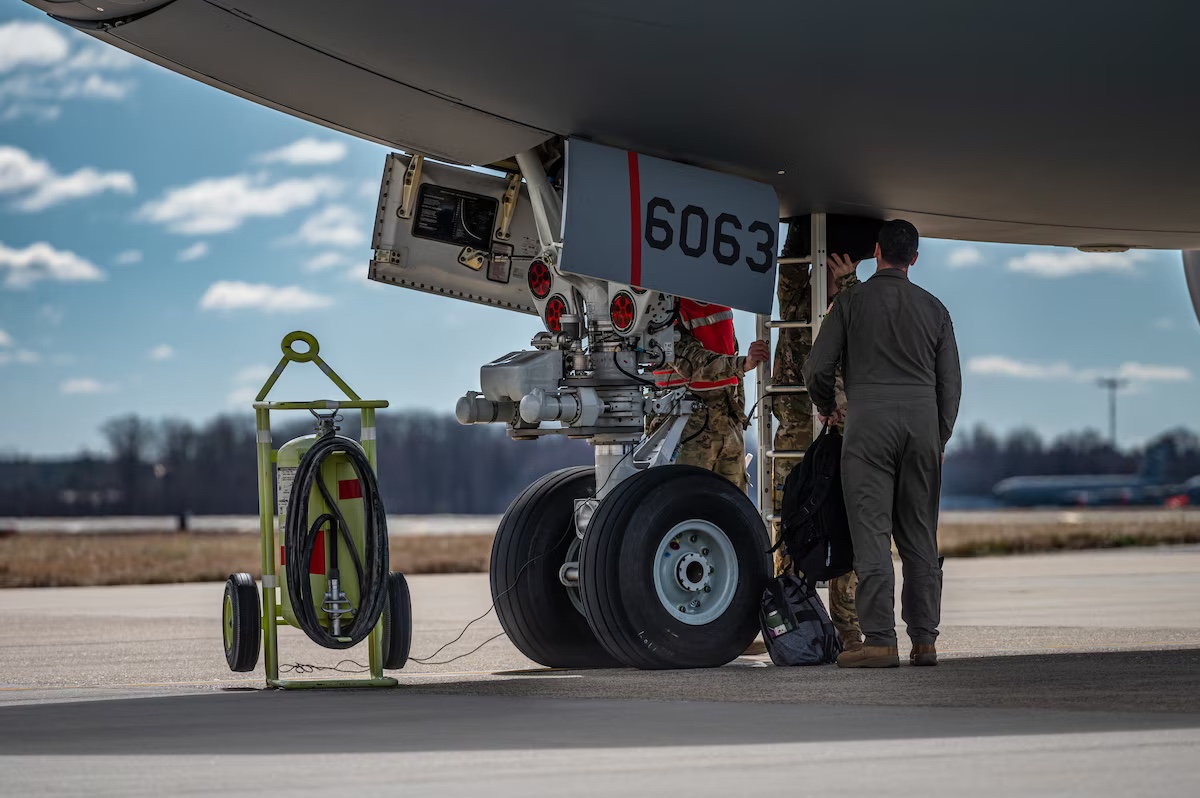
“Once a KC-46A Pegasus tanker has landed, maintenance has several hours to service and fuel the aircraft,” said Maj. Gage Owens, 305th AMW chief of wing exercises. “With an ERCC, we plan for approximately 45 minutes from landing, to crew swaps, and takeoff, which mitigates the time the aircraft is on the ground.”

During White Stag, crews were also able to implement the use of Agile Combat Employment concepts which allowed operations to shift from centralized physical infrastructure to a network of smaller, dispersed locations that can complicate adversarial planning and execution, providing increased flexibility, sustainability and defense options for joint force commanders.

“We’ve taken the classic elements of a readiness exercise and enhanced it with high-end training that we don’t always incorporate,” Salazar said. “For example, the wet-wing defuel is a newer capability that we’ve been working utilize across the C-17 fleet. We’re incorporating some of the ACE concepts and simulating what it would be like if our crews were required to operate in an austere environment, with minimal resources, personnel and support.” 

These elements enable allied forces to operate with varying levels of capacity and support to generate lethal combat capability. 

“This iteration of White Stag focused on minimized ground times and building flexibility,” Owens said. “Dynamic re-taskings were a big factor for this exercise. We had wing inspection team members flying on the airplanes and they would toss inject cards to the crew that would divert the aircrews, forcing them to replan at the last minute to accomplish the mission.” 

The use of inject cards was to simulate real-life situations air crews might face during conflict that may require crews to act with little to no planning. 

The integration of complex operational capabilities like ERCC and the wet-wing defueling enabled the teams at JBMDL to build their proficiency, knowledge and comfort while operating in high threat environments. It also allowed the 305th AMW to incorporate the 87th Air Base Wing, enabling Total Force integration with plans to expand those relationships across the Department of Defense. 

“This exercise has helped with facilitating and building a lot of key relationships,” Owens said. “With upcoming exercises, we’ll continue to build relations with our joint partners like the 87th ABW, Navy, Marine Aircraft Group 49, the 108th Wing, and the National Guard units out in Atlantic City. We’ll continue to capitalize on Joint Force integration as we increase the scope and scale of these exercises.” 

Total Force mobility Airmen are the backbone of ACE, and the AFFORGEN model provides consistent training opportunities for the 305th AMW to develop and employ mobility Airmen to generate-fly-deliver worldwide. 

Exercises like White Stag further empowers airmen to employ ACE concepts, deter the pacing challenge and project critical support to the Joint Force from the DoD’s only tri-service installation.

By Senior Airman Sergio Avalos and Senior Airman Joseph Morales

Joint Base McGuire-Dix-Lakehurst Public Affairs

Air Force Releases 102nd Uniform Board Results for Airmen, Guardians

Monday, March 27th, 2023

ARLINGTON, Va. (AFNS) —  

Air Force Chief of Staff Gen. CQ Brown, Jr. approved several initiatives submitted to the November 2022 Air Force Uniform Board for implementation in Department of the Air Force Instruction 36-2903, Dress and Personal Appearance of United States Air Force and United States Space Force Personnel. Authorized changes are effective April 1.

As separate services, the Air Force and Space Force host independent uniform boards; however, the results of one service’s uniform board may be adopted by either service. As a result, some of the changes approved by the Air Force’s 102nd Uniform Board were adopted by the Space Force. These specific changes have been identified within DAFGM 36-2903.

Airmen and Guardians submitted change requests through the Guardians and Airmen Innovation Network online.

The summary of approved changes are:

Child Development Centers (CDCs):
This authorizes installation commanders to designate CDCs as a no-hat, no-salute zone. Additionally, in areas not designated, salutes are not required when either person is carrying children.

Authorizes the wear of cold weather headband:
This expands the current cold weather accessories to add a headband in addition to scarves, earmuffs, watch cap and gloves.

Authorizes wear of a total of four badges on the Operational Camouflage Pattern (OCP) uniform above the USAF tape.
This expands the current regulation, which allows a maximum of two badges to four.

Authorizes the wear of additional headgear for the Flight Duty Uniform (FDU):
This expands the current regulation to add an OCP patrol cap and tactical OCP cap in addition to the flight cap.

Authorizes a “small logo” on purses and handbags:
The logo must not exceed one inch in diameter. USSF only: When wearing civilian attire or in uniform, while carrying a backpack by hand, there are no color or logo restrictions.

Authorizes olive drab green authorized backpack color:
This expands the current regulation to allow olive drab green in addition to black, brown, gray and dark blue, as an authorized color for backpacks to wear with any uniform combination.

Authorizes any size logo on gym bags:
This removes the word ‘small’ from the DAFI, allowing any size logo on gym bags.

Authorizes the wear of parkas by characteristics:
This expands the current regulation to allow cold-weather parkas to be commercially purchased, with certain exceptions. Parkas must be OCP pattern or Coyote Brown and have name tapes, service tape, rank and patches worn in the same authorized configuration.

Authorizes Friday morale shirts with logo on the front and back:
This expands the current morale shirt regulation by allowing logos to be worn at a larger diameter on the back of the shirt in addition to having a logo on the left side of the chest not to exceed five inches in diameter. Regardless of the logo, the shirt must be Coyote Brown.

Authorizes the wear of “heritage-like” morale patches on the FDU:
This removes the verbiage from the DAFI limiting current or past official organizational emblem or any variation for the FDU, like the OCPs and two-piece Flight Duty Uniform.

Secretary of the Air Force Public Affairs