Atrius Development Group

Archive for the ‘Guest Post’ Category

2nd MAW Marines Train Using Video Games

Friday, August 19th, 2022

CHERRY POINT, N.C. —

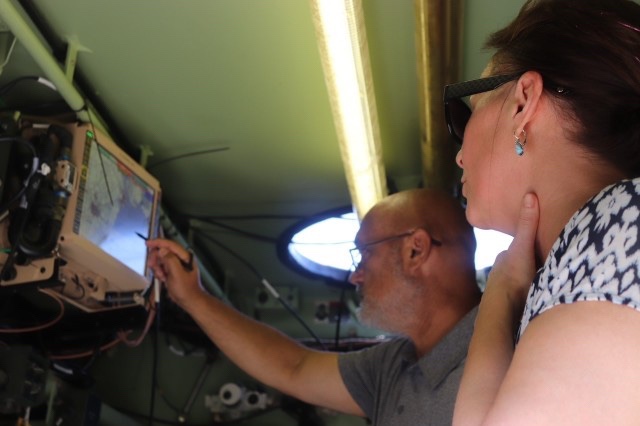
The tension in the room was palpable as the prototype of the Gaming Environment for Air Readiness system was booted. Program stakeholders loomed over the shoulders of anxious developers as the Marines of Marine Air Support Squadron 1 prepared their demonstration of the program. Unit leadership observed as the Marines worked through air-control scenarios while plotting points on their maps, giving commands to a simulated pilot programmed with artificial intelligence. The Marines who work in the Direct Air Support Center were training with only a desktop computer instead of using a large quantity of vehicles, gear, personnel, and time.
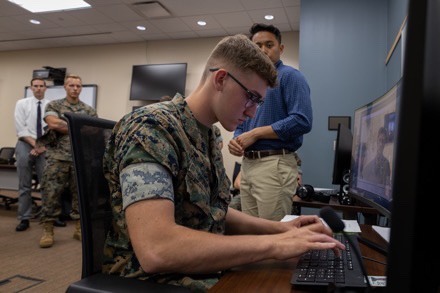
“The role of the DASC is to control airspace,” said 2nd Lt. Joseph B. Greer, an air-support control officer with MASS-1 who was testing the GEAR. “While aircraft are in that airspace, we’re the ones who are telling them where to go and how they will go, as in altitude or specified route. We can deconflict aircraft paths with other supporting arms, like artillery, just to make sure that everyone’s getting where they need to be safely.”

“I’ve been at MASS-1 for almost a year, and I think this could be really beneficial for newer Marines, myself included.’

LCpl Matthew R. Gignac, an MASS-1 air-support operations operator

Marines that work in the DASC have an important role in military exercises involving aircraft. Controlling the ebb and flow of airspaces requires ample and continuous training, which can often be challenging to implement and maintain.

“Just to train personnel takes a lot of equipment, a lot of time, and upwards of 60 Marines just to go out and do a live exercise,” said Kyle B. Tanyag, the lead software developer for the GEAR program. “I think [GEAR] would benefit the Marine Corps by allowing them to train without restricting them to just these live exercises.”

Electronically replicating a DASC is no easy feat, for many Marines are required to fill in the roles necessary to run the center. To supplement this, the GEAR features artificial intelligence characters to interact with the user.

“When I speak, there’s a speech-to-text feature that is sent to the AI,” said Greer. “From there, the AI picks out the critical pieces of information from what I spoke and discerns a proper response in order to simulate what a pilot would be saying to me.”

“We call it a rule-based AI system,” said Tanyag. “The student either text chats something or responds via voice. We take that and parse through what was said or typed. The AI takes that input, and given the context of those messages, is able to respond.”

Although still a prototype, the Marines of MASS-1 are optimistic about the potential impact the GEAR could have on training.

“I’ve been at MASS-1 for almost a year, and I think this could be really beneficial for newer Marines, myself included,” said Lance Cpl. Matthew R. Gignac, an air-support operations operator with MASS-1. “Doing it like this, in a way less stressful environment, makes it really good training. If it was more developed it could definitely help progress Marines.”

The Marines of MASS-1 will continue to test new versions to help determine if the GEAR can potentially augment or replace traditional on-the-job training in the future.

By LCpl Elias Pimentel, 2nd Marine Aircraft Wing
TACP Test Future Capabilities During Exercise “Gunslinger 22”

Thursday, August 18th, 2022

MOODY AIR FORCE BASE, Ga. —  

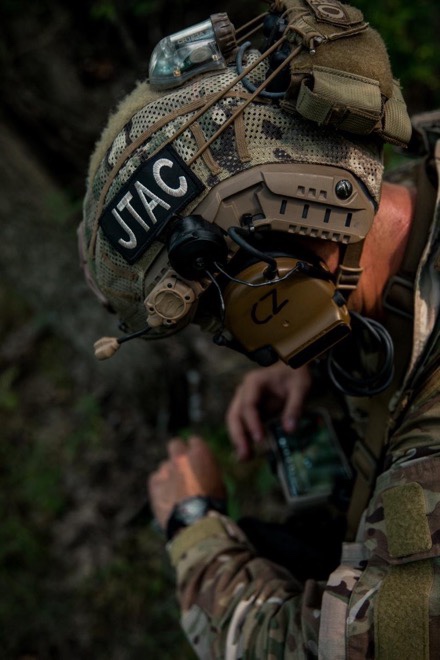
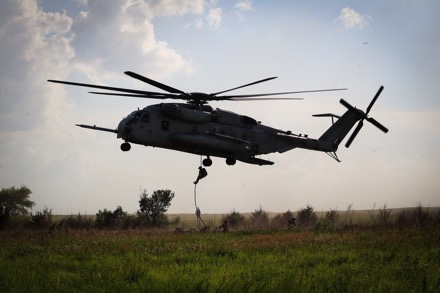
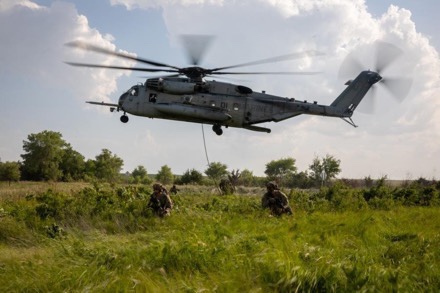
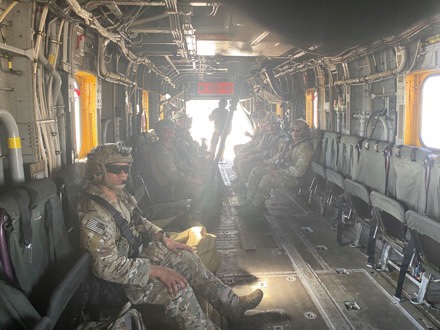
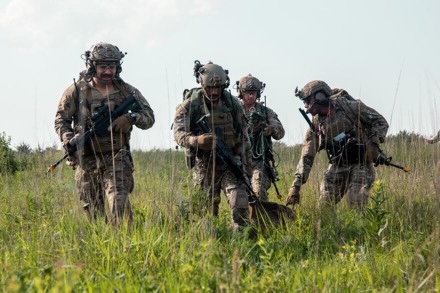
Tactical Air Control Party (TACP) Airmen from the 10th Air Support Operations Squadron (ASOS), 93rd Air Ground Operations Wing (AGOW), participated in Gunslinger 22, a joint Expeditionary Air Base Operations exercise with Marine Corps operators and aircrews, at Fort Riley, Kansas, June 13-14.
Gunslinger 22 was a joint, dynamic force employment exercise that integrated Marine Corps Air Command and Control System capabilities with Air Force Agile Combat Employment techniques. The 10 ASOS seized this as an opportunity to test the utilization of customer agnostic TACP strike teams, reconnaissance mission concepts and advanced infiltration training with joint-service partners.

The training consisted of air-to-ground synchronization as well as support functions necessary to combat operations.

“2d ANGLICO Marines provided the 10 ASOS TACP strike team with a small unmanned aerial system sensor operator to add standoff reconnaissance capability, and provided a Corpsman for medical support on the ground,” said Major Ralph Johnson, 10 ASOS director of operations. “Lt Hilvers, a TACP officer, had lead for mission execution and was tasked to conduct target acquisition of any threats that were in the vicinity of a planned forward area refueling point location, their purpose was to enable Expeditionary Air Base Operations.”

As the TACP weapon system (TP WS) continues to advance their capabilities for the future fight, Gunslinger 22 demonstrated TACP abilities to enable advanced options for Air Force Lead Wings via Agile Combat Employment (ACE) that other weapon systems are unable to provide.

“Gunslinger gave 10 ASOS the opportunity to conduct advanced infiltration techniques, and test a strike team’s ability to detect, positively identify, and pass targeting data to a supported commander in order to close a kill chain and gain an operational advantage” Johnson said. “TACP strike teams can develop an operational environment for commanders and facilitate engagement of targets in an area that is contested where others cannot operate.”

Along with the ACE capabilities that TACPs bring to the battlefield, as part of accelerating change, the TACP enterprise is transforming from an Army support focused force to a multi-role, customer agnostic, capabilities-based, and threat relevant weapons systems.

“Although TACP has traditionally supported the Army as its main customer, through proper application of the tools, equipment, qualifications, and delegated authorities, the TACP WS can be customer agnostic, and threat focused to solve a supported commander’s problems,” Johnson said.

The TACP enterprise as a whole provides Joint Force Commanders with expertise on the integration of air power while extending Theater Air Control Systems specifically for the Joint Forces Air Component Commander. Gunslinger 22 validated these proficiencies and improved TACP skills necessary for joint, adaptive operations in the future.

By 1stLt Katie Tamesis, 93rd Air Ground Operations Wing

Future Sailors, Prior-Service Members Eligible for Bonuses and Loan Repayment up to $115,000

Wednesday, August 17th, 2022

Future Sailors and Prior Service Members, either Navy Veterans or Other Services Veterans (NAVETs/OSVETs), are now eligible for enlistment bonuses and loan repayment up to $115,000, according to a message released by Navy Recruiting Command.


 “The maximum current enlistment bonus is $50,000, and the maximum loan repayment is $65,000,” said Rear Adm. Lex Walker, Commander Navy Recruiting Command. “They are not mutually exclusive, so if a Future Sailor maximizes both, that adds up to a life-altering $115,000, and the opportunity to serve in the world’s finest Navy.”


To qualify for the bonuses, Future Sailors and NAVET/OSVET applicants must be able to ship by Sept. 30, 2022.

NAVET/OSVET applicants must enter Active Duty in pay grade E-4 or below, meet specific bonus eligibility, and not have received a bonus in their first enlistment.

NAVETs are applicants whose last tour of active duty or active duty for training (AD/ACDUTRA) was in the U.S. Navy or U.S. Navy Reserve, have been discharged or released more than 24 hours, and who completed a minimum of 12 consecutive weeks of AD/ACDUTRA. OSVETs are applicants whose last tour of AD/ACDUTRA was in a branch of service other than the U.S. Navy (Army, Air Force, Space Force, Marine Corps, Coast Guard) meeting the same requirements.


“If you are a Sailor, Marine, Airman, Soldier, Guardian, or Coast-Guardsman who recently separated, this is an opportunity without precedent,” said Walker. “And if you have student loan debt, you could be eligible for the Loan Repayment Program if you ship in any month of any fiscal year while the program remains active.”

NAVETs re-accessing into active duty do not attend Navy recruit training but are ordered to Recruit Training Command Great Lakes for in-processing, while OSVETs are not required to attend Navy recruit training but are required to complete a three week Naval Orientation Course at RTC Great Lakes. They must pass the same evolutions a typical recruit at boot camp would finish such as ship handling, live-fire, swim qualifications and firefighting.

The message also has something new for high school seniors. The Active component EB High School (EBHS) includes $10,000 available for High School Seniors who enter the delayed entry program by Oct. 31, 2022, and graduate from High School prior to shipping in July 2023.

For more information on bonuses and the NAVET/OSVET program, visit www.navy.com to find a local recruiter.

Belt Fed Magazines from Tribe Tactical Supply

Wednesday, August 17th, 2022

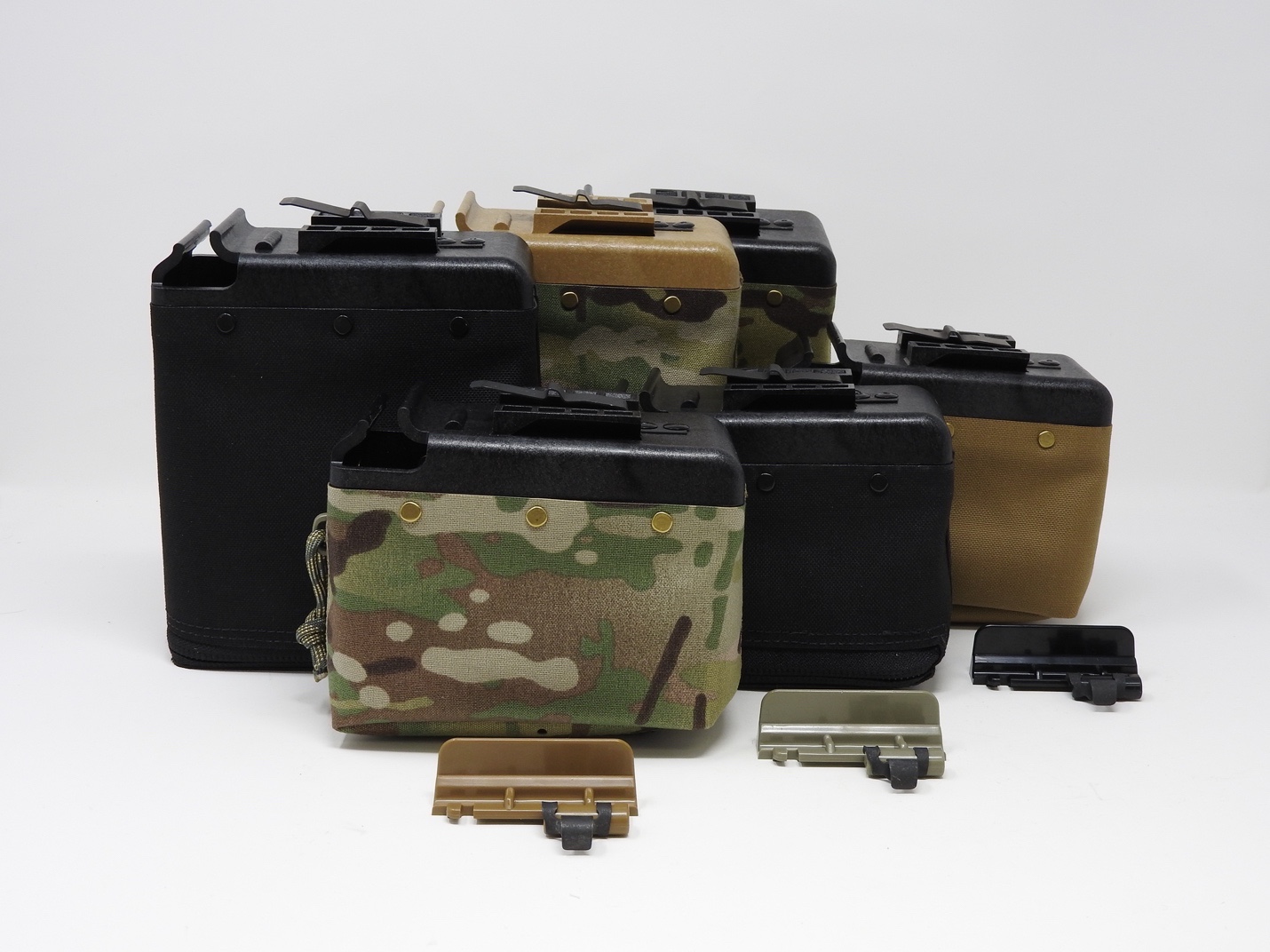
Tribe Tactical Supply out of Utah has developed a line of belt fed magazines (nutsacks) called BFM-100 (Belt Fed Magazine-100 round) and BFM-200 (200 round Belt Fed Magazine). Designed to be used with the M249 and its clones, MK46, FightLite MCR® , Shrike®, and the FN Minimi® 5.56 belt fed platforms, they are made in Utah out of Milspec, Berry Compliant Materials.

Currently offered in Coyote Tan, MultiCam®, Ranger Green, and Black in limited Runs and will be available in M81 soon. Contact Tribe Tactical Supply for unit specific or geography specific color requests.

They also manufacture a line of Starter Tabs that work in conjunction with M27 links and for 5.56mm Belt-Fed Weapons, available in Tan499, Coyote Tan and Black.

With products are made to to stand up to the toughest environments, Tribe BFM’s, among other gear, can be found at www.tribetacticalsupply.com.

Proud to serve patriots and those in uniform defending our Freedoms.

Armor Formations are Next for the Army’s Capability Set Designs

Wednesday, August 17th, 2022

ABERDEEN PROVING GROUND, Md. — First came boots, then wheels and now tracks.

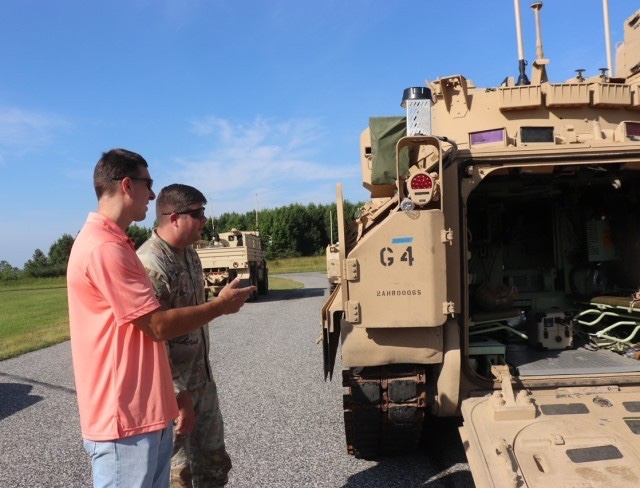
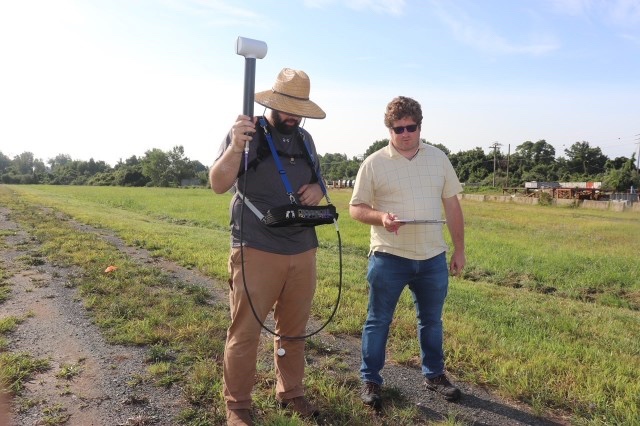
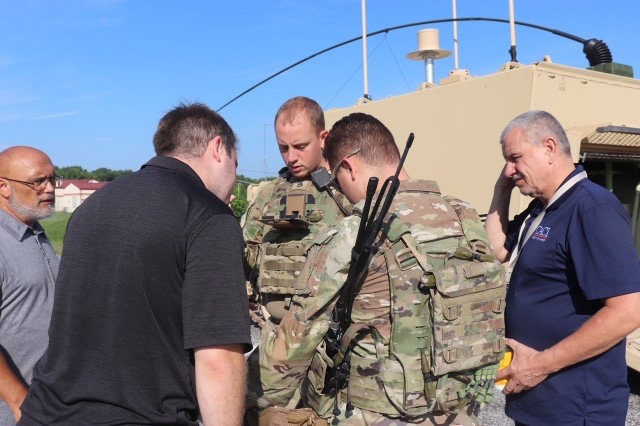
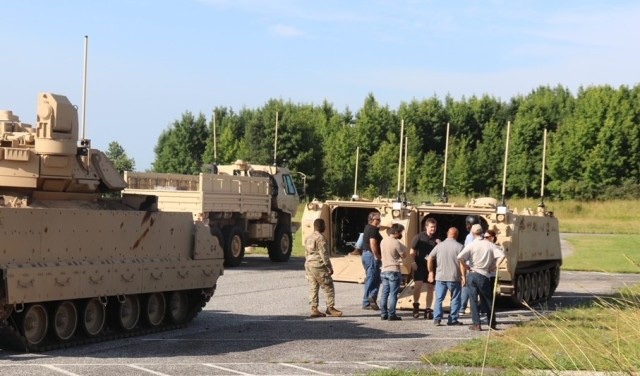
The Army’s Integrated Tactical Network, or ITN, continues to expand its capabilities across formations, as demonstrated during the ITN Armor Formation Field-based Risk Reduction Communications Exercise held in multiple locations across Aberdeen Proving Ground in mid-August. The exercise was designed to inform capability set, or CS, 25.

Whereas the Army’s CS21 provides ITN capabilities to dismounted troops and CS23 brings mounted to dismounted ITN connectivity for Stryker Brigade Combat Teams, CS25 will bring fully mounted ITN capabilities to multiple armor vehicle variants.

The result will be on-the-move communications in armor formations that are less dependent on command posts.

Led by the Product Manager Capability Set Development, under the Program Executive Office for Command, Control, Communications-Tactical — or PEO C3T — the exercise featured vehicle integration, in partnership with the DEVCOM Command, Control, Communication, Computers, Cyber, Intelligence, Surveillance and Reconnaissance Center’s Prototype Integration Facility; personnel safety and electromagnetic testing, with support from the Aberdeen Test Center and capped off by a fires support communications thread exercise, with support from the fires community.

“In CS23, we saw the benefit of early integration prototyping used on the Stryker combat vehicles” said Lt. Col. Jonathan Judy, product manager for capability set design, assigned to PEO C3T. “We plan to leverage those same activities for CS25 with the introduction of new Armored platforms used by the Armored Brigade Combat Teams.”

This exercise is not the first time the Army experimented with integrating network capabilities onto Armor vehicles. In February of this year, PEO C3T conducted a pilot to evaluate new and emerging commercial network on-the-move technologies integrated onto armored vehicle platforms with the 2nd Armored Brigade Combat Team, 3rd Infantry Division, to help inform CS25 capabilities.

The pilot focused on bringing high-bandwidth, satellite communications capabilities into armor formations above battalion.

Future plans are emerging to combine the ITN and satellite capabilities into one combined pilot, which will help inform holistic network designs from brigade to division level.

Gaining lessons learned is the primary benefit to the Army’s capability set process, where developers build capabilities based on each previous capability set. The process has been especially beneficial as the Army advances ITN integration from Stryker to armor formations, as engineers are reusing components already designed to integrate into small spaces.

The communications thread portion of the event featured a representative fire support element relaying a call for fires by passing data, not voice, through the fires chain.

“For the first time, we are testing the Warrior Robust Enhanced Network TSM secret and below waveform as a substitute to using [single channel ground and airborne radio systems]” said Wayne Rush, Systems Engineer for Product Manager, Capability Set Development.

The Warrior Robust Enhanced Network, or WREN, TSM is a commercial waveform integrated into the radios and dismounted Soldier end-user devices.

Using WREN, the dismounted Soldiers, in the role of forward observers, used precision fires-dismount software to send the call for fires to the fire support team at the company headquarters in the M113A3 armored personnel carrier. They then sent the request to the Advanced Field Artillery Tactical Data System in the squadron fire support element M1068A3 armored personnel carrier, which relayed the final order to fire to the mortar fire control system housed in the M1064 mortor carrier vehicle.

“The goodness of this is that we are providing an alternate digital fires thread for squadrons to conduct digital fires,” Rush said. “We’re trying to prove range message completion rates and speed of service over operationally relevant distances using WREN [secret and below] on the test course.”

A representative from the Army Capability Manager Fires Center of Excellence at Fort Sill, Oklahoma, was present to collect data, which will provide to [Advanced Field Artillery Tactical Data System] and precision fires-dismount software developers critical data for future software requirements modifications. A Picatinny Arsenal representative was also on hand to assess WREN’s performance for the final step in the fires chain process.

Instrumented results will inform the CS25 armored brigade combat team network basis of issue in support of FY25 fielding. Follow on efforts to the Armor Formation Field-based Risk Reduction include the CS25 Preliminary Design Review in 2023, which will set the stage for initial capability set integration and the CS25 Critical Design Review in 2024, which will solidify the designs for fielding.

“The capability set process is working,” Judy said. “Our continued armor vehicle integration efforts are a yet another shining example of the way the Army should be approaching integration and pilot efforts to inform design.”

By Kathryn Bailey, PEO C3T Public Affairs

Testing of the Army’s First Autonomous Vehicle Speeds Ahead

Tuesday, August 16th, 2022

REDSTONE ARSENAL, Ala. — Imagine the possibilities of a self-driving vehicle on the battlefield.

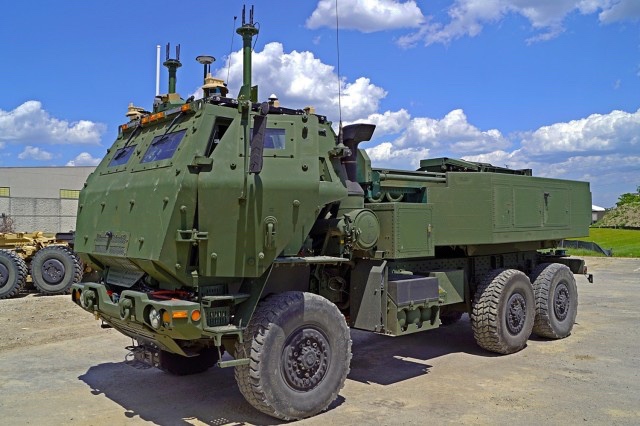
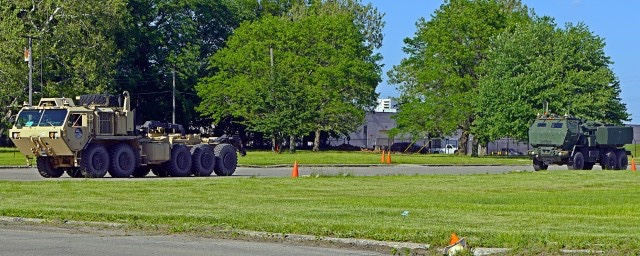
Engineers at the U.S. Army Combat Capabilities Development Command Aviation & Missile Center, or AvMC, don’t have to imagine it, they are building it. The Autonomous Multi-Domain Launcher takes a High Mobility Artillery Rocket System — or HIMARS — and modifies it with hardware and software to be controlled remotely and driven autonomously.

“[The Autonomous Multi-Domain Launcher] represents a significant and exciting modernization improvement for the Army,” said Christi Dolbeer, director of DEVCOM Aviation & Missile Center’s Technology Development Directorate. “Adding autonomy to drive mobile launchers and increasing the firing power of those launchers represents a powerful combination. I am very proud of the DEVCOM AvMC and DEVCOM Ground Vehicle Systems Center teams working together to give Soldiers even greater capabilities.”

While it resembles the self-driving cars in the news, the Autonomous Multi-Domain Launcher — or AML — will have capabilities that those vehicles will never possess — but also challenges. Regular autonomous autos operate on established roadways, they aren’t navigating a sometimes treacherous terrain. They also aren’t being fired upon by enemy combatants. Then there is the matter of size.

“We are talking about putting a 36,000-pound vehicle in an area where there will be humans running around,” said Lucas Hunter, AML project manager for AvMC. “Tesla and other companies are working on vehicles that can sense cars in front of them and behind them; they have these nice stripes on the road that tell it, ‘I am getting out of my lane.’ Well, we are driving through open country, we don’t have stripes — we have holes, we have cliffs.”

AML in its current incarnation will look notably different than the final system as the existing cab will eventually be eliminated from the vehicle. Later iterations will also boast a new launcher and increased firing power.

AML was conceptualized as a tool to increase mass fires and “thicken the force,” but what exactly does that translate to in theater?

“AML applies a wingman concept to the Soldiers we already have on the battlefield,” Hunter said. “That spreads out capabilities. So more targets have to be addressed by the enemy. At the same time, it increases the number of rounds that our Soldiers have available which keeps them in the fight longer. With HIMARS, once they fire their six rounds, they have to reload. If you add 12 more, now they are able to support frontline troops three times as long.”

How this new capability will be utilized is currently being explored by the Fires Center of Excellence and the Strategic and Operational Rockets and Missiles Office. Concept testing was conducted in 2021 at Fort Sill, Oklahoma, to demonstrate how the wingman concept might look, emulating a mission with the Precision Strike Missile — the missile being part of the Army’s Long-Range Precision Fire cross-functional initiative and also in the AvMC portfolio.

For Hunter, AML marks not just a landmark paradigm shift for Army battlefield technology, but for the world of robotics itself. With the strides already made in breaking the manual chain and developing the robotic applique kit, it is easy to forget that AML has only been in existence since February 2020.

“There are all kinds of situational awareness challenges that the robotics industry is just now starting to look at,” Hunter said. “AML, which will be called HIMARS Increment 2, has to be able to travel wherever it is told to travel. It has to be able to tell, ‘Hey, there is a cliff right here.’ It has to be able to recognize whatever terrain it is on.

“This is a career field in robotics — how to enhance that situation awareness and do so in passive manners. We need sensors that collect situational awareness data without emitting detectable energy like light or sound. Because you don’t want this to light up like a Christmas tree when the enemy is looking.”

By Katie Davis Skelley, DEVCOM Aviation & Missile Center Public Affairs

Platatac SPUR Tropical Pack in DPM

Monday, August 15th, 2022

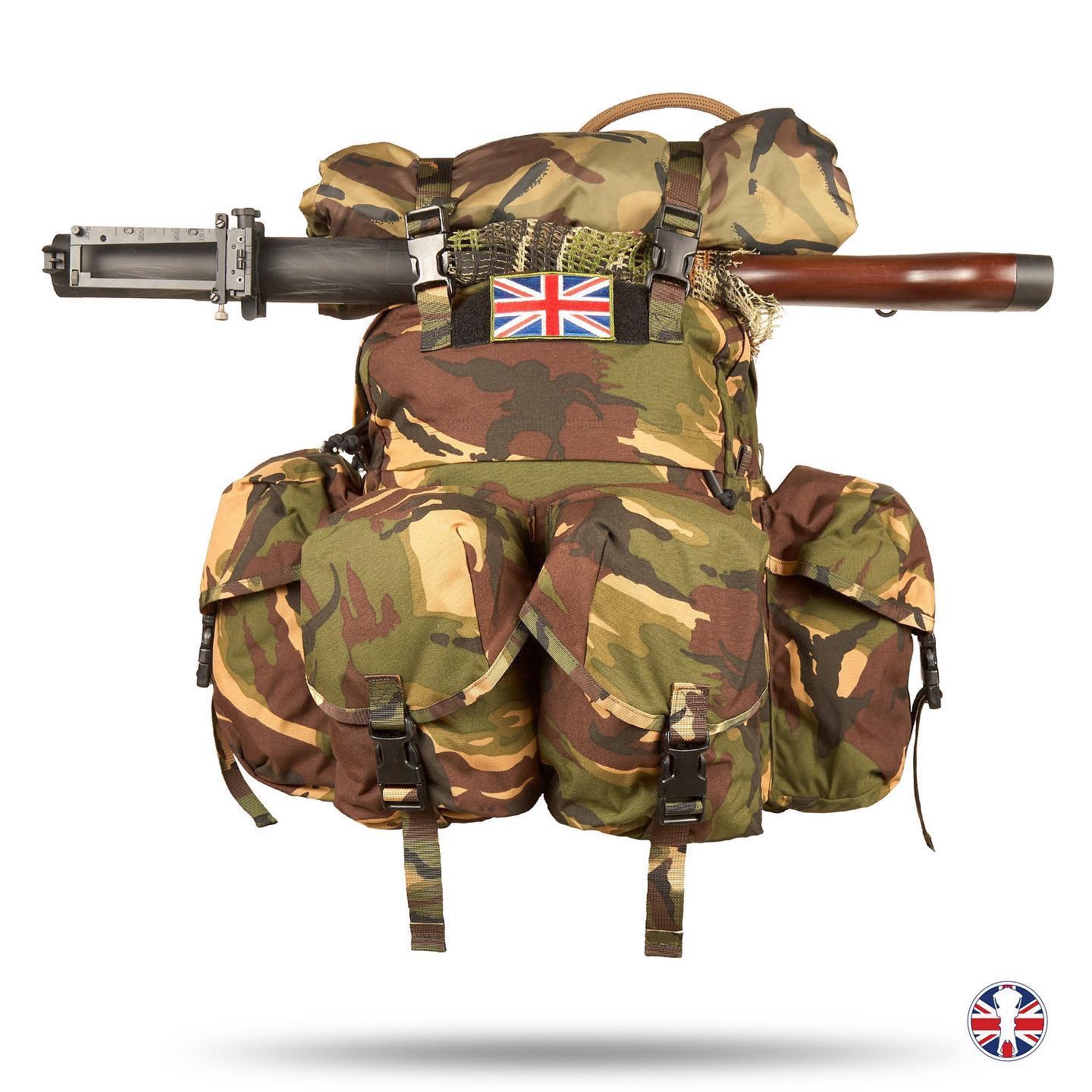
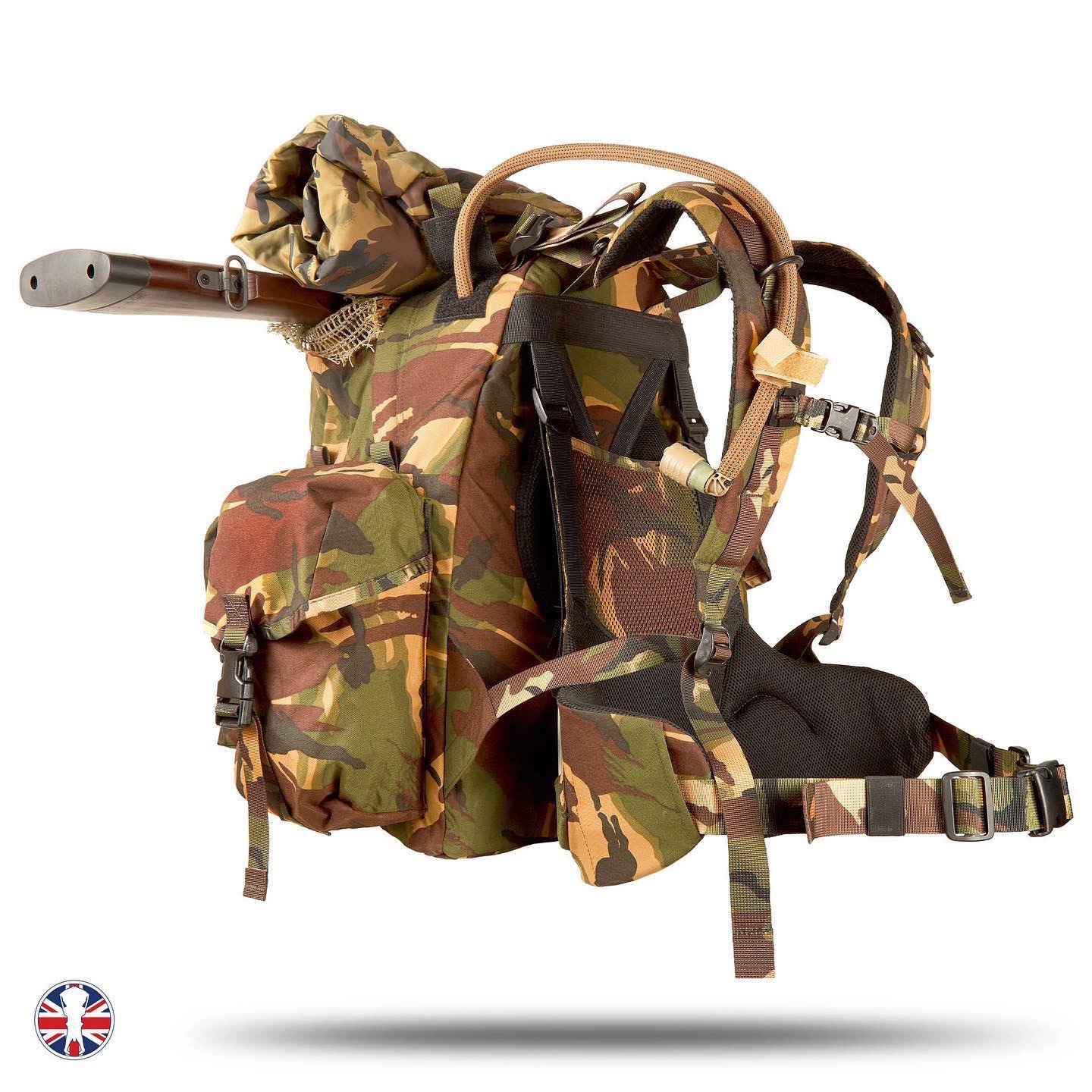
Many jobs Platatac do fly under the radar including the SPUR Tropical Pack in very limited edition DPM (Kumul) Pattern.

The SPUR Tropical’s unique X-Frame system is designed to allow maximum airflow, evaporation and climate control when in hot environments under a heavy physical workload. The X-Frame also helps distribute the pack load onto the hips and small of the back reducing strain.

Available now while they last.

platatac.com/platatac-spur-tropical-pack

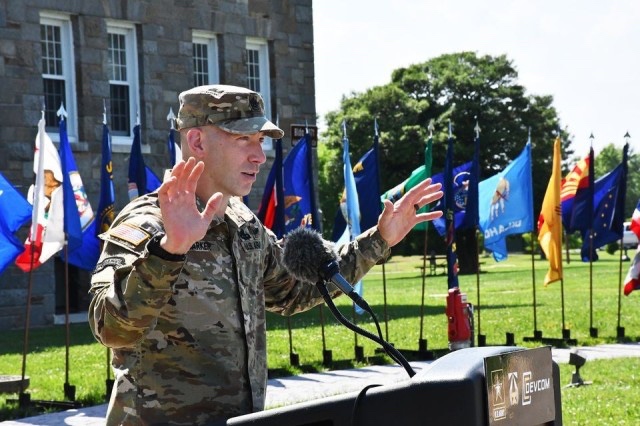
DEVCOM Command Sergeant Major Barker Inducted as Distinguished Member of Army Rangers

Monday, August 15th, 2022

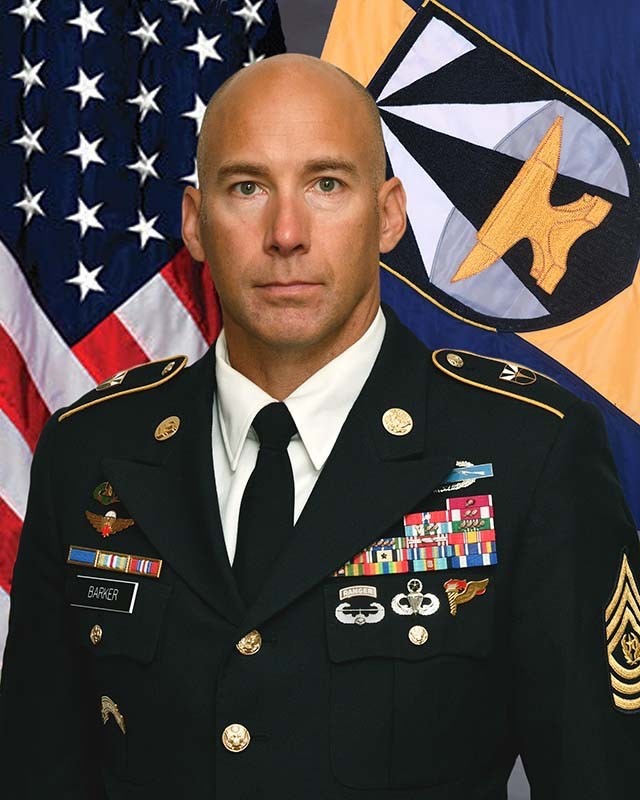
FORT BENNING, Ga. – DEVCOM’s senior Noncommissioned Officer, Command Sgt. Maj. Bryan D. Barker, was recently inducted as a Distinguished Member of the Army Rangers. Formally known as the 75th Ranger Regiment, the Army Rangers are the service’s premier light infantry and special operations force within the U.S. Army Special Operations Command.

“It is an honor to work side-by-side with Command Sgt. Maj. Barker, who exemplifies the qualities of a good Soldier. This is a well-deserved award, and I commend him on his induction into this elite group,” said Maj. Gen. Miles Brown, DEVCOM commanding general.

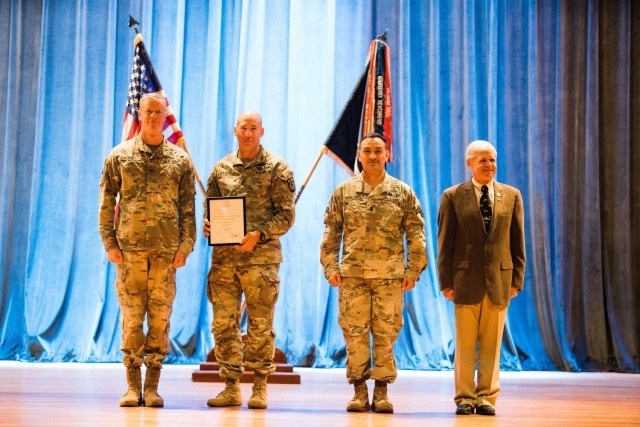
Barker was named a Distinguished Member of the 75th Ranger Regiment during a July 19, 2022, ceremony at Fort Benning, Georgia. Soldiers are named as distinguished members of the 75th Ranger Regiment for their outstanding accomplishments while assigned to the unit. The 75th Ranger Regiment consists of five battalions, located at Fort Benning, Georgia; Hunter Army Airfield, Georgia; and Joint Base Lewis-McChord, Washington.

Barker served with the 75th Ranger Regiment from 1996-2012, in the 2nd Ranger Battalion. He served in multiple positions ranging from rifleman to platoon sergeant to operations sergeant major. Officers and NCOs in the 75th Ranger Regiment are required to attend Ranger School, which is an intense 61-day combat leadership course. It has been called the “toughest combat course in the world,” and “the most physically and mentally demanding leadership school in the Army.”

“I am the product of leaders who came before me in the 75th Ranger Regiment who invested in my development and shaped me into the man and leader I am today. I was fortunate to have the opportunity to serve during pivotal times in the history of the Regiment, and I am honored and humbled to be inducted into the company of my heroes,” Barker said.

Barker assumed responsibility as the command sergeant major for the U.S. Army Combat Capabilities Development Command, or DEVCOM, on June 18, 2021. DEVCOM, which comprises eight reporting units and three regionally aligned international elements, is the Army’s largest technology developer. The command consists of 27,000 Soldiers, civilians and contractors who leverage cross-cutting technology to solve complex problems and rapidly deliver next-generation capabilities to Soldiers.

As the senior DEVCOM NCO, Barker oversees the NCOs who are located across the command. Many of these NCOs work with DEVCOM’s scientists, engineers, technicians and analysts, sharing their experiences and challenges with technology and equipment in the field. He serves as a top advisor to the DEVCOM commanding general, focusing on building cohesion across the DEVCOM team while increasing lethality and survivability of combat capabilities developed for U.S. Soldiers.

Before joining DEVCOM, Barker was command sergeant major 101st Airborne (Air Assault) Division at Fort Campbell, Kentucky. Born and raised in Sioux Falls, South Dakota, Barker joined the Army in June 1996 and served various positions as an Infantryman throughout his career. His overseas assignments include a tour in Germany, with deployments to Latvia, Lithuania, Estonia, Poland and Ukraine. His other deployments include six combat deployments to Iraq in support of Operation Iraqi Freedom, eight combat deployments to Afghanistan in support of Operation Enduring Freedom, and one deployment to Afghanistan in support of Operation Resolute Support.

By Argie Sarantinos, DEVCOM Headquarters