GORE-TEX Professional

Archive for the ‘Guest Post’ Category

US Paratroopers Kick-Off Exercise Super Garuda Shield with Trilateral Airborne Operations

Tuesday, August 9th, 2022

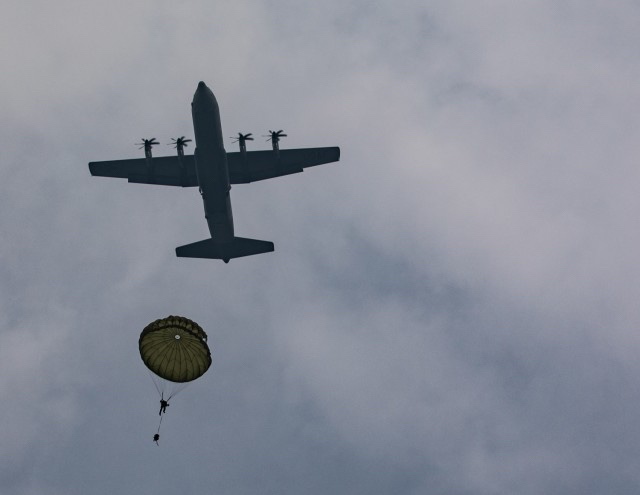
BATURAJA, Indonesia — Paratroopers from 11th Infantry Division (Airborne), Tentara Nasional Indonesia and Japan Ground Self-Defense Force conducted trilateral airborne operations with the 36th Airlift Squadron during exercise Super Garuda Airborne 2022 in Baturaja, Indonesia on Aug. 3, 2022.
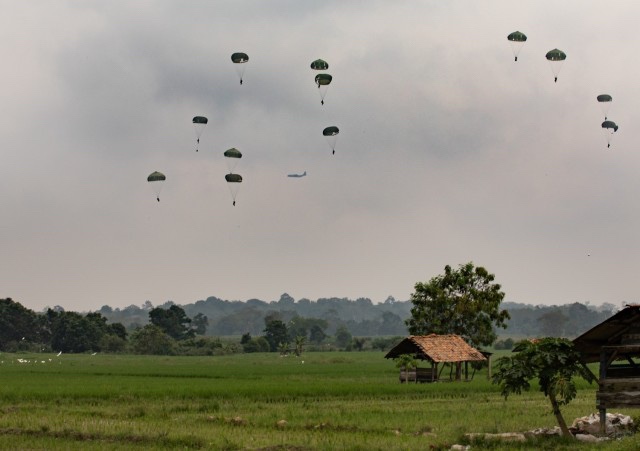
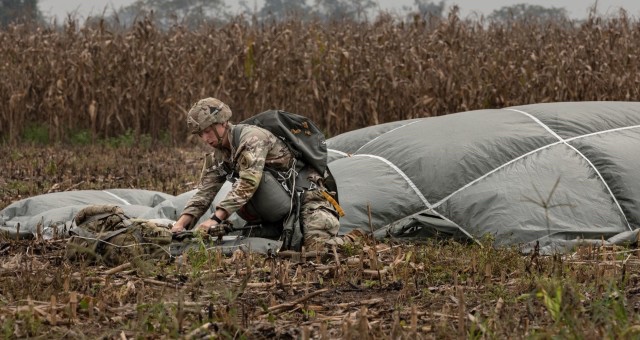
The operation is the kick-off event for Super Garuda Shield 2022. Part of Operation Pathways, Garuda Shield is a longstanding annual, bilateral military exercise conducted between the U.S. military and Indonesia National Armed Forces. The exercise reinforces the U.S. commitments to allies and regional partners, ensures joint readiness and bolsters interoperability to fight and win together.
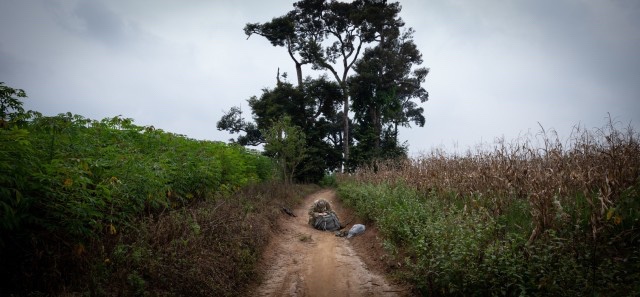
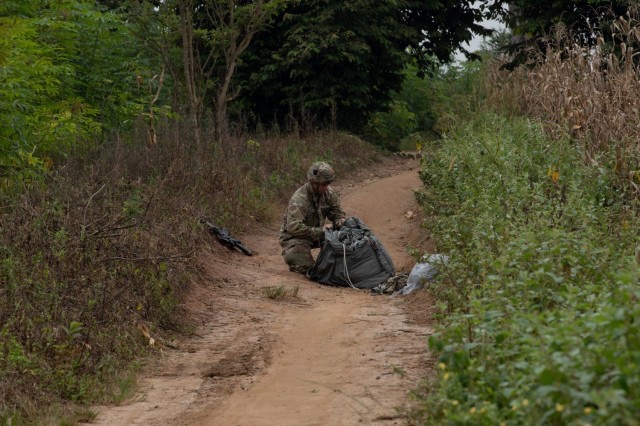
The 2022 Garuda Shield exercise is significantly larger in scope and scale than previous exercises. Service members from Indonesia and the United States will be joined this year by those from Australia, Japan and Singapore. In addition to the active participants, Canada, France, India, Malaysia, the Republic of Korea, Papua New Guinea, Timor Leste and the United Kingdom are expected to join Super Garuda Shield as observer nations.
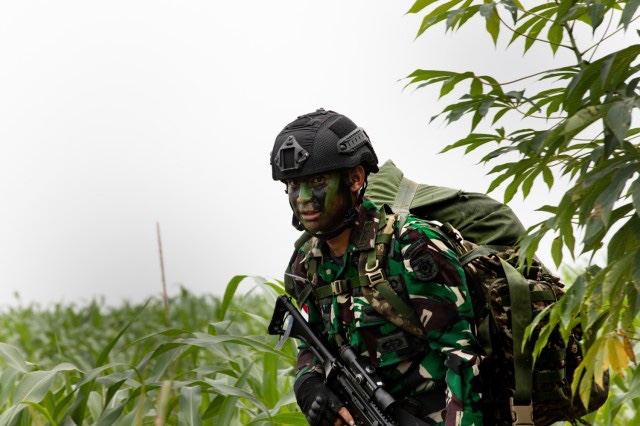
“We were really focusing on partnership,” said Lt. Col. Ben Wisnioski, assistant Army attaché, U.S. Defense Attaché Office Jakarta, Indonesia. “We focused on training, working with each other, and building significant rapport.”
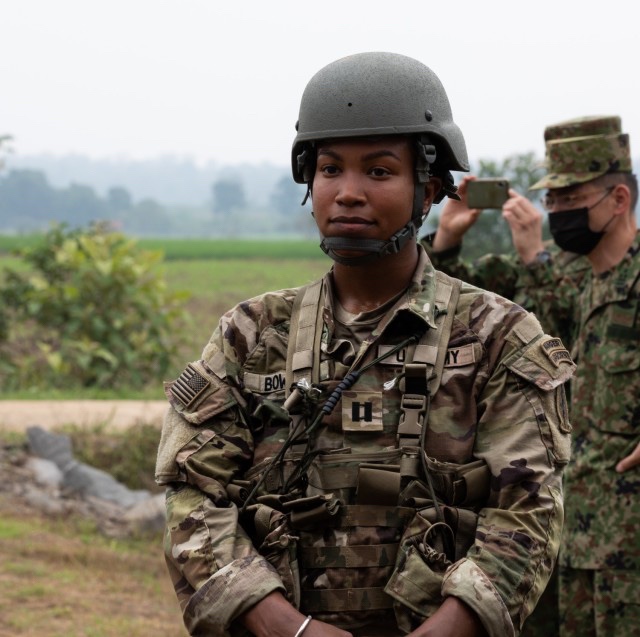
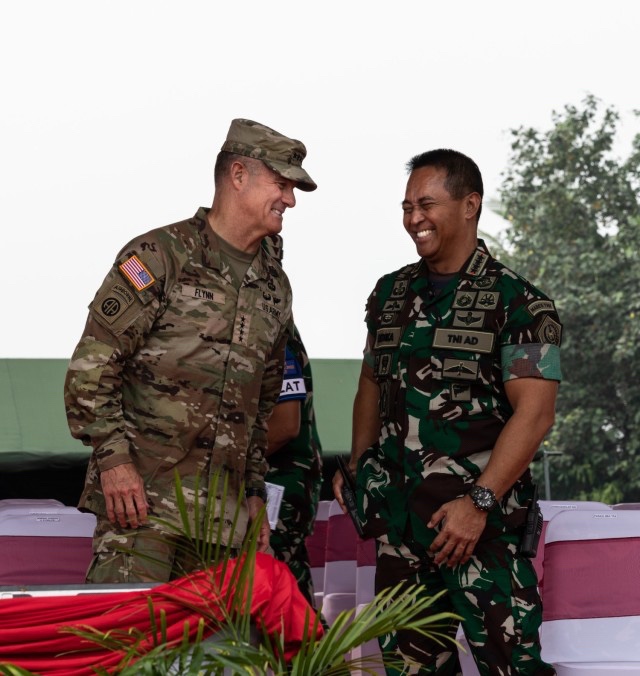
Hundreds of distinguished visitors including Gen. Charles Flynn, commanding general of U.S. Army Pacific, watched as over 200 paratroopers jumped into the fields and dense tropical forests of Baturaja.

“It was the softest landing I’ve ever had,” said Wisnioski with a smile, as he pointed at his uniform, doused in thick mud.
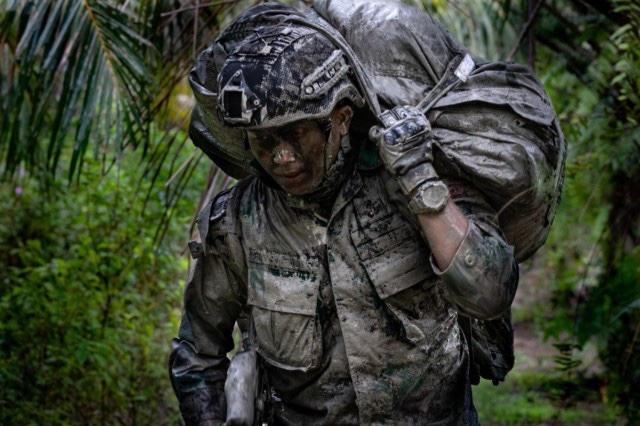
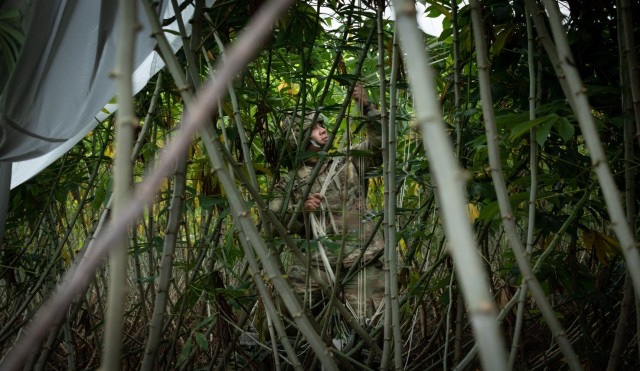
The paratroopers then completed an airborne seizure, navigating through narrow bridges, marshes, and dense foliage to reach their objectives.
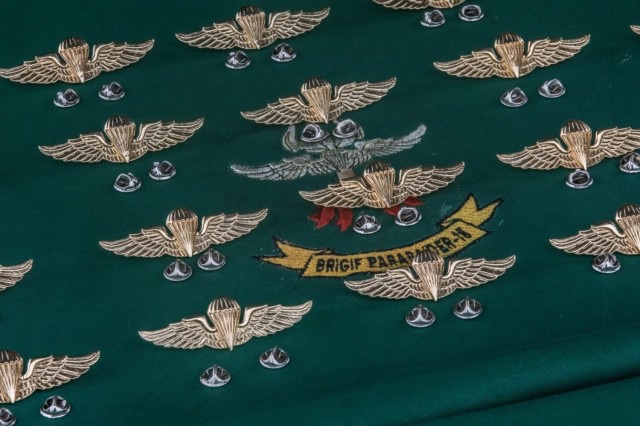
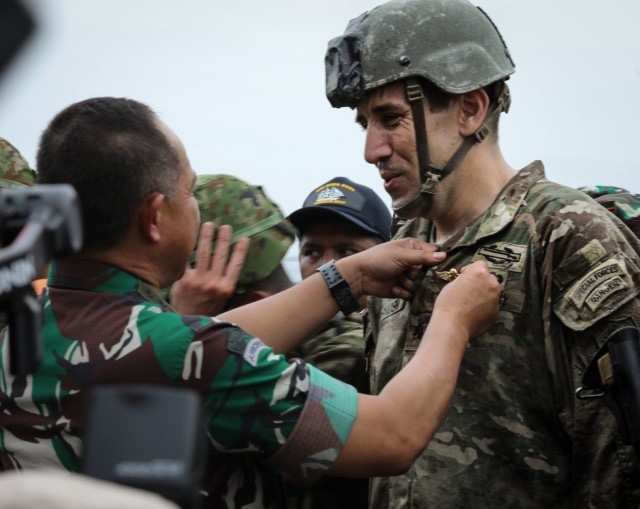
Following the parachute portion of the operation, representatives from the three armies participated in a wing exchange ceremony. Gen. Andika Perkasa, commander, Tentara Nasional Indonesia, and Lt. Gen. Kuzuki Ushijima, command chief of staff, Japan Ground Self-Defense Force, pinned wings onto six U.S. Army paratroopers.
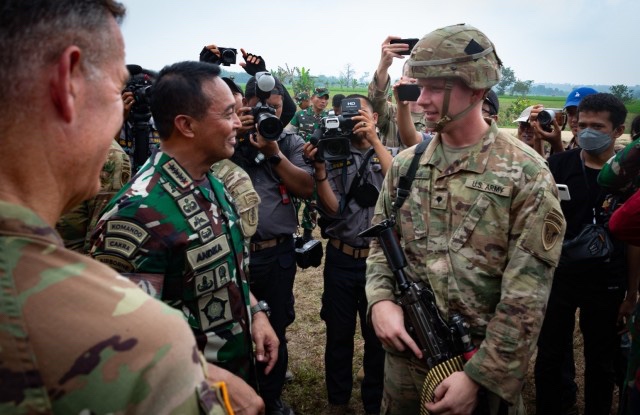
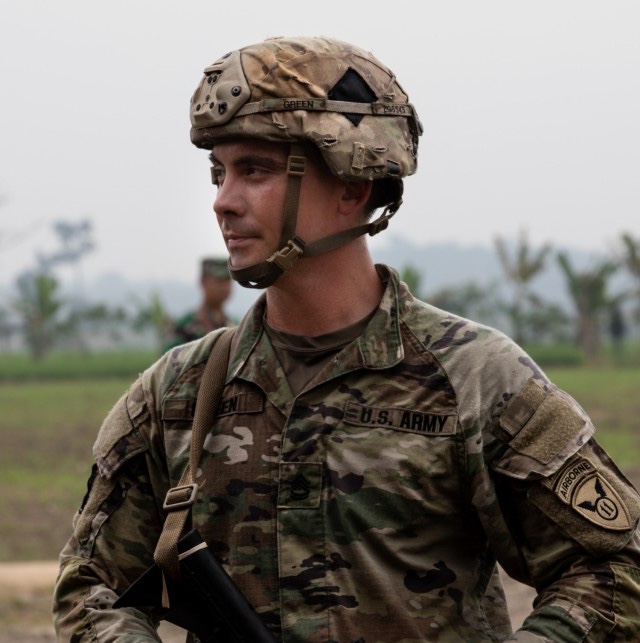
“We’re here for a free and open Indo-Pacific,” said Sgt. 1st Class Eric Green, 2nd Platoon, Apache Company, 1st Battalion, 501st Infantry Regiment, 11th Infantry Division (Airborne). “We’re just here to let our partners know we’re here to help. I wouldn’t want to be anywhere else.”
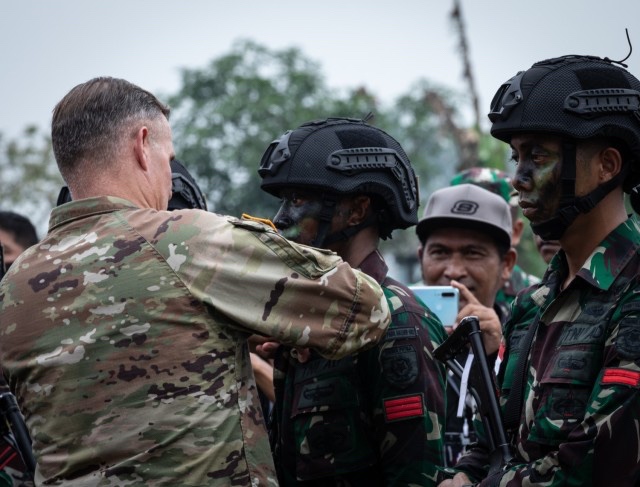
In addition to the ceremony Soldiers from the United States, Tentara Nasional Indonesia and Australian Army, showcased weapon systems to the senior leaders and distinguished visitors.
Sgt. Alexander Clarke, mortarman with 2nd Battalion, 35th Infantry Division, explained the functions and capabilities of the M224, 60mm Lightweight Company Mortar System.
“It’s just breaking down our capabilities and what makes them the best that we’ve got,” said Clarke. “I think we’re super grateful to be able to train alongside the [Tentara Nasional Indonesia] and get to know them better. It builds that cohesion.”
Super Garuda Shield provides opportunities for Department of Defense experimentation and joint collaboration. The exercise increases readiness of both for all participating nations. With focus on specific tasks, tactics and procedures to conduct combined arms maneuver, air assault, aviation and mission command.
By SGT Nicholle Salvatierra
Air Force Units Support Navy Valiant Shield Exercise

Monday, August 8th, 2022

U.S. Air Force Airmen from the 505th Command and Control Wing at Kirtland Air Force Base, New Mexico, and Beale AFB, California, supported the U.S. Navy’s ninth iteration of exercise Valiant Shield 22.

VS field training exercises are biennial, joint exercises focused on enhancing integration between the U.S. forces by conducting joint domain operations at sea, on land, in air, and in cyberspace.

U.S. Indo-Pacific Command headquarters staff forward deployed a joint-force headquarters to Andersen AFB, Guam, for the 12-day exercise.  VS 22 provided a venue to support the demonstration of USINDOPACOM’s forward presence in the Western Pacific, while supporting the test of current and new technologies and platforms, to advance critical areas such as multi-intelligence, artificial intelligence, and long-range fire experiments.


The exercise took place in the Joint Region Marianas area of operations including Palau, Naval Base Guam, Andersen AFB, and the off-shore Mariana Island Range Complex, with some training events also occurring in the Commonwealth of the Northern Mariana Islands. The exercise balanced real-world assurance with competitive overmatch for the theater’s rapid procurement campaign strategy.

“This exercise was the perfect opportunity to conduct integrated deterrence, which was the cornerstone of our approach,” said U.S. Navy Rear Admiral Robb Chadwick, VS 22 Joint Exercise Control Group director.

For this year’s event, the USINDOPACOM commander sponsored the first ever live-fly kickoff of Joint All-Domain Command and Control, or JADC2, best of breed demonstration, where the service components were given the opportunity to execute their own vision using current technology to turn concepts into reality.  JADC2 is the Department of Defense’s vision for a future command and control construct that connects the battlespace cross every domain. 

605th Test and Evaluation Squadron, Detachment 3, Airmen at the Common Mission Control Center, Beale AFB, informed the USAF’s approach to realizing its contribution to JADC2, the Advanced Battle Management System, during VS 22.  The CMCC’s direct support to combatant commanders provides the most comprehensive situational understanding of operations while allowing them to synchronize multi-domain effects. 

“These demonstrations are critical to the transformation and dissemination of targeting and intelligence information to achieve the goal of sensor-to-shooter connections,” said USAF Lt. Col. Mikita Brown, 605th TES, Det 3 commander, Beale AFB, California.

During the exercise, the CMCC enhanced real-world situational awareness by feeding the joint force through detecting, locating, tracking, and directing engagement of units at sea, on the land, in the air and in cyberspace.

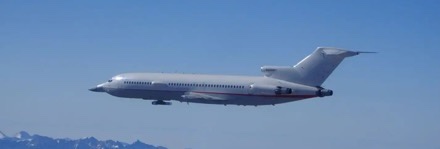
The CMCC provided capabilities for improving critical C2 and battlespace awareness functions which include: over the horizon target custody across distributed C2 nodes, decreasing the time required for Electronic Order of Battle updates, and rapid dissemination of enemy locations from emerging and traditional intelligence, surveillance, and reconnaissance, or ISR, capabilities such as the MQ-9 Reaper and the Raytheon Multi-Program Testbed, or RMT-727. 

“The CMCC’s Open Mission Architecture was critical to allow the correlation of multi-intelligence data to the U.S. Army Multi-Domain Task Force and U.S. Marines Corps Expeditionary Fire Battalions,” said Brown. “The CMCC successfully conducted operational test of the operational prototype to identify areas of acceleration while measuring the accuracy provided by its machine-to-machine technology during complex ISR collection and targeting problem sets centered on USINDOPACOM’s larger JADO [joint all-domain operations] initiative.”

Brown continued, “Valiant Shield 22 made vital steps forward for both JADC2 stakeholders, allowing them to see advanced demonstrations in an operationally realistic environment.  Incorporating CMCC technology into a modernized C4I [command, control, communications, computers, and intelligence] architecture expanded operational options to disseminate timely access of exquisite ISR feeds into multi-domain CTPs [Common Tactical Pictures] and CIPs [Common Intelligence Pictures] for machine-to-machine solutions.”

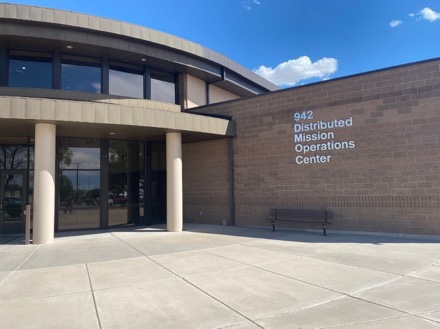
Additionally, the 505th CCW participated in VS 22 from Kirtland AFB, New Mexico, where the 705th Combat Training Squadron, also known as the Distributed Mission Operations Center, quickly and effectively responded to a USINDOPACOM commander requirement to support Valiant Shield 22 with joint live, virtual, and constructive capabilities. 

In a first-ever proof of concept which was directly applauded by the U.S. Navy INDOPACOM commander, the DMOC integrated joint LVC capabilities into the exercise by hosting an E-8 JSTARS crew from the 12th Airborne Command and Control Squadron and an MQ-9 crew from the 89th Attack Squadron, connecting them to the exercise through the USN’s Continuous Training Environment.  These crews were able to successfully track and engage enemy shipping, greatly contributing to the overall goals of the exercise. 

“The 705th CTS’s accomplishments during Valiant Shield were providing realistic ISR and tactical kinetic actions utilizing MQ-9 and JSTARS [Joint Surveillance Target Attack Radar System aircraft] in the maritime environment,” according to USAF Lt. Col. Michael Butler, 705th CTS commander, Kirtland AFB, New Mexico. “We incorporated Chat, Link-16 tracks and electro-optical video which greatly enhanced C2 processes in JWAS [Joint War at Sea] operations against threats including high-end Level 1 and 2 surface combatants.”

Butler continued, “In recognition of the DMOC’s seamless short-notice integration both operationally and technically into a combatant commander exercise architecture, Admiral Aquilino [U.S. Navy INDOPACOM commander] added “Joint” to Joint War at Sea.”

The planning for the Valiant Shield 2024 execution has already begun; incorporating lessons learned from VS 22 will enhance USINDOPACOM joint forces’ ability to ensure a free and open Indo-Pacific.

By Deb Henley

505th Command and Control Wing

Public Affairs

SCUBAPRO Sunday – Operation Magic

Sunday, August 7th, 2022

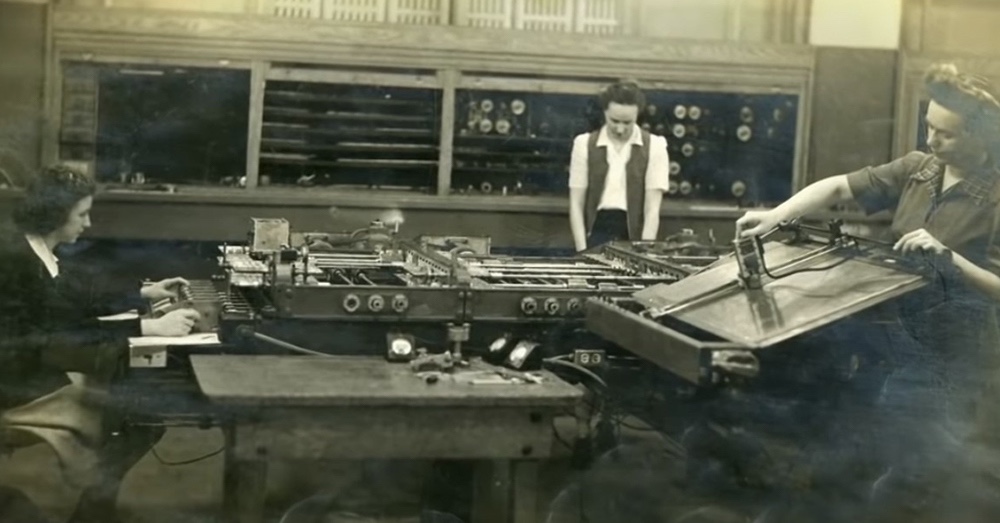
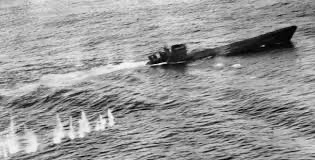
If you follow history, there is a lot said about how different battles were, this group took this hill, or this guy did this. But a lot needs to be said about what goes on behind the scenes. While the United States Army Signals Intelligence Section (SIS) and the Navy Communication Special Unit worked in tandem to monitor, intercept, decode, and translate Japanese messages during World War II, Operation Magic was the cryptonym used to refer to the United States’ efforts to break Japanese military and diplomatic codes. The Office of Strategic Services received the intelligence information acquired from the transmissions and forwarded it to military headquarters (OSS). It is widely acknowledged that the capacity to interpret and understand Japanese communications was a crucial component of the Allied triumph in the Pacific.

Early in 1939, the United States began its efforts to decipher Japanese diplomatic and military communications, even before the outbreak of World War II in Europe. In 1923, a United States Navy intelligence officer got a contraband copy of the Japanese Imperial Navy Secret Operating Code from World War I. Afterward, after all of the additive code keys had been discovered, the codebook was photographed and sent to the Research Desk, arranged in red folders by the cryptologists. The simple additive code was given the name “Red” in honor of the directories in which it was initially kept.

In 1930, the Japanese updated the Red code with Blue, a more sophisticated code for high-level communications. However, because the new code was too similar to its predecessor, cryptologists in the United States could fully decrypt the new code in less than two years after its introduction. At the onset of World War II, the Japanese were still using both Red and Blue color codes for various communications purposes. Listening stations were set up all across the Pacific by the United States military intelligence to monitor ship-to-ship, command-to-fleet, and land-based communications between ships.

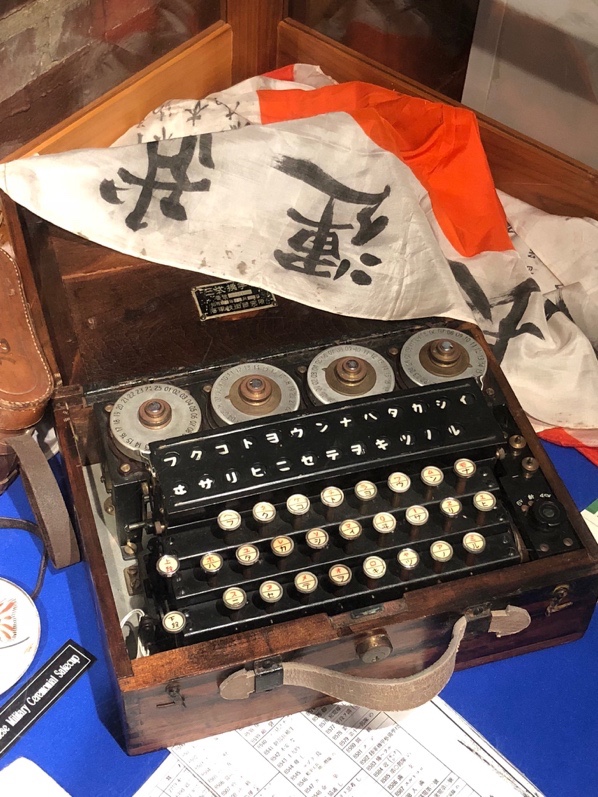
The Japanese acquired encryption and security assistance from Nazi Germany after World War II erupted across Europe. Since 1935, the Germans have known that U.S. intelligence is monitoring and decoding Japanese communications, but they have not instantly informed the Japanese of this fact. Later, Germany delivered a modified version of its iconic Enigma encryption machine to Japan to assist the country in securing its communications. As a result of this, American intelligence was unable to understand Japanese intercepts. The tedious job of United States cryptologists was restarted.

Cryptanalysts in the United States gave the new code the moniker Purple. Purple, used to decrypt numerous variants of the original Enigma code, was the most severe obstacle to American and British intelligence throughout World War II.

After receiving information from Polish and Swedish cryptologists, the British military intelligence cryptanalysis unit at Bletchley Park became the first in the world to decrypt the German Enigma code in 1942. They then created advanced decoding bombes and the world’s first programmable computer to aid in the deciphering of the complex Enigma cipher. By 1943, British intelligence could use information obtained through translated Enigma intercepts received in near real-time.

For years, cryptologists in the United States sought to break the Purple code by hand. However, the format of Japanese signals, always opening with the exact introductory phrase, enabled code breakers to establish the sequencing of the multi-rotor Japanese cipher machine. By 1941, code breakers in the United States had made significant headway in cracking the Purple code, and they had gained the capacity to decipher multiple lines of intercepted messages. The procedure remained sluggish, and the information obtained from Purple was frequently outdated when translated into another language.

United States military intelligence became aware of British victories against Germany’s Enigma machine and requested that their allies share code-breaking information. Top Bletchley Park cryptographers and engineers were dispatched to the United States to assist in training code breakers and constructing decoding bombes. But they were highly protective of and didn’t want anyone to know about their Enigma code-breaking activities (codenamed Operation Ultra), which involved Colossus, the Bletchley Park decoding computer, and which they were involved.

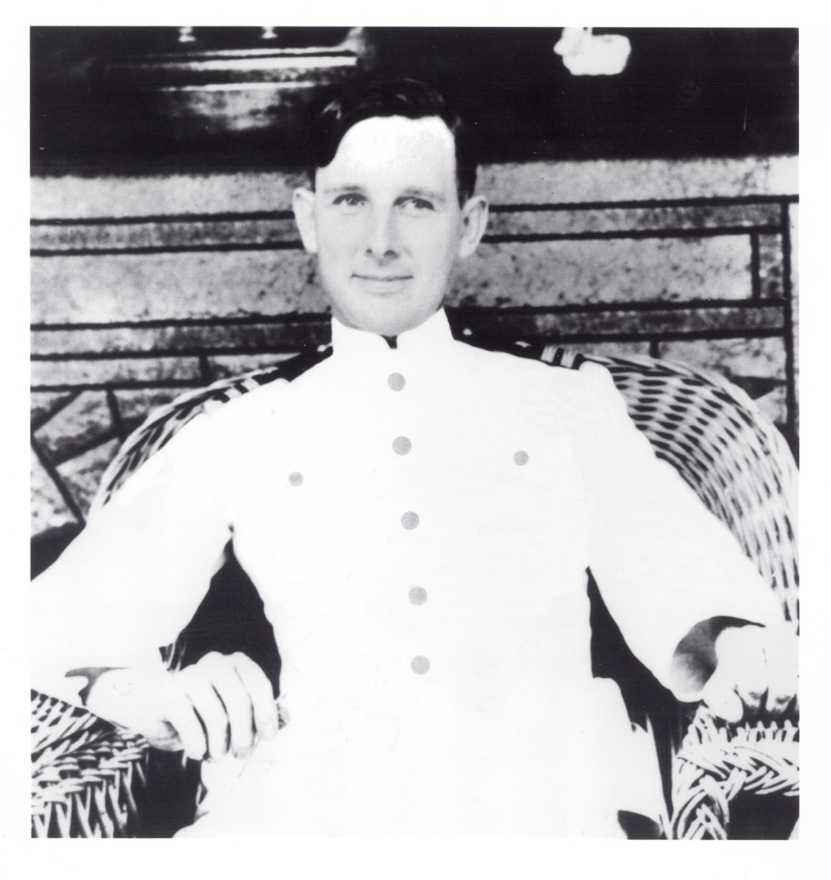
United States intelligence made significant headway against Purple in a short period, thanks to the assistance of the British. A copy of the Japanese Purple machine, created in 1939 by American cryptologist William Friedman, was used to adapt a German Enigma bombe to decode Japanese Purple, which was then used to decode the Japanese Purple machine. Even though each message’s settings had to be determined by hand, United States intelligence improved its ability to read Japanese code with greater ease and timelier by 1942, six months after the Japanese bombing of Pearl Harbor and the United States’ entry into World War II.

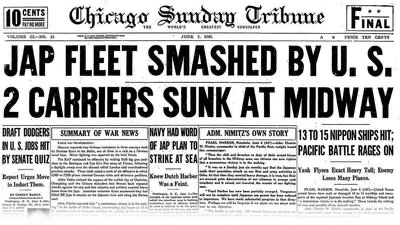
With the help of their vast network of listening stations in the Pacific, the United States intelligence services could intercept and decode various other sorts of communications. In conjunction with JN-25 intercepts, the Diplomatic Purple transmissions, another broken Japanese Navy code, provided critical information to the United States military command about Japanese fortifications at Midway. The intercepts from Operation Magic provided valuable input during the ensuing Battle of Midway, which helped to turn the tide of the Pacific War in the allied forces’ favor and ultimately win the war. Approximately a year later, Purple intercepts provided the United States with intelligence about a diplomatic aircraft on which Japanese General Yamamoto, the mastermind behind the Pearl Harbor assault, was scheduled to travel. The Japanese aircraft were shot down by American planes.

Operation Magic was a vital source of intelligence information in both the Pacific and European theaters of conflict during World War II. Diplomatic messages between Berlin and Tokyo, encrypted with the Enigma and Purple codes, provided British and United States intelligence with information about German defenses in France during the Second World War. This information aided leaders in their preparations for the D-Day invasion of Normandy in June 1944.

The Japanese government remained uninformed despite the fact that the United States had broken the Purple code. According to the United States government, Japanese Imperial forces continued to employ the principles decrypted by Operation Magic throughout the war and in the weeks following the Japanese surrender in 1945.

Soldiers Share Their Experiences About WAREX 782202

Saturday, August 6th, 2022

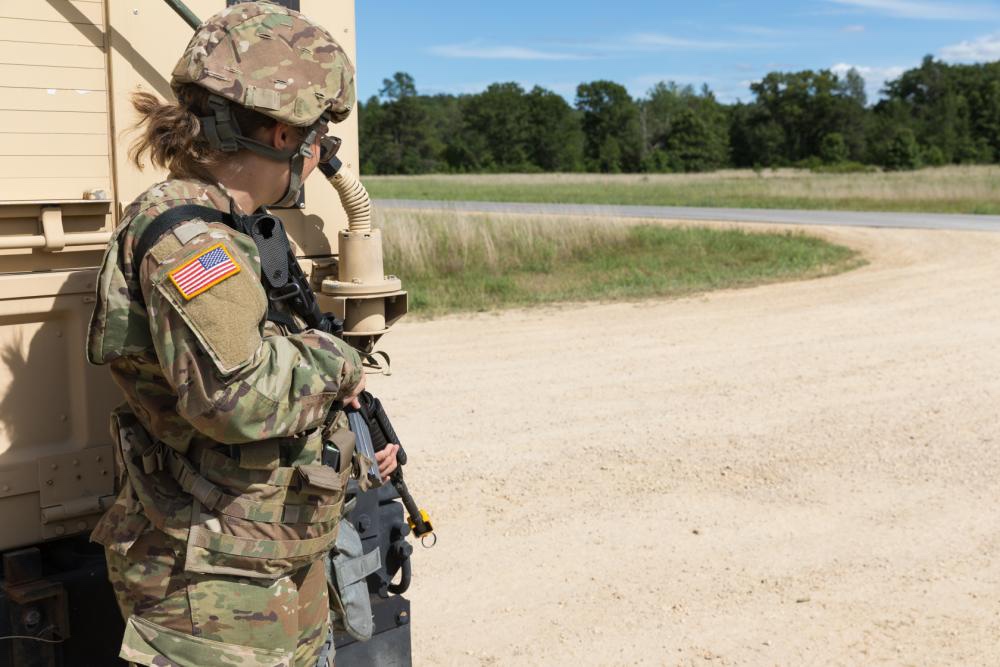
Blue skies dotted with fluffy clouds. Fields of green surrounded by groves of trees. Gentle breezes and the swaying of branches from time to time. A typical tranquil setting, suddenly interrupted by the cracks of unexpected gunfire in the distance.

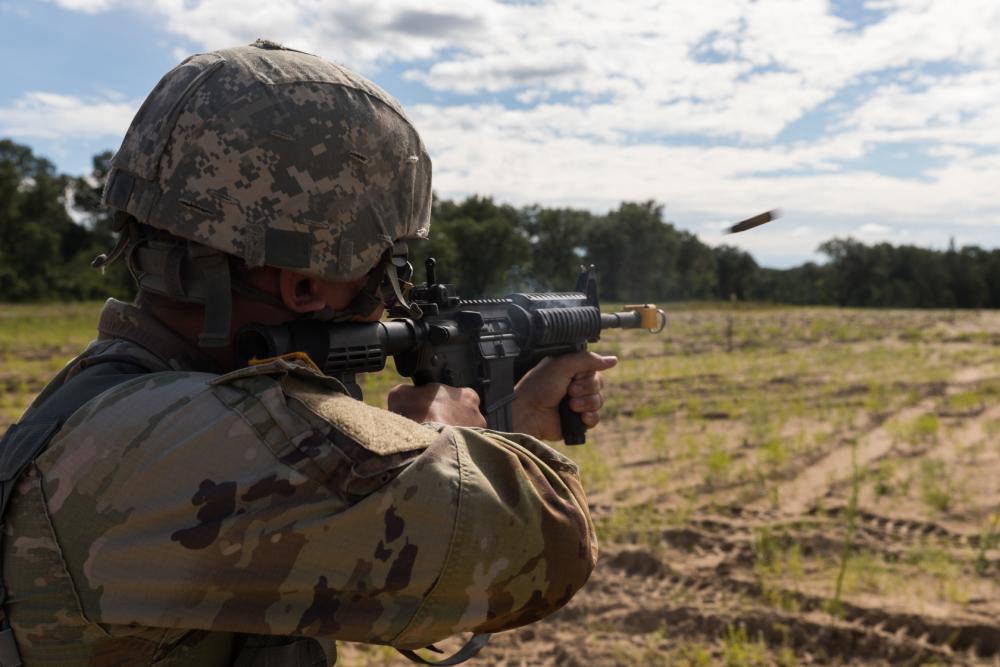
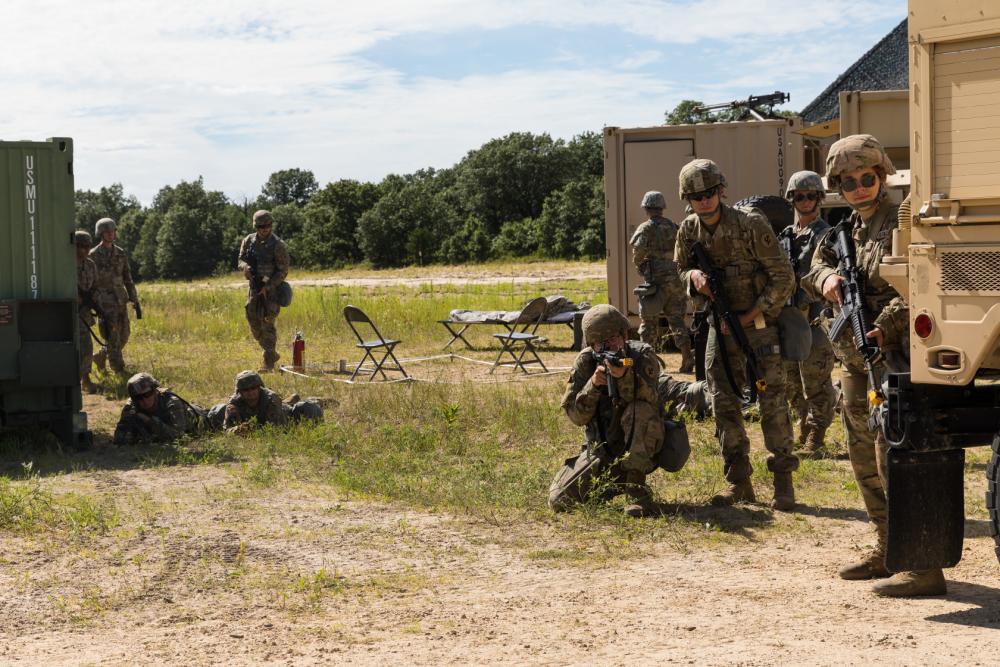
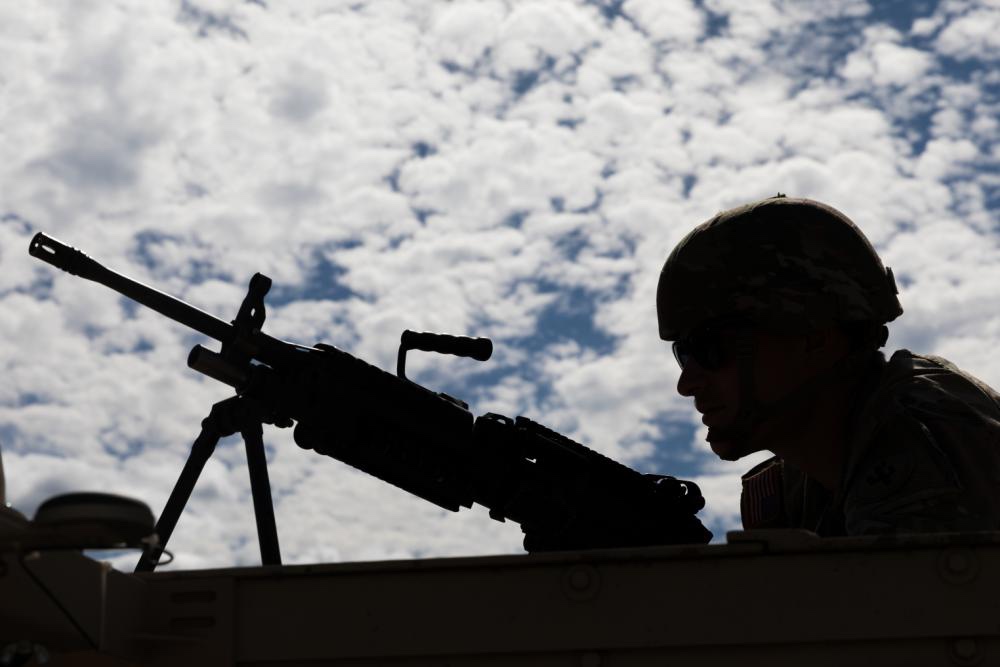
Soldiers spring to action to defend the perimeters of their bases. They mount machine guns, aim their M4 carbines equipped with blank firing adapters toward the sound of danger, and shoot, move, and communicate intently during Warrior Exercise (WAREX) 782202 on Fort McCoy, Wisconsin.

WAREX serves as an annual training opportunity for many U.S. Army Reserve Soldiers. The training exercise works on practicing Army Warrior Tasks and drills, reinforcing skills that keep a Soldier ready to fight.

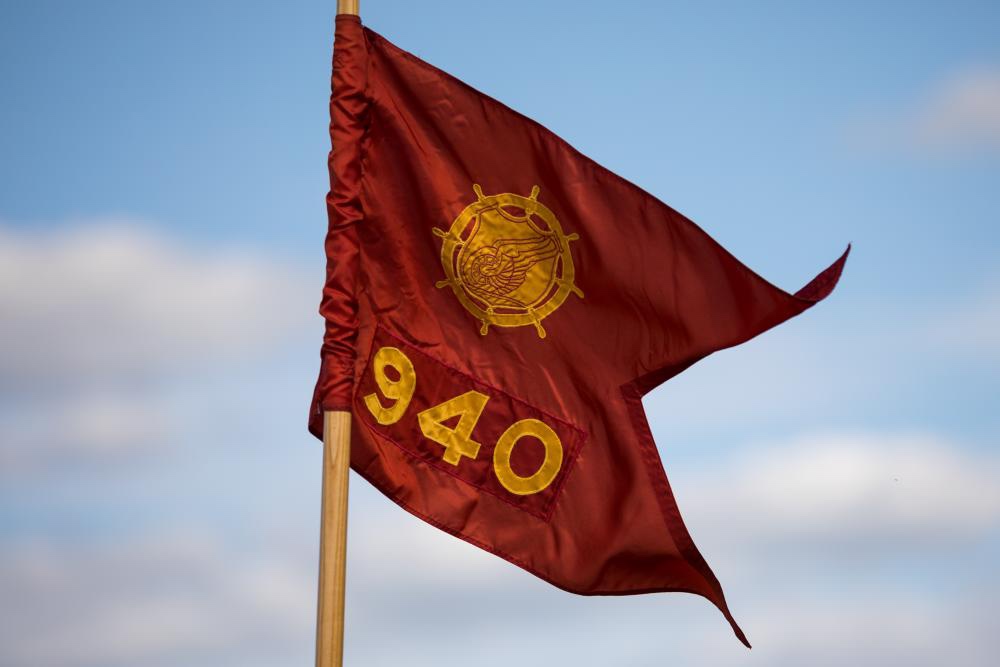
“Our Soldiers have learned a lot in regards to base defense,” said Spc. Melina Lambert, a transportation management coordinator with the 940th Movement Control Team. “We’ve been really focusing on improving our strategies for base defense. A lot of them are newer, so they don’t really know much about [annual training] in general, so they’re getting a sneak peek of what the Army and the Reserve is really like.”

“And now with WAREX, we’ve been able to do a lot more AWTs [Army Warrior Tasks] which has helped … with our normal Soldier tasks that we should be working on, every time we come out,” she continued. “And I feel as though it’s been a lot nicer than being in the office.”

But being in the field presents its own challenges. Beads of sweat form on foreheads, and wearing a full long-sleeved uniform with load-bearing vests and protective helmets along with a combat load introduces fatigue just from carrying a Soldier’s weapon and gear.

“The training has been a little difficult at first… especially with the heat and climate conditions,” said Army Sgt. Juan Stamps, Jr., a transportation movement coordinator with the 940th Movement Control Team. “We’ve had a lot of heat casualties, unfortunately. But we learned to adapt and keep our Soldiers hydrated and out of the sun so that we can continue our training.”

The exercise also presents opportunities to identify and strengthen weaknesses with individuals, and thus, units, as a whole.

“I feel with our Soldiers, our communication could be better, and that has been a work in progress,” Lambert reflected. “Otherwise, we’ve been doing a really good job learning a lot of information.”

“It’s all about getting new perspectives on the same thing we all do, which is train and be better. Without failure, success would never come. But I feel that this AT has definitely helped with creating a team now. And we feel a lot closer.”

“We’ve learned a lot not just as a unit but as individual Soldiers as well,” Stamps said. “We’ll come back, we’ll all talk about the things that we learned. The funny things, the bad things. We learn about each other and we help each other out when we don’t know as much as we should.”

“It’s been a fun bonding experience for the unit.”

Overall, Soldiers are coming out of WAREX with newfound experiences, thoughts, and wisdom. Through trial and error, thick and thin, even just a few weeks of working in austere environments and training as one would fight enhances the capabilities of the Soldiers of the U.S. Army. And Soldiers welcome the challenge.

“Embrace the suck,” Lambert said. “[Annual training] can be difficult and have difficult moments. But within those difficult moments you can find peace and making sure to focus on that peace is very important.”

Story by SFC Raymond Boyington, 361st Theater Public Affairs Support Element

FirstSpear Friday Focus: Non-Standard Non-Stocking

Friday, August 5th, 2022

Specialty Equipment For Professional Users.

FirstSpear Non-Stocking Non-Standard may sound strange and confusing when browsing through our website. In this weeks Friday Focus, we’re discussing exactly what Non-Stocking Non-Standard is and why these FirstSpear products are so incredibly important to American operators and tactical professionals across the globe.

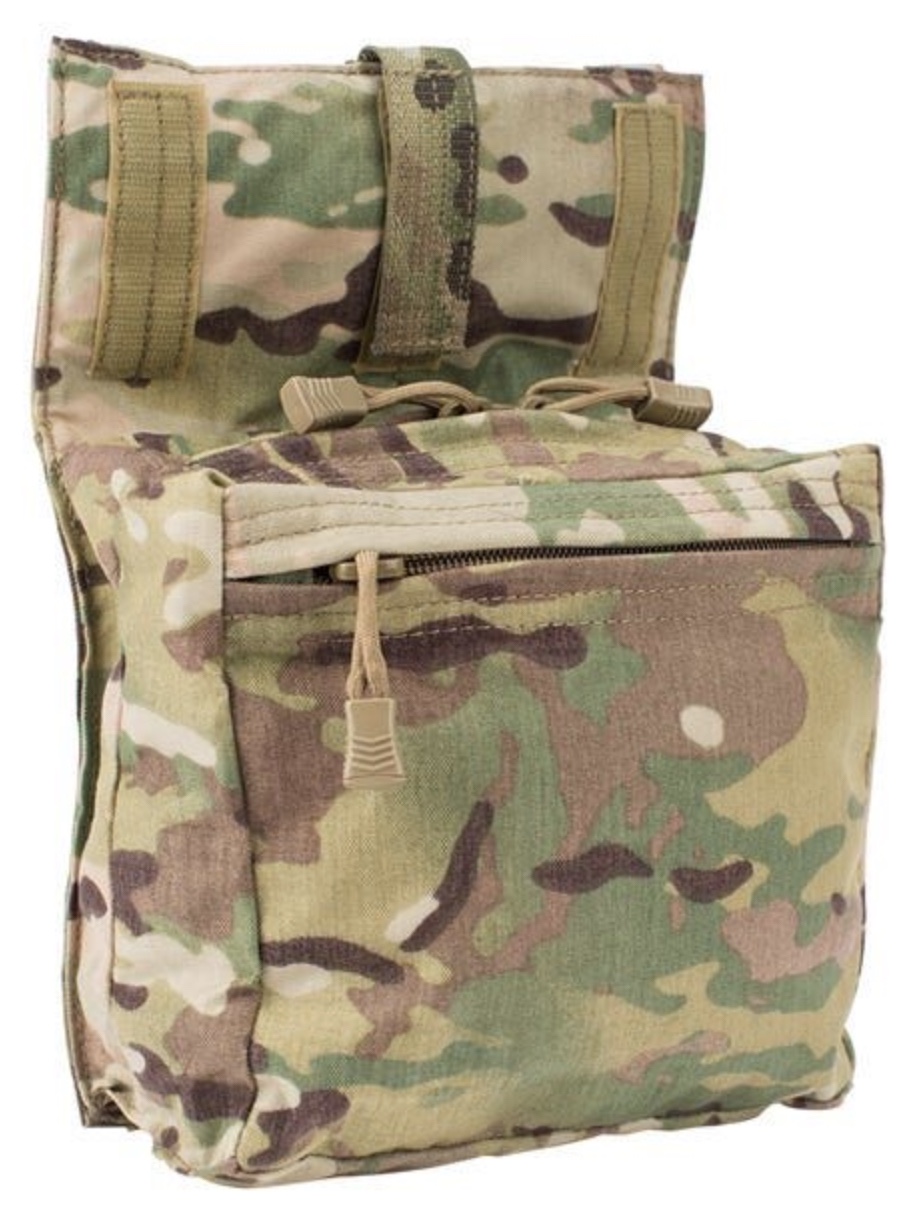
Roll Up Style Cargo Pocket. Roll it out here.

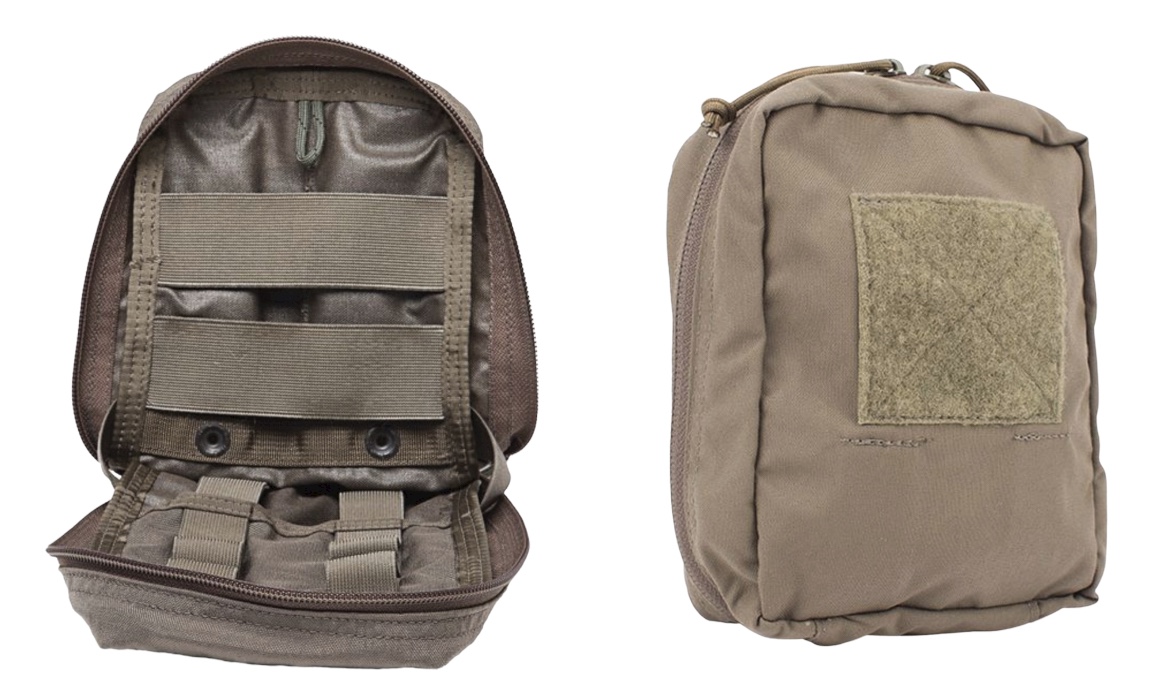
The designation Non-Stocking Non-Standard refers to items that have been designed by FirstSpear at the request of professional users to meet unique and specific mission sets. Limited quantities and colors are available. The remainder of these items, after fulfilling the needs of the professional user, are made available on the Non-Stocking Non-Standard category of our website for other interested professions to purchase.

Special Operations Forces (SOF) Med Pouch. Check it out here.

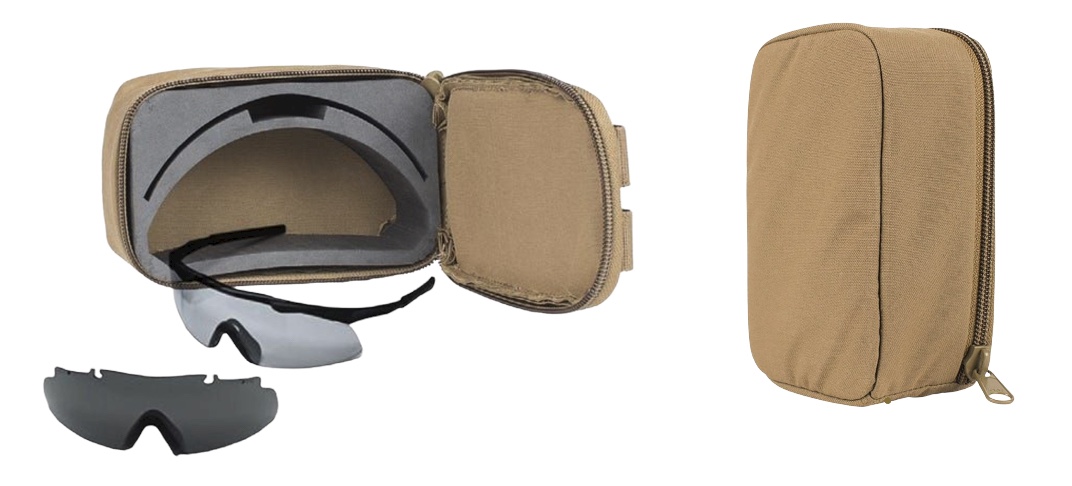
Eye Pro Field Case. See it here.

Items in the Non-Stocking Non-Standard category include everything from small pouches to complete plate carriers. A notable point about this equipment is the ability to purchase a piece of kit designed specifically for America’s finest.

Visit FirstSpear to find all the gear and apparel for America’s Warfighter.

Custom Munitions Printing Increases Safety

Thursday, August 4th, 2022

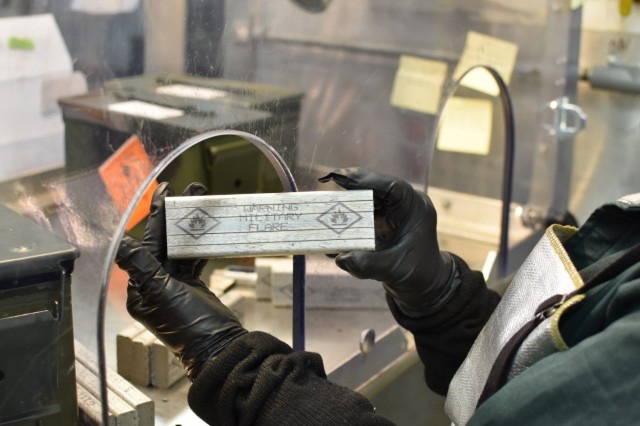
CRANE, Ind. — Crane Army Ammunition Activity, in a joint effort with the U.S. Air Force, is integrating a customized printing system into its countermeasures decoy flare program. The new technology allows printing to be done on live energetics which increases safety and ensures that Crane Army Ammunition Activity — or CAAA — remains a key supplier for the U.S. military in its efforts to support the warfighter.

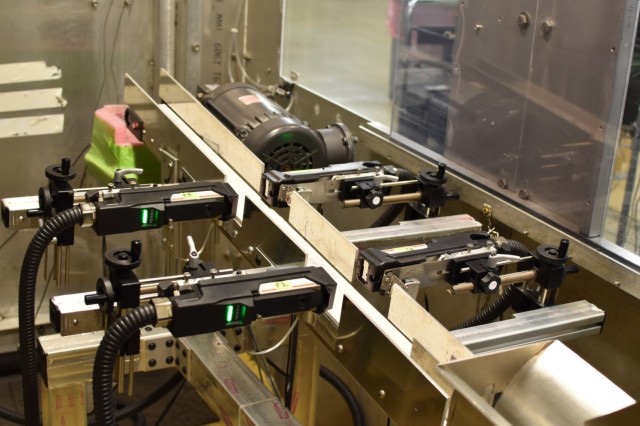
The Keyence MK-G 1000 is the world’s first self-troubleshooting continuous inkjet printer that does not require operator involvement, enabling CAAA to safely apply warning labels directly onto energetic grains, and better meet new requirements from the Air Force. This new technology allows for improved safety not only in the flare production process but also achieves the Air Force’s priority of safety in the rare event an ejected flare is found on the ground.

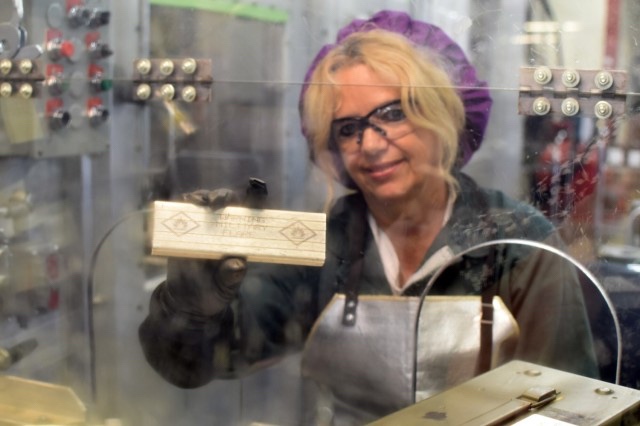
CAAA’s Countermeasures Commodity Manager Trish Staggs said, “Safety is crucial. If an unexploded munition is found, people will see the warning and know not to touch it.”

CAAA is the first installation within the U.S. Army’s organic industrial base to implement the new technology on a pyrotechnic flare line. The capability to print at a high rate of speed from any direction or orientation using a four head printing system is just one of the many qualities of equipment. Damage and blurring on the bare energetic material are eliminated by spraying closely controlled dye-based, fast-drying ink particles onto targets.

The printer’s features allows operators are able to focus on other areas of the mission. The MK-G 1000 has self-diagnostic technology that can automatically perform maintenance and troubleshooting. If any issue arises, the printer attempts to repair itself which eliminates the need for a trained technician. It features a hands-free self-cleaning function which not only cleans the ink path, but also the components to help maintain the print quality. Both the printing and the cleaning processes have been adapted to meet explosives use standards.

Another highlight of the system is the ease in which it functions. By eliminating specialized training, any operator can handle the job. The printer also doesn’t require operator contact, making the process safer and more efficient.

“It is so easy to use and is very operator friendly,” said Tina Burden, a CAAA explosives operator. “We don’t even have to touch it; it does the work for us and eliminates the need for us to handle the grain as much during production.”

The printing system was integrated into the production line safely after CAAA technicians and an Indiana based industry expert conducted approximately 70 hours of research. The buildings production schedule was never impacted throughout the set-up process.

“There was no learning curve,” CAAA Production Controller Devon Roach said. “Set-up, testing, and the go ahead to use live energetics were done effortlessly and they have never looked back.”

“I can’t emphasize enough how willing to help the Keyence company and the customer service representative have been,” Dave Bowman, a CAAA explosives operator supervisor, said. “Any problem or question has been taken care of in a quick and uncomplicated manner.”

The U.S. Army is currently bringing its organic industrial base into the 21st century by modernizing its facilities and processes. Integrating the printer into munitions production is an example of how CAAA is infusing the industry’s best practices while maximizing the skills and capabilities of its civilian workforce.

Crane Army Ammunition Activity produces and provides conventional munitions in support of U.S. Army and Joint Force readiness. It is part of the Joint Munitions Command and the U.S. Army Materiel Command, which include arsenals, depots, activities and ammunition plants. Established Oct. 1977, it is located at Naval Support Activity Crane.

By Christy Carroll

Combat Flip Flops Release Two New Styles

Wednesday, August 3rd, 2022

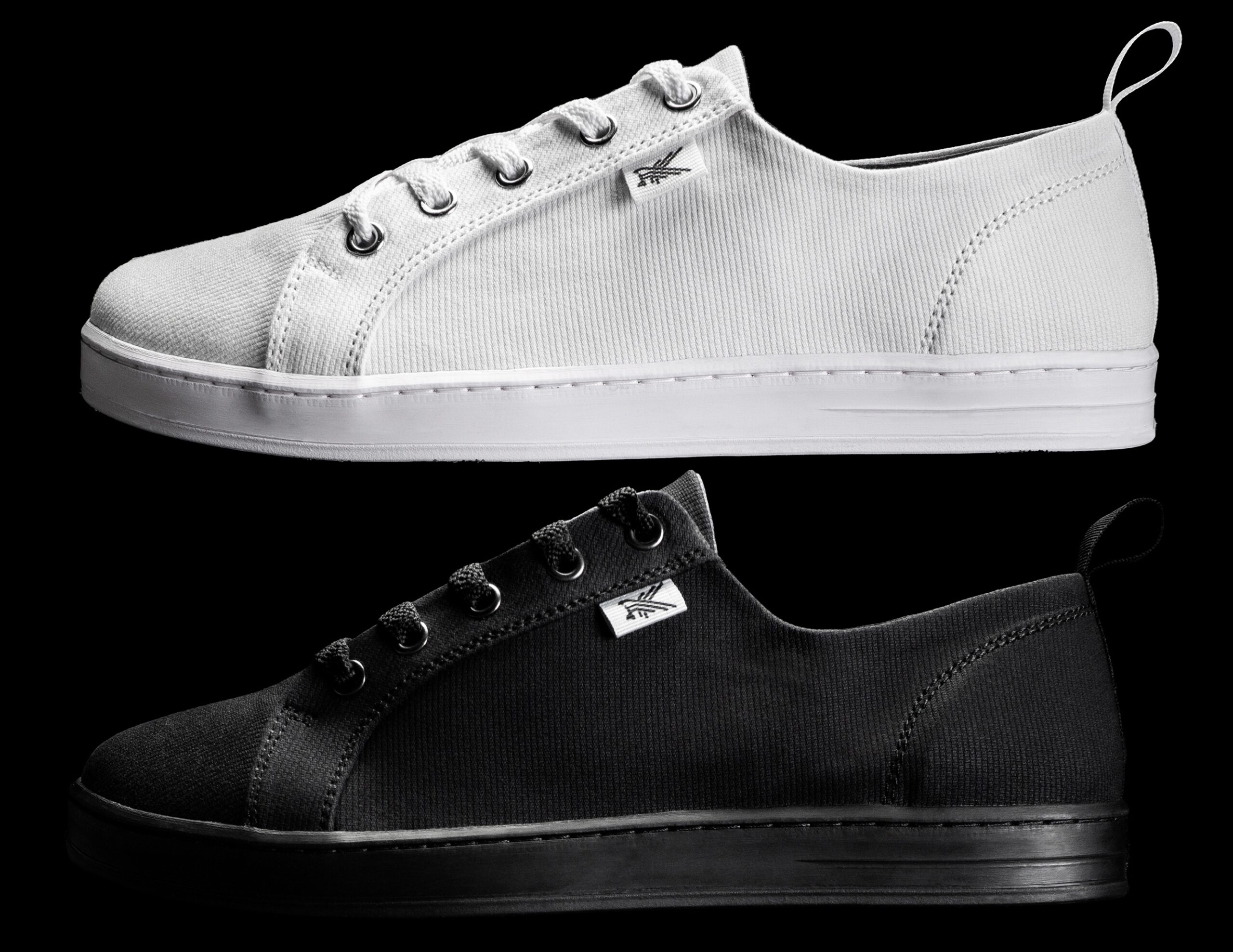
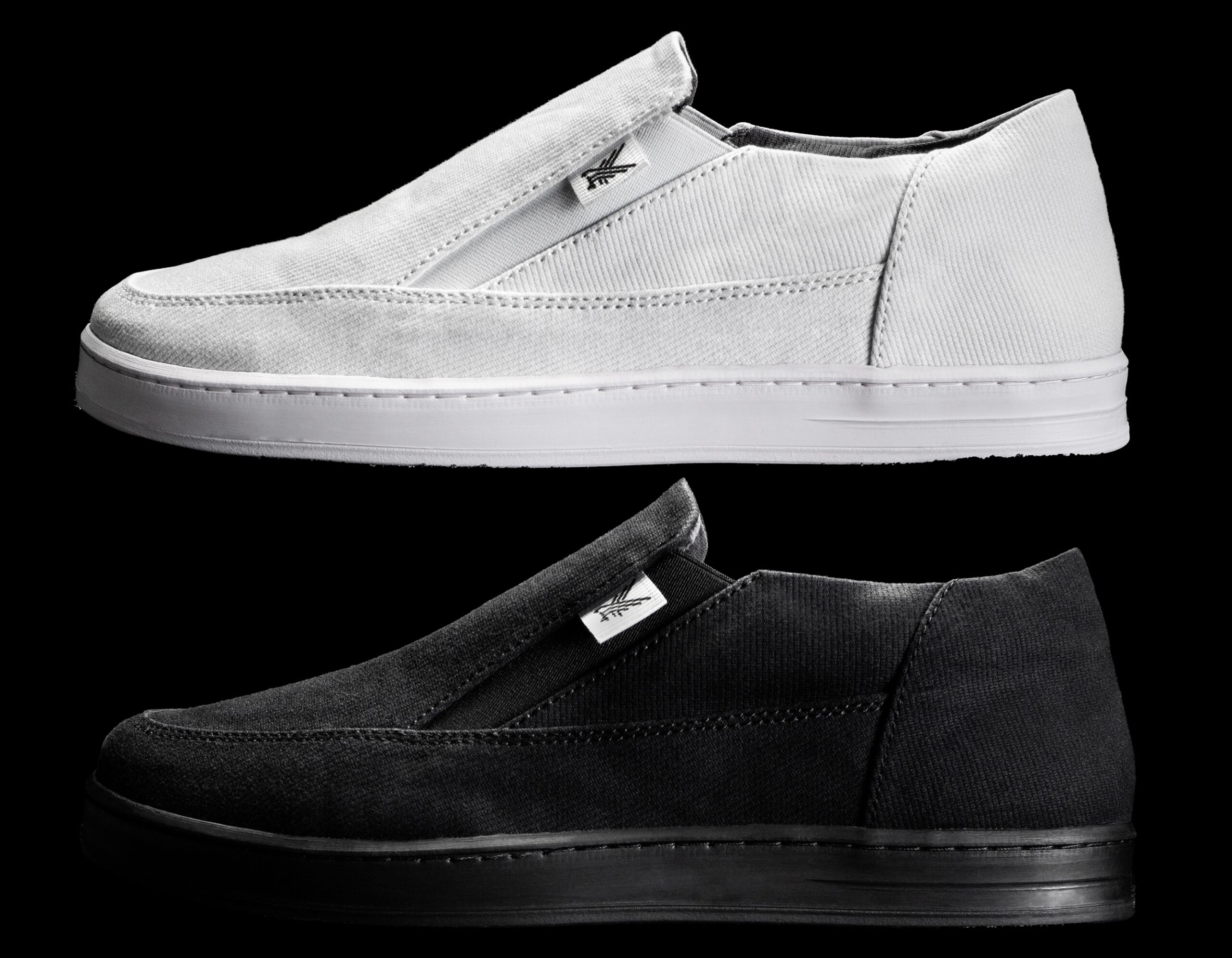
Combat Flip Flops is releasing two new styles for men and women. Both the LT-22 and RBR are Lowtops which will run $64.99 and $59.99 respectively. Both models will be available in both Black and White.

The LT-22s. Classic style, modern performance, required durability. With Nyco laces, blended synthetic uppers, EVA insoles, and stickyAF rubber, these lowtops are built to roll as hard as you do.

Let’s face it. If you’ve got miles on your frame, a good set of slip on shoes makes every step better. The 2022 Combat Flip Flops RNRs combine stickyAF rubber, stitched outsoles, and padded fit for those with experienced style and grit.

Covered by the Combat Flip Flops Lifetime Warranty, these styles come in Men’s sizes 7–15 and Women’s sizes 5-11 (HALF SIZES GO DOWN IN SIZE).

Both styles are made in Bogota, Colombia and will be available in late August.

Find out more at www.combatflipflops.com/new.

Marines Complete One of the Most Difficult Swim Qualifications the Marine Corps Offers

Wednesday, August 3rd, 2022

MCAS FUTENMA, Japan —

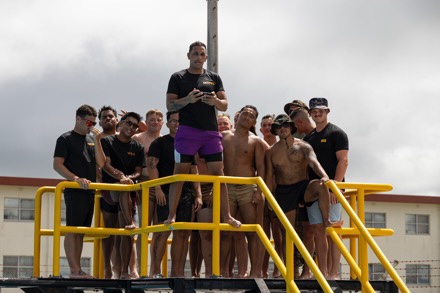
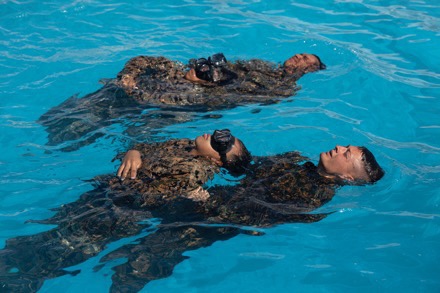
Thirteen U.S. Marines stationed across Okinawa graduated from the Water Survival Advanced course at Marine Corps Air Station Futenma on July 22.

WSA is the highest swim qualification that Marines can obtain before becoming Marine Corps Instructors of Water Survival. Throughout the course, students endured aquatic conditioning, endurance swimming, and underwater rescue training.

Taught by six Marine Corps Instructors of Water Survival, each Marine endured a physically demanding week of eight-hour training days in the water. The training included endurance swimming, underwater training, and rescue techniques.

“These students went through a lot of aquatic conditioning, underwater confidence training exercises, and team building exercises,” said Sgt. Bryantruc Nguyen, a network administrator with Marine Air Control Squadron 4, 1st Marine Aircraft Wing. “Underwater conditioning is extremely important, because it gives students a foundation before we transition them into making open water rescues. ”

Nguyen explained one of the most difficult parts for students was underwater conditioning. Events aimed toward underwater conditioning were usually conducted with only physical training shorts. The purpose of underwater training was to physically prepare students for tasks they would have to complete while making rescues.

 “As MCIWS we make this course difficult so we can fully trust trainees to make rescues and supervise future swim qualifications.”

Sgt. Bryantruc Nguyen, 1st MAW network administrator

He said that the students completed two sessions of rifle-ups, a main component of underwater confidence training. During rifle-ups students would drop their rifles in the deep end. Once the rifles were at the bottom, they would dive down to retrieve their rifles and stay underwater until instructed to return to the surface. Instructors increased the time spent underwater after every succeeding repetition of rifle-ups. During this iteration of the course, underwater training forced a handful of students to exit the pool due to the difficulty of the task

“Students also struggled with Marine Corps rescues because they were forced to make open water rescues in their full combat utility uniform without panicking,” said Nguyen. “As MCIWS we make this course difficult so we can fully trust trainees to make rescues and supervise future swim qualifications.”

Per Marine Corps Order 1500.52D, the intention of swim qualification courses is to ensure that each Marine meets the expectation of being “amphibious by nature.” This requires Marines to be prepared if they ever need to make a rescue while on active duty.

“Swimming in combat utility uniforms was my weakness. I was a distance swimmer in high school, but I never swam in full gear,” said Lance Cpl. Tyge Watts, a motor vehicle operator with 3rd Transportation Battalion, 3rd Marine Logistics Group. “That’s a big obstacle you have to face, because it disrupts your form, and you have to go back and focus on the basics of swimming.”

In conjunction with underwater conditioning, students completed Marine Corps rescues and endurance swims. During the Marine Corps rescues, students underwent four different scenarios for rescuing a thrashing victim and properly escorting them out of the water in their full utility kit.

Watts explained that the 1500-meter swim and Marine Corps rescues in full uniform were the most difficult challenges for him. Everyday, students swam up to a mile, performed timed conditioning swims every day and focused on different swimming techniques that helped them maneuver comfortably in the water in their full kits.

Nguyen explained that this iteration of the WSA course saw 12 out of 21 students successfully graduate at the end of the course. The average dropout rate for each cycle is around 75 to 85 percent due to the intense physical demand to complete the course.

“WSA is definitely not a course for everyone, it’s a very big jump from the intermediate swim qualification course,” stated Nguyen. “It’s definitely a great course, but only a select few can say that they are advanced swim qualified.”

Marine Corps Installations Pacific