Phantom Lights

Archive for the ‘Guest Post’ Category

Gun Safes Excluded from Military Household Goods Weight Allowance

Monday, May 9th, 2022

ARLINGTON, Va. (AFNS) —  

As of May 2022, the Joint Travel Regulations for service members were updated to exclude the weight of gun safes from the total weight allowance of household goods in a permanent change of station.

As the number of accidental child injuries and deaths continue to rise, more and more incidents are attributed to unsecured, loaded guns. Defense leaders are confident this update will help improve overall gun safety in homes, while also helping to decrease service member suicides.

“We will continue to prioritize the health, safety, and welfare of our Airmen, Guardians, and their families,” said Secretary of the Air Force Frank Kendall. “We want to ensure our service members have a safe home.”

The weight allowance for household goods falls between 5,000 and 18,000 pounds, based on rank and whether or not a service member has dependents.

With the weight of gun safes typically ranging from 200 to over 1,000 pounds, some service members may have experienced a conflict when choosing between safety and convenience. Now, service members are allowed to ship empty guns safes, not to exceed 500 pounds, in addition to respective household goods weight allowances.

Leaving loaded guns in unsecured areas of the home, such as bedside tables, closet storage rooms and unlocked gun cabinets, creates an opportunity for children to gain access to weapons, putting themselves or others in danger.

The Centers for Disease Control and Prevention found that firearms were the leading cause of death among U.S. children and adolescents in 2020.

Beyond the impact unsecured guns have on child safety, the Department of Defense has recognized the significant rise in service member suicide rates and established the Suicide Prevention and Response Independent Review Committee in March to address and prevent suicide in the military.

The Department of the Air Force Suicide Prevention Program, Integrated Resilience, Security Forces and the Safety Office combined to promote an effort focused on putting time and space between distressed individuals and the means to harm themselves named “Time-Based Prevention,” which became a part of the Department of the Air Force’s comprehensive suicide prevention strategy.

“We know that increasing the time between one’s suicide ideation and one’s access to a firearm can play a critical role in preventing a suicide. If this policy change prevents just one suicide, it’ll be a success in my eyes,” said Under Secretary of the Air Force Gina Ortiz Jones.

The concept was presented to Total Force Airmen who shared that the cost of going over their household goods limits is a barrier to using weapon safes in the home, leading the Department of the Air Force to pursue this change to the JTR. The DoD went on to adopt the “Time-Based Prevention” approach as a part of the DoD suicide prevention strategy.

In addition to the JTR update, the Department of the Air Force implemented a cable gun lock safety program in 2020, sending 150,000 cable gun locks to every installation in the United States for distribution to service members on a first-come, first-served basis.

“The bottom line is our first obligation is to the Airmen, Guardians, and families who were courageous enough to raise their right hand to serve this country,” Kendall said. “Everything we do is with them in mind, and this regulation update is no different.”

By SSgt Elora J. McCutcheon, Secretary of the Air Force Public Affairs
SCUBAPRO Sunday – Finning Techniques

Sunday, May 8th, 2022

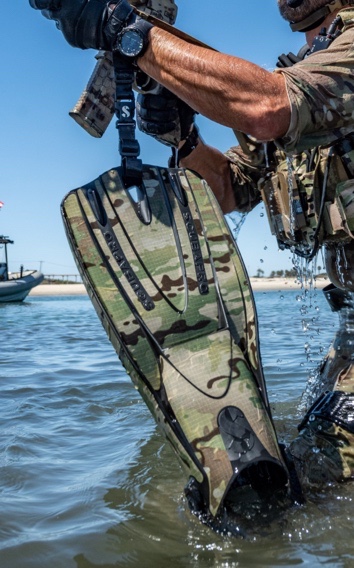
Finning is the process of generating propulsion. In that sense, it is probably the most basic of all the diving skills, and one that most of us are already able to do when we first start diving.

In particular, a better finning technique, choosing the right technique for the right circumstances, can increase your dive’s efficiency.

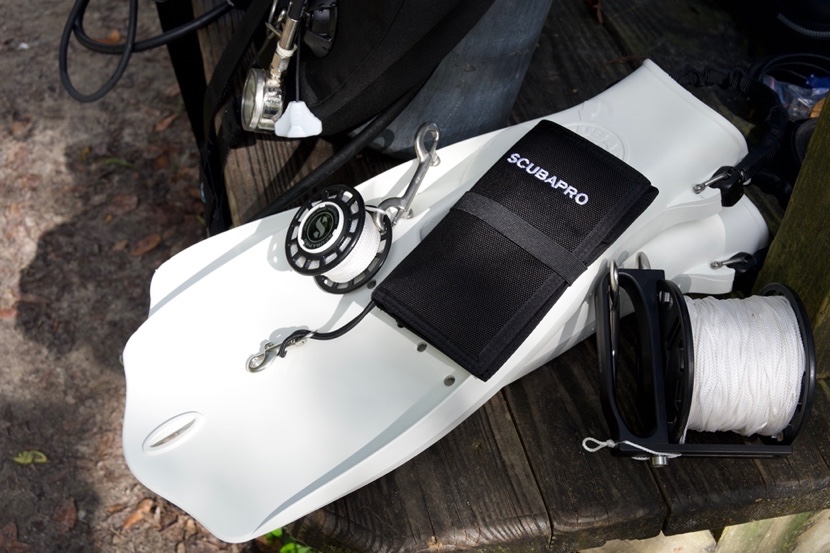
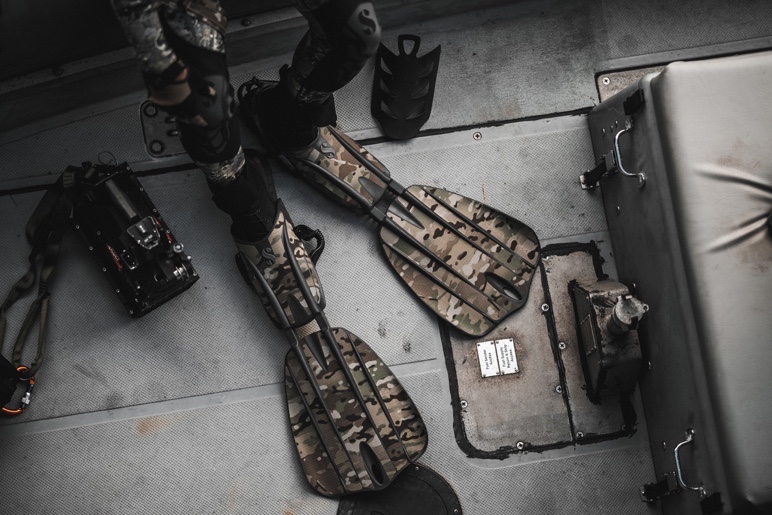
This will decrease your air consumption, reduce physical fatigue, and extending your dives. Picking the right finning technique will also decrease the amount of silt you turn up. I am going to talk about four types of SCUBAPRO fins.  The Jet fin, the Seawing Nova Gorilla, The Seawing Nova, and the Go Sport fins. The Jet Fin is the most wildly used fin in the world by profession divers, the SeaWing Nova, the SeaWing Nova Gorillas (a stiffer version of the Seawing Nova that is great for people that who are strong kickers). The Go Sport fin is new to our line and is a tremendous all-around fin for diving, surface swimming like OTB and River and Stream crossing. Lastly are the Twin Jet fins, again a SCUBAPRO iconic fin; it is used by strong kickers that like to use a flutter kick type stroke.

There are three main fin kicks that any diver should know. These are flutter kicks, frog kicks, and bent-knee cave diver kicks.

Flutter kicks

The flutter kick is the basic finning technique that most divers use. This technique is similar to the leg part of freestyle swimming.

Watch 90 percent of all divers, and you’ll see them use flutter kicks. In the early days of diving, it was the only technique taught. The reason for its popularity is quite simply that it is the strongest of all the kicking techniques, and it generates a lot of propulsion. Back in the early days of diving, before the invention of the BCD, speed was the primary way of maintaining buoyancy. The advantage of this kick is the forcefulness of it. It is excellent for moving at high speed or when fighting a current. The legs’ vertical up-down movement also means it is beneficial for wall diving, mainly when diving by a wall covered in corals. There’s less risk of kicking something on the side of you like your dive buddy, coral or the finning’s backwash, stirring up sediment. The disadvantages of this kick are related to the advantages. The forcefulness of the kick means that it is relatively strenuous and increases air consumption because of it. The vertical movement can steer up a lot of silt; this is bad for many reasons. If you are on a combat swimmer operation, the trail of silt can give you away. Second, it will make it hard for anyone following you to see their gauges and find the target. (unless you are using the SCUBAPRO HUD dive computer) (shameless plug, but it is excellent for low visibility).  In confined spaces like close to the target around the piers or in a cave, it can cause a blackout and make it very hard to see what you are doing.

A fast, powerful technique is useful when fighting a current, for short bursts of speed. The best fins for this are the SCUBAPRO SeaWing Nova Gorillas, The Go Sports, and the Jet fans.

Frog kick

The frog kick looks very similar to the leg portion of the breaststroke from swimming. A large and wide kick that utilizes the leg’s full strength is a good, general technique for open-water diving, either in the water column or close to the bottom. Because the movement and propulsion aren’t continuous, good buoyancy technique is required, though. 

The movement here is horizontal, or close to it, meaning that there is minimal disturbance of the bottom when swimming close to the bottom, which will maintain the visibility for any divers that come after you. However, the kick’s width means that the kick isn’t recommended for caves or when diving close to a wall.

This kick, combined with good buoyancy, will quickly become your go-to technique once you get used to it, and will likely decrease your air consumption significantly. The more adequately trimmed your position in the water, and the more you take advantage of the gliding phase before initiating the next kick, the more you’ll reduce your energy (and air) consumption.

The powerful kick that can be extremely efficient, especially if you master the kick-and-glide aspect. Suitable for open-water diving in mild currents, in the water column, or close to the bottom. Not advisable in stronger currents or close to walls.

The best fins for this are the Jet fins.

Bent-Knee Cave Diver Kick

With the complicated name, this technique is the go-to technique for technical divers and is the one that causes the least disturbance of the environment. The bent knees mean that the movement is minimal, with the entire kick coming only from a small movement in the hips, combined with a kick of the ankles. This means that propulsion is limited, compared to the two kicks above, but it also decreases strain and air consumption.

The small movement means that it works well in cramped areas, such as inside wrecks and caves, and, when executed correctly, can minimize the amount of silt kicked up to almost nothing. For this reason, it is also the recommended technique for diving close a very silty bottom, like in a confined space, close to piers or around ships.

The slow movement also means that this technique helps you slow down, making it useful for muck dives or other nature dives where you’ll be looking for small animal life. Because it is a very low-propulsion kick, this technique has its limitation when swimming against a current, though. This is a minimal-impact kick that is ideal for cramped environments and close to very silty bottoms, as well as helping you slow down during your dives and maximize your available air. The Jet Fin is the best fin this, and with some practice, the Go Sport is good also.

Lastly, the SeaWing Nova Gorillas come in OD Green or Orange, but they can be special ordered in all black. You can also order the SeaWing Nova in all black. Special orders require a minimum of 24 per size, but we can work to get you want you need.

Contact ecrazz@clannfive.com for more information.

Language-Enabled Airmen Support Mental Health Initiative with Partner Nation

Sunday, May 8th, 2022

MAXWELL AIR FORCE BASE —  

A team of seven French Language Enabled Airman Program scholars recently partnered with the Defense Institute for Medical Operations to provide language support for a mental health mobile training team in N’Djamena, Chad.

DIMO’s mission is to be the premier provider of security cooperation-focused health education and training that builds strong, resilient, international partnerships. The mental health MTT was part of a multi-phased effort focused on giving military forces in Chad and Nigeria the tools needed to prepare for combat stressors, deal with post-traumatic stress disorder, and return to combat operations.

This MTT emphasized the mission of the ongoing Invisible Wounds Initiative Command Team Campaign launched by Air Force Chief of Staff Gen. CQ. Brown, Jr. and Chief of Space Operations Gen. John W. “Jay” Raymond. This campaign was developed to lead, support, and engage Airmen and Guardians living with invisible wounds, such as cognitive, emotional, or behavioral conditions associated with trauma or serious adverse life events.

Howard Ward, AFCLC director, commended the LEAP scholars for “bridging the gaps in culture and language to help partners with something we all have in common as humans: mental health.”

The LEAP team virtually translated six curriculum documents, equating to nearly 5,000 words, from English to French. A portion of the translation project was divided out to each scholar based on the subject for each day of the event and that scholar’s area of expertise. One scholar served as team lead to collect the presentation slides and scripts for each day and ensure flow and ease of readability.

“The LEAP scholars’ participation was vital to the process; their translation of the curriculum drastically decreased, if not eliminated, the language barrier. This ensures the material is understood by the Chadians and increases the likelihood the material is retained and utilized when needed. LEAP is definitely an asset to the total force,” said Jerome Johnson, DIMO’s (U.S. Africa Command, U.S. European Command, U.S. Pacific Command) Security Cooperation program manager.

Maj. Marie Gaudreault, French LEAP scholar, participated on the team translating documents for the event and leaned on her knowledge from previous Language Intensive Training events and eMentor courses to complete the project.

“During this translation project, my previous LEAP training helped me recognize what phrases and terms translate well from English to French and which do not,” Gaudreault said. “This helped me create the best product possible at the end of the mission.”

Throughout the project, Gaudreault was amazed to see the Air Force’s emphasis on mental health with partner nations.

“I had no idea we were doing things to promote mental health with our partner nations,” she said. “A lot of the time, we take mental health for granted. It’s a big topic in the U.S. as far as making sure service members have access to mental-health resources, so it was nice to see that we are thinking about that when interacting with partners as well.”

By Mikala McCurry, Air Force Culture and Language Center Outreach Team

Special Operations Command Europe Kicks Off Trojan Footprint 22 With Participants From More Than 30 Nations

Saturday, May 7th, 2022

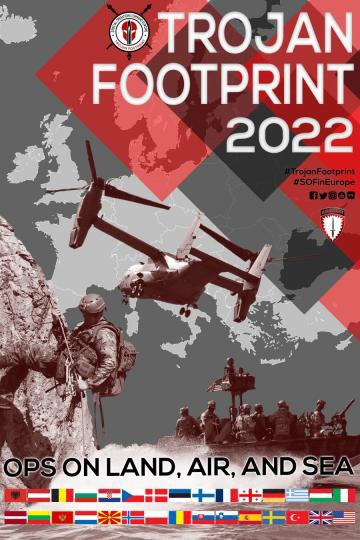
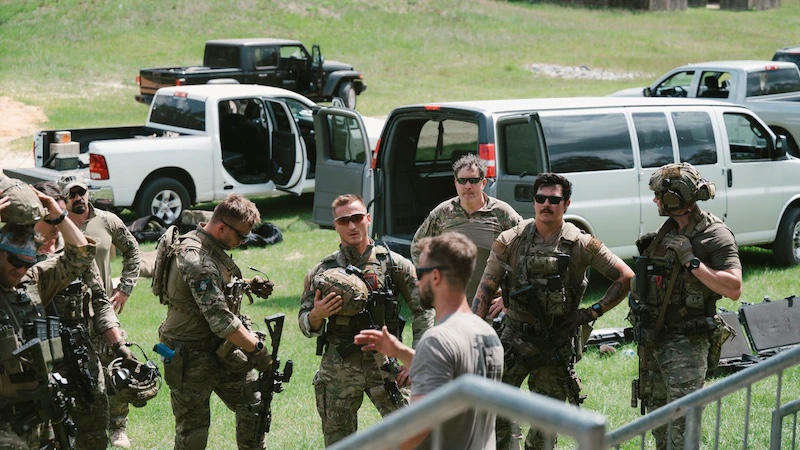
STUTTGART, Germany – Trojan Footprint (TFP) 22 is set to begin May 2 and conclude May 13, with U.S. Special Operations Forces (SOF) proactively working and training together with NATO allies and European partners across Southeastern Europe, the Baltics and the Black Sea Region to demonstrate their collective military readiness to deploy and respond to any crisis that may arise.

This year’s TFP includes more than 3,300 participants from 30 nations, doubling in size from the previous year and making it the largest SOCEUR exercise to date. Land, air, and sea operations for Trojan Footprint 22 will occur across Bulgaria, Croatia, Estonia, Germany, Greece, Hungary, Latvia, Lithuania, Montenegro, North Macedonia, Poland, Romania, Slovakia, and Slovenia.

“One of our priorities is building resilience against adversary efforts to undermine democratic processes and values,” said Maj. Gen. David H. Tabor, Commander of Special Operations Command Europe. “This joint, combined training in Europe will continue to build and strengthen those relationships with our allies and partners, establishing a common sight-picture for combat and peacekeeping missions abroad.”

Trojan Footprint 22 is the premier exercise of U.S. Special Operations Command Europe (SOCEUR) and the primary SOF certification event to assess the readiness and ability of SOF to counter threats. It continues to demonstrate transatlantic solidarity and the security commitments of the participating nations to defense along NATO’s eastern flank.

The two-week exercise also increases integration with conventional forces and will highlight the professional skillsets of land, air, and sea units to respond to hybrid threats through discreet theatre entry and exit. As an exercise in coalition building, TFP 22 is focused on cultivating trust and developing lasting relationships that will promote peace and stability throughout Europe.

“Special Operations Forces remain a pillar of international defense, and close coordination between SOF and conventional forces acts as a force multiplier, leveraging the discreet capabilities of SOF to enhance lethality and dominance on the battlefield,” Tabor said. “SOF elements add capabilities, technology, and strength to conventional forces throughout Europe.”

Story by PFC Kirsti Brooksby, U.S. Special Operations Command Europe

Photos by Airman 1st Class Rachel VanZale

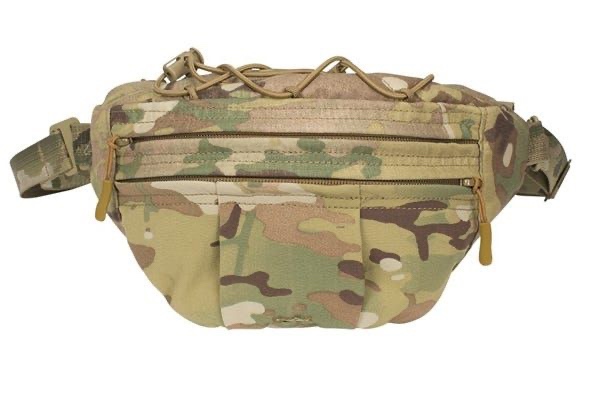
FirstSpear Friday Focus: E+R Waist Bag

Friday, May 6th, 2022

A classic pack gets a modern face-lift.

• Lightweight Design

• Two Point QD Buckles

• Four Zippered Compartments

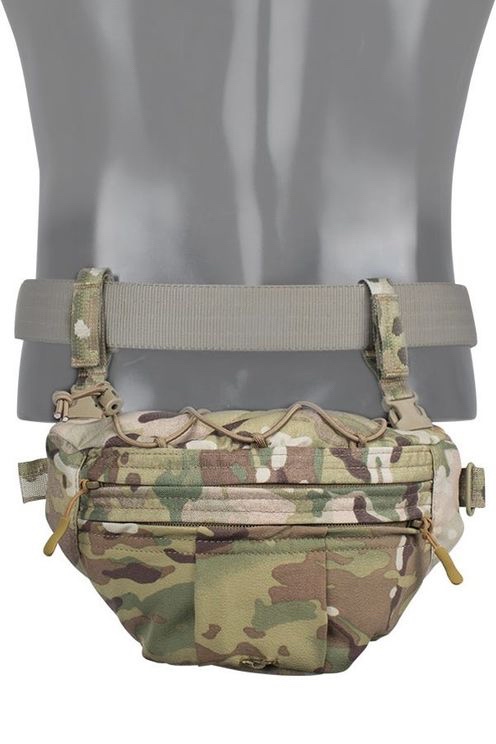
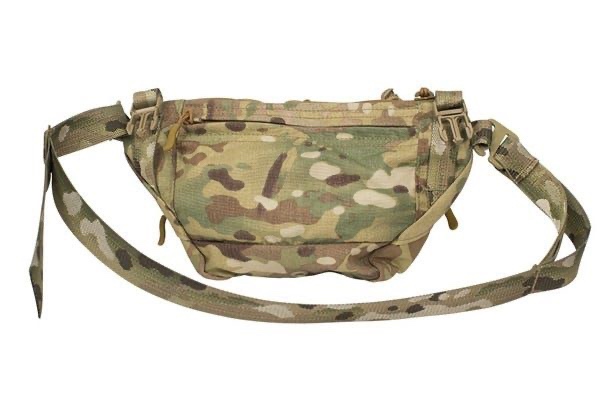
• G-Hook Waistband Attachment

The E+R Waist Bag clears the playing field with state-of-the-art materials and construction. This is not your dad’s fanny pack of the past.

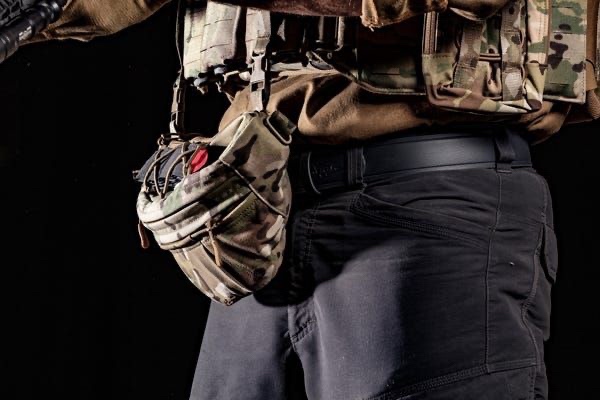
This pack boasts multiple attachment options. You can kit it directly to your carrier, Assaulters Gun Belt, or as a stand-alone piece with the provided waistband and G-Hook system.

With four spacious zippered pockets, this pack provides ample organization for mission critical items. Check out the E+R Waist Bag at www.first-spear.com/fs-e-r-waist-bag.

Air University Stands Up Global College of PME, Adds Enlisted Education

Thursday, May 5th, 2022

MAXWELL AIR FORCE BASE, Ala. —  

Air University has reorganized and renamed its distance learning program to reflect the direction civilian institutions are taking with their online courses and to recognize and welcome the addition of enlisted professional military education programs to its offerings. 

The activation of the Global College of PME now places the university’s officer and enlisted distance learning programs under one organization. Previously, distance learning programs for officers fell under the eSchool of Graduate PME and the Thomas N. Barnes Center for Enlisted Education for enlisted members.

The distance learning programs now nested under the Global College of PME are Squadron Officer School; Air Command and Staff College; Air War College; Online Master’s Program; and Airman Leadership School, Noncommissioned Officer Academy and Senior NCO Academy for enlisted members. The enlisted programs are currently transferring to GCPME, with plans to be completely moved over by early summer. Under current Air Force policy, the enlisted online courses are primarily taken by Air National Guard and Air Force Reserve members.

The newly launched enlisted PME courses will take advantage of the same Arizona State University learning management system that officer courses have been on for the last two years.

“What I’m most excited about with this change is the impact to our Airmen around the world,” said Col. Craig Ramsey, who assumed command of the Global College of PME as its first commandant on April 1, 2022. “This gives us access to programs and technology that really enhances the student experience as they complete the courses. Instead of completing assigned readings and taking a test on it, there will be the opportunity for peer-to-peer exchange with others in the online class.”

Ramsey now leads an organization with a projected faculty of 96 and more than 30,000 online students, graduating about 20,000 officers and enlisted members annually. Organizationally, the Global College of PME falls under Air Command and Staff College.

“I’m so proud of the Global College team and what they’ve been doing to get to this point. These professionals continue to deliver a learning experience that gets rave reviews from the students,” he said. “There’s an opportunity here to deliver military education to our Airmen throughout their careers in much the same way they pursue education with a civilian institution. We are fortunate to be on the cutting edge of technology and programs in providing our students a valuable learning experience.”

By Phil Berube, Air University Public Affairs

Danish Military Signs Armor & Load Carriage Contract with TYR Tactical

Wednesday, May 4th, 2022

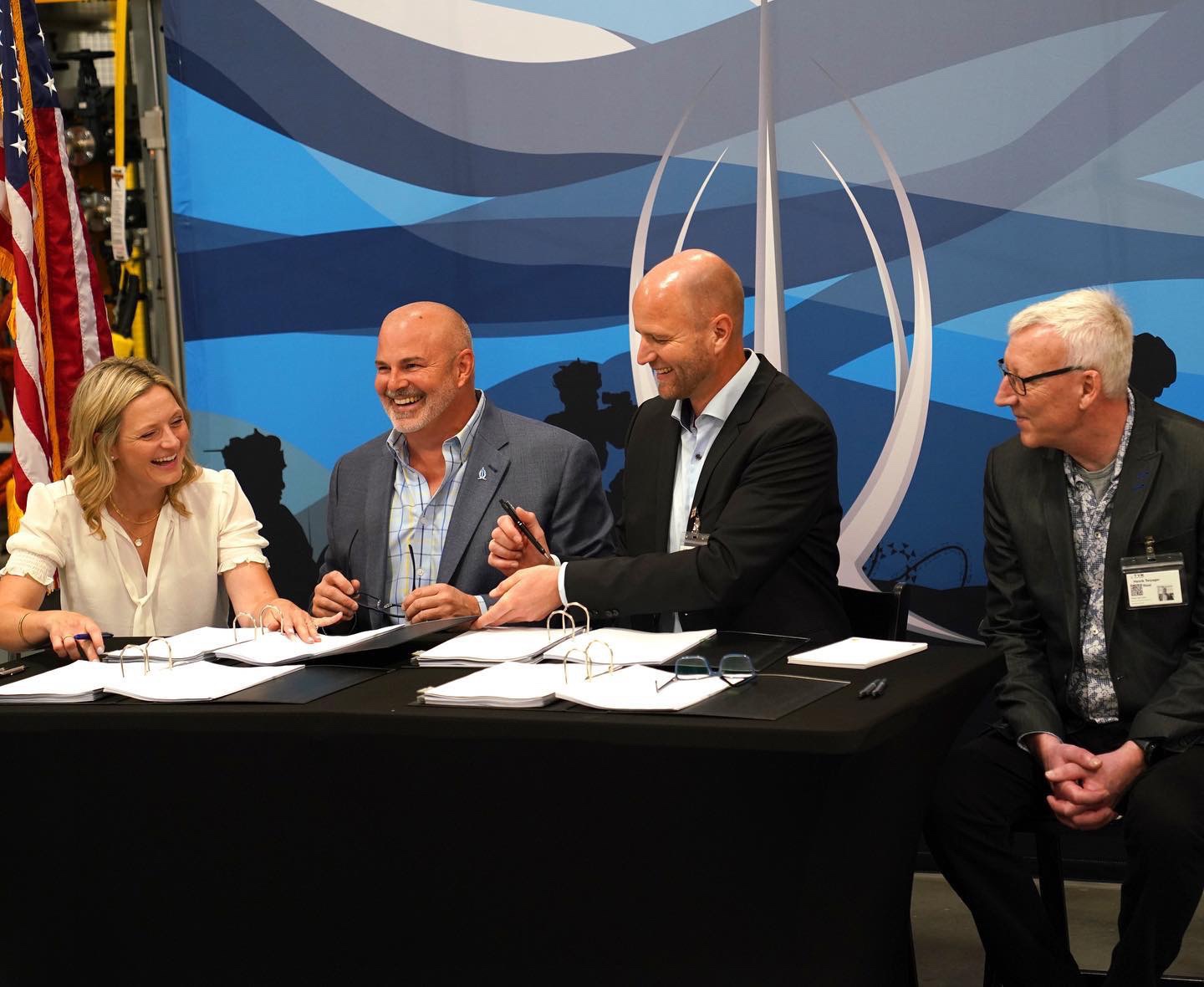
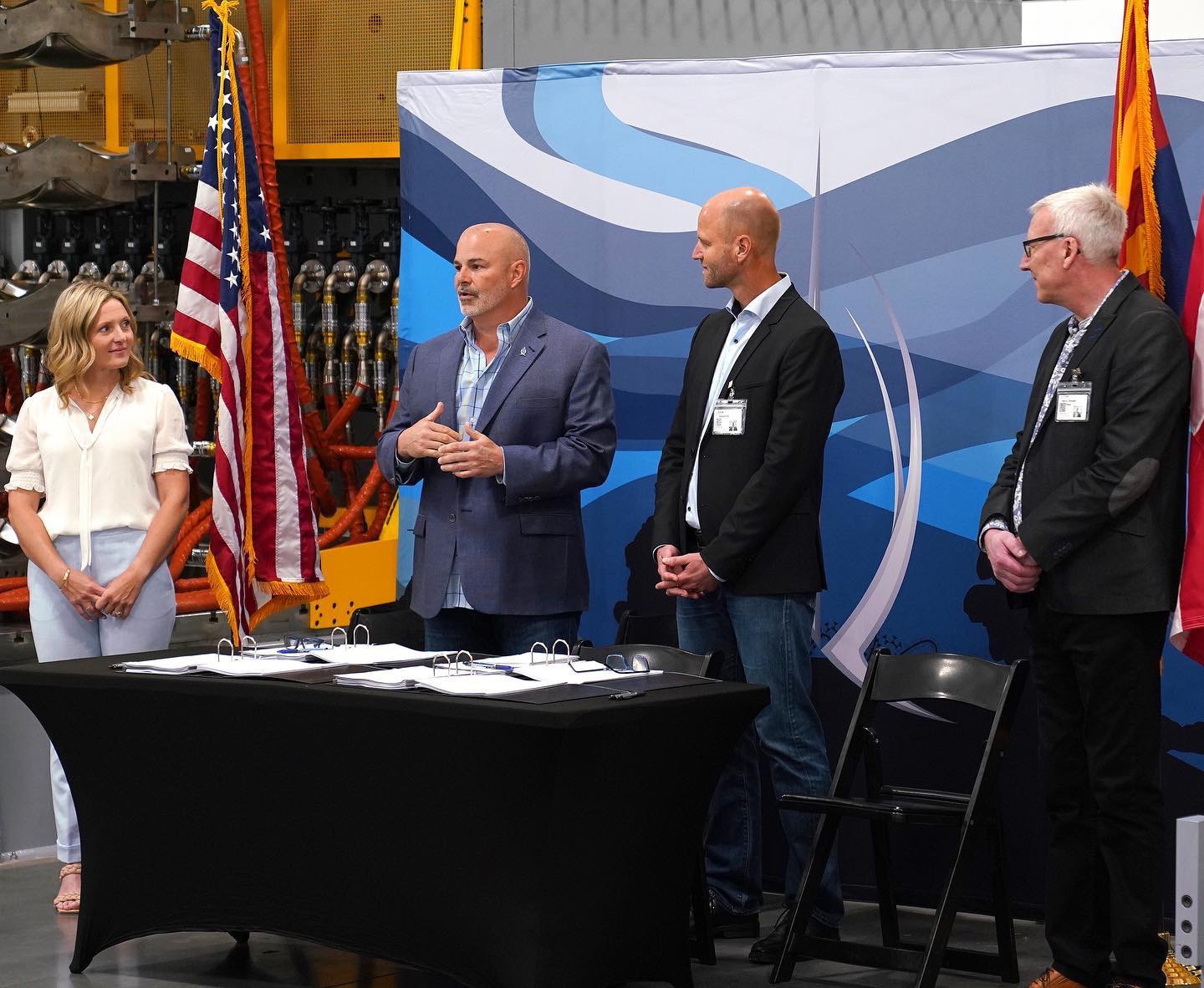
PEORIA, Ariz. – On Monday, April 25, Jason Beck, Founder and CEO of TYR Tactical and the Danish Ministry of Defense (DALO) signed a historic contract worth $200,000,000.00 ($200M). The contract will provide each soldier in the Danish military the most state-of-the-art body armor system in existence.

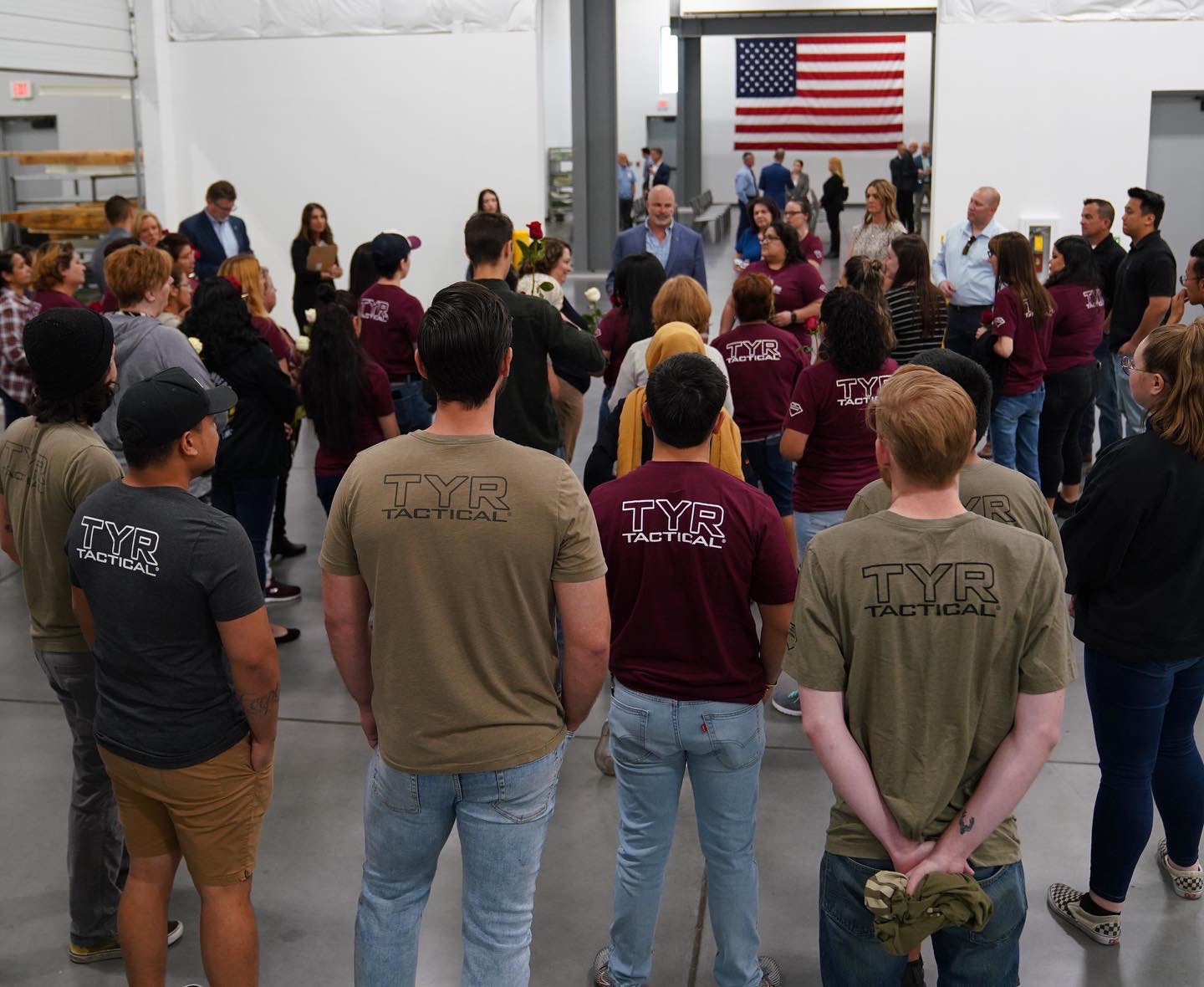
This agreement will have an impact of more than 100 advanced manufacturing jobs for TYR Tactical, which is headquartered in the City of Peoria. This allows for higher economic growth and greater employment opportunities in the west valley spanning the next decade.

“We have spent decades building strong relationships locally, nationally, and ones that span the globe. We have had the honor to serve the Danish Military for over 10 years with our life saving products and been extremely proud of how we have designed and manufactured the best in the world. Our Danish friends have been incredible partners in innovation, working with us to protect those who protect us.  Their commitment to providing the world’s best protection for their military personnel is incredible. With this historic signing, we are thrilled to continue our long-term partnership with the Danish military, and our friendship with the Danish people. Today is a day of celebration that we share with our friends from Denmark, the entire TYR family, and our incredible employees whose commitment to 100% quality control results in saving lives,” said Jason Beck, CEO.




One hundred percent of the tactical gear that Denmark will receive will be manufactured in Peoria, Arizona.

DEVCOM Teams Explore Low-Cost, Lightweight Sensors for Warfighter Use

Wednesday, May 4th, 2022

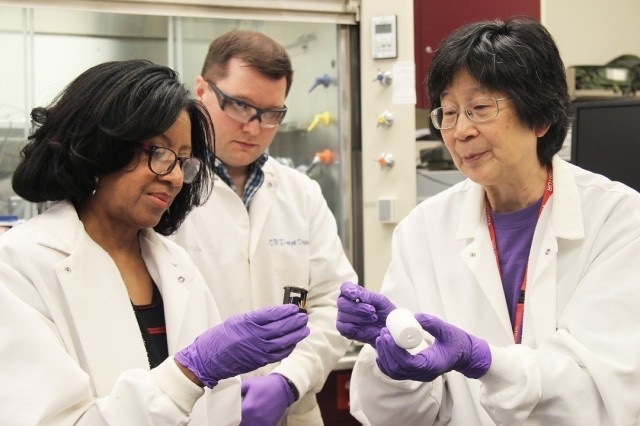
ABERDEEN PROVING GROUND, Md. — The Soldier in the field is often required to carry multiple pieces of gear to handle various situations and every pound matters. With this in mind, Army scientists and engineers are using their diverse skills to cultivate a microsensor development capability at the U.S. Army’s Combat Capabilities Development Command Chemical Biological Center, or DEVCOM CBC.

This proof-of-concept study seeks to provide warfighters with sensors that are light in weight, low in cost, small in size and easy to carry. “We’re always trying to unburden the warfighter. We want to develop sensors that can be deployed to provide personnel with greater situational awareness of their field environment,” said Army Senior Research Scientist for Chemistry Dr. Patricia McDaniel.

According to BioSciences Division Chief Dr. Nicole Rosenzweig, CBC scientists and engineers want to figure out how they can potentially transport these deployable sensors into an area on ground vehicles or unmanned aircraft systems. “Whether it is a ground vehicle or an unmanned aerial vehicle release, the autonomous deployment element of this is a key component of the effort,” Rosenzweig said.

For example, the sensor can be deployed from high altitude into a plume by an aerial drone or mounted on a ground vehicle to provide situational awareness of a given area. During this operation, the microsensor can detect possible hazardous contamination and alert the warfighter so they can make decisions on how to proceed.

Staying aware of warfighter needs makes the miniaturization of sensors a natural transition for the scientists at DEVCOM CBC. Currently, this effort is jointly funded between the Defense Threat Reduction Agency and the CBC. The idea to focus on microsensors surfaced during discussions among CBC researchers and leaders about new innovations. “We started looking at our research strengths, where technology is heading and determined where we can make the greatest contribution to the Army’s modernization process and advanced manufacturing efforts,” said McDaniel.

Scientists are working to miniaturize sensors so that they can communicate with Soldiers and equipment through a universal interface, which will allow users to select and customize capabilities for each unique mission. Researchers envision stealth microsensors for deployment, while being cost-effective enough to discard after use. This paves the way for a “place-and-forget” microsensor that can be used as a one-off after completing its task.

The development of microsensors is a CBC-wide collaborative campaign with the objective to integrate science, technology, modeling, engineering and novel manufacturing processes. According to McDaniel, the CBC is pushing the boundaries of microsensors using additive manufacturing. “We’re trying to pull all of these research elements together to achieve the next generation of chemical or biological detection,” she said.

The CBC is also collaborating with small businesses and universities to move the development of microsensors forward. Recently, CBC researchers worked with the University of Alabama and Forensense Solutions, LLC, and have filed a patent application for their microsensor prototype called the Portable Impedance Based Chemical Sensor. The prototyping objective is to understand current and past efforts across DoD Science and Technology (S&T) programs that have explored sensing. This sensor is designed to detect toxic industrial chemicals, chemical warfare agents and emerging chemical threats.

The CBC is also working to leverage Soldier touchpoint opportunities to continue the development of these prototypes. The goal is to coordinate multiple microsensor demonstrations. This would allow Soldiers to provide input on how microsensors make their jobs easier in the field and provide feedback on future prototypes.

The next steps in developing the microsensor capability at the CBC involves finding additional partners who can help to propel this effort into the future by providing miniaturized chemical detection, novel engineering solutions and low-cost manufacturing methodologies. CBC researchers are integrating technologies developed across the various government laboratories to maximize microsensor capabilities.

The overall vision for the microsensor program is not only to bring new technologies to the CBC but also to advance existing technologies. According to McDaniel, the goal is to pull all of these elements together along with partners’ efforts in order to establish the CBC as the premier laboratory for innovation. “Microsensors is not a singular effort. It’s a spiral effort. The whole idea is to set up the infrastructure so that as we see technologies emerging, we can integrate them into the chemical biological detection world,” she said. “We have the ability to assess, understand and implement them into something truly innovative.”

By Jerilyn Coleman