TYR Tactical

Archive for the ‘Guest Post’ Category

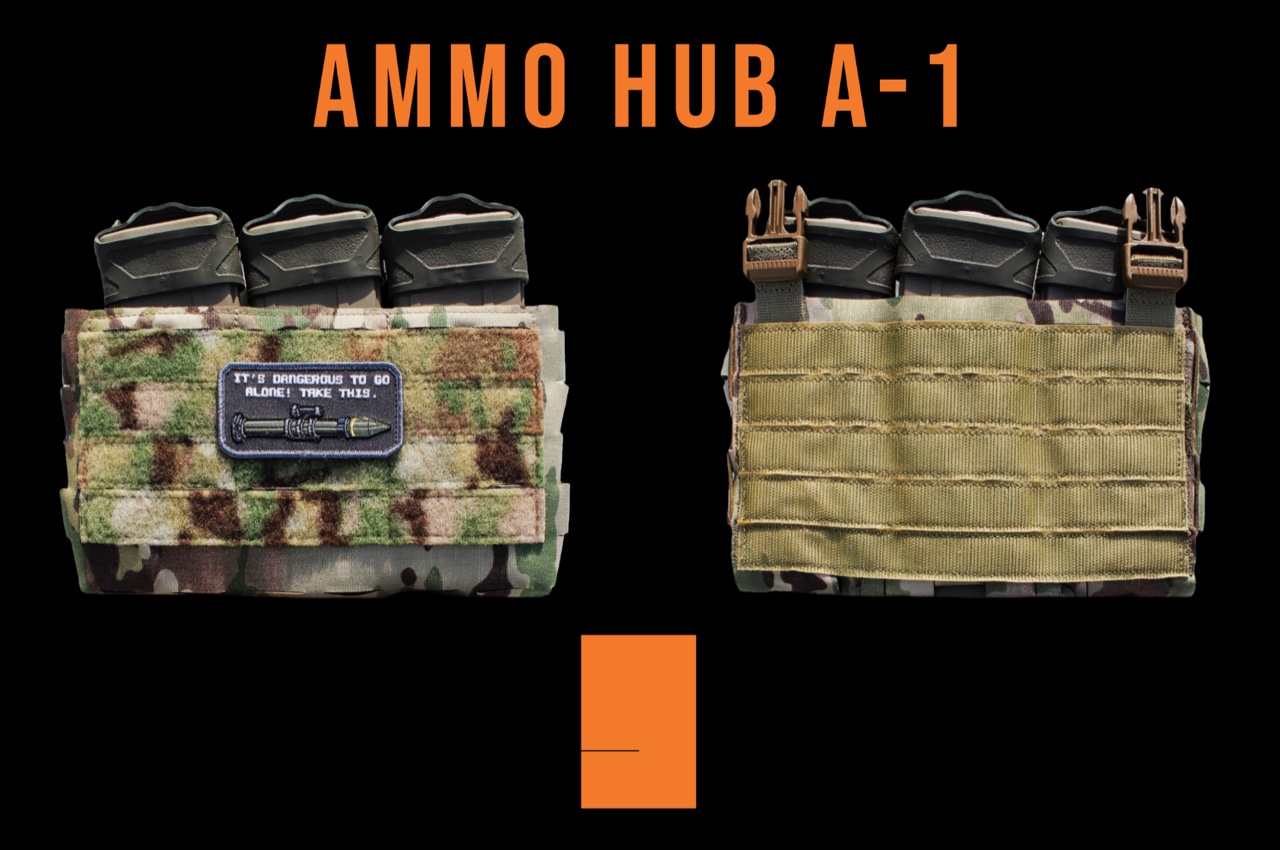
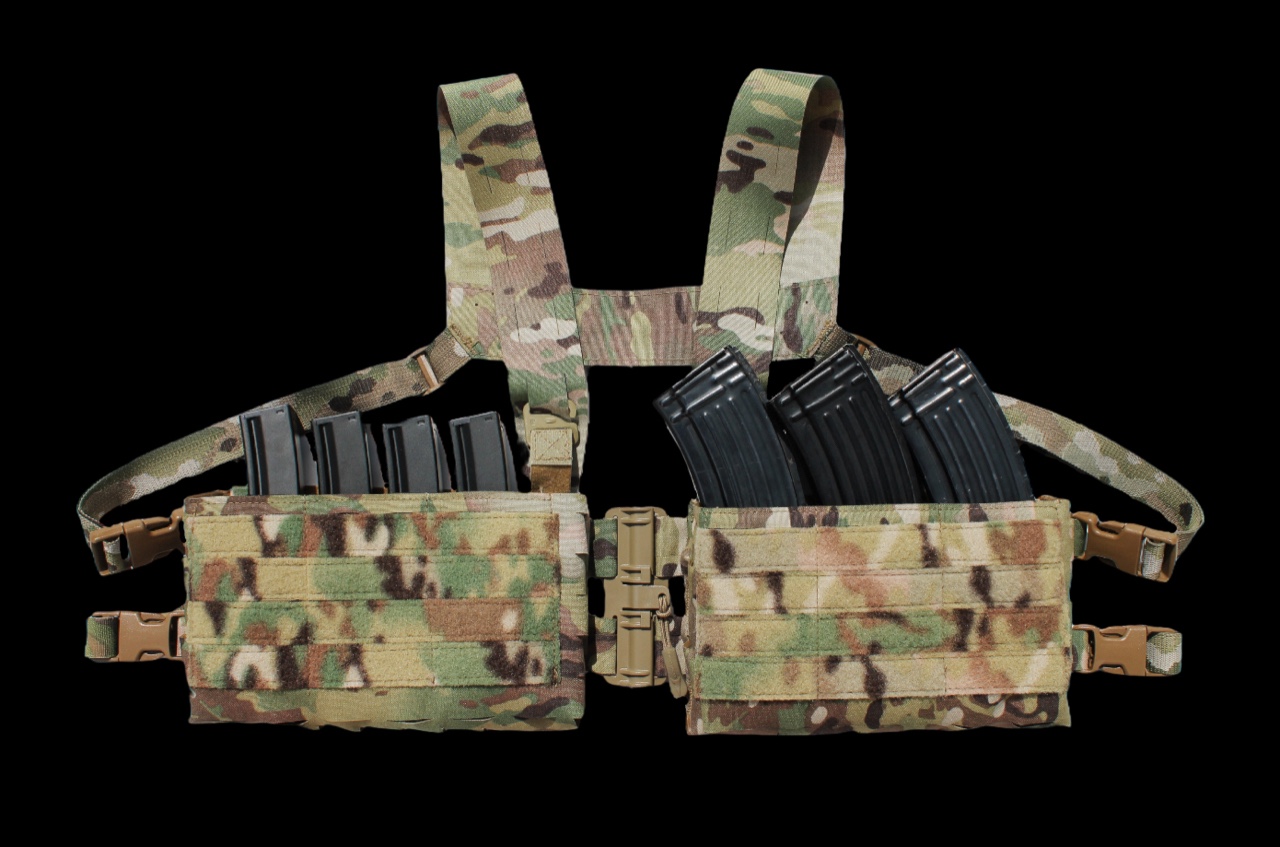
Beez Combat Systems AR Split-Front Chest Rig MultiCam Tropic

Monday, September 26th, 2022

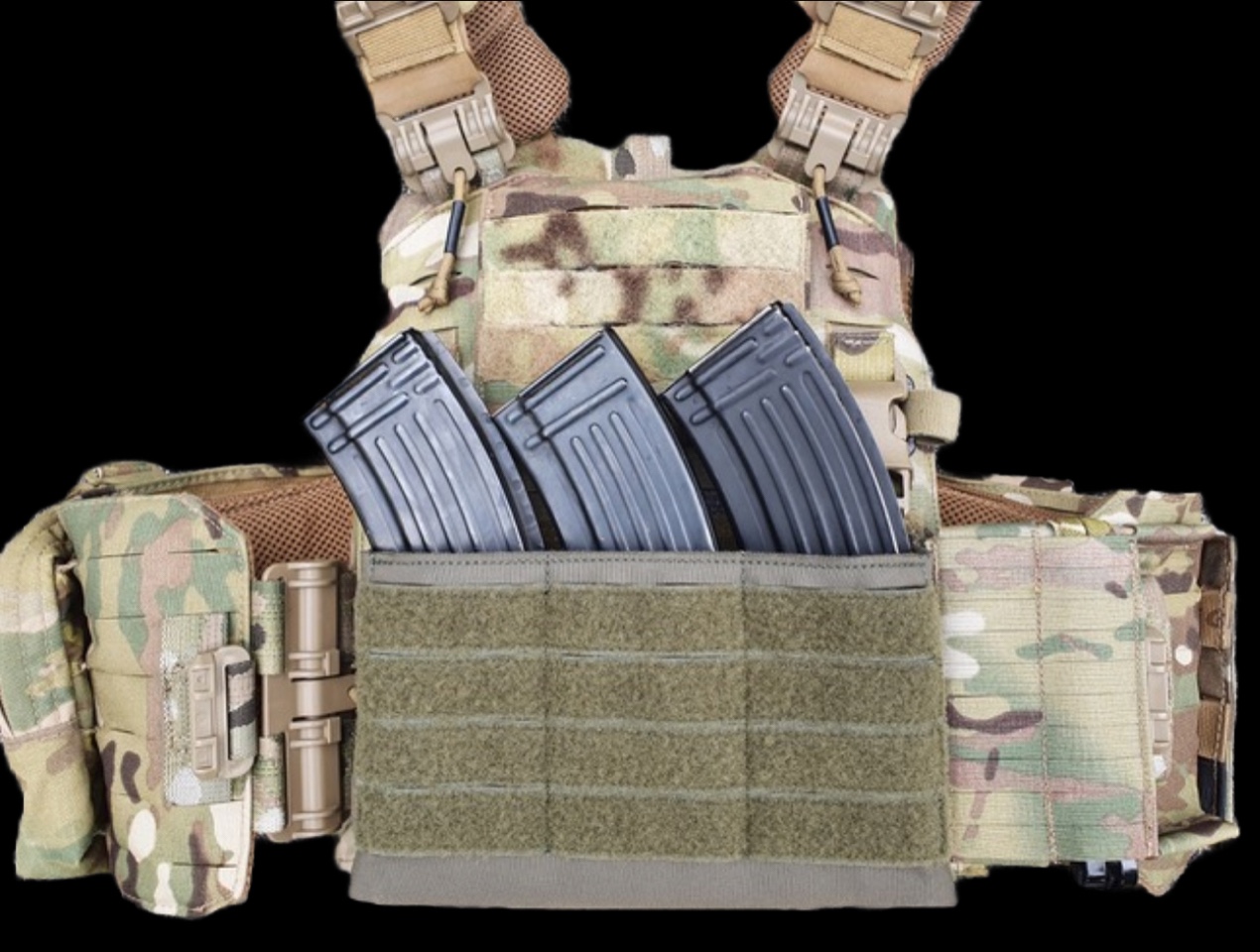
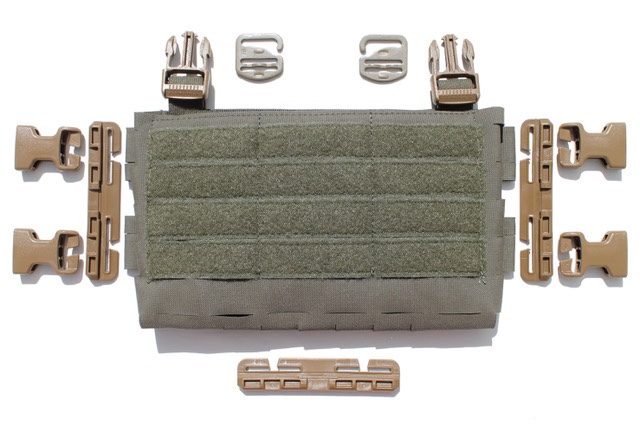
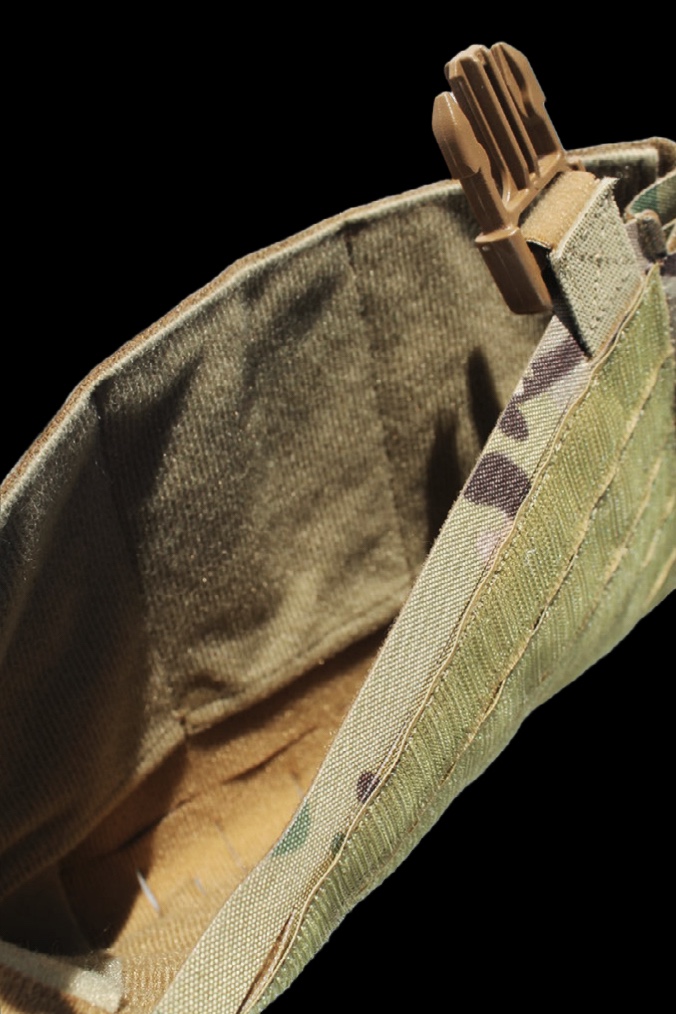
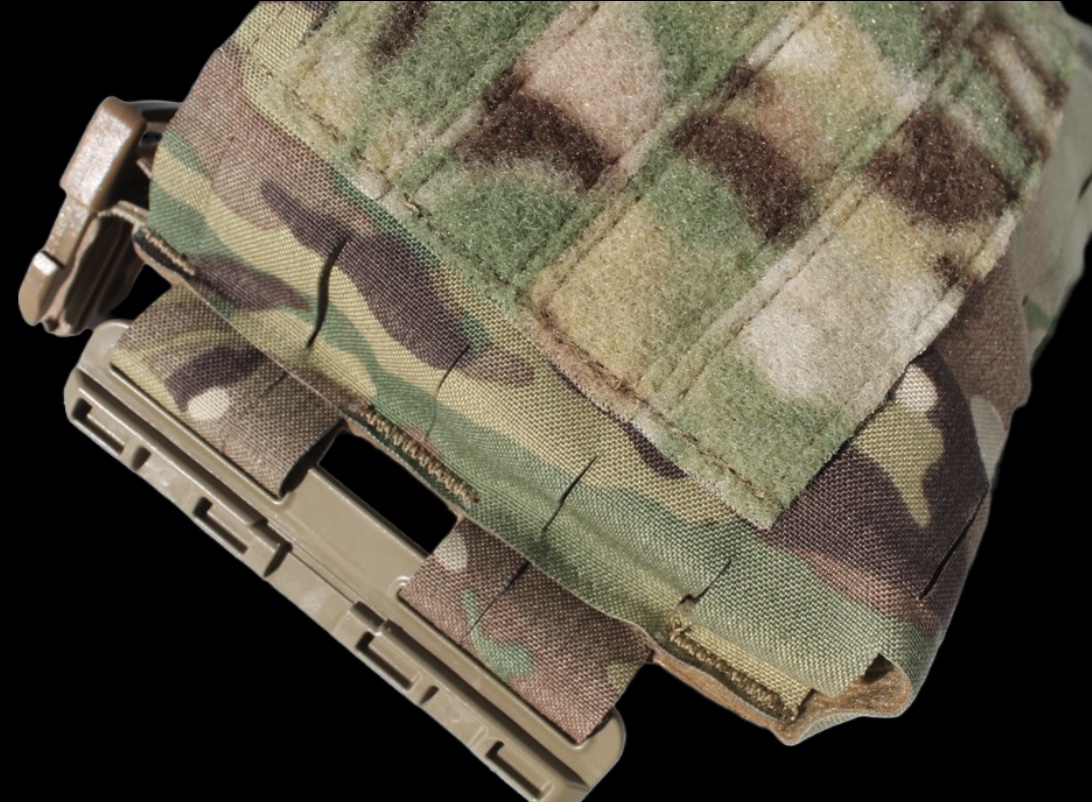
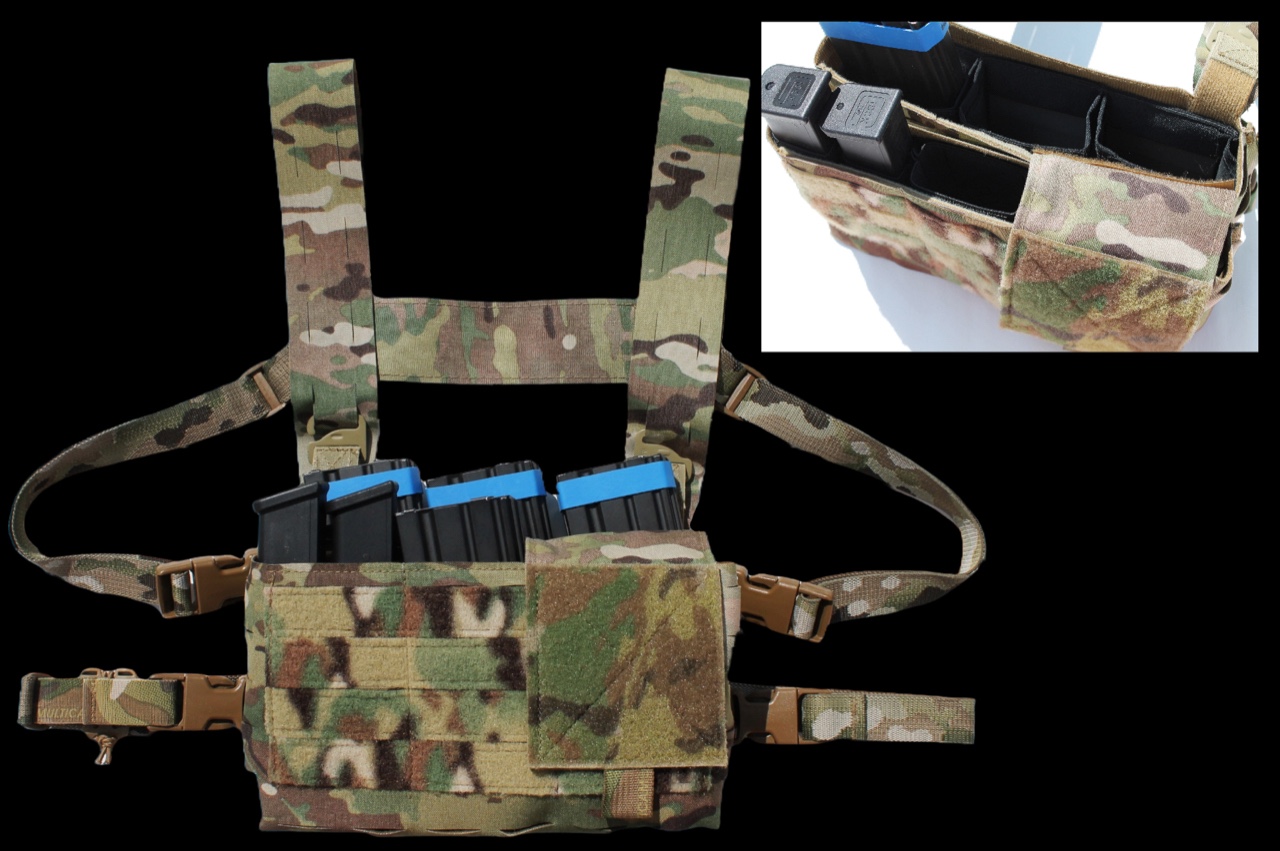
The AR Split-Front Chest Rig supports 6 mags in a low profile configuration. Laser cut grid allows the user plenty of realestate to build out the rig for recce or sustainment type operations.

The chest rig is a load-carriage system built for heavier loads. The Beez Combat Systems padded harness and extensive pouch suite provide for endless user configuration options.

The chest rigs, pouch suite and padded harness are available in multiple color options. 

Chest rigs – www.beezcombatsystems.com/collections/chest-rigs

Hurlburt Field Wing Takes ACE C2 to Next Level for Lead Wings

Monday, September 26th, 2022

HURLBURT FIELD, Fla. (AFNS) —

For almost a decade, U.S. defense officials have deemed the return of great-power competition to be the most significant challenge to U.S. national security. As a result, the Department of Defense’s leadership is taking bigger and bolder steps to maintain the U.S. military and technological edge over pacing challenges such as China and Russia. With this effort, the ability of the U.S. to deter coercion, aggression, and even war in the coming decades is at stake. To bolster the U.S. Air Force’s ability to meet those challenges, the 705th Training Squadron executed Air Combat Command’s first Lead Wing Command and Control Course at Hurlburt Field, Florida, Aug. 23-26.

Participants included leaders from the A-staff of all five designated ACC lead wings: Moody Air Force Base, Georgia; Seymour Johnson AFB, North Carolina; Mountain Home AFB, Idaho; Davis-Monthan AFB, Arizona; and Offutt AFB, Nebraska. Additionally, representatives from Headquarters Air Force, 15th Air Force, and the 505th Command and Control Wing attended.



The LWC2C is ACC’s groundbreaking lead wing leadership training course for distributed operations in support of Agile Combat Employment. ACE is a proactive and reactive operational scheme of maneuver executed within threat timelines to increase the survivability of forces while generating combat power through a deterrence continuum. When applied correctly, ACE complicates an adversary’s targeting process, creates political and operational dilemmas and creates flexibility for friendly forces.

“The overall current and future operating principle for the Air Force is based on places, not large, fixed bases. As a result, the Air Force will increasingly rely on smaller, more agile force packages and expeditionary air units with the ability to move between austere, temporary bases to complicate peer adversaries’ planning,” said Lt. Col. Marcus Bryan, 705th TRS commander. “The shift was largely driven by China and Russia’s more assertive behavior and new capabilities designed to disrupt and destroy U.S. command and control networks and thwart U.S. power projection.”

The course is designed to prepare a lead wing A-staff for operations in support of an air component commander in any theater. This new course captures the challenges of executing C2 in a denied, degraded, or contested environment while conducting effective ACE operations. The LWC2C is designed for immediate student immersion into joint and Air Force doctrine using Kingfish ACE game boards. Col. Troy Pierce, HAF Directorate of Plans and Programs, designed the original board game entitled Kingfish ACE to first introduce Airmen Air Force-wide to the concept and challenges of ACE.

“The innovative approach our team took with LWC2C is a huge step in breaking the military training paradigm with regards to how the military approaches academics and training. We are focusing on introducing lead wing A-staffs to the complexity of distributed C2 of ACE through a more hands-on approach rather than the traditional ‘death by PowerPoint’ approach,” said Lt. Col. Benjamin Lee, 705th TRS director of operations. “Our training doesn’t stop with this course, the 505th CCW will be an integral part of the entirety of a lead wing’s C2 training program. As each wing progresses from ACE lead wing academics through certification in the ‘Prepare and Ready’ phases of the AFFORGEN [Air Force Force Generation Model] cycle, we anticipate continuous teaching and mentoring.”

Upon completing the LWC2C, attendees will understand the concepts and considerations of integrating ACC’s lead wing activities into the air component C2 structure to support ACE operations within any theater.

“The U.S. military can no longer assume that it will have the freedom of action in a conflict that it had in the past by gaining early superiority in the air, space, cyberspace and maritime domains,” said Col. Adam Shelton, 505th Test and Training Group commander. “In any future conflict, U.S. forces will need to fight for advantage across these domains – and then continue fighting to keep it – in the face of a continuous peer adversary efforts to disrupt and degrade U.S. battle-management networks.”

Story by 505th Command and Control Wing Public Affairs, 705th Training Squadron

Photos by Keith Keel

SCUBAPRO Sunday – Wetsuit Care

Sunday, September 25th, 2022

Your wetsuit is an essential part of your dive gear, as it protects your body from heat loss, abrasions, and wildlife injuries on a dive. Without proper care, neoprene can be damaged easily when you’re not even diving. Although they are designed to last a long time, certain elements will destroy it, if you don’t take care of it. Here are a few things that will damage neoprene. This stuff will also damage your H-gear/ Armor carrier and other nylon equipment.

Sunlight

Sunlight is one of the worst things for any nylon product. You never want to leave your wetsuit hanging in direct sunlight to dry. Neoprene takes a beating from UV radiation, and it will begin to break it down quickly. Paired with heat, it can break a new wetsuit down in a matter of months.

Heat

Even in the absence of sunlight, heat is not good for neoprene. Under no circumstances should you ever put neoprene in the dryer. Even leaving it in a hot car can begin the process of deterioration. The best way to dry your wetsuit (after a fresh water rinse, of course!) is to hang it in the open air, in the shade. So, try not to store your wetsuit in a Conex box.

Salt and Minerals

If you’ve been diving in the ocean, you’ll need to rinse your wetsuit immediately with fresh water so that the salt, minerals, and bacteria accumulated during the dive will not remain to crystallize and produce odors. Soaking it in a tub is the best way to do this. Do more than just rinse it with a hose and hang it up to dry. Even if you haven’t exposed your wetsuit to any of the other damaging elements in this post, a stinky, bacteria-laden wetsuit is just as ruined if you never rinse it. Occasional soakings with a product like Sink the Stink are a great way to refresh your wetsuit every few weeks or months, depending on how often you dive. Also don’t think “oh I just used it in a pool it will be fine” chlorine is bad for your wetsuit. Look at all the people that use the same T-shirt in the pool and never wash it, it is a different color because of the chlorine. I have also just discovered something called Saltaway- this is great stuff to use to clean your suits and gear after a week or so of diving. I am not saying to use it if you have only used your suit for one dive, but you don’t need to use it every time you dive. It will help get all the salt off of your gear.

Improper Storage

As well as suffering heat damage, leaving your wetsuit wadded up in your gear bag, trunk, or garage will cause rapid deterioration, as it compromises the structure of neoprene. Hanging your wetsuit on a proper wetsuit hanger is the ideal storage, but if you’re limited on space, you can store it folded in half in a dry container once it is fully dry.

If you rinse your wetsuit with fresh water after every use, it should stay clean in most cases. However, you sometimes might find that your wetsuit gets a little funky. If you pee in it, it will get funky. Make sure that you always use a cleaner that is designed for wetsuits. The wrong type of cleaning product on your wetsuit can be the thing that damages neoprene. Some people say you have to get a new wetsuit every 3 to 5 years. The truth is it depends on how much you use it and how deep you go. Every time you dive deep it will compress the wetsuit and push some of the bubbles that are in the neoprene out. So there is no real time line on how long a suit will last. But like most things the better you treat it the longer it will last and more importantly the better it will treat you when you need it the most.

What Makes a Good Tactical Flashlight?

Saturday, September 24th, 2022

“Tactical” is a word that gets thrown around a lot these days, used for everything from pens to bacon. In this context though, we mean a light that’s designed specifically for use in high-stress situations and demanding environments, both with and without a firearm.

First and foremost, it needs to produce enough light. There’s a great deal of debate about what constitutes “enough” light, but we can comfortably say a tactical light needs to output at least 300 lumens on its highest setting.

Next, we want to consider the secondary attributes of the beam. The most common metric for this is candela. While lumens measure the total amount of light a flashlight creates, candela measures how much of that light is focused in a single direction. A higher candela means a more focused beam with higher intensity. A light with very high lumens but very low candela is basically going to be a lantern rather than a spotlight.

Candela often gets simplified into “flood” and “throw.” Flood describes a flashlight’s ability to light up a wide area, while throw speaks to how well it can illuminate objects far away.

In a good handheld tactical flashlight, we want a combination of the two. Good flood is important, because you may not know exactly where the suspected threat is, but you also want your light to be able to illuminate objects and figures from a good distance.

After a good beam, we want to look at the control scheme. A tactical flashlight needs to be usable with a pistol, so one-handed operation is important. A push-button tail switch is usually best.

Most firearm/flashlight techniques are designed around flashlights with tail switches, so low-light training will be easier if you’re starting with a tail switch light. There are a few exceptions, though, so a switch located somewhere on the body is not necessarily a deal-breaker if it’s well designed.

Regardless of the activation system, a tactical flashlight must be capable of going straight to high output with a single button press. There’s no time for cycling through modes when you’re trying to decide if a shadow in the darkness is a threat or not.

Other tactical features like crenelated bezels or shielded switches are nice to have, but largely unnecessary. A crenelated bezel can improve the flashlight’s performance as an impact weapon or glass breaker, but that’s not the primary purpose of a tactical flashlight.

Shielded switches, especially tail switches, are convenient in that they make the flashlight less likely to activate unintentionally. Shielded tail caps can make a light easier to balance pointed straight up, which is nice if you need room-wide light for an extended period, such as during a power outage. But again, that’s not the primary purpose of a tactical light, so we file that under convenient rather than necessary.

With all that in mind, let’s look at a few of the most popular tactical lights on the market.

Streamlight ProTac 2L-X

The Streamlight ProTac 2L-X won’t break the bank, but it’s a great example of all the features we look for in a tactical flashlight. It has a full aluminum body and can put out up to 500 lumens with 6,800 max candela. That’s a fairly low candela number for a tactical flashlight, so the ProTac 2L-X is going to have a lot of flood, perfect for an urban or suburban environment. If you want to be able to use your tactical flashlight to light up pastures, though, you may want to opt for one with more throw.

The switch is programmable with several different modes but comes from the factory in a high/strobe/low configuration.

This is good for tactical use, as it allows you to get straight to high output, but users would be wise to practice with it a bit. It’s easy to mash the button too hard and get constant-on when you wanted momentary, especially when you’re swimming in adrenaline.

It’s a multi-fuel light, so you can use your choice of disposable CR123A batteries or a rechargeable 18650. The bezel is lightly crenelated—enough to protect the light and make it effective as an impact weapon or maybe even as a glass breaker, but so much as to chew through your pocket. The tail switch is shielded to help discourage accidental discharge, but not quite enough to allow it to tail stand effectively.

At over five inches long, it’s what we would consider “full-size” for this kind of flashlight: anything larger wouldn’t really fit in a standard pocket and would be more at home on a belt. As such, it’s small enough for everyday carry, but most users are going to notice the extra weight and bulk in their pocket.

SureFire EDCL1-T

For a more pocket-friendly light, we recommend looking at the SureFire EDCL1-T.

The EDCL1-T offers many of the same features of full-size tactical lights, just in a smaller package. It outputs 500 lumens at high and an unobtrusive 5 lumens on its low setting. At 7,600 candela, it’s mostly focused on flood rather than throw, but with 500 lumens it will still reach out far enough for most applications.

It’s also got low-profile crenelation around the bezel but doesn’t feature any significant tail switch shrouding and won’t be able to stand upright on its tail. Not that this is a big deal; it’s a purpose-driven tactical light.

This is most evident in its switch design, which is very well thought-out. A light press activates the low setting, outputting 5 lumens, while a hard press gives you the full 500. This is perfect for high-stress use; just mash the button and see what’s out there. Both options are momentary, so there’s no chance of accidentally hitting constant-on.

Constant-on with this light is achieved by activating the desired mode and then twisting the bezel.

Sadly, the EDCL1-T is not compatible with rechargeable 18350 batteries; it runs on a single CR123A, with no dual-fuel function.

Modlite Systems PLHv2

The Modlite PLHv2 is the most powerful light on our list, kicking out a whopping 1350 lumens: no low mode, no high mode. The beam is potent as well, packing 54,000 candela.

The Modlite is deceptively simple in design; it looks basic, with no crenelations around the head or tail. The tail switch is fully shrouded though, recessed into the body of the light to prevent accidental activation. This full recess also allows the light to stand on the tail cap. The clicky tail switch works similarly to many of the others, offering momentary activation with a light press or constant-on with a full press.

To achieve its prodigious output level, the PLHv2 runs exclusively on 18650 or 18350 rechargeable batteries, depending on the body size you choose. It does not accept CR123A batteries at all; in fact, Modlite states that CR123 lithium batteries can explode if used in Modlite flashlights. Modlite does, however, offer a bundle with the handheld light and an appropriate 18650/18350 battery and charger, so you have nothing to worry about.

Lastly, because of Modlite’s design, popularity, and range of models, their flashlights enjoy a wider range of aftermarket accessories than most on this list. Heads, switches, pocket clips, retention rings; if they make it for a handheld flashlight, they make it for a Modlite. This gives Modlite a much higher range of available customization than the other lights.

The (Tactical) Light at the End of the Tunnel

There you have it: three tactical flashlights for your consideration, from budget to bespoke. Each has its own pros and cons and serves a particular use case. Like handguns, pocket knives, and most other tools, some will serve your individual needs better than others, but the most important thing is to have one on you when you need it.

Whether it’s telling if that thing rummaging through your garbage is a rabid raccoon or the neighbor’s cat, or identifying a figure lurking in an alleyway, a tactical flashlight gives you options a weapon light simply can’t.

Project Convergence 2022 to Demonstrate Futuristic Joint, Multinational Warfighting Technologies

Saturday, September 24th, 2022

AUSTIN, Texas — Several thousand U.S., U.K. and Australian service members, researchers and industry partners will experiment with and assess new technologies at U.S. military installations across the Western U.S. between September and November as part of Project Convergence 2022.

The expansive effort is the newest endeavor of the U.S. Army’s Project Convergence, a flagship modernization learning, experimentation and demonstration campaign. The Army led its first large-scale Project Convergence experiment in 2020, and has continued to grow the scope, scale and complexity of the event annually.

“Project Convergence 2022 is an all-service experiment that includes Special Operations Forces, and our U.K. and Australian partners. Using existing and emerging technologies from space to land and sea, PC22 will experiment with capabilities that protect against air and missile threats as well as those that will allow us to defeat anti-access defenses,” said Lt. Gen. Scott McKean, director of Project Convergence 2022. McKean explained Project Convergence 2022 incorporates service experimentation and learning, like the Air Force’s Advanced Battle Management System and the Navy’s Project Overmatch, to inform Joint All-Domain Command and Control development. Logistics capabilities will also play a central role in PC22.

Project Convergence 2022 will evaluate approximately 300 technologies, including long-range fires, unmanned aerial systems, autonomous fighting vehicles and next-generation sensors, and focus on advancing Joint and Multinational interoperability in future operational environments.

The event will also encompass the inaugural PC22 Technology Gateway, an industry engagement opportunity hosted by U.S. Army Combat Capabilities Development Command that will kick off experimentation by assessing novel solutions available from the commercial sector.

“Having Tech Gateway as part of the Project Convergence series gives us the opportunity to assess new technologies against operational concepts and see what’s in the realm of the possible; what could be. Such experimentation informs possible future Army requirements, provides valuable feedback and increases the speed of learning as we strive for breakthrough technologies of the future,” said Lt. Gen. Thomas H. Todd III, deputy commanding general for Acquisition & Systems and the chief innovation officer at U.S. Army Futures Command.

The Joint Force and Multinational partners will utilize key learning and experimentation outcomes from Project Convergence 2022 to hone new military technologies, many of which offer state-of-the-art problem solving and network integration capabilities for the future fight.

By Army Futures Command

“Truly an honor.”: SOST Member Recognized as Air Force OAY

Friday, September 23rd, 2022

HURLBURT FIELD, Fla. —  

U.S. Air Force Master Sgt. Brandon Blake, a special operations surgical team member assigned to the 24th Special Operations Wing, is set to be recognized as one of the Air Force’s 12 Outstanding Airmen of the Year at the 2022 Air, Space & Cyber Conference Sep. 19-21.

Blake and 35 fellow airmen were considered by an Air Force selection board for the department-wide award. Enlisted members are chosen based on superior leadership, job performance and personal achievements.

Blake is the Superintendent, Special Operations Surgical Team Detachment One, 720th Operations Squadron assigned to the 24th Special Operations Wing, Hurlburt Field, Florida.

Last summer, Blake was a catalyst in the evacuation of over 124,000 evacuees in support of Operation ALLIES REFUGE. He drove a six-member team supporting thousands of military and civilian personnel, treating over 70 wounded individuals and assisting seven surgeries.

“I couldn’t have asked for a stronger team sergeant than MSgt Blake. His experience and leadership in stressful, highly dynamic environments was crucial to our team’s success while deployed to Afghanistan,” said U.S. Air Force Major Jesse Payne, deployment team lead and Medical Operations flight commander for the SOST Detachment 1.

The efforts of Blake and his team earned praise from then 82nd Airborne Division commander Maj. Gen. Christopher Donahue and Commandant of the United States Marine Corps, General David H. Berger.

Additionally, Blake tackled the COVID-19 front lines at the University of Alabama Birmingham, a Level 1 trauma center, providing 768 acute service hours and aiding treatment for 156 severely injured patients.

“His ability to integrate with the civilian trauma system to see high acuity patients at UAB highlights the value of the Air Force partnership with the university,” said U.S. Air Force Lt. Col. Marc Northern, Blake’s former supervisor.

“He demonstrates his commitment to his unit, to his patients and to the mission every day. MSgt Blake upholds the highest level of compassion, clinical judgement, skill, and composure under pressure,” added Northern.

His leadership proved vital in his role as detachment superintendent, managing 25 members, four teams and four flights on top on a 1.5-million-dollar inventory.

His active roles, on top of countless trainings, exercises, and crisis response situations led to dozens of lives saved and exceptional operational readiness for the detachment.

Simultaneously, Blake earned a degree in Public Health and Healthcare Administration and spent free time with local animal rescue along with toy and food drives supporting low-income populations.

“To be recognized as OAY for Air Force Special Operations Command is truly an honor, and I am grateful for the opportunity,” said Blake. “I stand on the shoulders of giants, and I couldn’t have done any of this without my team.”

SPD CAS OTF

Thursday, September 22nd, 2022

Special Projects Division CA.lifornia S.pecial O.ut t.he F.ront Auto Knife

Prometheus Design Werx introduces their CA.lifornia S.pecial O.ut t.he Front automatic knife under their sub-label of Special Projects Division. Compact and legal to carry in the state of California, this knife is precision made from aerospace grade T6061 aluminum, 6AL-4V titanium, Böhler M390 blade steel, and best in class Hyperglow. Details make the design. We produce some of the only OTFs on the market with a milled contoured handle, which requires 3x longer on the CNC to achieve. We designed this OTF handle where the machine screws are in blind holes for an uncluttered and clean presentation side. A titanium pocket clip, and a titanium slider with Hyperglow ring round out the fine details.

The SPD Edition CAS OTF will be available with a 2-tone finished blade and dark gray, OD green, and limited-edition orange or red anodized handles.

The Design and R&D Team at PDW states:

“The CA.lifornia S.pecial OTF exemplifies our design and production ethos. Its functional design strength comes from its simplicity. There are no racing stripes, randomly ground contours, garish decorative elements, superfluous swooshes and silly lines. Despites its diminutive ‘California Special” size, this compact out the front knife is very versatile and highly usable for your daily cutting chores. From opening boxes, stubborn plastic packages, to envelopes, and much more, this knife will easily tackle the job. The action is crisp and satisfying to fire and close. We chose the highest level of materials and held steadfast to our stringent attention to details and highest quality of make. For those who adhere to the philosophy of form follows function, find beauty in finely made edged tools, and demand precision made mechanical objects, the CAS OTF is made for you.”

The SPD CAS OTF will be available for $195.00 at noon Pacific, Friday September 23rf, 2022 via their website, prometheusdesignwerx.com.

UF PRO Announces Coming Availability of the AcE Gen.2 Winter Combat Shirt, Described as a Perfect Next-Level Clothing Solution for Ops in Extreme Cold

Wednesday, September 21st, 2022

KOMENDA, SLOVENIA (21 September 2022)—Tactical garment innovator UF PRO today announced that its new AcE Gen.2 Winter Combat Shirt for military and law-enforcement personnel will soon become available for purchase online and at the company’s brick-and-mortar store in Komenda.

The AcE Gen.2 Winter Combat Shirt is a tactical garment that embodies revolutionary, next-generation advances in performance and comfort. UF PRO said its AcE Winter Combat Shirt was developed in response to the very specific, cold-weather operational requirements of today’s armed forces and police units.

“This is a second-generation product built upon the proven strengths of the original AcE Winter Combat Shirt,” said Armin Wagner, UF PRO head of development. “The result is a next-level iteration that incorporates a hybrid design intended to give wearers even greater ability to execute mission-specific movements and to better meet the requirements for overall more rugged performance and remarkable comfort.”

According to UF PRO, the AcE Gen.2 Winter Combat Shirt’s key features include:  

• Hybrid design that achieves superior thermal performance by integrating a 100-percent windproof and highly water-repellent face fabric with G-LOFT® insulated sleeves plus a body lining consisting of Merino wool and COCONA® 37.5™ microfleece  

• Two-way VISLON® zippers for easier use of ventilation openings

• Kangaroo pockets with meshed air vents

• Fixed air/pac® inserts in the shoulder and upper back for increased air circulation along with better plate-carrier support and weight distribution

• Angle zippers to reduce pressure points that can result from wearing additional layers of clothing

• Collar-width adjuster

• Layered design for softer, quieter performance and better management of body moisture  

• Compatible with both hard-shell and thermal jackets

• schoeller®-dynamic stretch cuffs

• Improved durability and moisture-wicking owing to breathable, abrasion-resistant, 3D mesh along the section where the shirt overlays the hips

Said Wagner: “We designed the AcE Gen.2 Winter Combat Shirt to follow and fit the contours of the human body as perfectly as possible, while at the same time opting for a material to give it exactly enough stretchiness that wearers can put it on and take it off with ease.

“Also, this second generation’s face fabric is more resilient, lighter in weight, softer to the touch, and a lot quieter. It combines the functionalities of a base, middle, and outer layer in a single garment—all so that the AcE Gen.2 Winter Combat Shirt can readily adapt to the needs and output of the individual wearer’s body.”

Wagner added that the AcE Gen.2 Winter Combat Shirt is intended for high-intensity ops conducted in cold weather.

“It’s an incredible team player,” he said. “Here’s why. Our bodies perform best when they’re able to maintain a core temperature that’s consistent. If that temperature fluctuates and drops below 35°C, hypothermia sets in. We start shivering and experience confusion. On the other hand, if our body’s core temperature rises too high, we’re at risk of suffering heat exhaustion. The complex hybrid structure of the AcE Gen.2 Winter Combat Shirt is designed to counter such core temperature fluctuations and their bad effects, so wearers never feel too cold or too hot.”

Core temperature is maintained in large part thanks to the existence of a miniscule amount of space between the fabric and the skin. This space, said Wagner, supports an interior microclimate that helps wearers enjoy optimum comfort while active even in extremely cold weather.

“This very slender space is between the shirt’s microfleece lining and laminated outer layer, which creates an air pocket,” he explained. “This pocket serves two other purposes besides supporting the microclimate zone. First, it functions as an additional layer of insulation. Second, it contributes to the ability of wearers to move freely and not feel as if the shirt is binding them or tying them down.”

Among the enhancements found in the second-generation AcE Winter Combat Shirt is extra protection for those parts of the body that normally are the most exposed to outdoor cold.

“Additionally, the Merino wool and 37.5™ microfleece lining provides stronger resistance to odour build-up and gives this next-generation combat shirt better moisture-wicking and breathability properties,” Wagner said. “Meanwhile, the G-LOFT® filling increases the shirt’s previous outstanding thermal-insulation performance as well as enabling it to regain its original shape more readily after being compressed. And Kangaroo pocket openings built for easy access—even with a plate carrier in place—feature interior mesh linings that permit air to flow directly to the body and rapidly draw off excess heat.

UF PRO said it will later announce a firm date for the start of AcE Gen.2 Winter Combat Shirt sales. The company did, however, indicate that the garment will be available in a choice of colours: they are Brown Grey, Navy Blue, Black, Steel Grey, and MultiCam®.

“With the AcE Gen.2 Winter Combat Shirt, our product-development team has once again raised the bar when it comes to tactical garments delivering highest-level performance capabilities,” Wagner said.

For additional information and release dates, please visit ufpro.com or contact support@ufpro.si.