Phantom Lights

Archive for the ‘Guest Post’ Category

SCUBAPRO Sunday – Defense POW/MIA Accounting Agency (DPAA)

Sunday, April 3rd, 2022

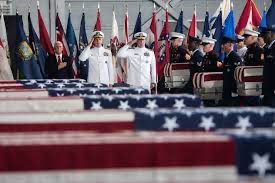
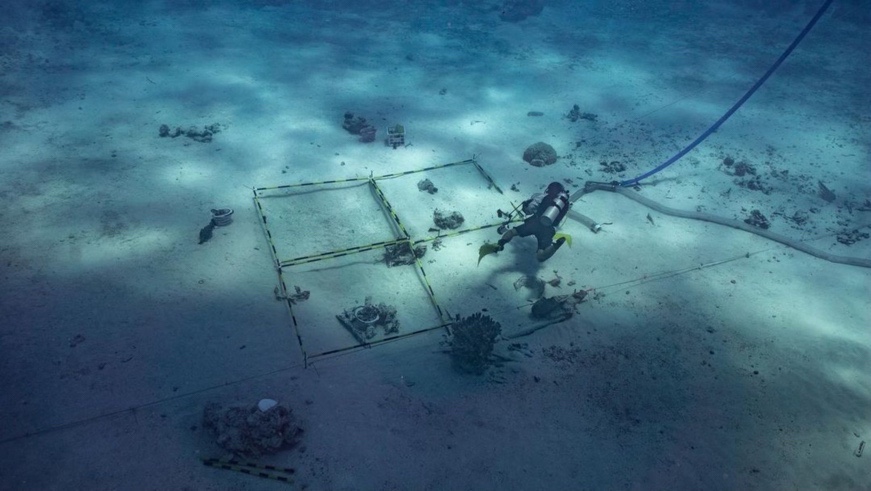
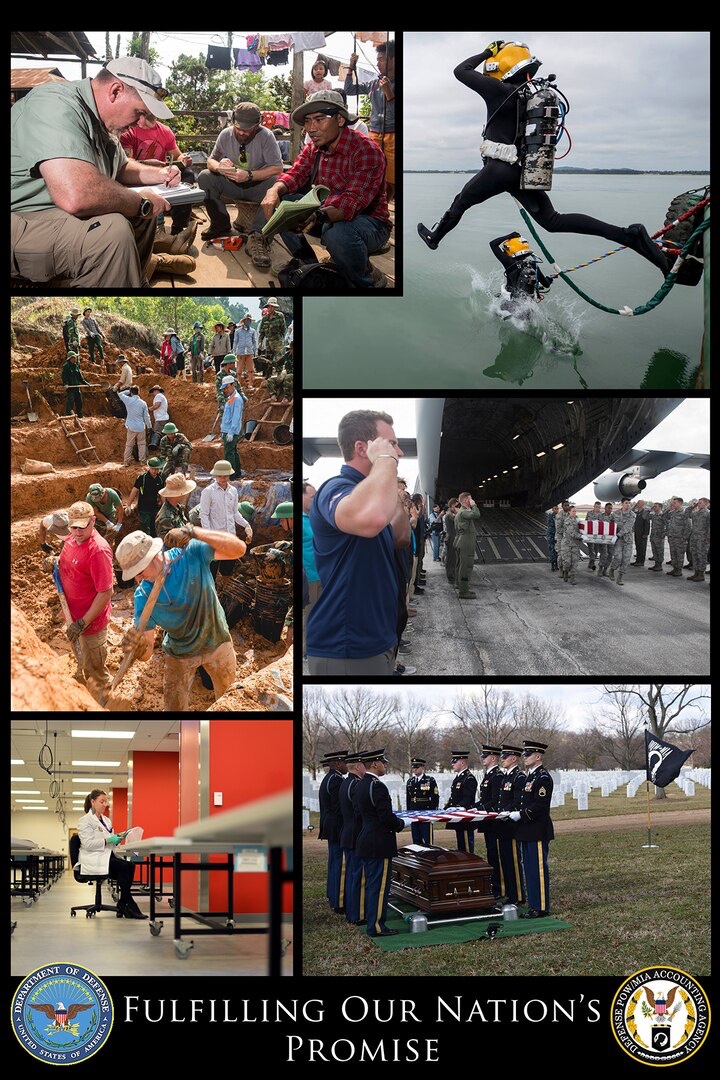
I had the privilege of visiting and getting a tour of The Defense POW/MIA Accounting Agency (DPAA) facility at Joint Base Pearl Harbor- Hickam. Talk about a very moving experience. The work that they do is second to known in the world. The United States is the only country that actively searches for its unaccounted for. The mission of DPAA is to provide the fullest possible accounting for our missing personnel from past conflicts to their families and the nation. Within this mission, they search for missing personnel from World War II (WWII), the Korean War, the Vietnam War, the Cold War, the Gulf Wars, and other recent conflicts. Their research and operational missions include coordination with hundreds of countries and municipalities worldwide.

At present, more than 81,600 Americans remain missing from WWII, the Korean War, the Vietnam War, the Cold War, and the Gulf Wars/other conflicts. Out of the more than 81,600 missing, 75% of the losses are in the Indo-Pacific, and over 41,000 of the missing are presumed lost at sea (i.e., ship losses, known aircraft water losses, etc.).

One thing everyone can do to help is if you have any family members that are missing from WWII or newer conflicts, is to give a DNA test. This will help them to identify the remains they find. They are only allowed to get DNA samples from families. Contact you casualty assistance office.

ACTIVE-DUTY SHORT-TERM VOLUNTEER OPPORTUNITIES

Deployable active-duty military are needed to serve as qualified volunteers to fill critical functions across the globe. Volunteering to support humanitarian field activities as a short-term individual augmentee gives you an extraordinary opportunity to exercise your skills and expertise while directly supporting our nation’s promise to leave no one behind from past conflicts. Individuals interested in applying their skills and experience in a unique environment can volunteer for open positions supporting the US Military in foreign theaters.

-ECRAZZ

CSAF Leadership Library: March 2022

Sunday, April 3rd, 2022

“It’s hard to understand inclusion until you have been excluded.” – Billie Jean King

Airmen,

One year ago, I launched the CSAF Leadership Library to encourage us to think critically about leadership and world events. I hope you have found these thought-provoking titles relevant to your professional and personal development and have engaged your fellow Airmen with your views and ideas.

This March, we celebrate Women’s History Month to recognize the significant impacts women have on Air Force history as airpower leaders and innovators. Decades before the Women’s Armed Services Integration Act was signed in 1948, American women were already making significant impacts in aviation. The Legend: The Bessie Coleman Story features Elizabeth “Bessie” Coleman, the first African-American woman and woman of Native-American descent to earn her pilot’s license. “Queen Bess” refused to take “no” for an answer. Excluded from American flying schools because of her gender and race, she became nationally recognized for her daredevil flying stunts. Her achievements and contributions remain an inspiration and a symbol for our generation.

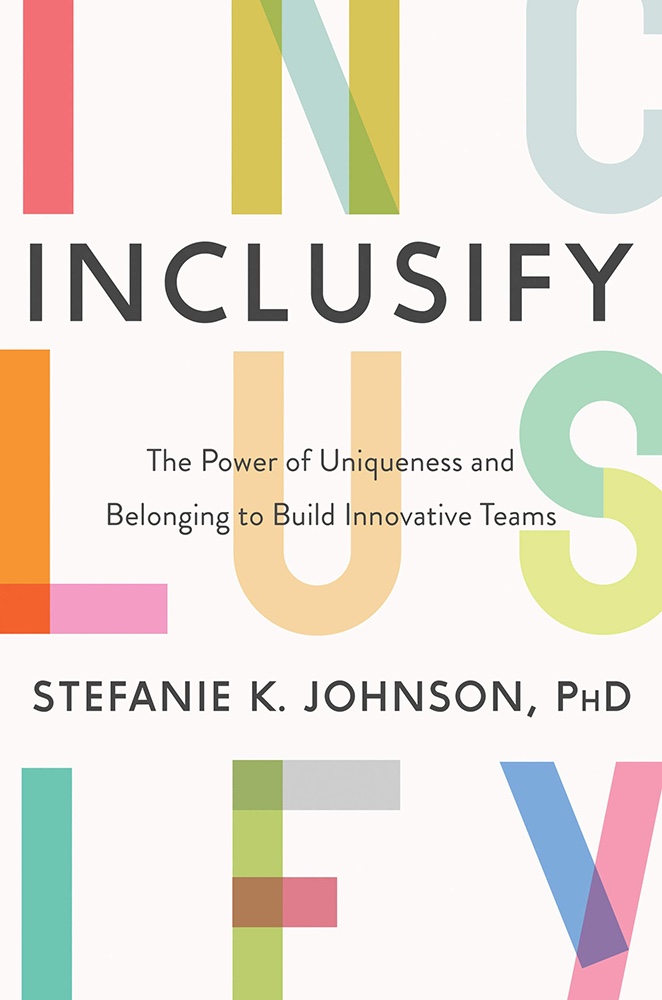
If you tuned in early to the Super Bowl for the flawless flyover to commemorate our Air Force’s 75th anniversary, you might have also caught the pregame montage featuring tennis great Billie Jean King. Her message was simple yet powerful: “It’s hard to understand inclusion until you have been excluded. Inclusify: The Power of Uniqueness and Belonging challenges us to think uncomfortably and with curiosity about the intersection of leadership, diversity, and inclusion in our Air Force. Simply being a diverse organization is not enough. We need inclusive leaders to foster a culture where all our Airmen feel welcome, heard, and understood

Diversity and inclusion are competitive advantages for our Air Force. An inclusive, competitive mindset enables us to better understand our investments, solve our problems, impose dilemmas on potential adversaries, and manage risk. Consider this mindset as you listen to Michael Morell’s Intelligence Matters podcast: China’s Ambitions in the World and What They Mean to U.S. as an expert panel dissects China’s ambitions and strategy.

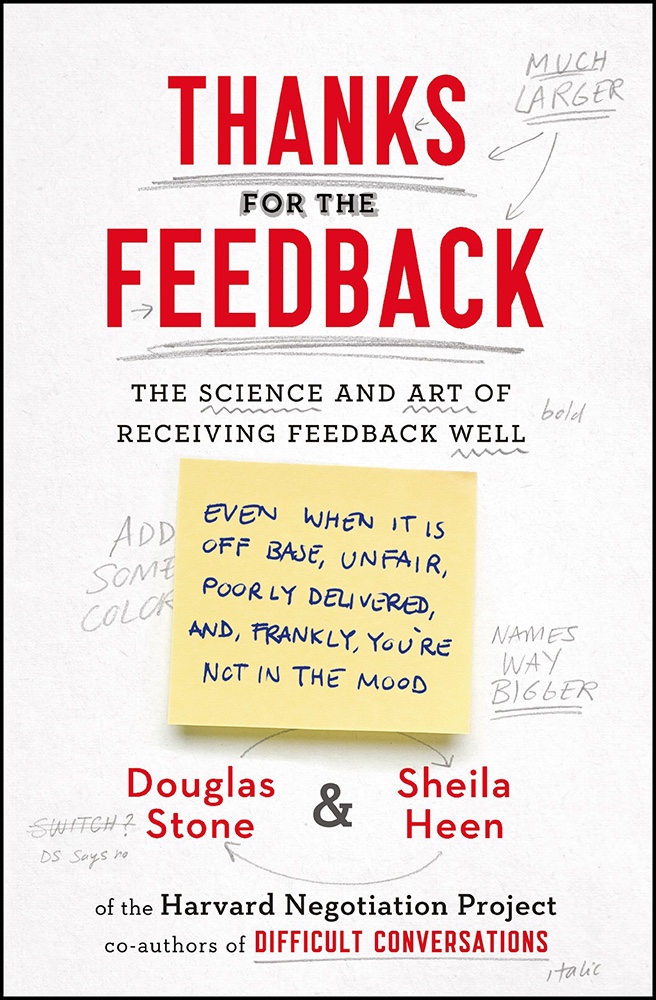
Providing feedback and receiving feedback by shifting the way we measure, incentivize, and reward the Airmen for the future will be important. Thanks for the Feedback: The Science and Art of Receiving Feedback Well deep-dives into the phenomenon of feedback from the point of the view of the recipient and offers practical steps to ask for the right kind of feedback, identify triggers that prevent absorbing feedback, and even suggests ways to reject feedback.

I encourage you to use this month’s additions to the Leadership Library to sharpen your leadership skills and those of your fellow Airmen.

Sincerely,
CHARLES Q. BROWN, JR.
General, U.S. Air Force
Chief of Staff

Secretary of the Air Force Public Affairs note: The CSAF Leadership Library is a fluid set of media selected by Gen. Brown that evolves as novel ideas are published, recorded and debated. New entries will be added periodically throughout the year.

Recommendations:


Mission Spec Checks Out Nocturn Ind Onyx Filter for NODs

Saturday, April 2nd, 2022

Our friends at Mission Spec bought the Nocturn Industries Onyx Filter for night vision devices and produced this video showing how the filter performs.

US Army’s Precision Fires Software Upgrade Delivers Enhanced Operational Picture, Usability

Saturday, April 2nd, 2022

ABERDEEN PROVING GROUND, Md. — Thanks to a key software upgrade, dismounted Soldiers are receiving the most up-to-date common operational picture of fires assets across the battlefield as they submit calls for fires to artillery battalions.

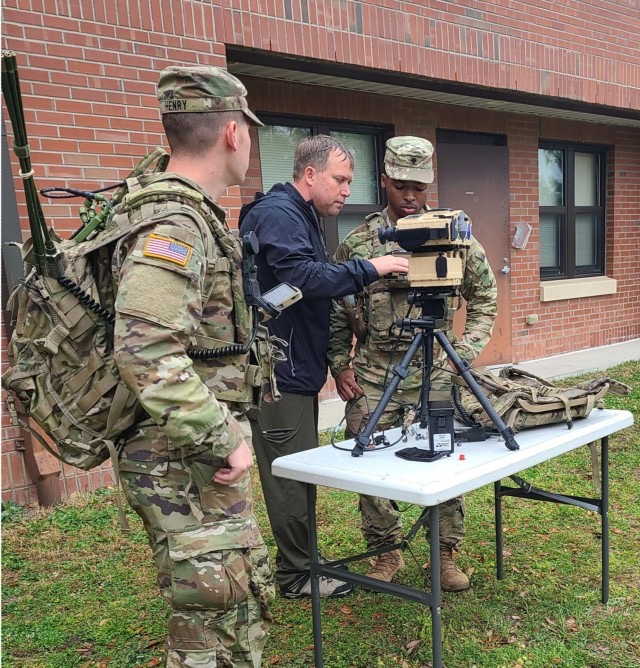
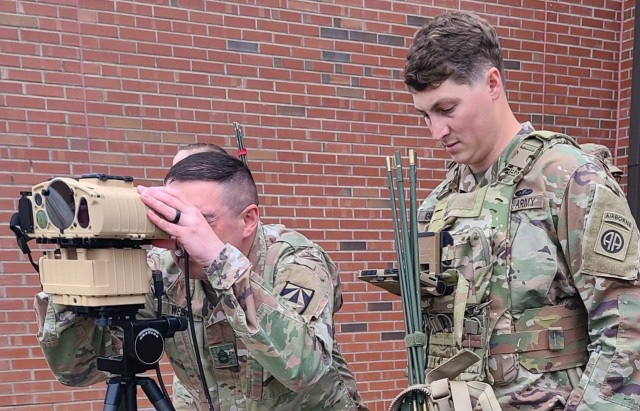
Earlier this month, personnel from Product Manager Fire Support Command and Control conducted new equipment training and new equipment fielding to the 2nd Battalion, 319th Field Artillery Regiment, assigned to the 2nd Brigade Combat Team, 82nd Airborne Division at Fort Bragg, North Carolina, rolling out an upgraded version of Precision Fires-Dismounted software known as PF-D Block 2.

PF-D is a software program residing on Nett Warrior End User Devices used by forward observers and fire support teams to transmit and receive fire support messages over standard military line-of-sight, high-frequency and satellite communications radios.

“Since transitioning to a software only program, PF-D has modernized mission command for Field Artillery forward observers,” said Lt. Col. Jason Carney, Product Manager for FSC2. “The Block 2 upgrade is ensuring those warfighters have the right information at the point of need to enable mission success for fire support teams.”

This fielding upgrades the legacy PF-D Block 1 software with a newer version that aligns with the Mobile Handheld Computing Environment and incorporates updates directly based on input from Soldiers.

“The PF-D Block 2 software was developed with Soldier-centered design in mind, which is why their feedback and input is so critical to the design of a well-accepted user interface that caters to the next generation of Soldiers that grew up on smart devices,” said Maj. Jonathan Hardin, assistant product manager for PF-D.

Additional improvements over PF-D Block 1 include adopting the Android Tactical Assault Kit infrastructure to run PF-D as an ATAK plugin, enabling maneuver and fires data on a single map. Resource utilization has been reduced since NW and PF-D are operating in one application rather than separate instances, resulting in a reduced memory footprint, reduced application overhead, and faster response times to user interaction. The PF-D Block 2 system also runs on the most current NW Samsung Galaxy S20 EUD hardware, so interaction with the unit is faster and more efficient than the previous generation of hardware.

Product Manager Handheld, Manpack and Small Form Fit, assigned to Project Manager Tactical Radios, participated in a follow-on practical exercise to test capability and interoperability with newly fielded tactical radios — Two-Channel Leader Radios — and waveforms — Mobile User Objective System and TrellisWare Scalable Mobile. PdM FSC2 also collected usability and training feedback from 2nd Brigade Combat Team, 82nd Airborne Division, which will deploy to the Joint Readiness Training Center later this month and exercise PF-D Block 2 in a near-combat environment.

As part of Block 2 development, PdM FSC2 conducted developmental operations with the 3rd Infantry Brigade Combat Team, 25th Infantry Division in Hawaii last year, inviting representatives from the Army Capability Manager Fires Cell-Targeting and the Fires community at-large. DevOps and a focus on user-centered design have led to key improvements to the PF-D user interface and workflow optimization for sending free text messages between echelons.

“To meet Soldiers’ evolving battlefield needs, we include them in our development efforts early, often and throughout the entire life cycle process,” said Dr. Pam Savage-Knepshield, Human Systems Integration research psychologist for PdM FSC2, adding that the HSI team will continue to gather feedback post-fielding to incorporate lessons learned from real-world system use in operational environments.

The initial PF-D Block 2 baseline is fielding as part of Capability Set 21 and is being coordinated across various network stakeholders.

“We are working closely with PEO Soldier to identify where we can align with the Nett Warrior fielding schedule,” said Hardin. “As a software-only Program of Record, PF-D is dependent on the hardware and coordination is important to align fielding priorities.” Subsequent fielding in FY22 and FY23 are aligned to the Army’s Integrated Tactical Network fielding schedule.

Follow-on enhancements to PF-D are aligned to Capability Set 23 and will offer additional capabilities such as sharing position location information/situational awareness data with maneuver units over the new Secret-and-below TSM radio network.

PdM FSC2 also plans to retouch units previously fielded with PF-D Block 1 who do not appear on the ITN fielding schedule, including field artillery battalions of the 10th Mountain Division.

By Justin Eimers

FirstSpear Friday Focus: New ICON T-Shirts

Friday, April 1st, 2022

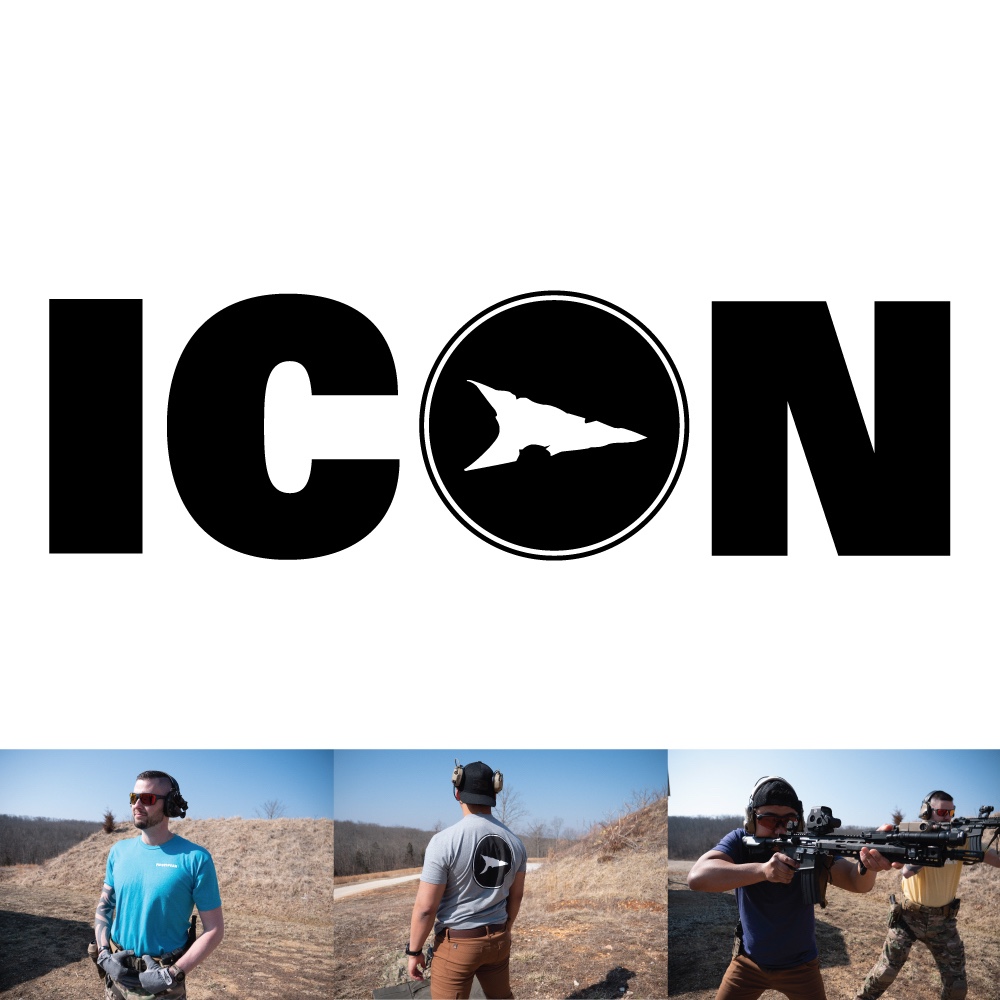
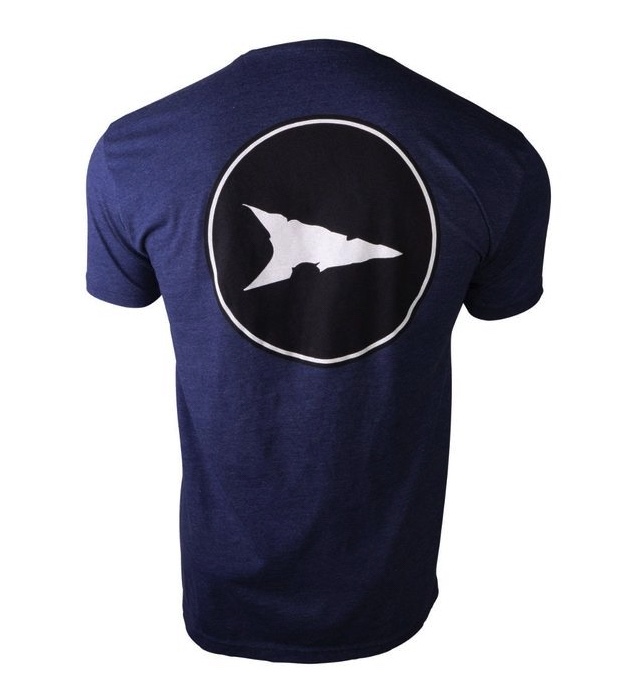
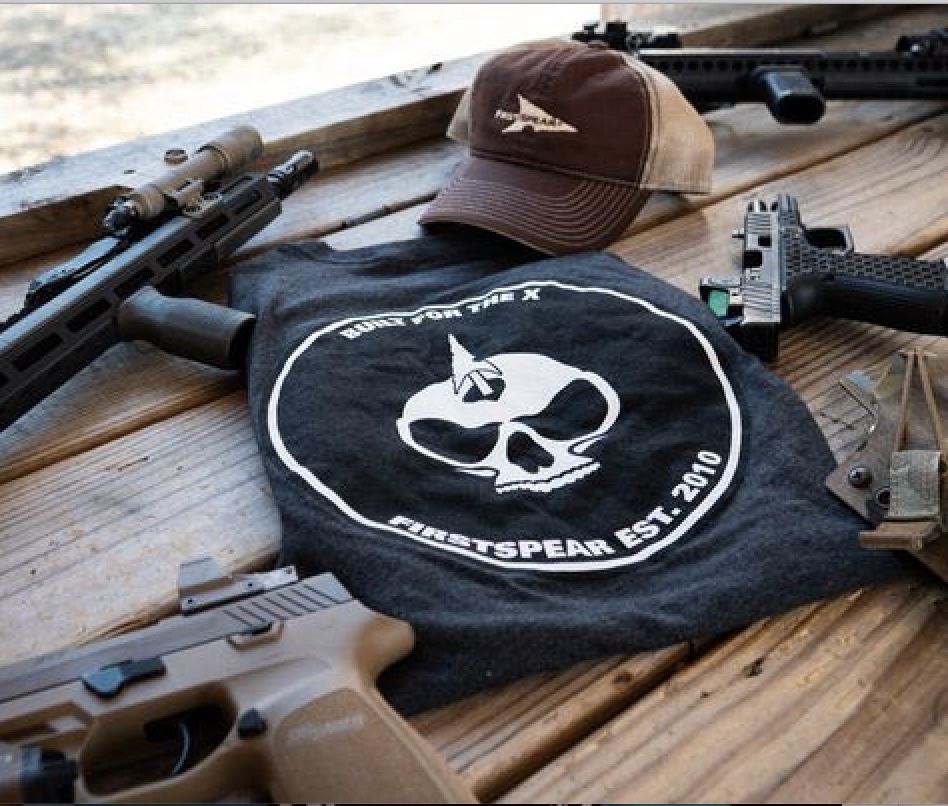
A classic never goes out of style. Introducing the FS iconic speartip and skull in its purest form. This no frills, iconic FS Speartip and Skull T-shirts will have you turning heads. This legendary speartip and FS Skull is subtle and streamlined. It also features FirstSpear on the front lapel. Now offered in vibrant and classic color options.

These shirts are also side-seamed, which means better quality and more comfort. Like everything made by FS, these T-shirts are high-quality and Built for the X.

Check out the FS new T-shirts at www.first-spear.com/technical-apparel/t-shirts

Agilite T4 Hoodie Giveaway

Friday, April 1st, 2022

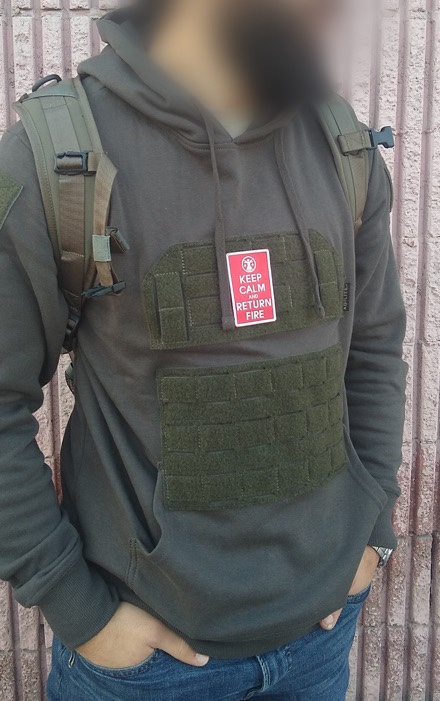
In honor of its launch, Agilite are giving you the chance to win a T4 Hoodie. See the video below and sign up to win one here: agilitegear.com/products/t4-hoodie

Army Prototype Uses Windshield Washer Fluid to Power Soldier Electronic Devices

Friday, April 1st, 2022

AUSTIN, Texas – The Army recognizes the need to provide future Soldiers with more durable and reliable energy sources, and is experimenting with a variety of new and creative solutions to deliver the power required for tech-supported warfighting.

One such innovation uses commonly available, filtered windshield washer fluid — which contains the key ingredient methanol — to recharge Soldiers’ mission-critical electronic devices – such as radios and situational awareness aides – while on the go.

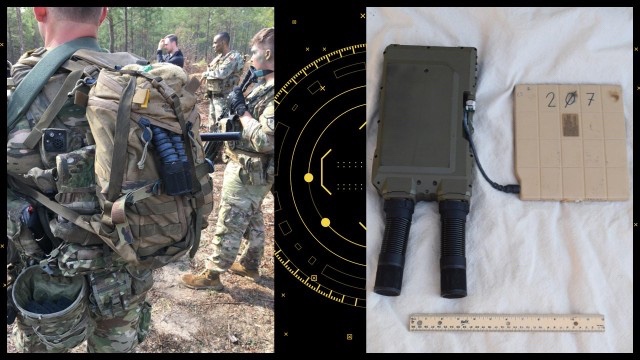
The tool, referred to as the Soldier Wearable Power Generator (SWPG), is a small and mobile fuel cell capable of rendering power through innovative thermal energy technology.

Developed in partnership with UltraCell, the SWPG weighs 5 pounds, is designed to be Soldier-worn on a back plate or carried in a backpack, and can run off either filtered windshield washer fluid or a commercial methanol/water mix.

When filtered properly, 1 pound of windshield washer fluid can provide enough energy to charge the equivalent of three Conformable Wearable Batteries that weigh 7.8 pounds; the SWPG’s refillable cartridges can be as small as 1 pound or as large as 24 pounds, depending on charging needs.

Beyond charging individual batteries, the SWPG is equipped to directly support tactical, software-based systems such as Nett Warrior. It can also feed battery-charging power scavengers, such as the Universal Battery Charger-Lite and hubs like the Integrated Soldier Power and Data System-Core. While the SWPG provides a 50-watt base load on its own, it can be paired with rechargeable lithium ion batteries to help fuel hybrid charging systems that offer increased power surges.

The apparatus, which does not get excessively hot or cause ventilation issues for the Soldiers wearing it, seeks to address the Army’s small unit power requirement of providing on-the-move recharging capabilities that extend battery life and minimize the need for frequent battery exchange or reliance on heavy generators.

The Army’s Command, Control, Communications, Computers, Cyber, Intelligence, Surveillance and Reconnaissance (C5ISR) Center leads the service’s applied research and development in energy storage and power generation component technologies.

“Army researchers are continually working on solutions to meet Soldiers’ anticipated needs during this time of rapid modernization,” said Marnie Bailey, C5ISR Center’s Power Division Chief. “The SWPG is the latest example of using our in-house expertise to enable greater Soldier lethality.”

In addition to being compact, lightweight and more efficient than traditional recharging methods, the SWPG is also significantly quieter than conventional gasoline or diesel-powered generators — an important consideration in combat settings. The reception to the device has been positive, with Soldiers saying that the system does not interfere with their ability to conduct their operations.

The SWPG is just one of the unique technologies undergoing field assessment during this month’s Army Expeditionary Warrior Experiment (AEWE) at Fort Benning, Georgia.

The experiment, which is hosted annually by the U.S. Army Maneuver Center of Excellence, takes a closer look how small unit innovations — those geared toward advancing capabilities at the Soldier and squad levels — can have powerful impacts on Soldier maneuver, lethality and survivability.

Insights gathered during AEWE inform the development of priority warfighting capabilities and support the ongoing modernization work of Army Futures Command Cross-Functional Teams. For example, previous AEWE events helped to shape iterative SWPG prototypes by incorporating valuable Soldier feedback, which was then used to tailor and improve the new device.

“AEWE serves as an innovation engine, providing collaboration opportunities and Soldier touchpoints that enable capability developers to rapidly iterate tactical solutions,” said Col. Christopher Budihas, Director of the Army’s Maneuver Battle Lab, adding that “the SWPG is a great example of what this innovation engine can produce.”

By Maureena Thompson, Army Futures Command

Project Director Soldier & Squad Integration Helps Forge Relationship Between PEO Soldier and USASOC

Thursday, March 31st, 2022

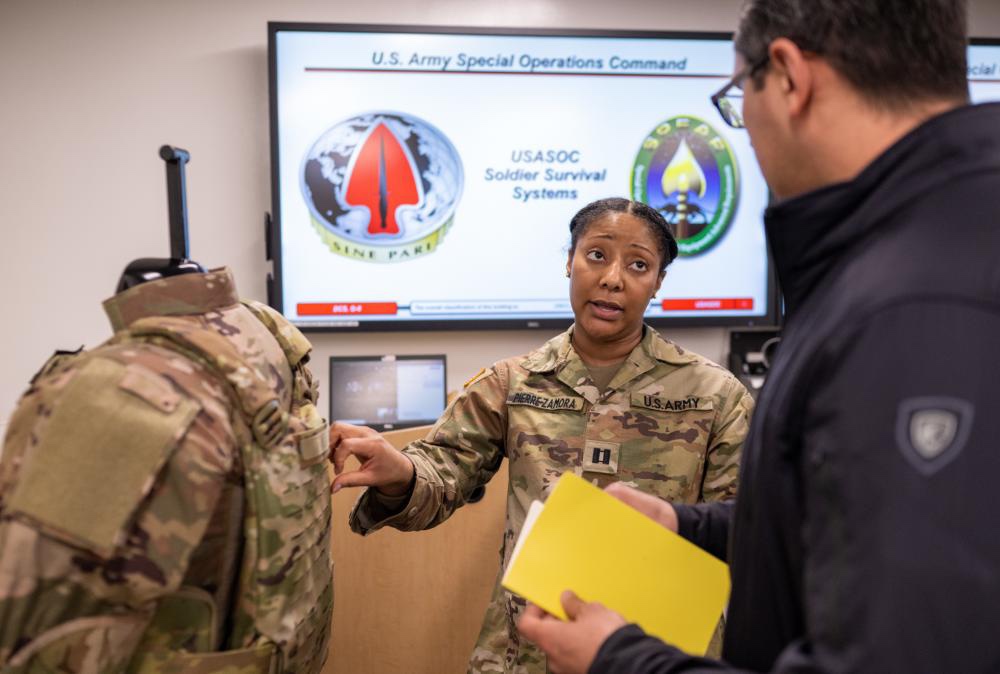
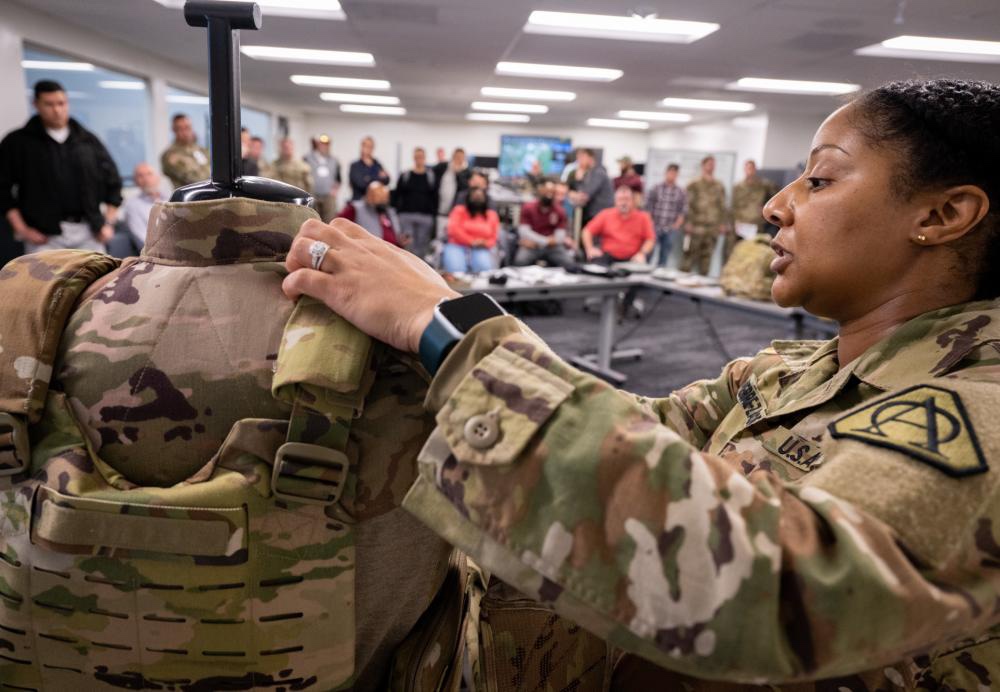
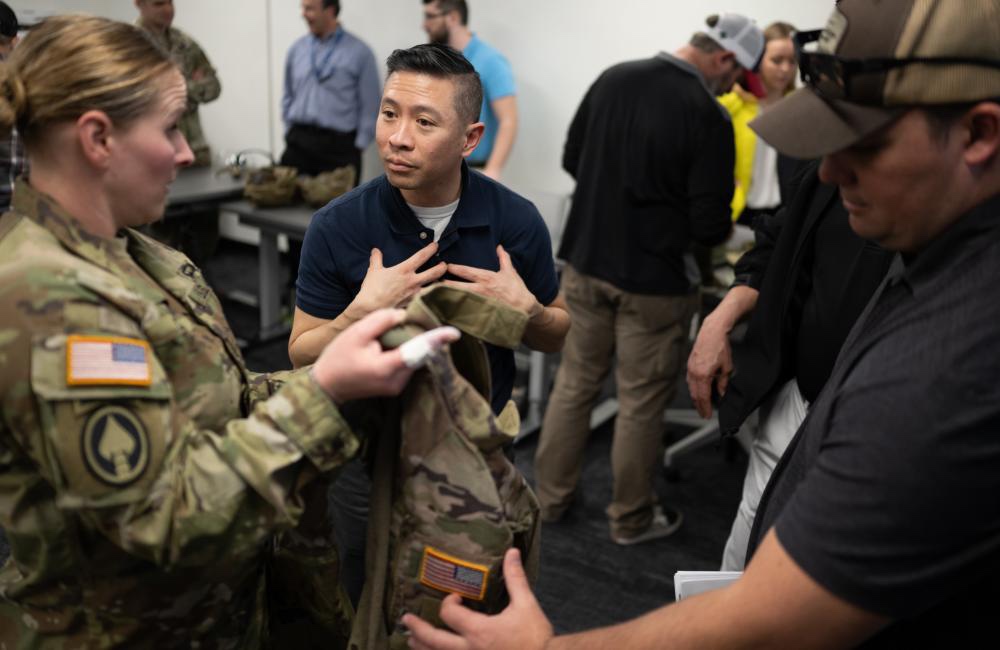
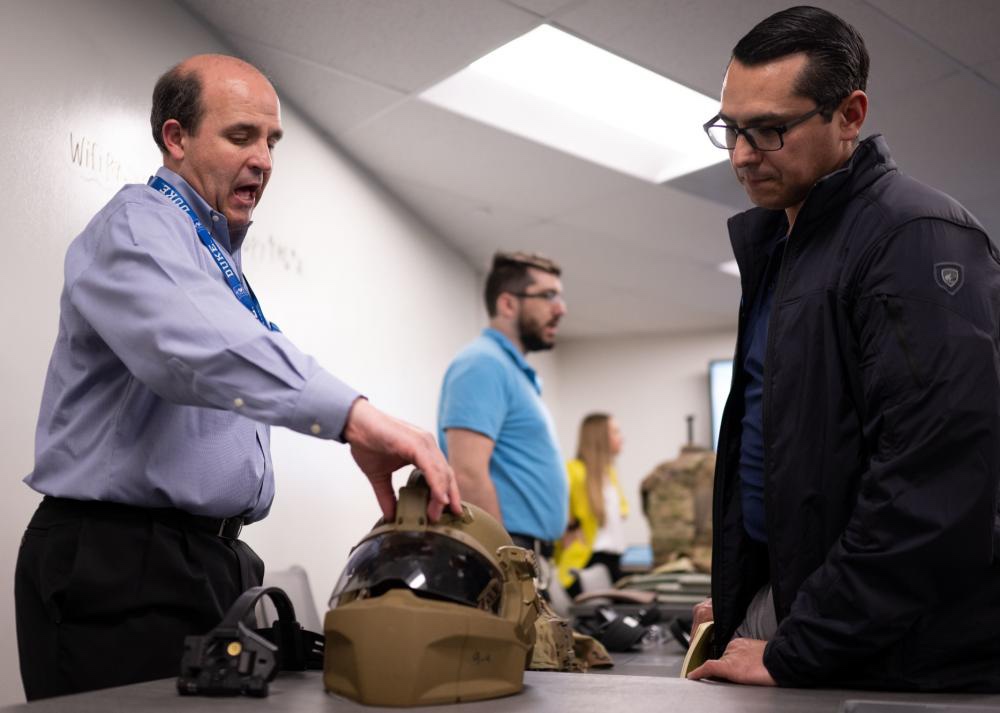
FORT BELVOIR, VA – Project Director Soldier & Squad Integration (PD S&SI) hosted a side-by-side gear comparison between Project Executive Office (PEO) Soldier and U.S. Army Special Operations Command (USASOC) on Fort Belvoir, March 8-10.

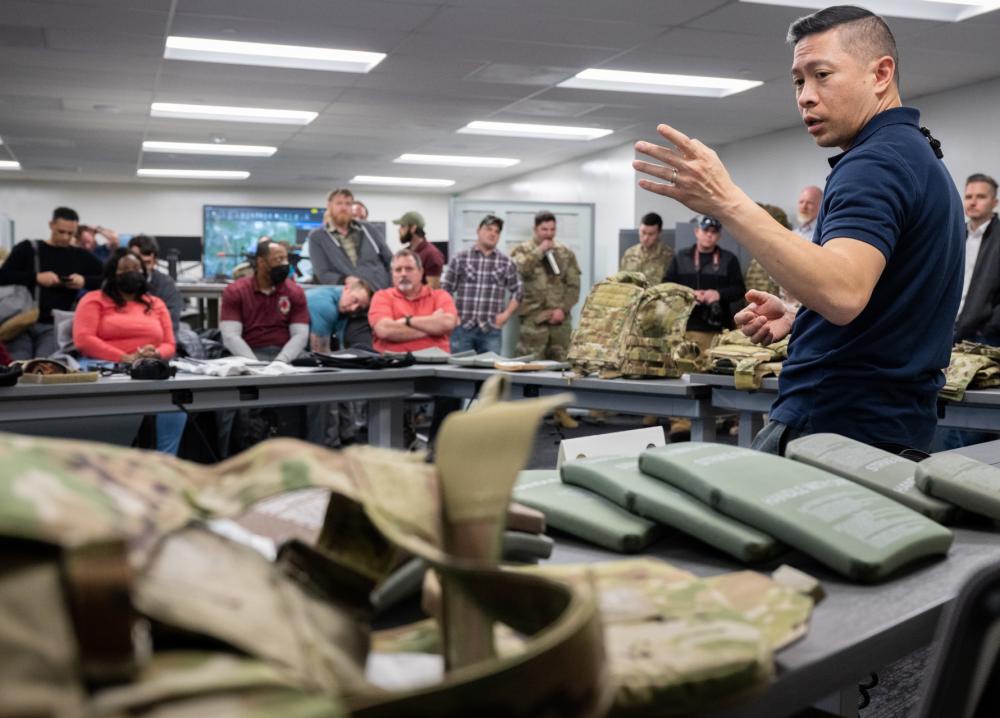
PD S&SI held an event at the Soldier Integration Facility on Fort Belvoir, designed to provide a familiarization of selected items from Project Manager Soldier Survivability (PM SSV) and USASOC’s respective portfolios.

“We put the event together and facilitated bringing everyone in at the same time,” said Christopher Baker, survivability and power lead for the operational synchronization team for PD S&SI. “USASOC’s chain of command believed that they could realize some cost savings by leveraging the work that PEO Soldier is doing and what they’re fielding. The most interest and discussion were around the protective equipment, helmets and body armor, and the differences between what PEO Soldier fields and what USASOC has right now.”







Product Manager Soldier Protective Equipment (PdM SPE) displayed the modular scalable vest (MSV), the blast pelvic protector (BPP) and the ballistic combat shirt (BCS). SPE personnel went over the capability and functions of the MSV, BPP, BCS, their threat levels and the differences between the Enhanced Small Arms Protective Inserts (ESAPI) plates and the legacy ESAPI plates. The SPE presentation highlighted the Army’s focus on increasing protection but slimming down on weight.

“A lot of the questions we received were predominantly on sizing and the kinds of threats our plates stopped,” said Capt. Kim Pierre-Zamora, assistant product manager for PdM SPE. “For us, the key message we want to convey to our audience, especially the Special Forces community, is that not only are we scaling back on these extra areas of redundant coverage or parasitic weight, but we’re also able to scale up the coverage depending on what they’re doing, where they are, and their commander’s intent.”

“Not only are we looking to make Soldiers lighter and more mobile, but also more lethal. Because if they can move enough to avoid a threat, they can engage that much better.”

The gear comparison not only presented an opportunity for USASOC personnel to get their first hands-on look with gear currently fielded by PEO Soldier, but it allowed for in-depth discussion of what goes into developing and producing that equipment.

“From my perspective, especially working in Future Capabilities, it’s good to see where the Army is with their equipment,” said Lt. Col. Rachel Cepis, S8 Future Capabilities Director, 95th Civil Affairs Brigade. “At the tactical level, you hear Soldiers sometimes complain and say, ‘why is this like this?’ or ‘when are we going to get this?’ Therefore, it is good to be able to see what is out there and being developed. It’s going to be helpful for me to be able to pass that message on to other Soldiers.”

The gear comparison event was the first step in developing the relationship between PEO Soldier and USASOC, with the future collaboration already in the works. Within the next six months, a future follow-on event, hosted by USASOC, will be scheduled.

Story by Jason Amadi, PEO Soldier