FirstSpear

Archive for the ‘Guest Post’ Category

Kadri Clothing T-shirt Design Contest

Saturday, March 12th, 2022

How do you define strength? In today’s society, we tend to use a very male-oriented view of strength and power–physical might, physical ability, physical prowess. We say people are strong based on how much they can lift, the number of pullups performed, or athletic ability.

But what about other definitions of strength and power? Is a mother who works a full time job during the day, takes care of the household at night without losing her shit, strong? Is a young woman driven by her ambitions to succeed in a male-oriented profession while ignoring the naysayers and battling cultural norms, powerful?

Show us your definition of women’s strength and power. Design an original graphic concept and submit by March 31. Entries will be showcased in April; the winner will be selected by social media votes.

The design will be used as a limited-run t-shirt, available for purchase on the website. The winner will also receive Valkyrie Field Pants.

Send designs via DM to the IG account, but we’d prefer an email to info@kadriclothing.com

Subject for email should be: Art Contest Submission

Happy designing!

USAF RED HORSE Restructures to Elevate Deployment Capabilities

Saturday, March 12th, 2022

MALMSTROM AIR FORCE BASE, Mont. (AFNS) —

When the 819th RED HORSE Squadron was presented with the challenge of accelerating change to increase deployment capabilities across their enterprise, they responded with an innovation that will completely change the way RED HORSE trains at home and how they deploy overseas.

“One of the big objectives is to make sure we are ready to confront the challenges of the future,” said Lt. Col. Javier Velazquez, 819th RHS commander. “The only way we can possibly do that is by building our teams in garrison the same way that they are going to be deployed and working together.”

RED HORSE stands for Rapid Engineer Deployable, Heavy Operational Repair Squadron, Engineer. They are self-sufficient and mobile squadrons capable of rapid response and independent operations in remote environments worldwide. In addition to civil engineers, the squadron includes Airmen from more than 30 career fields.

Over the last several decades, RED HORSE squadrons organized themselves by those career fields. They spent time primarily with people who do the same job while they were in garrison and only built deployment teams when tasked to mobilize. This meant that when a RED HORSE team deployed, they would have to build camaraderie and learn to trust one another in the deployed environment.

“Nowadays we don’t have that luxury,” Velazquez said. “We need to be sure that we can hit the ground running on day one and that’s exactly what we’re trying to achieve with our new structure.”

Now, the squadrons will be restructured into teams based on their ability to fulfill a specific purpose. These teams include horizontal construction, demolition and quarry, vertical construction, expeditionary engineering, site assessment and support functions.

This means if a combatant commander needs, for example, an airfield built at their location, RED HORSE would send them a horizontal construction team that includes all the right people, tools and assets necessary to complete that task.

“By putting these teams together, we have the ability to not only know each other…but be organized in a way that is capabilities-based,” said Chief Master Sgt. Nathan Laidlaw, 819th RHS senior enlisted leader. “When the combatant commander comes down and says, ‘we need a water well drilled,’ we press the button and they’re there. They are organized, trained, equipped and ready to go.”

The squadron’s leadership emphasized that the idea is to spend as much time at home as possible working together, solving problems and maintaining their readiness.

“This new construct really focuses us on that capability as well as readiness,” said Maj. Keegan Vaira, 819th RHS director of operations. “In the previous way we were doing business, that wasn’t at the forefront of everyone’s mind and under our new structure, a huge piece of what these teams are doing every day is making sure they are ready to execute that mission.”

“Everyone can get ready at once,” said Senior Master Sgt. Serena Goethe, 819th RHS first sergeant. “They all got their shots at the same time, they all did their firing at the same time, they did their (computer-based trainings) at the same time so they knew they were all good to go at once.”

After the initial planning process, the 819th RHS completed the transformation in about five months from August to December 2021.

“At the beginning of any change it’s difficult and it’s a lot of unknowns,” Laidlaw said. “In that initial storming change of this transformation I would say it was a little uneasy to be honest and it should have been because we’re changing the way we’ve done business.

“Once (the Airmen) started buying in and seeing the process and understanding where we were going and seeing the benefits it provided them, the majority have come on board and have been very positive about it.”

Goethe added that while Airmen will spend most of their time working with the teams in their new flights, they will have the opportunity to work with others within their specific career fields for training and mentorship.

“I’m glad to say that the 819th is taking the lead for the entire enterprise with the support of the 800th RED HORSE Group,” Velazquez said.

The 819th RHS is the first RED HORSE squadron to complete the restructuring.

“The cumulative plan came almost exclusively from the 819th” Laidlaw said. “This unit went through a lot to come up with this concept and they deserve the credit for it.”

By Heather Heiney, 341st Missile Wing Public Affairs
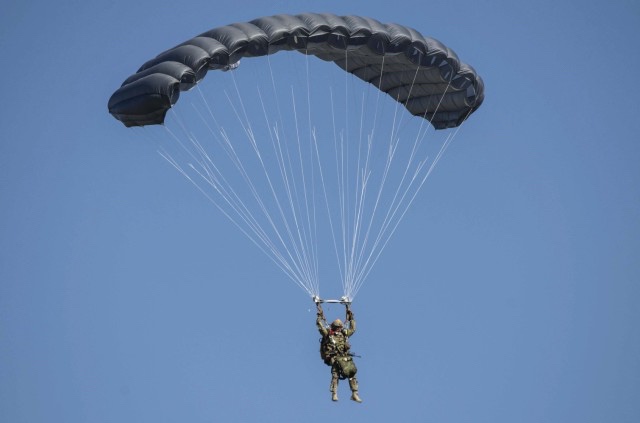
1st SFC(A) Stands Up Special Operations Forces Training & Experimentation Center at White Sands Missile Range

Friday, March 11th, 2022

1st Special Forces Command (A) officially activates SOF-TEC as a formal command directorate, March 8, 2022, at White Sands Missile Range, New Mexico.

The Special Operations Forces Training & Experimentation Center will serve as a leading installation for irregular warfare readiness for both USSOF and our partners around the world.

SOF -TEC will test cutting edge designs, equipment, and techniques, and facilitate cyber, electronic warfare, and Space training.

SOF-TEC is headed by Special Forces Colonel Theodore Unbehagen.

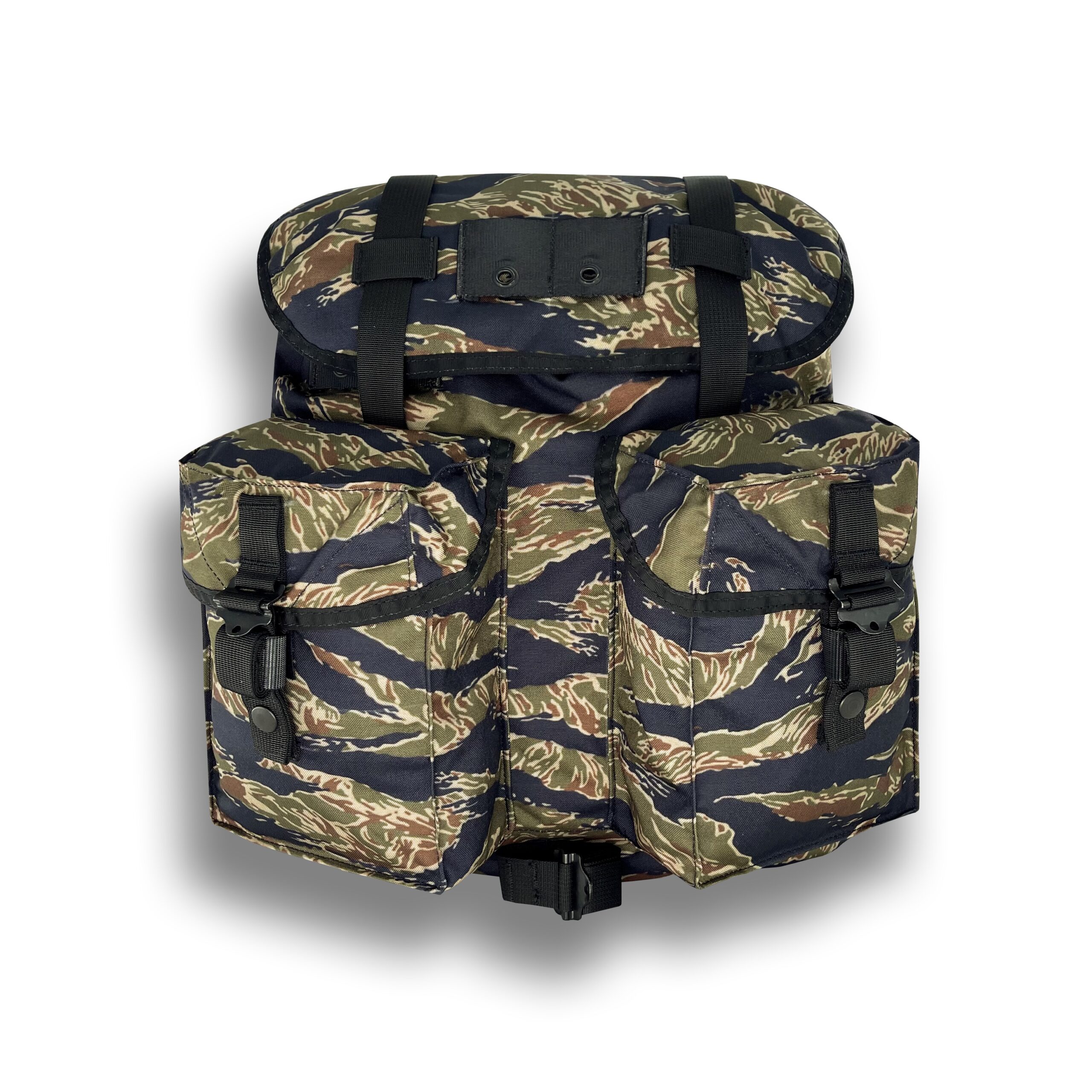
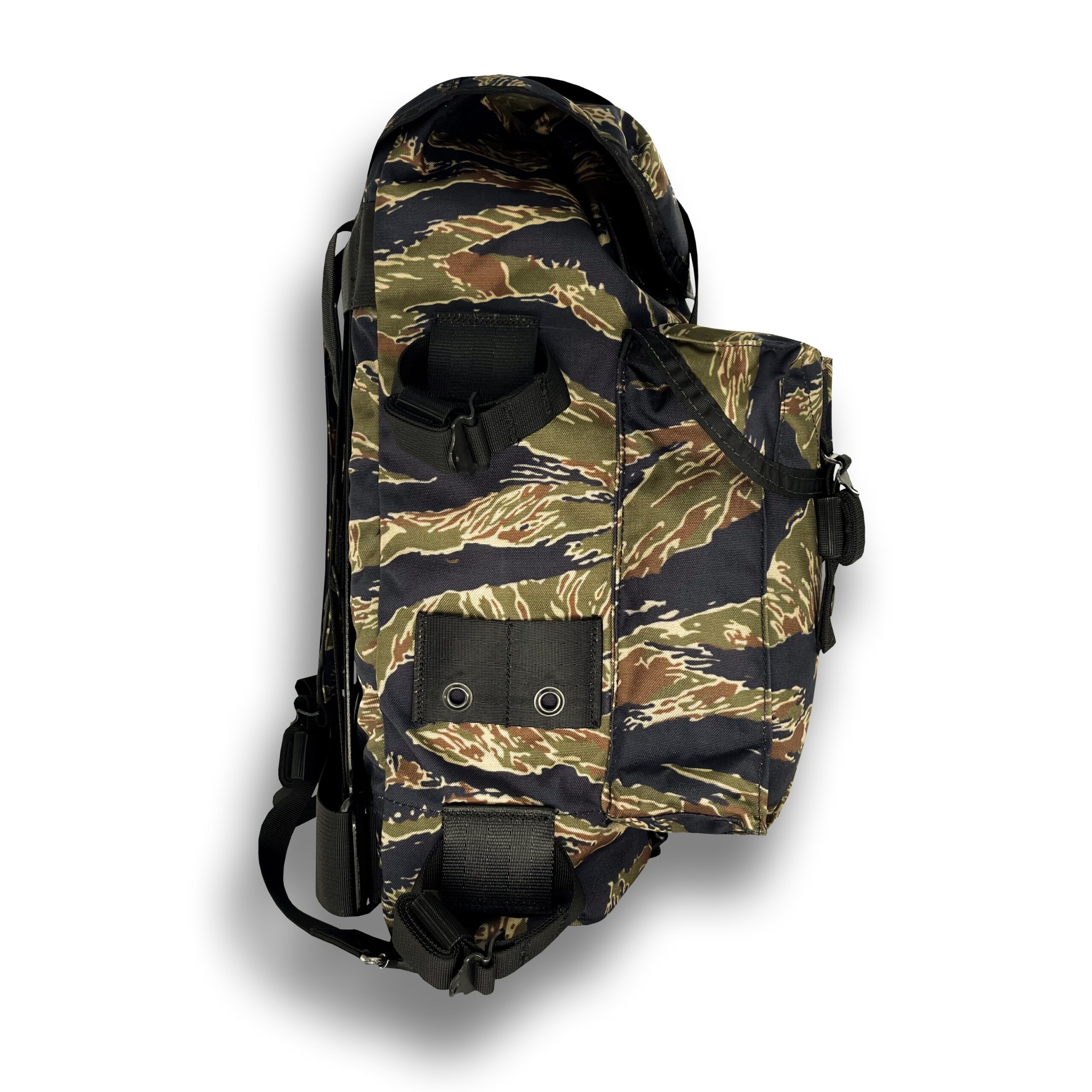
FirstSpear Friday Focus: Streetwalker

Friday, March 11th, 2022

• Made In the USA
• Laser fused 6/12™ accessory panel
• Tubes quick-release shoulder strap
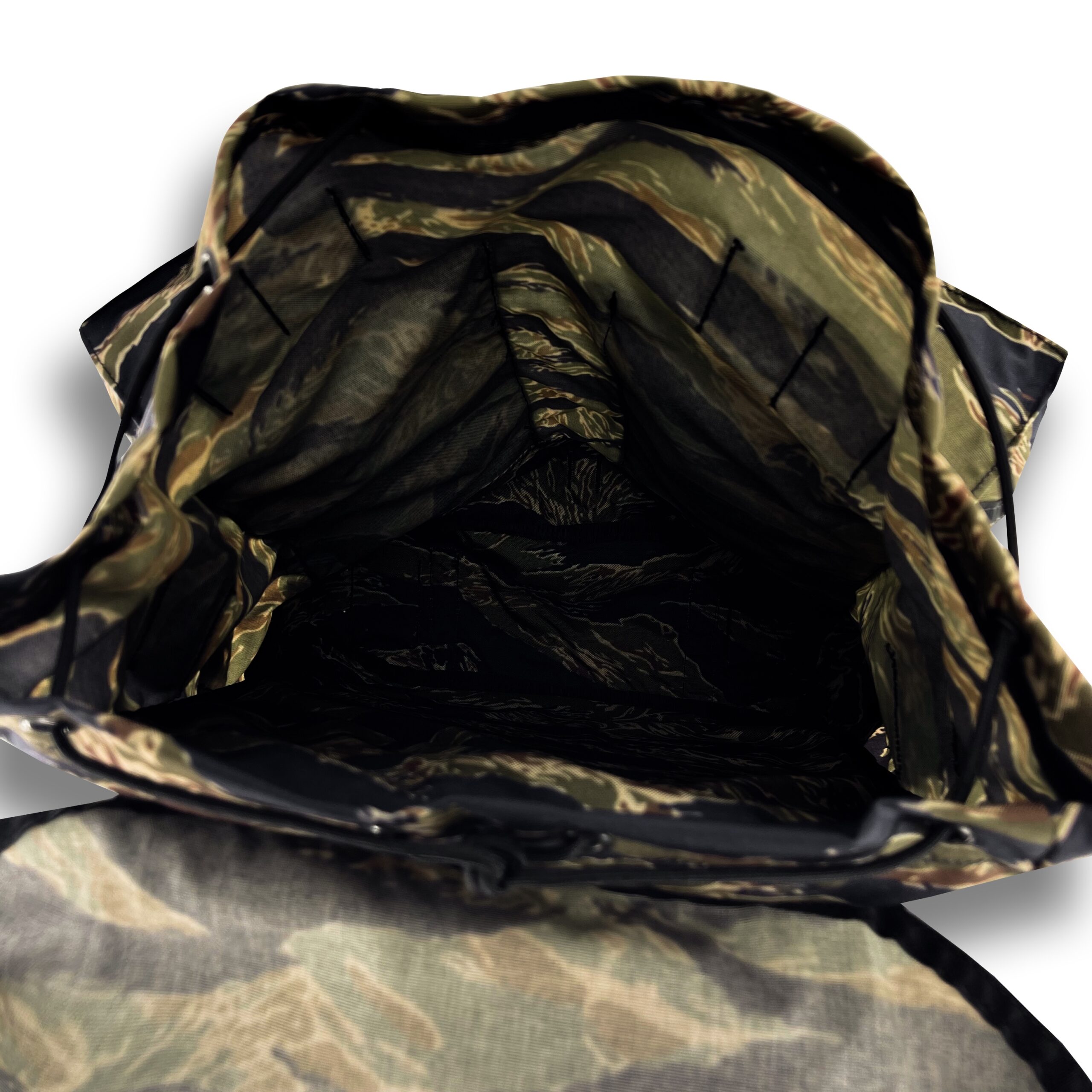
• Ventilated pocket for separating dirty shoes or clothes

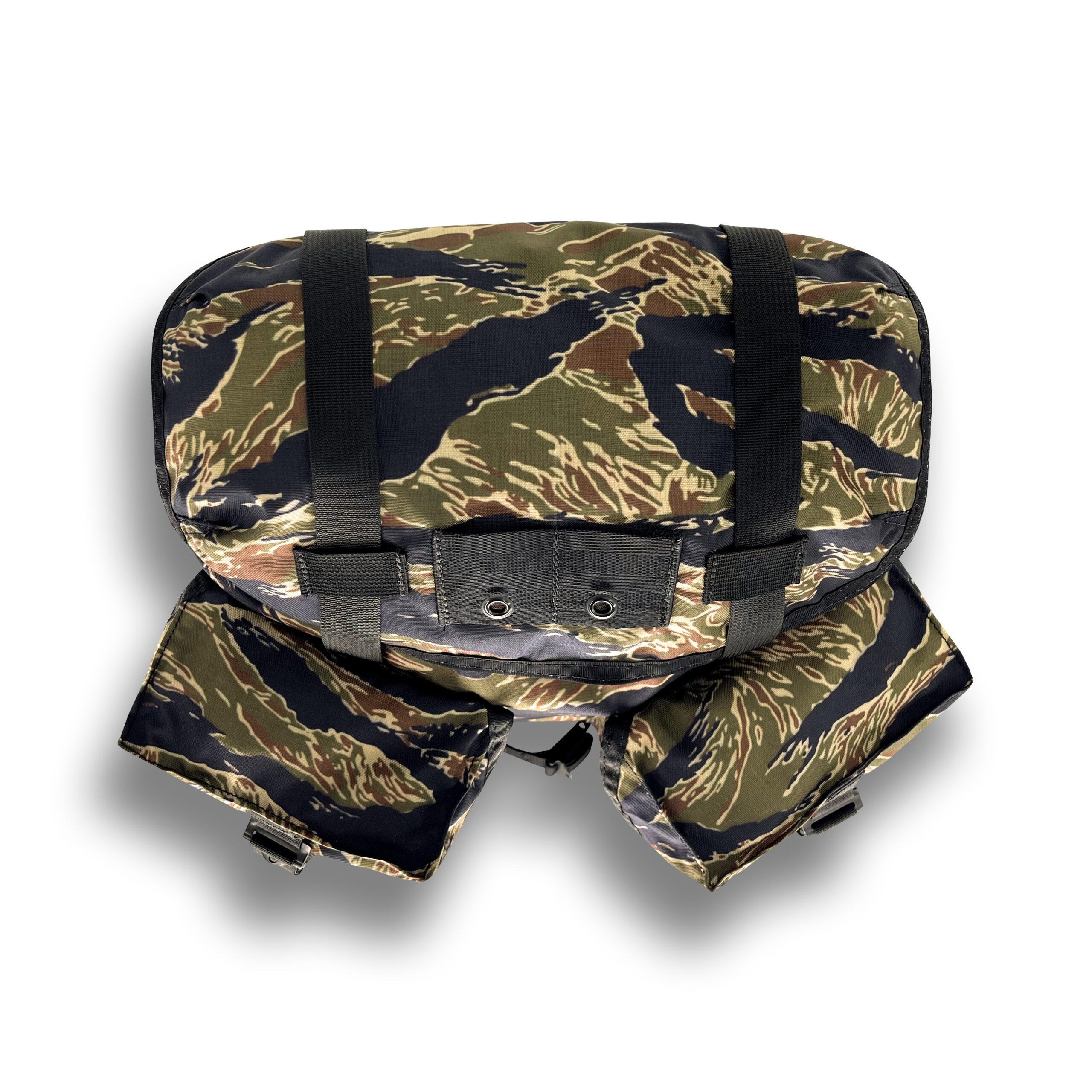
The all-new Streetwalker bag is constructed from a lightweight ripstop and 500D Cordura nylon. Features a FirstSpear laser fused 6/12 accessory panel for attaching pockets on the interior or exterior of the pocket, furthermore, you can easily attach your cell tags or Ragnar pockets to outside of the pocket. On the other end of the bag is an extra-large ventilated pocket perfect for separating gym clothes, muddy boots, or anything else you need to keep separated.

For more information, check out www.first-spear.com/streetwalker.

Army Special Operations Forces Use Project Origin Systems in Latest Soldier Experiment

Friday, March 11th, 2022

DUGWAY, Utah — Army Green Berets from the 1st Special Forces Group conducted two weeks of hands-on experimentation with Project Origin Unmanned Systems at Dugway Proving Ground. Engineers from the U.S. Army DEVCOM Ground Vehicle Systems Center were on site to collect data on how these elite Soldiers utilized the systems and what technology and behaviors are desired.

Project Origin vehicles are the evolution of multiple Soldier Operational Experiments. This GVSC-led rapid prototyping effort allows the Army to conduct technology and autonomous behavior integration for follow-on assessments with Soldiers in order to better understand what Soldiers need from unmanned systems.

For the two-week experiment, Soldiers with the 1st Special Forces Group attended familiarization and new equipment training in order to develop Standard Operating Procedures for Robotic Combat Vehicles. The unit utilized these SOPs to conduct numerous mission-oriented exercises including multiple live-fire missions during the day and night.

The live-fire operations employed the M240 and M2 machine guns and the MK19 automatic grenade launcher.

“These live fire operations were critical to determining the military utility of the Robotic Combat Vehicle unmanned technology,” said Todd Willert, GVSC’s project manager for Project Origin. “The unit was successful with integrating the systems into their formation for both offensive and defensive operations.”

The Green Berets incorporated numerous Origin modular mission payloads to assist with long-range reconnaissance, concealment, electronic warfare and autonomous resupply operations.

A senior medical sergeant with the 1st Special Forces Group said the modularity of payloads provides flexibility for use in a variety of mission sets: “The upscaling of capabilities for a direct heavy-weapon system gives us the advantage we’ve never had before in typical dismounted roles.”

Willert stated the inclusion of Special Operations Forces into technology assessments provides more depth in understanding what is needed to mature unmanned systems for the Army’s Operating Force.

In addition, this experiment supports the continual development of the Army’s Robotic Technology Kernel — the Modular Open System Architecture-based library of software that can be used for ground autonomy — along with the Warfighter Machine Interface, the Army’s library of modular software used by Soldiers to control robotic vehicles. This open systems architecture approach will enable common unmanned maneuver capabilities across the ground vehicle fleet.

“We are in the process of tailoring software packages to meet the needs of end users,” Willert said. “Autonomy — at various levels — offers great opportunities for different mission sets that improve Soldier safety and reduce cognitive burden. The professional and thoughtful comments from these Soldiers will greatly assist us with developing behaviors for future unmanned systems.”

1st Special Forces Group Detachment Commander added, “The robots are best employed to maximize the standoff between Soldiers and enemy threats.” He went on to say, “The Project Origin system, for any type of dismounted operations we conduct, would provide us increased capabilities to recognize and identify individuals on target from a much greater standoff while decreasing the risk to the force as our Soldiers accomplish their mission.”

Maj. Cory Wallace, the RCV Requirements Lead with the Next Generation Combat Vehicle Cross Functional Team, said: “Working with an Operational Detachment Alpha enabled us to understand new use cases and consider new approaches to integrating robotic and autonomous systems into future experiments.”

“The feedback from the operators gave us a completely new perspective as to how we need to shape our future development efforts in order to provide the most effective unmanned systems possible to Army formations, Wallace said.

A senior weapons sergeant summed up the event by saying, “The Project Origin system allows us an ability to operate the system outside of enemy fire. This allows an ability to focus on advanced tasks such as terrain analysis, developing enemy courses of action, and thinking ahead of the now, rather than seeking cover and returning fire.”

By Jerome Aliotta

USAF Distributed Mission Operations Center Brings Winter Fury to INDOPACOM

Thursday, March 10th, 2022

The 705th Combat Training Squadron, also known as the Distributed Mission Operations Center, completed the second successful iteration of its “Fury” exercises in partnership with the 3rd Marine Air Wing. The DMOC developed the virtual scenarios for both Summer and Winter Fury exercises focused in the U.S. Indo-Pacific Command area of responsibility in partnership with the Marine Air Control Group-38.

WF 22, a joint distributed exercise, executed from Marine Corps Air Stations Yuma and Miramar operated at Kirtland Air Force Base, San Clemente Island, and other locations along the West Coast, concluded mid-February.

“The challenge to solve the time-distance factor unique to this theater is daunting; yet the MACG-38 planners continue to develop and refine nascent concepts of combining the USMC Tactical Air Operations Center and Direct Air Support Center into a new tactical C2 node – the Multifunction Air Operations Center,” said U.S. Air Force Lt. Col. Lindsay Post, 705th CTS commander.

Post continued, while it is clear any large-scale conflict in this AOR requires the delegation of operational C2 authorities, most live exercises are not ideal places to practice these advanced concepts.  Since SF and WF exercises include a combination of virtual- and real-training evolutions, they allow commanders to enact the delegation of operational C2 authorities traditionally held at the Air Operations Center and the Tactical Air Command Center to tactical C2 agencies.

“The DMOC is the perfect place to get in the reps to learn how to make decisions in a communication degraded and denied environment because there is little to no risk if you make mistakes.” said USAF Lt. Col. Michael Butler, 705th CTS director of operations. “Enabling mission continuation and accomplishment in the absence of robust communication between C2 entities is inevitable in areas of operation such as INDOPACOM.”

WF 22 was focused on the continuation of tactics, techniques, and procedures development and experimentation for the USMC TAOC and DASC to merge into one tactical C2 unit.  MACG-38, the C2 organization inside of the 3rd MAW, was designated by the USMC Air Board as the lead for MAOC experimentation and development based on the “Fury” exercises at the DMOC.  

The USMC intends to make the MAOC the primary tactical C2 node for the air domain in the Marine Air-Ground Task Force. This concept was briefed at the Weapons and Tactics Conference, or WEPTAC, and is sparking USAF tacticians to use the DMOC for concept development.  

“The DMOC is bridging the multi-function C2 gap and bringing the best the brightest from the Marine Corps and Air Force together.  We identified many opportunities to integrate Marine Corps and Air Force TAC [tactical] C2 that will ultimately help us succeed in potential peer fight in the Pacific,” said USMC Capt. Kevin Cao, USMC Winter Fury 22 MACG-38 Virtual Officer-In-Charge, USMC Base Camp Pendleton, California.  “This is vital as we seek training opportunities where there is little risk to mission or force and it is enabling us to experiment and advance Force Design 2030 initiatives.” 

According to Butler, elements of the USMC and U.S. Navy used this scenario as a proof of concept, so they did not always operate within established service doctrine, capitalizing on the virtual battlespace and what the DMOC offers warfighters.

“We can generate the scenarios and connect the right players virtually to put decision makers at any level in situations that these theaters will demand. Get the sets and reps in here, make mistakes, try new concepts/tactics, fail and keep failing until we get it right; before they have to do it in an operational environment where it counts,” said Post.

Virtual SF and WF exercise virtual participants consisted of E-3, E-8, RC-135, MH-60R, P-8, F-18, MQ-9, Distributed Ground System, space, cyber and multiple MAOCs were distributed and looked more like real combat using the DMOC’s tools and vast network infrastructure.  The extensive array of joint participants and capabilities was a true representation that stressed the C2 relationship/authorities between the supported commander and supporting commanders.

“The model that the Marine Corps is using for developing TTPs for tac [tactical] C2 in the air domain is invaluable and one that the Air Force could also leverage. We are iterating rapidly and refining concepts quickly, not by tabletop exercises or conferences, but rather by doing,” said USMC Lt. Col. Robert Rogers, 505th Training Squadron Marine Liaison Officer”

Rogers continued, “Exercises like Winter Fury allow the Marine Corps to quickly refine developing concepts and TTPs by actually executing them in a scenario and learning what works and what doesn’t work, as opposed simply hosting conferences or seminars. I believe the Air Force, as well as our other sister services, would benefit from leveraging this same model.”

Kirtland’s DMOC provided the Marines of 3rd Marine Aircraft Wing with realistic, relevant training opportunities necessary to respond to any crisis across the globe and win decisively in a highly contested, maritime conflict.

“The DMOC is the USAF’s most agile and low-cost warfighting environment and we’re using this opportunity to experiment with new concepts and procedures associated with JADC2 [Joint All-Domain Command and Control],” said USAF Col. Aaron Gibney, 505th Combat Training Group commander, Nellis AFB, Nevada. “The DMOC has established access and connections to the space, air, cyber, maritime, and land domains in the virtual world, and all it takes is a commitment to begin to work out what a true joint/allied C2 capability would look like in a distributed environment at the tactical level–the ability to focus on this problem set is what sets the DMOC apart.”

The 705th CTS reports to the 505th Combat Training Group, Nellis AFB, Nevada, and the 505th Command and Control Wing, headquartered at Hurlburt Field, Florida

By Deb Henley

505th Command and Control Wing

Public Affairs
Kit Badger – Diver-1 by Ares Watch Company: Deep Dive

Wednesday, March 9th, 2022

Our friend Ivan from Kit Badger met up with Ares Watch Company founder Matt Graham to see how the Diver-1 Automatic Watch is made.

NATO Allies Train in Poland for Exercise Saber Strike

Wednesday, March 9th, 2022

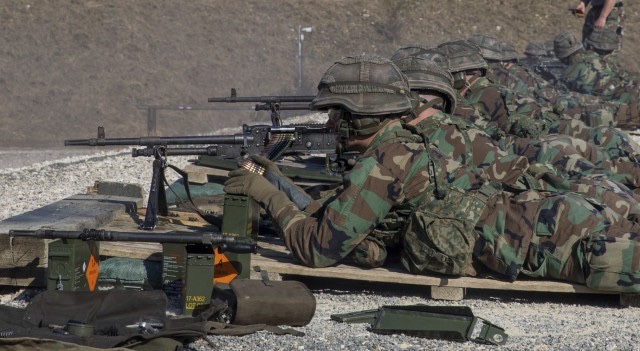
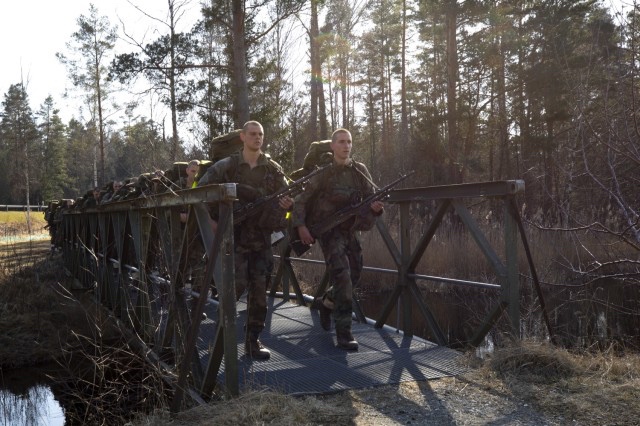
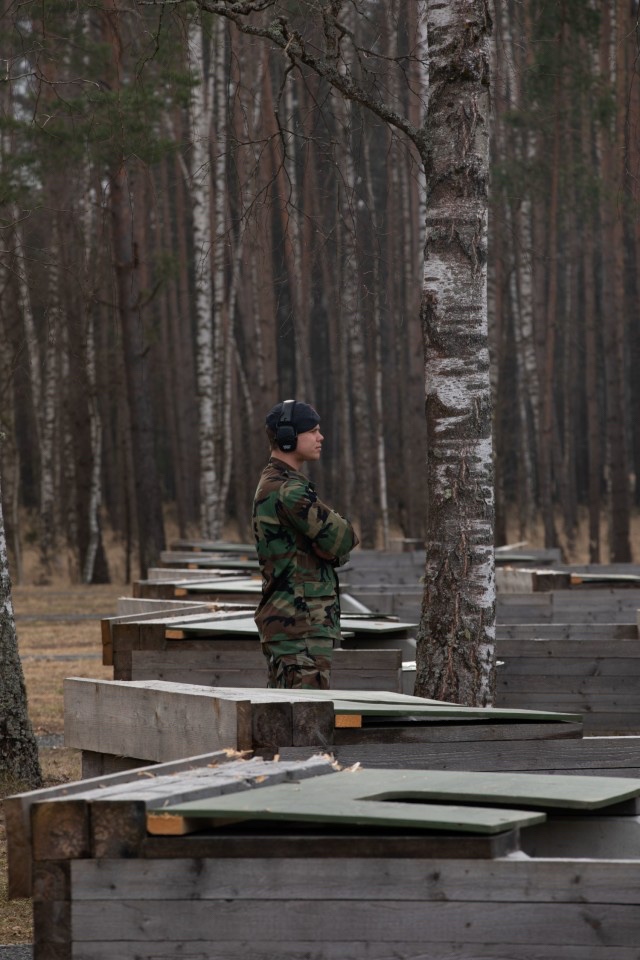
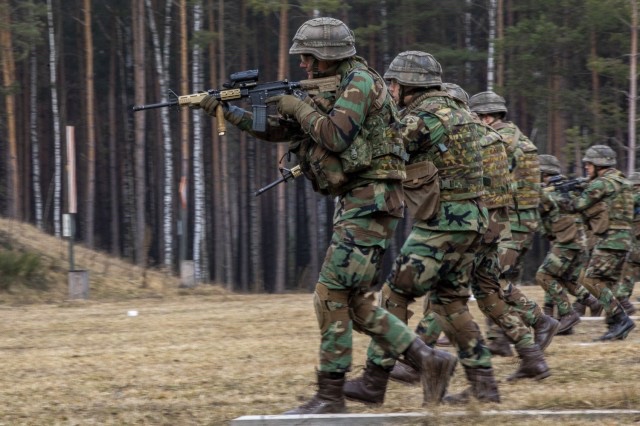
BEMOWO PISKIE TRAINING AREA, Poland — The United States and Polish militaries held a closing ceremony for the Polish phase of exercise Saber Strike on Feb. 26.

Including approximately 13,000 participants from 13 nations, exercise Saber Strike is a U.S. Army Europe and Africa multinational training exercise in Eastern Europe held bi-annually since 2010. Saber Strike demonstrates how U.S. Army Europe and Africa can deploy combat-credible European-based units to Poland, the Baltics and Central Europe. Saber Strike provides training in a winter environment and increases air defense-interoperability within the Baltic Region, while increasing the host-nations’ ability to integrate U.S. capabilities and reinforces the alliance.

“During Saber Strike we’re conducting air and missile defense training with our NATO Allies,” said U.S. Army Col. Patrick Thompson, 164th Air Defense Artillery Brigade commander. “This training helps build inoperability among our NATO Allies and partners.”

U.S. presence in Europe and the relationships built throughout the past 70 years provide the U.S. strategic access critical to meet NATO commitments. Saber Strike is designed to ensure that U.S. forces and participating allied forces are trained, able to operate together and are ready to respond to any threat from any direction.



Saber Strike 22 was also the exercise debut of four prototype Maneuver Short Range Air Defense platforms. The M-SHORAD defends maneuvering forces against unmanned aircraft systems, rotary-wing, and residual fixed-wing threats.

“The unit is conducting combined arms training strategy tied with their new equipment training to ensure the system is fielded as fast as it can to get it out to the force,” said U.S. Army Maj. Gen. Greg Brady, 10th Army Air and Missile Defense Command commanding general.

The 5th Battalion, 4th Air Defense Artillery Regiment, a part of 10th Army Air and Missile Defense Command, is the first unit in the U.S. Army to field, test and receive the M-SHORAD weapons system.

“We’ve been testing the capabilities of the M-SHORAD and U.S. link capabilities to be able to transmit data from our systems and sharing that to the Polish Army,” said U.S. Army Sgt. Brandon Anthony, a vehicle commander assigned to 5-4 ADA.

“We’re sending data links back and forth with the Polish so we can get air pictures and be able to track aircrafts in the sky,” said Jack Potter, a gunner for 5-4 ADA.

On March 10, 5-4 ADA is scheduled to conduct a live fire exercise demonstration on the Baltic Sea coast of Estonia.

Training events like Saber Strike 22 are planned well in advance and are not connected to any current or ongoing operations.

Follow all Saber Strike content on the Saber Strike DVIDS page.

Follow U.S. Army Europe and Africa on Facebook.

Story by SPC Olivia Gum

Photos by SSG Clinton Thompson