SIG SAUER - Never Settle

Archive for the ‘Guest Post’ Category

ePIG Group Reviews ACT IN BLACK’s THE14

Thursday, September 23rd, 2021

Our friends at ePIG Group produced this video.

After ACT IN BLACK replaced the DTNVG with the DTNVS, they tackled the PVS14. The successor “THE14” takes over some features of the dual device but remains compatible with accessories of the PVS14.

Filmed and cut by www.stefan-czech.info

Aviation Detachment Rotation 21-4: 435th CRS, Polish Special Forces Open Airfield Ops

Thursday, September 23rd, 2021

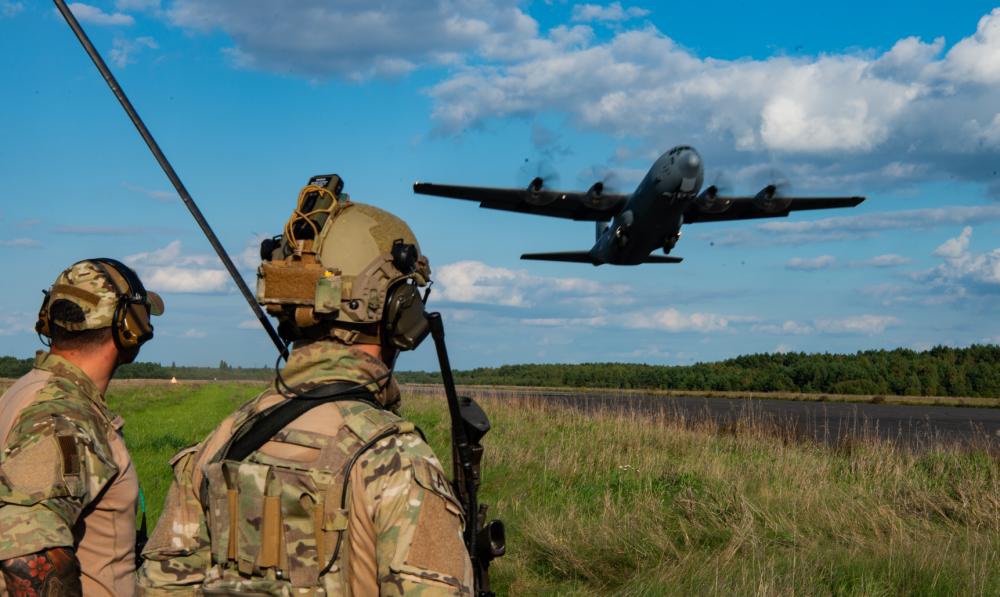
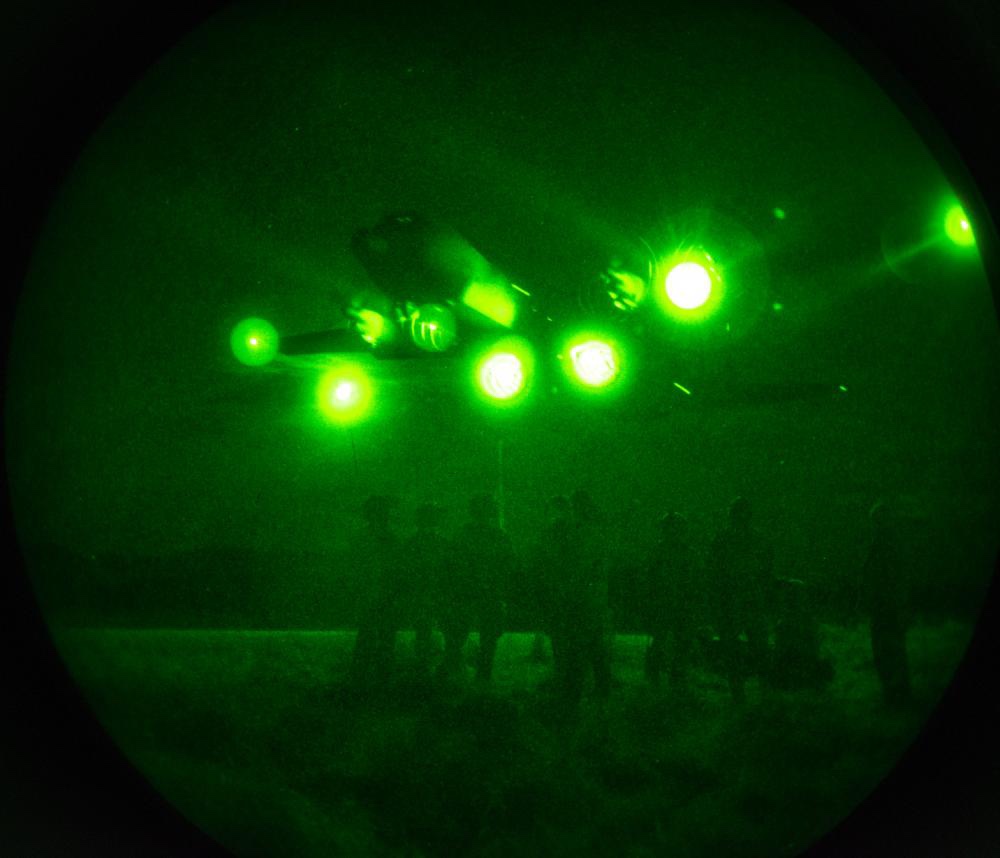
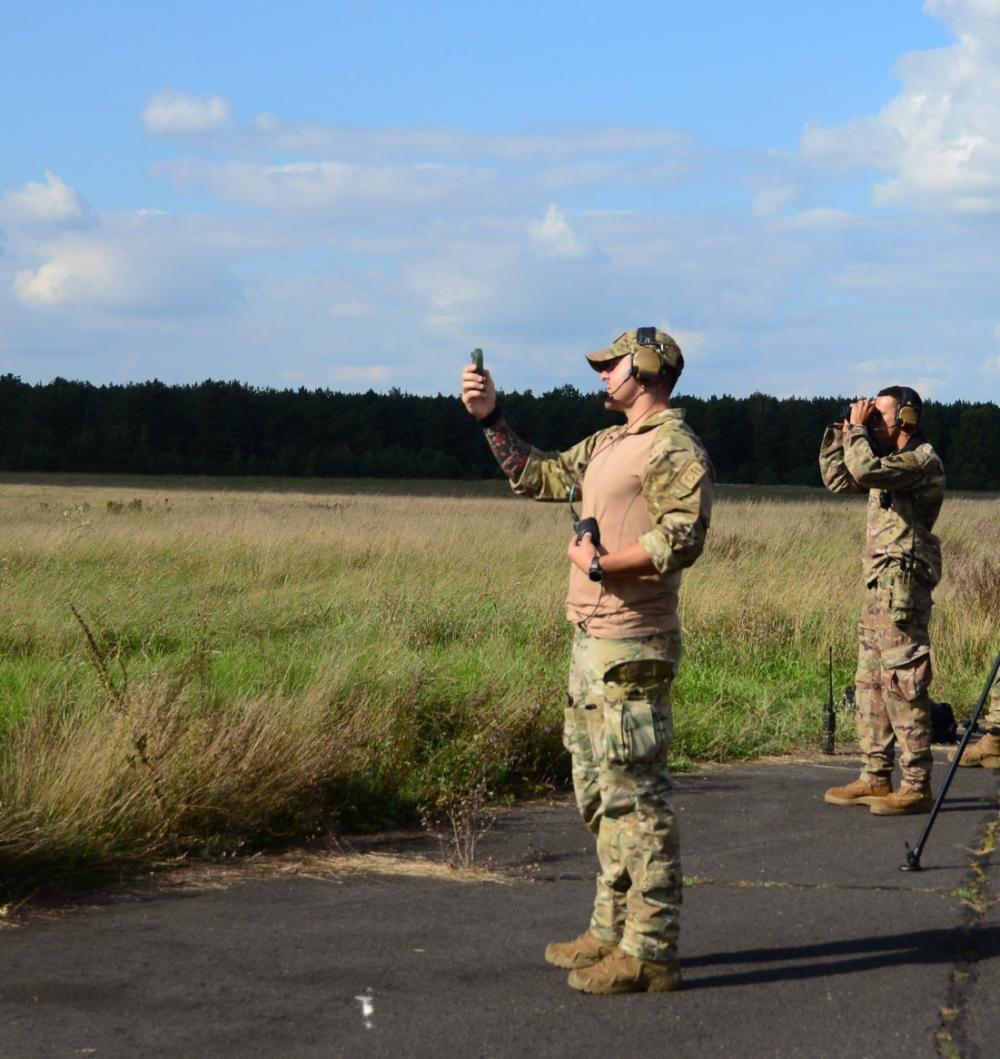
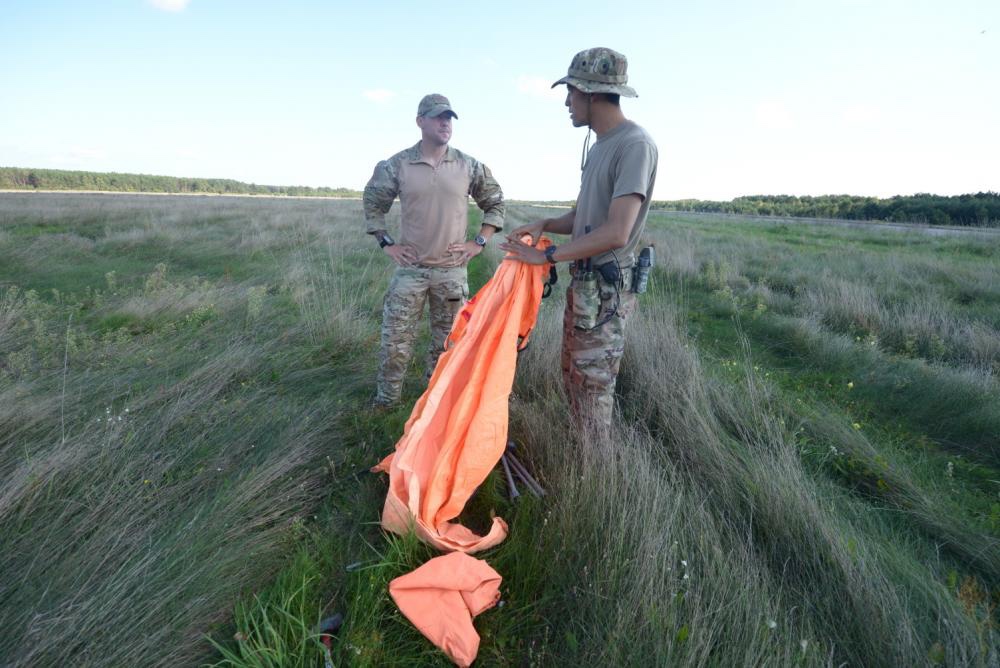
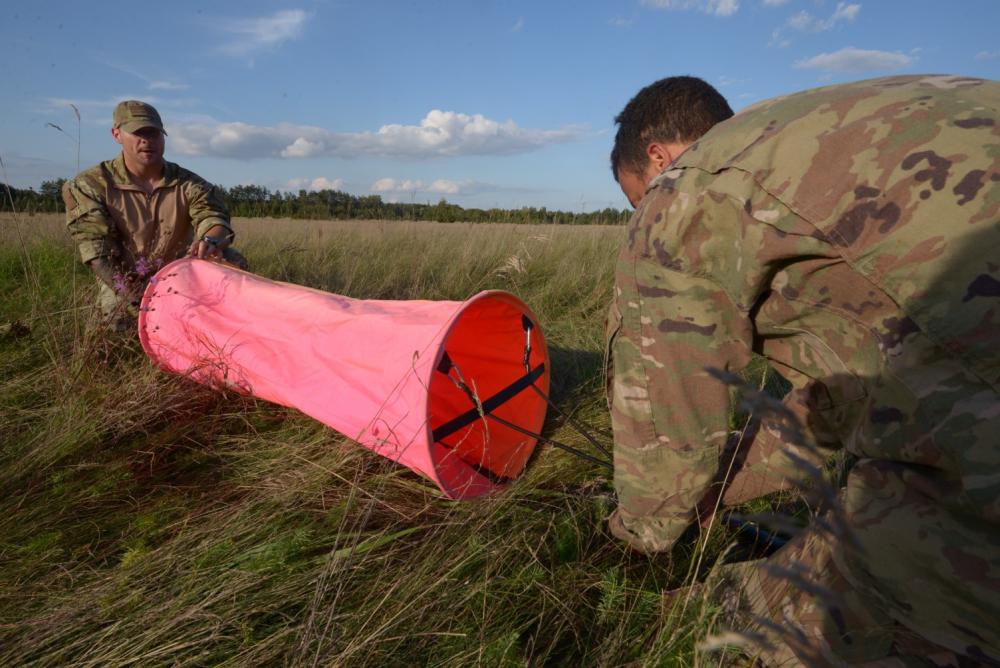
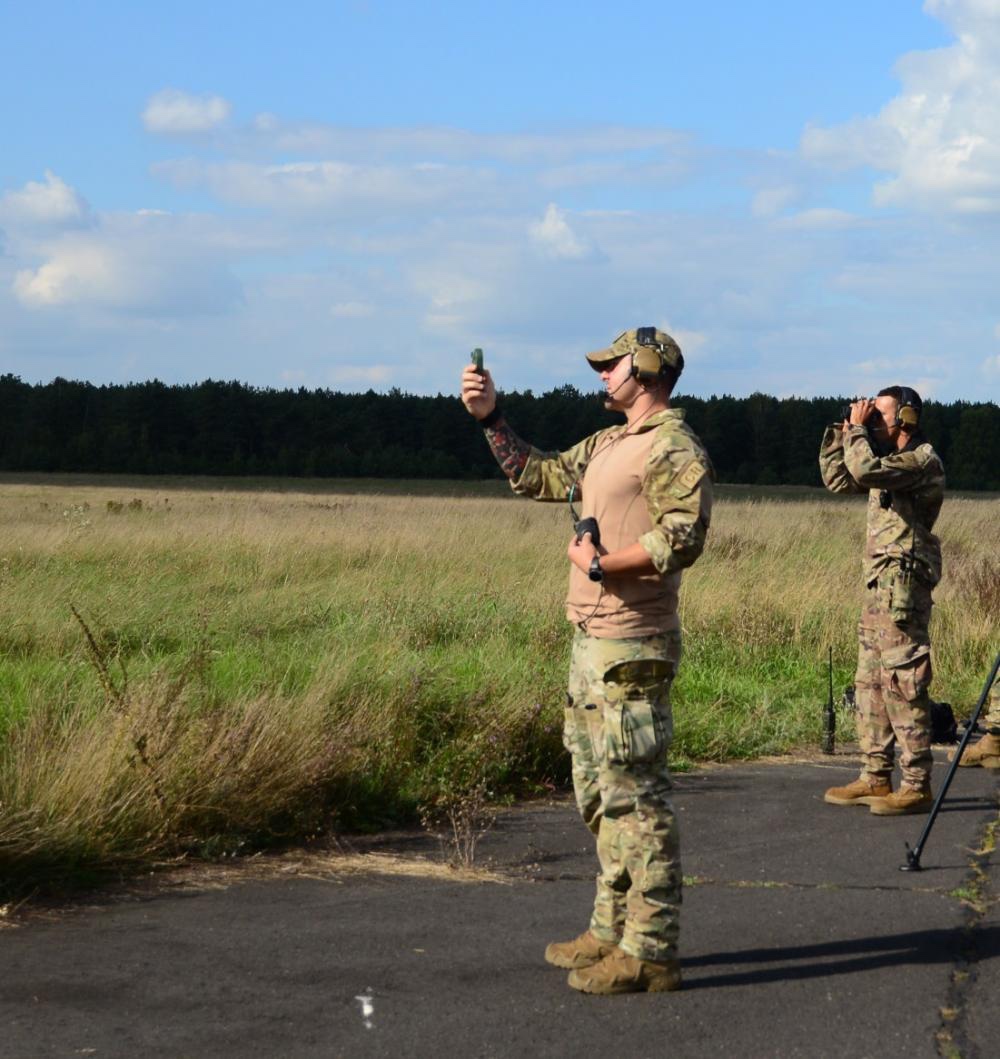
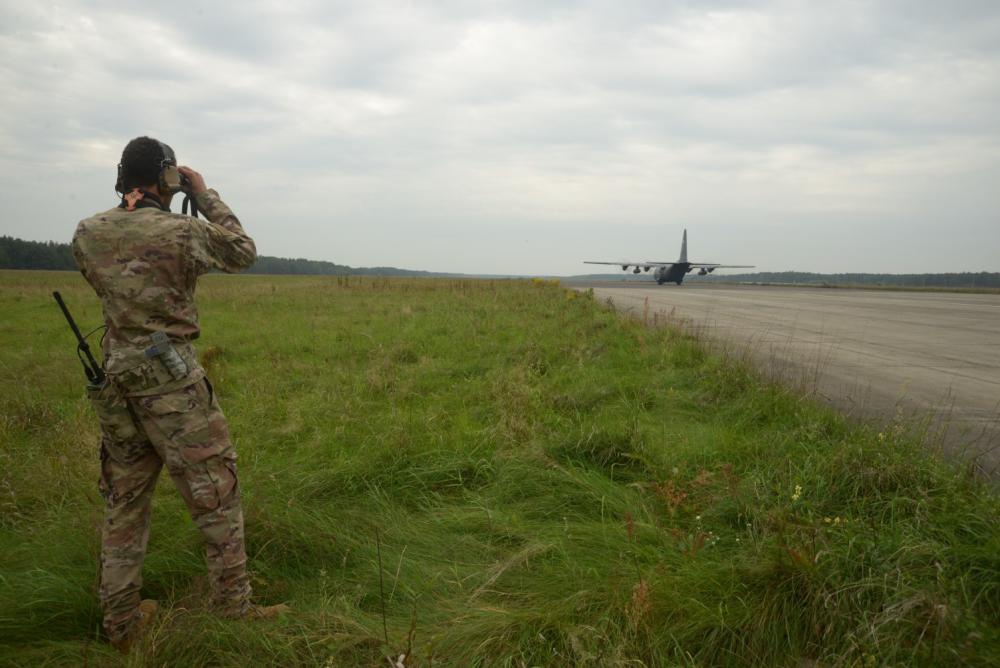
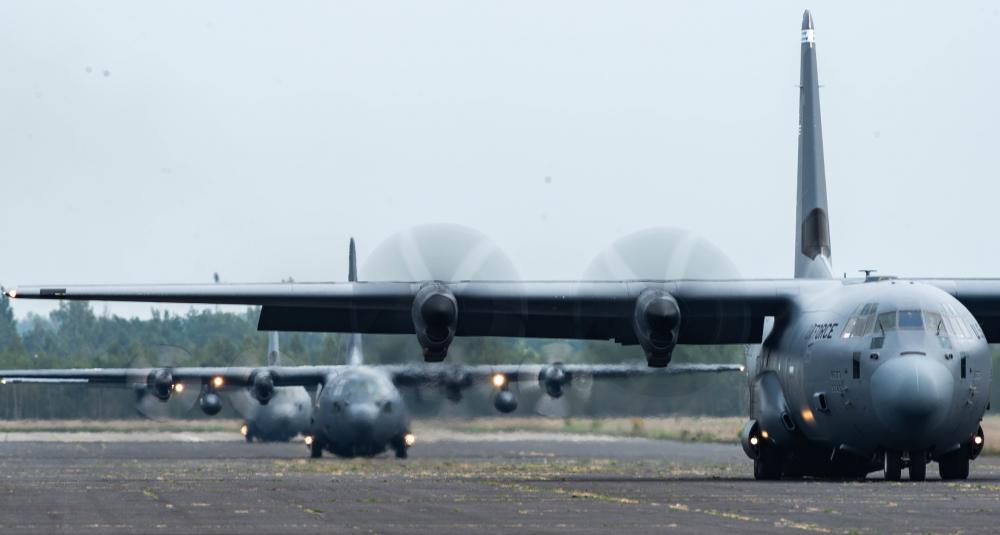
Three U.S. Air Force Airmen make final preparations for a 37th Airlift Squadron C-130J Super Hercules aircraft out of Ramstein Air Base, Germany, to drop 16 Polish special forces members at an abandoned runway near Biala Podlaska, Poland, during Aviation Detachment Rotation 21-4, Sept. 15, 2021.

This operation is the culmination of precision work to secure a drop zone and landing zone with the Polish special forces, executed by a cross-functional, rapidly deployable U.S. Air Force team designed to assess and open airbases and perform initial airfield operations enabling rapid standup of combat operations anywhere.

“We go in light, and when the operation is done, we can get out quick,” said Tech. Sgt. James Supernault, 435th Contingency Response Group air traffic controller. “This is why our team exists.”

Supernault and his team provide operational guidance on this competency to Polish special forces members as they demonstrate their ability to open an airfield, off load assets and prepare a rapid and safe departure of aircraft.

“We are still in the process of building the combat controller competency in the Polish military,” said Lucas, Polish special forces combat controller section commander. “This exercise gives us an opportunity to learn and share information.”

The 435th CRG team can assess the validity of an airfield anywhere, and the work starts far before the team receives their first aircraft.

“Before we get to a location, we look at imagery and prior surveys for anything that may present big issues to our aircraft or personnel,” said Tech. Sgt. Benjamin Stewart, a 435th Contingency Response Group airfield manager. “When we arrive on location, we get eyes on and assess anything that could pose a safety hazard.”

The team assesses both the safety above and below the ground.

“As an engineer, I inspect landing zones by testing for weak surface areas and ensure gradients are within tolerance so that aircraft can safely conduct operations,” said Staff Sgt. Cody Paynter, 435th Contingency Response Group engineer. “If the surface is strong enough, and there are no obstructions, we can land an aircraft anywhere.”

As a three-man team, Supernault, Stewart and Paynter, shared their knowledge with Polish special forces members, and successfully secured both the landing zone and drop zone for this exercise.

“My mission and responsibility as an air traffic controller is to ensure the safety of arriving and departing aircraft, while expediting the flow of air traffic,” Supernault said. “Additionally, I am responsible for the safety of personnel and equipment being dropped and that they drop in the correct location. Each time we come to Poland, Polish forces increase their capabilities, and I’m here on the ground with them to make sure everything goes seamlessly.”

The interoperability between U.S. and Polish forces continues to play an important role in NATO mission readiness.

“This exercise is a chance to build our self-confidence and our breadth of knowledge about combat control work,” Lucas said. “We have the opportunity to learn from the best teachers, because the U.S. is the world leader in this kind of work. For us, any contact during a live exercise to improve tactics and to conduct runway operations, including safely landing an aircraft, is exactly what we’re looking for.”

Aviation Detachment Rotations are bilateral training exercises and deployments designed to enhance partner interoperability, maintain joint readiness, and assure our regional allies. These events occur across the U.S. European Command area of responsibility, and U.S. aircraft and Airmen have participated in these rotations since 2012.

Story by Jennifer Green-Lanchoney, 86th Airlift Wing/Public Affairs

Photo by photo by Airman Edgar Grimaldo

Army Modernizes Tactical Power with Battery Interoperability

Wednesday, September 22nd, 2021

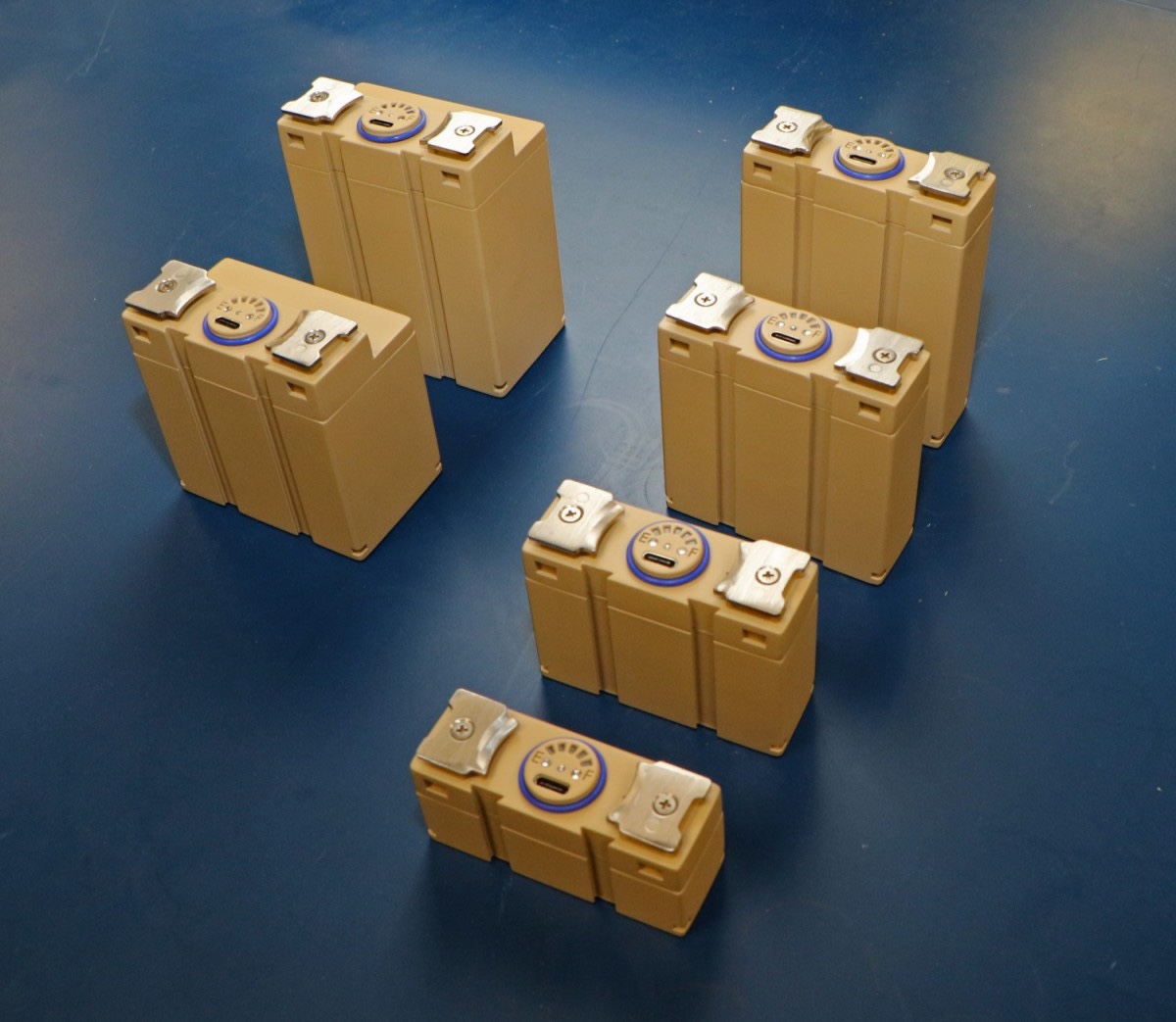
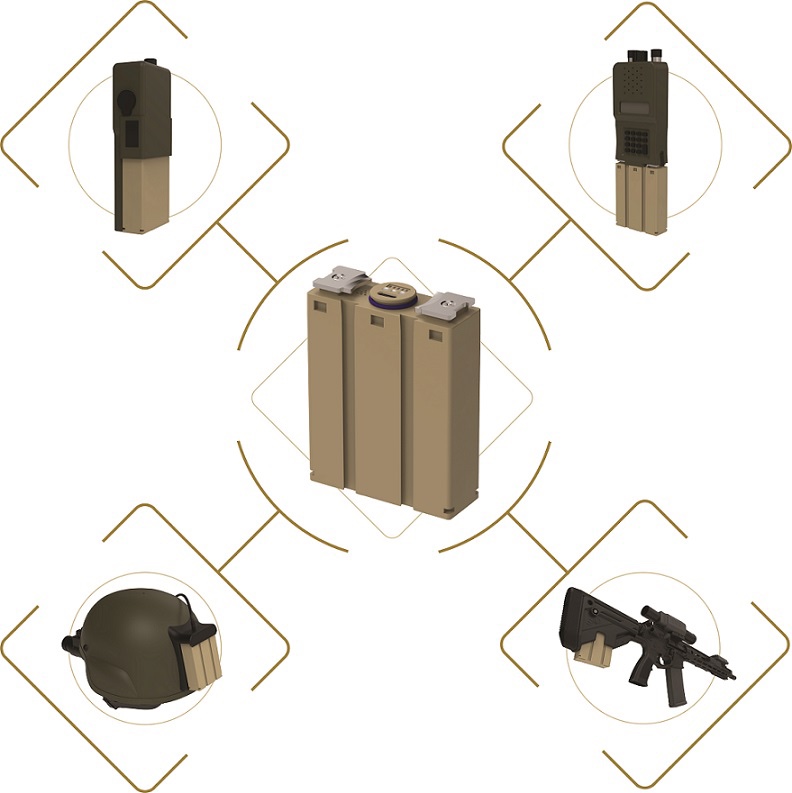
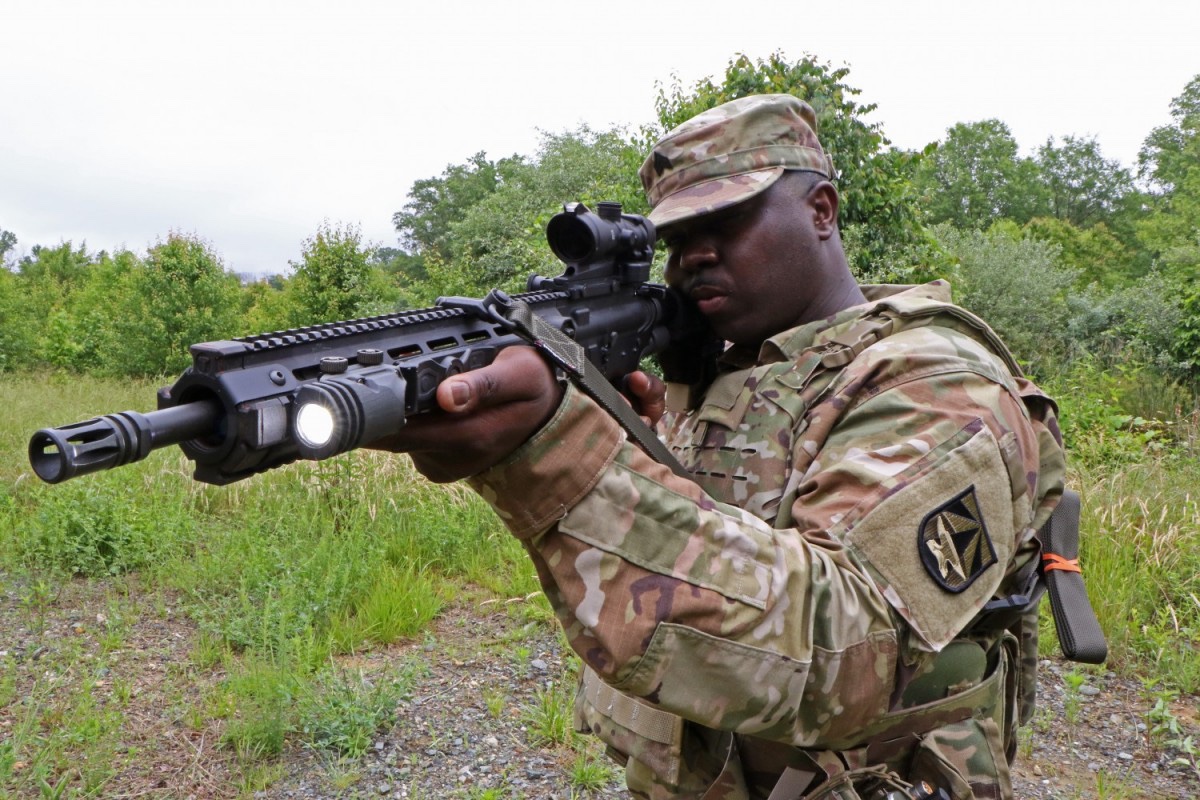
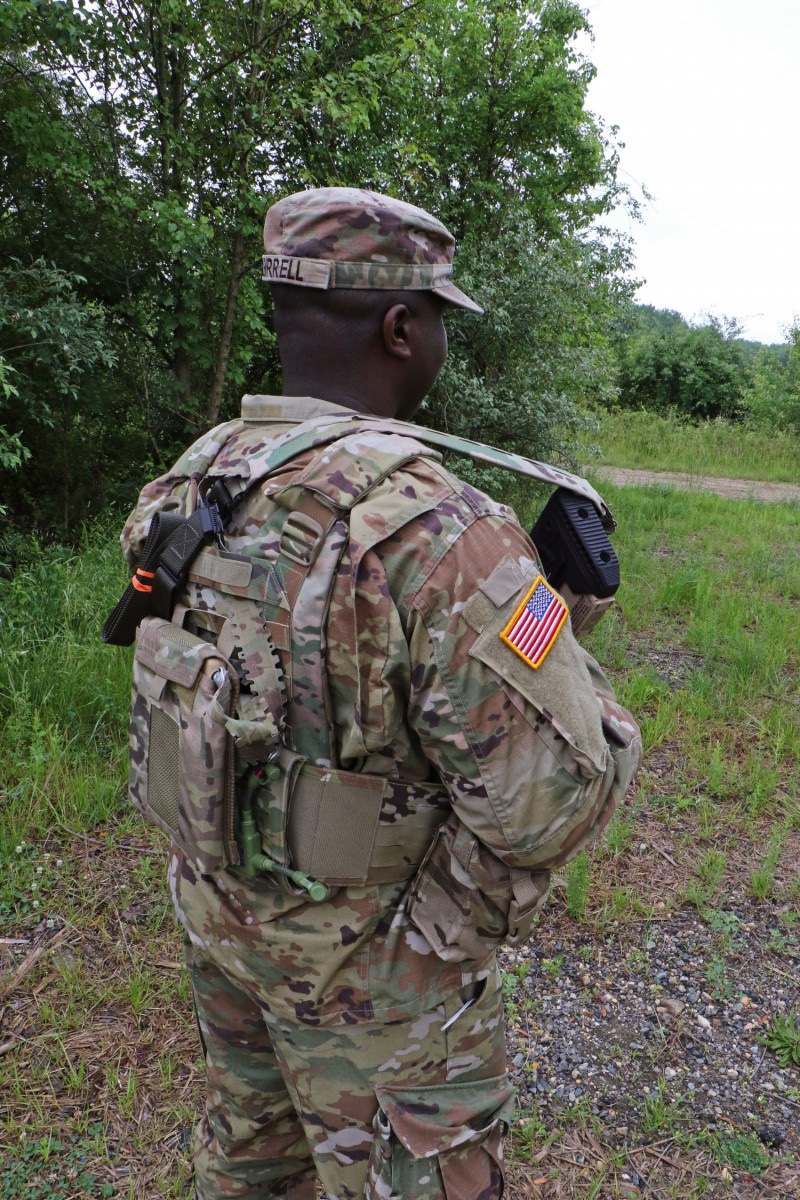
ABERDEEN PROVING GROUND, Md. — The Army is modernizing tactical power and reducing logistics costs by developing standardized batteries for Soldier-worn and handheld equipment such as radios, GPS, night-vision devices and weapons.

Army Futures Command (AFC) engineers are leading the project to deliver eight sizes of batteries that share a common mechanical and electrical interface — the key to unlocking interoperability.

The Small Tactical Universal Battery (STUB) is the Army’s latest approach to develop a standard family of batteries, according to Dr. Nathan Sharpes, a research mechanical engineer with the Command, Control, Communications, Computers, Cyber, Intelligence, Surveillance and Reconnaissance (C5ISR) Center — a component of AFC’s Combat Capabilities Development Command (DEVCOM).

“Now is an opportune time to standardize power sources as the Army is prioritizing modernization and fielding electronics with greater capabilities requiring more energy than current systems,” Sharpes said.

The C5ISR Center is leading the program that will benefit Soldiers, the acquisition community, logistics personnel and industry, Sharpes said. The goal is to avoid the current model of fielding a proprietary battery for each piece of gear as technology developers have historically delivered unique batteries for new capabilities.

Each battery size provides a different amount of energy, from which Soldiers could choose, depending on their mission needs. This interoperable battery system will seamlessly deliver the correct voltage and power level needs to any device.

“Currently when a Soldier is on a mission carrying five different pieces of gear that each have a unique battery form factor, along with spares, that’s extra weight and items to keep track of,” Sharpes said. “With this family of interoperable batteries, Soldiers will see benefits cognitively and physically.

“Any battery in the STUB family will be able to attach to any device designed for it because of the standard interface. We’re also incorporating eight attachment methods — such as slide on, clip in and twist on — so devices can use the universal battery in different ways. Soldiers can focus more on their missions and less on which types of batteries and how many of each to carry.”

Standardization also alleviates the burden of battery design from manufacturers of handheld electronics. As industry develops new C5ISR technologies, they will be able to concentrate on core competency areas while adhering to the already approved universal-battery specifications. All vendors would follow the same battery guidelines, Sharpes said.

The new standard universal-battery sizes will also simplify logistics and reduce supply chain costs, as the Army will be able to move away from procuring, storing, testing and shipping a wide array of unique batteries required for each piece of Soldier-carried equipment, Sharpes said.

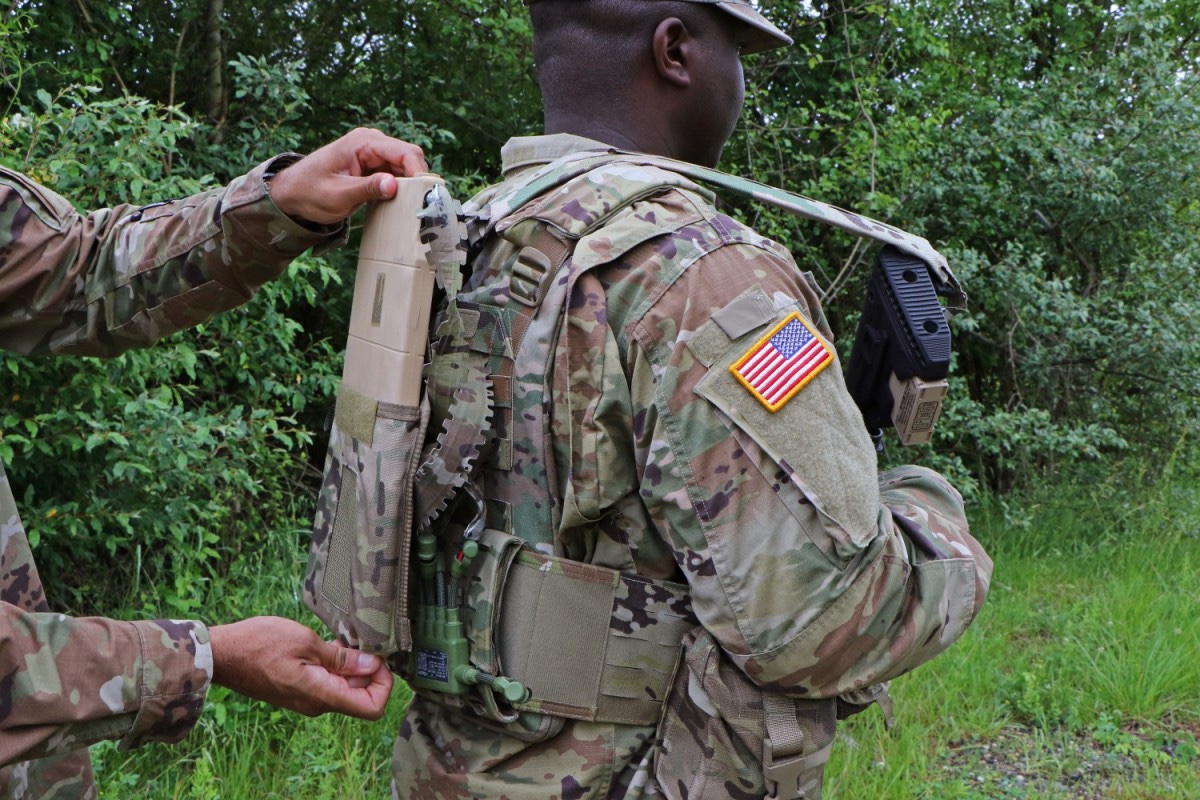
The C5ISR Center’s STUB initiative follows in the footsteps of the Army’s development of the thin, flexible Conformal Wearable Battery (CWB) that Soldiers wear on their vests as a central power source for wearable electronic devices, according to Christopher Hurley, chief of the Center’s Tactical Power Branch.

The CWB development aimed to reduce the number of battery types needed by enabling a single power source to provide extended runtime to select pieces of kit. Current Army research would enable equipment to use smaller STUB batteries when not connected to the CWB.

“The end result is an overall lighter and more energy dense Soldier kit,” Hurley said. “The C5ISR Center is working across Army organizations to create battery standards and specifications. These efforts will meet the demands of the numerous pieces of equipment a Soldier uses and the diverse operating environments in which they conduct missions.”

——————-

The C5ISR Center is the Army’s applied research and advanced technology development center for C5ISR capabilities. As the Army’s primary integrator of C5ISR technologies and systems, the center develops and matures capabilities that support all six Army modernization priorities, enabling information dominance and tactical overmatch for the joint warfighter.

By Dan Lafontaine, DEVCOM C5ISR Center Public Affairs
The C5ISR Center is an element of the U.S. Army Combat Capabilities Development Command (DEVCOM). Through collaboration across the command’s core technical competencies, DEVCOM leads in the discovery, development and delivery of the technology-based capabilities required to make Soldiers more lethal to win our nation’s wars and come home safely. DEVCOM is a major subordinate command of the U.S. Army Futures Command.



——————-

Guest Post sponsored by EXO Charge, and published with permission from the U.S. Army. EXO Charge will be exhibiting the STUB series at the AUSA Annual Exposition on their booth, #860 in Hall ABC. www.exocharge.com


TMS Tuesday – Packing A Wound With OLAES Hemostatic Bandage

Tuesday, September 21st, 2021

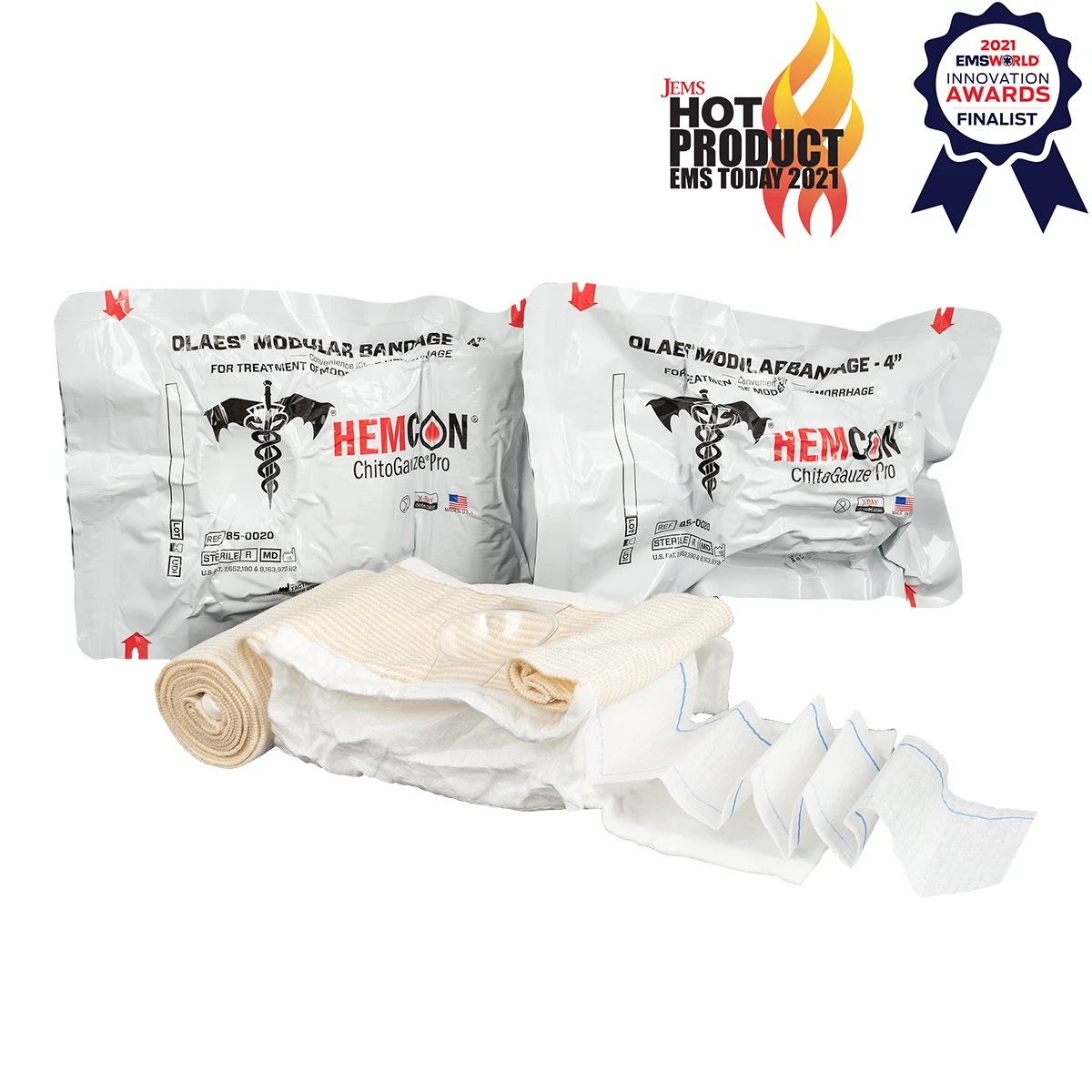
Packing a Wound with the JEMS Hot Product Award Winning OLAES® Hemostatic Bandage

An important part of learning to stop the bleed is learning how to properly pack a wound. Being prepared will help you be ready to save a life in the case of an unexpected emergency.

The OLAES® Hemostatic Bandage is a JEMS Hot Product of 2021 and an EMS World Innovation Award Finalist. It combines the globally recognized OLAES® Modular Bandage with battle tested HemCon® ChitoGauze® PRO to create the most comprehensive trauma bandage for multiple injury profiles. One of few CoTCCC recommended hemostatic dressings, ChitoGauze® PRO features chitosan as the hemostatic agent, is X-Ray detectable, and is located inside the bandage’s wound pad for rapid access at the point of injury.

Let’s look at the steps to packing a wound!

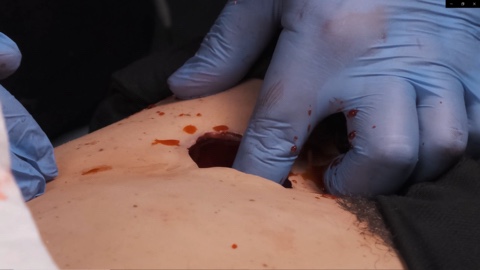
Step 1: Locate the Bleed

Put your fingers into the wound, locate the source of the bleeding, and apply direct pressure.

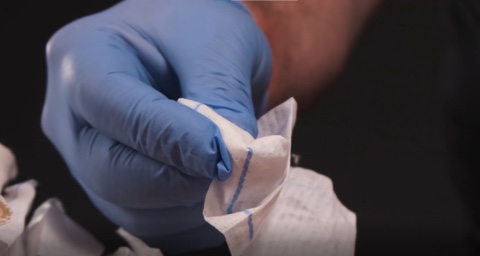
Step 2: Form a Ball

Take the end of the gauze and form it to create a ball of hemostatic agent to better provide direct pressure on the source of bleeding.

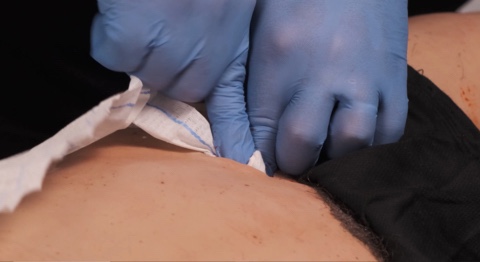
Step 3: Pack the Wound

Using appropriate pressure to stop the flow of blood, push the gauze into the wound and directly onto the source of the bleeding. With constant pressure, pack the wound with the gauze until all the areas of the wound are completely filled and bleeding has stopped.

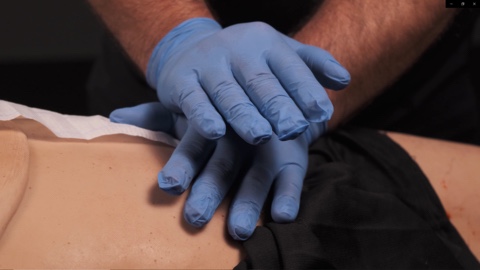
Step 4: Hold Consistent Pressure

Hold direct, consistent pressure on the packed wound for 3 minutes. If the bleeding stops, proceed to bandaging. If the bleeding continues, remove all the gauze from the wound and repeat all the steps with fresh gauze until the bleeding has stopped.

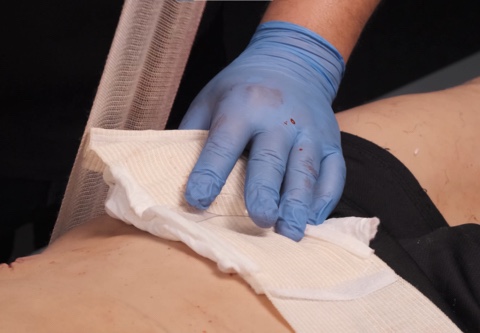
Step 5: Apply the Pressure Dressing

Once the bleeding has stopped, apply a pressure dressing with the pressure cup centered over the wound. Maintain pressure and wrap the bandage tightly over the wound and pressure cup.

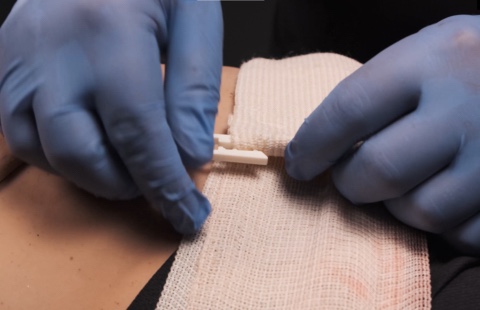
Step 6: Secure the Pressure Dressing

Once the bandage has been fully applied, secure it with the securing clips.

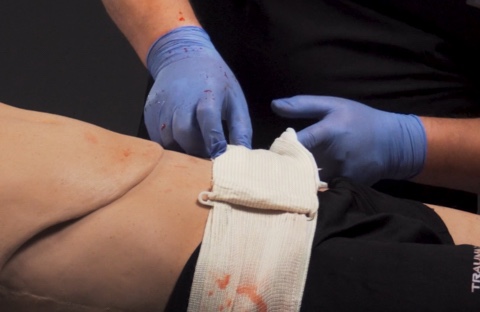
Step 7: Check Wound

Check to make sure that the bandage is in the right spot, the pressure is in the right spot, and the bleeding is controlled.

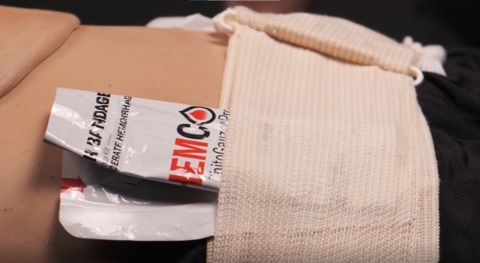
Step 8: Indicate Hemostatic Agent

Annotate hemostatic use on patient’s DD1380 (Tactical Combat Casualty Care Card), and tuck the bandage’s wrapper into the dressing to indicate that a hemostatic agent was used.

Please seek additional medical attention and opt for hands-on training if possible.

For more information on the OLAES Hemostatic Bandage, check out this link: OLAES® Hemostatic Bandage – TacMed Solutions

US Naval Special Warfare SEALs Enhance Interoperability through Specialized Training in Cyprus with Cypriot Underwater Demolition Team

Monday, September 20th, 2021

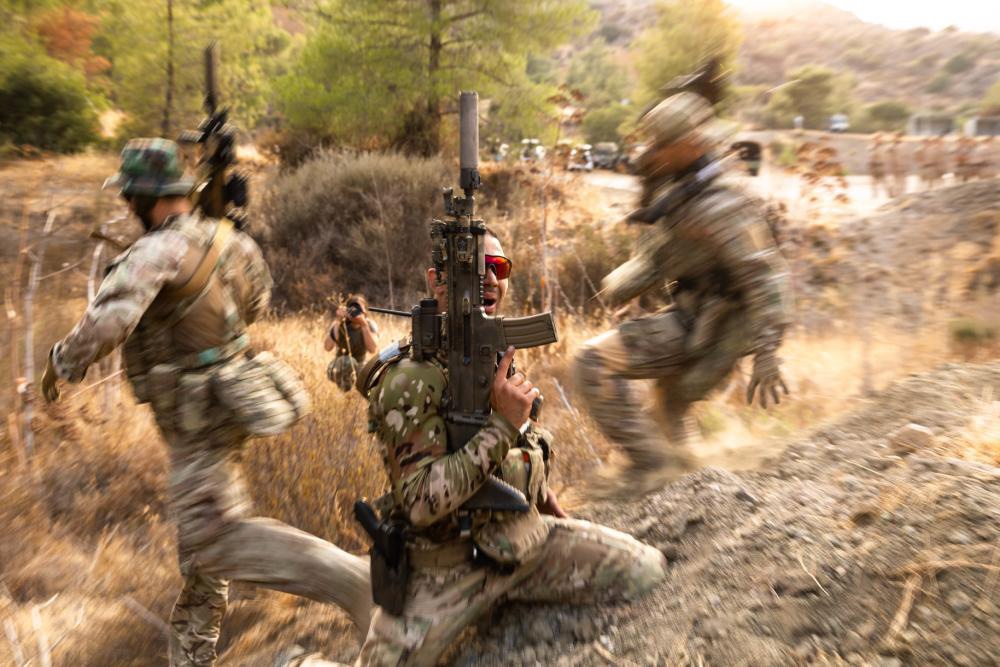
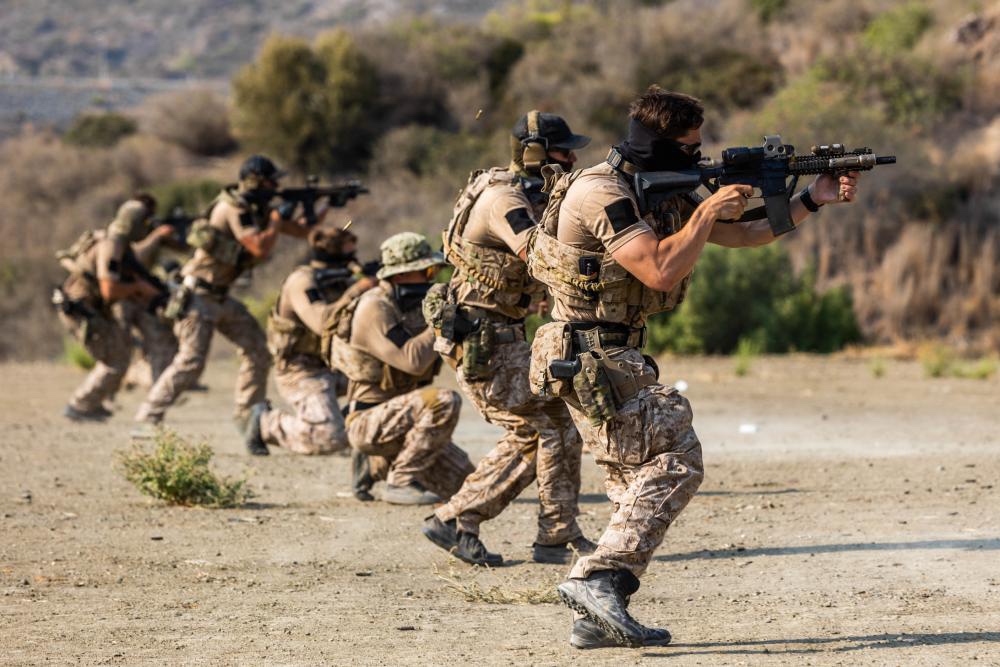
Limassol, Cyprus – As part of a bi-lateral training exercise in Cyprus the Cypriot Underwater Demolition Team (MYK) is hosting U.S. Naval Special Warfare Task Unit Europe (NSWTU-E) beginning 07 September 2021. This is one of a series of training events throughout the Eastern Mediterranean directed at building cohesion between NATO allies and partners while increasing readiness in the face of multiple threats to the peace and stability of Europe.

“You can see the very real demonstration of cohesion we build during exercises like this with partners like Cyprus,” said the Naval Special Warfare Officer-in-Charge. “We simply cannot accomplish the mission alone – by exchanging tactics and ideas, we build cohesion necessary to defeat any challenge.”

NSWTU-E is currently training with members of the MYK on maritime operations. Joint training in the eastern Mediterranean is essential in maintaining interoperability and strong relationships with our ally and partner nations, ensuring stability throughout the theater.

Special Operations Command Europe participates in multiple exercises within Europe throughout the year not only with the NATO allies, but important partners such as Cyprus, providing an option to commanders allowing for discreet mission sets in any condition, climate, and terrain.

Story by Capt Margaret Collins DuTart, U.S. Special Operations Command Europe

Photos by Sgt Patrik Orcutt, U.S. Special Operations Command Europe

AMNB Reviews the codeRED CR-TAC Headset

Sunday, September 19th, 2021

You may have run across AMNB on Instagram or the Web where he reviews a wide variety of kit, primarily for the Mil-Sim community. We’ve hit the point where the quality of products designed for Mil-Sim are getting up there. I’m not saying for professional users to go this route, but it may have utility for some readers.

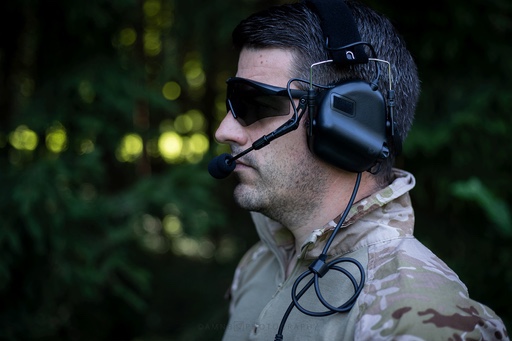
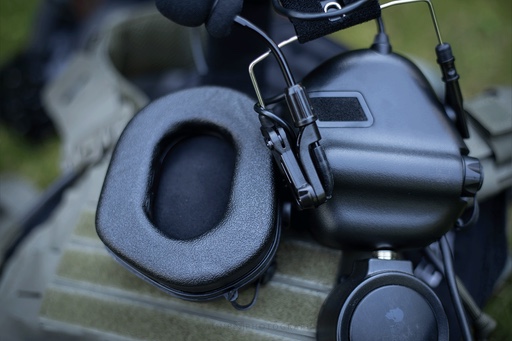
CR-TAC from codeRED Headsets is a noise cancelling Dual Muff headset with “hear through” technology using electronic amplification of ambient sounds.

Overall, his impression is very positive, but Chris goes into some detail, which makes it worth your time to go read what he’s got to say.

For the whole review at airsoft-milsim-news.com/codered-cr-tac-headset-amnb-review.

SCUBAPRO Sunday – Common Dive skills

Sunday, September 19th, 2021

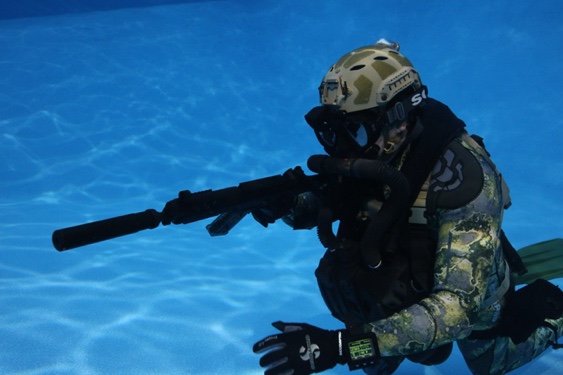
Training like you fight doesn’t mean just having your body armor on when you are on the shooting range, and you should always practice basic skills whenever you get in the water. The best way to become a better diver is to practice and improve on the basic skills constantly. Here are some basic skills you should practice every time you get in the water.

Buoyancy

This is one of the most critical skills for every diver to master. Mastering buoyancy is not necessarily a difficult task, but it requires a calm, focused mind and practice. You will consume less air when your buoyancy is on point, and you will not risk shooting to the surface and giving yourself away or, worse, getting injured. To practice your buoyancy, try and be a couple of feet off the bottom of the pool using a body positions simulation to sky diving. Try maintaining the same distance from the bottom and now just using your fins spin to your left, then spin to your right, again holding your positions. Now once you have that, try and move backward, besides just using your fins. This will help you with moving in confined spaces and around piers.

Descents

The descent should always be performed slowly and controlled. You will need to equalize the pressure in your ears as you descend constantly; that can mean every 12-18 inches 30-40cm for some divers. Descending too quickly can cause your eardrums to rupture, which can lead to more severe complications. A slow descent will also prevent silting on the bottom, which will decrease visibility. Also, practice your emergency descents. It will be the same as before but faster.  

Clearing Your Mask

At some point, you will get water in your mask. So, it is better to practice in a controlled environment than to have not done it a long time and try and remembered when it is the middle of the night in someplace where you don’t want the water touching your face. If you have water in your mask, follow the clearing techniques you learned in your training. If you need to stop momentarily, alert your buddy so you do not get separated. You should be able to master this essential skill without having to stop. It would help if you also did this, allowing as a minimal number of bubbles as possible. Make sure you practice this when you are learning to use any diver propulsion vehicle.

Emergency Ascents

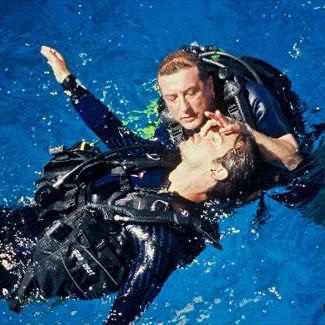
If you ever find yourself in this situation, you will be happy that you practiced it. It is no different than practicing a down mandrill. Well, other than the fact that you are in the water. Your emergency ascent may require that you share air with your buddy, swim in a controlled manner to the surface, or drop your weights. Practice all types of emergency ascent techniques whenever possible to not panic when a real emergency occurs. Lastly, go over what you would do on the surface if you had to do CPR or render first aid in the middle of nowhere and your dive buddy’s life depends on it.

Hand Signals

Once you start diving with someone, you might come up with some hand signals of your own, like you have your head up, you’re a$$. But the essential hand signals will be used by everyone worldwide. You never know when you will be diving with someone from a partner nation, and that is all you have to go by. So, knowing the basics will help.

Going Up or Down

Use a thumbs-up signal to indicate that you are going up or a thumbs down to indicate the opposite.

I’m OK

Place your thumb and forefinger together, forming a circle, and leave the other three fingers extended upright. This is the same as you would say, OK, as you would above water.

Stop

Signal your dive buddy to stop by holding up one hand, the same as you would in any other instance. You can also use a closed fist like being on patrol.

Changing Direction

Just like with up and down, point your thumb (or your index finger) to indicate which direction you’re heading. You can tell again like on land.

Turn Around

To let everyone know it’s time to turn around, put your index finger up and rotate in a circle. Similar to rally-up.

Slow Down

Place your hand in front of you with your palm facing down. Wave your hand up and down to indicate that you need everyone to slow down a bit.

Level Off

To indicate that you want to level off once you’ve reached a certain depth, put your hand out in front of you, palm down, and wave it back and forth.

Something’s Wrong

Place your hand out in front of you, fingers spread and palm down. Wave your hand back and forth in a rocking motion. It is similar to the hand signal, maybe.  

Help!

Wave your entire arm from outstretched by your side to over your head. Repeat the motion as long as you need to.

How much air do you have?

With the forefinger and middle finger hit in the palm of your hand to ask your buddy how much air is left in the tank. The usual response is in numbers.

I’m Low on Air

It takes practice to be able to make your air last. Clench your hand into a fist and pull it in toward your chest. Repeat as much as you need to indicate how urgently you need to resurface. When diving a rebreather, you should point at the pressure gauge. With some of the newer rebreathers, you can pull your gauge out and show it to your dive buddy if needed.  

I’m Out of Air

Suppose something has gone wrong with your equipment, signal quickly and repeatedly. Place your hand, palm down in front of your throat, and move back and forth in a cutting motion.

AFWERX Drives Innovation Through Flightline Ops Challenge

Sunday, September 19th, 2021

TYNDALL AIR FORCE BASE, Fla. (AFNS) —

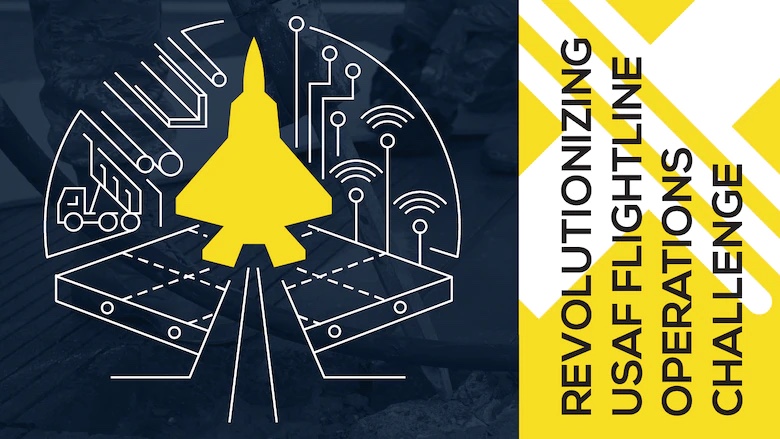
Innovators and thought leaders from industry, academia and the federal government gathered at the AFWERX Innovation Hub in Las Vegas, Nevada, late last month to review technologies that will be a part of the Revolutionizing Flightline Operations AFWERX Challenge.

This effort is a sequel to last year’s Base of the Future Challenge championed by the Natural Disaster Recovery Program Management Office at Tyndall AFB.

The Air Force Civil Engineer Center’s NDR PMO has worked with AFWERX over the past two years to drive innovation and incorporate new technologies into the rebuild.

This challenge will help shape technologies that have potential for incorporation into the Flightline of the Future.

The team sought to engage individuals, startups, small businesses, large enterprises, academia and research labs to solve problems.

Lowell Usrey, NDR PMO Innovation Branch chief, challenged the cross-functional team to design the challenge.

“We are able to reach companies and innovators who have limited exposure to the Department of Defense and are able to bring new ideas to existing problem sets and that’s cool.” Usrey said.

The recent AFWERX challenge was the culmination of months of planning and a competitive evaluation with hundreds of participants. Solutions offered involved improvements to airfield and aircraft maintenance operations including autonomous technology, enabling data-driven decision-making and integrating advanced, smart airfield surfaces to strengthen the flightline and improve operations.

Developing an automated process to collect airfield surface data and use artificial intelligence to identify surface anomalies and damage is revolutionary, Usrey said. It would allow airfield managers to persistently monitor and track flightline conditions and plan more efficiently.

“It was exciting to collaborate on ways to leverage technology for our day-to-day work and overall mission on the airfield,” said Maj. Kayley Squire, Tyndall AFB airfield operations flight commander. “The solutions that surfaced are remarkable — and it was made even more rewarding by being able to show our Airmen that innovation and change is possible.”

The automated processes developed at the AFWERX Challenge can also improve aircraft maintenance operations.

“The technology shown during the AFWERX Challenge will completely transform aircraft maintenance operations,” said Lt. Col. Yogi Lebby, Advanced Concepts chief. “These new modernizing solutions will allow maintainers to be more proactive, document more effectively and drive efficiencies back into a maintainer’s day. The future is now and I’m excited to be part of the journey.”

Together with airfield operations and maintenance, flightline security was another focus of breakout sessions to identify areas for improvement.

Security tactics, techniques and procedures that were developed in a time when advanced technology was not available were discussed. To counter 21st century security concerns, modern solutions were shaped by the group. Proposed solutions included using some of the same technologies as airfield maintenance, like smart pavements, to help augment security operations. Facial recognition, detectable flightline access badges and other technologies could be incorporated into flightline features like pavements and lights to identify individuals on the flightline.

Because base defense is manpower intensive and subject to human error, incorporating technologies that shorten response times were discussed since they can more effectively counter any intrusion.

“The efforts of the entire team have set the stage for remarkable capabilities that will outlive their time within their current occupation,” said Maj. Jordan Criss, 325th Security Forces Squadron commander. “It’s setting our future Airmen up for success and honoring the U.S. Air Force tradition of innovation, flexibility and strategic vision.”

Improved communications connectivity across the flightline and integrated processes were also recommended to improve flightline operations.

Because some Air Force procedures have not always kept pace with technology, improved communications and integrated processes can help manage workflow, optimize aircraft scheduling and establish better supply linkages, Usrey said.

“Having civil engineers and airfield operations working together to tackle common issues we face on the airfield with new and innovative solutions was truly something special,” said Lt. Col. Robert Bouffard, a Pentagon executive officer. “They all had the common goal of increasing mission effectiveness.”

AFWERX is a collaborative structure — partially based on the structure of Air Force Special Operations Command – that gives the Air Force a way to reach out and engage with businesses, organizations and academia around the world.

By Don Arias, Air Force Installation and Mission Support Center Public Affairs