Phantom Lights

Archive for the ‘Guest Post’ Category

MATBOCK Monday – Skins

Monday, October 5th, 2020

MATBOCK Skins

Good morning and Happy MATBOCK Monday!

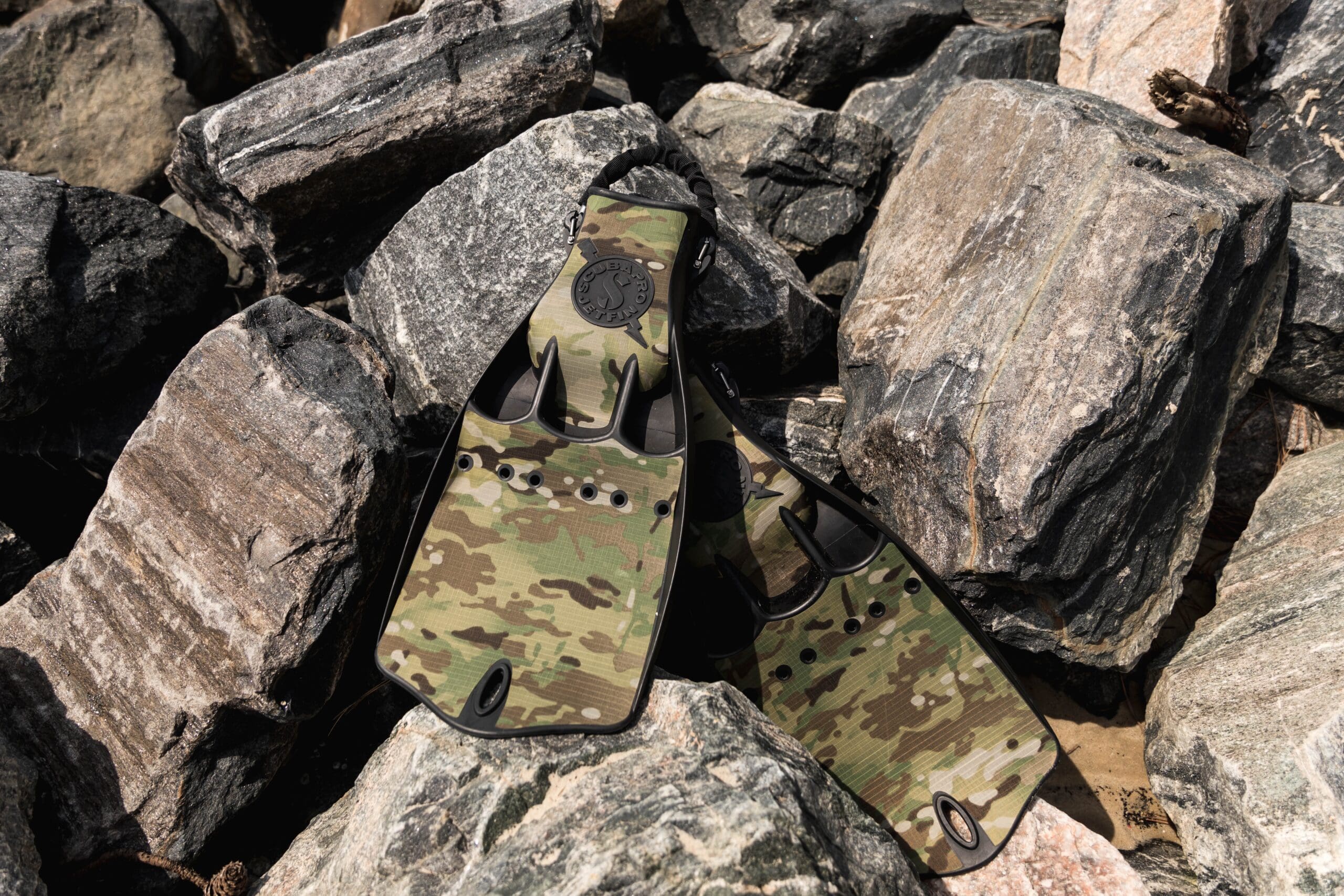
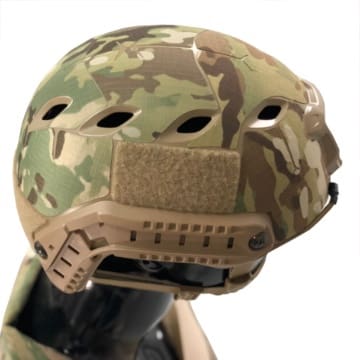
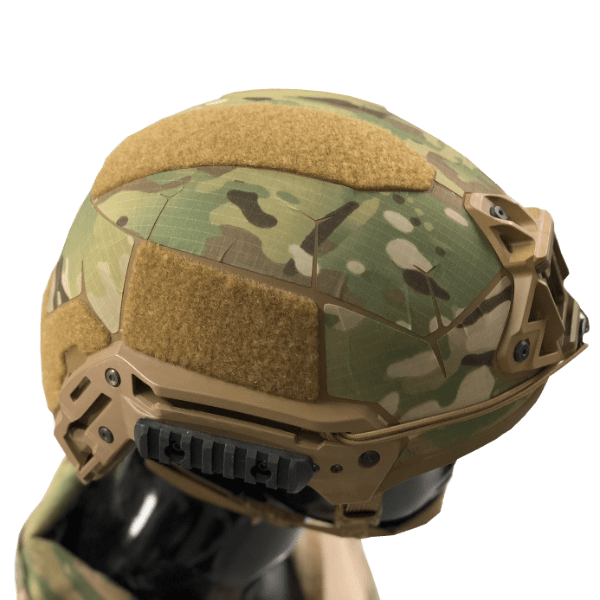
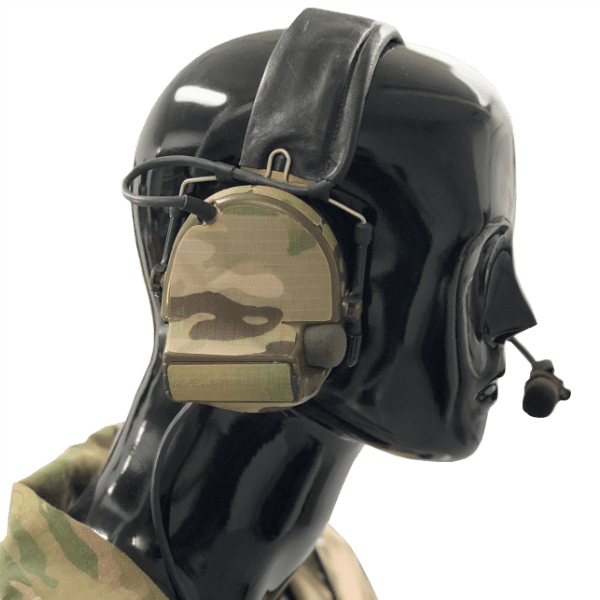
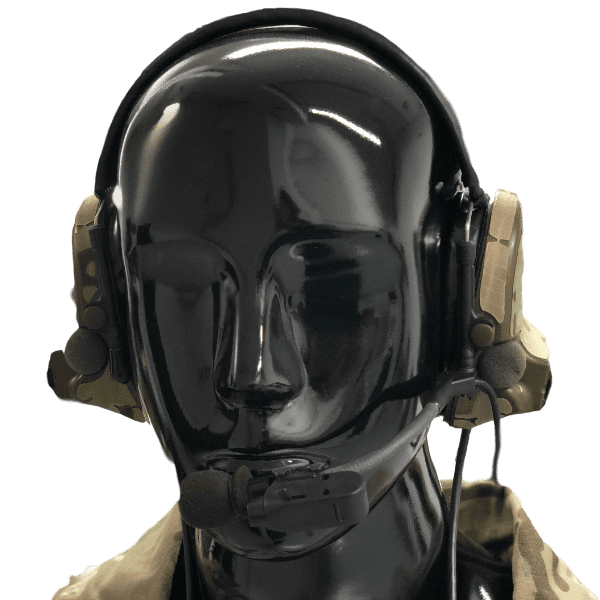
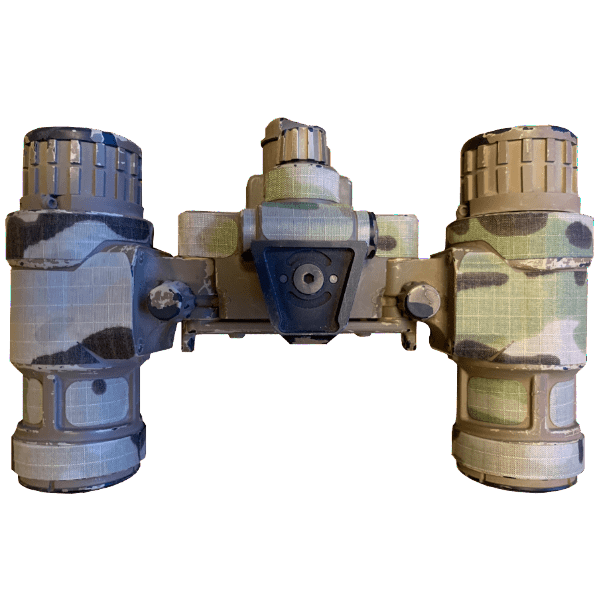
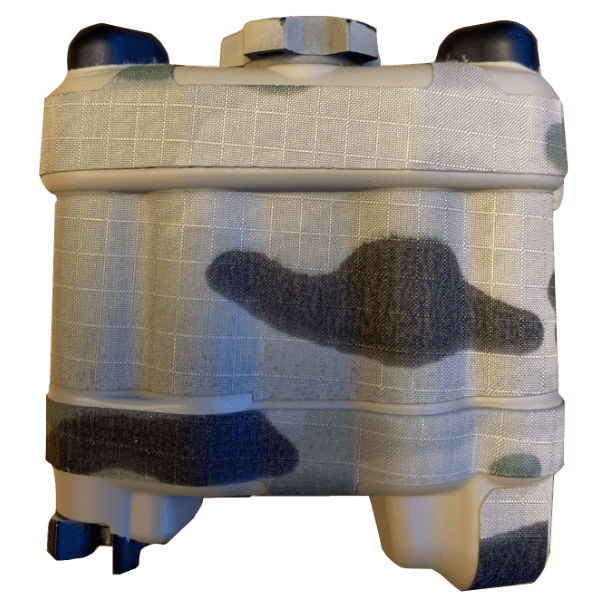
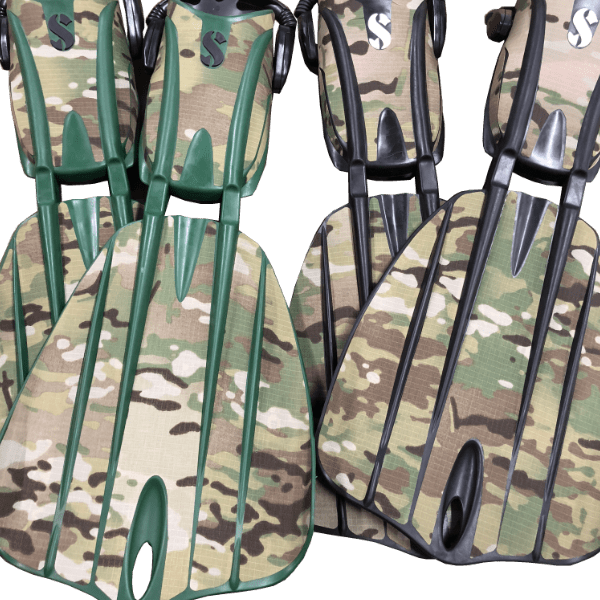
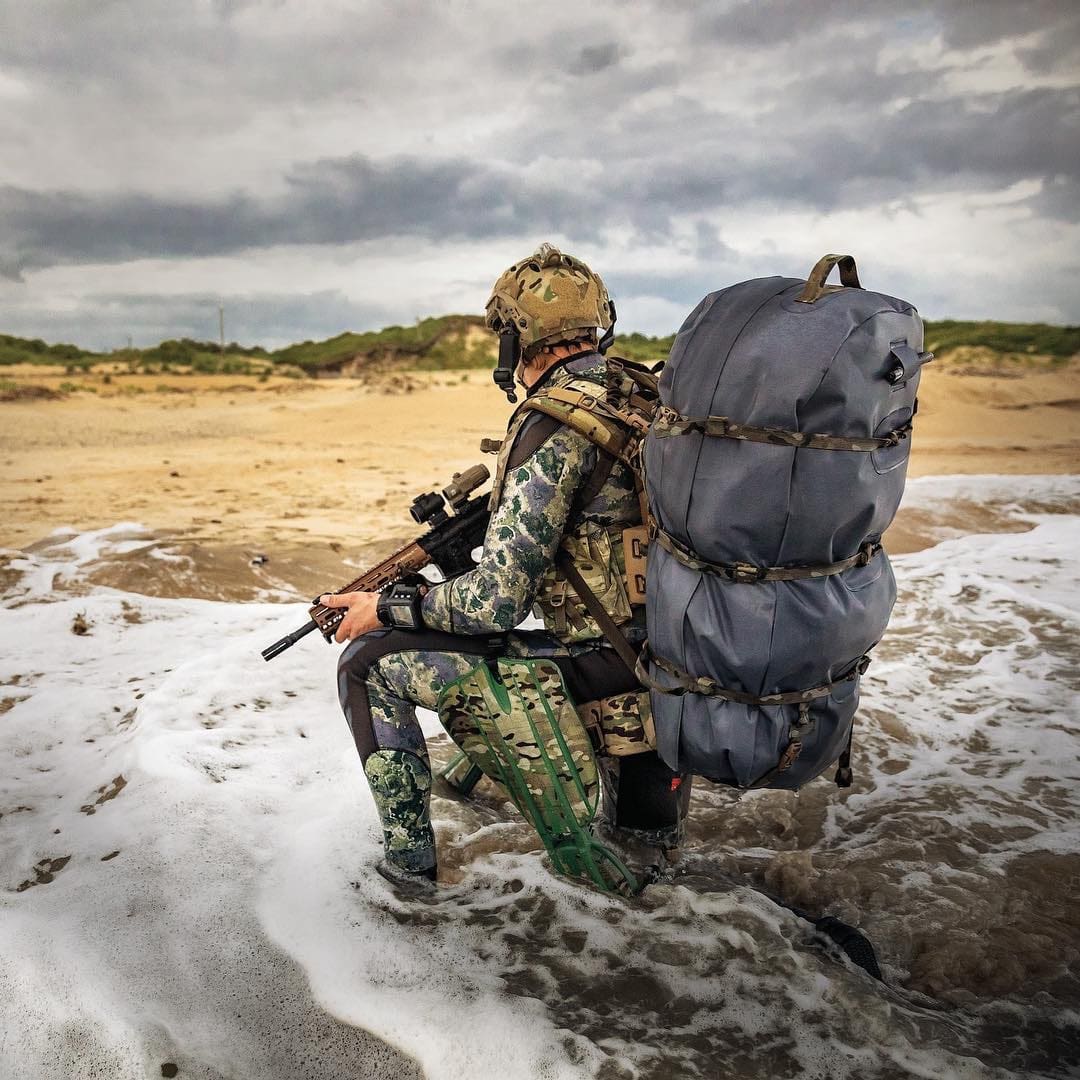
The Patent Pending MATBOCK Skins are a multi-layer adhesive/fabric laminate designed to give the user the ability to camouflage any surface desired. The Skins are waterproof and oil resistant, can be reused multiple times and are certified Near IR Compliant. Simply peel and place the MATBOCK Skins on the item you wish to camouflage, when the Skins are not needed peel them off and place on wax paper for later use. It’s that easy!

Applications

Team Wendy and Ops Core Helmet Skins

Peltor Skins

PVS – 31 Skins

Scuba Pro Skins

Don’t forget to tune in Monday at 1:00 PM EST as we go live to show the MATBOCK Skins and answer any questions you may have.

www.matbock.com/collections/skins

RCO Delivers Department of the Air Force Capabilities

Monday, October 5th, 2020

WASHINGTON (AFNS) —

Less than 200 personnel assigned to the Department of the Air Force Rapid Capabilities Office rapidly develop capabilities to outpace and counter the increasing threats of adversaries.

Their primary focus incorporates cutting-edge approaches to standard acquisition processes to produce capabilities for both the Department of Defense and the DAF, which includes the U.S. Air Force and the U.S. Space Force.

The mission of the DAF RCO is to expedite development and fielding of select DoD combat support and weapon systems by leveraging defense-wide technology development efforts and existing operational capabilities.

“Built on using speed and efficiency, we expedite the fielding of critical capabilities to the warfighter,” said Randy Walden, director and program executive officer for the DAF RCO. “This includes operators in both the United States Air Force and the United States Space Force in support of the National Defense Strategy.

Originally activated in April 2003, one of its first projects was to deploy significant upgrades to the Integrated Air Defense System, now operational around the National Capital Region, to meet critical counter-terrorism objectives before the January 2005 Presidential Inauguration Day.

Today, the DAF RCO portfolio includes several high priority developmental and experimental programs.

For example, the X?37B Orbital Test Vehicle program is an experimental test platform that supports the U.S. Space Force to meet DAF objectives. Space Professionals conduct X-37B launch and on-orbit operations, and the DAF RCO program office team will include Space Force members as the new service continues to stand up.

The X-37B is an experimental test program to demonstrate technologies for a reliable, reusable, unmanned space test platform. The primary objectives of the X-37B are twofold: reusable spacecraft technologies for America’s future in space; and operating experiments, which can be returned and examined on Earth.

Currently, the X-37B is conducting on-orbit operations in its sixth mission.

The DAF RCO is also home to the B-21 Raider program. The B-21 is a U.S. Air Force priority, which will provide critical operational capability and flexibility across a wide range of military objectives, providing both conventional and nuclear capabilities in fulfillment of national objectives.

The B-21 is being designed to be highly survivable with the ability to penetrate modern air defenses to strike any target, anywhere on the globe in a contested area of operations.

The program plans to deliver the first B-21 aircraft to operational bases in the mid-2020s.

“The DAF RCO is a unique organization because it supports priorities for both the Space Force and Air Force,” Walden said. “The office is staffed with a variety of functional DAF specialists who form a collaborative melting pot of expertise built specifically to operate within the gray areas of the standard acquisition processes.”

The DAF RCO conducts streamlined acquisitions in response to Air and Space Forces and Combatant Command requirements. It reports directly to a board of directors comprising of the Under Secretary of Defense for Acquisition and Sustainment; Under Secretary of Defense for Research and Engineering; Secretary of the Air Force; Assistant Secretary of the Air Force for Acquisition, Technology and Logistics; U.S. Space Force Chief of Space Operations; and Chief of Staff of the Air Force.

“Whether it’s digital engineering, prototyping or modern software development, the DAF RCO is committed to advancing the capabilities of the Department of the Air Force,” Walden added.

By Secretary of the Air Force Public Affairs

SCUBAPRO Sunday – Operation Gothic Serpent

Sunday, October 4th, 2020

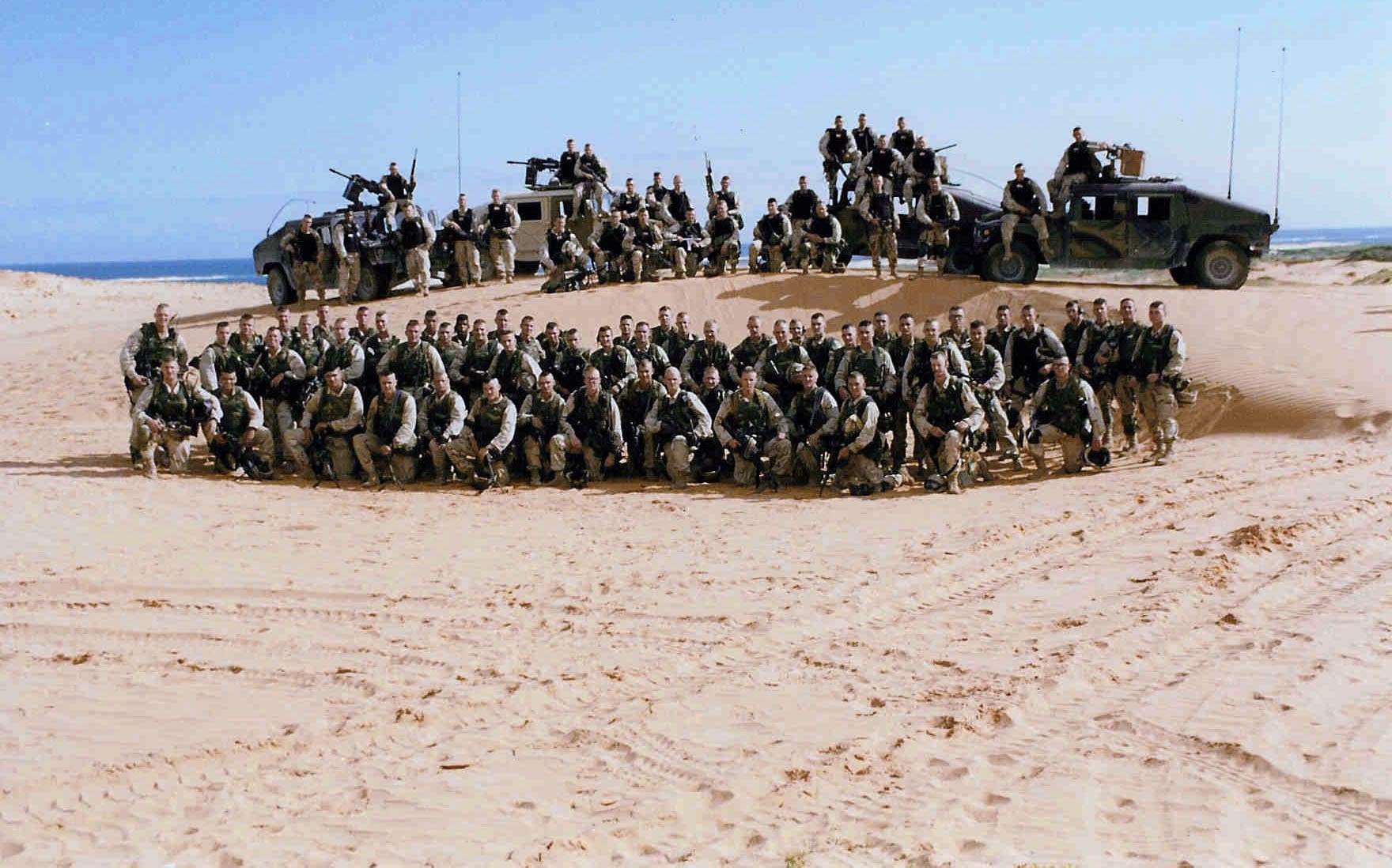
Yesterday and today October 3rd and 4th is the Day of the Rangers, Battle of Mogadishu or better known as Blackhawk Down. Task Force Ranger was tasked with conducting a raid to capture two lieutenants of a Somali warlord. Task Force Ranger was made of members of C squadron of the 1st Special Forces Group Detachment Delta and B company of 3rd Ranger Battalion, Task Force 160 Special Operation Aviation Regiment, SEALs from Naval Special Warfare Development Group and Air Force Pararescuemen and Combat Controllers from the 24th Special Tactics Squadron. They were transported to the target by ground and helicopters. The mission should have only taken about an hour. They inserted around 1350 local time, from the start they found themselves under heavy fire. When two Black Hawk helicopters were shot down (the first being around 1620 local) it quickly went from a snatch and grab to a rescue and recovery. A long ground battle to place and the U.S. forces were heavily outnumbered. By the time the last Troops made it to safety at a UN base it was around 0640 local on the 4th.

While leaving the last crash site, a group of Rangers and Delta operators led by SSG John R. Dycus realized that there wasn’t enough room in the vehicles for them and they were forced to move out on foot to a rendezvous point on National Street but they ended up going all the way back to the UN Base. This is known as the Mogadishu Mile. They think it was anywhere from 3.5 to 4 miles.

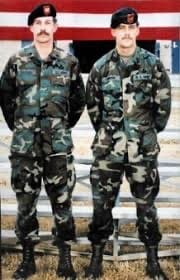
Casualties included 19 dead American soldiers and 73 wounded, with Malaysian forces suffering one death and seven wounded, and Pakistani forces suffering one death and two injuries. There were between 315 and 2,000 Somali casualties. Two Medals of Honor were posthumously awarded to MSG Gary Gordan and SFC Randy Shughart for their actions on the ground to protect one of the pilots (Mike Durant) and the crash site.

1st SFOD-D 

MSG Gary Gordon Killed defending the crew of Super Six-Four Medal of Honor

SFC Randy Shughart Killed defending the crew of Super Six-Four Medal of Honor

SSG Daniel Busch Crashed on Super Six-One, died from wounds received defending the downed crew Silver Star

SFC Earl Fillmore Killed moving to the first crash site Silver Star

SFC Matt Rierson Killed on October 6, 1993 by a mortar which landed just outside the hangar Silver Star

MSG Tim “Griz” Martin Died from wounds received on the Lost Convoy Silver Star and Purple Heart

3rd Ranger Battalion, 75th Ranger Regiment

CPL Jamie Smith Died of wounds with the pinned-down force around crash site one Bronze Star with Valor Device and Oak leaf cluster, Purple Heart

SPC James Cavaco Killed on the Lost Convoy Bronze Star with Valor Device

SGT Casey Joyce Killed on the Lost Convoy Bronze Star with Valor Device

PFC Richard “Alphabet” Kowalewski Killed on the Lost Convoy Bronze Star with Valor Device

SGT Dominick Pilla Killed on Struecker’s convoy Bronze Star with Valor Device

SGT Lorenzo Ruiz Killed on the Lost Convoy Bronze Star with Valor Device

160th SOAR (Nightstalkers)

SSG William Cleveland Crew chief on Super Six-Four-killed Silver Star, Bronze Star, Air Medal with Valor Device

SSG Thomas Field Crew chief on Super Six-Four-killed Silver Star, Bronze Star, Air Medal with Valor Device

CW4 Raymond Frank Copilot of Super Six-Four-killed Silver Star, Air Medal with Valor Device

CW3 Clifton “Elvis” Wolcott Pilot of Super Six-One and died in crash Distinguished Flying Cross, Bronze Star, Air Medal with Valor Device

CW2 Donovan “Bull” Briley Copilot of Super Six-One and died in crash Distinguished Flying Cross, Bronze Star, Air Medal with Valor Device

2nd Battalion 14th Infantry Regiment, 2nd Brigade 10th Mountain Division

SGT Cornell Houston Killed on the rescue convoy Bronze Star with Valor Device, de Fleury Medal

PFC James Martin Killed on the rescue convoy Purple Heart

FirstSpear Friday Focus – Arms Case

Friday, October 2nd, 2020

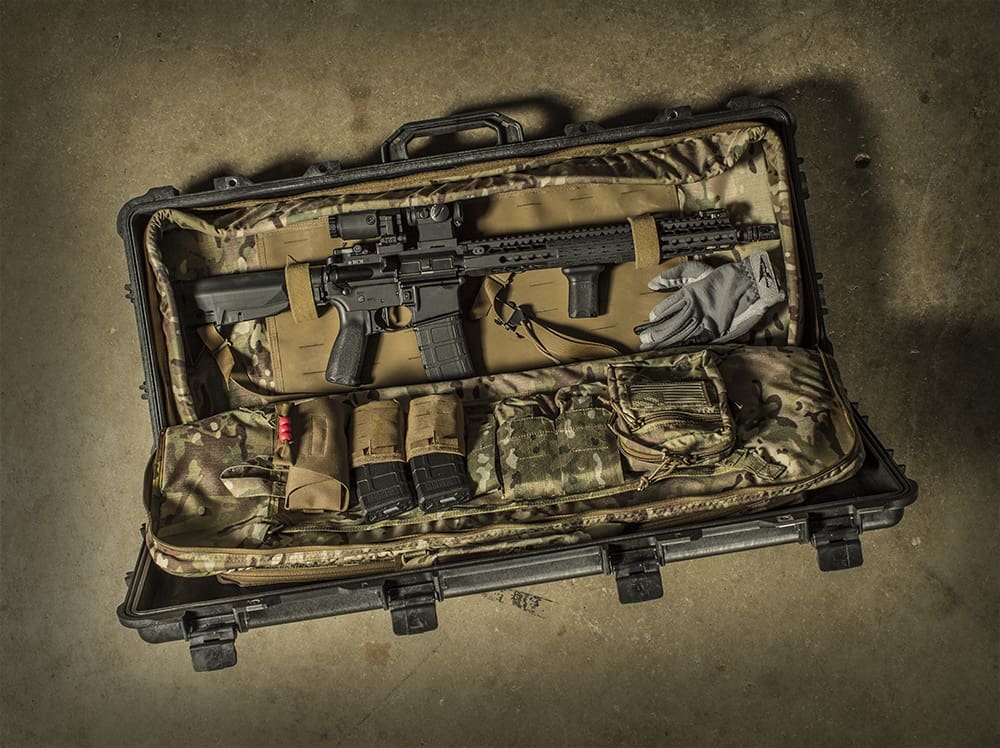
Here’s an in-depth look at FirstSpear’s Arms Case.

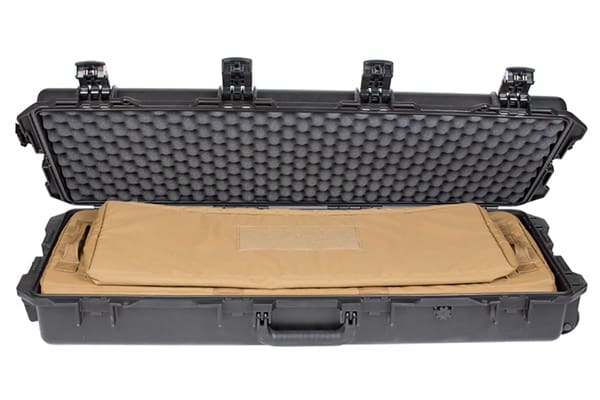
Protecting your gear should always be a top priority. The Arms Case is ideal for stand-alone transportation for your carbine and accessories but also can be inserted into several different hard cases as a modular padded insert.

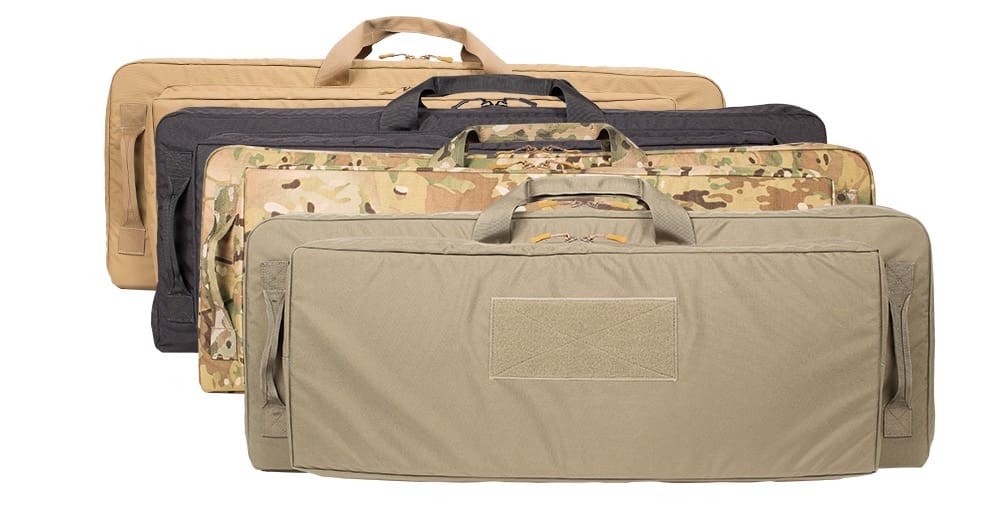
It provides the ultimate protection in a package that is customizable. It’s offered in two different sizes. The Carbine case length is 36 inches and the Rifle case is 43 inches. Both cases can easily house scoped weapons with standard 20-or-30 round magazines attached.

Specs:

• Model: Arms Case

• Length: 36 in.x13 in. (carbine); 43 in.x13 in. (long gun)

• Colors: Black, Coyote, Multi-Cam, Ranger Green

The exterior of the Arms Case features heavy-duty construction of 500 denier fabric; heavy duty zippers with a large accessory pocket to store extra tools or equipment. Several straps on the exterior of the case make it easy to manipulate and transport. The Arms Case is versatile and can be placed inside a Pelican Storm iM3100 case (carbine length) or a Pelican Storm iM3200 (rifle length). End users can easily transition carrying their weapons in a soft sided case and place it into a hard-sided case for increased protection or airline travel.

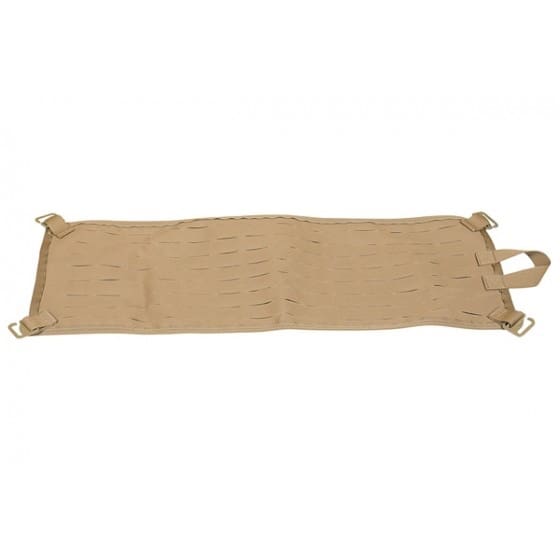
The interior is fully padded, offering excellent protection. FirstSpear also offers a 6/12 ™ Organizer Panel that allows users to mount additional pockets and accessories inside the bag, sold separately.

Specs:

• Model: 6/12 Organizer Panel

• Length:  Fits inside Arms Case

• Colors:  Black, Coyote, Multi-Cam, Ranger Green

For more information, First-Spear.com.

To read more about the technology behind the 6/12 ™ panels, click here.


17th STS Moves from 720th STG to 724th STG

Friday, October 2nd, 2020

The 24th SOW transitions responsibility of the 17th STS

FORT BENNING, Ga. —

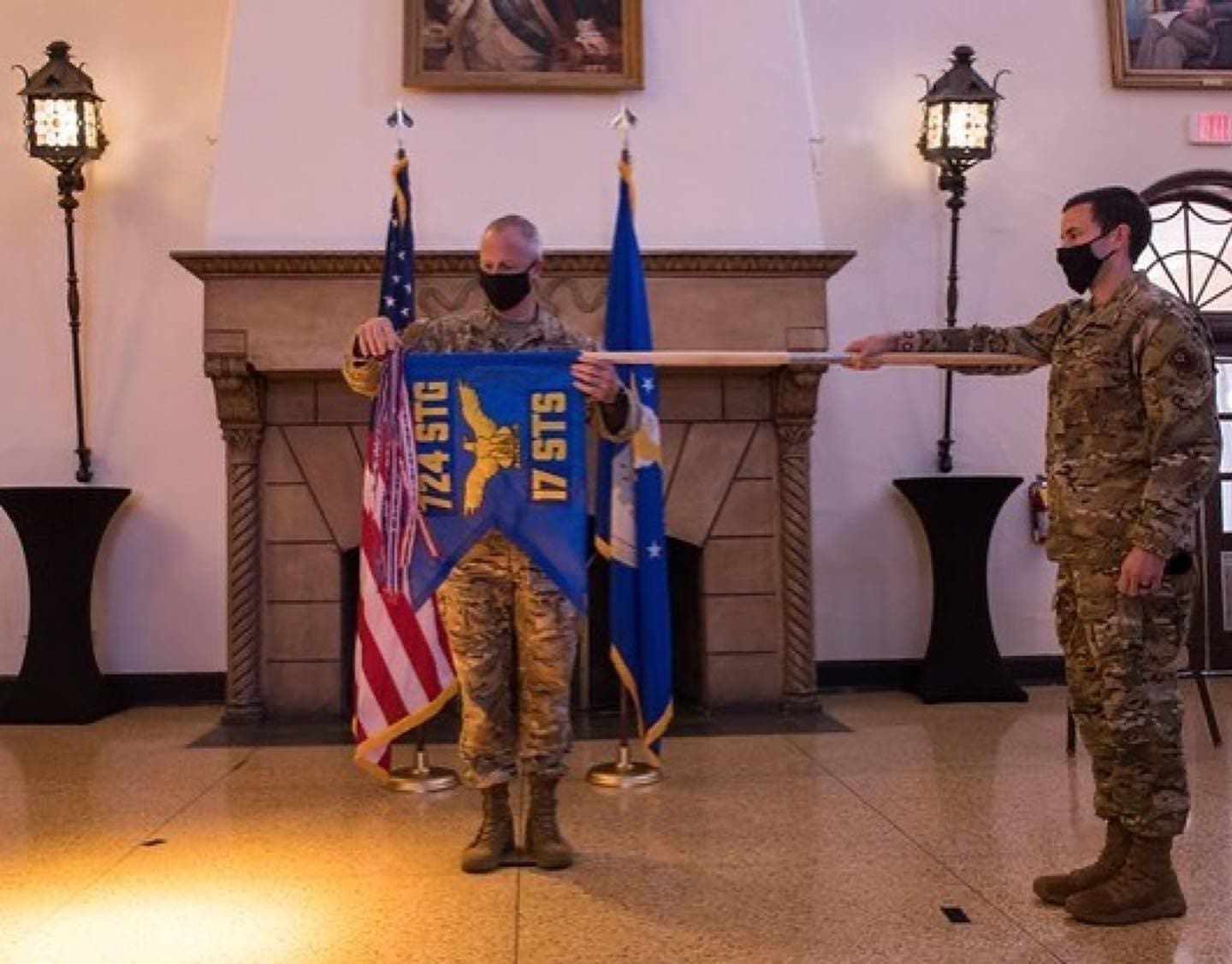
The 24th Special Operations Wing transitioned responsibility of the 17th Special Tactics Squadron from the 720th Special Tactics Group to the 724th Special Tactics Group during a re-assignment ceremony at the 17th STS headquarters, Fort Benning, Georgia, Oct. 1, 2020.
“Today we recognize the end of a tremendous era under the 720th Special Tactics Group and the start of an exciting opportunity as part of the 724th Special Tactics Group,” said Lt. Col. Travis Deutman, commander of the 17th STS. “Reassignment is nothing new for the 17th.”

In August of 2013, the squadron, originally known as the 17th Air Operations Support Squadron, was re-designated as the 17th STS by then-Col. Robert Armfield, the 24th SOWs first wing commander. This time around, Col. Matt Allen, the current 24th SOW commander, presided over the ceremony and the presentation of the new guidon.

 “The 17th STS continues to forge its voice as one of the premiere units within Air Force Special Operations Command and the United States Air Force,” said Allen. “I want to thank the individuals within this unit who have built this legacy of honor and valor.”

The primary mission of the 17th STS is to provide Special Tactics Tactical Air Control Party Airmen to the U.S. Army’s 75th Ranger Regiment for unconventional operations and the transition will provide further opportunities to continue supporting the regiment.

“We look forward to continuing steadfast fires and reconnaissance support to the Ranger mission and its objectives,” said Deutman. “Reassignment to the [724th Special Tactics Group] will realize synergies, efficiencies and unite of command to push our operational alignment with the Ranger Regiment to the next level.” 

The 724th STG is one of two subordinate groups under the 24th SOW, which provides training and technical assistance in the development of tactics, techniques, and procedures to ensure standardization across the AFSOC Special Tactics community. 

“The [17th STS] has always been part of the family, but this will put them in the right organizational construct to become even more effective,” said Col. Mark McGill, commander of the 724th STG. “It’s all about optimizing our ability to train as well as generate mission effectiveness and this is a necessary step to actualize that.”

The 17th STS is geographically separated in three locations so the unit can train and deploy alongside all five of the U.S. Army Special Operations Command’s 75th Ranger Regiment battalions. The squadron is headquartered at Fort Benning, Georgia, alongside the Regimental Headquarters, 3rd Ranger Battalion, Regimental Special Troops Battalion, and Regimental Military Intelligence Battalion. Two operational detachments are located at Hunter Army Airfield, Georgia, alongside the 1st Ranger Battalion, and Joint Base Lewis-McChord, Washington, alongside the 2nd Ranger Battalion. The unit’s physical locations will remain the same through the transition. 

“While a lot might be changing, I can guarantee the commitment, professionalism and excellence of the 17th STS members will remain,” said Deutman.

Another aspect which will remain is the application process for future ST TACP candidates looking to join the 17th STS’ community of warriors. The 24th SOW will continue to host assessment and selection iterations for Special Tactics TACPs at Hurlburt Field, Florida, hand-selecting the most skilled operators to carry out the wing’s special operations precision strike mission.

“You have furthered the reach of America’s combat power,” said Allen. “You’ve held at bay violent extremist organizations and state actors as they challenge us from abroad, and you have kept a promise to Americans … especially to our joint teammates, that no matter where they are on the battlespace, they will never be outmatched.”

Air Force Special Tactics is U.S. Special Operations Command’s air-ground integration force and the Air Force’s ground force specializing in Global Access, Precision Strike, Personnel Recovery and Battlefield Surgery operations. 

For anyone wanting more information on how to join the 17th Special Tactics Squadron, email SDScreening@jdi.socom.mil

By Lt Alejandra Fontalvo, 24th Special Operations Wing

Landmark Discovery Could Improve Army Lasers, Precision Sensors

Friday, October 2nd, 2020

RESEARCH TRIANGLE PARK, N.C. — An Army-funded landmark discovery at New York University could change the way researchers develop and use optical technologies, such as lasers, sensors and photonic circuits over the next decade.

After years of research, the team of scientists achieved what many thought was perhaps impossible–they developed a method to create colloids that crystallize into the diamond lattice. This photonic technique, published in Nature, could lead to cheap, reliable and scalable fabrication of 3D photonic crystals for optical circuits and light filters.

These 3D photonic crystals—self-assembled formations of miniscule materials in a stable assembly—could open the door to lightweight high-efficiency lasers, precise light control with 3D photonic circuits and new materials for managing thermal or radio signatures.

High-efficiency lasers are key to Army modernization priorities, including Air and Missile Defense, as they play a key role in both precision sensing and directed energy systems. Likewise, efficient lasers and integrated photonic circuits will play a key role in next-generation technologies like light-based quantum computing, atomic clocks and gyroscopes for precision navigation and timing, and optical systems with improved size, weight, and power.


“This long-sought demonstration of the first self-assembled colloidal diamond lattices will unlock new research and development opportunities for important Department of Defense technologies which could benefit from 3D photonic crystals,” said Dr. Evan Runnerstrom, program manager, Army Research Office, an element of the U.S. Army Combat Capabilities Development Command’s Army Research Laboratory.

Colloidal crystals, made up of spheres hundreds of times smaller than the diameter of a human hair, can be arranged in different crystalline shapes depending on how the spheres are linked to one another. Each colloid attaches to another using strands of DNA glued to surfaces of the colloids that function as a kind of molecular Velcro. When colloids collide with each other in a liquid bath, the DNA snags and the colloids are linked. Depending on where the DNA is attached to the colloid, they can be programmed to spontaneously create complex structures.



This process has been used in the past to create strings of colloids and even close-packed cubic colloidal crystals, but not the diamond structure—which displays an optical band gap for visible light. Much as a semiconductor filters out electrons in a circuit, an optical band gap completely rejects certain wavelengths of light. Filtering light in this way is practical only if the colloids are arranged in a diamond formation, a process previously deemed too difficult and expensive to perform at commercial scale.

“There’s been a great desire among engineers to make a diamond structure,” said Dr. David Pine, professor of chemical and biomolecular engineering at the NYU Tandon School of Engineering. “Most researchers had given up on it, to tell you the truth – we may be the only group in the world who is still working on this. I think the publication of the paper will come as something of a surprise to the community.”

The investigators discovered that they could use a steric interlock mechanism that would spontaneously produce the necessary staggered bonds to make this structure possible. When these pyramidal colloids approached each other, they linked in the necessary orientation to generate a diamond formation. Rather than going through the painstaking and expensive process of building these structures through the use of top-down approaches like nanofabrication, this mechanism allows the colloids to structure themselves from the bottom-up without the need for outside interference. Furthermore, the diamond structures are stable, even when the liquid they form in is removed.

The team and their collaborators—including researchers from the Centre de Recherche Paul Pascal – CNRS, Pessac, France; and Sungkyunkwan University, Suwon, South Korea—are now focused on converting these colloidal diamonds into 3D photonic crystals that can be used in a practical setting. They are already creating materials using their new structures that can filter out optical wavelengths in order to prove their usefulness in future technologies.

“I am thrilled with this result because it wonderfully illustrates a central goal of ARO’s materials design program — to support high-risk, high-reward research that unlocks bottom-up routes to creating extraordinary materials that were previously impossible to make,” Runnerstrom said.

The National Science Foundation also funded this research.

By US Army CCDC Army Research Laboratory Public Affairs

Army-funded Research May Enable Drones to Run on Any Type of Fuel

Thursday, October 1st, 2020

ABERDEEN PROVING GROUND, Md. — The U.S. Army recently awarded the University of Illinois-Urbana Champaign an $8 million, four-year cooperative agreement to develop key technologies that may allow the Army’s unmanned air and ground vehicles to run on any type of fuel.

Researchers at the U.S. Army’s Combat Capabilities Development Command Army Research Laboratory expect new technologies to increase unmanned vehicle performance and reliability and increase drone efficiencies.

“The Army’s fleet of unmanned aircraft systems often experiences performance and reliability issues due to fuel property variations and their effects on the ignition,” said Dr. Mike Kweon, program manager for the lab’s Versatile Tactical Power and Propulsion Essential Research Program.

The university will research comprehensive multi-fuel chemistry and ignition assistant technologies, which add energy to engines for reliable ignition.

Engines require a mixture of air and fuel, and an ignition source–either spark or compression ignition–to operate. For compression-ignition engines, thermal energy generated by compression is insufficient when low ignition quality fuels are used especially at high altitudes and cold conditions.

To address this, University of Illinois-Urbana Champaign researchers will investigate the ignition chemistry of fuels using machine learning algorithms, develop materials for novel ignition assistant technologies for flexible fuel UAVs, and investigate advanced propulsion technologies for high speed air launch effects in collaboration with Army scientists and researchers.

“We are thrilled to be taking part in development of new technologies that will be integrated into new UAV propulsion systems in the future for the Army. Equally important is training the next generation of engineers who can serve our nation in this field of science,” said Prof. Tonghun Lee, University of Illinois-Urbana Champaign. “This partnership is very exciting. The laboratory set out on a mission to operationalize science for transformational overmatch.”

Part of effort will expand the team to include experts in academia, small businesses and industry to push concepts and ideas into future capabilities for the Army, Lee said.

“The University of Illinois-Urbana Champaign has expertise and capability to perform research in multi-fuel chemistry and ignition assistance in a partnership with the Army to advance these technologies and to provide future capabilities for the warfighter,” he said.

This university-led research project is one of 11 funded this summer by the Army’s corporate laboratory as a part of Center for UAS Propulsion efforts to develop technologies for multi-fuel capable hybrid-electric engines. Each university partner is helping the Army address the energy demand required to power future unmanned vehicles. The Army awarded additional funding for similar research at the University of Minnesota; University of Michigan; University of Wisconsin-Madison; University of Illinois at Chicago; Iowa State University; University of Delaware; University of North Texas; Texas A&M University; University of Missouri and University of Tennessee-Knoxville.

The research, slated to begin this fall, is part of a larger research portfolio of multi-fuel capabilities technologies led by the laboratory that supports the Army Modernization Priority for Future Vertical Lift. Most recently, the laboratory announced the development of a new, advanced scientific model that will allow vehicle maintenance specialists to turn to bio-derived fuels in austere locations, as well as efforts to convert a home-based generator into a power source for autonomous ground and air vehicles.

By US Army CCDC Army Research Laboratory Public Affairs

TYR Tuesday – IDTOUR VTS & HRN-FWP002 Launch

Tuesday, September 29th, 2020

The Innovate or Die® Tour Virtual Trade Show #IDTOURVTS is back!

WATCH THE VIDEO:

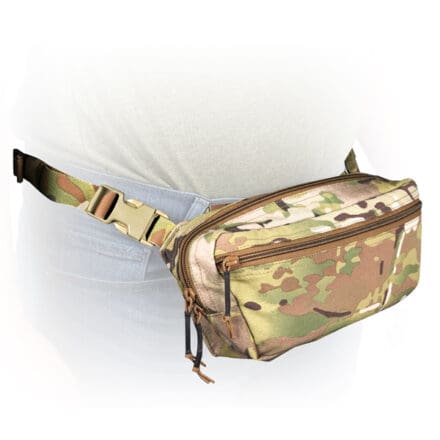
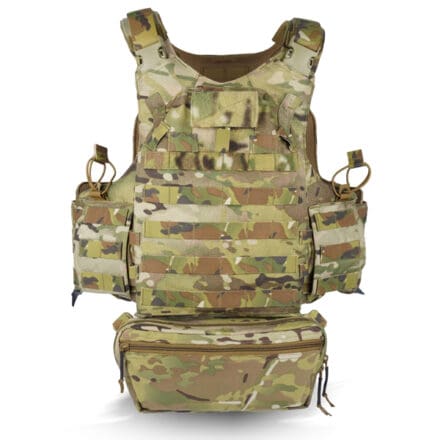
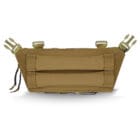
IDTOUR VTS |Virtual Trade Show| Breacher Front Waist Pack

HRN-FWP002 Available Now: www.tyrtactical.com/products/details/new-featured-products/huron-front-waist-pack-breacher

New episode launching every Tuesday.

What is IDTOURVTS?

Our mission has always been about protecting those who run towards the threat.  To that end, we created the Innovate or Die® Tour and Mobile Showroom. Over the past couple years it has allowed us to meet you face-to-face, gather your feedback and answer your questions.


Life has been put on hold for many people around the world, but you have not stopped risking your safety and health against all the threats we face today.


We can’t wait to meet you on the road again.


Thank you to the men and women of the armed forces, first responders and health care professionals who continue to put their lives on the line. You haven’t stopped working and neither will we.


Episode One:

IDTOUR VTS |Virtual Trade Show| PICO-DS & DSX Plate Carriers

Episode Two:

IDTOUR VTS |Virtual Trade Show| The Ultimate Range Bag

Episode Three:

IDTOUR VTS |Virtual Trade Show| Shield & Dolly System

Episode Four:

IDTOUR VTS |Virtual Trade Show| Huron™ Hot Weather Uniform

Episode Five:

IDTOUR VTS |Virtual Trade Show| PICO-MVW-DSX Plate Carrier System

Episode Six:

IDTOUR VTS |Virtual Trade Show| EPIC-DSX Plate Carrier System

Episode Seven:

IDTOUR VTS |Virtual Trade Show| Gunfighter Belts

Episode Eight:

IDTOUR VTS |Virtual Trade Show| Shield Camera System Preview