Colt

Archive for the ‘Guest Post’ Category

Next-Generation Headset Preps Soldiers for Future Battlefield

Tuesday, November 24th, 2020

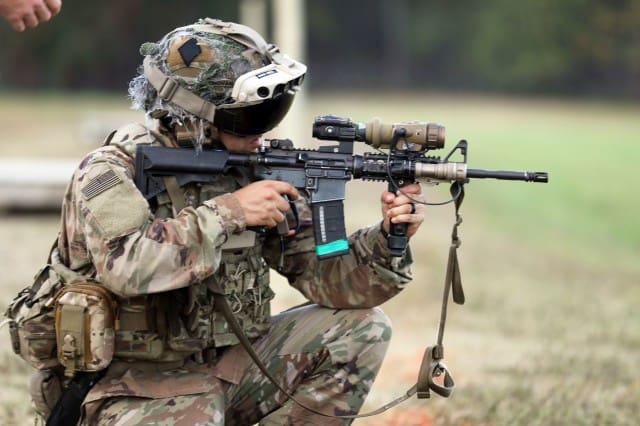
FORT PICKETT, Va. – The third Capability Set of the Integrated Visual Augmentation System (IVAS) was tested at Fort Pickett by 82nd Airborne Soldiers and 25th Marines during October 2020.

The project uses Soldier Centered Design (SCD) to evaluate the IVAS military fighting goggle through operational evaluations. Soldier involvement and engagement at every stage of prototype development has allowed the fast-paced rapid prototype effort to ensure that the final product will positively increase the situational awareness, lethality, mobility, and performance of the close combat force.

“When I look through the IVAS I see how we’re going to fight on the battlefield of the future,” said Staff Sgt. Kester, Weapons Squad Leader.

The Army is developing IVAS as a single platform that allows the Warfighter to Fight, Rehearse, and Train. It integrates next generation 24/7 situational awareness tools and high-resolution simulations to deliver a single platform that improves Soldier sensing, decision making, target acquisition, and target engagement. The visibility that it gives to higher command and control is unparalleled.

“With IVAS you now have the ability to paint a picture for higher ups, almost instantaneously,” said Sgt. Black, Combat Medic. “So now you have a Colonel who’s watching the battlefield like never before. That’s phenomenal, and that has the potential to increase our lethality in a way that we’ve never seen.”

IVAS also provides increased situational awareness for the leadership on the ground.

“In the field, a big part of my job is command and control,” said 1st Lt. Christopher, Platoon Leader. “I am basically moving my squads like pieces on a chessboard and maneuvering them into position and making sure that they’re in the right place at the right time. For me not only can I see where they are with IVAS, but I can actually go into the system and put a point here and say ‘Hey, you all need to go here’ or ‘Hey there are enemies over here watch out!’ I can also send messages non-verbally, so it is very, very critical for me for the command and control aspect.”
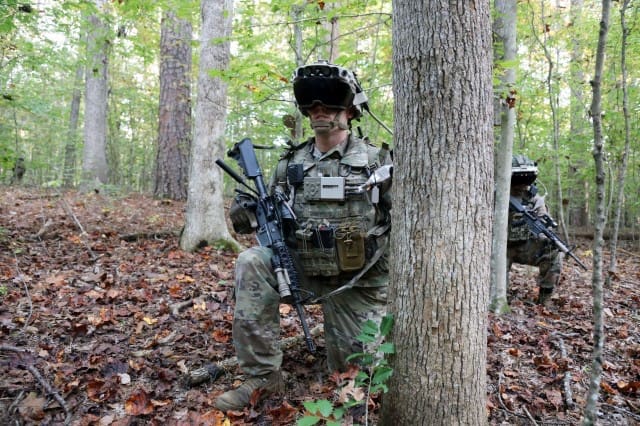
The first IVAS militarized form factor prototype was put through tactical exercise lanes, advance marksmanship, land navigation and squad reconnaissance, movement to contact with hasty attack, and enter and clear a trench to validate the military utility that the technology brings to the squad both day and night. The Soldiers and Marines spent a week learning the new equipment before using it in the various operational tests.

“It was extremely easy to pick up,” said Christopher. “It’s very simple in its controls, the menus and such are very easy to navigate, and they’re categorized in a way that if I want to do this function, easy over there, bring up the map, one button press away.”

Christopher also noted that the Microsoft data collectors had been receptive to their feedback and had already made progress and developments on the input given throughout the touchpoint event. Cpl. Sweckard, Team Leader, 25th Marines also expressed similar sentiments.

“Anytime we conduct any type of training with the IVAS, we immediately make contact with the [data collectors] from Microsoft and provide them with feedback, things that we’ve identified that could be an issue, things that we liked, and how we fixed the issue if we were faced with one,” he said. “That way they can put together the common things that are happening with the device and identify a resolution.”

Because of the similarities in operational responsibilities and as members of the collective close combat force, Marines were present to test the current IVAS capability set specifically during live fire execution.

“What it does for us mainly is combines a lot of things that we currently utilize, such as global positioning devices, or GPS’s, communication devices, as well as land navigation tools and mission planning tools,” said Sweckard. “Those are things that are commonly individual technologies that are now combined into this one system of IVAS.”

The project was initiated in response to an erosion in close combat capability relative to pacing threats identified in the 2018 National Defense Strategy. These capabilities will provide the increased lethality, mobility, and situational awareness necessary to achieve overmatch against our current and future adversaries in any domain.
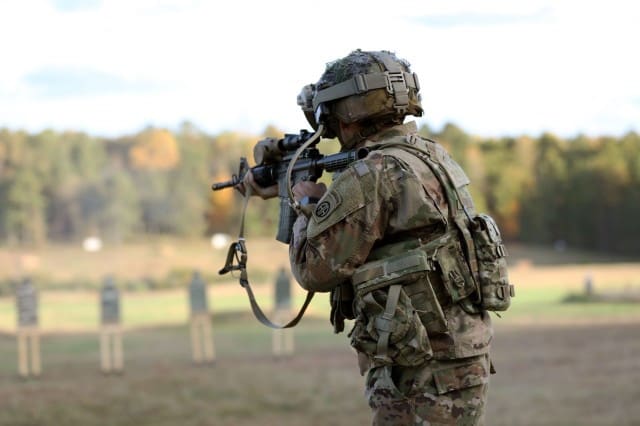
“I think if it’s in the right hands it can be an effective tool, like an aid bag. An aid bag without a medic is nothing, but an infantry guy with IVAS is something much more,” said Black.

Though the Army is specifically developing this high priority modernization effort, the Marine Corps may also leverage the technology for their close combat operations.

“It will definitely be a force multiplier on the battlefield,” said Sweckard. “As a team leader I have three Marines that are under my charge and my basic mission is to employ those Marines in combat, make those three Marines look like 30. If I can do that, that’s going to make the Marine Corps more lethal. With the IVAS I can better achieve that mission, without a doubt.”

The integrated system is expected to be fielded to Soldiers next year.

“When Lieutenant Colonel Winn told us we want to field it next year I thought that was crazy. Then I looked and thought through it and I could see it, I can see the possibilities,” said Kester. “Some of my combat experiences made me pause for thought to look at it like Russia and China, they’ve been pushing technology like this for the last decade. And what have we been doing? Not that.”

Kester added that though he did not know about IVAS before coming to the third Soldier Touchpoint, as soon as he did, he was onboard with Team IVAS.

“I would say the only thing that’s going to hurt this program is people not being imaginative enough or trying to push the limits of what they think is possible, or what Soldiers want. I am really excited to see where this will go,” said Kester.
Marne Central Issue Facility Modernizes with Online Appointments, Less Equipment Turn-ins

Monday, November 23rd, 2020

For many Soldiers, the thought of visiting their local Central Issue Facility invokes certain feelings: anxiety and frustration to name a couple. This might change soon for the Soldiers of Fort Stewart-Hunter Army Airfield as the CIF experience is transforming to make the process easier for the warfighter.

Transitioning to appointments

Transitioning to a modern storefront program, Soldiers are now able to schedule appointments online for their CIF turn-in and exchanges.

“After a few weeks of testing the system with the Marne Reception Center, the appointment system is now live. It lets Soldiers coordinate directly with the local CIF for times that work for them, and then the facility will get a daily report of how many Soldiers are coming in,” said Lt. Col. Chad Moniz, the battalion commander of the 406th Army Field Support Battalion-Stewart who is responsible for the Fort Stewart and Hunter Army Airfield CIF.

“The system will enable a better experience for the Soldier, while maintaining a forecastable schedule for the CIF staff who still need to be ready to respond to real-world surge requirements,” he said.

“We still have the ability with the appointment system to keep Soldiers informed,” Moniz continued. “If we were planning to support a real-world deployment surge, massive plate exchange or inventories, we can change it in the system so those times will show as unavailable in live time. This will reduce lines or Soldiers having to find out in person.”

Appointments will be made in 15-minute increments. The AFSBn team recommends Soldiers arrive 10 minutes early to allow for accountability. The system is set up to accommodate eight people every 15 minutes.

For now, the new program has focused times targeting different needs. Soldiers from the Marne Reception Center will be accommodated daily until 10:00 a.m. From 10:00 a.m. to 2:30 p.m., CIF has open appointments for any service. From 2:30 -3:30 p.m., the CIF will continue to have walk-in open time to enable Soldiers that do not have appointments or who may not have access to common access card-enabled computers to make the appointments. Appointments can be made up to two weeks prior to the requested date.

Moniz explained that the appointment program will send Soldiers an email once the appointment is booked. It will also notify the CIF of what services Soldiers are requesting, whether it is for exchanging equipment, receiving new issue, or turning in old equipment.

Overhauls to adjust to transformation

While the modernization will result in welcomed improvements, the transition caused some delays for CIF customers in August and September. Completing a 100% inventory of the multi-million-dollar property book between the two installations was required because of a key personnel change occurring at the same time as the modernization transition, which was further exacerbated by impacts from the COVID-19 pandemic.

“We are a very customer focused organization, with the majority of our employees being retired military,” said Nia Landry, deputy commander of the 406th AFSBn. “They take great pride in providing services for the Soldiers, but we did run into somewhat of a perfect storm.”

Landry said that an accountable officer unexpectedly retired during the key implementation of several phases of the modernization process, forcing the CIF to conduct a 100% accountability inventory of both sites. This, combined with a large surge of Soldiers with PCS orders, caused backups in the system.

“It was not our intent in any way to inconvenience Soldiers and their families,” Landry said. “Moving forward, we have several things in place that will improve your experience at CIF, and we always welcome suggestions as we strive to get better.”

Throughout the inventories, the average throughput did not decrease. The facility on average services 100 Soldiers in the morning, and 100 in the afternoon. As a result of an uptick in approved PCS orders following a long pause with COVID-19, the Fort Stewart and HAAF facilities surged to support more than 300 customers a day.

While the inventory took place, CIF also reorganized the entire warehouse and corrected internal processing issues. The facility also divested a large amount of inventory by moving equipment down to the unit level.

“Just like a company [executive officer] might prepare for their commander’s inventory layout several months in advance, inventory prep and accountability takes time,” said Moniz.

“Now expand that to a property book going through reduction from $98 million on hand and getting it down to $72 million,” he said. “We also packed and readied for shipment another $30 million just at Fort Stewart. HAAF is expected to reduce from $14 to only $1.5 million.”

The two CIFs support missions for not only the 3rd Infantry Division, but also a Ranger battalion, and other unique tenant units across both installations. They will continue to reduce stock by another half over the next few months as they send items to locations as directed by disposition instructions.

“We were sacrificing the time now to better support Soldiers later by improving our processes,” said Kevin Lewis, the supply and services division chief for the CIF facilities.

He explained tenant units like those in Special Forces will eventually go to systems managed by their supply sergeants to do more direct ordering. This process will solve more problems at the unit level and save Soldiers a trip across the base while also reducing strain on CIF.

Soldiers can also expect to get more of their equipment issued by their own supply rooms as fewer items are kept on hand at CIF. The facility will still handle exchanges and turn-ins. However, if units are exchanging something that is not typically stocked in the facility, it will have to be ordered.

Planning for future CIF visits, PCS moves

As thousands of 3rd ID Soldiers redeploy from Europe and South Korea in 2021 along with traditional PCS moves, it’s important to relearn what most career Soldiers already know: always try to clear CIF first.

While the experiences this summer were unprecedented, it was a good reminder for Soldiers to leave extra time in their clearing process for CIF in case they are missing items or if their equipment needs further cleaning.

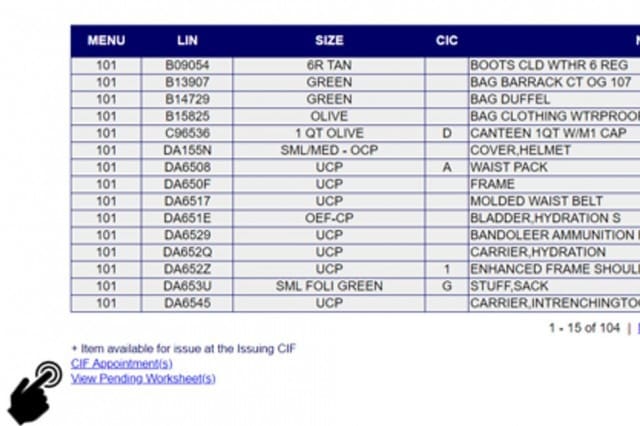
“The best way to be prepared for CIF is to check your online Organizational Clothing and Individual Equipment record,” Moniz said. This will tell you exactly which items you can carry with you, and which ones need to be turned in.”

“For Soldiers at Fort Stewart/ Hunter Army Airfield who are in a PCS status, from now on most will only turn-in their [Enhanced Small Arms Protective Inserts] plates,” he said. They can carry forward their OCIE gear with their household goods through the transportation personal property office.”

ESAPI plates are turned in to allow them to be scanned for any possible deficiencies and ensure they can protect their wearer.

Soldiers can find their individual clothing record at ism.army.mil/ism/SelfServiceServlet?nav.nav_id=ssMyClothing and should conduct a personal inventory prior to arriving at CIF to ensure they have everything they need.

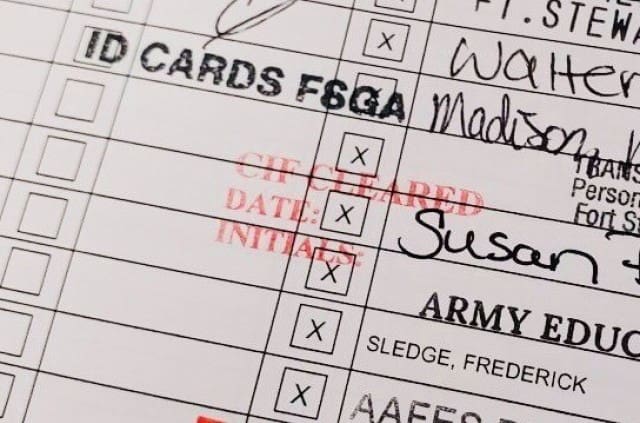
While the appointment system is now open, clearing papers and orders are still required for service. To make an appointment, click on the link labeled “CIF appointment” in the bottom left corner of the individual’s OCIE clothing record.

By LTC Lindsey Elder

SCUBAPRO Sunday – Wetsuit Care

Sunday, November 22nd, 2020

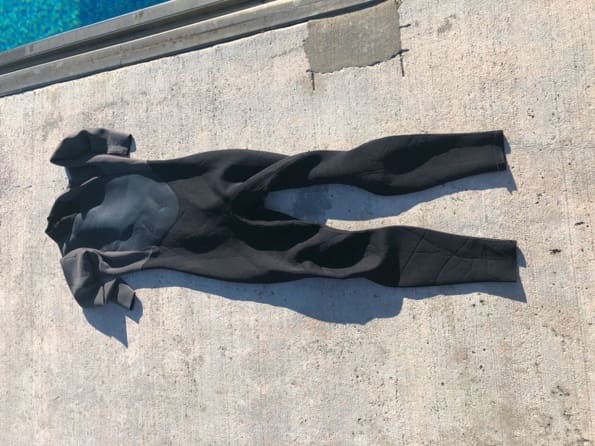
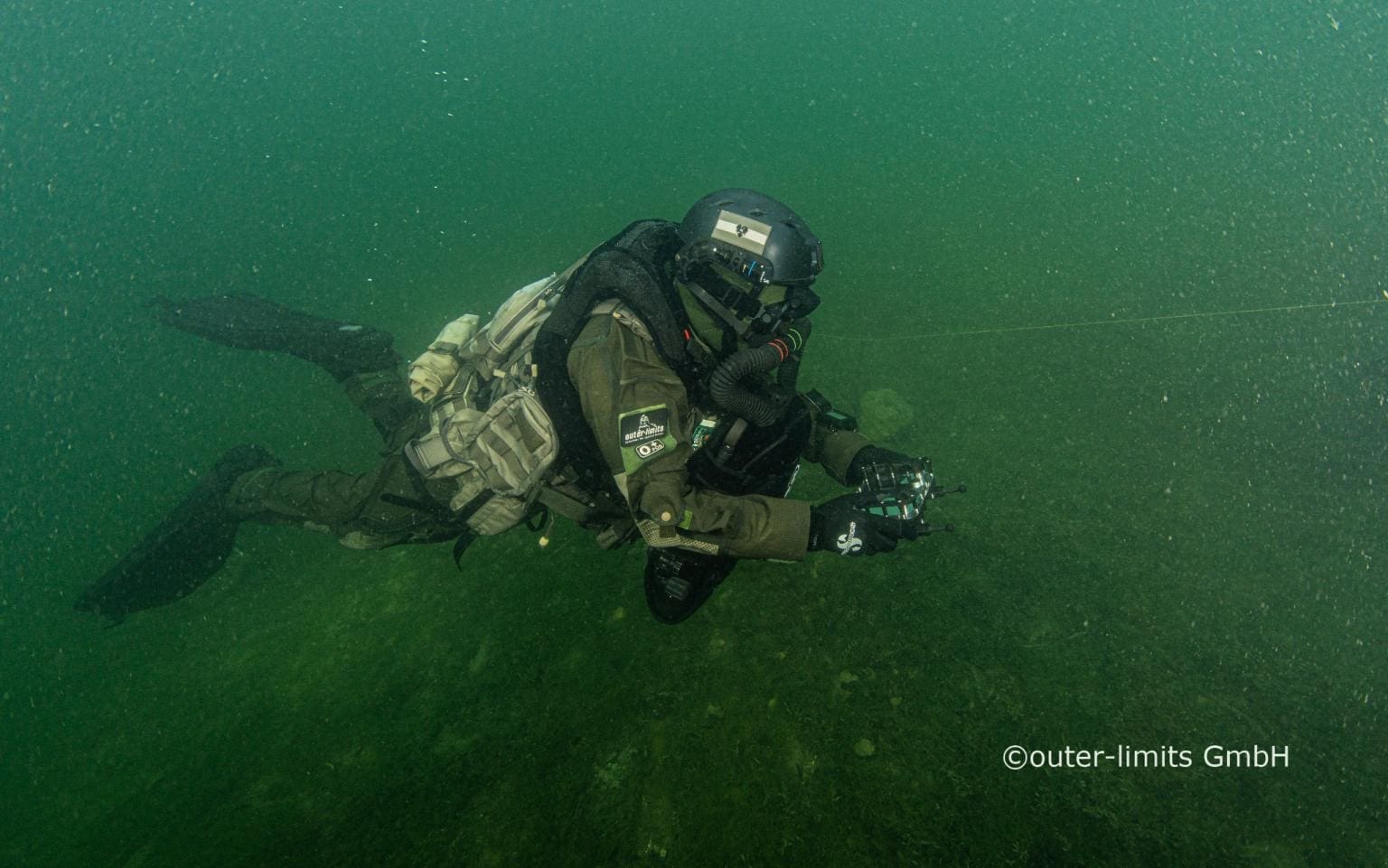
Your wetsuit is an essential part of your dive gear, as it protects your body from heat loss, abrasions, and wildlife injuries on a dive. Without proper care, neoprene can be damaged easily when you’re not even diving. Although they are designed to last a long time, certain elements will destroy it, if you don’t take care of it. Here are a few things that will damage neoprene. This stuff will also damage your H-gear/ Armor carrier and other nylon equipment.

Sunlight

Sunlight is the worst thing for any nylon product. You never want to leave your wetsuit hanging in direct sunlight to dry. Neoprene takes a beating from UV radiation, and it will begin to break it down quickly. Paired with heat, it can break a new wetsuit down in a matter of months.

Heat

Even in the absence of sunlight, heat is not good for neoprene. Under no circumstances should you ever put neoprene in the dryer. Even leaving it in a hot car can begin the process of deterioration. The best way to dry your wetsuit (after a fresh water rinse, of course!) is to hang it in the open air, in the shade. So, try not to store your wetsuit in a Conex box.

Salt and Minerals

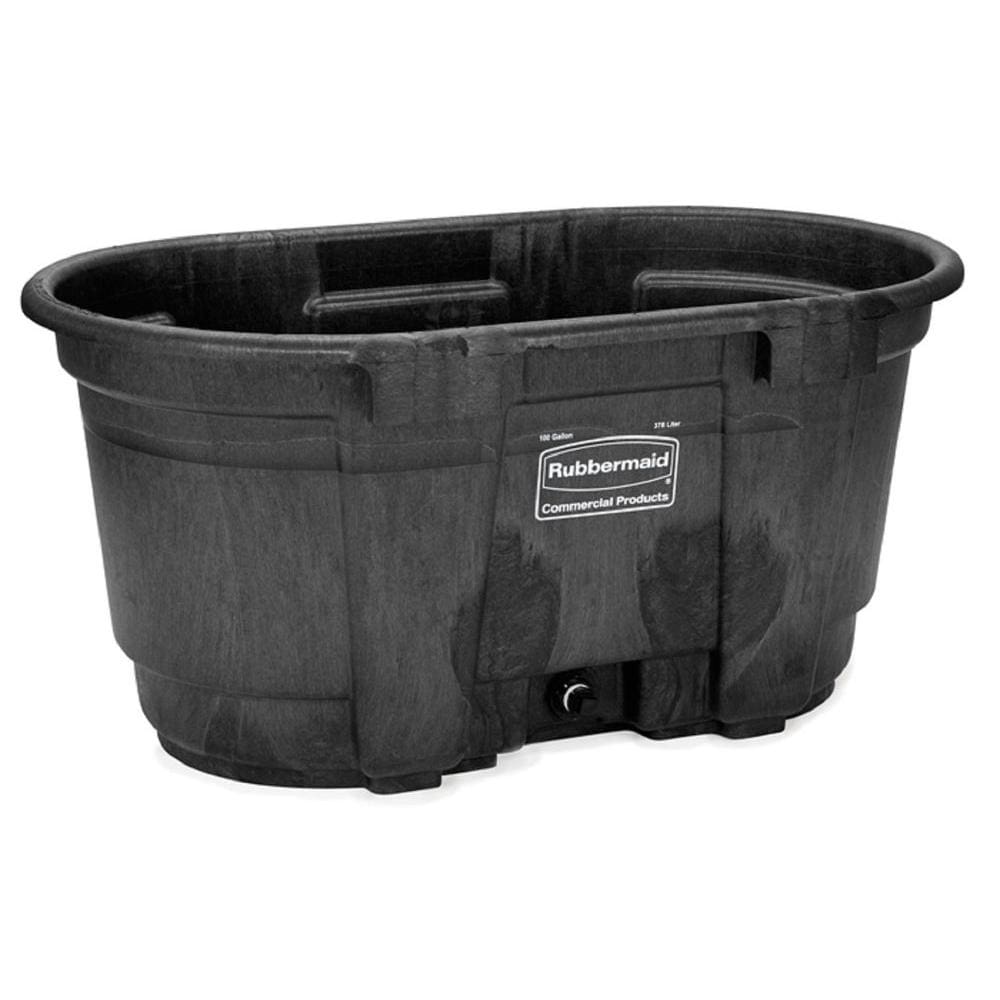
If you’ve been diving in the ocean, you’ll need to rinse your wetsuit immediately with fresh water so that the salt, minerals, and bacteria accumulated during the dive will not remain to crystallize and produce odors. Soaking it in a tub is the best way to do this. Do more than just rinse it with a hose and hang it up to dry. Even if you haven’t exposed your wetsuit to any of the other damaging elements in this post, a stinky, bacteria-laden wetsuit is just as ruined if you never rinse it. Occasional soakings with a product like Sink the Stink are a great way to refresh your wetsuit every few weeks or months, depending on how often you dive. 

Improper Storage

As well as suffering heat damage, leaving your wetsuit wadded up in your gear bag, trunk, or garage will cause rapid deterioration, as it compromises the structure of neoprene. Hanging your wetsuit on a proper wetsuit hanger is the ideal storage, but if you’re limited on space, you can store it folded in half in a dry container once it is fully dry.

If you rinse your wetsuit with fresh water after every use, it should stay clean in most cases. However, you sometimes might find that your wetsuit gets a little funky. If you pee in it, it will get funky. Make sure that you always use a cleaner that is designed for wetsuits. The wrong type of cleaning product on your wetsuit can be one of the worst things that damage neoprene. Some people say you have to get a new wetsuit every 3 to 5 years. The truth is it depends on how much you use it and how deep you go. Every time you dive deep it will compress the wetsuit and push some of the bubbles that are in the neoprene out. So there is no real time line on how long a suit will last.

27 SOCS Tests New Equipment, Supports Special Tactics Training

Saturday, November 21st, 2020

CANNON AIR FORCE BASE, N.M. —

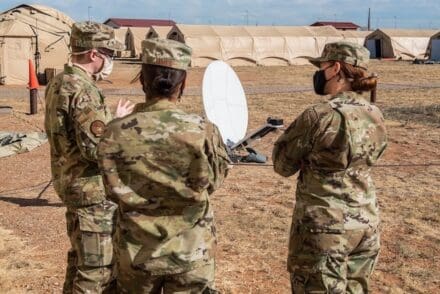
The 27th Special Operations Communications Squadron utilized new equipment to provide over 60 special tactics Airmen assigned to the 22nd Special Tactics Squadron, Joint Base Lewis-McChord, Washington, with network access to ensure that the teams could have full access to the necessary resources to ensure proper training while at Cannon.

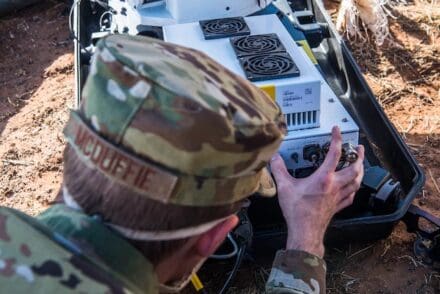
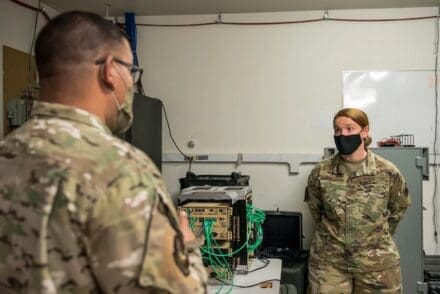
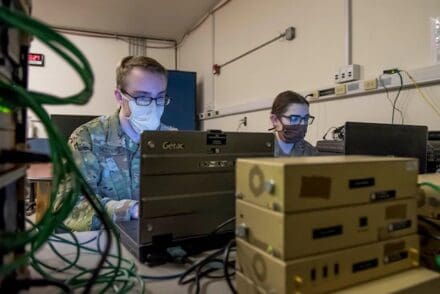
The tactical local access network is a piece of mobile tactical equipment that provides the ability for more online services in an isolated area. It is utilized by pairing with a satellite dish network, which normally provides support for five to ten computers, and moves the workload off of the SDN to the TACLAN, which provides access for 75 computers.

“The TACLAN gives us the same capabilities as the base’s network system,” said Staff Sgt. Thomas Jara, 27 SOCS non-commissioned officer in charge of the TACLAN team. “Printers, shared drives, we can control everything the base would on the TACLAN. As of right now, Cannon is the only base in the Air Force Special Operations Command and United States Special Operations Command utilizing this model.”

This is the first time that the current TACLAN model has been mobilized to provide mission support. While the team was able to properly operate the system for the 22 STS’s training operations, the TACLAN team is currently planning to receive more training on how to better utilize the equipment.

“We are deployable with this capability, but I want to be better,” Jara said. “While we are able to fix any issues that arise while working the system, I want more people to learn the system so it becomes commonplace.”

While the team maintained the system so it was fully operational, Maj. Emily Short 27 SOCS commander, came by to receive a brief overview on what they were working on.

“The TACLAN team is phenomenal,” Short said. “This training gives them an opportunity to learn more, allow younger Airmen to grow alongside them, and this operation has given us the opportunity to link up with other organizations for cross-utilization which can only lead to further growth for our efforts.”

While the satellite currently used with the TACLAN system allows up to 75 users, the 27 SOCS has access to equipment that would allow over 300 users on the system.

“I think the system absolutely bolsters our capabilities,” Short said. “It helps our users, people like mission planners and members of the 22 STS during this training operation. Speeding up their network gives them better planning control and speeds up the planning process. It all leads to increased lethality in the end.”

By Senior Airman Vernon R. Walter III, 27th Special Operations Wing Public Affairs

FirstSpear Friday Focus – FSTV Launches X-RAY

Friday, November 20th, 2020

Episode 1 of X-RAY launches November 24, 2020. FirstSpearTV like you’ve never seen before. Bringing you relevant content, built for the X! Get a free look at fielded and emerging advanced equipment in use by the world’s leading Special Operations Forces.

Devoid of clutter and online chest-beating, this platform is solely for entertainment and appreciation of those who pursue excitement. Our “actors” have unique and diverse backgrounds in Special Operations, Law Enforcement, and Security.

FirstSpearTV is about shock, awe, and recognition of those who provide the freedom that the rest of us enjoy.

To watch previous episodes, visit www.youtube.com/user/FIRSTSPEAR1.

USAF Rated Preparatory Program Now Accepting Applications for FY21 Spring Class – Open to Enlisted

Thursday, November 19th, 2020

WASHINGTON (AFNS) —

Active duty Department of the Air Force officers and enlisted Airmen and Space Professionals interested in becoming a rated officer have until Dec. 31, 2020 to apply for the Spring 2021 Rated Preparatory Program.

This will be the third year that the Air Force has partnered with the Civil Air Patrol for this training. The 2021 class will take place at the Denton Enterprise Airport in Denton, Texas.

“The Rated Preparatory Program provides Department of the Air Force officers and for the first time enlisted applicants, who are interested in cross-training to a rated career field the opportunity to gain and strengthen their basic aviation skills,” said Col. Scott Linck, Aircrew Task Force deputy director. “This program will allow them to enhance their knowledge through developmental modules and acquire valuable flight time in order to increase their competitiveness as candidates for future undergraduate flying training boards.”

Applicants selected for the RPP will first complete an online self-paced ground course followed by a one-week in-resident course to introduce them to aviation fundamentals. Program participants will garner approximately seven to nine flight hours, ground instruction and additional training time in a flight simulator.

Officers who complete the program are required to apply to the next available Undergraduate Flying Training selection board. Enlisted participants who complete the program are required to apply to at least one of three Air Force commissioning sources: U.S. Air Force Academy, Reserve Officer Training Corps or Officer Training School.

Airmen who can meet the requirements below are encouraged to apply:

1. Any active duty officer who meets UFT board requirements.

2. Any active duty enlisted Airman or Space Professional who meets UFT board requirements and qualifies for a commission through one of the three commissioning sources (Reference PSDM 20-96 for further information).

3. Be a U.S. Citizen.

4. Be of high moral character and personal qualifications (members currently having open law violations or criminal investigations, previously convicted by court-martial or having received an Article 15 are ineligible to apply).

5. Have the unit commander’s approval and endorsement.

6. Have a current passing Physical Fitness Test score.

7. Have a Pilot Candidate Selection Method score prior to the RPP class start date.

8. Have less than 5 hours of total civilian flight time (applicants with greater than 5 hours of civilian flight time may apply, but will only be considered on a space available basis).

9. Officers: Obtain a U.S. Air Force Initial Flying Class I, 1A, Ground Based Controller or III flight physical prior to entry into the RPP.

10. Enlisted: Obtain an FAA Class III physical prior to entry into the RPP (Reference PSDM 20-96; consult a local Aviation Medical Examiner).

11. Complete an on-line self-paced ground course that will be provided prior to the class start date.

12. Be prepared to retake the Air Force Officer Qualifying Test and Test of Basic Aviation Skills at the first available opportunity upon completion of RPP, preferably within two to four weeks.

“When comparing applicant scores pre- and post-RPP, results show, on average, a 20% improvement in student AFOQT scores and a 35-point increase in PCSM scores,” said Maj. Sean Stumpf, Aircrew Task Force talent management branch chief. “Approximately 90% of officers who went through the program in 2019 and applied for UFT were selected. We are hoping for the same results from the most recent class that went through the program this summer.”

Interested applicants can find additional information on how to apply through the MyPers website.

XVIII Abn Corps Drives Innovation With Its Own Version Of ‘Shark Tank’

Wednesday, November 18th, 2020

FORT BRAGG, N.C. — A panel comprised of military leaders and civilians is scheduled to place Soldiers in the hot seat as they evaluate their original ideas during a new competition later this month.

The XVIII Airborne Corps developed the competition, called the “Dragon’s Lair,” to encourage creative thinking across its ranks that may benefit units in the corps. Ideas presented to the five panelists could then help drive innovation throughout the Army, said the corps’ public affairs officer, Col. Joe Buccino.

Dragon’s Lair simulates the format of the TV show “Shark Tank.” But instead of business moguls looking to invest in the concepts of entrepreneurs, Army leaders will select ideas from Soldiers.

The next competition is slated to be held at Fort Bragg on Nov. 17. Over 180 entries have been narrowed to five finalists who will pitch their concepts to the panel.

P.W. Singer, an author and renowned defense strategist, joins four other panelists including Lt. Gen. Michael Kurilla, the corps commander, and Command Sgt. Maj. Phelicea Redd, senior enlisted advisor for the 3rd Expeditionary Sustainment Command.

The finalists’ ideas include a photo collection mobile app that lets corps alumni archive and organize photos from historical events; a policy change that helps Soldiers with master social worker licenses become Army social workers; and touch-activated pads for medical patients that record vital signs and maintain medical histories.

The Dragon’s Lair challenges innovators within the corps to present solutions to common work problems or simply to make the work environment better.

“[The goal] is to improve any aspect of life and service within the XVIII Airborne Corps,” Buccino said. “And that applies to technology, process, quality of life, procedure, the way we organize for combat and the way we prepare to do physical training.”

Only one winner will be selected and their idea will be distributed throughout the corps. “So it’s a truer competition in that way,” Buccino said. The winner will be announced Nov. 19 on the corps’ Twitter account and the competition will become a monthly event beginning in January.

Winners receive a four-day pass and the opportunity to attend an Army training school of their choice.

Ideas from within

Innovation has been pushed in part by the Army’s modernization efforts and Army Futures Command, which combines the work of civilian and military developers at its headquarters in downtown Austin, Texas.

The Dragon’s Lair challenge, however, encourages Soldiers of any career field or background within the corps to generate concepts.

One of this month’s finalists, Spc. Trevor Cross, assigned to 626th Brigade Support Battalion, 3rd Brigade Combat Team, developed a concept for technicians to curb maintenance time by cutting back hours spent transporting equipment with his forklift trailer attachment idea. This will allow for bobcats, forklifts, or skid-steers to replace Humvees as the prime mover of trailers and generators within repair bays.

Cross said that if Soldiers use his idea, where technicians use a tow attachment to move equipment for repairs, they could potentially save up to 15 work hours per week. The Alabama native said that he built his design from previous Soldiers’ ideas and made it applicable to motor pools throughout the Army.

“I think every motor pool in the Army should have one,” said Cross, who worked as a heating and air conditioning technician before enlisting at age 24. “Not only does it save time … it provides better maneuverability within the bay space, because you have more options to move the generator exactly where you want it to be.”

Cross said that regardless of the contest’s outcome, his concept could help improve productivity for about 30-40 Soldiers at Fort Campbell or at any Army motor pool.

Mobile planning

The winner of the first contest, Maj. Evan Adams, showed a penchant for creative design as a graphics design major at Sam Houston State University in Texas. Thirteen years later, Adams brainstormed an idea for Soldiers to manage appointments and training opportunities at ranges on Army installations.

Adams said Soldiers typically have to schedule time on the firing range through the Range Facility Management Support System or by making phone calls to range control. Using the app, known as the “RangeFinder,” Soldiers can schedule bookings with their smartphones.

“We use a lot of this technology to plan the range [appointments] anyway,” Adams said. “My biggest innovation is really just putting those sorts of tools together in one place so you don’t have to go searching for them or have to download additional apps.”

His idea took first place among 84 submissions last month. Buccino said Adams’ thorough planning from the development to the implementation stage impressed the panelists.

“It solved so many inefficiencies in one solution,” Buccino said. “He really had the most thoughtful presentation and thought through many of the elements of implementation and many of the hurdles that would come with that.”

Adams said he plans to work with civilian programmers on a prototype beginning December or January and hopes to release the mobile app by the summer.

By Joseph Lacdan, Army News Service

Army Uniform Board to Consider Changes for Expecting, New Mothers

Tuesday, November 17th, 2020

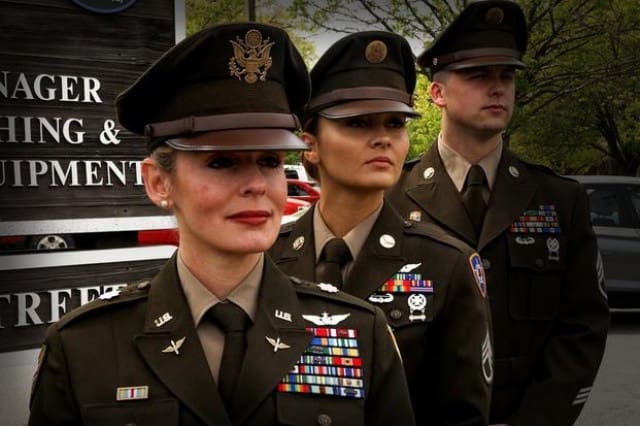
WASHINGTON — The 152nd Army Uniform Board will convene on Nov. 18 to consider multiple issues, including changes to maternity clothing articles for expecting and new mothers. Specifically, the board is scheduled to make decisions on the Army Green Service Uniform-Maternity and a lactation shirt for the Maternity Utility Uniform in the Operational Combat Pattern.

In 2018, the Army produced a maternity uniform for demonstrations associated with the unveiling of the AGSU. That maternity uniform resembled the style of uniform that has been issued since the 1980s and was first designed in 1979. The AUB will discuss whether to modernize the maternity uniform or continue with the current style.

The AUB will also consider developing a lactation shirt, which would later become part of the Maternity Utility Uniform issue for new mothers. As things stand, a lactation shirt is not provided with the standard issue, and Soldiers must purchase them through private, commercial vendors.

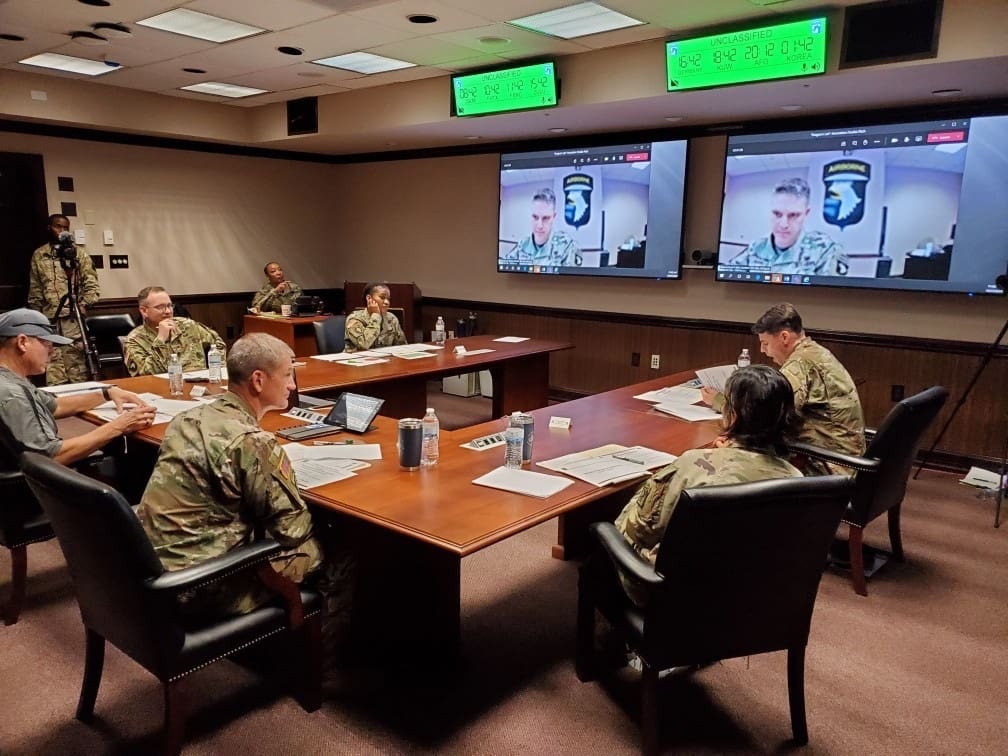
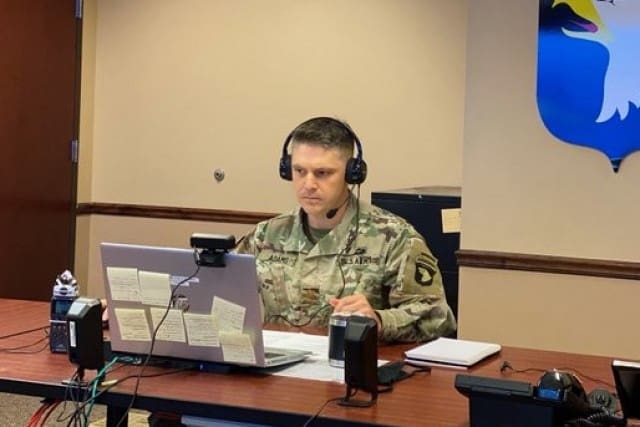
The Nov. 18 meeting will be held virtually, and discussion will be led by the AUB Chairman, Lt. Gen. Duane Gamble, Deputy Chief of Staff of G-4. Members of the AUB include male and female Soldiers at all levels, and representatives from the active component, Army Reserve and Army National Guard. Each member has an equal vote in deciding which recommendations go forth to Chief of Staff of the Army Gen. James C. McConville.

The AUB meeting, which takes place twice each year, is the Army’s only forum to address the changing requirements of Soldiers’ uniforms and accessory items. All Soldiers can contribute to the Uniform Board process by providing recommendations to their sergeant majors. Incorporating the feedback from Soldiers is a big part of the AUB process.

The last AUB took place on June 25th. To read about the outcomes of that meeting, click here.