TYR Tactical

Archive for the ‘Guest Post’ Category

SCUBAPRO Sunday – Holes in Fins

Sunday, November 15th, 2020

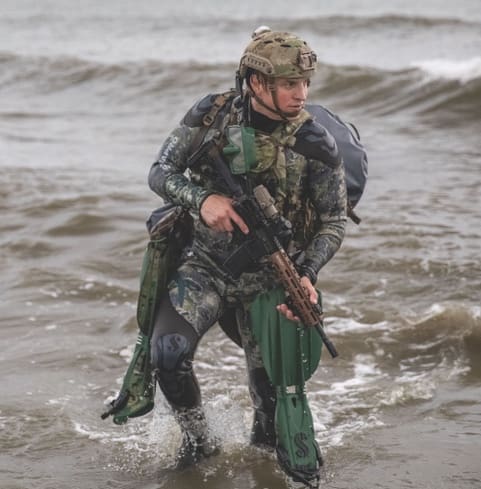
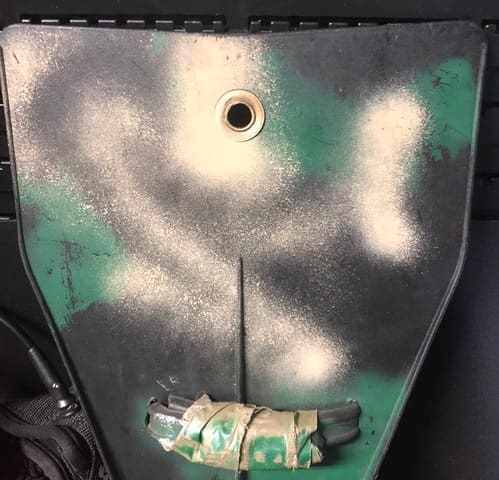
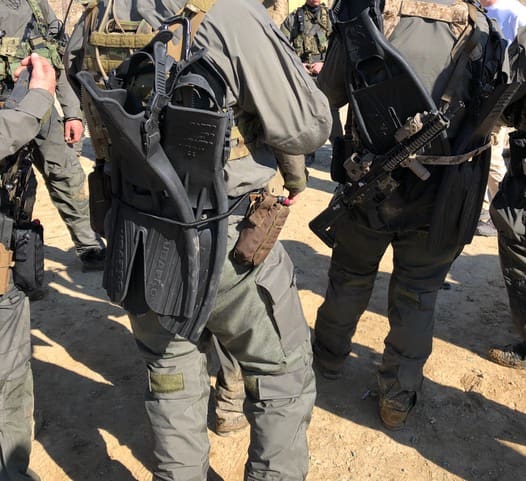
Why should you have or need holes in your fins? Some fins come with holes in some fins now, but only a few companies make them with holes to hang them on your gear. Most fins in the SCUBAPRO line that come with holes mainly have them so the rental company can hang them up to dry and store them together, minimizing the possibility of misplaced or mismatched fins. Holes on the blades of fins make coming out of the water onto the beach or climbing a ladder easier. It allows the water to drain out, so you don’t have to stop and dump it out. The holes can also be used to attach the fins to your wrists or back with the SCUBAPRO fin keepers, or you can use a carbineer and 550 cord.

The SCUBAPRO Jets fins are renowned for their power and durability. They can last a lifetime with proper care. They don’t really get sun damaged, salt eroded, chlorine discolored, travel battered, coral gouged, or split. They are one of the most vital pieces of equipment that you will ever own.

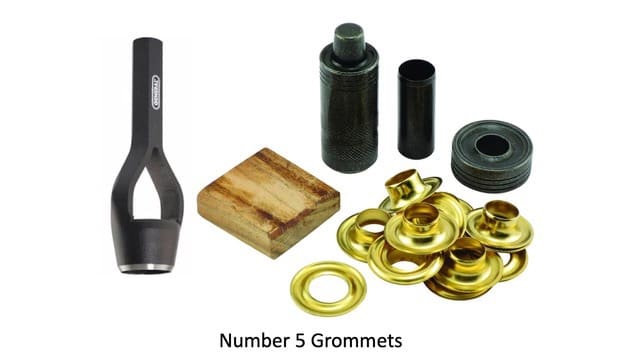
But they didn’t have holes on the blades so that you could hang them upside down. If you want holes in your fins, you would have to use a hole punch and then put a number 5 grommet in there to help keep the fin from ripping. You used a #5 because it was big enough to put a carbineer in the hole if needed, and the brass doesn’t stay shiny for long.

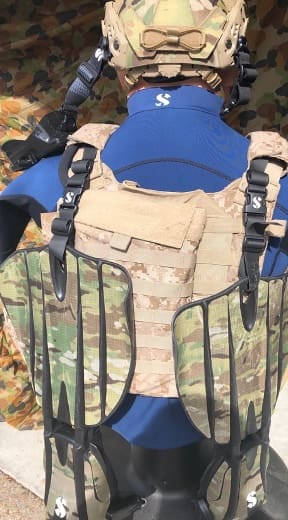
There are a few different ways to attach your fins to your gear. You can put a loop of 550 cord or ½ tape that you can put a carabineer thru and clip it into your H-gear. One of the best ways I have found is to put a male FasTec on one and Female Fastec on the other. This way, you can clip them into each other to hang on the bottom of a ladder. You can also do the same thing on the back of your H-gear so you can clip them on your back.  

You can also put a male on one wrist and a female on the other so you can clip them into your wrists to make coming out of the water easier; it also helps if you are doing a ladder climb and you want to keep your fins with you in case you fall off the ladder, and there is a strong current.

For groups that use the Twin Jets or twin jet type fins where there are twin blades, you can’t put holes in as the blade won’t support the fin’s weight. You can hang the fins by their straps or put something around the middle of the fins and hang them on your waist.

There is a lot that goes into the design of all of our products. Almost all things serve a purpose. We make products or update old ones. We have to take many user groups into account, so we ensure we are getting the best product out there for everyone.

TheFull9 x Kurmaz Gear – Custom Made Camo Uniforms

Saturday, November 14th, 2020

Dear SSD reader,

Ever wanted a combat shirt or pants in a camo pattern that simply isn’t being manufactured by anybody at all? Seen just a tiny quantity of uniforms that you’d love to own but all of which sold out long before you could get to them? I may possibly have some information that could be useful for you.

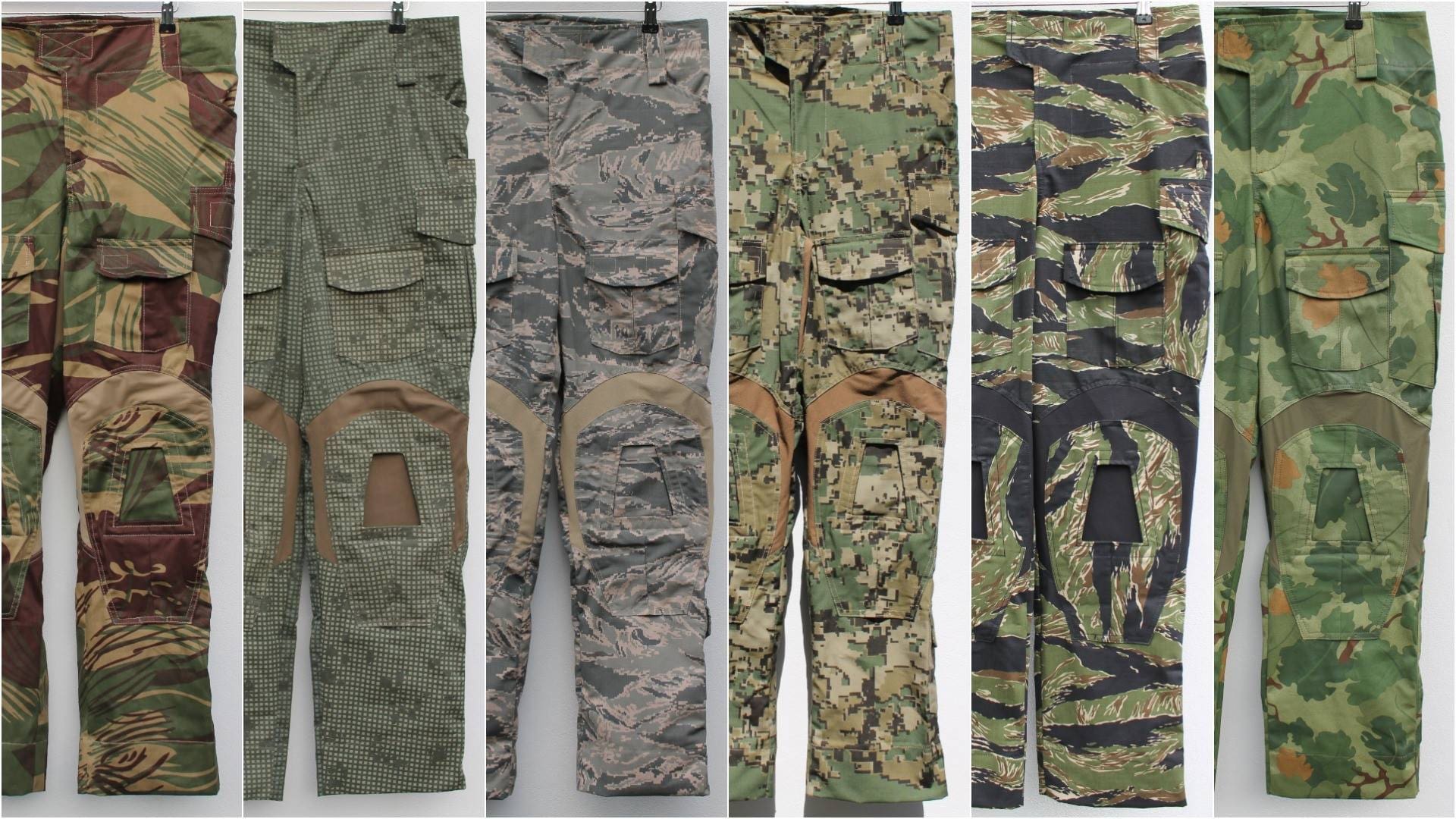
When using traditional fabrics of nylon and polyester blended with cotton the cut of the Crye G3 uniform is widely regarded as being just about as it good as it gets, but they tend to have a bit much going on features-wise for those folks who want to own a combat cut uniform, but aren’t in SOF. There’s also a demand out there for all sorts of unusual and interesting camo patterns that aren’t popular with military forces and simply don’t warrant mass production from large defence contractors. Combining those two issues I went to my buddy Roman Kurmaz with my idea for a uniform style based on the G3s but at a lower weight and available in just about any camo that most people could ever desire.

I won’t go in to full detail in this post because my website now has a new lengthy and detailed page for all that (link above), but the base idea is this: offer a ready-made package of features based on my many years of buying, owning and using Roman’s product that refines the G3s. Aimed at the commercial, sporting and recreational end user who wants the best aesthetics as well as a lighter, more comfortable uniform at a lower price without compromising anything in terms of material or stitching quality and durability i.e. no bargain-basement Chinese fabrics or stitch work.

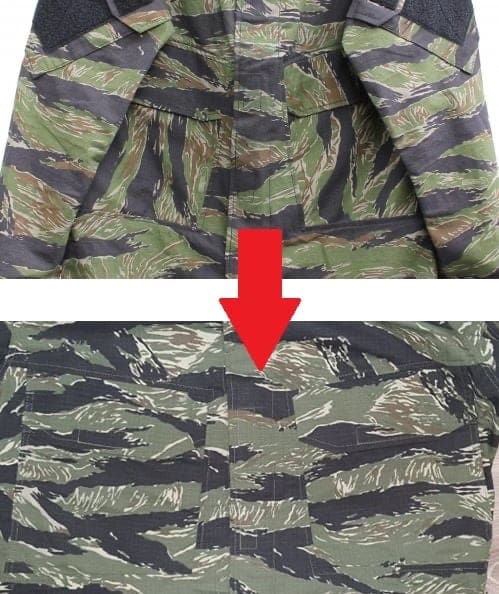
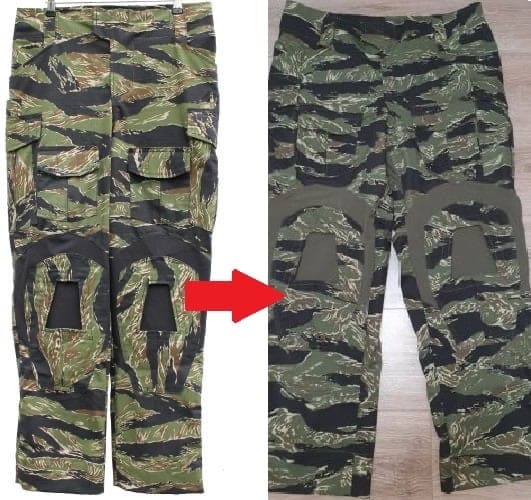
After surveying a wide range of people from police and ex-military to paintballers, airsoft players and even just simple collectors, I did away with what I found to be the least used and least popular features of the G3s while fixing the most common complaints of Roman’s other custom production.  As an example, reducing the combat pants from a rather excessive 10-pocket design down to 6 pockets, which is still more than most people will ever need, but with the fabric saved we re-aligned the material on the knee pad pockets and main cargo pockets to bring the camo pattern all in to line, as depicted below.  That is usually an added extra that will increase the cost of your uniform when ordering the original G3 cut from Roman, while F9 Edition combat pants from Roman are actually slightly cheaper than the G3s he makes in the patterns that Crye doesn’t (or has only offered in incredibly limited quantities that sell for absurd sums on eBay).

You’ll also be in good company if you pick up a set because Eric of SSD himself was the very first person to order a set of the F9E fatigues and his uniform in Tigerstripe is shown here as the demonstrator example. There has been some misconceptions in the past that there are only available in Tiger, which is not the case. Any camo fabric that you can get your hands on can be used in the F9 Edition uniforms, *including* woodland and desert variants of Tigerstripe with any colour option you like able to be built in in terms of torso, velcro and stretch fabric colouration.

If you’re interested be sure to head to my site at the link below to get all the nitty-gritty details and if the F9 Edition Uniforms are for you just get in touch with Roman and place your order – links are all there on the page.

Thank you

Full9

thefull9.net/f9e

Machine Learning Algorithm Could Provide Soldiers Feedback

Saturday, November 14th, 2020

RESEARCH TRIANGLE PARK, N.C. — A new machine learning algorithm, developed with Army funding, can isolate patterns in brain signals that relate to a specific behavior and then decode it, potentially providing Soldiers with behavioral-based feedback.

“The impact of this work is of great importance to Army and DOD in general, as it pursues a framework for decoding behaviors from brain signals that generate them,” said Dr. Hamid Krim, program manager, Army Research Office, an element of the U.S. Army Combat Capabilities Develop Command, now known as DEVCOM, Army Research Laboratory. “As an example future application, the algorithms could provide Soldiers with needed feedback to take corrective action as a result of fatigue or stress.”

Brain signals contain dynamic neural patterns that reflect a combination of activities simultaneously. For example, the brain can type a message on a keyboard and acknowledge if a person is thirsty at that same time. A standing challenge has been isolating those patterns in brain signals that relate to a specific behavior, such as finger movements.

Doing so, is the first step in developing brain-machine interfaces that help restore lost function for people with neurological and mental disorders, which requires the translation of brain signals into a specific behavior, called decoding.

As part of a Multidisciplinary University Research Initiative grant awarded by ARO and led by Maryam Shanechi, assistant professor at the University Of Southern California Viterbi School Of Engineering, researchers have developed a new machine learning algorithm to address the brain modeling and decoding challenge. The research is published in Nature Neuroscience.

“Our algorithm can, for the first time, dissociate the dynamic patterns in brain signals that relate to specific behaviors and is much better at decoding these behaviors,” said Shanechi, the lead senior author of the study.

The researchers tested the algorithm on standard brain datasets during the performance of various arm and eye movements. They showed that their algorithm discovered neural patterns in brain signals that directed these movements but were missed with standard algorithms.

They also showed that the decoding of these movements from brain signals – predicting what the movement kinematics are by just looking at brain signals that generate the movement – was much better with their algorithm.

“The algorithm has significant implications for basic science discoveries,” Krim said. “The algorithm can discover shared dynamic patterns between any signals beyond brain signals, which is widely applicable for the military and many other medical and commercial applications.”

Shanechi said the reason for the new algorithm’s success was its ability to consider both brain signals and behavioral signals such as movement kinematics together, and then find the dynamic patterns that were common to these signals.

This decoding also depends on our ability to isolate neural patterns related to the specific behavior. These neural patterns can be masked by patterns related to other activities and can be missed by standard algorithms.

In the future, the new algorithm could also enhance future brain-machine interfaces by decoding behaviors better. For example, the algorithm could help allow paralyzed patients to directly control prosthetics by thinking about the movement.

By U.S. Army DEVCOM Army Research Laboratory Public Affairs

FirstSpear FridayFocus— Summit Bags

Friday, November 13th, 2020

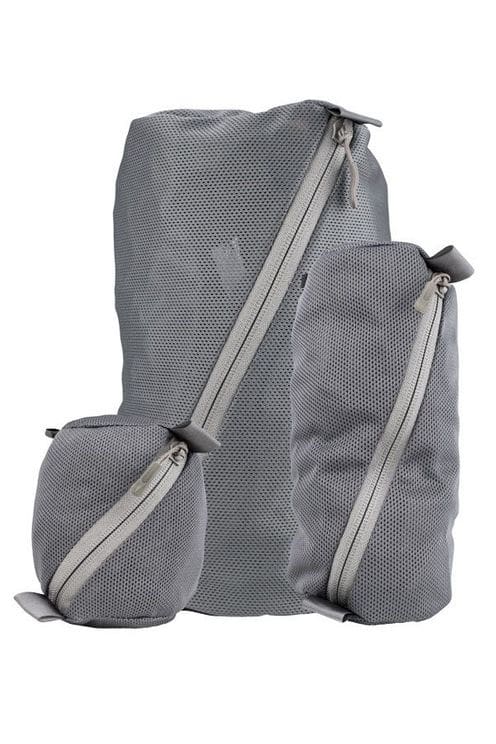
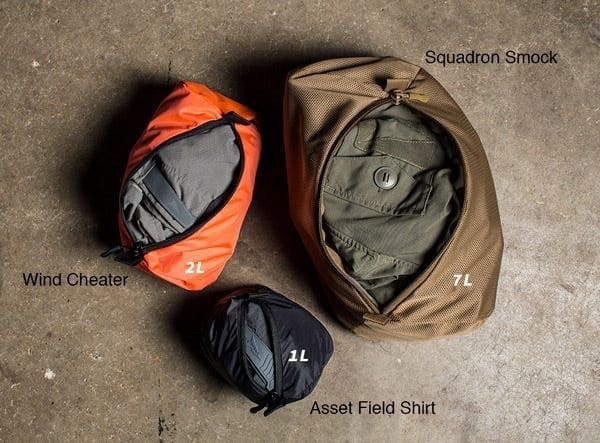
Need a way to store all your gear and keep things organized? FirstSpear Summit Bags have you covered. They’re American made with a zipper closure. FirstSpear summit bags are ultralight, extremely durable and feature a wide variety of sizes. From small (1 liter) to 2XL (56 liters), there’s a summit bag to fit all your gear needs. They also come in a tough 70-denier ripstop material or a mesh that allows your gear to breathe. Colors include orange, black, manatee and coyote.

The sky’s the limit on applications. From organizing inside larger bags or packs, hauling loose rounds, storing electronics or simply keeping gear organized and easy to grab, summit bags have you covered.

Dimensions:
• Small (1 liter) – 4”x4”x4.5”
• Medium (2 Liter) – 4″ x 4″ x 9″
• Large (7 Liter) – 6″ x 6″ x 12″
• XL (11 Liter) – 6″ x 10″ x 12″
• 2XL (56 Liter) – 12″ x 12″ x 24″

For more information, check out First-Spear.com. To discover more about FirstSpear’s technology, check out First-Spear.tech.

USAF Vice Chief’s Challenge Creates New Document Templates, Saves Airmen Time

Friday, November 13th, 2020

Before I share the USAF story, I want to ask the obvious question, “Why didn’t this happen decades ago?”

For Air Force members, The Tongue and Quill is one of the most painful document ever devised by man and I believe was created simply so that those without any talent other than enforcing rules would have something to do.

Templates for commonly used documents should have already been created by those same shoe clerks who get upset if you didn’t put the signature block on a memorandum, in the exact spot, meticulously checking all of the measurements with their ever present ruler.

The Tongue and Quill was the bane of my existence at Officer Training School. In some ways the pain continued throughout my career in the Air Force as someone would tell you to check The Tongue and Quill for some odd format, only to find out that it was wrong.

Most of us made our own templates and then just rewrote over the last one and saved a new file, but having something Air Force-wide should have happened long ago.

Finally, based on the way this USAF story is written, I’ll lament that this seems to be the biggest innovation our Airmen could come up with to help us counter near-peer threats. Boy, are we in for a wakeup call.

ARLINGTON, Va. (AFNS) —

As teleworking and social distancing became a part of daily life, the Department of the Air Force was hard at work. Not only were Airmen delivering on daily mission requirements, they were also working hard to improve the department from within.

The 2020 Vice Chief’s Challenge launched in February with a focus on working faster and smarter, and finding innovative ways to give Airmen back their time.

“Competing in an environment dominated by near-peer threats requires that we unleash our Airmen to think differently and to put their tremendous talents to use,” said Air Force Vice Chief of Staff Gen. Stephen W. Wilson at the launch of the challenge. “Doing so will transform our Air Force to meet the rigorous demands of the next generation of warfare.”

Airmen were encouraged to participate in the challenge by submitting ideas via the Airmen Powered by Innovation platform to solve problems related to automation or elimination of menial tasks.

One idea stood out as simple and straight-forward, and required only a head nod from Wilson to get started. The idea was to create official templates for common Air Force documents such as memorandums, Air Force biographies, talking papers and more.

“We asked for our Airmen’s help in identifying and eliminating drains on their time that do not directly contribute to warfighting readiness — and our Airmen delivered,” Wilson said. “The support for this idea was overwhelming. And for such a simple idea, it was clear that we could start work immediately.”

The Department of the Air Force uses Air Force Handbook 33-337, The Tongue & Quill, to describe how official documents should be formatted and written. The handbook, which is a static file, was last updated in 2015, and includes images of what a properly formatted document should look like.

The average Airman typically makes a new document by opening the Tongue & Quill, reading the formatting instructions, opening their word processing software, and begins formatting a document before beginning the first sentence.

An Airman having to format a blank document is exactly the kind of “menial task” Wilson was referring to when he launched the Vice Chief’s Challenge.

Now, thanks to this idea submission, nine official templates are available for download on the service’s e-publishing website. This website is available online and doesn’t require a Common Access Card or other special login to gain access.

“Giving Airmen back the time they need to drive innovation and build our future is a warfighting imperative,” Wilson said. “No one knows better what processes or tasks weigh on our Airmen, than Airmen themselves. We’re excited to see what other innovative ideas come next.”

The next step is to push the templates to the Air Force standard desktop, which would make the templates available to Airmen when they open a new Word document on an Air Force computer. This system update is expected to be accomplished before the end of November.

By Secretary of the Air Force Public Affairs

Female Military Working Dog Handlers Honored at Military Women’s Memorial

Thursday, November 12th, 2020

WASHINGTON –- It was a hot and muggy evening at Fort Clayton, Panama, as then-Pfc. Renae Johnson scanned the jungle tree line in an attempt to stop thieves from gaining entry into the installation.
It was 1992, and Johnson was a member of the Missouri National Guard’s 205th Military Police Battalion. Determined to protect and serve, she enlisted just a year prior at age 17, which landed her a short deployment to support local law enforcement efforts with the 534th MP Company.

A career with the Missouri Guard felt like the right path at the time, or at least that was what Johnson thought until that evening, she said.

“That is when I met my first military working dog (MWD) handler coming out of the jungle,” as she crossed paths with then-Staff Sgt. John McKinney and his narcotics detection dog “Solo 503P” out on patrol, she explained.

McKinney was an imposing figure, standing over 6-feet tall with stacked airborne and air assault badges on his uniform, Johnson said. Solo stood idly beside him and appeared just as large and threatening as his handler.

He stuck around to answer all of Johnson’s questions and even suggested she move to active-duty to pursue a career as a MWD handler, she said.
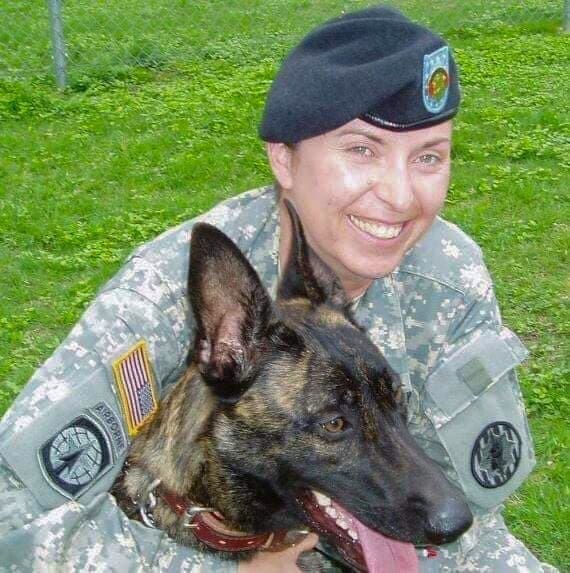
Six months later, she finalized her transition paperwork and moved to active-duty. Johnson would then go on to spend the next seven years, to include multiple deployments and assignments, working toward her goal, she said.

“I just knew it was something I was meant to do,” she said. “Being an MWD handler is an intense and high-impact job — a way of life.”

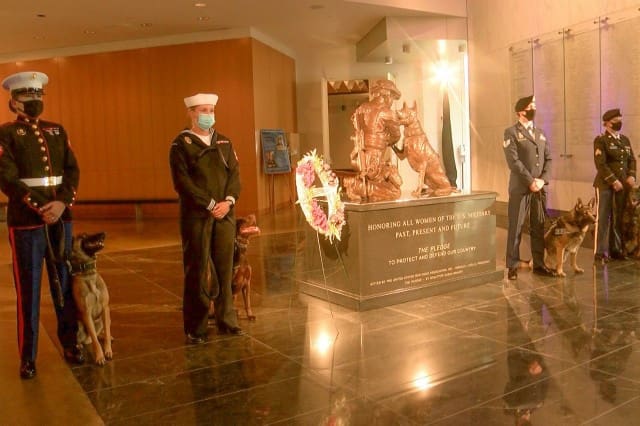
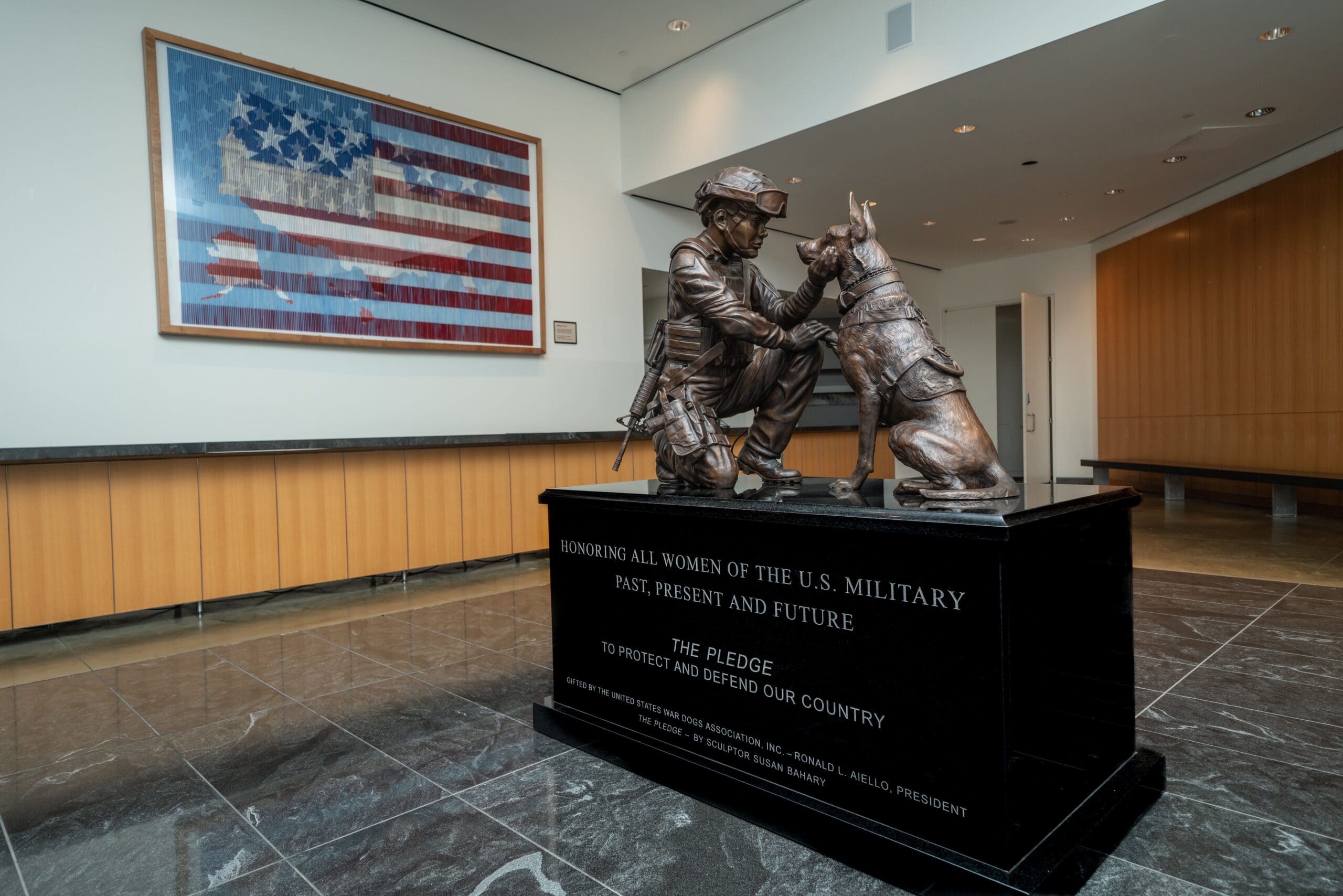
On Oct. 17, the Military Women’s Memorial unveiled its first monument on the eve of its 23rd anniversary. The memorial honors and tells the stories of women, past and present, who have served the nation.

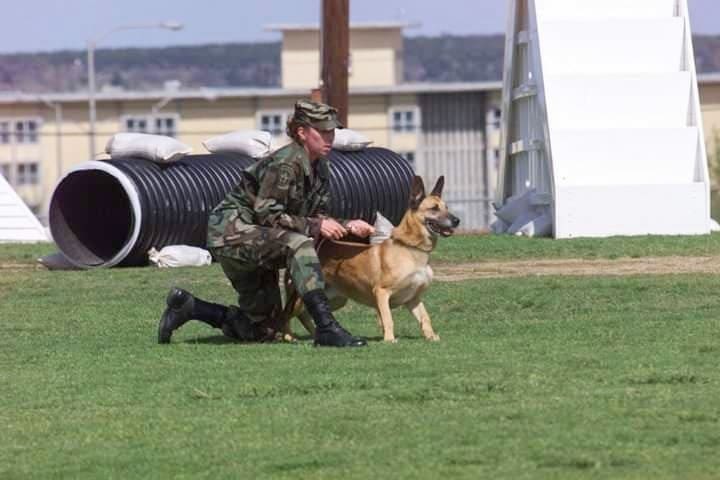
The monument, titled “The Pledge,” captures a moment of mutual respect and love between a female handler and her Belgian Malinois, said Susan Bahary, its artist.
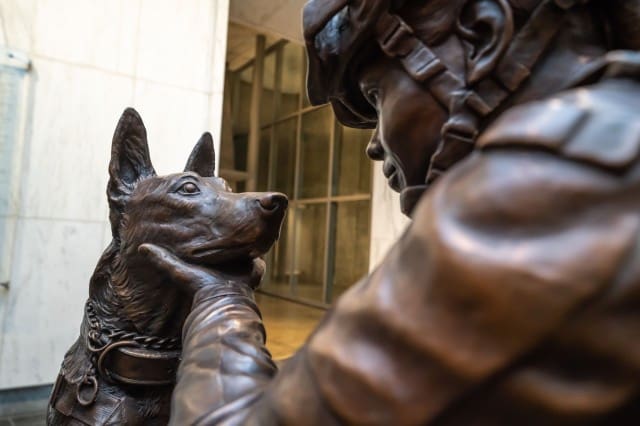
The monument depicts a dog reaching up to her handler as she kneels beside the dog. It captures a feeling of commitment and support, as both reach out to each other with a desire to accomplish their mission, Bahary added.

Johnson proudly served as a handler before retiring in 2012 as a sergeant first class with a military occupational specialty code of 31BZ6, or a MP officer with a working dog additional skill identifier, she said. The Army transitioned to the new 31K MWD handler career field just two years later.

“The job was physically and mentally draining, but none of that mattered if I had my dog beside me,” she said.

As a career handler, Johnson attended the unveiling ceremony with other military handlers. Together, they showed their combined support for their career field and paid respect to the female handlers who helped paved the way, she said.

“It is a beautiful monument that will one day change the trajectory of some little girl’s life,” Johnson said, much like the way her life changed when she first met Solo and McKinney.
MWD impact

Military working dogs are a force multiplier, often used to provide patrol, narcotics, and explosive detection capabilities in garrison or on the battlefield, said Sgt. Maj. Viridiana Lavalle, the Army’s most senior ranking 31K MWD handler.

These dogs can do “a plethora of things that no piece of equipment or Soldier can emulate … with their sense of hearing, smell and ability to detect,” said Lavalle, who is the provost sergeant major for the directorate of emergency services at Fort Sill, Oklahoma.

Handlers often operate as individual augmentees and can deploy at home or abroad with any unit or agency to provide immediate animal support, she said.

“Dog handlers must be extremely self-sufficient and independent, regardless if they are an 18- or 19-year-old private first class or a seasoned staff sergeant,” Lavalle added.

These Soldiers need to display a high level of maturity and professionalism to find success, she said. Handlers are considered subject-matter experts the moment they arrive and must be able to articulate the limitations and capabilities of the MWD to their chain of command.
Like Johnson’s experience in Panama, Lavalle’s passion for dogs led her to join the military police corps in 2001 and later transition to a MWD handler in 2003.

“I think we have evolved when it comes to women serving in the MWD MOS,” Lavalle said, adding that more women should choose to serve as a 31K.

The Army currently has close to 650 Soldiers in the MWD field, with nearly 20% of them female, she said.

“We have made a tremendous amount of progress, but we are still facing various obstacles,” Lavalle said. “I have faith we will continue to overcome them and exceed the standards.”

Overall, the MWD career field is one of the best jobs the Army has to offer, she said.

“I can’t even explain how rewarding it is,” Lavalle said. “When you first get your MWD assigned to you and you start to build that bond — then you start to see that team concept.”

Developing trust

Building trust with a K-9 counterpart is a critical aspect of the career field, Johnson said, as she recalled one incident with her explosives detection dog named Fido that warned Soldiers of a possible danger.

While deployed to Iraq, Johnson and another MWD handler joined a quick reaction force to track down an escaped prisoner in a vast junkyard filled with decommissioned Iraqi military equipment and vehicles.

The junkyard spanned across several acres with multiple entry points, Johnson said. Leaders decided to split the handlers into smaller squads and enter the scrapyard on opposing sides to cover more ground.

“I am telling my dog, ‘Find the bad guy,’ as he almost pulls my arm out of the socket,” Johnson said. “We are moving through the junkyard when he starts going crazy and immediately sits down.”

Thinking Fido was just confused by her command, Johnson encouraged him to get back up and continue the search. He pressed forward a little further before deciding to sit once again.

That was when it dawned on her that she recognized her dog’s signal for unexploded ordinances in the area.

Military working dogs are trained to receive praise or reward after completing a task, Johnson explained. An MWD never stops working. In this instance, Fido made the right choice to signal instead of blindly searching the area for the escaped individual.

“I turned around to the squad leader and said, ‘Shut off all your radios, let my dog in front of you and only step where we step.’”

Johnson led the team out of the junkyard and ran around to extract the other squad. The second handler was paired with a narcotics detection dog and was not trained to detect explosives in the area.

“Establishing a bond and rapport is everything to that handler,” Lavalle said. “Without it, that team will not be effective” or could become a liability.

“That is something that we establish from day one when a Soldier goes through dog handling school,” she added. “Understanding the need for a common mutual respect between the dog and handler, and building the rapport and fundamentals during training” is critical to the mission.

The Pledge

Planning for the monument started just under two years ago after the U.S. War Dogs Association commissioned a memorial to honor the service and sacrifice of female MWD handlers, Bahary said.

“With ‘The Pledge,’ we felt it had to represent all women in the military,” Bahary said. “When you can move people emotionally through a work of art, it can open their hearts and make them more apt to learn.”
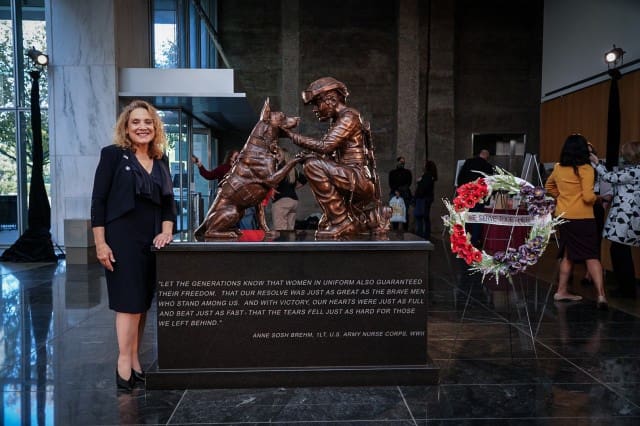
As Bahary started designing the monument, she was determined to convey a strong message of duty, capability, commitment and compassion in both figures. She began by looking at many photos of MWD handlers to draw inspiration for her design.

At one point in the design process, Bahary physically kneeled as if to pose herself in front of a dog sitting with an outstretched paw. Doing so helped ensure a level of authenticity in her final design, she said.

Bahary then went on to start the female figure using a metal armature as a base and covering it with layers upon layers of clay, she said. She then began the sculpting of the military working dog and later added the intricate details of the uniform and equipment.

The model was then cast to create a series of molds, she said. From these molds a multi-step process known as a lost-wax was used to produce a bronze casting of the final figure. The metal process can take two to three months to complete.

The final piece was welded together, the metal was finished, sprayed, and brushed with different chemicals and heated to create color variations. It was then mounted onto a granite base for display at the memorial.

Bahary created the country’s first official war dog memorial, “Always Faithful,” in 1994 to honor all military working dogs killed during service. It was unveiled at the Pentagon and dedicated at the Marine Corps War Dog Cemetery in Guam. It depicts the well-known Marine Corps Doberman named Kurt that fought during the Second Battle of Guam during World War II.

She is also working on the National Service Animals Monument. This monument will be dedicated to the deeds and sacrifices of all animals employed by the military, police, and search and rescue groups, along with the animals providing assistance and companion services or emotional support.

“As an artist, this is an incredible honor,” Bahary said. “It feels so gratifying to know that the women in the military are finally getting this kind of well-deserved recognition in our nation’s capital.”

The Pledge monument is genuinely humbling, Lavalle said, adding that Bahary did a phenomenal job representing all female handlers.

“It is an honor to have the opportunity to be the first female handler to achieve the rank of sergeant major, and to be a part of this era where women handlers are starting to be formally recognized and honored for their sacrifices and commitment to the military working dog program,” Lavalle said.

“As a 31K dog handler, it is my duty and the duty of other women handlers to continue to pave the way,” she added. “This is my passion, and I couldn’t see myself doing anything else. I was born to be a dog handler and trainer.”

By Devon Suits, Army News Service

Army Conducts Major Milestone Tests in Development of Integrated Visual Augmentation System

Monday, November 9th, 2020

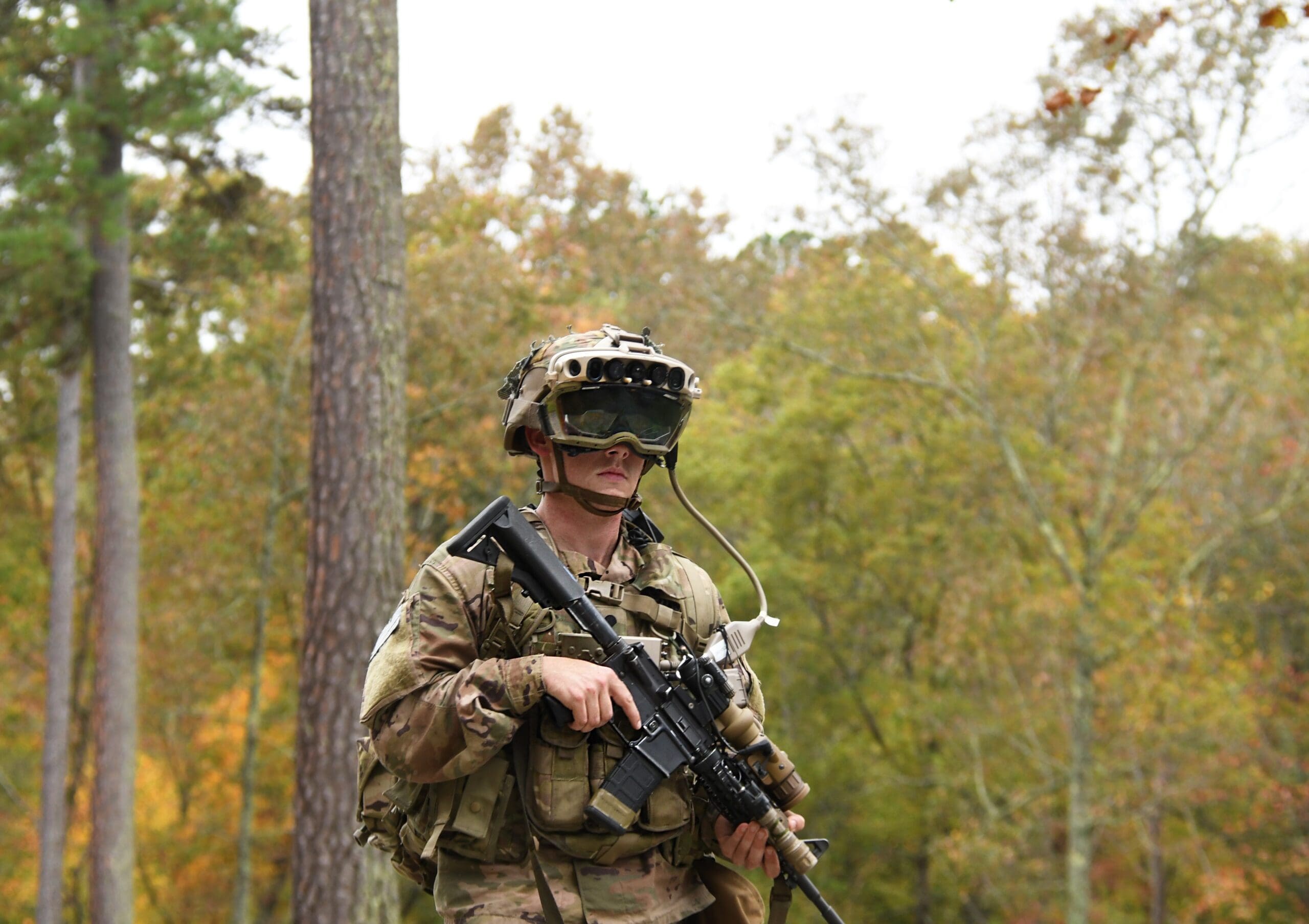
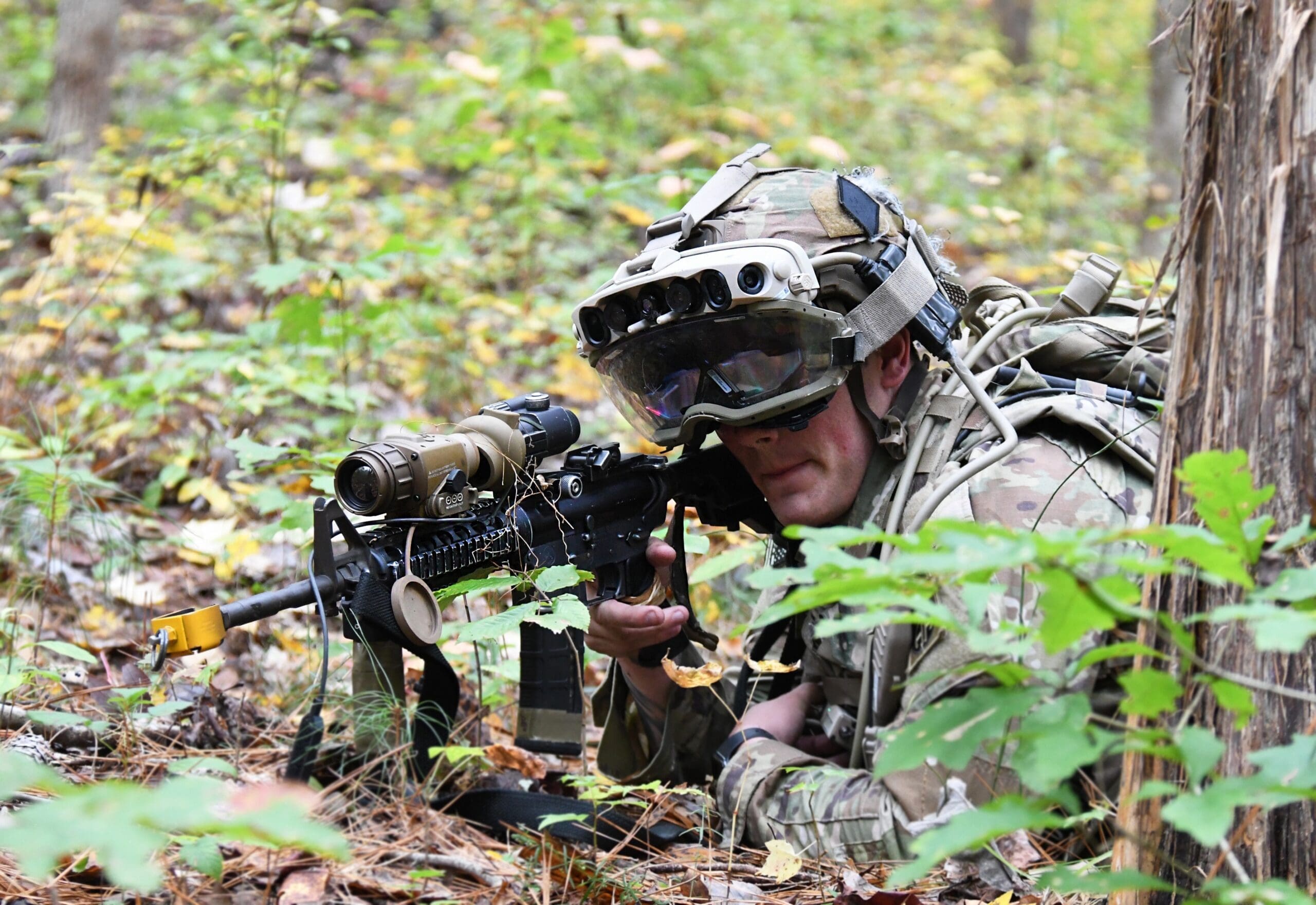
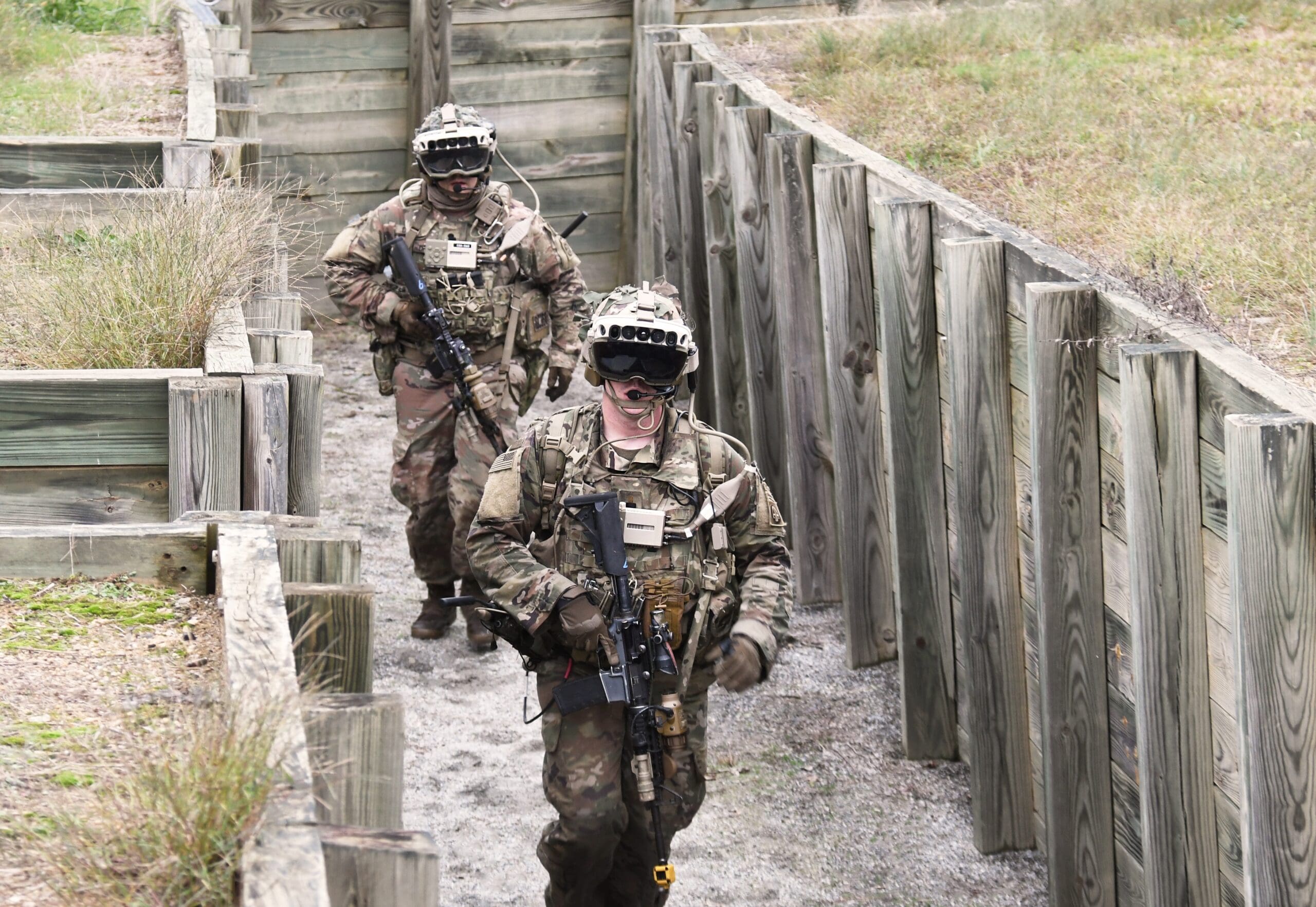
FORT BENNING, Ga. – The Army-led team of developers creating the Integrated Visual Augmentation System is wrapping up the third major milestone testing and demonstration event this week at Fort Pickett, Va., where Soldiers and Marines have been putting the system, known as IVAS, through a number of field exercises since Oct. 18.

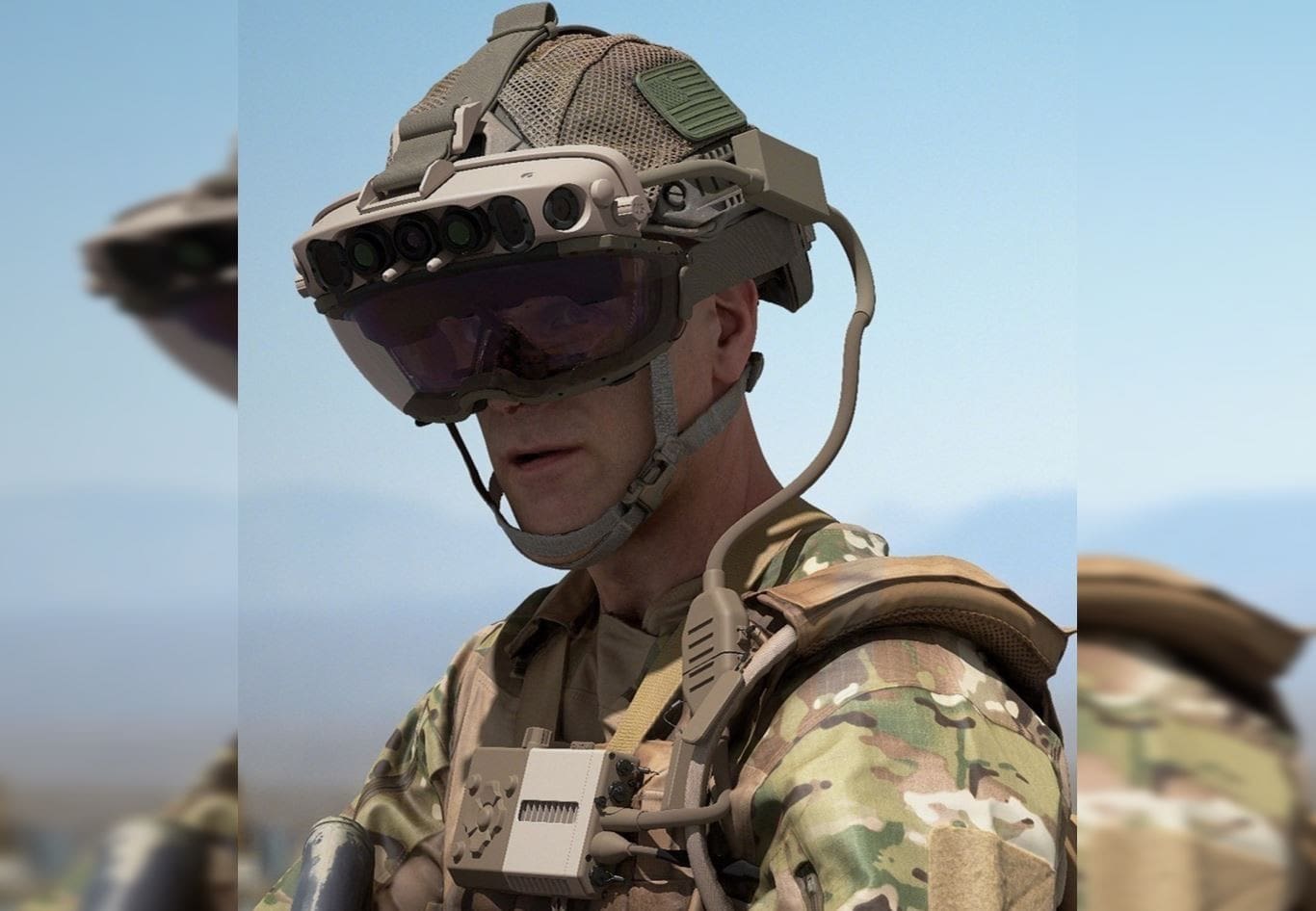
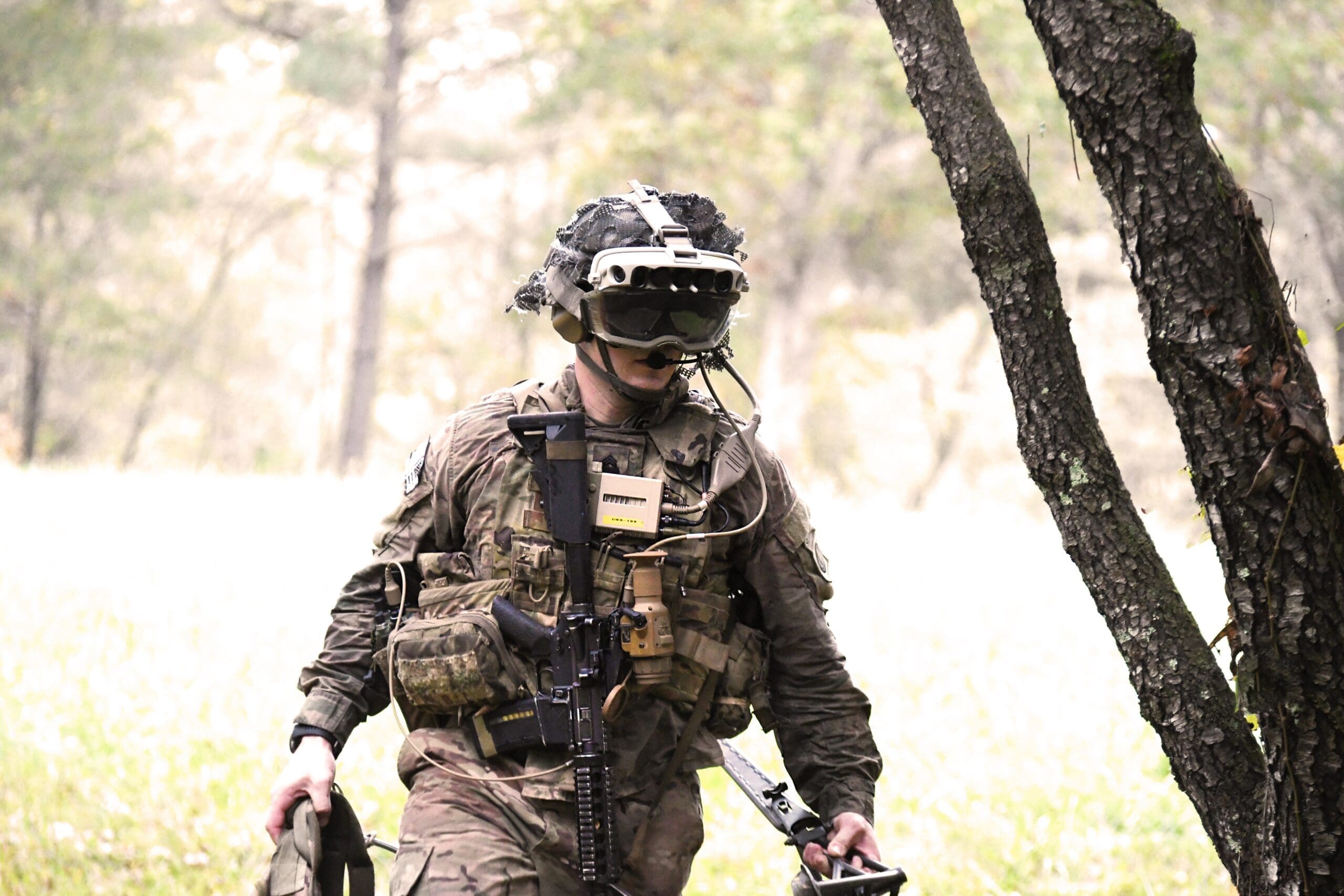
IVAS is designed to enhance the lethality and survivability of the Army’s Close Combat Force through a combination of technologies and augmented reality capabilities delivered in the form of a Heads-Up Display device, much like the famed HoloLens developed by Microsoft, which is, in fact, partnering with the Army to develop and produce the system.

IVAS is one of the Army Future Command’s 31 original signature modernization efforts, headed by the Soldier Lethality Cross Functional Team (SL CFT) at Fort Benning, Ga., under the leadership of Brig. Gen. David Hodne, who also serves as the Chief of Infantry. It’s a single platform that allows the Soldier to fight, rehearse, and train, because it leverages networked information sharing and mixed and augmented reality technologies. IVAS is one of the SL CFT’s efforts to help resolve an erosion in combat superiority between

U.S. and near peer competitors around the world as identified in the 2018 National Defense Strategy.

Whereas U.S. forces once “owned the night” in respect to combat overmatch in conditions of limited visibility, Hodne said, two decades of consistent and concentrated conflict across the Middle East has resulted in a parity among the world’s most capable combatants.

“Overmatch has always been defined in terms of two things; our lethality and our protection must exceed the lethality and protection of our adversaries,” Hodne said Oct. 30, as he addressed a group of Army senior leaders and Congressional representatives who attended the IVAS demonstration at Pickett. “In order to restore overmatch, we must restore lethality, and lethality means we can see, designate and move quickly through hours of limited visibility.

“In an environment where we share the night, the folks who can move faster, decide faster and think faster are the ones who have the advantage on today and tomorrow’s battlefield,” he said, citing the IVAS next generation situational awareness tools, high resolution operational and training simulations capabilities the Soldiers are testing at Pickett.

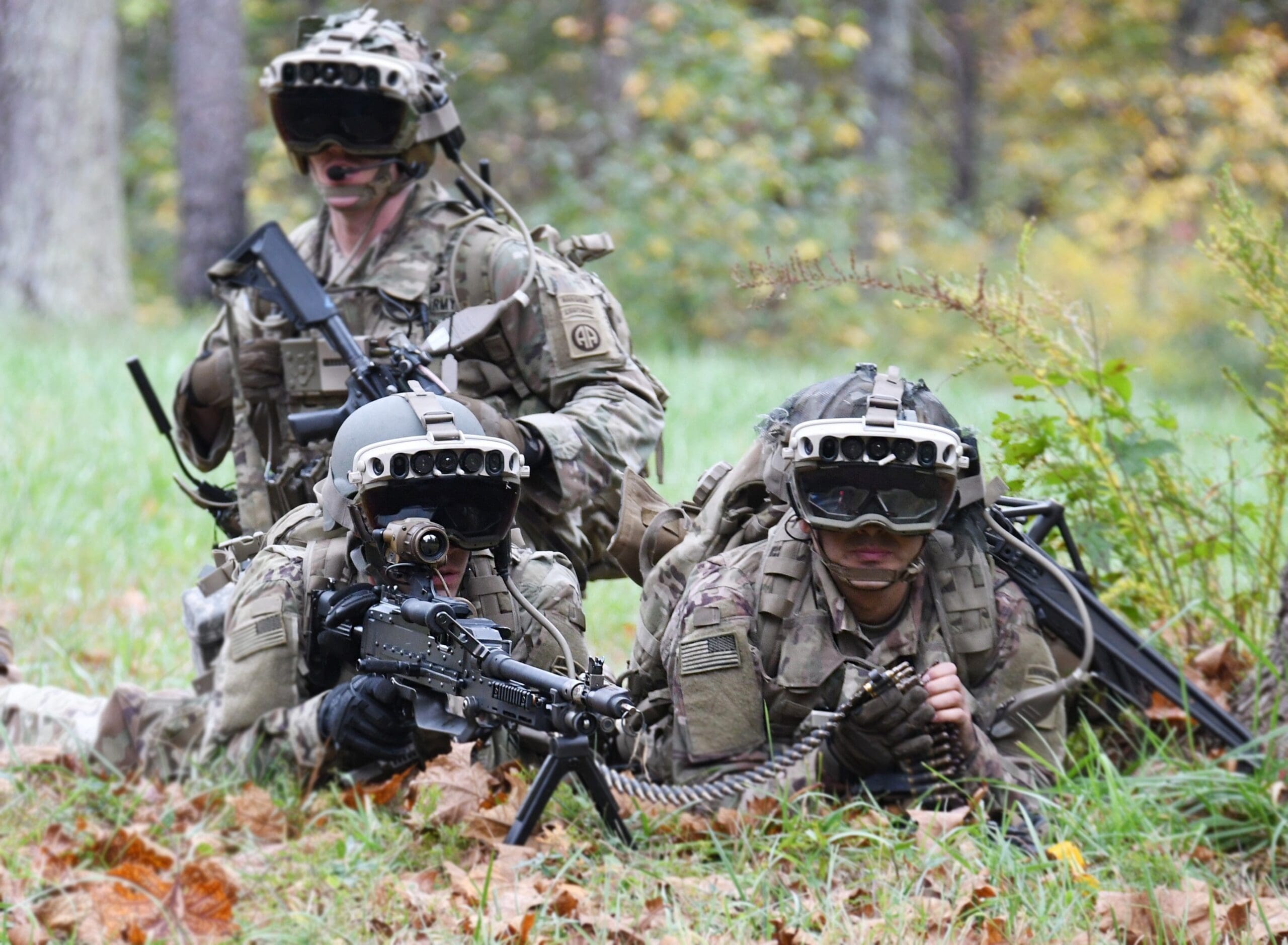
The event is the third in a series of four comprehensive large-scale tests, formally known as Soldier Touch Points, or STPs, scheduled at pivotal junctures in the 28-month program to bring together stakeholders from across the Army’s modernization enterprise with industry partners to assess technologies added or upgraded since the previous STP and test the latest system prototype in the field. This time around, participants from the 82nd Airborne Division and a contingent of Marines conducted company-size training events using the first militarized prototype of the IVAS. Events included land navigation, live fire, mission planning, rapid target acquisition, trench clearing, after action review using augmented reality, and more.

By the end of this event, Team IVAS, which includes the CFT, PEO Soldier, Microsoft, Combat Capabilities Development Command, and a number of labs and directorates within the modernization enterprise, will have collected more than 40,000 hours of Soldier data, said Brig. Gen. Tony Potts, the director of PEO Soldier.

The team employs a Soldier Centered Design methodology that involves Soldiers at every step of the process, from design to development, thereby reducing the traditional 10-year acquisitions timeline to roughly 28 months and eliminating the historical probability of fielding a system Soldiers reject. Soldier Centered Design means IVAS is designed and built by the Soldiers who give the constructive, candid feedback developers use to turn over new prototypes and upgrade systems constantly.

“If we want to develop systems at the speed of relevance, and systems that our Soldier want to use, this is the way we have to do it,” Potts said. “We have learned so much through Soldier Centered Design. Our real desire is to let Soldiers design it, and then our engineers build what they design. It’s about listening to our Soldiers.”

The STP was Staff Sgt Kaleb Kester’s first experience with IVAS and with the concept of Soldier Centered Design. After 12 years in the Army, the combat veteran said he sees “incredible potential” for the system and had no trouble learning to use it. “If you can use a smart phone, you can use IVAS,” he said, but there was one thing he didn’t understand.

“Why haven’t we always been doing it this way? I hate getting issued things I don’t even want or don’t need or can’t really use,” Kester said. “This is the way it should always be.”

The program, which remains on track to deliver the first IVAS in the fourth quarter of FY21, is funded through Other Transaction Authorities (OTA) and Middle Tier Acquisition Rapid Prototyping authorities to accelerate the development process by more than four years as compared to the DoD 5000 process.

Last month, Undersecretary of Defense for Acquisition and Sustainment Ellen Lord hailed IVAS as an example of success, having launched the program under an interim policy she implemented to circumvent problems inherent to traditional military acquisitions methodologies aimed at layered governance and risk aversion. In September, Deputy Secretary Norquist signed a directive that completes a comprehensive redesign of the DoD 5000 series acquisitions policies.

“So using this (interim) policy, we have 74 programs today using the middle tier acquisition pathway, including (IVAS),” Lord said Oct. 7 during a Pentagon briefing. “As a result, IVAS intends to rapidly field the capability in fiscal year 21 after conducting dozens of hardware prototypes and thousands of software builds through continuous iterations with Soldiers … the MTA pathway incentivizes powerful behaviors across the acquisition enterprise to quickly restore the Army’s advantage in individual situational awareness, navigation, communications, and target acquisition.”

Army Chief of Staff Gen. James McConville said virtually the same last week after participating in the IVAS STP 3 demonstration, where he donned the IVAS to see firsthand how the system pairs to the Family of Weapons Sight – Individual to give the warfighter the ability to acquire a target from behind the relative security of a corner or an obstacle using the aided target acquisition capability.

Twenty years ago, McConville said, such capabilities would have been considered futuristic, “something you see in a movie,” and the acquisition timeline would have impeded progress.

“Historically, our acquisition cycle has taken a long time, ten to fifteen years,” he said. “(IVAS) was just an idea two or three years ago, and we were able to bring it to fruition quickly to what we saw today working together with industry, with our operators, and also our Soldiers with touch points along the way using the authorities that Congress has given us to rapidly, bring this capability to our Soldiers in the field. It’s safe to say that the future is here – now – and this is no longer in the realm of science fiction.”

Lt. Nicholas Christopher was one of the Soldiers from the 501st Parachute Infantry Regiment who put the system to the test in hinterlands of Fort Pickett’s operationally relevant environments. Christopher described the IVAS suite of capabilities just as the Chief of Staff.

“There are a lot of features on it that are futuristic, I guess you could say, including things like advanced battle tracking,” he said. “I can see where my entire platoon is projected on a map, and for me as a platoon leader, that’s amazing, because there’s a lot of guesswork that goes out the window. There’s a lot of verbal communication over radios that I don’t have to do anymore. It’s very solid I can see how this is going to make a great impact on the way we fight.”

By Bridgett Siter

Air Force’s Spectrum Management Office Officially Transfers to ISR and Cyber Effects Operations Staff to Continue to Integrate ‘Information Warfare’

Monday, November 9th, 2020

ARLINGTON, Va. (AFNS) — The Air Force’s Spectrum Management Office, or AFSMO, officially transferred Oct. 23 from a function under Air Combat Command to full integration under the Headquarters Air Force Staff.

AFMSO joins the Cyberspace Operations and Warfighter Communications Directorate assigned to the Deputy Chief of Staff for Intelligence, Surveillance, Reconnaissance and Cyber Effects Operations. This is a vital move in a larger plan to support, from a Headquarters Air Force perspective, the synchronization of Information Warfare functions; a move which is happening at the right time for on-going developmental work to enable all-domain operations.

Air and Space Force weapon systems depend on the electromagnetic spectrum (EMS) to connect warfighters around the world and across all domains. The Air Force’s growing need for spectrum requires AFSMO to maintain continuous engagement across the federal government, commercial industry and the international community.

Coming just 18 months after the HAF Staff merger of ISR and Cyber Effects Operations, this move is another step in the shift toward great power competition under the 2018 National Defense Strategy.

“This is a critical step to information warfare integration and synchronization because command, control, communications, computers, intelligence, surveillance and reconnaissance (C4ISR) is inextricably linked to EMS management,” said Lt. Gen. Mary O’Brien, deputy chief of staff for ISR and Cyber Effects Operations. “To compete and win in competition as well as a high-end fight, our Air and Space Force activities and capabilities like EMS must not only be de-conflicted, but integrated with our service counterparts. The heart of JADC2 (Joint All Domain Command and Control) is that military activities in one domain must enhance the effectiveness of those in other domains and compensate for vulnerabilities, and I believe this move will help us in this area.”



AFSMO, continuing to work out of Fort George G. Meade, Maryland, remains integral to helping the Air Force integrate new technologies and adopt new approaches to spectrum management. As the Air Force increases focus on JADC2, effective and efficient management of EMS is exceedingly important because it is a finite and essential resource.


“Given the Air Force-wide scope of AFSMO’s roles and responsibilities, bringing it back to the Air Staff is a natural fit,” said Brig. Gen. Eric DeLange, director of Cyber Operations and Warfighter Communications. DeLange will oversee the AFSMO efforts as part of the HAF Staff. “As we look to advance our efforts in Information Warfare, and with our focus squarely on cyberspace and warfighter communications that so heavily depend on the electromagnetic spectrum, I have no doubt that bringing AFSMO into the Directorate fold will create new and important synergies. I’m definitely excited to have them join the team!”

The current commander, Col. Kenneth Miller best describes their work as “…ensuring Airmen have access to the spectrum they need, when and where they need it.”

The electromagnetic spectrum transcends all physical domains and the information environment and extends beyond defined borders and boundaries. “The Air Force’s insatiable appetite for spectrum requires AFSMO to maintain continuous engagement across the federal government, commercial industry and the international community to ensure our Air Force spectrum equities are protected,” Miller said.

The EMS is a finite resource, and the Air Force must integrate new technologies and adopt new approaches to spectrum management to increase sharing between federal and nonfederal users. An example of this was AFSMO’s efforts to support the federal government response to the COVID-19 pandemic. As much of the American workforce transitioned to telework, the demand for commercial broadband reached new heights. In response, the Federal Communications Commission granted commercial broadband carriers special authorizations to increase bandwidth capacity across several basic economic areas throughout the U.S.

Another top Secretary of the Air Force’s priority is modernizing the Air Force with new technologies and innovating with urgency. In support of this priority, AFSMO has been working closely with the MAJCOMs responsible for hosting ongoing Advanced Battle Management System, or ABMS, onramps to ensure all spectrum requirements are properly identified and documented. In early September, the second ABMS onramp concluded at Andrews Air Force Base. During this event, live fire demonstrations utilized both 4G- and 5G-networks for access to over 60 data sources. In preparation for the next ABMS onramp, the AFSMO team is gearing up to ensure warfighters will have the spectrum they need to accelerate change.

By Secretary of the Air Force Public Affairs