FirstSpear

Archive for the ‘Guest Post’ Category

FirstSpear Friday Focus— FirstSpear Wins MAAWS Pocket Contract for MARCORSYSCOM

Friday, October 16th, 2020


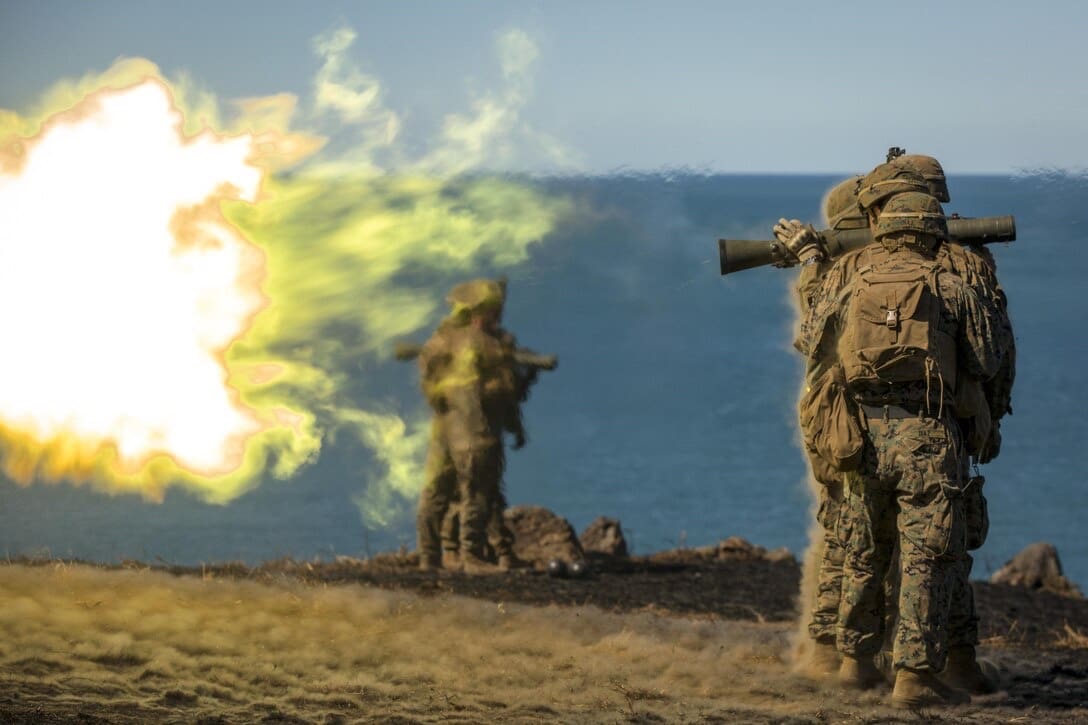
Photo Credit: Department of Defense. US Marines fire a Carl Gustaf weapon system on Townshend Island at the Shoalwater Bay training area in Australia, July 21, 2017, during Talisman Saber 17.

Next year, the United States Marine Corps will begin fielding the 84mm MAAWS, a recoilless rifle weapons system to every squad in the corps. While the original version of the launcher was introduced in 1946, the ammunition has evolved significantly. The newest round, developed by Raytheon, is a precision-laser guided projectile with a multi-target warhead, capable of defeating bunkers, concrete, light-skinned vehicles and armored personnel carriers. Additionally, it has a range of nearly 2,000 meters and can be fired from inside an enclosed room.

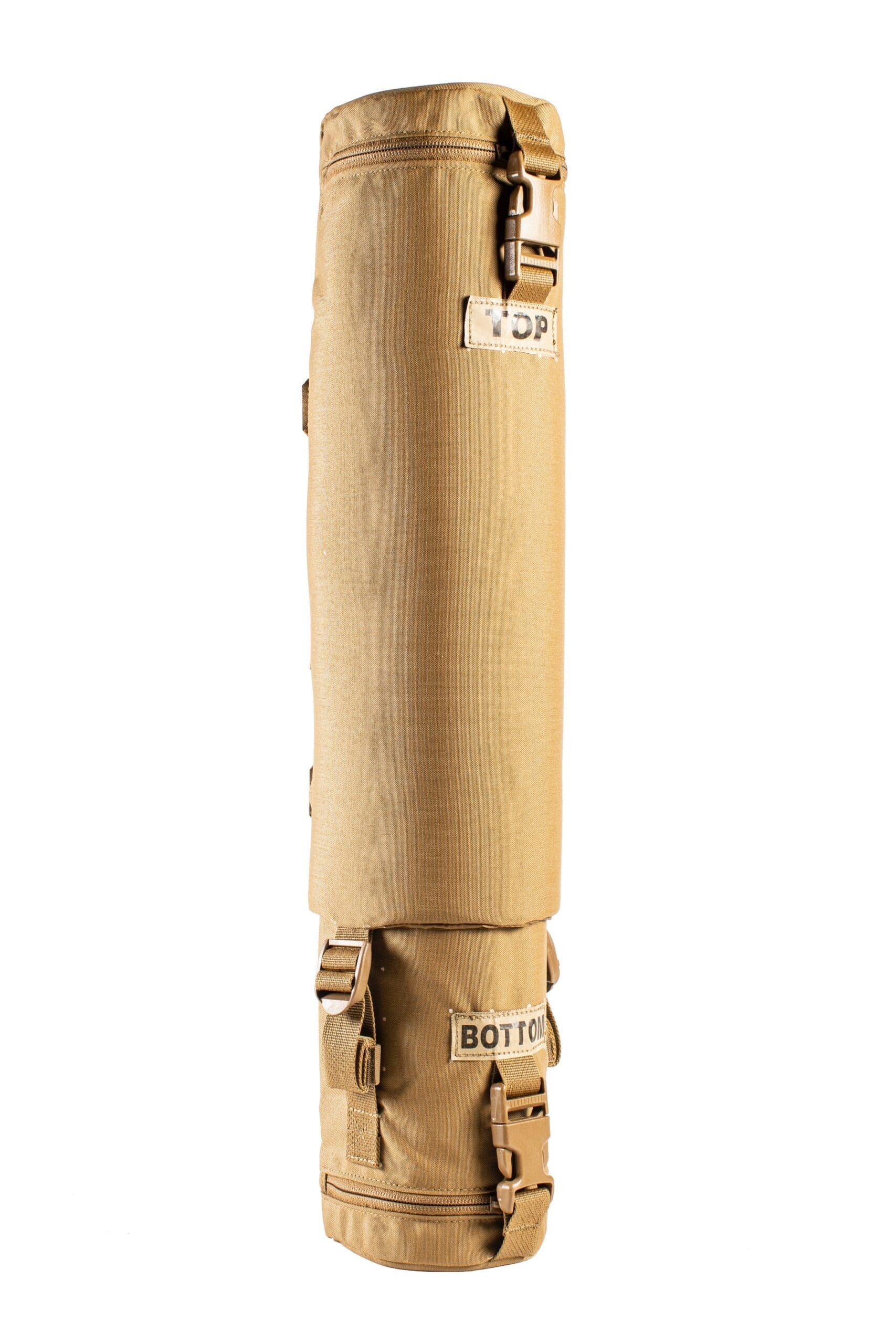
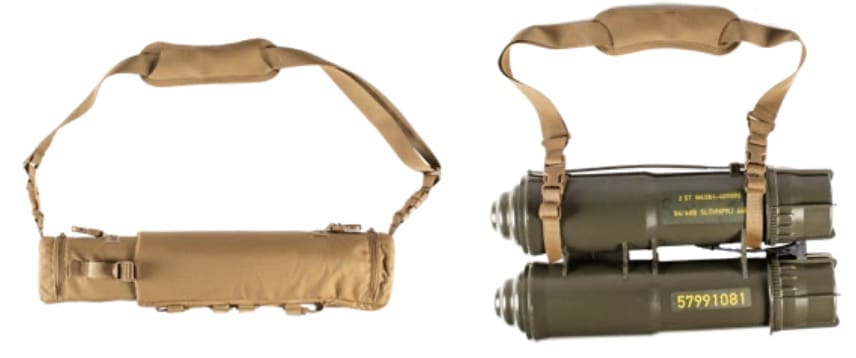
FirstSpear is proud to announce it has received a contract to produce up to 10,200 of the company’s 84mm MAAWS Ammunition Pouch, to help Marines carry munitions under a balanced load in combat situations and quickly deploy them as needed. Awarded on September 25, 2020, the company is already ramping up production and will manufacture all pockets in the U.S. with Berry Compliant materials.

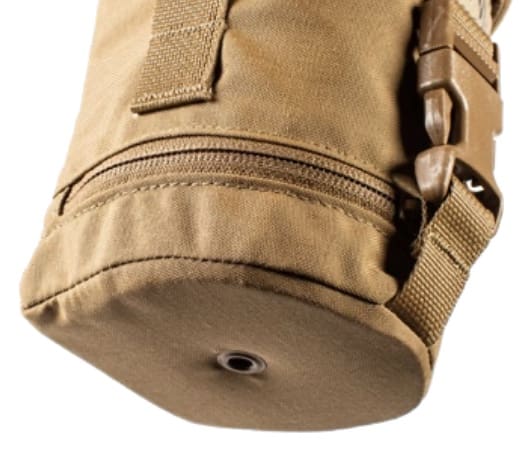
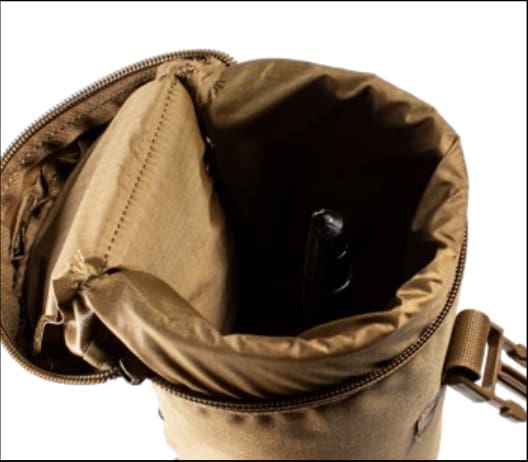
FirstSpear designed the pouch to be adjustable in length from 18 to 38 inches to accommodate a variety of projectiles, to meet current infrared requirements, and be compatible with current Marine Corps load bearing equipment. Zippered across both ends for ease of loading, the closed pocket design limits sand and debris exposure. It features an internal pocket primer protector and it comes equipped with an adjustable sling and tube straps for use with a hard case. Like all FirstSpear products, the 84mm MAAW Ammunition Pouch was designed to be durable, lightweight and highly functional.

For more information, check out First-Spear.com. To discover more about FirstSpear’s technology, check out First-Spear.tech.

Army Readies Charging Port for Autonomous Drone Swarms

Thursday, October 15th, 2020

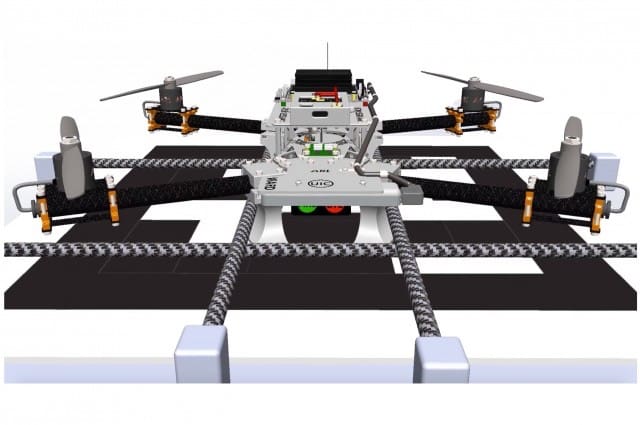
ABERDEEN PROVING GROUND, Md. — A swarm of hundreds of unmanned air vehicles will soon descend on unmanned ground vehicles to autonomously recharge, thanks to U.S. Army-funded research now underway at the University of Illinois Chicago.

The U.S. Army Combat Capabilities Development Command’s Army Research Laboratory awarded the University of Illinois Chicago a four-year, $8 million cooperative agreement in August to develop foundational science in two critical propulsion and power technology areas for powering future families of unmanned aircraft systems, or UASs.

This collaborative program will help small battery-powered drones autonomously return from military missions to unmanned ground vehicles for recharging. The university is developing algorithms to enable route planning for multiple teams of small unmanned air and ground vehicles.

Dr. Mike Kweon, program manager for the laboratory’s Versatile Tactical Power and Propulsion Essential Research Program, said the research on route planning is critical to the Army, which needs intelligent, small UASs that can find optimal routes during a military mission to autonomously return to unmanned ground vehicles, known as UGVs, for recharging. This will optimize the operational range extension and time on mission.

“Imagine in the future, the Army deploying a swarm of hundreds or thousands of unmanned aerial systems,” Kweon said. “Each of these systems has only roughly 26 minutes with the current battery technologies to conduct a flight mission and return to their home before they lose battery power, which means all of them could conceivably return at the same time to have their batteries replaced.”

This future concept is based on the reality of today’s technology, Kweon said.
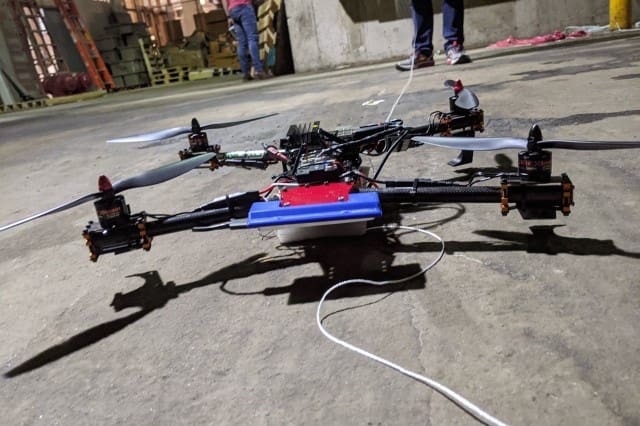
“Soldiers would need to carry a few thousand batteries on missions to facilitate this, which is logistically overwhelming and overall, not conducive to a leading expeditionary military operation,” he said. “With this research project, we’re operationalizing scientific endeavors to increase Soldier readiness on the battlefields of tomorrow.”

The use of fast, recharging batteries and wireless power transfer technologies will allow multiple small UASs to hover around unmanned ground vehicles for wireless charging, and this will not require Soldier involvement.

“I believe this is the only way to realize practical UAS swarming, and small UAS and UGV teaming. Without solving how to handle the energy demand, all other advanced technologies using artificial intelligence and machine learning will be useless for the Army,” Kweon said. “On the battlefield, we do not have luxury to replace batteries for 100s of UAVs and recharging them for hours.”

For larger drones, Army-funded research will explore the fundamental science needed to develop miniaturized fuel sensors for future multi-fuel hybrid electric propulsion systems.

Fuel property sensors that university partners are developing will help Soldiers who operate fuel-based equipment measure fuel property in real time for the Army’s air and ground vehicles, Kweon said.

This knowledge will allow Army personnel to prevent catastrophic failures of the systems and to increase its performance and reliability.

“This research is critical not only for air vehicles but also ground vehicles, especially for the Army missions,” Kweon said. “The fuel sensor is telling the operator what type of fuel is being delivered from the fuel tank to the engine. This input signal can be used to intelligently tell the engine to adjust engine control parameters according to the fuel type to avoid any failures. This data can also be used to find root-cause failures if any engine component prematurely failed.”

The university’s current research in fuel sensor development examines the effects of fuel structure and chemistry on ignition in future multi-fuel drone engines so that real-time control can be implemented. This project further explores the underpinning science using advanced techniques including spectroscopic diagnostics and data science analysis to both enable and accelerate real-time control.

“It also enriches the understanding of the ignition of any unconventional fuel that may need to be burned in the drone engines,” said Prof. Patrick Lynch, a principal investigator at the University of Illinois Chicago on this project.

Army researchers said there is a lot of enthusiasm about partnering through the Open Campus model.

“This not only advances the state of the art, but also operationalizes science for transformational overmatch–the mission of the CCDC Army Research Laboratory,” said Dr. Mark Tschopp, ARL Central regional lead. “What is great is that we are expanding the team to include experts in academia, small businesses, and industry to push concepts and ideas into future capabilities for the Army. In a partnership with the Army, the University of Illinois Chicago brings subject matter expertise, unique facilities and a diverse student body in a collaborative partnership with Army scientists to advance these technologies and to provide future capabilities for the warfighter.”

This university-led research project is one of 11 funded this summer by the Army’s corporate research laboratory as a part of Center for UAS Propulsion efforts to develop technologies for multi-fuel capable hybrid-electric engines and fast efficient energy distribution. Each university partner is helping the Army address the energy demand required to power future unmanned vehicles. Universities also awarded for similar research are the University of Minnesota; University of Michigan; University of Wisconsin-Madison; University of Illinois-Urbana Champaign; Iowa State University; University of Delaware; University of North Texas; Texas A&M University; University of Missouri and University of Tennessee-Knoxville.

The research, slated to begin this fall, is part of a larger research portfolio of multi-fuel capable hybrid-electric technologies led by the laboratory that supports the Army Modernization Priority for Future Vertical Lift. Most recently, the laboratory recently announced the development of a new, advanced scientific model that will allow vehicle maintenance specialists to turn to bio-derived fuels in austere locations, and efforts to convert a home-based generator into a power source for autonomous ground and air vehicles.

By U.S. Army CCDC Army Research Laboratory Public Affairs

Brigantes Presents – Expeditionary Command Tents – The Revolutionary Alternative  

Wednesday, October 14th, 2020

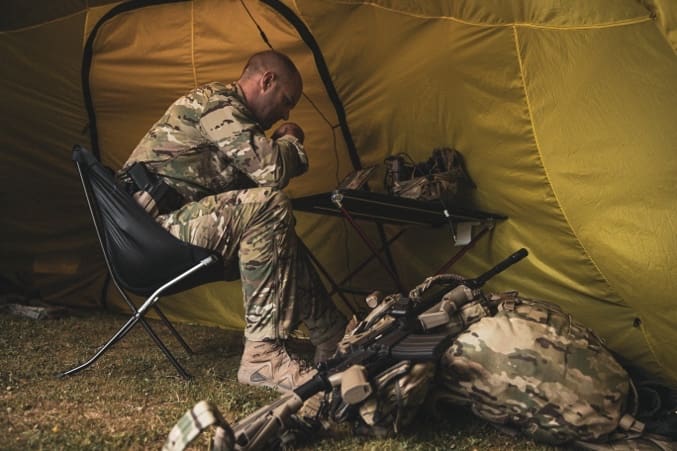
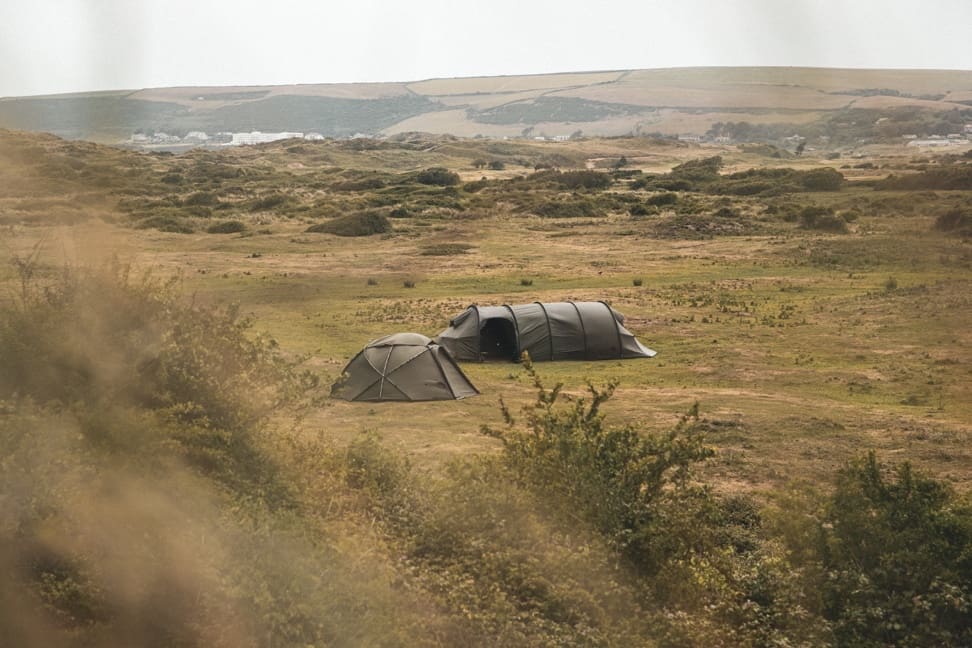
Hilleberg the Tentmaker is a family owned company with over 45 years of experience in manufacturing lightweight, all-season tents of the highest quality. Brigantes have worked in partnership with Hilleberg in advising and adapting these tents, making them a relevant to the military user.

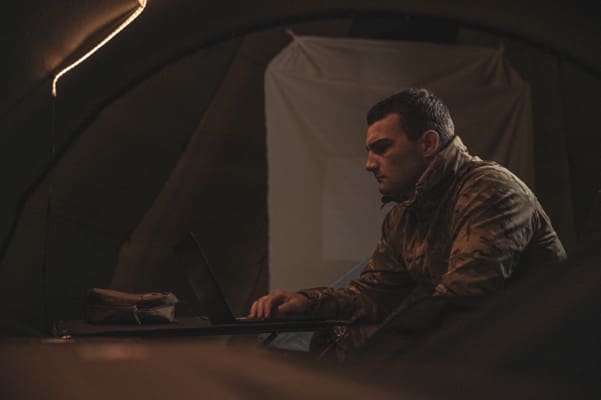
They offer a solution that blows the traditional, command tents (that were organised using big, heavy canvas tents) out of the water! Using this alternative, no vehicle would be needed to act as transport, these tents when packed away can be carried on foot. A complete game changer when forces need to respond in a rapid reaction or expeditionary way. The Atlas MIL and Stalon XL MIL are two tents that can be used effectively as a command station.

The Atlas’ Geodesic design allows it to be a freestanding structure that holds up against all weather conditions. It is one of the strongest free-standing tents in the world. Regardless of location, whether in a hanger/warehouse or outside, it does not need to be pegged down.

The Stalon XL MIL is a very large, robust tunnel tent and can be erected by one person in good weather. The Stalon XL can be configured in nearly endless ways, not just as a command centre but a classroom, a mobile medical station, staging/briefing room, for search and rescue teams or as a field dormitory for any large group. 

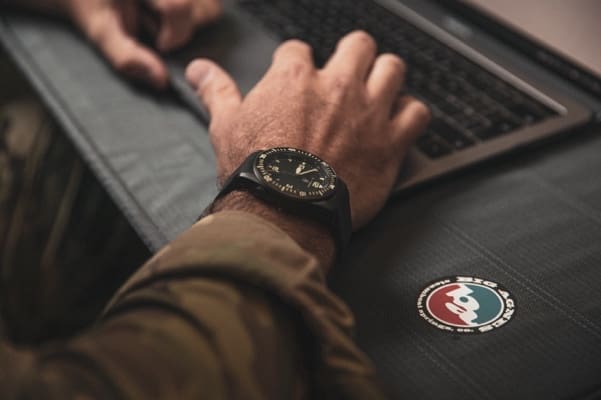
Both these tents offer all weather protection and are modular. Each module of the tent can be zipped on or off to accommodate the needs of the user, and multiple modules can be easily connected or disconnected as necessary. So, it is possible for the structures to grow as the unit/operation grows. With the addition of Hilleberg’s light blocking fabric, and using foldaway furniture by Big Anges, this ground-breaking alternative has the ability radicalise to how the military view command tent construction, making a much more lightweight, vehicle free solution.

For more information contact:

(For UK sales) tribe@brigantes.com

(International enquiries) international@brigantes.com

Or visit Brigantes.com and set up an account to view the range.

Are you looking to make a government purchase? Procurement accounts are now available.

Army, Air Force Form Partnership, Lay Foundation for CJADC2 Interoperability

Wednesday, October 14th, 2020

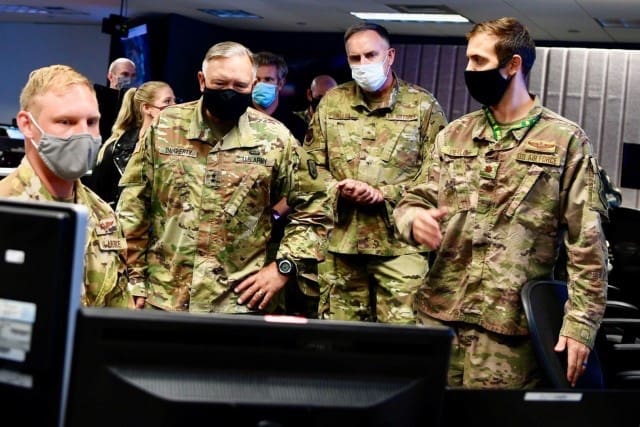
WASHINGTON — Unity among military branches and a combined, all-domain effort could be the difference in winning large-scale, multi-domain battles the Army expects to fight in the future.

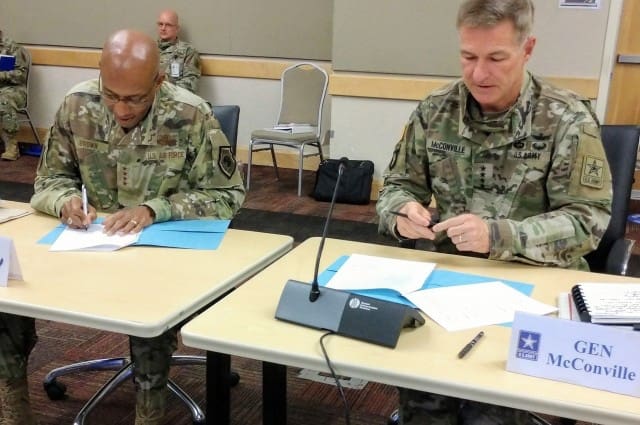
To help achieve that goal, the Army and Air Force signed a two-year collaboration agreement in the development of Combined Joint All-Domain Command and Control, or CJADC2, which will impact units in both branches, leaders announced Tuesday.

During the daylong meeting at the Pentagon, Army Chief of Staff Gen. James C. McConville and Air Force Chief of Staff Gen. Charles Q. Brown Jr. discussed how to best combine each service’s assets to achieve greater synchronization. It also marked the first Army-Air Force talks since Brown took on his new role in August.

Both service chiefs agreed to establish CJADC2 at the most “basic levels” by defining mutual standards for data sharing and service interfacing in an agreement that will run until the end of fiscal year 2022.

Army Futures Command and the Air Force’s office of strategy, integration and requirements, A-5, will lead the effort, designed by the Defense Department to deliver CJADC2 capabilities to the warfighter quicker and to promote “shared’ understanding of concepts and capabilities.

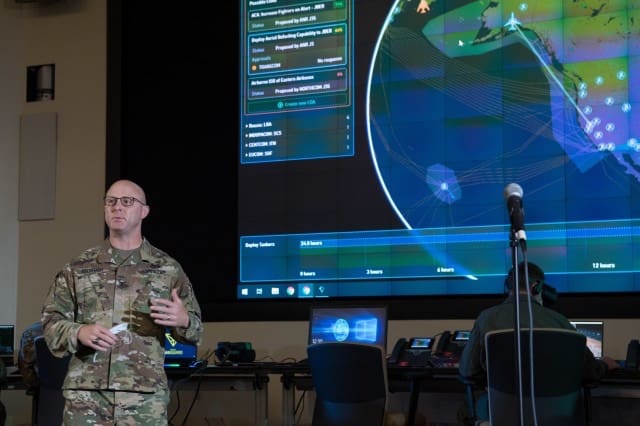
In the CJADC2 concept, each of the military’s six branches would connect sensors, shooters, and command nodes in a “mesh network” that will allow commanders more options and the ability to act faster. Each branch, including the newly-formed Space Force, must learn to interface with each other and successfully access data, reconnaissance and intelligence collected from across joint networks.

“The core challenges of the future fight are speed and scale,” said Lt. Gen. Charles Flynn, Army deputy chief of staff, G-3/5/7. “The future fight will be much faster, and the joint force will have more sensors and more shooters. [It will] be more widely distributed than ever before.”

The initiative will combine the Army’s Project Convergence with the Air Force and Space Force’s Advanced Battlefield Management System, or ABMS, and will impact the joint forces’ training as well as exercises and demonstrations.

Project Convergence is the Army’s plan to merge its joint force capabilities and keep pace with technological change. On Sept. 18, the Army completed its five-week Project Convergence 20 exercise at Yuma Proving Ground, Arizona, where it tested artificial intelligence capabilities along with its abilities to transmit information from sensors in the air, space and on the ground.

Meanwhile, the Air Force developed ABMS to enable the joint force to quickly collect, analyze and transmit data at machine speeds. Both projects are designed to help make informed battlefield decisions faster.

“ABMS is the Internet-of-Things for the military — it’s ‘IoT.mil.’ Imagine the level of situational awareness typically relegated to traditional brick-and-mortar centers being provided to those who need it most on the edge,” said Preston Dunlap, the Air and Space Force’s chief architect. “Imagine allowing operators to choose what data feeds are important to them and for others to be able to subscribe to get the information they need. The power of this architecture is unlocked by services, allies and partners working together to connect networks and share information at machine speed. That’s all-domain superiority. And today’s event took us one step closer to realizing that future.”

By Joe Lacdan, Army News Service

US Army Tests Aluminum Foam for Protection Against Blasts

Monday, October 12th, 2020

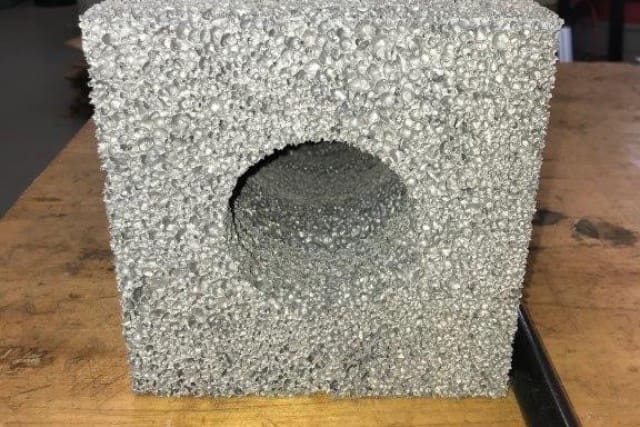
ABERDEEN PROVING GROUND, Md. – Forward Operating Bases are typically surrounded by barbed wire, concrete barriers, gates, watchtowers and other infrastructures. A new material – aluminum foam – may be a possible solution for additional force protection, due to its ability to absorb energy from blasts.

The aluminum foam is added to panels clad with steel that are part of existing structures or bolted together to create larger structures. The panels are also used in jersey style barriers to protect against truck bombs.

Aluminum foam was recently tested in a lab and at an explosives testing range at Picatinny Arsenal, New Jersey, with funding from the Office of the Under Secretary of Defense- Global Capability Programs Foreign Comparative Testing program. The FCT program provides funding to acquire, test and evaluate mature products from foreign industry that may fill a capability gap or satisfy an urgent need. The aluminum foam is manufactured in South Korea and Canada.

“In products where you need a good amount of strength and stiffness that aluminum provides but not all the weight, using the foam opens up a lot of engineering design space without increasing cost,” said Calvin Lim, engineer at Picatinny Arsenal.

Aluminum foam is inexpensive to produce, and it can be made into various sizes and shapes, including panels. While it is currently manufactured and shipped from South Korea and Canada, several companies in the United States are interested in expanding production to make aluminum foam. Creating an affordable supply chain in the U.S. will eliminate difficulties with shipping the product outside the country and create additional jobs in the U.S.

Testing to verify and confirm the manufacturers’ claims was conducted at Picatinny Arsenal. Explosives were initiated next to the aluminum foam panels, which were held in place with I-beams.

“These tests showed how the aluminum foam prevents energy from being transmitted to the other side. To fully replicate previous test data, a higher amount of explosives is needed,’’ Lim said.

Testing was initially conducted in South Korea; during testing, the panels absorbed the energy from the blast, collapsing its cellular structure and preventing any damage from transmitting to the other side. The tests at Picatinny Arsenal, as well as upcoming tests, will determine if aluminum foam will be beneficial for the Army overall, as well as other services.

The FCT program provided funding to purchase additional aluminum foam for Insensitive Munitions testing with XM1128 artillery. This was proposed as a low cost, easy to implement packaging solution to reduce the sensitivity and collateral damage in sympathetic reaction and fragment impact scenarios. This testing has been slated but delayed due to the coronavirus pandemic.

In addition to military uses, aluminum foam is used in a variety of applications including sound mitigation, highway barriers, and storm debris mitigation because of its unique properties.

Because of its versatility, aluminum foam has sparked interest and possible use for military ground vehicles, aircraft and watercraft due to its low weight, stiffness and buoyancy. Lighter vessels and vehicles will not only move faster and use less fuel, they will require fewer refueling trips and enable Soldiers to maneuver more easily.

The Army is working with several companies on additional energy and resource savings, including an energy conscious solution that melts raw scrap aluminum to create aluminum foam. This will reduce steps in the recycling supply chain, which will lead to cost savings.

Future efforts could include using aluminum foam to rapidly manufacture, ship and erect buildings quickly in key locations. Recent research shows many allied countries and adversarial countries have already been using aluminum foam to protect civilian and defense employees.

By Argie Sarantinos, CCDC Public Affairs
Kit Badger on the ATF and the Honey Badger Pistol by Q

Sunday, October 11th, 2020

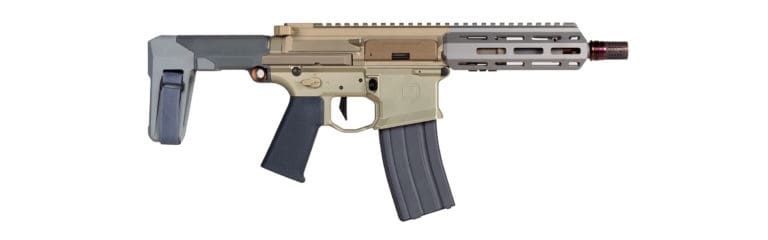
Kit Badger has produced a video to address the issue of the ATF seemingly arbitrarily declaring the Q Honey Badger Pistol is an SBR, regulated under the National Firearms Act.

This move forces all Honey Badger Pistol owners time either Form 1 their pistol to create a Short Barreled Rifle or surrender it to the ATF.

Read Ivan’s full post at kitbadger.com/the-atf-and-the-honey-badger-pistol-by-q.

SCUBAPRO Sunday – X-Black BCD Tactical

Sunday, October 11th, 2020

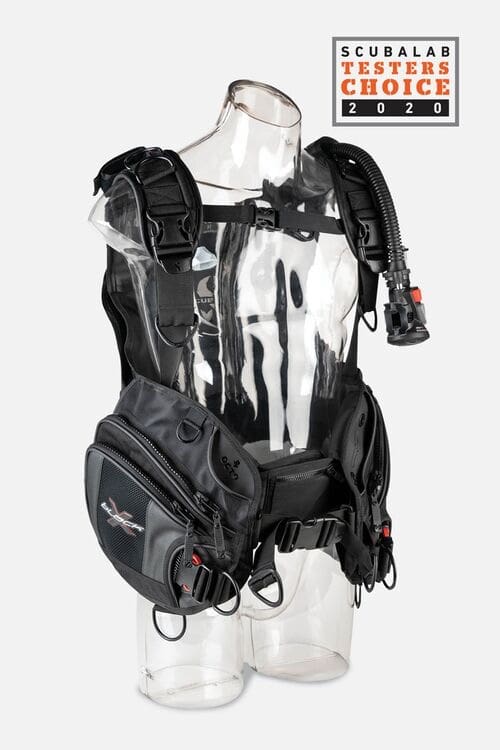
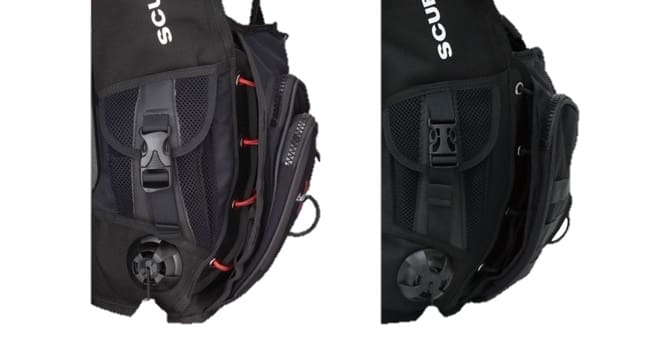
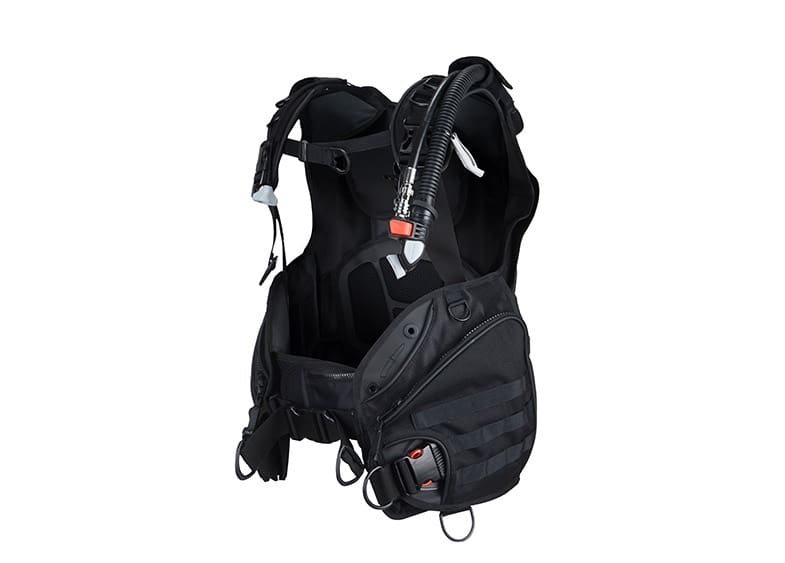
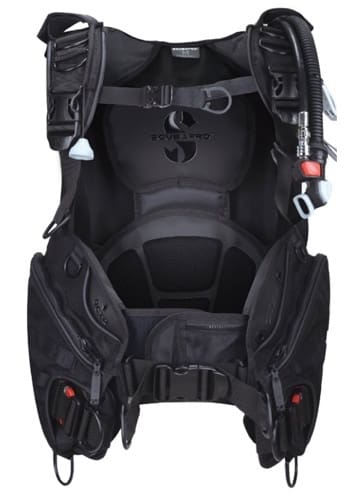
The SCUBAPRO X Black BCD is new to the BCD line this year. It is SCUBALabs Tester choice best new BCD for 2020. So, as SCUBAPRO continues to move forward in the Military and Public Safety market it was an obvious chose to start this year by adding Molly to the newest member of the SCUABPRO Family.

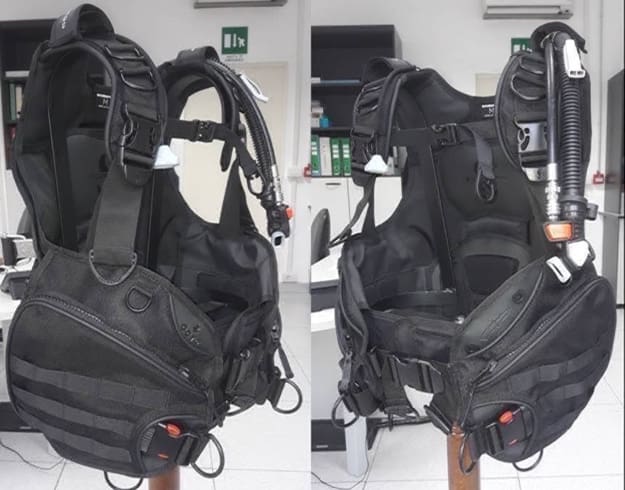
The SCUBAPRO X Black Tactical is a front-adjustable BCD that comes equipped with SCUBAPRO AIR2 V Gen Breathable Inflator. It also has SCUABPRO’s exclusive AirFlex system, basically it helps simplifies buoyancy control and helps guarantee an extremely stable dive. It has a Super Cinch tank buckle system that locks the tank in for maximum stability at depth. It can also be converted to use twin tanks. Quick-release integrated weight pouches ditch quickly and easily and secure with buckles.

Each weight pocket holds up to 12 lbs. (5.44 kg) of hard block or soft pouch lead weights. Two optional rear trim pouches allow you to achieve a well-balanced level position. Each rear weight pocket holds up to 4 lbs. (1.8 kg) of hard block or soft pouch lead weights.

Built-in grommets provide attachment points for a knife or they can be used to secure gear to. Three large zippered pockets and a zippered cummerbund pouch provide lots of cargo-carrying capability. Eight aluminum D-rings, four large and pre-bent, provide convenient clip-on points for extra gear. The BCD has multiple adjustments for a perfect fit, including torso adjustable shoulder straps, adjustable sternum and waist straps all equipped with squeeze-style” side release buckles for ease of donning and doffing.

The waist strap is also equipped with a comfortable cummerbund. There is a right shoulder and right lower rear over-pressure relief/pull-dump valves, both equipped with pull cords for ease of trimming buoyancy. Built to be durable, and extremally stable, the X-Black Tactical can handle even the most aggressive diving. It is constructed from a combination of durable 1000 denier and 420 denier nylon for long-term wear. Adjustable cummerbund compensates for suit compression, ensuring a snug fit at varying depths. Non-rotating quick-release shoulder buckles optimize strap routing to maximize fit. AirNet backpack is water-draining and comfortable during long dives. 

The SCUBAPRO AIR2’s are an air balanced power inflator that provides smooth and reliable inflation at all tank pressures. Single hose configuration eliminates the need for a separate alternate air source. Innovative dive/pre-dive switch enables you to detune the unit when not in use, eliminating free flows. Self-flushing mechanism requires just one push on the purge to clear away all dirt. The regulator mechanism is a simple, yet reliable classic downstream demand valve. The AIR2 is equipped with an ergonomic mouthpiece with large bit tabs, soft second-stage cover and one button purge function. The regulator’s pre-tuned system is housed in a precision molded carbon fiber and techno-polymer impact resistant design that weighs 6.7 oz. (190 g). Nitrox compatible up to 40% out of the box. The demand valve is chrome plated brass with a stainless-steel spring and a silicone rubber diaphragm and exhaust valve. The Air 2 comes with a 3/8″ threaded 27.56″ (70 cm) high-flow low-pressure hose and owner’s manual. CE certified (EN250A — greater than 10°C/50°F warm water test controls) as a second stage regulator.

For more information please contact Ed Rasmussen  ecrazz@clannfive.com  

Air Mobility Liaison Officers Sharpen Their Tactical Edge with IZLID

Saturday, October 10th, 2020

JOINT BASE MCGUIRE-DIX-LAKEHURST, N.J. —

The 621st Mobility Support Operations Squadron is adding another weapon to an already stocked arsenal to enhance situational awareness and tactical edge for its air mobility liaison officers.

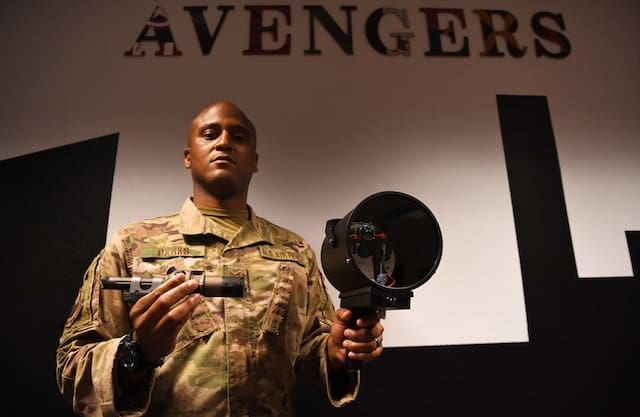
The Infrared Zoom Laser Illuminator Designator will replace the dated signal light gun currently used by AMLOs to signal and direct aircraft.

“AMLOs use this equipment in a tactical environment, designating the landing zone for inbound aircraft,” said Maj. Stephen Quinn, 621st MSOS AMLO. “The IR beam is covert, but highly visible for the night vision goggle-wearing aircrew, and allows the AMLO to easily guide the aircraft to the threshold.”

The IZLID is a compact, lightweight infrared laser used for pointing and marking by military forces. The laser is a powerful long-range illuminator, small enough to fit in the user’s pocket and sufficient enough to direct airstrikes.

The new laser is “covert and portable compared to the old light guns,” said Quinn, and more effective in a tactical environment.

“The most important aspect is enhanced situational awareness for aircrew at the push of a button,” Quinn said. “Landing zone approach lights vary in effectiveness, but a quick lase with the IZLID can prevent a crew from selecting the wrong aimpoint.”

The expectation is to utilize the IZLID for all future landing zone operations in-theater. The squadron is planning on purchasing five IZLIDs for deployment use and in garrison training.

“It’s awesome and worth the price,” Quinn said. “AMLOs are basically Jedis already, and this gives us a lightsaber to help with the job.”

A win for AMLOs is a win for the whole squadron. 

“Every day, week, month, and year we get closer and closer to what is needed for MSOS and AMLO Nation equipment-wise,” said Staff Sgt. Sededrick Parks, 621st MSOS supply and equipment manager. “I believe this equipment has catapulted us further in that direction.”

By TSgt Luther Mitchell Jr., 621st Contingency Response Wing Public Affairs