FirstSpear

Archive for the ‘Guest Post’ Category

Nellis Threat Training Facility

Saturday, February 1st, 2020

SSD Reader and fellow AFSOC Veteran MSgt Steve Venski (USAF, Ret) sent us this write up of his recent visit to the Nellis Threat Training Facility, or as commonly known the “Petting Zoo” near Las Vegas. He thought other readers would be interested as well. We agree.

Deserts rarely give up their secrets willingly. And the deserts of Nevada are no exception. Outside of Las Vegas, off to the northwest, lies the Nevada National Security Site; euphemistically known as N2S2. Covering almost 1400 square miles of Nevada, there are legends and secrets galore. However, much closer to Sin City, is Nellis Air Force Base, home to U.S. Air Force Fighter Weapons School. The most widely known exercise, is RED FLAG. While the movie TOP GUN has received much press and movies made, the fact is, the U.S. Air Force (USAF) trains all branches of the service (except the Coast Guard; still haven’t figured out how to make those boats fly…) in what’s termed ACM; Air Combat Maneuvering, dogfighting. The airspace of RED FLAG, lies within what’s known as the Nevada Test and Training Range (NTTR); over 5,000 square miles of Nevada. Get your head around that one.
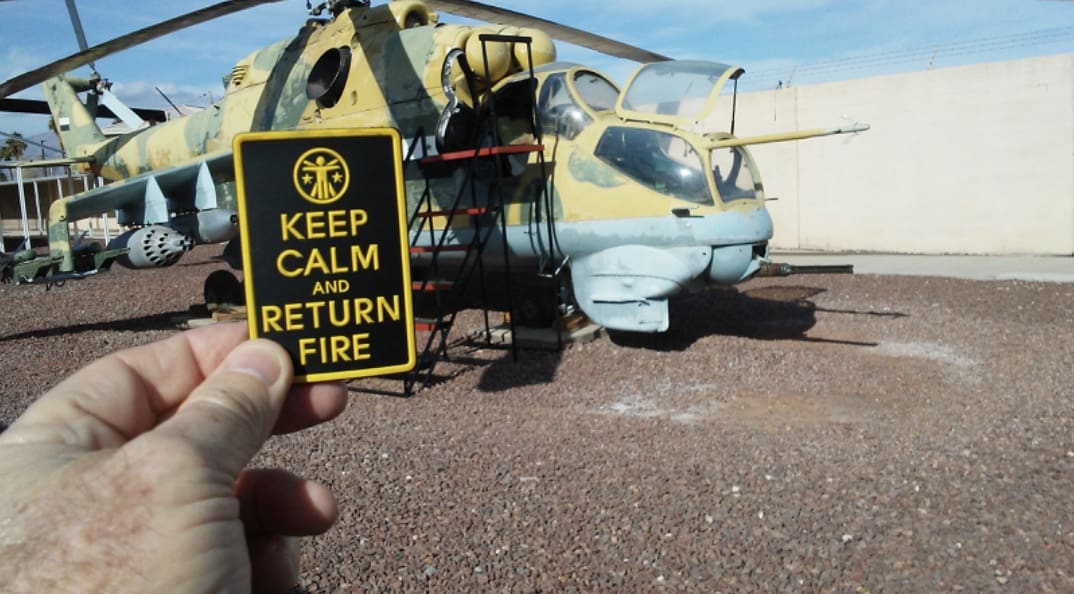
Towards that end, realistic training is essential. Our adversaries don’t fly the same gear we do. Over the decades, the U.S. has acquired (by hook or by crook), quite a few airframes of what the bad guys would be flying. There exists a formerly classified facility on Nellis Air Force Base, known as the Threat Training Facility. Many years ago, I visited this place, and it took a full-on security clearance to gain admission.
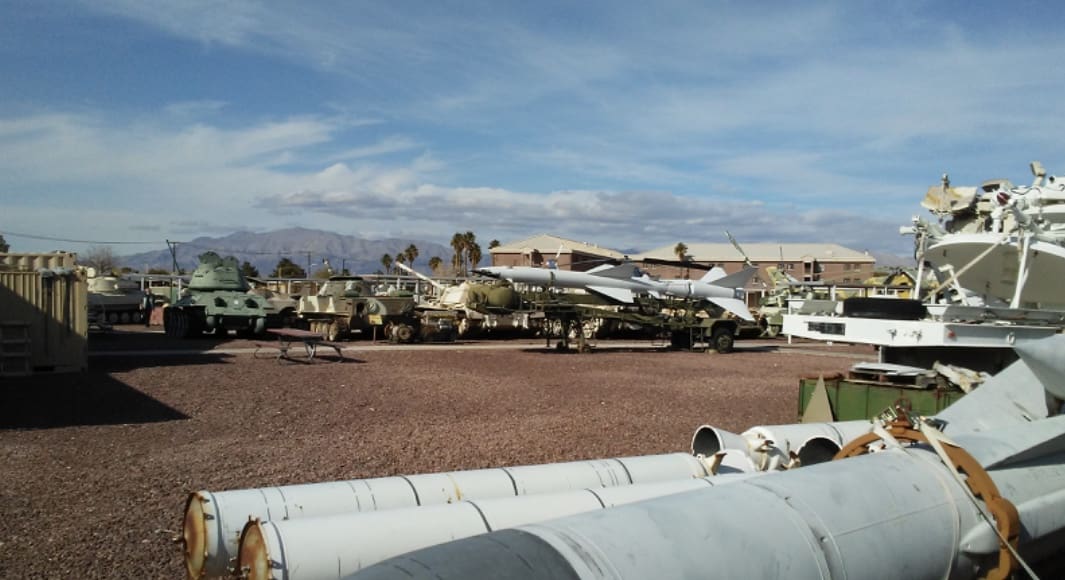
Fast-Forward 20 years….the proliferation of weapons by countries hostile to the U.S., has resulted in explosive growth of the TTF, and a re-thinking of who needs to know about these weapons systems, and why. The classification has come off of the Threat Training Facility, and access has been granted to almost all. Rumor has it, that all the ‘Alphabet Kids’ (The CIA, FBI, NGA, DIA, NSA, NRO), come thru the TTF, for not only hands-on inspection and recognition, but to learn how each piece of equipment works, and to understand its’ capabilities, so as to be able to use it, or to disable it, if necessary. That’s right folks, this is not just a museum where you just look at things, but you’re invited and encouraged to go give things a feel. Because of that, the facility has been given the name of ‘The Petting Zoo’. Seriously. I couldn’t make this stuff up.

-I mean, I could,…but I didn’t.
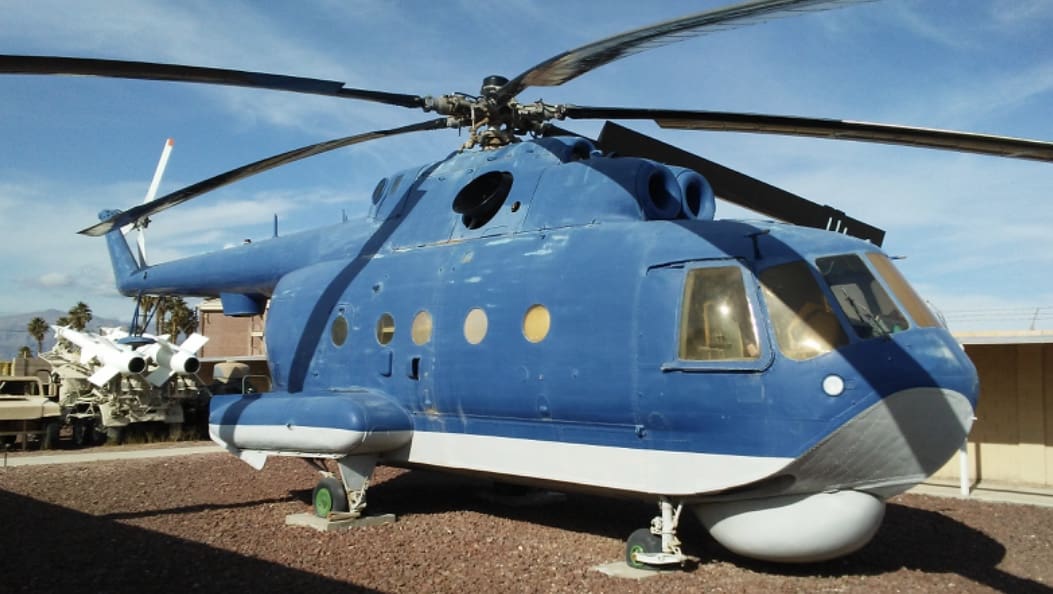
Once I heard about the ability to enter the ‘New & Improved’ Petting Zoo, I couldn’t wait. While in Las Vegas for SHOT, I made plans for my colleagues and me, to visit the ‘Zoo’.

Let me say this: It does NOT disappoint. The Cliffs-Notes are this: There is more shit in there, than a Corsicana Texas Fruitcake. All small arms and weapons from the former Soviet Union and Warsaw Pact relatives, are there. Additionally, there are crew-served weapons, and light and heavy artillery. Moving on, there’s armored personnel carriers and tanks. Since the aviators from all branches will be moving through what’s known as ‘Denied Territory’, there’s a very real possibility they will encounter Surface-to-Air Missiles (SAMs). For visual recognition, the Zoo delivers. All possible types of shoulder-fired missiles, and ground radar systems are present. Every type of Surface-to-Air radar-guided missile system is also there.
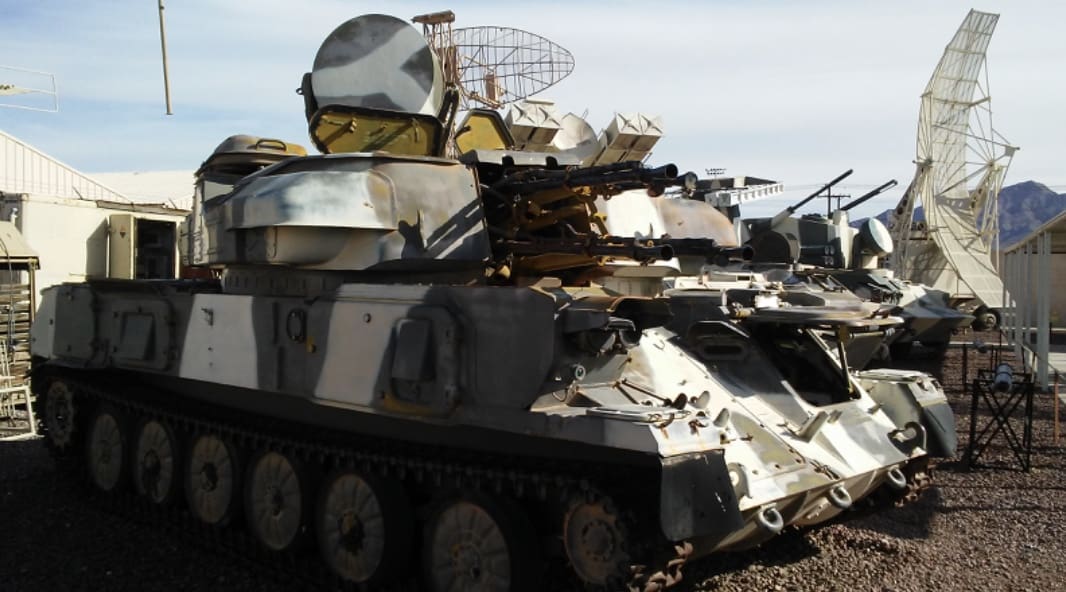
Holy Hannah, does it get any better than this? -Oh yeah. Like the man on the commercial said, “But Wait! There’s MORE!” Fixed- wing aircraft, from a MIG-15, all the way up to a MIG-29! Rotary-wing aircraft, include not only the smaller utility helicopters, but the big, honkin’ HIND-24 Russian Attack Helicopter. In Texas parlance, It’s a big sonafabitch. I can imagine it struck fear into the hearts of the Afghan tribesmen when those huge things came roaring over the mountains. -Right up until the time the mujahedeen got their hands, on U.S. Stinger missiles…. Gotta love technology.
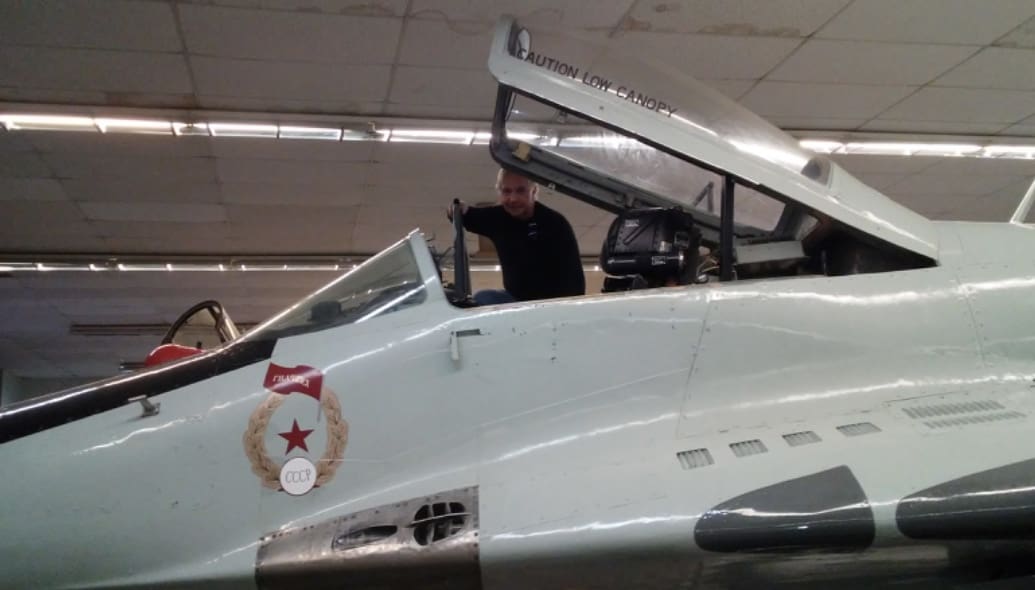
As a former member of Air Force Special Operations, I knew ‘The Back-Story being the Real Story’, and I had to ask where all these artifacts had come from. Some of the articles were ‘gifted’ from defectors, as part of their ‘Desperately Seeking Asylum’ deal. Others came from our allies, as they swept thru their adversary’s armies and air forces. Some of them were what’s known as ‘Battlefield Pick-Up’; sorta like Pick-Up Sticks, only with weapons and stuff. -And others were rumored to be outright stolen by some of the ‘Alphabet Kids’, in their missions to acquire the bad guys goodies. Looking out in the five-plus acre lot that just houses the larger aircraft and missiles, I couldn’t help but wonder what stories these things could tell, if they could talk.
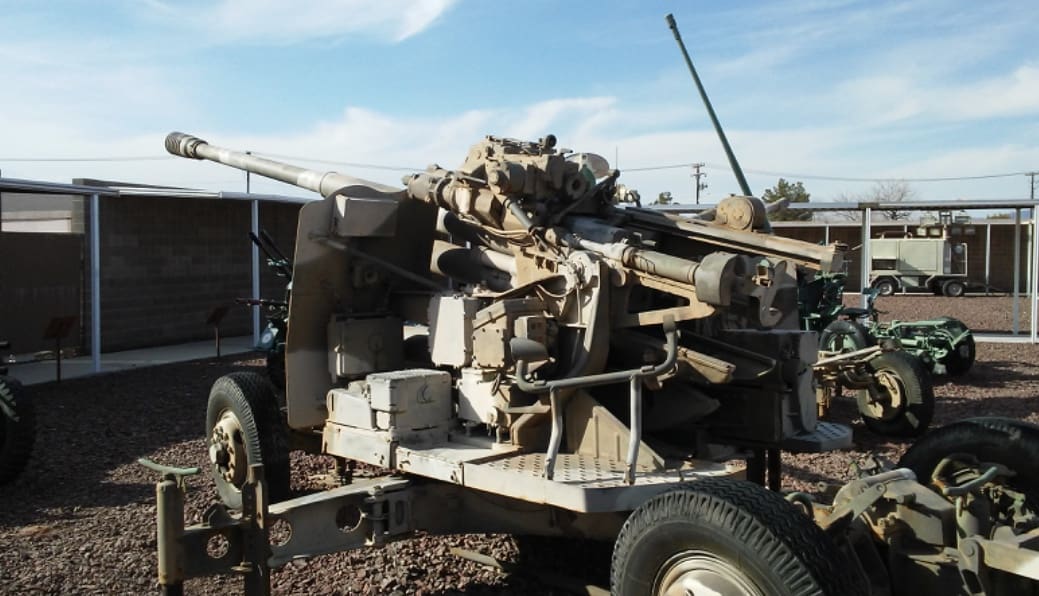
Finally, in closing, I will offer this: I have been told there is a base out in the ‘upper reaches’ of the Nevada Test Range, where MIG-21s, 23s, and 29s reside, and are flown by U.S. Aggressor squadron pilots, to train our U.S. military pilots, on tactics and capabilities. 

Lies? Cock-and-Bull story? Like the poster says: “The Truth Is Out There.’ 

-But since you can’t get there, I urge you to go visit ‘The Petting Zoo’, at Nellis AFB.

V,

SENDS

About the author:

MSgt Steve Venski spent 20 years in the United States Air Force, working in the Avionic Sensors career field.

The Avionic Sensors career field, began the early years of what is now called ISR; Intelligence, Surveillance, and Reconnaissance.

MSgt Venski’s ‘platform resume’ consists of F-4 PHANTOM aircraft, to include both photographic film and electronic reconnaissance. Additionally, laser-target designators, and strike systems.

No career could be complete without serving in Special Operations, of which MSgt Venski did two tours in Southeast Asia, with the AC-130 SPECTRE aircraft.

Upon being some of the last people out of Southeast Asia in 1975, he rotated back to Florida with the 1st Special Operations Wing, out of Hurlburt Field, and enjoyed touring the globe, and introducing bad guys everywhere, to the AC-130 SPECTRE Gunship.

He currently resides in Texas, with his wife and Low-Light Level attack kittens.

“The Meek May Inherit The Earth,

-But The BOLD Shall Command The Skies.”
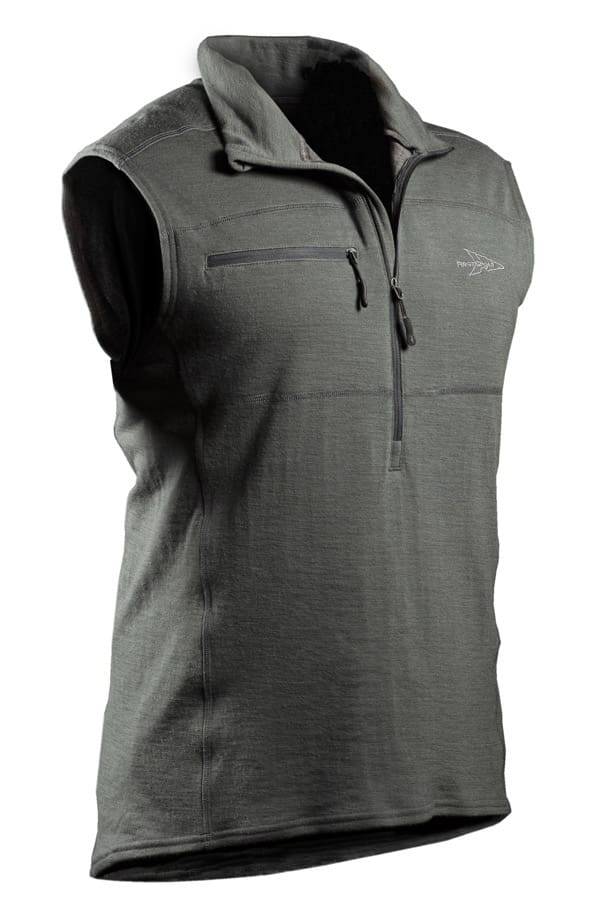
FirstSpear Friday Focus – ACM MID 400 – Light Weight Vest

Friday, January 31st, 2020

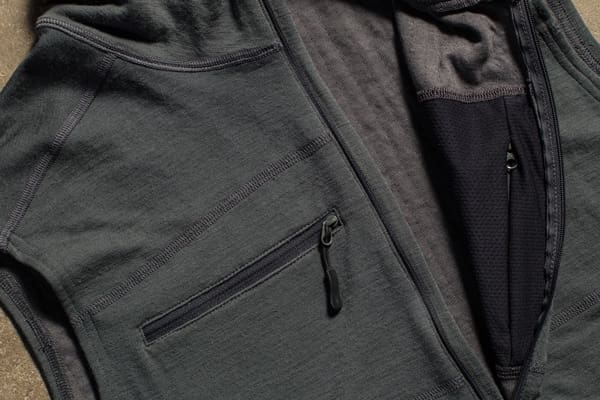
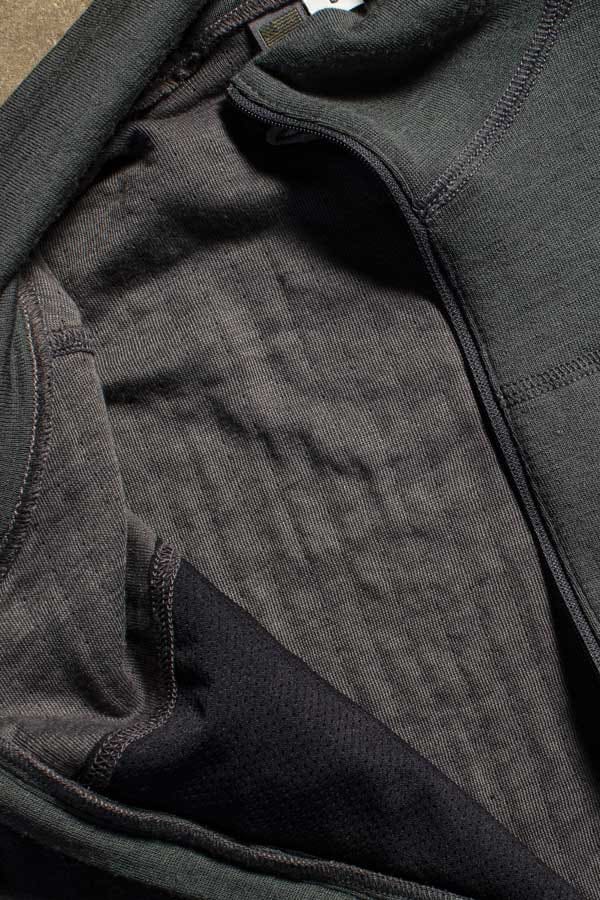
Today we are getting the first look at all new addition to the FirstSpear American Merino Wool line, introducing the ACM MID 400 Light Weight Vest. Low bulk, high performance garment that works exceptionally well to keep you warm when you need it most. Center front 3/4 zip closure with an external chest pocket lined in super lightweight cooling mesh. Also features a low profile hidden pocket on the inside of the chest. Back hem scoops into tailcoat style to cover your waist band while active.

Available and now shipping in Black, Sand, Charcoal, Manatee Grey, and Commando Green. 100% American Made with USA Materials.

www.first-spear.com/lightweight-vest

The McRae Industries Story – Part 4, Made In America

Thursday, January 30th, 2020

Navigating the changing currents of government contracting

>McRae Footwear learned quickly how to deliver goods to the world’s largest customer: the U.S. federal government.

In 1969, Victor Karam, a self-described “Yankee who loves the south,” transplanted from his native New England to join McRae Industries in an executive role. A cultured Bostonian of Lebanese descent, Victor had a master’s degree in journalism but ended up in an entirely different field: women’s shoes.

An enduring leader at McRae Industries:  Victor Karam in the ‘70s and today

An enduring leader at McRae Industries:
Victor Karam in the ‘70s and today

During the Vietnam War, Victor was drafted into the Army and stationed at Ft. Bragg, NC. He met his future wife during that time, and they decided they wanted to live near her folks. A head hunter connected Victor with Branson McRae, founder and CEO of McRae Industries in Mount Gilead. Branson offered Victor a position as a vice president. “Branson always said he liked to hire Yankees because none of the southerners understood production,” Victor laughs.

“Salary negotiations were interesting. Branson asked me my annual salary target. I told him I expected to match my current salary, which at that time was $15,000. ‘That won’t work,’ Branson said. ‘It’ll never be approved by the board, because I only make $12,000.’”

Despite the dip in pay, Victor was intrigued by Branson’s company and accepted the job. He thought he would move on after a year or two, but ended up staying for more than 45 years, eventually becoming president of McRae Footwear. He continues to serve on the board of directors.

Becoming a preferred contractor

Along with its knowledge of the government’s preferred mode of boot construction – vulcanized, direct molded sole — McRae had two other distinct advantages as a contractor. With fewer than 500 employees, the company qualified as a small business. And it qualified also as having a manufacturing plant in a “labor surplus,” or high unemployment, area. The Department of Defense “set aside” contracts for small businesses, and being labor surplus gave the company a price advantage over large businesses.

Home grown: By law, in making purchases, the federal government gives preference to domestically produced and  manufactured products.

Home grown: By law, in making purchases, the federal government gives preference to domestically produced and manufactured products.

To supplement its U.S. government contracts, McRae made combat boots for other nations. For 25 years, the company has been a supplier of military footwear for the government of Israel. Over the years, McRae has also provided boots for military forces in Canada, Brunei, Great Britain, and Saudi Arabia.

“The federal government has consistently praised us for our high-quality products.”

– Victor Karam, director, McRae Industries

Following government specs

“At the time, the design of McRae’s military boots was dictated by the government,” Victor says. “We didn’t have a lot of input. We didn’t have a shoe manufacturers association. The government gave us the patterns and told us how to make the boots. Requirements were so rigid that a slight defect could cause the military to reject an entire production lot of boots.”

Talking though the specs: Being a government contractor required frequent trips to the Defense Personnel Support Center in Philadelphia.

Talking though the specs: Being a government contractor required frequent trips to the Defense Personnel Support Center in Philadelphia.

“Branson made it clear that every government specification was to be met. ‘The longer you work here with me, whether you agree or disagree with the specs, you follow them,’ he said. ‘If you see something that needs to be changed, go through the proper channels to get it changed. If you can’t, don’t change it.’’

Specifications were – and still are – exacting and relentless, from cure time for rubber to the boot’s ability to withstand pressure. Government protocols are strictly enforced with McRae workers. Government inspectors frequently walked the floors of the McRae factory. “I don’t know that any of the inspectors that came through had shoe knowledge,” Victor says. “We had to teach them.”

If Branson felt a spec were wrong, however, he was not afraid to question it – through established government protocols. That involved meeting with federal representatives in Philadelphia to clarify requirements or, in one instance, challenge a boot recall.

Victor tells the story of an inspector sent in from Charlotte, NC. “This inspector tested and rejected a production lot of boots where a wrinkle was detected. But the regulations specified boots should be rejected if a horizontal wrinkle were found when tested between both thumbs. The wrinkle detected in this lot was vertical. We showed the quality controller in Philadelphia, and we won our case.”

Looking to the future

Today, about 90 percent of McRae’s military boot business is tied to government contracts. The company also makes commercial versions of its boots.

“Staying flexible and expecting the unexpected is all part of succeeding as a government contractor,” Victor says. “Demand may fluctuate, but our purpose never waivers: To help our troops fulfill their missions though durable and reliable footwear.”

Adding on: As boot orders from the U.S. government accelerated, McRae over time added on a second 100,000-square-foot facility in Troy, NC. This facility houses the company’s direct-attach injection-mold equipment for manufacturing current-spec military boots, along with lasting, finishing, warehousing, and shipping functions.

Adding on: As boot orders from the U.S. government accelerated, McRae over time added on a second 100,000-square-foot facility in Troy, NC. This facility houses the company’s direct-attach injection-mold equipment for manufacturing current-spec military boots, along with lasting, finishing, warehousing, and shipping functions.

Installation Issues MOREs to Meet Caloric Needs of Trainees

Wednesday, January 29th, 2020

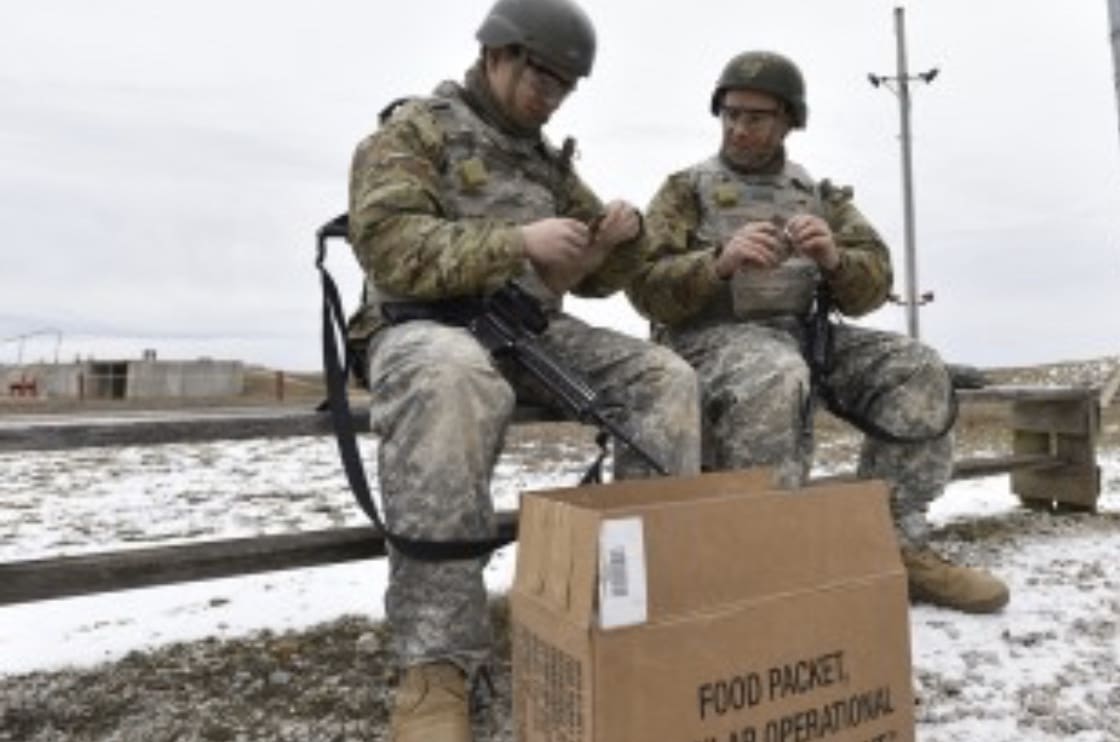
FORT LEONARD WOOD, Mo. — Fort Leonard Wood’s trainees are feeling the benefits of additional nutrients during high-intensity training events.

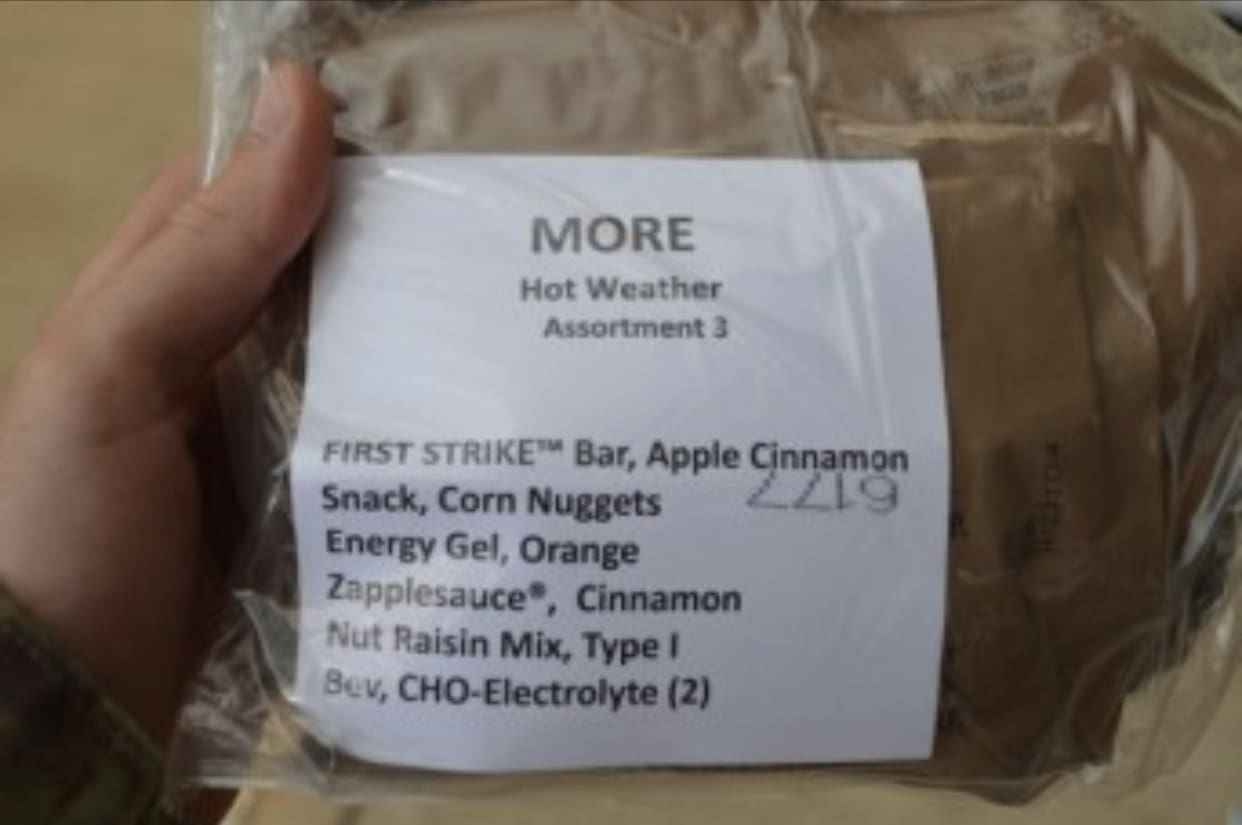
The Modular Operational Rations Enhancements — commonly referred to as MOREs — provide Soldiers with 1,000 additional calories in the form of protein and electrolytes.

According to Capt. Elizabeth Ressler, Moncrief Army Health Clinic Nutrition Care Division chief at Fort Jackson, South Carolina, MOREs were developed to compensate for calorie deficits Soldiers experience during high-intensity activities and are designed to compensate for lost nutrients without replacing daily meals. Caloric deficits have been found to decrease performance, health and overall readiness.

In August 2019, the U.S. Army Center for Initial Military Training authorized MOREs for basic combat trainees during 17 of the especially physically demanding field training days.

“MOREs can be utilized in support of the Army’s Holistic Health and Fitness System,” said Lt. Col. Peggy Kageleiry, Army Center for Initial Military Training Public Affairs director at Joint Base Langley-Eustis, Virginia. “The nutritional readiness domain of H2F encompasses the Army’s nutrition-centric programming and covers all aspects of optimal health, performance and recovery in close proximity to where Soldiers train.”

According to Bill Moffitt, Fort Leonard Wood’s installation food program manager, the post received more than 1,700 cases of cold-weather MOREs in October. The small packaged snacks, including caffeinated pudding and gum, dried fruit, energy gel packs and filled pretzels offer drill instructors here quick, authorized nutritional supplement options for trainees before, during and after events.

Caffeine — historically restricted in basic combat training — is used to provide and replenish energy and is distributed in a controlled manner.

Company E, 2nd Battalion, 10th Infantry Regiment has seen the benefits of MOREs since integrating them into their BCT training schedule in the fall.

“The MOREs provide trainees a little extra fuel during increased levels of stress,” said Company E Commander Capt. Michael Krant. “There’s a mental element where trainees get a little pick me up by being able to have a quick snack during some of the more stressful parts of their training.”

MOREs have been authorized for use during specific BCT events such as The Hammer, The Anvil and The Forge — some of the most physically demanding basic combat training days.

Company E drill sergeant Staff Sgt. La-Tia Rondeau said she has seen the benefits that MOREs bring to trainees during energy sapping events like ruck marches.

“Because we only utilize them during certain events, I believe it has been extremely beneficial — especially when they eat before, during and after (events),” Rondeau said. “They have more energy, they stay awake and they’re more alert throughout the ruck march.”

Pfc. Oksana Schornak, a Company E trainee, said the boost of energy MOREs provide helps trainees accomplish team tasks.

“It gives us a lot of energy,” she said. “If everyone has the energy we can do it together.”

Rondeau added that the convenient size of the snacks reduces the amount of interruptions during the marches, expediting the overall process.

“We give (the MOREs) to them before and tell them when they can eat it,” Rondeau said. “They can pull it out of their pocket, eat it, and we continue the mission.”

“It’s quick to eat, especially if we have to be quick on our feet,” Schornak added.

According to Kageleiry, the H2F System is the Army’s investment in enhancing Soldier lethality and readiness and optimizing physical and non-physical performance and demonstrates the Army’s commitment to its people, the Army’s greatest strength and most important weapon system.

Krant said when used sparingly, the MOREs are helping his trainees meet their potential.

“The calories we’re adding into our trainees’ days are matching the intensity we’re expecting out of them on those days,” he said. “They get (MOREs) when they’ll be most beneficial — during that high-exertion training. We’re getting good results and great feedback.”

By Amanda Sullivan

MCSC Approves Procurement of New LAV Intercom System

Monday, January 27th, 2020

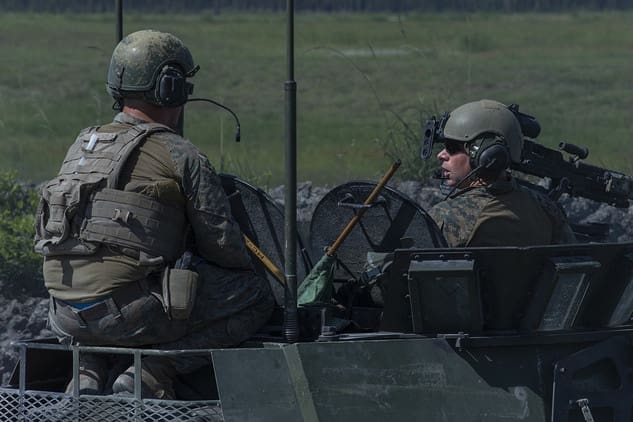
MARINE CORPS BASE QUANTICO, Va.—In December 2019, the Program Manager for Light Armored Vehicles at Marine Corps Systems Command approved the initial procurement of the TOCNET-G4 Intercom System—or G4 ICS—for use in the Family of LAVs.

The G4 ICS is the LAV communication management system that allows Marines to easily communicate, both internally and externally, improving communication and situational awareness on the battlefield.

“We’re providing a communication capability that offers tremendous utility for Marines,” said Dan O’Conner, the project lead for Command, Control, Communications, Computers, Intelligence, Surveillance and Reconnaissance payloads and capabilities for PM LAV.

The G4 ICS is an easy-to-use tactical communication system comprising a user interface that adapts well to the operational environment of the LAV. The equipment provides enhanced audio quality and performance, said O’Conner.

The intercom also controls the entire

communication suite within the LAV. The G4

ICS gives Marines a single point-of-control for

radios, GPS systems and other technologies rather than having to independently manage each system.

“Not only is it simple to use, [G4 ICS] is interoperable with the existing communication suite within the Marine Corps platform,” said Kim Bowen, deputy program manager for LAV. “It also has the ability to easily add a wireless capability.”

In 2017, the Light Armored Reconnaissance Operational Advisory Group identified upgrading the LAV intercom system as their top priority after receiving complaints from Marines about the legacy ICS. A frequent criticism was the older-generation ICS experienced shutdowns causing a loss of communication and lengthy reboot times.

The G4 ICS is a modern ICS that is more fault-tolerant to LAV electrical fluctuations that cause ICS shutdowns and subsequent reboots. In the unlikely event that the G4 ICS does reboot, the G4 ICS will reboot in a few seconds, said O’Conner.

Stakeholder involvement

PM LAV incorporated Marine Corps stakeholders into the evaluation, assessment and selection process of the new ICS to ensure all parties participated in the selection of the system. The acquisition approach focused on assessing the technology’s value and utility for end users, and strategically conducting test and evaluation trials early in the process to better inform decisions, said O’Conner.

“By doing this, we can deliver an improved ICS to the fleet approximately a year earlier than if we followed traditional acquisition methods,” said O’Conner.

In June 2018, PM LAV conducted market research seeking viable candidates for a replacement intercom system. In April 2019, Marines representing all Light Armored Reconnaissance battalions assessed three candidate systems in a Systems Integration Lab during a user evaluation to provide feedback on performance, utility and usability.

After narrowing the search to two systems, a Limited User Evaluation took place in Twentynine Palms, California, and finished at Camp Pendleton, California, in August 2019.

In November 2019, Marine Corps Operational Test and Evaluation Activity—who helped plan the LUE and managed the conduct of the evaluation—provided an independent System Assessment Report, which provided data to support the selection of the G4 ICS. The SAR provided data that clearly showed the G4 ICS performed superior to its competitor.

“We wanted a reliable and easy-to-maintain system that would meet the current and future needs of the user.” said Steve Myers, MCSC’s program manager for LAV. “That is why [Marines] were involved in every step of the process.”

Initial Operational Capability for the new ICS is scheduled for fiscal year 2021, and Full Operational Capability is slated for fiscal year 2022.

By Matt Gonzales, MCSC Office of Public Affairs and Communication | Marine Corps Systems Command

USMC photo by LCpl Nathaniel Q. Hamilton

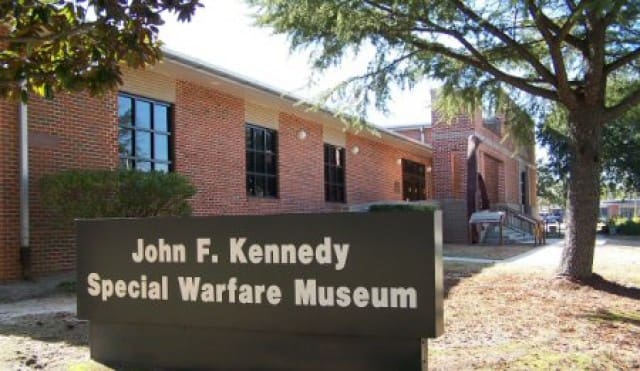
U.S. Army JFK Special Warfare Museum Becomes Army Special Operations Forces Museum

Sunday, January 26th, 2020

FORT BRAGG, N.C. — With the arrival of a new year, part of a new command vision will soon take place in the U.S. Army Special Operations Command (USASOC) footprint.

The U.S. Army Special Operations Command initiated a plan to reinvigorate the U.S. Army John F. Kennedy Special Warfare Museum. As a result, the museum is temporarily closed to the public while a complete historical inventory is conducted to identify and catalogue items. This will ensure a better understanding of the state of artifacts available to students and Soldiers, and to identify gaps in the history of Special Forces (SF), Civil Affairs (CA) and Psychological Operations (PSYOP).

Upon reopening, tentatively at the end of February, the former U.S. Army John F. Kennedy Special Warfare Museum will be renamed as the U.S. Army Special Operations Forces (ARSOF) Museum. It will still provide support to the Special Warfare Center and Schools as well as all of the subordinate commands and units under the USASOC umbrella.

“The former SWCS Museum, now the ARSOF Museum, has been reorganized under USASOC to fully represent all of USASOC’s equities,” said Dr. Michael Krivdo, U.S. Special Army Operations Command Historian.

The idea of the reorganization is to take ownership of ARSOF’s proud history and to get artifacts into the hands of Soldiers by intellectually engaging students and Soldiers in areas where they congregate. It is intended to keep artifacts on display engaging, relevant, and fresh.

“Where the ‘old’ museum construct focused only on artifacts and displays at one fixed location, and only featured SF, CA, and PSYOP, the ‘new’ reorganized museum provides museum support for all the subordinate units which fall within the whole ARSOF enterprise,” Krivdo added.

“The ARSOF Museum will expand to include artifacts and exhibits of the Ranger Regiment and the Army Special Operations Aviation Command, which were previously not included in the current museum as it was tied to the regiments that are assessed, trained and educated at SWCS; these are the Green Berets, PSYOP and CA Soldiers,” said Janice Burton, a spokesperson for the Special Warfare Center and School.

Staff Sgt. Keren Solano, a spokesperson for the Special Warfare Center and School said, “It also serves to illustrate the unique and specialized part played by all aspects of the Army Special Operations community both in conflict and during crucial roles in peacetime. The museum has also proven itself to be a valuable recruiting catalyst.”

The updated look and feel of the U.S. Army Special Operations Forces Museum will leverage technology by making displays hands-on and ideally, three dimensional. Active duty students and Soldiers are the ‘center of the bullseye’ as the target audience. The content will focus on informing and educating them about the dynamic history of Army Special Operations.

“This would not only include students, Soldiers assigned to operational units, and support units, but their families and retirees as well,” she added.

With the museum set to have a new name and broader scope of information, U.S. Army Special Operations Command is setting the stage for the implementation of a vision of immersing Soldiers and students in the organizational heritage and history.

By SGT Larry Barnhill, USASOC Public Affairs Office

SCUBAPRO Sunday Lionel “Buster” Crabbe

Sunday, January 26th, 2020

I have showed this before, but January 26th is Busters birthday, so I thought I would show it again. Buster is the father of combat diving in the UK. Happy Birthday Buster. The below link is his story and the one below that is the movie The Silent Enemy.

www.historic-uk.com/HistoryUK/HistoryofEngland/Lionel-Buster-Crabb


Another Dan Matsuda Special

Saturday, January 25th, 2020

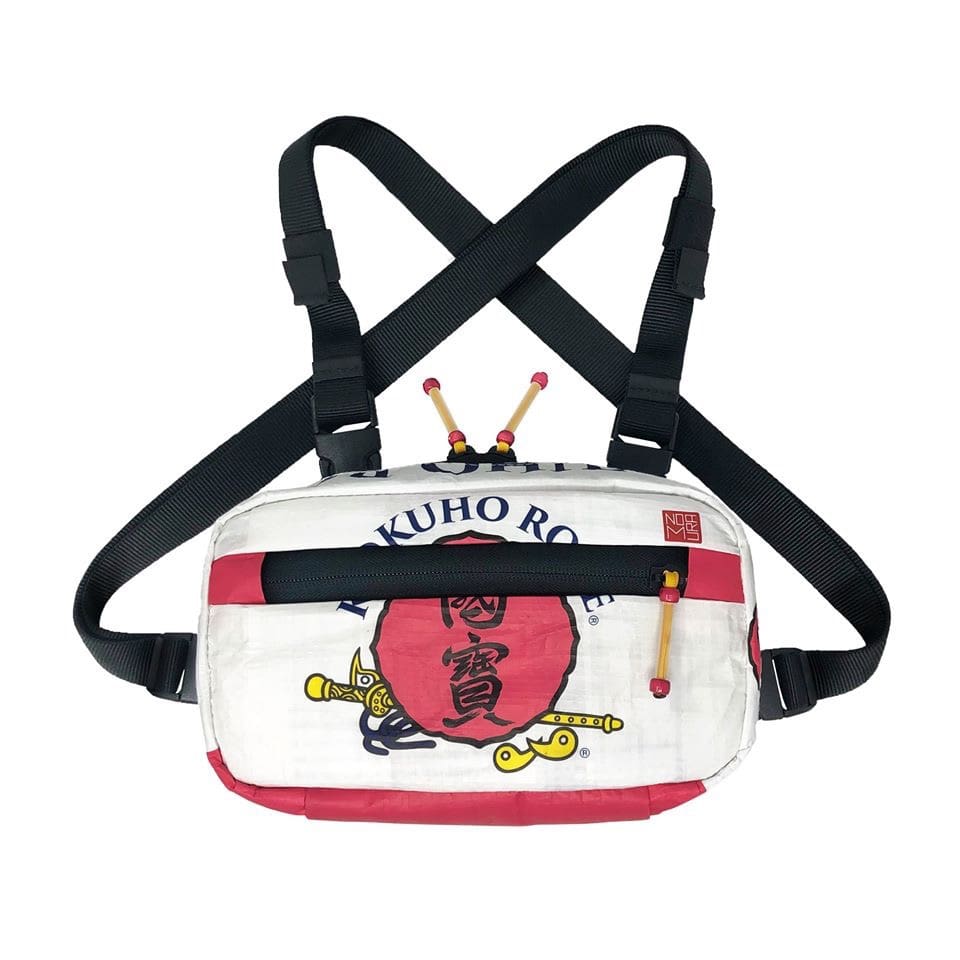
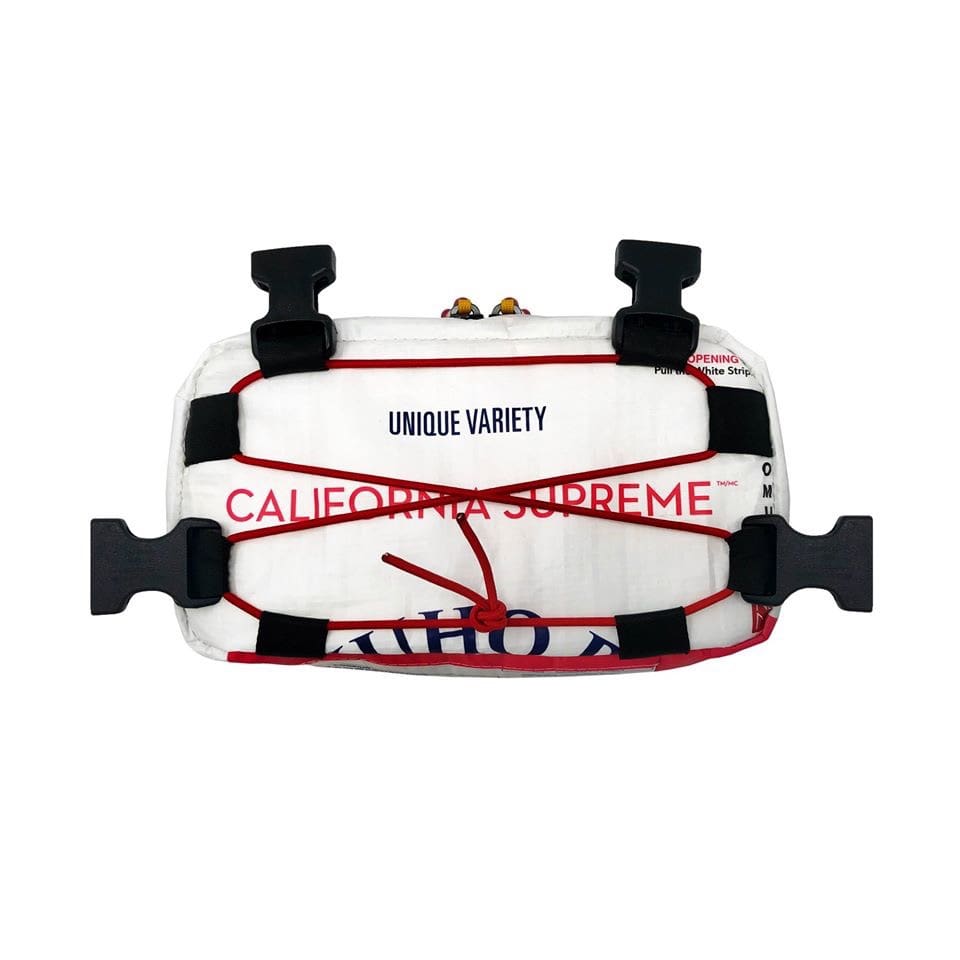
Hey everyone! I just wanted to share a fun personal project I just did this week. Despite it being a smaller product, there was a surprising amount of labor that went into this. But I’m pretty happy with how it turned out.

danmatsuda.com/sample