GORE-TEX Professional

Archive for the ‘Guest Post’ Category

Army’s XM204 Terrain-Shaping Munition Set for Fielding in Europe

Thursday, September 18th, 2025

PICATINNY ARSENAL, NJ — The U.S. Army’s Project Manager Close Combat Systems has passed First Article Testing (FAT) and completed Low-Rate Initial Production (LRIP) of the XM204 interim top-attack munition.

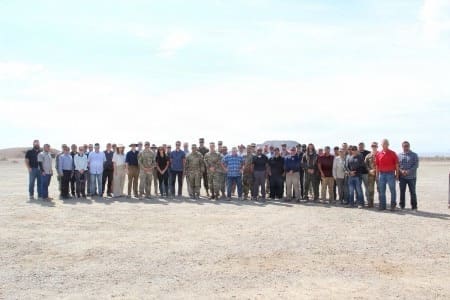
PM CCS conducted FAT at Yuma Proving Ground and validated the performance, reliability, and integrated safety features of the XM204 which the government developed in partnership with Textron Systems. After FAT approval, McAlester Army Ammunition Plant (McAlester, OK) began LRIP.

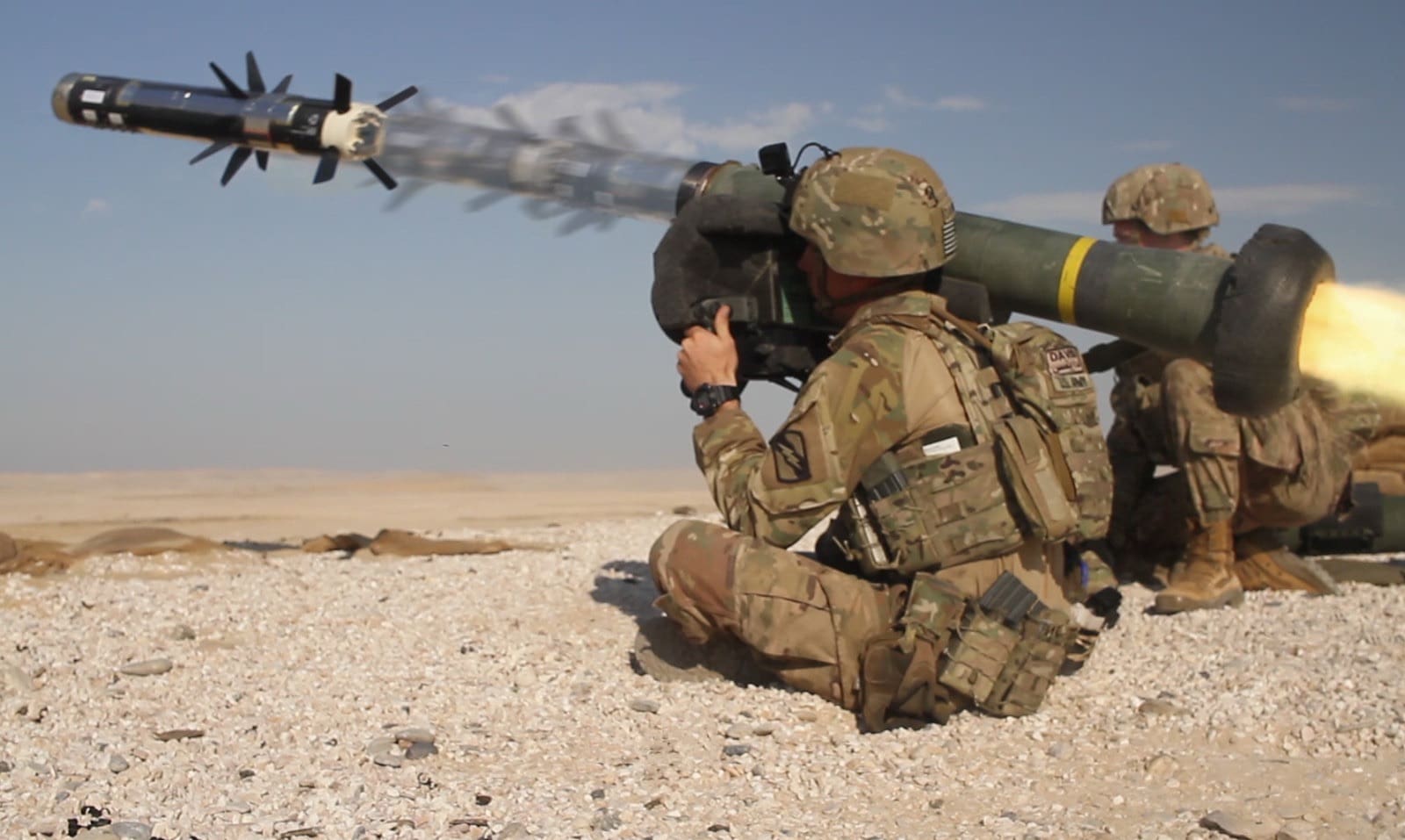
The XM204 is an anti-vehicle munition with standoff and top attack capabilities designed to support terrain shaping operations by supporting a number of counter mobility tasks such as blocking, disrupting, fixing, and turning an enemy force.

“The XM204 is a significant step forward in how we enable maneuver commanders to shape terrain and protect their forces,” said Maj. Gen. John T. Reim, Joint Program Executive Officer for Armaments and Ammunition and Commanding General of Picatinny Arsenal. “We’re proud to see the 2nd Cavalry Regiment become the first to field this new system.”

The 2nd Cavalry Regiment, based at Rose Barracks in Vilseck, Germany, will be the first unit to field the XM204. The regiment is the longest continuously serving cavalry unit in the Army and plays a key role in North Atlantic Treaty Organization’s (NATO) enhanced Forward Presence initiative.

“For units on the frontlines of deterrence in Europe, having access to advanced terrain-shaping capabilities like the XM204 strengthens our ability to influence key terrain, slow adversary movement, and protect our forces,” said Reim. “This system gives our Warfighters a decisive edge as we train and operate alongside NATO allies.”

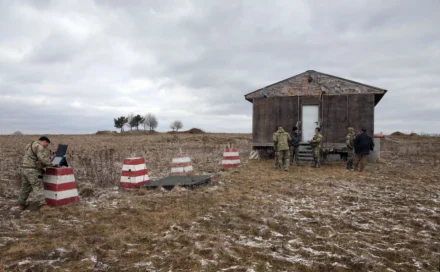
The XM204 can be rapidly emplaced and is highly portable; the system can be employed alone, in multiples or in tandem with other terrain shaping systems. The lightweight munition features a dispenser launcher module that autonomously deploys multiple submunitions. Each submunition is equipped with onboard sensors to detect enemy vehicles and utilizes an explosively formed penetrator to defeat those threats. If not armed, the system is recoverable which allows Soldiers to reposition it as needed.

The XM204 also includes tamper-resistant features, armed/safe indicators, and self-destruct timers, aligning with U.S. landmine policy on anti-personnel landmines and reducing post-conflict risks to civilians.

According to Tinesha Nicholas, Product Manager for Terrain Shaping Obstacles (PdM TSO), the new system can be used in conjunction with the XM343 Standoff Activated Volcano Obstacle to produce layered effects that degrade enemy mobility and create tactical advantages for friendly forces.

“Seeing the XM204 perform so successfully gives us confidence,” said Nicholas. “This new system addresses evolving battlefield demands and reflects PdM TSO’s commitment to developing and fielding safe, reliable, and lethal munitions to our warfighters and international partners.”

Joint Munitions Command cleared the XM204 for release to the Warfighter in September 2025 and New Equipment Training will be delivered to 2nd Cavalry Regiment by Project Manager Close Combat Systems in Vilseck, Germany this fall.

By Michael Chambers

Icon Defense – Ambidextrous Billet Uppers & Lowers

Thursday, September 18th, 2025

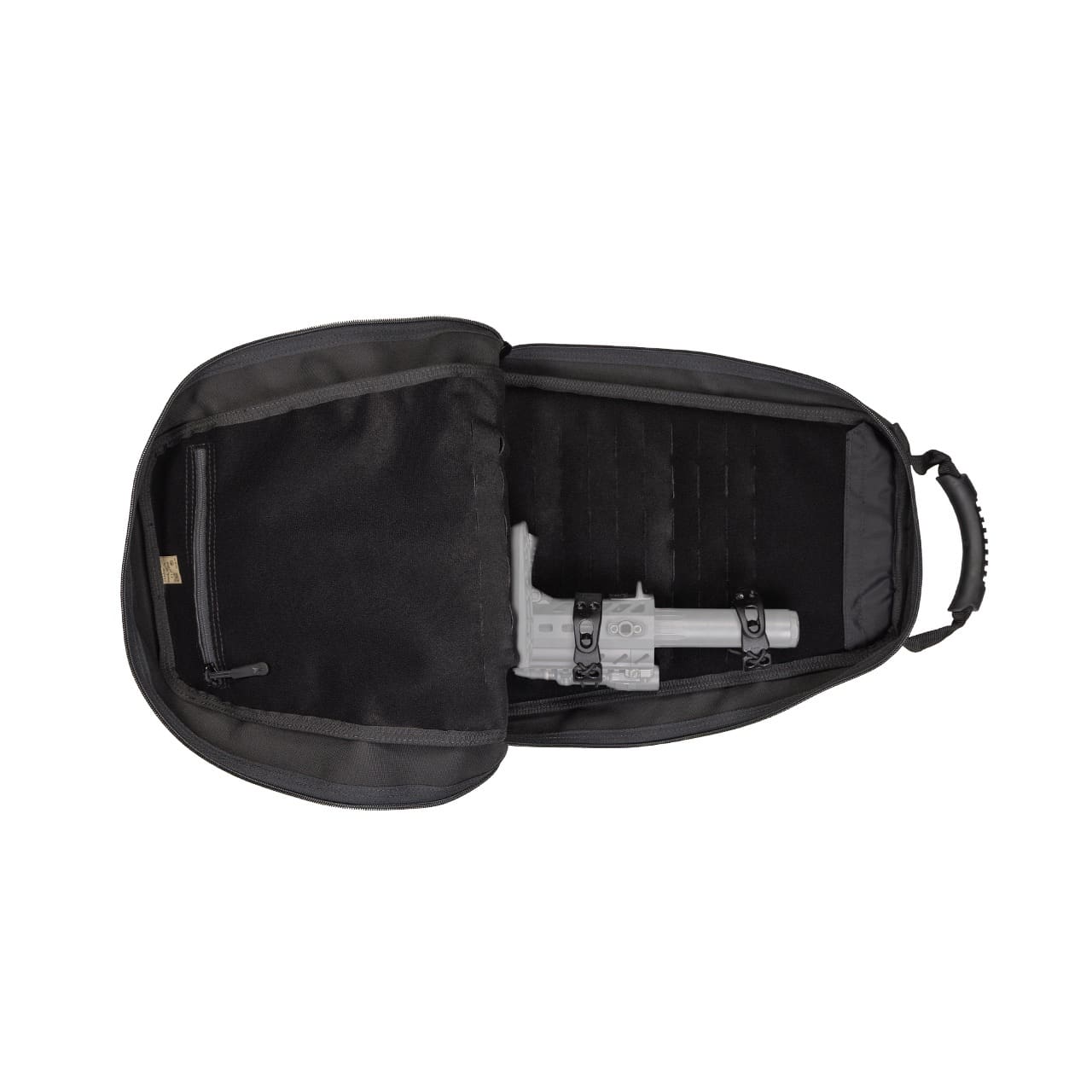
Icon Defense launches new 5.56 ambidextrous billet uppers and lowers – CNC-machined from 7075 billet aluminum for strength and tight tolerances. Barrel extensions are thermally fit to the receiver for improved accuracy.

Receivers are finished in black Type III hard coat anodized. All billet flared uppers and billet lower ships with ambidextrous controls and threaded pivot pins. 

Product Specifications

Icon Defense AR-15 Ambidextrous Billet Upper / Lower

Material – 7075-T6 billet aluminum

Finish – Mil-Spec Type III hard coat anodize — Black

Upper Weight (Flared Billet) – 7.8 oz

Lower Weight (Billet) – 8.1 oz 

Included (Upper) – AR-15 door rod

Included (Lower) – Ambi button, threaded pivot pins, springs, ambi bolt-catch rod

Availability

Sold through Killer Innovations Icon Defense shop, Rainier Arms, and JSE Surplus.

Experimenting with Technology: Soldiers and Innovators Strengthen National Defense

Thursday, September 18th, 2025

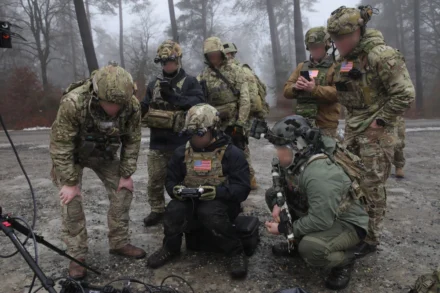
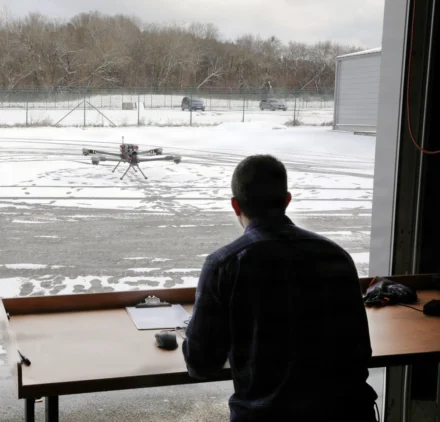
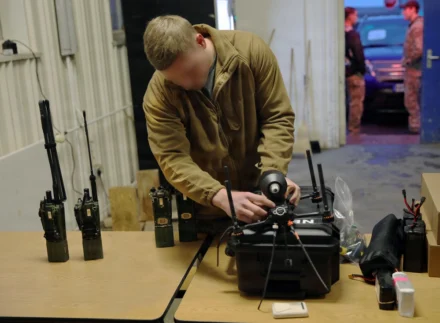
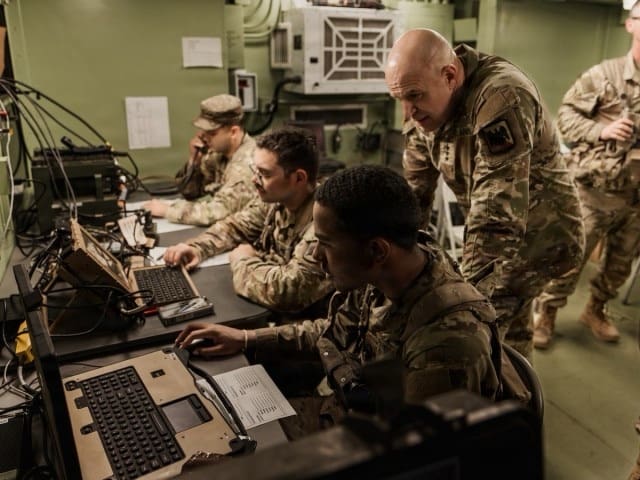
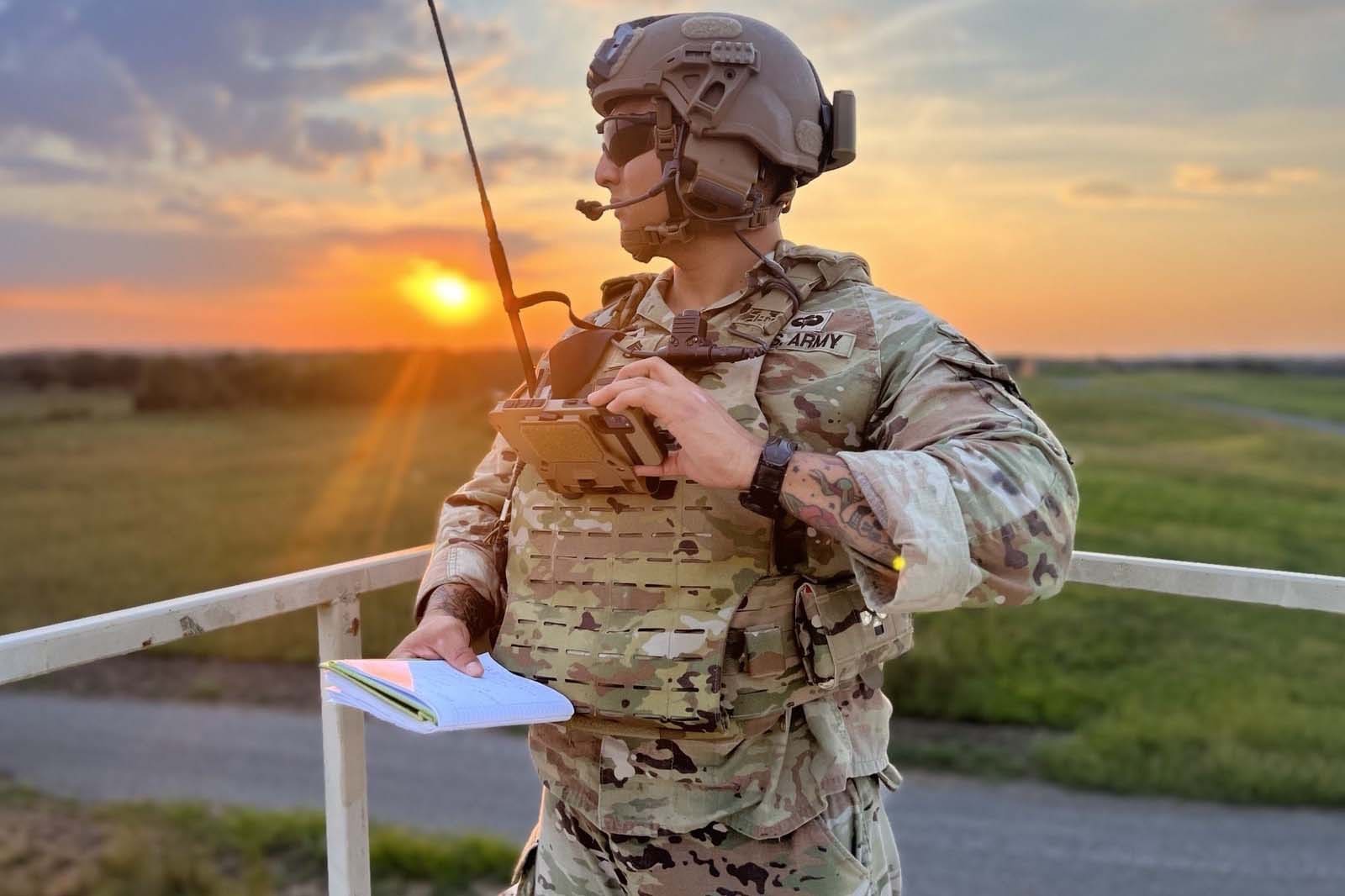
Schofield Barracks, HAWAII – Soldiers from the 25th Infantry Division are testing innovative electromagnetic support systems to strengthen the Army’s ability to adapt and operate in the Pacific Theater. Partnering with industry experts through the Army’s X-Tech program, Tropic Lightning Soldiers are experimenting with emerging technology that promises to enhance battlefield awareness, reduce risks to troops, and advance multi-domain operations.

Staff Sgt. Clark J. Tequin, an electromagnetic warfare specialist assigned to the Multifunctional Reconnaissance Company, 2nd Brigade, 25th Infantry Division, emphasized the importance of this technology for future operations.

“The Army functions in multi-domain operations, and this is part of the cyberspace and electromagnetic spectrum,” Tequin said. “This allows us to fight in multiple domains throughout the battlefield. As we move forward in the Pacific, we need these types of technologies to help troops understand and have better situational awareness of the overall battlefield.”

This focus on adaptability demonstrates how the division is preparing for the challenges of modern warfare in a dynamic environment.

The tested system enables Soldiers to detect enemy activity without direct contact—giving commanders an edge in planning and protecting their forces.

“Systems like this allow us to create a baseline on the spectrum and understand what type of signatures might be out on the battlefield—what our enemies are using and how we can exploit those signatures,” Tequin explained. “For example, if our opponents use radios, we might be able to detect those specific radios and exploit their communication and other equipment.”

By developing the ability to see, sense and exploit adversary activity, the division strengthens its Lethality across multiple domains.

Working with industry partners is a key element of the division’s modernization efforts.

“It’s a good way forward as 25th Infantry Division continues to experiment with different technologies and really push the envelope on adapting to modern warfare,” Tequin said. “This is part of that multi-domain operation.”

This partnership reflects how we connect, communicate, and integrate partners as members of one team, showcasing how Soldiers and civilians can collaborate to develop solutions that directly enhance the warfighter.

That collaboration highlighted by Jessica Stillman, an X-Tech program manager, who explained the value of putting technology directly into Soldiers’ hands during first stages of development.

“It means that we are getting technology into the hands of the Soldiers early on and giving companies an opportunity to get feedback on the technology they’re developing,” Stillman said. “That way, they can iterate on it and ensure that it’s ready for field testing and ready for when it’s needed.”

Stillman noted that events like this bring both Soldiers and technical experts together, providing balanced insight.

“It brings together not only Soldiers, but also the technologists to really look at how the technology performs,” Stillman said. “It’s valuable to see what it looks like when the Soldier is using it in the field, and what it looks like from a technical or scientific perspective to ensure that the technology is actually going to work.”

Stillman’s comments reinforce the division’s value in partnerships —bridging industry and military expertise to accelerate innovation.

Sgt. Brock A. Gossling added that adaptability remains at the core of these efforts.

“Testing capabilities like this reflect that mindset because systems like these have to be adaptable and go after whatever the 25th Infantry Division has in front of them,” Gossling said. “We have to be able to use these systems and go after any targets in any area.”

Beyond adaptability, one of the fundamentals focuses on protecting Soldiers while accomplishing the mission. Gossling explained how electronic support systems enhance safety.

“Electronic support systems like these are important because they provide commanders with early warning and threat detection, so they have a better understanding of their awareness,” he said. “It also allows commanders to understand their income levels and limit the signature they output.”

This speaks directly to managing risk, ensuring that commanders can make informed decisions while minimizing risks to their troops, people, and mission.

Stillman emphasized that this is just the beginning of the Army’s partnership with X-Tech.

“This is the first experimentation that X-Tech is doing—not the last,” she said. “We have several more coming up, and Army senior leaders continue to ask how we can rapidly identify technology and get it into the hands of Soldiers. That is exactly what we will be doing in the months ahead.”

Tropic Lightning Soldiers are testing new electromagnetic support systems to sharpen Lightning Discipline and keep the division lethal and ready. By working with industry partners, leaders show Initiative and Agility to adapt faster than adversaries in the Pacific. And by connecting Soldiers with civilian experts, the division Strengthens Soldiers and Community, ensuring trust and readiness remain at the core.


Thunderstruck: Marines Compete in First-Ever Service-Wide Communications Team Competition

Wednesday, September 17th, 2025

MARINE CORPS AIR STATION MIRAMAR, Calif. —

U.S. Marines from across the globe competed in the inaugural Thunderstruck Communications Team Competition, hosted by Marine Wing Communications Squadron 38, Marine Air Control Group 38, 3rd Marine Aircraft Wing Sept. 10, 2025.

Unprecedented in scope, the service-wide event tested Marines’ ability to integrate physical endurance with expeditionary communications tasks, reflecting the operational demands of distributed operations in contested environments. Teams completed a six-mile, combat-loaded course while executing high-frequency voice transmission, Mobile User Objective System operations, and data networking, all under austere field conditions.

“The event attests to the whole-Marine concept — the ‘Marine communicator,’ not just the everyday communicator,” said Lt. Col. Brian Kerg, the commanding officer of MWCS-38. “This training and competition compelled them to do the exact things they would do in a distributed aviation operations environment.”

A total of 15 different units competed in the event each providing a four-Marine team composed of their top communicators. These units represent all three Marine Expeditionary Forces, both the Fleet and the Supporting Establishment, including the active and reserve components.

“They were not only tested on our communications training and readiness standards, but tested while under physical duress and competitive pressure, as they would in a time of war,” said Kerg. “As they would if rounds were flying at them. As they would if long-range munitions were falling on their head.”

This event marks the first time the Marine Corps has held a service-wide competition specifically dedicated to communications Marines, reflecting the increasing importance of resilient command and control (C2) in distributed operations. By pushing teams to perform under pressure, Thunderstruck highlighted the unique blend of technical skill, problem-solving, and physical toughness required to sustain communications at the tactical edge.

“Imagine a handful of Marines inserted via air and have to move the last tactical mile before they get C2 established,” said Kerg. “They are supporting aviation operations and then they are detected. They have to break down their gear, move to another survivable location, and reestablish.”

The competition directly supports the Commandant’s Planning Guidance and Force Design 2030 priorities. Both call for small, agile and self-reliant teams capable of enabling aviation and Marine Air-Ground Task Force operations in contested and dispersed environments. Events like Thunderstruck ensure that communicators are trained, tested and recognized as critical
enablers of battlefield dominance.

“This is my 15th year in communications field and there has not been a better time to be a communicator in the Marine Corps,” said Chief Warrant Officer 2 Kelson Epperson, a space and propagation engineering officer with MWCS-38. “We are now tactically integrated in every system, in every way, and Thunderstruck proves this.”

Beyond testing individual and team performance, the event served as a proof of concept for a scalable model of training. Lessons learned from this competition will inform future iterations, which are expected to expand in scope and participation.

“Today, I took away a very healthy spirit of competition with other communicators across the Marine Corps,” said Cpl. Tyler Barrack, a satellite transmissions systems operator and the fireteam leader for the winning team. “This is something I can take back to my Marines to empower them to compete in the future.”

The winning team was composed of four Marines from Communications Company, Headquarters Regiment, 1st Marine Logistics Group, based out of Marine Corps Base Camp Pendleton, California. Each Marine holds a different Military Occupational Specialty, including radio operators, communications specialists, and data network specialists.

“It takes a village for everything that took place today,” said Barrack. “Every single Marine here has taught me something at some point in my career — It takes a village to make good communicators.”

MWCS-38’s mission is to establish and sustain communications networks for aviation C2. That capability is central to 3rd MAW’s ability to fight as a distributed force and to I Marine Expeditionary Force’s success in contested environments. 

“This highlights how expeditionary we need to be in the future. We are at an age where we are no longer operating in big teams or big boxes,” said Barrack. “Now we are going forward as fire teams operating with smaller teams — and it changes the game.”

MWCS-38’s initiative in developing and executing Thunderstruck demonstrates how unit-driven innovation can directly support the Marine Corps’ modernization efforts. The competition showcased how communicators — who often work behind the scenes — are central to closing kill chains, integrating multidomain effects, and ensuring decision dominance in future conflicts.

“We are adapting to an enemy threat,” said Kerg. “Our teams are getting smaller and more capable and must be more technically proficient, more tactically skilled and tough as nails.”

1stLt Madison Walls, 3rd Marine Aircraft Wing

Army updates standards for appearance, grooming, uniform wear in new directive

Tuesday, September 16th, 2025

WASHINGTON — The U.S. Army announced an update to its appearance, grooming, and uniform wear standards policy in a new directive resulting from a force-wide review of military standards. The updated policy clarifies existing standards and establishes new standards, emphasizing military appearance as a reflection of discipline, professionalism, and a shared commitment to the Army’s values.

“What sets the U.S. Army apart is our professionalism, and that’s a direct reflection of committed Soldiers who adhere to and enforce the standards,” said Sgt. Maj. of the Army, Michael Weimer.

“This definitive guidance gives leaders the tools they need to do just that. You don’t have to memorize it, but you should know what right looks like.”

Key changes include precise definitions for hairstyles, including authorized lengths, styles, and accessories for both male and female soldiers. Standards for cosmetics, fingernails, and jewelry have also been clarified. The directive also provides clarified standards for uniform and insignia wear and body composition assessments.

The new policy was informed and developed by a representative group of leaders and stakeholders from across the Army. There was an overwhelming consensus on the need to realign all Army standards with warfighting priorities and eliminate ambiguity to allow shared understanding of the standards.


Soldiers will adhere to updated standards within 30 days of the date of this directive. Commanders, supported by NCOs, have the authority to enforce appearance, uniform, and body composition standards consistent with the intent of the new directive.

Related Links

Army Directive 2025-18: Appearance, Grooming and Army Body Composition Program Standards

Army Policy Updates: Grooming and Appearance One-Pager

By U.S. Army Public Affairs

Final Basing Decision for Special Operations Wing to Davis-Monthan AFB, Revisions to Maximize Effectiveness

Monday, September 15th, 2025

ARLINGTON, Va. (AFNS) —  

The Department of the Air Force has selected Davis-Monthan Air Force Base, Arizona, as the new location for the 492nd Special Operations Wing.

Originally announced in August 2023, the plan to establish the 492nd SOW at Davis-Monthan AFB has been refined to prioritize mission effectiveness, cost efficiency and alignment with Air Force and Department of War priorities.

Following the required environmental analysis, these previously announced units will relocate to Davis-Monthan AFB:

• Headquarters, 492nd Special Operations Wing at Hurlburt Field, Florida

• 492nd Special Operations Theater Air Operations Squadron at Duke Field, Fla.

• 319th Special Operations Squadron at Hurlburt Field, Fla.

• Air Combat Command Intelligence Squadron, new activation

Additionally, as part of a refined plan, Davis-Monthan AFB is identified as the preferred location for the following units as part of the 492nd SOW:

• 34th Special Operations Squadron at Hurlburt Field, Fla.

• 20th Special Operations Squadron and 20th Special Operations Aircraft Maintenance Squadron at Cannon Air Force Base, New Mexico

The Air Force will begin the required environmental analysis on proposed changes beginning fall 2025.

Secretary of the Air Force Public Affairs

AFSOC Stands Up 31st Air Task Force

Sunday, September 14th, 2025

HURLBURT FIELD, Fla. – Air Force Special Operations Command activated the 31st Air Task Force July 15 and marked the milestone with a stand-up and assumption of command ceremony Sept. 12 at Hurlburt Field.

The ceremony presided over by U.S. Air Force Maj. Gen. Michael Martin, AFSOC deputy commander, marked the official activation of AFSOC’s second ATF. U.S. Air Force Col. Brad M. Dvorak assumed command, and Chief Master Sgt. Matthew Greiner will serve as the command chief.

“We are activating the next Air Force unit of action,” said Martin. “This unit is deliberately integrated, self-sufficient, and ready to bring airpower anywhere in the world.”

ATFs are limited-scale, experimental units designed to provide combat capabilities to the Joint Force. As the Air Force transitions away from the Expeditionary Air Base model, ATFs serve as a step toward the Air Force’s long-term design for building fully ready, taskable units prepared to compete and win.

“We have been what the nation needed us to be for the last 20 years,” said Martin. “This is the next chapter in how the Air Force meets the next threats and challenges globally.”

Airmen assigned to the ATF will align with the Air Force Force Generation cycle, deploying as cohesive units rather than aggregating personnel from multiple installations. The deliberate cycle fosters unit familiarity and provides clearer assessments of Air Force capacity to the joint force.

“You won’t find a better integrated group of Airmen working across mission lines, united by a shared vision and forged through incredible community support,” said Dvorak.

The stand-up of the 31st ATF reflects a service-wide effort to build teams capable of delivering integrated capabilities to combatant commanders while strengthening the Air Force’s long-term force design.

“In short order, we’re bringing air superiority any time, any place, anywhere,” said Dvorak. “Chief Greiner and I are so grateful to lead such a talented group of individuals.”

The Department of the Air Force has designated seven ATFs across the service as part of this force presentation initiative. ATFs mark a key stage in the Air Force’s continuing path to modernization and readiness, ensuring the service is postured to outpace emerging threats.

Story by 2nd Lt Rachel Heck | 1st Special Operations Wing

Thunder Dome: Looking Back, Powering Forward with AFSOC Innovation

Saturday, September 13th, 2025

HURLBURT FIELD, Fla. —  

Air Force Special Operations Command continues to champion innovation with its third annual Thunder Dome Innovation Competition scheduled this fall. Beyond the competition, the program’s success is measured by the real-world impact of its funded projects.

Every year, the competition solicits project submissions from Airmen across the AFSOC enterprise that can positively benefit readiness. Once reviewed, senior leaders select the teams with the best proposals to present in front of a judging panel. The command awards the winners with funding to develop their concepts into tangible solutions.

As we prepare for the next Thunder Dome competition, here’s a look at the progress of past winners and their ongoing projects:

From Prototype to Production: The LaraCota Comm Cord Tester

Funded through the 2024 Thunder Dome competition, the LaraCota Comm Cord Tester introduced by a member of the 27th Special Operations Wing, progressed from prototype to mass production upon additional evaluation at Cannon Air Force Base, New Mexico.

K-RATH: A Collaborative Approach to Innovation

K-RATH, developed by the 492nd SOW, received an initial Thunder Dome award for prototype development. Further funding secured collaborations with Michigan Technological University students for engineering testing and product design by Nottingham Spirk, with support from the Office of the Assistant Secretary of the Air Force for Acquisition, Technology and Logistics. The next stage for the project is further prototype development.

Enhancing Training Capabilities: The Electrical Training Board and Specialized Fueling Trainer

The 2025 Thunder Dome competition funded two projects focused on training. The 353rd SOW at Yokota Air Base received an investment to develop an Electrical Training Board, coordinating with Air Education and Training Command; while the 492nd SOW was awarded funding for a Specialized Fueling Trainer, currently under further prototype development with SOFWERX.

These featured innovations offer just a glimpse into the outcomes of the Thunder Dome competition. By empowering Air Commandos with funding, resources, and a platform to share ideas, AFSOC fosters a culture of continuous improvement with its annual Thunder Dome program.

Voting for the 2026 Thunder Dome Innovation Competition is now open and runs through September 26th. Select the best game-changing ideas to solve our toughest challenges, your vote will help determine the finalists.

Use this link to set up your DoD-Registered account and cast your three votes for the most impactful ideas. Every Air Commando voice matters!

Air Force Special Operations Command Public Affairs