Phantom Lights

Archive for the ‘Guest Post’ Category

CTOMS Presents: Evolution of Tourniquet Placement Guidelines

Friday, November 1st, 2024

Since its inception, the Committee on Tactical Combat Casualty Care (CoTCCC) has evolved its guidance on tourniquet placement, especially with advancements in battlefield medicine and lessons learned from conflicts.

1. Early Guidance (1990s-early 2000s): Initially, CoTCCC recognized the need for clear guidelines on tourniquet use due to the high number of preventable deaths from extremity hemorrhage. The early recommendation was to place a tourniquet high and tight on the limb, proximal to the injury, and as close to the trunk as necessary. This guidance emphasized speed to control bleeding, often at the expense of precision in placement.

2. Afghanistan and Iraq Wars (2000s): As lessons were learned in the field, CoTCCC reinforced the importance of tourniquet use in preventing deaths from extremity hemorrhage. The “high and tight” guidance remained, particularly when rapid placement was required in chaotic situations or when the precise location of the wound was obscured.

3. Refinements in the 2010s: Over time, CoTCCC refined its recommendations with more precise guidance. While the “high and tight” rule was still valid in situations requiring immediate bleeding control, there was a recognition that a more targeted approach—placing the tourniquet 2-3 inches above the bleeding site—was optimal when conditions allowed. This approach helped minimize tissue damage and nerve injury associated with prolonged tourniquet use.

4. Current Position: The current CoTCCC position balances the “high and tight” placement for emergency situations where time is critical, with a preference for more targeted placement when the exact source of bleeding can be identified. The focus remains on immediate and effective bleeding control, followed by rapid evacuation and medical intervention.

In essence, CoTCCC has continuously emphasized the critical role of tourniquets while refining the guidance to reflect a balance between speed and precision, with a focus on saving lives while minimizing potential complications.

To learn more about tourniquet application and massive hemorrhage control, CTOMSAcademy.com provides Emergency Bleeding Control courses on our e-learning platform. Use code SSD25 for 25% off all CTOMS Academy training.

FirstSpear Friday Focus: Cold Climate Gloves

Friday, November 1st, 2024

Key Features:

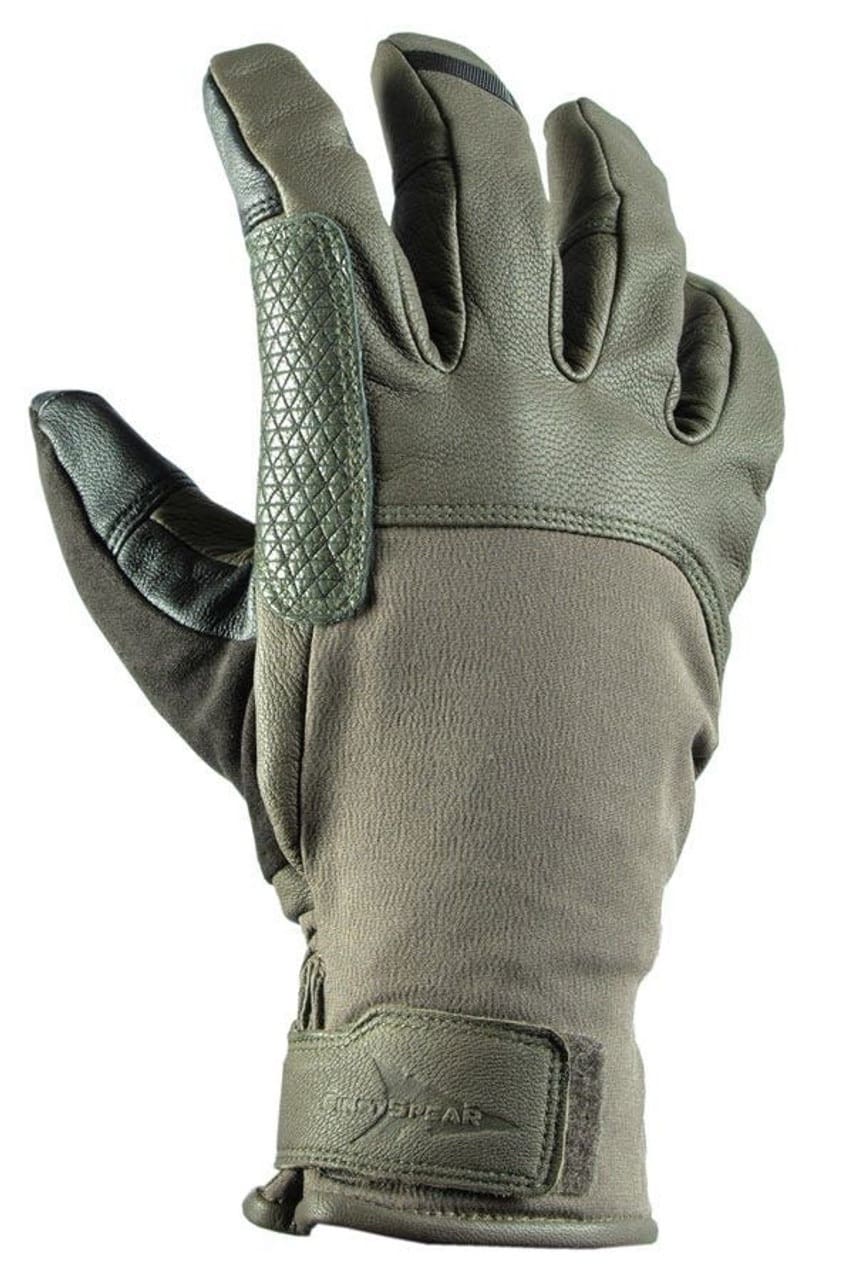
PrimaLoft Gold Insulation —High-performance warmth with a water-resistant insert.

Touchscreen Compatibility**: Index finger is touchscreen-sensitive for device use.

Keratan Palm Patch—Durable, provides extra grip and protection.

Super Soft Suede

Adjustable Elastic Wrist— Ensures a secure, customized fit.

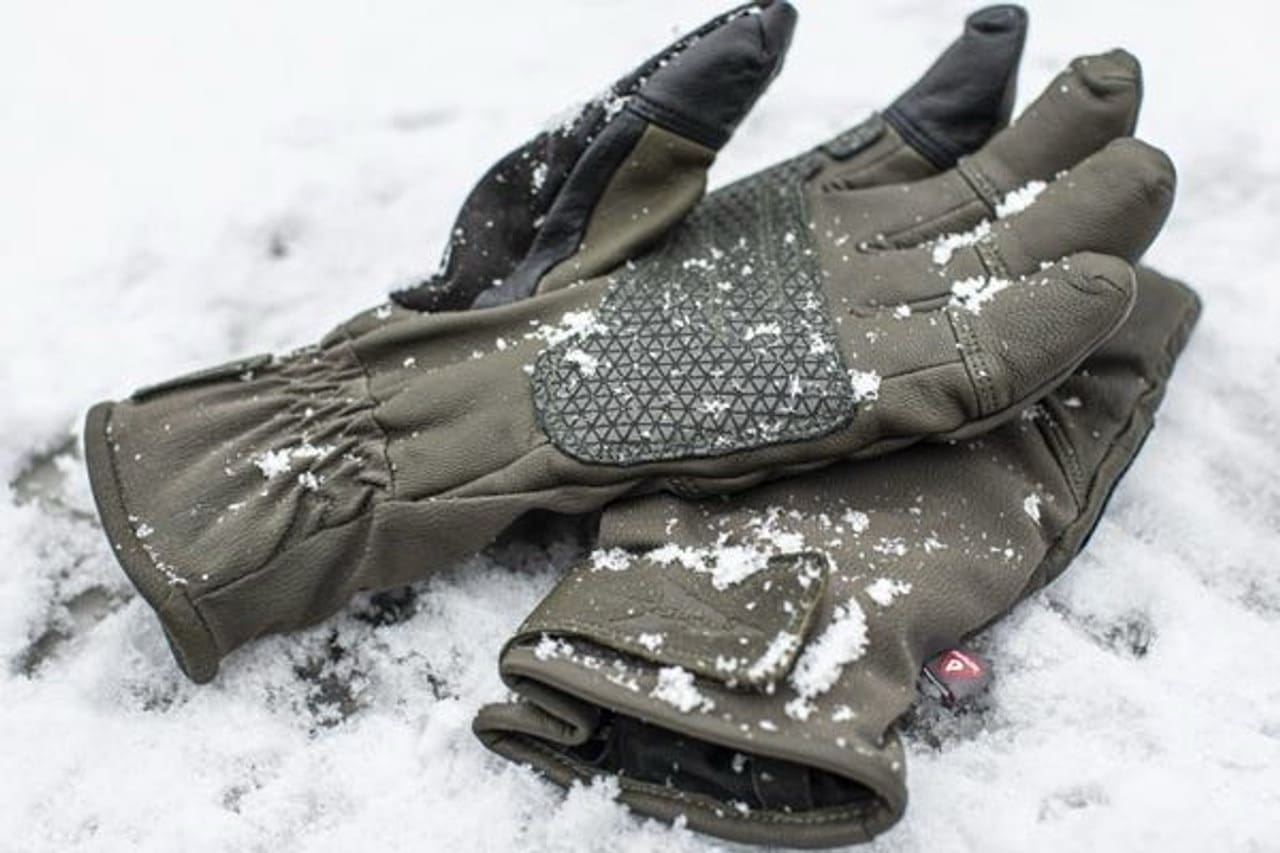
Don’t let the cold slow you down—gear up with FirstSpear’s Cold Climate Gloves, designed to keep you warm without sacrificing functionality. These gloves are lightweight, warm, and now available in fatigue green and black.

With PrimaLoft Gold insulation, these gloves deliver premium warmth while staying highly breathable and water-resistant, perfect for varying winter conditions. The Pittards Keratan leather palm patch ensures durability and extra grip, critical in demanding environments. Touchscreen capability on the index finger and a soft suede thumb provide both function and comfort, while the adjustable wrist cuff ensures a snug fit that locks in warmth.

Built to be reliable, warm, and adaptive, these gloves are a solid choice for anyone facing cold climates and needing dependable handwear.

Learn more at www.first-spear.com/cold-climate-glove-ccg.

First Enlisted US Air Force Air Defense Artillery Fire Control Officers certified

Friday, November 1st, 2024

JOINT BASE LEWIS-MCCHORD, Wash. (AFNS) —

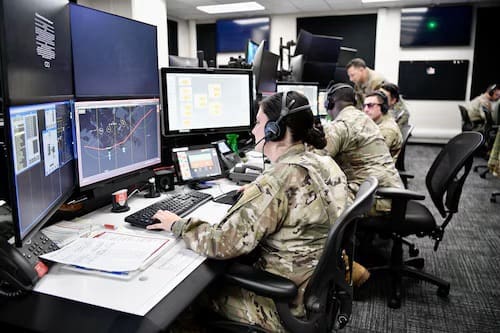
The Washington Air National Guard’s 225th Air Defense Squadron hosted its second Joint Kill Chain Exercise for 14 U.S. Army and two 225th ADS enlisted weapons directors Sept. 24-27 at the Western Air Defense Sector on Joint Base Lewis-McChord.

The JKCE is the final event at the end of a three-week Air Defense Artillery Fire Control Officers course. The academic portion of the course was hosted by the 1-51 Air Defense Artillery Battalion on JB Lewis-McChord from Sept 9-23.

The course is designed to instill ADAFCOs with the necessary skills to integrate Army Air and Missile Defense engagement operations at the appropriate controlling authority,” explained U.S. Army Chief Warrant Officer 3 Jesus Arellano. “All operations are tied into the Joint Integrated Air and Missile Defense System to destroy, nullify or reduce the effectiveness of hostile air breathing and missile threats against friendly forces, as well as to reduce the potential for fratricide.”

ADAFCO course students received graduate level training in mission analysis, advanced air battle management/command and control, and joint air and missile defense operations. According to Arellano, the demanding curriculum challenges students’ competencies using hands-on training, examinations, and practical exercises. Students are required to develop and present a threat-specific mission briefing to a board of cadre and inter-service personnel.

Washington Air National Guardsmen Master Sgt. Andrew Snyder and Tech. Sgt. Jordan Schaefer, weapons directors from the 225th ADS, had the unique privilege of going through the course and are now the only two U.S. Air Force enlisted certified ADAFCOs. Normally the course is reserved for U.S. Army warrant officers and company grade officers.

According to Snyder, “we train to integrate joint fires into the battlespace and air domain in large areas of operation. The course provided me with in-depth knowledge about the PATRIOT weapons system and IADS integration across the joint service, which will have a direct impact on the homeland defense mission [Operation Noble Eagle] at WADS.”

WADS was chosen as the location to support the JKCE due to its robust capability to provide live, virtual and constructed simulation execution. Arellano explained that “the WADS team can connect to the Distributed Training Operations Center which enables state of the art simulation feed and hosts the PATRIOT tactical directors for a full integration of systems and operations. The WADS facility also provided a workspace and briefing areas to conduct joint planning training between the U.S. Air Force and U.S. Army and we look forward to a continued effort to joint training.”

By Kimberly D. Burke, Western Air Defense Sector Public Affairs

AXL Advanced x True North Concepts: Rigid Holster Platform

Thursday, October 31st, 2024

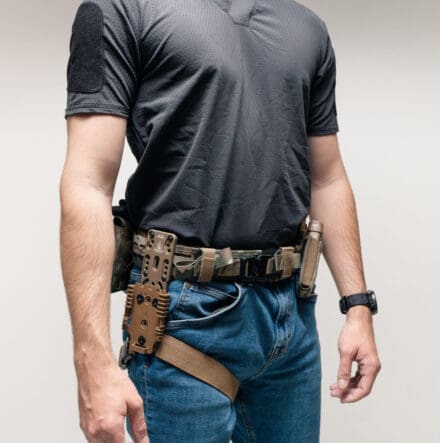
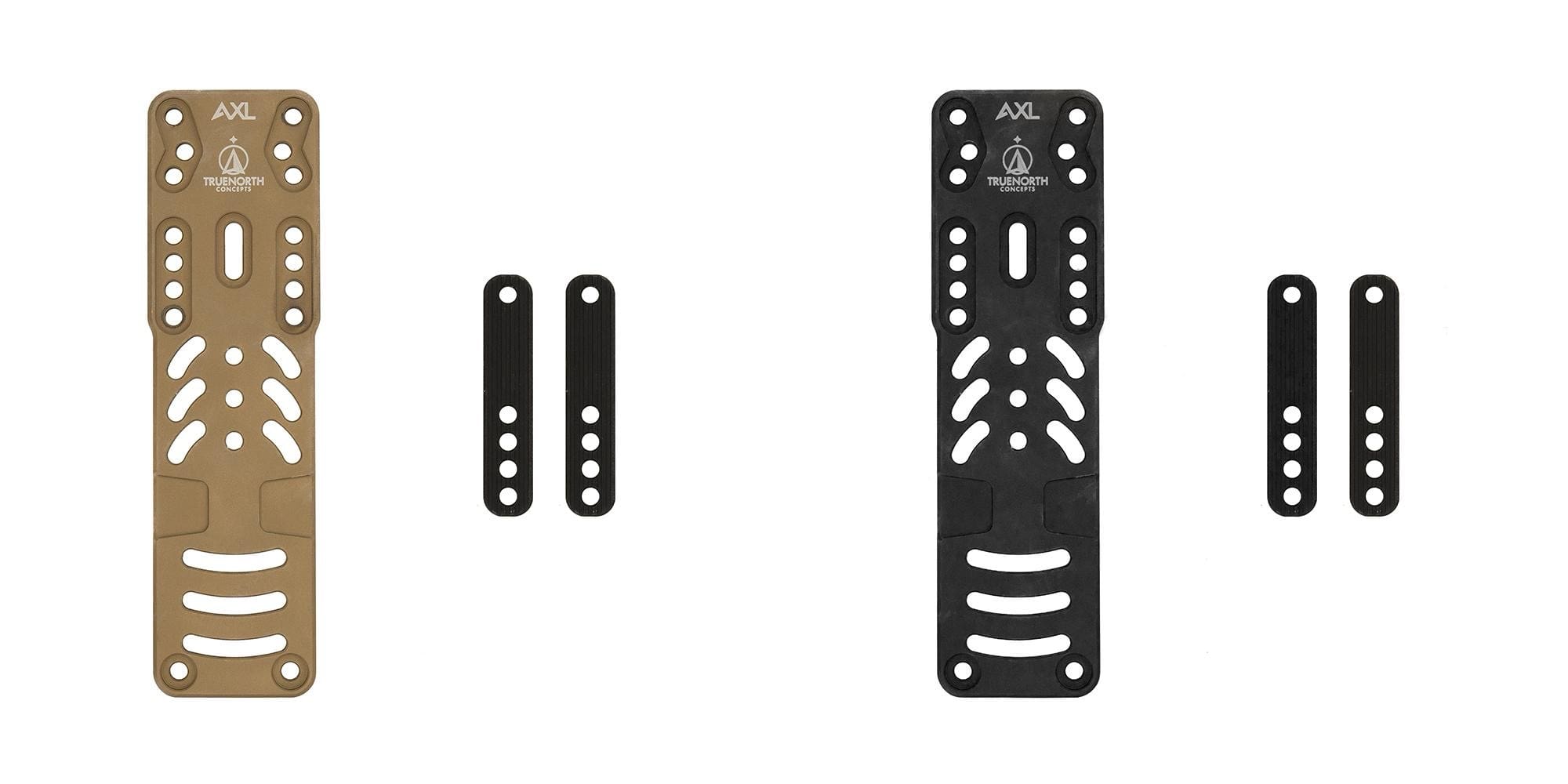
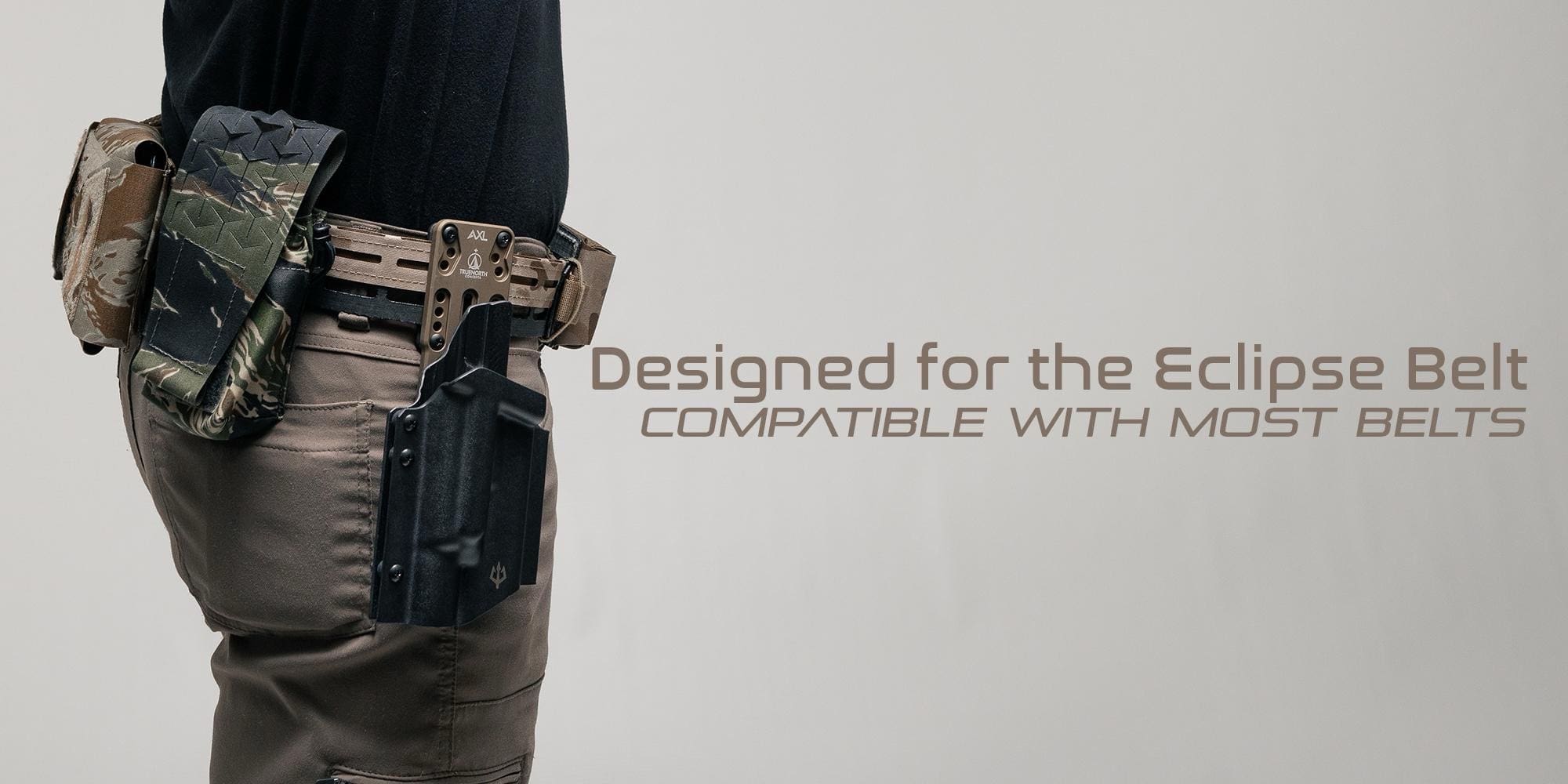
AXL Advanced and True North Concepts collaborated to bring you the Rigid Holster Platform (RHP), which is proudly made in the USA. The new Rigid Holster Platform includes (3) vertical holster height adjustment points spaced at .525” increments. to accommodate belts up to 2.25”. The enhanced MOLLE/Belt attachment bars are updated with a new jagged surface for an improved grip on your chosen belt. The RHP is the perfect solution for those who require reliability, versatility, and top-tier performance from their gear, whether in the field or on the range.

The Rigid Holster Platform is available in Earth Brown or Black and includes all hardware needed. The RHP is compatible with all 3-hole Safariland pattern holsters and integrates seamlessly with the Safariland QLS system.

www.AXLadvanced.com

Army Begins Operational Deployment Pay

Wednesday, October 30th, 2024

WASHINGTON — Soldiers on approved operational deployments will soon receive $240 per month under the recently approved operational deployment pay program.

“This initiative underscores our unwavering commitment to honoring the daily sacrifices made by Soldiers and their families,” said Dr. Robert Steinrauf, Plans and Resources Director, Deputy Chief of Staff G-1.

The change, effective Oct. 1, 2024, authorizes E-1 to O-6 Soldiers to receive special duty pay in recognition of the greater than normal rigors of operational deployments.

“The Army is dedicated to ensuring that the sacrifices made by our Soldiers and their families are appropriately rewarded. Operational deployment pay represents a significant advancement in this effort,” said Dr. Agnes Gereben Schaefer, Assistant Secretary of the Army for Manpower and Reserve Affairs.

The regulation that governs the pay is Department of Defense Instruction 1340.26 (Assignment and Special Duty Pay). The pay is earned on a prorated basis.

A memorandum on the ODP can be viewed here.

ODP is not retroactive to before Oct. 1. Soldiers who were on an approved operational deployment on Oct. 1 will receive ODP for the remainder of their deployment.

Army Reserve and National Guard Soldiers are also eligible for ODP when they are participating in operational deployments.

Soldiers in combat zone tax exclusion status pay no tax on the ODP, but it is taxable for Soldiers serving outside such locations, Steinrauf said.

By Jonathan Austin, Army News Service

Team O’Neil’s Tactical Driving Tuesday – High Speed Backing

Tuesday, October 29th, 2024

This week’s discussion by instructor Wyatt is on high speed backing.

You can receive this training in person, by attending the Team O’Neill Tactical Driving Course at their facility in the White Mountains of New Hampshire. This five-day course includes driving under NODS and is available to military and other government agencies as well as civilians.

Tactical Tuesday: Power Flex Performance Patrol Shirt

Tuesday, October 29th, 2024

The Power Flex Performance Patrol Shirt is a modern take on Hybrid Polos. This singular fabric shirt is constructed of a knit polyester allowing for natural airflow while eliminating chaffing from the seams to maximize performance and comfort while on the clock. The added convenience and class of this Performance Patrol Shirt allows for it to double both as an undervest shirt for exterior carriers and covers, and as a standalone polo for a more casual office or everyday wear look.

Experience the Future of Flex today, only from the Leaders in Performance Stretch Uniforms!

101st Airborne Soldiers Assess New Next Generation Squad Weapon with 6.8mm Ammo

Tuesday, October 29th, 2024

FORT CAMPBELL, Kentucky — Roughly 200 Airborne Infantry Soldiers of the 101st Airborne Division (Air Assault) are running the Next Generation Squad Weapon (NGSW) system through its paces here from Sept. 1 to Oct. 30.
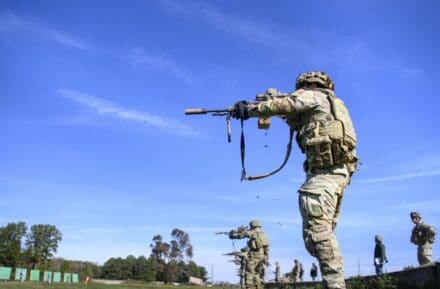
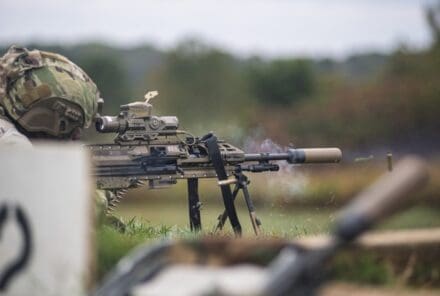
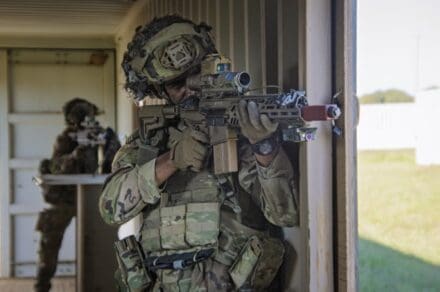
Soldiers from Alpha and Bravo Company, 1st Battalion, 506th Infantry Regiment are taking part in an operational assessment (OA) featuring a range of weapon configurations, force-on-force engagements and static live-fire ranges.

It is a key step in modernizing the combat force and aims to impact over 120,000 U.S. Army Soldiers, according to Mr. Elbert L. Grayson, Supervisory Military Test Plans Analyst, Maneuver Test Directorate, U.S. Army Operational Test Command.
“The Army needs equipment to continually evolve, to meet the threat of our adversaries,” said Grayson.

The NGSW system will be the next stage in that evolution.
“Information is needed to make improvements to the NGSW that will benefit America’s most precious resource, our Soldiers,” Grayson added.

The new weapon system is slated to replace the M4 carbine and M249 squad automatic weapons, representing a significant advancement in firepower, range and accuracy.
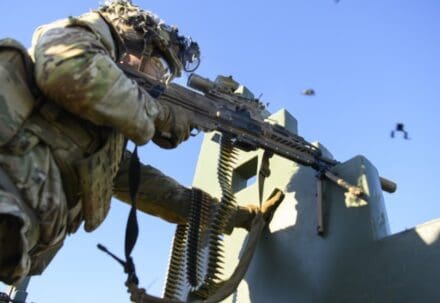
“Having seen the capabilities of the 6.8 [mm] round, I have confidence that it will easily do in one to two rounds, what the 5.56 [mm] did in two to four,” said Capt. John M. Green, Commander of A-CO, 1-506th, 101st ABN DIV.

Direct feedback from U.S. Army Soldiers provides invaluable insight to ensure future warfighters receive the best possible equipment when it matters most.
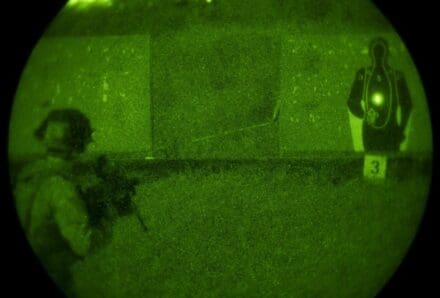
“The force on force is really exciting, really fun, getting in there and doing training against human beings, not just targets, and actually squaring off [against another] unit making plans and objectives, I think it is a really good training experience for sure,” explained Sgt. Todd Smallwood, First Squad Team Leader, A-CO, 1-506th, 101st ABN DIV.

According to Grayson, the NGSW testing is being conducted under the most rigorous conditions to simulate real combat and ensure that the weapon can meet the demand of future conflicts.
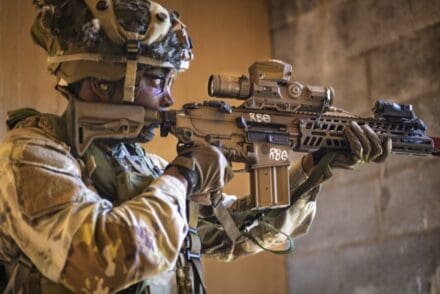
“We have been doing the operational assessment on the NGSW weapons, the XM7, the XM250, and also with the XM157 scopes on the weapon systems,” said Smallwood. “We’ve been doing quite a bit of ranges, and pop-up targets, trying to recreate platoon assault objectives.”

Besides standard training environments, the operational assessment was designed to simulate combat as closely as possible.
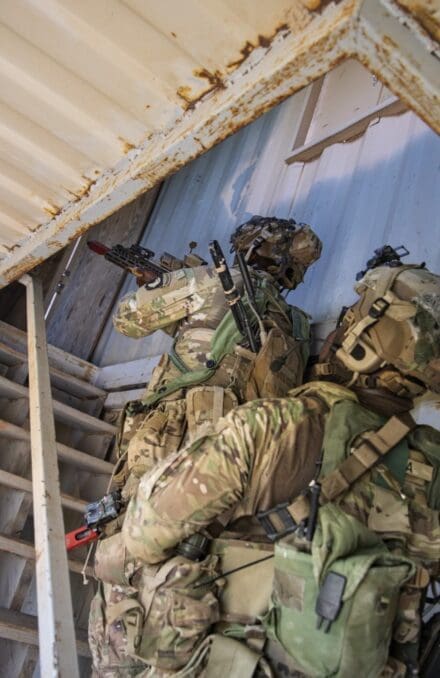
“The capability of the [6.8mm] round being able to puncture and turn cover into concealment, I think it will make a huge difference in urban and forest environments,” said Smallwood.

Soldiers were challenged to perform individual movement techniques (IMT) while engaging targets up to 300 meters away. This IMT lane requires Soldiers to bound, low-crawl, and high-crawl while maintaining accurate fire, ensuring that the weapon performed reliably under strenuous conditions.
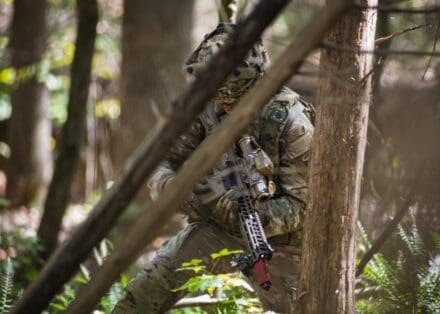
They had to complete the course while under simulated combat stress, pushing their physical and mental limits.

“We did 72 hours of force-on-force (FOF), urban rifle marksmanship (URM), and we’re going to finish with a stress shoot,” said 1st Sgt. Barron C. Garrard, First Sergeant of A-CO, 1-506th, 101st ABN DIV. “I think it [the NGSW] will change daily life in the way that we fight.”
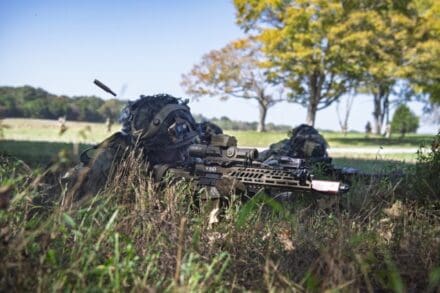
In preparation for future operational environments, Soldiers also tested the NGSW in simulated chemical, biologic, radiological, and nuclear (CBRN) environments.

“I like the fact that the testing of equipment has a possible impact on the next generation Soldiers that will be using it,” said Grayson. “My son is a Soldier that may use equipment that I have had a part in testing, so I’m motivated to provide the most accurate data for Army leadership to make the most informed acquisition decision.”
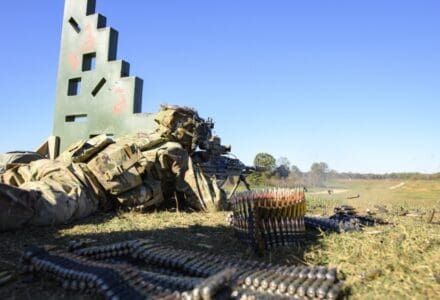
This critical aspect of the assessment ensured that the weapon system can be operated even in the aftermath of a chemical, nuclear or biological environment.

“The NGSW’s advanced capabilities and comprehensive training program will significantly enhance the lethality and survivability of our troops,& ensuring they are prepared for the challenges of future combat operations,” said Mr. Troy , Test Officer in Charge with MTD. “The 6.8mm round offers superior ballistic performance and the NGSW overall represents a significant leap in lethality.
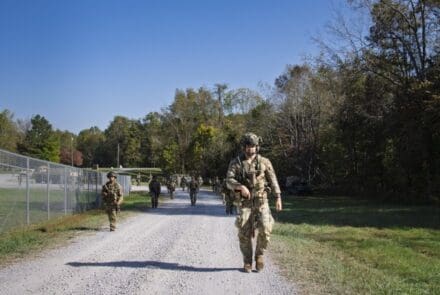
“I feel privileged to be part of this transformative period for the Army,” Willey continued. “Working with the Soldiers who are assigned this system during the assessment is an absolute honor.”

By Mr. Thomas Mort, Audio Visual Specialist, and Maj. Thomas Lorenson, Senior Test and Evaluation Officer, Maneuver Test Directorate, U.S. Army Operational Test Command