The Men’s Howser III Slide from Keen is a nice option for a closed toe shoe for running back and forth to the showers.

It features a quick-cinch bungee closure, fleece lining, and high traction runner sole.
The Men’s Howser III Slide from Keen is a nice option for a closed toe shoe for running back and forth to the showers.

It features a quick-cinch bungee closure, fleece lining, and high traction runner sole.

We’re always on the lookout for new products and makers and one of the best places is Instagram. Recently, we ran across this striking image from @grands_ducs_illustrations with this inscription:
“Tout comme il faut du feu pour forger une lame, il faut une flamme pour faire subsister l’âme.”
-Nicolas Robert
For those of us who don’t speak French, it means “Just as it takes fire to forge a blade, so it takes a flame to sustain the soul.”
Be sure to check out their other work as well.
Vests, love them or don’t, let’s agree they take up minimal room when packed and provide optimal performance when worn; making them a must-have cross functional piece.

Continuing to build on a core assortment for the Special Operations end-user, the newly added MLX Vest – MDWi from SITKA Arrowhead provides the optimal balance between warmth, weight and durability, without restricting mobility.
An active insulation mid-layer piece utilizing Polartec® Alpha® Direct insulation, the MLX Vest – MDWi (Midlayer Vest – Midweight Insulated), weighs in at a mere 8oz and can be compressed down to the size of a 16oz ‘Tall Boy’ beer can.

Taking up minimal room when packed and providing optimal performance when worn, makes it a must have cross functional piece when loading your Recce Ruck or Assault Pack for operations, or even within your EDC Bag when conducting administrative travel.

Utilizing Brookwood AEROLITE H600 30d Nylon ripstop face fabric creates a lightweight, durable façade with a mechanical stretch that allows for movement focused fit. Combined with Polartec® Alpha® Direct Insulation it provides warmth even when wet and dry’s fast.
Features:
• Wet Weather Jacket Compatible – allowing vest to be functionally worn as insulation with a Wet Weather Protective Jacket
• Full Zip Center Front Closure – enhancing ventilation when mobile and the ease of donning and doffing
• Left Chest Zip Pocket – allowing for the secure carriage of mission essential items
• Lower Torso Hand Pockets – allowing for the convenient and secure carriage of mission essential items
• TAA Compliant and available in Black, Lead and Coyote
Find your nearest dealer here.

DETROIT — In an historic first, U.S. Army Soldiers integrated a Robotic Combat Vehicle (RCV) surrogate into the opposing force during a recent rotation at the Joint Readiness Training Center at Fort Polk, Louisiana, in September. This event enabled the Army to gain valuable insight in how best to utilize robotic vehicles in combat and furthered its ongoing Campaign of Learning around RCV development.

During the exercise, Soldiers from the 1st Battalion (Airborne), 509th Infantry — known as Geronimo — used two Project Origin vehicles (RCV surrogates) in a simulated battle with the 3/101st (Air Assault). The Origin vehicles are an Army Development Command (DEVCOM) Ground Vehicle Systems Center (GVSC) prototyping effort and provides the Army with the ability to conduct rapid technology and autonomous behavior integration that Soldiers assess during multiple touchpoints each year.
While on-site engineers and technicians collected technical data, the Soldiers in the field further validated the combat benefits of adding robots to a manned-unmanned teamed formation and identified new capabilities desired for the next Project Origin Soldier operational experiment.
“With these units, the human survivability rate increases significantly,” explained Sergeant First Class Eugene Lackey (Pathfinder Company). “This system allowed us to close with and destroy the enemy safely from a distance. It [also enabled] us to the find the enemy before he could find us. It is a great tool and I wish we could have it for little bit longer to really see how we can change the way wars are fought.”

The feedback from Geronimo Soldiers adds to the Army’s growing library of information on the use of robots.

“Project Origin’s key competency is its ability to collect Soldier feedback and technical data, use this information to rapidly iterate both its software and physical payloads, and evaluate the changes in relevant tactical environments,” said Todd Willert, Project Origin project manager at GVSC. “The lessons learned during Project Origin experiments directly support the development of the Robotic Combat Vehicle and the Army’s forthcoming Ground Autonomy Software, user interfaces (Warrior Machine Interface), and modular architectures.”
GVSC and the Army’s Next Generation Combat Vehicles Cross Functional team, both based at the Detroit Arsenal in Michigan, and the Army Capability Manager-Infantry Brigade Combat Team (ACM-I), based in Georgia, worked together to integrate the Project Origin platforms into the JRTC rotation.
“JRTC stressed the systems to their breaking points, allowing us to identify problems that would undoubtedly arise in the future,” said MAJ Cory Wallace, RCV lead for NGCV CFT.
During the exercise, the Soldiers and the robots also endured a tropical storm, further adding to its complexity.
Among the highlights of the exercise, the Geronimo force used the Project Origin platform to block a key intersection for 36 hours, an effort that benefitted from Origin’s low heat signature while conducting long hours of battery-powered “silent watch.” In addition, Geronimo used the project Origin vehicles to deny helicopter landing zones and conduct route reconnaissance. Using the robots to conduct these operations – the two platforms were controlled by four operators and an NCO – allowed the Soldiers who would have been assigned those tasks to be assigned different missions.


“This validated the notion that if we assign the dumb, dirty, dangerous missions to the robots, we can re-assign our Soldiers to the high-priority complex missions and tasks,” Wallace said.
The Army has additional Soldier Touchpoints, with Project Origin and other RCV platforms, scheduled throughout 2022 as it prepares to make future decisions on the potential acquisition of RCVs.
By Dan Heaton

Ripley: The original action girl. Don’t let ’em forget.
The Royal Marines are a maritime-focused, amphibious light infantry unit that can deploy on short notice to support the United Kingdom Government’s military and diplomatic objectives worldwide. They are designed for highly maneuverable operational situations. The Corps provides lead element expertise for the NATO Northern Flank and are optimized for high altitude operations as the United Kingdom Armed Forces’ specialists in cold-weather combat.

The Royal Marines were formed to serve as the infantry of the Royal Navy. On 28 October 1664, the first unit of what would become the Royal Marines was formed. The Duke of York and Albany’s Maritime Regiment of Foot was renamed the Admiral’s Regiment after the Duke of York and Albany’s Maritime Regiment of Foot was disbanded. In 1672, the title ‘Marines’ first appeared in records. The Marine Regiments were then disbanded and re-established whenever the United Kingdom’s overseas colonies were threatened. His Majesty’s Marine Forces were established in 1755 and placed under Admiralty authority at Chatham, Plymouth, and Portsmouth. For many years after that, the Marines were connected with these communities. They were given the title Royal Marines by George III in 1802. The Royal Marines engaged in the ill-fated Gallipoli landings during World War One. The Royal Marines fought in several battles on the Western Front. During the conflict, the Royal Marines were awarded five Victoria Crosses.

The Royal Marines fought against the Chinese in the two opium wars, the Crimean War and the Boxer Rebellion in China during the Napoleonic Wars and the War of 1812. The Royal Marines engaged in the ill-fated Gallipoli landings during World War One. The Royal Marines fought in a number of battles on the Western Front. During the conflict, the Royal Marines were awarded five Victoria Crosses. The Royal Marines’ artillery and infantry units were combined in 1923 to become the Corps of Royal Marines. During World War II, the commando role so closely identified with the Royal Marines was developed. The Royal Marines commando groups that had fought in Norway, North Africa, and Dieppe were combined with the Army commandos. In 1943, the Special Service Brigade was formed, and the overall command structure was designated as the Special Service Brigade. During WWII, there were four Special Service Brigades, and the Royal Marines served in each of them. During the conflict, nine Royal Marines Commandos units were formed, ranging from 40 to 48 men.

During WWII, these commando battalions took part in numerous wars, including Italy, D-Day, and Antwerp.

During World War II, the Royal Marines received one Victoria Cross. The Army Commandos were abolished in 1946, leaving the commando function to the Royal Marines. The Royal Marines served in the Korean War, Malaya, Suez in 1956, Northern Ireland, and the Falklands War in 1982 after 1945. Together with the Parachute Regiment, the Royal Marines were regarded as the Task Force’s spearhead in the effort to expel Argentine soldiers from the Falkland Islands. The Royal Marines fought at Mount Kent, Mount Harriet, and Two Sisters before ‘yomping’ into Port Stanley after San Carlos Bay. In the Falklands, the Special Boat Service (SBS) played a major, if more hidden, role, successfully attacking a key Argentinean stronghold at Fanning Head, which overlooked San Carlos Bay. Since the Falklands War, the Royal Marines have served in the Balkans, Sierra Leone, East Timor, Afghanistan, and Iraq.
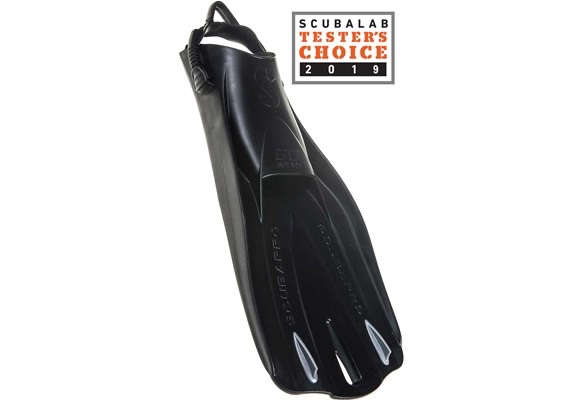
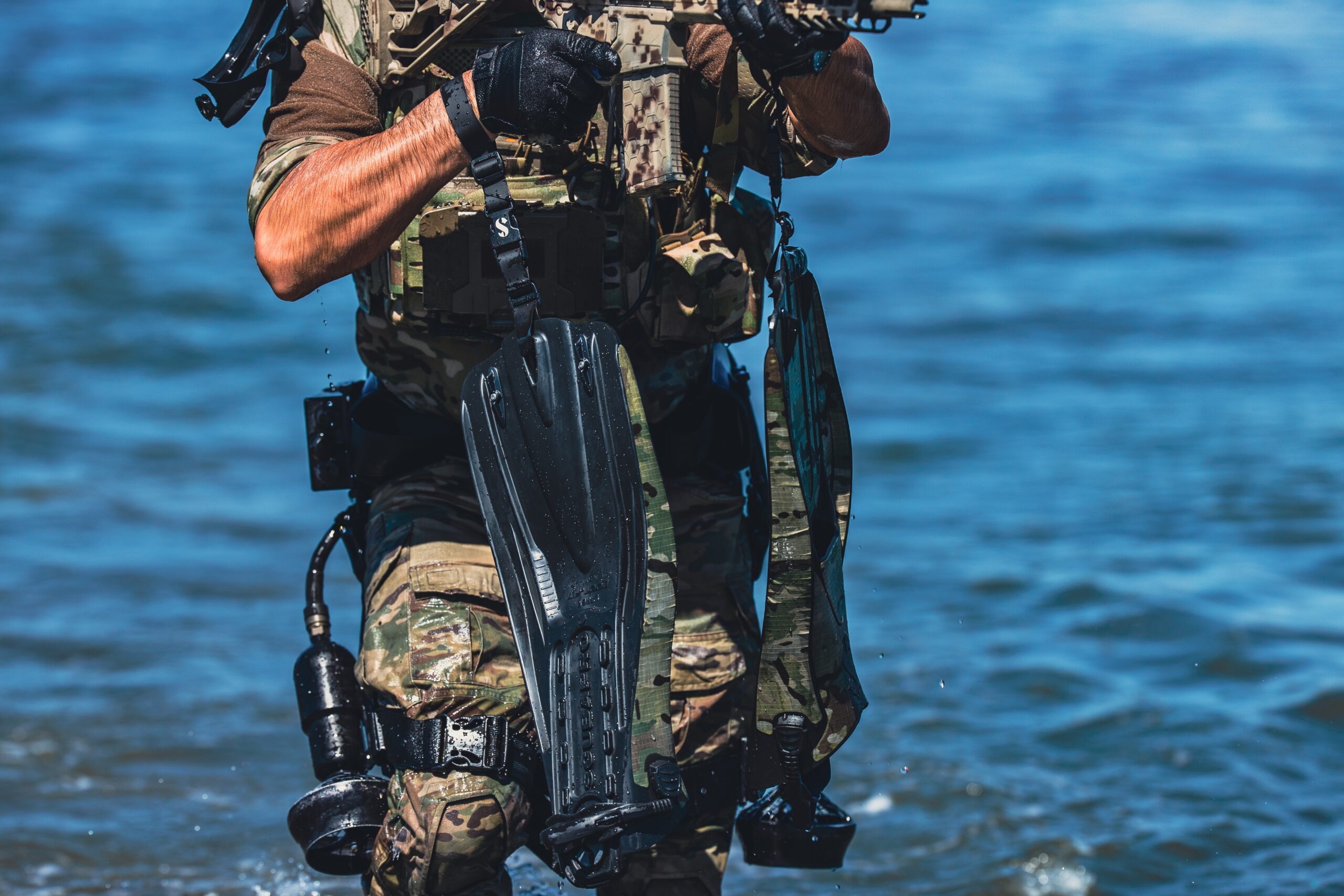
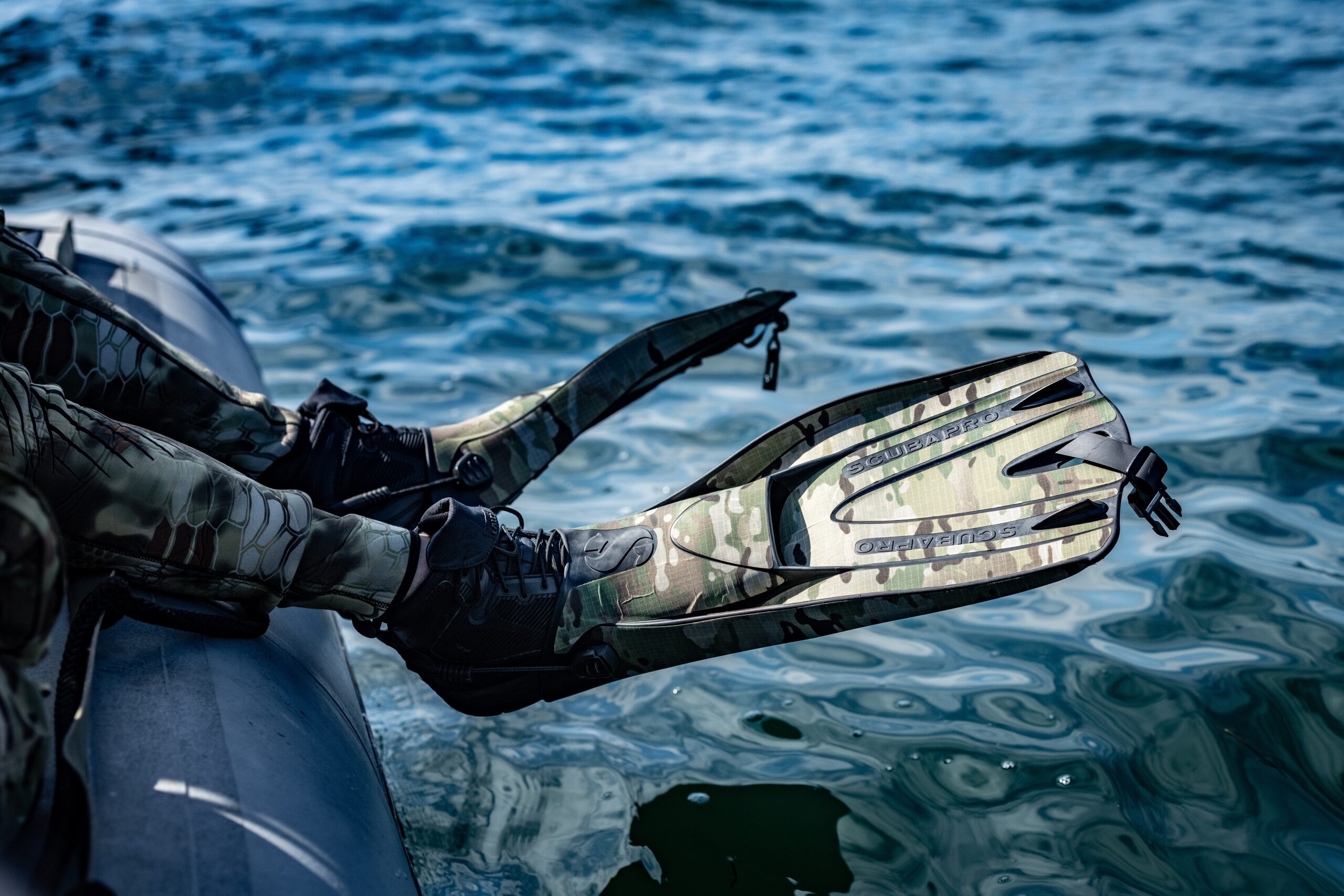
SCUBAPRO Sunday is a weekly feature focusing on maritime equipment, operations and history.
I was browsing around Duluth Trading Co the other day looking for a birthday gift for Tactical Fanboy and ran across the Victorinox Angry Beaver Knife.

Along with Brown scales, it features a pair of scissors, small blade, file, straight screwdriver, toothpick, tweezers and keyring. In addition to the angry beaver, the other side features the Duluth Trading logo.
I got quite a kick out of it, and while Tactical Fanboy isn’t getting one, someone else on my life is.
www.duluthtrading.com/victorinox-angry-beaver-knife-79294