SIG SAUER - Never Settle

Diamond Age NeoSteel Tactical Helmet Accessories Now Available

October 15th, 2020

The world’s toughest combat helmet just got even better with the addition of new accessories, and more to come.
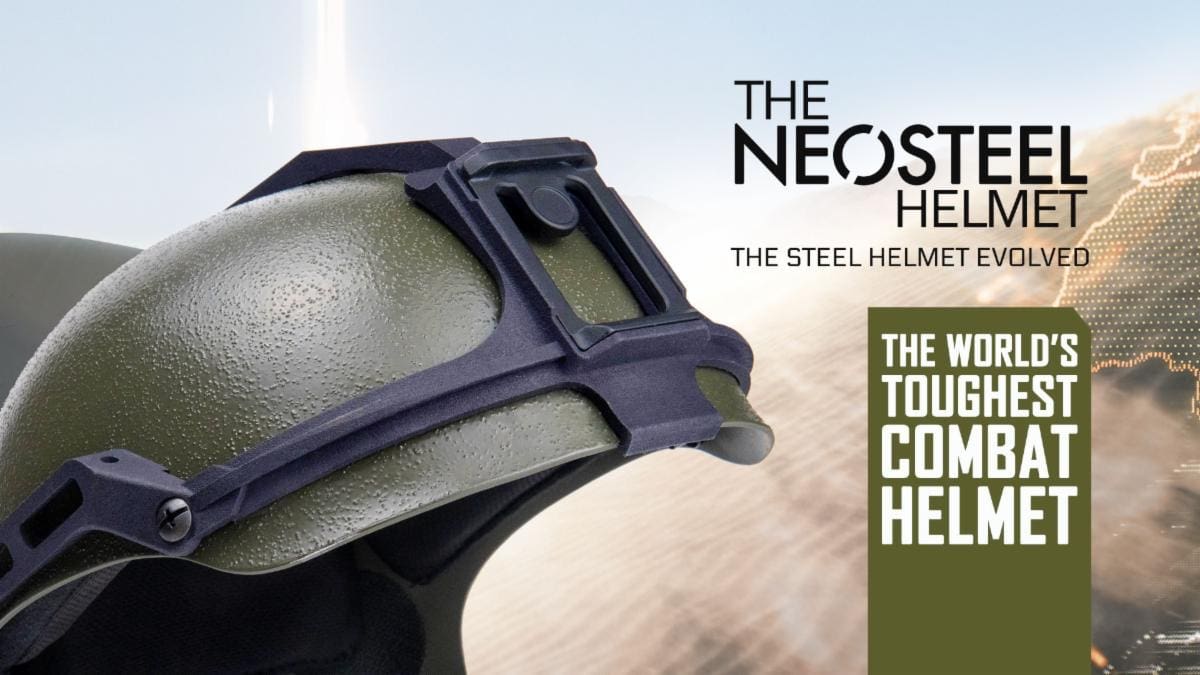
McKinney, Texas (October 2020) – Texas-based, materials science and ballistics specialists, Diamond Age, unveiled the next generation steel NeoSteel™ Helmet in August, and now offer the first two helmet accessories, designed specifically for the NeoSteel Helmet.

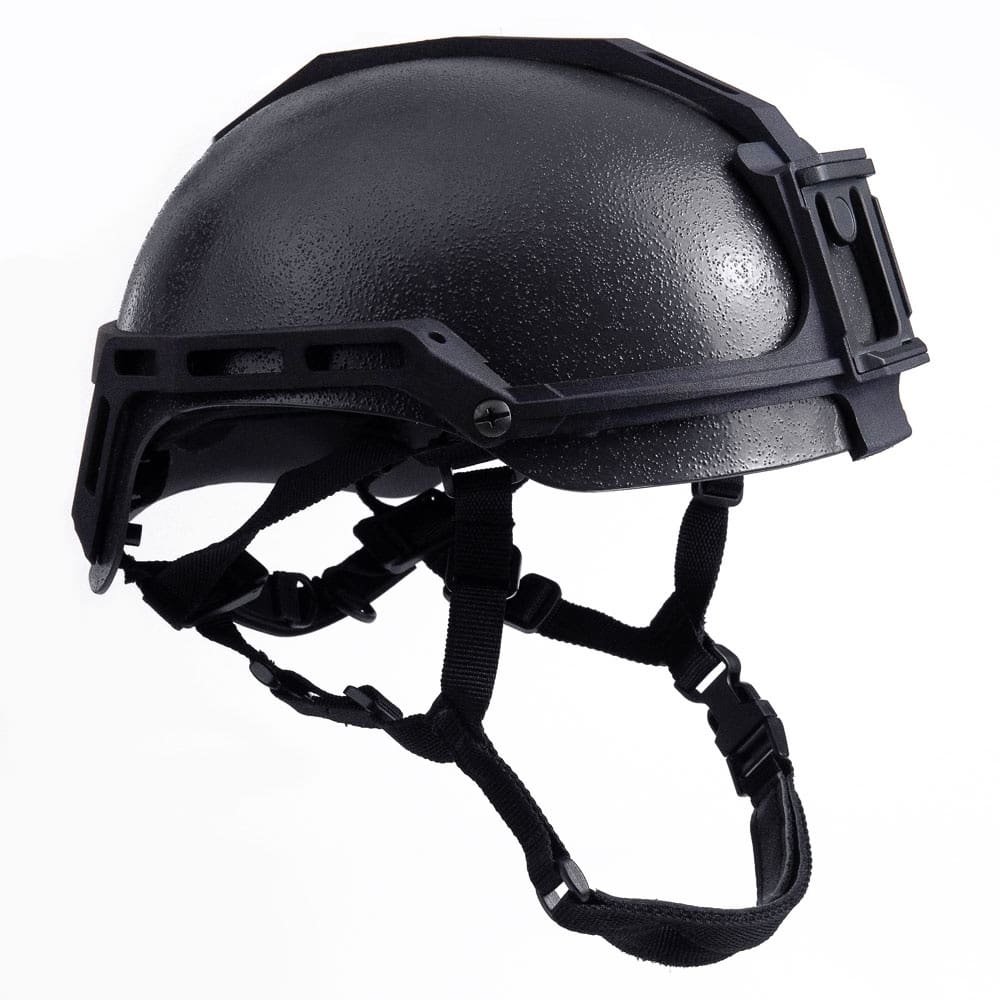
The NeoSteel Helmet is a modular combat helmet produced using the most technologically advanced metal alloys resulting in a helmet that meets and exceeds VPAM-3 + Special Threats ballistic requirements. The design is based on the combat-proven M1 steel-pot helmet and is the evolutionary descendant featuring all-day comfort, balance, protection, and unlike the current K-pot polymer produced helmets today, will not degrade over time and weaken its protective capabilities.

The first two NeoSteel Helmet accessories available are the Combat Circlet and the Face Protector. The Combat Circlet is the ideal mounting platform for night vision gear (NVGs) and other head-worn accessories. Made from durable, glass-filled polymer and using the most advanced additive manufacturing techniques it is securely mounted to the NeoSteel Helmet by four retention-system holes on the helmet. The NVG bracket requires no additional drilling of holes into the front of the helmet and provides bungee cord ports for stabilization and retention. The M-LOK side rails accept accessories directly and can also be used as a platform for Picatinny adapters. The Combat Circlet’s vertical crest allows for additional stability and more accessory-mounting real estate. Future modules in development for the crest include applique blast protection and an applique ghillie module. The rear of the Combat Circlet features a tie-down bar for additional stability without using a counterweight. The Combat Circlet also allows for direct integration with the NeoSteel Helmet Face Protector.
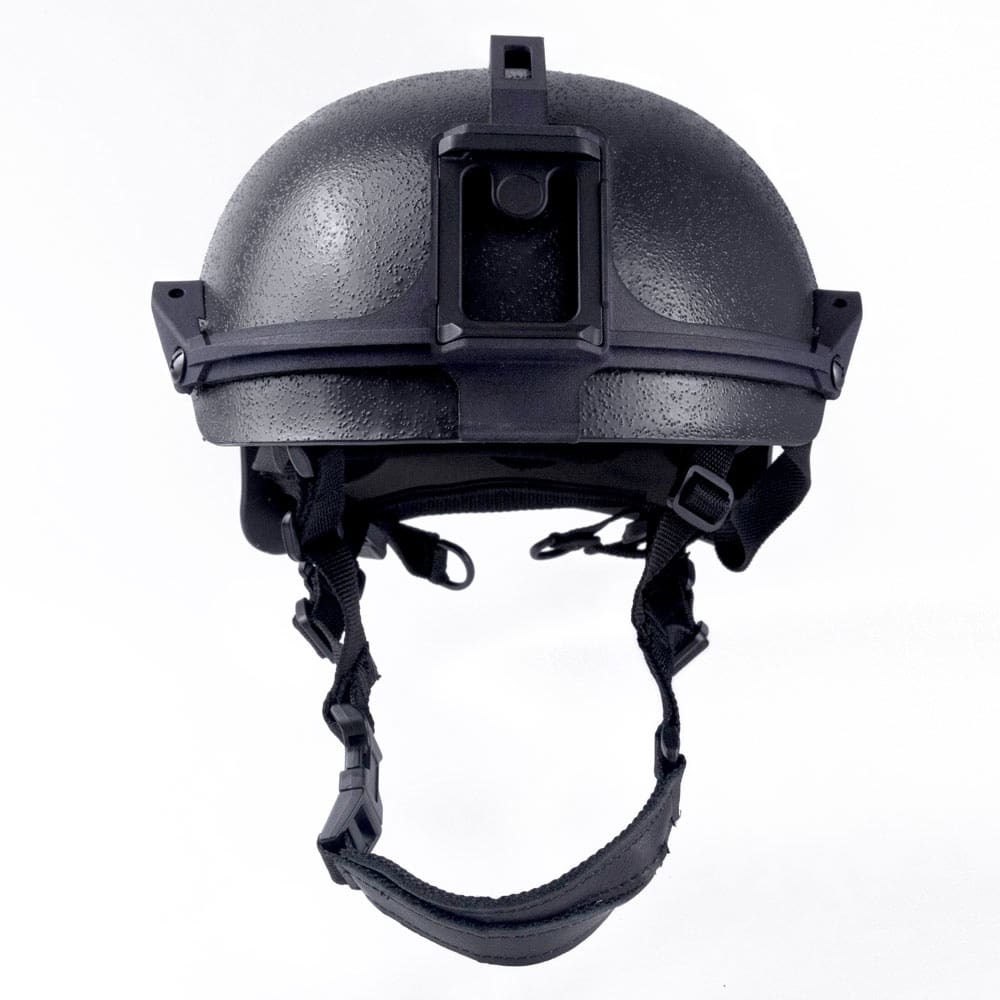
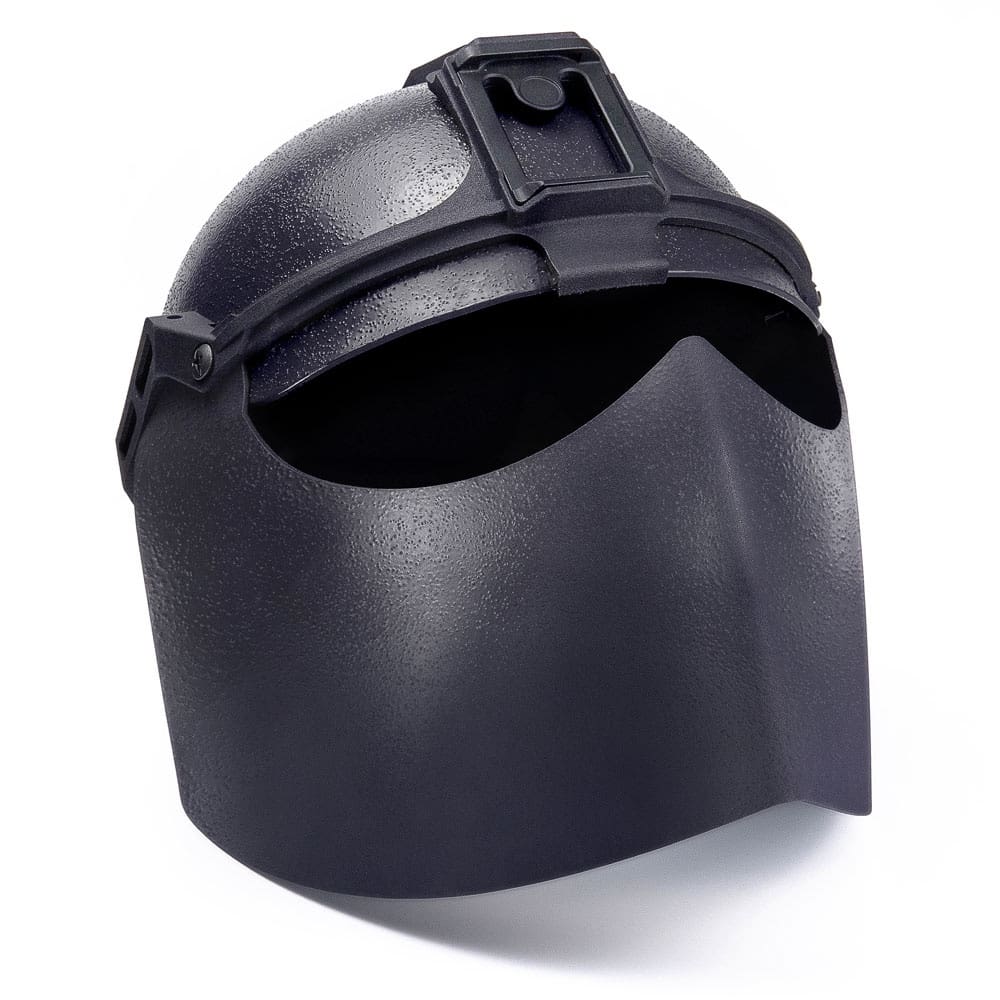
The NeoSteel Ventail face protector offers the wearer an enhanced protection platform from ballistic threats. It covers the face, side of the head, and a portion of the anterior neck. It mounts easily and quickly to the helmet using the four retention system holes on the shell and protects from blunt impact, blast overpressure, and debris. The Ventail is also fully compatible with most ballistic glasses and offers an unconstrained field-of-view while being lighter in weight and tougher than traditional transparent ballistic visors.
“Unlike the composite helmets on the market today, the NeoSteel Helmet will serve the warfighter or LEO for years to come. Advances in steel technologies now enable a helmet that performs better than Kevlar or polyethylene composite helmets in many respects,” Diamond Age CEO, Jake Ganor, commented. “And a big plus for the wearer is that the helmet shell is largely incapable of deformation, so there’s a greatly reduced risk of behind helmet head trauma.”
For agencies concerned with “behind armor trauma,” in which the LEO or warfighter suffers from neck injuries due to the head acceleration from a ballistic hit, the NeoSteel Helmet spreads the kinetic energy load across the entire padding system protecting from any blunt impact injuries. Only the NeoSteel Helmet gives the wearer edge-to-edge protection with over 110 square inches of solid protection.

Diamond Age NeoSteel Helmet is now available in Black, Green, or Tan and in Medium or Large/Extra-Large for an MSRP starting at $195.00. The Combat Circlet is an additional $125.00 and the Ventail face protector is $187. Please allow anywhere from seven to fifteen weeks for helmets with accessories to ship.
Thyrm VariArc Now for Team Wendy Helmets

October 15th, 2020

Helmet Light Mount with 360 ? Rotational Indexing

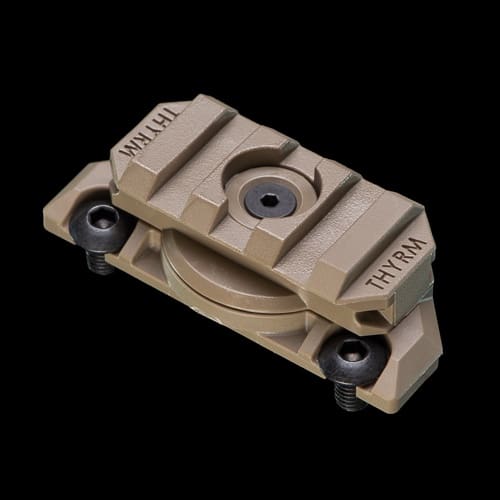
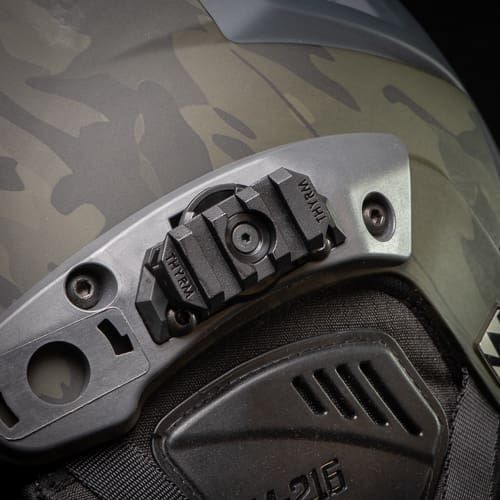
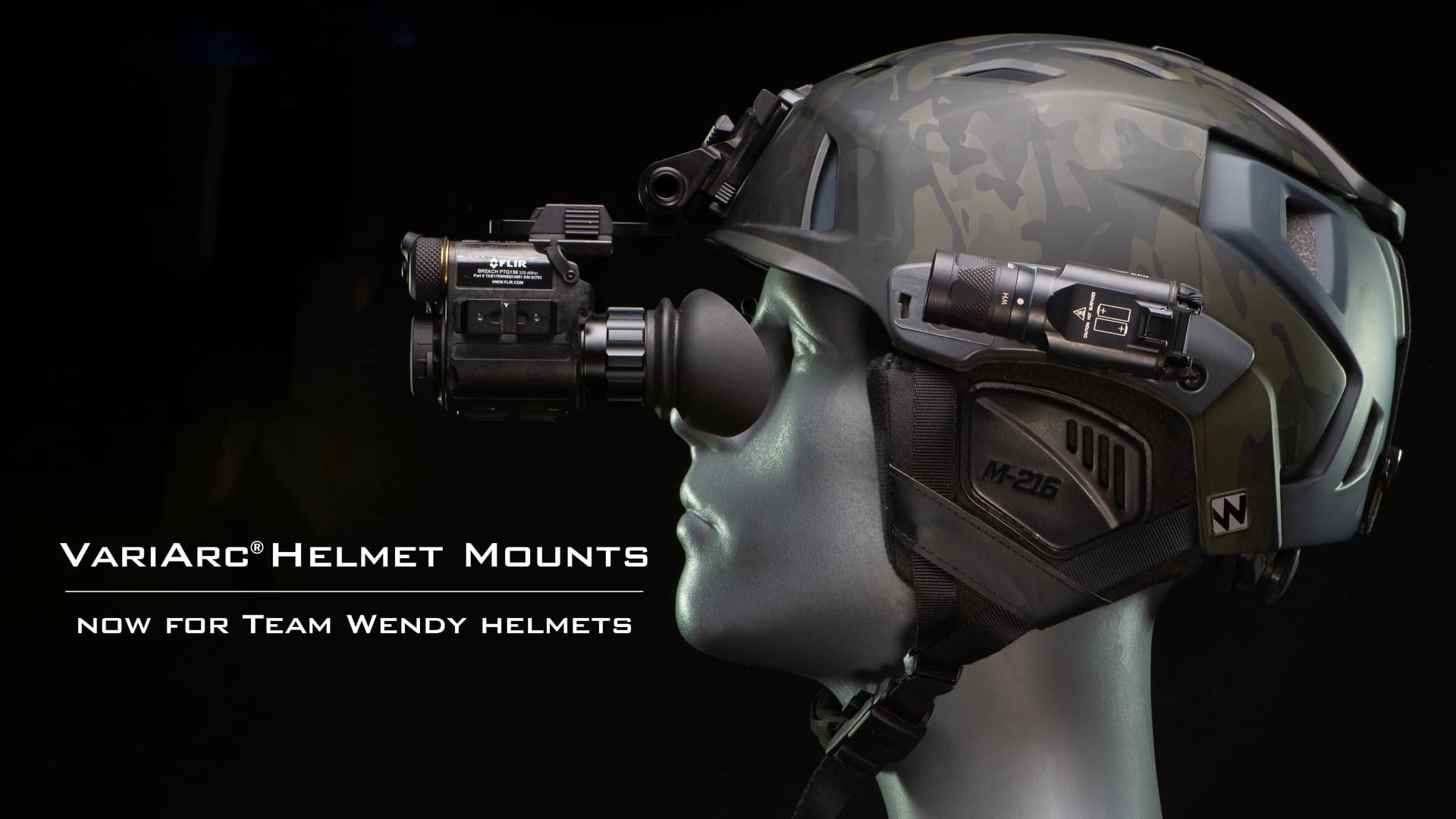
Sunnyvale, CA – Thyrm is excited to announce that the VariArcTM Helmet Mount is now available in a Team Wendy version. Featuring positive indexing at forward, umbrella and admin angles, the VariArc mount directs light right where you need it with a quick twist.


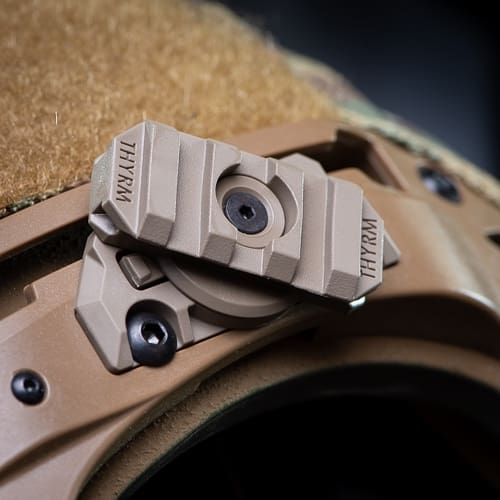
The VariArc helmet mount features locking teeth biased to the forward position, keeping your light aligned for the most critical uses; but with a firm twist, the VariArc mount unlocks and rotates through 8 additional lower-force index points for administrative tasks and diffused lighting options. Its small footprint and low- profile keep things tidy and the 1913 picatinny rail allows for maximum compatibility with visible and IR lights. Its reinforced polymer construction is built to remain fully functional through extreme temperatures, dirt, dust, sand, water, drops on concrete, and other rough handling.

Features include:
§ Positively locks in the forward index position
§ Picatinny accessory rail with 3 slots and 4 ridges
§ Retention holes on both ends for dummy wiring critical gear
§ Durable, reinforced polymer construction with steel hardware
§ Compatible with dovetail-style helmet rails
§ Available in black and flat dark earth colorways
§ Also available for Ops-Core Helmets

As with all Thyrm products, VariArc mounts are designed and made in the USA.

To learn more or purchase, head to www.thyrm.com or your favorite Thyrm dealer. Government orders: gov@thyrm.com

PocketUp – Terrier Patrol Pack

October 15th, 2020

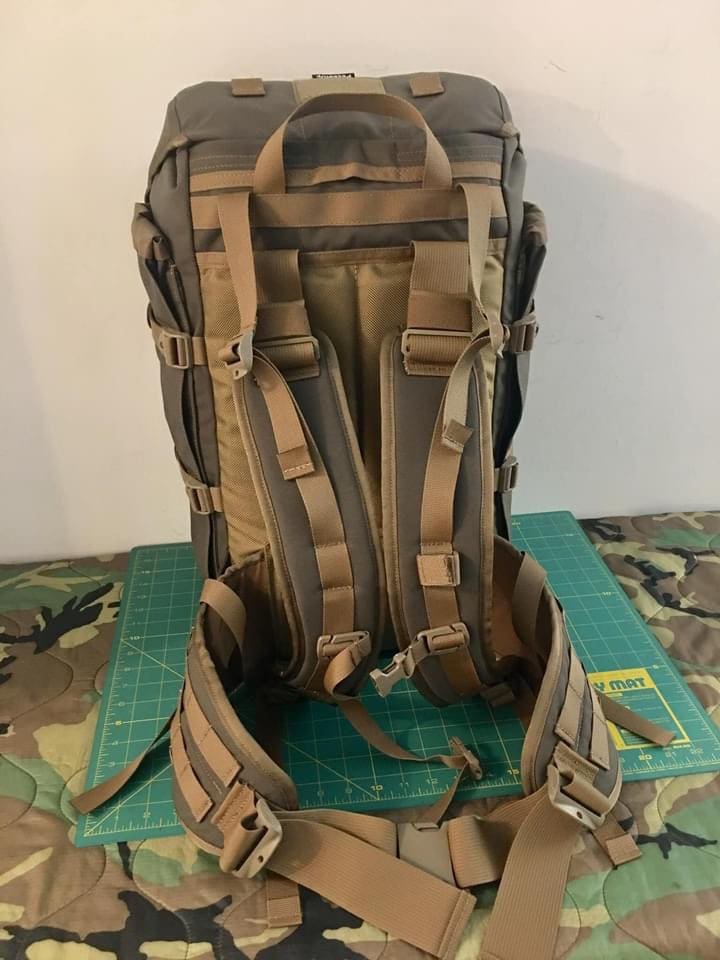
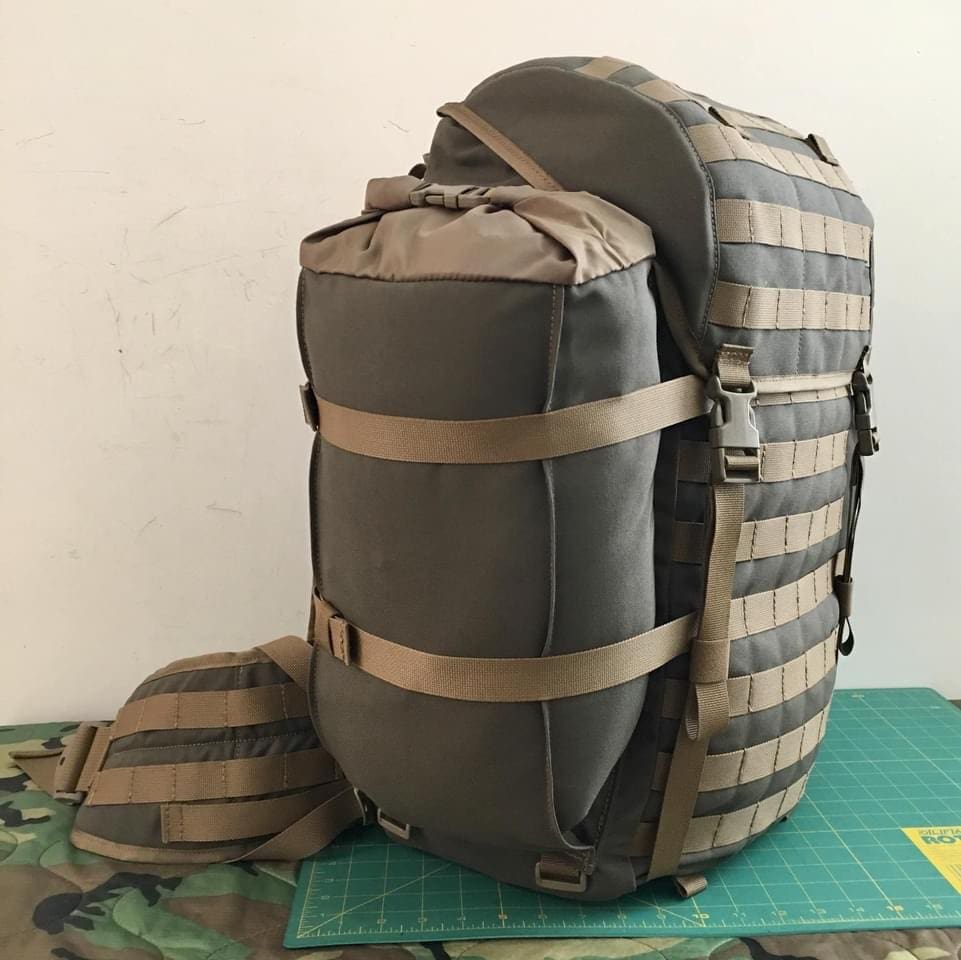
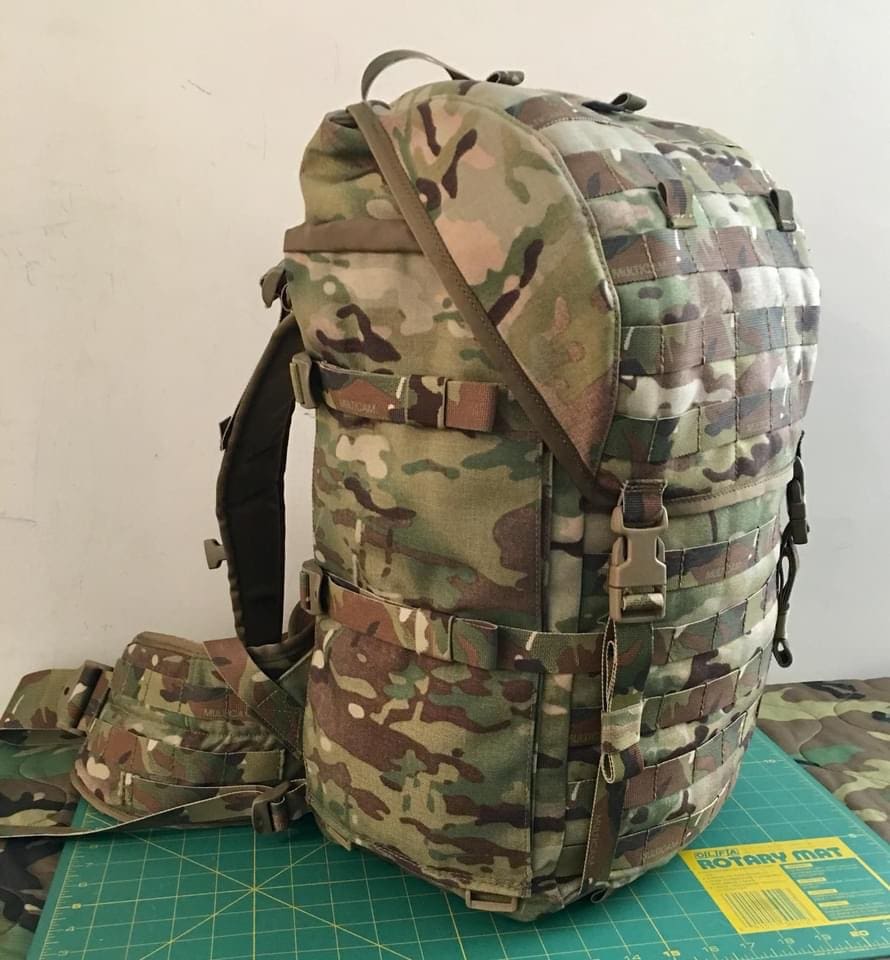
PocketUp is a small veteran owned business founded by my longtime friend Mel Terkla and his wife Rena. They’ve been making small items over the past few years, but anyone that knows Mel, knows that he loves packs and is the guy behind Kifaru getting into the military pack business about 20 years ago.

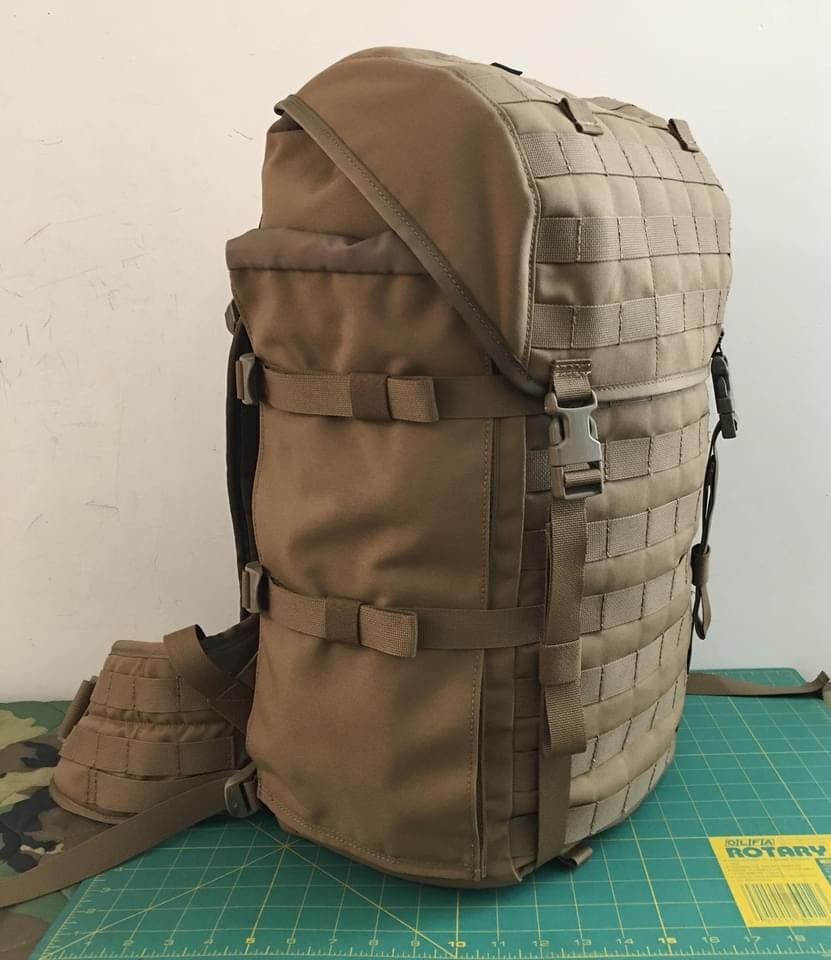
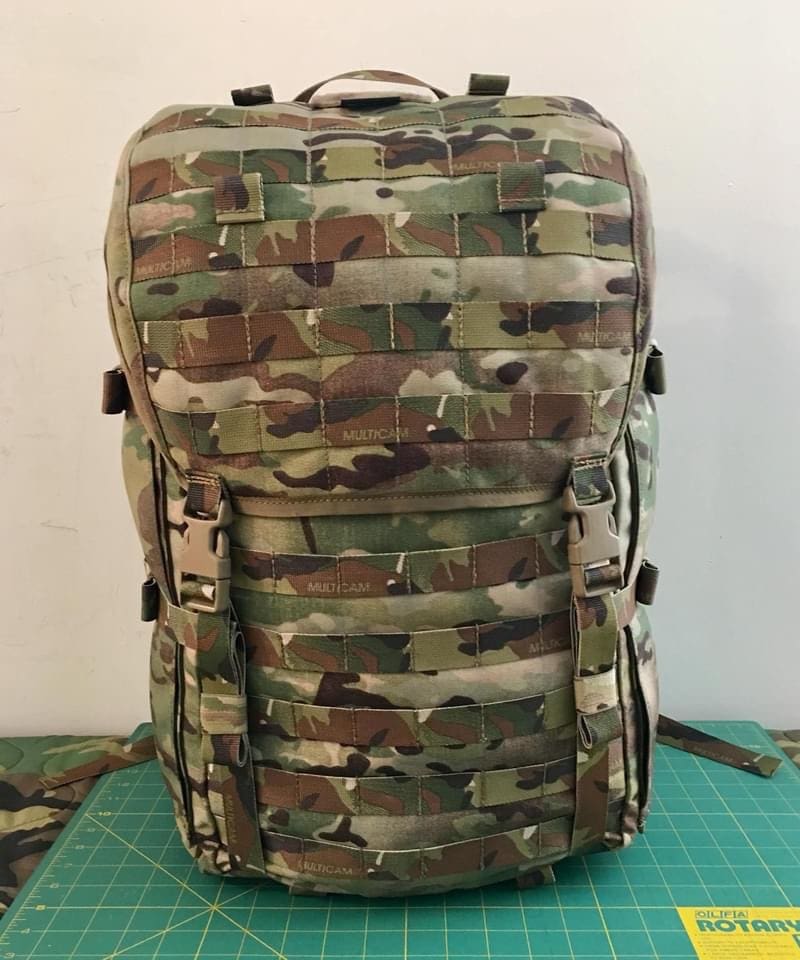
They’ve just unveiled their new Terrier Patrol Pack.

Designed as a small patrol/field pack, it is ALICE Pack simple, with no zippers. As Mel says, “just stuff and go!”

It is built with 1000d Cordura and 1050d Ballistic Nylon for extreme durability.

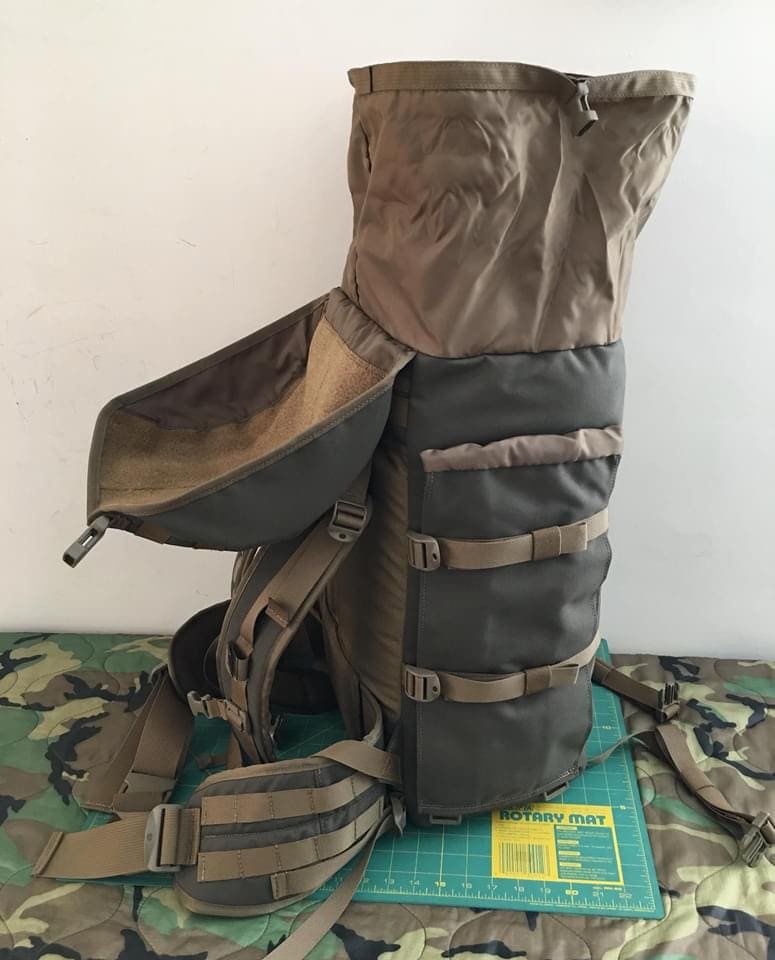
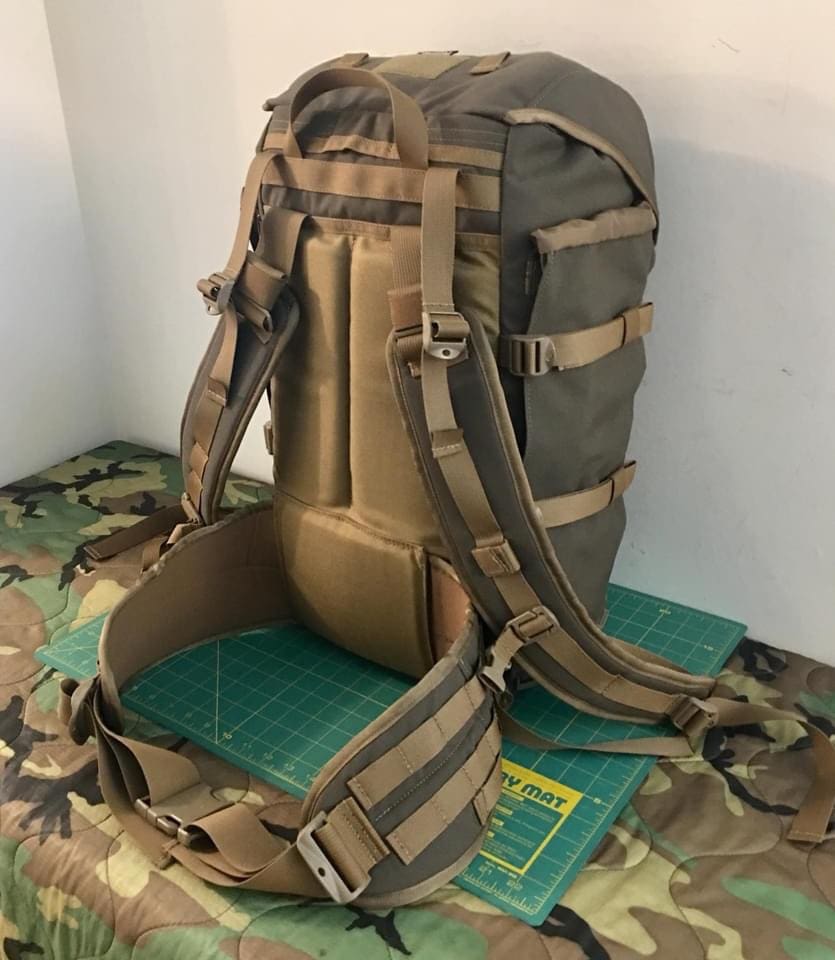
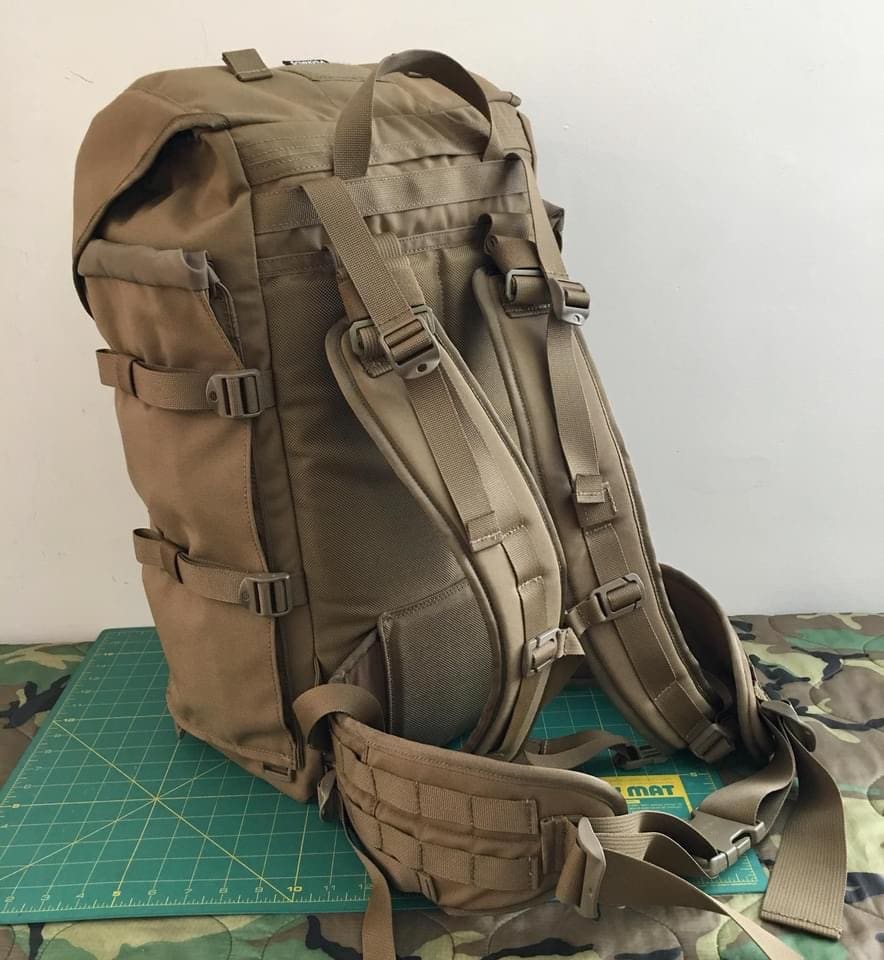
The Terrier has fully adjustable suspension featuring 19” aluminum stays, a contoured waistbelt that wraps the iliac crest, wide/padded shoulder straps with lifter straps and adjustable torso length, with a dual density foam back panel. A waistbelt is also included with the Terrier.

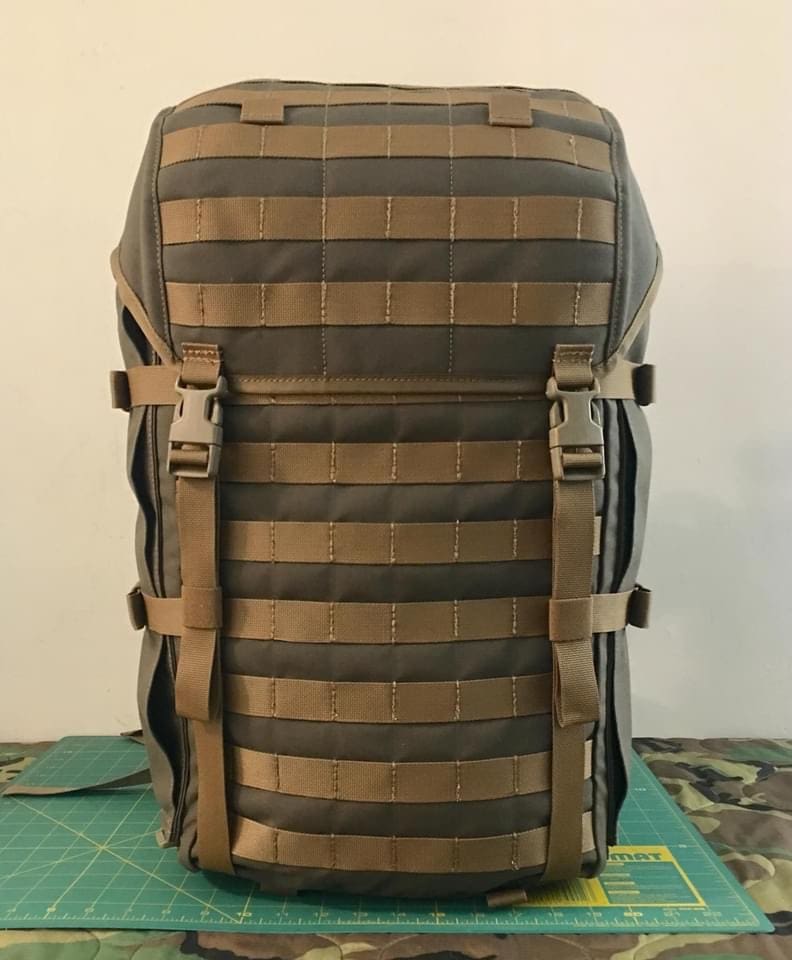
There is a fixed top lid with 5 rows and 6 channels of PALS webbing , and a full field of Velcro under the top lid to attach Velcro back pouches for small items that you need to access quickly.

The front of the pack has 9 rows and 6 channels of PALS webbing allowing plenty of real estate to mount PALs compatible pockets.

There are tab loops on the top lid and the bottom of the pack to attach their PocketUp Pods, or lash gear to.

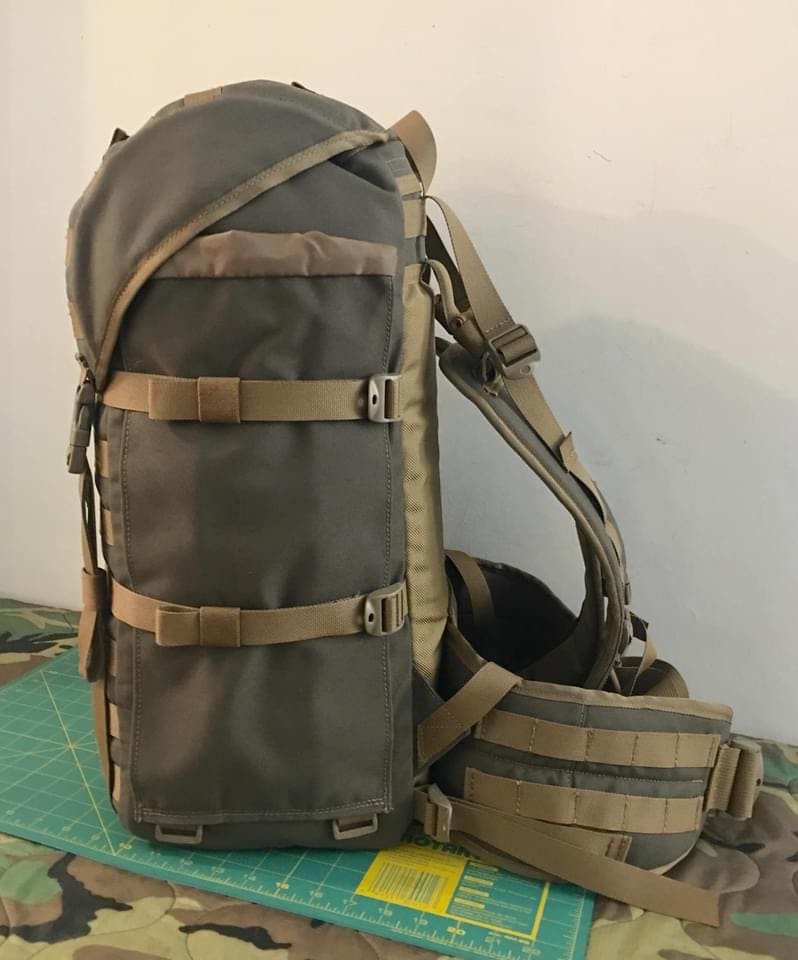
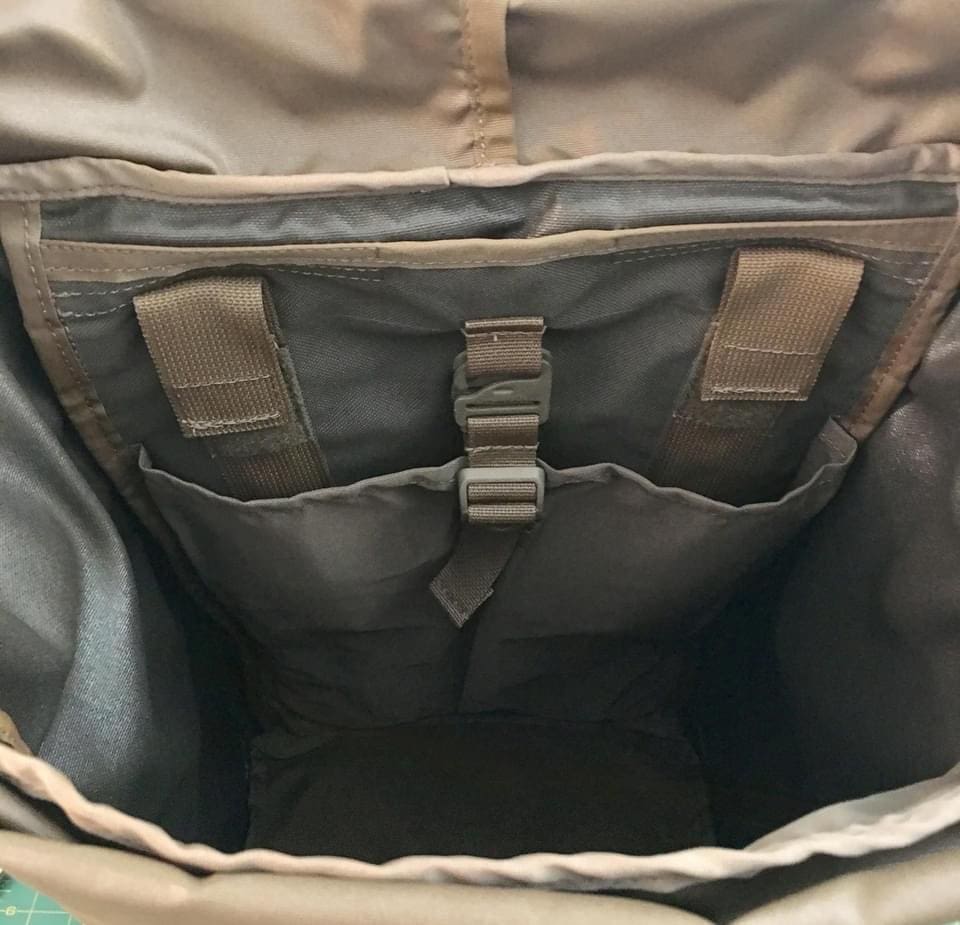
The flat/bellowed side pockets lay flat when not being used, but can bellow out to expand the capacity of the pack, and hold lots of extra gear. The main bag and the side pockets have roll top closures.

The Terrier is bladder friendly with a bladder compartment in the main bag, and the ability to carry bladders in the side pockets, with all 3 having hose ports.

They supply elastic strap keepers for all the compression straps and the 2” shoulder strap webbing.

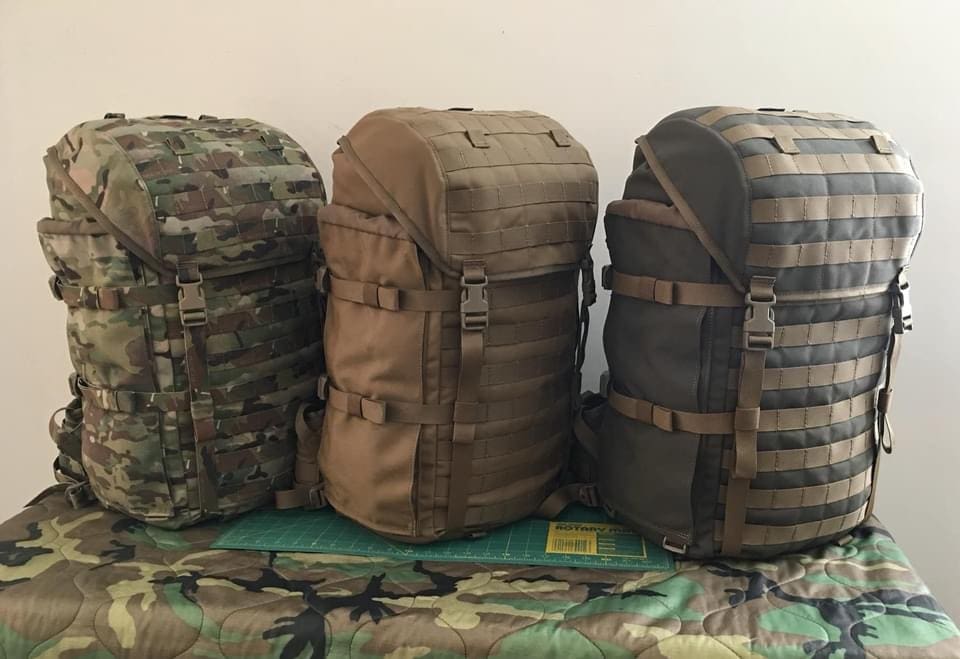
Like all of their packs, these are built on order, but Rena had to build one in Coyote and one in Ranger Green for photos.

The Terrier is now live on the website and ready to order. The price is $450.00 for Coyote or Ranger green and $475.00 in Multicam, that includes the waistbelt offered in 3 sizes.

They do not use sewing contractors like most of the big companies do now. Every PocketUp product is built by Rena…Made in the USA!

pocketup.net

Army Readies Charging Port for Autonomous Drone Swarms

October 15th, 2020

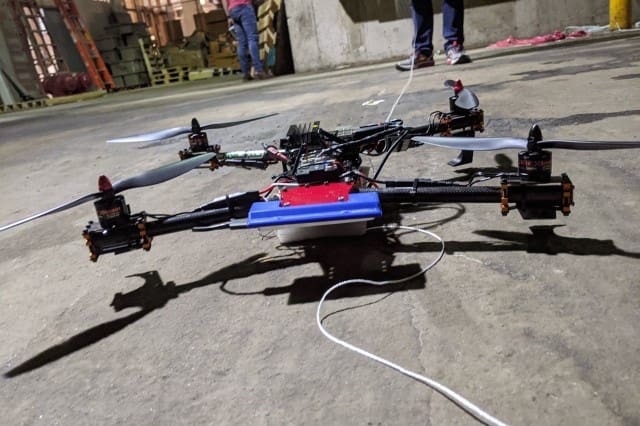
ABERDEEN PROVING GROUND, Md. — A swarm of hundreds of unmanned air vehicles will soon descend on unmanned ground vehicles to autonomously recharge, thanks to U.S. Army-funded research now underway at the University of Illinois Chicago.

The U.S. Army Combat Capabilities Development Command’s Army Research Laboratory awarded the University of Illinois Chicago a four-year, $8 million cooperative agreement in August to develop foundational science in two critical propulsion and power technology areas for powering future families of unmanned aircraft systems, or UASs.

This collaborative program will help small battery-powered drones autonomously return from military missions to unmanned ground vehicles for recharging. The university is developing algorithms to enable route planning for multiple teams of small unmanned air and ground vehicles.

Dr. Mike Kweon, program manager for the laboratory’s Versatile Tactical Power and Propulsion Essential Research Program, said the research on route planning is critical to the Army, which needs intelligent, small UASs that can find optimal routes during a military mission to autonomously return to unmanned ground vehicles, known as UGVs, for recharging. This will optimize the operational range extension and time on mission.

“Imagine in the future, the Army deploying a swarm of hundreds or thousands of unmanned aerial systems,” Kweon said. “Each of these systems has only roughly 26 minutes with the current battery technologies to conduct a flight mission and return to their home before they lose battery power, which means all of them could conceivably return at the same time to have their batteries replaced.”

This future concept is based on the reality of today’s technology, Kweon said.

“Soldiers would need to carry a few thousand batteries on missions to facilitate this, which is logistically overwhelming and overall, not conducive to a leading expeditionary military operation,” he said. “With this research project, we’re operationalizing scientific endeavors to increase Soldier readiness on the battlefields of tomorrow.”

The use of fast, recharging batteries and wireless power transfer technologies will allow multiple small UASs to hover around unmanned ground vehicles for wireless charging, and this will not require Soldier involvement.

“I believe this is the only way to realize practical UAS swarming, and small UAS and UGV teaming. Without solving how to handle the energy demand, all other advanced technologies using artificial intelligence and machine learning will be useless for the Army,” Kweon said. “On the battlefield, we do not have luxury to replace batteries for 100s of UAVs and recharging them for hours.”

For larger drones, Army-funded research will explore the fundamental science needed to develop miniaturized fuel sensors for future multi-fuel hybrid electric propulsion systems.

Fuel property sensors that university partners are developing will help Soldiers who operate fuel-based equipment measure fuel property in real time for the Army’s air and ground vehicles, Kweon said.

This knowledge will allow Army personnel to prevent catastrophic failures of the systems and to increase its performance and reliability.

“This research is critical not only for air vehicles but also ground vehicles, especially for the Army missions,” Kweon said. “The fuel sensor is telling the operator what type of fuel is being delivered from the fuel tank to the engine. This input signal can be used to intelligently tell the engine to adjust engine control parameters according to the fuel type to avoid any failures. This data can also be used to find root-cause failures if any engine component prematurely failed.”

The university’s current research in fuel sensor development examines the effects of fuel structure and chemistry on ignition in future multi-fuel drone engines so that real-time control can be implemented. This project further explores the underpinning science using advanced techniques including spectroscopic diagnostics and data science analysis to both enable and accelerate real-time control.

“It also enriches the understanding of the ignition of any unconventional fuel that may need to be burned in the drone engines,” said Prof. Patrick Lynch, a principal investigator at the University of Illinois Chicago on this project.

Army researchers said there is a lot of enthusiasm about partnering through the Open Campus model.

“This not only advances the state of the art, but also operationalizes science for transformational overmatch–the mission of the CCDC Army Research Laboratory,” said Dr. Mark Tschopp, ARL Central regional lead. “What is great is that we are expanding the team to include experts in academia, small businesses, and industry to push concepts and ideas into future capabilities for the Army. In a partnership with the Army, the University of Illinois Chicago brings subject matter expertise, unique facilities and a diverse student body in a collaborative partnership with Army scientists to advance these technologies and to provide future capabilities for the warfighter.”

This university-led research project is one of 11 funded this summer by the Army’s corporate research laboratory as a part of Center for UAS Propulsion efforts to develop technologies for multi-fuel capable hybrid-electric engines and fast efficient energy distribution. Each university partner is helping the Army address the energy demand required to power future unmanned vehicles. Universities also awarded for similar research are the University of Minnesota; University of Michigan; University of Wisconsin-Madison; University of Illinois-Urbana Champaign; Iowa State University; University of Delaware; University of North Texas; Texas A&M University; University of Missouri and University of Tennessee-Knoxville.

The research, slated to begin this fall, is part of a larger research portfolio of multi-fuel capable hybrid-electric technologies led by the laboratory that supports the Army Modernization Priority for Future Vertical Lift. Most recently, the laboratory recently announced the development of a new, advanced scientific model that will allow vehicle maintenance specialists to turn to bio-derived fuels in austere locations, and efforts to convert a home-based generator into a power source for autonomous ground and air vehicles.

By U.S. Army CCDC Army Research Laboratory Public Affairs

MF Flask

October 14th, 2020

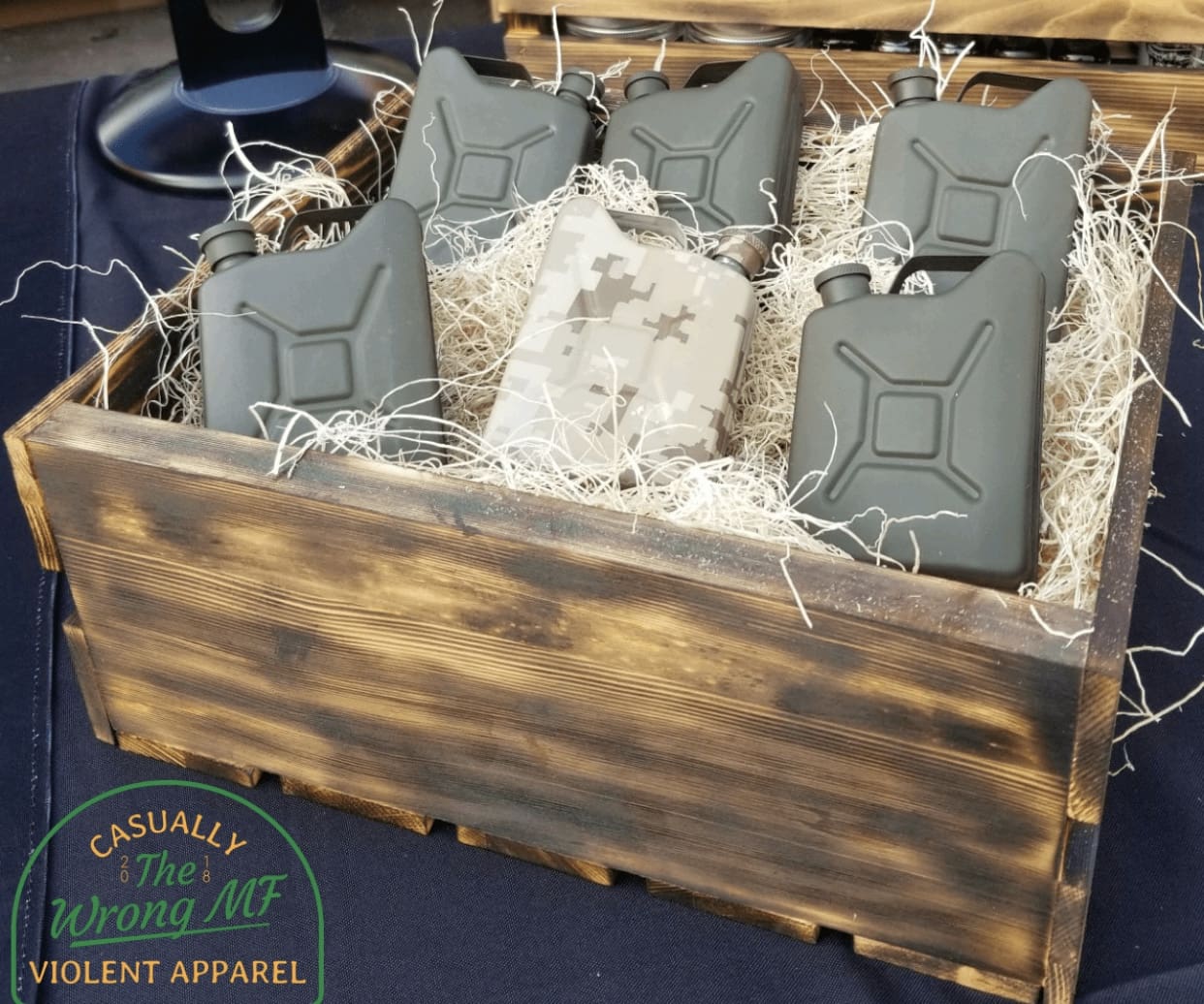
The MF Flask from Casually Violent is a miniature Jerry Can meant to hold 5oz of your preferred fuel. Made from cerakoted stamped stainless steel.

Available as a single or 2-pack.

casuallyviolent.com/product/mf-flask

ThruDark Force Tech T-Shirt

October 14th, 2020

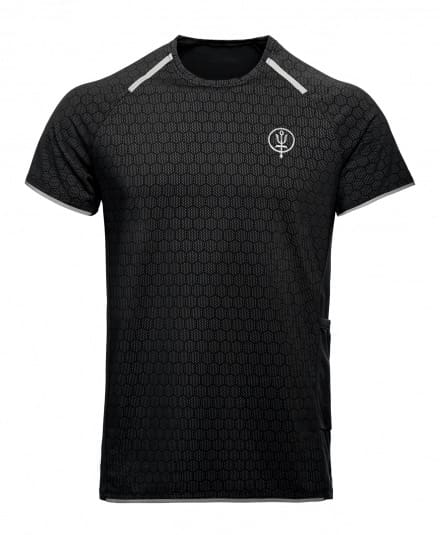
Made from a 4-way stretch Schoeller fabric containing ceramic particle technology for enhanced abrasion resistance, the ThruDark Force Tech T-Shirt is offered in both short and long sleeved.

It is moisture wicking, integrates a side stow pocket and features reflective insignia and trims.

Offered in sizes Small through XXLarge in Black.

thrudark.com/product/force-tech-t-shirt

Garmin HRM-Dual

October 14th, 2020

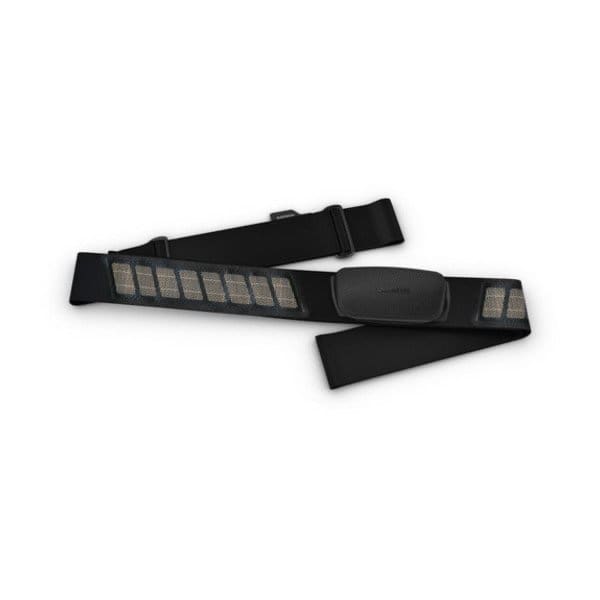
If you’re looking for a replacement heart monitor for use with your Garmin device check out the HRM-Dual. It transmits via ANT+ connectivity and BLUETOOTH Low Energy technology.

The HRM-Dual is waterproof to 1 atmosphere. The battery lasts up to 3.5 years and the soft strap is removable and washable.

buy.garmin.com/en-US/US/p/649059

What’s Old Is New

October 14th, 2020

When paratrooper boots were brand new, they were made from smooth, brown leather. Once again, authorized for wear with the Army Green Uniform.

You can get yours at Ranger Joe’s.