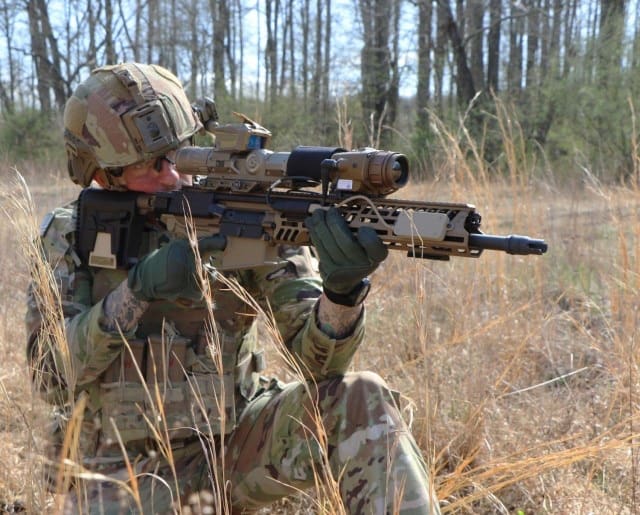
TYR Tactical

Space Force Publishes New SPFI 36-2903, Dress and Appearance

August 20th, 2025

ARLINGTON, Va. (AFNS) —  

The U.S. Space Force published its new Space Force Instruction (SPFI) 36-2903, Dress and Appearance, Aug. 15.

To ensure all Guardians are provided clear and actionable guidance, this comprehensive, service-specific policy consolidates all uniform and grooming guidance into a single document.

This policy communicates the Space Force philosophy and standards for maintaining a professional military appearance through a standardized and distinctive uniform, pride in personal appearance, and adherence to standards of neatness, cleanliness, safety, uniformity and military image.

“The Space Force is a distinct military service with just under 10,000 uniformed Guardians, each of whom has an outsized impact on the mission,” said Katharine Kelley, Deputy Chief of Space Operations for Personnel said. “Every Guardian’s military presence and appearance are a critical and visible demonstration of our professional force, and this new policy provides clear standards that support our warfighting objectives and culture.”

The new SPFI 36-2903 integrates relevant content from previous Space Force and Department of Air Force policies.

The U.S. Space Force was established as a distinct military service with a clear mandate to focus on the Space mission. As part of its warfighting role, a key expression of service to the Nation, warfighting excellence and esprit de corps is reflected in the distinct uniform and professional military appearance of Guardians—a source of pride for both the American public and Guardians themselves.

As new uniforms or uniform items are fielded, the Space Force will update the Dress and Appearance policy to ensure it remains relevant and meets the needs of the Service and Guardians.

Secretary of the Air Force Public Affairs

Editor’s Note:

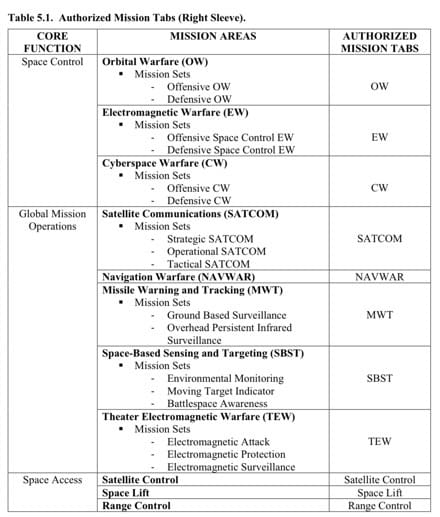
Aside from the various illustrations, one thing stood out to me. The new SPFI authorizes mission tabs for wear on the OCP uniform. These were eliminated for wear earlier this year by the Air Force.

X-Bow Systems and U.S. Army Announce $13.9 Million Joint Investment for Next-Generation GMLRS Rocket Motor

August 19th, 2025

Investment to Boost Production of Critical Guided Multiple Launch Rocket System (GMLRS) Components

ALBUQUERQUE, N.M., Aug. 18, 2025 — X-Bow Systems Inc (X-Bow), the leading non-traditional producer of advanced solid rocket motors (SRMs) and defense technologies, and the U.S. Army, with support from the Department of Defense Office of Strategic Capital (OSC), have announced a $13.9 million joint investment. This collaboration aims to design, prototype, and test an advanced manufactured SRM for the standard-range Guided Multiple Launch Rocket System (GMLRS).

This joint investment, facilitated by OSC, is a strategic effort to address constraints in the nation’s production capacity for missiles, munitions, and SRMs, which are currently limited by older manufacturing processes. The initiative seeks to establish an alternative supply source and strengthen the solid rocket motor industrial base, using X-Bow’s patented advanced-manufactured solid-propellant (AMSP) processes for SRMs.

“This investment will introduce next-generation manufacturing for critical defense systems,” said Jason Hundley, CEO of X-Bow Systems. “Our Luling, Texas campus, using these advanced methods, will have the capability to produce thousands of SRMs, including GMLRS.”

OSC is supporting the U.S. Army in this effort through a cost-matching structure that facilitates this partnership, combining U.S. Government funding with private sector matching funds. This collaboration directly supports the Army’s objectives to secure a robust and reliable supply of critical munitions.

This Advanced Manufacturing Pathfinder is being coordinated by OSC on behalf of the Office of the Under Secretary of Defense for Research and Engineering (OUSD(R&E)) and in support of the Assistant Secretary of the Army for Acquisition, Logistics, and Technology (ASA(ALT)) and the Army’s Program Executive Office for Missiles and Space (PEO MS).

X-Bow will partner with Kord Technologies, LLC (Kord), a wholly owned subsidiary of KBR, to develop this Pathfinder. Kord will provide systems engineering and technical support. The project will culminate in a static fire demonstration of the GMLRS propulsion prototype, supporting the development of a new non-traditional supplier for DoD.

For more information visit www.xbowsystems.com.

Botach Awarded Federal Contract to Supply SHOKZ OpenFit 2 Headsets

August 19th, 2025

Botach Inc., a trusted provider of tactical, law enforcement, and military equipment, has been awarded a federal contract to supply SHOKZ OpenFit 2, Black, Open-Ear Stereo Headsets.

With decades of experience equipping professionals nationwide, Botach continues to deliver cutting-edge solutions designed for mission success. The SHOKZ OpenFit 2 system offers exceptional audio clarity, all-day comfort, and situational awareness through its innovative open-ear design—allowing users to communicate effectively while staying alert to their surroundings.

This award reinforces Botach’s commitment to providing proven, high-performance gear at the most competitive prices that meets the rigorous demands of professional users.

For more information about Botach’s range of professional-grade products, visit www.botach.com.

AXL Advanced Releases Micro Harness for Spiritus Systems LV-119

August 19th, 2025

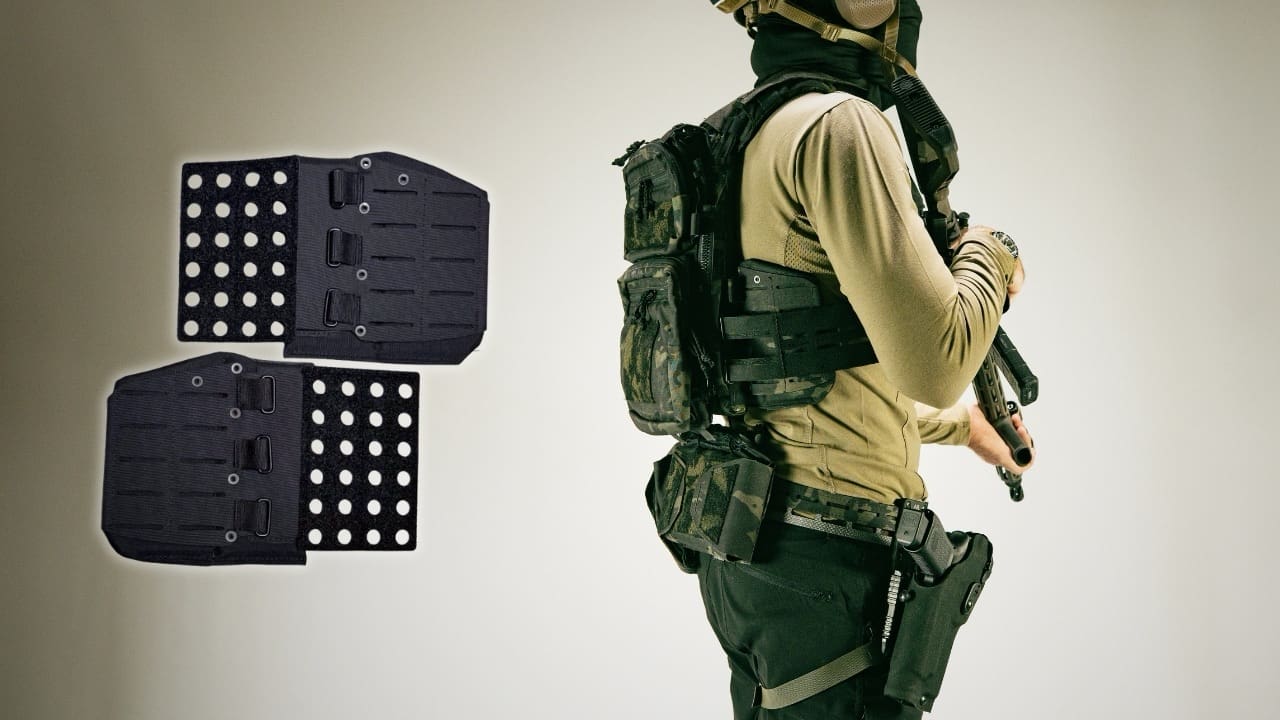
The LV-119 Micro Harness is designed to integrate directly to the interior grid panel of the popular Spiritus Systems LV-119 plate carrier.

Key Features:

  • Added comfort and stability especially under heavier loads.
  • Increased Airflow as the rear plate is lifted off the back of the user.
  • Side mounting for radios and other essential equipment, freeing up space on the back panel or assault pack system.
  • Loop covered mounting grid to allow for the AXL Cummerbund Retro Fit Kit, this makes installing the AXL Equinox Cummerbund a breeze.
  • Able to use elastic and other velcro style cummerbunds due to the integrated Loop field.

www.AXLadvanced.com

Christopher Reeves Appointed Vice President of Special Projects for CMC Triggers Corp and San Tan Tactical

August 19th, 2025

Fort Worth, TX – CMC Triggers Corp and San Tan Tactical are proud to announce the appointment of Christopher Reeves as Vice President of Special Projects. Reeves, a decorated U.S. Army veteran and the Founder TRIARC Systems, brings a wealth of operational, product development, and law enforcement sales expertise to his new role.


Psalm 90:17

With a fervent interest in American war and weapons history, Reeves founded TRIARC Systems in 2013, where he led the company to prominence in the precision firearms market. Having 14 years of distinguished military service that included multiple combat tours in Operation Iraqi Freedom. Reeves developed exceptional leadership and mission-critical problem-solving skills under the most challenging conditions.

Wounded in combat and awarded the Purple Heart, Reeves retired from the military and continued serving through innovation in the firearms industry. He focused his passion and values on fine-tuning the modern weapon platforms to meet the real-world demands of both law enforcement and civilian use.

In his new position, Reeves will oversee special projects across CMC Triggers and San Tan Tactical, with a focus on supporting law enforcement programs, product development, and enhancing commercial market operations.

“We are honored to welcome Chris to the leadership team,” said Jennifer Biegel, CEO of CMC Triggers Corp. “His operational insight, tactical experience, and commitment to excellence align perfectly with our mission to deliver best-in-class solutions to both law enforcement and commercial markets.”

Christopher Reeves’ addition to the executive team marks a significant step forward in CMC Triggers’ and San Tan Tactical’s continued innovation and expansion within the firearms industry.

Sneak Peek – Spectre ISR Rail System

August 19th, 2025

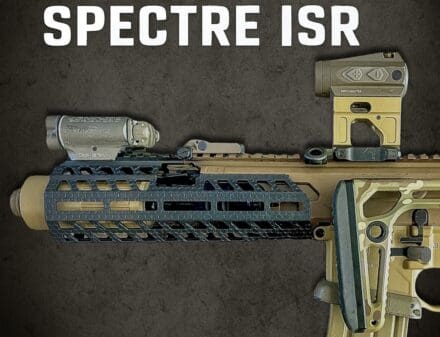
Coming in October, the Spectre ISR Rail System from ArmorForge.

A next-generation DMLS rail platform purpose-built for the Sig Rattler MCX and LT series, engineered for clandestine special operations and extreme suppressor use.

Launch: October 2025 for Sig Rattler MCX 5.5”, followed by LT-compatible systems.

Technical Highlights:

Precision Additive + Subtractive Manufacturing – DMLS titanium (TI-64) frame, finish-machined to aerospace tolerances.

Proprietary Nano-Coatings – Reduces thermal transfer and resists environmental degradation.

Suppressor-Optimized Geometry – Accommodates suppressors up to 1.85” diameter without compromising rail integrity purpose built for next-gen scalable options

Enhanced SURG Performance – Designed to maintain operational performance under sustained suppressed fire.

Extreme Thermal Mitigation – Significantly reduced heat signature and operator heat exposure during prolonged engagements.

Ultra-Lightweight – Weighs only 0.58 lbs while maintaining high rigidity.

Structural Stability – Reduced deflection, enhanced rail laser zero retention over stock configurations.

Nano-Lattice Surface Texture – Provides improved grip without added bulk or weight.

Radical Defense Unveils BAD-M2 for the M2A1 .50 Cal Machine Gun

August 19th, 2025

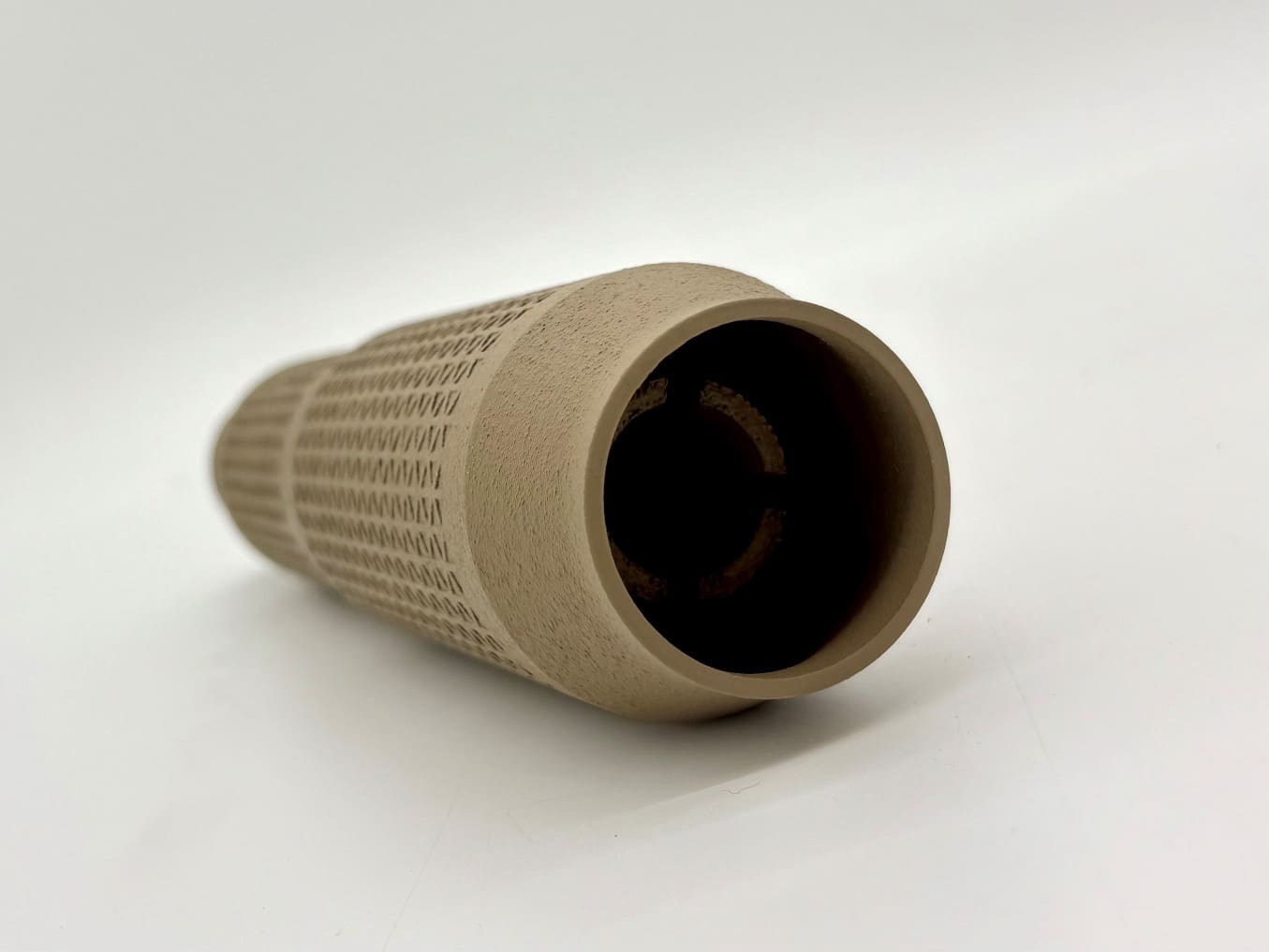
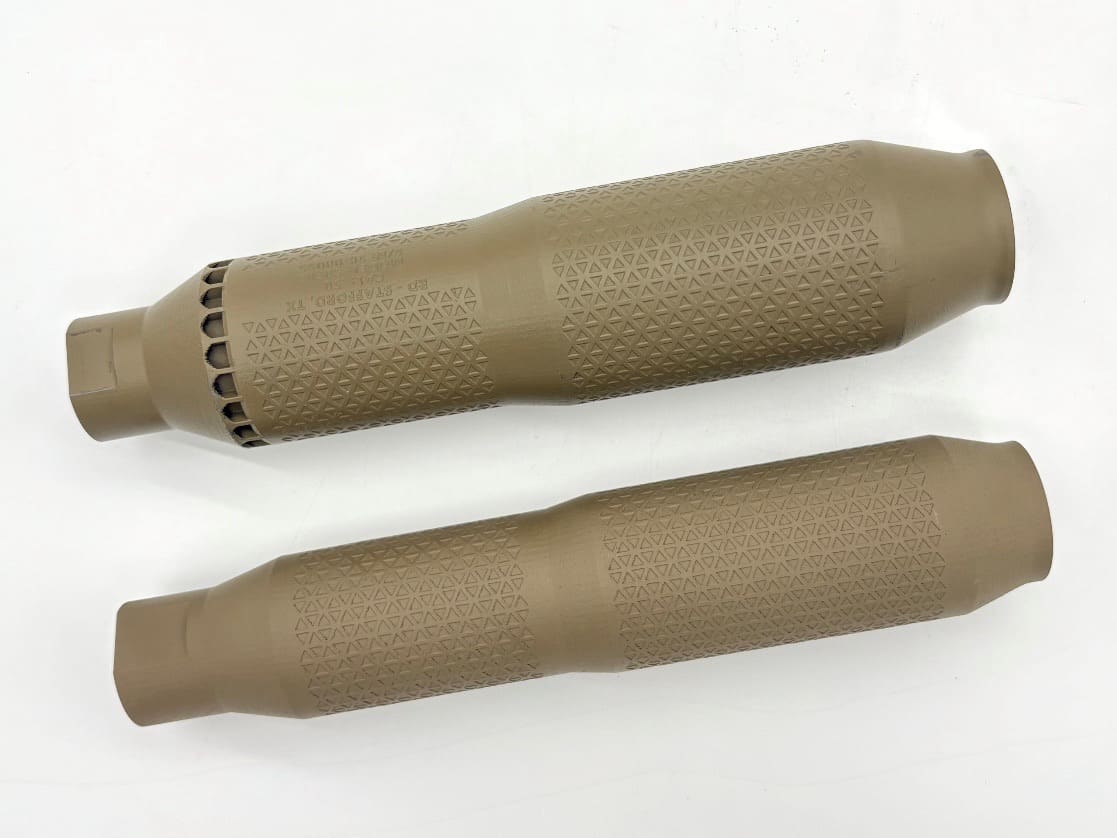
The BAD-M2 (Blast Attenuation Device for the M2A1) is Radical Defense’s latest suppressor engineered specifically for the M2A1 .50 caliber machine gun. Building on the demonstrated performance of the BAD-21, Radical Defense has streamlined the design, simplifying the 50 FVS architecture by removing the Venturi sleeve, reinforcing the internal structure, and trimming weight by 9 ounces, all while reducing the overall profile. The result: a lighter, stronger, and more effective system for the warfighter.


50 FVS (top) compared to BAD-M2 (bottom)

Mission-Driven BOP Reduction

Developed first and foremost to protect gunners and those operating around the weapon, the BAD-M2 delivers a 90% reduction in blast overpressure (BOP), measuring at just 0.06 psi at the shooter’s position. This low-pressure performance allows personnel to stay mission focused without the reduced cognitive function attributed to significant BOP exposure.

Sound Performance

Although BOP mitigation is the primary objective, the BAD-M2 also significantly reduces sound signature. At the shooter’s ear, peak sound pressure is measured at 146 dB, improving the gunner’s ability to communicate and maintain situational awareness in high-intensity environments.


Installing BAD-M2 on an M2A1 requires no proprietary parts or modification of the host weapon.

Maintaining Firepower

Suppressor integration should never come at the cost of performance.With the BAD-M2 installed, the M2A1 maintains a cyclic rate of approximately 530 rounds per minute, ensuring reliable firepower without sacrificing weapon dynamics.

The BAD-M2 represents Radical Defense’s ongoing commitment to engineering suppressor solutions that enhance operator survivability, communication, and combat effectiveness.

rdusa.com

Army Accelerates Adoption of Advanced Batteries Through S&T Integration

August 19th, 2025

ABERDEEN PROVING GROUND, Md. — To ease physical, cognitive and logistical burdens on Soldiers, the Army is transitioning to a family of standard batteries — for systems ranging from night-vision goggles to radios, GPS devices, weapons and more — in an effort led by Army research and industry collaboration.

The Army’s Command, Control, Communications, Computers, Cyber, Intelligence, Surveillance and Reconnaissance (C5ISR) Center is working across industry and several DoD organizations to more rapidly integrate these batteries with Solider-worn and -carried devices, bringing interoperability and ease of use to the battlefield. Prototypes addressing these demands are moving toward full-scale industrial production.
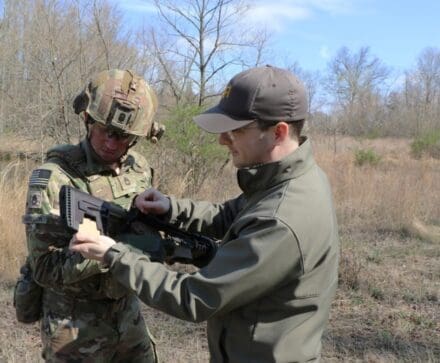
“When the pace of Army modernization increases, we see the number of applications for rechargeable batteries going up significantly,” said Dr. Nathan Sharpes, a C5ISR Center research mechanical engineer. “As the new equipment is fielded, we want to work as early in its development as possible to make sure it will operate with our newest standard batteries.”

The Army’s power solution for handheld, small form-factor devices is the newest standard battery, the Small Tactical Universal Battery, or STUB.

STUB delivers eight sizes of batteries that share a common mechanical and electrical interface — the key to unlocking interoperability. Each battery size provides a different amount of energy, from which Soldiers could choose, depending on their mission needs.

The Center’s work also supports senior Army leadership’s priority of streamlining and simplifying logistics across the force. Secretary of the Army Daniel Driscoll said “massive logistics convoys … are relics of the past” during Congressional testimony in June.

When a Soldier is on a mission carrying five different pieces of gear that each have a unique battery form factor, along with spares, there is extra weight and items to keep track of.

“Any battery in the STUB family will be able to attach to any device designed for it because of the standard interface. Soldiers can focus more on their missions and less on which types of batteries and how many of each to carry,” Sharpes said.
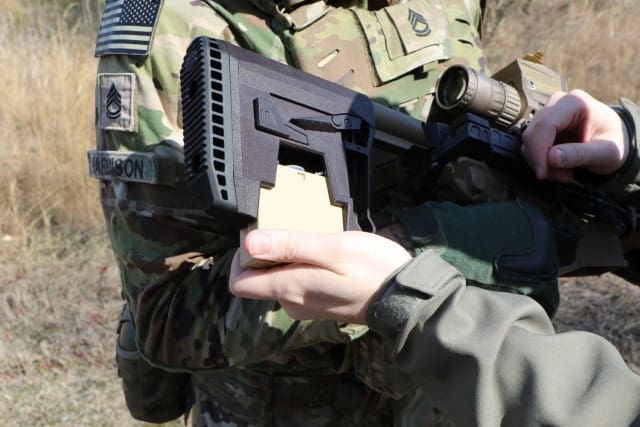
C5ISR Center senior enlisted adviser Master Sgt. Arean Harbison provides Soldier feedback to scientists and engineers developing new power technologies.

“Standardizing the power type lets us achieve that long fight that we need to build the future,” Harbison said. “The STUB will be a better fix than what we’ve had in the past of resupplying batteries. Now we’re looking at potentially charging in the observation post and not needing resupply. To remain lethal, we need to sustain ourselves with additional power. Power becomes a form of lethality.”
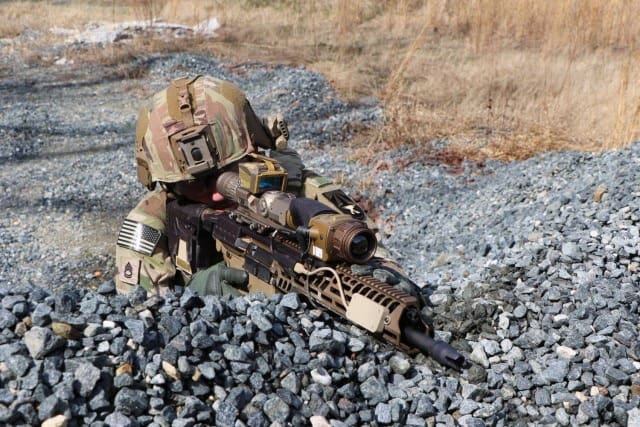
The C5ISR Center has partnered with three fellow DEVCOM centers — Armaments Center, Army Research Lab, and Soldier Center — to develop and test STUB using their respective areas of expertise of weapons integration, advanced chemistry R&D, and experimentation. Partnering early in development ensures both the batteries and systems they will power can be designed to be interoperable, rather than needing to make changes further along in the development cycle.

C5ISR Center Senior Scientific Technical Manager for Power and Energy Marnie Bailey said the Army S&T community has been essential in leading the way to implementing standardized batteries.

“DEVCOM scientists and engineers have overcome the technical hurdles to demonstrate that standardization and interoperability are possible,” Bailey said. “This research shows industry that adopting STUB to work with their equipment is the future of how the Army will power Solider-worn and -carried devices.”

As the Army and industry have transitioned the project to the manufacturing phase, acquisition partners can now procure and integrate the batteries to power fielded systems. The Army is delivering standardized batteries in GPS devices and radios with plans for integrating into additional electronics. Specific research is focusing on providing central power for helmet- and small arms-mounted systems.
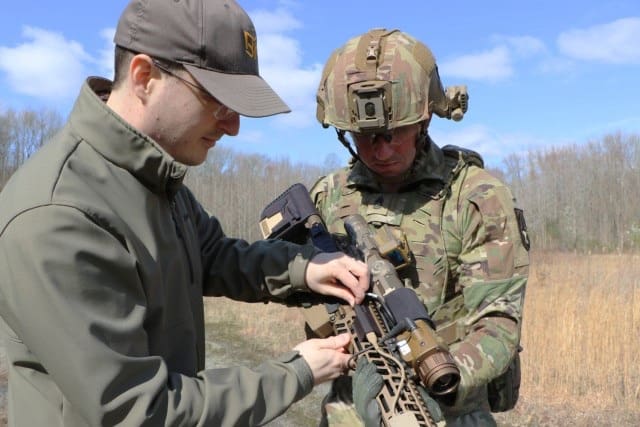
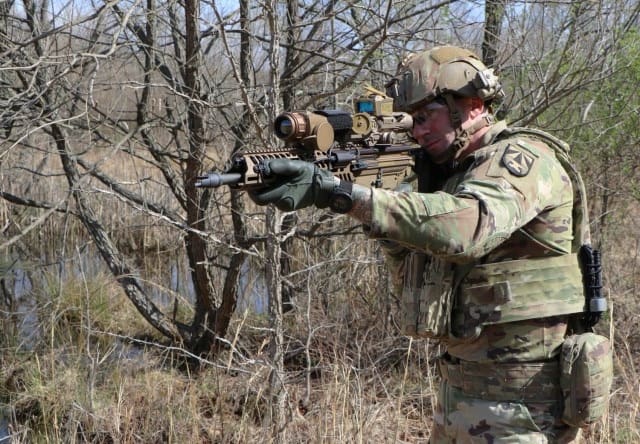
“Small-arms enablers are a new area of significant power draw,” said Sharpes, who also works with the integration of standard batteries. “Where there was once just glass optics with no power draw, there are now sophisticated fire controls. These offer a potent increase in lethality but also a significant increase in power draw.”

To answer the power demand of next-generation small-arms enablers, C5ISR Center has been developing the Powered Weapon Demonstrator, or PWD, to distribute power (from STUB) and data to any device plugged into the system.
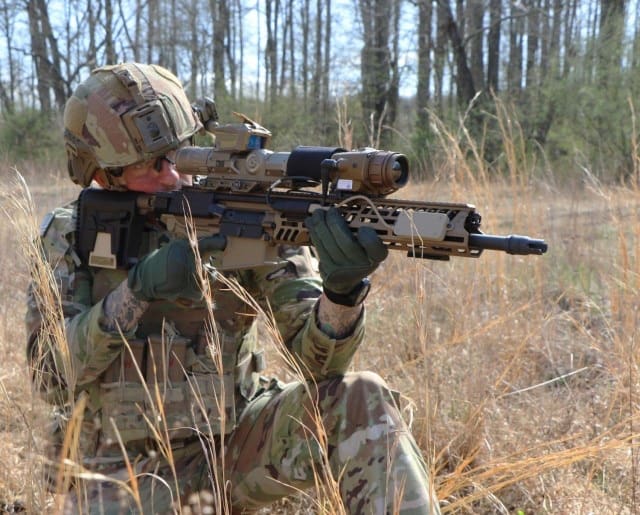
“We’re working closely with C5ISR Center and Armaments Center small-arms-enabler development efforts to ensure the power and data needs of advance fire control technologies are supported, toward transition to PM Soldier Lethality,” Sharpes said. “Even counter-UAS will need this type of power to support their operation.”

“The great thing about the PMs adopting first-generation STUB into fielded equipment is engineers are always in the background working on the next iteration,” Sharpes said. “As the technology improves, we’re putting that directly into the batteries that already integrate with the PMs’ equipment for increased capability and better performance in different environments.
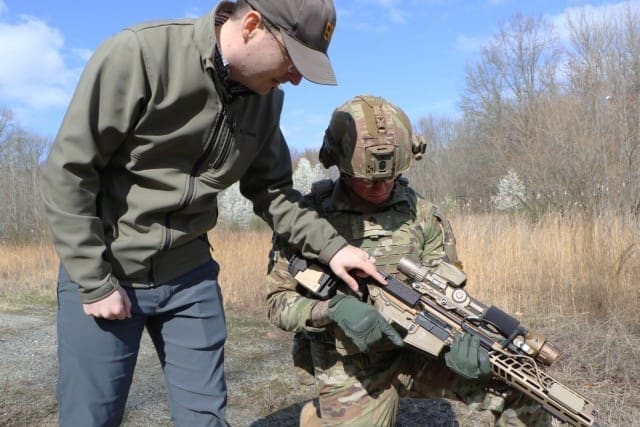
“We’re working down to the basic chemistry level, always updating our standard battery solutions with the newest technology. PMs will periodically receive increased performance of their products without additional investment, just by specifying the use of a standard battery. In addition, the U.S. battery industrial base has more incentive to produce in America because there is a consolidated demand on a particular type of battery.”

Standard batteries are only useful if there are systems that use them, said Sharpes. By leveraging battery integration expertise and out relationships across DEVCOM, Army and industry, C5ISR Center expedites the adoption and fielding of standard batteries into more systems. This ensures Warfighters have the best possible power source for their missions.
The Army launched a battery website (battery.army.mil) in 2024 to provide information related to Soldiers, safety, system integrators and battery developers. The goal is to better serve the Warfighter and industry by creating a central location for information on military batteries. The latest specifications, guidance and integration documents can be accessed in a tailored form.


Additionally, the Army has published MIL-STD-3078 (Interoperability Standard for Batteries Utilized in Army Equipment), which defines the battery types for new system design: battery.army.mil/system-integrator-hub/mil-std-3078. This document is maintained by the C5ISR Center and can be updated as new standard battery form factors are required to meet emerging needs.

By Dan Lafontaine, C5ISR Center Public Affairs