FirstSpear

Army Readies Charging Port for Autonomous Drone Swarms

October 15th, 2020

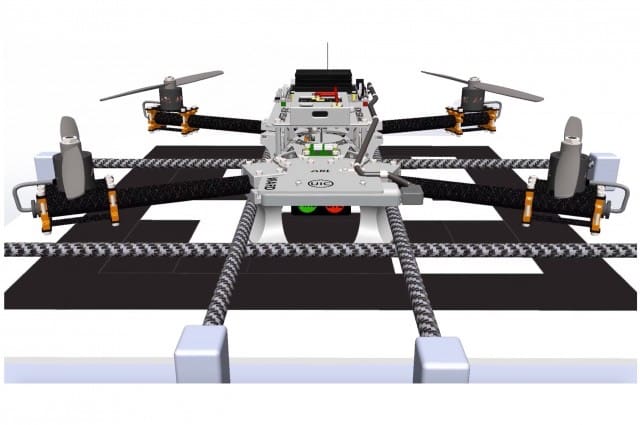
ABERDEEN PROVING GROUND, Md. — A swarm of hundreds of unmanned air vehicles will soon descend on unmanned ground vehicles to autonomously recharge, thanks to U.S. Army-funded research now underway at the University of Illinois Chicago.

The U.S. Army Combat Capabilities Development Command’s Army Research Laboratory awarded the University of Illinois Chicago a four-year, $8 million cooperative agreement in August to develop foundational science in two critical propulsion and power technology areas for powering future families of unmanned aircraft systems, or UASs.

This collaborative program will help small battery-powered drones autonomously return from military missions to unmanned ground vehicles for recharging. The university is developing algorithms to enable route planning for multiple teams of small unmanned air and ground vehicles.

Dr. Mike Kweon, program manager for the laboratory’s Versatile Tactical Power and Propulsion Essential Research Program, said the research on route planning is critical to the Army, which needs intelligent, small UASs that can find optimal routes during a military mission to autonomously return to unmanned ground vehicles, known as UGVs, for recharging. This will optimize the operational range extension and time on mission.

“Imagine in the future, the Army deploying a swarm of hundreds or thousands of unmanned aerial systems,” Kweon said. “Each of these systems has only roughly 26 minutes with the current battery technologies to conduct a flight mission and return to their home before they lose battery power, which means all of them could conceivably return at the same time to have their batteries replaced.”

This future concept is based on the reality of today’s technology, Kweon said.
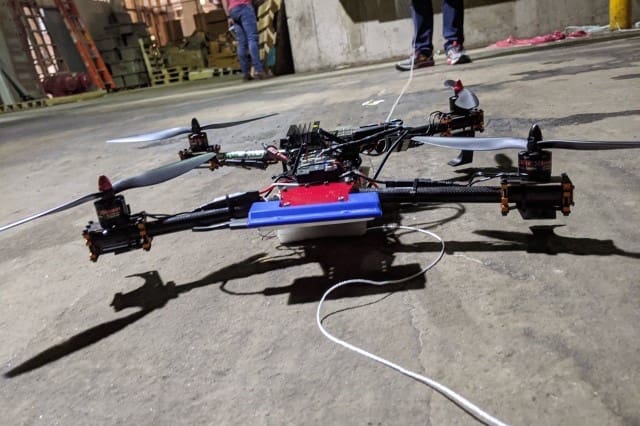
“Soldiers would need to carry a few thousand batteries on missions to facilitate this, which is logistically overwhelming and overall, not conducive to a leading expeditionary military operation,” he said. “With this research project, we’re operationalizing scientific endeavors to increase Soldier readiness on the battlefields of tomorrow.”

The use of fast, recharging batteries and wireless power transfer technologies will allow multiple small UASs to hover around unmanned ground vehicles for wireless charging, and this will not require Soldier involvement.

“I believe this is the only way to realize practical UAS swarming, and small UAS and UGV teaming. Without solving how to handle the energy demand, all other advanced technologies using artificial intelligence and machine learning will be useless for the Army,” Kweon said. “On the battlefield, we do not have luxury to replace batteries for 100s of UAVs and recharging them for hours.”

For larger drones, Army-funded research will explore the fundamental science needed to develop miniaturized fuel sensors for future multi-fuel hybrid electric propulsion systems.

Fuel property sensors that university partners are developing will help Soldiers who operate fuel-based equipment measure fuel property in real time for the Army’s air and ground vehicles, Kweon said.

This knowledge will allow Army personnel to prevent catastrophic failures of the systems and to increase its performance and reliability.

“This research is critical not only for air vehicles but also ground vehicles, especially for the Army missions,” Kweon said. “The fuel sensor is telling the operator what type of fuel is being delivered from the fuel tank to the engine. This input signal can be used to intelligently tell the engine to adjust engine control parameters according to the fuel type to avoid any failures. This data can also be used to find root-cause failures if any engine component prematurely failed.”

The university’s current research in fuel sensor development examines the effects of fuel structure and chemistry on ignition in future multi-fuel drone engines so that real-time control can be implemented. This project further explores the underpinning science using advanced techniques including spectroscopic diagnostics and data science analysis to both enable and accelerate real-time control.

“It also enriches the understanding of the ignition of any unconventional fuel that may need to be burned in the drone engines,” said Prof. Patrick Lynch, a principal investigator at the University of Illinois Chicago on this project.

Army researchers said there is a lot of enthusiasm about partnering through the Open Campus model.

“This not only advances the state of the art, but also operationalizes science for transformational overmatch–the mission of the CCDC Army Research Laboratory,” said Dr. Mark Tschopp, ARL Central regional lead. “What is great is that we are expanding the team to include experts in academia, small businesses, and industry to push concepts and ideas into future capabilities for the Army. In a partnership with the Army, the University of Illinois Chicago brings subject matter expertise, unique facilities and a diverse student body in a collaborative partnership with Army scientists to advance these technologies and to provide future capabilities for the warfighter.”

This university-led research project is one of 11 funded this summer by the Army’s corporate research laboratory as a part of Center for UAS Propulsion efforts to develop technologies for multi-fuel capable hybrid-electric engines and fast efficient energy distribution. Each university partner is helping the Army address the energy demand required to power future unmanned vehicles. Universities also awarded for similar research are the University of Minnesota; University of Michigan; University of Wisconsin-Madison; University of Illinois-Urbana Champaign; Iowa State University; University of Delaware; University of North Texas; Texas A&M University; University of Missouri and University of Tennessee-Knoxville.

The research, slated to begin this fall, is part of a larger research portfolio of multi-fuel capable hybrid-electric technologies led by the laboratory that supports the Army Modernization Priority for Future Vertical Lift. Most recently, the laboratory recently announced the development of a new, advanced scientific model that will allow vehicle maintenance specialists to turn to bio-derived fuels in austere locations, and efforts to convert a home-based generator into a power source for autonomous ground and air vehicles.

By U.S. Army CCDC Army Research Laboratory Public Affairs
MF Flask

October 14th, 2020

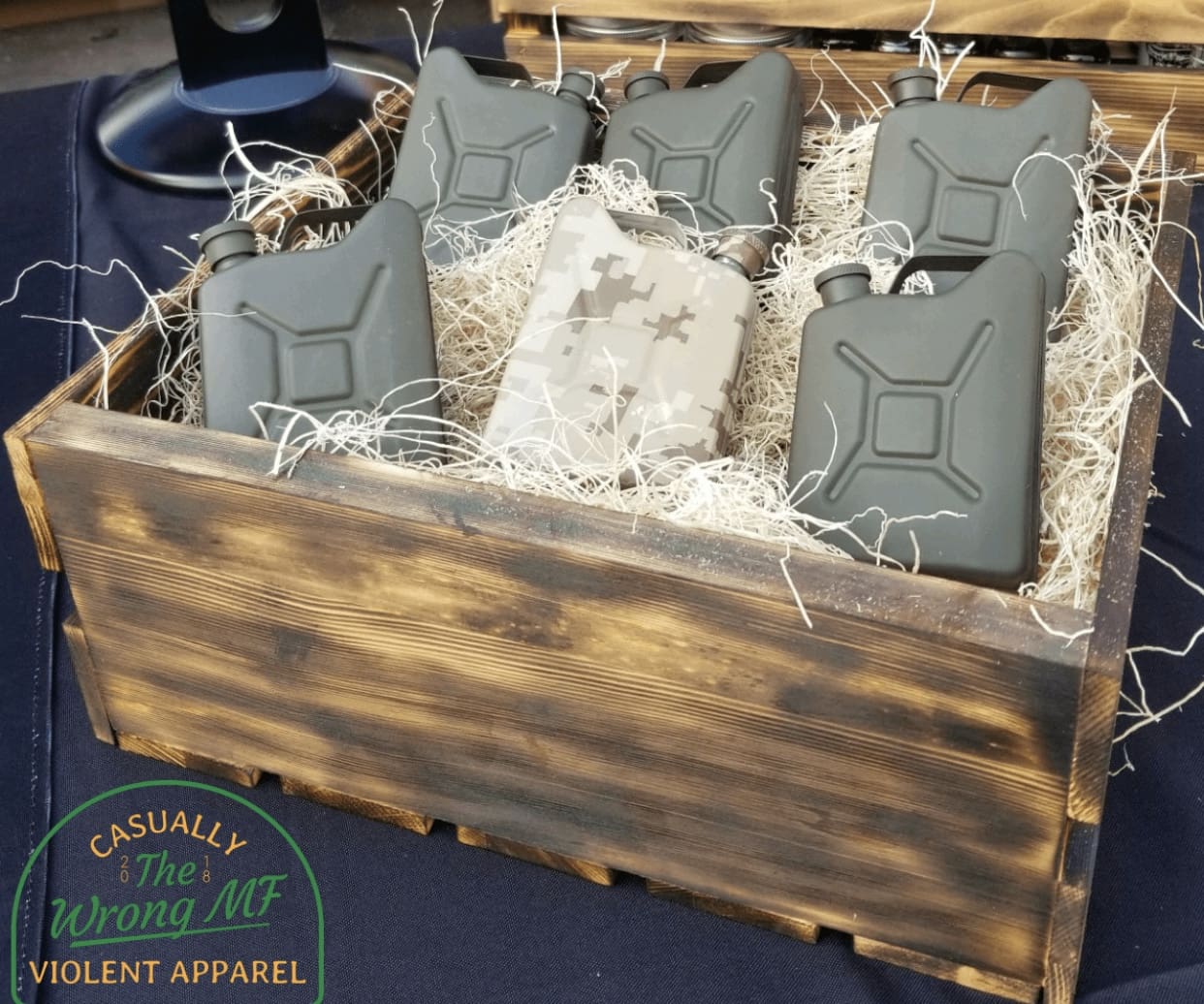
The MF Flask from Casually Violent is a miniature Jerry Can meant to hold 5oz of your preferred fuel. Made from cerakoted stamped stainless steel.

Available as a single or 2-pack.

casuallyviolent.com/product/mf-flask

ThruDark Force Tech T-Shirt

October 14th, 2020

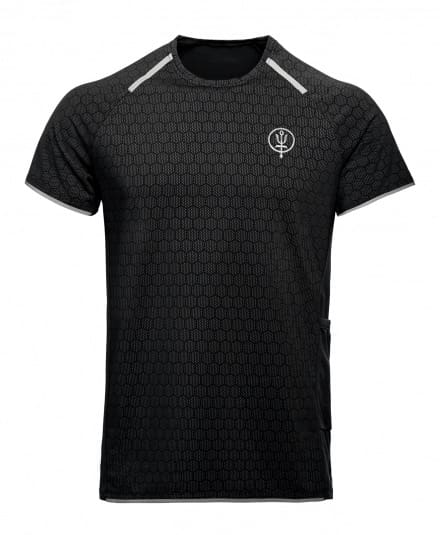
Made from a 4-way stretch Schoeller fabric containing ceramic particle technology for enhanced abrasion resistance, the ThruDark Force Tech T-Shirt is offered in both short and long sleeved.

It is moisture wicking, integrates a side stow pocket and features reflective insignia and trims.

Offered in sizes Small through XXLarge in Black.

thrudark.com/product/force-tech-t-shirt

Garmin HRM-Dual

October 14th, 2020

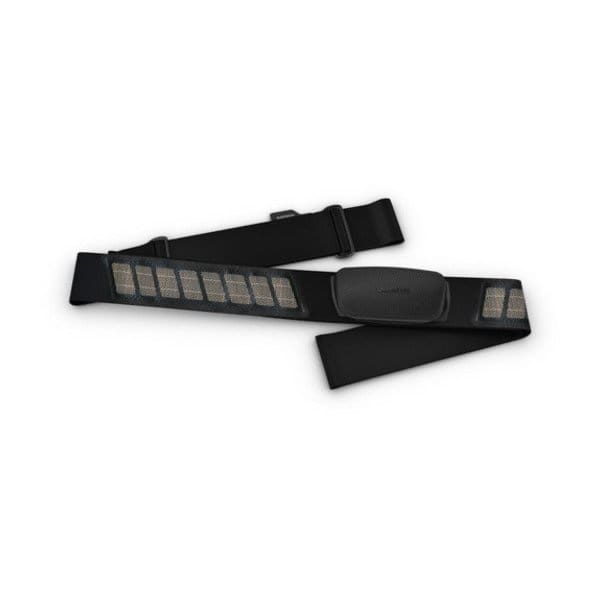
If you’re looking for a replacement heart monitor for use with your Garmin device check out the HRM-Dual. It transmits via ANT+ connectivity and BLUETOOTH Low Energy technology.

The HRM-Dual is waterproof to 1 atmosphere. The battery lasts up to 3.5 years and the soft strap is removable and washable.


buy.garmin.com/en-US/US/p/649059

What’s Old Is New

October 14th, 2020

When paratrooper boots were brand new, they were made from smooth, brown leather. Once again, authorized for wear with the Army Green Uniform.

You can get yours at Ranger Joe’s.

UF PRO’s New MultiCam Low Temperature Line

October 14th, 2020

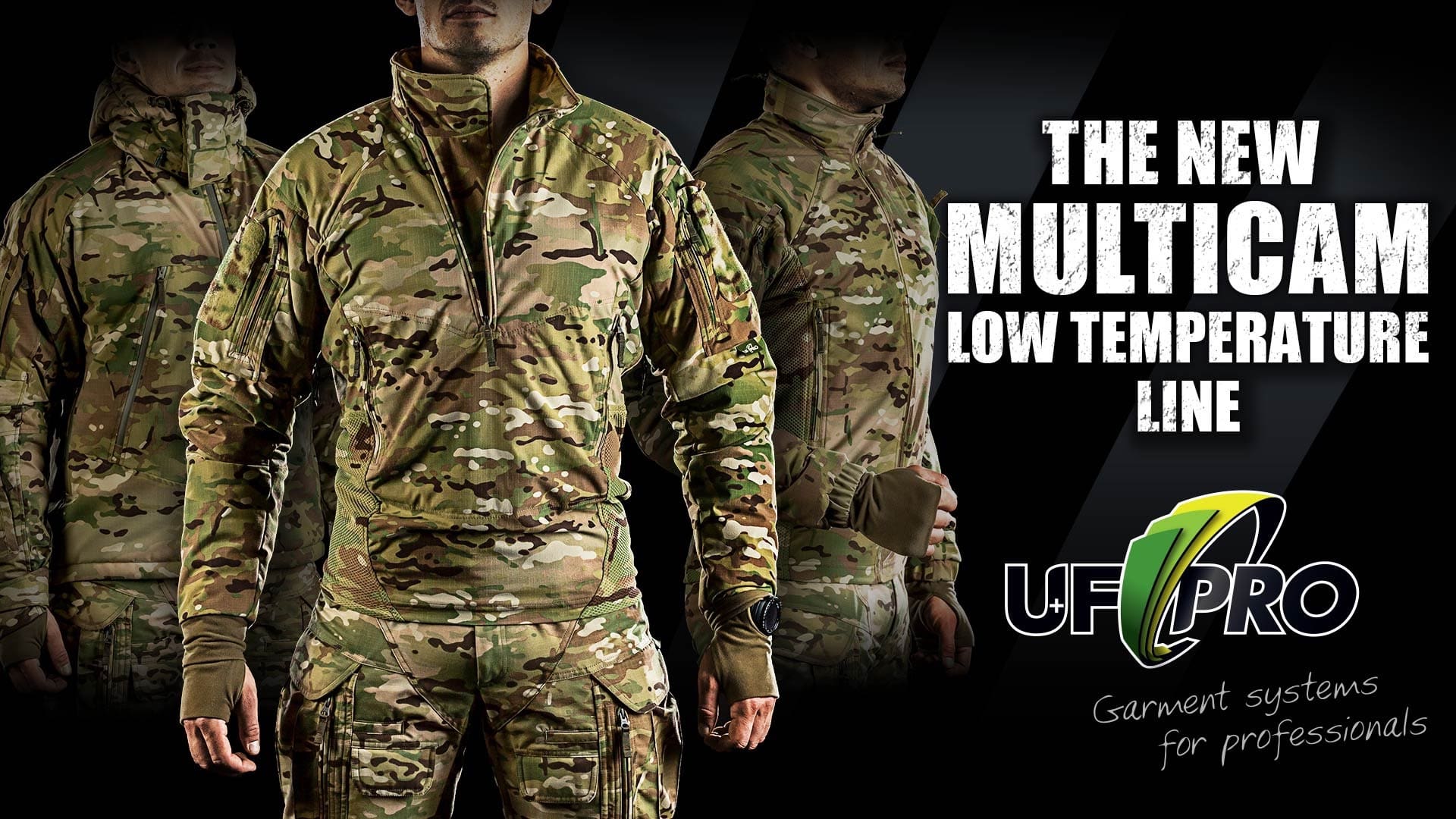
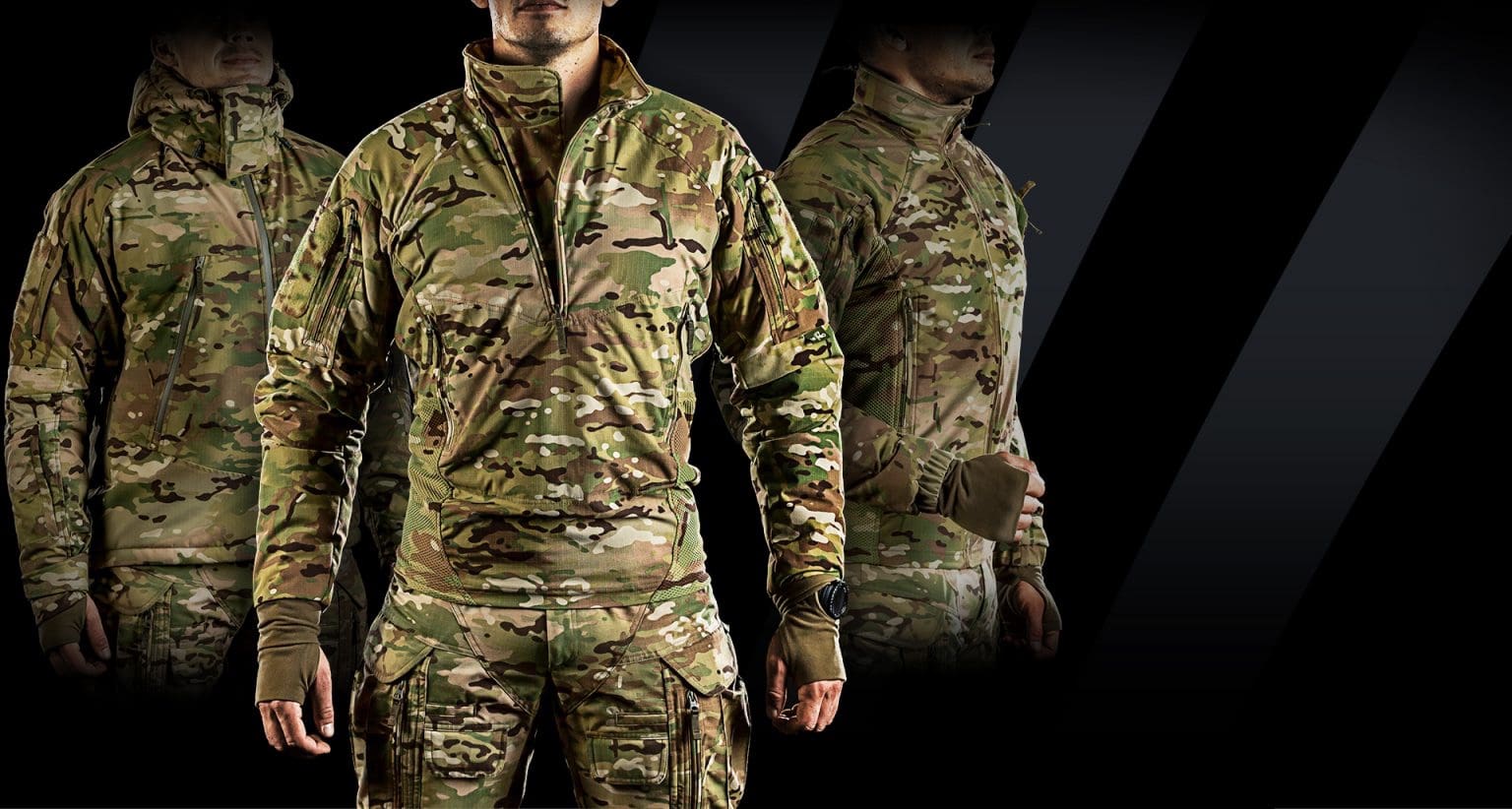
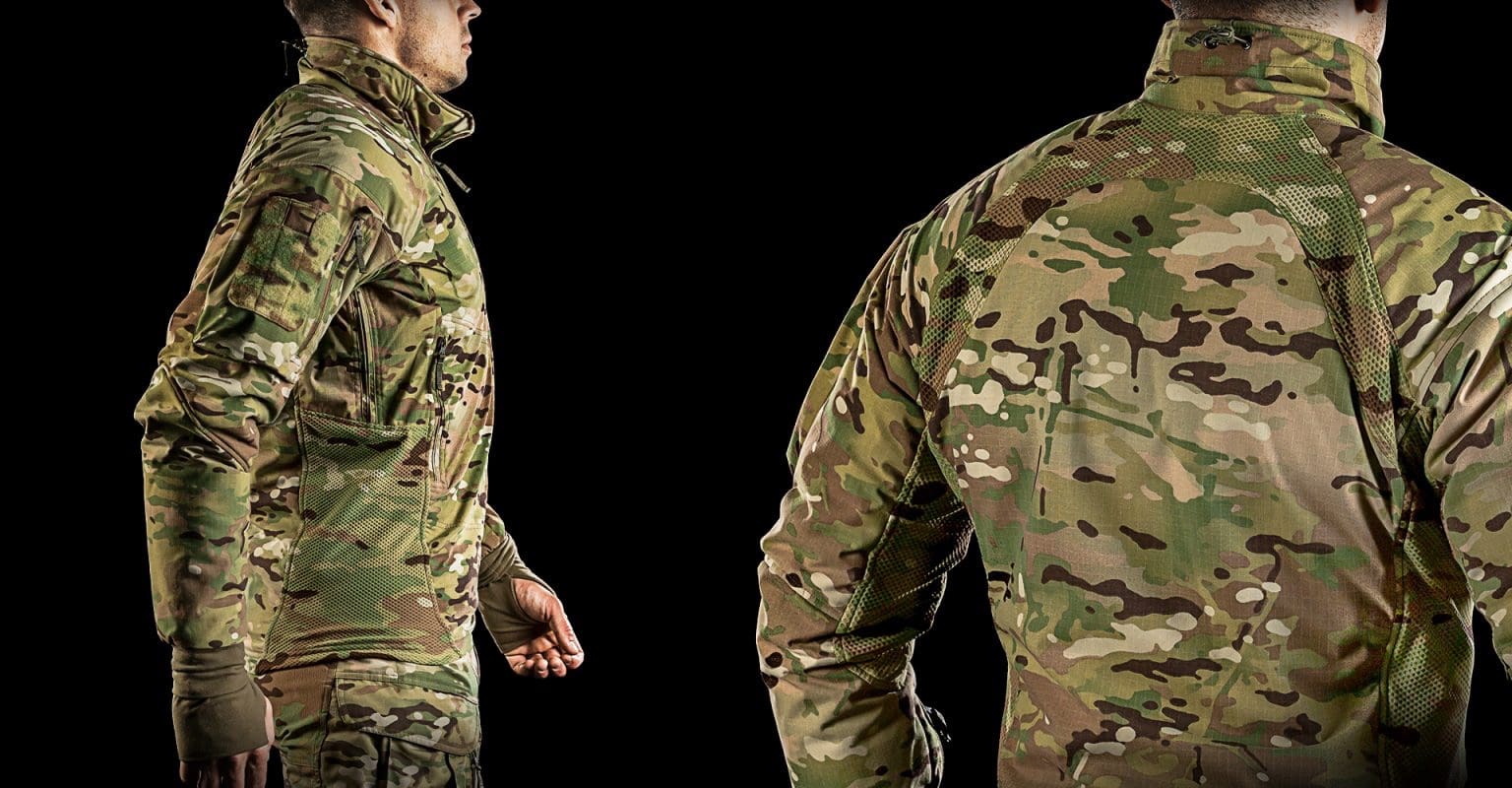
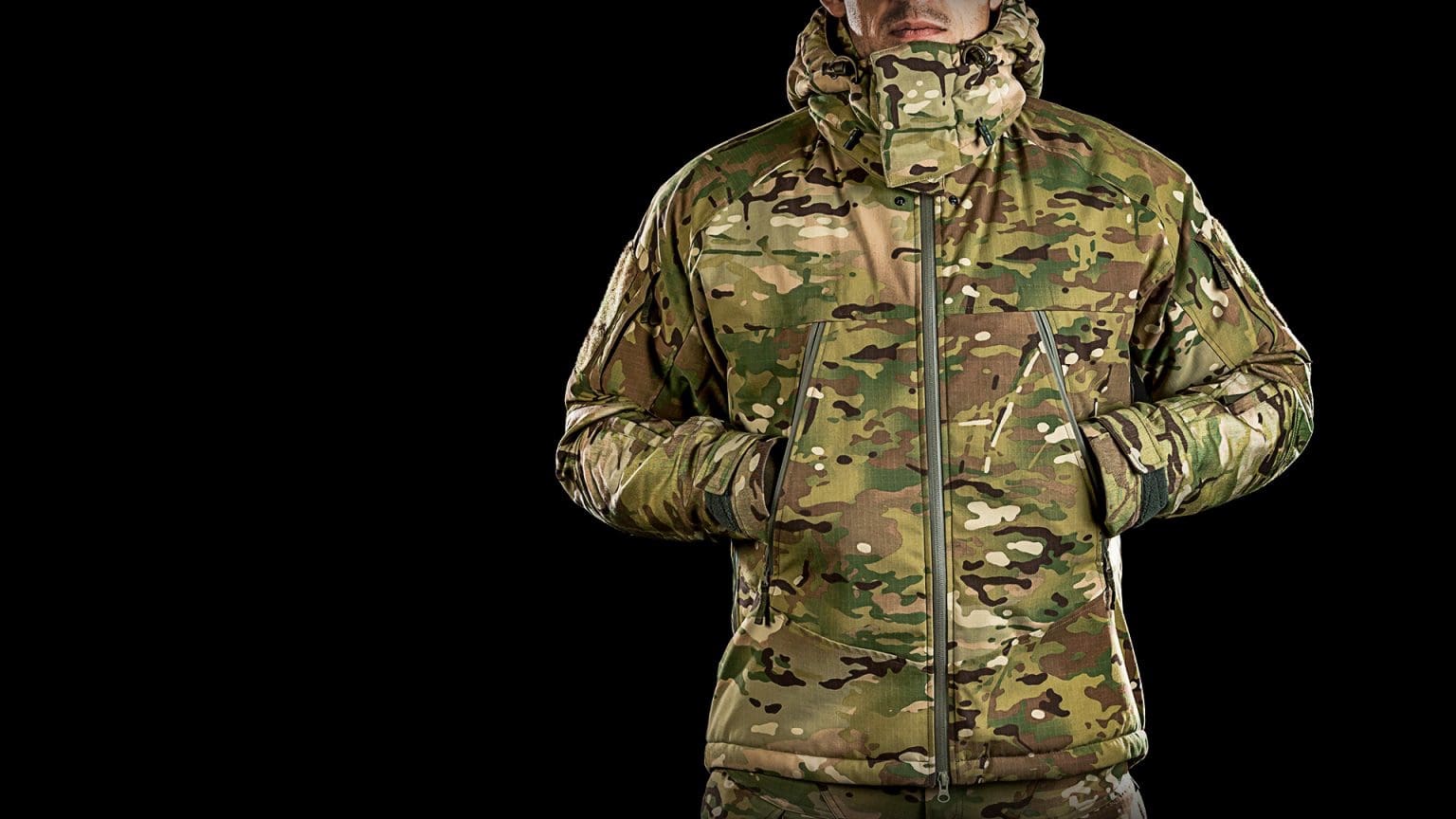
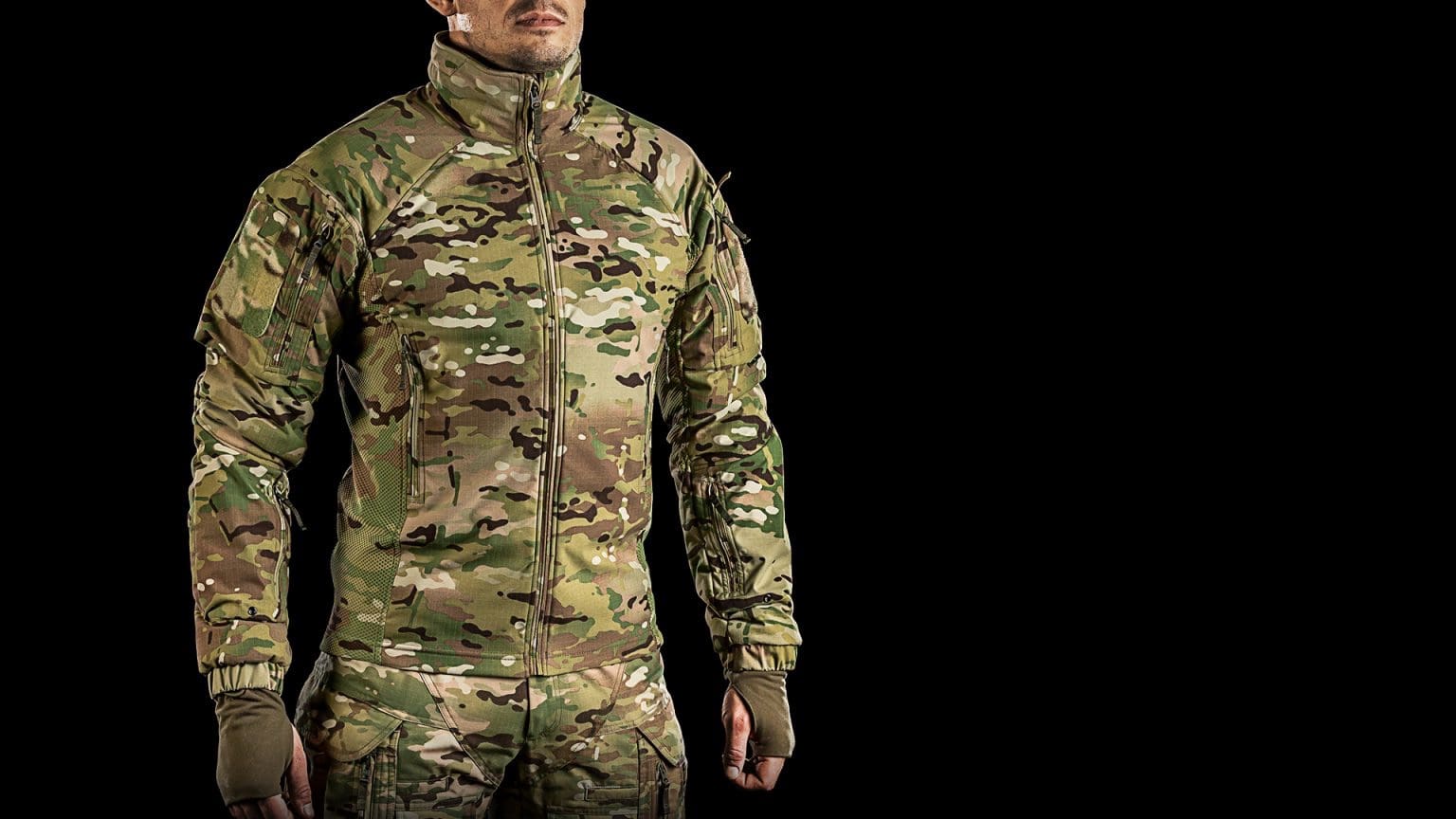
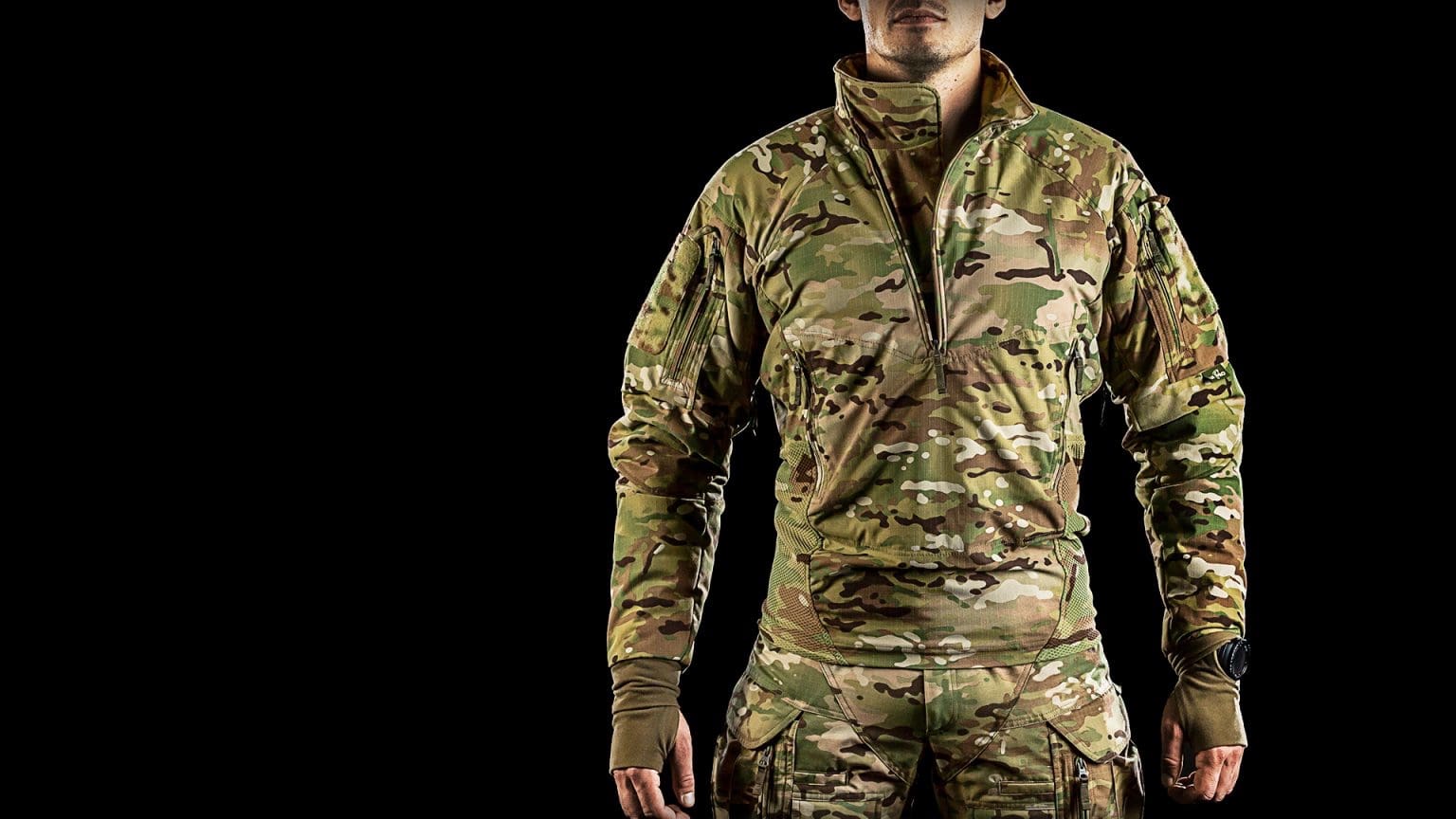
The UF PRO MultiCam® Low Temperature Line consists of upgraded versions of four existing UF PRO products:

• Delta AcE Plus Gen.2 Winter Tactical Jacket
• Delta OL 3.0 Winter Tactical Jacket
• AcE Winter Combat Shirt
• Hunter FZ Gen.2 Softshell Jacket (available later this year)

Each of the four in its upgraded form is designed for use in conditions from mild to well-below zero degrees Centigrade; additionally, the new MultiCam fabric, from which the quartet is constructed, promises significant performance advantages such as greater durability and a dramatically lower noise signature, according to Armin Wagner, UF PRO’s head of product development.

“This new MultiCam fabric allows wearers to operate more comfortably and efficiently in extreme cold environments characterized by everything from icy winds to snow or drizzling rain,” said Wagner. “The material is a laminate,” he said. “The outer face-fabric is made of texturised, soft-to-the-touch, 100-percent polyamide that overlays a highly breathable inner polyurethane membrane. The outer layer is woven together by a special ripstop technique. Consequently, these garments last longer—they’re just way more durable, as seen in their greater resistance to tearing, peeling, and friction.”

The other major performance edge offered by the MultiCam Low-Temperature Line is its quietness, according to Wagner. “These upgraded garments make very little noise while the wearer is walking or running,” he said. “Normally, laminate material makes an unmistakable sound that can be easily heard. But this new MultiCam fabric, because of its composition and softness, doesn’t give off that telltale noise.”

The Delta OL 3.0 Tactical Winter Jacket is for the ultimate in cold-weather outerwear. It’s designed for scenarios where the wearer will be stationary for long periods in the worst possible weather conditions – such as high winds driving rain or snow. The elbows are also reinforced with CORDURA® nylon fabric for extra protection.

The Delta AcE Plus Gen.2 Winter Tactical Winter Jacket, meant to be worn when when engaging in strenuous activities in very cold conditions, features thermal-insulating G-Loft filling in the sleeves and 37.5™ microfleece as a lining.

The AcE Winter Combat Shirt is designed to be worn like a normal combat shirt, under a plate carrier or with a rucksack, but in the lowest of temperatures.

Later this year the company is going to add also the Hunter FZ Gen.2 Softshell Jacket to the MultiCam Low-Temperature Line-up.

UF PRO makes advanced-technology jackets, shirts, pants, hats, caps, and accessories for military and law-enforcement units worldwide. For more information about the UF PRO MultiCam Low-Temperature Line, go to ufpro.com/multicam-low-temperature-line

RM277 Next Generation Squad Weapons from General Dynamics-OTS, Manufactured by Beretta Defense Systems

October 14th, 2020

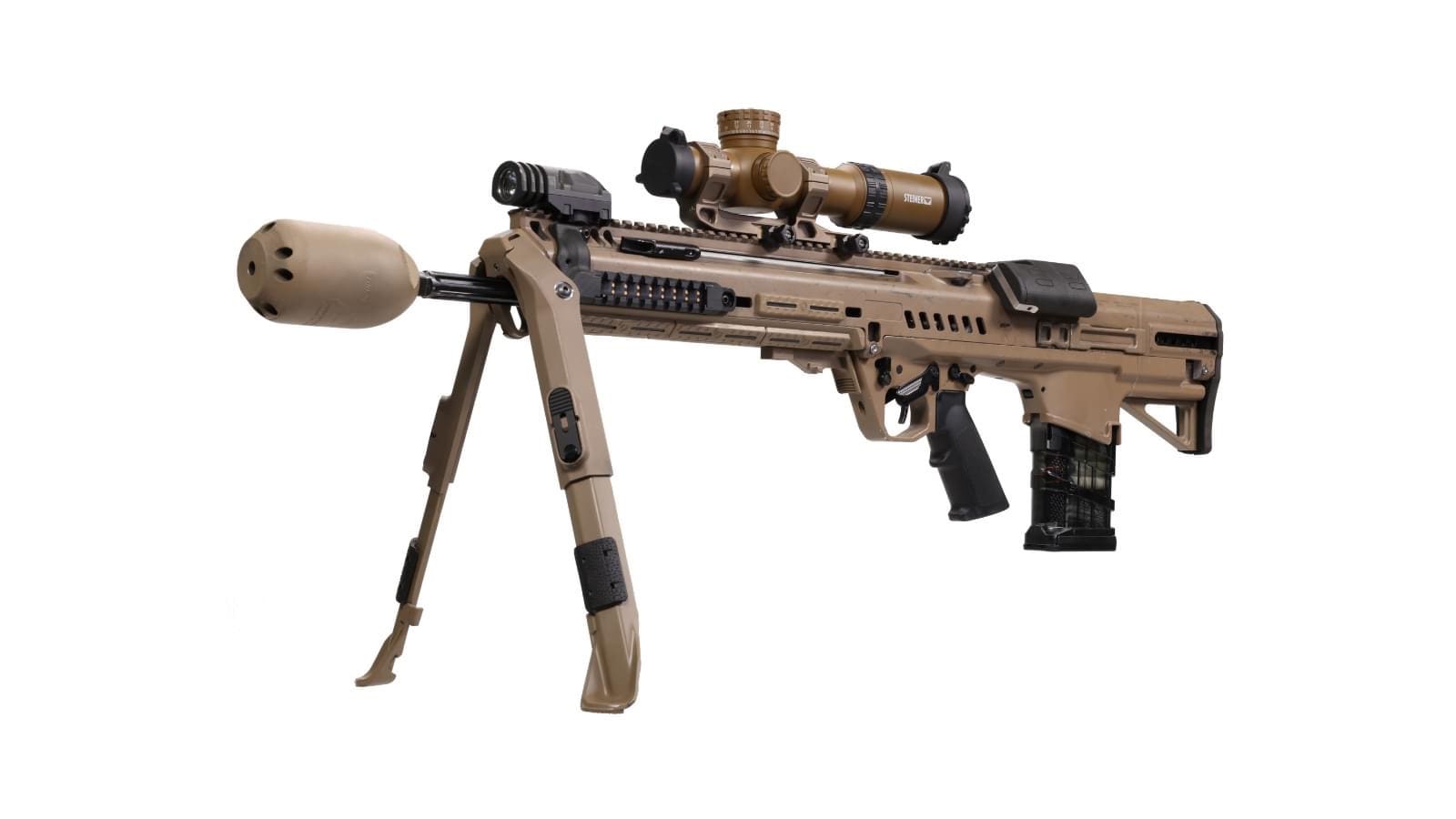
General Dynamics-OTS is competing with Textron Systems SIG SAUER in the US Army’s Next Generation Squad Weapons (NGSW) program which seeks to replace the current M4A1 Carbine and M249 Light Machine Gun in the close combat squads with a Rifle and Automatic Rifle designed to fire 6.8mm ammunition. The intent is to provide similar characteristics to 270 Win Short Mag. It’s important to note that the 6.8mm settled on by the Army is the equivalent of .277 in Imperial measurement.

General Dynamics-OTS is partnered with Beretta Defense Systems and True Velocity to offer their NGSW candidate system. The .277 ammunition size has influenced the naming of their rifle and ammunition, the RM277, which also makes it handy to begin marketing to other customers.

General Dynamics-OTS designed the bullpup RM277 and Beretta provides Research and Development support and future high-volume manufacturing capabilities at its new Gallatin, TN, facility.

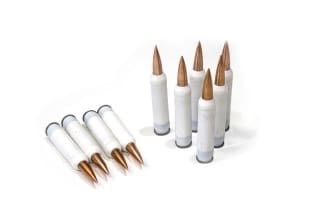
When the Army decided on a 6.8 cartridge, they left it up to industry to develop the actual ammunition. True Velocity has named their composite cased cartridge the 277 TVCM.

The composite construction makes it 30-40% lighter than current, conventional ammunition. Additional benefits are reduced heat transfer as the composite insulates the chamber and bolt face, the production of extremely concentric and consistent case and precise powder drop which results in consistent pressure and muzzle velocities for improved accuracy, and elimination of heavy metals that produce adverse health effects on Soldiers.

TV also boasts magnetic retrieval of spent cases during training and a case which is 100% recyclable.

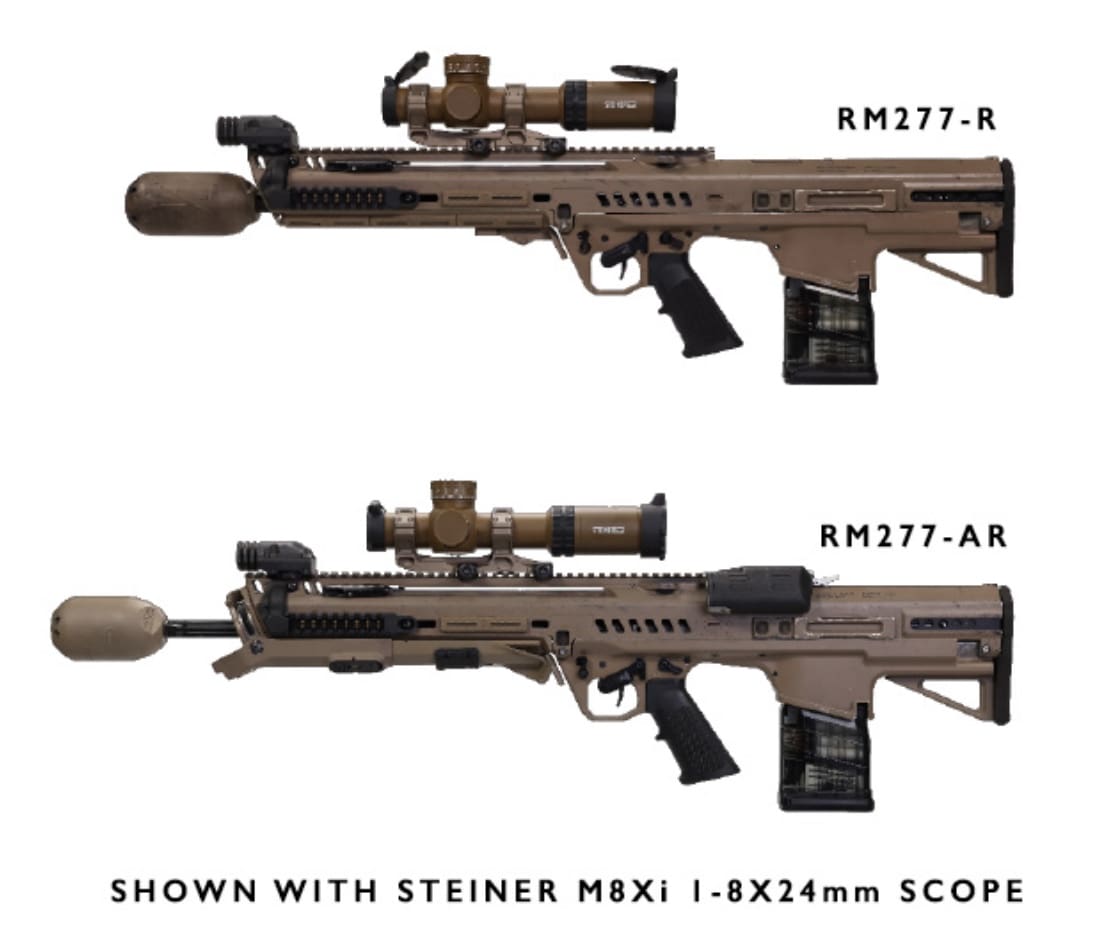
Unlike the weapon candidates from their competitors, GD-OTS’ M277-R and RM277-AR are extremely similar. The AR is naturally longer and heavier for sustained fire.

Rather than introducing a box-fed rifle and belt-fed automatic rifle like the others, the bullpup design called for both weapons to be box-fed. The bullpup also allows for longer barrels for both increased velocity and accuracy.

They are gas and recoil operated and impulse averaged with short recoil to offer controllable, accurate automatic fire. They also incorporate dual firing modes, closed bolt in semi-automatic mode and open bolt in automatic mode. Naturally, the weapons feature ambidextrous controls. The suppressor is 3D printed and provided by Delta-P.

Having participated in Soldier Touch Points and reliability and performance testing at Aberdeen Proving Ground, next up for General Dynamics-OTS is to incorporate feedback from Prototype Testing #1 into their design and produce the Prototype Testing #2 samples of weapons and ammunition.

Images supplied Beretta.

For some more background on how the Army ended up with NGSW, read this. Admittedly, I was quite skeptical at first, particularly after the Army had just a failed to select a replacement for the M4 just a few years before with the Individual Carbine program and then the start-stop fiasco of the 7.62mm Carbine effort. But, after watching industry rise to the challenge, I quickly went through the stages of grief to acceptance and am now quite optimistic that the Army will field a new capability.

Brigantes Presents – Expeditionary Command Tents – The Revolutionary Alternative  

October 14th, 2020

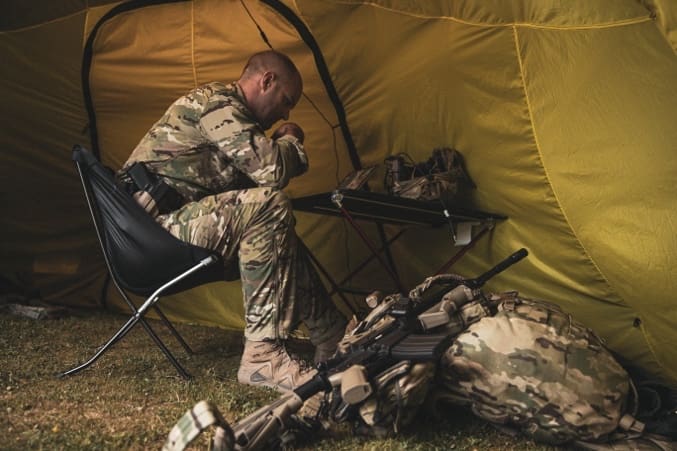
Hilleberg the Tentmaker is a family owned company with over 45 years of experience in manufacturing lightweight, all-season tents of the highest quality. Brigantes have worked in partnership with Hilleberg in advising and adapting these tents, making them a relevant to the military user.

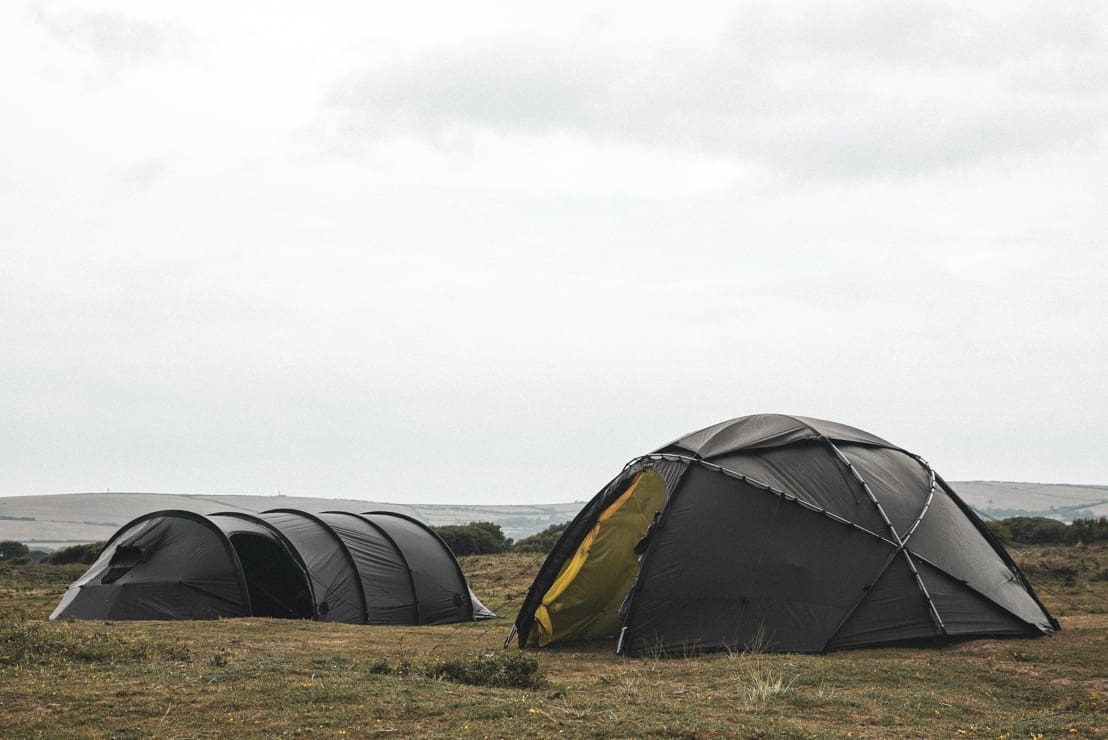
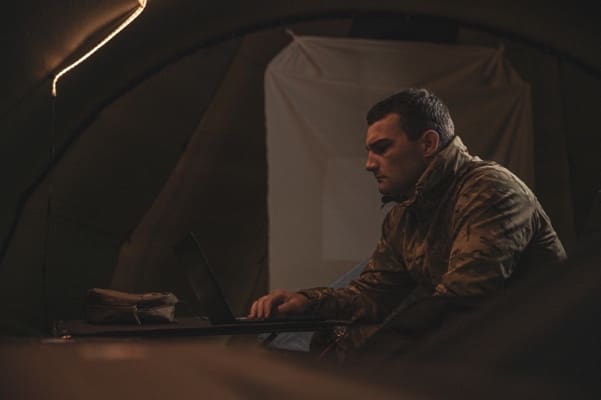
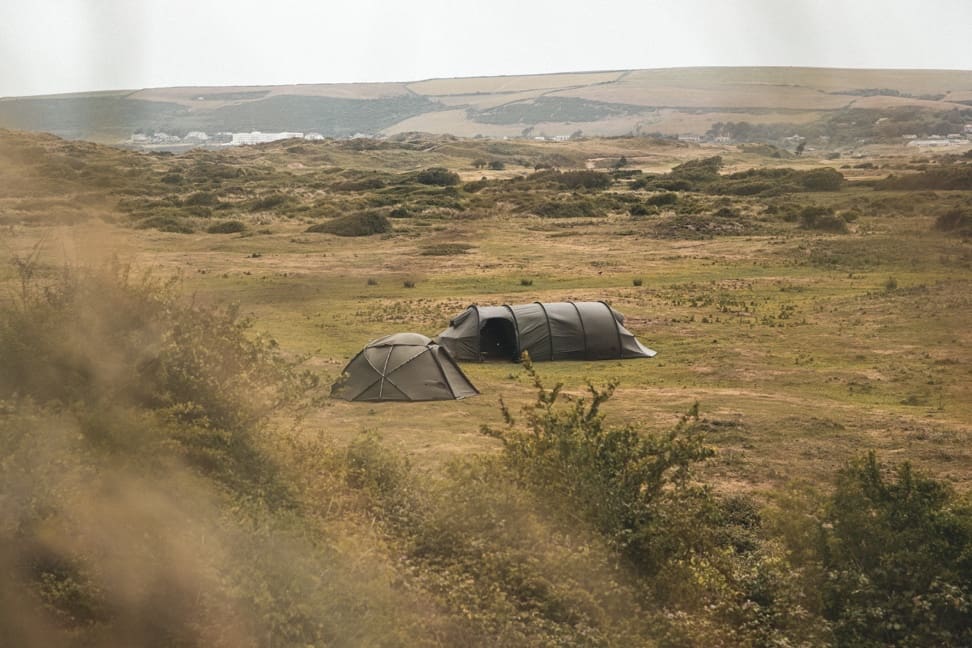
They offer a solution that blows the traditional, command tents (that were organised using big, heavy canvas tents) out of the water! Using this alternative, no vehicle would be needed to act as transport, these tents when packed away can be carried on foot. A complete game changer when forces need to respond in a rapid reaction or expeditionary way. The Atlas MIL and Stalon XL MIL are two tents that can be used effectively as a command station.

The Atlas’ Geodesic design allows it to be a freestanding structure that holds up against all weather conditions. It is one of the strongest free-standing tents in the world. Regardless of location, whether in a hanger/warehouse or outside, it does not need to be pegged down.

The Stalon XL MIL is a very large, robust tunnel tent and can be erected by one person in good weather. The Stalon XL can be configured in nearly endless ways, not just as a command centre but a classroom, a mobile medical station, staging/briefing room, for search and rescue teams or as a field dormitory for any large group. 

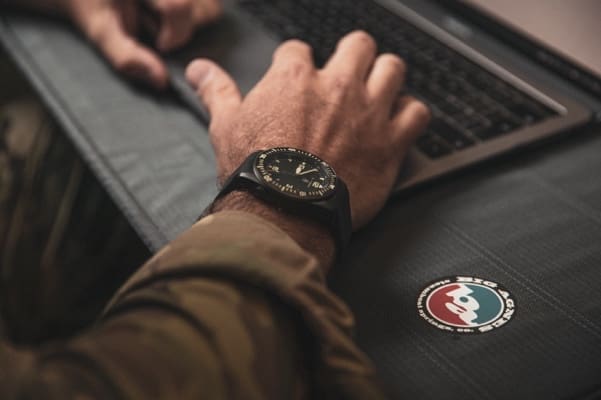
Both these tents offer all weather protection and are modular. Each module of the tent can be zipped on or off to accommodate the needs of the user, and multiple modules can be easily connected or disconnected as necessary. So, it is possible for the structures to grow as the unit/operation grows. With the addition of Hilleberg’s light blocking fabric, and using foldaway furniture by Big Anges, this ground-breaking alternative has the ability radicalise to how the military view command tent construction, making a much more lightweight, vehicle free solution.

For more information contact:

(For UK sales) tribe@brigantes.com

(International enquiries) international@brigantes.com

Or visit Brigantes.com and set up an account to view the range.

Are you looking to make a government purchase? Procurement accounts are now available.