Safran Optics 1 will be exhibiting at SHOT Show next week, and will be unveiling a new product. Visit them at Booth 31108 to see the next generation of clip-on thermal technology.


Safran Optics 1 will be exhibiting at SHOT Show next week, and will be unveiling a new product. Visit them at Booth 31108 to see the next generation of clip-on thermal technology.
BROUSSARD, LA. (Jan. 10, 2023) – UNITY™ Tactical, a leading innovation and design company for the tactical community, announced today the launch of its newest line of modular electronic switches: AXON™. The AXON line launches with a dual button option – AXON – and a single button option – AXON SL.
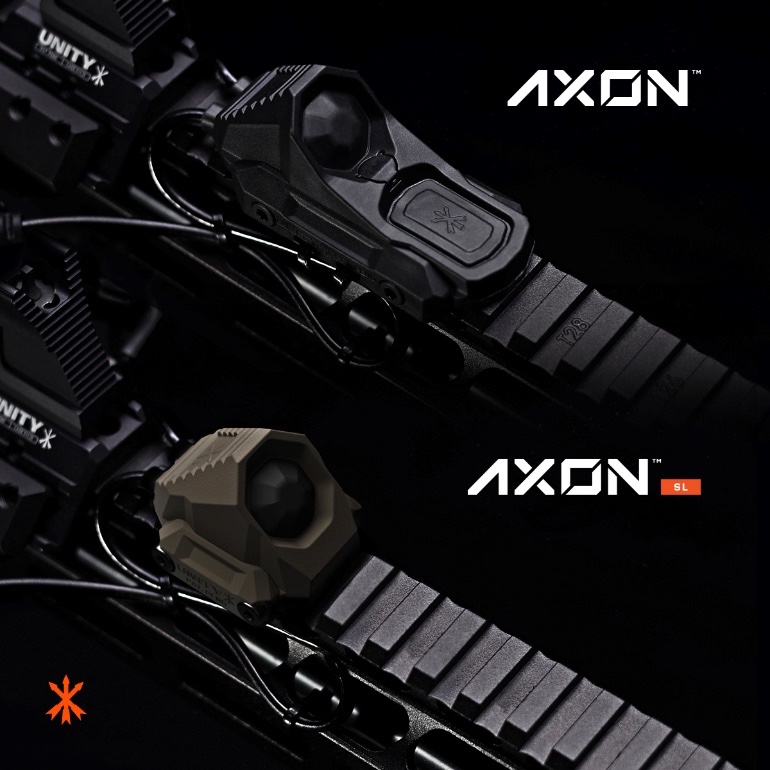
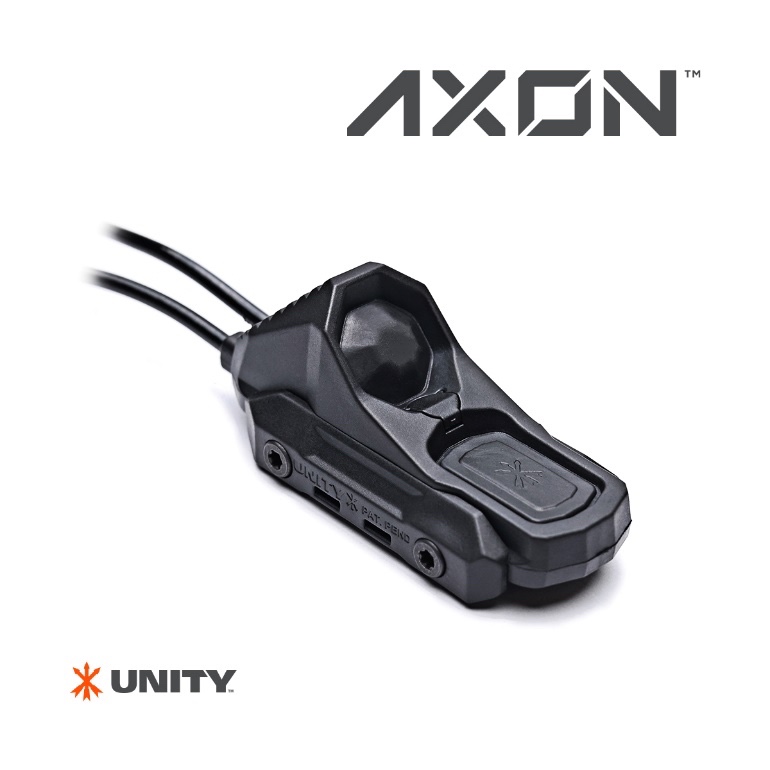
AXON allows lights and lasers to fire from individual buttons with versions available for popular issued devices. With one 45-degree angled button and one flat button, its unique design provides tactile differentiation between the two buttons to eliminate confusion in dark, cold and high-stress situations. At only 2.70 inches in length, AXON has the smallest footprint of any dual button switch on the market, taking up less space on the M1913 or M-LOK® rail.
AXON’s light (angled) button features a switch that allows for both momentary and constant activation, while the laser button features a momentary-only button that supports the laser’s double-click-for-constant-on feature. Standard AXON models feature each button firing devices independently. SYNC models fire the laser independently, while the light button will fire both light and laser simultaneously. NGAL variants operate in a SYNC capacity but offer a visible override feature for light and laser.
“AXON is the direct result of customer feedback,” said Mike Roth, VP of business development for UNITY Tactical. “It brings a technically advanced and ergonomically correct solution within a two-button, hard-mounted switch – all in a smaller footprint, giving the end user utmost efficiency in space and capability.”
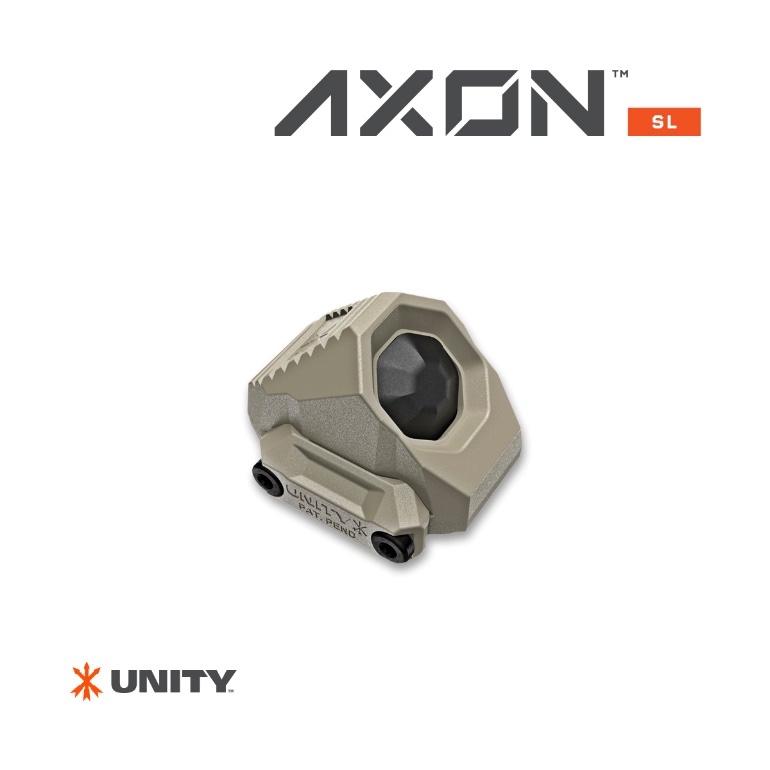
AXON SL is the even smaller, single button switch in the AXON family. Like AXON’s light button, its 45-degree angled button face provides an ergonomically correct activation angle, making it easy to index under stress, while wearing PPE or facing extreme environmental conditions.
The mechanical switch design allows weapon light models to fire in both momentary and constant-on modes in a familiar click tailcap design. Laser versions utilize a momentary only switch to facilitate use with the native double tap for constant feature found in most common lasers on the market. Dual lead variants are SYNC, firing both light and laser simultaneously.
“We constantly seek to innovate and improve the functionality and durability of our products,” said Trent Zimmer, founder and president of UNITY Tactical. “With each iteration, we aim to make our solutions smaller and more capable. The AXON line of switches is the future of modular electronic switch technology and we’re proud of the additional abilities it provides end users.”
AXON is available in standard (SureFire®/Crane Laser) and SYNC (SureFire/Crane Laser, SureFire/DBAL and SureFire/NGAL) variants in black and FDE for attachment to M1913 and M-LOK rails. It retails between $154.00 and $299.00 depending on the model and is available for purchase now through authorized UNITY dealers and on UNITYtactical.com.
AXON SL is available in single lead (SureFire, Crane Laser and NGAL) and dual lead (SureFire/Crane Laser and SureFire/NGAL) variants in black and FDE for attachment to M1913 rails. It retails between $114.00 and $275.00 depending on the model. AXON SL is available for purchase now through authorized UNITY dealers, with orders shipping starting Feb. 20. It will be available for sale on UNITYtactical.com starting March 1.
AXON and AXON SL will be both be on display at the UNITY Tactical booth #61503 at SHOT Show at the Venetian Expo in Las Vegas from Jan. 17-20, 2023.
How about a hard case made in USA by Magpul? I don’t know about you, but I’m in.
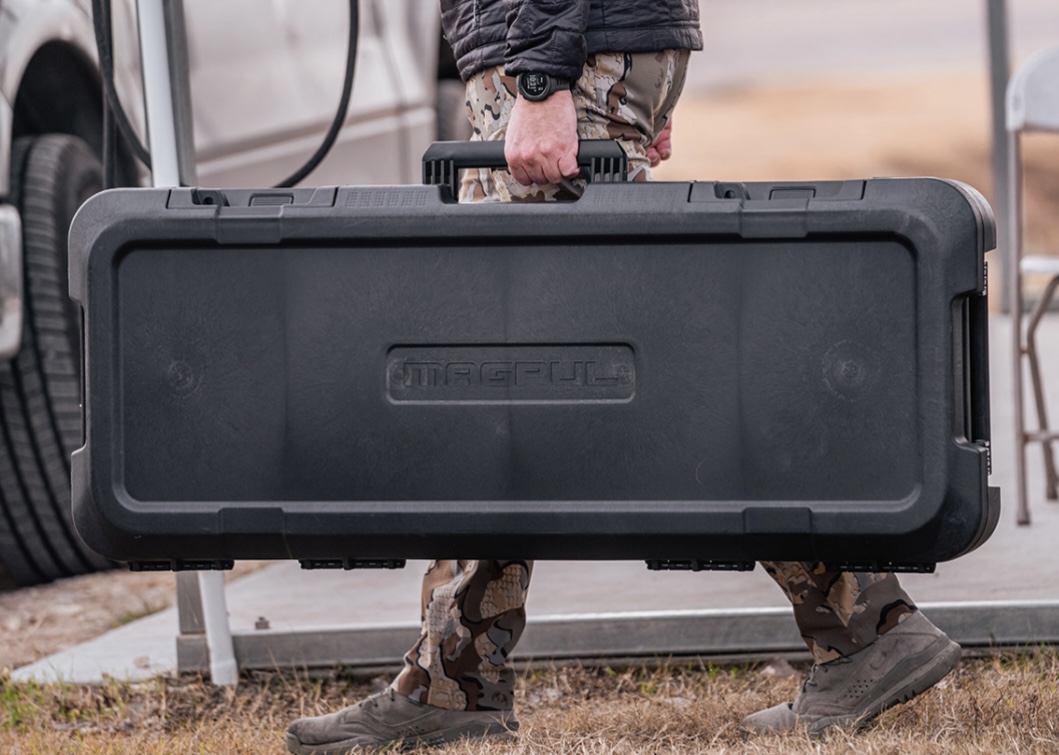
They’ve addressed the issues you’ve had with other cases in the market: easy to use closures, free standing, and recessed lock housings.
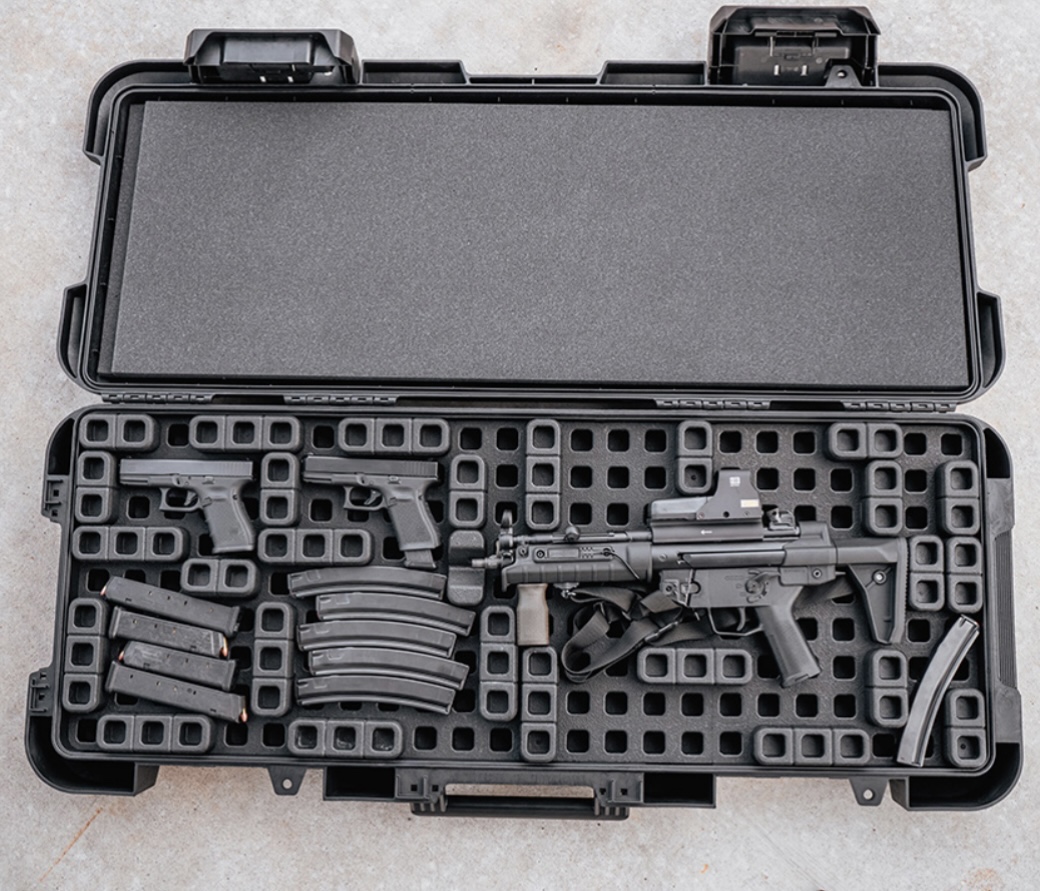
Plus, it integrates Magpul’s new DAKA GRID Organizer. Coming in three sizes: 35″, 44″, and 53″.
magpul.com/gear/daka-organization/hard-cases
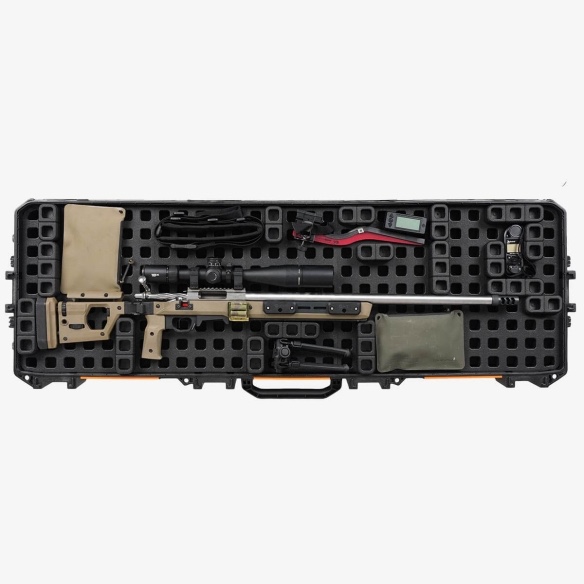
It’s about time that Magpul took their DAKA technology and applied it to hard cases. The new GRID Organizer replaces the foam found in many cases with a highly customizable grid system with block insets to stabilize the contents.
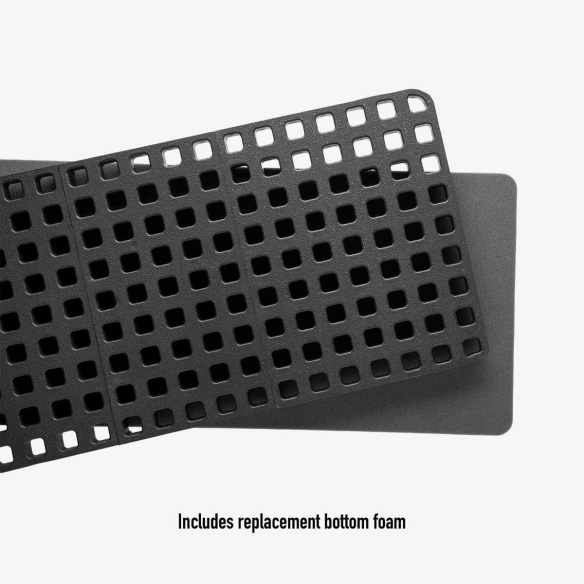
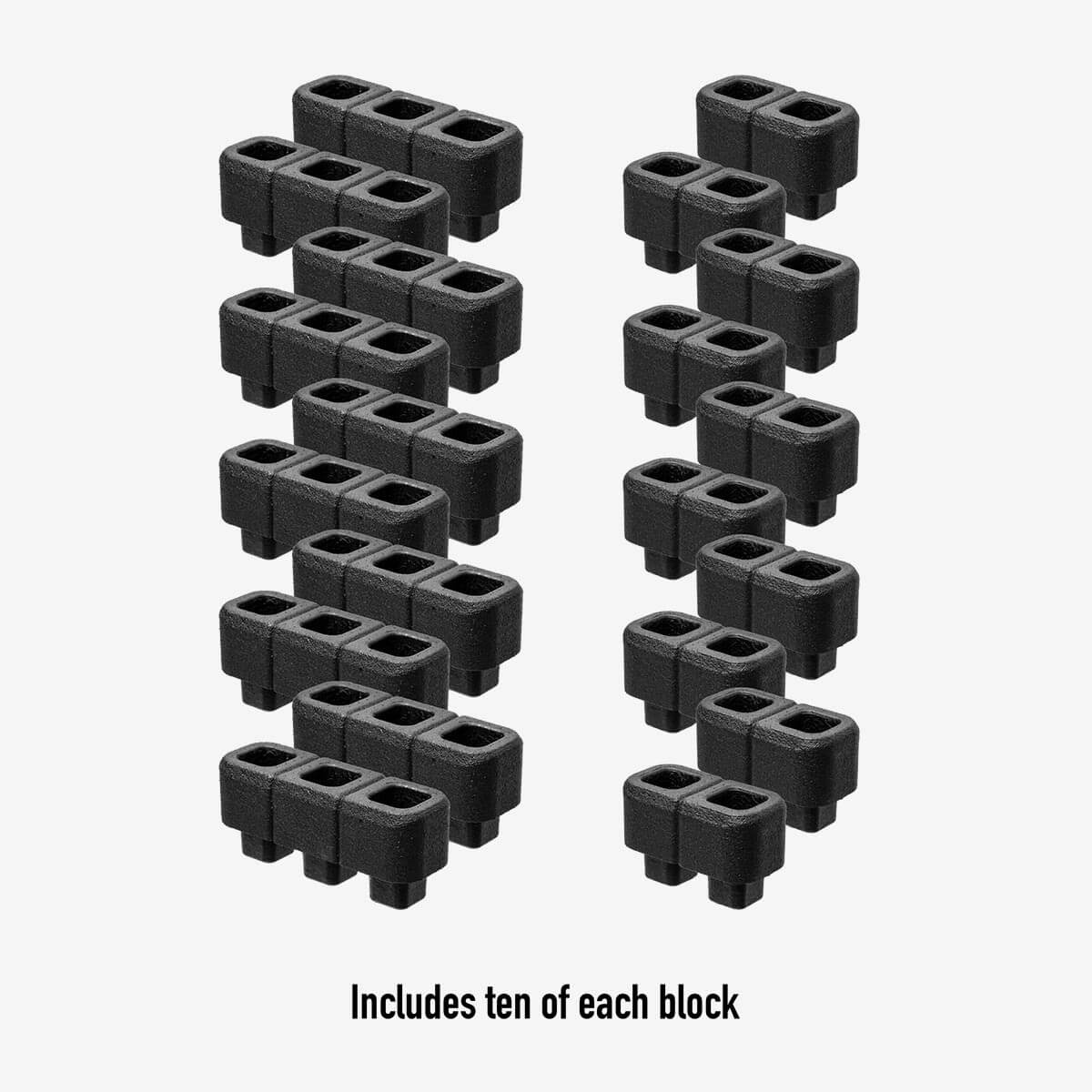
Offered for the Pelican V800 and V730 cases.
magpul.com/gear/daka-organization/grid-organizer
HOUSTON, TX – JANUARY 09, 2022 – Comp-Tac Holsters is pleased to introduce several new holsters available for the Glock 48 including their Level III CT3™ duty holster specifically designed for Law Enforcement.
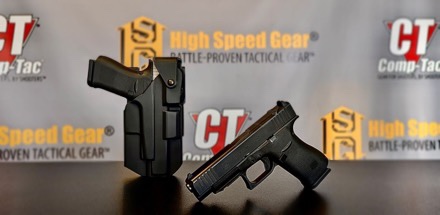
The CT3 level III holster is designed with the intent of achieving a master grip before drawing the weapon. Combined with the autolocking ejection port lock and the intuitive self-activated hood system, makes this one of the fastest level three holsters available on the market today. The CT3 offers multiple mounting options available, catering to those who may want to choose a traditional belt mount or integrated drop offset.
The Glock 48 handgun is a highly sought after firearm for concealed carry as well as duty use. It’s described as a pistol designed for comfort while combining a compact-size grip length and built-in beaver tail for a comfortable and balanced product ideal for a wide range of users. The firearm has also been utilized by law enforcement officers who may be more comfortable with the slim frame and slide on the gun.
“We are proud to announce the first Level III duty holster for the Glock 48,” said Truett Whitt, sales manager at Comp-Tac Holsters®. “This firearm is a new product option with a multitude of uses. Law Enforcement Officers are choosing this firearm as it provides comfort and confidence in use. Aside from our CT3™ Level III holster being a great option for duty carry with this firearm, we’re also catering to the concealed carry market by offering a wide range of other holsters for this gun.”
Comp-Tac Holsters and High Speed Gear will be at SHOT Show in booth 75707, displaying their industry leading product, the CT3 Level III Holster in the Glock 48 configuration as well as for the most widely used firearms for Law Enforcement nation-wide.
The Glock 48 is popular among concealed carrying citizens. It’s marketed as a Slimline product with a 10-round magazine capacity, which improves upon the previously released Glock 43, which comes shipped with 6-round magazines.
The following Comp-Tac holsters will be available for the Gock 48:
• MTAC Holster
• Spartan Holster
• International Holster
• Infidel Max Holster
• Infidel Ultra Max Holster
• Single Mag Pouch
• Dual Concealment Holster
• Warrior Holster
• eV2 Holster
• eV2 Max Holster
• eV2 Infidel Holster
• Sport Tac Holster
• CT2-H Holster
• CT3 Holster
comp-tac.com
Based on customer requests, Mystery Ranch has introduced the All In Deployment Bag which launches next week during SHOT Show.
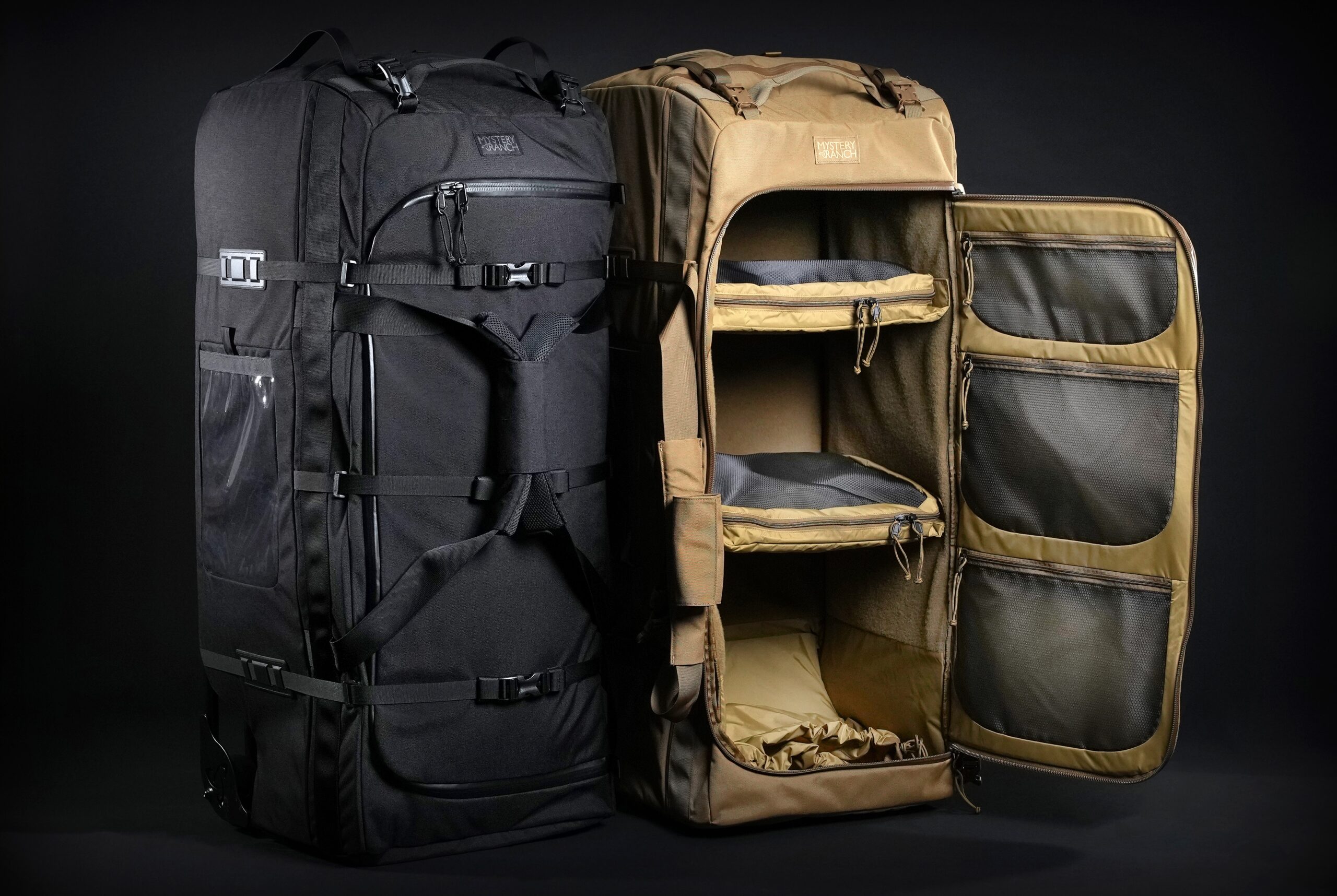
Offered in Berry compliant and international versions, this 160 L bag features wheels and a large central compartment.
The team at Mystery Ranch assembled a focus group of end-users to create the All In. Unlike other bags in the market which are festooned with external pockets, the All In is a more sleek design with just a clear ID/document sleeve.
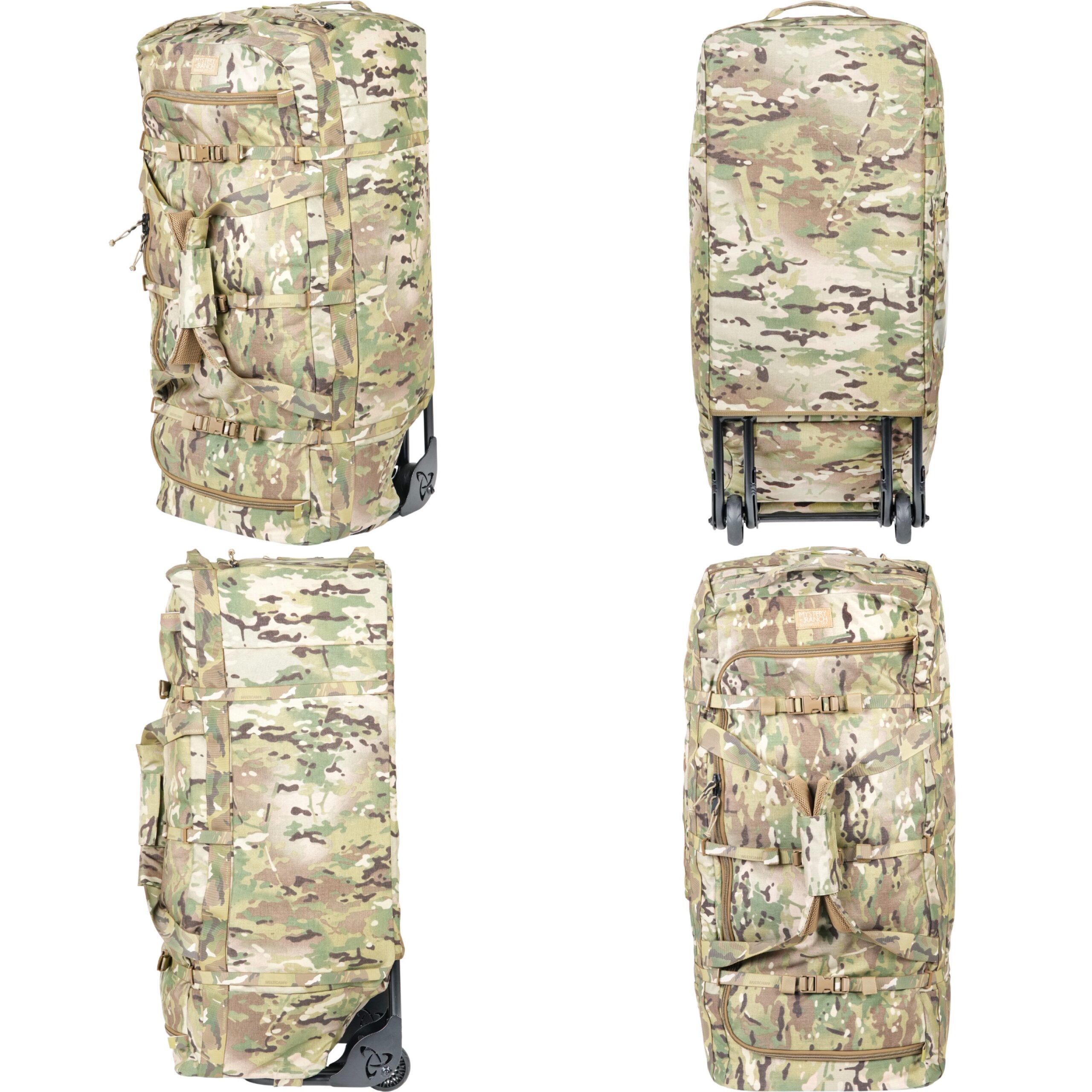
Made from 1000D, there are also ample carrying handles and haul loops to bear the load in addition to a wheeled removable frame for additional rigidity. The frame also keeps the bag upright and they’ve reinforced the corners of the bag to prevent wear.
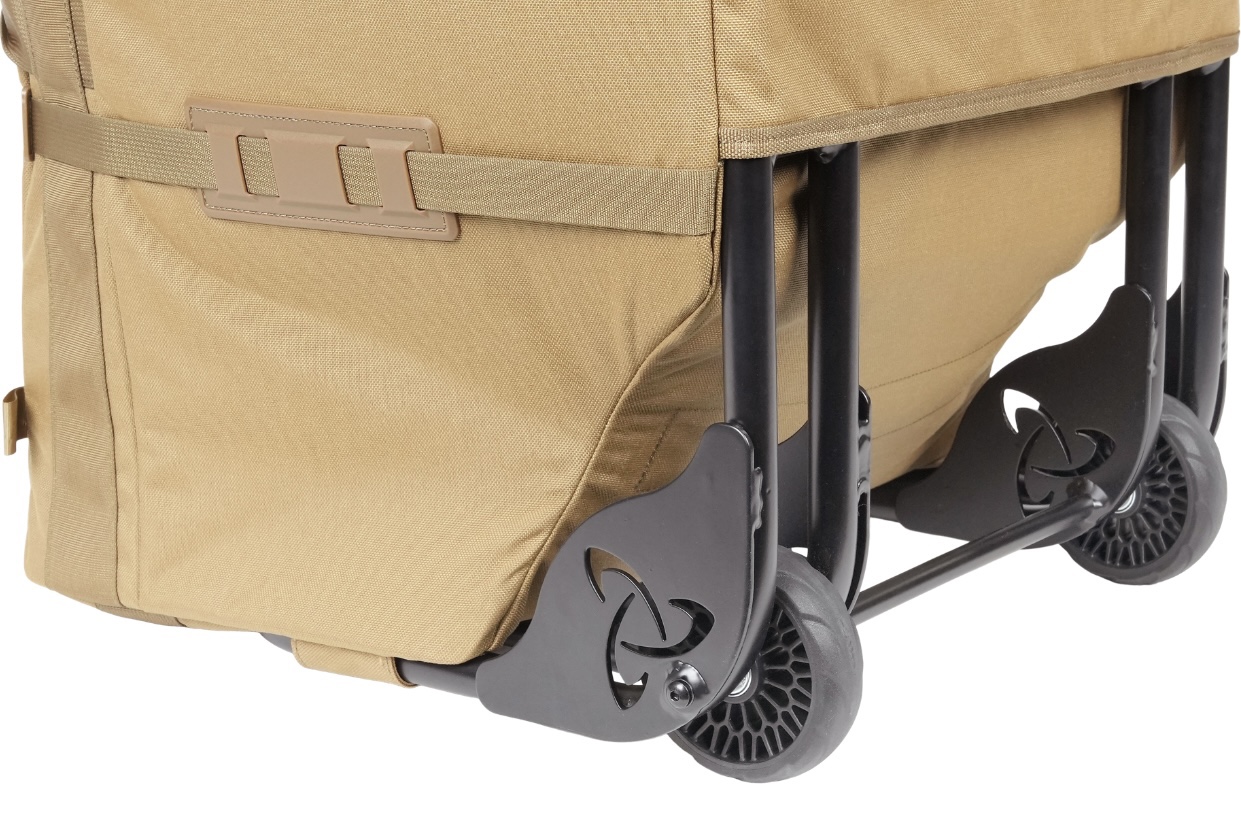
As I mentioned earlier, there are USA and international versions. In order to keep the price lower on the Berry compliant version, it doesn’t include all of the features found on the international version.
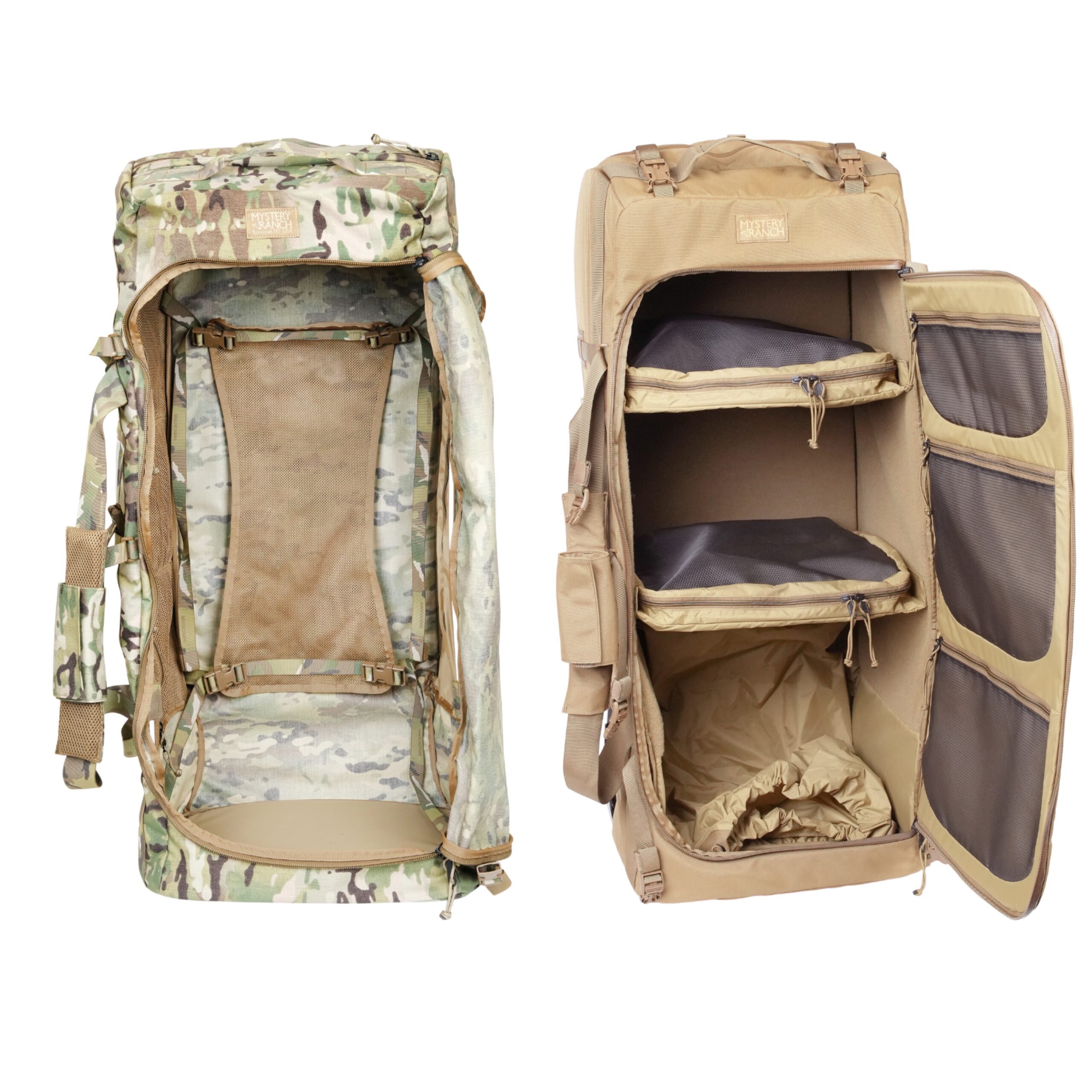
To the left is the Berry compliant model and on the right, the international. While the Berry model an internal compression strap, the international model has dividers which allow it to be used like a steamer trunk.
The Berry compliant version is offered in Coyote and MultiCam while the international version can be had in Black, Coyote and MultiCam.
Check out both versions of the All On Deployment Bag at SHOT Show in booth #31309.

Rheinmetall has a new print and online magazine entitled DIMENSIONS which offers greater depth on the things that the company is involved in.
The Hungarian state is building a new explosives plant to produce RDX (Research Department eXplosive) at its site in Várpalota, Hungary. Rheinmetall Denel Munition Pty (Ltd) from South Africa is supplying the necessary plant technology. Under the contract signed on 15 December 2022, a new plant will be built and operated by a joint venture consisting of Rheinmetall and N7 Holding, a state-owned Hungarian enterprise.

The contract is worth a figure in the low three-digit million-euro range.
Now that the planning phase is complete, the project will start in 2023, so that production can begin by 2027. The explosives produced in the new plant can be used for artillery, tank, and mortar ammunition, among other things. The contract covers the supply of plant engineering, technology, and process know-how as well as the associated documentation, training, and all activities necessary to achieve full-scale production.
The project is a strategic investment by Hungary in cooperation with Rheinmetall in response to the shortage of explosives resulting from strong demand for ammunition in Europe and NATO. At the same time, it promotes Europe’s independence from overseas imports in this sector.
Once completed and taken over by the Hungarian state, Rheinmetall AG will be the primary customer for the explosives produced by the plant.