XC3 Weaponlight

Archive for the ‘Advertiser’ Category

SCUBAPRO Sunday – Eugene Stoner and the M63/M63A Stoner Machine Gun

Sunday, April 18th, 2021

Eugene Morrison Stoner is the father of the AR family of rifles (and everyone knows AR stands for Armalite Rifle), that includes the AR-5, AR-15 and the M16. The family of M16s are one of the most iconic weapons engineered in world history. Stoner worked for the Vega Aircraft Company installing armament units after graduation from a vocational high school and before joining the Marine Corps right after Pearl Harbor was attacked. He served in the Pacific until the end of the war. In 1945 he went to work for Whitaker, an aircraft equipment maker in 1954, he transferred to Fairchild Engine & Airplane Corporation as chief engineer for a newly formed small division called Armalite, which was headed by George Sullivan, a patent counsel for Lockheed Corp. They met at a local range, where Sullivan was testing a new prototype for an Air Force survival rifle.
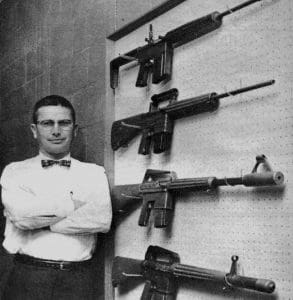
The AR5, is the product of Eugene Stoner’s feedback on the survival rifle. The AR5 is now better known as the AR7, or Henry Rifle’s US Survival Rifle. Stoner finished the first run of the ArmaLite AR-10 design in 1955. This was a game-changer in the world of small arms – a firearm that was small, quick to shoot, and didn’t weigh a ton. When the AR-10 was chambered for the 7.62x51mm NATO. When it was changed to chamber the new .223 Remington round its name was changed to the AR-15. Stoner’s name would go down in history if he had done nothing but build the AR-15, but he did so much more than that. He was a self-made man with only a high school education. Stoner changed the world as we know it forever, in addition to changing the landscape of American firearms, as well as the world stage, by inventing the M16. That gun, along with the AK (idea stolen from WW2 German guns) family of weapons, are the two most famous guns globally. He also designed one of the most iconic weapons of the Vietnam War and SEAL Team’s history. Eugene Stoner, left ArmaLite around 1961 to join Cadillac Gage Corp. There he started to build an entirely new set of weapons.
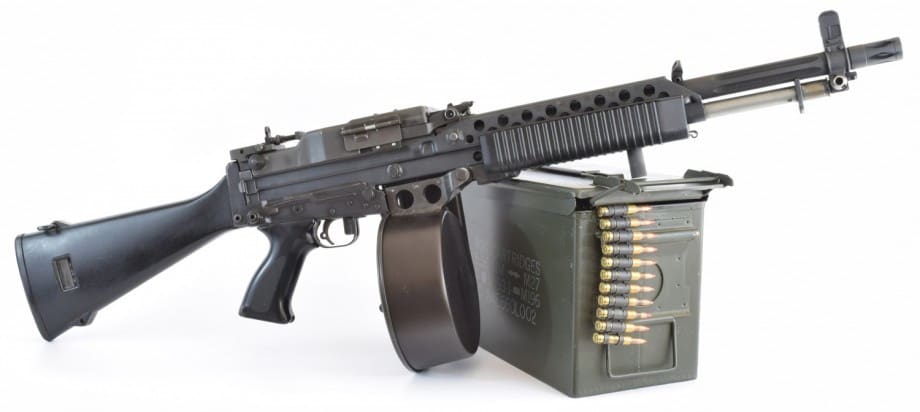
In 1962, known as Stoner 62, the first version, chambered the 7.62x51mm NATO ammunition. Later that year, it was changed to chambered for 5.56mm to help save weight. The name also changed to the Stoner 63. That system, developed and promoted until the early 1970s, was extensively tested as the XM22 (Stoner 63A rifle), XM23 (Stoner 63A carbine), and XM2077 by the U.S. military (light machine gun with belt feed). However, the Mk.23 model 0 belt-fed light machine gun configuration was used in small numbers by both the Navy and some Marines in Vietnam. In general, the Stoner system was somewhat too costly and also slightly over-complicated for a dedicated light machine gun, though having the advantages of modularity and interchangeability of parts allowed for great versatility in tactical use. The Stoner was known for being a little finicky when cleaning and maintaining, but reliable if proper care was taken. Overall, between 1962 and 1971, some 3,500 to 4,000 Stoner M63 weapon kits were made. Of those, some 2400 Stoner 63 Light machine guns were purchased by the U.S. Navy for Special Forces in Vietnam and about 100 more were purchased for the enhanced Mk.23 mod.0 variant. Starting in 1963, the Stoner 63 was used in combat in Vietnam, primarily in the hands of SEAL Teams.
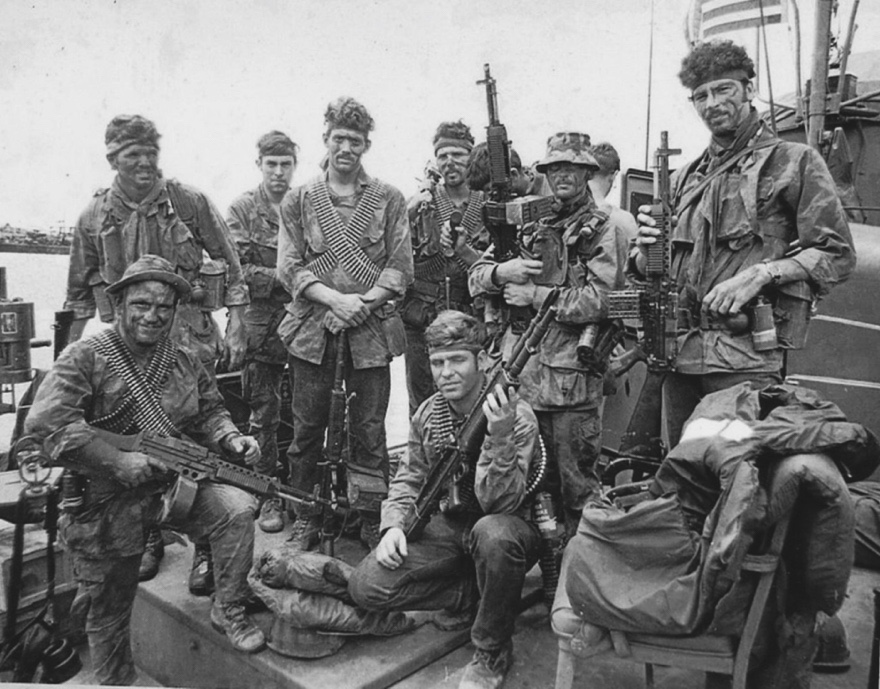
The Stoner machine gun was developed to maximize firepower. The versatility of the Stoner 63 made it the perfect weapons system for the newly minted SEAL teams during the Vietnam War. SEAL Teams One and Two evaluated the 63A, saying that the weapon was “significantly superior” to the M60 machine gun and suggested at least six guns for every 12-man SEAL platoon. It was also claimed that immediate action drills and tactics for contacts with the enemy were based around the weapon system and were actively established by SEAL platoons to fit with the 63A.
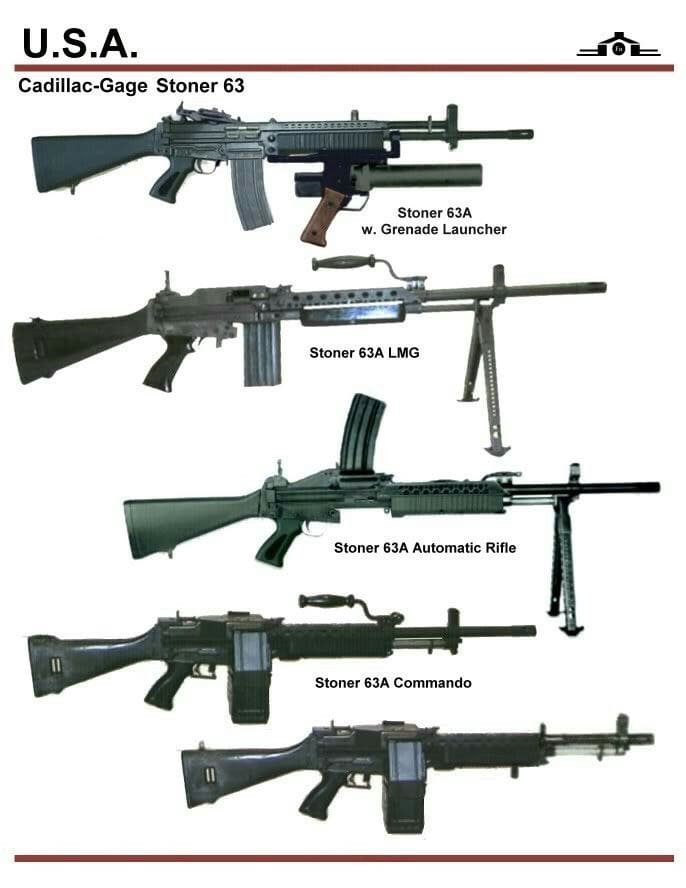
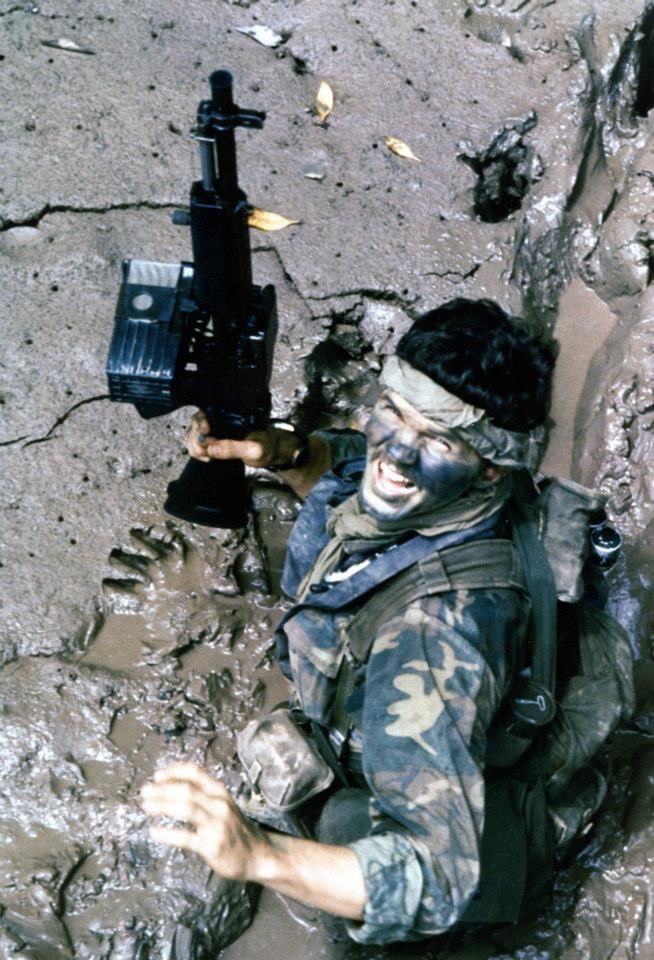
One of the last times the Stoner was used by the U.S. Military was by the Marines in limited numbers during the 1983 invasion of Grenada.  Despite its success, the Stoner 63 never saw wider acceptance. After the Army provided the 63A Light Machinegun (LMG) version for evaluation to some Green Berets in the 1970s, the branch concluded that the unique platform was too tricky for battlefield maintenance,  which is ironic, given that it was the unique recoil buffering mechanism of the Stoner 63 that helped make the platform so flexible in the first place, in combination with the multi-use receiver.
The Stoner 63 framework has several barrel types for LMG models, with different lengths and profiles. Small, fluted barrels were used by the Navy Mark 23 model 0 machine guns, but other models (with long barrels) also saw action in Vietnam.
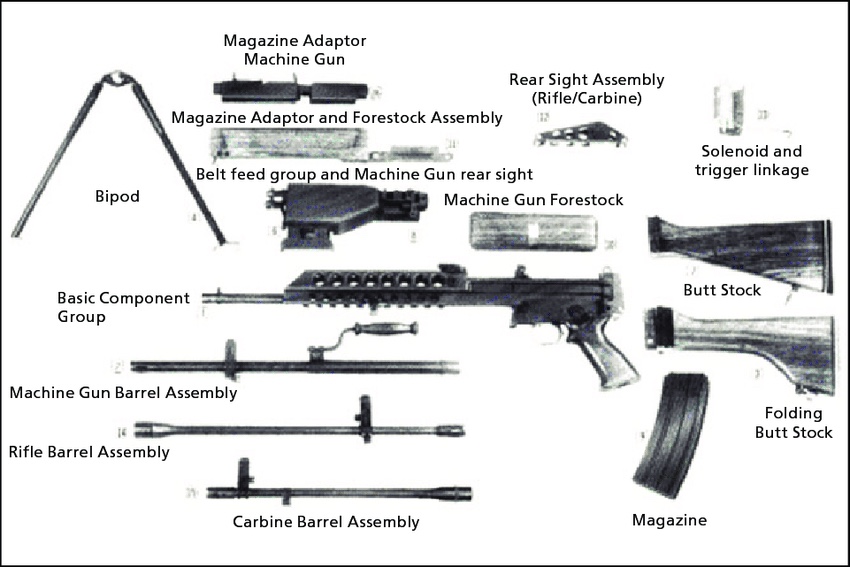
A universal bolt group is used in the stamped steel receiver, with a multi-lug rotating bolt and a long-stroke gas piston with a gas tube. For the attachment of all other sub-assemblies and the quick-detachable barrel, the receiver also has many sets of mounting points. The receiver is so orientated in the rifle. The carbine configuration is such that the gas device lies above the barrel and the feed unit’s mounting points are below the receiver. Some pictures are so iconic people make shirts out of them( Thirty Seconds Out)
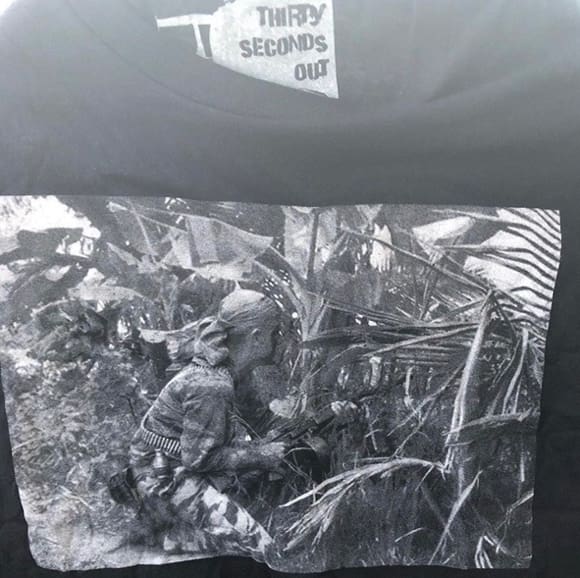
The receiver is turned ‘upside down’ in all machine gun setups, either belt or magazine fed, with the gas system being below the barrel, ejection on the left side, and the feed unit above the receiver. The trigger unit has no hammer in the machine gun configuration; instead, its sear interoperates with the cut in the gas piston rod, only allowing fully automatic firing, and only from the open bolt. The magazine feed unit can handle patented curved box magazines and can be used to configure both rifle and machine gun. It was only possible to use the belt feed unit in machine gun setups.
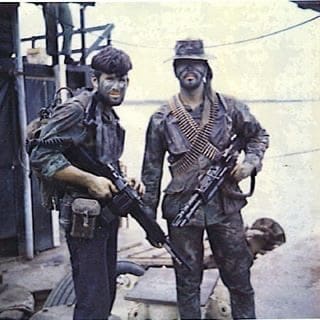
Early guns had a left-side feed, which often triggered jams due to ejected shells’ reflection back into the ejection window. Later guns had a right-side feed that eliminated this problem. The 100-round box containers, made of plastic, were issued with late production LMG’s with right-side feed. All the containers were clipped to the receiver’s rim, and various rear sight units were available for different setups, with the front sights being mounted on quick detachable barrels. The charging handle was located on the right side of the bolt carrier for the earlier Stoner 63 device weapons; the safety and fire selector were merged into one control, located on the trigger unit’s left side. The charging handle was attached to the gas piston rod on the modified Stoner 63A device and projected from the top in the rifle/carbine configuration or from the bottom in the MG/LMG configuration; safety was formed as a separate lever on the front of the trigger guard, with the fire mode selector still located above the pistol grip on the side of the trigger unit. Plastic was the traditional buttstock and forearm. All Stoner 63 light machine guns were supplied with detachable folding bipods; although Cadillac Gage Corp produced tripods and even vehicle mounts, it seems that they were never really used in combat.

The Stoner machine gun is one of the most iconic weapons of the Vietnam War. I always think about buying an airsoft version just to frame and hang in my garage. But, that said, I started out as a 60 gunner so, if anything, I would have to get an Echo Three first. If you have ever had the opportunity to fire one, you are a very lucky person. Well not in the “hey those guys are shooting at us, I should return fire with my Stoner”. I mean more of the “Hey, I am shooting a Stoner on the range”……not that shooting back at people that are shooting at you is bad thing.
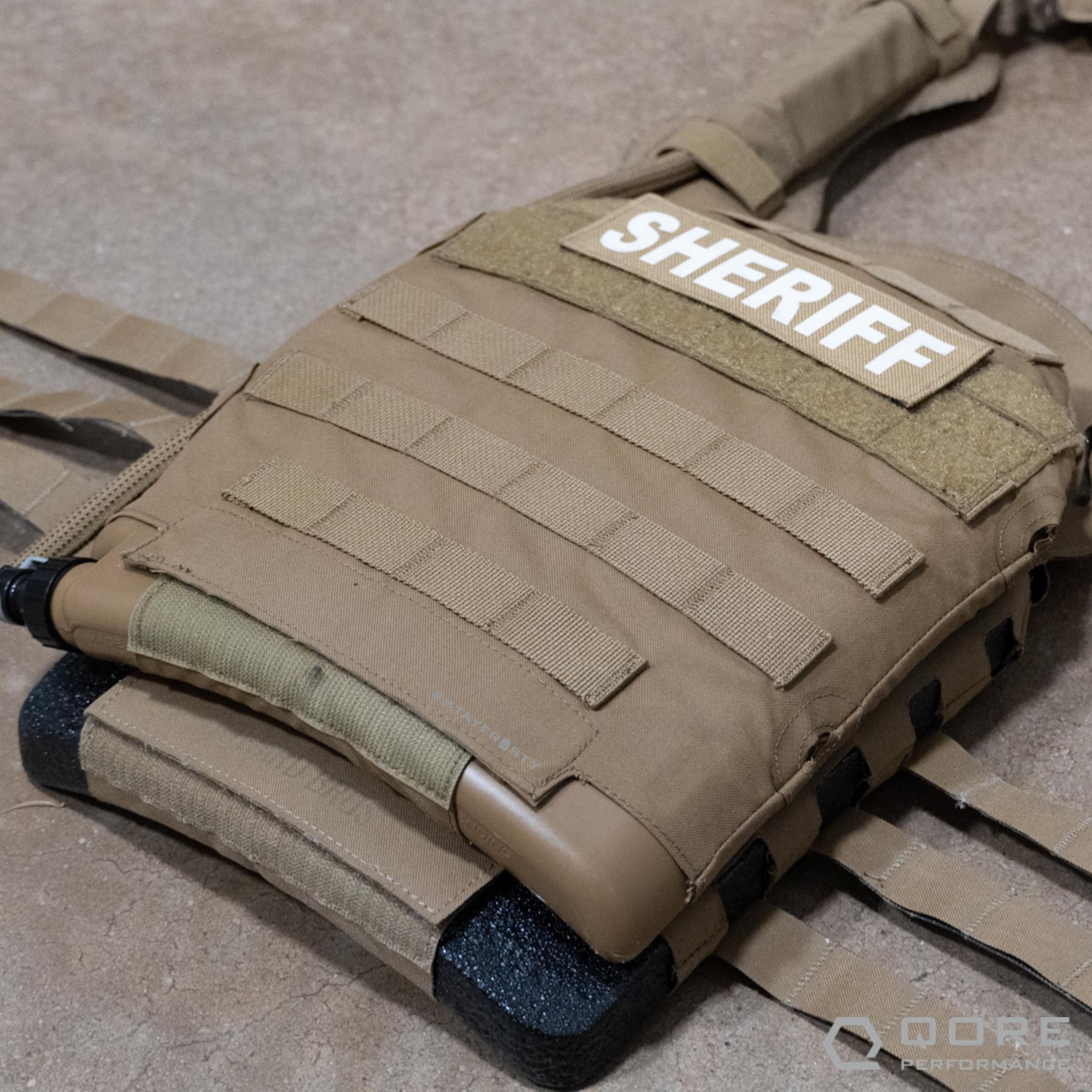
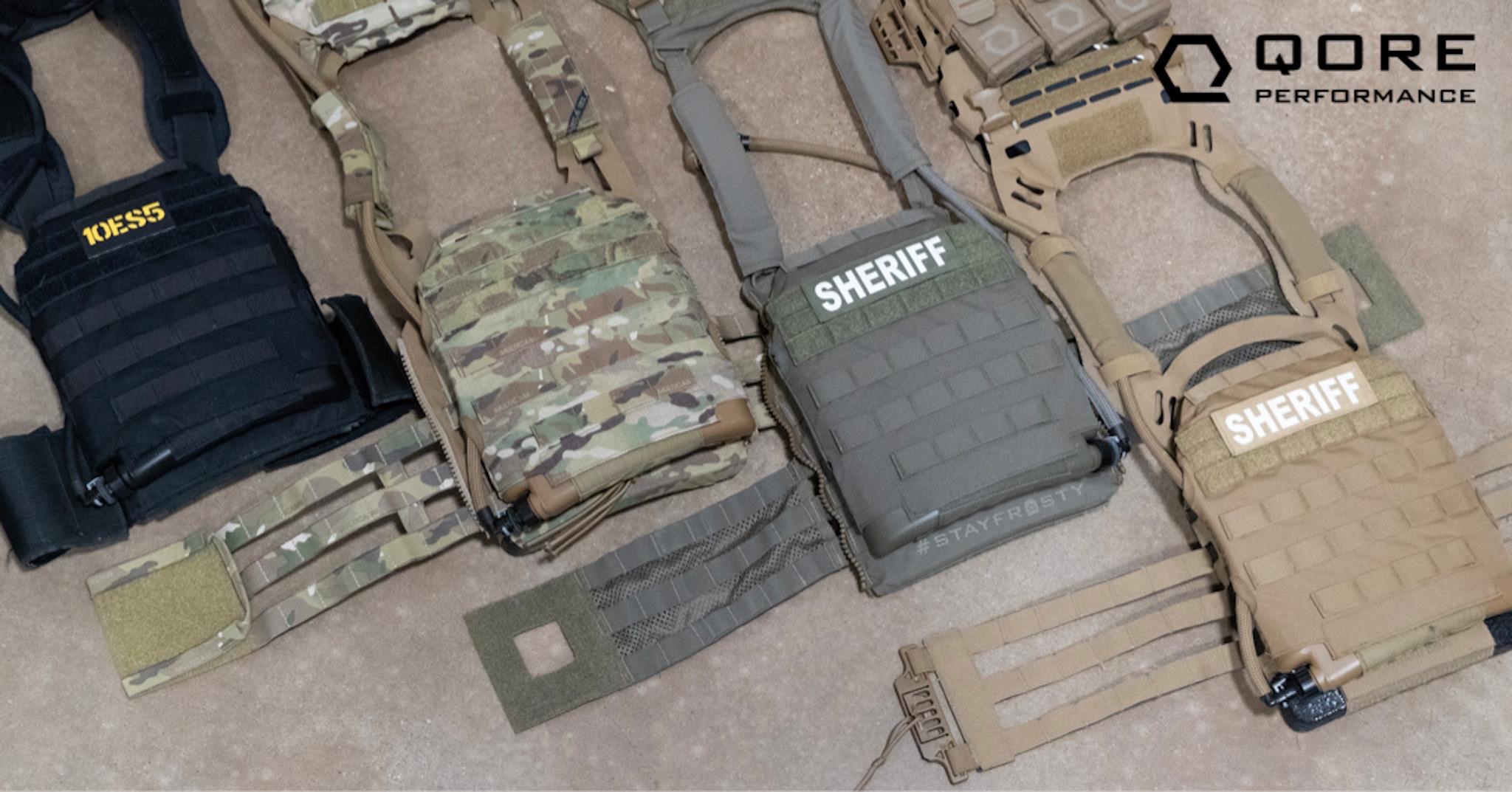
New IcePlate MOLLE Sleeve Hard Cell Plate Carrier Hydration System from Qore Performance Launches to Military, Law Rnforcement, Security Customers

Friday, April 16th, 2021

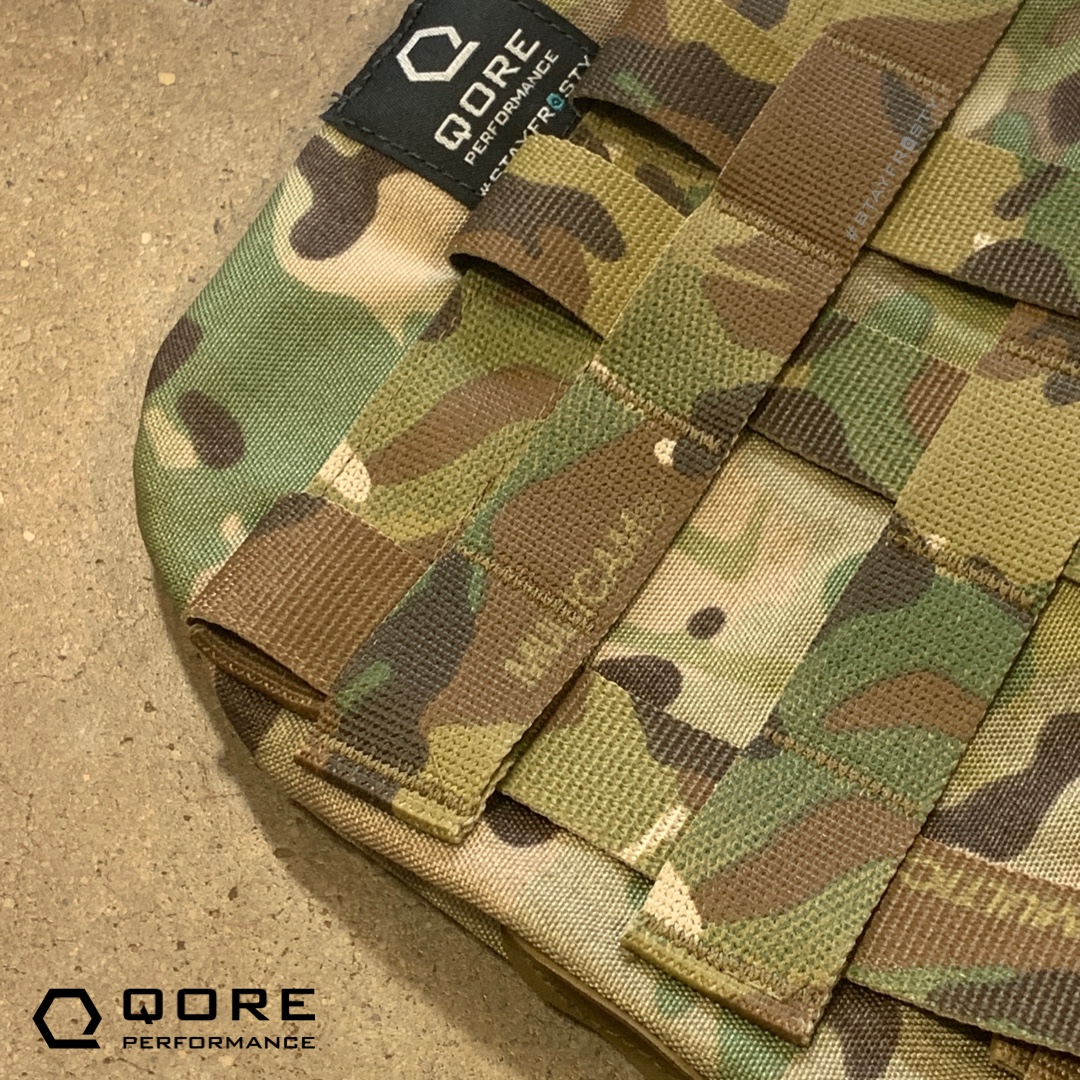
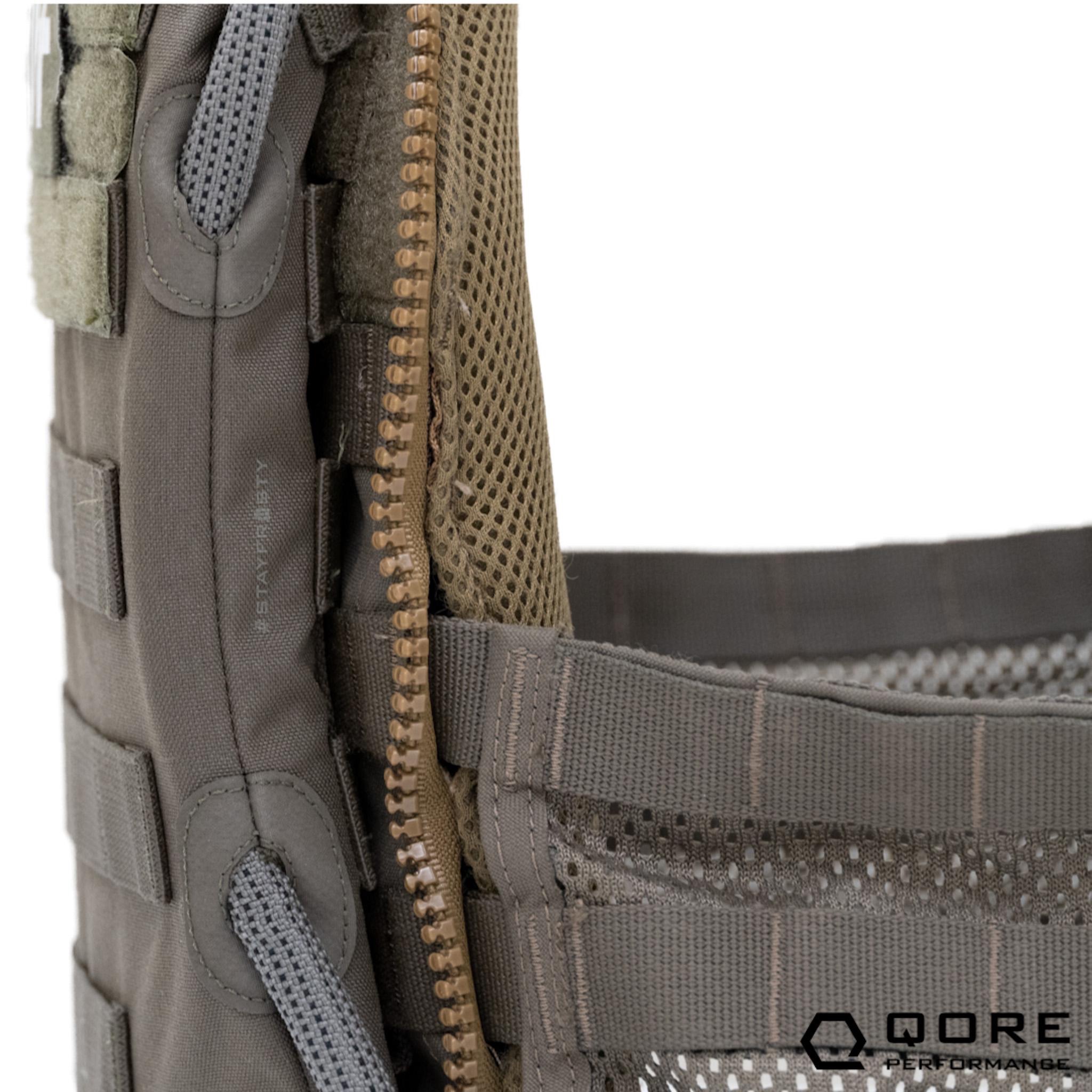
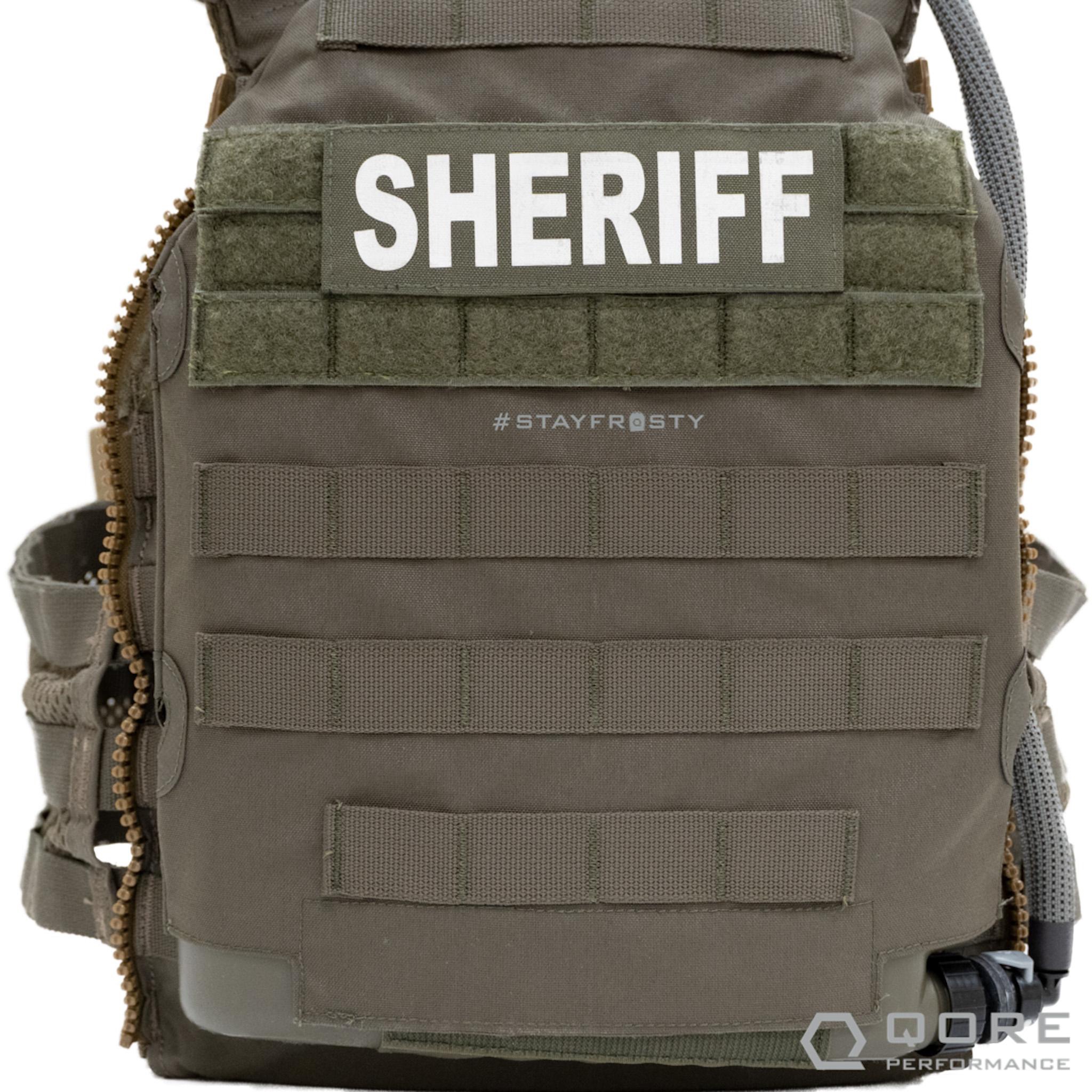
Sterling, VA: Thermoregulation, hydration and human performance experts Qore Performance, Inc., announced the release of an updated IcePlate MOLLE Sleeve (IMS) today. IMS is an ultrathin, hard cell, plate carrier hydration system built around Qore Performance’s venerable IcePlate Curve cooling/heating/hydration water bottle shaped like a Medium ESAPI plate.


All-new for 2021, IMS joins IMS Pro to bring greater durability and ergonomic efficiency to plate carrier hydration for military and law enforcement users. Hard cell hydration delivers strength and dependability that cannot be matched by traditional soft bladders, while preserving a full MOLLE field under heavy loads. The flat, ultrathin, and conformal profile of IcePlate Curve also allows users to sit more comfortably in vehicles. IMS fits under zip on panels like the MOLLE Zip-On Panel 2.0, Pack Zip-On Panel or Pouch Zip-One Panel by Crye Precision.

Designed specifically for units, commands, and agencies where skeletonized laser-cut laminate solutions are not approved, IMS is built from traditional 500D nylon for excellent field durability with a commonly approved look that matches traditionally-constructed kit.

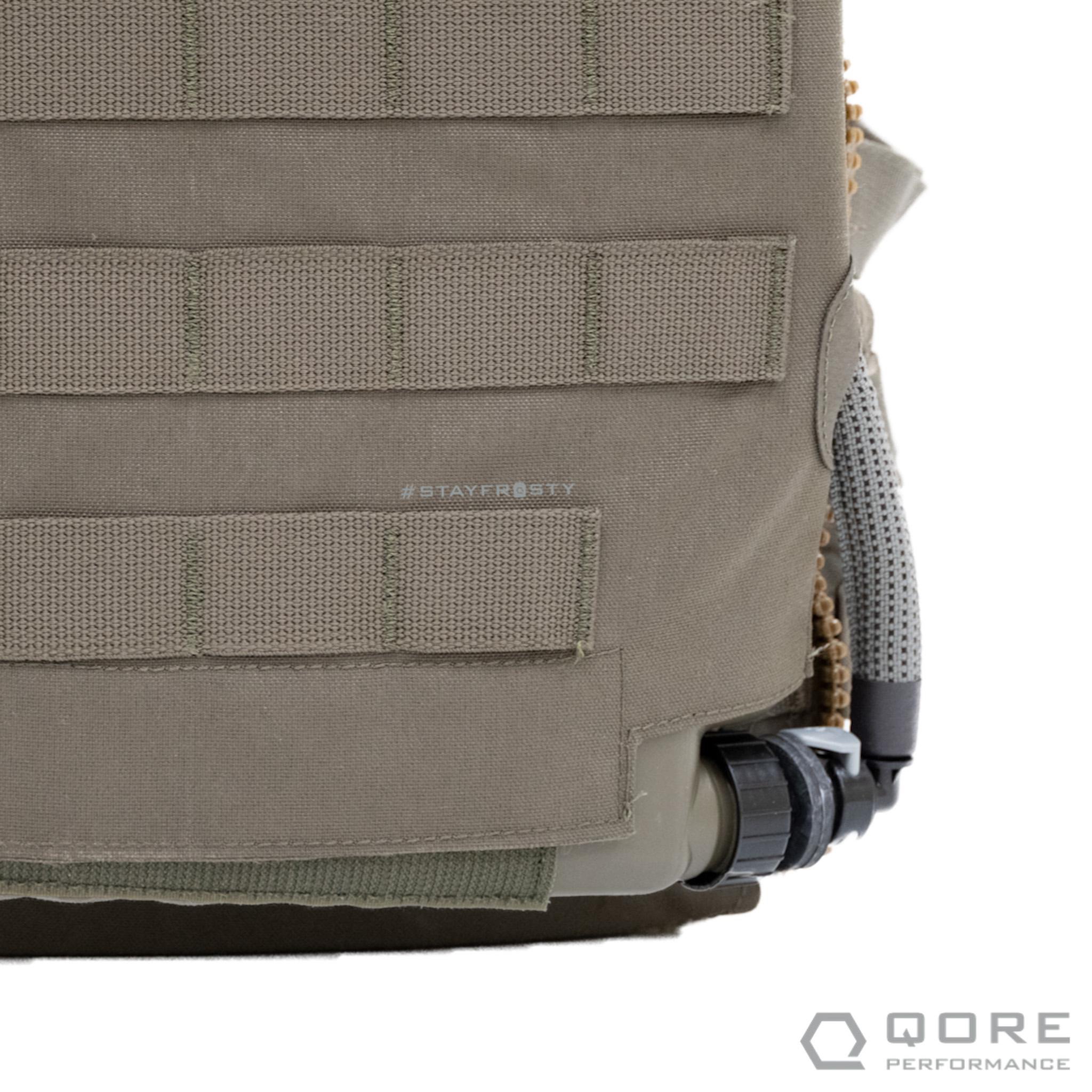
IMS is completely ambidextrous with laser-cut Drink Tube Routing Ports on both sides for compatibility with Left Exit or Right Exit IcePlate Curves.

The bottom zipper closure from the previous generation IMS Flex has been replaced with the same, familiar Velcro-brand hook and loop bottom closure found on IMS Pro and IcePlate EXO (ICE). The move to a Velcro-brand bottom closure also improves suitability for night operations and reliability while reducing weight. In working directly with Active Duty end-users, this change to a Velcro-brand bottom closure was among the most requested changes from the previous IMS Flex.

Features and Specs:
-Rugged 500D nylon construction features six full rows of MOLLE with a full three row MOLLE Velcro loop field for identification placards that measures 8.5″ w x 3″ h
-Four (4) permanently attached MOLLE strips included
-Compatible with any MOLLE-equipped plate carrier. For MOLLE and Velcro combination compatibility, check out IMS Pro
-Velcro brand bottom closure is identical to IMS Pro, IcePlate EXO (ICE) for quick, simple and intuitive IcePlate access, optimized for night operations
-Combine IMS with IcePlate Classic or IcePlate Curve for the thinnest and most durable plate carrier hydration solution on the market
-Mount heavy tools (AT4s, Base Plates, etc.) on your plate carrier hydration source without rupture concern
-Mounted patrols/movements are more comfortable than ever thanks to the flat back profile created by IMS and IMS Pro

“We built IMS because we have many end-users, who depend on IcePlate for its strength,” remarked Qore Performance Co-Founder and CEO Justin Li when asked about the development of IMS, “those users don’t use the thermoregulation and heat injury prevention capabilities that IMS Pro brings to the table, they only need external plate carrier hydration and IMS is the answer to that requirement.”

IMS, like all military and law enforcement products from Qore Performance, is 100% American made from US materials and shipped six days per week from their Sterling, VA headquarters.

As the inventors of specialized and consumable thermoregulation for PPE users, Qore Performance is leading the fight to eliminate preventable heat injuries. Bridging the gap between Man and Machine, their IceAge Ecosystem protects over 20,000 daily active users in occupational safety alone. Dozens of America’s Fortune 1000 companies including Boeing, Dutch Bros Coffee, Charlotte Area Transit System, America’s Chicken, and Marathon Petroleum, depend on Qore Performance to safeguard their teams and their bottom lines. Qore Performance enterprise customers have worked over 2,000,000 hours since 2017 without a single heat injury.

IMS and IMS Pro are available exclusively on the Qore Performance website:

IcePlate MOLLE Sleeve Collection

For sales inquiries, contact:

Doug Burr
Director of Sales and Business Development

Qore Performance, Inc.
22311 Shaw Rd, STE A2
Sterling, VA 20166

www.qoreperformance.com
info@qoreperformance.com
703.755.0724
@qoreperformance

Velocity Systems Promotes Nelson Rodriguez to National Sales Director

Friday, April 16th, 2021

Dulles, VA (15 April 2021) Velocity Systems is pleased to announce Nelson Rodriguez being promoted to the position of National Sales Director. Nelson has been with Velocity Systems for over 6 years and has been vital to its organic growth. He brings 18+ years of experience in sales and sales management which will be vital in the continued growth of the company. Prior to beginning his sales career, Nelson spent 12 years in the United States Army with both the 75th Ranger Regiment and Special Operations Command south.”

According to David Strum, President of Velocity Systems, “From the moment Nelson walked in the door we knew his dedication to the end user would be unparalleled, his work ethic and personality has made him a great fit for Velocity Systems”

Velocity Systems is excited to announce this promotion and we look forward to the continued growth for Nelson and Velocity Systems.  

FirstSpear Friday Focus— Comm Pack

Friday, April 16th, 2021

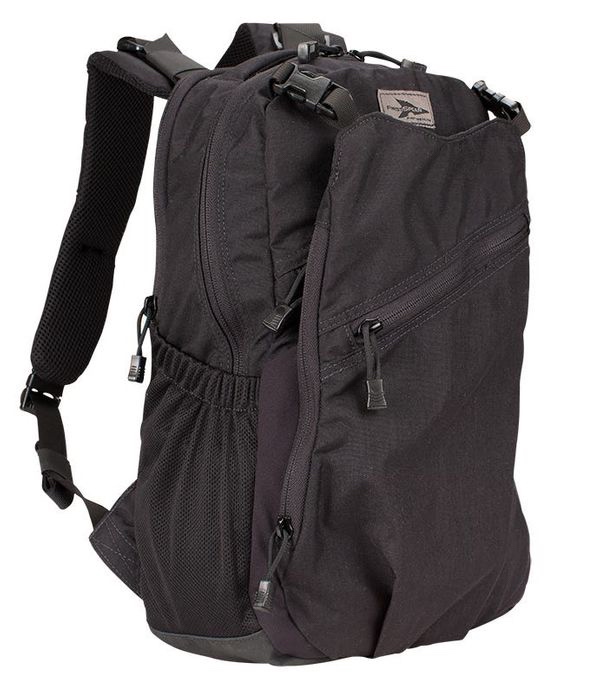
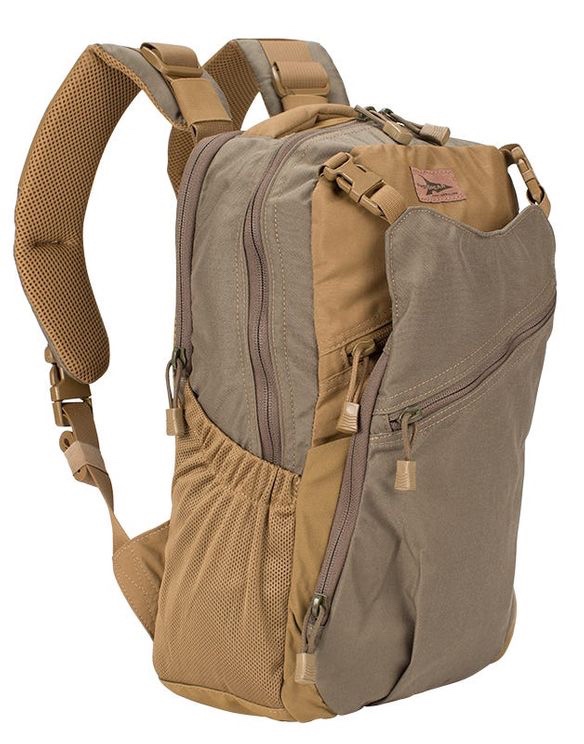
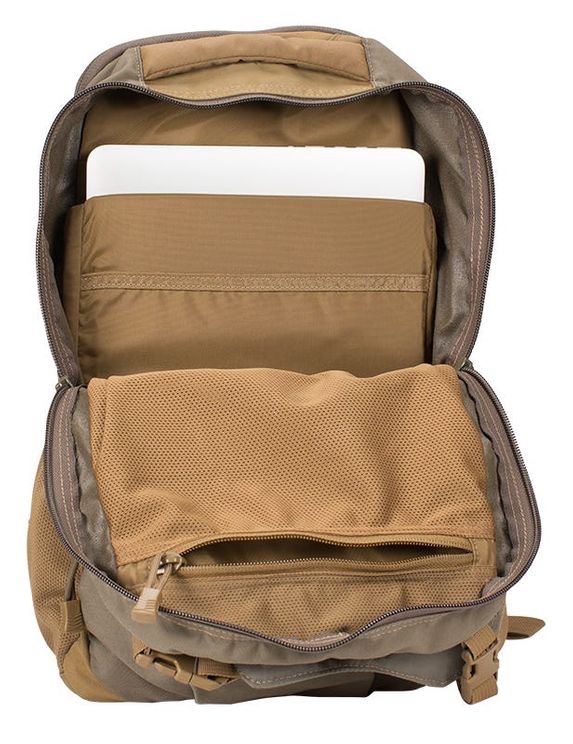
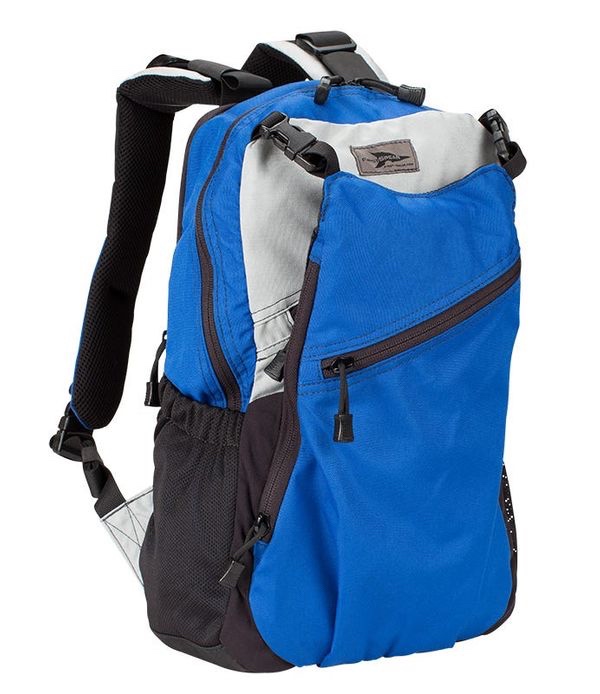
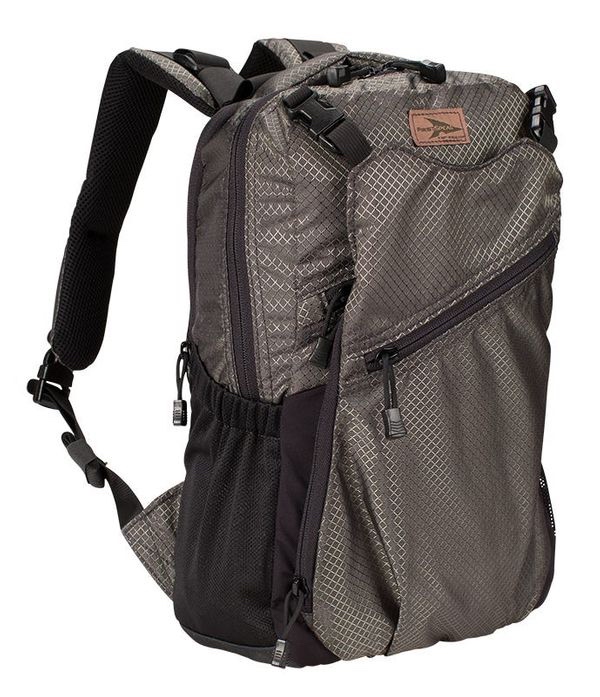
Based off of the popular Exigent Circumstance Pack, the Comm Pack offers a distinctly urban style. The zippered main compartment offers ample storage for a wide variety of communications devices or other equipment and the cable access ports are discreetly located. Inside, there’s a padded laptop sleeve and zippered mesh pocket.

• Discrete backpack
• Distinct urban feel
• Internal laptop sleeve
• 2 Sizes: 980 cu in or 1800 cu in

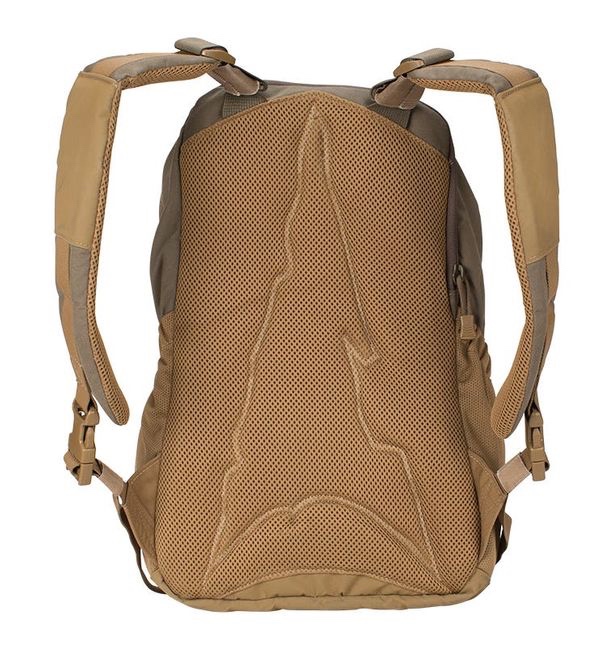
The pack incorporates padded shoulder straps with QR buckles as well as a low profile, padded haul loop handle at the top of the pack. The mesh, padded back of the pack offers the distinctive FirstSpear logo stitched design. Each side of the pack features a mesh pocket for water bottles or other items. There is also an exterior, beavertail-style flap with dual zippered compartments for quick storage. Additionally, there is a flat zippered pocket at the front of the pack under the flap.

The Comm Pack is available in Black, Blue/Silver, Ranger Green/Coyote and the Ripstop Light Grey.

Check out the Comm Pack at www.first-spear.com/comm-pack-and-comm-pack-large

SIG SAUER Unveils U.S. Army Best Ranger Competition M17 Trophy Pistols

Thursday, April 15th, 2021

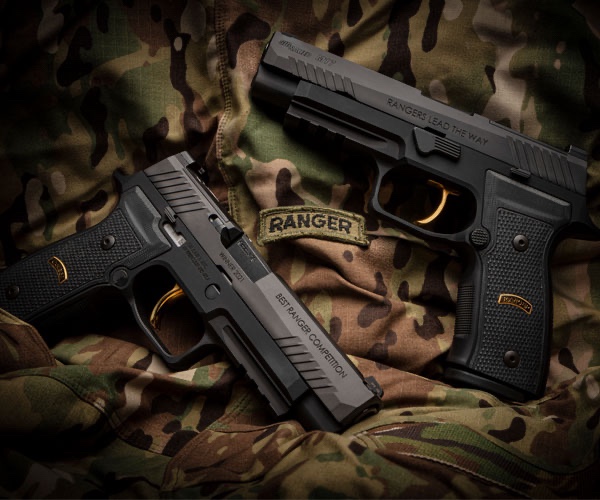
NEWINGTON, N.H., (April 15, 2021) – SIG SAUER is honored to announce the creation of the U.S. Army Best Ranger Competition M17 Trophy Pistols for the upcoming 2021 Best Ranger Competition being held at Fort Benning, Georgia, April 16-18, 2021. The custom M17 pistols were designed and built by SIG Custom Works and beginning this year, the custom M17 pistols will be presented as the official Best Ranger Competition Trophy pistols to the two-man team that earns the Best Ranger title annually.

The U.S. Army Best Ranger Competition is a grueling competition that identifies the best, two-man U.S. Army Ranger buddy team on a course that is designed to place extreme demand on each team’s physical, mental, technical and tactical skills. The competition is open to all Ranger-coded positions within the U.S. Army and each year competitors from across the globe come to compete with the hopes of earning the prestigious Best Ranger title. 

“The Best Ranger Competition is the ultimate physical challenge that puts any operational and traditional skills to test, under extreme circumstances, for sixty straight hours of punishing, non-stop, endurance competition,” said Jason St. John, Director, Government Products, SIG SAUER, Inc. and Sergeant First Class (Retired), U.S. Army Ranger. “It’s an incredible honor for SIG SAUER to be afforded this opportunity to present this custom M17 pistol as the official trophy pistol of this prestigious competition to recognize the elite Ranger competitors and their sacrifice.”

The unique distinguishing features of the SIG Custom Works, U.S. Army Best Ranger Competition M17 Trophy Pistols are:

M17 Pistol: The official sidearm of the U.S. Army with a custom black nitron engraved slide and black AXG metal grip and a gold trigger.

Right Slide Engraving: Best Ranger Competition (to include competition year)

Left Side Engraving: Rangers Lead The Way

Sight Plate: Engraved with Best Ranger competition logo (to include the name of competition winner)

Pistol Grips: Black G10 Grips with a Ranger Tab Medallion inset

The U.S. Army Best Ranger Competition M17 Trophy Pistols will be presented, for the first time as the official trophy pistol, at the 2021 competition trophy presentation on Monday, April 19, 2021.

A full series of photos of the U.S. Army Best Ranger Competition M17 Trophy Pistols are available for viewing at: sigmedialibrary.com/c/5yi7dm3p

WARNORD – CP x TD Desert Tiger Stripe G3 Field & Combat Uniforms Go Live Tomorrow @ Noon EDT

Thursday, April 15th, 2021

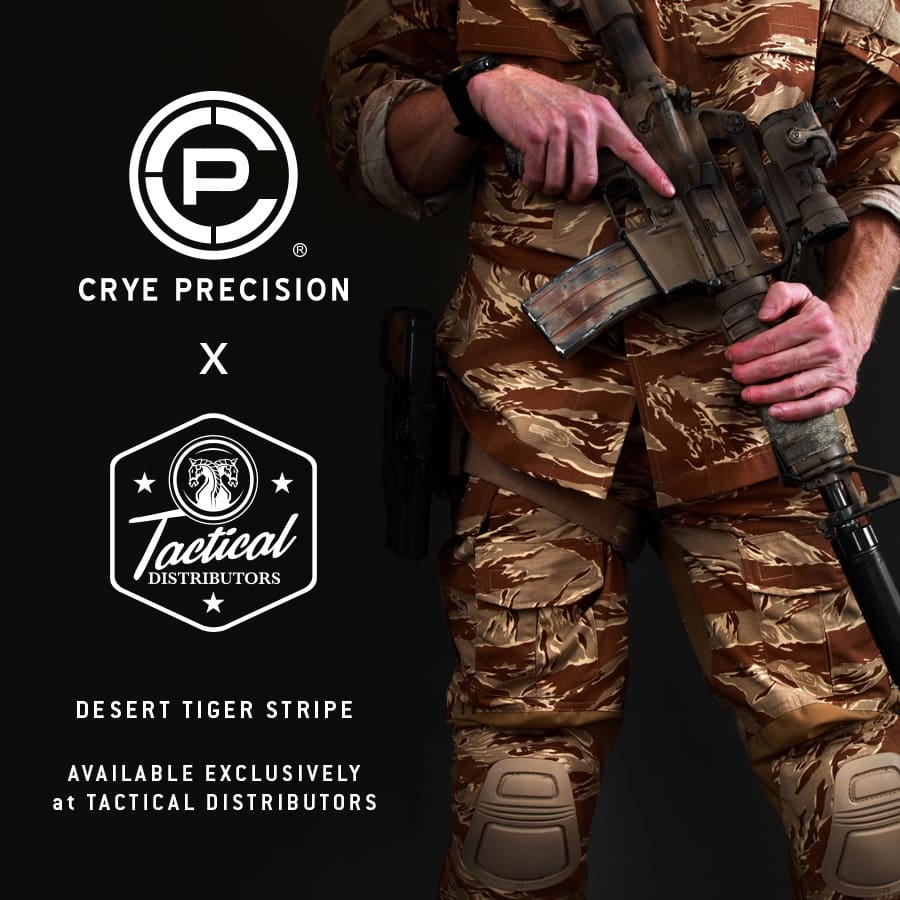
Tactical Distributors is dropping the exclusive Desert Tiger Stripe Crye G3 Combat pants & tops and G3 field bottoms and tops. This limited release will go live at 12 noon eastern time, Friday, Aril 16.

www.tacticaldistributors.com/collections/crye-precision

Helikon-Tex Launches Woodland Camouflage Gear

Thursday, April 15th, 2021

Poland’s Helikon-Tex has launched a slew of products in Woodland camouflage.

Items include the SFU NEXT Shirt and Pants, and Bandicoot waist pack.

More on Woodland can be seen at camouflages.helikon-tex.com.

L3Harris Technologies and American Rheinmetall Vehicles Team to Pursue US Army’s New Fighting Vehicle

Wednesday, April 14th, 2021

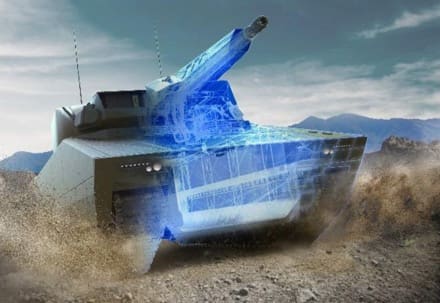
L3Harris Technologies and German integrated technology group Rheinmetall’s subsidiary American Rheinmetall Vehicles have signed a teaming agreement to jointly develop the U.S. Army’s new Optionally Manned Fighting Vehicle (OMFV), which will replace the Bradley Infantry Fighting Vehicle.

The agreement combines L3Harris’ open system design and equipment manufacturing leadership with the maturity and modularity of American Rheinmetall Vehicles’ Lynx next-generation fighting vehicle for an OMFV offering that is low-risk and easily upgradable.

American Rheinmetall Vehicles, the prime contractor, selected L3Harris to provide vehicle mission systems, cybersecurity and its modular open systems approach (MOSA) for the Lynx. L3Harris’ MOSA can enable cross-platform and cross-domain commonality of parts and subsystems to allow for easy and affordable upgrades.

“We have a long history providing similar support to multiple platforms using our MOSA approach for mission systems and electronic warfare,” said James Gear, Vice President, L3Harris Domestic Business Development. “We look forward to working with American Rheinmetall Vehicles to further expand into the ground defense vehicle market.”

“We are excited to have L3Harris join our growing team to support the U.S. Army’s OMFV program,” said Mathew Warnick, Managing Director for American Rheinmetall Vehicles. “Their experience in open architecture, communications, and cybersecurity bring tremendous capability to the American Rheinmetall Vehicles team as we prepare our digitally engineered OMFV to provide our Soldiers overmatch now and for the future.”

The design approach is grounded in the reuse of technologies and lessons from the family of L3Harris programs and engagements around the Army’s modular open aviation and ground endeavors.