FirstSpear TV

Archive for the ‘Advertiser’ Category

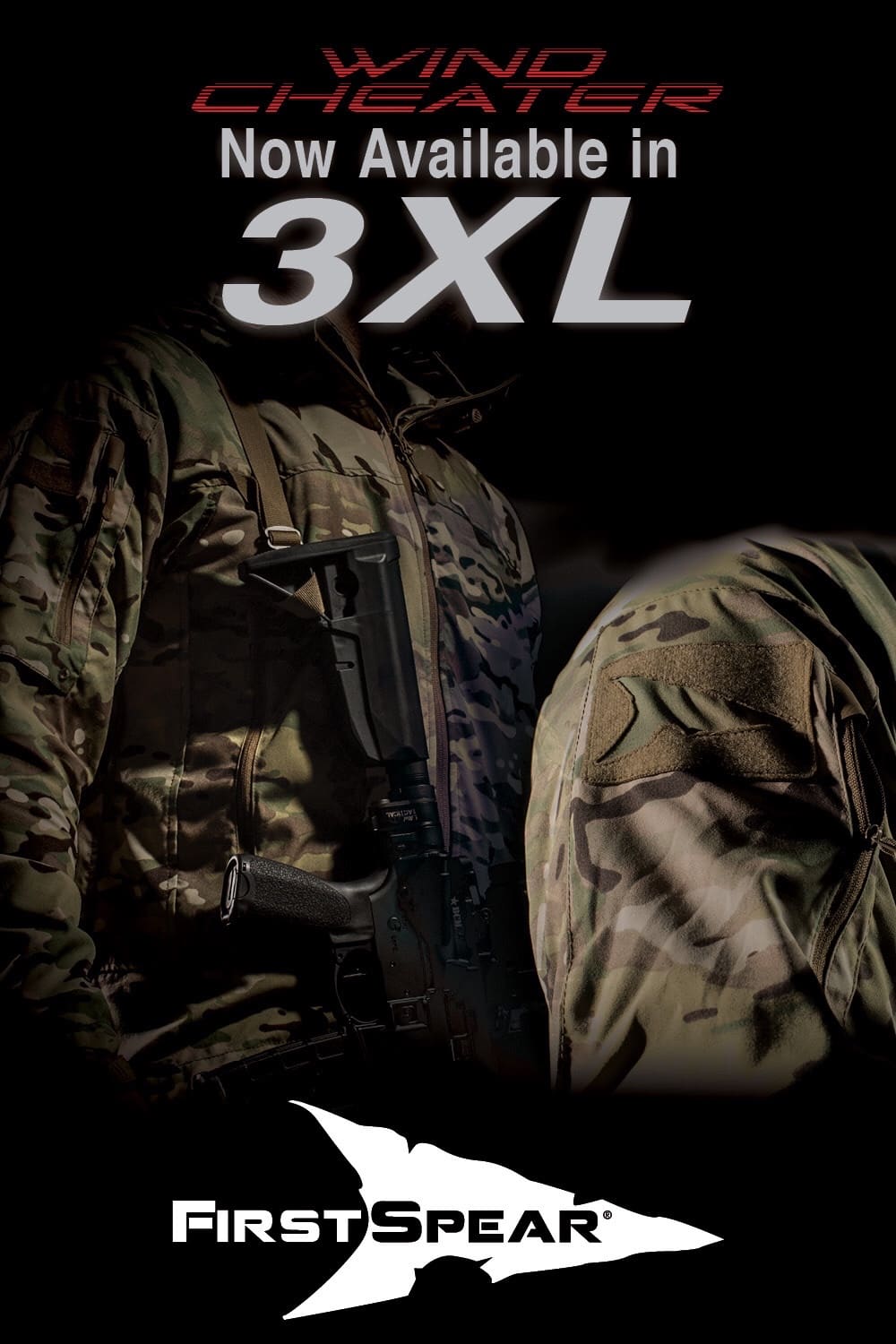
FirstSpear Friday Focus – Wind Cheater Available in 3XL

Friday, September 18th, 2020

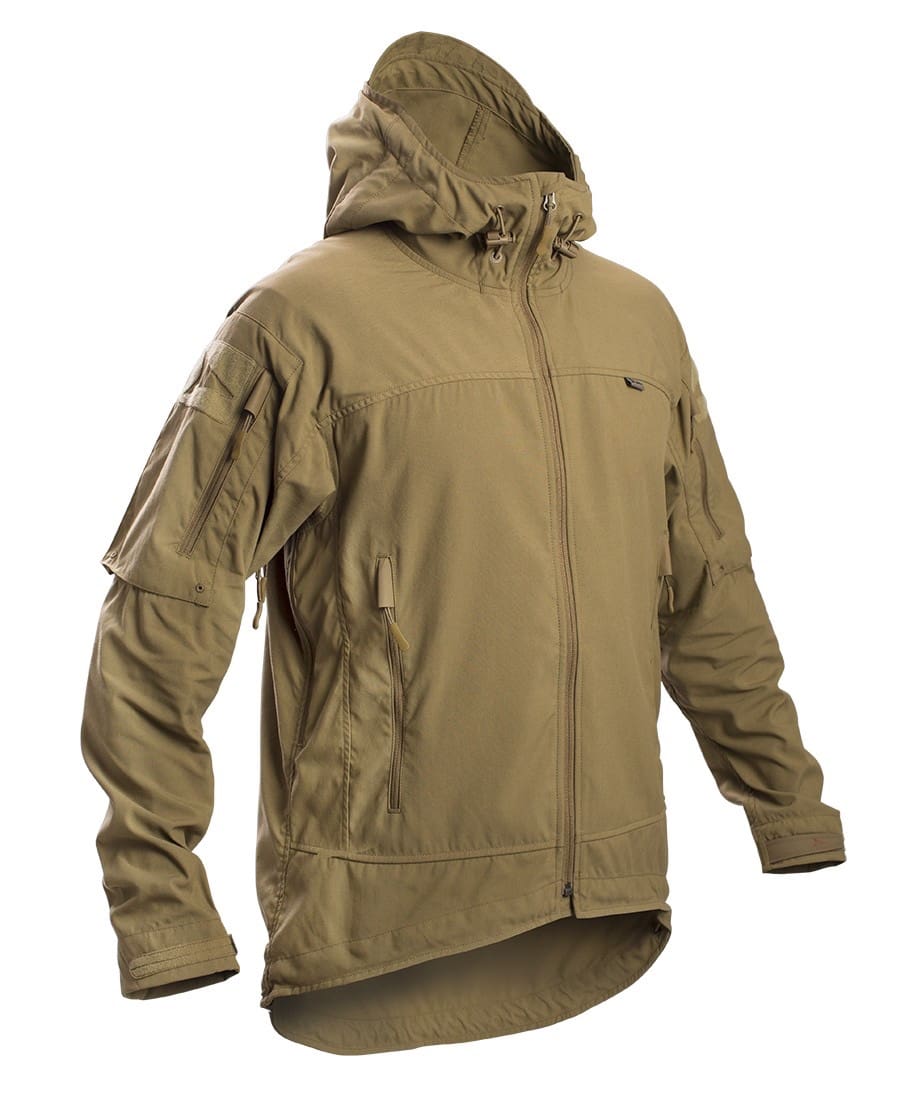
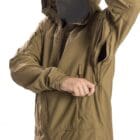
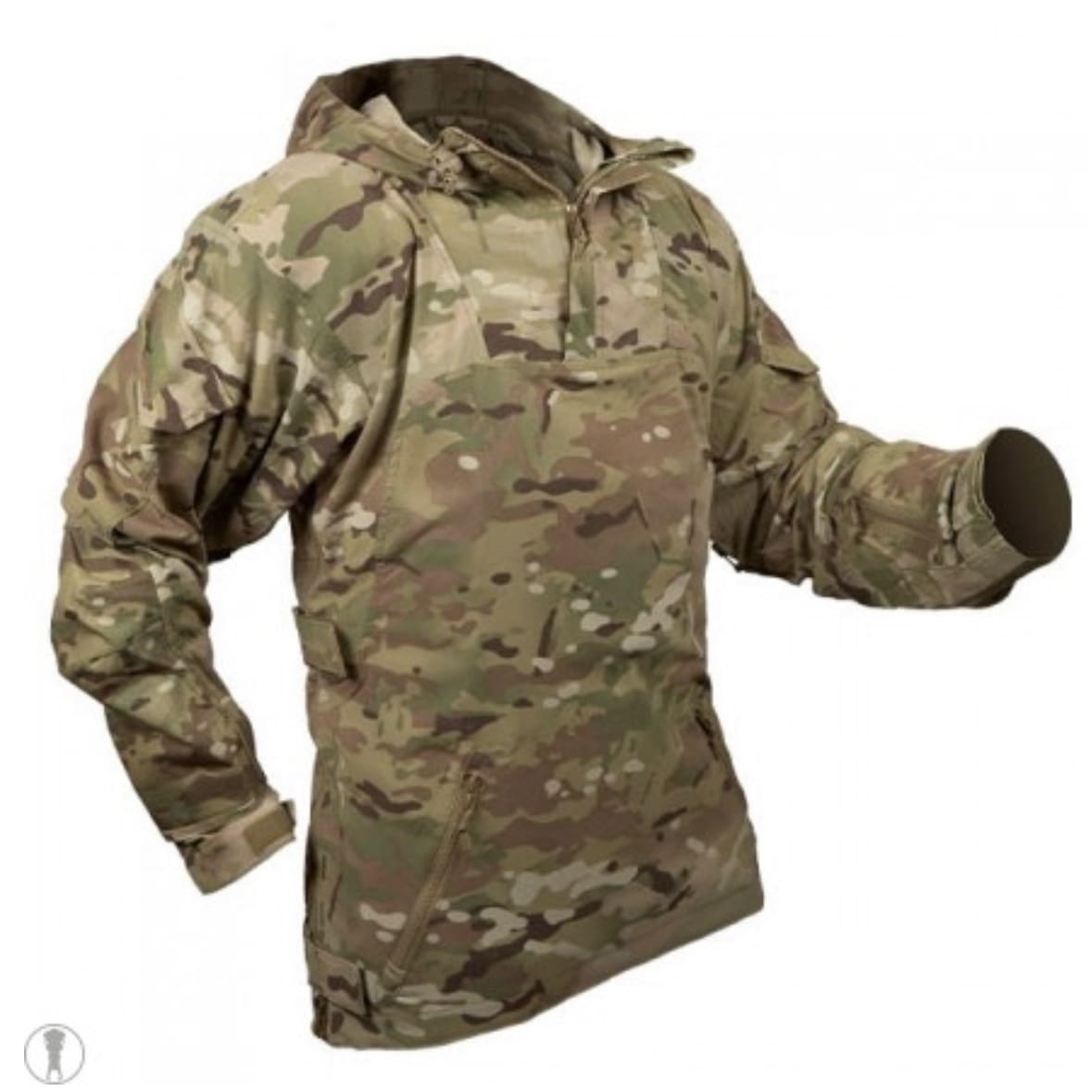
This Friday we are getting a look at the popular all season Wind Cheater now available in 3XL! 100% Berry Compliant constructed from 330D ambush the Wind Cheater is a unique garment very light in weight, breathes like a t-shirt yet still sheds wind and light precipitation thanks to a DWR coating.

The Wind Cheater features a long tail great for colder days with just the right height on the front for easy access to belt mounted accessories. Oversized hood works well with hats or helmets with a wide range of bungee adjustment for user defined fit. Two large bicep pockets, pit zips and torso pockets allow for exceptional ventilation when required.

Offered in Multicam, Manatee Grey, Coyote, Black and Ranger Green. 100% American Made.

www.first-spear.com/wind-cheater

Team SIG Captain Max Michel Becomes the First Carry-Optics Division Shooter to Take the “Overall Champion” Title at USPSA Area Championship

Wednesday, September 16th, 2020

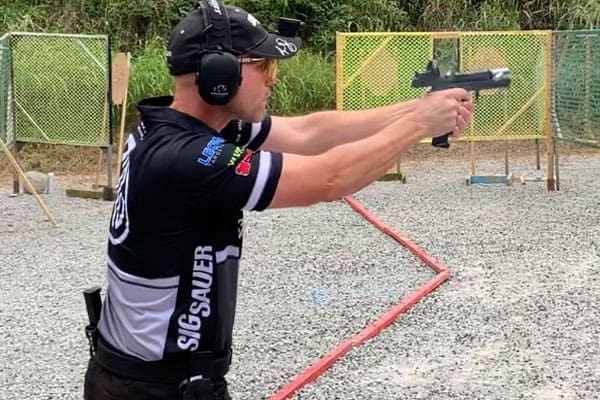
NEWINGTON, N.H., (September 16, 2020) – SIG SAUER, Inc. congratulates Team SIG Captain and professional shooter Max Michel for achieving a remarkable career first, and professional shooting sports first, by becoming the first ever Carry-Optics Division competitor to take the Overall Championship title at the recent 2020 USPS Area 5 Championship.

“A huge congratulations to Max Michel on his multiple wins as the Overall and Carry Optics champion at this year’s Area 5 Championship,” said Tom Taylor, Chief Marketing Officer and Executive Vice President, Commercial Sales, “It is truly a monumental achievement for Max to come away from a competition of this level, especially against the Open Division pistols that are specifically built and tuned to win these major matches, with the Overall title.  We are extremely proud of Max for this never-before-done accomplishment, and once again he’s raised the bar for the competition which really is a true testament to his dedication and training as a professional shooter.”

To take the Overall and Carry Optics titles at the USPSA 2020 Area 5 Championship Max competed against 244 competitors through twelve stages.  For competition Max used his P320 XFIVE LEGION with a ROMEO3MAX red dot sight and SIG 147 grain Match Elite 9mm Competition Ammunition.

“It has been a unique year for competitive shooting, and due to the COVID restrictions and limited match schedule I was able to really focus on my training and it’s paying off.  This achievement is also a credit to both the quality and accuracy of my SIG equipment that continues to run flawlessly and outperformed all the competitors at the Area 5 Championship, including those in the Open Pistol Division,” said Michel. “Throughout my professional shooting career I have earned several National and World Championships, and set World Speed Shooting and Guinness World Records, but taking the Overall title in an Area Championship against the competition I faced at this match, across all divisions, was both unique and special, and I am proud and honored to have done it on behalf of Team SIG.”

The SIG SAUER Electro-Optics ROMEO3MAX red dot sight developed and used by Team SIG Captain and Professional Shooter Max Michel and SIG 147 grain Match Elite 9mm competition ammunition can be purchased online at sigsauer.com/store or retailers everywhere.

The 2020 USPSA Area 5 Championship was hosted by the Blue Grass Sportsmen’s League in Wilmore, Kentucky on September 13, 2020.

Revision Presents: Invisible Danger – Laser Devices, Effects and Laser Eye Pro

Wednesday, September 16th, 2020

Since July, reported incidents of laser attacks on law enforcement have skyrocketed around the nation leading to a variety of eye effects and injuries, including reports of partial blindness. While handheld lasers aren’t new, their widespread use with intent to harm is increasing, just as the demand for laser protective eyewear to prevent effects and injuries. We’ve learned there are a lot of questions from end-users about lasers, and Revision has offered the following article with some education about the laser threat and how to combat it. Revision has been at the forefront of laser and ballistic protective eyewear solutions for the past decade.

INVISIBLE DANGER – LASER DEVICES, EFFECTS AND LASER EYE PRO

One of the latest tools of mayhem employed by street protestors is the handheld laser. Easily concealed, simple to use, and cheap to the point of disposability, they pose a serious threat to tactical law enforcement officers working a crowd control detail.

LASER SPECS

There are three important laser device specs to note when looking for laser eye protection. The power level of the device (measured in milliwatts), the color of the laser it emits (expressed as its wavelength in nanometers), and beam divergence (measured in minute of angle or milliradians.) We’ll cover power and color in more detail, but beam divergence is a complex sounding term that indicates how tightly focused the laser beam is. Wider beams are less of a threat.

MORE POWER

Handheld lasers used in street protests range from mostly harmless low-power keychain laser pointers to high intensity handheld lasers that rival the power of lasers used by the military to mark targets miles away.

How do you know the level of danger you’re facing when the crowd is shining lasers at you? Bottom line, you won’t. Like you, the protesters slinging light beams at you probably don’t even know how powerful their handheld lasers are.

Sure, the U.S. FDA regulates all laser products for safety. But, handheld lasers are considered a novelty, often sold on the gray market, imported by the shipload, and are among millions of products the government is supposed to inspect. It’s not surprising that laser safety regulation is a massive game of whack-a-mole that’s got regulators on their heels.

And because it costs more to make a less powerful laser that complies with safety standards than a more powerful one that doesn’t, it’s common to order a 3 mW laser from the internet and get one that puts out 10 or more times the stated output. So, it’s safe to assume every laser you see on the street is powerful enough to be dangerous, regardless of what the label says.

POTENTIAL INJURY

Laser danger comes in a few forms, the most feared is irreversible injury caused by a highly focused light burning the retina. The more common, but just as serious threat posed by lasers is the loss of situational awareness.

A laser in the eye has the same effect as any bright light source, it’ll first elicit a startle response causing you to blink. If you continue looking into the laser, you’ll be dealing with glare that obscures your vision and if you look into it long enough you’ll get temporary bright spots, called afterimages. While these effects aren’t as severe as permanent blindness, situational awareness is the last thing you want to lose when flying bricks and homemade pyrotechnics are in play.
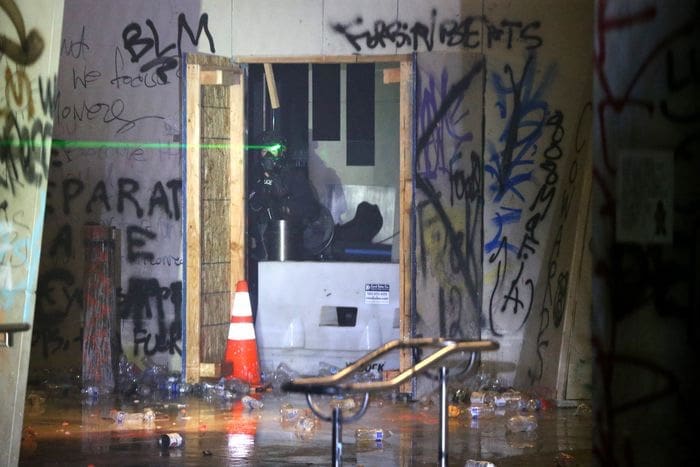
Above: A Green laser being aimed at Law Enforcement during Portland, Oregon protests.
Photo by Dave Killen,
Oregonlive.com

INVISIBLE DANGER

Good news: you’ve got an involuntary blink response. Bad news: The blink response only occurs if the offending light is in the visible spectrum, and cheap lasers are often contaminated with invisible, IR and near-IR light.

This means a dim, 5mW visible laser could be pumping out hundreds of mW of light in the near-IR spectrum, and you won’t know it until you feel your eyes itching and burning for no apparent reason. By that point, that light is cooking your retina.

HOW DO YOU STOP A LASER

At the simplest level, a laser’s color is its Achilles heel. Want to stop a red laser? Put a red-absorbing filter in its path. Generally laser protective lenses will look the opposite of the color they absorb.  Of course there’s more to blocking a laser than that, but a key consideration when looking for laser eye pro is knowing the color of the light you want to block. Eye pro manufacturers list this spec as a specific wavelength or a range of wavelengths in nanometers (nm).

LENS CONSTRUCTION MATTERS

To make a lens that stops a laser means choosing a dye that absorbs light at the same wavelength as the laser and incorporating it into the lens. This can be in the form of a coating applied after a glass or polymer lens is made, or by mixing the dye into the base material of a polymer lens before it’s molded into shape. The later method of construction results in a much more durable form of laser protection, since the dye is impregnated into the lens and can’t be scratched off.

Most laser protective lenses are made for use in a laboratory or on a manufacturing line where getting punched in the face or fragged by a BB-covered M-80 isn’t a concern. Keep that in mind when looking for laser eye pro that’ll be used on the street. There are only a few companies making laser eye pro that also provides mil-spec ballistic protection.
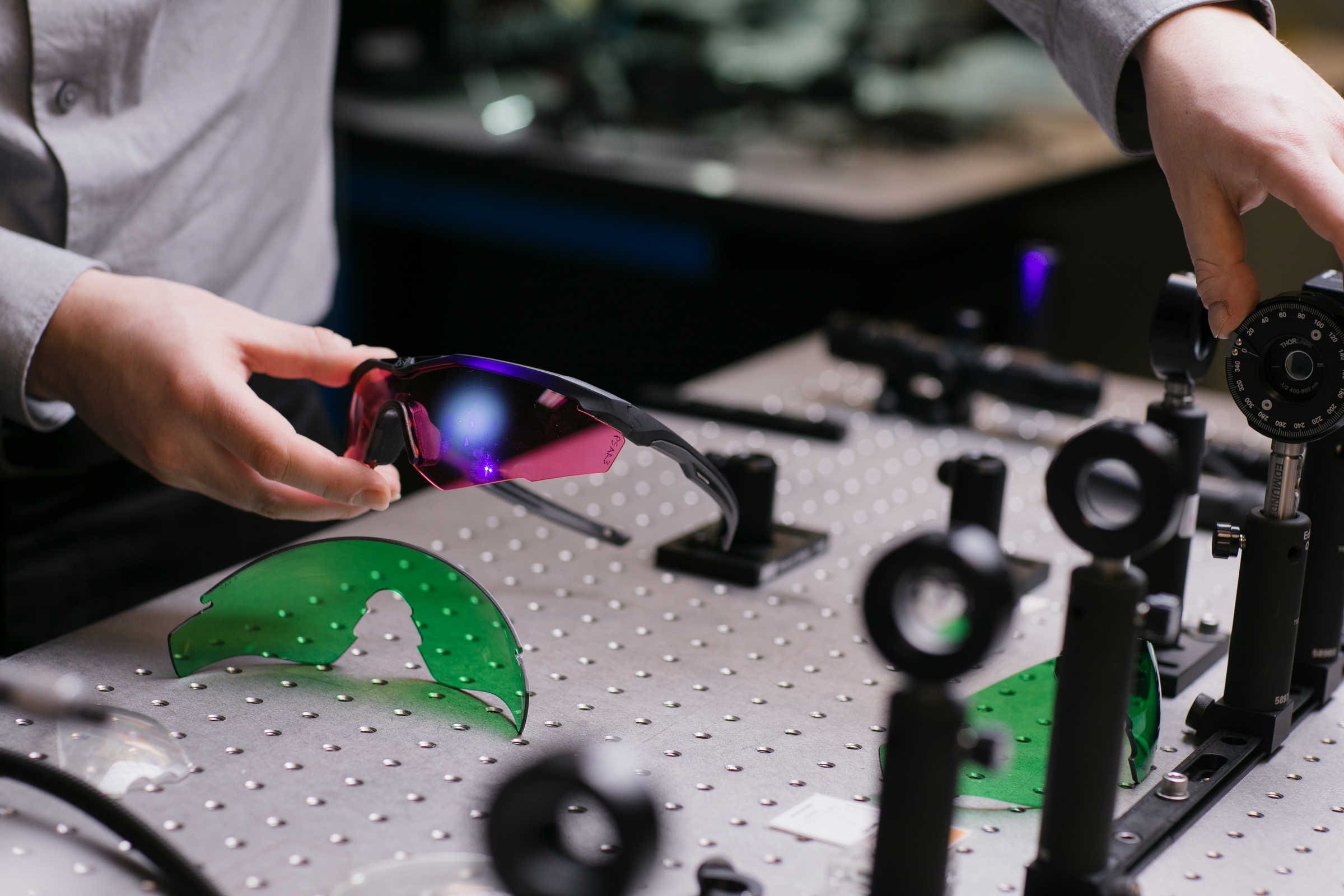
Above: Ballistic laser protective eyewear being tested against a laser hazard in the Revision Military Advanced Laser Research Lab.

CHOOSING THE RIGHT LENS

It’d be great if there was one lens that could block all laser wavelengths, but there isn’t. Knowing that blocking a laser is accomplished by filtering its particular wavelength of light, the practical cost of protection for a given color of laser is limiting the ability to see that color. So, a lens that would block all laser colors would need to filter out all colors of light, and that lens would essentially be impossible to see through.

Because each lens can only provide laser protection in a certain wavelength, or range of wavelengths, determining what color lasers you’re likely to face on the street is critical in choosing a protective lens.

LASER EYE PRO SPECS

Carefully consider the time of day you’ll use the laser eye pro. Nighttime is the right time for mayhem, so you’re going to want to get lenses that aren’t so dark that they can’t be used at night. The spec that tells you how much light a lens allows through is called its visible light transmission (VLT.) VLT tells you how much regular light a lens allows to pass though it as a percentage. Higher percentages allow more light to pass.

Another important spec you’ll see is a lens’s optical density (OD). OD tells you how much of a laser’s light is blocked by the lens. It’s given as a number from 0 generally up to around 7, with higher numbers offering the most protection. Each additional OD absorbs ten times as much laser light, so a lens with OD 3 absorbs 10 times as much light as a lens with OD 2.

Practically speaking, the higher the OD, the more laser energy a lens can absorb. The higher the VLT, the more natural light is passing through the lens. 

BEWARE OF IR ONLY LENSES

Before heading out to work a protest with the eye pro that came with your IR aiming lasers, confirm those lenses also provide protection in the visible light spectrum. IR rated lenses are generally only good for stopping lasers in the IR/Near-IR spectrum and won’t necessarily offer protection against visible lasers.

LOOKING FORWARD

The current limitations of protective laser lens technology means the need for situational awareness and broad spectrum protection are at odds with each other. Want to see everything? You have to give up protection. Want to be protected from the widest range of threats? You’re going to have to decide how much visual awareness to give up. 

The threat of lasers to guys on the ground is still emerging, as is the response from companies making eye protection. Cutting edge research and development in tactical laser eye protection is focused on finding a no-compromise solution that provides full spectrum laser protection, uninhibited vision, and mil-spec ballistic protection using high tech solutions that can survive the rigors of the street and the battlefield.

For more information, visit www.revisionmilitary.com, write sales@revisionmilitary.com, or call +1 802.879.7002.


Quantico Tactical Announces a $950,000,000 Award for Air Force Special Warfare

Tuesday, September 15th, 2020

Aberdeen, North Carolina – September 2, 2020 – Quantico Tactical is pleased to announce the award of up to $950,000,000 as part of the United States Air Force Special Warfare – Multiple Award Contract, SW-MAC, for the Special Warfare Acquisition Group and Refresh (SWAGR) program.  The contract was approved by the Air Force Life Cycle Management Center to provide a convenient contract vehicle for Air Force Special Warfare.

“We have an extensive history of supporting the U.S. Air Force with our rapid and simplified procurement processes,” said Sam Lerman, Vice President of Sales & Marketing.  “This contract award demonstrates our unwavering customer commitment and support for the varying mission requirements within Air Force Special Warfare.”

“This contract award is a result of the reputation Quantico Tactical has developed throughout the U.S. Military and federal agencies for providing on-time worldwide delivery of high-quality products from leading manufacturers.  We value our relationships with customers, suppliers, and contracting professionals,” said David Hensley, Founder and CEO.

The contract is a 10-year Indefinite Delivery/Indefinite Quantity (IDIQ) award to provide equipment, training, and product support to approximately 3,500 Air Force Special Warfare operators, as well as authorized users in support of Special Warfare mission requirements.  The contract’s overall objective is to rapidly procure supplies, provide supply chain management, product training, and support, and integrate into larger systems in support of mission requirements.

This contract provides support in the following areas:

Assault Zones (AZ): Capabilities supporting tactical zones of action, including drop zones and fixed-wing and rotary-wing landing zones supporting the forward projection of a force by air.  AZ capabilities to be equipped under this contract include survey equipment for data collection and analysis, assessment of runway surface distress, and airfield geometrics to include obstacles and approach paths.  Also required is airfield control equipment, including airfield markings/lighting, signaling devices, airspace de-confliction tools, and navigational aids.

Fires: Equipping operators for close air support, surface-based and air-to-surface fires, communications architecture, weapons data, digital fire support, and target designation and marking.  For the contract’s purposes, this may include support to ACC-assigned Joint Terminal Attack Controller (JTAC)s.

Weather: Equipping operators to collect, analyze, tailor, and report critical meteorological and oceanographic information.  Additional capabilities include environment analysis and forecasting, vertical atmospheric data collection, processing externally produced weather data, portable environmental observation, and unattended ground-based weather collection.

Personnel Recovery (PR): Equipping Pararescue Jumpers to prepare, recover, and reintegrate isolated personnel.  PR capabilities include, but are not limited to, PR information management, locating survivors, rescue and recovery tools, analyzing environmental conditions, mass casualty management, recovery support, and reintegration.  For the contract’s purposes, this includes the Guardian Angle Mission.

Enabling Capabilities: Common across all mission sets and career fields; include mission management, friendly force detection, geo-locating and range finding, visual augmentation, communications, unmanned capabilities, infiltration/exfiltration, and enhanced training.

Qore Performance Partnership with European Distributors

Tuesday, September 15th, 2020

STERLING, VA – Qore Performance has partnered with European distributors, Brownells Deutschland and Terräng MP-Sec, to facilitate access to their thermoregulation technologies for customers throughout Europe. Brownells has a network of retail and mail order locations across Europe, making order fulfillment and shipping costs far more efficient for Qore Performance customers on the far side of the Atlantic. Along with their close relationship with French Special Operations and Law Enforcement organizations, MP-Sec distributes to customers in France, Belgium, Italy, and North Africa.

Louis Tidey, Director of Commercial Sales for MP-Sec said, “We are very excited to represent Qore Performance products in France and to introduce these great products to the French MIL/LEO forces. We believe it’s the next stage for soldier hydration management.”

Qore Performance Director of Sales and Business Development, Doug Burr added, “Qore Performance is proud to facilitate access of our products to our friends and allies in Europe. We look forward to building our relationship with these two great companies. Brownells Deutschland and MP-Sec were both specifically chosen as our distributors due to their established records of excellence in supplying and serving customers across Europe.”

Both MP-Sec and Brownells Deutschland will carry many elements of the Qore Performance IceAge Ecosystem, including IcePlate Curve and IcePlate Sleeve Combo, as well as IceVents Aero and IceVents Classic padding solutions. The IceAge Ecosystem is focused on thermoregulation to enhance human performance in any environment through lightweight, durable, multi-use products that provide multiple modes of heating, cooling, and hydration. The IceAge Ecosystem is compatible with almost every tactical load carriage system on the market today.

Platatac x Minerva Technical UK Helsby Smock

Tuesday, September 15th, 2020

Platatac is proud to launch the new Helsby Smock, an exclusive collaboration with Minerva Technical UK and named in honour of Operation Helsby in Malaya in 1951.

This lightweight technical pullover style smock has been designed by frontline operators for the harshest environments to be mission ready and get you home.

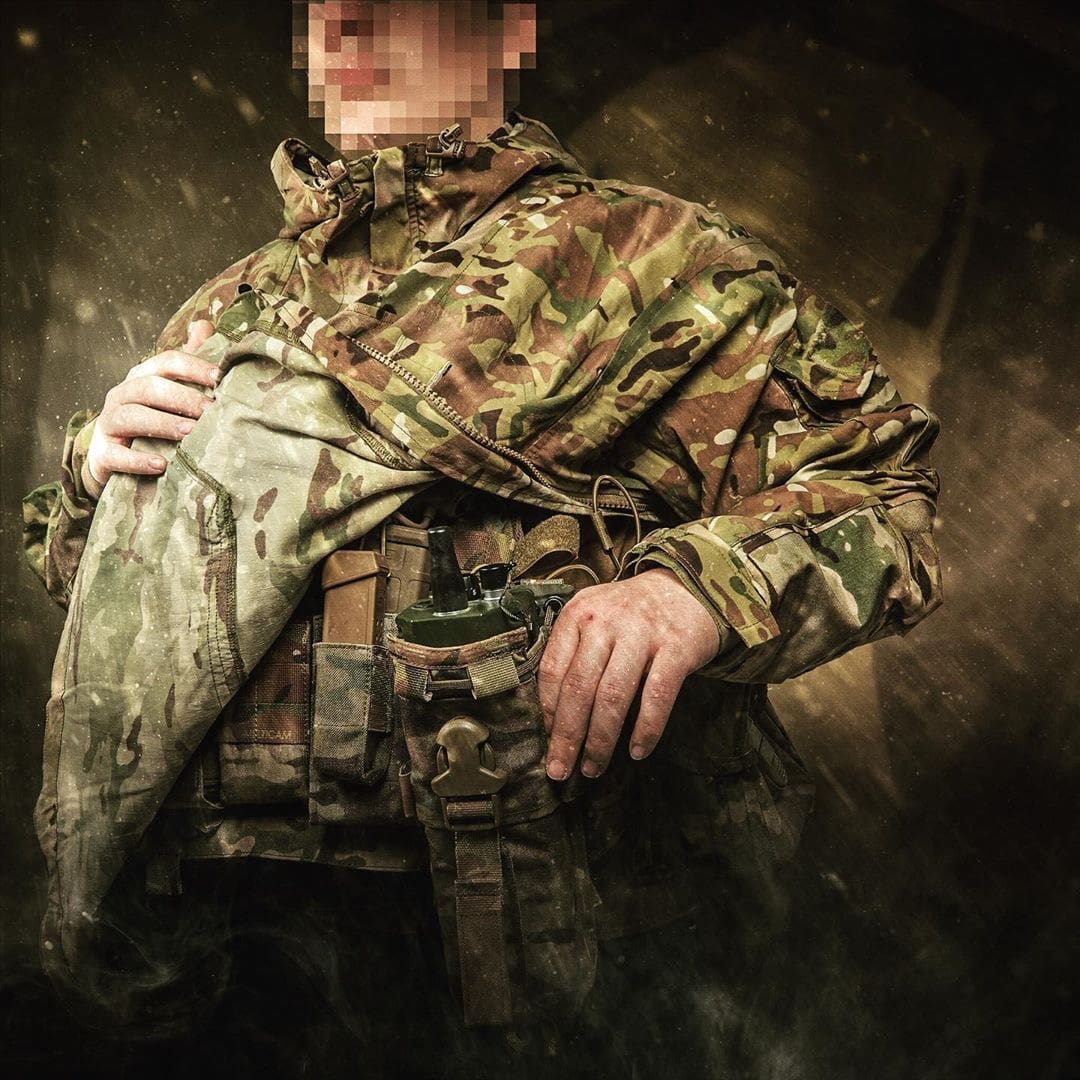
Made from Multicam Agility fabric with 300D Cordura reinforced elbows, it features dual directional side zippers, two Velcro closure bicep pockets, two forearm pockets and a front zippered kangaroo pouch.

Offered in MultiCam in sizes Small-XXLarge.

Available while it lasts.

www.platatac.com/catalogue/new-products/platatac-helsby-smock

Thyrm Introduces the CellVault-18

Monday, September 14th, 2020

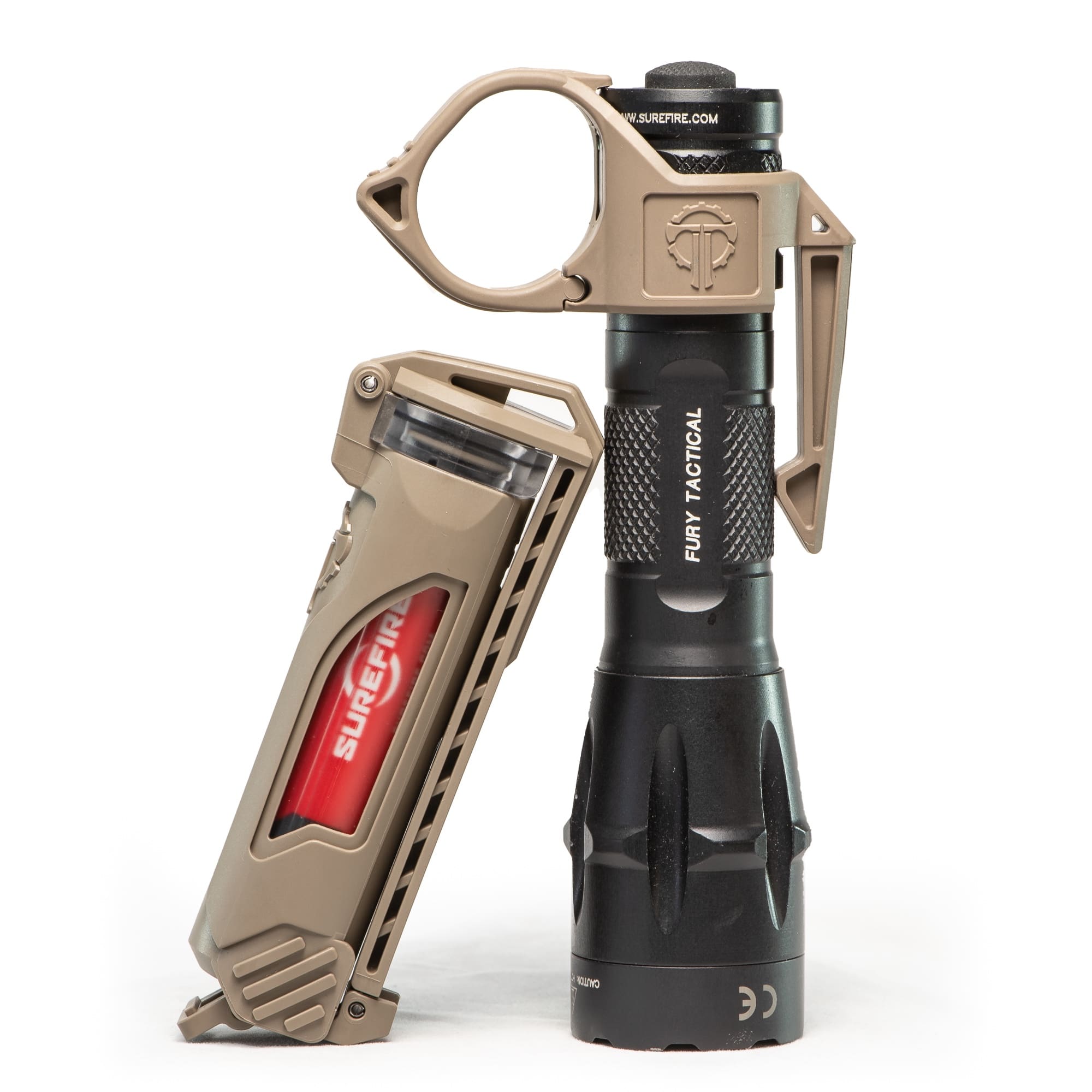
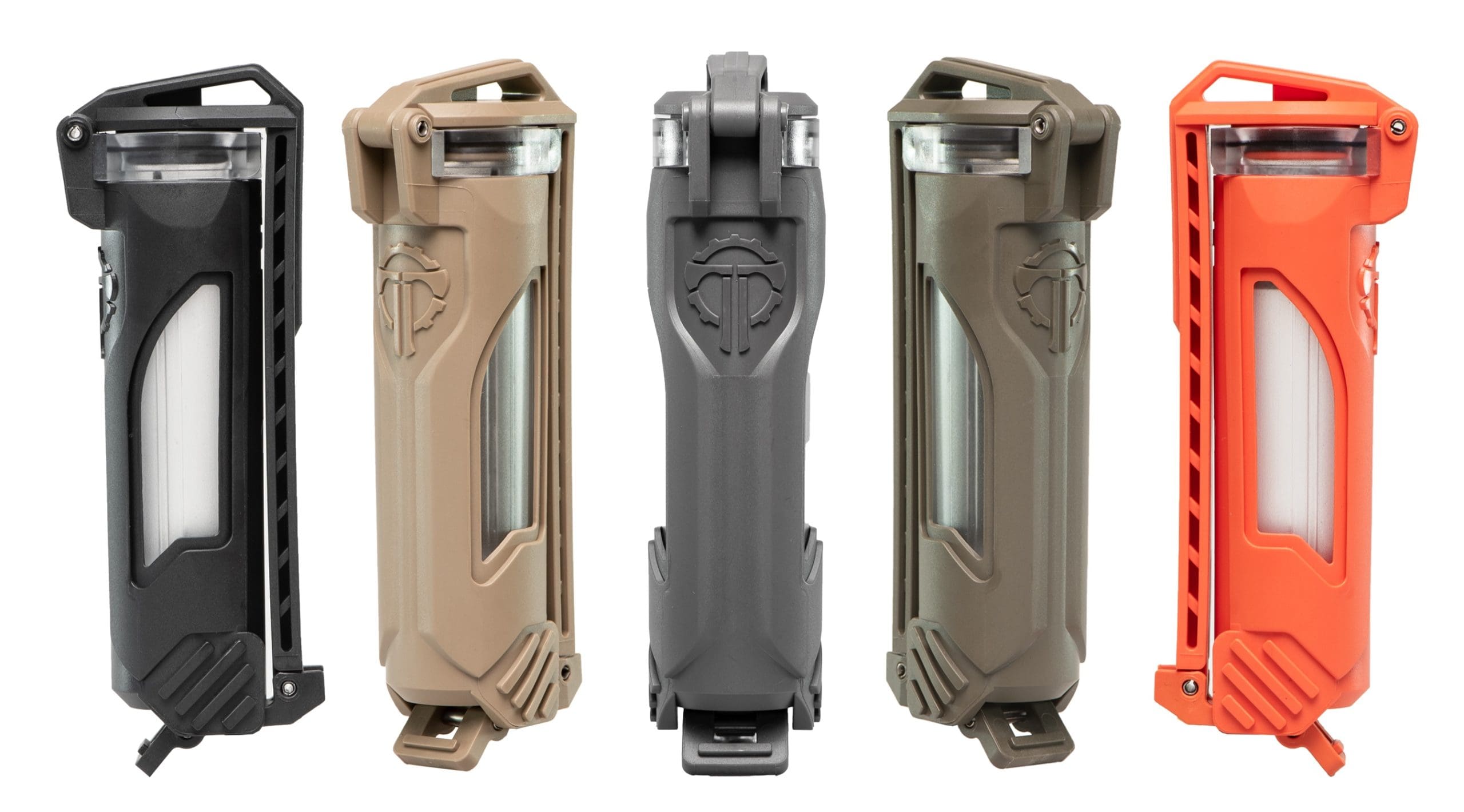
Sunnyvale, CA — Not long ago, the best tactical lights were fueled by CR123 batteries. We were all generally happy with 600 lumens and an extra budget line item for disposable cells. But in the last couple years that has changed completely. Enter the latest 18650 and 18350 rechargeable batteries, generating huge lumen and candela numbers in SureFire, Modlite, & Streamlight flashlights. To keep up with these lights, Thyrm has developed a next-generation CellVault that can protect 18-series spare batteries while keeping them immediately accessible.

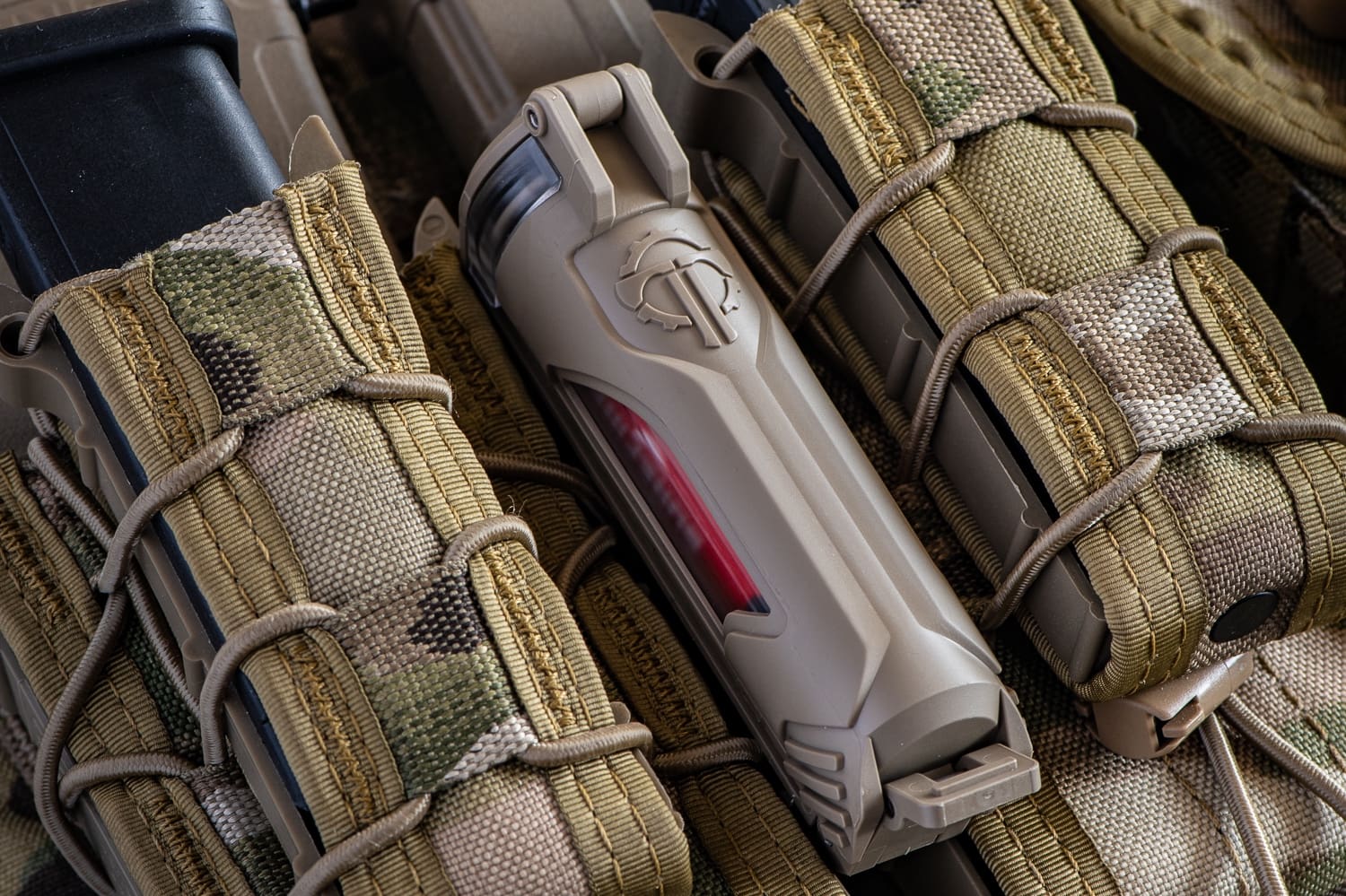
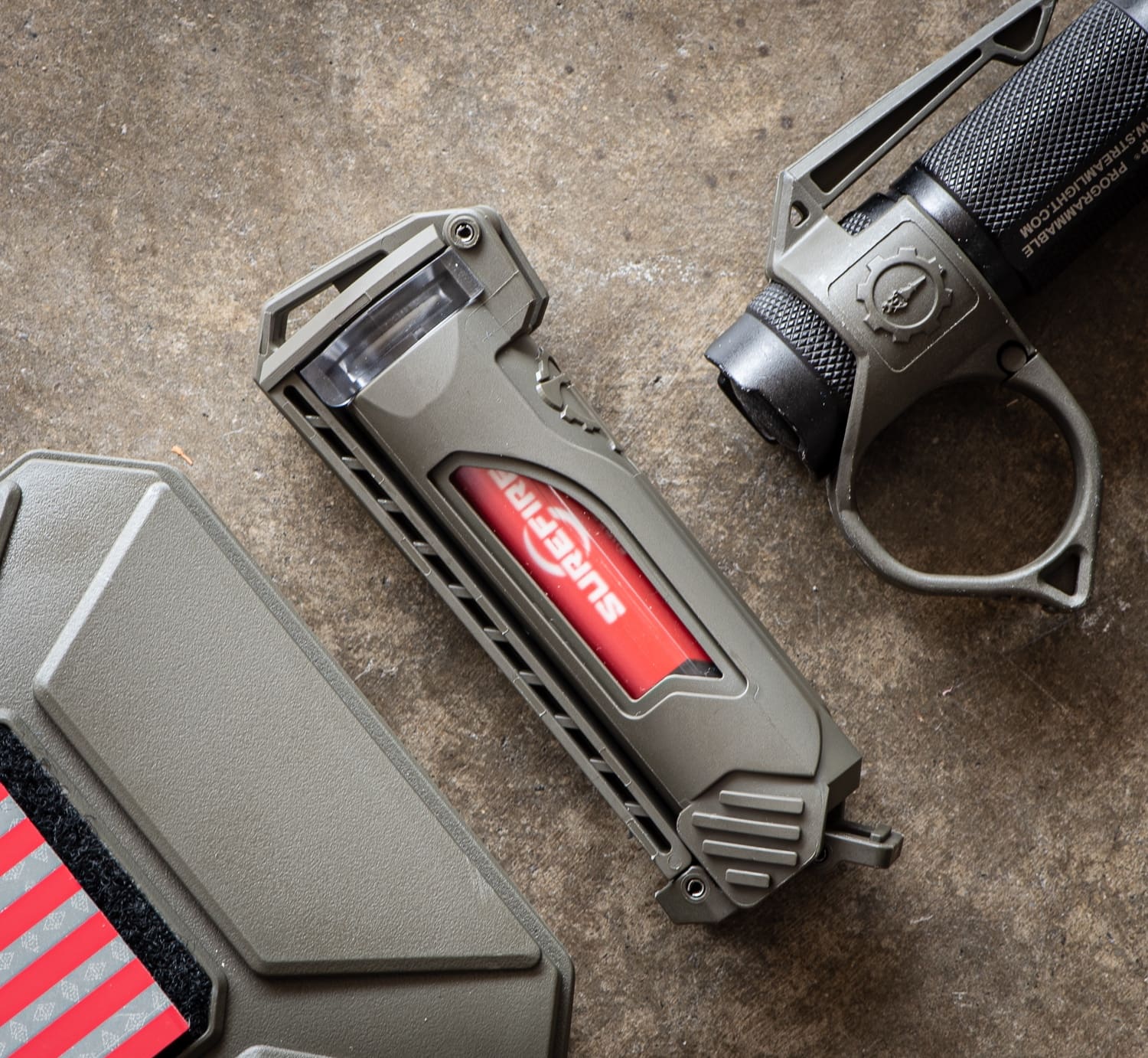
From Andrew Frazier, CEO of Thyrm: “The new CellVault-18 includes features we know our customers are going to love, like side windows that help them verify gear status, a metal locking latch, and fully waterproof double-layer construction. We’re really proud of how the design came together and can’t wait to get them in the hands of first-responders and outdoor enthusiasts alike.”

Features:
• Holds One 18650 or Two 18350 Rechargeable Batteries
• Waterproof O-ring seal rated to IPX8 at 2 meters for 30+ minutes
• Folding metal latch for simple installation and positive attachment
• Silicone foam shock absorber/noise silencer
• Clear side windows allow for gear status checks
• Slim profile: less than 1 MOLLE/PALS column wide for easy integration into existing gear configurations.
• Designed and manufactured in the USA

thyrm.com/product/cellvault-18-battery-storage

SCUBAPRO Sunday – Weights

Sunday, September 13th, 2020

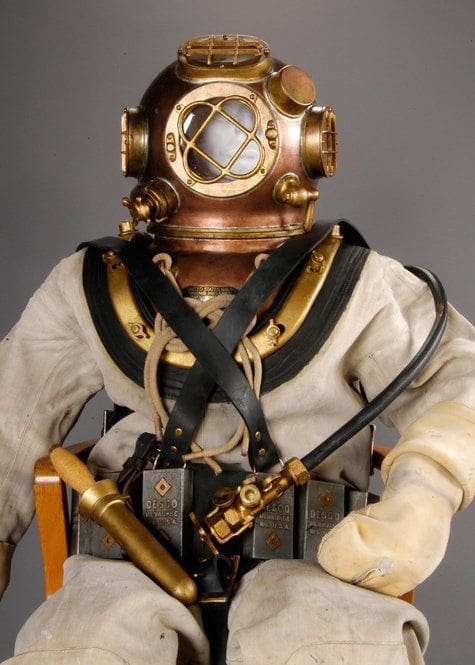
An essential part of preparing for each dive is calculating the amount of weight you’ll need to ascend and descend safely and effectively. By gearing up in the correct amount of weight, you can successfully maintain neutral buoyancy throughout the dive.

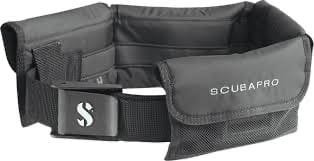
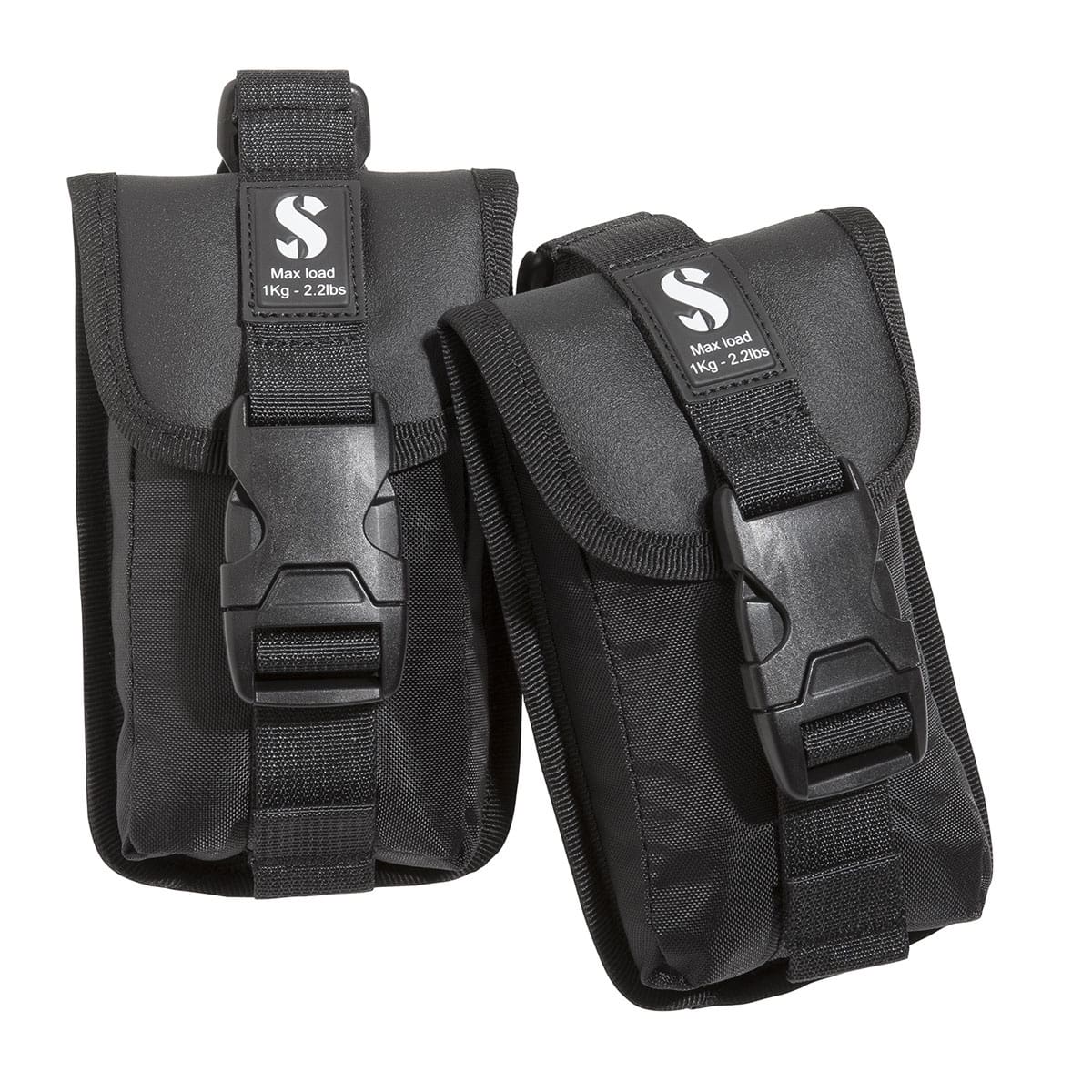
Many factors can affect your buoyancy—your body composition, the equipment and clothing worn, the amount of air you’re breathing, and the water you’ll be swimming in (freshwater/saltwater). Being able to add weights to your dive belt or in the pockets of your BCD can help you minimize drag and make your finning more efficient.

Proper weighting and buoyancy control are crucial if you want to have a successive dive. Unfortunately,there is no extract formula to help say how much weight you should wear on any giving dive. The reason for this is no one is exactly alike. So, all you can really rely on is knowledge and practice, I will say this a couple times a good log will help more then you will know. This goes for anything you do. Always keep a logbook, for land warfare, over the beach, and as much as you can. This will help when it has been a couple of months in between doing things. To help make it easier, below are a few easy steps you can take, preferably with the assistance of a dive weight calculator. Find a formula that works for you and stick to that, but make sure you test yourself before each dive. Also keep a dive log of all your dives. (See told you I would say this a lot) Write down what you wore, what way was the current going to you have to kick harder, were you carrying anything extra like a ladder or breaching tools, and how you felt. Make sure you have water temp, wetsuit thickness, and other information like that. This will go a long way to helping with future dives.

Weigh Yourself and your Gear

A rough approximation of the weight you’ll need can be figured out quickly by weighing yourself and then using those numbers to figure out the amount of weight you’ll need on you. 

In freshwater, most divers need 6 to 8 percent of their body weight in added weight, but in saltwater (which is denser and will add buoyancy), this figure is closer to 8 to 10 percent. This number is a good starting point to calculate your weight amount further.

Part of determining your body weight is weighing your buoyancy compensator (BCD), dive jacket/ Rebreather. It is a significant source of buoyancy as most of them, especially older models, have a lot of padding that will make you float.

To determine the buoyancy of your gear, immerse it in water and release any air that might be trapped inside. Move it around underwater when you float test it, same as when you get into the water make sure you get all the air out so there are no bubbles, halfway thru your dive.

Test Your Weight

Go through a trial run in a swimming pool and wear all of your dive gear. If you can’t wear your full equipment, make sure to put on the closest approximation to what you’ll be wearing for the specific dive. Remember that if your dive is going to be in saltwater, you’ll need a bit more weight compared to a freshwater swimming pool. 

Here it is broken down.

1. Before the dive, float motionless in deep water.

2. Deflate all the air out of your BCD/ Rebreather.


3. Take a normal breath and hold it.

4. If you start sinking – you need less weight. If you find yourself bobbing out of the water – you need more weight.

5. Repeat the process until you are floating as close as possible to eye level.

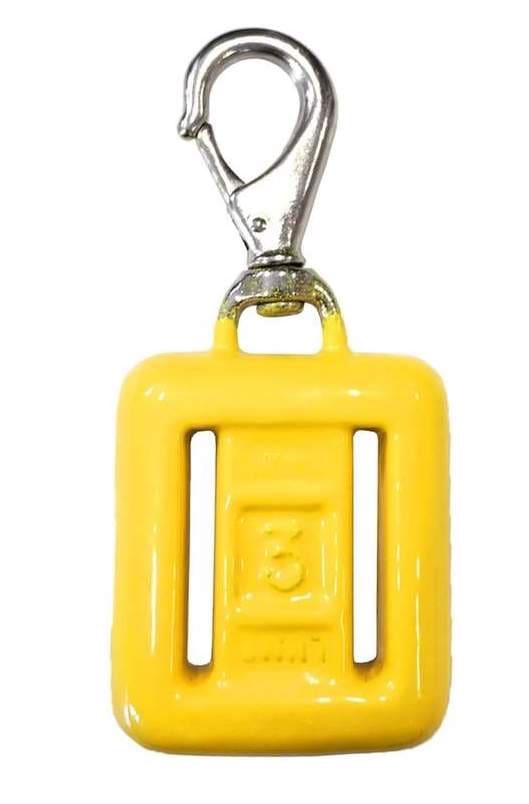
6. If you are floating at eye level with all you gear on, that is what you want. Have weights by the side of the pool so you can add or subtract weight as you check yourself out. They make weights with snap links or have weights with some 550. Have a carabiner so you can hang them on your weight belt or if you have a weight belt with pockets, you can add or subtract weights as you need. Lastly, a good logbook can go a long way to help with what you will need.  

Use a Dive Weight Calculator

While manually figuring out the right amount of dive weights to gear up in works for many divers, others find it easier to use an actual calculator. Try using a SCUBA diving weight calculator. You’ll be able to find tons of calculator websites online. Enter the figures for the required fields and check if the suggested amount of weight works for you.  

www.divestock.com/calc/weight/weight

Take 10% of your body weight in lead

A common rule of thumb, adhered by many divers, claims that a diver must carry weights equivalent to 10% of his body weight. While that does give you a specific range of the number of weights you need, it does not take many relevant factors into account. 

Factors such as muscle, fat, height, gear, and exposure suit are crucial when choosing weights and should be taken into account. For example, muscles sink and fat floats. A muscular man weighing 180lbs would probably need much less than 18 pounds of weight (even with a long 5mm), whereas a short stalky fellow weighing 180lbs might actually need more than 18lbs. This rule has led to many overweighted divers.

Don’t be overweight!

Many newer divers, and even some of the more experienced ones, dive with too much weight, either consciously or without knowing. Being overweight can lead to some bad situations. Sinking too fast is a common cause for ear problems. Now if you are overweight, you will add air to your BCD, now when you head to the surface to take a peek you will be pushed up faster than you want to go. You will also feel like you have to swim fast all the time, to stop yourself from sinking, and you will breath more air then your swim buddy.

Too much weight will also affect your body position, sinking your lower body and causing you to swim up. Even if you do manage to balance yourself properly, you will have much more drag through the water. Swimming downward for half of the dive does not look cool and looking cool is half (or more) the job.