XC3 Weaponlight

Archive for the ‘Contracts’ Category

US Army Approves Milestone C and Awards LRIP Contract for the Mobile Protected Firepower Program

Wednesday, July 6th, 2022

WASHINGTON — The Army announced today the award of a $1.14 billion contract to General Dynamics Land Systems, Sterling Heights, Michigan, for the production and fielding of up to 96 Mobile Protected Firepower, or MPF, vehicles. The award comes just days after the Army closed out the MPF middle-tier acquisition rapid-prototyping phase and transitioned to a major capability acquisition program with a favorable Milestone C decision — an incremental step in the Department of Defense’s acquisition process that moves into the production and deployment phase.
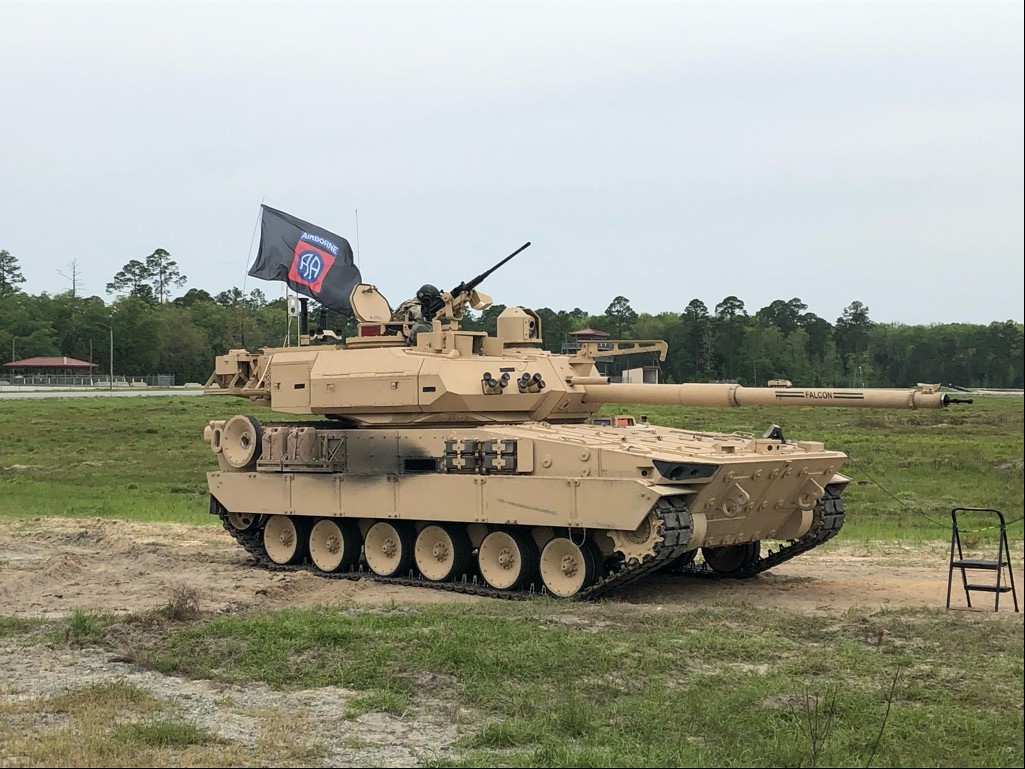
MPF will provide infantry brigades greater survivability, the ability to identify threat systems earlier and at greater distances, and will not restrict movement in off-road terrain. MPF will also allow Soldiers to move at a faster pace, protecting the assaulting force.

“The MPF program did exactly what the Army asked, which was to complete a competitive and accelerated rapid prototyping effort with Soldier touchpoints,” said Mr. Doug Bush, Assistant Secretary of the Army for Acquisition, Logistics and Technology, and the Army’s acquisition executive. “MPF is a benchmark program, as the acquisition and requirement communities worked together to complete the [middle-tier acquisition rapid-prototyping] phase and move this system into production in just under four years.”

The Milestone C decision came on schedule and was underpinned by strong support and overwhelming commitment from Army leadership.

“MPF represents a new capability for the Army, allowing our light maneuver forces to overmatch adversaries. Through multiple Soldier touchpoints, our Soldiers have operated the prototypes and provided crucial feedback to the design team, ensuring our forces will have the asset they need on the future battlefield,” said Maj. Gen. Ross Coffman, director of the Next Generation Combat Vehicles Cross Functional Team.
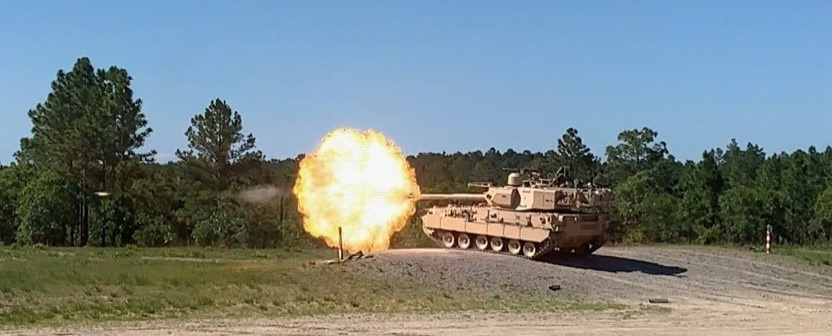
During the middle-tier acquisition rapid-prototyping phase, the Army successfully tested and evaluated 24 prototypes during a pandemic. Middle-tier acquisition authorities allow the Army to have the flexibility to get prototypes into Soldiers’ hands quickly to enable fidelity on known risks and develop informed plans moving forward.

“Congress has provided us with flexible [middle-tier acquisition] legislation that allows for accelerated prototype delivery and Soldier operational feedback, which expedites the fidelity on technical and programmatic risks to better inform program acquisition decisions,” Bush said.

The MPF will be the Army’s first new design vehicle fielded in over four decades, with first unit equipped planned for late fiscal year 2025.

“Today’s announcement sets in motion an important modernization effort for the Army. As a team we’ve worked diligently to make certain we’ve taken the right steps early on to accept risk where appropriate and move faster,” said Brig. Gen. Glenn Dean, ASA(ALT)’s program executive officer for ground combat systems. “The Army is committed to delivering the MPF capability to the infantry brigade on an accelerated schedule with incremental improvements over time.”

During the low-rate initial production phase the Army will take delivery of MPF vehicles and conduct production qualification testing to include lethality, mobility, survivability, full-up system live-fire, and reliability, Availability and maintainability testing. Additionally, an initial operational test and evaluation will also be conducted, all leading to the first unit equipped. The award of subsequent low-rate initial production vehicle options will be based on review of cost, schedule and performance metrics defined in the acquisition program baseline.

By U.S. Army Public Affairs
HENSOLDT and THEON Receive OCCAR Contract for 20.000 Night Vision Goggles

Tuesday, July 5th, 2022

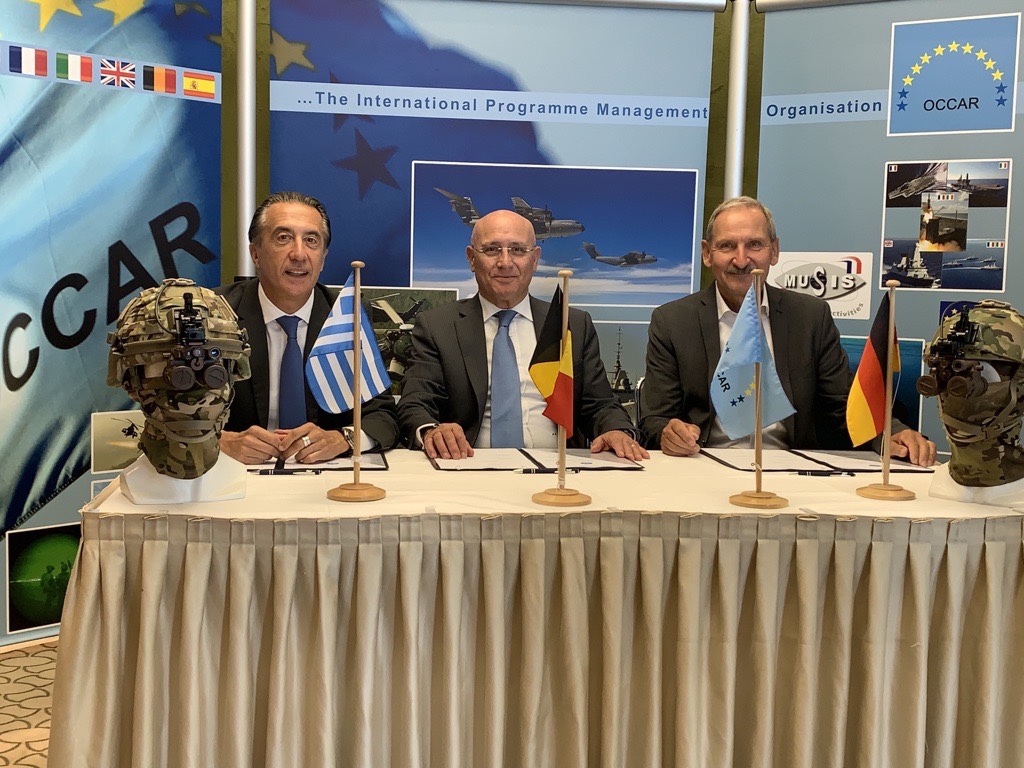
Bonn, 5 July 2022 – The Organisation for Joint Armament Cooperation (OCCAR) signed a contract amendment to an existing contract for binocular night vision goggles on behalf of Belgium and Germany with a Consortium consisting of HENSOLDT Optronics and THEON SENSORS. The contract amendment worth a mid-three-digit million amount activates the existing option of the supply of an additional 20.000 MIKRON Night Vision Goggles to the German Armed Forces while at the same time the delivery schedule shall be accelerated. The follow-up contract will be executed by the newly founded joint venture HENSOLDT Theon Night Vision.

The contract amendment furthermore covers various enhancements of MIKRON and changes to the system configuration as a result of the Operational Testing and Acceptance phase which was successfully passed by the end of February 2022. 

At the signing of the contract in Bonn with Andreas Hülle, Head of the Optronics & Land Solutions Division and Managing Director of HENSOLDT Optronics, and Christian Hadjiminas, CEO of THEON SENSORS, the Director of OCCAR-EA Matteo Bisceglia stated: “The additional 20.000 Night Vision Googles (NVG) supply to the German Armed Forces proves the success and perspective of OCCAR’s program through the new joint venture company HENSOLDT Theon NightVision”.

Andreas Hülle said: “HENSOLDT and THEON have already worked together successfully in the past. Here, two European companies are working together in an exemplary way to equip the Belgian and German armed forces with state-of-the-art night vision equipment. This order is directly related to our growth strategy. Russia’s war against Ukraine shows how important networked high-performance sensor technology and optical systems are for equipping our armed forces in line with the times.”

Christian Hadjiminas, CEO of THEON SENSORS, added: “This new large contract amendment is a culmination of the successful cooperation between HENSOLDT Optronics and THEON SENSORS that opens doors for synergies and co-operation in other areas within Europe. The present growth is not only beneficial for the countries and companies involved, but also is strengthening the European industrial position in the worldwide context.”

The type of night vision goggles selected is the MIKRON, a Binocular Night Vision Google (BNVG) with two 16 mm residual light amplifier tubes and integrated infrared illuminator. They can be worn by the soldier either on the helmet or by means of a headgear system. The two monoculars can be folded away separately. MIKRON is powered by a single AA battery but can also be operated with an external battery pack should a longer operating time be required.

The accelerated delivery schedule of the enhanced MIKRON shall start with first deliveries this month, while the total current contractual quantity of 29.550 NVGs is planned to be concluded in the 3rd quarter of 2024. The increase in night vision capability for both programme participating states is critical in providing advanced equipment for their dismounted, airmobile and air assault soldiers as well as drivers of military vehicles.

Lone Star Future Weapons Withdraws NGSW Bid Protests

Sunday, July 3rd, 2022

Lone Star Future Weapons had submitted two protests to the Government Accountability Office regarding the US Army’s Next Generation Squad Weapons program award contract to SIG SAUER on 19 April 2022. One was on May 18 and the other on June 10. On 1 July, Lone Star Future Weapons withdrew both. These protests had led to a stop work order on the program until at least 19 September, frustrating the government’s very aggressive schedule with months of inactivity.

We have no idea what was asserted in either protest or why they chose to withdraw, so we are unable to comment any further.

Considerable Order in the USA: Rheinmetall to Develop 30mm x 173 Airburst Solution for the U.S. Navy

Thursday, June 30th, 2022

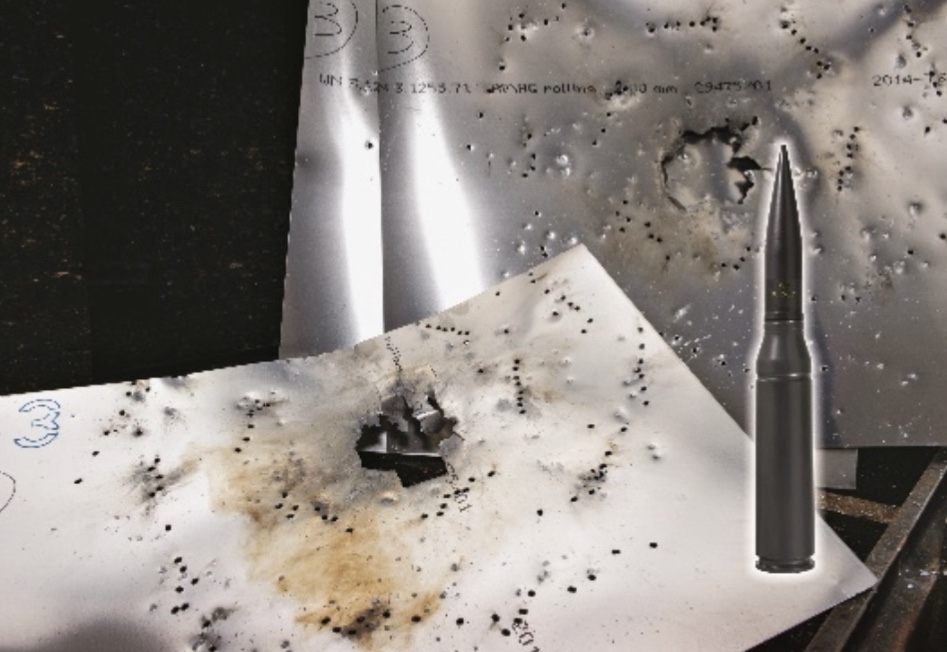
Rheinmetall to develop a new medium caliber ammunition for the U.S. Navy: The Group’s subsidiary American Rheinmetall Munitions, Inc. based in Stafford, VA has been awarded a $14.3 million (€13.5 million) contract under a U.S. Navy other transaction agreement (OTA) to prototype a low-cost engagement capability that increases the effectiveness of existing and future Naval gun weapon systems against air and surface threats.

The resulting prototype system will lead to an Initial Operating Capability for the 30mm x 173 MK 340 MOD 0 Kinetic Energy Electronically Timed (KEET) airburst munition. The MK 340 KEET is derived from the NATO-qualified Rheinmetall 30mm x 173 Kinetic Energy Timed Fuze (KETF) cartridge currently fielded by the Australian, German, and Hungarian militaries. The system will provide significant lethality improvements and a reduction in rounds fired due to the increased first-round hit probability.

“We are excited to deliver our next-generation lethality solutions to the U.S. Navy for the first time. This award further demonstrates American Rheinmetall’s ability to bring innovative technologies into the hands of our U.S. Joint Force,” said American Rheinmetall Munitions CEO John Somich.

The company is presently expanding its role as a major supplier of innovative, next-generation weapons and ammunition in the U.S., drawing on a global portfolio of world-class munitions and armaments offered by Rheinmetall and its affiliates. For example, American Rheinmetall Munitions is currently producing game-changing solutions including 40mm airburst fuzing for the U.S. Army and the PGU-48/B Frangible Armor Piercing cartridge for the U.S. Air Force F35A Joint Strike Fighter. The company has been producing and supplying high-performance practice and direct fire service ammunition for American military and law enforcement customers for several decades.

American Rheinmetall Munitions is part of the American Rheinmetall family of U.S. defense companies which includes American Rheinmetall Systems in Biddeford, ME, American Rheinmetall Vehicles in Sterling Heights, MI, and U.S. corporate parent American Rheinmetall Defense in Reston, VA.

Air Force Selects Future Fixed Wing Aircrew Helmet

Monday, June 27th, 2022

JOINT BASE LANGLEY-EUSTIS, Va. (AFNS) —

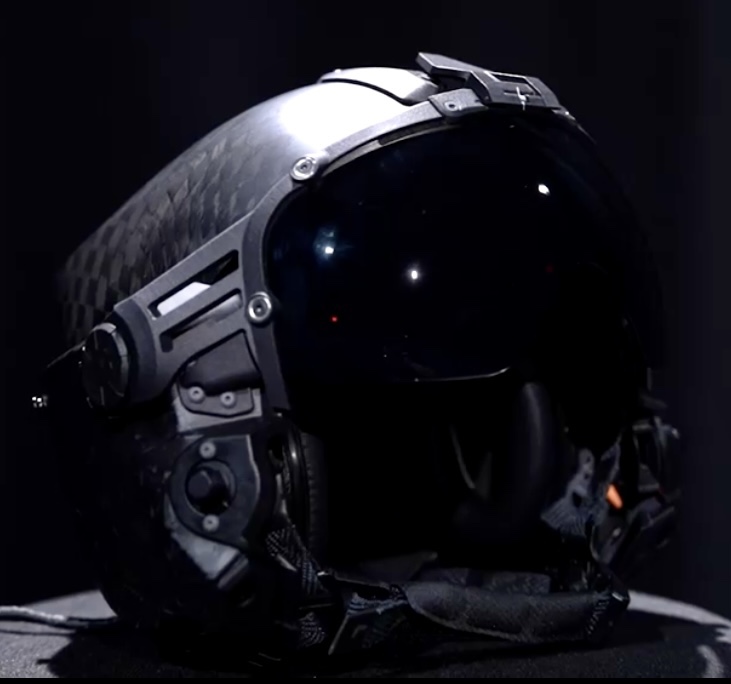
The Air Force selected LIFT Airborne Technologies to continue with prototype development of a new helmet for Air Force fixed-wing aircrew.

The helmet prototype was chosen after Air Combat Command initiated the search for a next-generation helmet to address issues with long-term neck and back injuries, optimize aircraft technology, improve pilot longevity, and provide better fitment to diverse aircrews.

“The current helmet was based on 1980’s design. Since then, gains in aircraft technology and the demographic of pilots have changed,” said Scott Cota, ACC Plans and Requirements branch aircrew flight equipment program analyst. “The legacy helmet was not originally designed to support advances in aircraft helmet-mounted display systems, causing pilots to fly with equipment not optimized for them, especially our female aircrew.” 

The implementation of helmet-mounted devices has added weight and changed the center of gravity, leading to discomfort for operators. In addition, a 2020 Air Force anthropometric study identified the need to add a size small helmet that better optimizes the fit for affected female aviators, Cota said.

The helmet requirement was one of the first initiatives to go through AFWERX, an Air Force organization focused on working with nontraditional defense companies to bring technological innovation, in 2019.

“To better understand advances in technology, seek innovative solutions to current helmet issues, and use vendor competition to drive the initiative, AFWERX was a natural choice,” Cota said.

As the lead, Cota worked with other major commands and the Air Force Life Cycle Management Center’s Human Systems Program Office at Wright-Patterson Air Force Base, Ohio, to set the requirements of the new helmet for operators across the Air Force.

Key parameters identified were weight, pilot comfort, optimized fitment and protection, stability, optimized center of gravity, and integration with different helmet-mounted systems.

“Using a streamlined acquisition process to move the program, the AFLCMC took the AFWERX initiative and solicited over 100 different designs from industry. Promising designs were evaluated and submitted for further testing,” said Capt. Timothy James, AFLCMC Human Systems Division of Agile Combat Support Directorate program manager. “The innovative process has allowed us to move faster than a standard acquisition while providing checks and balances to ensure a quality product.”

The Air Force Research Laboratory performed a majority of the testing, but the AFLCMC also worked with the Airmen Accommodations Laboratory, the Life Support Systems Scientific, Test, Analysis, and Qualification Laboratory at Wright-Patterson AFB as well as the 46th Test Squadron and 28th Test and Evaluation Squadron at Eglin AFB, Florida, to narrow the finalist to LIFT Airborne Technologies.

“These new helmets will offer greater applicability and better fit for operators of all sizes, genders and ethnicities,” James said.

The helmet will undergo additional research, testing and improvements prior to the Air Force confirming the prototype design is successful and offering a production contract in 2024. Following production, ACC plans to take a phased approach to deliver the new helmet to all fixed-wing aircrew members across the Air Force, beginning with the F-15E Strike Eagle.

By Lemuel Casillas
Air Combat Command Public Affairs

Rheinmetall Wins Major Air Starts Unit Order for the German Air Force

Sunday, June 26th, 2022

Rheinmetall has received a new and important contract for the German Air Force. The framework contract, awarded by the German procurement agency BAAINBw, is currently worth up to CAD 18 million (€13 million) and will run over the next three years.

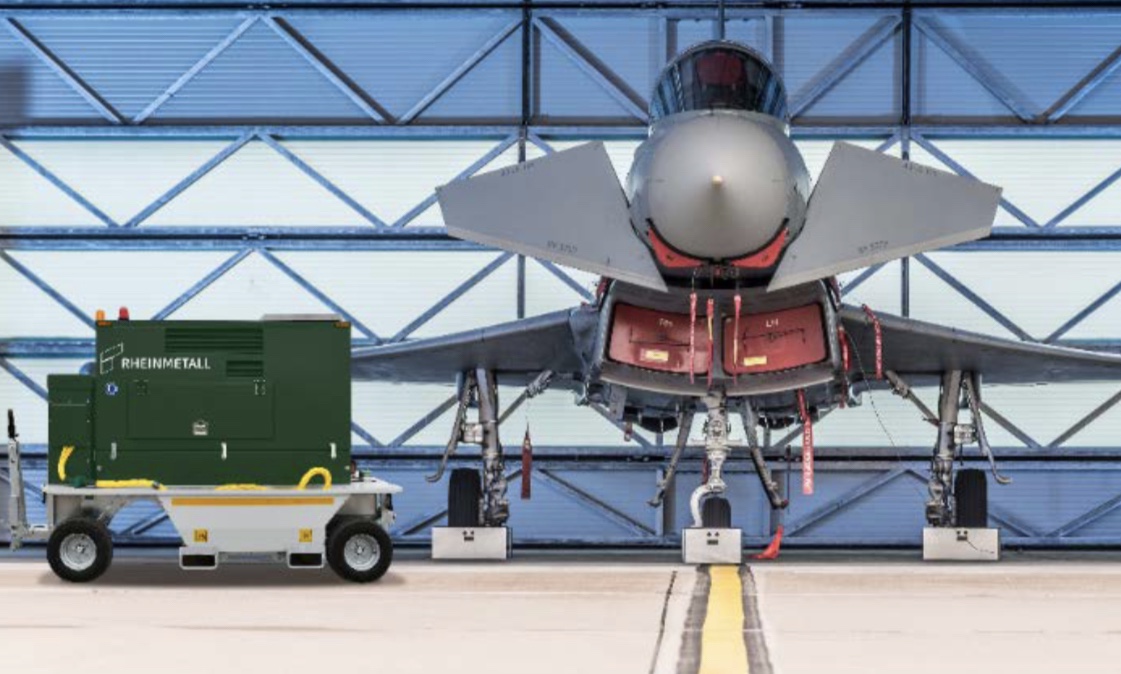
Between 2022 and 2025, Rheinmetall will supply its customer with 16 new mobile start units with integrated ground power (MSU-GP). The contract also includes the retrofit of 48 MSU-E units currently in service to the most recent MSU-GP version. The German Air Force has been using the Rheinmetall MSU to start its entire fleet of aircraft, including the Eurofighter, since 2014. This contract hence continues a business relationship that has been successful for decades.

Rheinmetall MSU-GP, the only air start unit of its kind

Designed to prioritize reliability and versatility, the Rheinmetall MSU-GP is a dependable solution for any takeoff. As the only turbine-powered air start unit, it is lighter to deploy and more compact than a diesel engine unit. Air transportable and proven across the globe even in extreme weather environments, the MSU-GP delivers. And integrated ground power means 2-for-1: it saves critical space with both a bleed air and electrical power supply in a single unit, while improving cost effectiveness.

Rheinmetall’s mobile start units (MSU) have both military and commercial applications and a broad international appeal. These units are found in airports around the globe: more than 1200 have been sold in more than 40 countries. On the military side, Rheinmetall MSUs are not only used with the German Air Force, but are also in operation with the US Navy who employs them on all of their aircraft carriers. Trusted by civilian companies including major German aviation companies, British Airways, American Airlines, Air New Zealand, and FedEx, the MSUs can start even the most demanding aircraft, including the B777-300ER and A380.

Rheinmetall is participating at ILA Berlin – a leading innovative trade fair for the aerospace industry – taking place from 22 to 26 June, 2022. Visitors will learn more about the Rheinmerall MSU-GP, which will be on display at booth G001.

Innovating a sustainable future

As countries increase their commitments to reducing their emissions with higher standards and regulations, airports around the world need to pivot towards zero emissions solutions. To support those requirements, Rheinmetall recently introduced the Rheinmetall eMSU – the world’s first all-electric air start unit. The eMSU allows for carbon-free main engine starts and reduction in overall gound operations emissions. Easy to operate, it is the greenest air start unit solution on the market.

Rheinmetall will be presenting in September 2022 its latest version of the eMSU at GSE Expo Europe. Do not miss the opportunity to see it live in Paris and to learn more about the many advantages of this new zero-emission air start unit.

AeroVironment Awarded $6.2 Million Puma 3 AE Unmanned Aircraft Systems Contract by United States Marine Corps

Tuesday, June 14th, 2022

• Puma 3 AE unmanned aircraft system delivers immediate tactical reconnaissance, surveillance and target acquisition in day or night maritime and land-based operations


• AeroVironment’s small unmanned aircraft systems comprise the majority of all unmanned aircraft in the U.S. Department of Defense (DoD) inventory; deployed by more than 50 allied governments

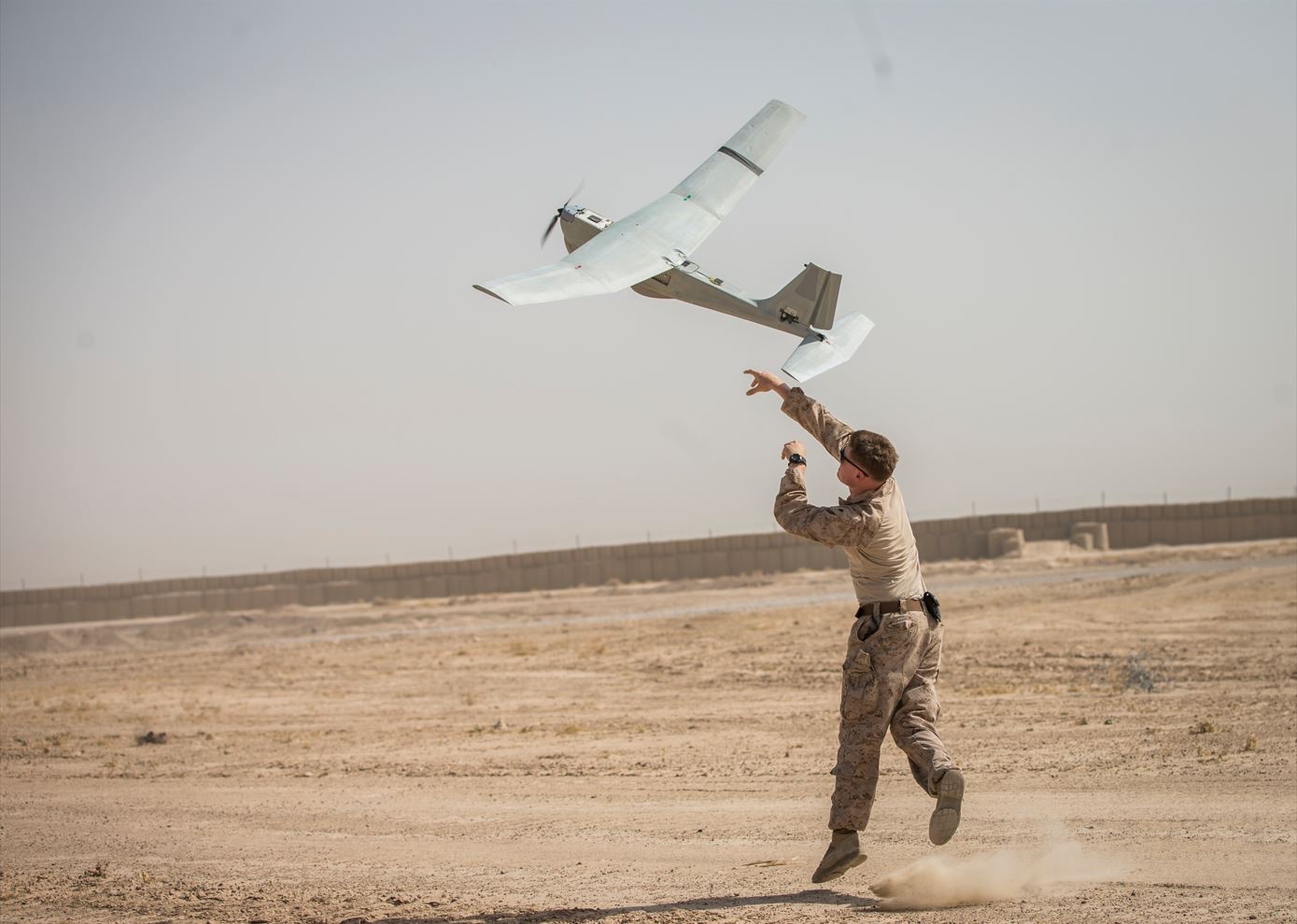
The Puma 3 All Environment (AE) unmanned aircraft system is rapidly deployable via hand-launch and can land in salt water, fresh water or on land. (U.S. Marine Corps photo by Cpl. Gabino Perez) Disclaimer: The appearance of U.S. Department of Defense (DoD) visual information does not imply or constitute DoD endorsement.

ARLINGTON, Va., June 14, 2022 –AeroVironment, Inc. (NASDAQ: AVAV), a global leader in intelligent, multi-domain robotic systems, today announced receipt of a $6,166,952 firm-fixed-price contract award for Puma™ 3 AE small unmanned aircraft systems (SUAS) and spares on May 3, 2022, for the U.S. Marine Corps. Delivery is anticipated to be completed in July 2022.

“Puma 3 AE has proven itself as the ideal solution for low-altitude intelligence, surveillance and reconnaissance missions in any operational environment and continues to serve as the backbone of the U.S. Marine Corps Medium Range/Medium Endurance Forces,” said Trace Stevenson, AeroVironment vice president and product line general manager for SUAS.

AeroVironment’s Puma 3 AE delivers mission critical capabilities in all environments. Puma 3 AE has a wingspan of 9.2 feet (2.8 meters), weighs 15 pounds (6.8 kilograms) and can operate up to 37.2 miles (60 kilometers) with AeroVironment’s Long-Range Tracking Antenna (LRTA). Multi-mission capable, operators can easily swap Puma 3 AE’s payloads quickly, selecting between the Mantis™ i45 and the enhanced night variant, Mantis i45 N. Puma 3 AE is launchable by hand, bungee, rail, or vehicle, and is recoverable by deep-stall landing, providing class-leading capabilities in challenging environments around the world.

AeroVironment’s SUAS comprise the majority of all unmanned aircraft in the U.S. Department of Defense (DoD) inventory, and its rapidly growing international customer base numbers more than 50 allied governments, including the Ukraine. To learn more, visit www.avinc.com.

U.S. Army Selects SIG SAUER Advanced Sniper Rifle Ammunition

Monday, June 13th, 2022

NEWINGTON, N.H., (June 13, 2022) – Following the success of the U.S. Army and U.S. Navy MK248 300WM Precision Sniper Rifle Contract, SIG SAUER is pleased to announce another U.S. Army award to manufacture the follow-on Advanced Sniper Rifle (ASR) 300 Norma Mag (NM) and armor piercing 338 Norma Mag (NM) ammunition.  

“This selection by the U.S. Army to manufacture ASR ammunition reinforces SIG SAUER as the leading manufacturer of modern sniper ammunition for the U.S. Department of Defense, and demonstrates confidence in SIG’s ability to deliver the most precise ammunition in the world,” began Ron Cohen, President and CEO SIG SAUER, Inc.

The U.S. Army ASR ammunition contract consists of two cartridges: M1163, a 300NM, 215 grain round, and M1162 an armor piercing 338NM, 300 grain round.  The $157MM maximum value contract includes 4.5MM rounds for the first delivery order.

“Sniper ammunition must be manufactured to the most precise standards.  This award, combined with our proven success in the MK248 300WM contract, further demonstrates our most important customer’s confidence in our ability to build and deliver the most precise ammunition,” concluded Cohen.  

All SIG SAUER Ammunition, including the Precision Sniper Rifle MK248, the Advanced Sniper Rifle M1162 and M1163, and the new Next Generation Squad Weapons (NGSW) 6.8mm Common Cartridge, is American made and manufactured at our state-of-the-art ammunition manufacturing facility in Jacksonville, Arkansas.

sigsauer.com