Phantom Lights

Archive for the ‘Guest Post’ Category

Naval Special Warfare, Submarine Squadron 11 Display Fleet Lethality

Saturday, July 20th, 2024

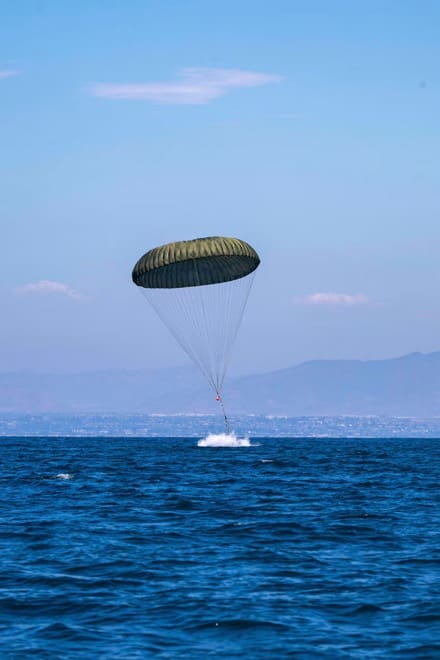
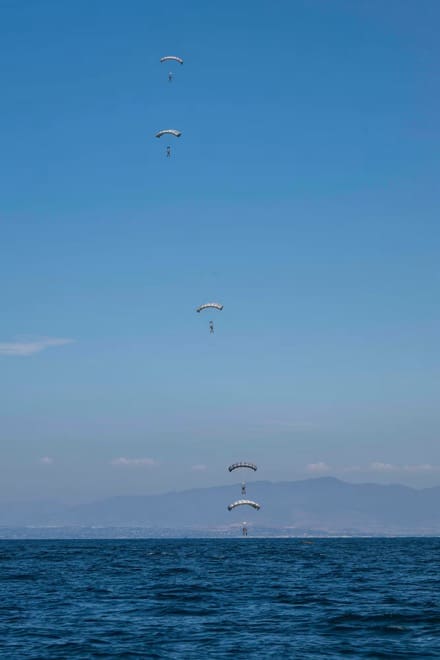
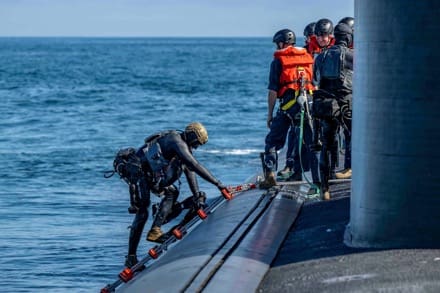
PACIFIC OCEAN — West Coast-based Naval Special Warfare (NSW) operators participated in fleet interoperability training off the coast of Southern California June 24, focusing on increasing warfighting capabilities in the maritime domain.

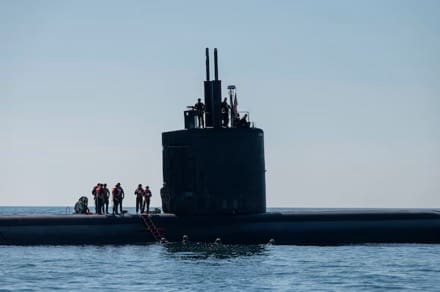
The training involved aircraft from Commander, U.S. Naval Air Forces and the Los Angeles-class attack submarine USS Greeneville (SSN 772), assigned to Commander Submarine Squadron 11 (CSS-11).

“This training opportunity provided the submarine warfighters aboard USS Greeneville the opportunity to practice a unique capability,” said Capt. Kenneth Douglas, Commander, Submarine Squadron 11. “Expanding joint interoperability capabilities effectively demonstrates our asymmetric advantage on and under the world’s oceans and I look forward to continued training events with our Naval Special Warfare operators.”

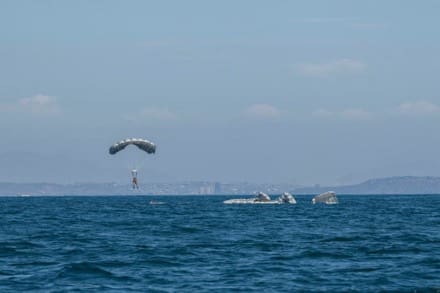
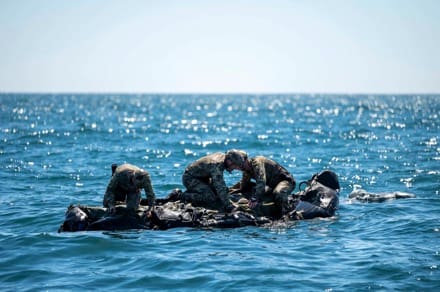
During the training, Naval Special Warfare (NSW) operators performed a military freefall and conducted an airborne drop of combat rubber raiding crafts (CRRC) off the coast of Southern California. Following this, the NSW operators rendezvoused with Greeneville at a designated location before returning to shore.

“Undertaking an operation of this caliber highlights the indispensable role that NSW and the submarine force play within the joint force,” said Capt. Blake L. Chaney, Commander, Naval Special Warfare Group 1. “By synchronizing our operations, activities and investments, we not only bolster fleet lethality but also provide substantial value in securing access to either denied or contested areas.”

Engaging in ongoing training with Naval Special Warfare and Commander Submarine Squadron 11, ensures that the U.S. Naval force is well-prepared to tackle the challenges of a dynamic and competitive maritime environment.

CSS-11 is home to five Los Angeles-class fast attack submarines, which are capable of supporting various missions, including: anti-submarine warfare; anti-ship warfare; strike warfare; and intelligence, surveillance, and reconnaissance.

Naval Special Warfare is the nation’s elite maritime special operations force, uniquely positioned to extend the Fleet’s reach and gain and maintain access for the Joint Force in competition and conflict.

By Petty Officer 1st Class Alex Perlman And Petty Officer 1st Class Alex Smedegard

FirstSpear Friday Focus: MIL, LEO & First Responders Streamline Website w/ iD.me

Friday, July 19th, 2024

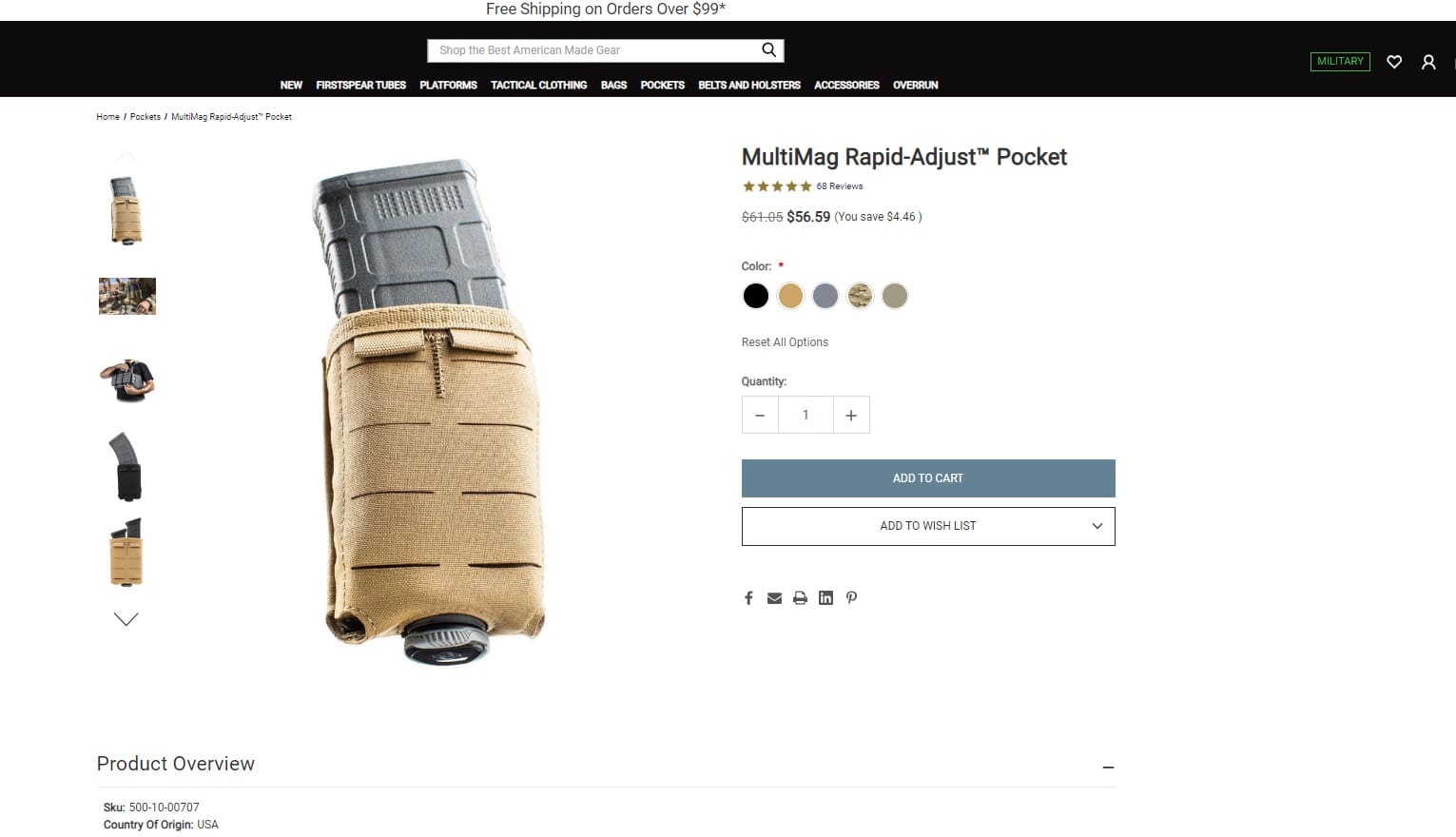
FirstSpear continues to offer Military, Law Enforcement & First Responders discounts and has directly integrated with iD.me on the website to make it faster, more secure and easy for members to be verified. FirstSpear takes great pride in continue to offer the industry’s most innovative, premium products at an exclusive price.

To get your discount, either create an account on www.first-spear.com and it will prompt users to go through the steps to input their iD.me credentials, or  simply shop on First-Spear.com and you will be prompted in the check out as a reminder to enter credentials to verify.

For over 13 years, FirstSpear develops hundreds of innovative products every year for the most elite military and law enforcement professionals in the world. For more information, check out www.first-spear.com.

For government GPC purchases please email govsales@first-spear.com. If you would like information on becoming a FirstSpear equipment dealer, please email dealerrequest@first-spear.com.

Virtual Symposium Develops Air Commandos to Maximize Potential

Friday, July 19th, 2024

Hurlburt Field, Fl —  

Participants across Air Force Special Operations Command took part in the Commando LEAD Symposium on July 15 virtually to learn techniques to continue to build the force we need.  

“We have a duty as leaders to ensure anyone who chooses to serve has an environment to thrive,” said Maj. Gen. Rebecca Sonkiss, Deputy Commander of Air Force Special Operations Command. “We are talking about building strong teams, a fabric of unique and different thoughts, with trust, that are ready to deliver the full capabilities of our nation with the lethality we need to win,” she added.  

The Commando LEAD Symposium had an array of speakers, which all focused on the need to maximize an Air Commandos potential and to sharpen their mindset. 

“The Air Commando Mindset is a bias for action, setting really high standards, and holding each other accountable. It is this mindset that actually earns us the title Air Commando and comes from a rich heritage,” said CMSgt Anthony Green, Command Chief Master Sergeant at Air Force Special Operations Command. “We must have all three things and remain adaptive. We cannot allow ourselves to stagnate because of the risk of failure. Know the mission, seek our purpose, and unleash that out the box thinking that AFSOC has always been known for,” he added.  

At the virtual symposium, participants were provided insights on how to cultivate a professional workplace, nurture workforce talent, and promote an inclusive environment.  

“We are not a social justice organization, we are a combat capability generating and warfighting organization, but we can still find ways to take care of each other. And so, to that end, Air Force capabilities and warfighting skills are enhanced by the diversity of its personnel,” said SMSgt Remy Voisin, Senior Enlisted Advisor for the 1st Special Operation Wing Commanders Action Group.  

Topics at the event included “Air Commando Mindset,” “Diversity as an Operational Necessity,” and “Overcoming Systemic Barrier’s.”  

When we foster an environment of inclusion, our force becomes a more engaged, effective, and lethal.

“Bringing broad spectrum of teammates to the table so they perform to the best they can stands the test of time. Our expectation is everyone is a leader, and everyone needs to be leading in this space,” said Sonkiss.  

LEAD stands for Leadership, Equity, Advocacy and Development.

Air Force Special Operations Command Public Affairs

BG Joseph G Lock Takes Command of Special Operations Command Europe

Thursday, July 18th, 2024

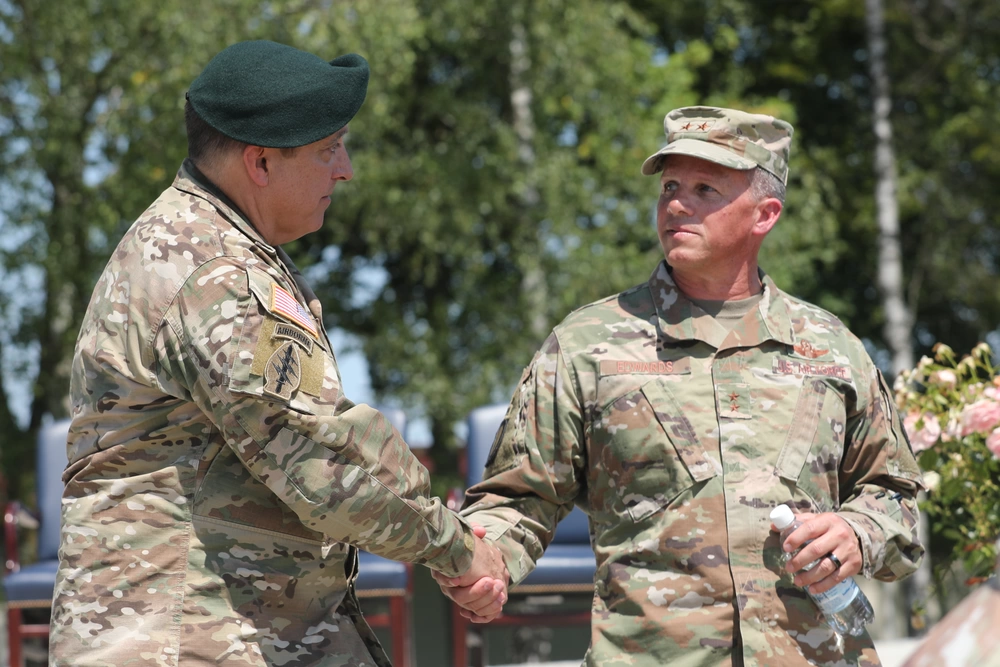
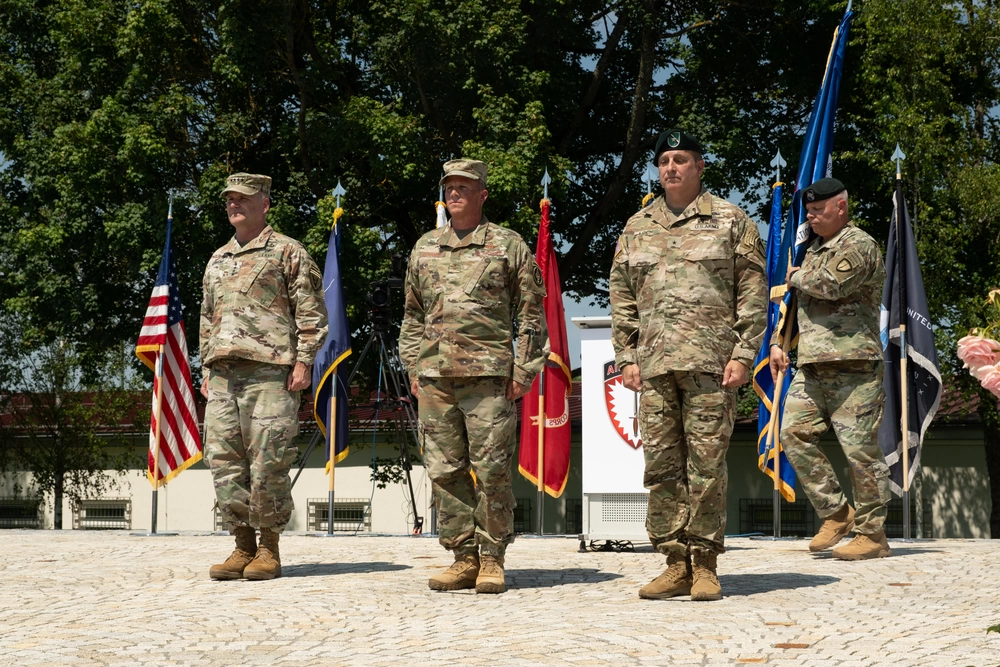
STUTTGART, Germany – U.S. Air Force Maj. Gen. Steven G. Edwards, the outgoing Special Operations Command Europe (SOCEUR) commanding general, transferred command to U.S. Army Brig. Gen. Joseph G. Lock during a change of command ceremony at Patch Barracks on July 15.

U.S. Army Gen. Christopher Cavoli, commander of U.S. European Command and Supreme Allied Commander Europe, presided over the ceremony and spoke of the mission entrusted to Lock: “You’re inheriting a command that is located at the forefront of our nation’s mission. There just couldn’t be a more important time. The events of the past two years have jolted us awake. The war in Ukraine has served as a terrible reminder of the large-scale wars throughout history and a reminder that they can occur again today.”

Lock most recently served as Military Deputy Director of Program Analysis and Evaluation at Department of the Army Headquarters (HQDA), G-8, and was responsible for the independent assessment, integration, and synchronization of the Army Program and Army’s Program Objective Memorandum (POM). Brig. Gen. Lock’s previous General Officer assignments include: Commanding General, Special Operations Joint Task Force Central; Commanding General, Over the Horizon Counterterrorism Command; and Assistant Commanding General, Joint Special Operations Command (JSOC).

“Under the dedicated and reliable leadership of Brigadier General Lock, SOCEUR will continue to prosper,” said Edwards. “With over 25 years spent in the special operations community, his expertise, ethics, and leadership is key for the future success of SOCEUR’s efforts in supporting higher headquarters’ priorities. I have no doubt that he will excel in his new role as SOCEUR commander.”

Edwards took command of SOCEUR in 2022. Prior to this assignment he worked as the Chief of Staff, Headquarters United States Air Forces in Europe and Air Forces Africa, Ramstein Air Base, Germany. Edwards, who began his career as an Army Warrant Officer, is retiring after 33 years of service.

“I want to personally thank Major General Edwards for his leadership during the past two years here at SOCEUR,” Lock said. “His dedicated service to all allies and partners and the unique cultures they bring to our theater has fostered an inclusive operational footprint. I am honored to be a part of this dynamic command that continues to work throughout the theater, preserving security during this critical time.”

Courtesy Story
U.S. Special Operations Command Europe
Photos by SFC Tim Beery

IP Video Technology: The Changes and Challenges Within Critical ISR Workflows

Wednesday, July 17th, 2024

The intelligence, surveillance and reconnaissance (ISR) community faces new challenges as an exponential increase of information—including real-time data and video streams—is shared with a growing community of stakeholders.

A new approach to system architecture is needed to deliver critical information to a more diverse set of collaborators, whether they are located in the last tactical mile or they are coalition partners sitting in headquarters.

For ISR missions that depend on video, the challenges are many, including securing communication, overcoming bandwidth limitations, and implementing end-to-end encryption when transmitting across multiple networks.

Here, Mark Rushton, a defence and security specialist and Business Development Director at VITEC: a global technology leader in the IPTV space, shares his insights on what is at stake.

How have critical ISR workflows evolved in recent years?

One significant change is the increased amount of information being processed and shared. With what seems like a universal need for real-time data and video streams, the dissemination imperative has expanded beyond traditional platforms and operational command centers. ISR intelligence must now reach a much wider range of collaborators.

This expansion has made the system architecture more complex. Leaders in dynamic and unpredictable environments must ensure secure communication and overcome bandwidth challenges while maintaining encryption. Additionally, the broad mix of radio networks used by drones — and other vehicles that carry ISR payloads — introduces variations in quality that must be managed to deliver high-fidelity images to end-users.

The types of devices receiving and processing video data have also become more complex. ISR equipment is no longer limited to control rooms and large screens in operation centers. Video intelligence must also be delivered to portable devices in remote locations where users—who may need this information the most—often have limited access to bandwidth.

How is the use of IP Video in ISR evolving?

In a word, quickly. This is due to technological advances, higher demands for real-time data, and the need for better interoperability and security.

For instance, IP Video technology allows for the seamless sharing of real-time video feeds across various platforms and devices. This is crucial for ISR operations, enabling timely decision-making and coordination among military units, intelligence agencies, and coalition partners.

Advancements in video compression algorithms like H.264, H.265, and VVC have improved video quality while reducing bandwidth needs. This means high-resolution video can be sent over various networks, even those with limited bandwidth capacity, without losing quality.

On a different vector altogether, it is important to observe that ISR has not been immune to the forces driving the adoption of artificial intelligence. Integrating IP Video with AI and machine learning enhances ISR capabilities because it can analyze video feeds in real-time to detect anomalies, identify objects or individuals, and provide actionable insights, reducing the workload on human analysts.

As IP Video use expands, there is a greater focus on security. Advanced encryption and secure transmission protocols protect sensitive video data from being intercepted or accessed without authorization, ensuring the integrity and confidentiality of ISR operations.

How is the community managing this growing complexity?

Standards are essential for supporting the ISR mission. It is the only way that everyone—including system architects, platform vendors, signal integrators, ISR commanders and third-party collaborators—can ensure that systems are compatible and can work together.

A standards-based approach to interoperability also prevents the ISR community from being locked into proprietary technologies that can limit future options.

While a standards-based approach to interoperability prevents the ISR community from being locked into proprietary technologies that limit future options, it must also be coupled with utilizing commercial off-the-shelf (COTS) products that offer access to the latest and greatest technology without the need to develop something from scratch.

This ensures everyone can leverage commonly used technology, facilitating compatibility and interoperability.

It is important for decision-makers to choose options with an upgradable path that can be utilized in the future. By allowing for flexibility as the ISR environment evolves, standards-based COTS solutions offer the best way to optimize operational effectiveness while maximizing return on investment.

How is quality control managed across different categories of networks?

Managing video quality in ISR workflows across different networks involves several key measures. One revolves around ensuring that image and video quality stays high throughout transmission. This is critical because clear visuals are essential for accurate decision-making in ISR missions. Depending on the mission’s needs, different networks, such as satellite links, radio mesh networks, or 4G LTE towers, are chosen based on factors like bandwidth, reliability, and latency.

The advanced compression technologies help maintain high video quality while minimizing bandwidth use. The best codecs allow for efficient compression, ensuring quality visuals even in low-bandwidth situations.

Compatibility with various devices, including portable ones with limited bandwidth, is vital. Ensuring the video format and resolution match the capabilities of the receiving devices helps maintain quality across different endpoints.

Finally, data security is also critical in ISR workflows. Implementing encryption protocols and rigorous security measures that protect video data’s integrity and confidentiality during transmission is the key to preventing unauthorized access or interception.
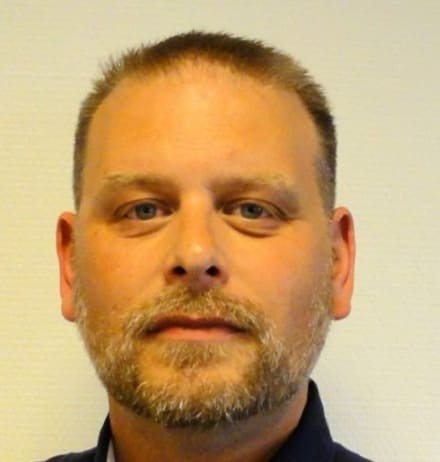
Author Mark Rushton a defence and security specialist and Business Development Director at VITEC.

VITEC is a global technology leader in the IPTV space, working within the Intelligence, Surveillance, Target Acquisition and Reconnaissance (ISTAR) arena for over 20 years.


All-Electric Fixed-Wing Aircraft Offloads Cargo at JB McGuire-Dix-Lakehurst

Wednesday, July 17th, 2024

JOINT BASE MCGUIRE-DIX-LAKEHURST, N.J. (AFNS) —

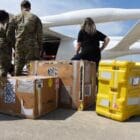
Joint Base McGuire-Dix-Lakehurst played a vital role in a historic first cargo flight as part of a demonstration of the ALIA CTOL, a battery-powered fixed-wing aircraft, July 9. The National Aerospace Research and Technology Park (NARTP) in Atlantic City tested the aircraft’s cargo usage by flying a lap pattern from Atlantic City, Dover Air Force Base and JB MDL.

The U.S. Air Force, in a partnership with BETA Technologies, has been instrumental in the development of ALIA. This groundbreaking aircraft, with a range of 250 nautical miles and the capacity to seat up to five passengers, is a testament to the Air Force’s adaptability to new technologies. The Air Force’s interest in the ALIA’s flexible applications further reinforces its commitment to staying at the forefront of technological advancements.

Moving cargo between Dover AFB and JB MDL with the ALIA is advantageous because it saves time and many other valuable resources.

“We can be ready to take off in a matter of minutes, and the battery has a low center of gravity, which is not affected by the way you load the cargo,” said Ross Elkort, BETA Technologies flight test engineer.”

The 305th Maintenance Squadron’s Precision Measurement Equipment Laboratory team unloaded 319 pounds of cargo from Dover AFB and loaded 222 pounds to send on a return trip.

Having last-mile cargo delivery handled by a battery-powered fixed-wing is an opportunity to make air mobility safer, cleaner and more cost-effective.

“It brings key innovation to the mission. It’s going to make things faster and simpler,” said Alyxandra Scalone, 305th Maintenance Squadron production controller. “Dover (AFB) is about two and a half hours away from us. Today’s flight only took 45 minutes.”

“An all-electric aircraft like the ALIA is the next evolution of rapid global mobility,” said Zachary White, BETA Technologies team member. “We started working with the AFWERX Agility Prime Program in 2019. We are super excited to be here and supporting Air Mobility Command. Doing different types of missions and flying cargo between bases, it was great to see the flexibility of this aircraft.”

By MSgt Joseph Vigil, Joint Base McGuire-Dix-Lakehurst Public Affairs

Tactical Tuesday: Vertx Best-Seller is Back in Stock!

Tuesday, July 16th, 2024

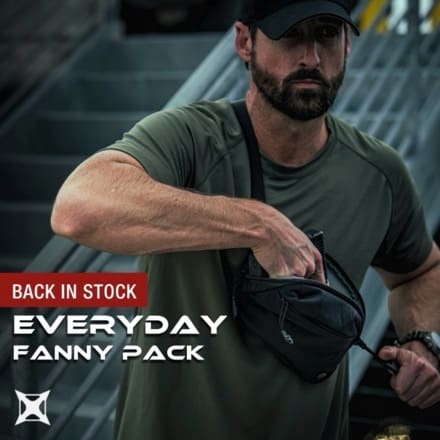
Gear up with Vertx’s Everyday Fanny Pack, co-created with 9x World Champion Shooter Lena Miculek. This compact, CCW-compatible pack securely holds essentials for confident carry. Don’t be fooled by its size – this little beast packs a punch. It’s like having a mini tactical command center at your waist.

Optimize your setup with a Rapid Access tab and choose from multiple holster retention options:

– Use any IWB holster with the Vertx Belt Adapter Panel
– Utilize the MPH Sub to fit any sub-compact handgun
– Use any modular holster from Crossbreed Holsters, including the Rose P365 Holsters

Available in Black and Mountain Sage, grab yours now at vertx.com.

Army Launches 2024 Network Field Experimentation

Tuesday, July 16th, 2024

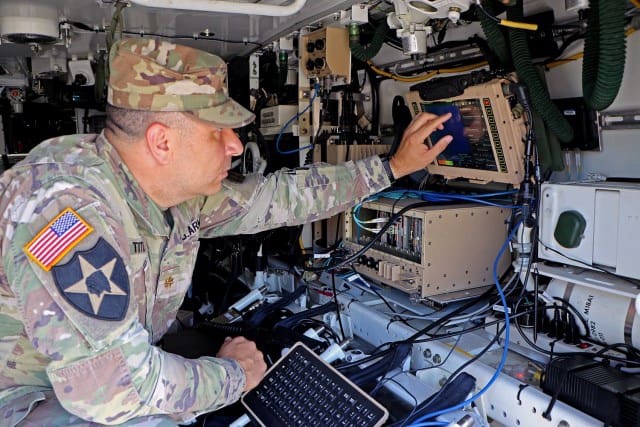
JOINT BASE McGUIRE-DIX-LAKEHURST, N.J. — Army C5ISR Center scientists and engineers are kicking off the annual Network Modernization Experiment, known as NetModX, as they move capabilities from the lab to a field environment to assess performance of projects.

The Command, Control, Communication, Computers, Cyber, Intelligence, Surveillance and Reconnaissance Center — shortened as C5ISR Center — and partner organizations will experiment over nine weeks with a broad spectrum of network-related capabilities in an operationally realistic, threat-informed environment to prove out disruptive and transformative C5ISR technologies, according to Joe Saldiveri, the event’s lead strategic planner. The C5ISR Center is an element of the Combat Capabilities Development Command.

NetModX 24 encompasses experimentation with dozens of technologies as C5ISR Center joins Army programs of record, cross-functional teams and industry partners across three locations in New Jersey and Maryland. The event supports programs of record gather experimentation data for decision-making as well as incorporating industry participation into the modernization process.

The Army Network is one of the chief of staff of the Army’s top priorities and enables critical capabilities across five modernization priorities: future vertical lift, long-range precision fires, network, next generation combat vehicle and Soldier lethality.

“NetModX is a unique venue for the Army to understand how emergent technologies perform in a converged field environment early in the development process. This approach leads to a tighter coupling between government programs and industry to mature technologies that address Army needs,” Saldiveri said.

For the second consecutive year, NetModX 24 will use a live, virtual and constructive environment that enables experimentation in a distributed manner. LVC assists the NetModX team to provide an all-inclusive service by combining real and simulated capabilities to stimulate technologies under experimentation, according to Noah Weston, C5ISR Center’s Strategic Experimentation Office chief.

The LVC environment offers multiple experimentation benefits, such as a reduction in the need for expensive or scarce real systems, the ability to rapidly iterate through experiment permutations and the ability to run experiments faster than real time.

“The C5ISR Center continues to invest and work with partners in building out LVC capabilities — to ensure we are pushing the state-of-the-art boundaries,” Weston said.

Soldier participation is also a key component to build upon work from scientists and engineers. 75th Innovation Command Soldiers will provide real-time feedback on how systems would affect operational mission performance.


“Soldier participation allows developers to gain insights into how Soldiers would interact with the programs, providing valuable lessons across the range of technology readiness levels,” Weston said.

The experimentation enables the Center to reduce risk for the Army and provide information critical for data-driven technical and programmatic decisions, according to Beth Ferry, acting C5ISR Center director.

“NetModX will help enable the Army to meet the Chief of Staff’s goal for an agile and robust Network as our top modernization priority,” Ferry said.

By Dan Lafontaine, DEVCOM C5ISR Center Public Affairs