Atrius Development Group

Archive for the ‘Guest Post’ Category

US Army Soldiers Participate in Foreign Area Officers Annual European Symposium

Saturday, September 16th, 2023

WIESBADEN, Germany – More than 200 leaders from across Europe attended the fourth annual Foreign Area Officer Symposium on Clay Kaserne, Aug. 16-18.

The symposium provided a venue for FAOs to network, improve their understanding of U.S. military equities, exchange information, and improve professional capacities, in order to strengthen connections and European security throughout the U.S. European Command area of responsibility.

“In our very small global world, partnerships and alliances are key to success,” said Gen. Christopher Cavoli, the Commander of U.S. European Command, and Supreme Allied Commander Europe. “Working with allies and partners is extremely important for achieving U.S. national security objectives in this theater and globally.”

USAREUR-AF leaders led participants in panels on threat security, defense strategies and plans, capabilities development, and the shared understanding of the Army Campaign Plan.

“You have to be a communicator across national alliances, across U.S. organizations and national lines, you have to have the skills to develop and cultivate relationships,” Cavoli said, speaking directly to the FAOs gathered. “Your personality, reputation, and integrity as a Soldier is more important than your position or title and is directly tied to your effectiveness.”

FAOs are commissioned officers selected from any of the six branches of the United States Armed Forces. In 1997, the U.S. Army transformed the FAO branch into a single-track career field, allowing them the concentration needed to become regional experts, specializing in political-military operations. They possess a unique combination of strategic focus, regional expertise, with political, cultural, sociological, economic and geographic awareness, and foreign language proficiency. There are more than 1,000 FAOs serving in more than 150 countries around the world. They are commissioned officers deliberately selected, trained, educated, and developed to meet worldwide Department of Defense requirements.
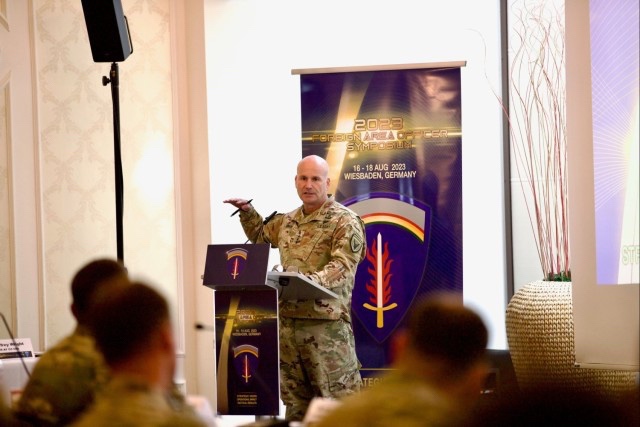
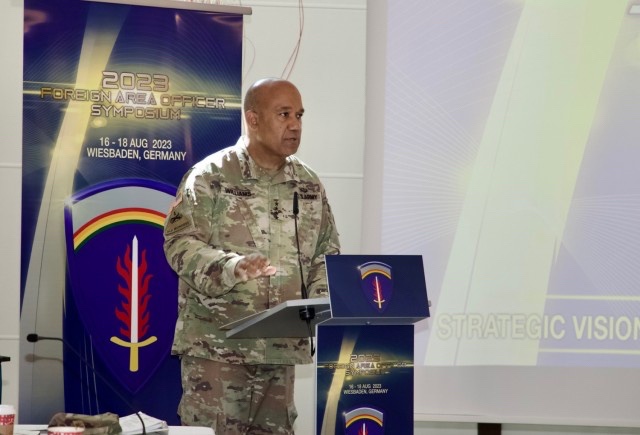
“FAOs are often called strategic scouts because they work independently and in complex forward situations,” said General Darryl Williams the Commanding General of U.S. Army Europe and Africa, and the Commander of NATO’s Allied Land Command. “The FAOs in this theater are no exception. They provide a key element that allows us to of our Allies and partners; a deeper understanding providing key elements and strengthening their abilities to conduct the large-scale operations and training across Europe.”

FAOs have extensive roles and varied responsibilities, and serve in overseas assignments such as military attachés, security cooperation officers, or as a political-military planners in a service’s headquarters, joint staff, geographic combatant commands, or in agencies of the Department of Defense. They provide expedited communication connections with Allies and partners to coordinate foreign military sales, policies, cooperative research, military training for partner nation service members, and engage in diplomatic meetings between military leaders.

“Each FAO has individualized experiences working in various embassies, and through these symposiums, they are able to connect and share combined experiences with others in the career field,” Lt. Col. Oksana Grisko said, a FAO and Branch Chief for the Central European region in the International Operations Division at U.S. Army Europe and Africa.

The symposium addressed major efforts made to improve upon a shared understanding of how FAOs are shaping the European security environment.

“The FAOs who work for the embassies, and in the USAREUR-AF headquarters, facilitate contact with our Allies and partners – we do that on a day-to-day basis,” Grisko said. “From a security standpoint, and from the Department of Defense standpoint, we’re on the front line, FAOs continually push the importance of the Allies and partners and continued support to the alliance.”

For more information on U.S. Army Europe and Africa please visit: www.europeafrica.army.mil

By Casey Slusser
FirstSpear Friday Focus – Tiger Stripe Wind Cheater

Friday, September 15th, 2023

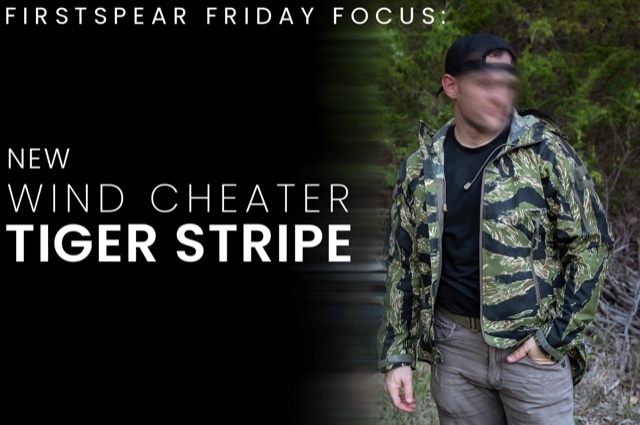
A new take on a classic OG FirstSpear Wind Cheater. This American-made, Tiger Stripe Wind Cheater is the ultimate go-to jacket for anyone who is on the move. This jacket is designed with durable wind-resistant material that can withstand even the harshest weather conditions. The tiger stripe pattern not only adds a touch of badassery to your outfit, but it also serves as camouflage in the wilderness or urban jungle. Slip into this wind cheater and always be ready for whatever life throws your way. With its premium quality and practicality, this jacket is a no-brainer for anyone who values style and function.

Visit FirstSpear to find American Made kit and accessories, Built For The X.

Soldiers Go for Gold During German Schützenschnur Qualification

Friday, September 15th, 2023

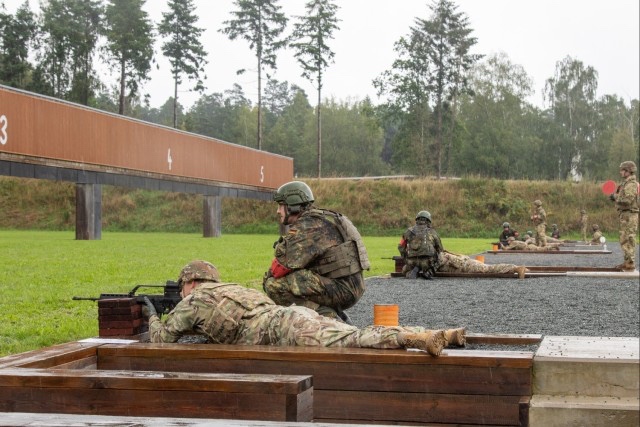
ILLESHEIM, Germany — Over 100 Soldiers assigned to the 3rd Combat Aviation Brigade, supporting the 4th Infantry Division, joined the the German Armed Forces — known as the Bundeswehr — for a chance to earn the prestigious Badge of Marksmanship, or Schützenschnur, on August 29, 2023.

For 3CAB Soldiers, the event was an opportunity to train with host nation counterparts while also learning about German culture and strengthening our relationship with an ally nation.

“The Schützenschnur is an opportunity to collaborate with the Bundeswehr and try out their weapon qualification standards,” said Sgt. 1st Class Tyler Dean, the 603rd Aviation Support Battalion, 3rd CAB Land and Ammo noncommissioned officer. “It was a great way to build relationships with Soldiers from another nation and just learn a little about them.”

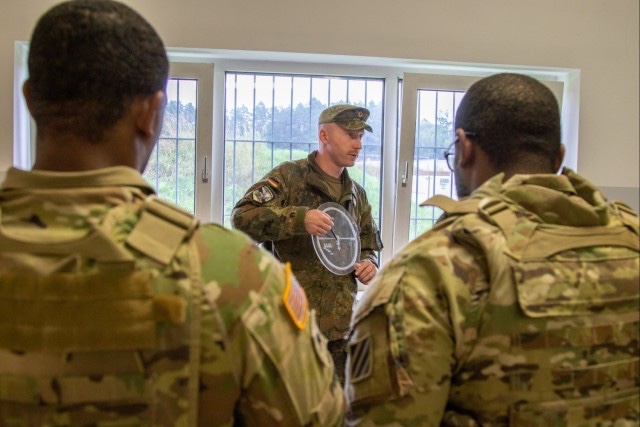
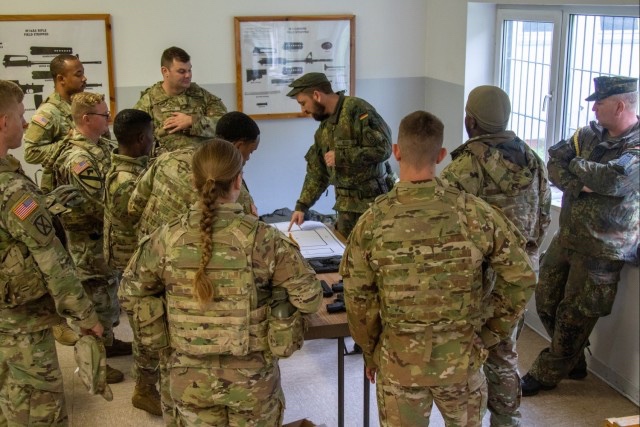
Soldiers started the day off with a familiarization class on the German P30 pistol and the German G36 rifle.

“The instructors were really professional and thorough during the class,” said Cpt. Anderson Simmons, the 3CAB Resource Manager. “We were able to get some hands-on familiarization training with their weapons and talked about what we should expect from the Schützenschnur.”

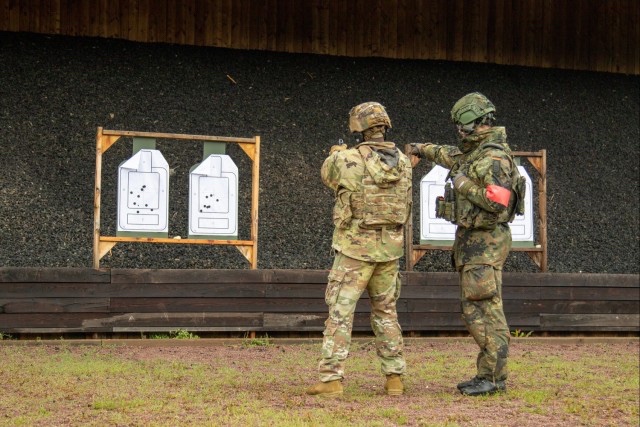
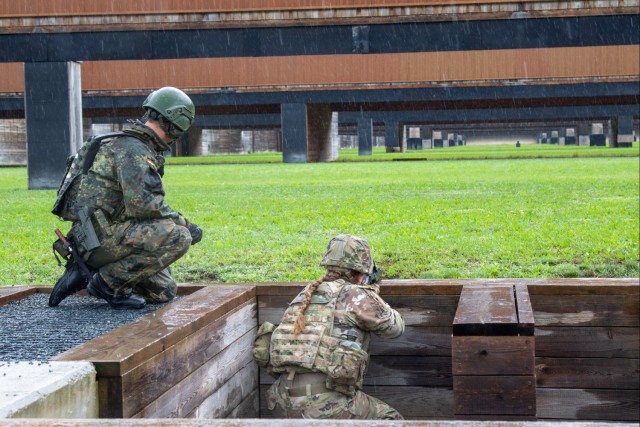
Soldiers then headed out to the lanes where they fired at a combination of paper and pop-up targets in order to qualify.

“We started off firing at paper targets with the P30 pistol and the G36 rifle,” said Dean. “After everyone was comfortable with the weapons, we moved over to a pop-up range and fired at nine pop-up targets using the G36 rife.”

After completing the qualification, Soldiers learned what classification of the German Armed Forces Badge of Marksmanship they qualified for. The award comes in three grades that showcase how proficient a soldier is, with gold being the highest, silver the second highest and bronze being the lowest. U.S. Soldiers are authorized to wear the award on their Army Service Uniform.

“For the gold classification, a Soldier would have to get a perfect score in all three events,” said Dean. “We actually had around 80% of our Soldiers shoot a perfect score, so we’ll get to see a lot of gold on Soldier’s ASUs once we get back home.”

The Schützenschnur has origins dating back to the 18th century and was awarded to enlisted Soldiers for marksmanship. Soldiers from all military occupational specialties can wear the award as long as they qualify on the required weapons systems.

“After talking to one of the rifle instructors I found out he’s a firefighter in the German Army,” said Anderson. “It was interesting to me that they were serving as the weapons instructors, it’s not something you’d expect.”

For Soldiers like Anderson, the Schützenschnur presented an opportunity to increase interoperability between the units and learn how other armies operate.

“This is my first rotation so working with partner nation forces when you’re away from home and from things you might be used to, I think it really helps enhance the experience,” said Anderson. “It helps show why you’re here and you get to learn how other militaries operate.”

By SGT Caitlin Wilkins

AUSA Medal Of Honor Graphic Novel Series Features SFC Alwyn Cashe

Thursday, September 14th, 2023

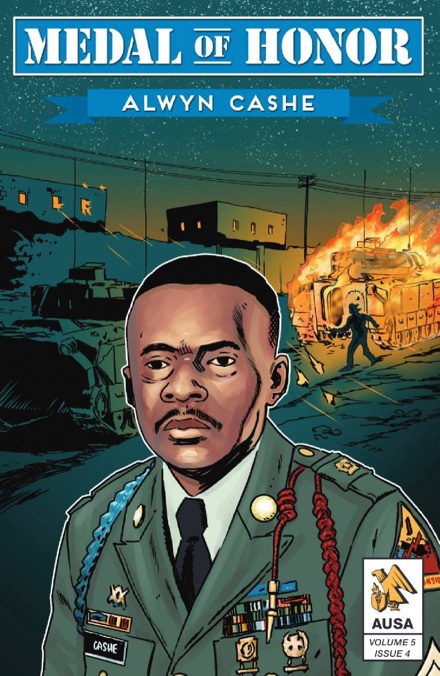
Sgt. 1st Class Alwyn Cashe, who ignored his own wounds and repeatedly entered a burning vehicle to save his soldiers, is the focus of the latest graphic novel in the Association of the U.S. Army’s series on recipients of the nation’s highest award for valor.

Medal of Honor: Alwyn Cashe tells of the infantryman’s actions on Oct. 17, 2005, when his Bradley Fighting Vehicle was struck by a roadside bomb near Samarra, Iraq. Cashe suffered terrible burns, but he kept returning to the burning vehicle to rescue his soldiers.

Cashe pulled six soldiers and an Iraqi interpreter from the wreckage and made sure everyone was taken care of before agreeing to be evacuated. Suffering burns on more than 70% of his body, Cashe died three weeks later.

“I’ve been wanting to tell this story for years. Alwyn Cashe’s actions were extraordinarily heroic, and I am glad he received the recognition he is due,” said Joseph Craig, director of AUSA’s Book Program. “I’m also glad we had such a talented team to put this book together.”

Medal of Honor: Alwyn Cashe is available here.

AUSA launched its Medal of Honor graphic novel series in October 2018. This is the 20th novel in the series. A paperback collection of the four issues produced this year is scheduled for release in the fall.

The digital graphic novels are available here.

A native of Oviedo, Florida, Cashe joined the Army in 1989. He served in South Korea, Germany and at installations across the U.S. and deployed in support of the Gulf War in 1991 before becoming a drill sergeant at Fort Benning, now known as Fort Moore, Georgia.

He participated in the 2003 invasion of Iraq and deployed there again in 2005 as a platoon sergeant in the 3rd Infantry Division’s 1st Battalion, 15th Infantry Regiment.

On Oct. 17, 2005, Cashe and his soldiers were on a nighttime patrol near Samarra when his Bradley Fighting Vehicle came under enemy fire and was hit by a roadside bomb. The blast tore into the vehicle’s fuel cell, causing it to burst into flames.

Drenched in fuel, Cashe escaped through a front hatch. His uniform began to burn as he and another soldier pulled the Bradley’s driver to safety. Already suffering from severe burns, Cashe refused to stop, moving back to the Bradley’s troop compartment to help his soldiers trapped inside, according to his Medal of Honor citation.

Ignoring the pain and the incoming enemy fire, Cashe opened the troop door and helped four of his soldiers to safety. When he noticed that two other soldiers had not been accounted for, he went back to the burning Bradley to get them.

“Despite the severe second- and third-degree burns covering the majority of his body, Cashe persevered through the pain to encourage his fellow soldiers and ensured they received needed medical care,” the citation says.

Cashe died Nov. 8, 2005, at Brooke Army Medical Center in San Antonio. He was 35.

While he was quickly awarded the Silver Star, the nation’s third-highest award for valor, there was a long campaign to have his award upgraded after the extent of his actions became known.

On Dec. 16, 2021, Cashe posthumously was awarded the Medal of Honor.

Each AUSA graphic novel is created by a team of professional comic book veterans. The script for the graphic novel on Cashe was written by Chuck Dixon, whose previous work includes Batman, The Punisher and The ‘Nam.

Pencils and inks were by PJ Holden, a veteran of Judge Dredd, Battlefields and World of Tanks; colors were by Peter Pantazis, who previously worked on Justice League, Superman and Black Panther; and the lettering was by Troy Peteri, who has worked on Spider-Man, Iron Man and X-Men.

S.O.Tech Helmet Scrim

Thursday, September 14th, 2023

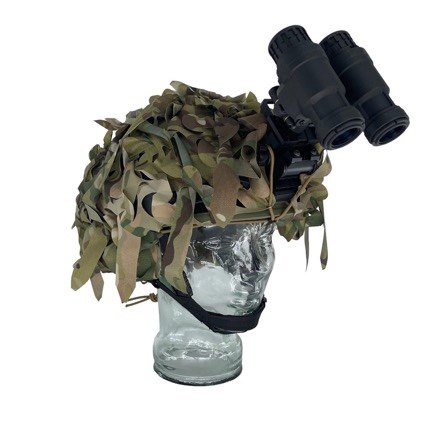
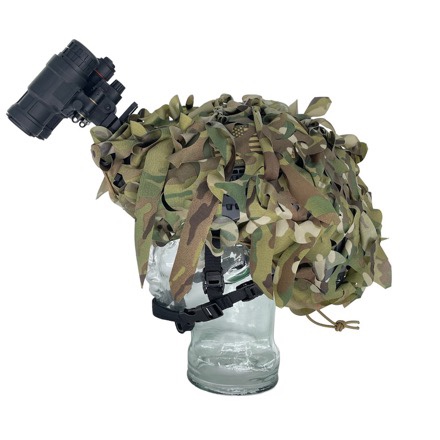
The new S.O.Tech Helmet Scrim is part of our new tactical line and can be found in our new 2023 tactical catalog. The Helmet Scrim is made up of laser cut pack cloth, making it lightweight, durable, and simple. It was made to add a layer of texture to help the user blend in with their surroundings and is cut in a way that helps you adjust to your helmet.



Our Helmet Scrim was made to be customizable, elastic draw cord runs all along laser cut holes that are located on the edge of the scrim. Everything is brought together by a cord lock, which helps secure the scrim over the helmet. Included in the kit are 8 ghillie strips that help add more texture to the scrim.



 

Our Helmet Scrim was made to be customizable, elastic draw cord runs all along laser cut holes that are located on the edge of the scrim. Everything is brought together by a cord lock, which helps secure the scrim over the helmet. Included in the kit are 8 ghillie strips that help add more texture to the scrim.

Kit Includes: Helmet Scrim, Shock Cord Plus Cord Lock, and 8 Ghillie Strips.

sotechtactical.com

Black Hills Designs Ultra Slick Low Vis Universal Plate Carrier

Thursday, September 14th, 2023

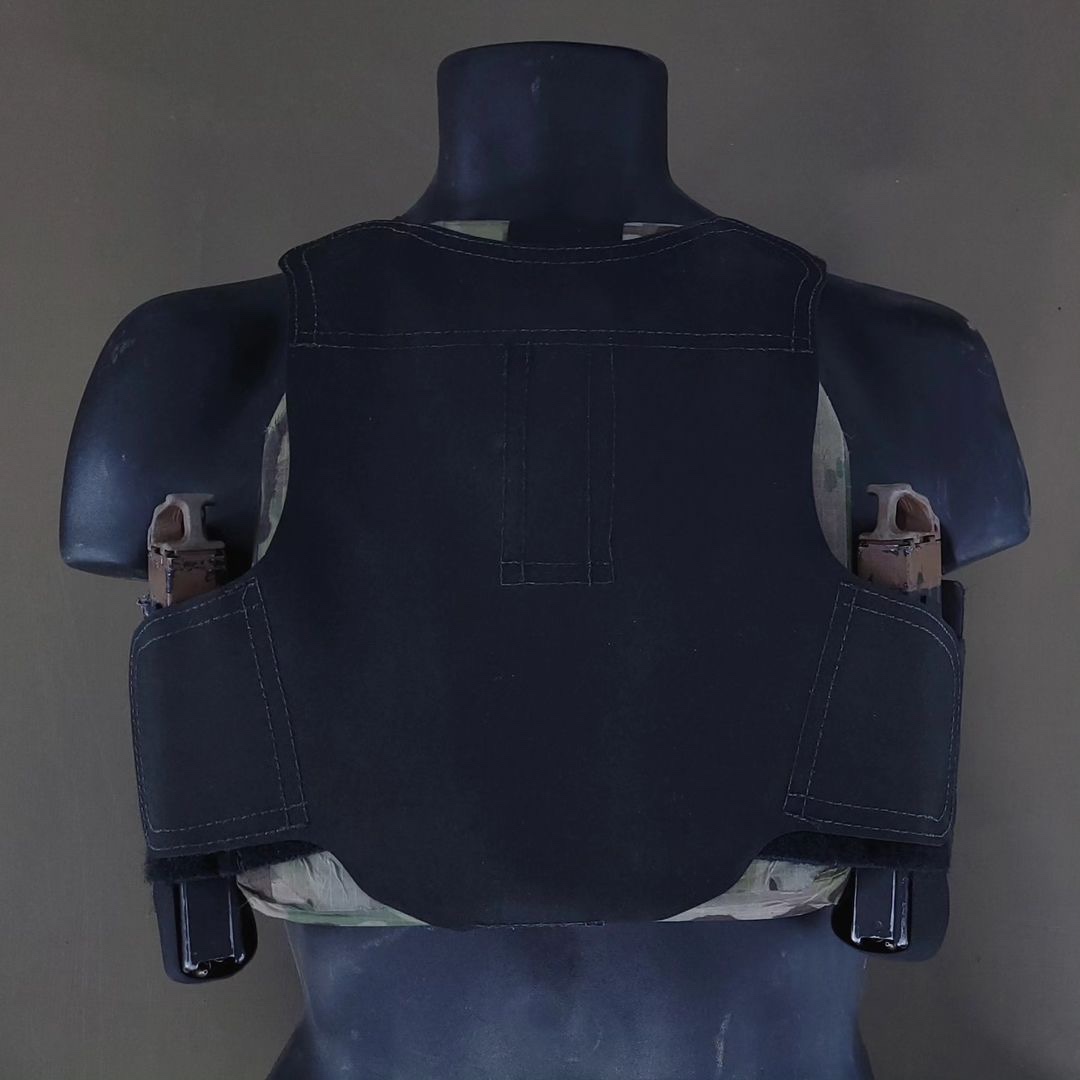
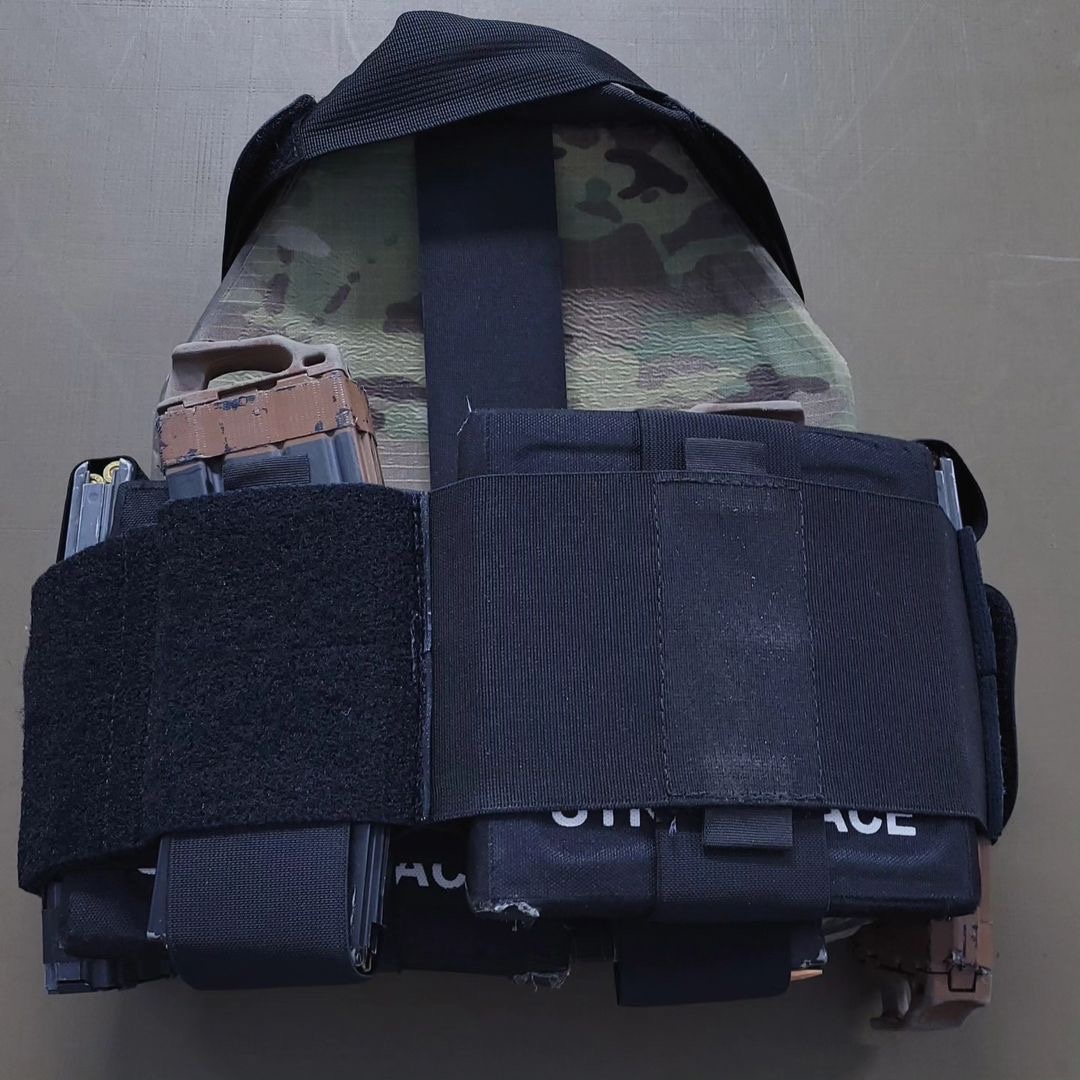
Designed with a new look at covert armor systems aimed at taking advantage of the civilian and mil & LE limited equipement and budget, we hope to be able to stretch current armor systems into a more applicable role.

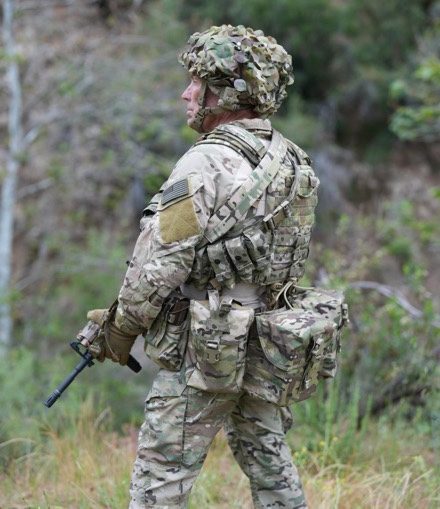
The Black Hills Designs Ultra Slick – Low Vis Universal Plate Carrier is designed to improve the concealability, comfort and mission flexibility of the end users existing equipment. With a universal fit for plate size and shape you can transfer all of your mission essential kit into a covert carrier that fits into the palm of your hand. It will accept accept almost any existing hard plate and 6×6 side plates.

www.blackhillsdesigns.net/product/ultra-slick-low-vis-universal-plate-carrier

AF Special Warfare Training Wing Hosts Pelvic Health Clinic

Wednesday, September 13th, 2023

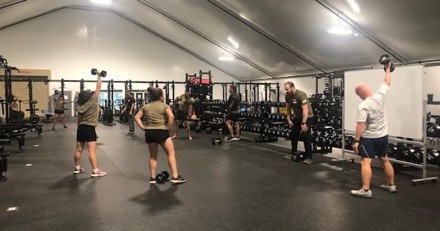
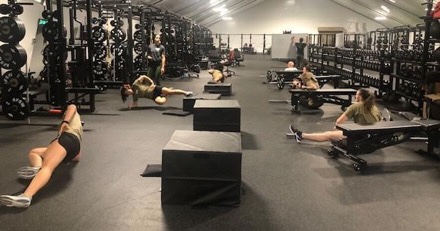
The Special Warfare Training Wing supports a rigorous training pipeline, preparing America’s Airmen to meet the physical & cognitive demands required to compete in a contested environment. The physical stresses of both the female and male trainee make training taxing on their pelvic floor & abdominal wall. The prevalence of urinary incontinence for athletes is cited ranging between 10-80%, and for female athletes, 49% experience stress urinary incontinence with exercise.

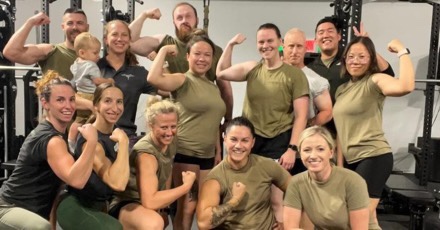
Given these staggering numbers and the physical demands placed on candidates entering the #afspecwar pipeline, Major Greene, a Physical Therapist (PT) supporting the 352 Combat Control School, invited two Pelvic Health PTs to host a 2-day “pelvic health for the athlete” course at Chapman Annex, JBSA for musculoskeletal experts serving in both the Special Warfare Training Wing and partners at the 59th Medical Wing. The Special Warfare Human Performance Squadron is the first in the DoD serving the special warfare community to understand this impact, host a training course to address the issue, and build a capability ready for America’s next generation of operators.

Special Warfare Human Performance Support Group

Depot Tackles Supply Chain Issues with Advanced Manufacturing

Monday, September 11th, 2023

MARINE CORPS LOGISTICS BASE ALBANY, GA – The Marine Corps Advanced Manufacturing Center of Excellence (AM COE) recently helped the Navy solve a supply chain issue for the USS Kentucky.

The Kentucky, an Ohio-class ballistic submarine (SSBN), needed a specifically designed cover for a ventilation system, and a long lead supply chain and the complex geometry of the part meant that a creative solution was needed.

In December, Naval Sea Systems Command’s Trident Refit Facility Bangor (TRFB), which is responsible for repairing, incrementally overhauling and modernizing the Pacific Fleet SSBNs during refits, contacted the Marine Depot Maintenance Command (MDMC). The AM COE, part of the Marine Corps Maintenace Command, leverages AM technology to increase depot production and bolster supply operations and expeditionary capabilities for the Fleet Marine Force.

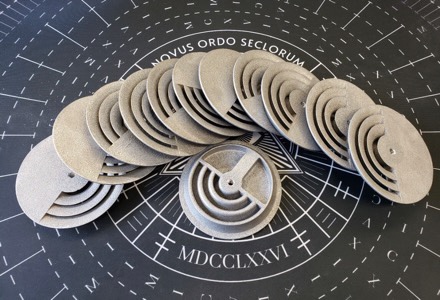
Aluminum printed by Marine Depot Maintenace Command’s Production Plant Barstow using an EOS 400-1 machine for the USS Kentucky.

When TRFB reached out to the MDMC’s Advanced Manufacturing team for a solution, they answered the call. The Marine Corps AM COE reengineered the provided drawings to meet 3D printer specifications and MDMC’s Production Plant in Barstow, California, 3D printed the aluminum using an EOS 400-1 Machine.

This is the first additively manufactured metallic component produced to solve a supply chain issue on Ohio-Class submarines.

“We appreciate the tremendous work of the Marine Corps Advanced Manufacturing Center,” said CAPT Mike Eberlein, commanding officer, TRFB. “Having access to AM greatly increases our efficiency and this is just one of many examples of multiple commands working together to solve problems for the benefit of our warfighters.”

The Marine Corps AM COE continually explores ways to expand partnerships and welcomes inquiries from organizations across the U.S. Marine Corps, Department of Defense, industry and academia.

Learn more at the AM COE Website: Advanced Manufacturing Center of Excellence