Celebrate 20 years of the TLR-1

Archive for the ‘Guest Post’ Category

SCUBAPRO Sunday – First Submarine Commando Raid

Sunday, August 14th, 2022

On August 17, the USS Nautilus and USS Argonaut were off the coast of Makin Atoll in the pacific. They were carrying 221 Marine Raiders. The Raider’s objectives were to destroy the Japanese garrison and installations, take prisons so they could be interrogated, and finally, the Gilbert Islands must be reconnoitered. It was also meant to divert Japanese attention and reinforcements from the Allied amphibious invasions on Guadalcanal and Tulagi.
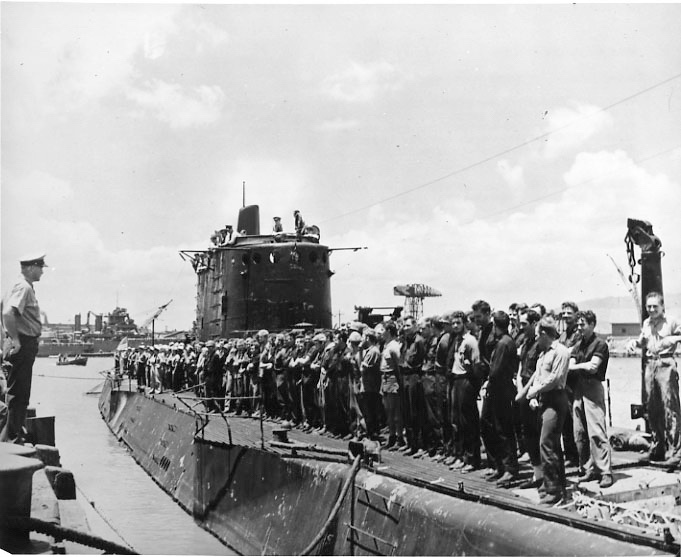
Even with two 100-meter super-subs, A and B Company could only fit 221 men, so they left without a platoon from each. Maj. James Roosevelt, the president’s 35-year-old son, was one of Carlson’s targets. After serving as FDR’s political consultant and covert diplomat, the young Roosevelt joined the Marines. As a Raider enthusiast, he convinced his father to let him join.

Raiders were stuffed inside vacant torpedo tubes during travel. Submarine ventilation techniques couldn’t prevent thin air and high temperatures. The boats would surface for ten minutes twice a day to let the Raiders exercise and breathe fresh air before ducking back into the Pacific to avoid air assault.

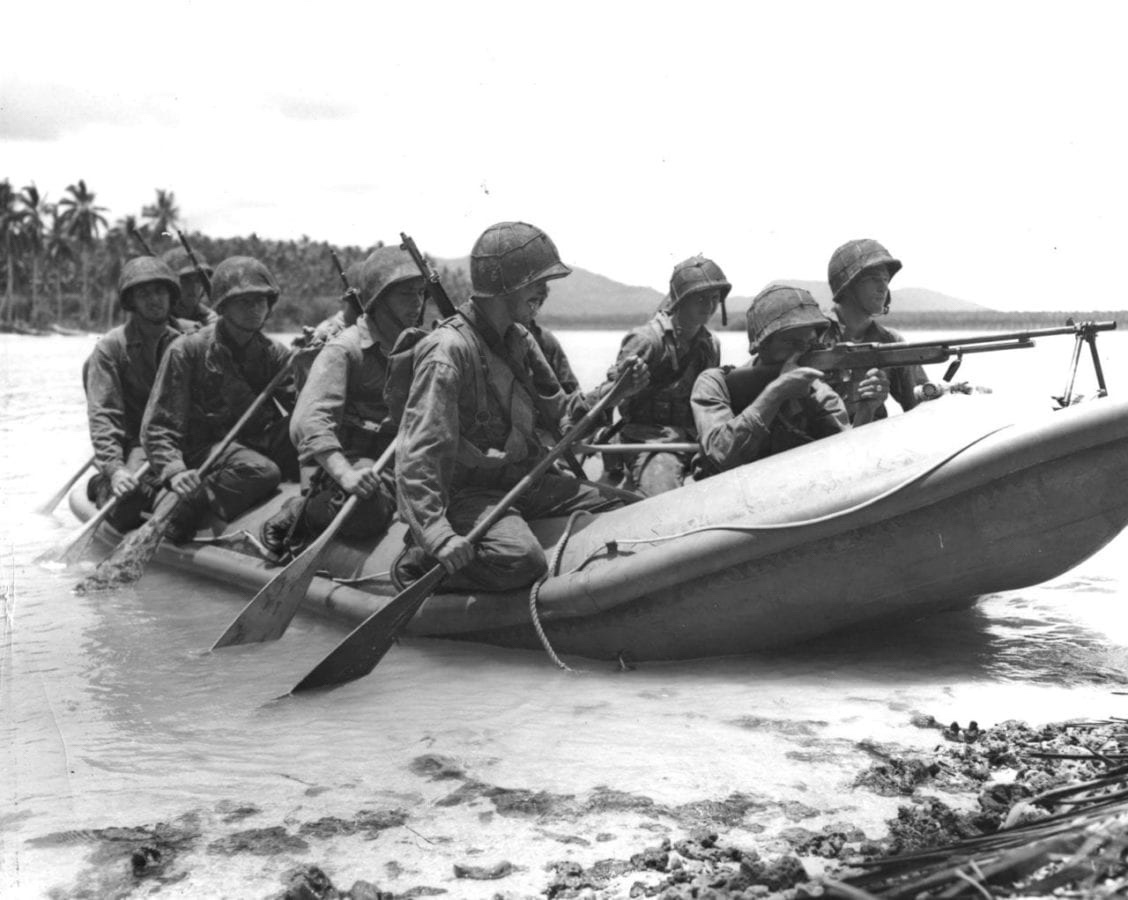
The two submarines surfaced outside Makin’s coral reef at midnight on August 16–17 to find turbulent conditions. The first two LCRL rubber boats sank in the surf. The remaining launches’ uninsulated 6-horsepower engines were flooded with seawater and failed to ignite. Carlson felt his two-pronged approach would be too difficult to accomplish in the inclement weather and ordered A and B company to land together. In the chaos, the boat carrying Lt. Oscar Peatross and 11 Raiders missed the orders and headed west.
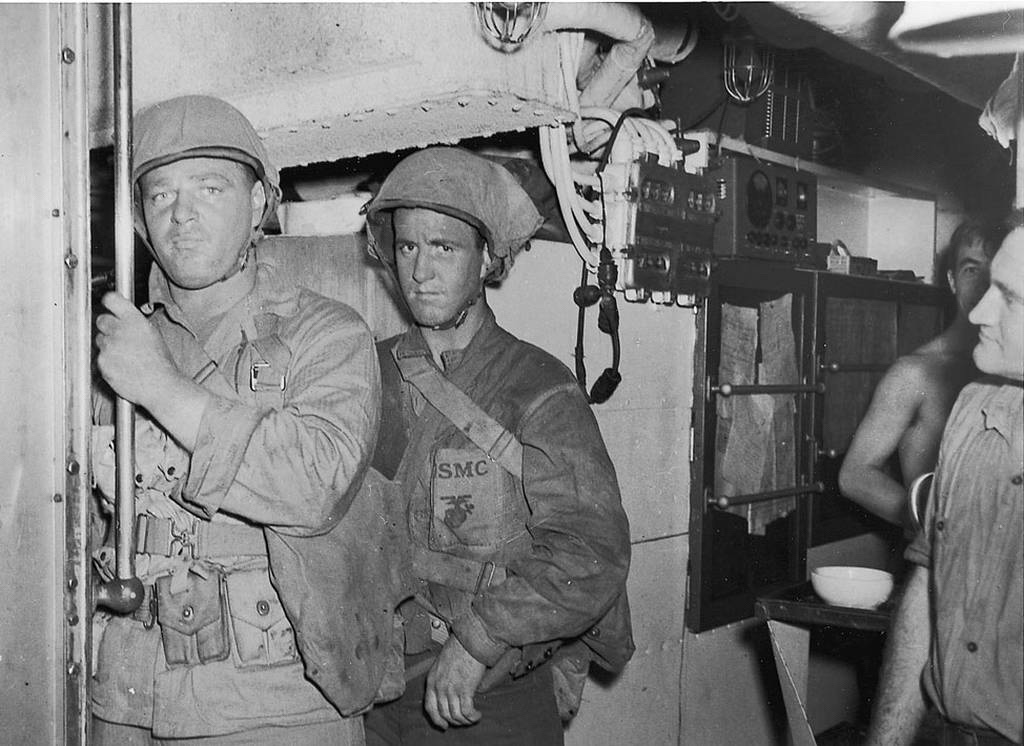
Carlson’s Raiders landed about 5 AM after battling the waves for an hour, with some troops scattered but undetected. Carlson’s invention was to divide his squad into three fireteams, each with one rifleman with a semi-automatic M1 Garand for distance shooting, another with a Thompson submachinegun for close-range firepower, and a Browning Automatic Rifle gunner to give covering fire. Heavy armaments included.30 caliber light machine guns and.55 caliber Boys anti-tank rifles were requisitioned from the Canadian Army by Carlson.

On landing, a Raider unintentionally fired his BAR, ruining any chance for surprise. The garrison’s commander, Chief Petty Officer Kyuzaburou Kanemitsu, had been alert days earlier. His men deployed by bike and truck to fight the American invaders. Misadventures continued when the Raiders kidnapped a Japanese soldier but shot him when he escaped.

Carlson met Makin locals who spoke pidgin English. They were pleased to help the Americans and said 160 to 300 Japanese were on the island, and they were ready. The Raiders maintained their march until 6 AM when Lt. Le Francois’ scouts sighted Japanese forces dismounting from vehicles.
Le Francois ambushed his platoon in a breadfruit grove on high ground. Sgt. Clyde Thomason adjusted the men’s positions as Japanese skirmishers neared. When the Japanese got close, the marines opened fire, killing the closest attackers and exploding the truck’s engine with an anti-tank rifle.

The Japanese answer was fatal. Four Type 92 Lewis machine guns raked Raider positions, killing Sgt. Thomason and injuring Le Francois. Posthumously, Thomason became the first enlisted Marine to win the Medal of Honor. Camouflaged shooters killed Lt. Jerry Holtom and four radio operators among palm palms.

Carlson quickly added the 2nd Platoon, which lost nine men in 15 minutes, and B Company. Raider machine gunner Cpl. Leon Chapman fired 400 rounds into a Japanese machine gun nest at 200 meters. After inspecting the silenced weapon, Chapman “nearly threw up” when he discovered he had slain a dozen Japanese who had sacrificed themselves to man it.

Twelve of Peatross’ forces landed at the second landing zone and proceeded uncontested into the barracks and the defender’s command position. An isolated squad shot six astonished Japanese before being held down by an LMG crew. Pvt. Vernon Castle was struck multiple times as he advanced, but he threw a grenade and killed three before dying.

After that, Peatross’ marines fired a car speeding towards the command post, blew up a radio and a truck full of ammo, and retreated to the Nautilus, losing two more troops. In the chaos, they killed Kanimetsu, who destroyed confidential documents and conveyed the message, “We are dying defending the island.”
The Nautilus began bombarding Japanese positions with two dozen shells when Carlson learned from natives that hostile ships were in the lagoon. Unwilling to risk a shore battery’s fire, the Nautilus arced 65 6-inch shells into the lagoon. By luck, indirect fire sank two ships, igniting a transport and a patrol boat and mistaking a hostile plane for a bird, the submarine dove, ending naval gunfire support. The Japanese assaulted the Raiders, attempting to swarm them failed, and the assailants were all killed at close range. Undeterred, the bugle played again, and the Japanese launched a second suicide strike, wiping out Kanimetsu’s marine platoon. A few dozen survivors continued to shoot intermittently. Fearing more reinforcements, Carlson chose not to strike the Japanese position. At 1:30, air support arrived. Twelve Mitsubishi F1M floatplanes bombed and strafed the island for an hour, driving the Raiders fleeing but not inflicting any fatalities. Then an F1M and a Kawanishi flying boat landed in the lagoon. The Raiders fired machine guns and anti-tank rifles at the aircraft, setting it on fire. The seaplane with scores of men managed to land. The intensity of incoming fire must have given the pilot second thoughts as he taxied on the water and took off again before landing.

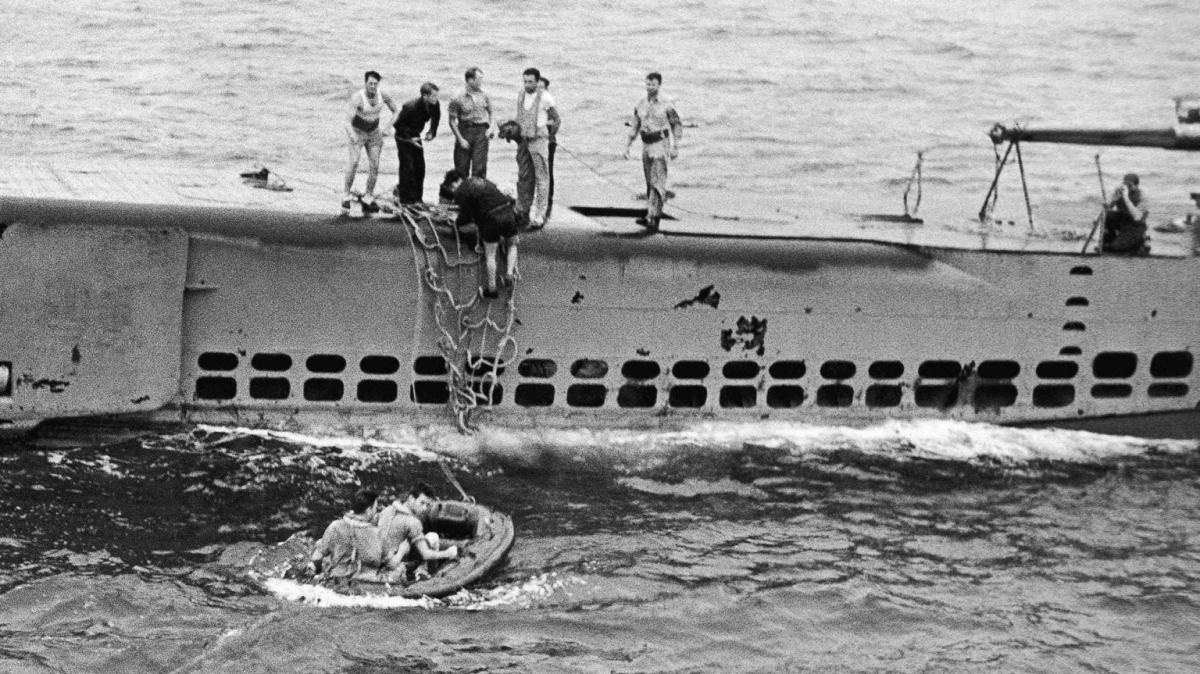
The colonel decided to withdraw to submarines at 7 PM as planned. When they returned to the ocean, his troops discovered their boats’ motors had stopped working, and the waves and weather made it difficult to paddle back to the submarines. Exhausted Raiders dropped their ineffective launch motors and spent five hours trying to force through severe waves, losing most of their weapons and supplies. Eleven of 18 boats reached the American subs. By nightfall, Carlson, Roosevelt, and 70 injured Raiders remained on Butaritari. Individual boats continued to battle the waves the following day, including one with Roosevelt onboard. A five-person crew led by Sergeant Allard volunteered to row back to the atoll with a rope the Raiders could use to board the submarine. A squadron of Japanese jets bombed the Nautilus halfway through its launch. The subs crash-dove, and the jets strafed the rescue squad, killing them. After reassessing the situation, Carlson opted to finish the mission on Makin. The Raiders scavenged Japanese weapons to replace those washed away and sabotaged a derelict seaplane facility while avoiding air assaults. They burned much of the facility and 1,000 aviation fuel drums. Carlson decided his forces had a greater chance of reaching the submarines from the lagoon because it had no shore armament.
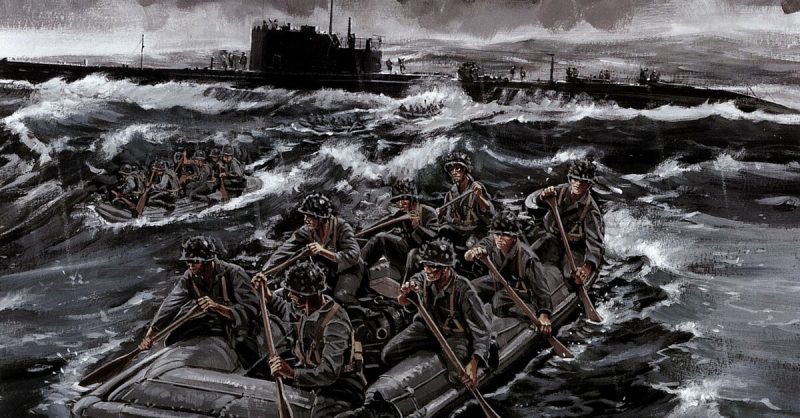
He encouraged the Nautilus’s captain to enter the lagoon using a semaphore lamp and a dinner chat they had earlier. The Raiders paddled on a raft of three launches, two working outboard engines, and local canoes as outriggers. The Indians gave them a canoe and buried their dead in exchange for USMC combat knives. The new boat reached the submarines, and the Raiders set sail for home. Among the 17 wounded soldiers, four surgeries were performed on the submarine’s mess table. The injured soldiers all survived.

On August 27, Carlson’s Raiders returned to Pearl Harbor to a hero’s welcome. They reported 18 dead and 12 MIAs and killed 160 enemies. According to Japanese records, 46 base personnel and an undisclosed number on Japanese boats and planes died.

XMOD System

Saturday, August 13th, 2022

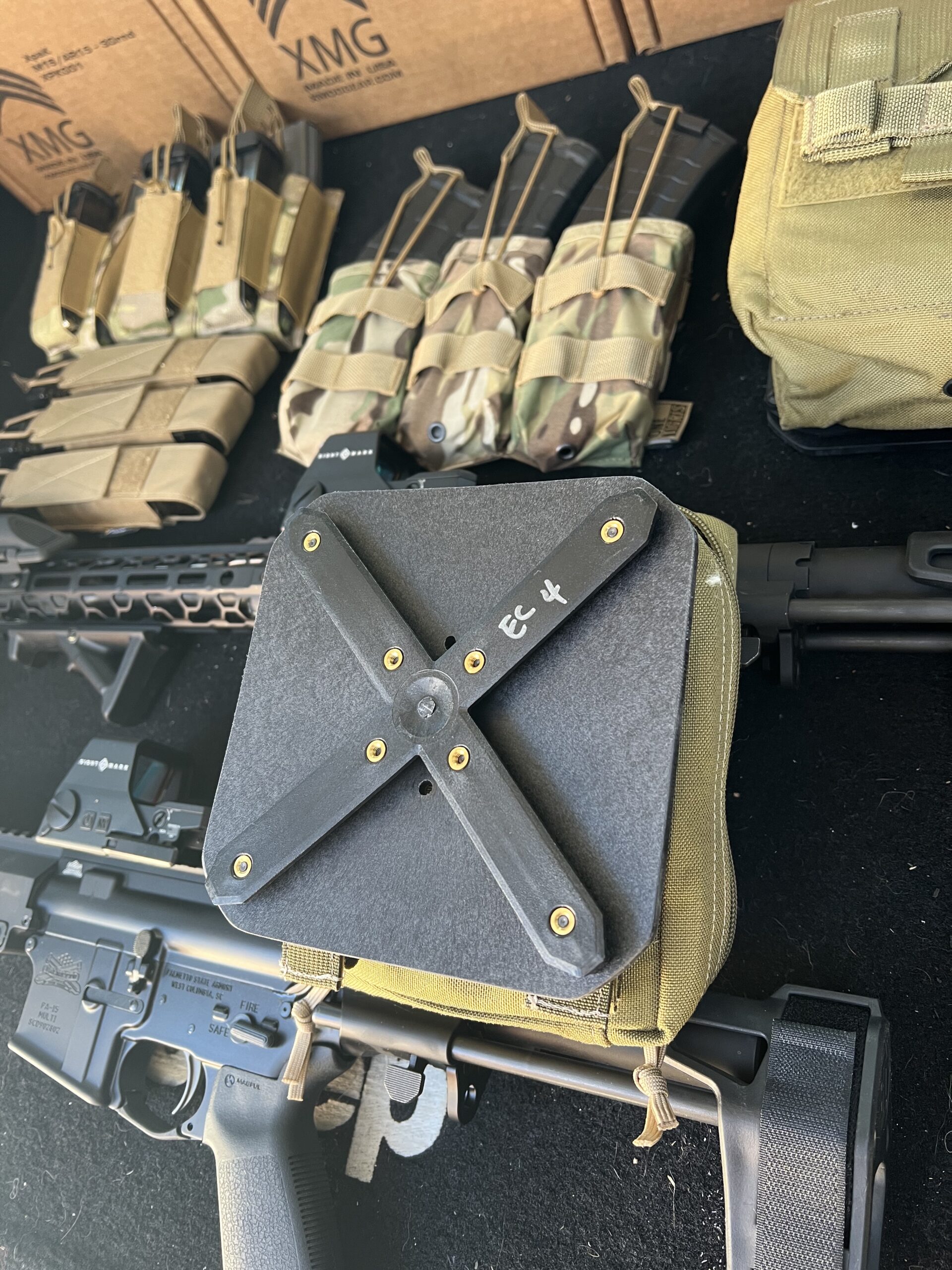
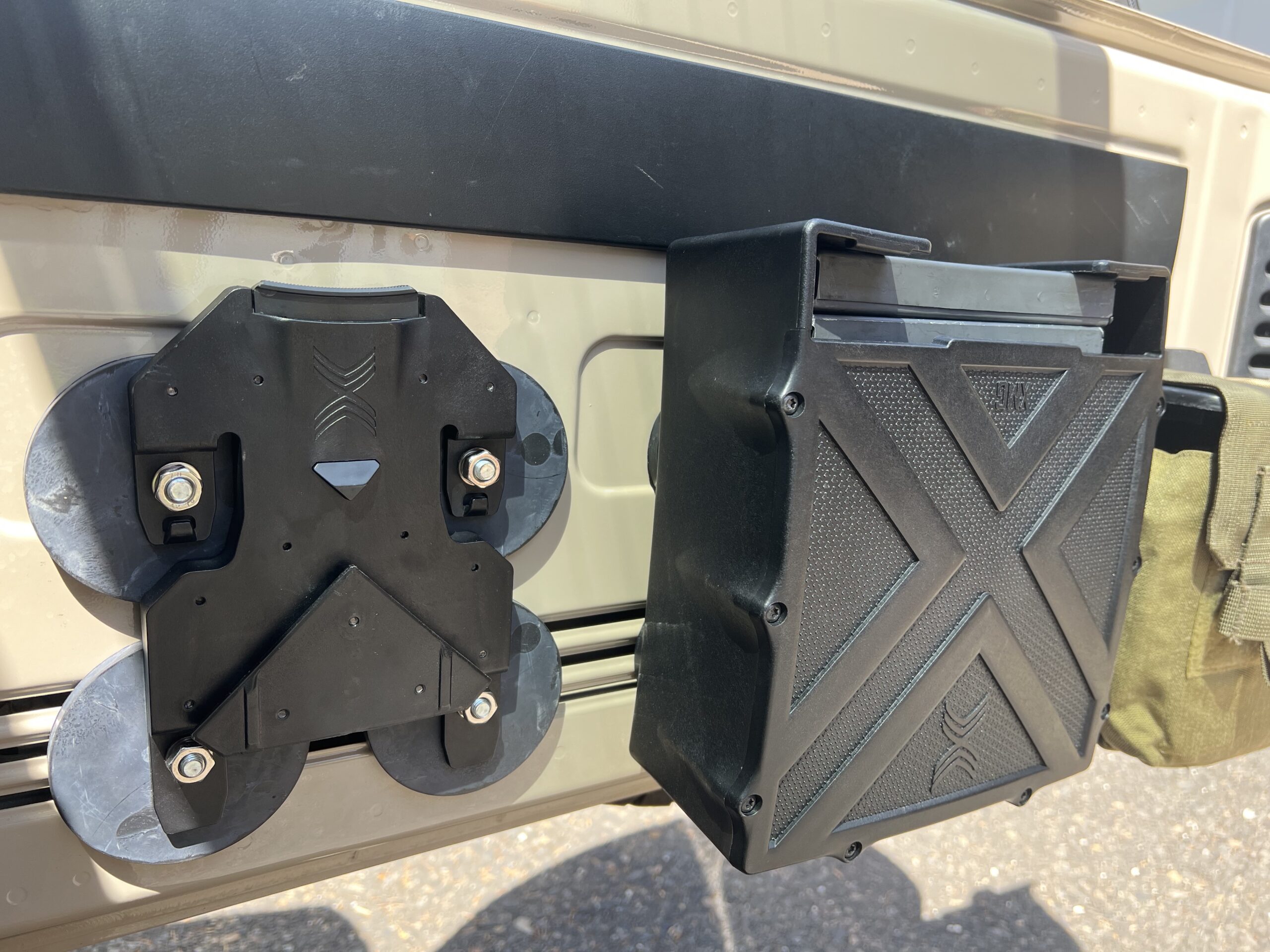
The XMOD System is a modular, high-speed, magazine carrier and storage solution released by XMG this past January at SHOT Show. XMOD stands for X-tra Mag On Demand. The XMOD System is not your conventional magazine carrier, and it certainly raises some eyebrows. When you first see it in action, you’ll pause, you’ll have questions, you may have some mixed feelings and some of you will be polarized. Some of you will dismiss it, until you realize that its full capabilities only stop with your own creativity.

Evan Brozda, inventor, and co-founder of XMG, describes it best: “A ‘Pez-Dispenser’ for your M4/AR15 Mags. Sure, it looks like a big, bulky box, but the R&D put into this incorporated a lot of subtle design features. People are polarized with their first impression of the XMOD System. You either love it or hate it. I love seeing how a substantial number of people who are initially put off by the XMOD System hit a certain tipping point, where a conversion happens. We call it ‘the switch.’ It’s the point where their mind opens to the possibilities and capabilities that our “Pez-dispenser” box gives them. That’s where the magic happens. And everyone has their own way that they use it.”

Simply put, the XMOD System is a spring-loaded magazine carrier with a quick attach/detach mounting system. The mount is called the ‘Delta Plate’. The mag dispenser part is called the ‘XpaK’. You can mount a Delta Plate pretty much anywhere you want to keep your mags. For instance, you can mount it in your safe, in your vehicle, on MOLLE-adaptable gear (i.e., a plate carrier or bag), on a raptor, helicopter, ATV, amphibious assault vehicle, etc. The XpaK docks into the Delta Plate with an audible click and it’s locked in. Want to move it or reorient its position to a 3, 6, 9 or 12 o’clock position on the mount? There’s a thumb retention button to release the auto aligning/locking mechanism that holds the XpaK in place.

The idea behind the XMOD System is subtle and creative: it’s a way to keep your mags ready to go at a moment’s notice for dealing with threats when your first mag runs dry or simply a way to keep your mags stored and grab one when you need it. It’s truly a user-definable system, you choose how and where to use it. Mags are readily available and there’s many mounting options based off your needs. Vehicular applications are certainly the first application that comes to mind. Use vehicles resources FIRST before depleting the mags on your person. Then think about hardened security locations: guard posts, tactical retreat positions, armories, safes, a squad vehicle trunk, or Bearcat, etc. The options here are endless based off your MOS, mission/duty requirements or personal preference. Then there’s the on-body option… If you look at some of the videos that XMG has on their YouTube Page, you can consistently reload mag after mag in under 2 seconds. The XpaK can hold 6 polymer mags or 7 GI/STANAG mags.


The XMOD System was designed in part as a solution to help non-Special Forces military members to consistently reload their rifle under battlefield stress and still maintain their situational awareness. Most military personnel are only allotted one day on the range and 550 rounds to hone their marksmanship skills. “For the non-SF or non-forward operating units that only get one day on the range, get deployed and potentially end up in a firefight, they just don’t have the proficiency and battlefield experience to be as lethal as possible in combat. That is not OK,” said Evan Brozda. “When it comes to a life-or-death situation, we look at certain aspects of the problems encountered from different angles, some that people don’t even know exist and for others, these are non-issues because they train a lot. We’re out to make our warfighters more lethal by enhancing their capabilities and efficacy and hopefully, save their lives when it comes down to those life-or-death situations.”

XMG is currently releasing the next few components of the XMOD System called the ”4stiX” and “6stix.” They are two different-sized MOLLE panels that also integrate into the quick attach/detach Delta Plate mount and gives you the ability to attach your own MOLLE gear and integrate it into the XMOD System. Maybe they’ll change their definition to “Xtra-Modular” since now, pretty much any gear can be used with the XMOD System. Check out their product teaser video on their YouTube page. Currently, only pre-orders are available on their website for the 4stiX and 6stiX components, where you can install your own MOLLE gear/pouches/IFAKs or whatever else you want, into their QD MOLLE system and customize your own XMOD System.

Go check out their website at www.XMODgear.com and place your pre-order.

Close Combat Lethality Task Force Hosts Artificial Intelligence for Small Unit Maneuver Working Group

Saturday, August 13th, 2022

FORT BENNING, Ga. — The Department of Defense Close Combat Lethality Task Force hosted the Artificial Intelligence for Small-Unit Maneuver working group July 27 – 28 at Fort Benning.

The purpose of the working group was to establish a joint artificial intelligence community of interest to identify capability gaps, review existing AI initiatives and synchronize AI focus areas to improve lethality across DOD, and specifically, U.S. Army, U.S. Marine Corps and special operations close combat small-unit formations.

Participants included academic experts, representatives from the Office of the Under Secretary of Defense for Research and Engineering, Chief Digital and Artificial Intelligence Office and operational end-users from the U.S. Army, U.S. Marine Corps and U.S. Special Operations Command communities, each possessing a unique skill set on how to leverage AI for their specific missions.

“We are transforming the joint force by integrating next-generation technologies and war-fighting concepts,” said U.S. Army Col. Shannon Nielsen, director of the Close Combat Lethality Task Force. “[This] enhances our ability to compete globally, deter adversaries, and win on all-domain battlefields at the small-unit level.”

During the working group, participants discussed current and future AI initiatives and opportunities to synchronize Artificial Intelligence for Small-Unit Maneuver efforts to gain technological and resourcing efficiencies.

The Artificial Intelligence for Small-Unit Maneuver working group will continue to meet monthly with members of the joint AI community of interest to identify, prioritize, and advocate AI programs and DOD investment strategies to improve close-combat lethality.

By Alexander Gago

FirstSpear Friday Focus: Squadron Smock in Multicam Arid

Friday, August 12th, 2022

Old World Design Meets Modern Performance

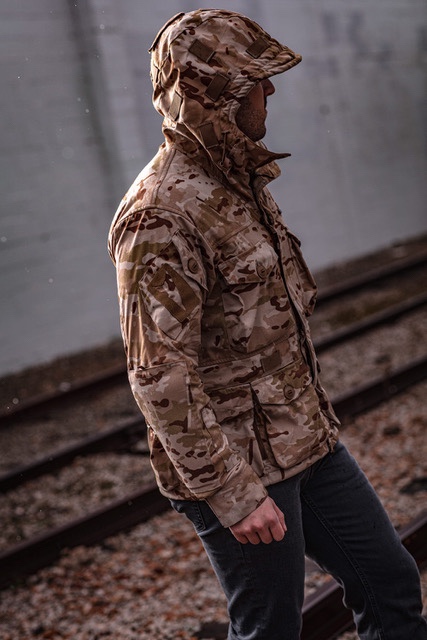
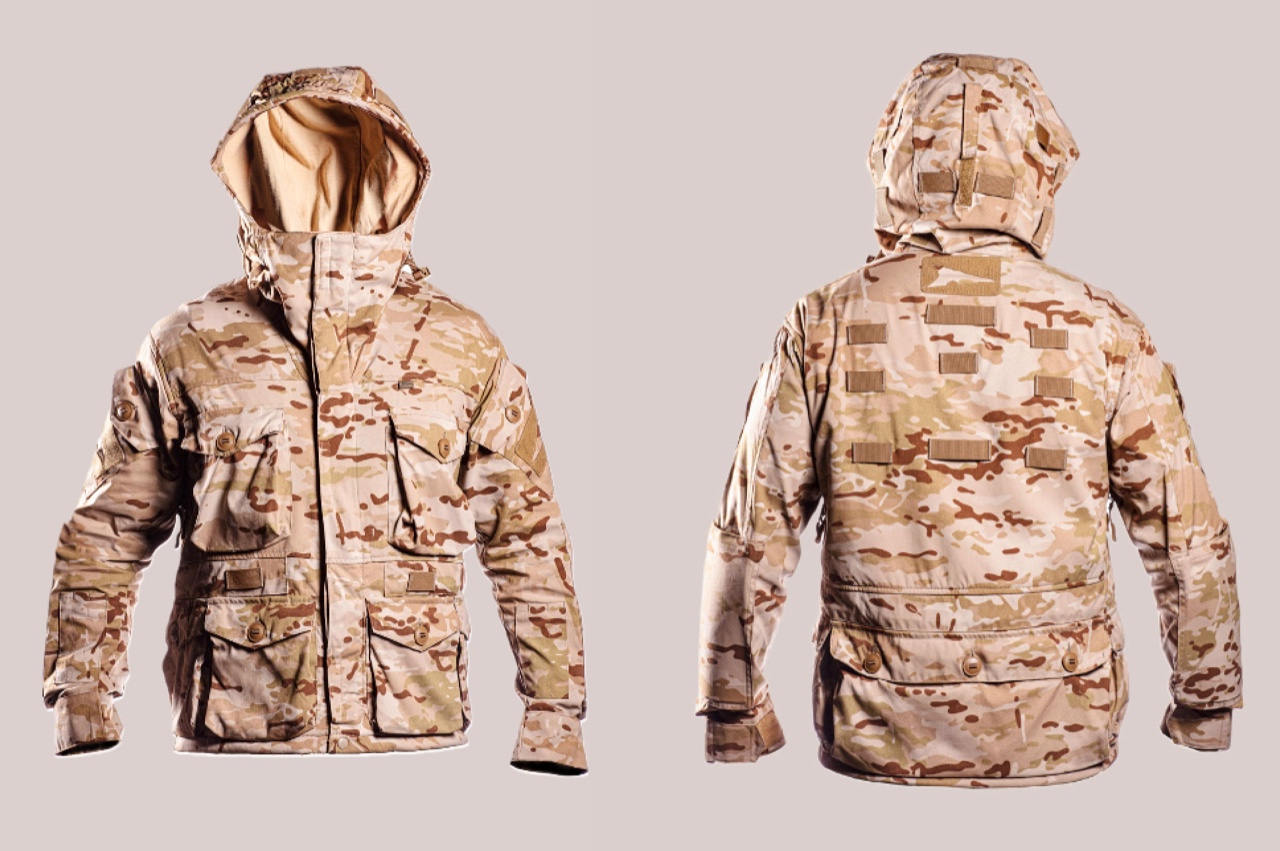
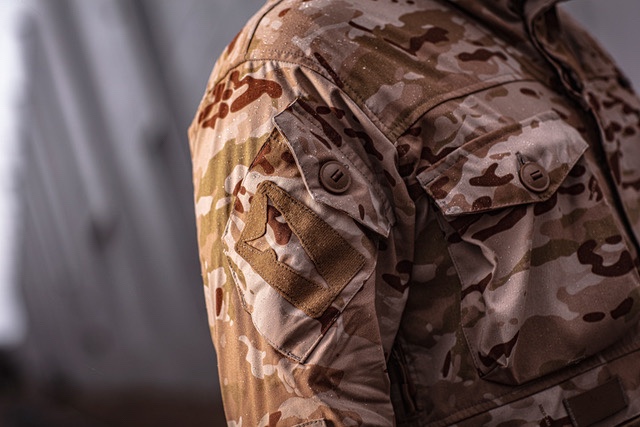
The FirstSpear Squadron Smock is a modern take on a classic design. This smock is American Sourced and American Built. Performance materials and expert craftsmanship are the benchmark of this design and build.

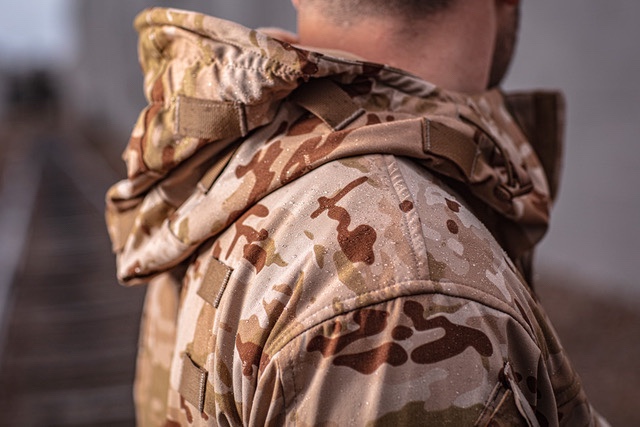
Built with brushed Nylon and ACM™ MID 400 American Merino Wool, the Squadron Smock is durable, warm and moisture wicking. The fit is loose to accommodate additional layers.

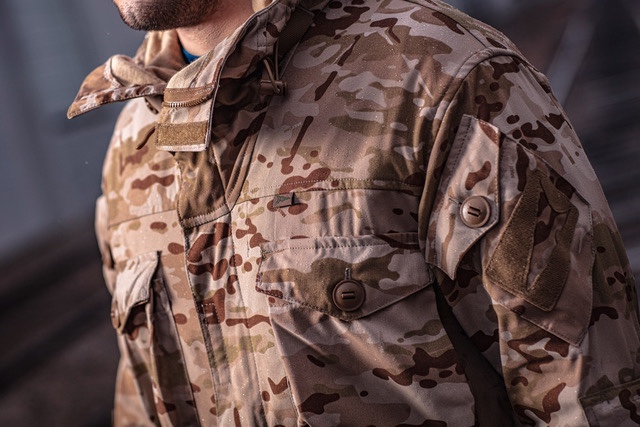
Boasting 18 various sized pockets and large buttons, this top provides utility and noise reduction for those venturing behind enemy lines.

The oversized hood will fit over helmets with most night vision attached and the easily adjustable stiffener in the bill helps to maintain its shape.

The Squadron Smock can be used as a uniform top, a weather barrier or even as a hasty load carriage system. The Multicam Arid pattern aids concealment and disruption of observation. Check out the Squadron Smock to learn more.

Visit FirstSpear to find all the gear and apparel for America’s Warfighter.

82nd Airborne Troops Test Army’s Next-Generation Combat Goggle

Friday, August 12th, 2022

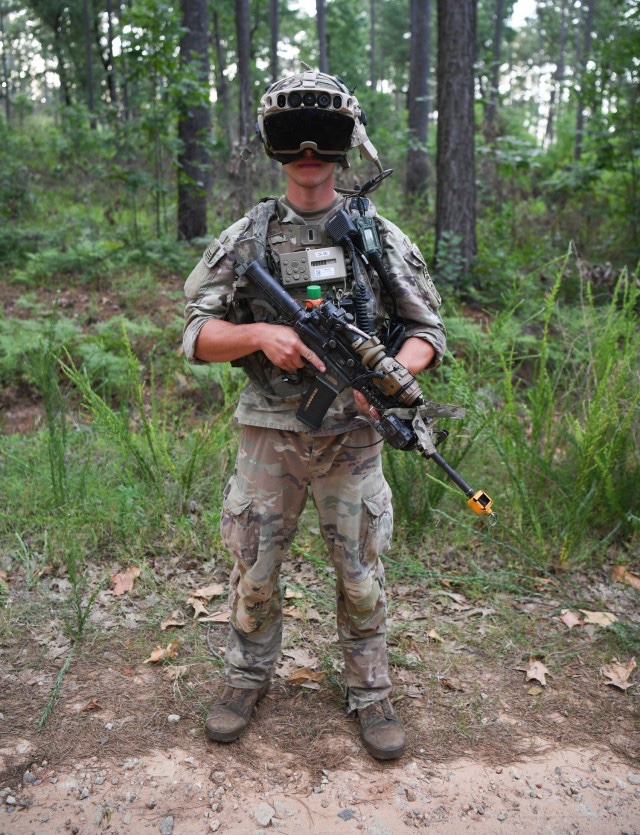
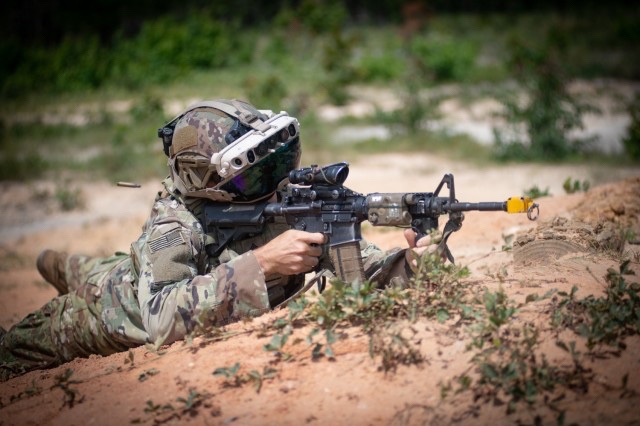
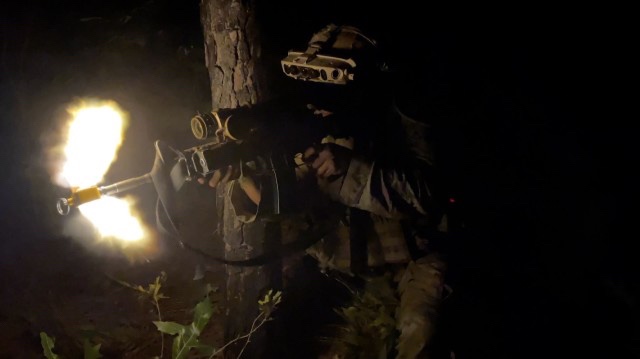
FORT BRAGG, North Carolina — 82nd Airborne Division Paratroopers helping the Army make decisions on its newest program to provide Infantry Soldiers with a mixed reality headset.

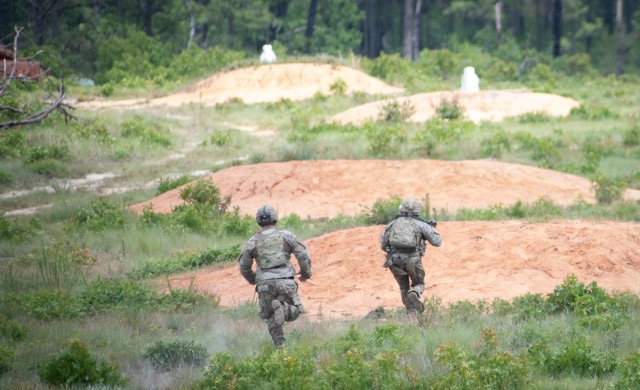
Working toward a future when cloud services, squad radios, and necessary combat information can be combined and visualized on a set of futuristic goggles, Soldiers with the 2nd Battalion, 501st Parachute Infantry Regiment (PIR), 1st Infantry Brigade Combat Team are rehearsing combat missions under sweltering 100 degree-plus heat, high humidity, and even a few thunderstorms.

According to Program Executive Office Soldier, the Integrated Visual Augmentation System (IVAS) may one day integrate next generation 24/7 situational awareness tools and high-resolution digital sensors to deliver a single platform that improves Soldier sensing, decision making, target acquisition, and target engagement.

Army Secretary Christine Wormuth said during first looks at IVAS, “Remember early satellite phones from the 1980s that wealthy people had in their cars? They were big and clunky and now we have iPhones. It took us some time to get there.”

Capt. Roberto Huie, commander of Bravo Company, 2nd Battalion, 501st Parachute Infantry Regiment (PIR), 1st Infantry Brigade Combat Team (IBCT), 82nd Airborne Division, said seeing the location of all his Soldiers wearing the system is a huge benefit.

“Such a system will significantly improve reaction time for unit leaders who make decisions under the stress of battle,” he said.

The Opposing Force Commander, Capt. Phillip Johnston of Alpha Company, 2nd Battalion, 501st Parachute Infantry Regiment (PIR), 1st Infantry Brigade Combat Team (IBCT), 82nd Airborne Division, said the test gave him an opportunity to train his company, with nine separate missions to plan, rehearse and execute.

“We trained at a level of we have not seen previously in the Army,” he said. “It was invaluable to have an outside look into the Company from the Operational Test Command without having the pressure of graded evaluations that normally come with training events.”

~~

Story by LTC Jerry L. Jones Jr., Test Officer, Maneuver Test Directorate, U.S. Operational Test Command

Photos by Mr. Nicholas Robertson, Visual Information Specialist, U.S. Army Operational Test Command

Agilite Releases the Six Pack Hanger Pouch

Thursday, August 11th, 2022

Agilite has released the Six Pack™ which they describe as the best plate carrier hanger pouch on the market. Check out the video below to see why:

It also converts to a tactical fanny pack in seconds.

See more at agilitegear.com/products/six-pack-hanger-pouch

Kentucky Air Guard Special Tactics Rescue 19 After Floods

Thursday, August 11th, 2022

HAZARD, Ky. (AFNS) —  

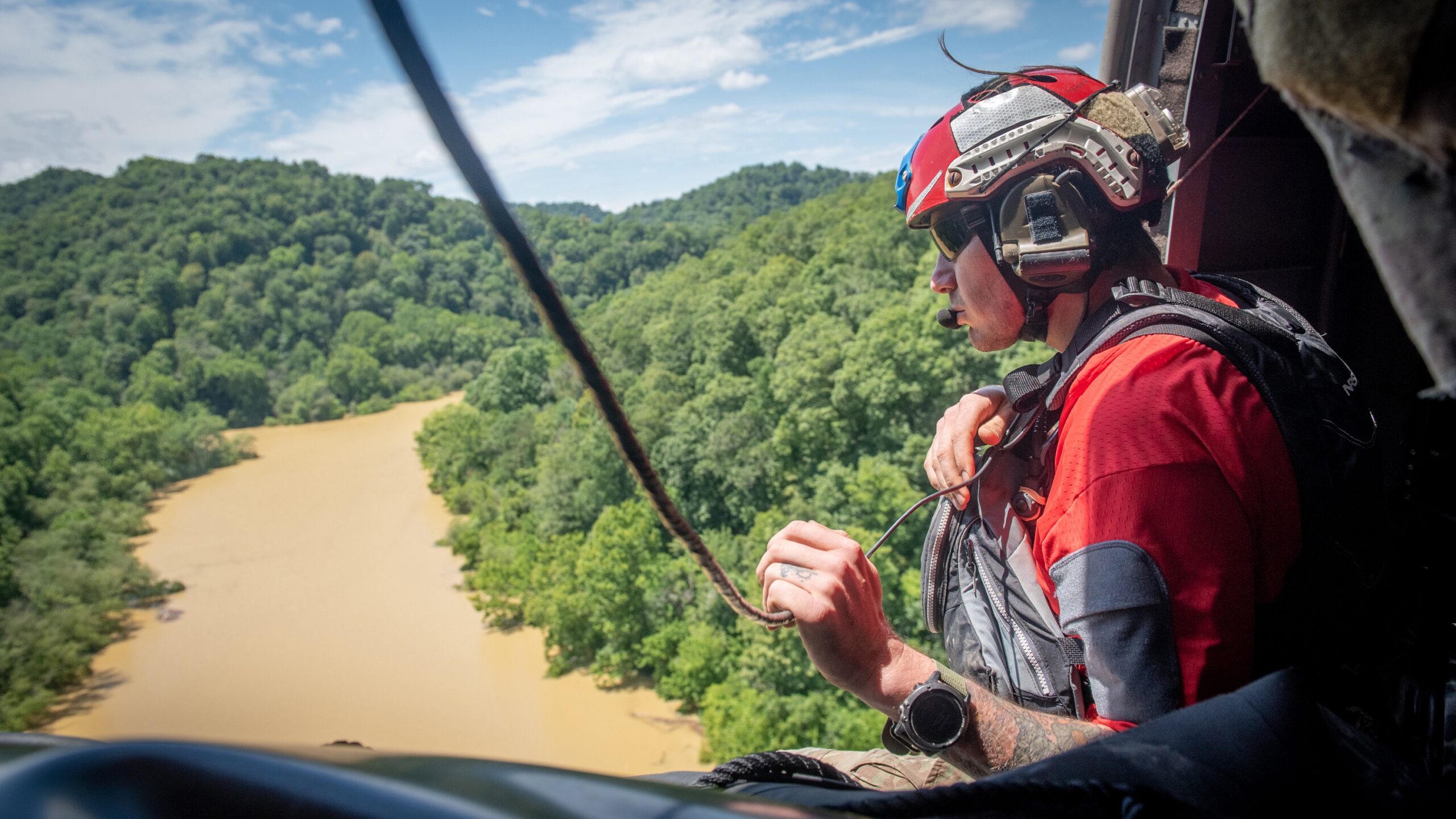
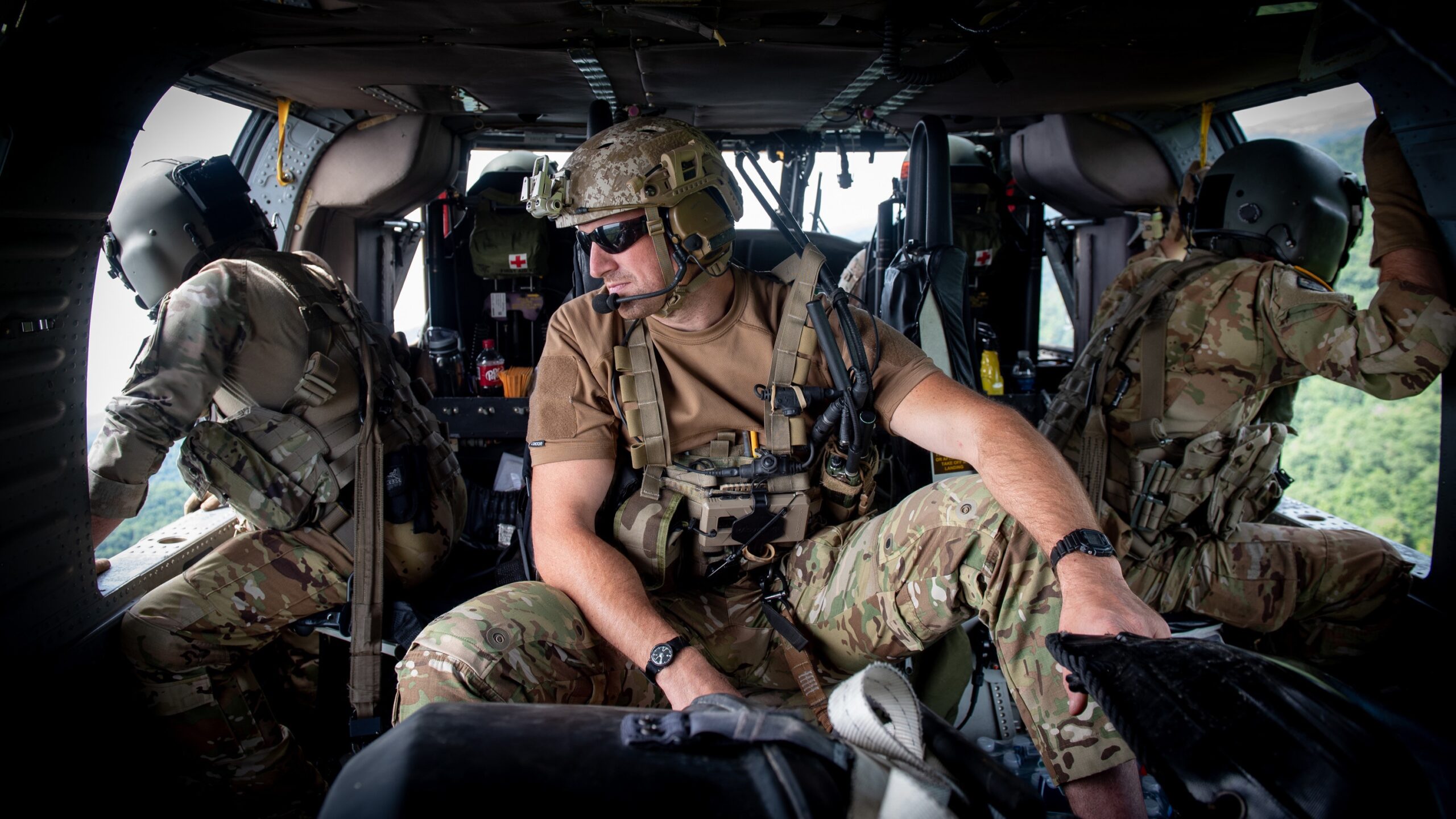
Airmen from the Kentucky Air National Guard’s 123rd Special Tactics Squadron rescued 19 stranded residents and two dogs in the aftermath of historic flooding last week that claimed at least 28 lives in eastern Kentucky.

The Airmen, assisted by Callie, the only certified search-and-rescue canine in the Department of Defense, rapidly deployed to the region July 28 to conduct rescue operations via boat and helicopter for four days, said Maj. Ian Williams, 123rd STS commander. The team of 23 special operators also coordinated 29 rotary aircraft missions, recovered four bodies, and helped direct operations that led to the rescue or assistance of 40 additional people.

“We found out about the situation Thursday morning at approximately 8:10 a.m.,” Williams said. “Before we had our tasking to respond, we started having our initial team show up to the squadron to prepare gear in the event that we would have to push out and support. We were officially told to support around 9 and were out the door by 10 o’clock.”

Once given the green light, 17 STS members deployed over the road with boats and trucks, while another six operators and Callie departed via helicopter transport provided by the Kentucky Army Guard’s 63rd Theater Aviation Brigade.

“Local, state and federal agencies all have search and rescue dogs, but what we bring to the table is the ability to get a dog, with its incredible capabilities, to normally inaccessible locations potentially faster,” said Master Sgt. Rudy Parsons, 123rd STS pararescueman and Callie’s handler.

“Callie is able to travel via helicopter, boat, non-standard vehicles, rope systems and can even insert via parachute with her handler in order to bring a high-level capability to accelerate life-saving measures in situations where minutes matter,” Parsons said.

Although Callie is trained in live-find detection — searching for living or missing people — “she also did a great job of telling us specific locations to investigate more thoroughly to recover fatalities, to help bring closure to those individuals’ families.”

Williams noted that the entire mission was a team effort.

“Our success at the 123rd STS wouldn’t be possible without our mission support folks. They’re the first to arrive at the unit when something happens because they know that the vehicles, boats, communication equipment and resupply coordination are make-or-break elements of this sort of mission.”

Master Sgt. Joshua Busch, a combat controller with the 123rd STS, noted that homeland disaster response is a unique task for members of the Air National Guard, who have a dual mission of supporting domestic emergencies as part of the state militia while also supporting global military operations as a component of the U.S. Air Force.

“Unique to the Guard, we aren’t just preparing for war, we are preparing for domestic operations too,” said Busch, who served as a rescue and recovery team leader for the flood response. “I’m most proud of how many guys volunteered to be a part of this mission, to help the community and state start to put this natural disaster behind us.”

The rescue mission was a joint effort involving multiple agencies and civilian volunteer groups, including the Kentucky State Police and Army National Guard troops from Kentucky, Tennessee and West Virginia.

Two Kentucky ANG medevac crews left the state capitol July 28 to augment Kentucky aviation assets already in the area, while Tennessee guard units sent five UH-60 Black Hawk helicopters and crews, and West Virginia guard units contributed two Black Hawk helicopters, two UH-72 Lakota aircraft with hoist capability and 14 Soldiers.

“Our relationships with the Army aviation units has been fantastic,” Williams said. “We train with them often and have been in real-world missions with them many times. We couldn’t have a better relationship with the Frankfort 60s and other aviation crews.”

By SSgt Clayton Wear, 123rd Airlift Wing Public Affairs

Fort Leonard Wood Prepares for Arrival of Electric Vehicles

Wednesday, August 10th, 2022

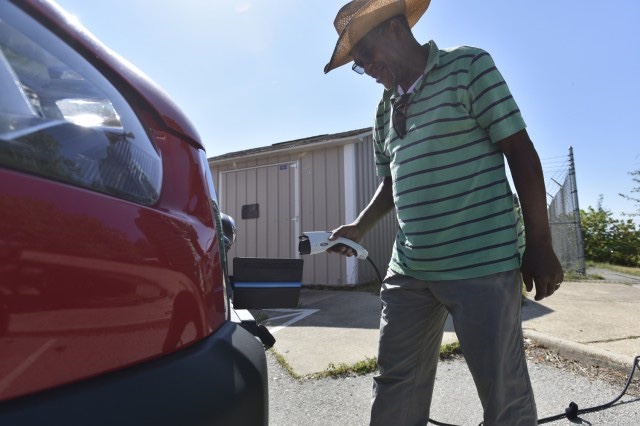
FORT LEONARD WOOD, Mo. — Anyone driving around Fort Leonard Wood these days can spot one pretty quickly and easily, and it seems like there are more and more every day. Electric vehicles, or EVs, are not the future — they are here — and not just the privately-owned ones.

Government-owned vehicles are going electric as well — Fort Leonard Wood received two EVs last month, and more are on the way.

The electric vans in the Logistic Readiness Center inventory are part of the Army’s latest directive of electrifying its non-tactical vehicle fleet. Executive Order 14057 — Catalyzing Clean Energy Industries and Jobs Through Federal Sustainability — requires the Department of Defense to transition its non-tactical vehicles to a 100% zero-emission vehicle fleet, including 100% of light-duty acquisitions by 2027, and 100% of medium- and heavy-duty acquisitions by 2035, said Installation Energy Manager Allen Simpson with the Directorate of Public Works.

Fort Leonard Wood maintains approximately 540 vehicles that meet the definition of non-tactical, and the Directorate of Public Works — or DPW — is working out ways to keep those vehicles charged up and ready for use every day.

“DPW’s responsibility is to assure charging stations are installed ahead of the arrival of the electrical vehicles,” he said. “We must be ahead of the demand for them.”

Because of the lower mileage government-owned vehicles are typically driven — making it less likely they will need to be charged every day — Simpson said the plan will most-likely involve having one charging station for every four to six vehicles, and he expects to see the first seven charging stations up and running within a month or two.

To meet the goal of installing that many stations here, Simpson said DPW has employed a unique solution. They are privatizing the ownership of the charging stations under the already-existing electrical distribution contract — doing this has several advantages.

“First of all, we save on manpower of managing the purchases, operation and maintenance, and we don’t have to worry about life-cycle replacements,” he said. “We will simply pay a monthly fee, just as we do for maintaining our other utility distribution systems.”

The installation’s preparations for an electrified fleet of government-owned vehicles — and the infrastructure to charge them all — is just one piece of a larger energy plan primarily focused on resiliency and the provision of a cleaner, more sustainable environment, Simpson said.

One way DPW is doing that is by working with the U.S. Army Corps of Engineers to install two combined heat and power plants here, Simpson said.

The implementation of combined heat and power, also commonly known as cogeneration, increases energy efficiency by allowing heat that would normally be lost in power generation to be recovered to provide heating and/or cooling, which cuts costs, Simpson said.

“The efficiency comes because we are capturing the heat that’s produced in that process and putting that heat into a boiler plant,” he said. “So, we’re not having to buy that natural gas to heat the boilers. The natural gas offsets itself while we are able to produce our own electricity.”

When they are completed, Simpson said the plants will give Fort Leonard Wood the ability to produce about seven percent of its peak-power demand.

Another newer initiative is a collaboration between DPW and the USACE Prime Power School, which moved to Fort Leonard Wood from Fort Belvoir, Virginia, in 2010. The school has the mission of training service members to install, operate and maintain certain types of electrical power plants.

Leaders from these agencies, along with other stakeholders, are working together to address energy resiliency by looking into the possibility of utilizing the expertise and power-generation capabilities of the Prime Power School should the installation ever experience an electrical energy crisis, Simpson said.

Chief Warrant Officer 5 Willie Gadsden, Prime Power School commander and deputy commandant, said the Army prime power production specialists who graduate from the school are uniquely qualified to assist.

“We have a depth of knowledge that could quickly and efficiently get after that particular problem set,” he said. “It is absolutely a great partnership.”

Simpson said these projects — and others — ultimately aid in Army readiness.

“The goal is to develop and maintain programs and projects that provide each installation the means to stave off or survive a utility emergency,” he said. “The expectation I have for Fort Leonard Wood is to prepare ourselves, so that we can adapt and recover without loss to any mission or support function.”

By Brian Hill, Fort Leonard Wood Public Affairs Office