GORE-TEX Professional

Archive for the ‘Guest Post’ Category

McHenry Introduces Bipartisan American PPE Supply Chain Integrity Act – Widens Berry Amendment Across Departments

Thursday, July 30th, 2020

Congressman Patrick McHenry (R-NC-10), joined Congressman Bill Pascrell, Jr. (D-NJ-09) to introduce the American PPE Supply Chain Integrity Act. This bipartisan legislation will help end the United States’ reliance on Chinese-made personal protective equipment (PPE) and ensure that hospitals and frontline healthcare workers have access to a plentiful supply of high-quality American made PPE.

“The COVID-19 pandemic has made it painfully clear that the United States has failed its hospitals and frontline healthcare workers because of our over-reliance on Chinese-made PPE,” said Congressman McHenry. “By returning production of PPE to the United States, we will address the concerns raised by the current crisis while also incentivizing future investments in high quality PPE made by American companies, ensuring the long-term protection of our hospitals and frontline healthcare workers. I am glad to partner with Representative Pascrell to introduce a bipartisan bill that does just that.”

“The ongoing pandemic has exposed America’s over-reliance on personal protective equipment made in other countries. In a cruel twist of irony we are especially dependent on medical supplies made in China, where COVID-19 originated and whose totalitarian secrecy deepened the world crisis,” said Congressman Pascrell. “Our reliance on non-American-made PPE has crippled our response to COVID from the start. Even as we continue to fight the virus, we must use this painful lesson to change our behavior now. Our bipartisan American PPE Supply Chain Integrity Act will ensure we are investing in the best tools in the world at our disposal by making our own PPE right here in America. Encouraging production of medical supplies within our borders will ultimately help our economy, create jobs, ensure higher-grade equipment, and most important save American lives. This cannot wait until the next pandemic.”

“The U.S. textile industry would like to sincerely thank Congressman McHenry and Congressman Pascrell for introducing the American PPE Supply Chain Integrity Act, a bill we believe will create strong domestic procurement rules to incentivize investment and the onshoring of critical medical textiles,” said National Council of Textile Organizations (NCTO) President and CEO Kim Glas. “Re-creating the successful domestic purchasing rules found in the Berry Amendment for all federal PPE purchases will not only help our country reduce its overreliance on China for PPE but also provide longer term support for our domestic supply chain that has supplied hundreds of millions of urgently needed items including face masks, isolation gowns and other needed PPE to frontline health care workers.”

“The American manufacturers who comprise the Warrior Protection and Readiness Coalition (WPRC) applaud the leadership of Congressman McHenry and Congressman Pascrell, demonstrated by their introduction of the American PPE Supply Chain Integrity Act,” said David Costello, Executive Director of the Warrior Protection and Readiness Coalition (WPRC). “This thoughtful legislation recognizes that a 100% American PPE supply chain is a matter of our national security and that ending reliance on unreliable, foreign made products is essential to ensure the health and safety of our nation. Our members are already investing their time and energy bolstering their domestic PPE capability and we look forward to working with Mr. McHenry and Mr. Pascrell to see this bill become law. “ 

Background: The American PPE Supply Chain Integrity Act implements the Berry Amendment standard of “100 percent of a product that is grown, reprocessed, reused, or produced in the United States” for the purchas of personal protective equipment (PPE) by Department of Defense, Department of Health and Human Services, Department of Homeland Security, and the Department of Veterans Affairs. It also resets the contract level for the Berry Amendment from $250,000 to $150,000 to ensure more PPE is made in America.

Army Project Develops Self-Healing Material Patterned After Nature

Wednesday, July 29th, 2020

RESEARCH TRIANGLE PARK, N.C. — An Army-funded project developed a self-healing material patterned after squid ring teeth protein. The biodegradable biosynthetic polymer could be used to repair materials that are under continual repetitive movement such as robotic machines, prosthetic legs, ventilators and personal protective equipment like hazmat suits.

“Materials that undergo continual repetitive motion often develop tiny tears and cracks that can expand, leading to catastrophic failure,” said Dr. Stephanie McElhinny, biochemistry program manager, Army Research Office, an element of the U.S. Army Combat Capabilities Development Command’s Army Research Laboratory. “With a self-healing bio-based synthetic material, any sites of damage that emerge can be repaired, extending the lifetime of the system or device.”

The research at Penn State University and Max Planck Institute for Intelligent Systems, Stuttgart, Germany, funded in by part by ARO, and published in Nature Materials produced high-strength synthetic proteins that mimic those found in nature. The researchers surveyed large libraries of novel proteins created by assembling repetitive sequences from the squid ring teeth protein in different configurations.

Squid ring teeth are circular predatory appendages located on the suction cups of squid used to grasp prey. If the teeth are broken — they can heal themselves. The soft parts in the proteins help the broken proteins fuse back together in water, while the hard parts help to reinforce the structure and keep it strong.

“Our goal is to create self-healing programmable materials with unprecedented control over their physical properties using synthetic biology,” said Melik Demirel, professor of engineering science and mechanics at Penn State and the paper’s co-author.

Current strategies for material self-healing have significant limitations, including requirements for potentially hazardous chemicals, loss in functionality of the healed material relative to the original state, and long healing times, often greater than 24 hours.

“We were able to reduce a typical 24-hour healing period to one second, so our protein-based soft robots can now repair themselves immediately,” said Abdon Pena-Francelsch, Humboldt postdoctoral fellow, physical intelligence department at the Max Planck Institute for Intelligent Systems and lead author of the paper. “In nature, self-healing takes a long time. In this sense, our technology outsmarts nature.”

The self-healing polymer heals with the application of water and heat, although Demirel said that it could also heal using light.

“Self-repairing physically intelligent soft materials are essential for building robust and fault-tolerant soft robots and actuators in the near future,” said Metin Sitti, director, physical intelligence department at the Max Planck Institute for Intelligent Systems.

By adjusting the number of tandem repeats, the researchers created a soft polymer that healed rapidly and retained its original strength. They also created a polymer that is 100% biodegradable and 100% recyclable into the same, original polymer.

“We want to minimize the use of petroleum-based polymers for many reasons,” Demirel said. “Sooner or later we will run out of petroleum and it is also polluting and causing global warming. We can’t compete with the really inexpensive plastics. The only way to compete is to supply something the petroleum-based polymers can’t deliver and self-healing provides the performance needed.”

Demirel explained that while many petroleum-based polymers can be recycled, they are recycled into something different. For example, polyester t-shirts can be recycled into bottles, but not into polyester fibers again.

Just as the squid the polymer mimics biodegrades in the ocean, the biomimetic polymer will biodegrade. With the addition of an acid like vinegar, the polymer will also recycle into a powder that is manufacturable into the same, soft, self-healing polymer.

“This research illuminates the landscape of material properties that become accessible by going beyond proteins that exist in nature using synthetic biology approaches,” McElhinny said. “The rapid and high-strength self-healing of these synthetic proteins demonstrates the potential of this approach to deliver novel materials for future Army applications, such as personal protective equipment or flexible robots that could maneuver in confined spaces.”

In addition to Army funding, the Max Planck Society, the Alexander von Humbolt Foundation, the Federal Ministry for Education and Research of Germany and the Huck Endowment of the Pennsylvania State University supported this work.

By U.S. Army CCDC Army Research Laboratory Public Affairs

New MYSTERY RANCH Medic Pack: MOLE

Tuesday, July 28th, 2020

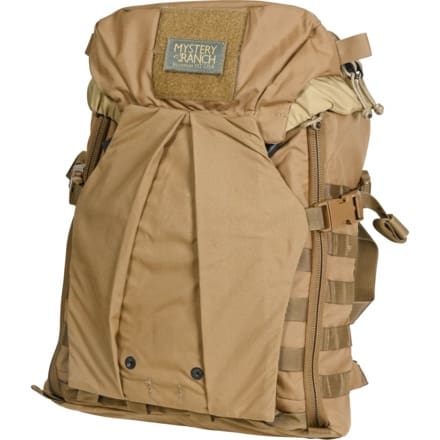
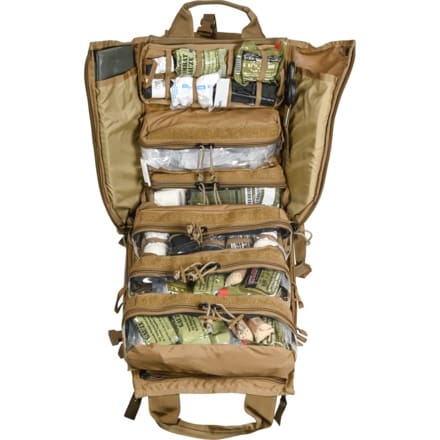
Designed for requirements around their winning bid in the Norwegian TCCC program, the MYSTERY RANCH MOLE fills the demand for a scaled-down, feature-rich medical pack. Every square inch of this pack was designed with function in mind.

At 22L, the MOLE is similar in size, but has a slimmer profile than its popular predecessor, the RATS pack. It is built with custom spec’d 500D CORDURA® with Teflon® and PU coatings for maximum durability, UV and weather protection and finished off with IR-compliant YKK® zippers. The MOLE is highly configurable with its carrying options and internal organization, adapting to changing mission profiles.

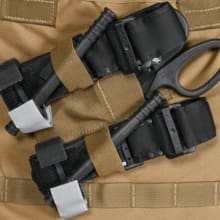
It features removable shoulder straps and waist belt, along with a system for attaching directly to body armor, and a top handle for multiple carrying options. Also noticeable is the incorporation of the removable Stick-it pouch for stowing a helmet, jacket or other bulky object on the outside. Underneath that are a sheath for trauma shears and dual tourniquet holders. The clamshell top lid opens widely for full-viewing access to contents.

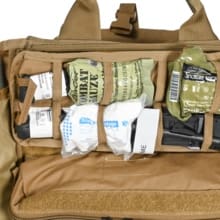
Interior removable panel for single-access items.

External shear pocket with elastic on either side for quick access items (tourniquets).

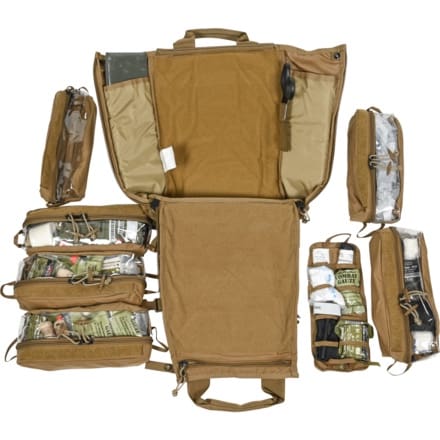
The main compartment splays open via one-handed access from its two-zip design, allowing full access to the removable internal pouches inside the pack. An additional, internal handle keeps from fighting the top lid when hanging the pack to work out of.

The internal main compartment is lined with loop fuzz which allows you to customize its five removable medical pockets. Each pocket has clear vinyl windows and internal elastic bands to keep items tidy. An extra removable panel is included for even faster access to certain materials such as tourniquets, gauze and/or gloves. Two inner sleeves along the sides provide secure slots for splints or other long items.

Here’s a quick video detailing the MOLE:

MYSTERY RANCH really stayed focused on versatility and quick access on this pack. The MOLE has already been very popular in Europe as it launches here, looks to be a consideration for your combat trauma essentials. Check out the full line of medical military packs and accessories at MYSTERY RANCH.

We are pleased to collaborate with our friends at North American Rescue for kitting out our medical packs for these photos and videos. Please contact NARescue customer service to order medical contents as shown.

*Contents not included with MR pack.

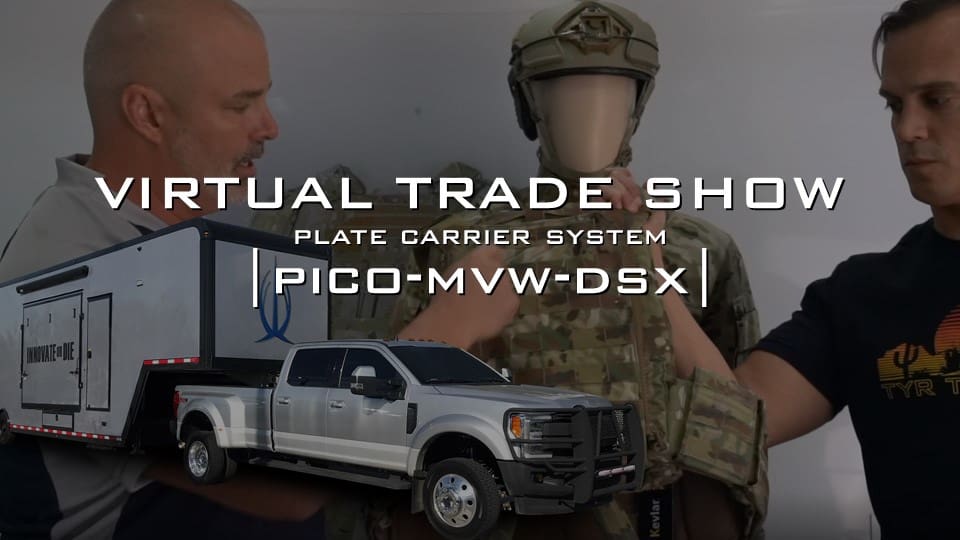
TYR Tuesday – IDTOUR VTS |Virtual Trade Show| PICO-MVW-DSX Plate Carrier System

Tuesday, July 28th, 2020

Show #IDTOURVTS is here!

Episode Five:

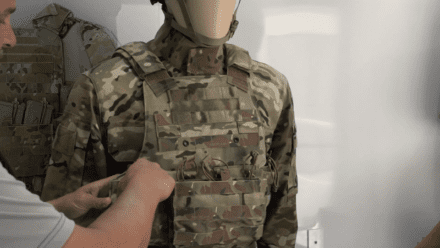
IDTOUR VTS |Virtual Trade Show| PICO-MVW-DSX Plate Carrier System

New episode launching every Tuesday.

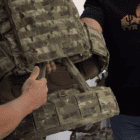
New PICO-MVW-DSX Plate Carrier System

Coming Soon: 2021

What is IDTOURVTS?

Our mission has always been about protecting those who run towards the threat.  To that end, we created the Innovate or Die® Tour and Mobile Showroom. Over the past couple years it has allowed us to meet you face-to-face, gather your feedback and answer your questions.

Life has been put on hold for many people around the world, but you have not stopped risking your safety and health against all the threats we face today.

We can’t wait to meet you on the road again.

Thank you to the men and women of the armed forces, first responders and health care professionals who continue to put their lives on the line.  You haven’t stopped working and neither will we.

Episode One:

IDTOUR VTS |Virtual Trade Show| PICO-DS & DSX Plate Carriers

Episode Two:

IDTOUR VTS |Virtual Trade Show| The Ultimate Range Bag

Episode Three:

IDTOUR VTS |Virtual Trade Show| Shield & Dolly System

Episode Four:

IDTOUR VTS |Virtual Trade Show| Huron™ Hot Weather Uniform

US Army Prototypes Integrated Visual Augmentation System Network Capabilities for Tactical Vehicles

Tuesday, July 28th, 2020

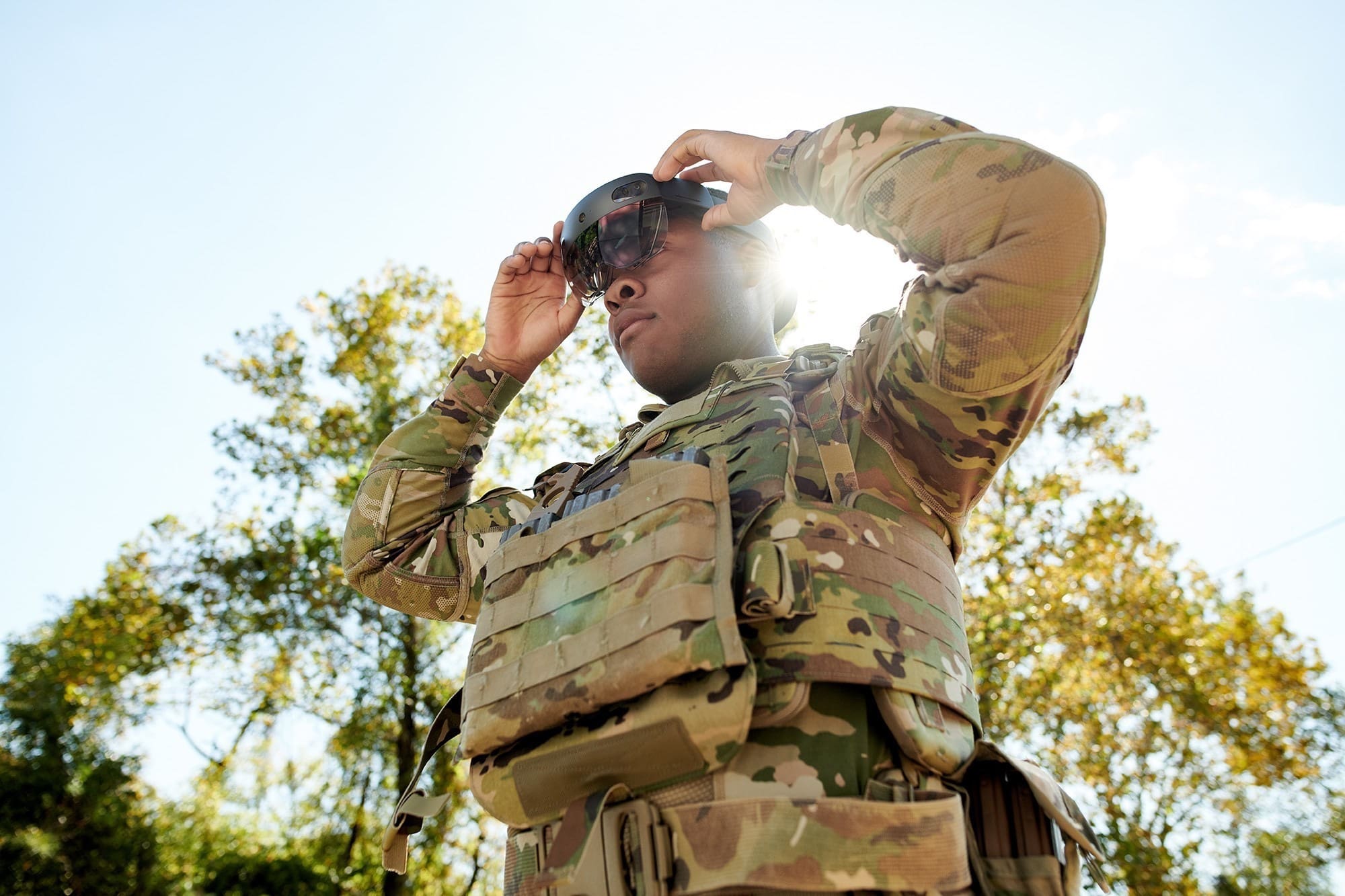
ABERDEEN PROVING GROUND, Md. (July 23, 2020) — Army Futures Command (AFC) is using rapid prototyping to integrate tactical network systems, which will enhance functionality of the Soldier-worn Integrated Visual Augmentation System (IVAS), onto combat vehicles.

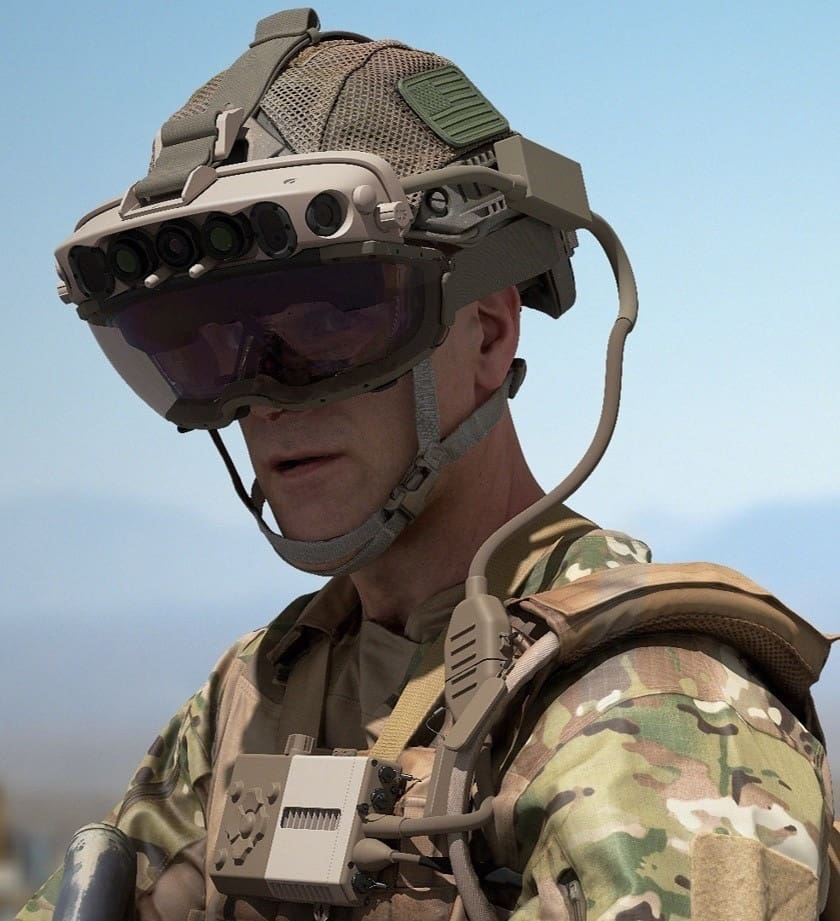
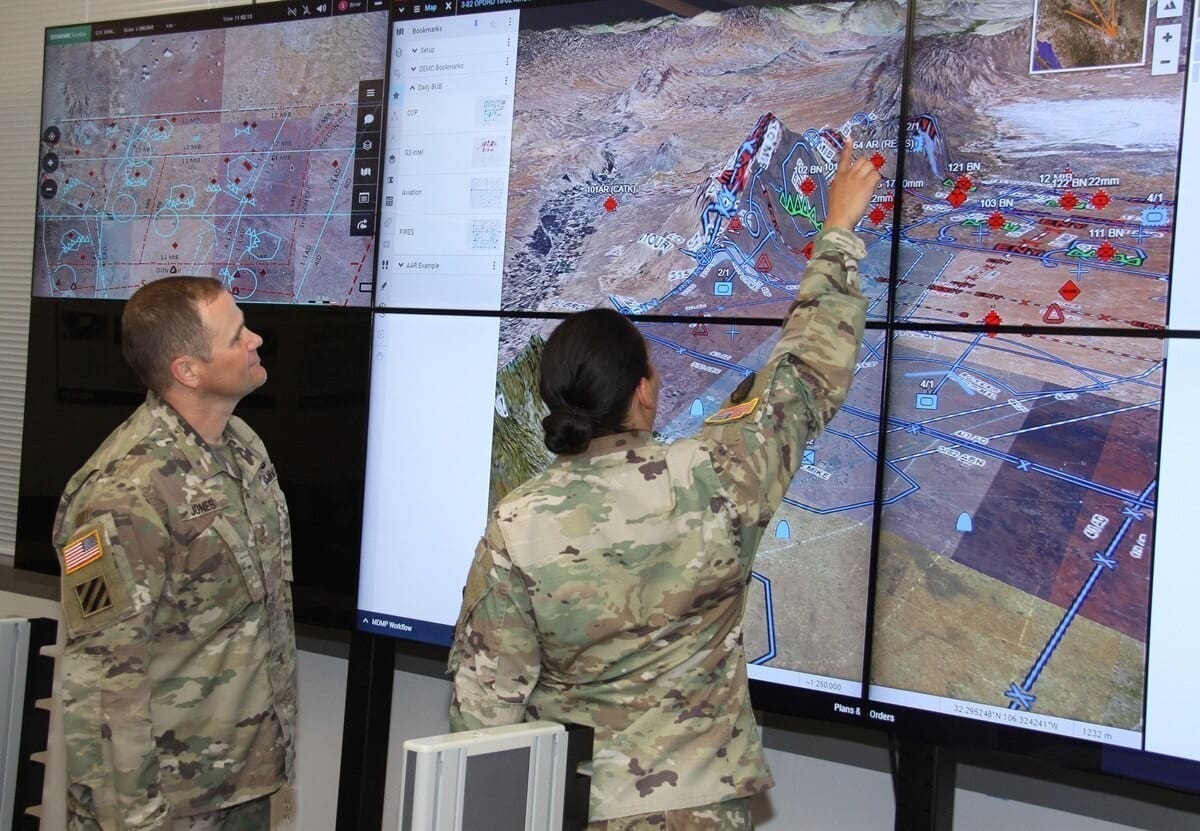
IVAS provides Soldiers with improved situational awareness capabilities as they fight, train and rehearse missions. IVAS capabilities include a digital display to access information without taking eyes off the battlefield, thermal and low-light sensors, rapid target acquisition, aided target identification and augmented reality.

The Command, Control, Communications, Computers, Cyber, Intelligence, Surveillance and Reconnaissance (C5ISR) Center — a component of AFC’s Combat Capabilities Development Command — is leading the prototyping efforts, in coordination with IVAS developers and network project management offices. The Center uses its in-house expertise to inform and refine the design, fit and function needed to house and integrate network components, including radios, servers and cables.

The C5ISR Center started design work this spring to integrate IVAS devices with Stryker armored vehicles, leading to Vehicle Excursion 2 (VE2) in January 2021 at Joint Base Lewis-McChord, Washington. The Soldier Lethality Cross-Functional Team (SL CFT) will host VE 2 with about a dozen participating organizations from Army research and development, acquisition and operational forces. It will be a static vehicle user study focused on assessing the utility and proof of concept of new capabilities on Strykers and Bradley Fighting Vehicles to gain early Soldier feedback.

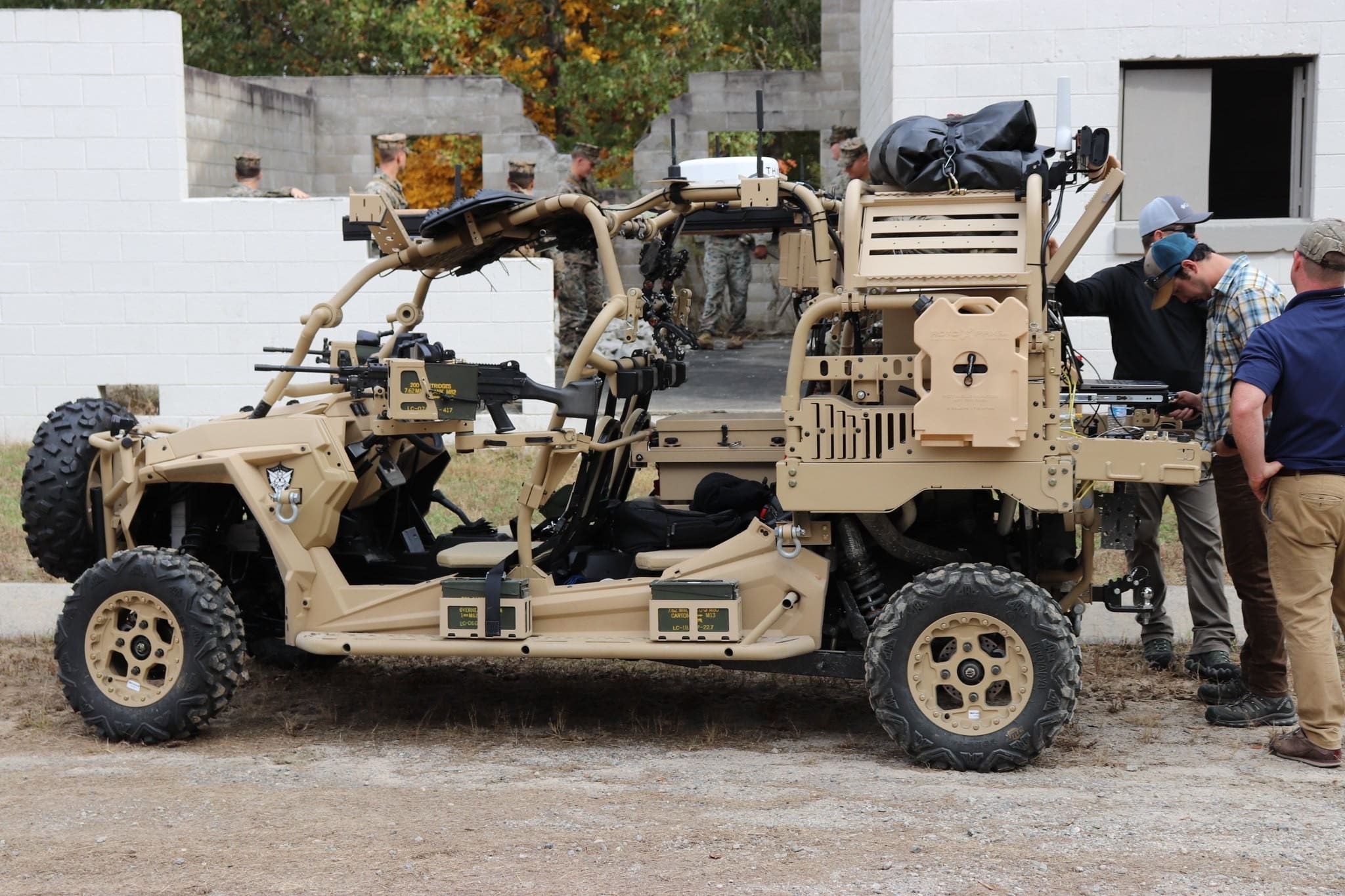
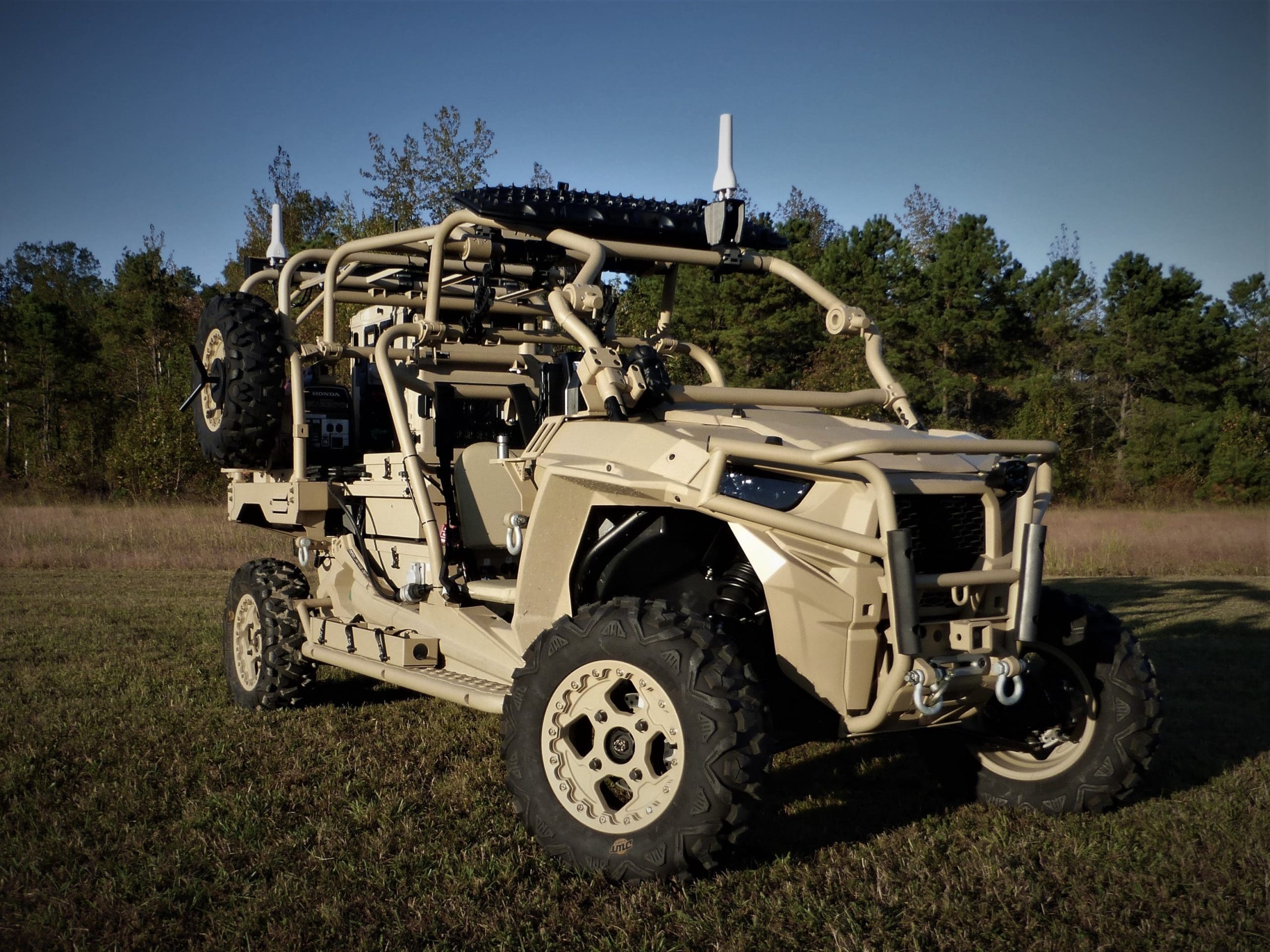
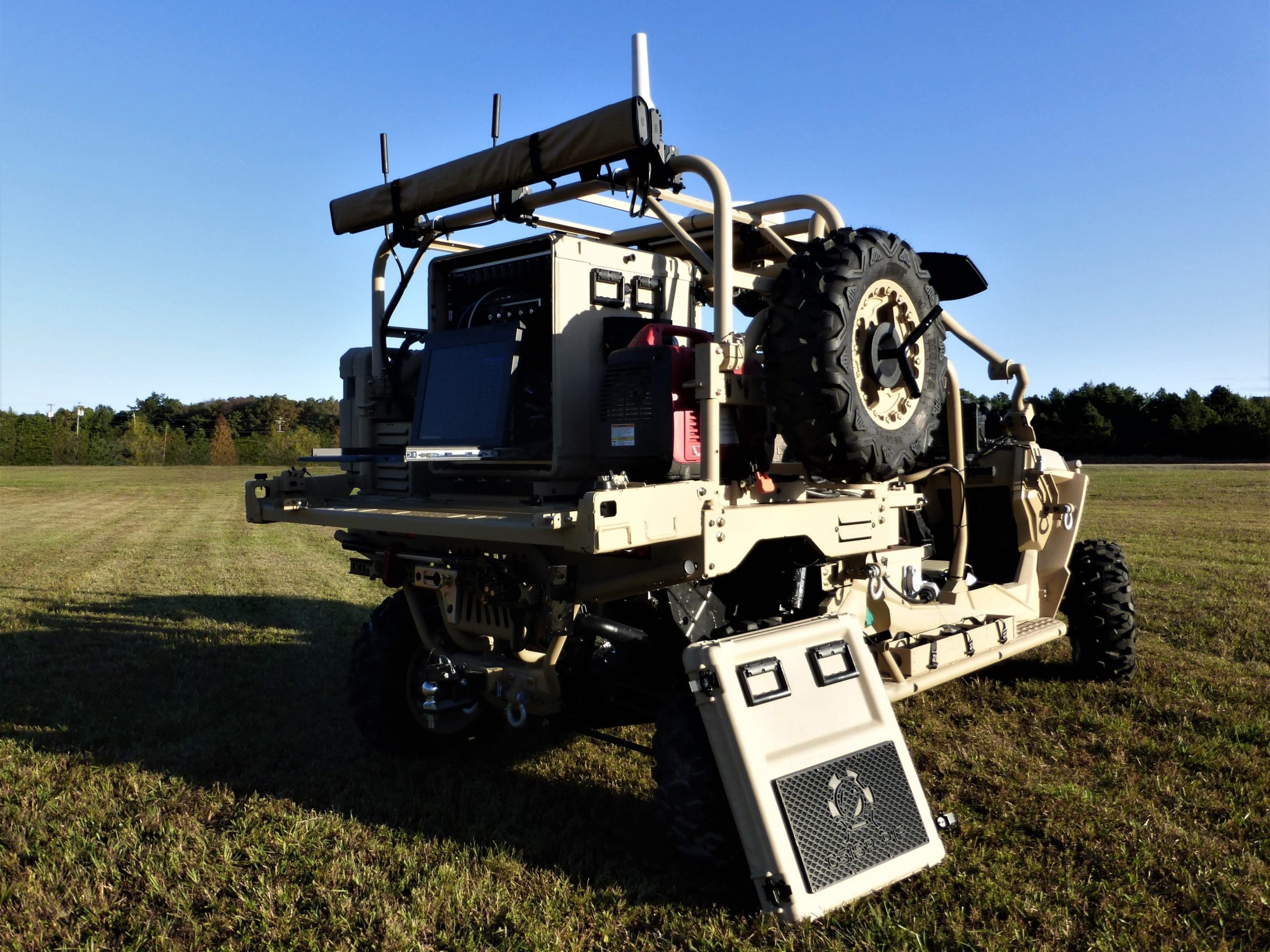
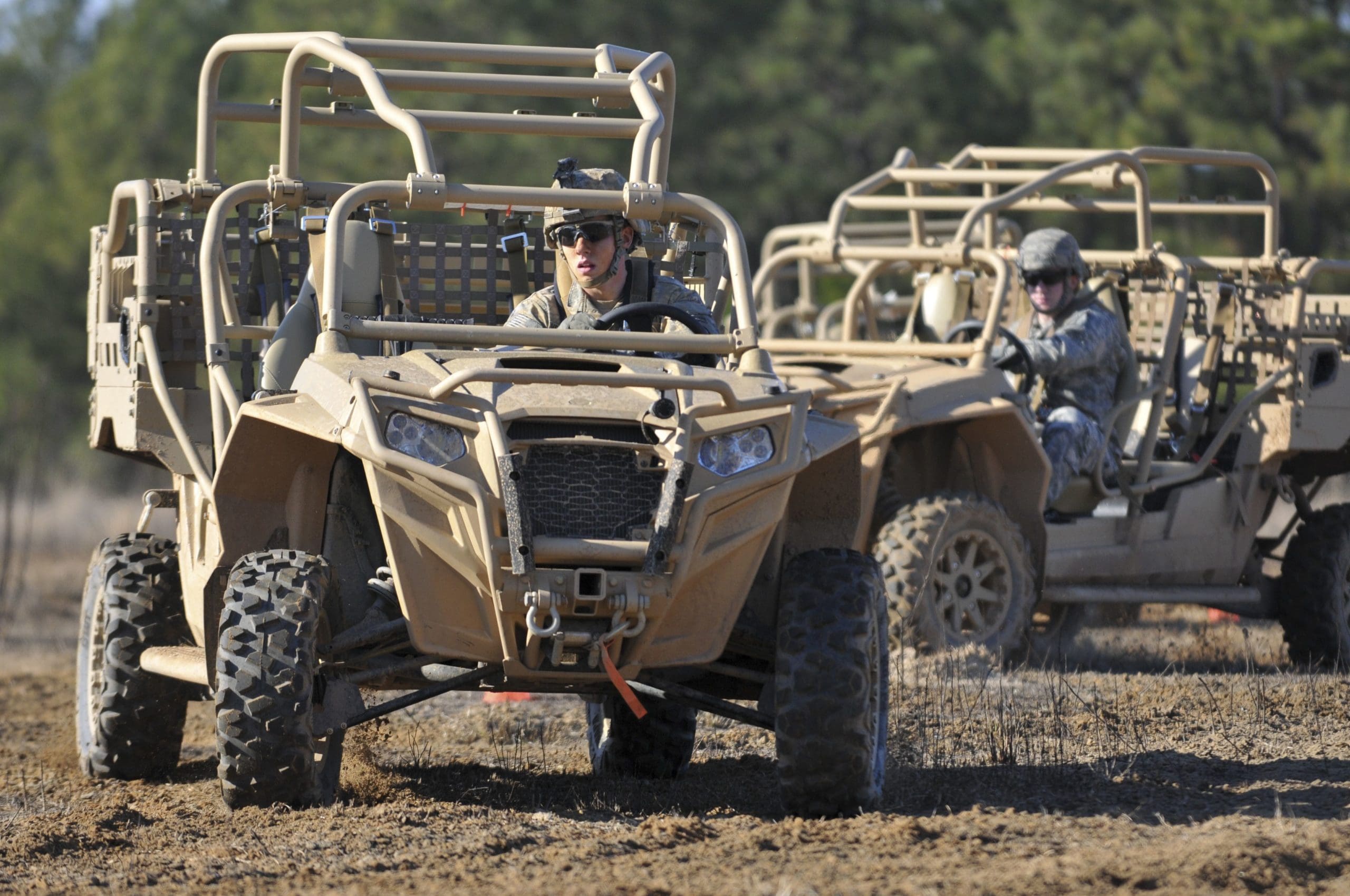
To enhance IVAS network connectivity and capabilities, C5ISR Center engineers and network system developers engineered a network communications gateway and data management kit known as Project Bloodhound in 2019. The C5ISR Center delivered the integrated network kit mounted on an MRZR all-terrain vehicle, which allowed dismounted Soldiers using IVAS to connect into the broader Army tactical network to share and receive data.

This prototype and others will enhance modernization efforts led by the C5ISR Center, SL CFT, the Network CFT, Program Manager IVAS, and PM Tactical Radios.

Bloodhound allows greater connectivity throughout the company echelon, through a tactical radio integration kit that includes radio gateways that enable voice and data information to be pushed and pulled from multiple sources. This concept is being applied to the Stryker prototype effort.

“We designed Project Bloodhound as a modular vehicle-mounted system that can be integrated into any vehicle,” said C5ISR Center mechanical engineer Ryan Stuk. “Certain features could be employed in a command post or dismounted capacity. We’re now taking the knowledge and expertise gained from the MRZR integration and applying those to Strykers.”

The Stryker effort will provide additional capabilities for Soldiers, whether they are mounted, dismounted or in transition, Stuk said. The Army’s three objectives are to leverage the Strykers as an IVAS power source to maintain mission capability, integrate with existing and future vehicle-based onboard camera systems, and enhance Soldiers’ situational awareness while mounted or transitioning to dismounted.

The Center’s organic, internal prototype integration facility (PIF) has enabled the Army to meets its objectives for multiple design iterations, changing requirements and quick deadlines, said Tom Brutofsky, chief of the C5ISR PIF. A key aspect to Project Bloodhound has been additive manufacturing, commonly known as 3D printing.

“The C5ISR PIF has invested heavily in additive manufacturing to develop a rapid prototyping capability to deliver functional designs with significant cost and time savings,” Brutofsky said. “The PIF manufactured the MRZR Bloodhound prototype approximately 80 percent through additive processes and went from concept to functional prototype in less than three months.

“Additive manufacturing also enables easier modifications as engineers gather Soldier feedback during exercises and as the Army identifies additional vehicles for network kit integration.”

Soldier touch points like VE2 enable the Army to transition from R&D to prototypes and then mature capabilities for fielding.

“For the C5ISR Center, incorporating Soldier feedback is essential,” Brutofsky said. “Understanding the needs of Soldiers on the battlefield early on helps us make better use of time and resources.”

By Dan Lafontaine, CCDC C5ISR Center Public Affairs

MATBOCK Monday RAPID IFAK Deployment Pouch

Monday, July 27th, 2020

RAPID IFAK DEPLOYMENT POUCH

Good morning and Happy MATBOCK Monday!

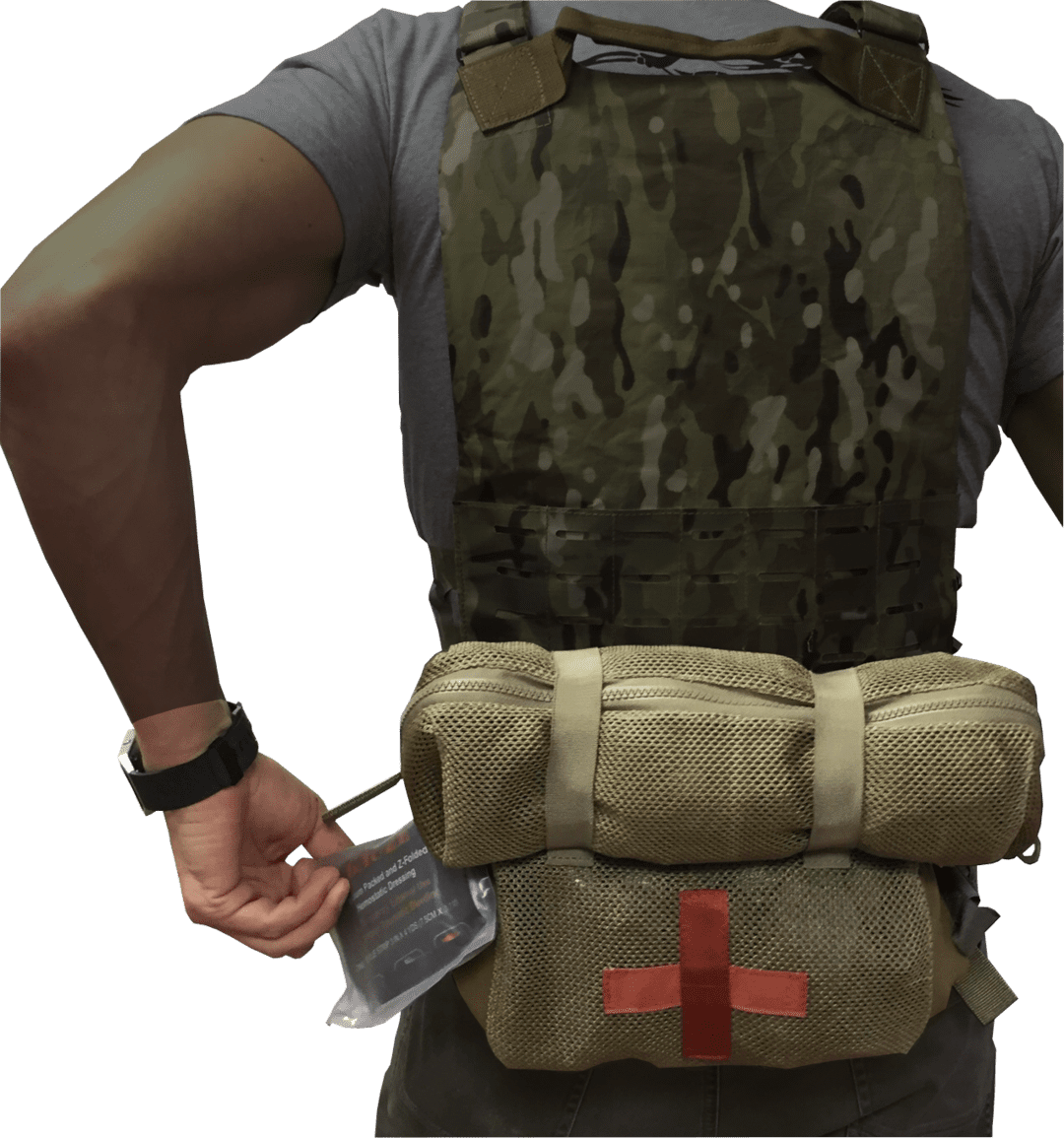
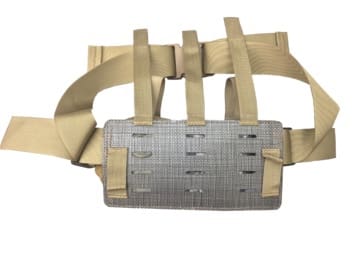
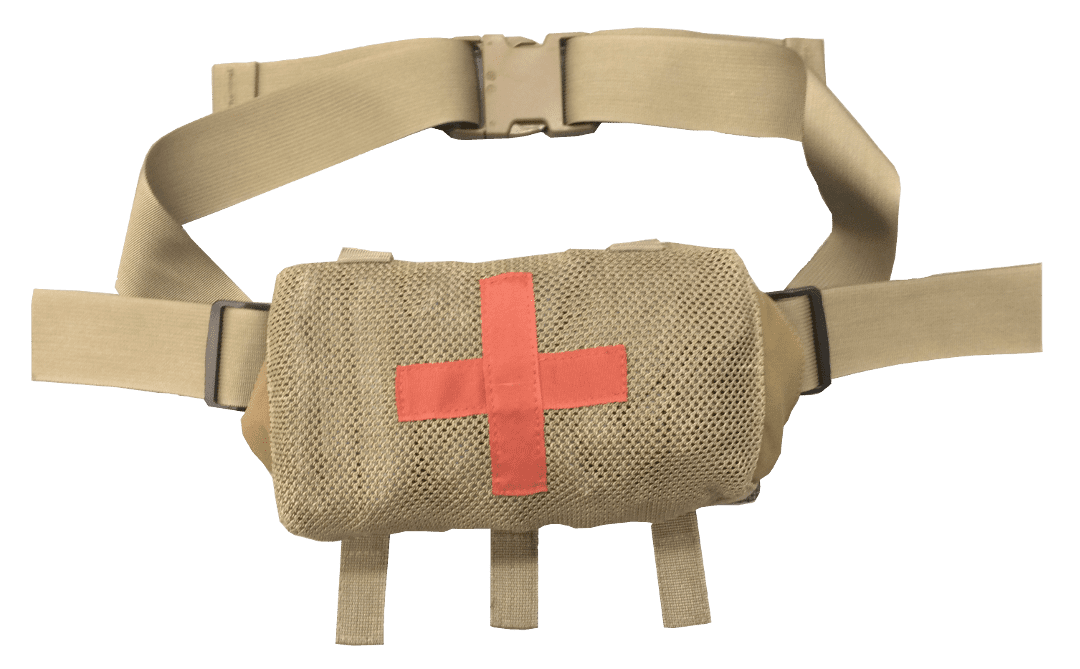
Weighing in at 7oz The Rapid IFAK Deployment pouch was specifically designed to support post assault operations when dealing with an active shooter. The pouch is designed to hold 7 Phokus Research Group “Shield Kits” for immediate care as well as a MATBOCK J-LIFT or 5 Shield Kits and an S-LIFT). It can be worn as a stand-alone fanny pack or cross chest attachment, MOLLE or mounted to an operators belt. The versatile design allows for endless possibilities to support the operator’s needs.

Don’t forget to tune in on Monday at 4:30 PM EST as we go live to demo the the Rapid IFAK Deployment pouch.

US Army Strategic Ops Directorate to Shape Electromagnetic, Cyber Capabilities

Monday, July 27th, 2020

WASHINGTON — The Army recently implemented a new directorate to support requirements within the electromagnetic spectrum, enabling the force to prioritize, integrate, and synchronize its data-enabled warfighting capabilities to fight and win in a multi-domain battlefield.

In February, the Department of the Army’s Management Office-Cyber directorate reorganized to DAMO-Strategic Operations, or DAMO-SO, said Brig. Gen. Martin F. Klein, the organization’s director.

The organization, which falls under the Army’s G-3/5/7 office, was created to work “horizontally across the Army,” by partnering with other communities of interest throughout the Army Staff, Army Training and Doctrine Command, and Army Futures Command, to name a few, Klein said.

DAMO-SO will generate policies and programs to help resource and execute information technology, mission command, space, and enterprise capabilities, Klein said. Further, the program will refine the force’s approach to joint multi-domain operations, which could subsequently impact the Army’s force structure, resources, and strategy.

The move to DAMO-SO also signifies the Army’s push to move beyond the “information age to the cognitive age,” Klein added. Adopting a cognitive-based technological approach could augment the Army’s decision-making process through data collection and analysis.

The directorate is currently working to collect data from the Army’s warfighting systems and structure to fully understand how and where they can increase capabilities within the electromagnetic spectrum.

“This is a historic time for us,” Klein told reporters Tuesday. “For our senior leaders to have the foresight to stand up [DAMO-SO] … I think it will provide not only the Army but the joint force with great effects.”

Cloud architecture

One of the critical focus areas within the DAMO-SO directorate is tied to the Army’s effort for standardized data architecture and cloud computing technologies.

“What [DAMO-SO] is trying to do is breathe energy into this digital transformation, by making sure that … we have common data standards [and] common architecture to make our data available,” he said.

The directorate has worked closely with the Army Chief Information Officer/G-6, the Enterprise Cloud Management Office, Network Cross-Functional Team, and other entities to define and improve the Army’s cloud-computing architecture.

“What we’re trying to do is work with current systems that we have in the Army’s inventory, to make sure that we digitally enable them and transform them to provide immediate use to the warfighter,” Klein said.

“We are also looking at the satellite connections that enable our enterprise to connect with our integrated tactical network through our regional hub nodes,” he added. The directorate will continue to work with the Army Space and Missile Defense Command to accomplish this task.

Creating a reliable cloud-computing capability at both the enterprise and tactical levels will help integrate the Army’s weapons systems and non-kinetic maneuver technology, Klein said.

He also mentioned work using cloud abstraction, which refers to the deployment of applications or data to facilitate the interoperability between systems. In theory, cloud technology will allow the Army to more effectively share data and integrate weapons systems across its formations.

“I think we have turned a corner, and we are beginning to see ourselves clearly in this digital transformation environment, through the work that we have done within the cloud,” Klein said.

Dialing in the Army’s electromagnetic spectrum capabilities will help the force compete and win with a complex and uncertain environment, he added.

By Devon Suits, Army News Service

SCUBAPRO Sunday – The Aladin A2 Dive Watch

Sunday, July 26th, 2020

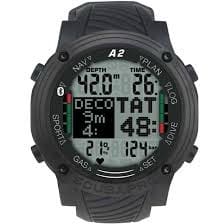
The new SCUBAPRO A2 dive watch was developed for all levels of divers, from beginners to advanced, technical and working divers. The A2 offers full timekeeping functions and a Sport mode. When it’s time to go diving, the A2 provides everything an advanced recreational diver wants and everything a technical diver needs. It starts with wireless air integration that monitors tank pressure and provides true remaining bottom time. The digital tilt-compensated compass offers easy navigation underwater or on the surface. The A2 lets you choose from six Dive Modes, including Trimix and CCR, and because it’s designed with Human Factor Diving, it incorporates cutting edge biometrics that enables you to live your life in dive mode. Whatever type of diving you do, the A2 is ready to go there with you.

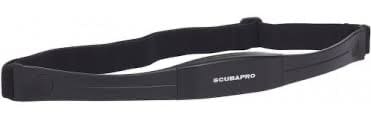
With advanced, technical, CCR, and freedivers in mind, Smart technology wireless air-integration can handle multiple transmitters. Optional air-integration monitors tank pressure and provides true remaining bottom time (RBT) calculations based on the workload from breathing (transmitter sold separately). The Heart rate monitor records your heartbeat and skin temperature (with SCUBAPRO HRM Belt only; sold separately) that can be factored into the decompression calculation along with workload. Digital tilt-compensated 3D compass allows for easy navigation. Predictive Multi-Gas ZH-L16 ADT MB algorithm accommodates eight gases (21-100% O2) plus two in CCR mode. PDIS (Profile Dependent Intermediate Stops) calculates an intermediate stop based on N2 loading, current, and previous dives and breathing mixes for safer diving. Microbubble levels let you adjust the level of conservatism in the algorithm to match your experience level, age, and physical conditioning.

Multiple Dive Modes: Scuba, Gauge, Apnea, Trimix, side mount, CCR. Sport mode offers sport-related functions like a swim stroke counter, activity counter (pedometer), and stopwatch. High-resolution matrix display with large numbers is easy to read underwater, even in adverse conditions. Lightweight design is so comfortable on the wrist you won’t want to take it off. Intuitive menu and four-button controls make it easy to navigate through the system. Bluetooth Low Energy interface lets you download dives to any iOS or Android device or PC/Mac. Firmware can be user-updated by going to scubapro.com. Power is provided by a standard CR2450 battery that is rated for up to two years/300 dives. The computer’s maximum operating depth is 394′ (120m) and is altitude adjustable from sea level to approximately 13,300′ (4,000m). Included with the computer are a protection foil, quick card, arm strap extension, read first (the user manual is available online)—optional equipment: transmitter, heart rate belt.

SCUBAPRO Aladin A2 Dive Watch Wrist Computer:

• Compactness & Convenience of Wrist-Style Dive Computer

• Versatile Wristwatch-Style Computer: Worn-On-the-Surface As-Well-As-Underwater

• Full Timekeeping Functions, 6-Dive Modes Plus Sport Mode

• Features & Functions Enable You to Excel-In-Your Sport

• Everything Advanced Recreational Divers Want, & Everything Technical Divers Need

Optional:

Wireless Air Integration Monitors Tank Pressure & Provides True Remaining Bottom Time (RBT)

• Digital Tilt-Compensated 3D Compass Allows for Easy Navigation, Underwater & On Land

• Algorithm: Predictive Multi-Gas ZH-L16 ADT MB

• Accommodates 8-Gases (21-100% O2) Plus 2-In CCR Mode

Intuitive Menu System:
Clearly Marked Button Controls
Easy to Access & Understand All Functions
Just-the-Right Balance of Topside Features, Underwater Functions & Ease of Use
4-Button Controls
Easy to Navigate Thru-System

• Quickly Becomes an Integral Part of Your Diving Life & Everyday Life-As-Well

PDIS (Profile Dependent Intermediate Stops):

Calculates Intermediate Stop

Based-On N2 Loading

Current & Previous Dives

Breathing Mixes for Better Diving

• Microbubble Levels Let You Adjust Level of Conservatism In Algorithm
• Multiple Dive Modes: Scuba, Gauge, Apnea, Trimix, Side Mount, CCR
• Sport Mode: Sport-Related Functions, Swim Stroke Counter, Stopwatch Can-Be-Activated