FirstSpear

Phantom Sentry

March 4th, 2026

The Phantom Sentry light was born from tragedy.

All too often service members are accidentally run over at night. They sleep next to vehicles or in areas otherwise unmarked and are not seen by drivers.

Designed to secure to the loop on top of the issue individual Litefighter tent, the Phantom Sentry flashes in Amber and Infrared, or just infrared (with a slight red indicator light so you know it is working.)

Rechargeable, the light will run for at least two weeks on a full charge making it ideal for most field problems and perfect for Guard and Reserve for use during Annual Training.

www.phantomlights.com

Counter-Drone Training in Europe Equips US Forces for Evolving Threats

March 4th, 2026

GRAFENWOEHR, Germany — The senior enlisted advisor for Joint Interagency Task Force 401, Sgt. Maj. Kellen Rowley recently visited Germany to serve as the graduation speaker for the Joint Multidomain Counter-Unmanned Aerial Systems Course, or JMDCC.

The course, a U.S. Air Forces in Europe program executed with the support of the 7th Army Training Command, is at the forefront of developing joint service capabilities to counter the growing threat of unmanned aerial systems. This effort supports JIATF-401’s mission to provide counter-drone capabilities that protect U.S. personnel and facilities both domestically and internationally through a whole-of-government approach.

During his visit, Rowley observed the course’s culminating field training exercise, a rigorous 48-hour event that tested the skills of 22 U.S. Air Force, Army and Marine noncommissioned and commissioned officers. He also received a comprehensive overview of the course’s program of instruction and engaged with the 7th ATC leadership, which included a briefing on the Bumblebee training course, Test and Evaluation Center and the Warrior Unmanned Aerial Battalion.

In his remarks to the graduating class, Rowley emphasized the importance of taking proactive C-UAS measures at all echelons.

“The proliferation of UAS technology on the modern battlefield requires us to be agile and adaptive,” said Rowley. “We must ask ourselves: what are we doing to establish and rehearse our battle drills and SOPs at the small unit level? How are we integrating C-UAS into our collective training? The answers lie in the hands of talented and dedicated individuals like you… A vigilant and prepared force is the first and most effective line of defense.”

Highlighting the need for specialized skills, Rowley added, “We must actively identify talent within our ranks — the service members who possess the knowledge, capability, and desire to excel in this rapidly evolving space. They are the future of our C-UAS enterprise.”

Rowley noted the JMDCC’s platform-agnostic approach and focus on core competencies such as electronic warfare, sensor integration, and command and control. The three-week course is structured to provide a comprehensive learning experience, with one week of classroom theory, one week of practical exercises, and one week of lane training, culminating in the final FTX.

“The JMDCC is an excellent course that has intuitively set the standard for the train-the-trainer model we need across the force,” said SGM Rowley. “To my knowledge, there is no other C-UAS course in the department operating at this level of proficiency and realism.”

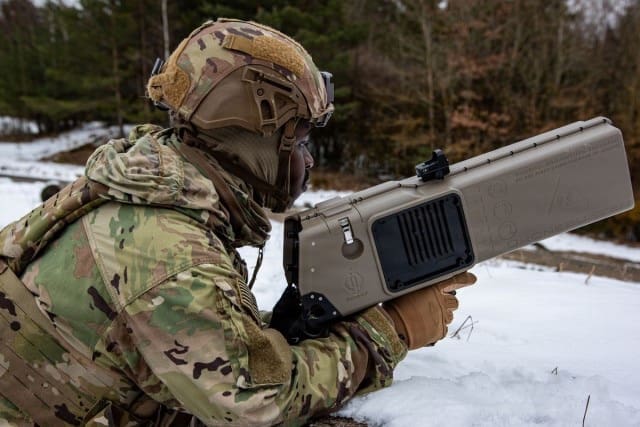
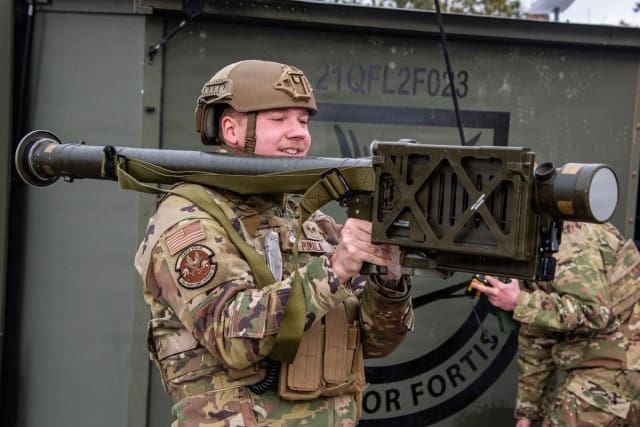
U.S. Soldiers, Airmen, Marines and Belgium Soldiers conduct weapons qualifications using the SMASH 2000 system during the Air Force’s Joint Multi-Domain Counter Unmanned Aircraft Systems Operator Course in the Grafenwoehr Training Area, Germany, Feb. 12, 2026. The U.S. Air Forces in Europe – Air Forces Africa assess the feasibility of expanding the Air Force’s Joint Multi-Domain Counter Unmanned Aircraft Systems Operator Course to a multi-service environment with the growing Unmanned Aircraft Systems threat. The 7th Army Training Command remains the premier location for U.S., NATO and partner testing, experimentation, readiness and interoperability. U.S. Army video by Sgt. Collin Mackall.

Story by COL Adam Scher

German Navy System House to be Established: Rheinmetall Takes Over NVL

March 3rd, 2026

Düsseldorf-based technology group Rheinmetall has completed the company take-over of NVL, the military part of the Lürssen Group. Following the announcement in September 2025 and the signing of the purchase contract in October 2025, Rheinmetall has now been given all antitrust approvals for the acquisition of Naval Vessels Lürssen (NVL B.V. & Co. KG, Bremen-Vegesack), including all its subsidiaries. The transition was concluded on 1 March 2026.

Both parties have agreed on keeping the purchasing price concealed.

With this significant strategic acquisition, Rheinmetall will be creating a German systems house for the development and manufacture of state-of-the-art navy and coastguard vessels, as well as maritime autonomous surface systems. Rheinmetall will thus be further expanding its portfolio within the maritime domain and is hence consolidating its position as a comprehensive supplier of defence technology in Germany and Europe.

Armin Papperger, CEO of Rheinmetall AG: “We are happy about the successful finalisation of the transaction”. Already at the announcement of the plans, he stated the following: “In future, Rheinmetall will be a relevant player on land, on water, in the air and in space and is thus developing into a cross-domain system house. In combining the expertise of Rheinmetall and NVL, we will be creating a powerful full-range supplier for state-of-the-art surface vessels. This will generate mutual growth and thus secure a strong position for our corporation’s position in the maritime sphere. At the same time, we are making a substantial contribution to empower the naval defence capabilities of Germany and its NATO allies”.

The current conflict situation reveals that military enforcement capabilities are also becoming increasingly important in the naval sector. Rheinmetall intends to meet the massive increase in demand from naval forces and rising procurement budgets with high-performance system solutions which feature a highly modern digital infrastructure and cover the entire spectrum – from platforms and electronics to sensors and effectors.

For further information, see press release dated September 15, 2025: Rheinmetall reaches agreement with Lürssen on acquisition of NVL

Atibal Optics Unveils Vantage WMLRF 2000: The First OLED Weapon-Mounted Ballistic Laser Rangefinder

March 3rd, 2026

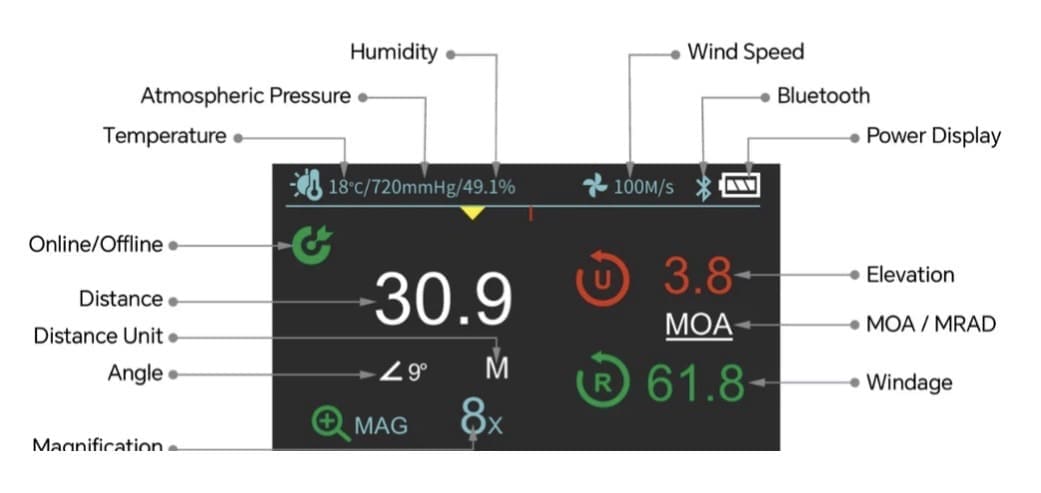
Revolutionary OLED display rail-mounted system delivers instant ballistic calculations, environmental data, and 2,000-meter ranging capability—Available through exclusive crowd funding early-bird pricing tiers starting at $599

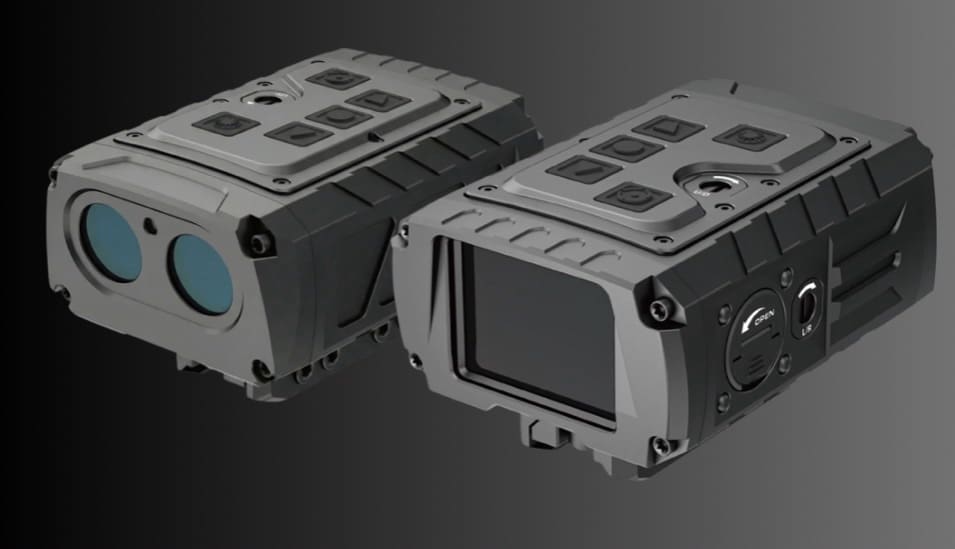
MESA, ARIZONA — March 3, 2026 — Atibal Optics has announced the upcoming release of the Vantage WMLRF 2000 Ballistic Rail?Mounted Laser Rangefinder, with an expected arrival in late March or early April. The Vantage WM LRF features a full-color OLED display and combines advanced laser ranging, ballistic computation, and environmental data integration—such as pairing with a Kestrel—into a single, weapon-mounted system.

A standout capability, in addition to the large OLED screen, is the option to switch the display to a MOA or MIL-based crosshair. This allows the shooter to see real-time holdovers directly on the screen based on the ranged distance, setting the Vantage apart from competing rail-mounted rangefinders.

The Vantage WM LRF 2000 will use its dedicated ballistic app, Observer, which will soon be available for download on both the Android Play Store and the iOS App Store. The app is designed to be very user-friendly and intuitive, without adding unnecessary complexity.

The Vantage LRF 2000 eliminates the traditional compromise between ranging capability and shooting position. Unlike handheld rangefinders that force shooters to break their cheek weld and sight picture, the Vantage mounts directly to any standard Picatinny rail, delivering critical ballistic data while maintaining target acquisition.

Features:

Range Reflective (yards): Up to 2,000 yds.

Range Tree (yards): Up to 1500 yds.

Range Deer (yards): Up to 1000 yds.

Min Range: 5 yds.

Accuracy: .5 yds @ 100 yds.

Length: 4.37

Height: 1.8″

Width: 3.07″

Weight: 14.0 oz.

Run Time: 4,000 Ranges

Display: 2.0 IPS LCD

Battery: CR123A

650nm Red Laser: Yes

Temperature Sensor: Yes

Humidity Sensor: Yes

Barometric Sensor: Yes

Altitude: Yes

Bluetooth Enabled: Yes

Dimensions

Dimensions: 4.37″ L × 3.07″ W × 1.8″ H

Weight: 14.0 oz

2nd Annual Special Operations Vendor Day on March 31 at Fredericksburg Fairgrounds

March 3rd, 2026

PATRIOT3 will be hosting the 2nd annual Special Operations Vendor Day on March 31, 2026, from 10:00am-3:30pm, located at the Fredericksburg Fairgrounds.

2400 Airport Avenue,
Fredericksburg, VA 22401

Tracer Tactical Viper Adapters

March 3rd, 2026

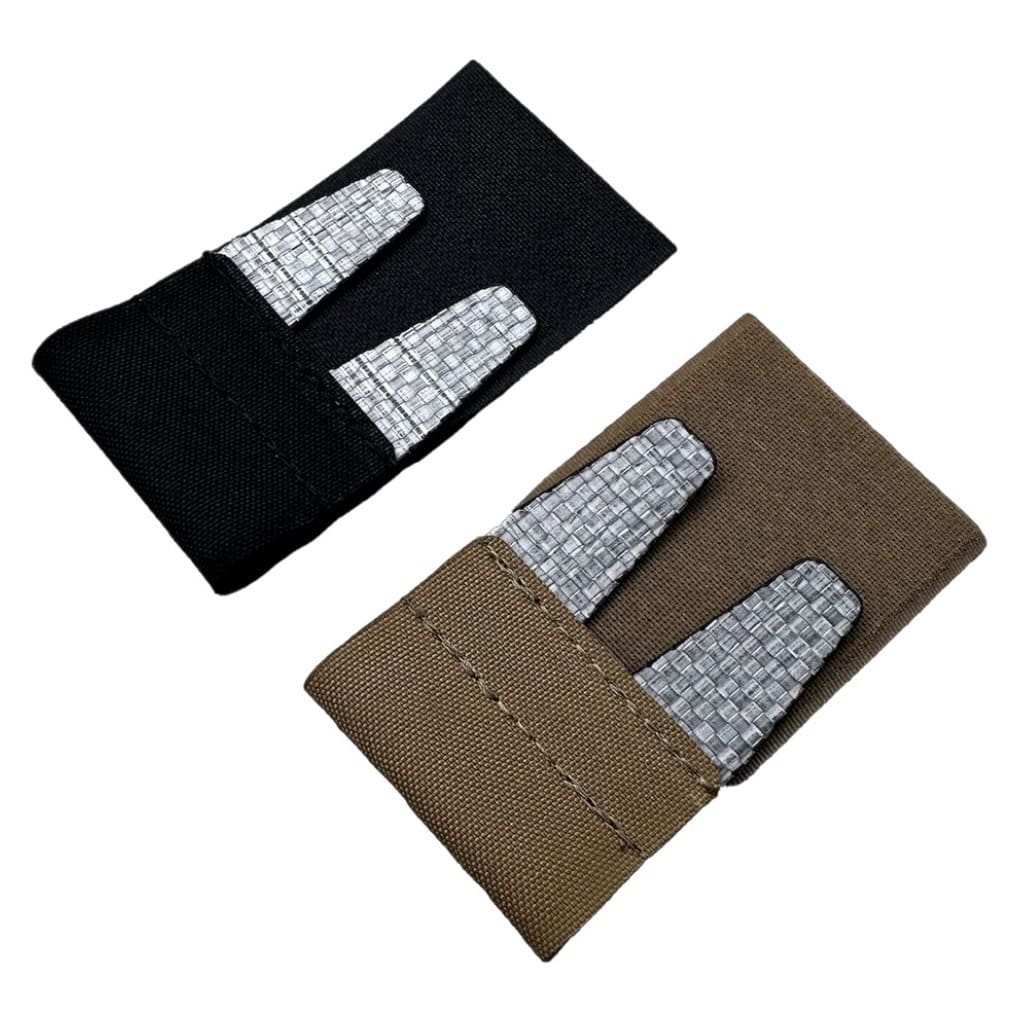
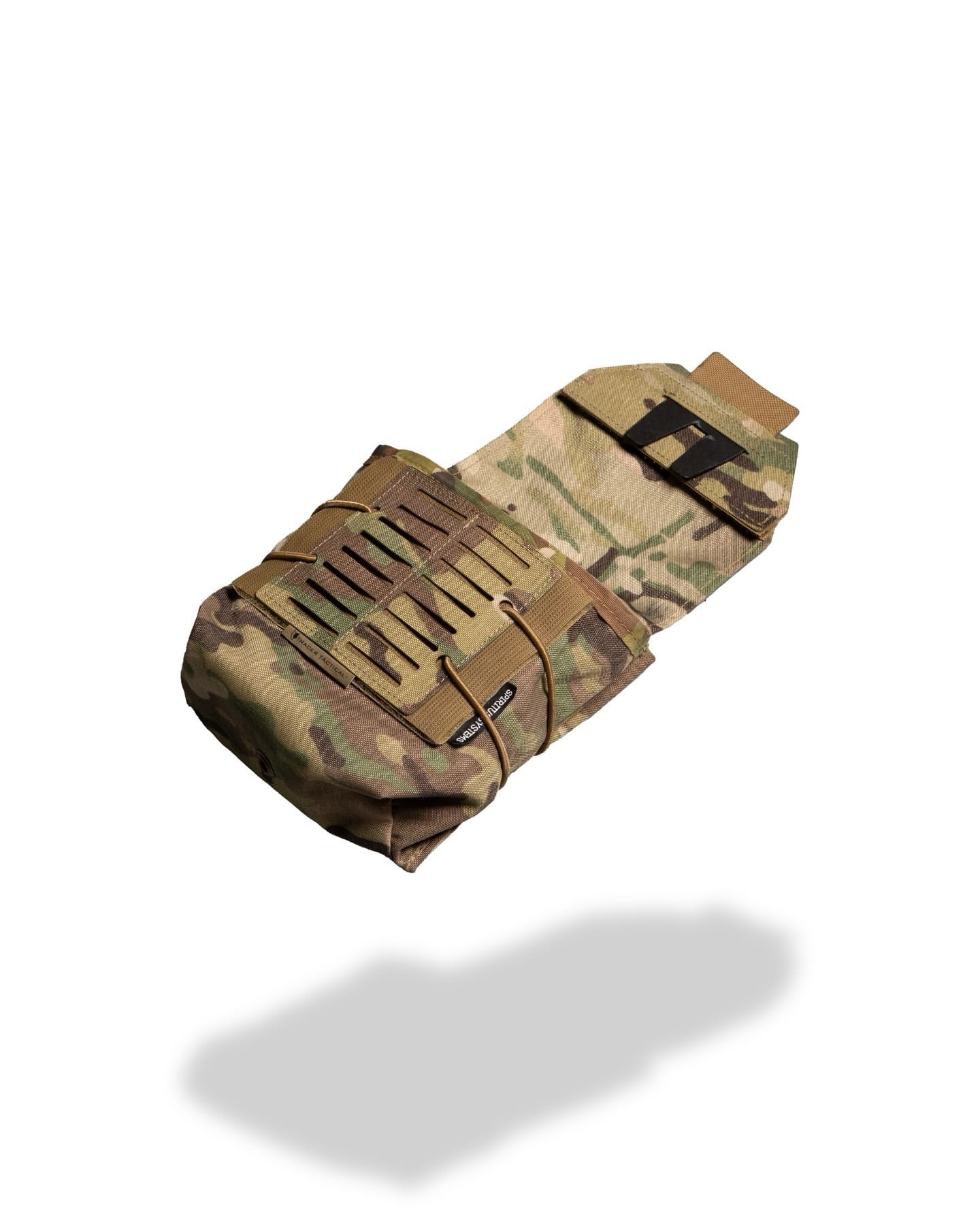
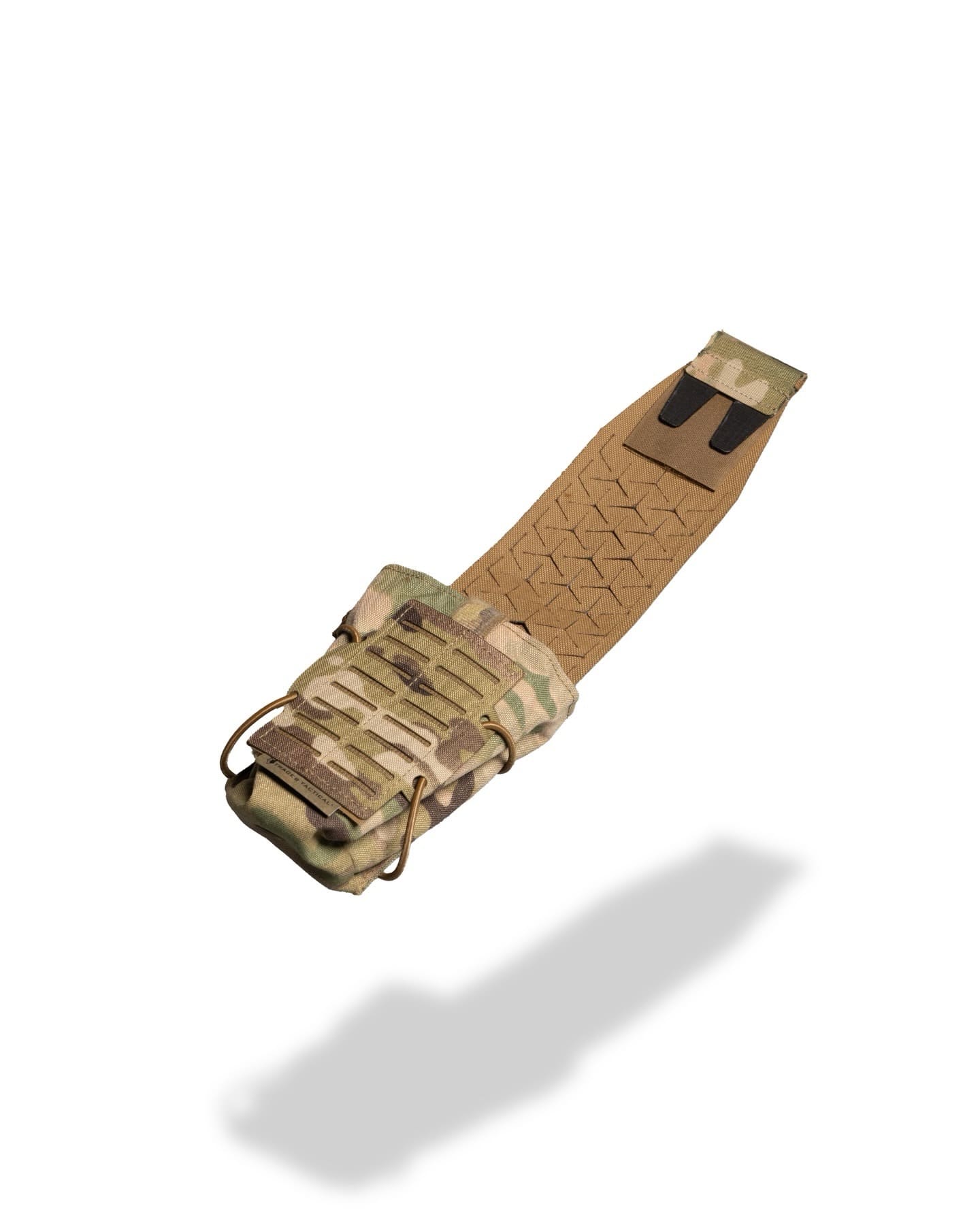
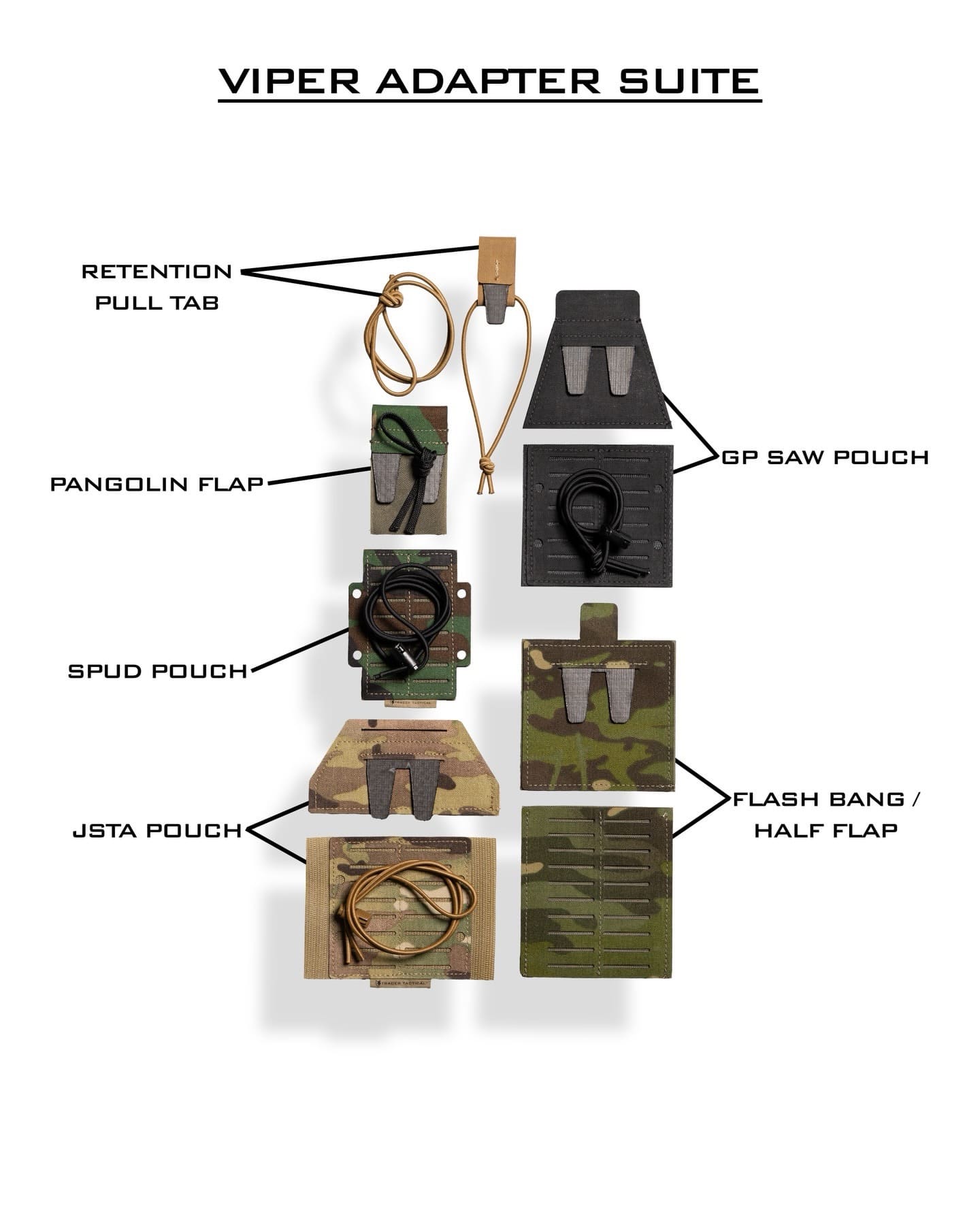
With teeth made from Curv, Tracer Tactical’s Viper Adapters make your pouches super sneaky quiet.

Their Viper Adapters are available for the Spiritus Systems JSTA Pouch, Pangolin Flaps, SPUD pouch, and HSP GP SAW Pouch.

They also make closing the pouch in extreme conditions (mud, snow, ice, maritime) possible.

tracer-tactical.com

Pixels On Target – VooDoo-GPS M

March 3rd, 2026

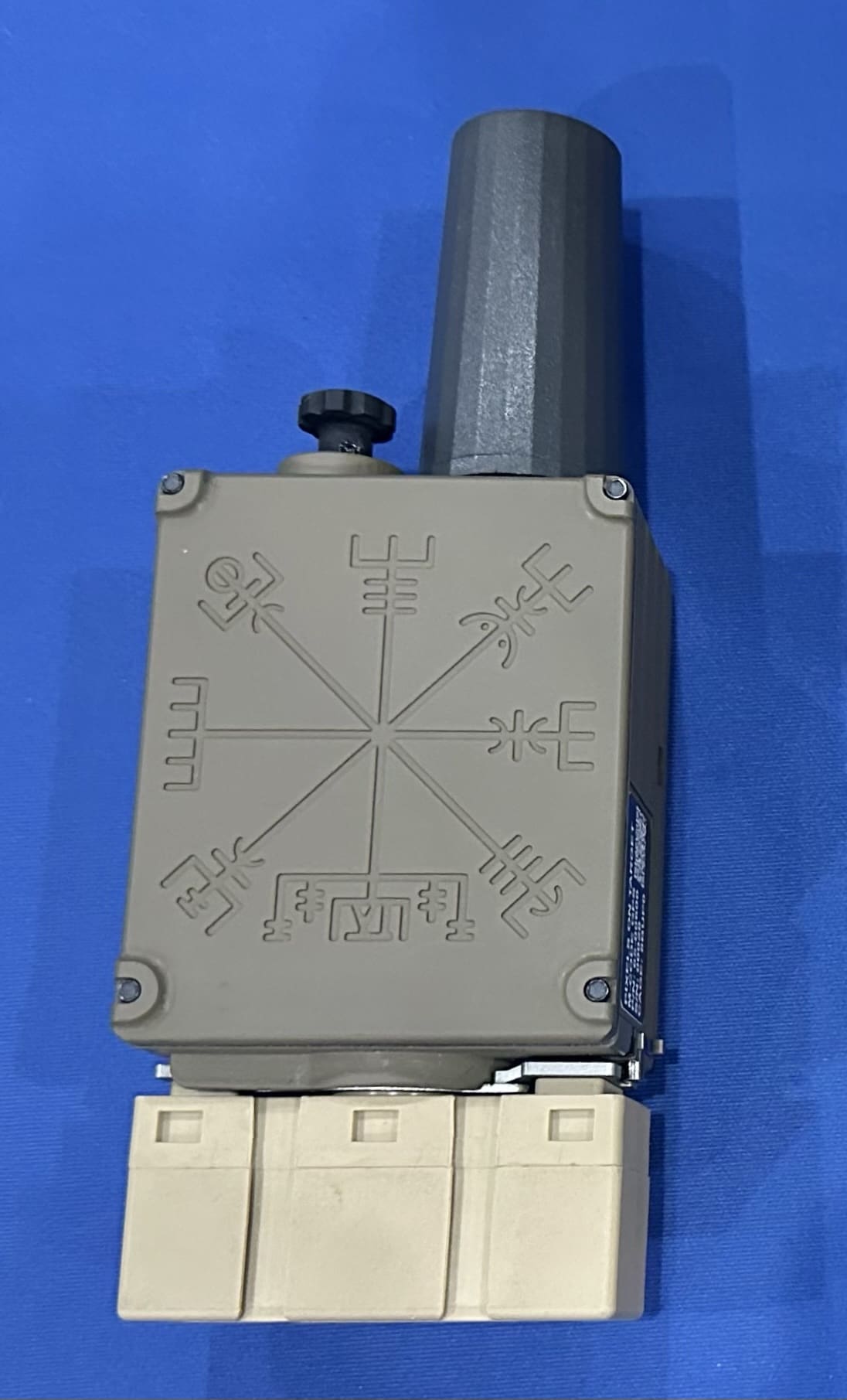
This is the VooDoo-GPS M which is a new GPS receiver configured as a hub that will provide the congressionally mandated GPS M signal to other, connected devices (wired or wireless) without upgrades to those devices. It was created in conjunction with MilTech for a US government customer.

You’ll note the Vegvísir or Norse compass on this early version which assures the user that he will never lose his way in Storm or bad weather, even when the way is not known.

It can be body worn and is compatible via ports or wireless connection with USB 2.0, Bluetooth v5.3, Intra-Soldier Wireless, and RS-232 and can be powered with an MBITR or STUB battery.

pixelsontarget.com

US Space Force Combat Forces Command Leaders Tout “Carnivore” Mindset and Combat Readiness

March 3rd, 2026

AURORA, Colo. — Leaders from U.S. Space Force Combat Forces Command (CFC) praised their Guardians’ forward momentum and ever-increasing combat readiness throughout multiple discussion panels the Air and Space Forces Association’s Warfare Symposium in Aurora, Colo., Feb. 23-25, 2026.



The Space Force We Need: Delivering a Combat-Ready Force in an Evolving Operational Environment

U.S. Space Force Lt. Gen. Gregory Gagnon, CFC commander, teamed with Lt. Gen. Douglas Schiess, Deputy Chief of Space Operations for Operations, for a panel that focused on the needs of the service and what leaders need from Guardians to meet and exceed the threat.




“We have to transform from a herbivore to a carnivore,” Gagnon declared, citing CFC’s motto, “Semper Venator,” which means Always the Hunter.

“Hunters eat, right? We seek to provide the ability to control our domain so that we can unlock the greatness of the joint force and the greatness of our coalition partners,” said Gagnon. “We cannot cede space to a very aggressive meat-eating PLA [People’s Liberation Army] aerospace force.”

Gagnon echoed Space Force senior leaders, saying that the Space Force must essentially double in size in the near future.

“I need you to be fit,” said Gagnon to the Guardians in attendance. “What most people don’t know is not every Guardian employs in Colorado. In fact, we have sensors in place on every continent of the planet except Antarctica.”

“We have squadrons dispersed around the world. We have Guardians deployed in every joint combat formation that goes forward,” explained Gagnon, stressing the need to be fit in order to operate in austere environments. “You will go forward in mission areas such as intelligence, and you’ll be running vans with barbed wire fences around them.”

Gagnon also praised the achievements of U.S. Space Force Capt. Olivia Lane of Mission Delta 4 as an example of the qualities he’s looking for in the force. Lane played a key role in providing missile warning during Iran’s recent missile attack against Israel, and then took the initiative to rework procedures, speeding up the missile warnings by more than 80%.

For more on Capt. Olivia Lane’s accomplishments, follow the link below:

Seconds Matter: Guardian on the Missile Warning Front Line

Moving Target Indications from Space

Lt. Gen. Gagnon also updated the forum on the progress made of space-based Moving Target Indicators (MTI), where Space Force Guardians will take an increasing role in tracking ground and air targets for the Joint Force. The Space Force is taking on the mission partly due to the increased vulnerability of air-based systems like the E-8C Joint Surveillance Target Attack Radar System, or J-STARS.

“Controlling the high ground has profound impact on the outcomes of war, but that high ground is no longer the air,” declared Gagnon.

Sharing the stage with representatives from the National Reconnaissance Office and the Space Development Agency, Gagnon explained that moving the MTI mission to orbit will be a monumental change in size and scope, providing 24/7 coverage in multiple regions around the globe, while air-based platforms were limited in number and could only provide coverage for hours at a time.

According to Gagnon, the Space Force is now moving from planning to the implementation stage, with a whole squadron already dedicated to the effort and multiple partnerships with other organizations ongoing.

“In 30 years, the surety of global moving target engagement delivered by your Space Force will be as certain as Missile Warning and PNT [Position, Navigation and Timing],” said Gagnon. “I don’t think it’s going to take 30 years, either.”

Generating EW Effects

U.S. Space Force Col. Angelo Fernandez, commander of Mission Delta 3 – Electromagnetic Warfare, while moderating panel a discussion, said his formation’s efforts at stepping up training and links with the Joint Force are making a significant impact on world events.

“I’ve seen a fundamental transformation within just the Space Force of us getting postured for today’s modern environment, and it’s translated into operational success,” said Fernandez, citing the key role Electromagnetic Warfare Guardians played in both Operation Midnight Hammer last year and the recent Operation Absolute Resolve in Venezuela.

The discussion with two industry leaders also covered the ways EW crosses over into all operational domains, EW lessons learned from ongoing conflicts in the world and how the military is partnering with industry to adapt technology more quickly to outpace potential adversaries.

Overall, the messaging was clear, Space Force is expanding global missions and readiness to ensure dominance in an increasingly contested space domain.

By Dave Grim, USSF CFC Public Affairs

USSF Combat Forces Command