XC3 Weaponlight

Army’s Combined Arms Command to Integrate Maven C2 Smart System into Training and Education

March 14th, 2026

FORT LEAVENWORTH, Kan.– Leaders at the Combined Arms Command are integrating the use of the Maven Smart System, an artificial intelligence tool, to modernize training and education for command-and-control operations. Initial efforts are underway, led by staff from the Mission Command Center of Excellence, instructors with the U.S. Army Command and General Staff College, and officers assigned to the CAC Command Data and Analytics Office.
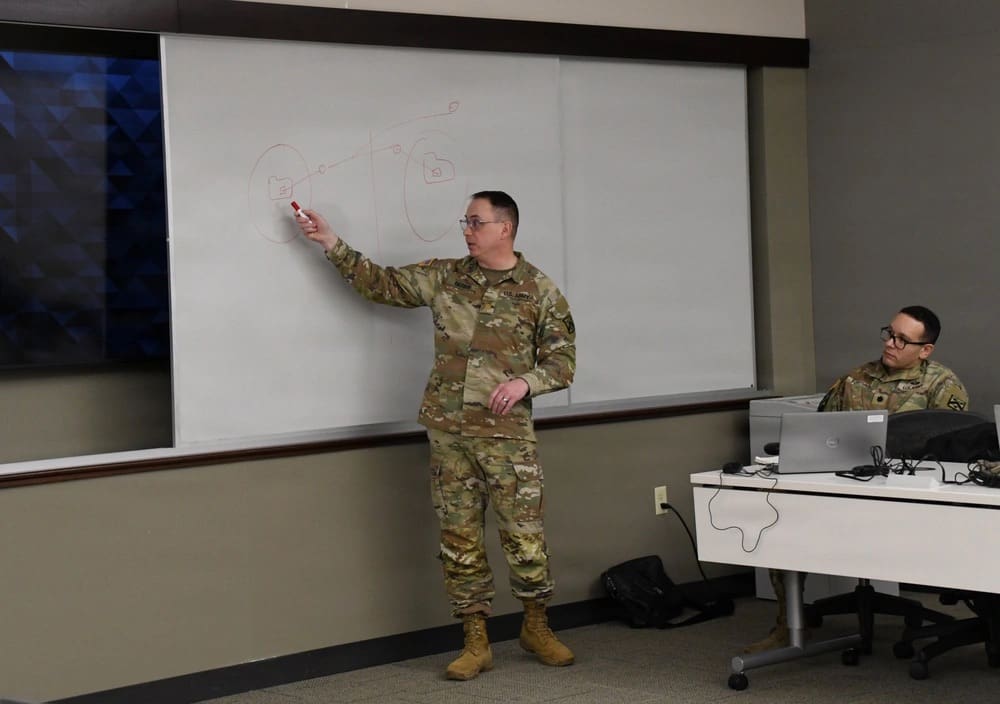
The Maven Smart System, also commonly referred to as simply “Maven,” processes battlefield data, including imagery and full-motion video, to improve situational awareness and speed decision-making. It is designed to automate tasks formerly performed via legacy systems like the Command Post Computing Environment.

“Maven’s use is being fielded so fast, we need to deliver training as quickly as possible to accelerate learning of the system,” said Mike Clowser, MCCOE’s lead for Maven’s training plan.

A week of train-the-trainer instruction held Feb. 23-27, 2026, set the conditions for each organization to incorporate Maven at their level.

Operator training. Senior instructors at MCCoE are charged with developing a standardized, eight-hour, hands-on course for Soldiers who will operate the system. This program will focus on the practical use of Maven in an operational setting to help commanders make more informed decisions, faster. Instruction on Maven will also become a key component of the Knowledge Management Qualification Course.
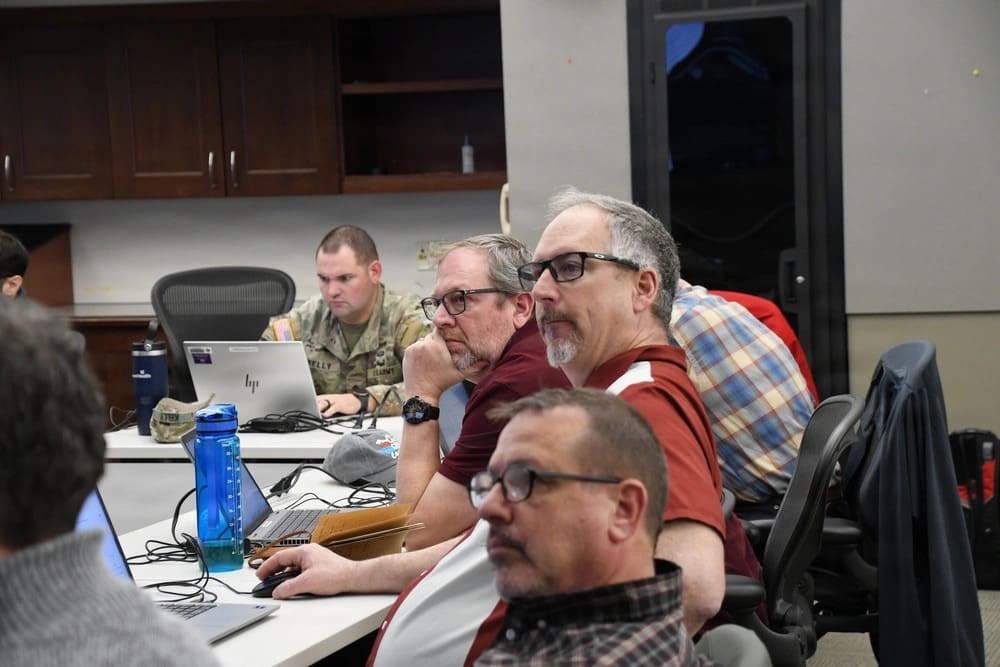
Professional Military Education. Command and General Staff College leaders plan to integrate Maven into the core curriculum for field grade officers attending the Command and General Staff Officers Course. The goal is to ensure graduates are proficient with the systems used in operational units. Maven will also become part of the curriculum for students attending the School of Advanced Military Studies (SAMS), and the School of Command Preparation.

“The integration of Maven represents a critical step in aligning PME modernization with the realities of what’s going on with the operational force,” said Zachary Rolf, deputy for the Department of Simulation Education at CGSC. The goal, he noted, is to ensure graduates have “system parity” and are able to seamlessly integrate at the unit level when they leave the schoolhouse.
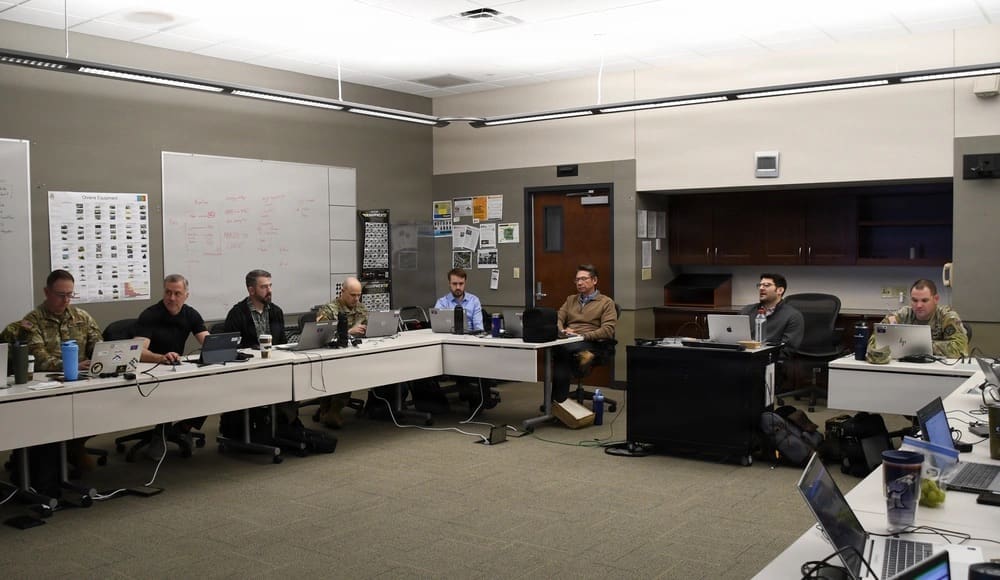
Workforce Upskilling. The CAC CDAIO’s Data Academy provides centralized education on data, AI, and modern software. Maven will be included as an offering for the workforce. Specific to Maven, the academy is collaborating with MCCOE in developing courses, including a technical Low-Code/No-Code Builders Course that will be offered with both in-person and virtual options.

These parallel efforts are set to merge into a single System Training Plan as the Army moves to formally designate Maven as a system of record. This unified plan will guide integration across all training domains.

“It will be a collaborative effort, clearly. And that’s really the only way to do it,” said Maj. Dustin Berry, lead data scientist and chief technology officer for CAC. “With us working together, it will be a much better product.”

Story by Randi Stenson 

Mission Command Center of Excellence
Tasmanian Tiger Expands Modular Load-Carrying System with New Chest Rig and Pack

March 13th, 2026

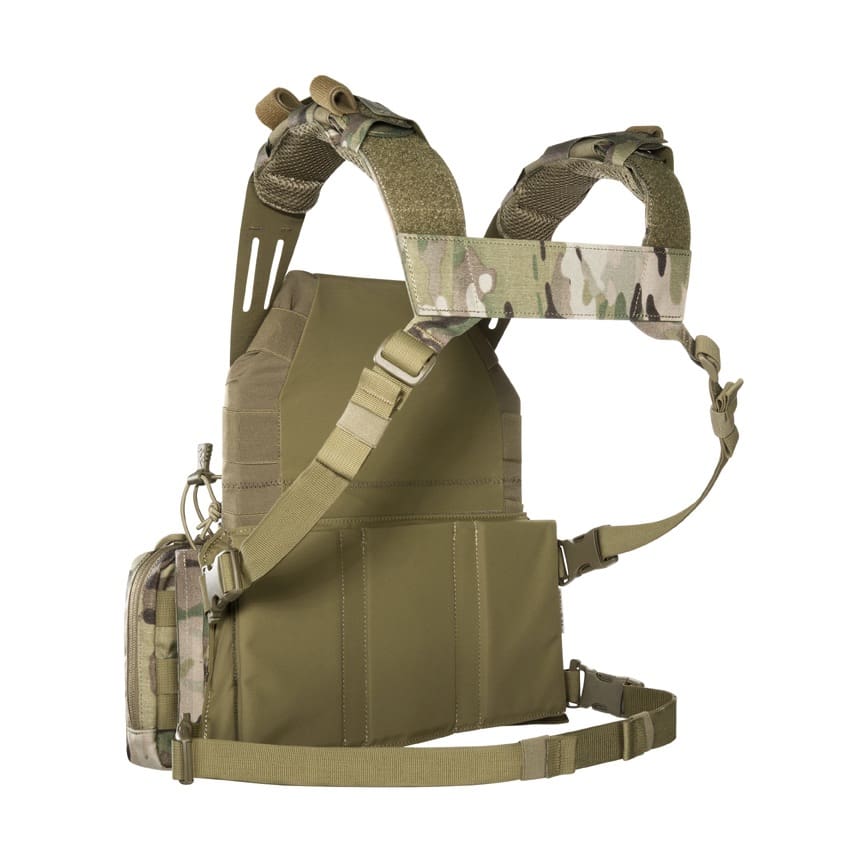
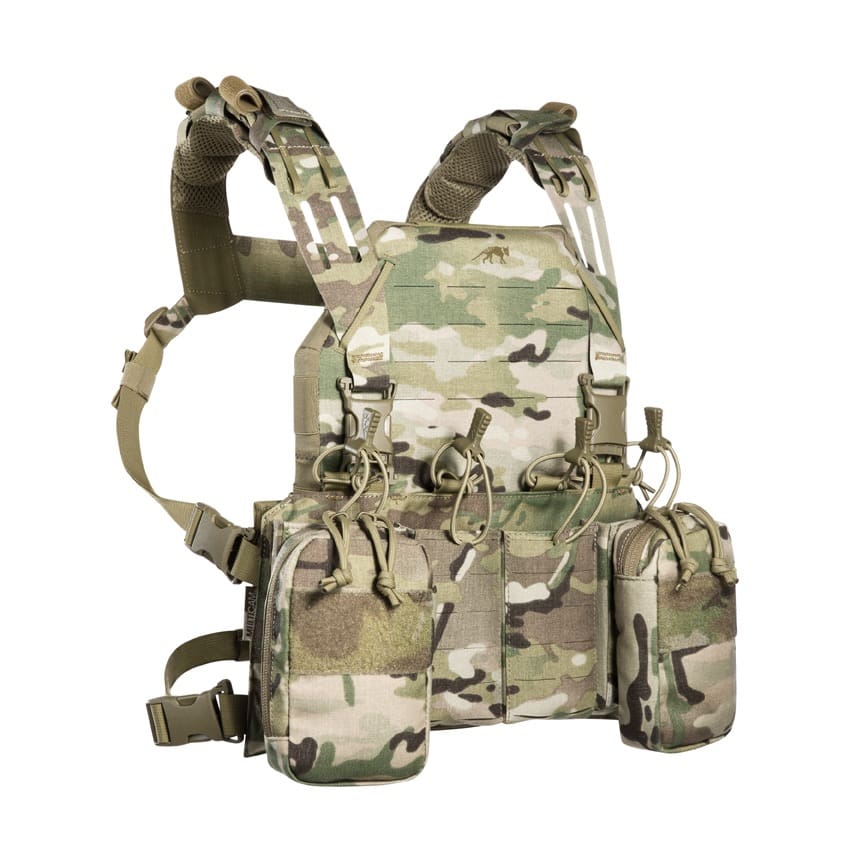
New TT Modular Chest Rig 4xM4 and Modular Chest Rig Pack deliver scalable, mission-ready versatility for military, law enforcement, and SWAT operators.

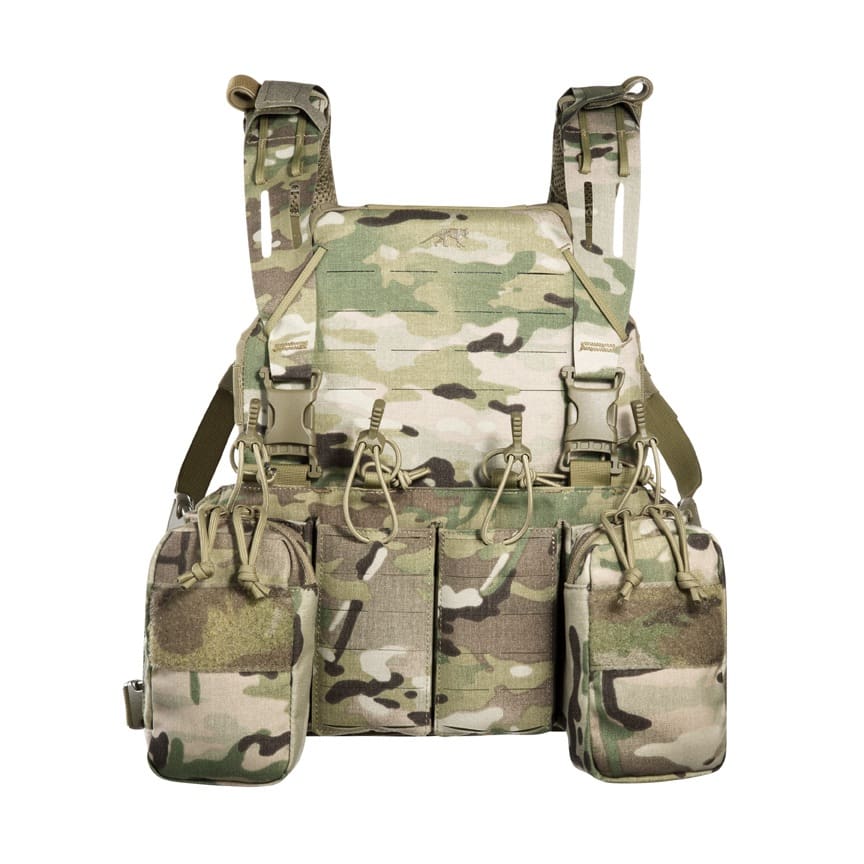
Knoxville, Tenn. (March 2026) – Tasmanian Tiger®, a tactical nylon line of products distributed exclusively for the US market by Proforce Equipment, Inc., announces the release of two new modular load-bearing solutions: the TT Modular Chest Rig 4xM4 and the TT Modular Chest Rig Pack. Designed to work together or independently, the new systems provide adaptable, low-profile load carriage for military, law enforcement, and SWAT missions.

Built around mission modularity, the TT Modular Chest Rig 4xM4 is a flat, lightweight chest rig featuring four fixed rifle magazine pouches and integrated compatibility with size M SAPI plates. The rig can be worn standalone, attached to plate carriers as a front panel, or combined with the new TT Modular Chest Rig Pack for expanded sustainment capability.

Constructed from CORDURA® 500 den with laser-cut MOLLE, the chest rig offers durability without excess bulk. Adjustable and removable shoulder padding, detachable side pouches, and replaceable main buckles allow operators to tailor the setup to their operational requirements. The rig also supports a tight shooting stance through optimized folding geometry and includes a removable 3D polymer pull tab for rapid magazine access.

The TT Modular Chest Rig 4xM4 weighs 1.9 lbs. (0.866 kg). It is available in black, olive, and coyote for an MSRP of $219. Multicam is available at an MSRP of $259.

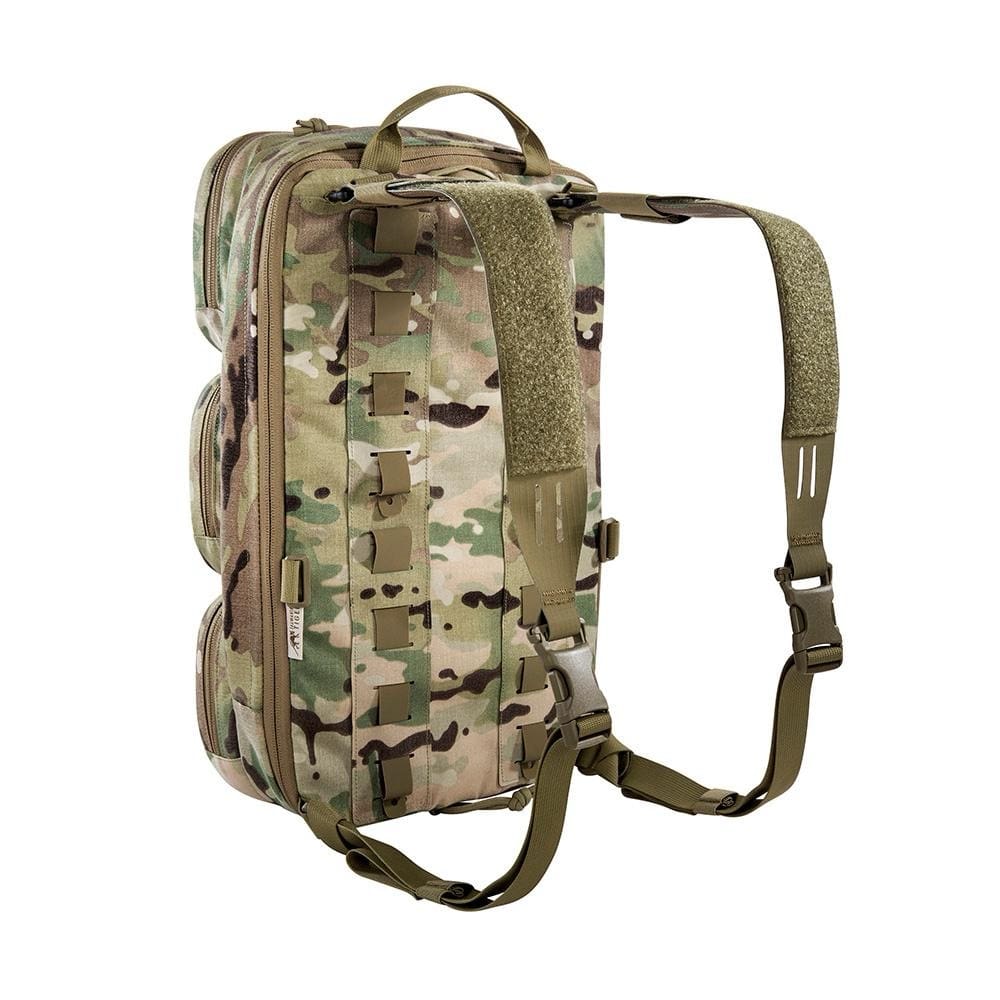
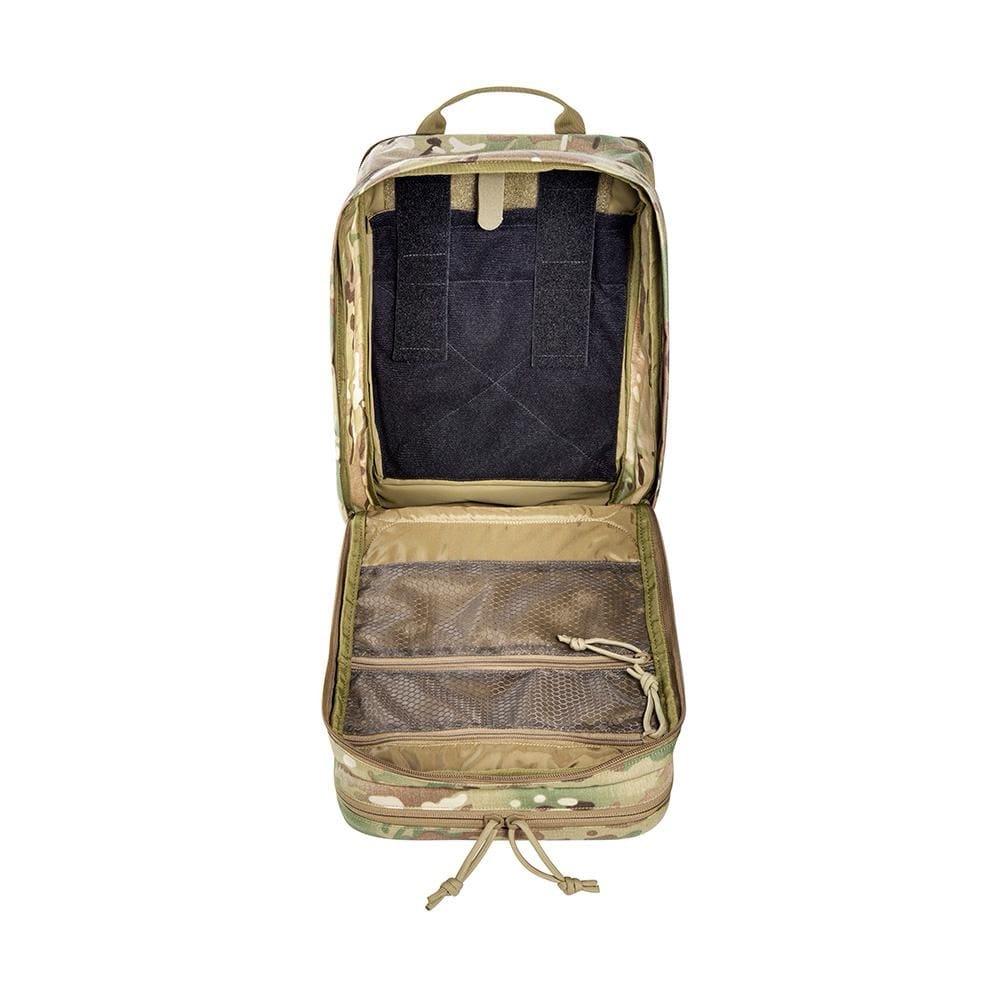
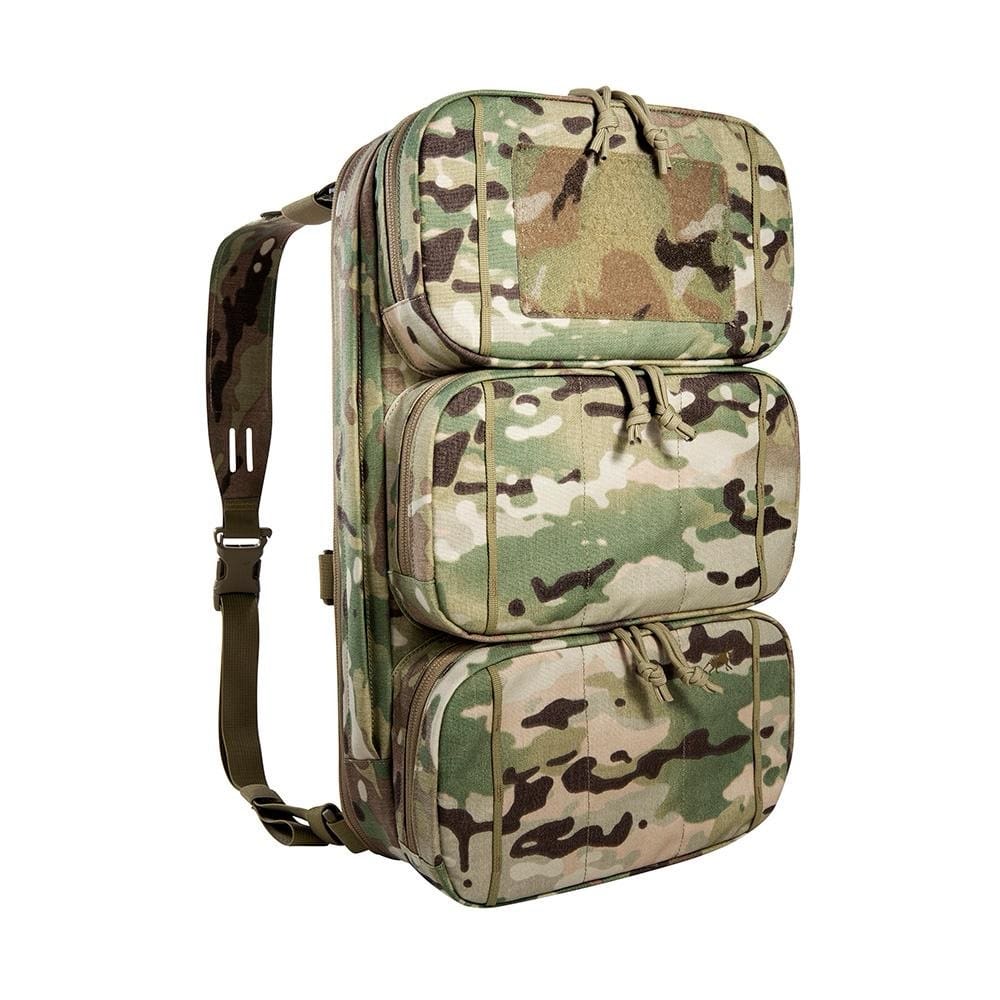
To complement the front-mounted rig, Tasmanian Tiger introduces the TT Modular Chest Rig Pack, a low-profile backpack engineered to integrate directly with the TT Chest Rig 4xM4. The pack includes a dedicated plate compartment for size M SAPI panels and offers expandable storage from 12 to 20 liters, making it suitable for patrol, direction action, or extended operations.

The pack features a narrow main compartment, three fleece-lined front pockets with hook-and-loop organization, hydration compatibility, and internal zippered pockets for mission essentials. Included adapters allow the pack to be mounted to plate carriers or used as a back section on the TT Chest Rig MKII and MKII M4 systems, providing cross-platform compatibility within the Tasmanian Tiger ecosystem.

The TT Modular Chest Rig Pack measures 16.5x10x2.5 in. (42x25x6.5cm) with a 20-liter (1220 cubic inches) volume. It weighs in at 2.3 lbs. (1.04kg). It is available in black, olive, and coyote for an MSRP of $219. Multicam is available at an MSRP of $279.

TacJobs – GSOF Seeks Event Operations Coordinator

March 13th, 2026

Global SOF Foundation Seeks an Event Operations Coordinator.

The Event Operations Coordinator reports to the Senior Director of Events and executes a variety of internal operational and administrative functions to support the Events Team. S/he is responsible for exhibitor and sponsor customer service and engagement at the GSOF Indo-Pacific Irregular Warfare Symposium (IPIW) and Modern Warfare Week (MWW).

Location: Greater Tampa Bay, with ability to travel up to 10% of the time; while a majority of work will take place from home, residence in Tampa Bay is non-negotiable.

Apply: Email your resume to Amy Belicev, GSOF Sr. Director of Events, at abelicev@gsof.org, by 20 MAR 2026.

Learn more here.

Tekto Knives – A3 Delta Mini

March 13th, 2026

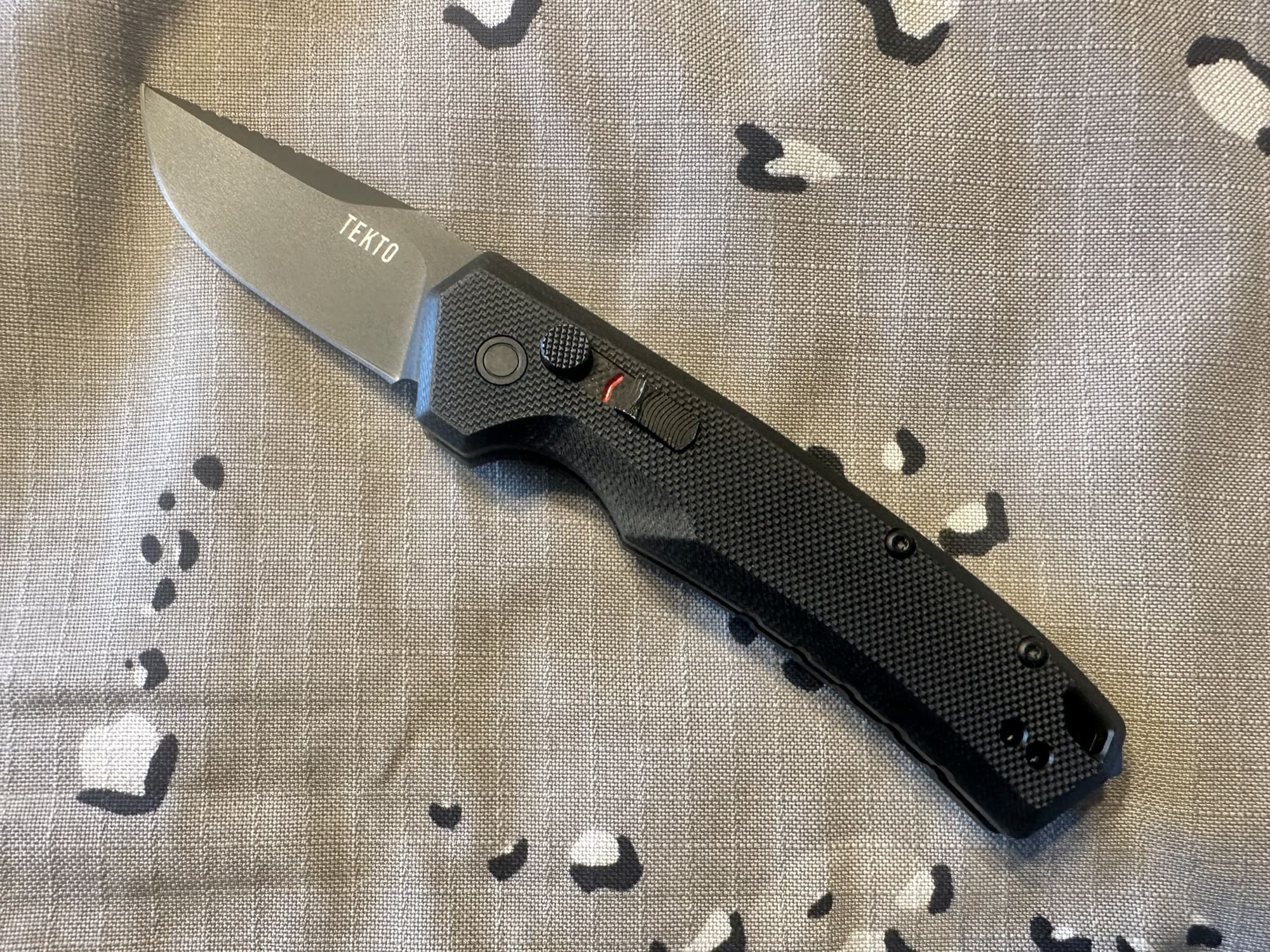
The new A3 Delta Mini from Tekto Knives is a more compact version of their popular A3 Delta automatic opener.

It features a Drop Point Titanium-Coated D2 Steel blade and G10 scales. To actuate, there’s a button lock with a safety switch. It also incorporates a an ambi pocket clip and something I think is critical for an EDC knife, a glass breaker.

Measurements:

Blade Length: 1.90” (48mm)

Handle Length: 4.00″ (103mm)

Open Length: 6.13″ (155mm)

Handle Width: 0.44″ (11.19mm)

Weight: 2.54oz (72g)

www.tektoknives.com/products/a3-delta-mini

Mehler Systems Presents Coordinated Group Portfolio at Enforce Tac 2026

March 13th, 2026

FULDA, GERMANY (6 March 2026)

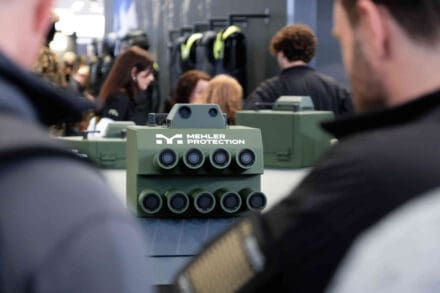
From 23–25 February 2026, Mehler Systems exhibited at Enforce Tac in Nuremberg, presenting coordinated solutions from its brands Mehler Protection, Lindnerhof, and UF PRO at Hall 7A, Booth 333.

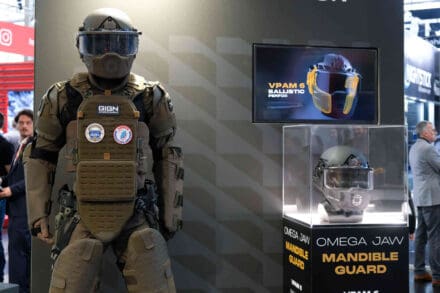
Within its personal protection portfolio, Mehler Protection introduced the Omega Jaw, the first mandible guard engineered to defeat AK-type rifle threats at full velocity in accordance with VPAM 6 requirements. The development addresses a long-standing protection gap in the lower facial area, complementing up-armoured helmet systems to achieve a more homogeneous level of head protection. In parallel, Mehler Protection presented the Omega Core Ultra-Light Combat Helmet, engineered to combine advanced ballistic performance with reduced system weight. Designed for extended operational wear and compatibility with modern accessories, the helmet reflects the brand’s continued focus on weight optimisation, ergonomics, and reliability in demanding environments. Alongside these new developments, Mehler Protection showcased its established personal protection portfolio, including the modular M.U.S.T. system, ultra-light ballistic helmets, and the ExoM Up-Armoured Exoskeleton, a modern military body armour solution currently fielded by European armed forces.



In the area of platform protection, Mehler Protection showcased SCILT, a close-range Counter-UAS system developed to defeat FPV drones, kamikaze drones, and loitering munitions at close and very close ranges. SCILT can operate manually with electro-optical, radar, or image-recognition sensor support, or autonomously, enabling flexible deployment across varied mission profiles. By utilising standard ammunition types, including reduced-hazard, fragmentation, and armour-piercing variants, the system allows operators to adapt to both single-drone and swarm scenarios. The exhibition also included Mehler Protection’s established platform-protection portfolio, such as PROTEC3D lightweight ballistic components for land, air, and naval applications.

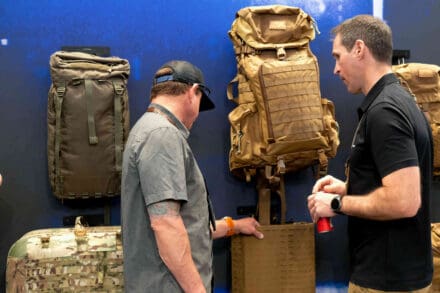
Lindnerhof presented further development of its modular load-carriage solutions, including the first models of a newly developed backpack product family focused on scalability and adaptability across operational scenarios. The company also expanded its heavy load-carrying system with additional load carriers and side pouches designed for the ergonomic and secure transport of bulky equipment. In addition, Lindnerhof introduced a new concept aimed at equipping forces in highly dynamic, life-threatening environments with a rapidly deployable, mission-ready configuration that enhances both protection and operational capability. At the same time, Lindnerhof’s proven plate carriers, pouch systems, and load-bearing configurations remained central elements of the presentation. The exhibition also marked 20 years since Lindnerhof’s founding, highlighting two decades of experience in modular, field-proven systems.

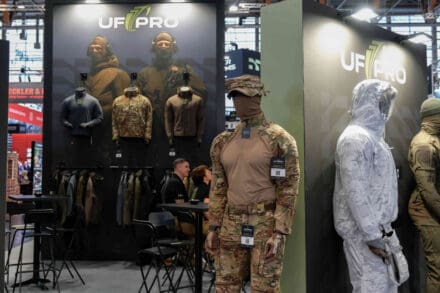
UF PRO showcased new developments in tactical clothing designed for multi-environment operations. Highlights included the introduction of the P-40 Responder Shirt for warm-weather patrol and training environments, as well as the next generation of its classic low-profile design, the P-40 Classic Gen.3 Tactical Pants, engineered for unrestricted mobility and everyday operational reliability. Expanded camouflage options, including Woodland and Multicam Alpine, were also presented across selected products. For foul-weather conditions, UF PRO introduced the Monsoon X Jacket and Monsoon X Pants, a lightweight hard-shell system developed for sustained operations in heavy rain and wind, combining waterproof and windproof protection with improved mobility and reduced bulk. Flame-resistant solutions on display included the Delta OL 4.0 FR Tactical Winter Jacket, the Delta Eagle Gen.3 FR Tactical Softshell Jacket, and the new Striker FR Neck Gaiter, addressing operational requirements where flame exposure is a consideration. Complementing these developments, UF PRO also displayed its established combat uniforms, cold-weather systems, rainwear, and low-profile tactical clothing that form the core of its portfolio.

Shortly before Enforce Tac 2026, Mehler Systems was recognised with the TOP 100 Award 2026, reflecting the group’s structured innovation processes and its ability to translate research and development into certified, industrialised protection solutions. This focus on disciplined innovation was reflected at the exhibition itself, where Mehler Systems presented its capabilities across personal ballistic protection, platform protection systems, modular load-carriage solutions, and mission-specific tactical clothing within one coordinated group portfolio.

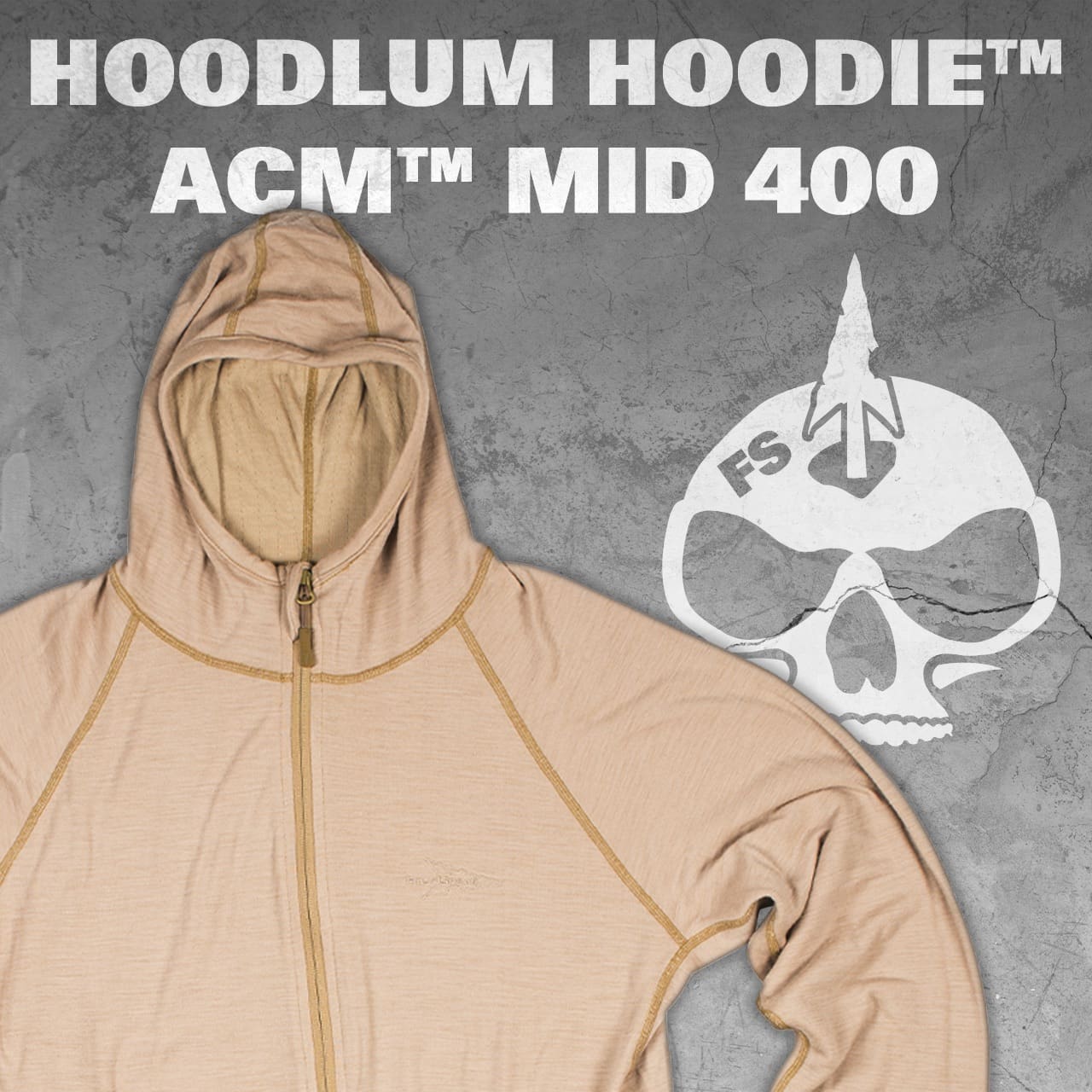
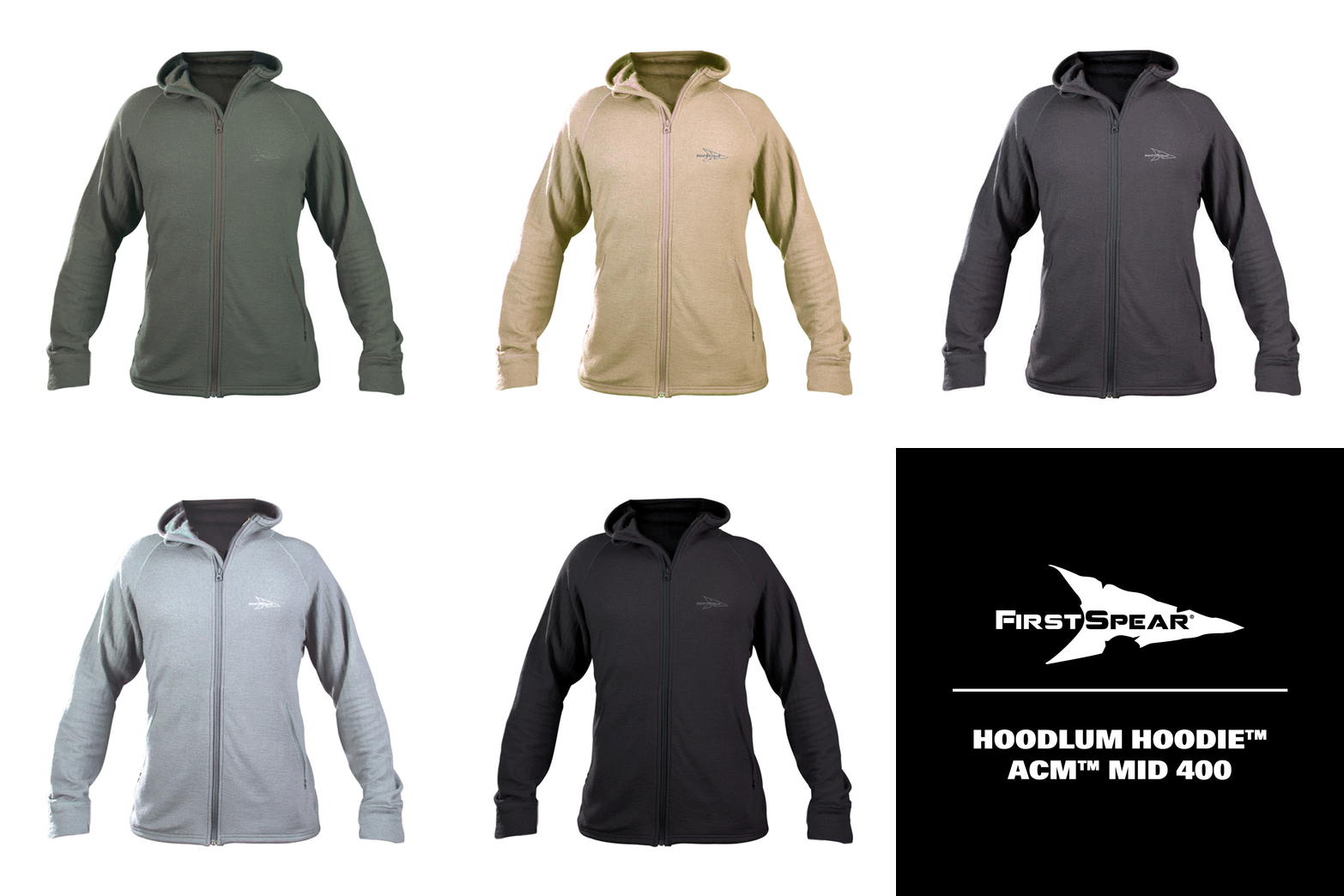
FirstSpear Friday Focus: HOODLUM HOODIE – ACM MID 400

March 13th, 2026

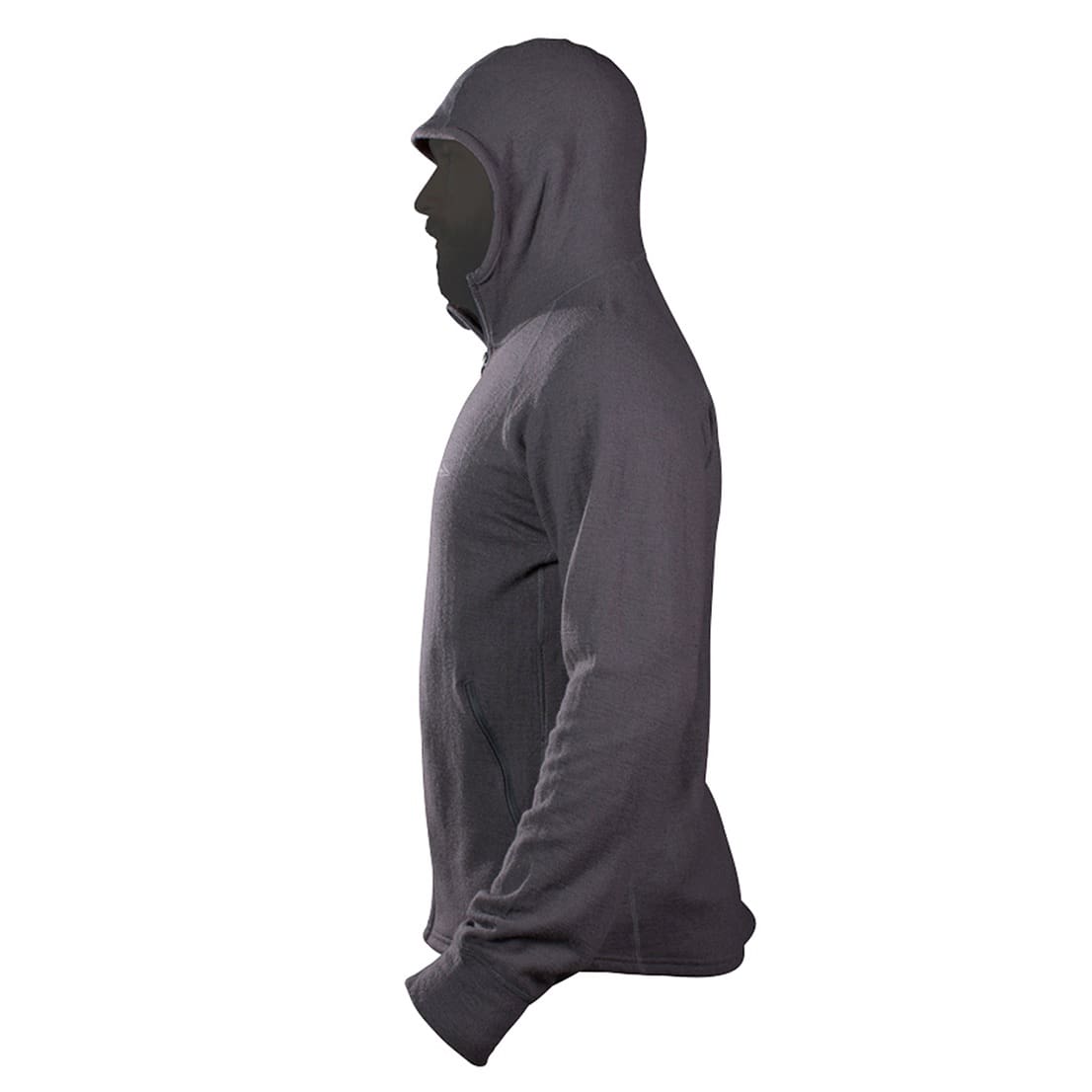
The FirstSpear HOODLUM HOODIE™ – ACM™ MID 400 is built from ACM-MID 400, a dual-layer knit designed for performance in demanding environments. The interior layer is 100% polyester and pulls moisture away from the skin, while the exterior layer is 100% merino wool that absorbs and disperses that moisture. This system helps regulate temperature and keep you dry during movement or extended wear. The 7.7 oz fabric offers a balance of warmth, breathability, and durability without adding unnecessary bulk.


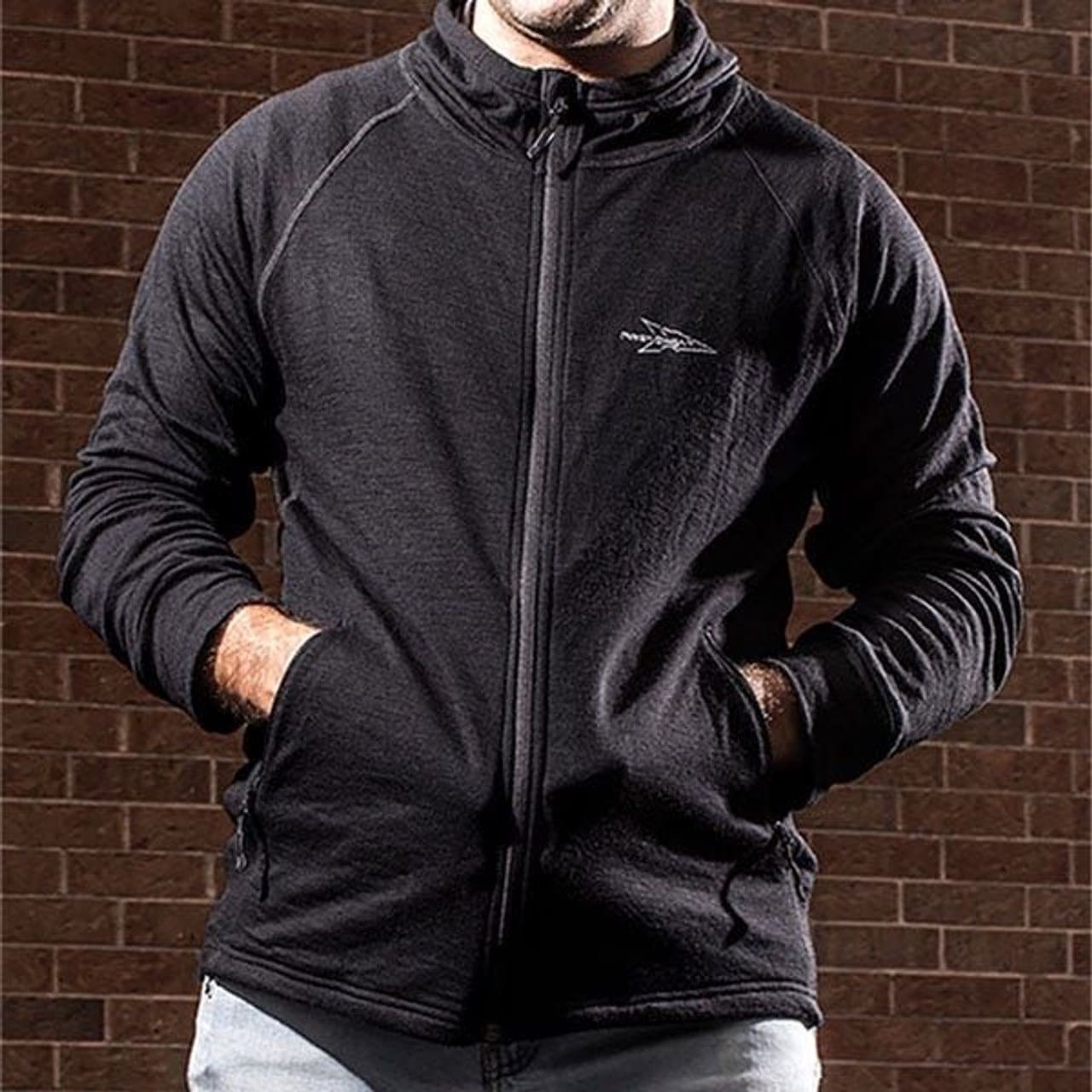
Designed for operational use, the HOODLUM HOODIE™ – ACM™ MID 400 provides a comfortable, flexible fit with enough stretch to move freely during activity. A full-length front zipper allows for quick ventilation and easy layering. The form-fitting hood adds protection from the elements while maintaining a streamlined profile.

Two zippered front handwarmer pockets provide secure storage and added warmth when needed. Thumbholes integrated into the cuffs help keep sleeves in place and offer additional coverage in cold conditions.

The Hoodlum Hoodie can be worn standalone or integrated into a larger clothing system. Built for reliability in the field, it delivers practical performance with a low-profile design. Made in the USA, the HOODLUM HOODIE™ – ACM™ MID 400 reflects FirstSpear’s commitment to mission-focused gear.

To request an estimate click image above or visit First-Spear.com/Request-For-Estimate. FirstSpear is the premier source for cutting-edge tactical gear for military, law enforcement and those who train. For more information visit First-Spear.com.

JIATF-401 Hosts Industry Day to Strengthen c-sUAS Partnerships

March 13th, 2026

WASHINGTON — The Joint Interagency Task Force 401 (JIATF-401) hosted an Industry Day, bringing together representatives from industry and government partners to discuss collaboration and accelerate the development of counter-small Unmanned Aerial Systems (c-sUAS) capabilities at the Hilton Alexandria Mark Center, Alexandria, Va., on March 5, 2026.

The event provided a forum for JIATF-401 leadership to outline the organization’s mission, priorities and acquisition approaches while allowing industry partners to engage directly with government stakeholders on emerging technology and operational needs.

“I want you to know what we’re doing to make your products accessible to our customers and what we’re doing to expand that customer base so we can get greater depth in our industrial base,” said U.S. Army Brig. Gen. Matt Ross, Director, JIATF-401.

Ross highlighted how the accessibility and low cost of small unmanned systems have changed the security environment. Systems that were once limited are now widely available, allowing smaller groups or individuals to operate capabilities which previously required significant resources.

“What they’re concerned about is the proliferation of small unmanned systems that are inexpensive and give capability that was previously reserved for state adversaries to small groups and individuals,” Ross continued. “It’s not a new thing, but if you give them the ability to conduct some type of attack without fear of attribution or accountability, that changes the paradigm.”

He emphasized that industry feedback is necessary to address gaps in current systems and improve how c-sUAS technologies are integrated across the Department of War and interagency partners. He noted that companies frequently ask what standards or protocols their systems must meet to integrate with existing c-sUAS ecosystems.

“One of the things we want to do is change the way the department is thinking about counter-sUAS,” Ross said. “One of the ways we can incorrectly think about the problem is in how we manage risk or how we accomplish the mission. Instead of defeating the threat of a system, we have to think about the broader problem.”

This shift in thinking requires focusing on operational outcomes, rather than simply targeting individual systems and countering-small unmanned aircraft. It requires understanding how those platforms are used and how they enable broader mission effects. The growing complexity of the threat environment means there is no single system capable of addressing every scenario. Instead, organizations must rely on a layered approach that combines different capabilities to detect, track and defeat unmanned systems.

“I’m not asking for a 100 percent solution to defeat every drone – the silver bullet,” Ross concluded. “What we need is a layered defense: awareness, different capabilities and an ecosystem that works together so we can defeat threats consistently.”

Ross mentioned that continued collaboration between government and industry will be essential to developing those layered defenses and ensuring effective integration of c-sUAS technologies, supporting our warfighters at home and abroad.

By SGT Tien Dat Ngo

DroneShield Establishes European Manufacturing Footprint to Advance Sovereign Counter-UAS Capability

March 12th, 2026

Sydney, Australia – 11 March 2026 – DroneShield (ASX:DRO), a global leader in counter-drone technology, today announced the establishment of counter-UAS manufacturing in the EU, marking a major expansion of the Company’s European industrial footprint and manufacturing capacity. The announcement follows increased momentum across the continent, with national military investments growing under the ReArm Europe Plan / Readiness 2030 initiative, accelerating the need for mature, scalable, and sovereign counter-UAS capability.

Under a new collaboration with an experienced and established manufacturer, production of European-made counter-UAS systems is now underway, with delivery scheduled for mid-2026. The contract manufacturer will carry out full turnkey assembly and component manufacturing, including PCB assembly, precision machining, cable and wire harness assembly, and associated assembly and testing labor. As part of this collaboration, DroneShield has established and will continue to grow a primarily EU-based supply chain, making this the Company’s only production line currently outside of Australia.

DroneShield’s European manufacturing footprint positions the Company more competitively for EU procurement opportunities, which increasingly prioritizes sovereign capability, regional production, and resilient supply chains, ensuring DroneShield can meet these expectations while delivering at scale and with reduced lead times.

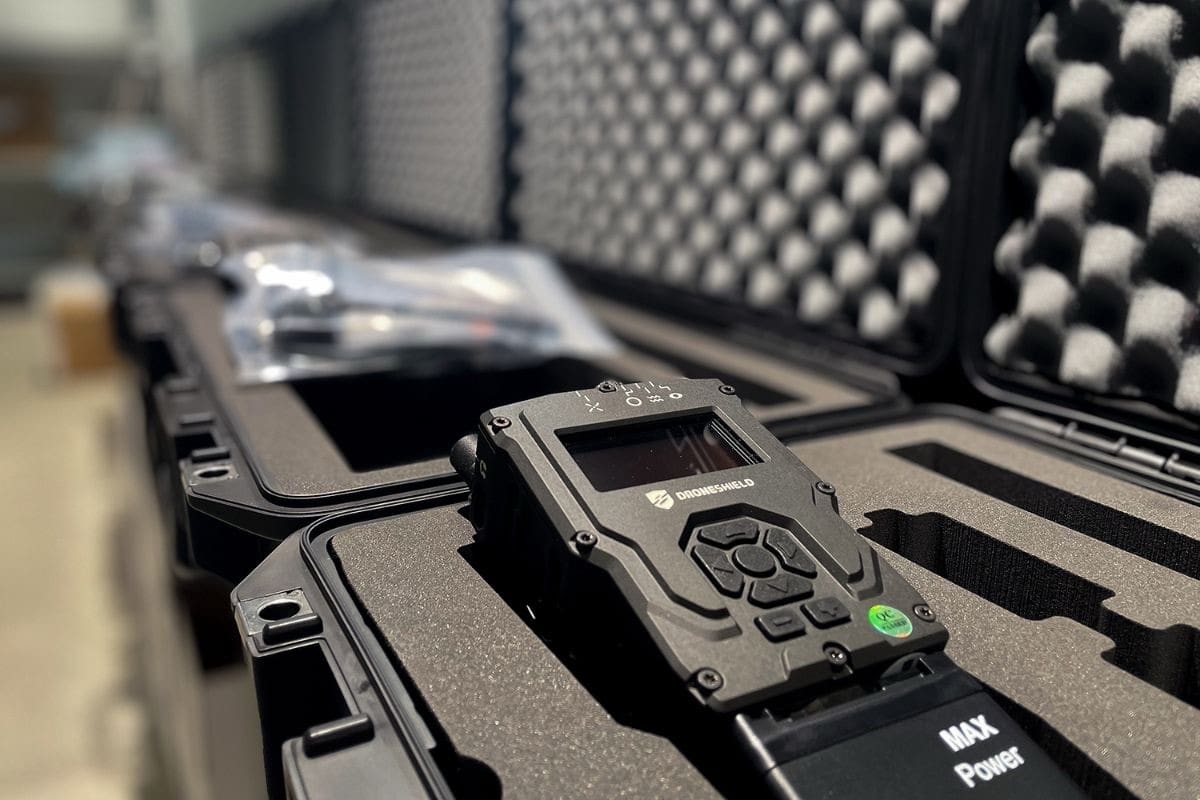
Image: DroneShield have established a European production line

Oleg Vornik, Chief Executive of DroneShield said, “Europe is undergoing a profound shift in counter-UAS preparedness. By establishing dedicated manufacturing in the EU, DroneShield is contributing to Europe’s sovereign capability while continuing to deliver rapidly and reliably for our European customers. The ReArm Europe Plan / Readiness 2030 initiative has highlighted the importance of localized, scalable production, and this new production line positions us to meet that demand.”

The establishment of counter-UAS production in Europe forms part of DroneShield’s global manufacturing expansion, which is planned to grow the Company’s combined total annual production capacity from approximately $500 million in 2025 to an expected $2.4 billion by the end of 2026. This uplift supports rising operational demand across Europe, and reinforces DroneShield’s commitment to strengthening industrial bases and diversifying global supply chains, as militaries, law enforcement and critical infrastructure operators expand and modernize counter-UAS capabilities.