GORE-TEX Professional

Dynamis Alliance – Combat Flat Head Gen II

November 21st, 2022

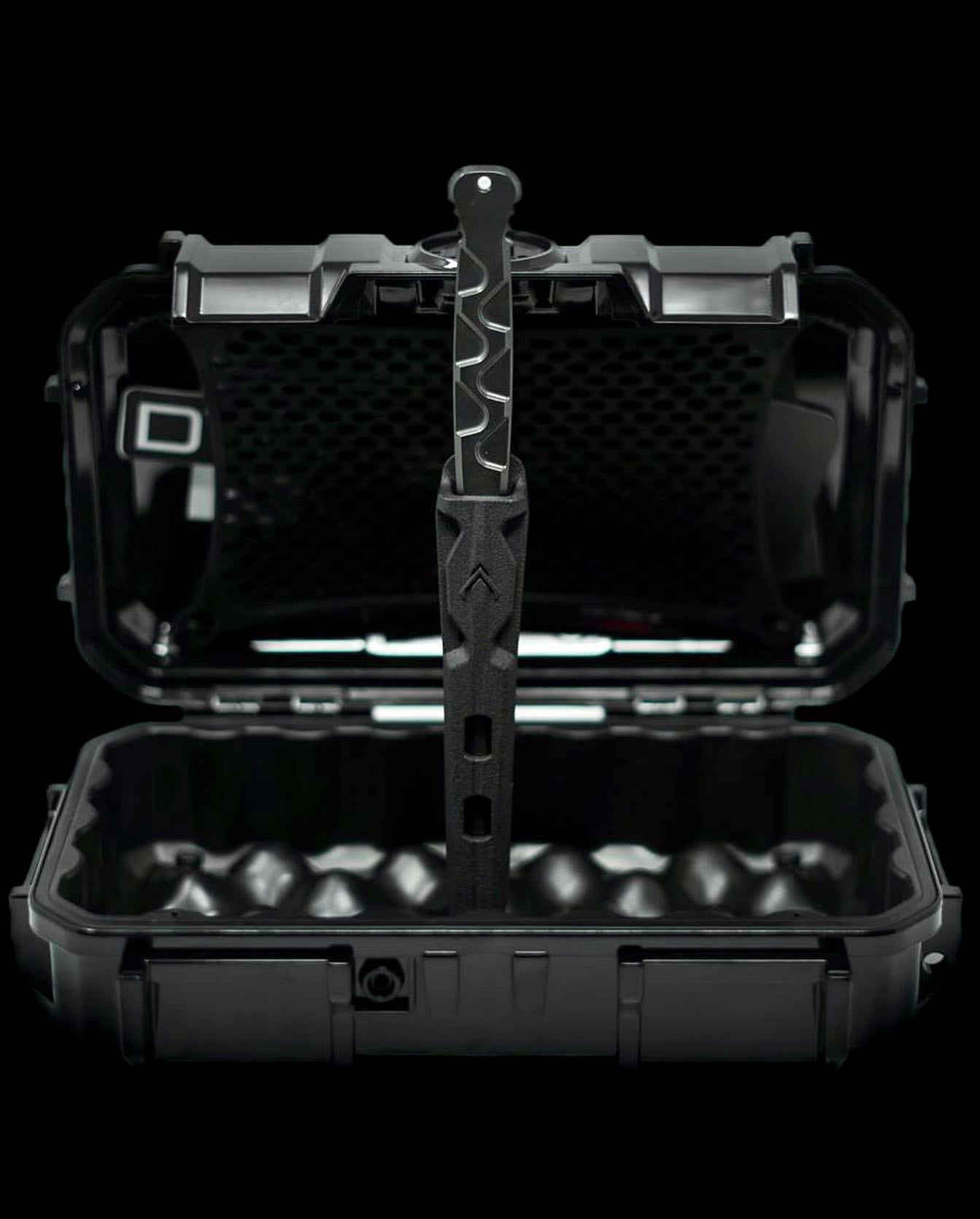
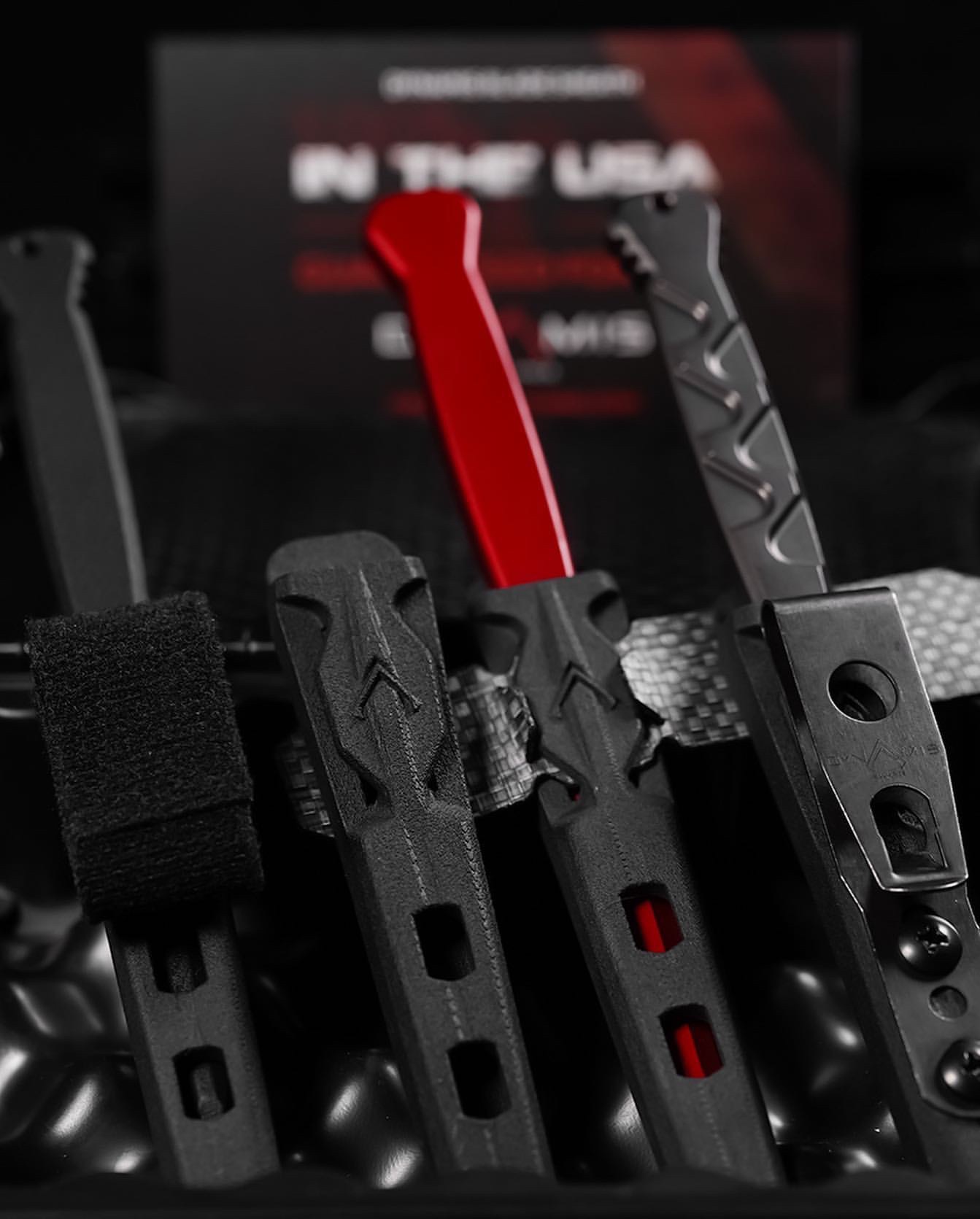
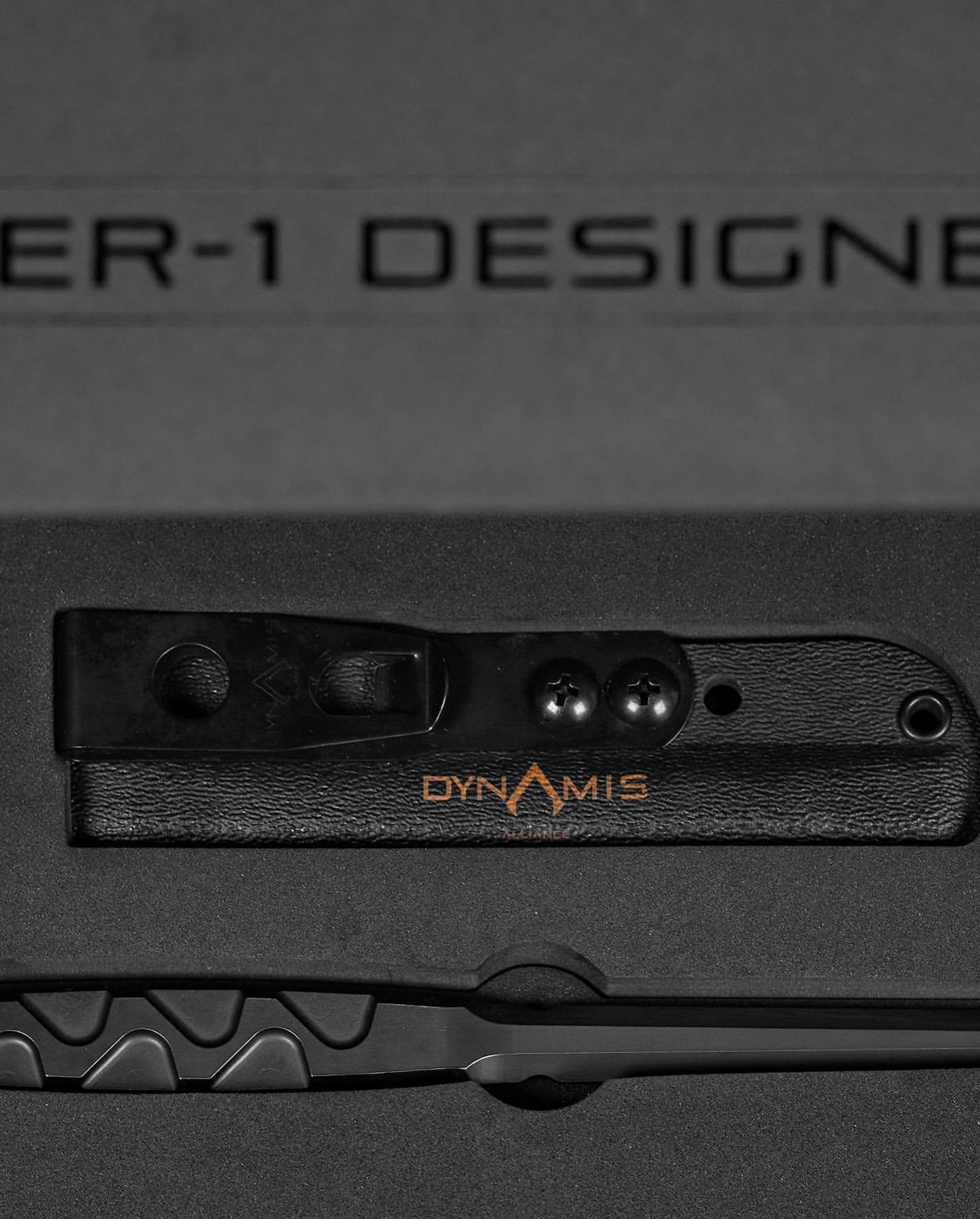
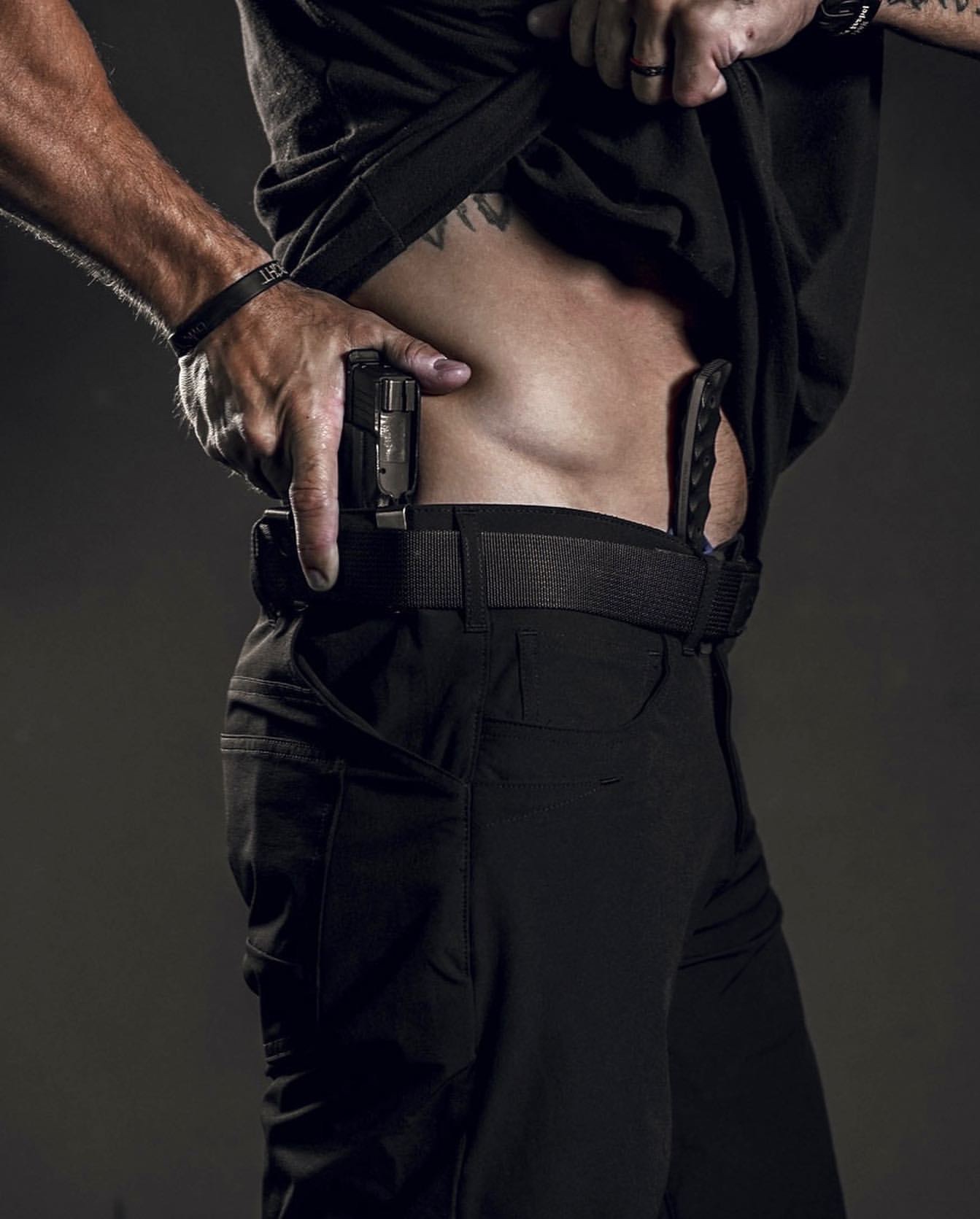
Dynamis Alliance has launched the CFH G2 Kit, featuring the updated Combat Flat Head. the CFH has become quite popular with Retired SEAL and author Jack Carr exclaiming, “Every American needs a Combat Flathead!”

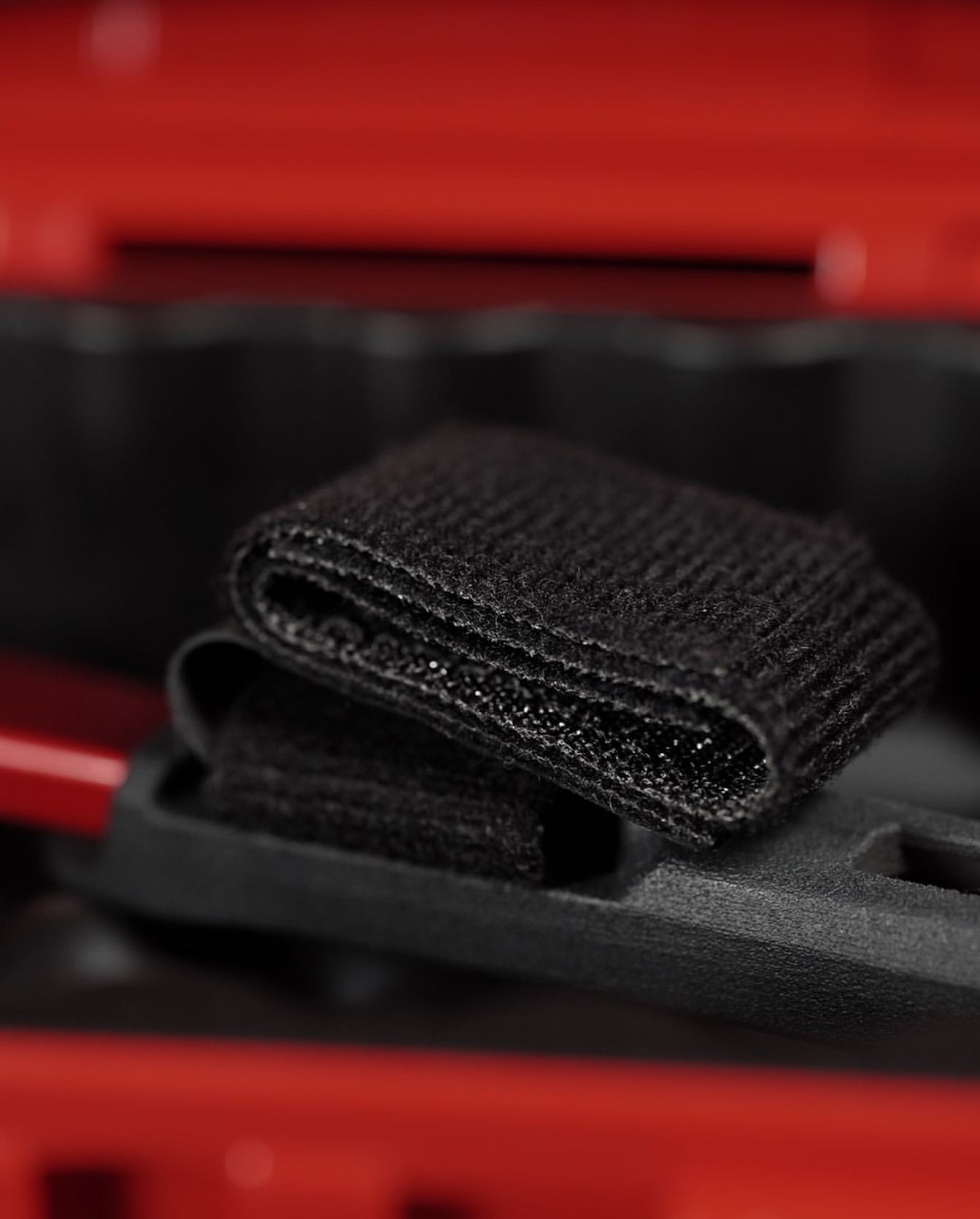
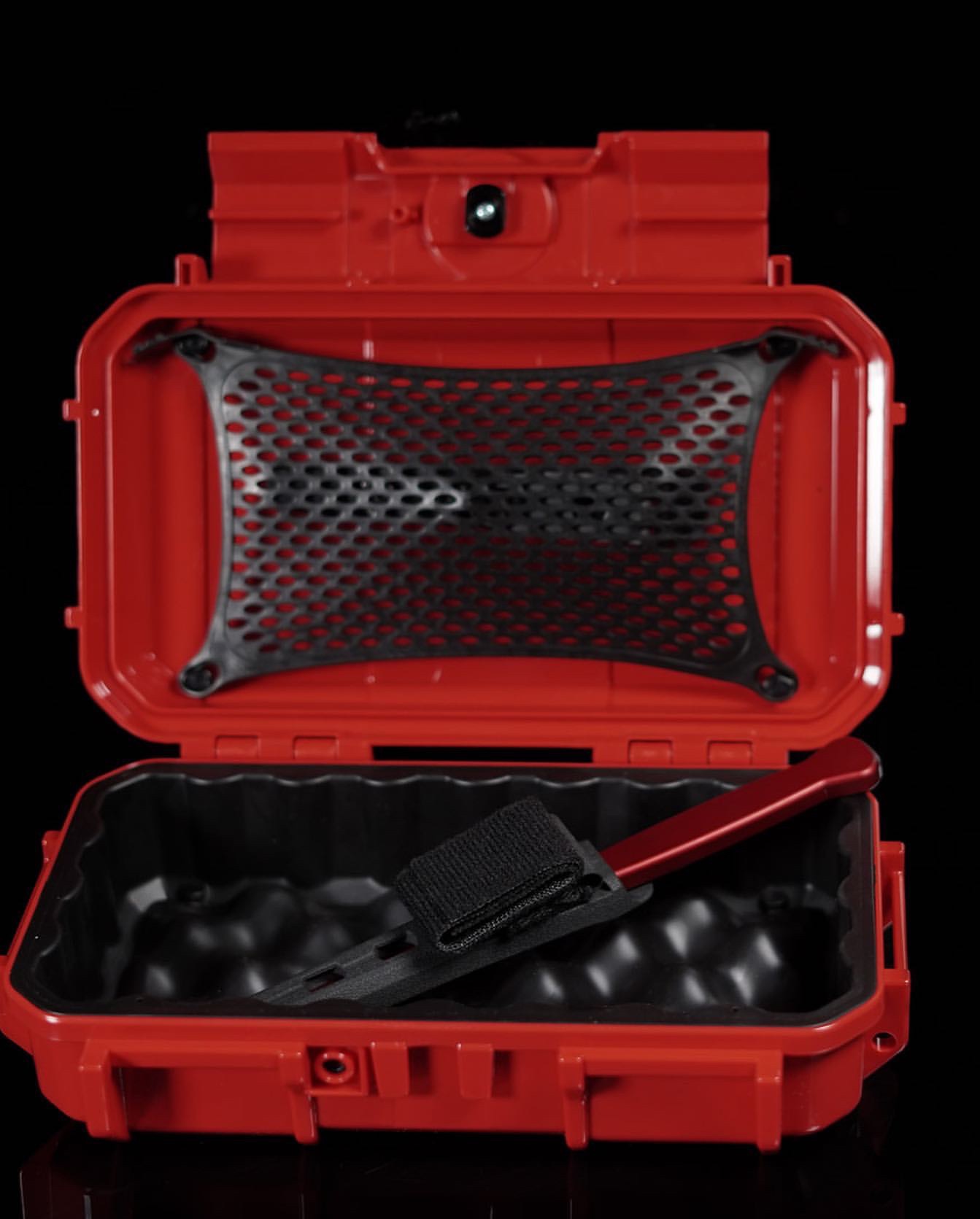
It includes the new CFH G2 Sheath System and CFH Non-Metallic BAS Strap, a new way to anchor the CFH or sheath to your belt.

The Dynamis Waterproof Protective Storage case (red/black) is 100% made in the USA and great for taking care of your blades.

The Gen-1 CFH sheath is still available in limited quantities. Made from Boltaron and has a NEPT-X coated clip.

Finally, a great way to conceal your CFH are the new TEK Shorts which Dynamis has been working on for over three years to create a minimalistic and adaptable short that features the 9 pocket pattern found on their pants.

crusheverything.com/product/combat-flathead-cfh

Brownells Unveils BRN-4 Build Kits Compatible with HK416 Parts

November 21st, 2022

GRINNELL, Iowa (November 21, 2022) – Brownells customers can now buy BRN-4 build kits and parts compatible with popular HK416 style rifles and pistols – at a significant savings compared to, rare, hard-to-find factory original kits.

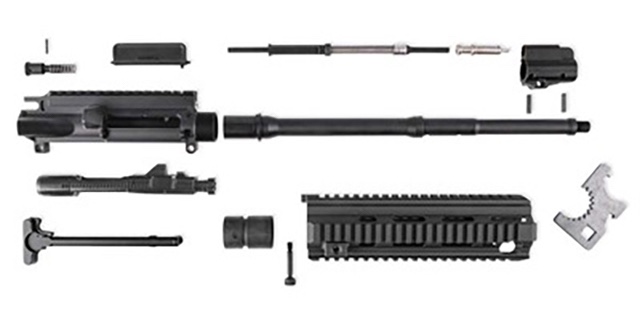
The build kits combine brand new Brownells BRN-4 barrels, bolt carrier groups, gas pistons, gas blocks, barrel nuts and other parts with factory original HK416 handguards and stripped uppers.

Factory-new BRN-4 barrels are available in 10.4”, 14.5” or 16” lengths in either heavy or medium profiles. BRN-4 build kits include the special barrel nut wrench required for installation. 

The stripped uppers in the kits are surplus German-made originals, and part of a one-time lot of parts Brownells was able to source a few years ago. German stripped uppers may show signs of use, are limited in number and will not be replaced once they sell out.

Uppers completed using Brownells BRN-4 kits and parts are fully compatible with both HK416-style and standard AR-15 lowers.

In addition to complete kits, the BRN-4 parts can be purchased individually — ideal for customers who need only a part or two to complete or repair an HK416-style firearm.

To see the full lineup of BRN-4 kits and parts, visit the BRN-4 page at Brownells.

Mystery Vortex Optics 1-10x LVPO Revealed

November 21st, 2022

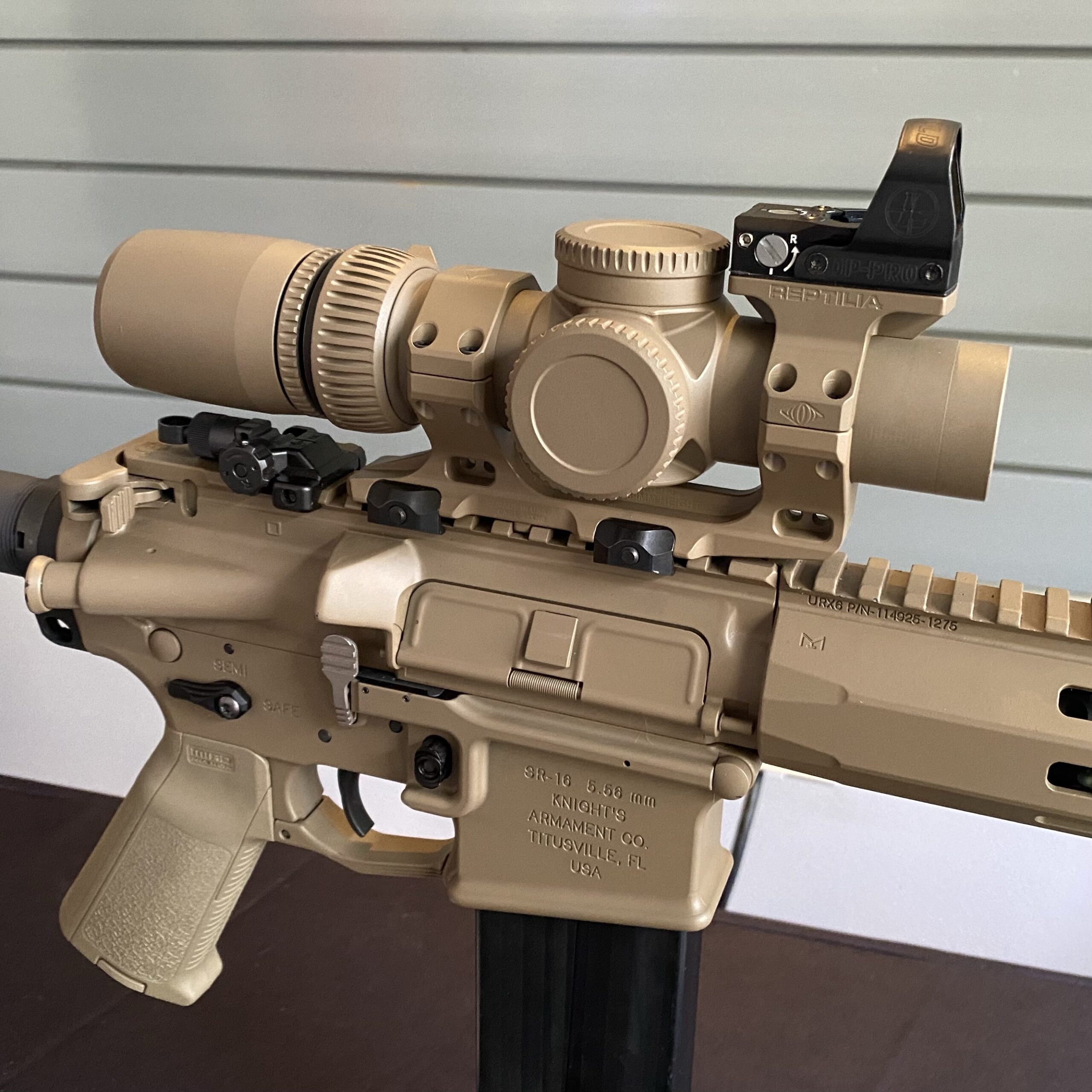
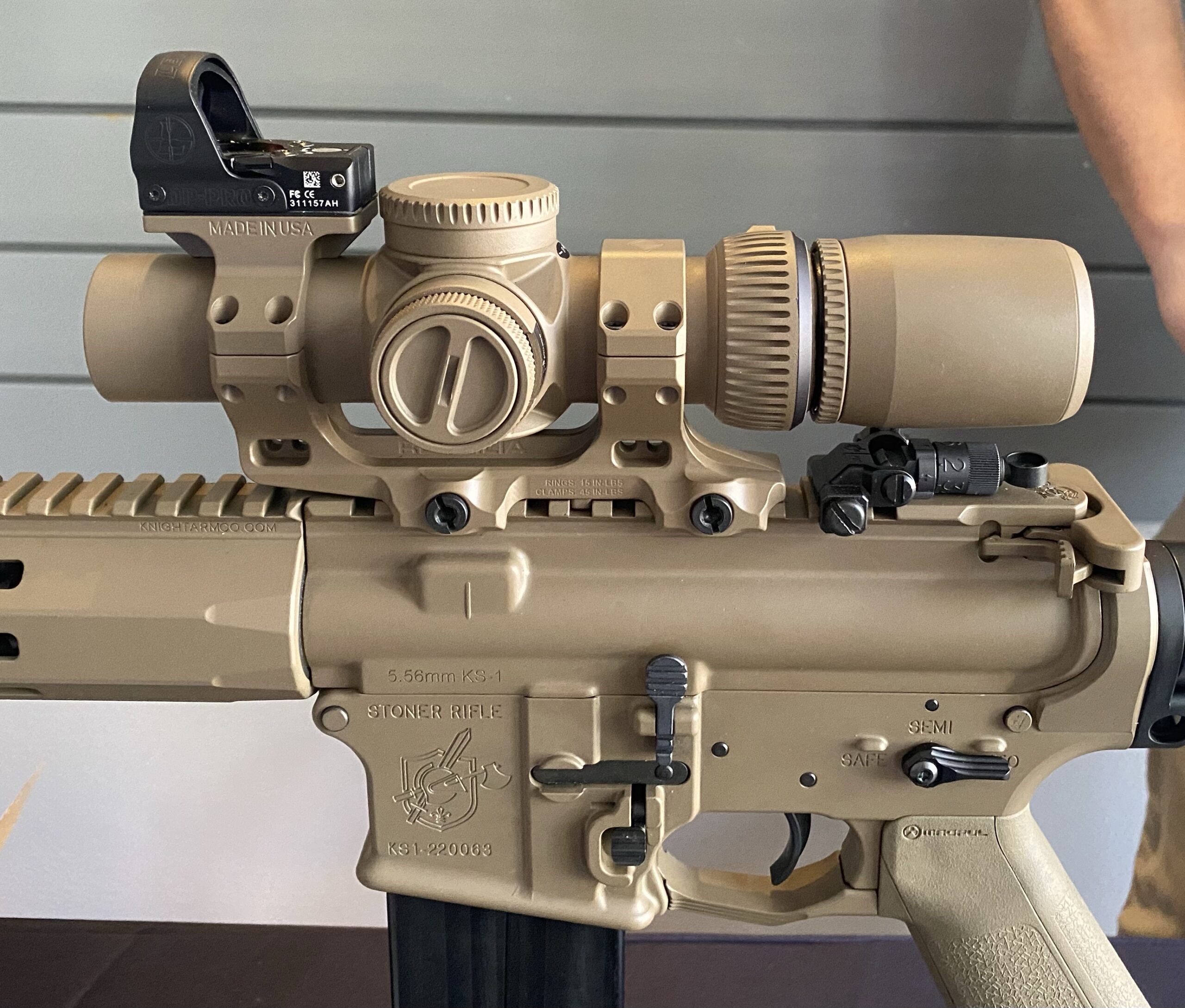
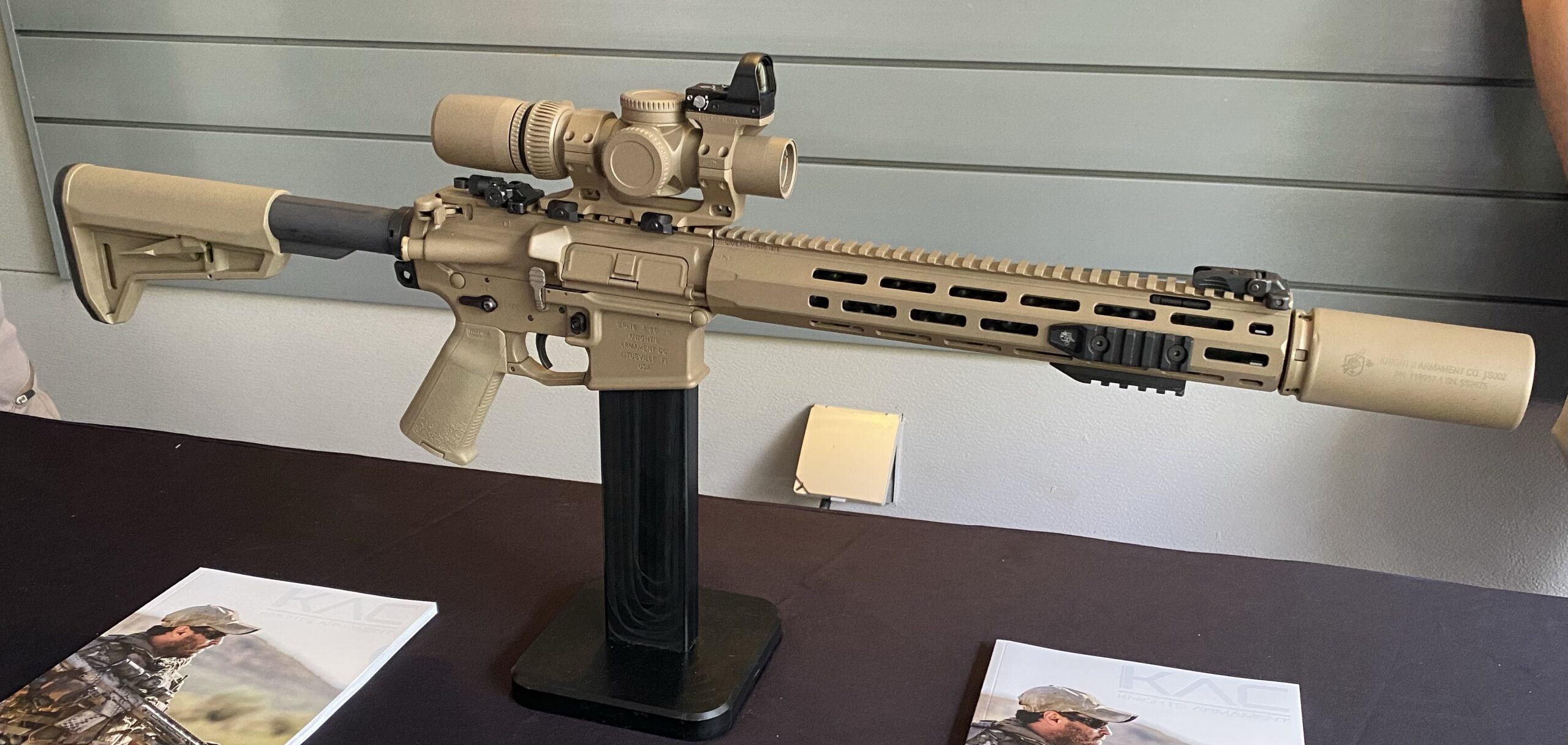
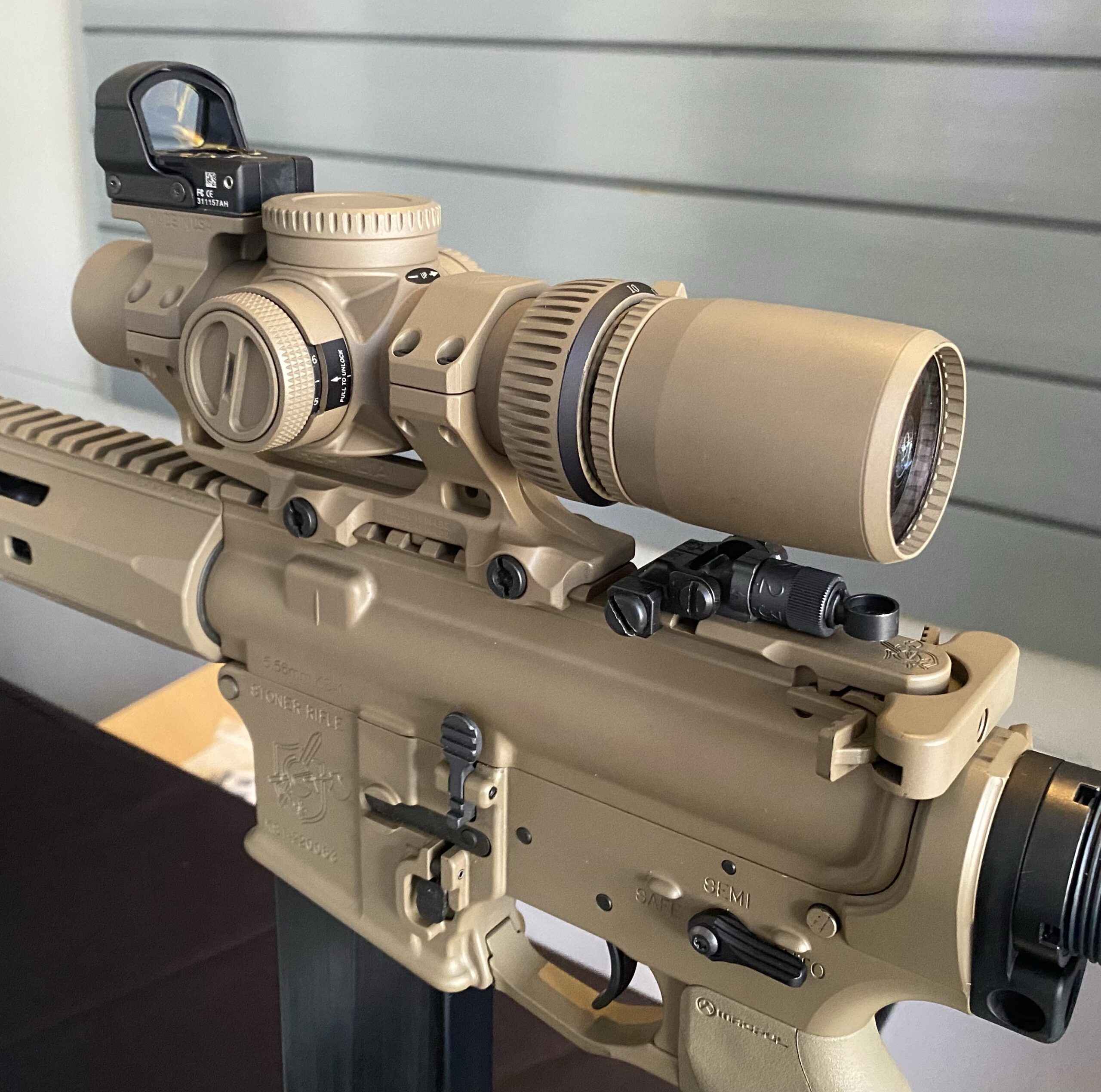
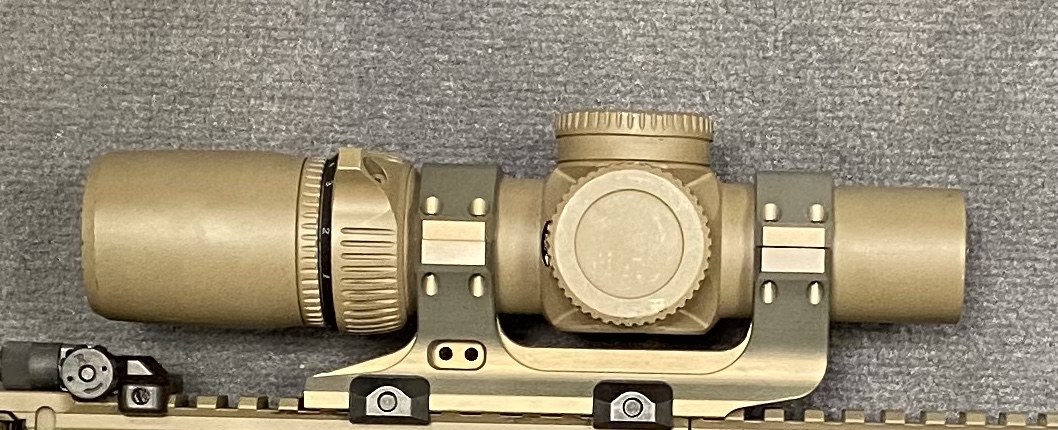
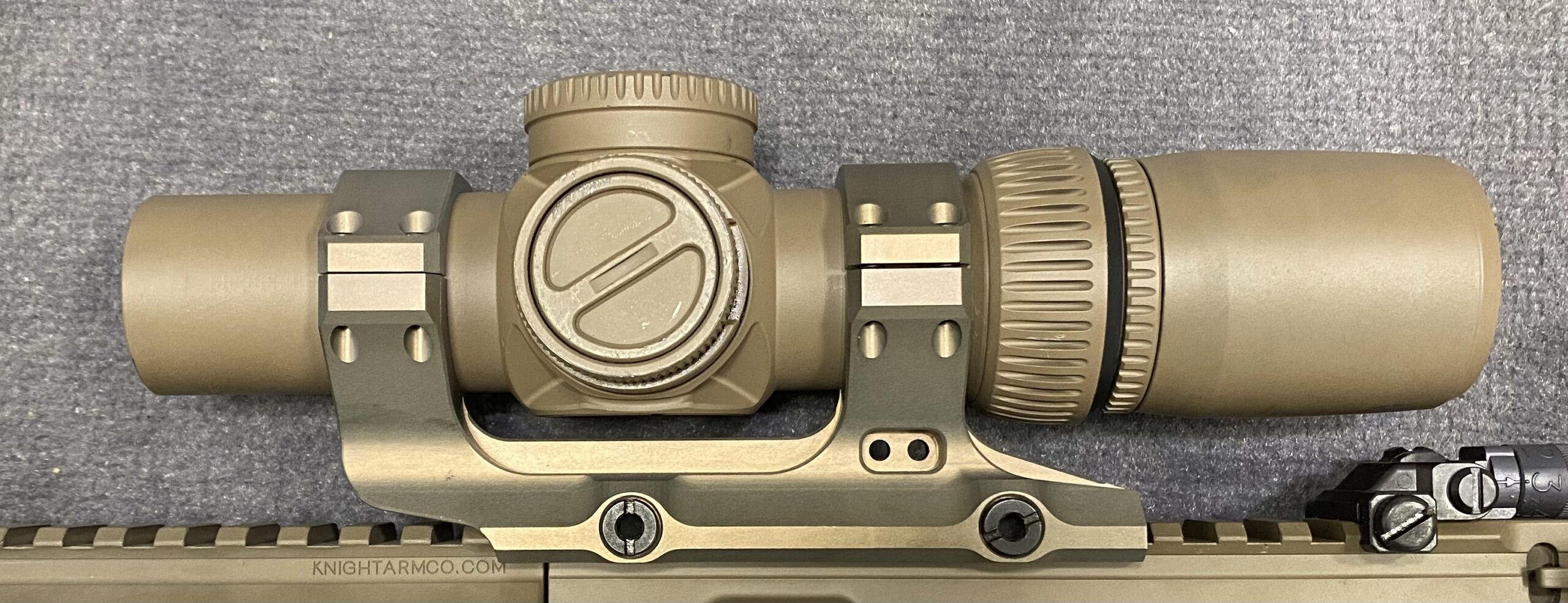
This is a close hold LVPO from Vortex Optics. Although it has been in existence for quite awhile it was first publicly seen in leaked images of the Glock carbine in late September.

This AMG model (American made) is a 1-10x and is shorter than their Razor model. No details have been released by the company, let alone a public acknowledgement of its existence. However, I do know that it is 8.5″ in length, weighs about 18 oz, and offers daylight bright illumination with a great eye box.

The version we see here was displayed last weekend at the Knights Armament Co celebration of AR15 designed Eugene Stoner’s 100 birthday. It is mounted to the KS-1 (Knight Stoner) which is the future of Knights’ rifle offerings. There are newer versions of the optic out in the wild.

I can attest that it does exist and is in service internationally with growing interest from others. I would suspect that eventually it will be offered commercially, but it will be expensive.

Here are some photos I took of the optic in the fall of 2021.

ITS SPIE Kit

November 21st, 2022

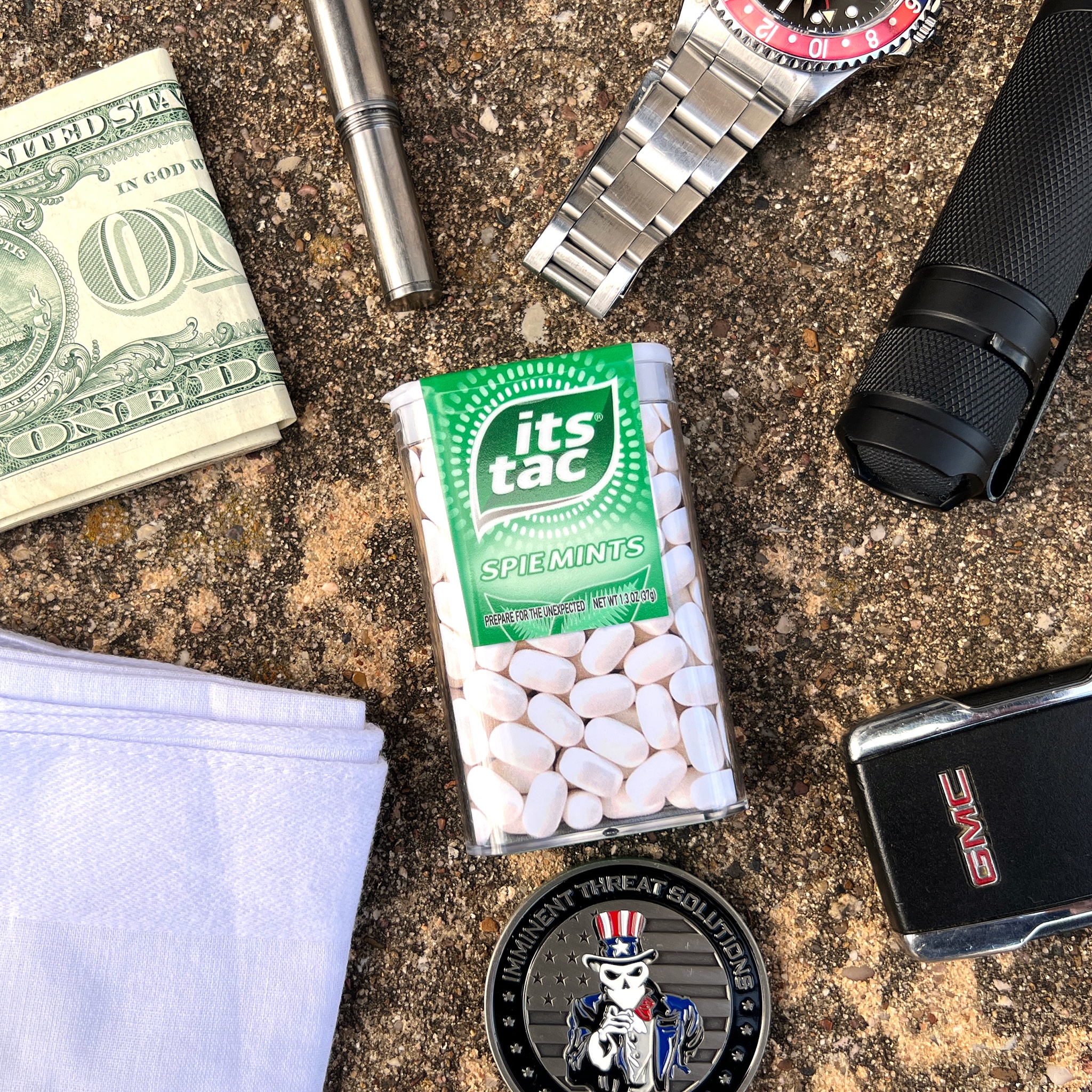
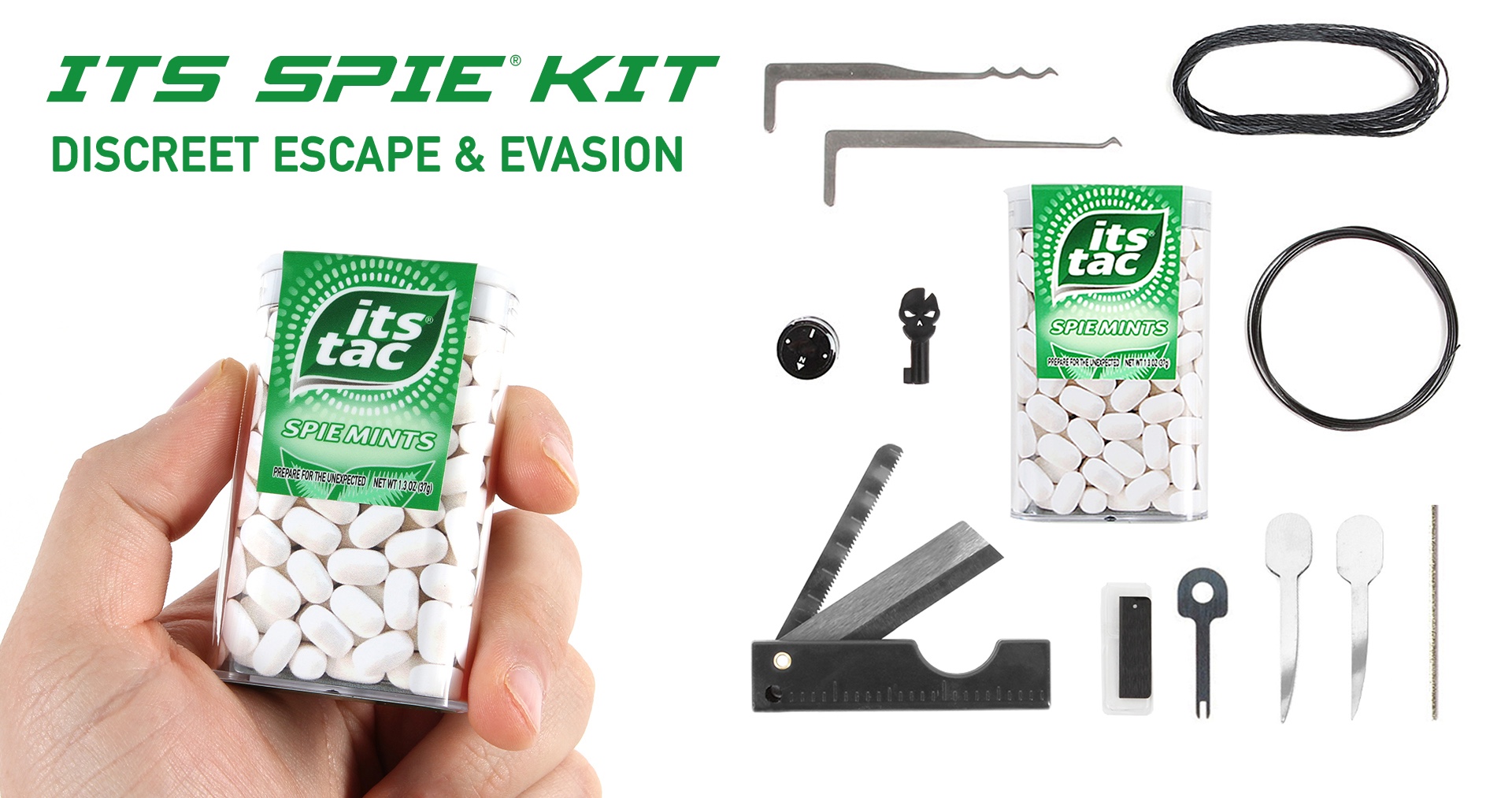
[ARLINGTON, TX, 11/18/2022] Imminent Threat Solutions is proud to release the  ITS SPIE® Kit! Our Special Purpose Insertion/Extraction Kit contains the tools to aid an Escape & Evasion (E&E), or a Home Invasion Scenario and escape from illegal restraint.

The carrying case for the ITS SPIE® Kit features our SPIE® Mints Insert printed on Waterproof Paper to store important written information and also features a durable Water-Resistant Air-Release Label, to help prevent air bubbles and ensure your kit hides in plain sight!

While ITS carries other small entry tools that can be stored covertly, the SPIE® Kit is purpose-built to be carried overtly in a pocket and hide in plain sight, just as the most popular pocket mints would.

Imminent Threat Solutions provides indispensable skill-sets and products to prepare for the unexpected and prevail against all threats.

For more information on ITS Products, please visit store.itstactical.com

82nd Airborne Division’s Airborne Innovation Lab

November 21st, 2022

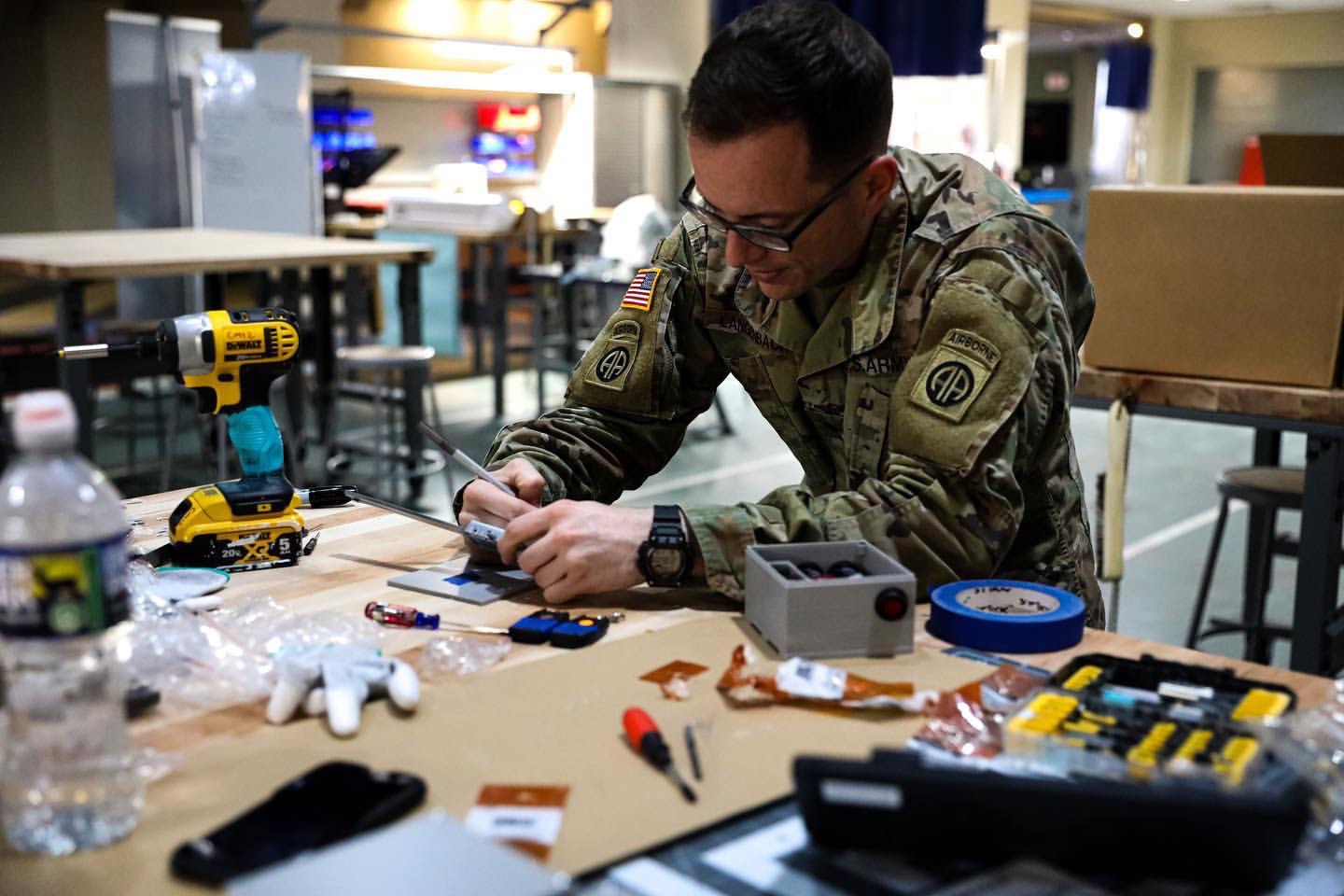
The 82nd Airborne Division has established an Airborne Innovation Lab as a no-reservation-required makerspace to learn, research, innovate, build, and explore new ideas to solve tactical problems. However, the AIL also offers classes on how to use its various equipment.

Located in Bldg. 3-2102 on Long Street, the lab boasts the following capabilities:

Digital Fabrication: 3D printers, 3D scanner, and workstations with Fusion360

Woodshop: CNC milling, laser cutting/etching, and other woodshop machinery/tools

Workshop: Robotics kits, soldering stations, electronics workstations with tools and components

Textile Station: Sewing machines, plotter cutter, heat-transfer vinyl, ironing station

Design Thinking and Collaboration: Space for facilitating design thinking workshops and project collaboration

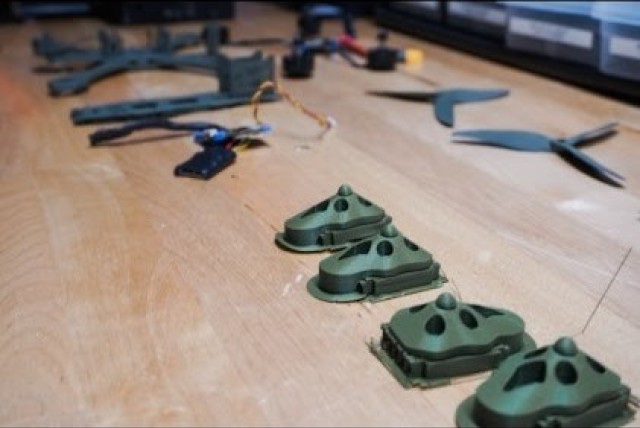
The lab supports all of Fort Bragg, not just the All American Division. In fact, a Communications Sergeant from 1st Special Forces Command (Airborne) recently used the AIL to create new landing feet for a sUAS which interface with Weapon Holster adapters allowing Soldiers to easier access to the drone.

As projects are created by Soldiers in the AIL, the files are distributed to other Design, Innovation, Research, and Technology (DIRT) Labs across the Army and printed, providing the capability of these new prototypes to Soldiers across the country.

Other projects that have been shared across different DIRT Labs include breach-lane markers, chem light holsters, and Raven propellers.

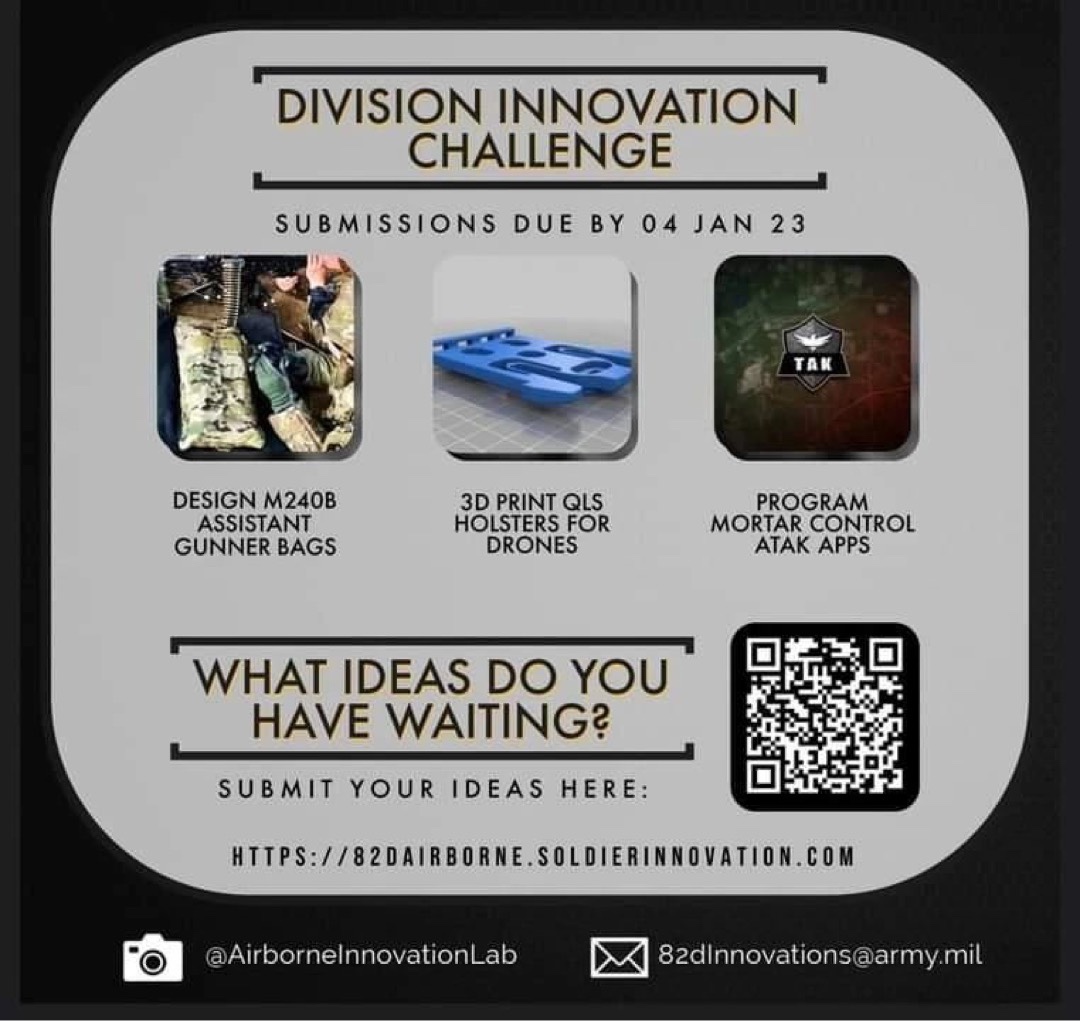
In addition to visiting the lab you can submit your ideas here.

PC22 Experiments with New Medical Technology for the Battlefield

November 21st, 2022

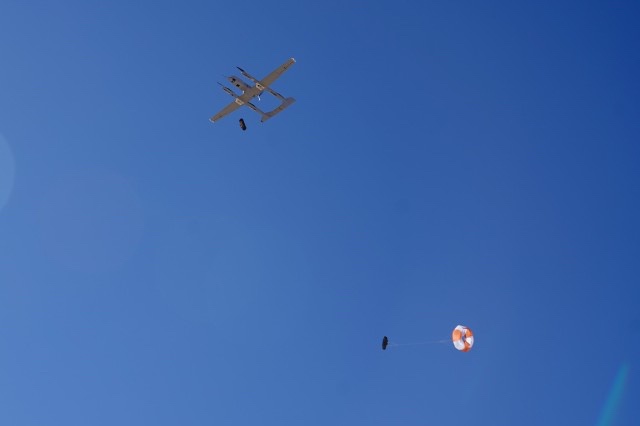
FORT IRWIN, Calif. — A buzz could be heard as a medical supply drone known as Project Crimson flew overhead to drop off packages of crucial medical field supplies to medics assisting wounded warriors. As the supplies hit the ground, a medic rushed to retrieve the packages, as many of the other medical warriors kept applying field aid to their Soldier counterparts.

The mass casualty scenario, part of Project Convergence 22, brought together medical personnel from the U.S. Army’s 1st Battalion, 7th Cavalry Regiment, and the Australian Army’s 2nd Health Battalion, to experiment with advanced field care technologies, including those enabled by artificial intelligence.

“Project Crimson is a project to take a common unmanned air system and adapt it to support a medical mission,” said Nathan Fisher, Medical Robotics and Autonomous Systems division chief at the U.S. Army’s Telemedicine & Advanced Technology Research Center.

“This drone supports medical field care when casualty evacuation isn’t an option. It can keep whole blood and other crucial items refrigerated in the autonomous portable refrigeration unit and take it to medics in the field with wounded warriors.”

Fisher explained how the drone is a vertical landing and take-off aircraft, therefore doesn’t need a catapult launch or runway to perform a lifesaving mission. This allows military personnel to preserve life in the critical phase of injury and facilitate rapid transport to an Army hospital for further treatment.
While Project Crimson sustained the medical field from the air, military medics used Medical Hands-free Unified Broadcast, or MedHUB, and Battlefield Assisted Trauma Distributed Observation Kit, or BATDOK, systems strapped to their arms and chests to input medical treatments digitally from the ground.

“MedHUB is used to enhance medical situational awareness,” said Philip Featherston, an Air-ground Interoperability and Integration Lab systems engineer. “At the point of injury, we can start hands-free documentation. All we do is place a sensor to the patient that will apply a broadcast to the treatment facility and control center.”

“The facility can see the patient’s status real-time using BATDOK, while the medics on ground can update treatments and medications for the patients as well. This allows the facility to be alerted, rally and prepare to treat the patient once they are transported,” explained Michael Sedillo, an integrated cockpit sensing program airman systems director with the Air Force Research Laboratory.

During the experiment, litters carrying casualties were taken from medical evacuation vehicles, while Army field hospital medics rushed to apply advanced medical care. As casualties were taken into tents, medics with BATDOK and MedHUB systems traded patient information with the previous medical personnel with the near field communication card.

“The ability to have these technologies on hand has enhanced medical field care tremendously,” said Capt. Morgan Plowman, a nurse with the 15th Brigade Support Battalion, 1st Cavalry Division. “To take a tablet or phone to input personnel data has increased the communication down the line and accuracy of field care. So much so that the rate of patient care has increased to the point that caring for a casualty start to finish has sped up drastically.”

The mass casualty experiment also highlighted the potential for allied nations to work together more closely on future battlefields in the area of emergency medical care.

“This is an excellent opportunity to come over here and work with multinational partners,” said Capt. Michael Harley, an Australian Army medical officer, of Project Convergence 22 experimentation. “It is eye-opening to see the initiative between everyone and see the interoperability between the nations.”

“I just came from [advanced individual training], so I didn’t know what to expect coming out here during this event,” said Pfc. Tyler Swanson, a 15th Brigade Support Battalion, 1st Cavalry Division field medic. “When I used this medical technology, it was easy to pick up and learn, even in a fast-paced field environment.”

“I am excited to see what the future of medical technology will look like a decade down the road,” Swanson added.

By SGT Trinity Carter, 14th Public Affairs Detachment

Rogue Ridge RF750 E-Bike Boasts Ultimate Performance at a Great Value

November 20th, 2022

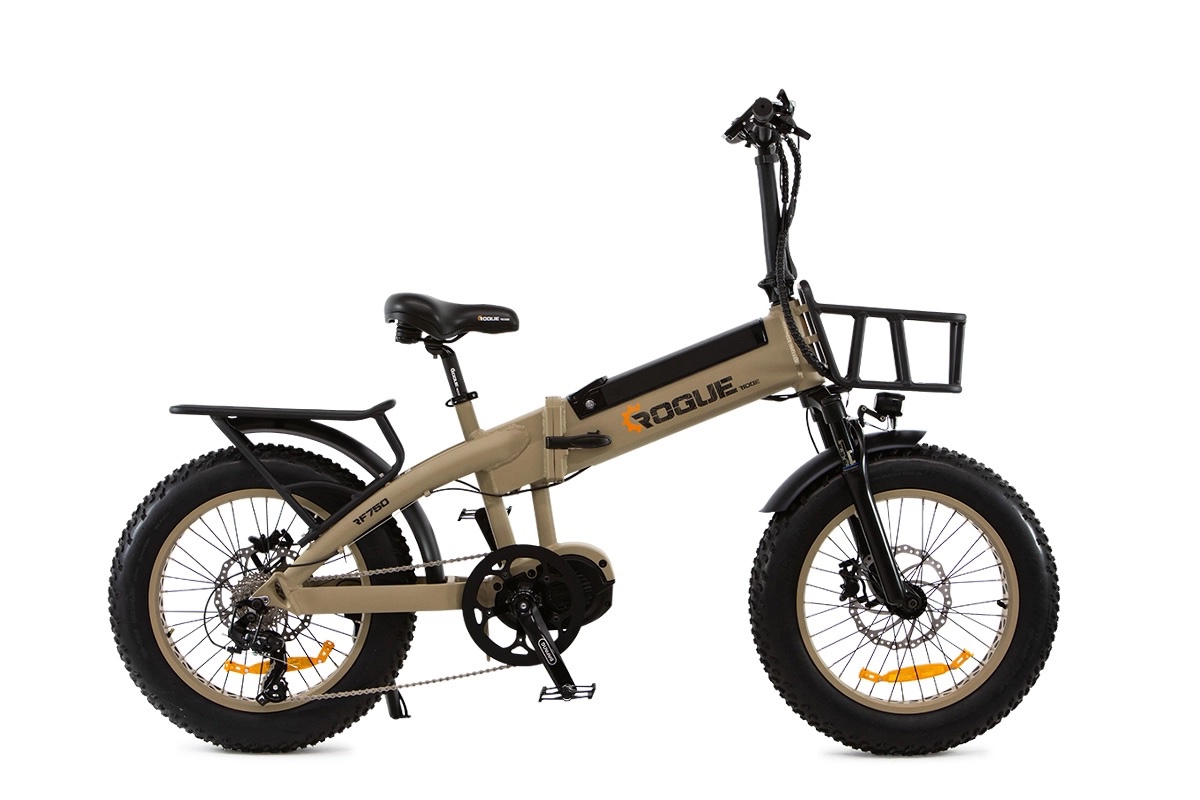
Minden, LA – Rogue Ridge’s RF750 folding fat tire e-bike is the culmination of years of research and development to become the best e-bike on the market at the best value possible.

Equipped with a 750-watt motor and 13 amp hour battery, the RF750 can handle long rides with plenty of power to blast up the steepest hillsides. It can reach up to 20 mph with five different power levels, with a range of up to 35 miles and a charge time of just 2.5 hours.

The RF750’s fat tires easily tackle any terrain from sand and rocks to snow and mud, making it the perfect e-bike for backcountry hunting or adventuring in all conditions. The folding hardtail frame constructed of 6061 aluminum weighs 55 pounds and is load-rated for 300 pounds.

The e-bike offers compact storage when not in use and comes off-road ready with a rear pannier rack, front basket, 48v 2a charger, mud fenders, 80 lux headlight, tire liners, and a 1-year warranty. Available in Mossy Oak Bottomland and four solid colorways, the RF750 is an incredible value at $3,499.99-$3,599.99.


To learn more about the RF750 and browse the full lineup of e-bikes, visit rogueridge.com.

SCUBAPRO Sunday – Navy Seawolves Task Force 116 Vietnam “Rowell’s Rats”

November 20th, 2022

You have heard of the Seawolves if you have ever read any stories about the SEALs or The Brown Water Navy in Vietnam. The Navy Seawolves became the most decorated HELO squadron in the Vietnam war. The Navy Seawolves were stood up overseas, and they were decommissioned overseas.  They were set up to provide air support for Navy units fighting in the Rung Sat Special Zone, to support the SEAL Teams and Boat Units. They provide insertion and extraction platforms, close air support, medevac, and taxis from base to base. They did it all. They used hand me down aircraft from the Army and turned them into Navy Seawolves Helicopters. I love learning about the history of units like this, there will never be a movie about them, but the man that made up the Seawolves are the backbone of the U.S. and our military history.

Retired Army Major General Carl McNair, who commanded the 121st Assault Helicopter Company during the Vietnam War, once recalled a story about Army General Creighton Abrams—commander of all military forces in Vietnam—visiting an airbase for an awards ceremony for Army aviation personnel. Riding as a passenger in a jeep along what passed as a flight line, he noted a young man not wearing a cover and ordered his driver to pull over. Abrams had served under General George S. Patton during World War II, so he was tough. Questioning what he thought was a soldier out of uniform, he received a response that went something like: “Sir, I am not a soldier. I am a sailor and a Seawolf, and in the Navy, we don’t wear covers on the flight line.” Abrams responded, “Very well, carry on,” and proceeded on his way. There is nothing better than a General having no idea who you are.


www.usni.org/magazines/naval-history-magazine/2019/june/i-am-sailor-and-seawolf

video.kpbs.org/video/scramble-the-seawolves-yacuzi