Download yours here.


An updated version of Emissary Development’s paddle shifter for the SureFire X300 weapon light is entering production.
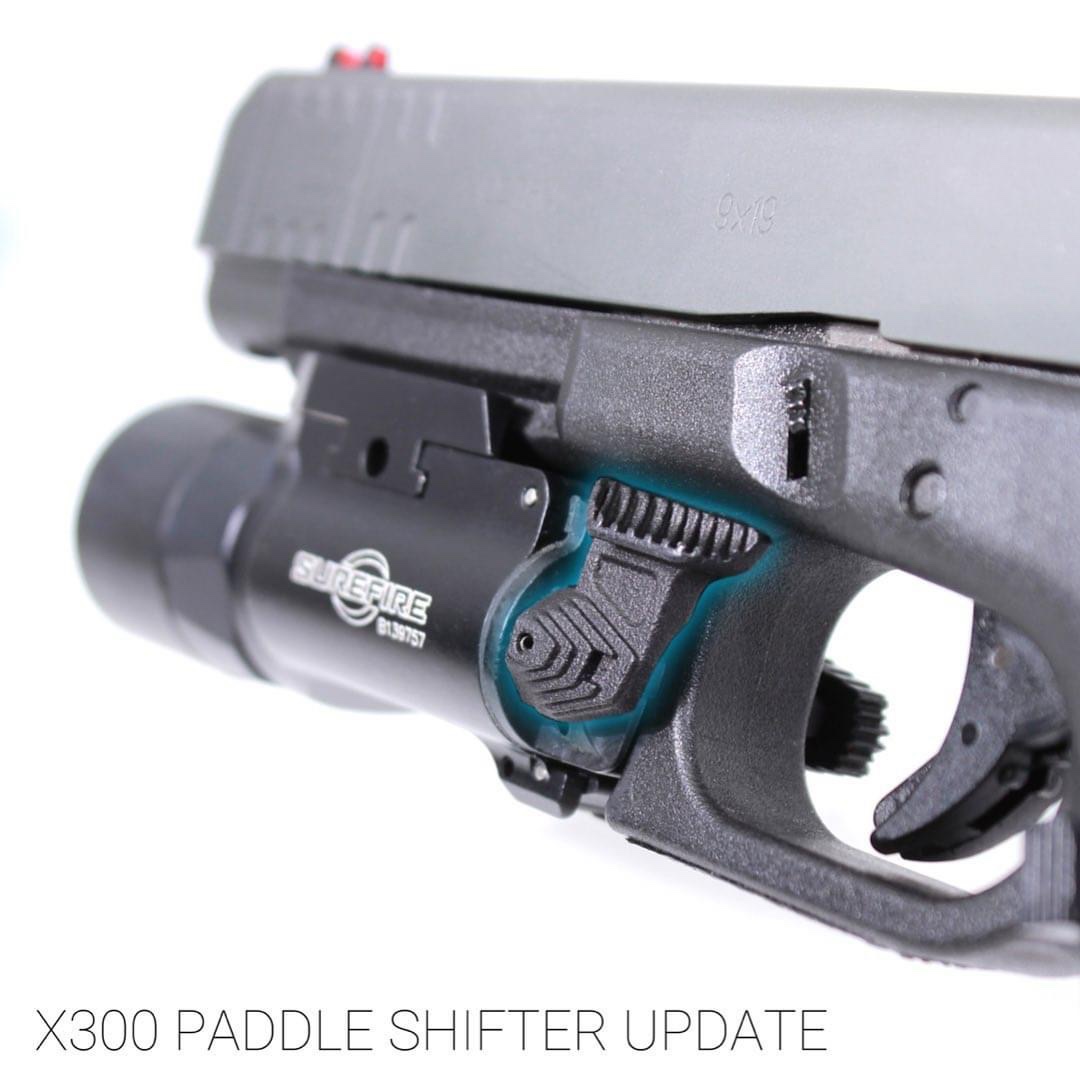
They have added a set screw locking feature that gives the paddle shifter a significantly better hold onto the switch armature. This new feature will also makes install easier.
The armature port has also been opened to also aid in a smoother install. It also allows for better quality control during manufacturing.
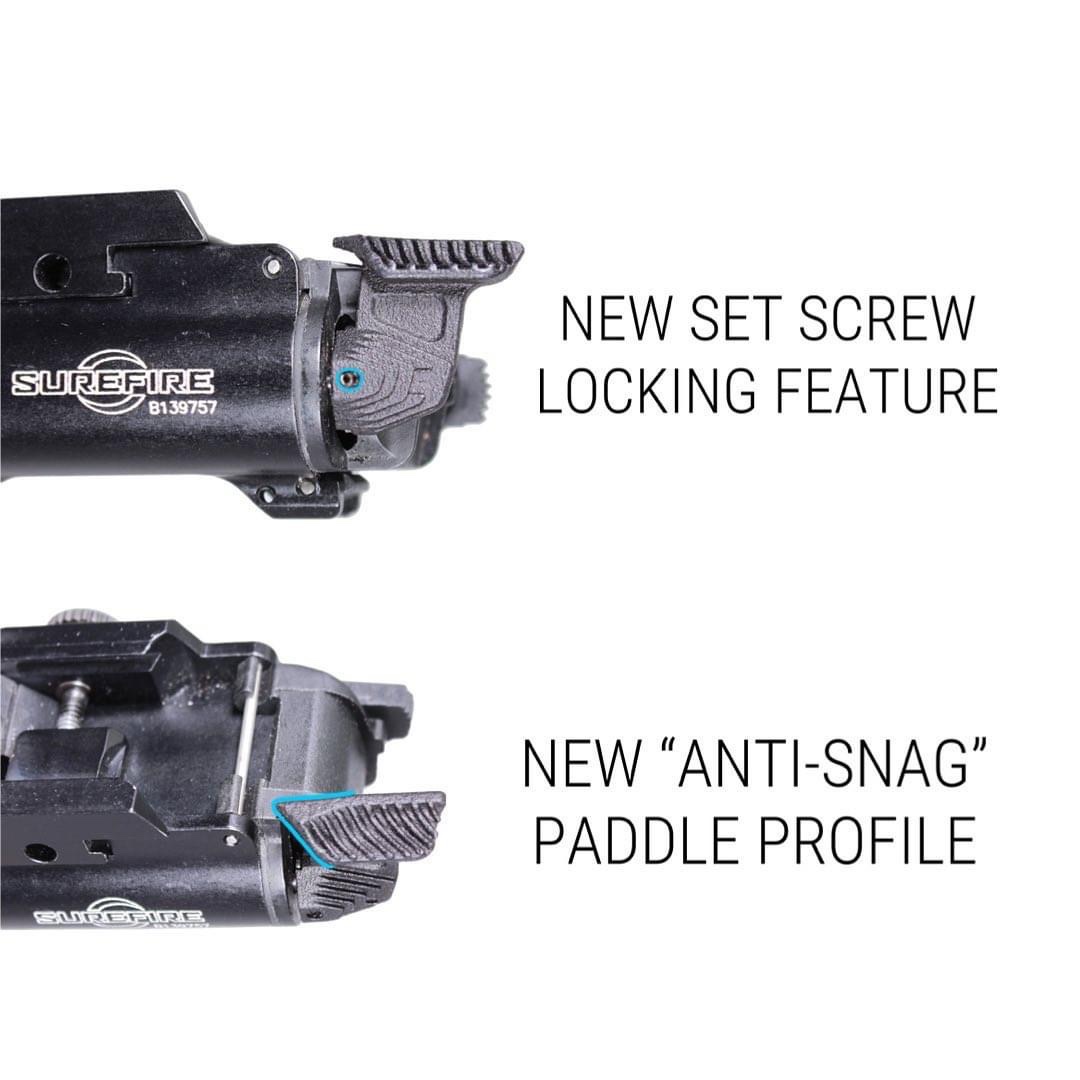
They’ve also updated the paddle profile.
While nearly all holsters are compatible with the older model there were a handful of Safariland holsters that, due to the overhanging material in the holster opening, made it possible to snag the paddle and were therefore not listed as compatible (without modification) on the holster compatibility list. The new profile tucks the edge of the paddle closer to the frame to prevent any snag issues.
They still will recommend modifying the Safariland holsters to prevent any wear or unwanted contact with the paddle, but they believe this new profile adjustment will have a big difference when it comes to preventing snagging as a whole.
Emissary Development wants customers to know that if you’ve had any previous issues with holster compatibility with your older model they are offering to replace them with this new model. Reach out to their support team and they’ll take care of you.
Coming after SHOT Show.
Rheinmetall has signed a contract with the Norwegian Defence Material Agency / NDMA to modernize the Multi Sensor Platform MSP500.
The total value of the order is in the low double-digit million-euro range. The framework contract covers replacement of the old MSP500 system supplied in 2002 as well as the associated simulators with the more powerful MSP600digital sensor system. The installation of the new systems starts in summer 2025.
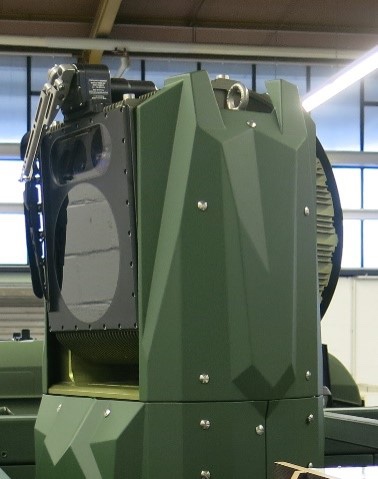
The Multi Sensor Platforms slated for modernization form part of the Norwegian air defence system – the National Advanced Surface-to-Air Missile System, or NASAMS). They are integrated into NASMS batteries. Purged of obsolescent features, the MSP600digital is the performance-enhanced, HD-capable, digital successor of the MSP500 and MSP600 sensor platforms used by various armed forces worldwide.
The MSP600 digital system is based on the MSP600 system, which is in service with many navies, coastguards and other military and civilian users. The four-axis stabilized platform controls an electro-optical sensor package, consisting of a state-of-the-art thermal imager (day/night vision), a high-precision laser rangefinder and a high-resolution HD colour daylight camera.
Introducing the Reptilia® ROF™-90 for Micros in 34mm diameter. The ROF-90 is a drop-in upgrade for the Reptilia AUS™ Mount or Geissele® Super Precision™ 34mm magnified optic mounts.

Originally developed at the request of a user group for a quick transition to a non-magnified optic, the ROF-90 was adds options for close-in target engagement and passive aiming with night vision. The ROF-90 for Micro pattern optics places an optic such as the Aimpoint® T2 or Holosun® Micro pattern optics at 90º (12:00) to add a close-range optic to your magnified scope. Additionally, the Micro pattern optic can be zeroed for use with use with subsonic cartridges such as 300 AAC Blackout, while allocating the magnified optic for use with supersonic ammunition.
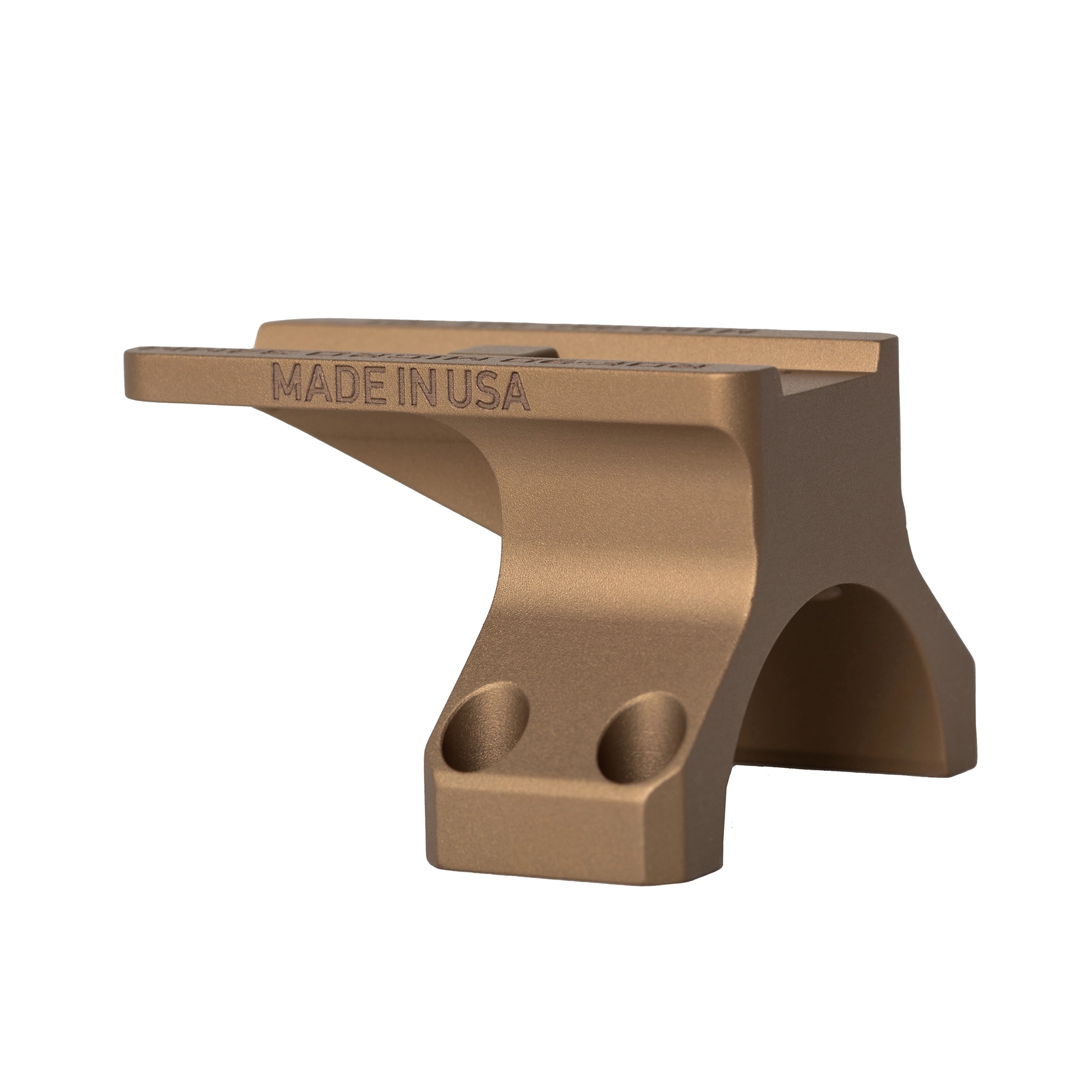
Each ROF model is designed to minimize each optic’s distance from the host scope’s centerline, while ensuring enough clearance that the sight picture isn’t obscured.?? ?? The 34mm ROF-90 for Micros is immediately available in MIL-STD Type III, Class 2, hard anodize, Black and Flat Dark Earth.
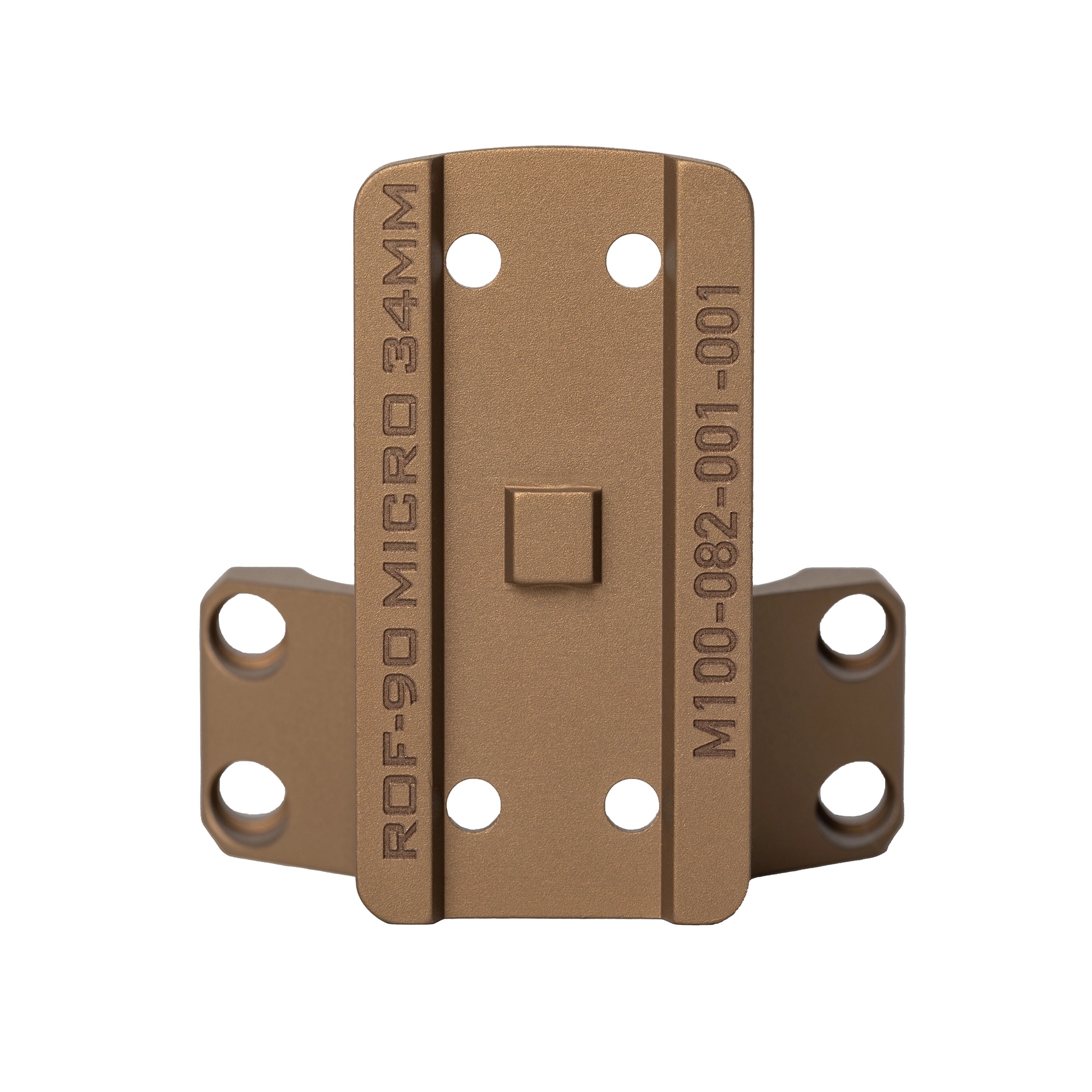
Compatible with:
Aimpoint® – Micro R-1, H-1, H-2, T-1, T-2, CompM5
Sig Sauer® – ROMEO4 , ROMEO5 & ROMEO-MSR
Vortex Optics® – Crossfire®, Spitfire®, Sparc® I & II
Primary Arms® – Classic Series Gen II, SLx Advanced Rotary Knob Microdot, & SLx Compact 1×20 Prism Scope – ACSS-Cyclops
Holosun® Technologies – HS403(not HS403A), HE403, HS503, HE503, HS515, HE515, & HE530.
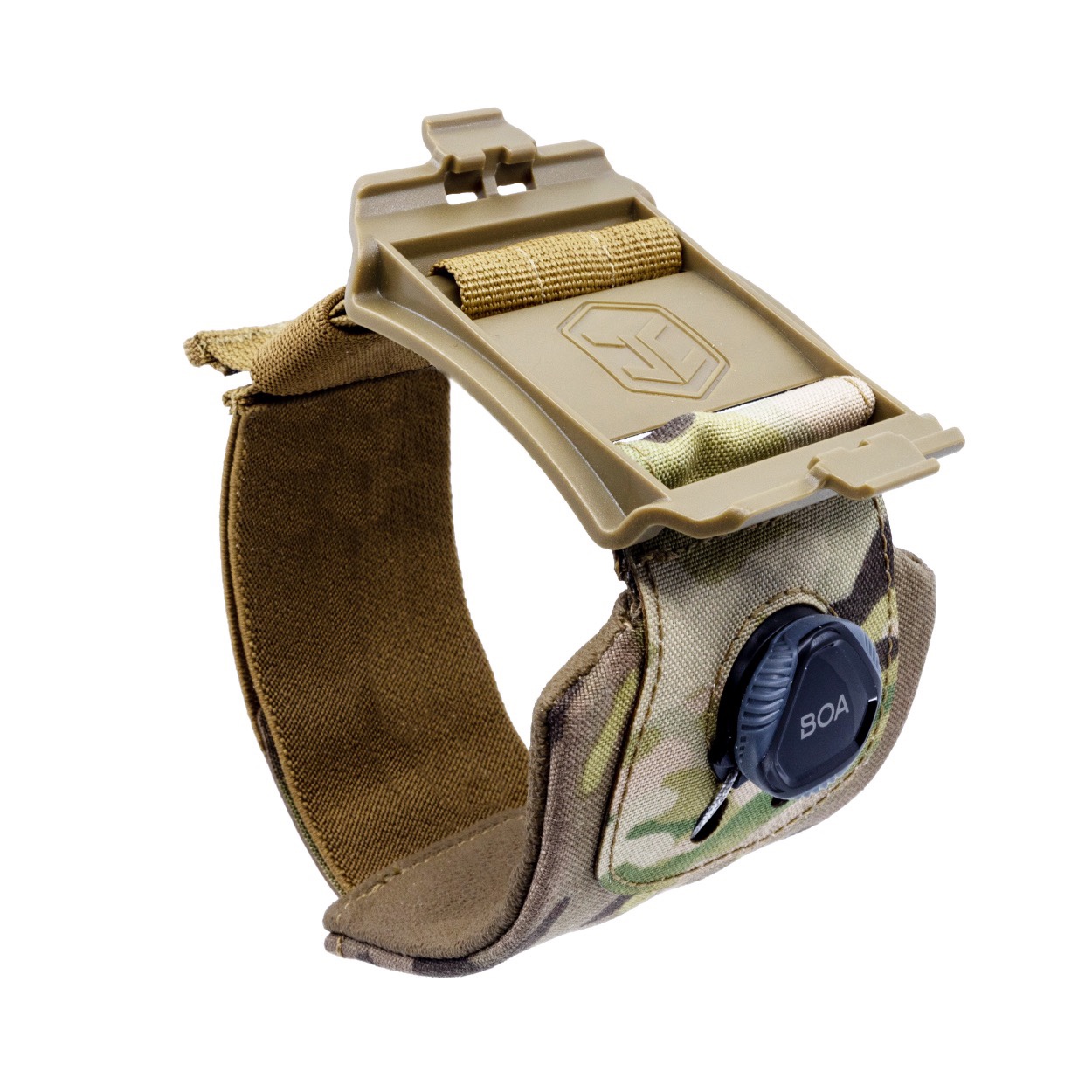
Juggernaut has completely redesigned the Forearm.Mount.
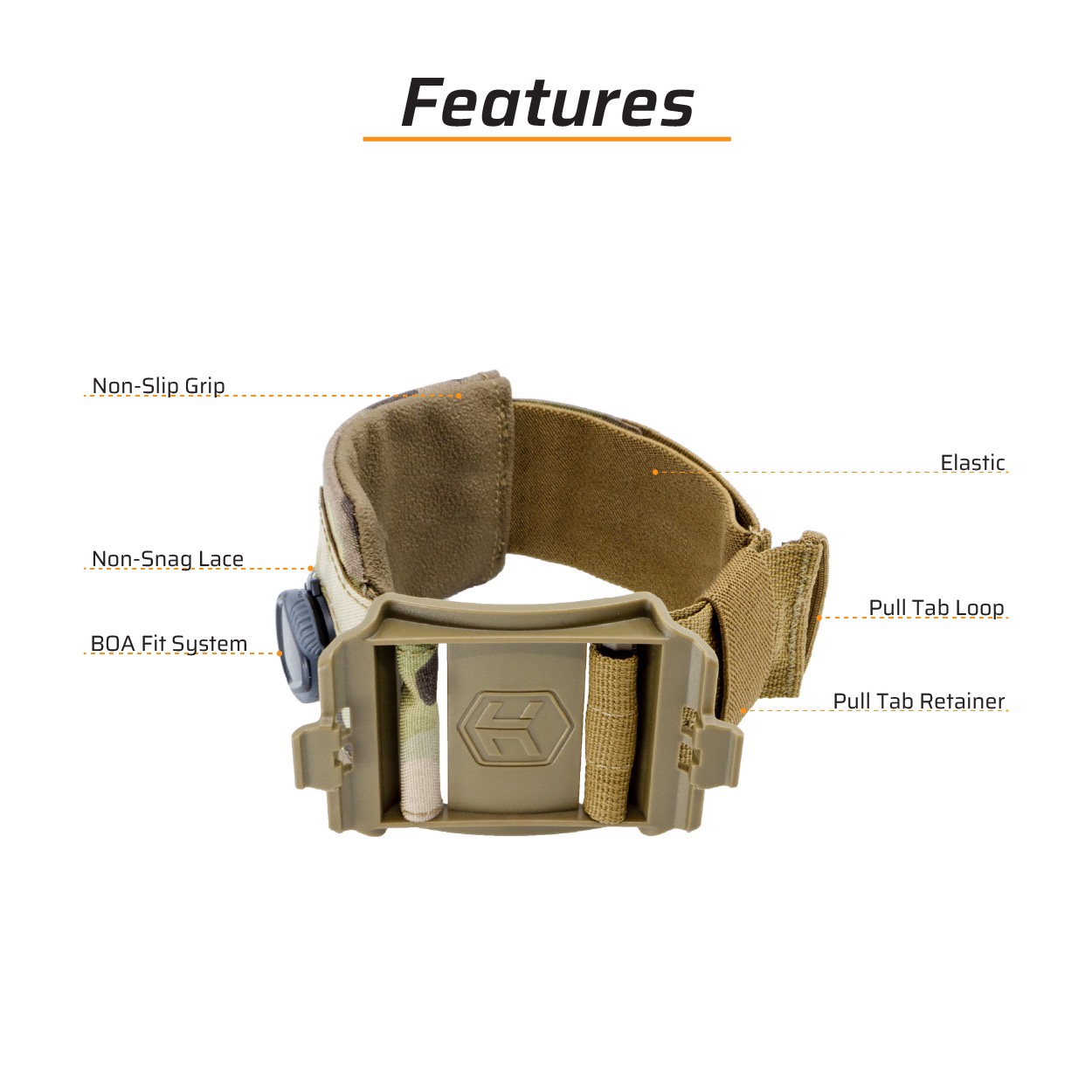
New Features:
-Elastic and laminated Cordura sleeve has dynamic stretch for macro-adjustment
-Continues to utilize the proven Boa Fit System for secure, micro-adjustment
-Now has snag-free tunnel design for routing Boa-Fit System laces
-Fit ranges from forearm to bicep, and bare skin to over heavy winter clothing
-Berry Compliant
juggernautcase.com/products/forearm.mount-for-phone
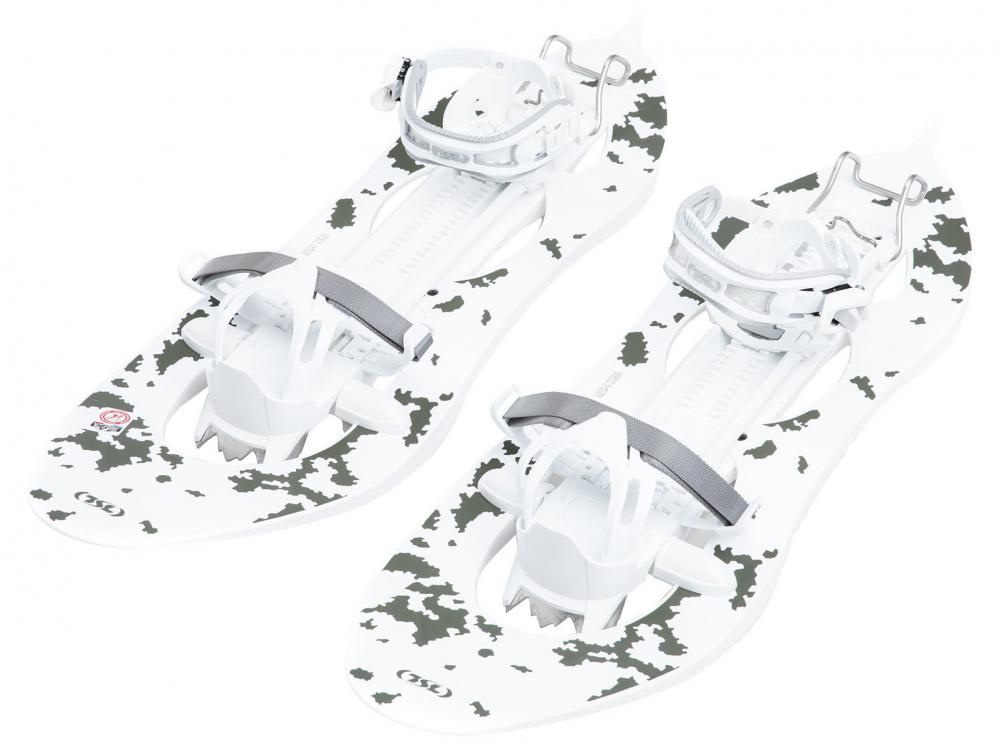
Varusteleka is offering TSL 227 XL Snow Shoes in Finnish M05 Snow camouflage.
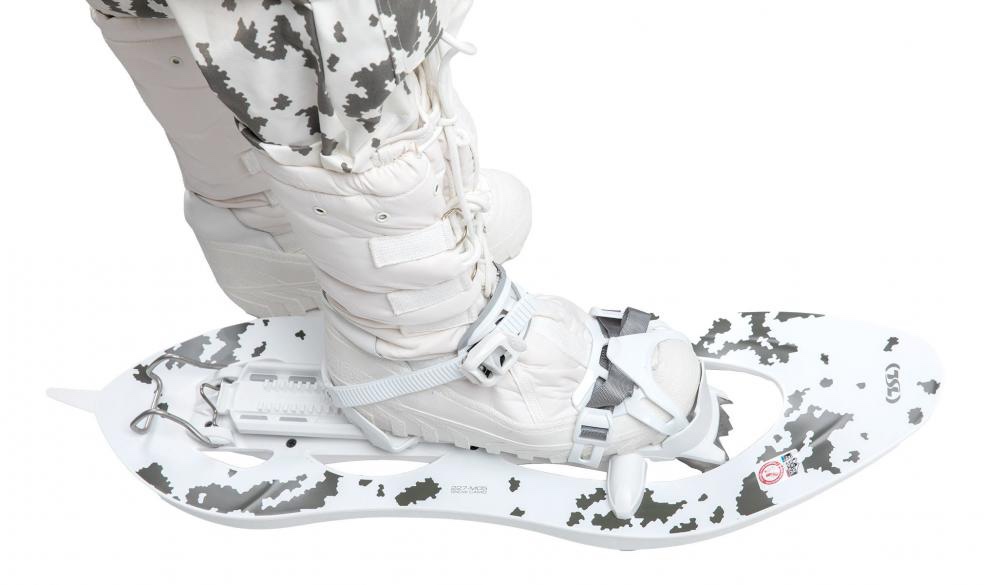
TSL snowshoes are manufactured in the Haute-Savoie region of the French Alps, quite near to Mont Blanc.
www.varusteleka.com/en/product/tsl-227-xl-snow-shoes-m05-snow-camo
Throughout the course of the American Revolutionary War, the British imprisoned a significant number of colonists as prisoners of war. They were held on ships because doing so was more cost-effective than constructing prison of war camps on land.
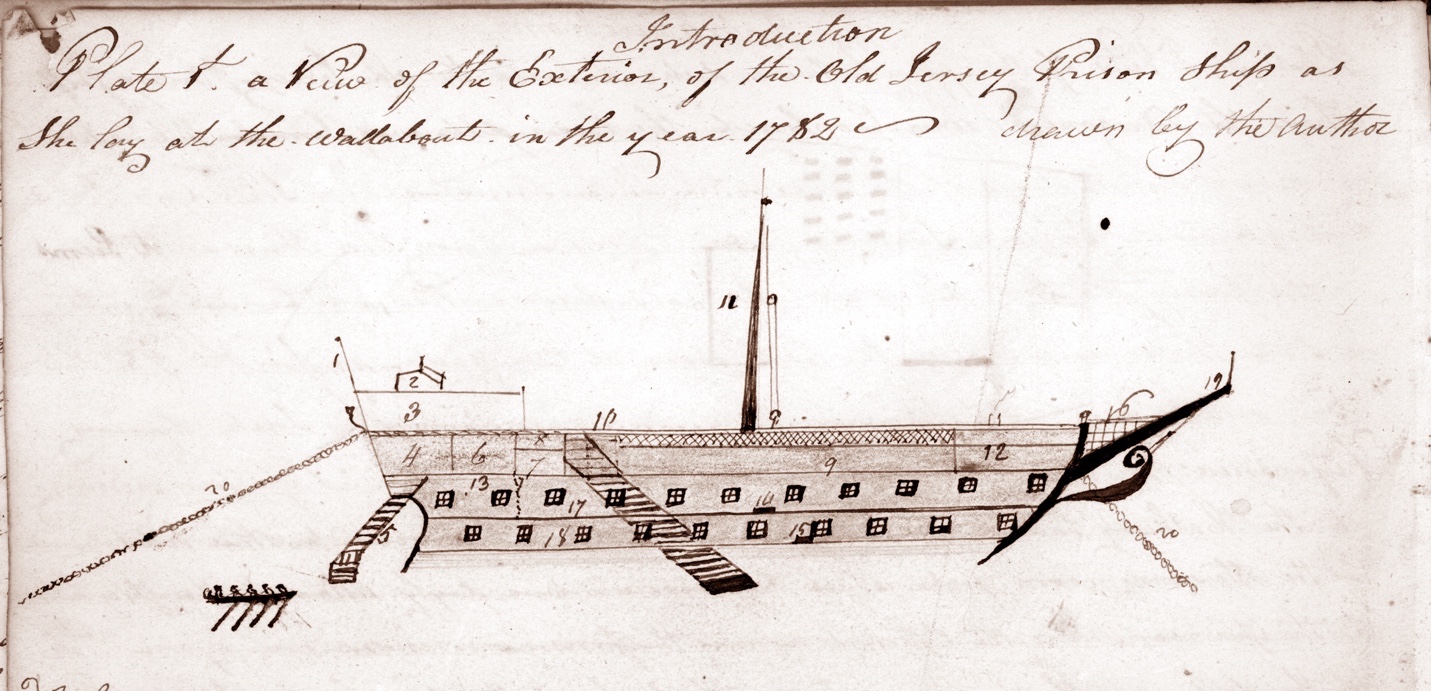
In Wallabout Bay, one ship that fit this description was the HMS Jersey. This port was in close proximity to New York City. The captives were handled in an extremely cruel manner. They were not provided with an adequate amount of food or water. Many of the soldiers perished as a result of diseases such as yellow fever and smallpox. More Americans lost their lives on British prison ships in New York Harbor than in all of the Revolutionary War’s engagements combined. For the majority of the conflict, there were at least 16 of these floating prisons, all of which were known for their filth, bugs, contagious diseases, and terror. They were all anchored in Wallabout Bay on the East River. The Jersey was the most infamous of the miserable ships, although they were all awful.
The British had hundreds of prisoners on their hands after the Battle of Long Island in August 1776 and the subsequent surrender of New York City, and the jails in New York quickly became overcrowded. The British then converted a number of old ships into prison ships when they started taking hundreds of seamen from privateers.
On the HMS Jersey, more than a thousand soldiers were crammed at once. When their British jailers opened the hatches in the morning, their first words to the soldiers below were, “Rebels, turn out your dead!” They died so frequently.
The Department of Defense reports that during the Revolutionary War, 4,435 people died in action. There may have been more deaths on prison ships than the 7,000–8,000 that one historian estimated. Some sources have that number as high as 12, 000 dyeing on the prison ships. Although such number is improbable for a single ship, it is plausible for all of the prison ships taken together and is frequently used.
Elizabeth Burgin was a loyal and brave citizen. We don’t have a lot of information regarding her life. It is well knowledge that she paid as many visits as she could to the captives held aboard the British prison ships. She provided the men food as well as a joyful spirit. An American officer took note of her frequent trips. He intended to provide assistance to a few of the inmates so that they might flee. He requested Elizabeth’s assistance in carrying out his plan. The British authorities did not permit male visitors on board the ships. Elizabeth gave her consent for the inmates to be informed to prepare. They were able to escape the ship with her assistance. The winter of 1779–1780 was one of the coldest on record. Men were able to escape from the ships by walking on the ice that formed when the water in the harbor froze over. During the winter of that year, Elizabeth Burgin was responsible for freeing more than two hundred convicts.
The anger felt by the British was palpable. They were willing to pay a reward of two hundred pounds for information leading to her capture. This sum was greater than what the majority of British troops were paid throughout their whole career of twenty years. Elizabeth was concerned that she might be executed by hanging. As a result of being forced to escape her home, she had to leave the majority of her valuables behind. Elizabeth’s bravery was praised in a letter that General George Washington sent to the Continental Congress. In recognition of her service and sacrifice, the Continental Congress awarded her a pension in the year 1781.
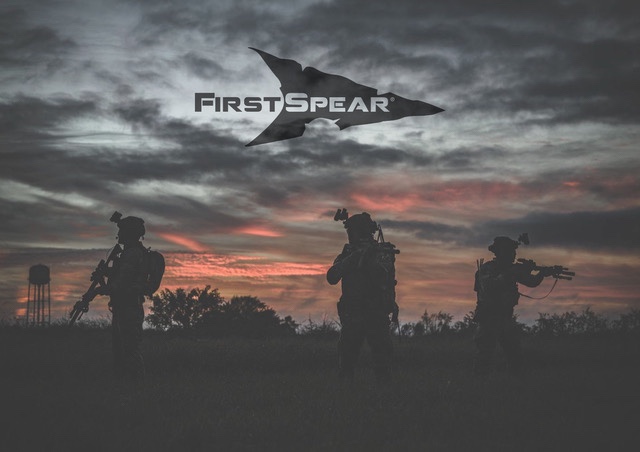
Happy New Year from the FirstSpear team.
As dawn breaks into the new year, remember those working hard at home and abroad so we can celebrate in peace with family and friends.
Visit FirstSpear to find America’s Best tactical gear this New Year.